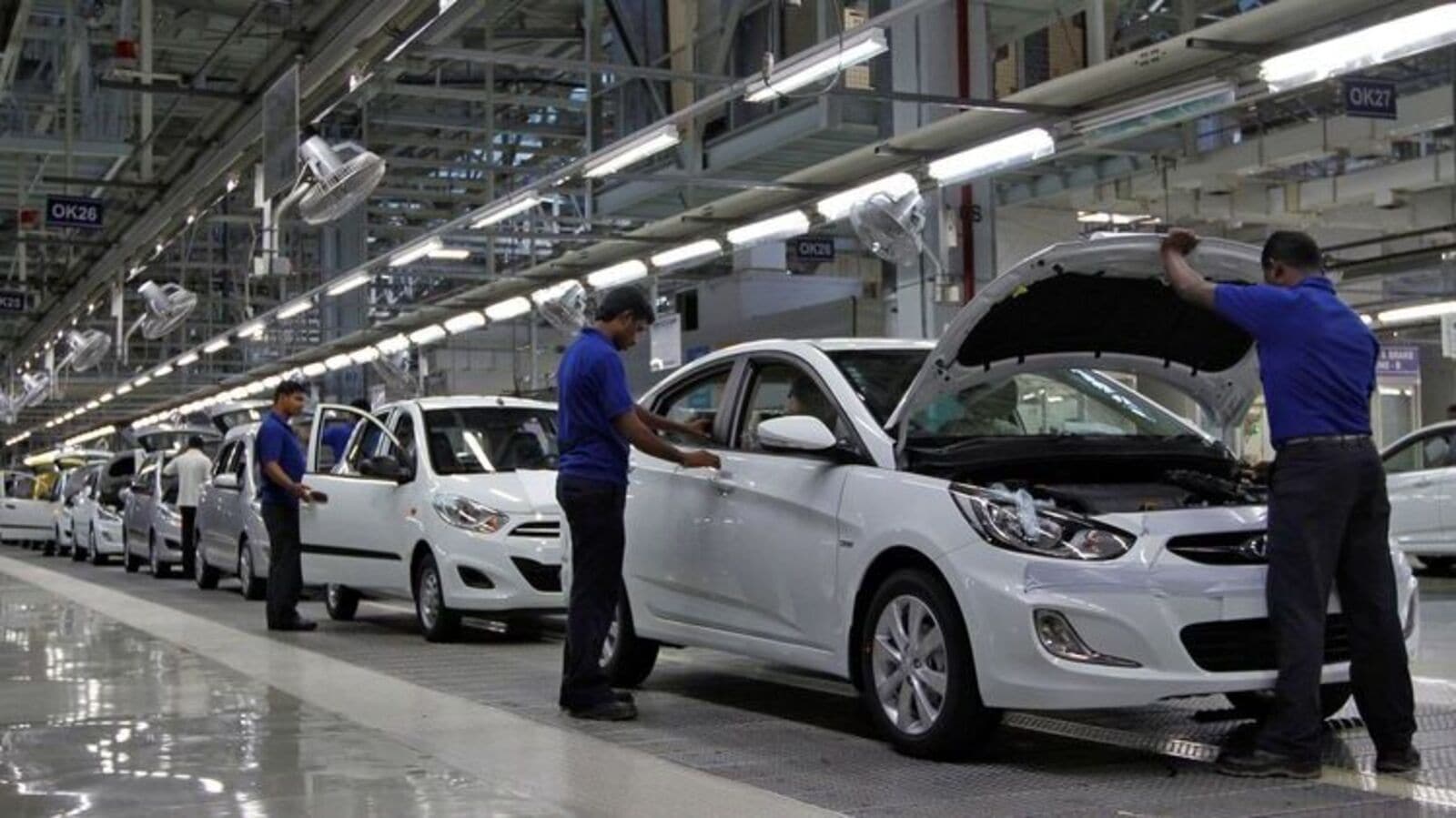
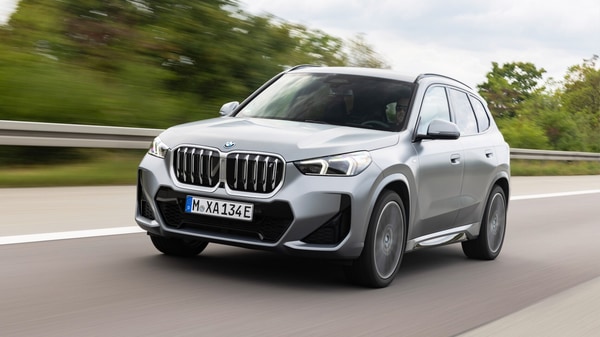
New Delhi. Now the demand for automatic transmission (AT) vehicles is increasing rapidly in the country. Despite expensive prices, people are now choosing automatic cars for more comfortable driving experience and better fuel efficiency. These vehicles, once considered luxury, now account for about 26% of the country's mass-market vehicle sales, whereas in 2020 this figure was only 16%. This information has come out from the data collected by Jato Dynamics. Due to increasing traffic in urban and metro cities, people are now turning towards such cars which can move easily in heavy traffic.
According to this data, one out of every three cars sold in the top 20 cities of the country is now with automatic transmission. However, they cost ₹60,000 to ₹2 lakh more than manual cars. Nevertheless, the increasing demand for automatic cars is closing this gap.
AT option in 83 models The availability of AT options in the market is increasing rapidly. Currently there are 83 models in which the option of automatic transmission is being offered. Major automobile manufacturing companies like Maruti Suzuki, Toyota, Tata Motors, Mahindra & Mahindra, Hyundai and Kia are promoting their AT models.
Honda's success and popularity of CVT Honda Motors, which offers advanced Continuously Variable Transmission (CVT) in its cars, has more than 50% of the company's total sales coming from automatic vehicles. According to Honda, about 60% of the company's cars are sold in CVT variants, because CVT transmission is not limited to only the top variants, but it is also available in the lower variants of all the models.
Honda's line-up includes models like Elevate, City, City e:HEV and Amaze. These automatic transmission cars are not only more fuel efficient, but they offer options ranging from affordable AMT to CVT and high-performance DCT.
Increasing popularity among buyers of every category The popularity of automatic transmission cars is increasing among people of every age and class. The main reasons for this are believed to be increasing urbanization, increasing income of people and increasing trend towards convenient driving. Car manufacturers are expecting this trend to increase further.
still dependent on imports Although demand for automatic transmissions has increased, Indian carmakers are still importing most of the automatic gearboxes. Due to this, the cost of automatic cars increases and by the time they reach the customers, cars with automatic gearbox become expensive. However, companies like Maruti Suzuki and Mahindra have localized AMT production, making automatic cars more accessible in the budget segment.
By: HT Auto Desk , updated on: 05 October 2024, 08:43 am
Here's a quick summary of all the important events that happened in the automobile industry on October 4.
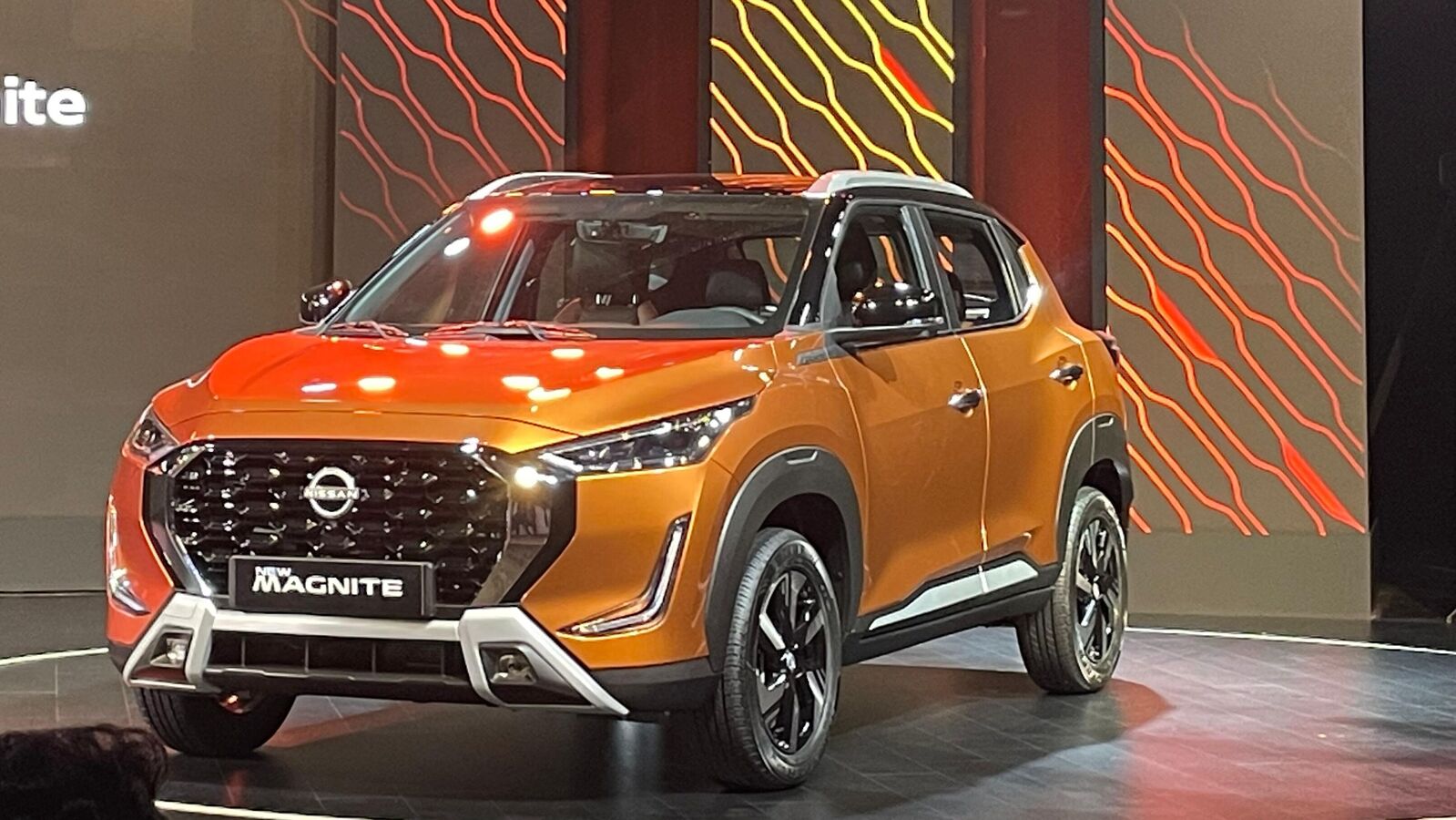
2024 Nissan Magnite launched in India with cosmetic updates and feature additions.
The automotive field works at a fast pace, which can make it challenging to stay informed. However, HT is committed to providing timely updates on important developments within the auto industry. Below is a summary of the highlights from Wednesday, October 4.
The 2024 Nissan Magnite gets a revised front bumper, new grille and updated alloy wheels. The interior includes all-leather treatment and new features. It retains the two petrol engine options and is aimed at boosting Nissan's market presence in India. Prices start at 5.99 lakh ex-showroom.
Tata Motors has re-launched a limited edition CAMO version of the Punch SUV, featuring dual-tone seaweed green exterior and updated features. at cost ₹ 8.45 lakh ex-showroom, it retains the same engine options and offers a five-star safety rating, competing with the Hyundai Xcent and Maruti Suzuki Swift.
(Read more: Tata brings back Punch Camo edition SUV for a limited period. Check out what's new)
Suzuki Motorcycle India launches GSX-8R 9.25 lakh ex-showroom, added to its 800 cc platform lineup. Competing with rivals like the Honda CBR650R, it features a 776 cc engine producing 82 bhp, advanced electronics and attractive styling with unique LED DRLs.
(Read More: Suzuki GSX-8R launched in India 9.25 lakh, will compete with Triumph Daytona 660)
BMW M4 CS launched in India
BMW M4 CS, Price Rs.1.89 crore ex-showroom, enhances track performance with better cooling, stiffer mounts and 542 bhp engine. It accelerates from 0-100 kmph in 3.4 seconds and has lightweight components for better handling.
(Read more: BMW M4 CS launched in India 1.89 crore)
Hyundai is offering discounts in October
Hyundai offers discounts up to Grand i10 Nios and Rs 58,000 Rs 55,000 off on i20 this October. Discounts are available on four models, including SUVs like Exeter and Venue, to boost sales amid a decline in the passenger vehicle segment.
(Read more: Exeter to Venue: Hyundai offers discounts of approx 80,000 on its cars in October)
Get information about upcoming cars in India, electric vehicles, upcoming bikes in India and cutting-edge technology that is changing the automotive landscape.
First publication date: 05 October 2024, 08:43 am IST
By: HT Auto Desk , updated on: September 25, 2024, 08:34 am
Hyundai's IPO is expected to be the biggest IPO ever in India.
Hyundai started its innings in India in 1996 with the Santro.
File photo of the Hyundai logo. Image used for representational purpose. (Reuters)
Hyundai Motor India has received approval from the Securities and Exchange Board of India (SEBI) for a $3 billion initial public offering (IPO) and is all set for a launch in October. All eyes are on what could be India’s biggest IPO ever, possibly surpassing Life India Insurance’s (LIC) $2.7 billion listing in 2022.
Hyundai Motor India had filed a draft red herring prospectus (DRHP) with SEBI in the month of June, targeting a valuation of around $18 billion to $20 billion. “The offer is an offer for sale of up to 142,194,700 equity shares of face value Rs. “The sale of 10 per cent of equity shares by the promoter selling shareholder each will be done and the benefits of listing of equity shares will be received on the stock exchanges. Further, our Company expects that the listing of equity shares will enhance our visibility and brand image and will provide liquidity and public market for equity shares in India,” DHRP said.
According to a Hindustan Times report, Hyundai Motor India is being advised by Citi, HSBC Securities, JP Morgan, Kotak Mahindra Capital and Morgan Stanley. Law firm Shardul Amarchand Mangaldas is the counsel for the company.
A look at the journey of Hyundai India
Hyundai Motor India Limited or HMIL is a wholly owned subsidiary of Hyundai Motor Company of South Korea. HMIL was established in 1996 at a time when only a few companies were present in the Indian car market – Maruti Suzuki, Hindustan, Premier, Tata Motors and Mahindra.
Despite being relatively unknown in a very small market at the time, HMIL gained a strong foothold by setting up a factory in Tamil Nadu and targeting the small car segment, rolling out the Santro, launched in September 1998. The success of this model was such that it established HMIL as the second largest car manufacturer in the country.
Over the years, Hyundai has become the country's largest car exporter and has diversified its portfolio for the domestic market. So even though cars like the Santro, i10 and Xcent are no longer available, the focus is on SUVs.
The company's current portfolio in India ranges from the Grand i10 NIOS, Aura sedan and i20 hatchback to the Alcazar, Tucson and the all-electric Ioniq 5. However, the Hyundai Creta is the company's best-selling model and dominates the mid-size SUV space. First launched in 2015, the Creta has over 1.1 million units on Indian roads.
Find out about upcoming cars in India, electric vehicles, upcoming bikes in India and cutting-edge technology that is changing the automotive landscape.
First Publication Date: September 25, 2024, 08:34 AM IST
By: HT Auto Desk , updated on: Sep 17, 2024, 07:52 am
View the latest and major updates from the Indian and global automotive industry.
View the latest and major updates from the Indian and global automotive industry.
HT Auto provides instant updates on important happenings in the automotive sector in India and around the world. In view of the many recent changes in the automotive industry, below is a brief account of the major developments from Monday, September 16.
Mercedes-Benz EQS 580 4Matic launched 1.41 crore
The Mercedes-Benz EQS 580 4Matic SUV becomes the fourth top-end BEV from the company in India and joins the list of electric vehicles being offered by the company such as the EQS sedan, EQE SUV, EQA, EQB and the recently launched Maybach EQS SUV. After the launch of the Maybach EQS SUV, Mercedes-Benz has launched the EQS SUV in the 580 4Matic form priced at Rs 1,999. ₹ 1.41 crore, ex-showroom. In contrast, the Mercedes Maybach EQS SUV is priced at ₹ 1.41 crore. Its ex-showroom price is Rs 2.25 crore. Interestingly, the company claims to have received more than 50 bookings for the Maybach EQS SUV in a week.
Also Read: Mercedes-Benz EQS 580 4Matic Launched In India Its price is Rs 1.41 crore. Its certified range is 809 km.
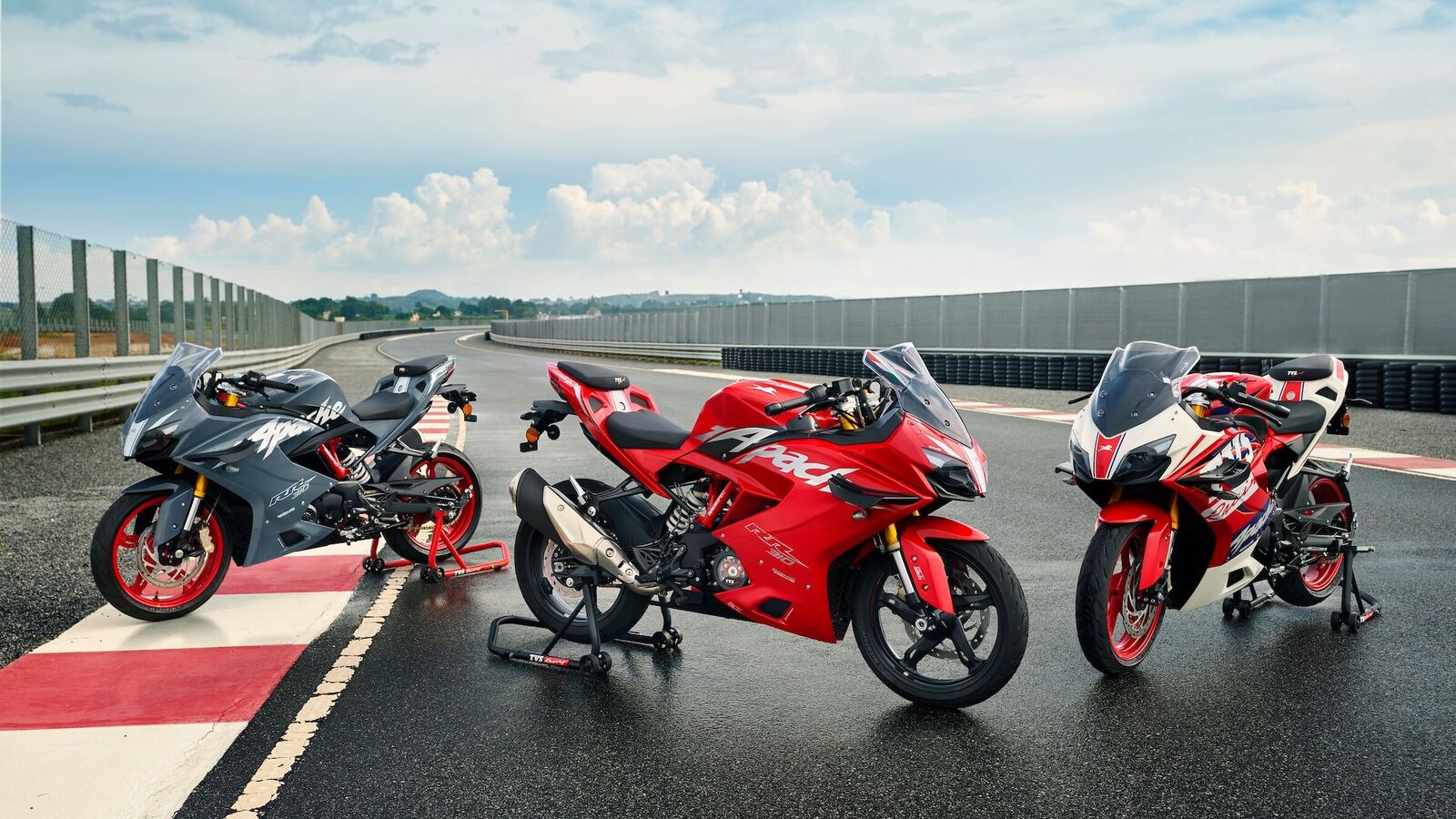
2024 TVS Apache RR 310 Launch 2.75 Lakh
TVS Motor Company has launched the updated Apache RR 310 with several additional features including winglets for the 2024 model year. 2024 TVS Apache RR 310 lineup debuts The price for the Racing Red paint scheme without the quickshifter is Rs 2.75 lakh. However, adding the quickshifter takes the price up to Rs 2.75 lakh. 2.92 lakh for the new Bomber Grey paint scheme Rs 2.97 lakh. All prices are ex-showroom.
Also Read: 2024 TVS Apache RR 310 Launch It is priced at Rs 2.75 lakh and gets MotoGP style winglets.
Honda Elevate Apex Edition launched. 12.86 Lakh
Honda Cars India has introduced a new special edition model for its most popular product Elevate. The Honda Elevate Apex edition is based on the V and VX trim levels and will be available in limited quantities at an additional cost Priced at Rs 15,000, this new special edition brings some exterior and interior cosmetic improvements. The Honda Elevate Apex Edition has a starting price of Rs 15,000. The ex-showroom price ranges from Rs 12.86 lakh to Rs 15.50 lakh for the V MT variant. The VX CVT variant is priced at Rs 15.25 lakh.
Also Read: Honda Elevate Apex Edition Launched Rs 12.86 lakh. Exterior and interior improvements
Hyundai Motor India has launched the Venue Adventure Edition. ₹ 10.15 lakh (ex-showroom) Earlier, the previous-generation Creta and Alcazar got an Adventure Edition. The Hyundai Venue Adventure Edition has three variants – S(O), SX and SX(O).
Find out about upcoming cars in India, electric vehicles, upcoming bikes in India and cutting-edge technology that is changing the automotive landscape.
First Publication Date: Sep 17, 2024, 07:52 AM IST
By: HT Auto Desk , updated on: 04 Sep 2024, 07:39 am
Here is a brief summary of all the important events that happened in the Indian automotive industry on September 3.
Here is a brief summary of all the important events that happened in the Indian automotive industry on September 3. (Bloomberg)
HT Auto is committed to keeping you updated on the major developments happening in the automotive industries in India and around the world. In view of the rapid changes taking place in the automobile and motorcycle sectors, we present a brief but detailed account of the important events taking place from Tuesday, September 3.
Mahindra is offering huge discounts on Thar and XUV400
While Mahindra & Mahindra is preparing to open test drives and official bookings for its Thar Rocks off-roader SUV, the Indian automotive giant is offering huge discounts on two other models of its all-SUV lineup. These two models are the three-door Mahindra Thar and the all-electric Mahindra XUV400, and dealerships are offering different discounts on both these models to clear stock and retain market share. The Mahindra Thar is available at a discount of up to 100%. All variants are priced at Rs 1.50 lakh. The official ex-showroom price of the off-roader ranges between Rs 1.50 lakh and Rs 1.50 lakh. From Rs 11.35 Lakh Rs 17.60 lakh. As Mahindra & Mahindra is preparing to bring the new Thar Rocks to dealerships, they are looking to clear the inventory of the three-door model.
Also read: Mahindra Thar, XUV400 EV will get huge discounts of up to Rs 50,000…
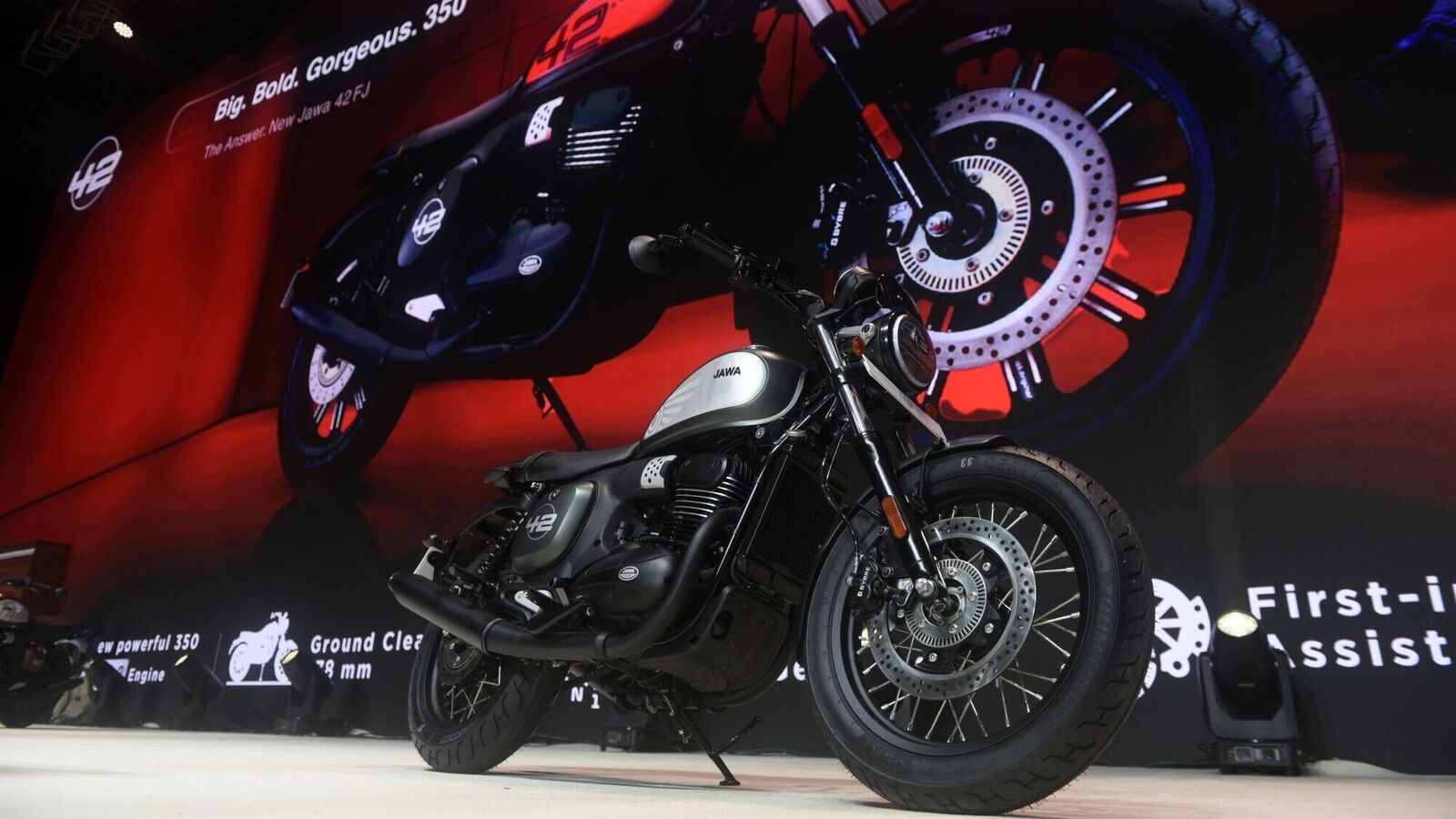
Jawa 42 FJ 350 launched in India
Jawa Yezdi Motorcycles has launched a new version based on the 42 motorcycle. The new Jawa 42 FJ 350 has new styling and a bigger engine, with prices starting at Rs 15,999. It is priced at Rs 1.99 lakh (ex-showroom) and deliveries will begin from October 2. The new 42 FJ 350 differs from the recently updated Jawa 42 in styling and mechanicals, with the former getting a new 334cc motor from the Jawa 350.
Also Read: Jawa 42 FJ 350 launched in India, priced at Rs 12,999 ₹ 1.99 lakh
Hyundai Aura High CNG Launched
(Also read: Hyundai Aura High CNG launched (7.49 Lakh)
Hyundai Motor India Limited has launched the Aura CNG Hi-CNG at a price of Rs 1.5 lakh. 7.49 lakhs ex-showroom. Hyundai will sell the Aura Hi-CNG only in the base 'E' variant. While the Xterra and Grand i10 Nios get dual cylinder technology, the Aura Hi-CNG does not. So far, more than 2 lakh units of the Aura have been sold in the Indian market.
Find out about upcoming cars in India, electric vehicles, upcoming bikes in India and cutting-edge technology that is changing the automotive landscape.
First Publication Date: 04 September 2024, 07:39 AM IST
The rollout of SUVs will begin early next year with the first India-made electric vehicle and at least two gasoline-powered models ready for market from 2026, three sources with knowledge of the company's plans said.
Hyundai's first listing outside South Korea, as well as its strategy to add higher-margin offerings, signal its positive outlook toward the world's third-largest car market, as its presence in China is shrinking and domestic sales are declining.
Also read: Hyundai targets 30 per cent sales growth by 2030, doubles hybrid car lineup
Hyundai's sales in India trail only Maruti Suzuki, though in a fast-changing competitive landscape, homegrown giants Tata Motors and Mahindra & Mahindra have dented its market share with new SUVs that are now the top-selling vehicles, replacing the once-favourite small cars.
This has pulled down Hyundai's Indian market share to 14.6 per cent from 17.5 per cent four years ago, while Tata's share has nearly tripled to 14 per cent in the same period. Toyota, the next-largest foreign rival, has seen its share rise from four per cent to six per cent.
“Hyundai is in a difficult position,” said VG Ramakrishnan, managing partner at consultancy Avantiam. “Its primary focus should be on how to maintain its market share and the only way to do that is by introducing products rapidly.”
Hyundai did not respond to requests for comment on its plans in India.
'Lively Market'
India is the third-largest revenue-generating country for Hyundai after the US and South Korea, and the company has already invested $5 billion in the country, with a commitment to invest another $4 billion over the next decade.
“We are proud to consistently achieve the second largest market share in this vibrant market and will continue to lead Hyundai as a premium brand,” Hyundai Motor Group Executive Chairman Euisun Chung said during his visit to India in April.
Also Read: Kia Carnival Arrives In Delhi, Spotted At Delhi Airport Ahead Of Launch
Hyundai's launch of an India-made electric SUV in 2025 will be followed by the introduction of four more EVs by the end of the decade as it evaluates plans to make the country a regional EV export hub, three sources not authorised to speak to the media said.
Hyundai on Wednesday announced it will launch hybrid cars in India as part of a broader strategy to increase global sales to 30 percent by 2030, boosting its plan to sell higher-priced vehicles in the country to boost margins.
Its share of cars priced at least $18,000 – considered upmarket in India – is set to double to 15 per cent between 2021 and 2023, according to its draft IPO filed in June.
Hyundai, which plans to sell its 17.5 per cent stake in the Indian business to the public, said it will continue its “premiumisation” strategy that has helped it post the highest profit margins among peers in India, but the gains have come at the cost of volumes.
Also Read: Hyundai Creta EV 2025 to be unveiled at India Mobility Expo – Key Facts
Ramakrishnan said the auto maker will have to maintain a good balance between market share and margins after its listing.
“If any of these deteriorates, shareholders may question the company,” he said.
Hyundai's sales in India were at an all-time high last fiscal year, despite its market share declining.
intense competition
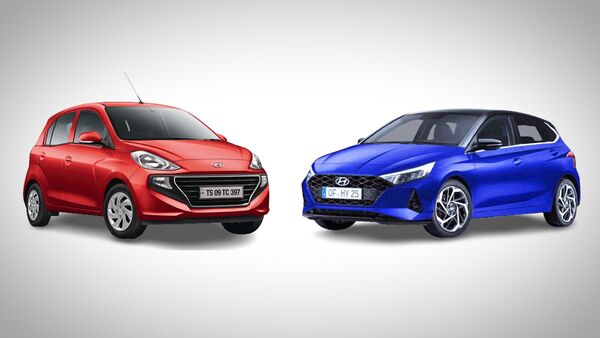
Hyundai Motor had initial success in the Indian market due to affordable hatchbacks like the Santro, while the i10 and i20 models also continue to enjoy similar success.
Hyundai entered India in 1996 and its initial success in the country, which has been a graveyard for automakers such as Ford and General Motors, was due to affordable hatchbacks such as the Santro, which has now been discontinued.
As customer preferences changed, Hyundai launched its first locally produced SUV in 2015. The mid-sized Creta, priced between $13,000 and $24,000, was an instant success and became Hyundai's biggest grossing car.
Hyundai's 13-car portfolio now has eight SUVs, but its share of India's total 25 lakh SUV sales last fiscal declined to 19 per cent from 24 per cent three years ago, IPO documents show.
Also read: From Creta EV to Harrier EV, these are the expected EVs to launch before March 2025
Of the two new gasoline-powered SUVs that Hyundai is planning for India, the first will be based on the Bayon crossover currently sold in global markets and will compete with Maruti's Frontx crossover and Tata's Nexon SUV, three sources said.
The second car will be bigger than the Hyundai Creta SUV and will compete with the Mahindra XUV700.
These two SUVs are expected to boost Hyundai's sales by around 120,000 units annually, a source said. Industry data shows the carmaker sold 615,000 cars in India, of which 63 per cent were SUVs and the rest hatchbacks and sedans. The company exported 163,000 vehicles in the last fiscal.
However, Hyundai's rivals aren't standing still.
Tata, India's top-selling EV maker with a market share of over 75 per cent, has said it plans to launch five EVs in the next three to four years, taking its total to 10.
Mahindra has said it will launch seven electric SUVs and six new gasoline-powered SUVs by the end of the decade. Market leader Maruti is doubling down on SUVs and hybrids and plans to launch six EVs by 2031.
“What has taken Hyundai this far will not necessarily take it into the future. Competition is even more intense,” said an Indian supplier of Hyundai.
Find out about upcoming cars in India, electric vehicles, upcoming bikes in India and cutting-edge technology that is changing the automotive landscape.
By: HT Auto Desk , updated on: 29 August 2024, 20:12 PM
The Hyundai Creta EV is one of the most awaited electric cars in India and is expected to debut at the 2025 India Mobility Expo in January next year.
,
The Hyundai Creta EV is one of the most awaited electric cars in India and is expected to debut at the 2025 India Mobility Expo in January next year.
The Hyundai Creta EV is one of the most awaited electric cars in India and is expected to debut at the 2025 India Mobility Expo in January next year.
The Hyundai Creta EV is one of the most awaited electric cars in India, and is expected to make its debut at the India Mobility Expo in January next year. Hyundai has already introduced the Kona Electric and Ioniq 5 electric cars in India. However, the Kona Electric could not achieve the desired sales numbers, while the Ioniq 5, being a premium offering, also did not bring in much numbers for the automaker. In this situation, the Hyundai Creta EV could be a crowd puller for the South Korean auto major.
The Hyundai Creta has been one of the most successful SUVs ever since it was launched in India. The automaker aims to capitalise on this successful SUV by bringing the electric Creta. Since the automaker is currently working on the Creta EV, here are some key details of the upcoming electric SUV.
Also read: Maruti EVX to Hyundai Creta EV: Five Tata Curve EV rivals you should wait for
Hyundai Creta EV: Design and platform
The Hyundai Creta EV will be built on a modified version of the K2 architecture. Interestingly, the current ICE-powered Hyundai Creta is based on the K2 platform. Taking inspiration from the design philosophy of the Hyundai Kona Electric, it can be expected that the upcoming Hyundai Creta EV will share a wide range of design elements with its ICE sibling. However, it will also have a fair number of distinctive styling bits.
Also Read: Upcoming Cars in India in 2024
The Hyundai Creta EV will ditch the traditional front radiator grille in favour of a closed panel. There will be aero-alloy wheels to enhance aerodynamic efficiency, which plays a key role in ensuring optimum range for electric vehicles. Expect some distinctive EV-specific styling themes as well.
Watch: Hyundai Creta facelift review: Big step up for the SUV king
Hyundai Creta EV: Interior and Features
Given that Hyundai will position the Creta EV as an upmarket offering, the electric SUV will come with an interior that will carry the same vibe as the current ICE-propelled Creta. However, just like the exterior, it will have EV-specific styling features. The Hyundai Creta EV is expected to get a dual-screen setup combining a touchscreen infotainment system and instrument cluster. Other features will include a 360-degree surround view camera and a Level 2 ADAS suite.
Hyundai Creta EV: Powertrain
There is very little information about the powertrain and specifications of the upcoming Hyundai Creta EV at the moment. However, it is expected that the upcoming Creta EV will be available in two different battery pack options. Also, it will offer a range of up to 500 km on a single charge.
Launched in early August 2024, the Tata Curve EV is available with two battery pack options – a 45 kWh unit and a 55 kWh unit, promising a range of 502 km and 585 km, respectively. The Hyundai Creta EV is also expected to match these figures.
Take a look at the upcoming EV cars in India.
First Publication Date: 29 August 2024, 12:27 PM IST
By: Paarth Khatri | Updated on: 15 May 2024, 10:04 AM
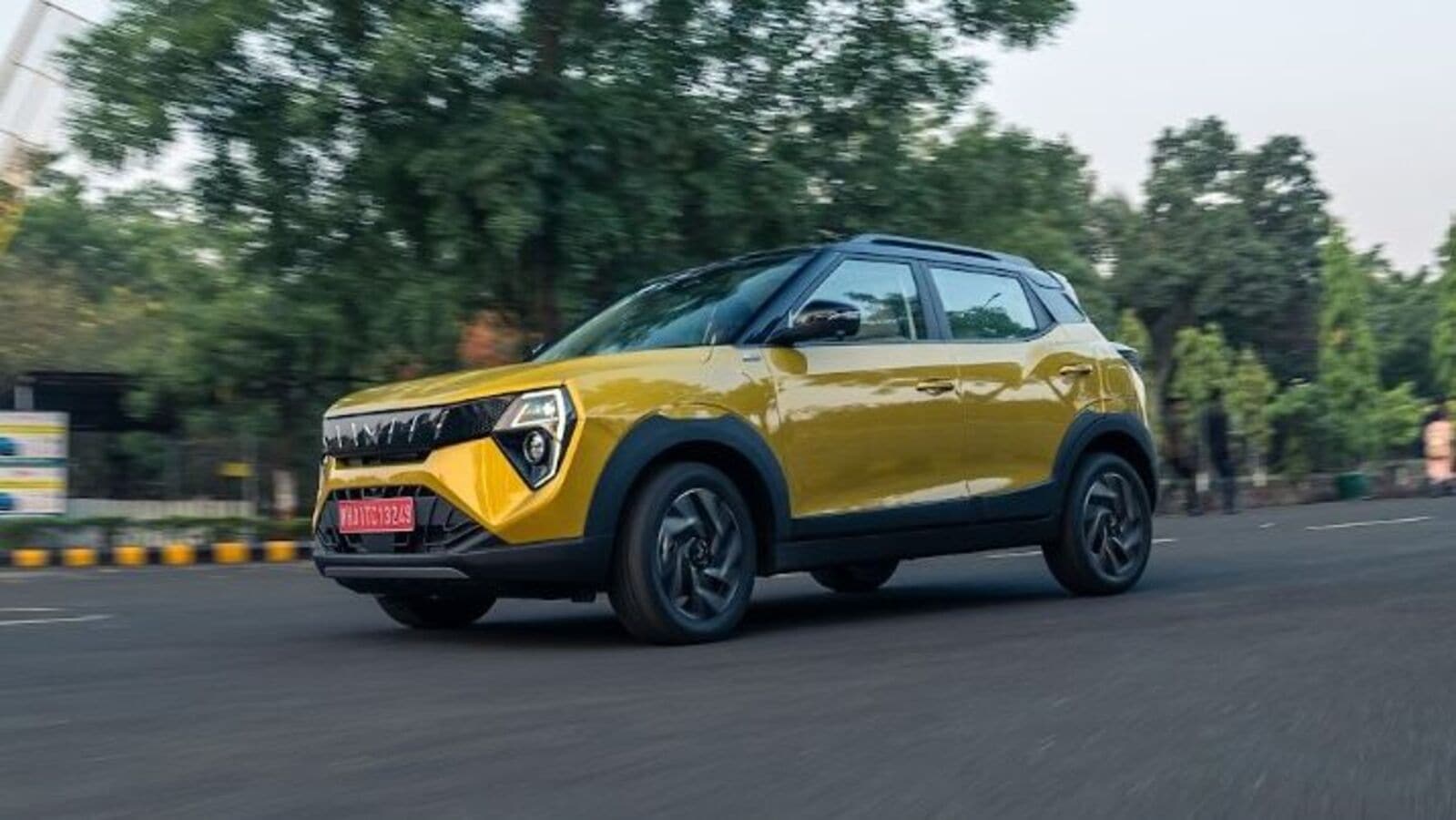
Mahindra XUV 3XO is offered with three engine options and nine variants.
The Mahindra XUV 3XO comes with a new 6-speed automatic transmission.
Mahindra recently launched the XUV 3XO in the Indian market. It is essentially a heavily updated version of the XUV300. Now, the brand has opened bookings for the XUV 3XO online on the website and at authorised dealerships as well. Mahindra has also announced that they will be commencing deliveries of the sub-compact SUV from 26th May. Having said that, interested customers can already check out the XUV 3X0 at the nearby dealerships.
The XUV 3X0 will be offered with three engine options. There is a 1.2-litre turbo petrol engine, a 1.2-litre petrol engine with direct-injection and a 1.5-litre diesel engine. The direct-injection petrol engine puts out 128 bhp of max power and a peak torque output of 230 Nm. The turbo petrol produces 108 bhp and 200 Nm whereas the diesel engine puts out 115 bhp and 300 Nm.
As standard, all engines come mated to a 6-speed manual gearbox whereas the diesel engine also gets a 6-speed AMT. What’s new for the 3XO is the 6-speed torque converter automatic transmission that is now available on both petrol engines.
Mahindra is offering the XUV 3XO in nine variants. The prices start at ₹7.49 lakh and go up to ₹15.49 lakh. Both prices are ex-showroom. The main rivals of the XUV 3XO are the Kia Sonet, Tata Nexon, Maruti SuzukiBrezza, Hyundai Venue and the upcoming compact SUV from Skoda.
Watch: Mahindra XUV 3XO review: XUV300 reborn with more zeal and style? | Check – Price, Interior, Colours
Some of the highlights of the XUV 3XO are the panoramic sunroof which is the largest in the segment, there is a 360-degree parking camera, dual-zone climate control and auto hold with an electronic parking brake. Then there is the addition of Level 2 ADAS. The hardware is shared with the XUV700. Moreover, there are also three steering modes – Comfort, Normal and Sport.
By: HT Auto Desk | Updated on: 11 Apr 2024, 13:31 PM
Toyota Urban Cruiser Taisor is essentially a rebadged iteration of the Maruti Suzuki Fronx. This crossover comes as the latest product under the Suzuk
…
Toyota Urban Cruiser Taisor is essentially a rebadged iteration of the Maruti Suzuki Fronx. This crossover comes as the latest product under the Suzuki-Toyota global agreement for model and technology sharing.
Toyota Urban Cruiser Taisor is essentially a rebadged iteration of the Maruti Suzuki Fronx. This crossover comes as the latest product under the Suzuki-Toyota global agreement for model and technology sharing.
Toyota Urban Cruiser Taisor has been launched as the latest entrant in the Indian passenger vehicle market’s compact segment. It is basically a rebadged version of the Maruti Suzuki Fronx, which was launched last year as a crossover based on the Maruti Suzuki Baleno premium hatchback. Toyota and Maruti Suzuki both have already launched multiple cars in India, which come under the Suzuki-Toyota global agreement for model and technology sharing. The Taisor comes as the latest addition to the list.
The Toyota Urban Cruiser Taisor has been launched in a segment that has been witnessing fierce competition from multiple OEMs. The compact SUV and crossover segment has been witnessing ever-increasing demand, fuelling the OEMs to introduce a range of products in this space. Taisor comes as part of that wave. The crossover competes with rivals such as Tata Nexon, Kia Sonet, Hyundai Venue etc.
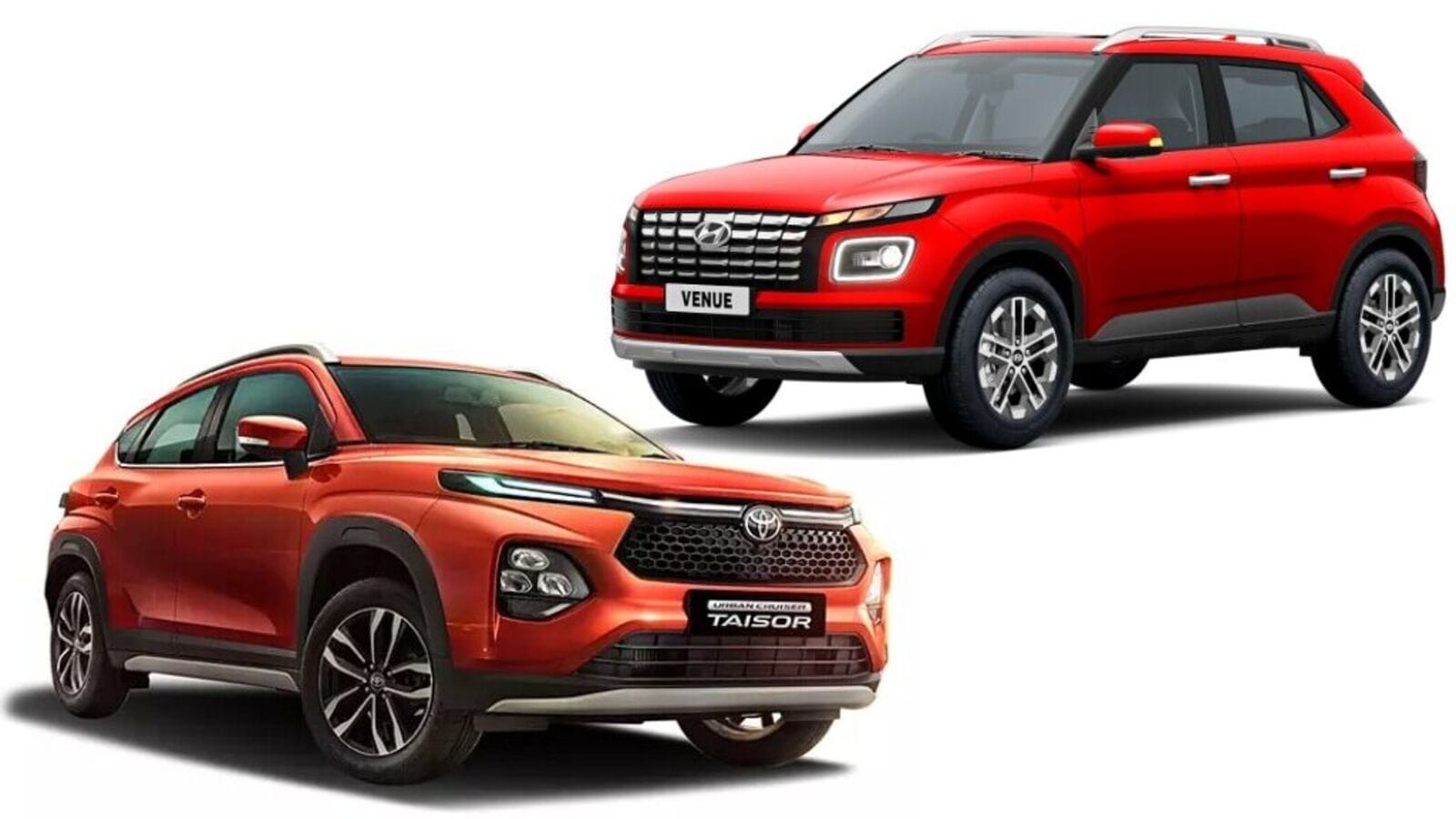
Here is a price and specification-based comparison between the Toyota Urban Cruiser Taisor and Hyundai Venue.
Toyota Urban Cruiser Taisor vs Hyundai Venue: Price
Toyota Urban Cruiser Taisor is priced between ₹7.73 lakh and ₹13.03 lakh (ex-showroom). On the other hand, the Hyundai Venue comes priced between ₹7.94 lakh and ₹13.48 lakh (ex-showroom).
Toyota Urban Cruiser Taisor vs Hyundai Venue: Specifications
The newly launched Toyota Urban Cruiser Taisor crossover comes available in two different petrol engine options. There is a 1.2-litre petrol engine and a 1.0-litre turbocharged petrol motor. The 1.2-litre naturally aspirated petrol engine is available with a CNG combination as well. The 1.2-litre petrol engine churns out 88.5 bhp peak power and 113 Nm maximum torque in petrol-only mode, while in CNG mode, it offers 76.44 bhp power and 98.5 Nm torque. The 1.0-litre turbocharged petrol engine generates 98.6 bhp power and 147.6 Nm torque. Transmission options for the crossover include a five-speed manual unit, a five-speed AMT and a six-speed automatic gearbox.
Watch: 2022 Hyundai Venue facelift SUV: First Drive Review
Hyundai Venue is available in both petrol and diesel options. The Venue gets a 1.2-litre petrol engine and a 1.0-litre turbocharged petrol engine, while there is a 1.5-litre diesel motor on offer as well. The naturally aspirated 1.2-litre petrol engine is available with a five-speed manual transmission and generates 82 bhp peak power and 113.8 Nm torque. The turbocharged petrol motor is available with a six-speed manual gearbox, while there is a seven-speed DCT option as well. This engine churns out 118 bhp peak power and 172 Nm torque. The diesel motor on the other hand is available with a six-speed manual gearbox and pumps out 114 bhp peak power and 250 Nm of torque.
While the 024 Hyundai Creta was launched in January, the compact SUV recently saw a price hike in the Indian market as the introductory price ended.
The all-new 2024 Creta is offered with three engine options.
Hyundai Motor India Limited has announced that its 2024 Creta has exceeded one lakh bookings, marking a significant milestone. The Creta SUV, Hyundai’s first launch of 2024, is priced between ₹13.41 lakh and ₹24.49 lakh (ex-showroom). Additionally, the manufacturer disclosed that variants with sunroof and connected car features account for 71% and 52% of total bookings, respectively.
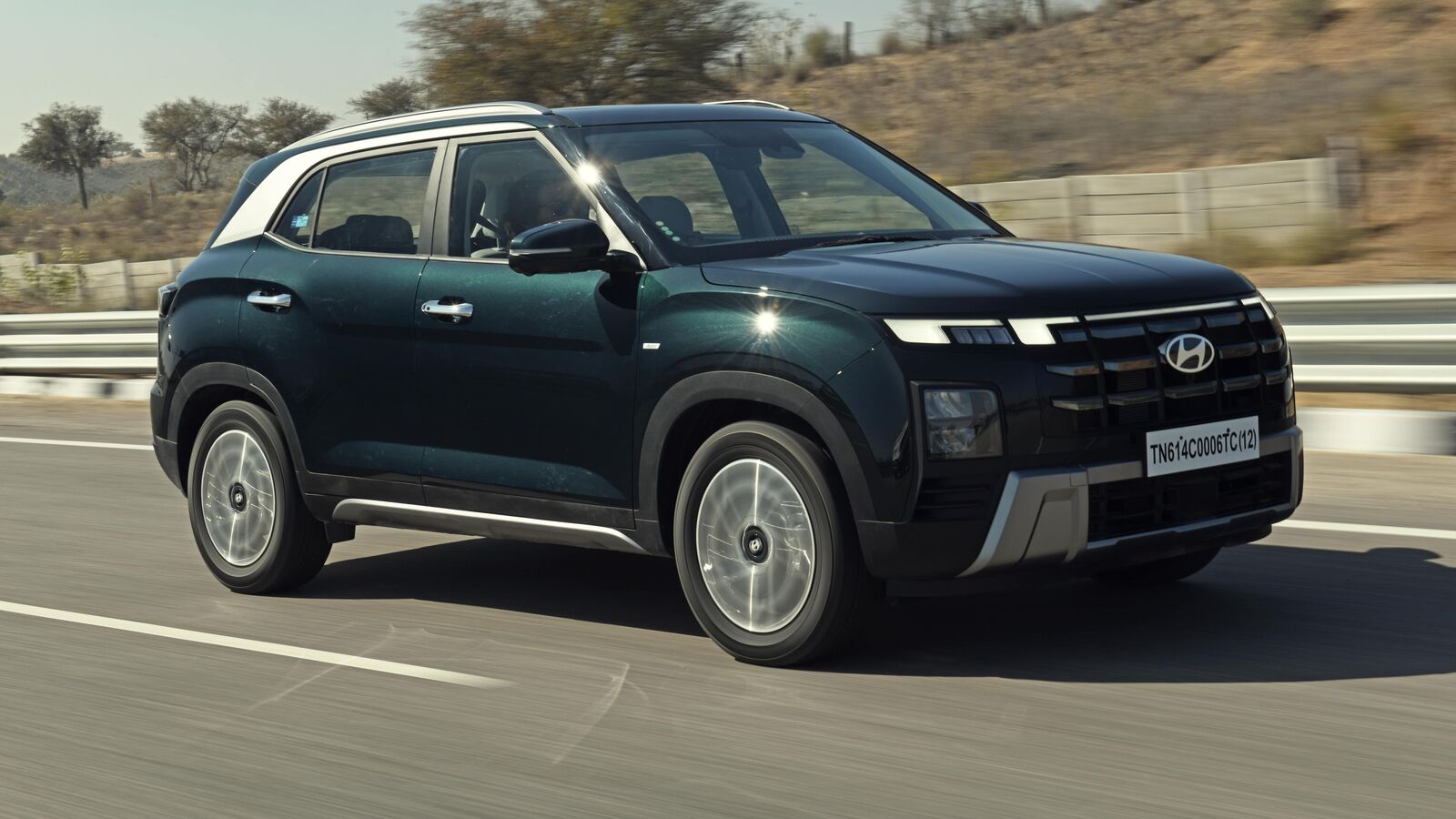
The 2024 HyundaiCreta is available with three engine options. All three have a capacity of 1.5 litres. There is a naturally aspirated petrol engine, a turbocharged petrol engine and a diesel engine. In terms of transmission choices, the updated Creta comes with a six-speed manual, IVT (Intelligent Variable Transmission), seven-speed DCT (Dual Clutch Transmission) and six-speed torque converter automatic transmission.
Hyundai offers the Creta in seven variants. There is E, EX, S, S(O), SX, SX Tech and SX(O). Hyundai has also introduced the N Line version of the Creta which is being sold only in two variants – N8 and N10.
Watch: Hyundai Creta facelift review: Major step-up for the SUV king
The Creta has been a very popular model in India. Based on Hyundai’s Global Design Language of ‘Sensuous Sportiness’, the 2024 Creta was revised with several design updates.
Commenting on the milestone, Mr. Tarun Garg, COO, Hyundai Motor India Ltd., said, “The response to the recently launched new Hyundai CRETA has also been overwhelming with over 1 lakh bookings in a span of just 3 months since the launch in January’24. It is interesting to note that sunroof and connected car variants are contributing 71 per cent and 52 per cent respectively to the overall bookings, a testimony to the changing aspirations of young Indian customers. With new Hyundai CRETA, we have continued our pursuit of introducing exceptional products for the Indian market while strengthening Hyundai Motor India’s commitment towards ‘Make in India’. Brand CRETA has always created new benchmarks and now with the new Hyundai CRETA we have challenged the status quo by having a female brand ambassador for an SUV in India, a first in the industry. We sincerely thank all our customers for their love and trust in the new Hyundai CRETA and we are confident that we shall continue to establish new milestones and benchmarks in the industry.”
By: HT Auto Desk | Updated on: 02 Apr 2024, 07:01 AM
Rapid surges in SUV sales have propelled the growth in rural market sales for all the carmakers in India, while demand for small cars has slumped sign
…
Rapid surges in SUV sales have propelled the growth in rural market sales for all the carmakers in India, while demand for small cars has slumped significantly.
Rapid surges in SUV sales have propelled the growth in rural market sales for all the carmakers in India, while demand for small cars has slumped significantly.
Rural India emerged as the driving force behind the record-breaking sales of passenger vehicle sales in FY24. After registering 41.2 lakh passenger vehicles in the CY23, now the Indian auto industry has sold 40 lakh PVs for the first time in a financial year in FY2024, reported Mint. Interestingly, this growth came despite the sliding numbers of hatchbacks, which conventionally remained the driving force behind the Indian passenger vehicle market as well as the rural PV sales.
The report has stated that in FY24, the Indian passenger vehicle market registered a total of 42.3 lakh units and one in every two cars sold in the country were SUVs. The overall passenger vehicle market in the country witnessed an 8.7 per cent year-on-year (YoY) growth over the 38.9 lakh cars sold in the previous financial year, which was another record for the Indian auto industry. Clearly, the sales of the passenger vehicles are on the momentum of creating incremental growth records over the last two financial years.
All OEMs register record rural sales
All the major car manufacturers in India reportedly witnessed all-time-high sales in rural markets in the last financial year. The demand and sales in the rural markets even overtook the urban markets, where the most preferred vehicles are SUVs.
Speaking on the rural demand and sales of Maruti Suzuki, the country’s most-selling passenger vehicle brand, Shashank Srivastava, executive committee member of Maruti Suzuki, said that sales for the OEM in the rural market were 7.87 lakh units, registering an 11 per cent YoY growth. He added that it was much better than the OEM’s urban market growth. “Rural sales of 7.87 lakh units this year, a growth of 11% year-on-year, have been much better than urban growth. Rural growth for the year is about 11% and urban growth is about 7%. And so, this is the highest-ever rural sales that we saw, which also should be a very good signal for the economy,” Srivastava said.
The second bestselling carmaker in India, Hyundai, attributed the rise in rural sales to multiple factors such as infrastructure development, increased access to information, and improved road quality across the country. Tarun Garg, Chief Operating Officer of Hyundai Motor India, said that rural sales for the OEM, for which SUVs account for more than 60 per cent of its total sales, reached a record 19.44 per cent in FY24, up from the previous year’s 18 per cent. This means that nearly one in every five Hyundai cars sold in India in FY24 were sold in rural areas. This signified a burgeoning consumer base beyond urban markets.
For homegrown auto major Tata Motors, rural sales contribute around 40 per cent to the OEM’s total sales. In the past five years, Tata Motors claims to have witnessed a five-times increase in rural market growth. The report quoted a Tata Motors spokesperson revealing that models like Tata Nexon, Punch and Tiago were the company’s highest-selling passenger vehicles in the rural markets in FY24. The OEM also attributed this sales surge to models like Punch CNG and Tiago EV.
What’s driving the surge in rural PV sales
The SUV segment in the Indian passenger vehicle market has been growing at a rapid pace over the last couple of years and it was no different in FY24. In the last fiscal, one in every two passenger vehicles sold in India, were SUVs, becoming the driving factor behind the overall PV sales growth as well as the rural market also. The segment reportedly registered its sharpest growth of 28 per cent in the last fiscal, while sales of hatchbacks or small cars accounted for 28 per cent of the total PV sales volume. The sales of hatchbacks witnessed a 12 per cent slump in the just concluded fiscal, compared to the FY23.
This comes as a major shift in trend. Earlier, the rural markets mostly preferred small cars at the entry level, but over the last couple of years that seems to have changed with aspirations of rural consumers also rising. Speaking on this, Shashank Srivastava said that the percentage sales of smaller cars is still higher in rural areas, but the overall segment construct of the markets is converging. Key factors such as rising rural incomes, higher internet penetration and connectivity are leading this change, Srivastava said. He also said the exponential growth in rural sales isn’t an isolated phenomenon, but a culmination of various factors fostering economic buoyancy in the countryside. “There seems to be a convergence in the segment choices of the rural and the urban consumers with a small lag of time,” the Maruti Suzuki official added.
By: Paarth Khatri | Updated on: 29 Mar 2024, 14:01 PM
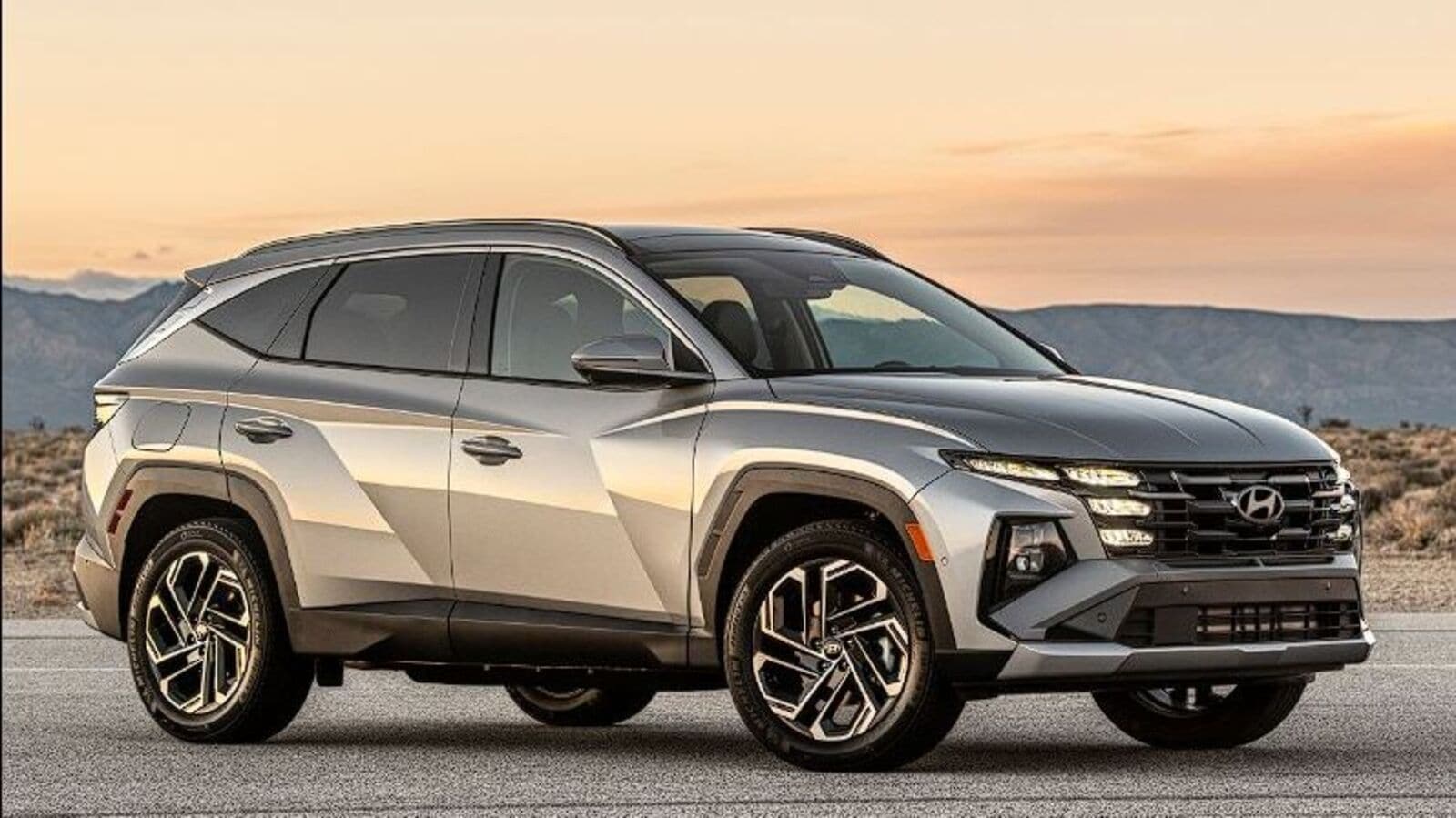
2025 Hyundai Tucson might make to the Indian market next year. However, nothing is confirmed as of now.
The 2025 Hyundai Tucson will be sold with three powertrain options.
Hyundai has unveiled the 2025 Tucson at the New York International Auto Show. The SUV comes with cosmetic changes as well as feature additions. 2025 Tucson 2.5L models will arrive at U.S. dealerships in June 2024, while 1.6L turbo hybrid and plug-in hybrid models will be available in late summer 2024. As of now, there is no official announcement of the new Tucson coming to the Indian market. However, there is a possibility that it might come to Indian shores through the CKD route by the end of this year or next year.
For 2025, the Tucson gets a redesigned front-end. The updated grille, bumper and LED Daytime Running Lamps give a sharper and more aggressive look. On the sides, there are new alloy wheels, an anodized aluminium badging and sharp creases. Moreover, the brand says that they have increased the length of the rear wiper so that it can wipe more area.
The interior has been redesigned and it is now more open feeling than before. The cabin transformation features a newly designed panoramic curved display that combines a 12.3-inch digital instrument cluster and a larger 12.3-inch infotainment display. The centre stack has been revamped with extra knobs and switchgear for easy access to driver controls like audio volume and tuning, as well as select HVAC controls for better ergonomics. Additionally, the center console, steering wheel, and door panel accents have all been updated for a modern look and improved functionality. An added dashboard tray above the glovebox provides extra storage for front-seat passengers.
The transmission is now controlled by a column-mounted stick instead of a traditional gear lever. This has liberated more space in the centre console. A larger, 12.3-inch hoodless infotainment touchscreen has been added to all trims. This system features faster processing speeds, enhanced colors, and sharper graphics along with more intuitive layouts for improved ease of use. The wireless device quick-charging pad (15-watt) has also moved to a space that is supposed to be more convenient for the driver.
By: HT Auto Desk | Updated on: 17 Mar 2024, 14:20 PM
Hyundai Creta EV is expected to share a host of design elements with the ICE variant of the midsize SUV.
Hyundai Creta EV is expected to share a host of design elements with the ICE variant of the midsize SUV. (Image: Autospy)
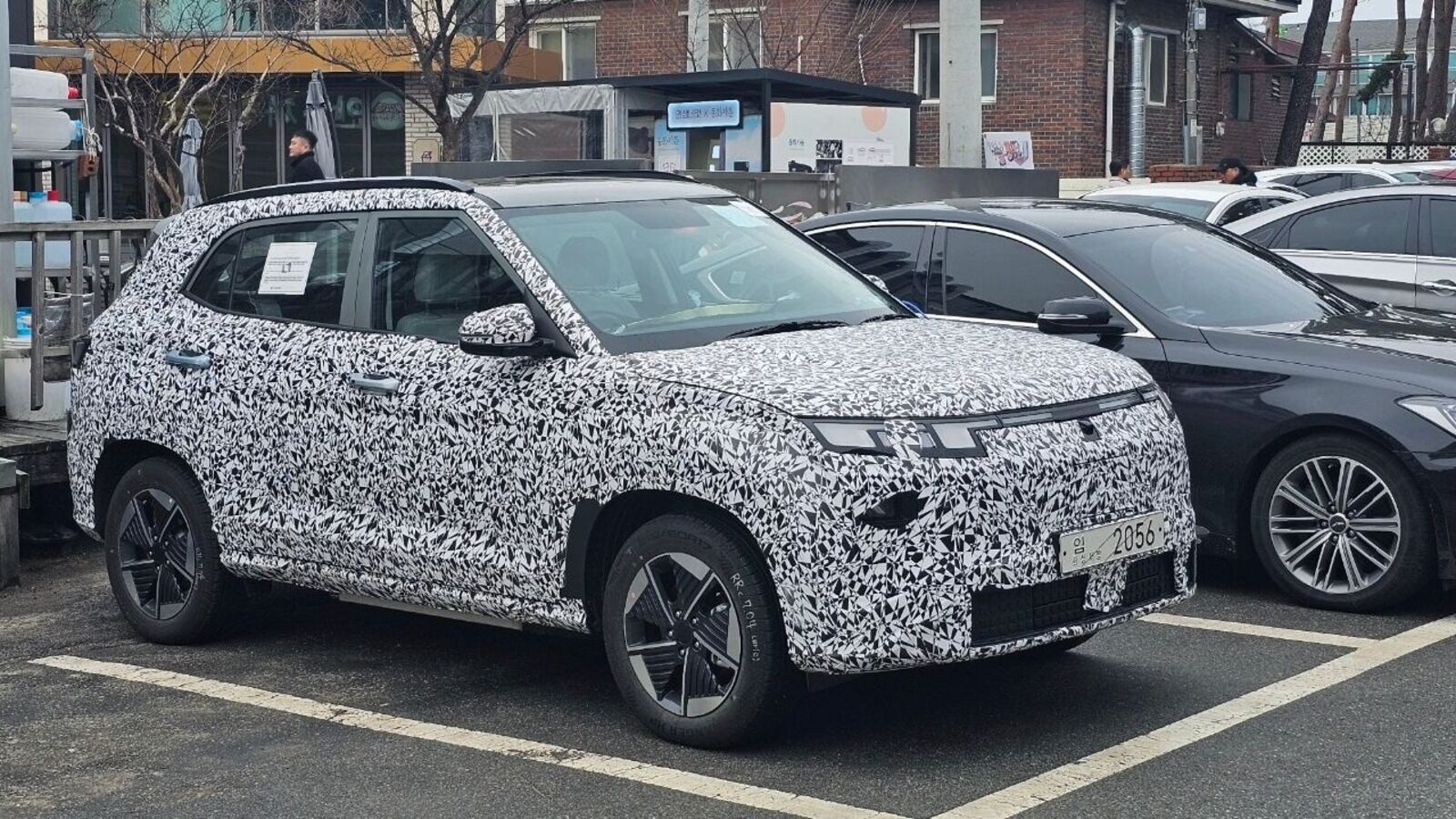
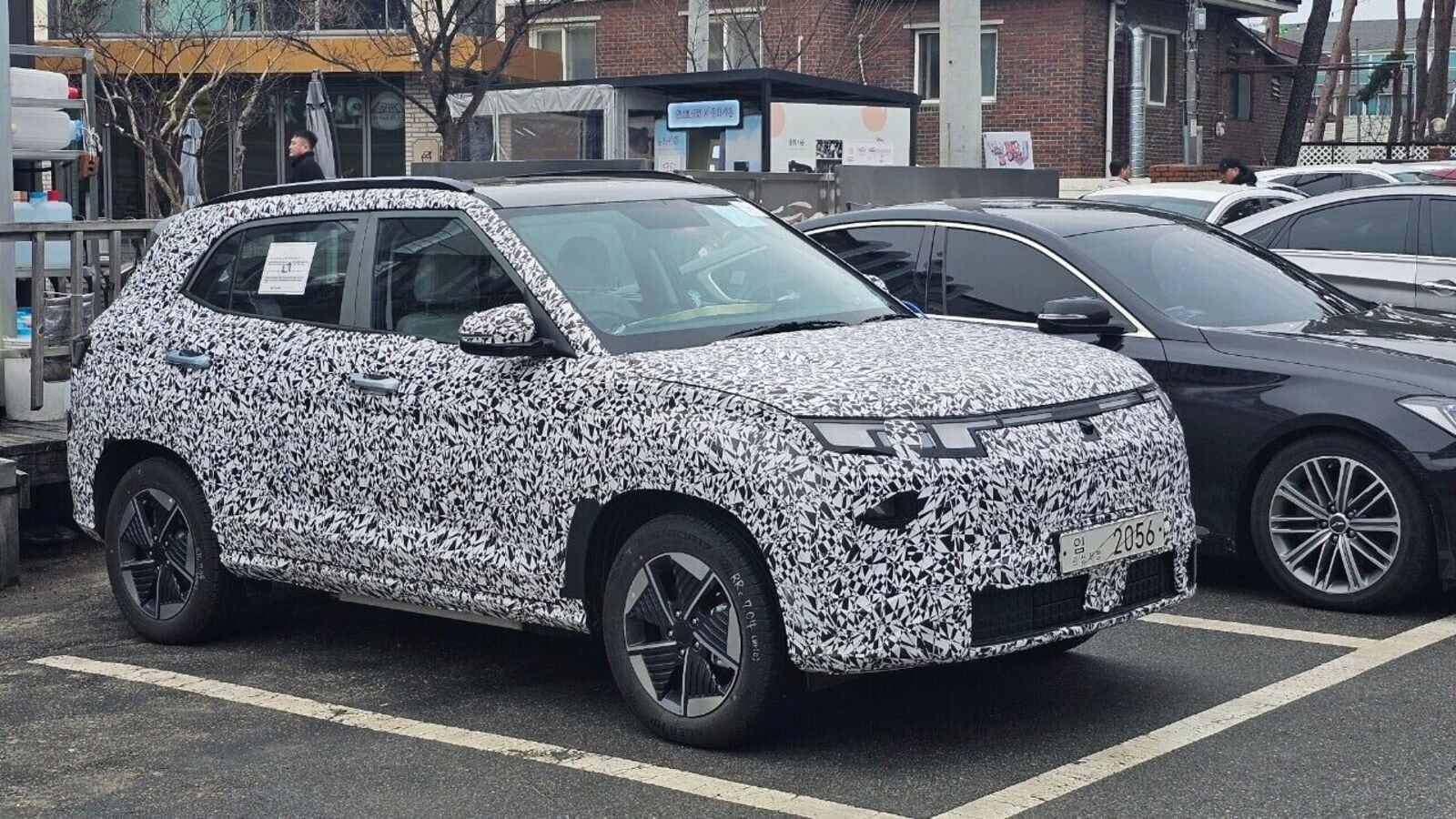
Hyundai Creta EV has been in discussions among Indian electric vehicle enthusiasts even before the updated version of the mid-size SUV entered the market in January this year. Now, the Creta EV has been spotted in the wild in South Korea in a fresh spy shot image. A fully camouflaged test mule of the Hyundai Creta EV has been spied, giving us a clue about the possible design elements of the electric SUV.
The latest spy shot of the upcoming HyundaiCreta EV shows the SUV gets an identical LED daytime running light (DRL) spanning the entire width of the front profile. Also, it looks like the car will have similar styling elements including LED projector headlamps as the ICE variant of the Creta, which is currently on sale in India. However, being an electric car, it would feature a closed panel instead of a conventional radiator grille visible in the newly launched Creta facelift. The spyshot also reveals the electric Creta gets 17-inch aero-designed alloy wheels, which is specifically meant for the EV and comes as the most distinctive change compared to the ICE variant.
Watch: Hyundai Creta facelift review: Major step-up for the SUV king
The Hyundai Creta EV is expected to come with repositioned brand log, front-fender mounted charging port. Also, there will be a smoothened bumper with tweaked radiator grille. Expect the electric SUV to feature design tweaks at side and rear profile as well.
Speaking about features, the Hyundai Creta EV is expected to come equipped with a large touchscreen infotainment system with EV-based user interface, an all-digital instrument cluster with new graphics, revamped centre console. Also, there would be a 360 degree surround camera and Level 2 ADAS suite. The front camera is visible at the centre of the nose section at front profile.
The South Korean automaker is tightlipped about the specifications of the upcoming electric car. However, expect it to come offering about 450 kilometre range on a single charge thanks to 55-60 kWh battery pack.
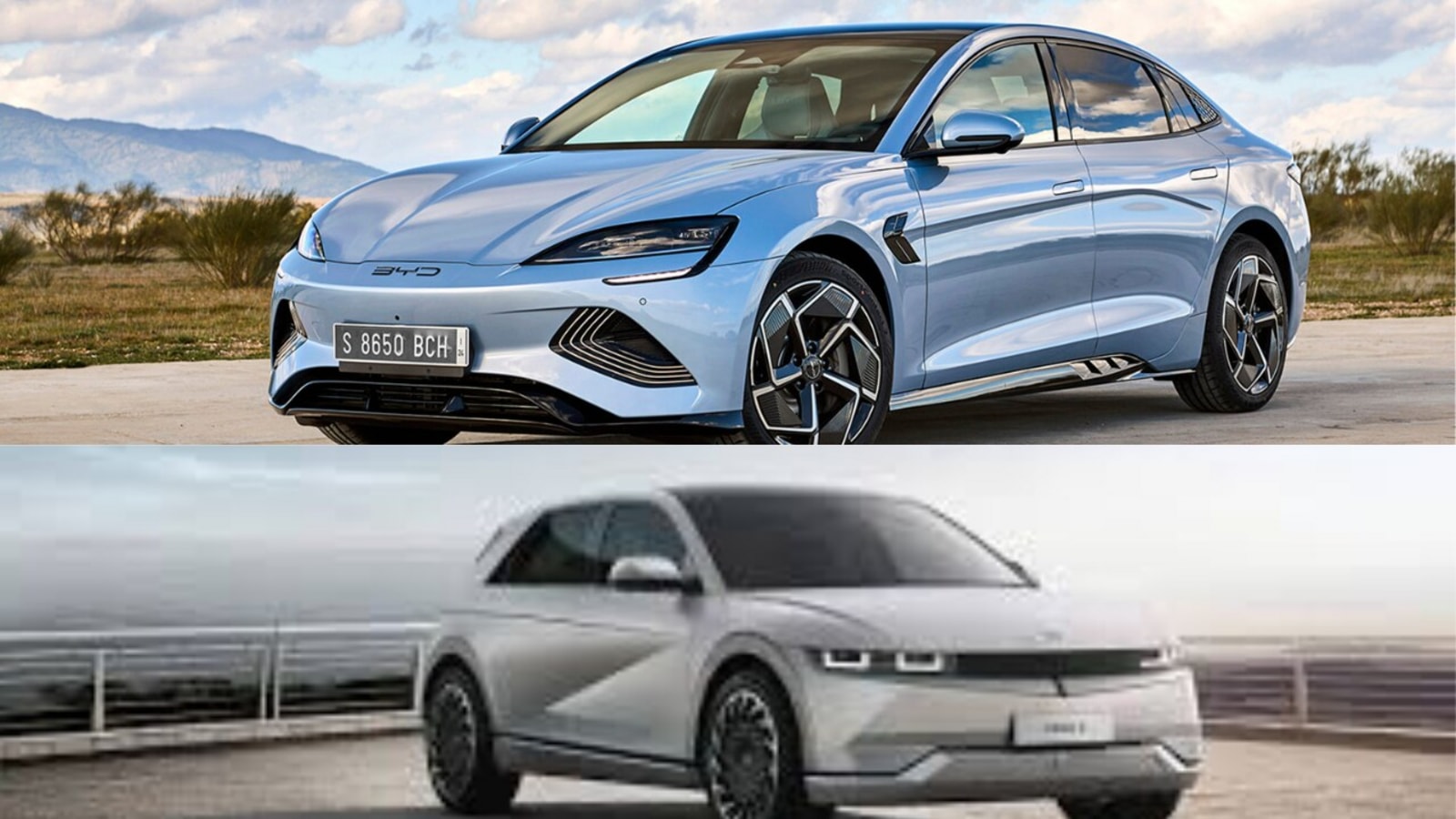
BYD Seal vs Hyundai Ioniq 5: Which premium EV to go for
2023 hyundai ioniq 5 se standard range
[ad_1]
By: HT Auto Desk | Updated on: 07 Mar 2024, 18:57 PM
BYD Seal is the newest electric car in the Indian market and at its price points, will rival Hyundai Ioniq 5. The Seal EV will be offered with two pow
…
BYD Seal is the newest electric car in the Indian market and at its price points, will rival Hyundai Ioniq 5. The Seal EV will be offered with two powertrains and three variant options.
BYD Seal is the newest electric car in the Indian market and at its price points, will rival Hyundai Ioniq 5. The Seal EV will be offered with two powertrains and three variant options.
BYD, the Chinese EV giant, has made waves in the global market by surpassing Tesla as the largest EV maker worldwide. This remarkable achievement is credited to the cutting-edge technology found in BYD vehicles, particularly the revolutionary ‘blade battery’ tech, coupled with their competitive pricing. Recently, BYD took the Indian market by storm with the launch of its Seal, touted as a performance EV, at an unexpectedly competitive price point. Priced at ₹41 lakh ex-showroom, the Seal garnered immense interest, with over 200 bookings within just two days of its launch.
While the BYD Seal offers an enticing value proposition, brand recognition plays a crucial role in the Indian market. This is where the Hyundai Ioniq 5 comes into play. Priced similarly to the Seal, the Ioniq 5 benefits from the strong brand awareness of Hyundai and its extensive sales network, giving it an edge in the market.
To provide a comprehensive comparison between the BYD Seal and the Hyundai Ioniq 5, let’s delve into their pricing, specifications, range, and features.
2023 hyundai ioniq 5 se standard range
BYD Seal vs Hyundai Ioniq 5: Specifications
BYD Seal has been launched in India in three variants. First up is the base Dynamic variant, boasting a 61.44 kWh battery pack and a rear-wheel drive setup. With 201 bhp and 310 Nm of torque under the hood, this variant promises an impressive range of 510 kilometres on a single charge.
Moving up the ladder, the BYD Seal Premium comes equipped with an 82.56 kWh battery and retains the rear-wheel drive configuration. Packing a punch with 308 bhp and 360 Nm of torque, this variant offers the longest range of the trio, reaching up to 650 kilometres.
For those craving even more power, the top-of-the-line BYD Seal Performance variant delivers with its 82.56 kWh battery and all-wheel drive system. Generating a whopping 523 bhp and 670 Nm of torque with a slightly reduced claimed range of 580 kilometres.
The Dynamic variant capable of reaching 85 per cent charge in 37 minutes when plugged into a 110 kW charger. The Premium and Performance variants, on the other hand, can handle even faster 150 kW chargers.
On the other end of the spectrum, the Hyundai Ioniq 5 from Korea boasts a 72.6 kWh battery pack and an axle-mounted single electric motor producing 214 bhp and 350 Nm of torque. Hyundai claims an impressive charging time from 10-80 per cent in just 18 minutes using a 350 kW DC charger.
BYD Seal vs Hyundai Ioniq 5: Range
The larger battery size of the Seal has proven to benifial, offering impressive advantages across its range. The Dynamic variant boasts a claimed range of 510 km and can accelerate from 0-100 kmph in just 7.5 seconds. Stepping up to the Premium Range, drivers can expect even more exhilarating performance, with a 0-100 kmph acceleration time of 5.9 seconds and a claimed range of 650 km.
For those seeking the ultimate in performance, the Seal Performance variant delivers with a claimed range of 580 km and quick acceleration from 0-100 kmph in just 3.8 seconds.
Watch: Hyundai Ioniq 5 Review: First Drive Impressions
On the other hand, the Hyundai Ioniq 5 offers a competitive range of up to 630 kilometres, making it pretty comparable to the Seal’s Premium Range.
BYD Seal vs Hyundai Ioniq 5: Features
Step inside the BYD Seal, and you’ll be greeted by a three-spoke multi-function steering wheel, a digital driver’s display, and a touchscreen infotainment system that can rotate to suit your viewing angle. The EV also boasts a panoramic sunroof, a 360-degree camera, ventilated seats, wireless charging, and Level 2 ADAS features for a truly futuristic driving experience.
On the other hand, Hyundai’s electric crossover is no slouch in the features department either. Featuring a spacious interior with a 12.3-inch digital console and touchscreen infotainment system with wireless Apple CarPlay and Android Auto along with over 60 features of connected car technology and Bose sound system. It also gets dual-zone climate control, leather upholstery, ventilated seats with memory function, and more.
BYD Seal vs Hyundai Ioniq 5: Price
The BYD Seal pricing ranges between ₹41 lakh and ₹53 lakh (ex-showroom). The Dynamic and Premium variants of BYD Seal make it the most affordable option among the two EVs in this comparison. The sole variant of Hyundai Ioniq 5 is priced at ₹46 lakh (ex-showroom).
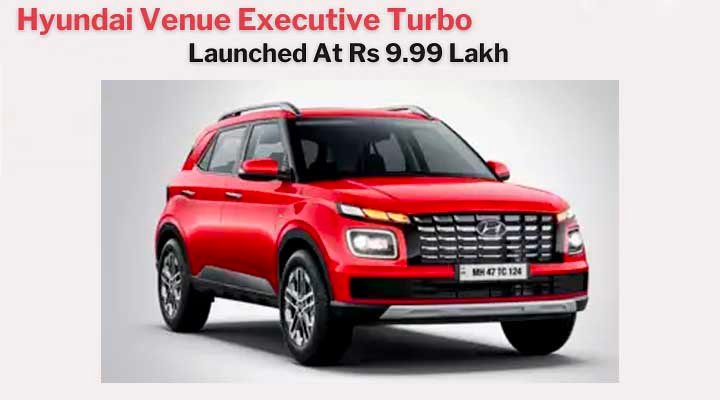
Hyundai Venue Executive Turbo launched at ₹9.99 lakh
The Executive Turbo trim comes with 16-inch dual-tone stylized wheels, dark chrome on the grille, roof rails, shark fin antenna and an ‘Executive’ emblem on the tailgate. The interior gets a front centre armrest with storage, 2-step rear reclining seats, 60:40 split seats and adjustable headrests for all passengers.
There is an 8-inch touchscreen infotainment system, which comes with wireless Android Auto and Apple CarPlay and voice recognition. There is also a digital cluster with a TFT MID for the driver.
For safety, there are 6 airbags, 3 point seatbelts with seat belt reminders, Electronic Stability Control, Vehicle Stability Management, Hill Assist Control, automatic headlamps, tyre pressure monitoring system etc.
Powering the new variant is the same 1.0-litre three-cylinder turbocharged petrol engine. It puts out 118 bhp of max power at 6,000 rpm and a peak torque output of 172 Nm at 1,500 to 4,000 rpm. The Executive Turbo is only available with a 6-speed manual transmission. The engine also comes with an Idle Start/Stop system to enhance fuel efficiency.
Hyundai has also updated the Venue S (O) Turbo variant with an electric sunroof and map lamps for the passenger and the driver. This variant is available with a 6-speed manual gearbox and a 7-speed dual-clutch automatic transmission.
The new variant and feature additions should help in attracting more customers. Commenting on the announcement, Mr. Tarun Garg, COO,Hyundai Motor India
Ltd. said, “Hyundai has always made India ‘Live the SUV Life’. As we move forward on a path towards democratizing SUVs, we are excited to announce the Executive Turbo variant of the Hyundai Venue. This variant is poised to offer an optimum combination of thrilling performance & enhanced convenience features for the value-conscious new-age buyer. We are confident that the addition of the Executive variant of Hyundai Venue will further fuel India’s love for SUVs.”
By: HT Auto Desk | Updated on: 02 Mar 2024, 18:08 PM
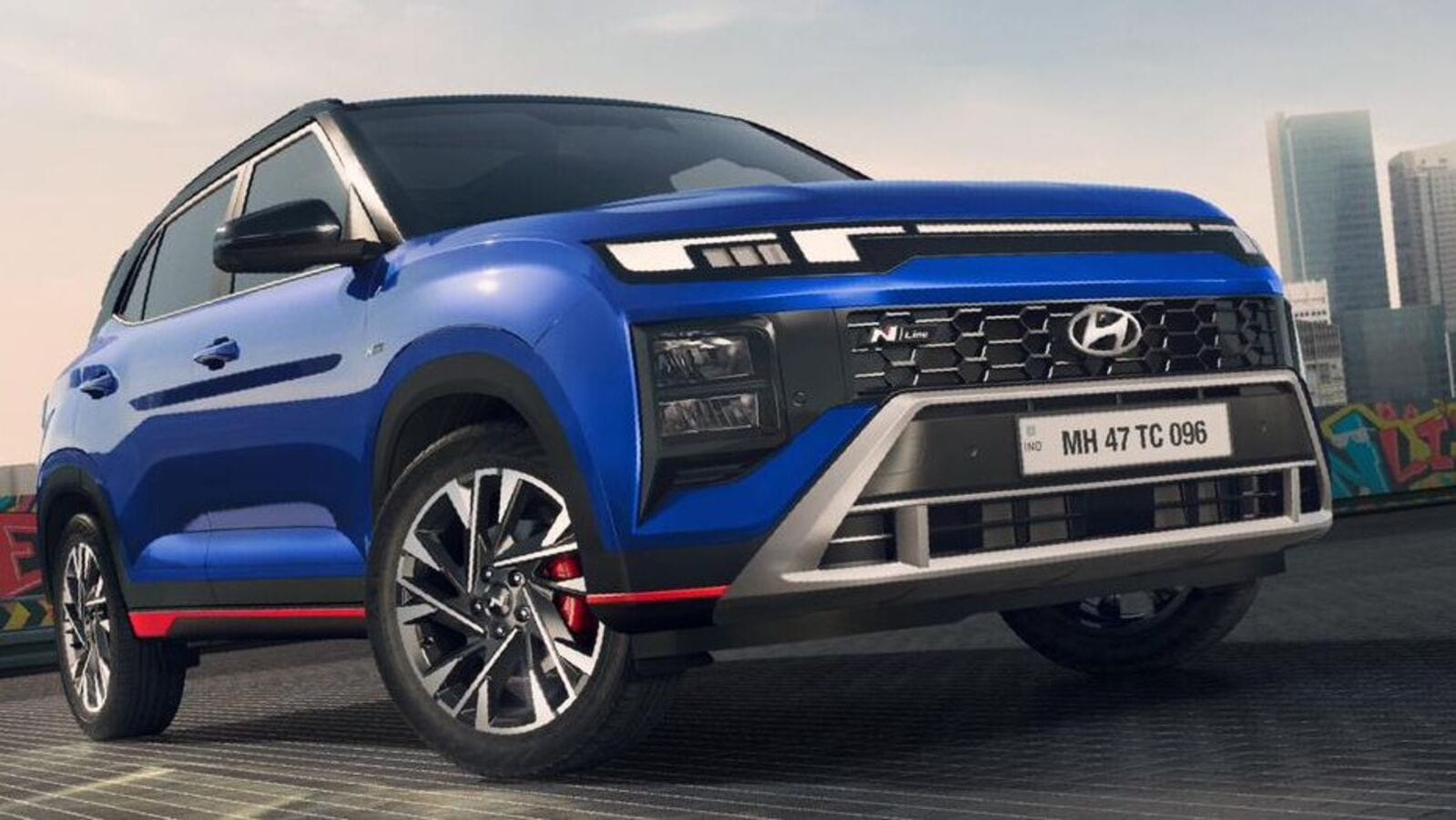
Upon launch on March 11, Creta will become the third model from Hyundai in India to also have an N Line version, after i20 and Venue.
Hyundai Creta N Line is based on the latest Creta that was launched early 2024 in the Indian car market.
Hyundai Creta N Line is all set for its official India launch on March 11. The Creta N Line from Hyundai will be the company’s third N Line model, after i20 and Venue. The N Line, essentially, refers to models that are sportier versions of the original model with several visual enhancements on the inside as well as outer body while having minor technical updates as well.
HT Auto has learnt that HyundaiCreta N Line will be offered in two trims – N8 and N10, and with only the 1.5-litre turbo petrol engine that was introduced in the 2024 Creta. This engine is paired with both a manual gearbox as well as a DCT unit. The Creta N Line colour options include three monotone shades – White, Black and Grey Matte, as well as three dual-tone hues – Blue with Black roof, Grey with Black roof and White with Black roof.
How to book a Hyundai Creta N Line?
Hyundai opened bookings for Creta N Line from Thursday onwards and there are two ways to reserve a unit. The first is by simply walking into any company-authorised dealership in the country and paying a reservation amount of ₹25,000 which is refundable if the booking is cancelled.
The other option is to make a booking online. An interested customer can follow the steps below:
Log on to Hyundai Motor India’s Click2Buy online platform.
Choose the model. In this particular case, it would be the Creta N Line. Next select the fuel type which in this case, would be petrol only.
Next, select one from the eight available variants of Hyundai Creta N Line. Follow up by opting for the body colour option.
Now comes the most important part about selecting the preferred dealership. For this, select your state, city and the dealer name. The dealer name, on obvious lines, usually is the one closest to your location.
Click on ‘Proceed’ and complete the transaction for the ₹25,000 that is charged as the token booking amount.
Do note that there is a likely waiting period of six to eight weeks that is expected on delivery of Hyundai Creta N Line from the date of launch and then from the date of bookings.
By: HT Auto Desk | Updated on: 28 Feb 2024, 16:49 PM
Hyundai plans to invest ₹32,000 crore for expansion of car and SUV platforms including electric vehicle range and charging infrastructure development
…
Hyundai plans to invest ₹32,000 crore for expansion of car and SUV platforms including electric vehicle range and charging infrastructure development.
Hyundai plans to invest ₹32,000 crore for expansion of car and SUV platforms including electric vehicle range and charging infrastructure development.
Hyundai Motor India aims to reach the RE100 benchmark by 2025. To achieve this target, the South Korean auto giant aims to use 100 per cent renewable energy for its operations in India. The carmaker has announced in an official release that it has been strategically purchasing green electricity from the Indian Energy Exchange to increase its RE portfolio of 64 per cent. The OEM also claimed that it has conserved energy equivalent to about 19,200 tonnes of oil through key energy management projects till now in India.
Hyundai also claimed that it has achieved 80 per cent water neutrality by utilising recycled RO water and rainwater from harvesting ponds with a capacity of 350,000 tonnes. Besides that, the auto OEM claimed to have reduced hazardous waste by 19.4 per cent and non-hazardous waste by 14.3 per cent over the last five years.
The development and launch of electric vehicles and the setting up of EV charging infrastructure are also a key part of the brand’s strategy to reach carbon neutrality. For this, the OEM has announced to invest more than ₹32,000 crores in the next 10 years. This investment will be made for the expansion of car and SUV platforms including electric vehicle range and charging infrastructure development.
Speaking on Hyundai’s aim to reach the RE100 benchmark, Gopala Krishnan CS, Chief Manufacturing Officer at HMIL said that the automaker’s operations are driven by a strong sense of responsibility towards the environment and communities. “Our operations are driven by a strong sense of responsibility towards the environment and our communities. We view this proactive role as an opportunity to contribute to long-term sustainable development goals. Our sustainability initiatives are focused towards carbon neutrality and energy transition, circularity, clean tech products and services, operational eco-efficiency, and natural capital conservation. Our ‘Integrated Solutions to Climate Change’ initiative aims for carbon neutrality by 2045, with a sustainable operating system for future generations,” he added.
Hyundai sold 6.02 lakh units in the domestic Indian market between January and December of 2023. Kia, its partner in global markets, also clocked 2.55
…
Hyundai sold 6.02 lakh units in the domestic Indian market between January and December of 2023. Kia, its partner in global markets, also clocked 2.55 lakh unit sales in India during this period.
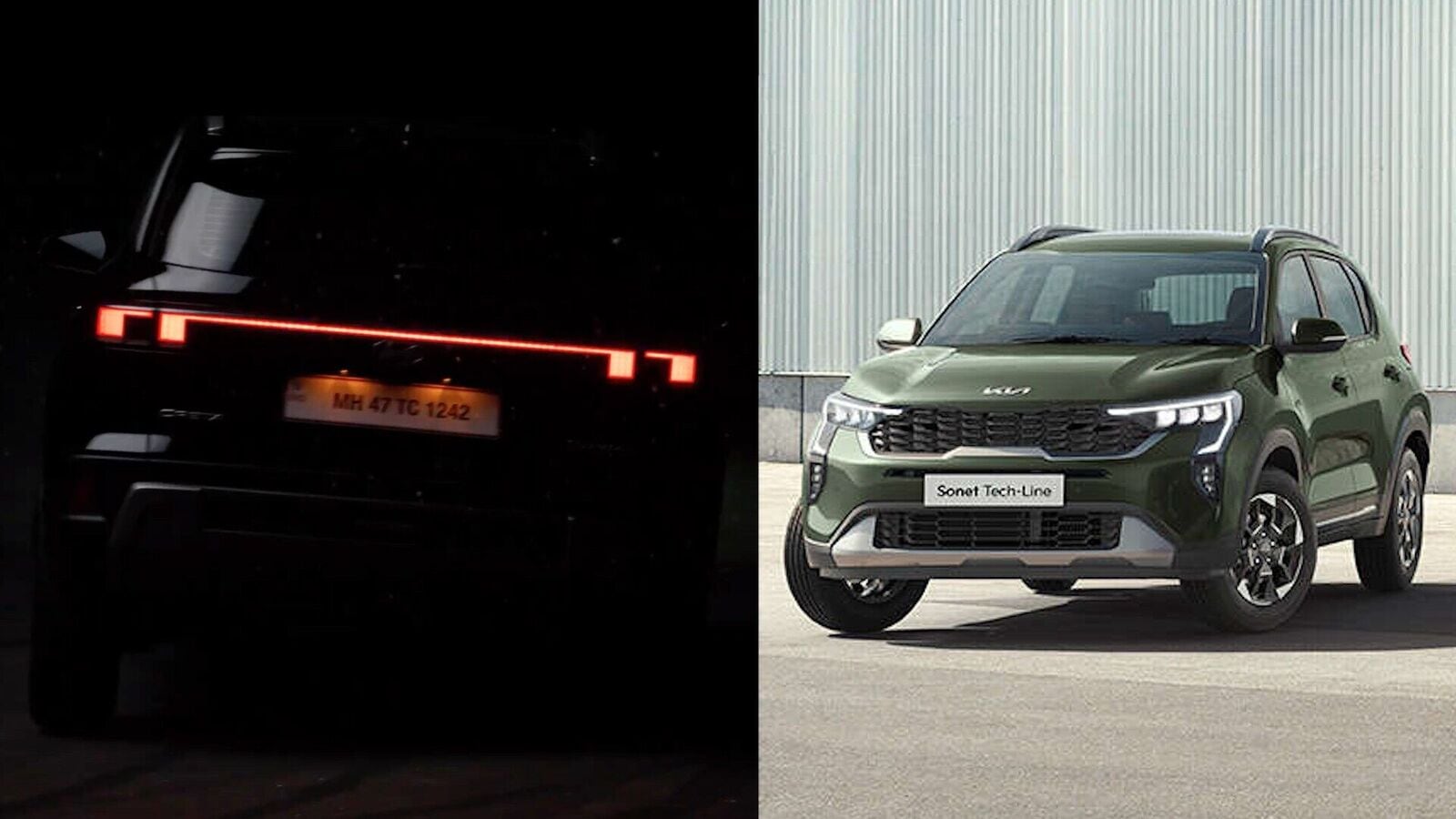
Hyundai and Kia will kickstart the year with the launch of Creta 2024 facelift SUV and Sonet 2024 facelift SUV. While Creta is Hyundai’s best-selling model in India, Sonet is Kia’s second best-seller after Seltos.
South Korea’s Hyundai Motor Co and affiliate Kia Corp forecast on Wednesday that their combined global sales will rise about 2% in 2024, even as last year’s sales fell short of target.
The duo sold 7.3 million vehicles in 2023, about 3% less than their combined target of 7.52 million, largely due to a difficult economic environment, including rising interest rates and inflation that pushed vehicles out of the reach of some buyers. The companies said they would target global sales of 7.44 million vehicles this year.
“Hyundai plans to take a lead in electrification and focus on optimizing profitability by strengthening its global electric vehicle (EV) production infrastructure, establishing flexible business strategies to adapt to market changes, and reinforcing preemptive risk management capabilities,” Hyundai said in a statement.
Kia sold 3.09 million vehicles globally in 2023, posting a new annual global sales record, it said in a statement. Kia’s previous best yearly performance was in 2014, with sales of 3.04 million units.
Analysts said this year’s sales targets for the two companies appeared to be achievable, but that economic issues, including high interest rates, as well as rising incentives would have an impact on auto demand and profitability.
Hyundai is aiming for a 0.6% rise in annual global sales to 4.24 million vehicles, while Kia set its sales target at 3.2 million units, up about 4% from last year.
“It seems that Hyundai’s goal appears to be more conservative than Kia’s … Kia is set to launch new electric vehicles this year, but we need to factor in how the recent slowing growth of global EV sales would fold out,” said Shin Yoon-chul, an analyst at Kiwoom Securities.
Hyundai Motor Group Executive Chair Euisun Chung in his New Year address on Wednesday emphasized customer satisfaction and called for a corporate culture of “preparation” to make swift decisions.
“The best strategy is earning the full trust of our customers, not quickly following our competitors … In order to turn these external challenges into opportunities and achieve long-term sustainable growth, we must be prepared,” Chung said in the address.
Shares of Hyundai Motor and Kia closed down 3.3% and 3.9% respectively, versus a 2.3% fall in the benchmark KOSPI.
The updated Hyundai Creta is ready and raring for its official launch in the Indian car market. But unlike in times before, the champion is now threat
…
The updated Hyundai Creta is ready and raring for its official launch in the Indian car market. But unlike in times before, the champion is now threatened by a longer list of very competent challengers.
Hyundai Motor has been spotted testing the upcoming Creta facelift SUV near NATRAX in Madhya Pradesh. (Image courtesy: YouTube/@jayantkamdar)
Hyundai Creta has been the undisputed champion in the mid-size SUV space. But the Creta model available at present has not received any major update – barring special editions – in the past few years. It is a time period in which rivals have entered and carved out some space for themselves. While the crown may not have been under threat yet, the 2024 Creta is more than likely to extend its lead in the Indian automotive market.
First launched in 2015, Creta galvanised the mid-size SUV space which at that point in time had the likes of Ford EcoSport and Renault Duster. Both EcoSport and Duster have since disappeared, replaced by options like Kia Seltos, MG Hector, Tata Harrier, Mahindra Scorpio-N, Maruti Suzuki Grand Vitara, Toyota Urban Cruiser Hyryder, Volkswagen Taigun and Skoda Kushaq. Each of these models are power players in their own right but Creta continues to sell by the truckloads and the updated version is likely to further prospects.
The update to Creta has been awaited for quite a long time. Once Kia drove out the updated Seltos earlier this year, it was only a matter of time before Hyundai fired back too.
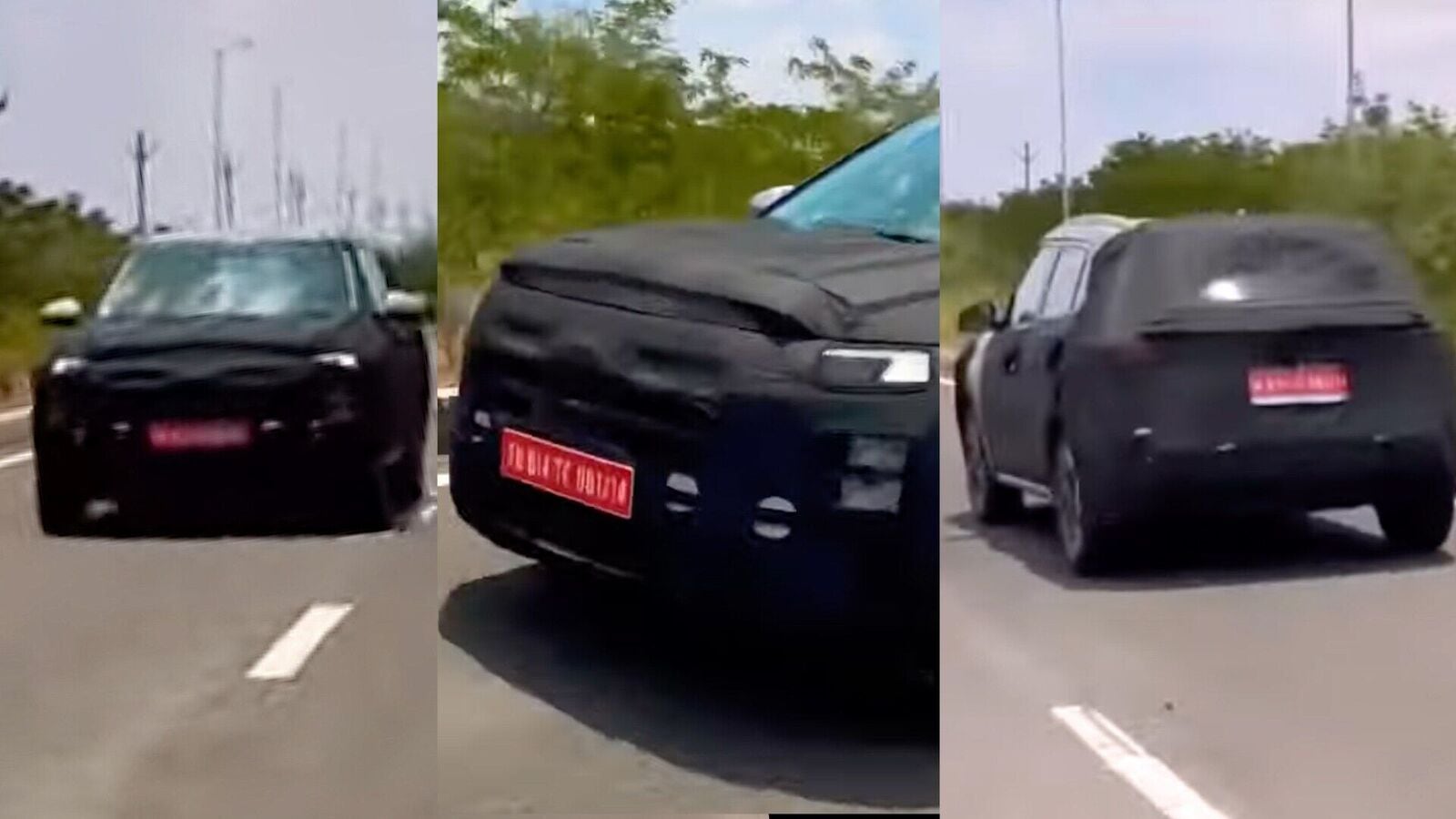
Spy images of a camouflaged Creta have repeatedly surfaced in recent weeks as the SUV undergoes testing in India. What is evident from these is that the new 2024 Hyundai Creta will sport an updated grille and other minor design tweaks on the outside. In the cabin, the dashboard layout has been refreshed while the screens are likely to be updated too. There will also be dual-tone seats on offer while a 360-degree camera and ADAS technology are almost certain too.
In terms of engine options, Hyundai is likely to push out the model with three choices – 1.5-litre naturally-aspirated petrol motor, 1.5-litre turbocharged petrol unit and a 1.5-litre CRDi diesel unit. There will also be multiple transmission choices.
2024 Hyundai Creta vs rivals
What is likely to hold the new Creta in good stead is the enormous popularity it has enjoyed for nearly a decade in the Indian market. Backed by Hyundai’s extensive sales and service network, the SUV could be the biggest blockbuster of 2024. But unlike previous times, the competition is red hot. The likes of Grand Vitara and Hyryder offer strong hybrid technology. The Seltos is still quite new and has been received well by potential buyers because of its catchy new styling and updated feature list. Taigun and Kushaq underline their safety credentials while Harrier has assumed an even more macho exterior style in its latest update. As for Scorpio-N, it continues to boast of a very solid road presence that is quite liked by those who prefer an SUV body type.
India is one of the fastest-growing electric vehicle markets in the world. Over the last few years, both legacy players and EV startups have been drastically transforming the landscape of the Indian EV industry. Electric two-wheelers dominate the Indian EV market, but car manufacturers too are introducing interesting products. While homegrown car manufacturers have been launching new electric cars in the country, foreign brands are also bringing their respective products into the segment.
By: HT Auto Desk | Updated on: 23 Dec 2023, 20:42 PM
From mass-market to luxury, the year 2023 witnessed launch of several electric cars across price-segments, with SUVs dominating the chart.
In 2023, several carmakers, in both mass-market and luxury segments have launched some spectacular electric cars across different pricing slabs. Interestingly, like the fossil-fuel-propelled passenger vehicle market, the Indian electric car market is witnessing the rise of SUVs. In 2023, the majority of the electric cars launched in the country were SUVs.
Here is a comprehensive list of the electric cars that were launched in India in 2023.
MG Comet EV
MG Comet EV is the most affordable electric car in India. This small boxy hatchback looks tiny compared to other models in the fray, but a perfect machine for in and around-city commuting. MG Comet EV was launched in 2023 at an introductory starting price of ₹7.98 lakh (ex-showroom). The electric hatchback threw a tough challenge to the Tata Tiago EV, the erstwhile most affordable electric car in India with its pricing. Design-wise, the EV is eye-catching on the exterior, while inside the cabin it looks simple yet very much urban at the same time. The Comet EV promises a 230 km range on a single charge.
Tata Nexon EV facelift
One of the most noteworthy car launches in India in 2023 was the arrival of the Nexon EV facelift. Tata Nexon EV is the country’s bestselling electric car and the homegrown automaker simply ramped up the appeal of the electric compact SUV with the launch of the Nexon facelift, which incorporates a wide range of design and feature updates. The Nexon EV facelift comes available at a starting price of ₹14.74 lakh (ex-showroom), and it promises a 465-kilometre range on a single charge, while it can accelerate to 0-100 kmph in 8.9 seconds. It comes with V2V and V2L technologies.
Powering the electric SUV is a 66.4 kWh battery pack paired with dual electric motors.
BMW iX1
BMW launched the electric avatar of the X1 SUV, christened as iX1 in India in 2023. The luxury EV was launched in the country at a price tag of ₹66.90 lakh (ex-showroom). BMW iX1 is the German brand’s fourth fully electric vehicle and is sold in India via the CBU route. Powering the electric SUV is a 66.4 kWh battery pack paired with dual electric motors. The electric propulsion system churns out 309 bhp peak power and 494 Nm of maximum torque. The EV promises up to 440-kilometre range on a single charge. It can reach 0-100 kmph in 5.6 seconds and can achieve a top speed of 180 kmph.
BMW i7
BMW i7 is an all-electric sedan that was launched in India in 2023 at a price tag of ₹2.50 crore (ex-showroom). The BMW i7 M70 xDrive is the brand’s first M-division electric car that was launched in India in 2023. Powering this luxury electric sedan is a 101.7 kWh battery pack that is paired with dual electric motors and generates up to a 560-kilometre range on a single charge. The electric propulsion system churns out 657 bhp peak power and 1,100 Nm maximum torque. This electric sedan can sprint to 100 kmph from a standstill position in just 3.7 seconds at a top speed of 250 kmph.
Mahindra XUV400
Mahindra XUV400 is the homegrown automaker’s first-ever electric SUV launched in India in 2023. The Mahindra XUV400 comes positioned in compact SUV segment and it competes with rivals like the Tata Nexon EV. Launched at ₹15.99 lakh (ex-showroom), the Mahindra XUV400 is available in two different battery options and promises up to 456-kilometre range on a single charge. Available in EC and EL, the Mahindra electric SUV’s price goes up to ₹18.99 lakh (ex-showroom).
Citroen eC3
Despite being a new entrant in the Indian passenger vehicle market, French auto giant Citroen was quick to launch an electric car in the form of eC3. The electric SUV comes priced from ₹11.50 lakh (ex-showroom) and it promises a range of 320 kilometres on a single charge, which is also the highest in its segment. Available in four different variants, the Citroen eC3 EV is powered by a 29.2 kWh battery pack that promises 320 kilometres range on a single charge. The electric SUV promises a top speed of 107 kmph.
Volvo C40 Recharge
Volvo C40 Recharge is the second electric car in India from the Swedish luxury car manufacturer after the XC40 Recharge. The electric car was launched at ₹61.25 lakh (ex-showroom). The EV competes with rivals such as Kia EV6 and Hyundai Ioniq 5. The EV gets power from a 78 kWh battery pack paired with dual electric motors. The EV churns out 402 bhp peak power and 660 Nm of maximum torque. The EV is capable of running at a top speed of 180 kmph and can sprint to 100 kmph from a standstill position in 4.7 seconds.
Hyundai Ioniq 5
Hyundai Ioniq 5 is the second electric car from the South Korean auto giant in the Indian market. The Hyundai Ioniq 5 EV has been launched in the country at ₹44.95 lakh (ex-showroom). The EV comes competing against the Kia EV6 but is more affordable than the rebadged sibling. Powering the Hyundai Ioniq 5 is a 72.6 kWh battery pack, that promises a 631 kilometre range on a single charge. It gets a rear-wheel drivetrain churning out 214 bhp peak power and 350 Nm of maximum torque. The EV claims come with a fast charging technology that charges the battery from 10 to 80 per cent in just 18 minutes.
Audi Q8 e-tron and Sportback e-tron
Audi launched the Q8 e-tron and Sportback e-tron in India in middle of 2023. The SUV and the Sportback were launched together, priced at ₹1.14 crore and ₹1.18 core (ex-showroom). The Q8 e-tron essentially came as a facelifted iteration of the erstwhile e-tron. Both the SUV and the Sportback were launched in two trims – 50 and 55, with range of up to 600 kilometres on a single charge. Powering the 50 variant is a 71 kWh battery pack, while the 55 onbe gets a larger 114 kWh battery pack. The SUV has a maximum claimed range of 491 kilometres and 582 kilometres for the 50 and 55 variants, respectively, while the Sportback has a maximum range of 505 kilometres and 600 kilometres for the 50 and 55 variants, respectively.
Mercedes-Benz EQB
Mercedes-Benz India launched the EQB 350 4Matic electric SUV in India in 2023, at a starting price of ₹77.50 lakh (ex-showroom). The luxury electric SUV was launched in the country replacing the previous EQB 300 4Matic that was launched in December 2022. The EQB is powered by a 66.5 kWh battery pack. The electric propulsion system onboard the SUV promises 288 bhp peak power and 520 Nm of maximum torque. These specifications are significant enhancements from the EQB 300 4Matic.
Mercedes-Benz EQE
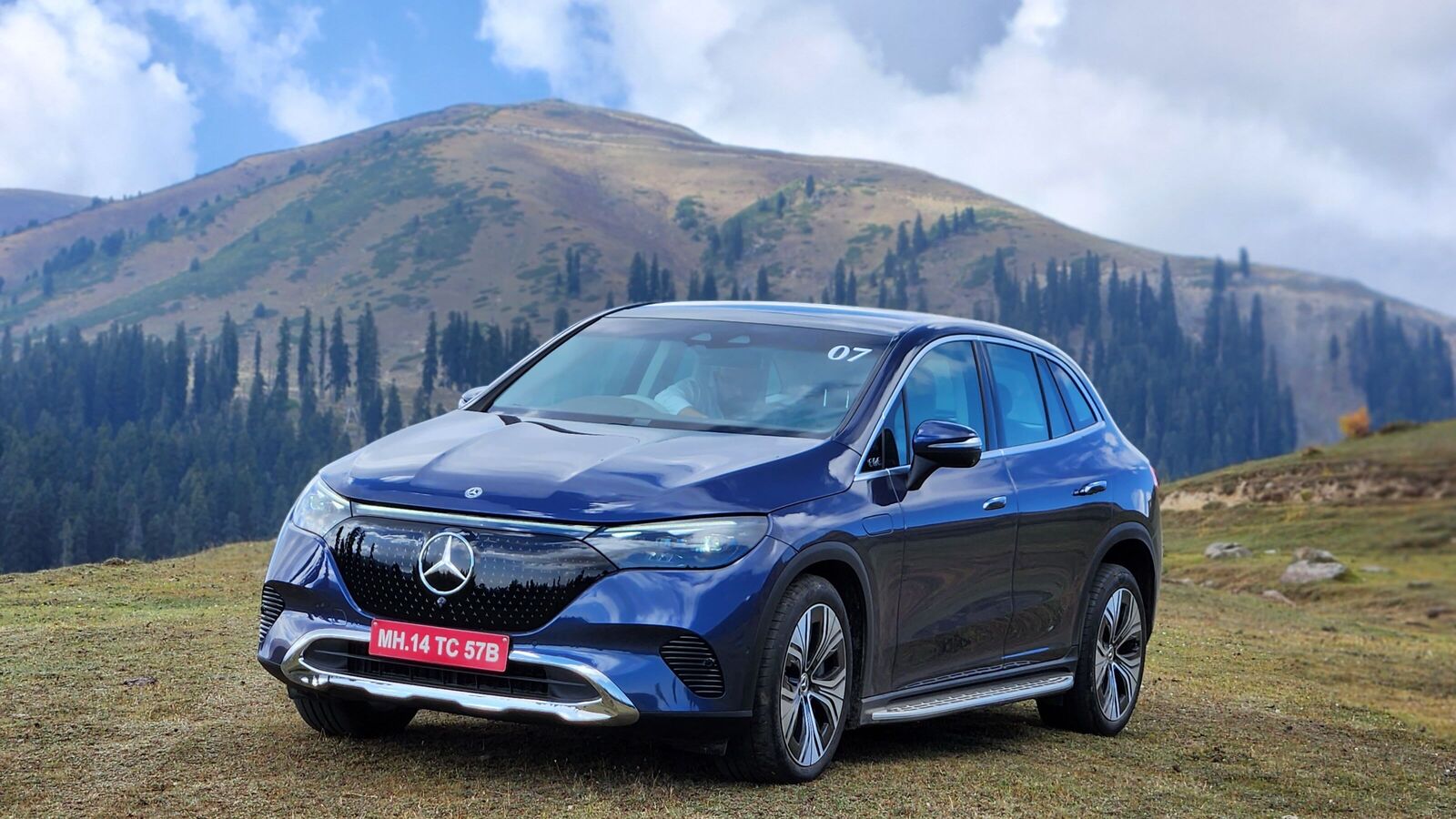
Mercedes-Benz EQE electric SUV was launched in India in 2023 after the EQS and EQB, joining the lineup as the brand’s third EV in the country. The Mercedes-Benz EQE electric SUV was launched here at ₹1.39 crore (ex-showroom). It competes with rivals like Audi Q8 e-tron and BMW iX1 electric SUVs. Mercedes-Benz EQE 500 4Matic SUV comes promising 550 kilometres range on a single charge. The SUV gets power from a 90.56 kWh battery pack that is paired with dual motors. The SUV can accelerate from 0-100 kmph in 4.9 seconds at a top speed of 210 kmph.