
Last Updated:
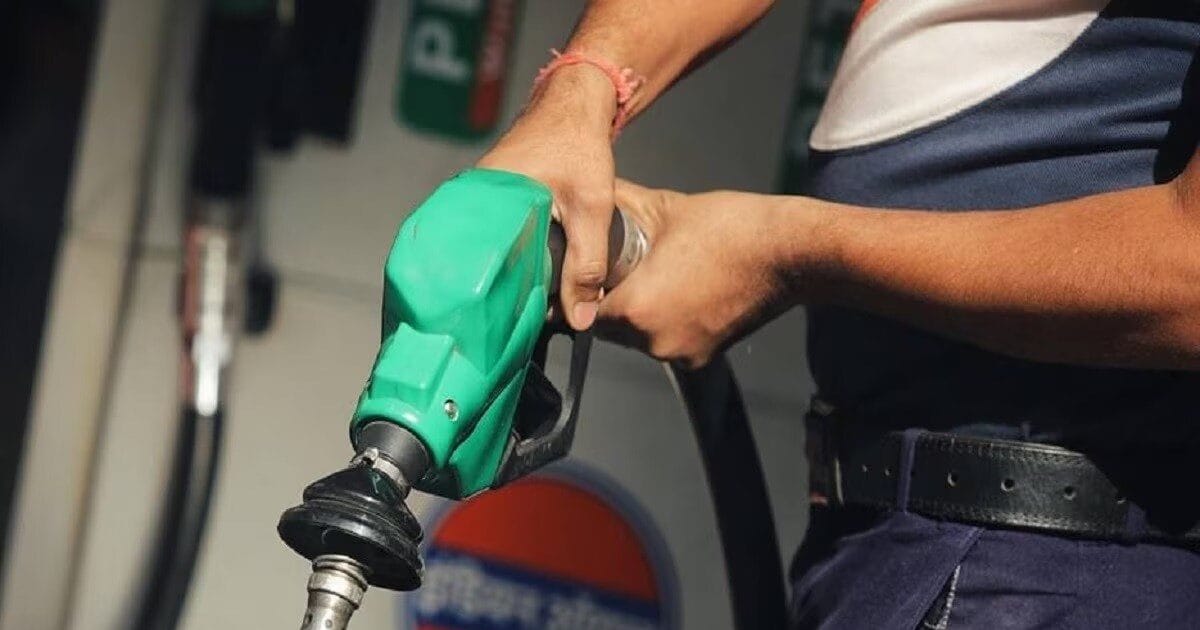
There is going to be a big change in petrol in India. The government is soon going to launch E85 fuel, which will contain 85% ethanol. This will not only reduce oil imports but will also increase the income of farmers. The special thing is that the new flex-fuel vehicles will be able to run on any blend. Will your next car be on this technology? Know the benefits and effects of this big change.
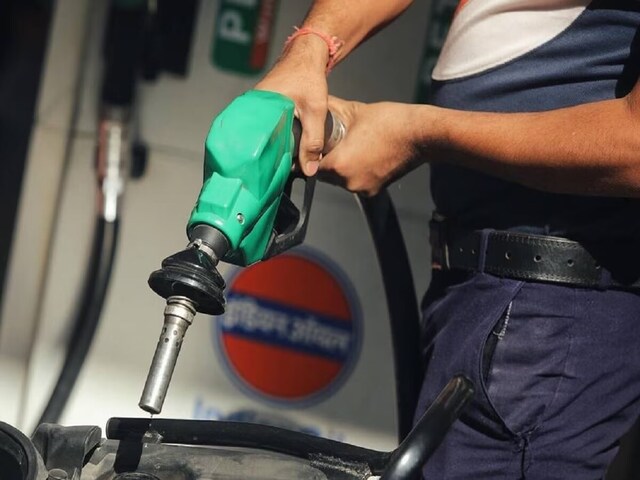

Government plans to sell petrol containing 85% ethanol!
The Indian government is preparing to roll out E85 petrol by the end of the current year, in which 85 percent ethanol and 15 percent petrol will be mixed. This step is being taken with the aim of reducing expensive oil imports, ensuring energy security and increasing the income of farmers. Sources have revealed that this decision has been taken after several meetings and consultations with automobile manufacturers. Manufacturers have confirmed that they are fully equipped with the technology required to build flex-fuel vehicles.
E85 petrol contains 85 percent ethanol. Flex-fuel vehicles can run on any blend – from E20 to E100. In these vehicles, onboard sensors automatically adjust fuel injection and ignition parameters. While buying the car, the customer will get the option as to which level of blended fuel he prefers. Multi-fuel policy will be implemented in India, in which different levels of petrol mixes will be available at petrol pumps. Currently E20 (20 percent ethanol blend) petrol is available across the country, which has become mandatory from April 2026. E85 will be sold along with existing low-blend petrol.
Complete preparation for BIS
Bureau of Indian Standards (BIS) has already prepared standards for E85 petrol. Blenders and refiners will have to follow these specifications. BIS is also aiming to release standards for E22, E25 and E26 by April 30, which will be for petrol with 22%, 25% and 26% ethanol respectively. High ethanol blending will save on oil import and increase the income of farmers. Fuel blending programs are already saving up to $4 billion annually.
In 2021, the Modi government had decided to bring the E20 target to 2025, which was achieved in July 2025. Automobile companies are all set to launch flex-fuel cars, which emit much less carbon. In the coming days, some vehicles of Maruti Wagon R, Tata Punch and Toyota can be introduced with flex fuel.
Why E85?
The Indian government is giving preference to E85 because it is a more practical and scientifically better option than E100 (100% ethanol). Ethanol has about 30-35% lower energy density than petrol, which reduces mileage. Cold starts are a problem on E100 because ethanol has a high vaporization point. Starting the engine becomes difficult in cold weather.
Mixing 15% petrol in E85 reduces this problem, vapor pressure remains better and the engine starts smoothly. Additionally, E85 is easily adapted to flex-fuel vehicles, while E100 may require an additional heater or smaller gasoline tank. This mixture provides a balanced way to increase energy safety and farmer's income with less corrosion in the engine, better compatibility and lower emissions.
Brazil is a great example
Brazil launched the world's most mature flex-fuel program in 2003, with the majority of new cars being flex-fueled. These cars run on blends up to E100 and reduce carbon emissions by up to 90 percent compared to fossil petrol. Ethanol is made from sugarcane syrup (molasses), which is a by-product of sugar refining. India is the second largest sugar producer in the world.
About the Author
.jpg?impolicy=website&width=52&height=52 "authoring")
Ram Mohan Mishra, working as Senior Sub-Editor at News18 Hindi, is active in digital media since 2021 and is currently handling the Auto Desk. They provide car and bike related information in an easy, clear and reliable manner.read more
