

Company will quote 25 KMPL, but you will not get even 15? Know the real game before buying a new car

Company will quote 25 KMPL, but you will not get even 15? Know the real game before buying a new car

Everyone dreams of buying a new car. Gleaming cars in the showroom, attractive mileage figures printed on the brochures and the salesman's assurance – 'Sir, it will give 25 kmpl comfortably'. A reality check happens a few months after purchasing the car. In city traffic, with AC on, the mileage drops to 15-18 kmpl in normal driving style. Sometimes it is available up to 30% less.

This is not a human error, but a systematic gap that exists between ARAI testing and real world conditions. Companies attract customers by making tall claims in advertisements, but in reality the customer bears the brunt of expensive petrol. This fraud is so common that every person buying a car should know about it before doing so.

This problem in claimed mileage

ARAI testing takes place in the lab, where perfect conditions are created. The car is run on a dynamometer (roller), the air conditioning is kept off, the driving style is computer simulated and very smooth. The distance is limited and there are no real life problems like traffic, potholes, load or fast acceleration. Result: ARAI figure often appears 20-35% higher. For example, if the company claims 22-25 kmpl, then it is normal to get only 15-18 kmpl in the city.

Why less if you drive yourself?

In the real world, many factors affect mileage. The biggest villain is AC itself. It is difficult to run without AC in the Indian summer, but in the test it is kept off. Idling, bad roads, overloading, fuel adulteration, aggressive driving and high speed highways also contribute to traffic jams. This gap is more visible in small petrol hatchbacks, whereas it is slightly less in diesel or larger engine vehicles. Many users report that the mileage is close to ARAI on the highway, but there is a huge drop in the city.

Companies say wrong?

This problem is not new. Car buyers have been complaining for years. Companies use it as a marketing tool, because mileage is the biggest factor in India. small asterisks in the brochure

It is written with 'ARAI certified, ideal conditions', but the common man ignores it. The result is disappointment after purchase. If we reduce the ARAI figure by 25-30% then a realistic estimate can be made.

  • What to do before buying a new car?
  • Do not trust the ARAI figure, instead look or read real user reviews.
  • Calculate based on your city's traffic, driving style and usage.
  • Check it out yourself on a test drive. With AC on, how much is it giving at normal speed?
  • Maintain correct tire pressure and get regular servicing done.
  • Do not carry unnecessary weight and adopt smooth driving.

Also consider CNG or hybrid options.
Source link

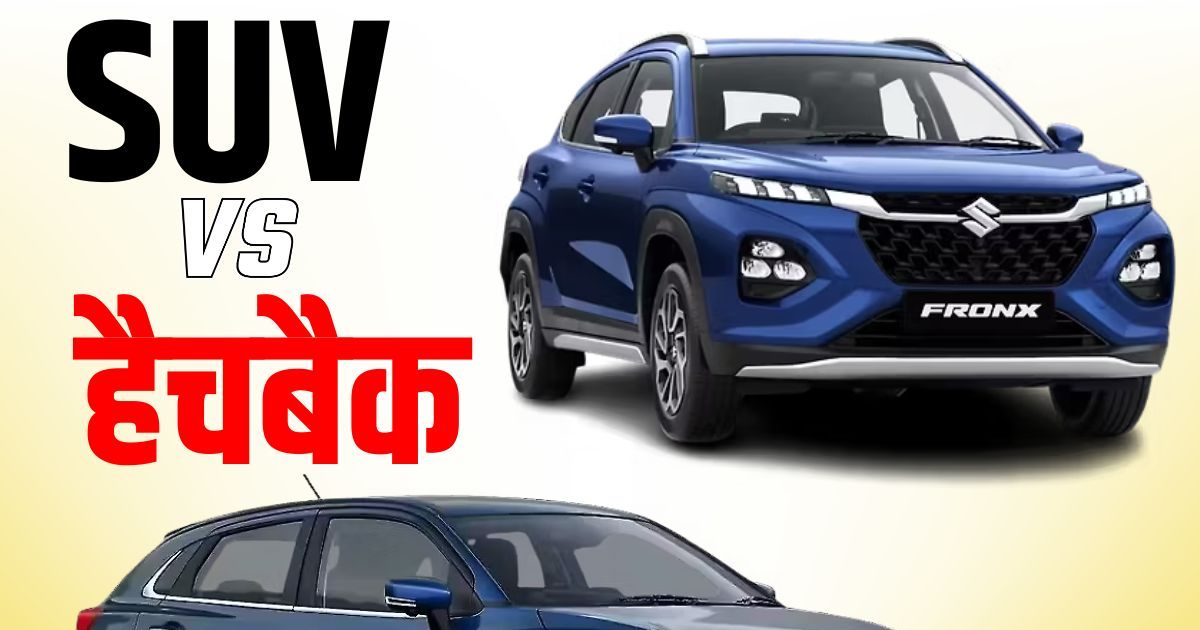
hatchback or SUV? Which car is best according to your needs?

hatchback or SUV? Which car is best according to your needs?

hatchback and SUV are the two most popular segments in the Indian market. The hatchback is small, economical and perfect for the city, while the SUV is considered tall, spacious and an all-road vehicle. It is not easy to choose between the two, because each has its own merits and demerits.

The hatchback offers low budget, better mileage and easy handling. The SUV provides family comfort, high ground clearance and road presence. Considering India's rough roads, city traffic and growing family needs, this decision depends on your lifestyle, budget and daily driving. Let us understand which of the two is best to buy?

Who should buy hatchback?

Hatchback cars are usually compact in size. Their length is usually less than 4 meters. These have a horizontally opening hatch door at the rear, which makes the boot space easily accessible. hatchbacks like Maruti Swift, Hyundai i20, Tata Altroz ​​are best for parking and maneuvering on congested city roads.

Due to their low weight, handling is sporty and responsive. Fuel efficiency is also excellent. You can easily get mileage of 20-25 kmpl in petrol. Due to low purchase cost (up to Rs 6-12 lakh) and low maintenance cost, these are the first choice for budget-conscious buyers. This is perfect for a small family or a single user.

How different is the SUV?

On the other hand, SUVs (Sport Utility Vehicles) are larger and taller cars. Their ground clearance is high (180-200 mm or above), which gives a big advantage on bad roads, speed breakers and bad village roads of India. The cabin is spacious in compact SUVs or large SUVs like Creta, Nexon, Brezza.

More leg room, head room and boot space is available. SUVs are better for family road trips or carrying a lot of luggage. The high seating position provides good road visibility to the driver and increases driving confidence. Modern SUVs also have more advanced safety features, powerful engines and premium feel. The difference between the two can be made like this-

  • Size and Space: hatchback small and compact, SUV big and roomy.
  • Ground clearance: Less in hatchback (150-170 mm), more in SUV.
  • Mileage: The hatchback wins, the SUV may lose 4-8 kmpl.
  • Price: hatchback is cheap, SUV is expensive.
  • Maintenance: The cost of hatchback is less, service and fuel of SUV is expensive.
  • Driving: hatchback easy in the city, SUV comfortable on highways and bad roads.

What is right for you depends on your needs. If you commute daily in the city, have a limited budget, mileage is a priority and have a small family then choose a hatchback. Parking is easy, driving will be fun and running costs will be low. But if the family is big, often has to go to the highway or village, there are bad roads and you need comfort and space, then SUV is a better option. Many people are now choosing compact SUVs because they offer the benefits of both and also come at an affordable price.

Source link