
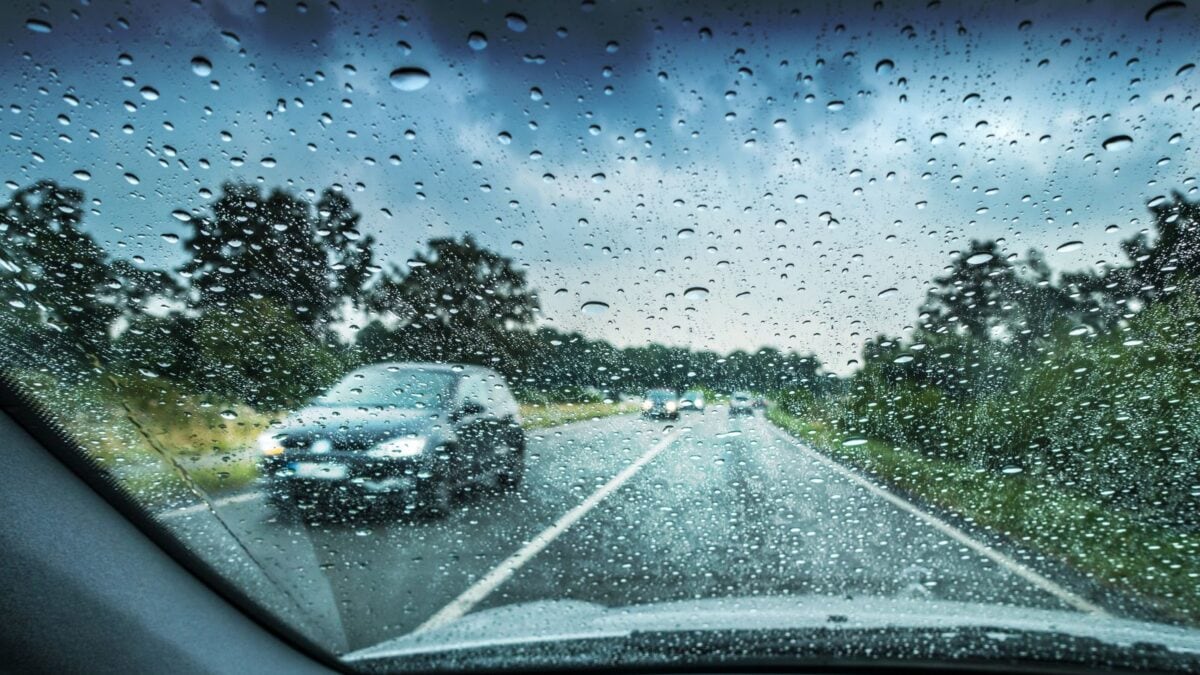
Read these 5 important tips before going out with your car in the rain, you will avoid major losses.

Read these 5 important tips before going out with your car in the rain, you will avoid major losses.

HomeLatest NewsAutoCar

Read these 5 important tips before going out with your car in the rain, you will be saved from damage.

Last Updated:

As comfortable as driving in monsoon may seem, it can also be equally risky. Wet roads, low visibility and waterlogging can turn a small mistake into a major accident. If you want to keep your car and family safe in the rain, then definitely know these 5 easy but very important driving tips. This advice can prove useful for every driver.

news quickly

Zoom

Follow these 5 tips while driving a car in monsoon.

Monsoon season brings both relief and challenges to India. Heavy rain, waterlogging, slippery roads and low visibility make driving risky. Road accidents increase every year as wet roads increase braking distance, create the risk of hydroplaning and affect visibility. It is important to be careful in this season, because small carelessness can cause a big accident.

By good preparation of the vehicle, slow speed and vigilance, you can keep yourself and others safe. According to experts, the vehicle should be checked regularly before driving in monsoon. Avoid sudden braking, taking sharp turns or going to flooded areas during rains. Stay focused on the road, do not use mobile and check the weather forecast. In this article, we have brought top 5 tips, which will keep your car safe in the rain.

1. Check the vehicle beforehand

Before the onset of monsoon, get the grip of tyres, brake pads, wiper blades and all lights checked. Worn tires are a major reason for loss of control on wet roads. If the wipers are not working properly then nothing can be seen ahead in the rain. Also keep extra emergency kit like flashlight, first aid box and tools in the car. Regular servicing increases the reliability of the car.

2. Keep speed control

In heavy rain, always drive at half the normal speed. Braking distance doubles on wet roads and the risk of hydroplaning increases. Avoid fast speed, especially on turns and bridges. Slow driving results in better control of the vehicle and reduces the chances of an accident.

3. Maintain a safe distance

Keep a distance of at least 4-6 seconds from the vehicle moving ahead. Due to low visibility in rain and slippery road, extra space is necessary to avoid collision in case of sudden braking. Be more cautious especially while walking behind a truck or bus.

4. Use headlights and wipers correctly

Always keep low beam headlights on in the rain, so that you can easily see other vehicles. Do not use high beam because due to this the light does not fall completely on the water drops. Run wipers and defoggers regularly to keep the windshield clean and visibility maintained.

5. Avoid flooded areas completely

If you see water on the road, do not try to cross it, especially if the water reaches the floorboard of the vehicle. Avoid sudden turns, overtaking or non-essential trips. Check weather updates and do not leave the house if not necessary. If the vehicle gets stuck, do not panic, call help. By adopting these tips you can ensure safe driving in monsoon.

About the Author

authoring

Ram Mohan MishraSenior Sub Editor

Ram Mohan Mishra, working as Senior Sub-Editor at News18 Hindi, is active in digital media since 2021 and is currently handling the Auto Desk. They provide car and bike related information in an easy, clear and reliable manner.read more


Source link

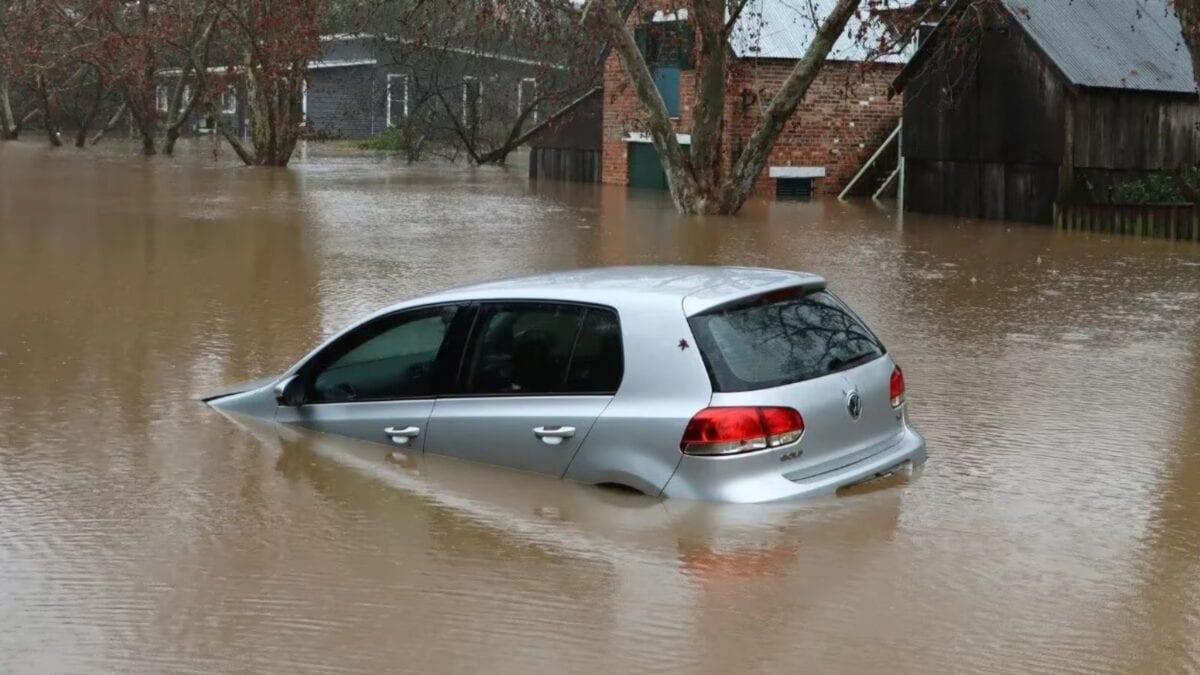
Car or bike drowned in flood? If you want full insurance money then do this work immediately

Car or bike drowned in flood? If you want full insurance money then do this work immediately

Floods and waterlogging are a common problem during monsoon in India, which causes huge damage to cars and two-wheelers. Engine, electrical system, interior and body parts get damaged due to immersion in water. In such a situation, a comprehensive insurance policy protects you financially. Third party insurance only covers damage caused to others, whereas a comprehensive policy is necessary for damage to your own vehicle.

This includes natural disasters like flood, cyclone. Taking the Engine Protect add-on can also cover problems like hydrostatic lock. Filing the claim on time and having the correct documents makes the process easier. Companies fast-track claims under IRDAI guidelines. If you are careful, you can get full compensation, be it repair or total loss. Let us know which steps can be followed to get the insurance money?

What to do immediately if your vehicle gets damaged in floods

In case of flood, first ensure the safety of yourself and your family. If the vehicle is stuck in water, do not start it. This can cause hydraulic lock due to water entering the engine, which leads to claim rejection. Disconnect the battery if possible. Do not move the vehicle yourself. Get towed with the help of the insurer.

Take photos and video of the damage. All around the vehicle, showing the engine, dashboard, seats, water level and surroundings. This evidence helps a lot in claim processing. Do not clean the vehicle even after the water recedes, wait until the surveyor arrives. Avoid roadside parking and choose higher ground.

Notify the insurance company immediately

Report the incident within 24-48 hours. Delay may result in claim rejection. Do intimation through the company's helpline number, app, website or agent. Provide policy number, vehicle details, date and place of incident. Note down the claim registration number.

Most companies offer roadside assistance, which provides towing facilities. The same process is applicable for both two-wheelers and four-wheelers. According to IRDAI, claims due to natural disaster are given priority. Also keep these important documents ready-

  • copy of insurance policy
  • Vehicle Registration Certificate (RC)
  • driving license
  • photo/video of damage
  • Claim Form (Digital or Physical)
  • If the vehicle is washed away then file an FIR in the police station
  • NOC from the financier if the vehicle is financed
  • AML documents like PAN card and Aadhaar (for large claims)

File the claim online by uploading these documents. In many cases, garage estimate is also helpful.

Surveyor Inspection and Claim Assessment

After giving information, the insurance company sends a surveyor. He physically inspects the vehicle, assesses the damage and prepares a report. Do not get any repairs done until the surveyor arrives.

If the repair cost is more than 75% of the IDV (Insured Declared Value) then it can be considered a total loss and payment is made on the basis of IDV (less deductible). Cashless facility is available in some network garages. If not, then reimbursement also happens. The same rule is applicable in two-wheelers also.

Total loss or loss of vehicle

If the vehicle is washed away in the flood and is not found then lodge an FIR. Get a non-traceable certificate from the police. After this the insurance company settles the claim on the basis of IDV. If the loss is high even after being located, it is considered a total loss.

Claim Settlement and Tips

After submitting all the documents the claim should be settled within 30 days. Interest may be charged on delay under IRDAI rules. Cashless repairs will be easy if you choose a network garage. Avoid common mistakes like delay, wrong documents or not starting the vehicle.

Check the policy before the season, take engine protect and zero depreciation add-ons. Keep digital copies of documents. This will keep the claim process fast and transparent. In this way, by filing the claim carefully, the vehicle owner gets financial relief even in times of crisis like flood.

Source link