
Tata Sierra EV vs Hyundai Creta Electric: Which electric SUV has more power?

Tata Sierra EV vs Hyundai Creta Electric: Which electric SUV has more power?

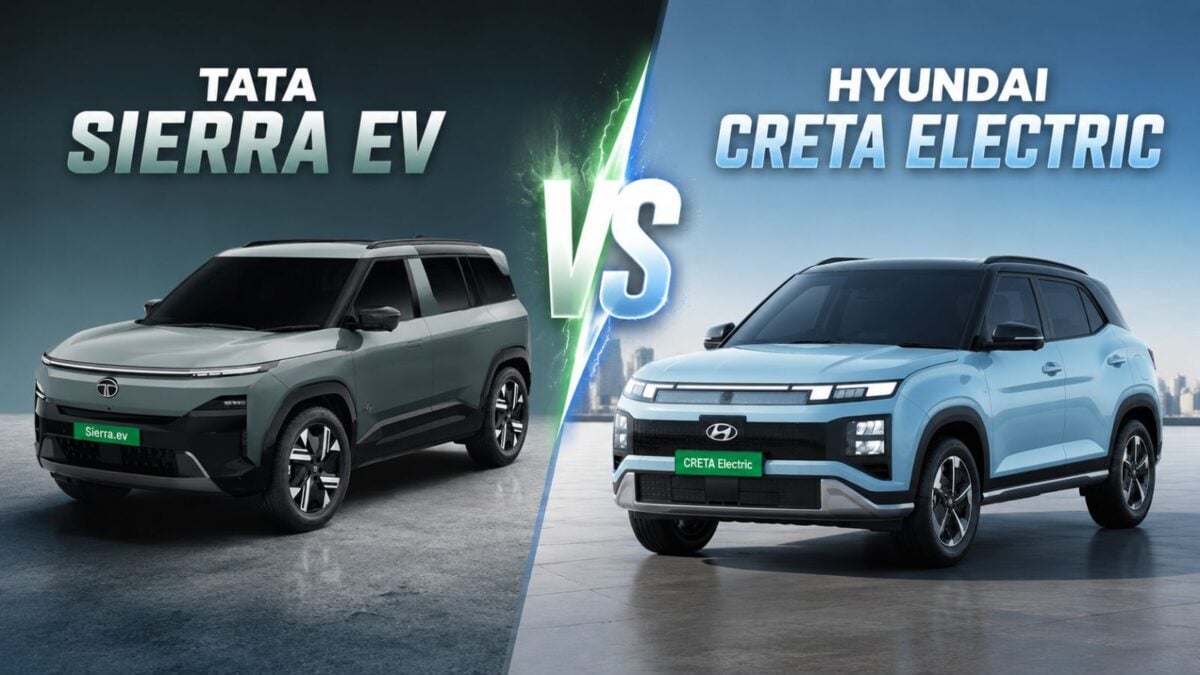
Tata Sierra EV has arrived in the Indian market after a long wait. It also competes with Hyundai Creta Electric in the market. If we look at the prices of both, Tata Sierra EV can be purchased for ₹ 18.79 lakh (Pure 63 kWh RWD) to ₹ 25.99 lakh for the top variant. Whereas, Hyundai Creta Electric starts at ₹ 18.03 lakh (Executive 42 kWh) and the top variant goes up to around ₹ 24.70 lakh.

Both offer a premium EV experience in the compact SUV segment, but the Sierra EV offers more range and power, while the Creta EV emphasizes on brand value, refined drive and value-for-money. Customers can now choose based on space, features and real-world performance. Both these models will further accelerate India's EV transition. Let us know which of these two will be more profitable to buy in terms of design, battery and range?

Design and interior

Tata Sierra EV comes with retro-modern look. Upright bonnet, split LED headlamps, blanked grille, two-tone roof and flush door handles. It looks as strong and adventurous as the petrol/diesel Sierra. The Hyundai Creta Electric is more futuristic and sleek with its Morse-code 'H' logo. The Creta has more mainstream appeal with its EV-specific closed grille and smooth lines, while the Sierra offers bold and unique styling.

Talking about the cabin, Sierra EV gets triple-screen setup (dashboard), panoramic sunroof, ventilated seats, JBL 12-speaker Dolby Atmos sound and premium materials. The Creta Electric comes with dual 10.25-inch screens, panoramic sunroof, ventilated front seats and Bose audio. Both are spacious 5-seaters, but the cabin of the Sierra feels a little more premium and technology-heavy. The interior of Creta is refined and user-friendly.

Features and safety

Both have L2+ ADAS, 360° camera, wireless charging, V2L and connected tech. Sierra has features like extra auto park assist, in-car gaming, 540° camera and boost mode. The Creta has an EV-specific UI, voice sunroof and a good infotainment system. Sierra looks a little ahead in features.

Talking about safety, Tata Sierra EV gets 6 airbags as standard, strong Acti.ev+ platform and advanced ADAS. Creta Electric is also expected to have 6 airbags, ESC, ADAS L2+ and good safety rating. Tata's EVs have generally proven to be strong in structural safety.

Battery, Motor and Range

Tata Sierra EV has 63 kWh (565 km MIDC) or 75 kWh (665 km MIDC, RWD) battery options. An AWD dual-motor setup is also available with the RWD motor (235 bhp). It can reach the speed of 0-100 kmph in just 5.8 seconds. The Creta Electric can be bought with a 42 kWh (420 km) or 51.4 kWh (510 km) battery pack. The Sierra clearly offers better range, power and performance, while the Creta is efficient for daily use.
Source link

Tata Sierra EV vs Harrier EV: Which electric SUV has more power? Know

Tata Sierra EV vs Harrier EV: Which electric SUV has more power? Know

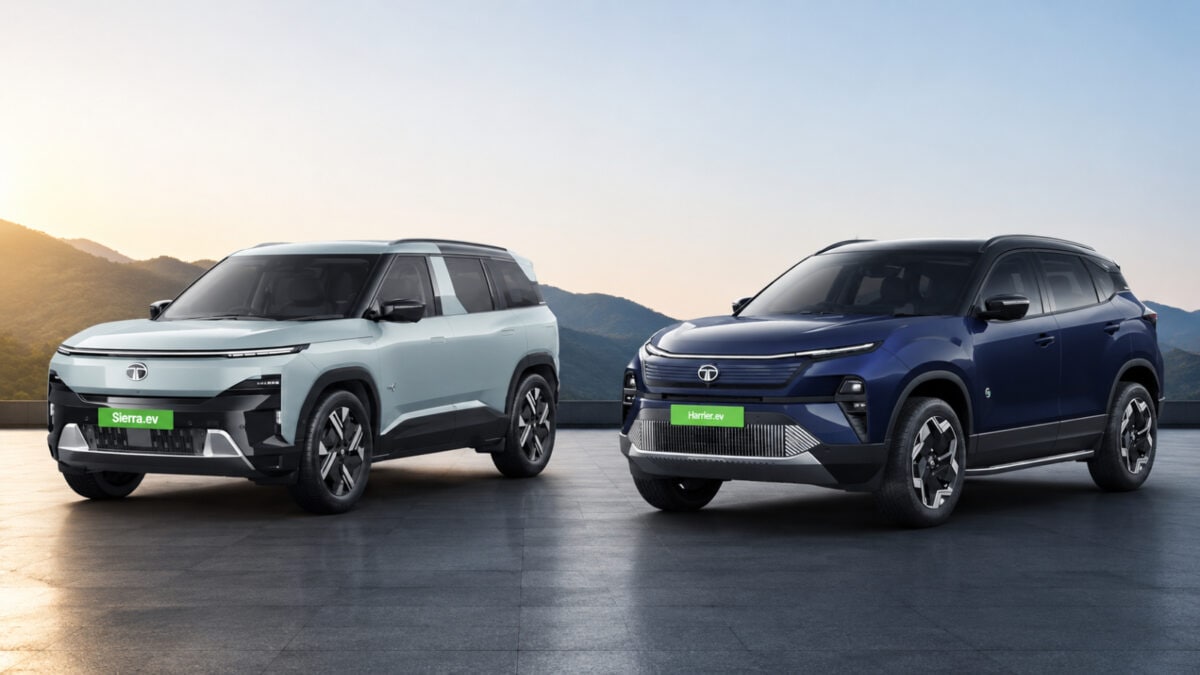
Tata Motors recently strengthened its EV line-up with the launch of Tata Sierra EV, which brings the iconic Sierra design in an electric avatar. It is a more affordable and slightly compact alternative to the Harrier EV. Both are based on the Acti.EV+ platform, but the positioning is different. The Sierra EV is family-oriented and value-for-money, while the Harrier EV is a premium, larger SUV with more features.

Ex-showroom price of Sierra EV starts at ₹18.79 lakh (Pure 63 kWh), the top variant can go up to ₹25-26 lakh. While Harrier EV starts at ₹21.49 lakh (Adventure 65 kWh), the top QWD variant goes for around ₹30 lakh. Both are attractive options for EV buyers, coming with long range, fast charging and strong safety from Tata. Let us know who is better in terms of design and battery-motor?

Design and interior

Tata Sierra EV has a boxy, upright and classic look. It has been introduced with split LED headlamps, blank grille, flush handles and two-tone roof like the ICE version. It looks more practical and family-friendly. The Harrier EV is more dynamic, coupe-styled and muscular, with larger dimensions (4607 mm length) and gives premium road presence. Sierra EV is a bit smaller (about 4400 mm), but feels spacious.

Both the electric SUVs have a premium feel. The Sierra EV gets a triple-screen setup (10.25-inch cluster, 12.3-inch touchscreen + passenger display), panoramic sunroof and ventilated seats. The Harrier EV features a large 14.5-inch touchscreen, JBL Dolby Atmos sound and luxury materials. The cabin of the Sierra EV offers slightly more practical boot space (622 litres+).

Features and safety

Talking about the features, both have features like Level-2 ADAS, 540 degree camera (Transparent Mode), V2L, Auto Park, Summon Mode and Panoramic Sunroof. The Harrier EV gets more premium touches like a larger screen and advanced infotainment, while the Sierra EV is the value pack. Tata is known for its strong 5-star rating. Both have 6-7 airbags, ESP, TPMS, ADAS and disc brakes as standard. Both Harrier EV and Sierra EV get 7 airbags and advanced ESP.

Battery, Motor and Range

Tata Sierra EV can be purchased with 63 kWh (RWD, 535-565 km) or 75 kWh (RWD/AWD, 665 km MIDC) battery options. Harrier EV has 65 kWh (538 km) and 75 kWh (622-627 km) battery options. Both have fast charging (20-80% in just 25 minutes) support.

The top QWD variant of the Harrier EV gets a dual-motor setup, which produces a combined motor power of 158 PS (front) + 238 PS (rear) and 504 Nm torque. At the same time, Sierra EV has been offered with both RWD and QWD drivetrain options. The real-world range of both electric SUVs is approximately between 480 to 530 kilometers.

Source link

Tata Sierra EV ready for launch! Glimpse seen in teaser

Tata Sierra EV ready for launch! Glimpse seen in teaser

Tata Motors is ready to strengthen its EV lineup. The company is going to officially unveil the iconic Tata Sierra EV on June 30, which will be the 7th electric car of the brand. This is a big step after the Tiago EV, with the Safari EV and Altroz ​​EV still to come. The Sierra EV will be positioned below the Harrier EV and will take on the Creta EV and other competition in the mid-size SUV segment.

With the EV specific elements shown in the teaser, the Sierra EV will offer a modern EV look while maintaining the classic Sierra appeal. After launch, it will become a premium offering in the Indian EV market, which will have a combination of spacious cabin, advanced features and powerful performance. It is expected that it will come with a range of 500+ km and AWD option, which will make it attractive as a family SUV. This car built on Tata's acti.ev+ platform will prove to be a milestone in the company's EV journey. Let's take a look at its design, battery and range details.

Design and interior

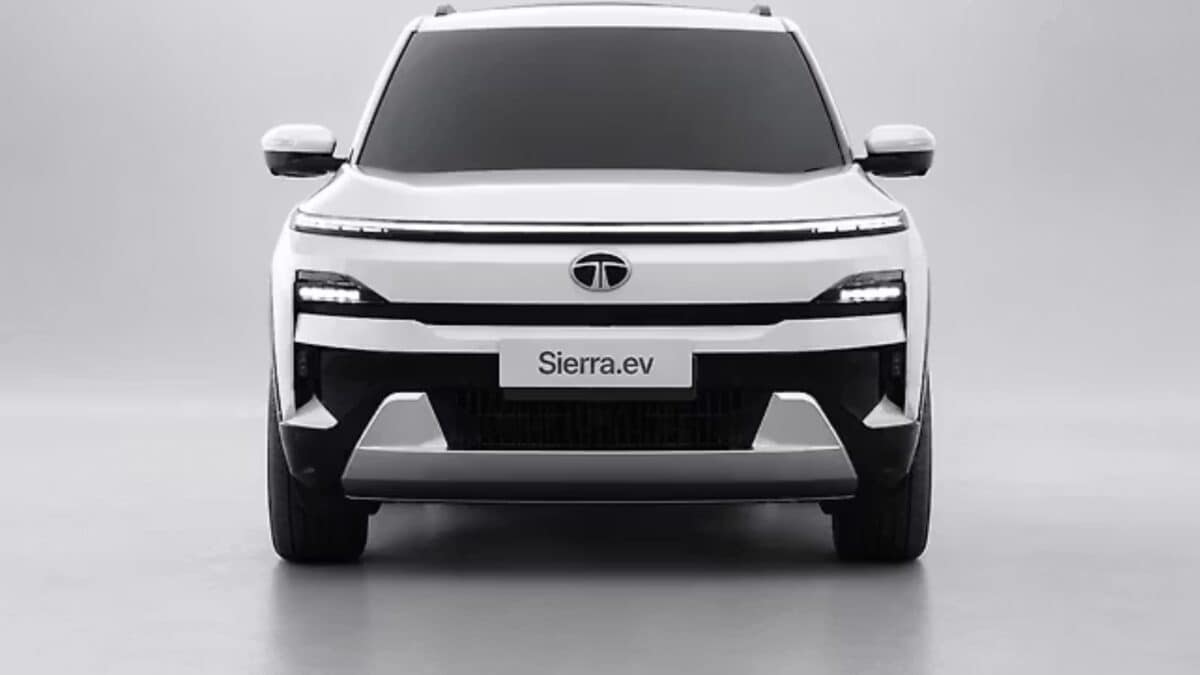
The teaser image shows the front fascia of the Sierra EV, which has an EV-specific closed-off grille. There are more body-coloured elements compared to the ICE version, giving a cleaner look. The clamshell bonnet, connected LED DRLs, the sleekest LED headlights in the segment, vertically arranged LED fog lights and cornering lamps are shared with the ICE version. Silver elements like the bull-bar, white surround of the Tata logo and blue highlights on the Tata.ev badge make the EV distinctive.

The interior of Tata Sierra EV is likely to be similar to the ICE version. The major highlights will be the triple screen layout (on the dashboard), soundbar, premium JBL speakers with Dolby Atmos, extensive soft touch materials, spacious cabin and large boot space.

Features and safety

It will get dual-zone climate control, electric parking brake, powered tailgate, largest panoramic sunroof in the segment, auto headlights, rain-sensing wipers, AR-enabled HUD and more. 360° camera and other modern comfort features are also expected.

For safety, it will get advanced ADAS (Level 2), strong structure and Tata's standard safety features like multiple airbags, ESC and many other features. This car can achieve high safety score.

Battery, Motor and Range

Sierra EV will get the powertrain borrowed from Harrier EV. 65 kWh and 75 kWh battery pack options are possible. Dual-motor AWD (QWD) setup may be available, which will deliver up to 500 Nm of torque. The estimated range can go up to 500-550 km (WLTP), which will be possible with the LFP battery technology and efficient management. RWD variant can also be available. The price and full specs will be revealed after the unveiling on June 30.

Source link