
How many salary people can easily buy Tata Tiago EV? Know

How many salary people can easily buy Tata Tiago EV? Know

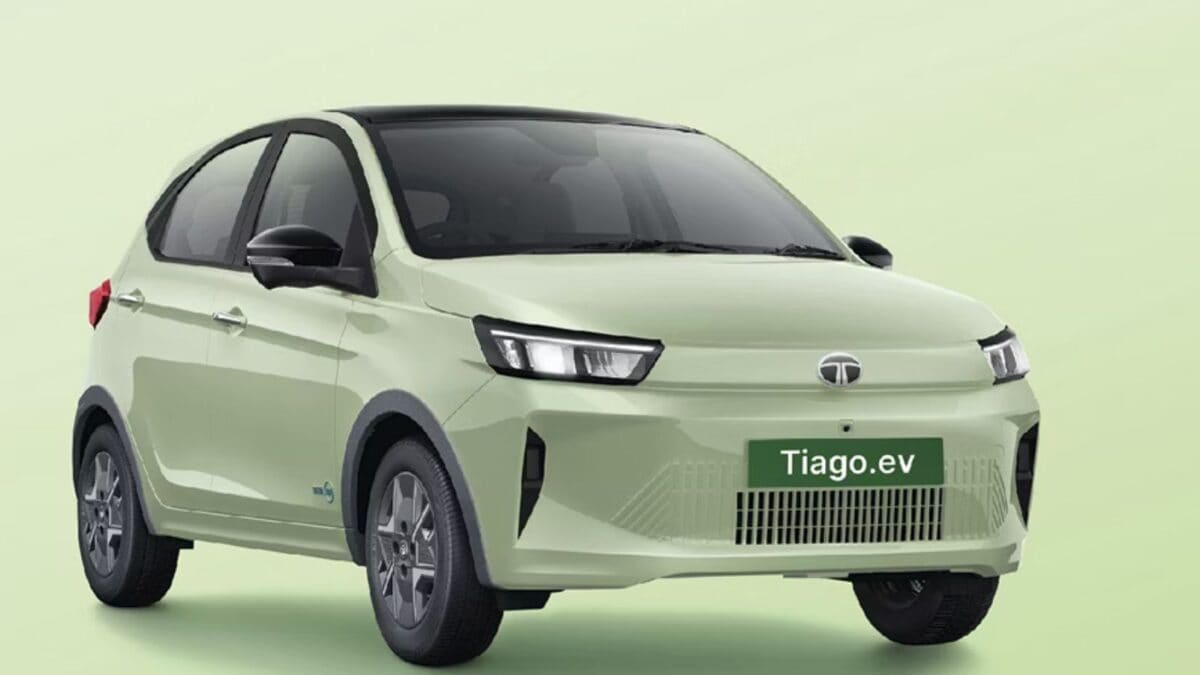
Tata Motors has boosted EV sales in the Indian car market. To maintain this pace, the company has recently updated the electric version of its most popular hatch. We are talking about Tata Tiago EV Facelift. If you are looking for an economical, eco-friendly and car equipped with advanced features for daily driving in the city, then this car can prove to be a great option for you.

The company has now redesigned its lineup, making it more accessible. In this detailed report, we are giving you complete information about the new on-road prices of Tiago EV, easy EMI options and all its technical and practical aspects, so that you can take the right decision as per your budget.

On-road price and EMI details

The starting ex-showroom price of Tata Tiago EV Facelift in the Indian market starts from ₹ 6.99 lakh and goes up to ₹ 9.99 lakh for the top variant. Its on-road price in Delhi-NCR (Noida) falls between ₹ 7.40 lakh to ₹ 10.55 lakh.

If you want to finance it, with a down payment of around ₹75,000 for the base variant, the monthly EMI will be around ₹14,500 to ₹15,500 for a tenure of 5 years (60 months) with an assumed interest rate of 9.8%. This EMI can go up to ₹21,000 per month for the top-spec variant.

Important advice!

If you have savings of up to Rs 1 lakh for down payment and you can withdraw up to Rs 20,000 every month for the car, then you can easily buy it on installment. Apart from this, getting a car loan at a good interest rate will depend on your monthly income and credit score. Our advice is that if you earn Rs 40-50 thousand per month and are not already paying any big EMI, then this can be a better option.

Design and interior

In terms of design, this hatchback has been given a modern look. Signature tri-arrow pattern and EV badging is available on its front grille. You will feel premium as soon as you step inside its cabin. It now has a new 10.25-inch touchscreen infotainment system and a digital instrument cluster. Electric blue accents have been used in the interior, which reflects its electric character.

Features and safety

Talking about the features, it includes features like Android Auto, ATR Apple CarPlay, Connected Car Tech (ZConnect), Automatic Climate Control and Cruise Control. 360-degree camera has also been added in the new generation. It is very strong in terms of safety, it has got 4-star GNCAP safety rating. Important features like dual airbags, ABS with EBD and Electronic Stability Program (ESP) have been provided in safety features.

Battery, Motor and Range

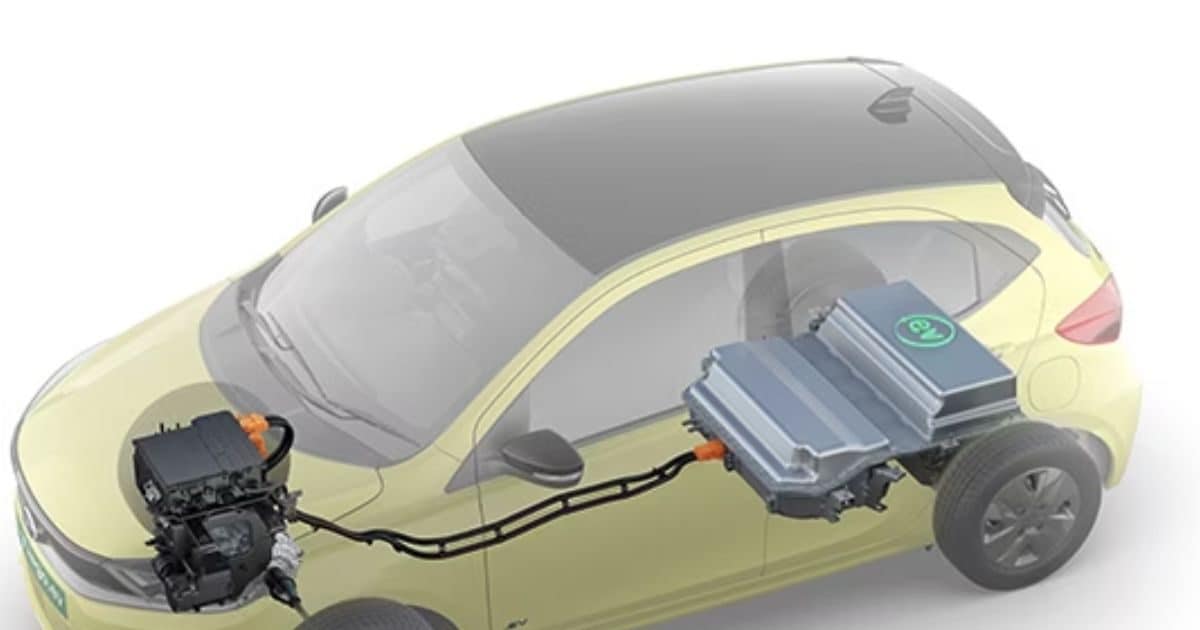
Tata has given two battery pack options in it, which can be chosen as per your need:

  1. Mid Range (19.2 kWh): This motor generates power of 60 bhp and torque of 110 Nm. The company claims its MIDC range to be 226 km.
  2. Long Range (24 kWh): This big battery gives power of 74 bhp and torque of 114 Nm. Its MIDC range is 285 km.

The special thing is that the company is now also offering lifetime warranty on this big battery, which provides customers a safe and stress-free ownership experience. With the Fast DC charger, this car gets charged from 10 to 80% in just 58 minutes.
Source link

Is it worth lakhs of rupees as soon as the EV battery gets damaged? know the truth

Is it worth lakhs of rupees as soon as the EV battery gets damaged? know the truth

Last Updated:

Is there a shock of lakhs of rupees as soon as the battery of the electric car gets damaged? This fear stops many people from buying an EV. But the real picture is something else. Most of the companies in India are giving battery warranty of up to 8 years, whereas in many cases there is no need to replace the entire battery. Know the complete truth about battery cost, life and repair of companies like Tata, Mahindra, MG and BYD.

news immediately

Zoom

Does lakhs of rupees get spent due to EV battery failure? Know

With the increasing popularity of electric vehicles (EV), the biggest question is how much will it cost if the battery gets damaged? Will the bill really be as much as a new car? Many potential buyers step back due to this fear, but after understanding the actual figures and the policies of the brands, the picture becomes quite clear. The batteries of most electric cars in India come with a warranty of 8 years or 1.6 lakh kilometers (whichever is earlier).

During this period, if the battery capacity goes below 70%, then most companies have a provision for free replacement or repair. Tata Motors is offering 15 years lifetime battery warranty (unlimited kilometres, for the first owner) on some premium models (like Nexon EV 45 kWh, Curvv EV, Harrier EV). Mahindra and other brands also offer a standard warranty of 8 years/1.6 lakh km. The warranty of companies like MG, Hyundai and BYD is also around this.

If no warranty, how much will it cost?

Cost of replacement outside warranty depends on model and battery size. The cost of 25-30 kWh battery in small cars (Tata Tiago EV, Punch EV, MG Comet) can range from ₹ 3 lakh to ₹ 5 lakh. Estimates for mid-size SUVs like Tata Nexon EV (30-45 kWh) range from ₹3.5 lakh to ₹6-7 lakh. Larger or premium models (MG ZS EV, BYD Atto 3 etc.) can go from ₹5 lakh to ₹9-12 lakh. The cost per kWh is currently around ₹15,000-20,000. However, battery prices are falling rapidly globally.

When does the battery go bad?

The reality is that the battery does not get completely damaged suddenly. Modern lithium-ion batteries can easily last for 8-12 years or 1.5-2 lakh km with proper usage (maintaining 30-80% charge, protection from direct sunlight, regular servicing). Real-world degradation ranges from 10-20%. In many cases, instead of replacing the entire battery, repairing a few cells is enough, which can cost ₹ 50,000-1.5 lakh.

changing technology

Companies like Tata, Mahindra are making battery packs modular, which will make repairs easier and cheaper in future. Taking a battery protection add-on in insurance can provide additional protection. In the long run, the petrol-diesel savings (up to ₹50,000-1 lakh per year) and low maintenance (no breaks, oil changes etc) offset the battery costs.

Summary: While buying a new EV, be sure to check the battery warranty details, service network and Battery Health Reporting System (BMS). With the right model and usage, the chances of getting a bill of lakhs are very less. The future of EVs is clear – battery technology is getting cheaper and better. Take decisions with information instead of fear.

About the Author

authoring

Ram Mohan MishraSenior Sub Editor

Ram Mohan Mishra, working as Senior Sub-Editor at News18 Hindi, is active in digital media since 2021 and is currently handling the Auto Desk. They provide car and bike related information in an easy, clear and reliable manner.read more


Source link