Nissan Tekton vs Hyundai Creta: Which SUV is best to buy in a budget of less than ₹ 15 lakh?

Nissan Tekton vs Hyundai Creta: Which SUV is best to buy in a budget of less than ₹ 15 lakh?

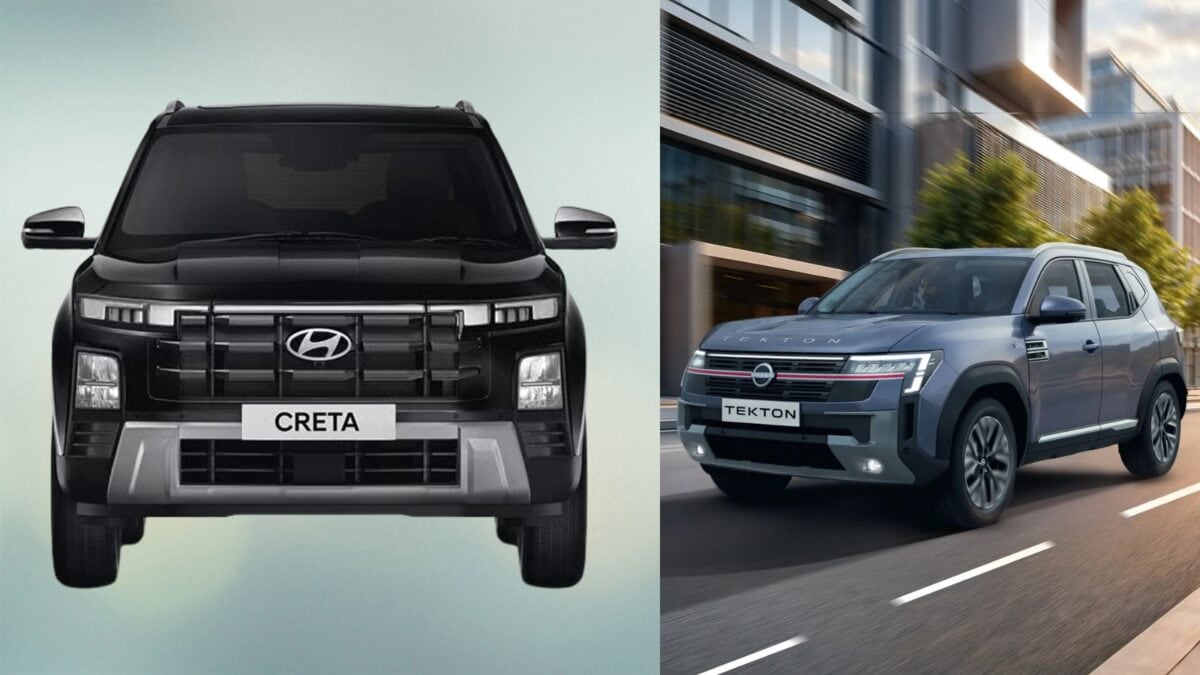
There is tough competition in the mid-size segment of the Indian SUV market. Nissan has recently launched a direct challenge to Hyundai Creta by launching Tecton. Prices for the Tecton start at ₹10.49 lakh and go up to ₹18.59 lakh (ex-showroom), while the Creta is available from ₹10.91 lakh to ₹20.11 lakh. The Tecton is a badge-engineered version of the Renault Duster, which comes with a petrol-only turbo engine and has achieved a 5-star BNCAP safety rating.

On the other hand, Creta is known for its reliability, diesel engine option and large feature list. Tecton is offering a new option with bold design, large boot space (700 litres) and premium interiors, while Creta offers balanced performance and network support. Let us know which is better to buy in terms of price, design, interior, features, safety, engine and mileage?

Design and interior

The design of Tecton is inspired by Nissan Patrol. Large grille, vertical LED DRLs, slim headlamps and connected taillights. It is slightly longer (4349mm) and wider (1815mm) than the Creta, giving better road presence with a wheelbase of 2657mm and ground clearance of 212mm. 18-inch wheels and panoramic sunroof give a premium look.

Tecton looks premium in the interior. There is a tri-tone cabin, 48-colour ambient lighting, ventilated seats and soft-touch materials. The Creta's interior is also modern with dual 10.25-inch displays and Bose sound, but the Tecton's sportier feel and larger boot makes it practical. The cabin of Creta is refined and family-friendly.

Features and safety

Both have features like panoramic sunroof, 360° camera, ventilated seats and wireless charging. Tecton offers Google built-in, 10.1-inch touchscreen, powered tailgate and level-2 ADAS (Adaptive Cruise, Lane Keep etc.) in the top variant. Creta has BlueLink connected car tech, Bose audio and more customization in some variants. The Tecton's ADAS suite is robust, while the Creta's is convenient in daily use.

Tecton's 5-star BNCAP rating (Adult 30.49/32, Child 45/49) is a big plus. 6 airbags are standard in both. Tecton has ESC, hill descent and advanced ADAS. The Creta also has a strong safety suite (ESC, hill start), but the old Global NCAP rating has been 3-stars. Tecton is ahead here.

Engine and Mileage

Tecton offers only turbo petrol engine. It can be purchased in MT/DCT option with 1.0 liter turbo petrol (100 PS, 166 Nm, 19.4 kmpl) and 1.3 liter turbo petrol (163 PS, 280 Nm, 17.8-18.5 kmpl) engines.

At the same time, Creta has NA petrol (115 PS), turbo petrol (160 PS) and diesel (116 PS, 21.8 kmpl) options. Diesel is better for mileage and long-drives, while Tecton's 1.3 liter turbo petrol gives more torque.

Who should buy it: Tecton is a new challenger with bold styling, superior safety, huge space and aggressive pricing. This is especially best for petrol lovers. Creta is strong in balanced engine options, service network and refinement. Tecton can provide value in the budget of ₹ 12-16 lakh, while diesel lovers should choose Creta.
Source link

This Japanese SUV has come to end the game of Creta-Seltos! Bring it home for just ₹ 10.49 lakh

This Japanese SUV has come to end the game of Creta-Seltos! Bring it home for just ₹ 10.49 lakh

To strengthen its hold in the Indian SUV market, Nissan Motor India has unveiled the new Nissan TEKTON. The company has launched it in the premium C-SUV segment, whose starting ex-showroom price has been kept at ₹ 10.49 lakh, while the starting price of the top T280 DCT range goes up to ₹ 14.99 lakh. This SUV is an important part of the company's comeback strategy in India and will be manufactured at the Chennai plant.

Nissan claims that TEKTON is the only SUV in its segment with 100% turbocharged engines across the entire range. Apart from this, it has features like Google built-in connectivity, class-leading boot space of 700 liters, torque up to 280 Nm, more than 17 ADAS features and 6 airbags. The company will start its delivery soon and booking has started across the country. Let's take a look at the details from design to engine and performance.

Design and interior

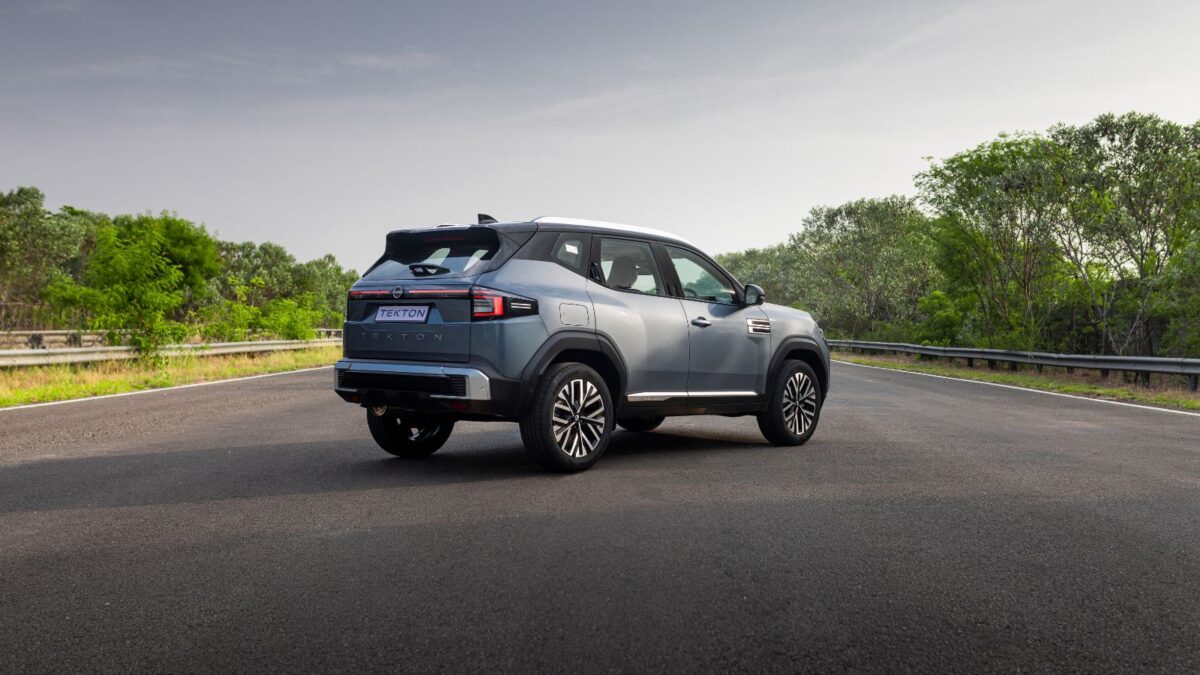
The design of the new Nissan TEKTON is inspired by the company's flagship SUV Patrol. It has a full-width chrome grille, C-shaped 5-chamber LED headlamps, muscular wheel arches, flush roof rails, aero-tuned spoiler and double-C skid plate. At the rear, C-shaped connected LED taillights and piano black finish give it a premium look. Also, ground clearance of 212mm and better approach and departure angles make it suitable even for bad roads.

Premium leatherette upholstery, soft-touch materials and rose gold finish have been used in the cabin with a tri-tone theme. It has dual digital screen, double D-cut steering wheel, fly-by-wire E-shifter and driver-centric center console. Powered, ventilated and Active Comfort seats with lumbar support will help in providing better comfort on long trips.

Features and safety

TEKTON has a 10.1-inch Tek-Link HD infotainment system and 10.25-inch digital instrument cluster. It supports more than 200 apps like Google Maps, Google Assistant and Google Play through Google Built-in. Apart from this, Infinity View panoramic sunroof, dual-zone climate control, 48-color ambient lighting, Arkamys 3D audio system, active-cooled wireless charger, smart air purifier, 360-degree camera, smart powered tailgate and more than 55 connected features from MyNISSAN app are also provided.

For safety, TEKTON has been provided with 6 airbags as standard in all variants. Apart from this, more than 40 safety features, 62% high-strength steel body and more than 17 ADAS features are available. These include features like Adaptive Cruise Control, Autonomous Emergency Braking, Forward Collision Warning, Lane Keep Assist, Lane Departure Warning, Blind Spot Warning, Driver Attention Alert and Traffic Sign Recognition.

Engine and Performance

The new TEKTON comes with two turbo petrol engine options. The first is the Turbo T160 engine, which gives a claimed mileage of up to 19.4 kmpl. The second Turbo T280 engine produces 163 PS power and 280 Nm torque, which will give a mileage of up to 18.5 kmpl. Both engines are equipped with Mirror Bore Coating technology taken from Nissan's GT-R. Transmission options include 6-speed manual and 6-speed wet-clutch DCT. Dual driving mode and dual mode steering is also provided in the SUV. In the market it competes with SUVs like Hyundai Creta and Kia Seltos.

Source link

These are powerful SUVs with more than 150 HP power! Price starts from just ₹10.5 lakh

These are powerful SUVs with more than 150 HP power! Price starts from just ₹10.5 lakh

Finding the combination of power, performance and value for money in the Indian SUV market has always been a challenge. Nowadays, customers not only want stylish looks and features, but are also demanding a more powerful vehicle that can give strong performance in both highway, city and light off-roading. Renault Duster, MG Majestor and Mahindra Scorpio N are three strong contenders in this segment.

Duster is making a comeback in the new generation with modern technology and smart handling, while Mahindra Scorpio N is known for its rough and tough performance. MG Majestor, on the other hand, offers a full-size SUV experience with premium luxury and massive power. Which of these three is the best? Let us know.

Renault Duster

The new generation Duster comes with a 1.3-litre turbo petrol engine (TCe 160) producing 161-163 hp power and 280 Nm torque, which is one of the most powerful options in the segment. It comes with 6-speed manual or DCT automatic transmission. The strong points of the Duster are its agile handling, good mileage (up to 18 kmpl) and modern features like panoramic sunroof, dual screen setup, ADAS and LED lights.

Prices start from around ₹10.5 lakh and go up to ₹18-20 lakh. This mid-size SUV is best for those who want sporty driving, easy maneuverability and value. It also performs well off-roading, but not as strong as the Scorpio N under heavy load or extreme conditions.

MG Majestor

This flagship SUV offers 212-216 hp power and 478 Nm torque with a 2.0-liter twin-turbo diesel engine, which is the most powerful among the three. With 8-speed automatic, it is comfortable on long drives and strong in overtaking. The Majestor offers a premium experience with a 6/7-seater layout, luxury interiors, JBL audio, massage seats, level-2 ADAS and a 4×4 variant with triple diff lock.

Prices start from ₹41 lakh and go up to ₹45 lakh. It is ideal for family or business users who want luxury, space and raw power. It competes with Toyota Fortuner in the market. However, due to the large size, parking and fuel efficiency in the city can be a bit challenging.

Mahindra Scorpio N

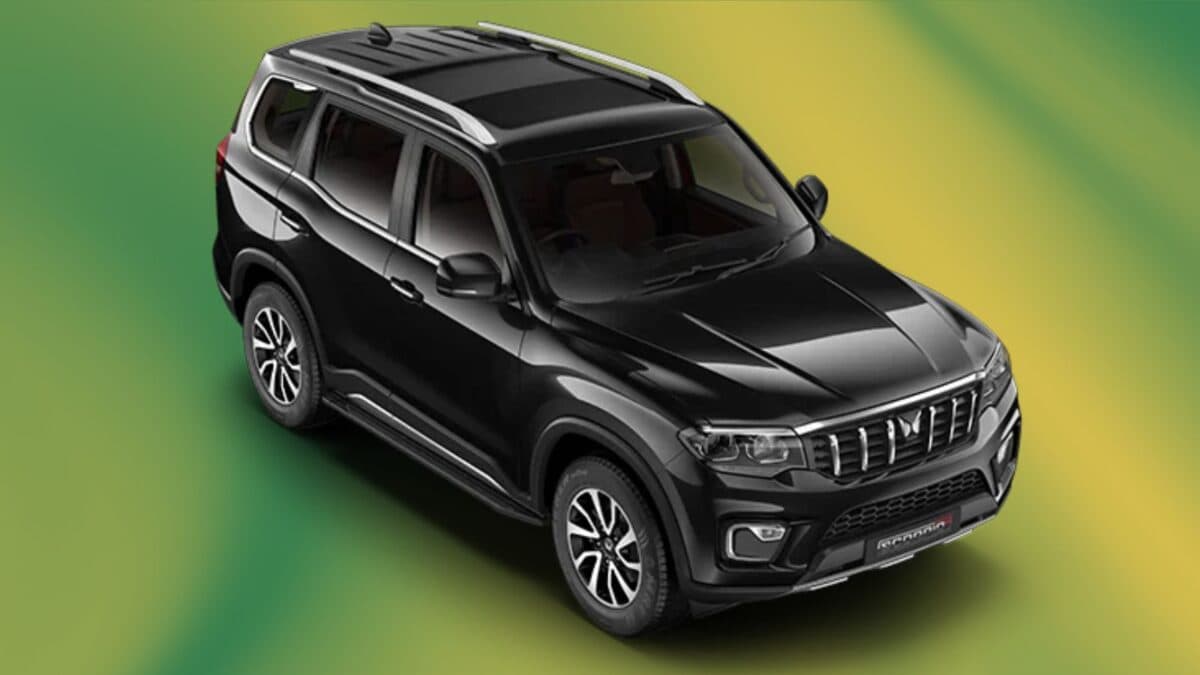
Available in 2.2-litre diesel (172 hp, 400 Nm) or 2.0-litre petrol (200 hp) variants, it is the king of raw power and off-road capability. The strong body-on-frame chassis, 4×4 system and terrain modes make it unmatched on rough roads. With 6/7-seater option, premium features and aggressive styling, it is very popular among young buyers and adventure lovers.

Its price ranges from ₹ 13.5 lakh to ₹ 25 lakh, which makes it value for money. It is balanced in comfort, ride quality and road presence. However, in some cases the refinement may seem less than the Duster.

Who is better: If budget and daily use is a priority, then Renault Duster is a good choice. MG Majester is on top for power and luxury, while Scorpio N offers the best balance of performance, value and off-roading. Before choosing any one of the three, definitely take a test drive.

Source link

Maruti Fronx and Toyota Taisor which is better? Know

Maruti Fronx and Toyota Taisor which is better? Know

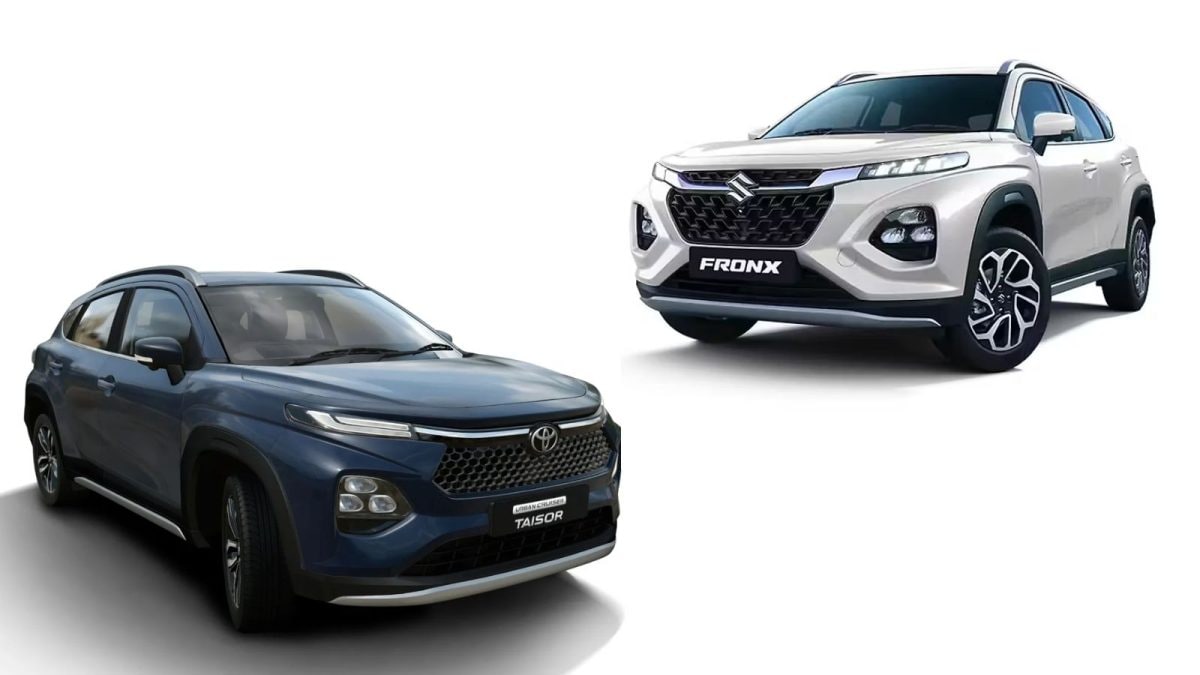
Maruti Fronx and Toyota Taisor are basically twin models built on the same platform. The Fronx is a stylish crossover from Maruti's NEXA lineup, while the Taisor is a rebadged version of Toyota's with a slightly premium appeal. Both cars attract young buyers who want sporty looks, good mileage and features.

Talking about the price, Maruti Fronx starts from ₹ 6.85 lakh and goes up to ₹ 11.98 lakh for the top variant. Toyota Taisor is a bit expensive. It starts from ₹7.25 lakh and goes up to ₹12.63 lakh for the top variant. The Taisor benefits from Toyota's superior service and resale value, while the Fronx offers value for money. Let us know which of the two would be a more profitable deal to buy?

Design and interior

The Fronx looks sportier and younger with a sloping roofline, sharp LED DRLs and muscular styling. Taisor has Toyota's family front grille, different LED headlamps and some chrome elements, which make it look a little bigger and premium. The side and rear profiles of both are quite similar, but the unique alloy wheels of Taisor give it a different identity. Overall, the Fronx looks more dynamic, while the Taiso has a mature appeal.

The cabins of both are almost identical. Black-brown dual tone, 9-inch touchscreen, good space and comfortable seats. The only difference in Taisor is the Toyota logo on the steering wheel. Quality is decent but hard plastics are present. There is good leg room and headroom on the rear seats. Boot space is same in both at 308 litres. The cabin of Taisor could offer slightly better fit-finish and premium feel.

Features and safety

Both have features like 9-inch touchscreen, wireless Android Auto/Apple CarPlay, 360° camera (top variant), heads-up display, wireless charging, cruise control, rear AC vents and Arkamys audio. Taisor may get additional premium touches in some variants. The features are almost equal, but if you choose the loaded variant, both offer great value.

For safety, both have 6 airbags, ABS with EBD, ESP, hill hold and ISOFIX as standard. Fronx has got 1-star in Global NCAP (based on some past tests). The safety of the Taisor is also similar, but it has the added benefit of the reliability of the Toyota brand. Both have 360° cameras and other aids available in the upper variants.

Engine and Mileage

Both mainly have 1.2 liter 4-cylinder petrol engine (89-90 PS, 113 Nm) and 1.0 liter turbo-petrol (100 PS, 147.6 Nm) options. CNG variant is also available. The performance is almost the same. It can be bought for easy driving both in the city and on the highway. The mileage of both is around 22 KMPL in petrol and 28 KMKG in CNG.

Source link