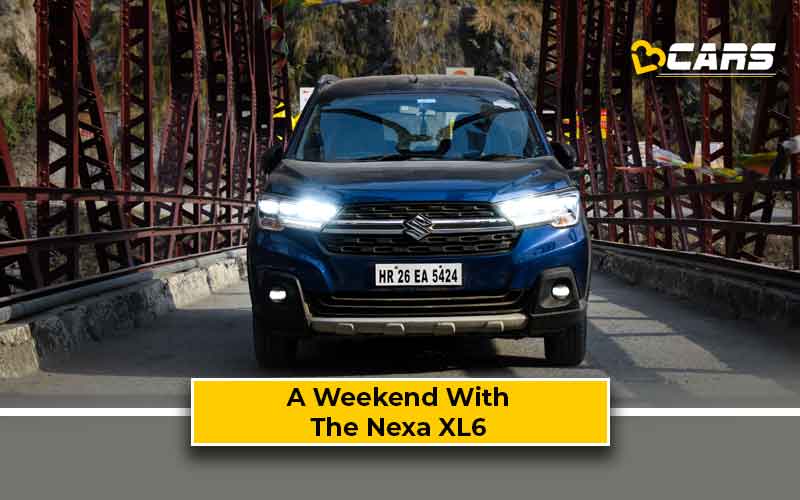
Travelogue: Tripping With The XL6 – The Jack Of All Trades, Master Of Some

Travelogue: Tripping With The XL6 – The Jack Of All Trades, Master Of Some

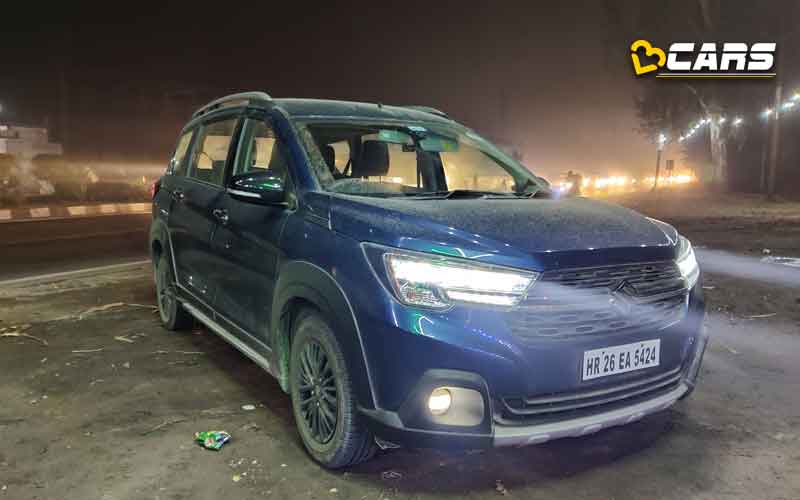
These past two years have been tough on mankind. With the small trips becoming the new resolutions, something as small as a road trip felt like the best source of exhilaration. When I was given an opportunity to travel with the XL6, the first picture that came to mind was of lush green mountains, natural waterfalls, and winding roads. With those tempting thoughts, I planned the route and the places to visit. Filled the Maruti Suzuki XL6 to the brim, checked the tyre pressure, and off we went to Dehradun!

Completely unaware of the sublime Delhi-Meerut expressway, we trusted Google Maps which rerouted us to the older way of reaching Dehradun. Starting from Gurugram, the first scenic location was the Signature Bridge near Ghaziabad. Covered with fog and low-slung clouds, it’s known to be the tallest viewpoint in Delhi. After clicking a few pictures, we continued on the journey to reach Muzaffarnagar. Google Maps suggested we take some country roads. However, it was a rather intriguing route, with loads of traffic and tractors loaded with sugarcane. That’s when I came to realise the fact that Uttar Pradesh is indeed the largest producer of sugarcane crops.

The sight of sugarcane triggered cravings for carbs in me. So, I stopped by a stall for some garam samosas. We loaded up and carried on with the trip and to our surprise, we weren’t the only ones traveling to Dehradun on Christmas. On our way, we saw several cars with UP14, HR26, HR38 and DL09 plates. The samosas warmed us up really well. So, we grabbed some cold drinks and the front cup holders, which get air-con circulation, kept them cool while we sipped it intermittently. Another nifty feature of the XL6 was auto headlamps. When entering the tunnels, the headlights turned on before I could reach for the stalks and turned off automatically as we exited.
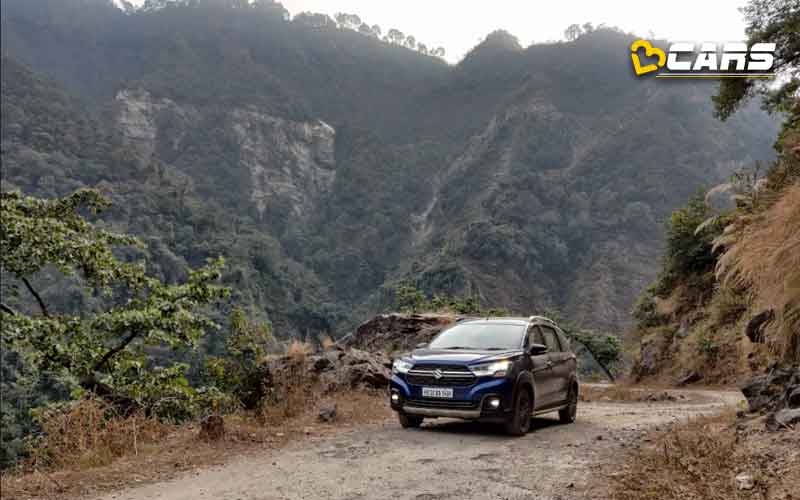
Maruti XL6

The route we were on was throwing occasional rough patches, beaten roads of villages, large flocks, and whatnot. But the supple ride quality of the XL6 kept the occupants unaware of how poorly I was negotiating bad roads. To some extent, the rather small 15-inch wheels witih taller sidewalls also helped with the comfort. The benefits of the XL6 became more apparent when the going got more treacherous.
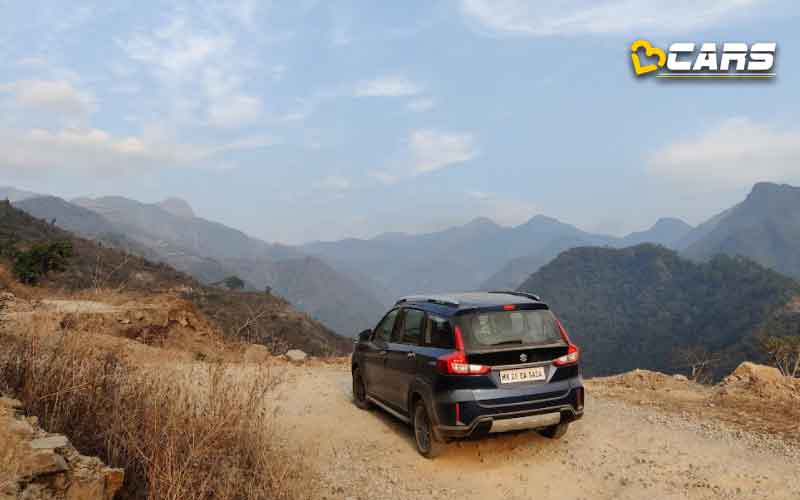
Maruti XL6

As we reached Dehradun after a long journey, the roads became narrower. On day 1, our goal was to reach Dhanaulti and enjoy the mesmerising scenic views. We got there eventually but after a lot of hassles. I blame Google Maps again for suggesting us the longer and more treacherous route. The roads were broken and we didn’t witness a single piece of tarmac. Multiple landslides along the way had made the roads miserable. But to our surprise, the XL6 didn’t break a sweat. The 1.5L hybrid petrol engine, coupled with short gearing offered good torque at the wheels even at low-ish RPMs.
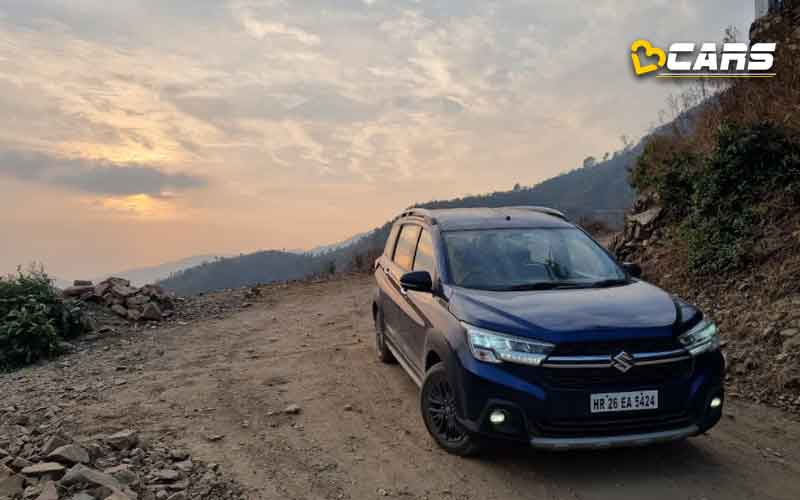
maruti XL6

The motor of the XL6 is very tractable, and I wasn’t hunting for gears every now and then. Even in the city for that matter, it could drive in 3rd gear from as low as 20kmph. In most of the instances, I forgot that I was in 3rd gear throughout the traffic. That single character of the XL6 makes it a great hauler in the city.
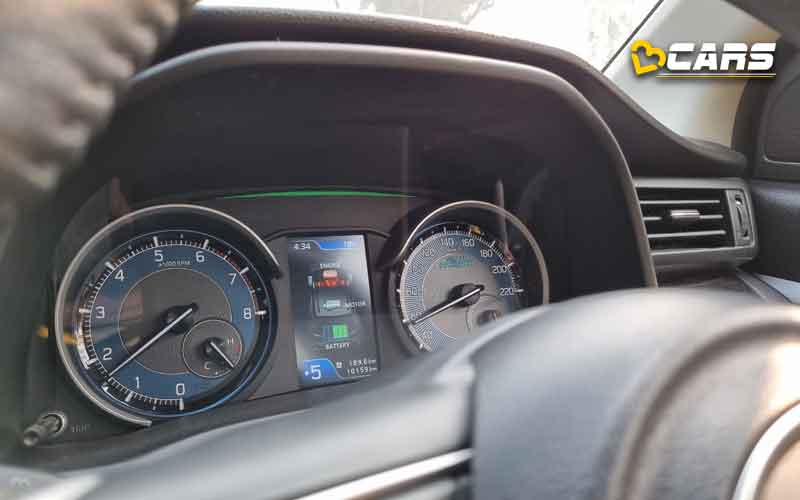
Maruti XL6

After covering a good 25-30 km on the way, we ventured back to the base as the roads ahead were only meant for 4x4s. After having the famous Maggi of mountains, we found a hotel to snooze a bit before heading to Mussoorie the next morning. Unlike Dhanaulti, the roads leading to Mussoorie are really good – long switchbacks and banked twisties. While constantly working the steering wheel, I started to appreciate the light steering wheel of the XL6. Had it been any other SUV, I would have faced severe pain in my forearms and shoulders for sure.
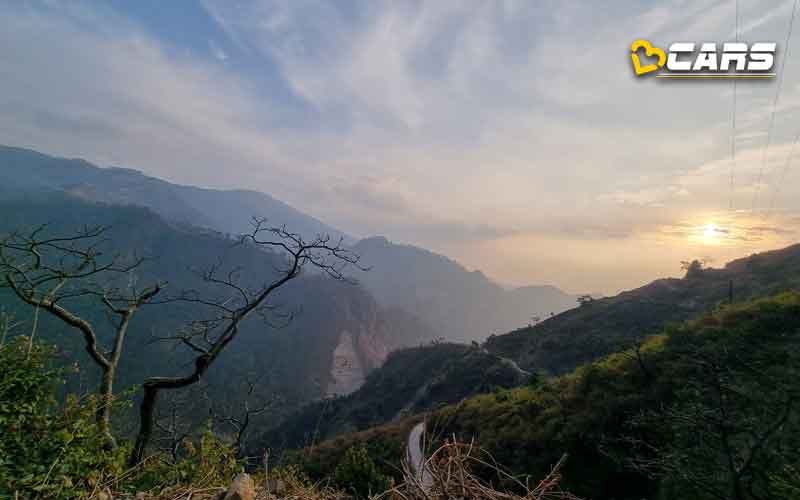
Maruti Xl6

The roads of Mussoorie had barely any traffic when we arrived early in the morning. Once we reached the top, it started getting crowded and the roads kept getting narrower. Hence, we decided not to go to the rather famous Mall road. We found a scenic private property down the hills, which had Alpine trees and a small pond.
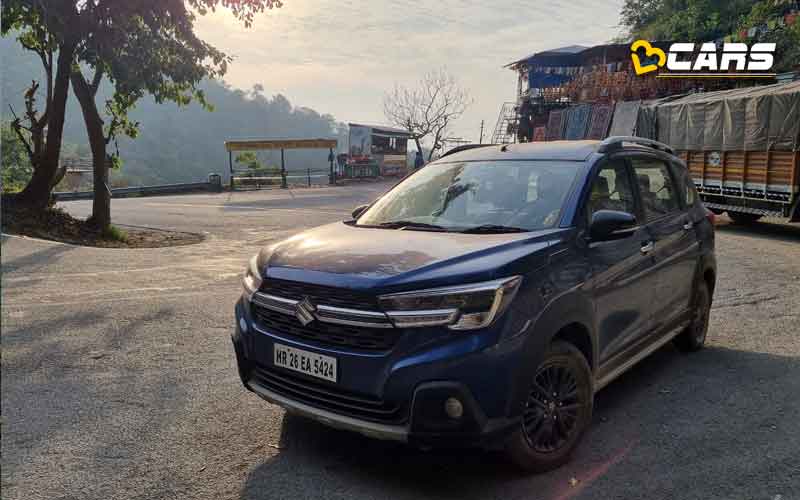
We clicked a good bunch of photos and started our journey back to Gurugram, and this time, Google Maps recommended the Delhi-Meerut expressway. The new expressway is really smooth and has wide lanes. On our way back, we witnessed some drizzling throughout. So, we didn’t push the car and kept well below the speed limit to stay on the safe side.
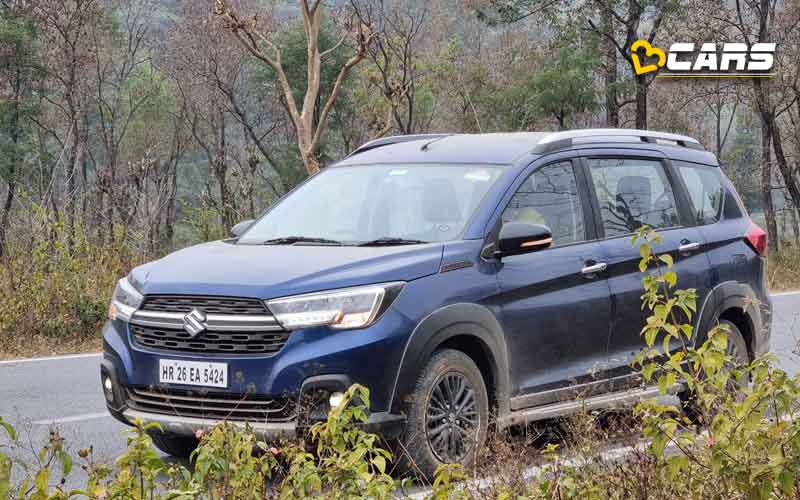
Once we arrived back home, I thought of calculating the expenses after tanking up the cheaper Gurugram diesel. During our 800km weekend getaway, we covered a good mix of highways, city roads, treacherous mountain roads and twisty turns with steep climbs and descents. With 4 occupants and a weekend’s worth of luggage, our petrol XL6 delivered 17.7kmpl. The short gearing in the XL6, that is its USP in the city, takes a toll on the highways. Hence, if you want to get good FE, then you should keep the engine around 2000rpm. In the top gear, you can cruise at around 80kmph with the tacho needle hovering just a shade over 2000.
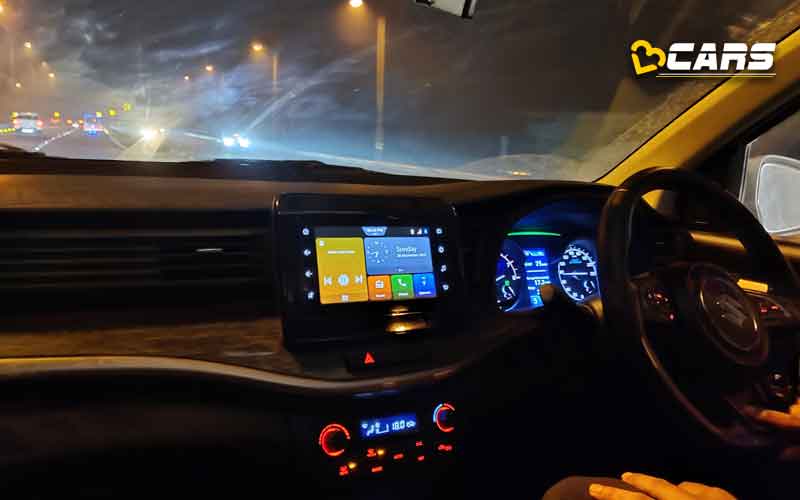
Our trip to Dehradun and Mussoorie was full of scenic views, great roads, and good food. And honestly, we couldn’t have asked for a better companion to deal with the ‘off’ road patches we ran into during the trip. It’s supremely comfortable and spacious, frugal and reliable. Till now, I never understood why the XL6 existed when we have the affordable and more practical Ertiga. But the XL6 turned out to be a better family car with a premium experience and captain seats for all occupants. If you want a good looking family mover and have reliability and comfort and fuel efficiency high on your priority list, then look no further than the Maruti Suzuki Nexa XL6.
Also Read: 10 Tips To Get Better Mileage From Your Petrol, Diesel Or CNG Car


Source link

Mini Aceman EV images leak ahead of Beijing Motor Show debut on April 24

Mini Aceman EV images leak ahead of Beijing Motor Show debut on April 24

Ahead of its official debut at the Beijing Motor Show on April 24, images of the Mini Aceman EV have been leaked online. The Aceman EV is set to play

The Aceman EV is set to play a key role in the automaker’s electric vehicle strategy (Coche Spias)

Mini has discontinued its Clubman model to make way for the Aceman EV, an electric vehicle that will play a crucial role in the automaker’s electric vehicle strategy. Set to debut at the Beijing Motor Show on April 24, leaked images of the Aceman showcase a design reminiscent of Mini’s larger Countryman model, positioning the Aceman between the smaller three-door Cooper and the Countryman in Mini’s lineup.

The Aceman EV retains most design elements from the Aceman concept displayed in 2022, with leaked images confirming a range-topping John Cooper Works (JCW) variant featuring larger alloys, low-profile tires, and racing-inspired decals. Compared to the Cooper hatch, the Aceman is 192mm longer, 23mm wider, and 130mm taller.

Inside, the Aceman will feature Mini’s new round touchscreen, touted as the first circular OLED touch interface in a production car. Traditional toggle switches and steering wheel buttons for media functions, drive modes, and cruise control will also be retained.

Also Read : Mini pulls plug on this car, makes room for electric Aceman

The Aceman will utilise a stretched version of Mini’s Spotlight Architecture, similar to the electric Cooper SE hatchback. The EV will be offered in two trim options – E and SE. The E will come as the base model and will get a single front axle-mounted electric motor paired with a 40 kWh battery pack. It will promise up to 300 km range on a single charge.

The top variant SE will get a bigger 54 kWh battery pack promising up to 400 km range on a single charge.While the range of the Aceman has not been officially disclosed, the specified battery sizes suggest a potential range of up to 400km.

First Published Date: 31 Mar 2024, 09:44 AM IST


Source link
Luxury car sales in India could breach 50k units mark in 2024, hopes Audi

Luxury car sales in India could breach 50k units mark in 2024, hopes Audi

Audi hopes to see significant growth in India in 2024, while it also hopes the luxury car segment will cross the annual 50,000-unit sales milestone th

Audi hopes to see significant growth in India in 2024, while it also hopes the luxury car segment will cross the annual 50,000-unit sales milestone this year. (REUTERS)

Luxury car sales in India could cross the milestone of 50,000 units for the first time ever in 2024, said Audi head Balbir Singh Dhillon in an interaction with PTI. His comment comes at a time when the demand and sales of luxury cars in the country have been growing at a fast pace. The luxury car segment in the Indian passenger vehicle market grew by an impressive 28 per cent in 2023, compared to 2022, with a record sales volume of around 48,500 units.

In 2023, Audi reported an 89 per cent growth in retail sales with 7,931 units, as compared to a total of 4,178 units registered in 2022. Mercedes-Benz, the segment leader recorded its best-ever yearly retail numbers in the country in 2023 with 17,408 units, posting a 10 per cent growth over 15,822 units recorded in 2022. The other German luxury car giant BMW sold a total of 14,172 units in India last year, combining the BMW and Mini models.

What’s fuelling growth of luxury car sales

The luxury carmakers hope the growth momentum in the Indian market will continue further owing to various factors. The aspirational young car buyers are increasingly focusing on luxury cars instead of mundane basic commuters and even mid-level cars. The plethora of advanced technology-aided features available in luxury cars is further fuelling this aspiration. Further propelling the growth in this space are factors like improvement of economic conditions, growth of disposable incomes and launch of a wide range of products. In 2024 as well, these factors will push the demand and sales of luxury cars, hope the carmakers.

What Audi India boss believes

Luxury car sales volumes in India currently account for less than two per cent of the overall annual passenger vehicle sales. Despite the gradual growth in this space, the market share has remained more or less at the same level for the past decade, as the overall passenger vehicle sales volume too grew at a proportional level.

Speaking about the growth opportunity of luxury cars in India in 2024, Dhillon reportedly said that as the sales grew by around 10 per cent and the disruptions in the global supply chain are not that massive, the industry could cross the 50,000 units sales mark for the first time ever in 2024. “Even if the sales grow by around 10 per cent and we do not face issues like disruptions like issues with global supply chain, we (industry) could cross the 50,000 volume mark in a year for the first time ever in 2024,” Dhillon reportedly said.

He also stated that the industry volume could reach a one lakh annual sales mark in future if the growth in the segment touches double digits. “This year if we cross the 50,000 unit mark and the growth continues to be double-digit in the coming years then we could see it happening,” Dhillon said further adding that the industry growth in 2024 may remain at a moderate level as compared to 28 per cent registered in 2023 over 2022. “This year we anticipate the industry to grow as well but not in high double-digit, maybe lower double-digit,” he added. The moderate growth projection is due to the supply chain challenges that have been hampering sales in the January-March quarter, he noted.

Audi’s plan for growth in India

Speaking on Audi’s focus areas for the current year, Dhillon stated that the luxury car manufacturer under Volkswagen Group aims to push sales further as it now has a very strong product portfolio in the country. “That is the first area and we are also looking to expand the sales infra of our pre-owned car business vertical. Last year we had 25 showrooms and by the end of this year we aim to take that figure to 30 outlets,” he noted. Besides that, Audi India is claimed to be focusing on customer-centricity and sustainable business this year.

First Published Date: 31 Mar 2024, 13:52 PM IST


Source link
Bentley car price; Bentley EV, hybrid, PHEV, range, performance, PPE

Bentley car price; Bentley EV, hybrid, PHEV, range, performance, PPE


Bentley’s PHEVs to stay on sale in international markets even after the introduction of its first EV.

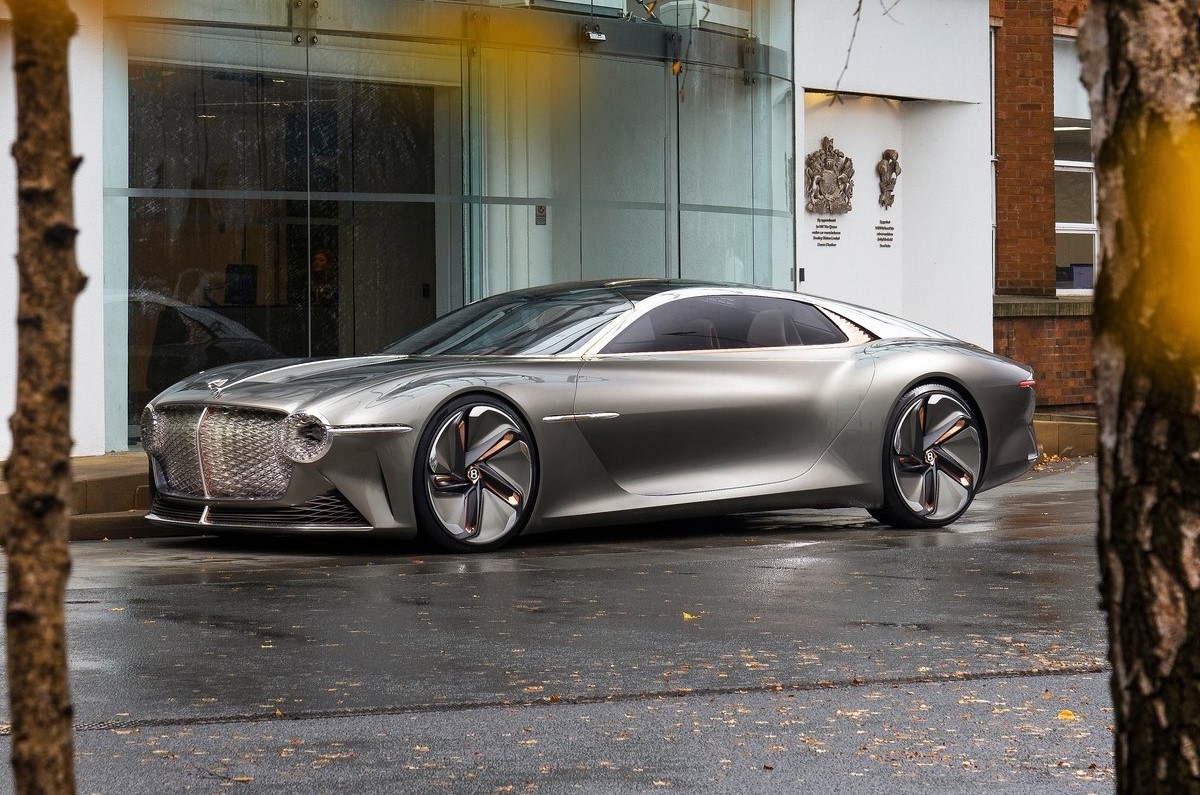
According to Bentley’s Beyond100 plan, the carmaker was to introduce five new electric models by 2030 following the launch of its first EV in 2025. However, the company has now opted to push the launch of its first electric model to 2026, and deliveries will commence later that year. The brand will use this delay to develop the V8 plug-in hybrid system for its future hybrid vehicle range. 

  1. First Bentley EV international deliveries to begin in 2026
  2. Continental GT, GTC, Flying Spur will be heavily updated 
  3. Bentayga will be the only model to have an ICE option until 2026

Bentley EV to be based on VW’s PPE architecture

While Bentley has confirmed that the upcoming EV will be a completely new model, CEO Adrian Hallmark admitted that a direct replacement for the Bentayga SUV would be a ‘gamble’ for a debut EV. The upcoming Bentley EV will be based on Volkswagen Group’s PPE architecture. It is also confirmed that the first EV will be built at Bentley’s Crewe plant, as it commits a GBP 2.5 billion (about Rs 22,560 crore) investment to the site, along with a research and development strategy scaled over the next decade with a focus on sustainability.

Bentley PHEV plans 

Bentley claims that a delay in the PPE programme led to the brand postponing its EV. This delayed launch, however, will be utilised in development of autonomous technologies including an updated low-speed driving assistant and a wheel-curb avoidance system. Additionally the launch of new high-performance PHEV utilising a V8 engine is imminent, which will replace the now-discontinued W12.

Bentley has also confirmed that the Continental GT, GTC and Flying Spur will be updated later this year; the V8 and W12 engines with be replaced by new hybrid units in the future. The Bentley Bentayga will continue to have a 550hp, 4.0-litre V8 engine option until 2026, and the V6 PHEV range will be retained as well. 

Also see:

Bentley Bentayga EWB review: Modern British royalty

Bentley Flying Spur Hybrid launched at Rs 5.25 crore


Source link
Honda Sahara 300 adventure motorcycle launched in Brazil

Honda Sahara 300 adventure motorcycle launched in Brazil

  • Honda Sahara 300 replaces the famed XRE 300 in Brazil and is more in line with the Honda CB range of adventure motorcycles.
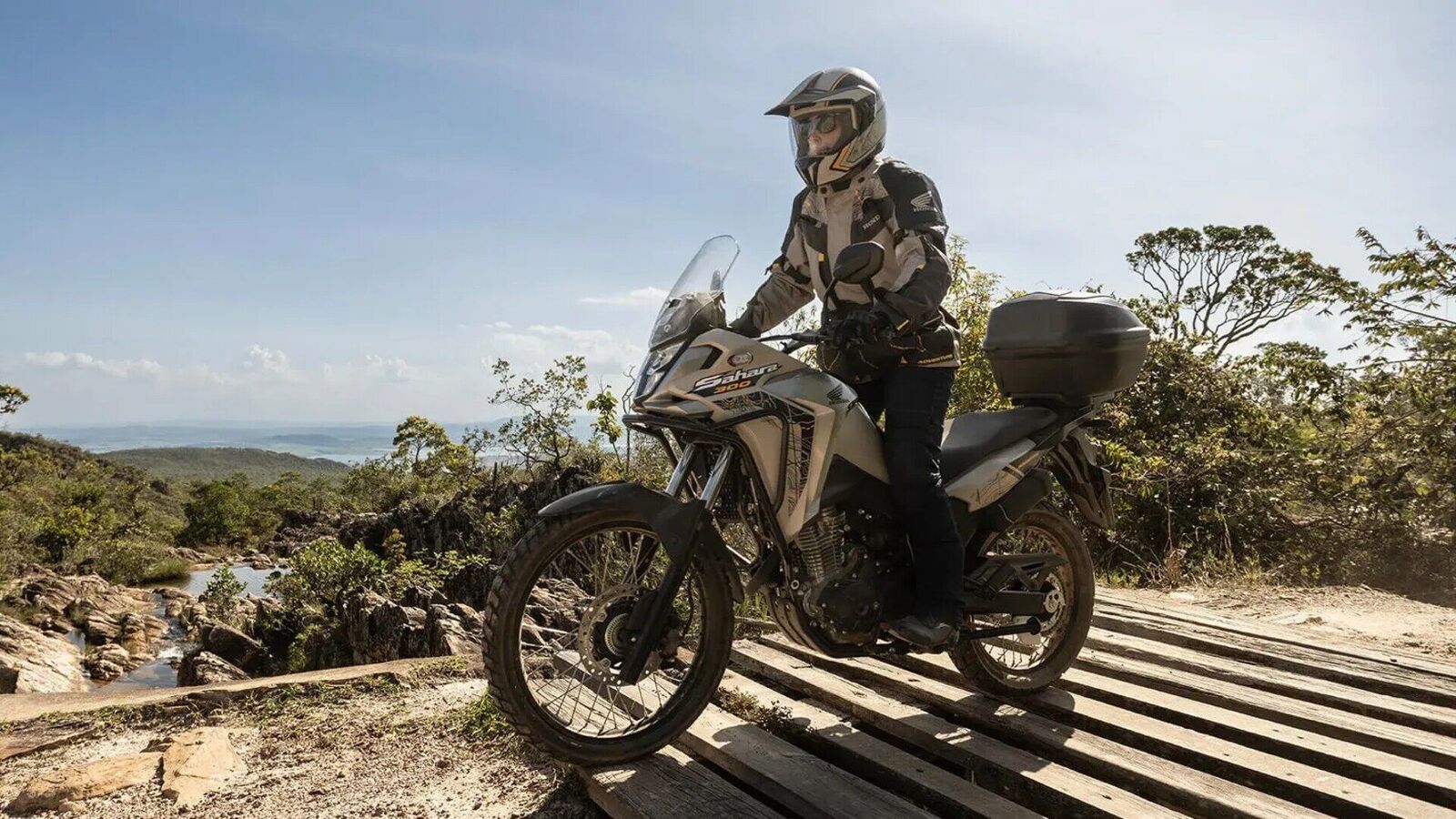
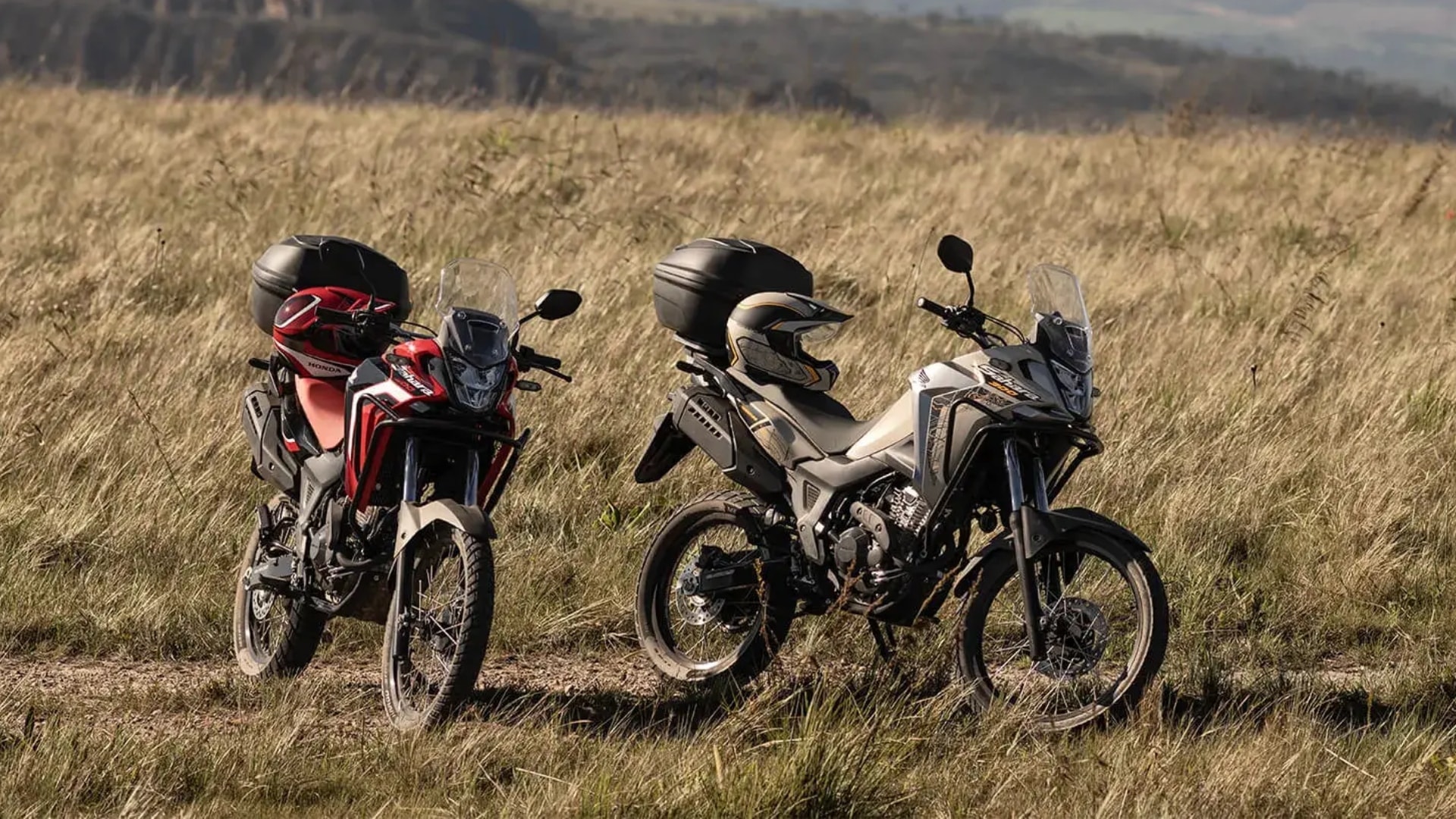
The Honda Sahara 300 is the successor to the very popular XRE 300 in Brazil and comes with all-new styling, a flex-fuel motor and immense off-road capability

Honda Motorcycle Brazil has introduced the new Sahara 300 to its market, bringing a new and more accessible adventure motorcycle to its stable. The new Honda Sahara 300 replaces the famed XRE 300 in the brand’s stable and the new offering is more in line with the manufacturer’s CB range of adventure motorcycles.

The new Honda Sahara 300 gets a complete redo over the XRE 300 with new body panels, more features and a revised motor. The feature list comprises a new digital instrument console, a Type-C USB charger, dual-channel ABS, pre-load adjustable suspension and more. The styling is identical to the Honda CB500X, albeit in a more skeletal and leaner form.

Also Read : Honda Motorcycle & Scooter India achieves major milestone, sells 6 crore units

Honda Sahara 300
The Honda Sahara 300 is powered by a 293 cc air-cooled, SOHC motor that can run on ethanol and petrol. It makes more power on ethanol

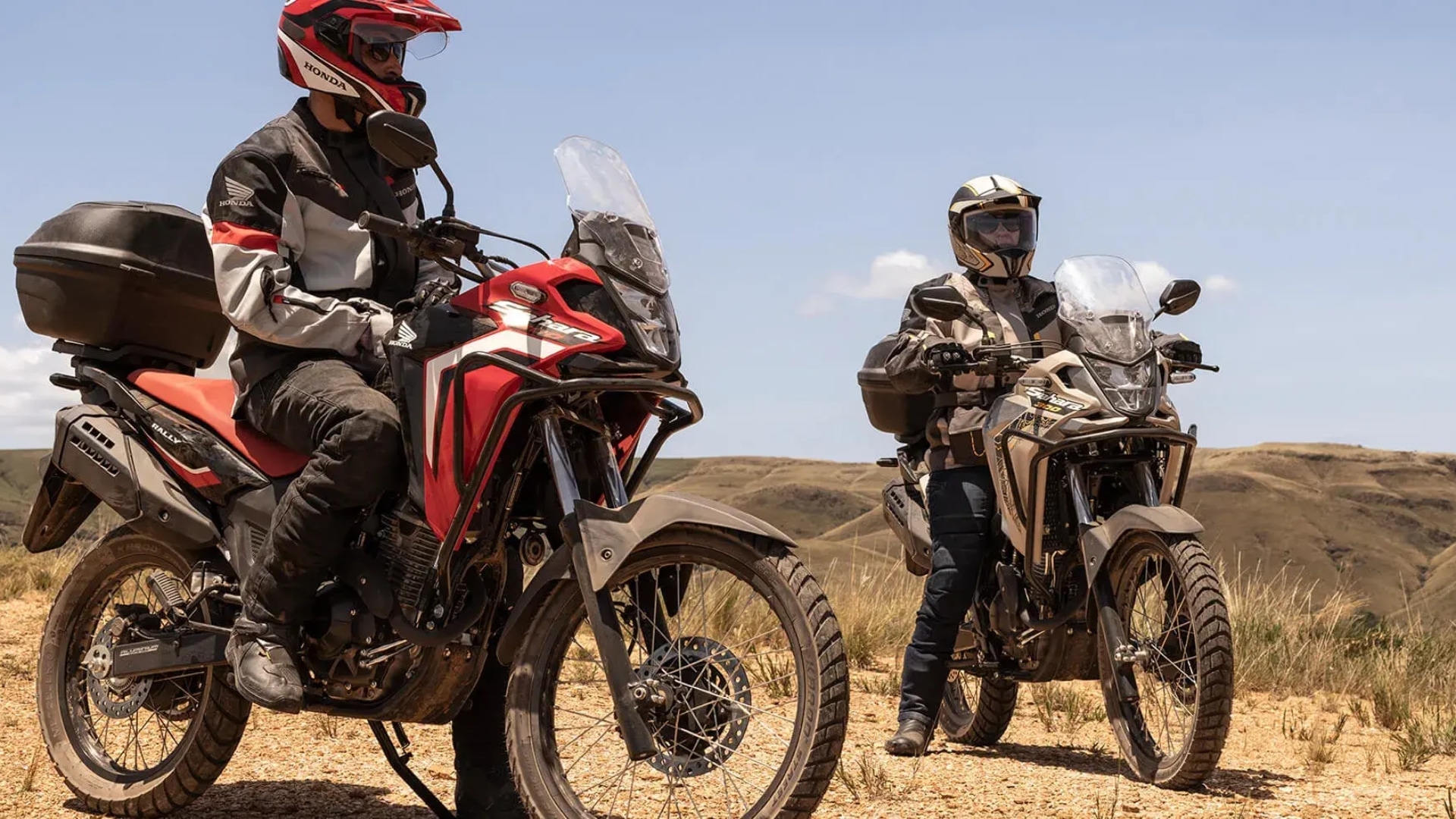
Power on the Honda Sahara 300 comes from the 293 cc, single-cylinder, air-cooled, SOHC motor. This is starkly different from the DOHC setup on the older XRE 300. The new engine is E100-compatible and is capable of churning out more power on ethanol in Brazil. The motor develops 25.2 bhp on ethanol as against 24.8 bhp on petrol, while peak torque stands at 27 Nm. The engine is paired with a 6-speed gearbox. With a kerb weight of just 149 kg, the Sahara 300 is light on its feet. However, the tall seat height of 859 mm may not be favourable for Indian customers.

Other components include telescopic forks at the front with 245 mm of travel while the rear gets a monoshock with 225 mm of travel. The bike rides on 21-inch front and 18-inch rear wire-spoked wheels. The Sahara 300 is available in three variants in Brazil – Standard, Rally and Adventure. Prices start from 27,090 Real (approx. 4.50 lakh) for Standard, 27,690 Real (approx. 4.60 lakh) for Rally, and 28,650 Real (approx. 4.76 lakh) for Adventure.

Honda Sahara 300
The Honda Sahara 300 ADV is available in three variants – Standard, Rally and Adventure

There’s no word if Honda plans to introduce the Sahara 300 in other markets, particularly India. The model would slot rather well between the CB200X and CB500X, should it be built and sold here. That said, rumours are rife of Honda India developing a new adventure motorcycle based on the CB350 platform. The company though is yet to confirm any details.

First Published Date: 30 Mar 2024, 18:52 PM IST


Source link
Actor Harshvardhan Rane brings home the Toyota Innova Hycross Hybrid

Actor Harshvardhan Rane brings home the Toyota Innova Hycross Hybrid

  • Harshvardhan Rane took to Instagram to share his new purchase, the Toyota Innova Hycross, and also posed with the dealership personnel.
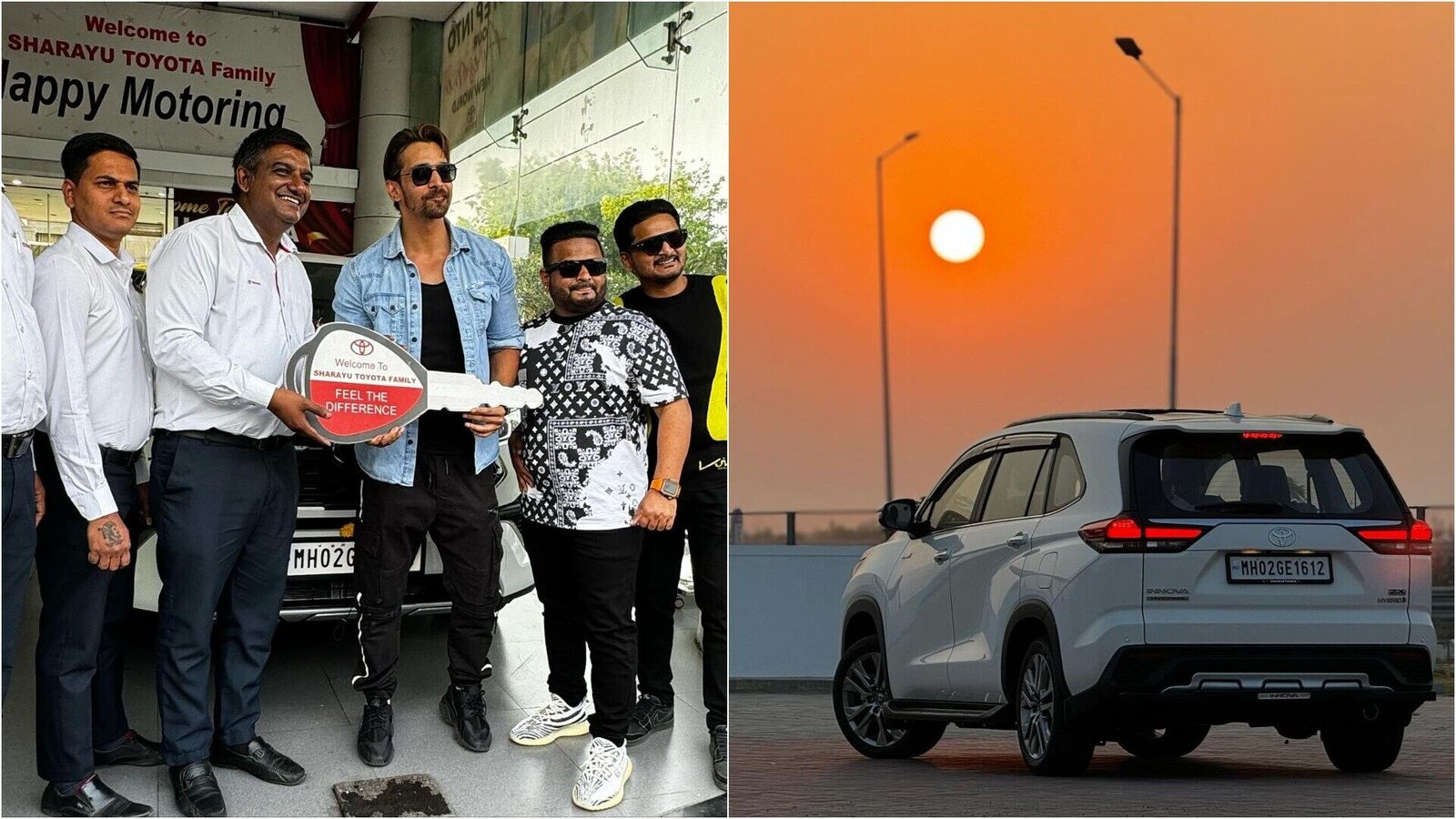
Actor Harshvardhan Rane with his new Toyota Innova Hycross Hybrid (Instagram/harshvardhanrane)

Actor Harshvardhane Rane, most popularly known for his movie Sanam Teri Kasam, has brought home the Toyota Innova Hycross Hybrid. The actor took to the social media platform Instagram to share the news. Rane can be seen posing with the dealership personnel, while also performing the delivery rituals before taking the MPV out.

Rane also reasoned why chose the Toyota Innova Hycross as his next car in the post. His caption read, “For my next film to be shot in May & June 2024, I will be travelling to some parts of Madhya Pradesh and North of India by road and not by flights!”

Also Read : New Toyota Innova Hycross GX (O) petrol variant launch soon: What to expect

An avid outdoor enthusiast, Rane certainly would want to enjoy the hinterland by road and the Innova Hycross Hybrid does promise plenty of comfort coupled with impressive fuel efficiency. The actor appears to have opted for the top-spec Innova Hycross ZX (O) variant priced at 30.68 lakh (ex-showroom, Delhi), which comes with all the bells and whistles including the ottoman seats.

The Toyota Innova Hycross is based on the latest TNGA platform bringing a monocoque body to the MPV for the first time. The MPV gets plenty of creature comfort features including segment-first paddle shifters, ventilated front seats, dual-zone climate control for the first and second rows, and an electrically operable tailgate. The second row gets electrically adjustable seats with a powered ottoman, which remains a highlight of the model.

Also Watch: Toyota Innova HyCross: First Drive Impressions

Power on the Innova Hycross Hybrid comes from the 2.0-litre four-cylinder petrol engine paired with an electric motor for a combined output of 183 bhp. The strong hybrid motor is capable of running 40 per cent of the distance and 60 per cent of the time with electric propulsion for high fuel efficiency. The hybrid model claims a fuel efficiency of 23.24 kmpl (ARAI certified).

On the work front, Harshvardhane Rane will be seen next in three projects Kun Faya Kun, Miranda Boys and an untitled film, all slated for release this year. The actor has also owned the previous generation Mahindra Thar and the BMW R nineT in the past.

First Published Date: 30 Mar 2024, 18:12 PM IST


Source link
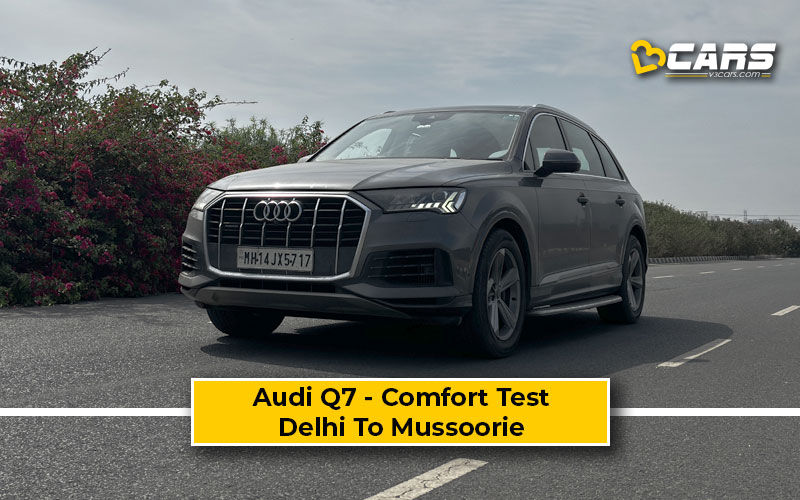
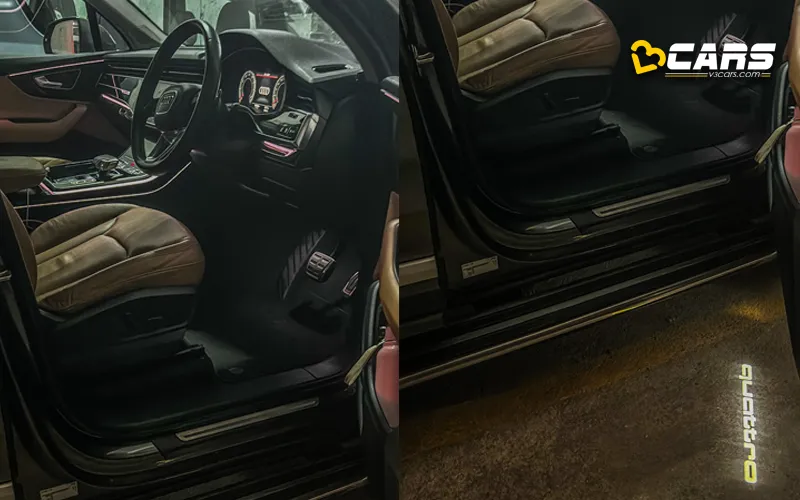
Audi Q7 On A Family Comfort Test – Long Drive Delhi-Uttarakhand

Audi Q7 On A Family Comfort Test – Long Drive Delhi-Uttarakhand

I believe the mountains do not call everyone. Some visit them out of compulsion. I have my reasons to go to the highlands of Uttarakhand; my wife has her extended family there. Unfortunately, she’s not fond of long drives, and particularly dislikes the twisty mountain roads. Yes. Such people, even with their origins in the hills, do exist. We also had our daughter along for the ride. She neither minds the twists nor the smooth highways as long as she has some source of entertainment and her ‘papa’ and ‘mommy’ by her side.

Monday being a Holi-day, we had our long weekend planned with the extended family in Mussoorie, and I had the task of driving my people up the mountains without any complaints.

Almost a year back, the V3Cars Team drove the Audi Q7 from Mumbai to Delhi via the Statue of Unity in Gujarat. The car left us impressed with its comfortable seats, superbly insulated cabin and the powerful 3.0L turbo petrol engine. There are very few cars that my wife approves of when it comes to comfort, and I knew the Q7 would get her approval.

“Are you sure we have the right car for this drive?” asked the wife, and added, “It’s going to take us more than 6 hours to reach, and it’s a long weekend for everyone else too. We need something comfortable when we are stuck in traffic.” The Q7 is plenty capable in this aspect.

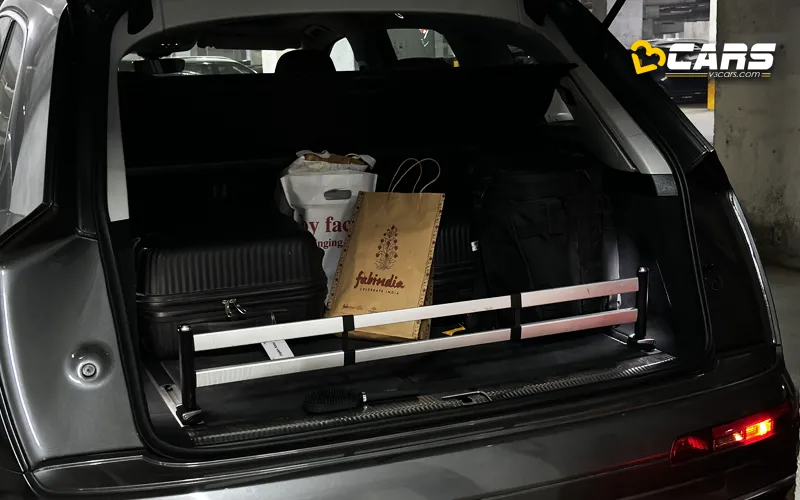
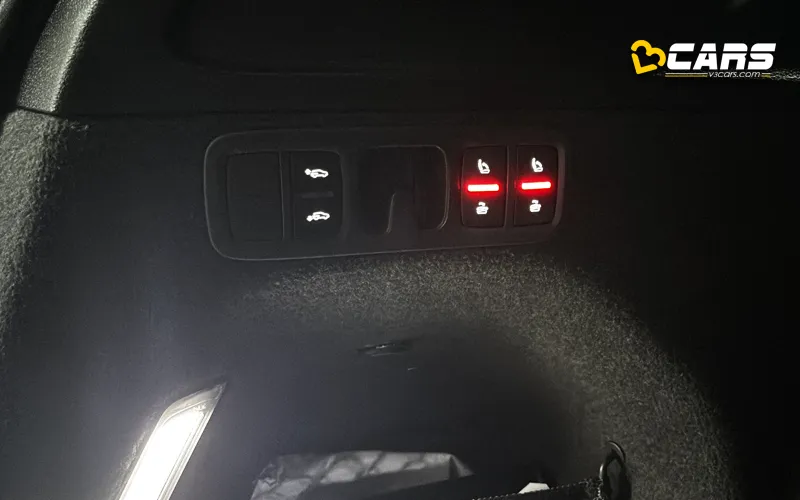
We usually pack more than what is required. While it was just the three of us, we had two large bags, a laptop bag and a tote bag with some essentials for the weekend. The Q7 is a three-row car, and with the third row completely folded, the space was more than adequate. We always tell our daughter to help us with our chores. She played her part by pressing the button to lower the Q7 to help us stuff the boot!

And off we went, leaving early in the morning so that we could beat the rush. We started from Gurgaon and passed through Delhi, Ghaziabad, Meerut and Muzaffarnagar to reach Dehradun via Haridwar so that we could avoid the twisty roads. The Q7 is a mile muncher of the highest order — the front seats are particularly well-cushioned and accommodating.

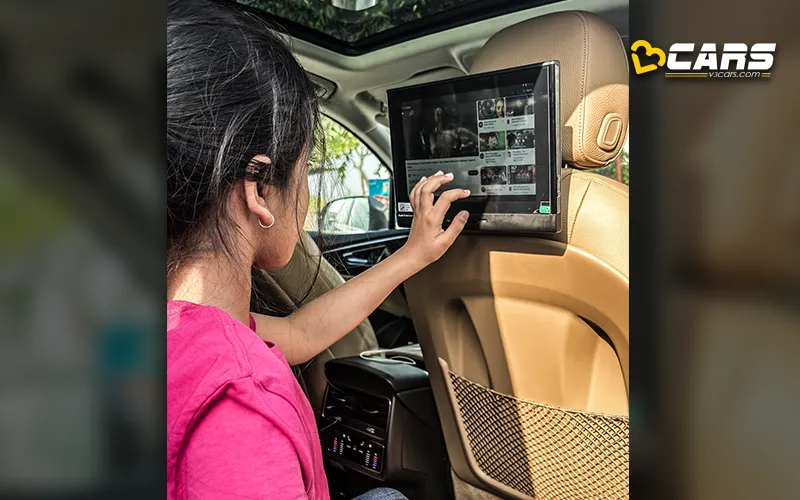
Our daughter found her sweet spot in the rear bench with the Q7’s entertainment system playing her favourite content on YouTube. I liked her using it more than the iPad – this way the screen is farther and she could sit more comfortably with a lower risk of neck pain.

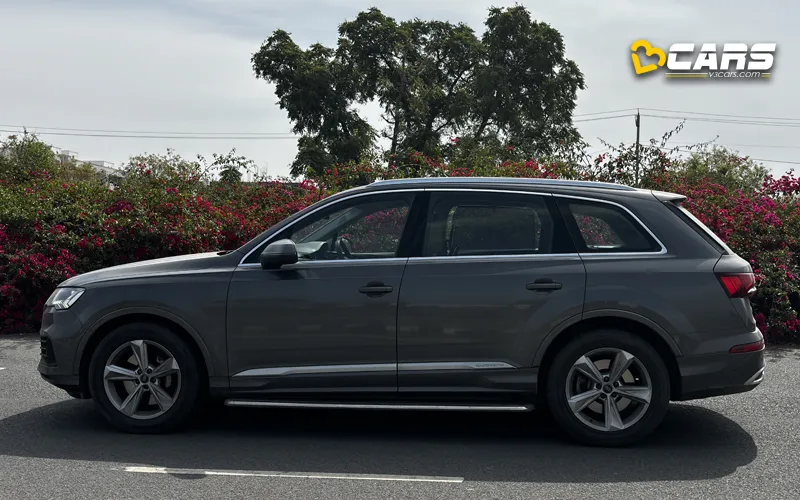
The Q7 is a large 5m car and it feels like it’s taking up more than just a lane on the highways. But, its 3.0L 340PS engine makes sure you can move from one cluster of slow-moving cars to the next pretty quickly. Before I even had a chance to have some fun with the acceleration, we were in the twisties leading up to Mussoorie.

Hill stations these days are heavily commercialised, but we reached before the narrow uphill roads got congested. Nevertheless, our average speed for the entire trip was around 40kmph only, such was the traffic.

While I didn’t get my chance to floor the pedal and enjoy quick acceleration, I got more than enough time to truly connect with the Q7. The Mumbai-Delhi drive was mostly on wide, flat highways where we have little opportunity to get a good sense of the Q7’s handling. Climbing up the hills, steering out one curve into the other suddenly made the car feel far more compact than it is. I never expected a car as large as the Q7 to feel so nimble.

With the car’s responsive handling, my natural tendency led me to push it a little further. Thankfully, neither the wife nor the daughter felt enough discomfort to even notice that we were keeping a good pace. Until then, I did not know if the Q7 would pass my wife’s comfort test, but I was heavily impressed with the fact that I could enjoy my mountain drive while the occupants experienced barely any inconvenience.

And so, we reached Mussoorie. Without any complaints from anyone this time around.

“Are we here already?”, asked my wife. This was probably the first time ever that she felt that the drive ended earlier than expected. I immediately knew that the Q7 had passed the test with flying colours. As I parked the car, I felt relieved as my choice got my family to Mussoorie in utmost comfort. I’m also thankful to the wonderful team at Audi India for arranging the Q7 on such a short notice.

Also Read: Audi Launches Pre-Owned Car Facility In Guwahati

Audi Q3 Drive Review – Interior, Exterior, Mileage, Features

Note: If You Want to Buy a New Car, Calculate Car Loan EMI with V3Cars


Source link
Ultraviolette to launch a new product on 24th April. What it could be?

Ultraviolette to launch a new product on 24th April. What it could be?

  • Ultraviolette currently only has F77 in the Indian market.
Image used for representational purposes only.

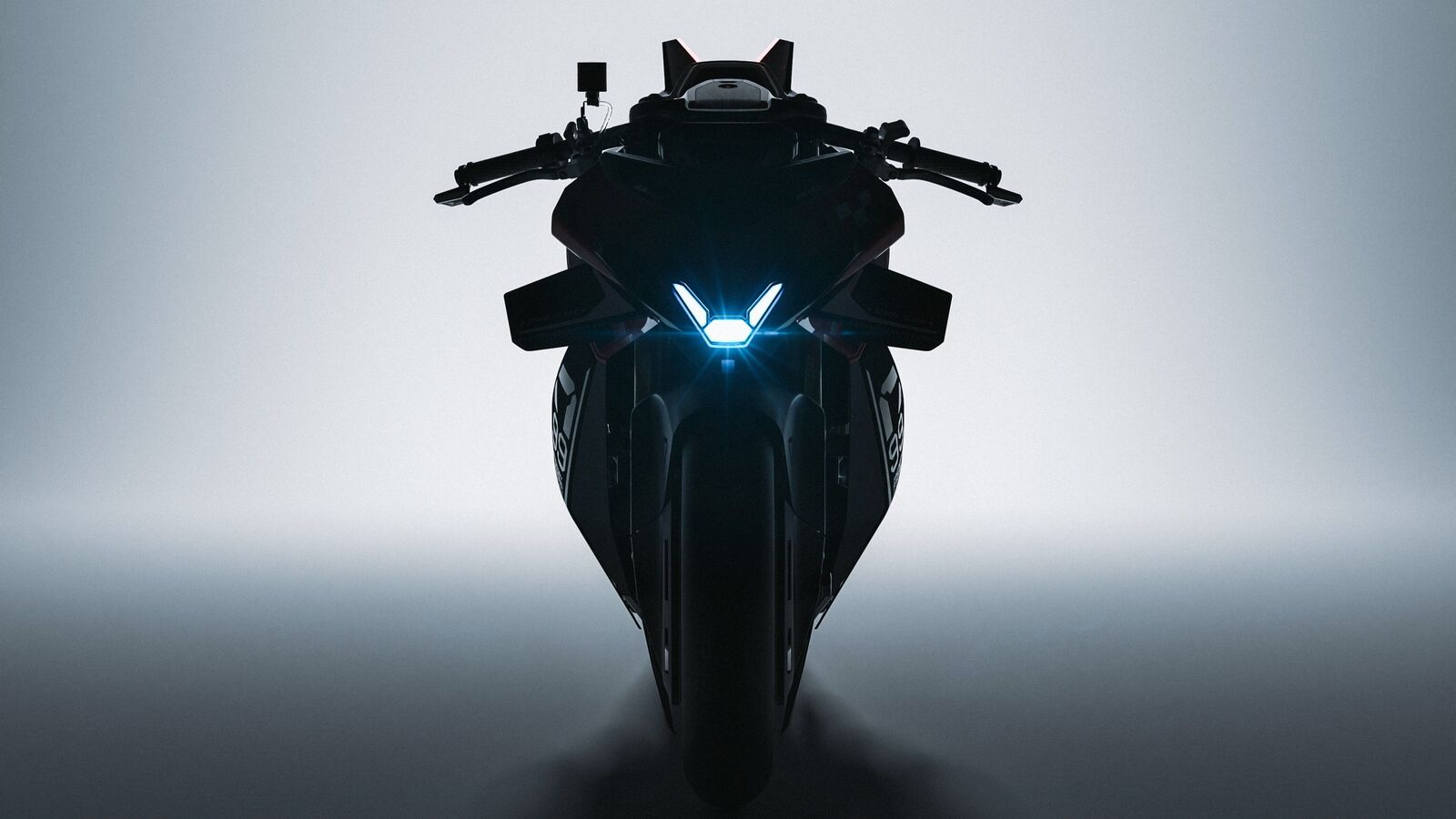
Ultraviolette has sent out an invite for 24th April. While the company has not officially revealed what it plans to do, it is expected to be a new product. The invite they sent out says ‘Flight Mode’ so it can be a new variant or a special edition of the F77 which is their electric motorcycle. There is also a possibility that Ultraviolette is working on a new OTA update for the motorcycle which will be revealed on the said date. Having said that, we would have to wait for the official confirmation to come from the brand. It can be expected that Ultraviolette will start releasing teasers closer to the event date.

One thing that we noticed is that earlier the brand revealed its F99 Racing Platform which is inspired by aviation and racing. Flight Mode is also a term that is associated with aviation so there is a possibility that the brand will showcase the F99 in the concept or production form at the event.

Ultraviolette F99 has a peak power output of 118 bhp which can provide a top speed of 265 kmph. The motorcycle weighs just 178 kg and can accelerate from 0-100 kmph in just 3 seconds.

It comes with a bodywork made up of carbon fibre while the frame is made up of steel hybrid construction and the swingarm is made up of aluminium. There are 17-inch alloy wheels, the front one measures 180/55 whereas the rear one measures 120/70. The wheelbase is 1,400 mm and the height is 1,050 mm.

Also Read : Ultraviolette enters Turkiye with the F77 e-motorcycle, forays into Europe

Ultraviolette recently entered Europe with kickstarting operations in Turkiye. The company showcased theUltraviolette F77 performance electric motorcycle at the Motobike Istanbul 2024 at the K-Rides pavilion. The F77 is the brand’s flagship offering and is made in India and will be exported from the manufacturer’s facility near Bengaluru.

First Published Date: 29 Mar 2024, 19:04 PM IST


Source link
2025 Hyundai Tucson makes global debut at New York Auto Show

2025 Hyundai Tucson makes global debut at New York Auto Show

  • 2025 Hyundai Tucson might make to the Indian market next year. However, nothing is confirmed as of now.
The 2025 Hyundai Tucson will be sold with three powertrain options.

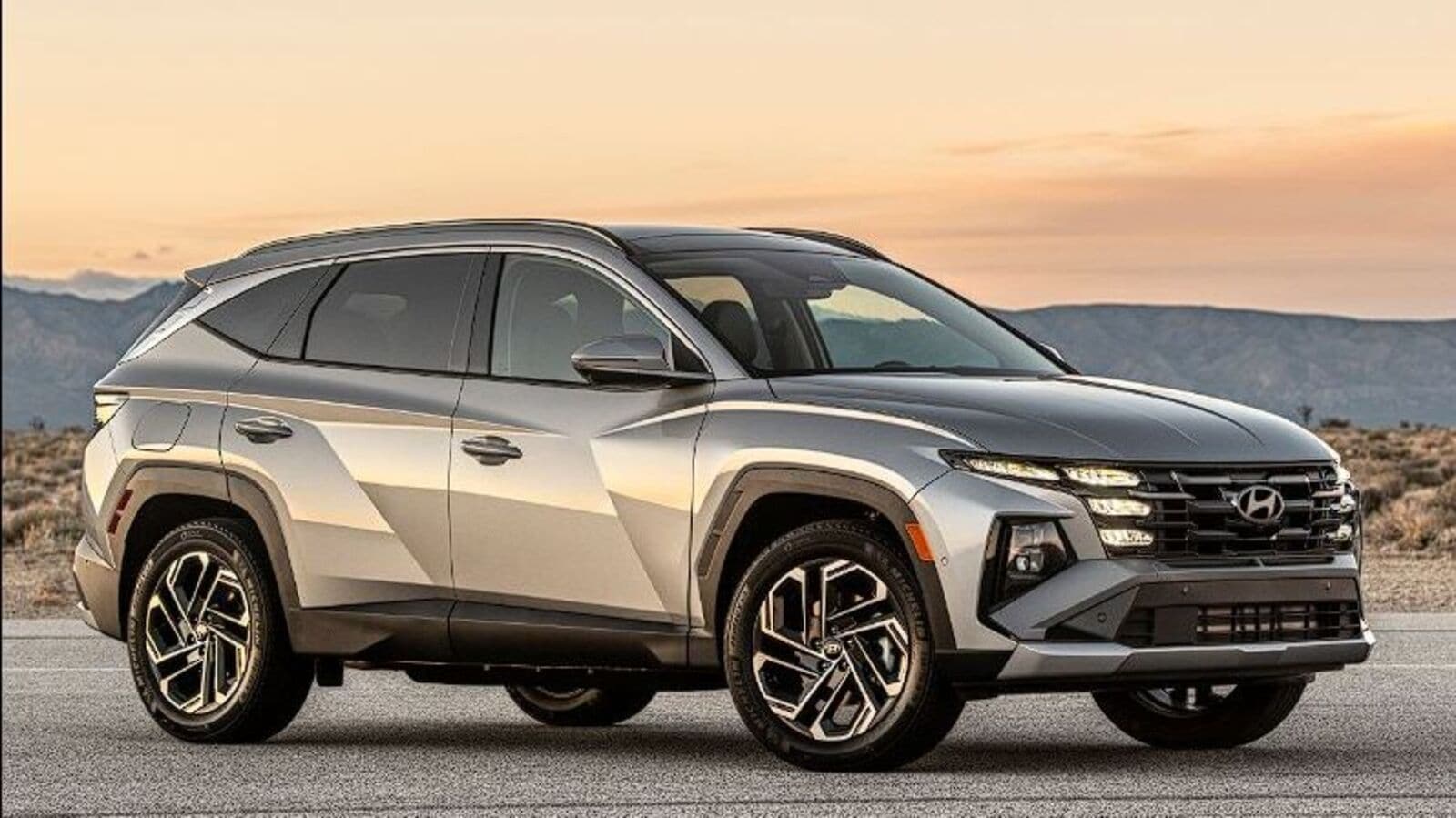
Hyundai has unveiled the 2025 Tucson at the New York International Auto Show. The SUV comes with cosmetic changes as well as feature additions. 2025 Tucson 2.5L models will arrive at U.S. dealerships in June 2024, while 1.6L turbo hybrid and plug-in hybrid models will be available in late summer 2024. As of now, there is no official announcement of the new Tucson coming to the Indian market. However, there is a possibility that it might come to Indian shores through the CKD route by the end of this year or next year.

For 2025, the Tucson gets a redesigned front-end. The updated grille, bumper and LED Daytime Running Lamps give a sharper and more aggressive look. On the sides, there are new alloy wheels, an anodized aluminium badging and sharp creases. Moreover, the brand says that they have increased the length of the rear wiper so that it can wipe more area.

The interior has been redesigned and it is now more open feeling than before. The cabin transformation features a newly designed panoramic curved display that combines a 12.3-inch digital instrument cluster and a larger 12.3-inch infotainment display. The centre stack has been revamped with extra knobs and switchgear for easy access to driver controls like audio volume and tuning, as well as select HVAC controls for better ergonomics. Additionally, the center console, steering wheel, and door panel accents have all been updated for a modern look and improved functionality. An added dashboard tray above the glovebox provides extra storage for front-seat passengers.

Also Read : Hyundai Creta vs Creta N Line: Which SUV should be your pick?

The transmission is now controlled by a column-mounted stick instead of a traditional gear lever. This has liberated more space in the centre console. A larger, 12.3-inch hoodless infotainment touchscreen has been added to all trims. This system features faster processing speeds, enhanced colors, and sharper graphics along with more intuitive layouts for improved ease of use. The wireless device quick-charging pad (15-watt) has also moved to a space that is supposed to be more convenient for the driver.

First Published Date: 29 Mar 2024, 09:29 AM IST


Source link
Spinny used car buying trends, women buying used cars, popular used car choices

Spinny used car buying trends, women buying used cars, popular used car choices


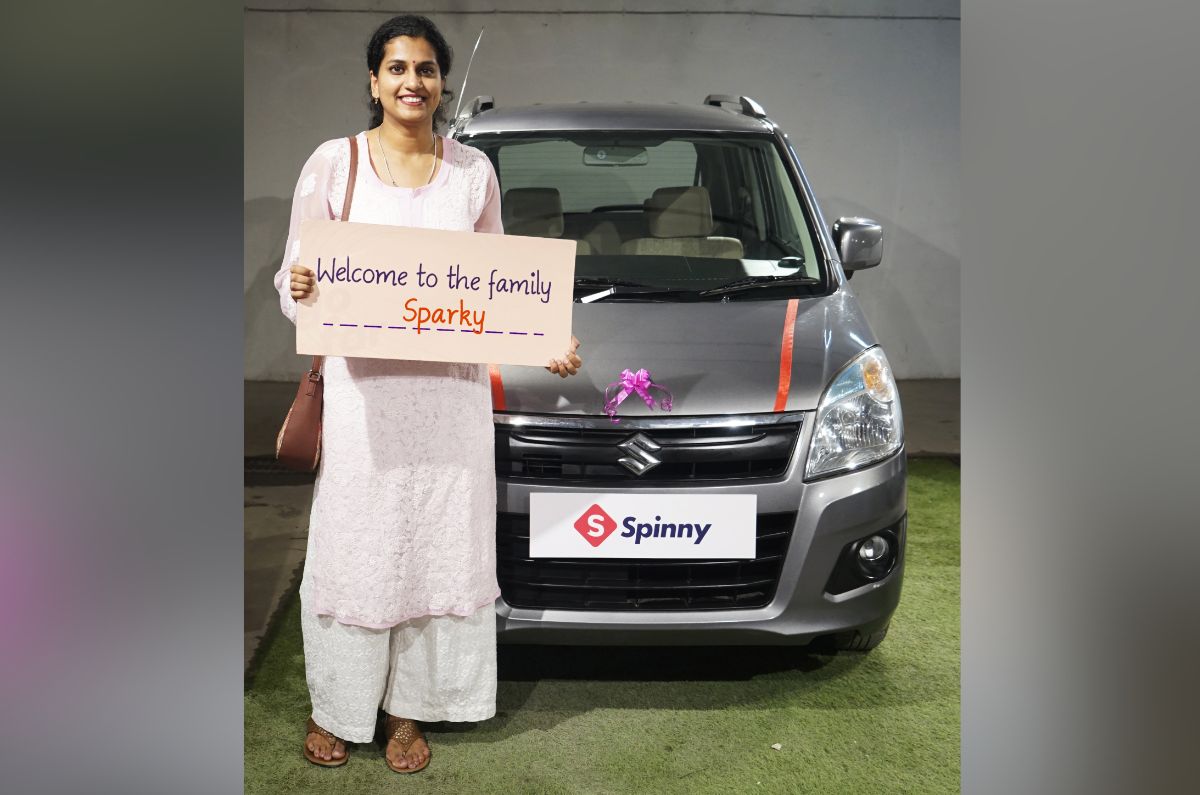
This month alone, 46 percent used car buyers were women, up from 35 percent in entire Q3 FY2024.

As per a recent data report by Spinny, the used car buying and selling platform has witnessed a marked growth in the percentage of women buyers of used cars. The report states that 46 percent of used car buyers in the country this month were women, up from 35 percent in the entire Q3 of FY2024. The company also recorded a healthy 31 percent growth in Q4 FY2024 on the back of this surge in women buyers.

  1. Highest increase in women buyers came from Delhi-NCR, Mumbai
  2. Maruti Baleno, Hyundai Grand i10 and Renault Kwid among popular choices

As per the data shared, Spinny witnessed Delhi-NCR experiencing the highest increase in women buyers at 48 percent, followed closely by Mumbai at 46 percent, Bengaluru at 41 percent and Pune at 39 percent. Non-metro cities like Lucknow and Jaipur witnessed 20 percent growth in women buyers for the month of March.

The report noted some key factors that was driving this surge in women buyers ranging from financial prudence to environmental consciousness and a desire for greater autonomy. Some of the cars that were most popular among the buyers include the Renault Kwid, the Hyundai Grand i10 and the Maruti Suzuki Baleno, especially among women aged between 30 to 40 years.

Mr. Niraj Singh, CEO and Founder of Spinny, said, “At Spinny, we believe it’s a woman’s world. That’s why our ‘Lady Luck’ promotion, offered during the month of March, featured exclusive discounts of up to Rs. 25,000 on car purchases. By recognising and encouraging women as car owners, we’re not just celebrating, but empowering them to go far.

Also See:

Spinny CEO Niraj Singh on the used car market in India

Buying a used car: what to look out for?


Source link

2025 Mercedes-Benz G-Class breaks cover mild-hybrid engines, more features

2025 Mercedes-Benz G-Class breaks cover mild-hybrid engines, more features

  • The 2025 Mercedes-Benz G-Class now comes with mild-hybrid engines across the range, more features, and driver assistance systems.
The 2025 Mercedes-Benz G-Class now gets the 48-volt mild-hybrid system as standard across the range, while gaining power on both petrol and diesel versions

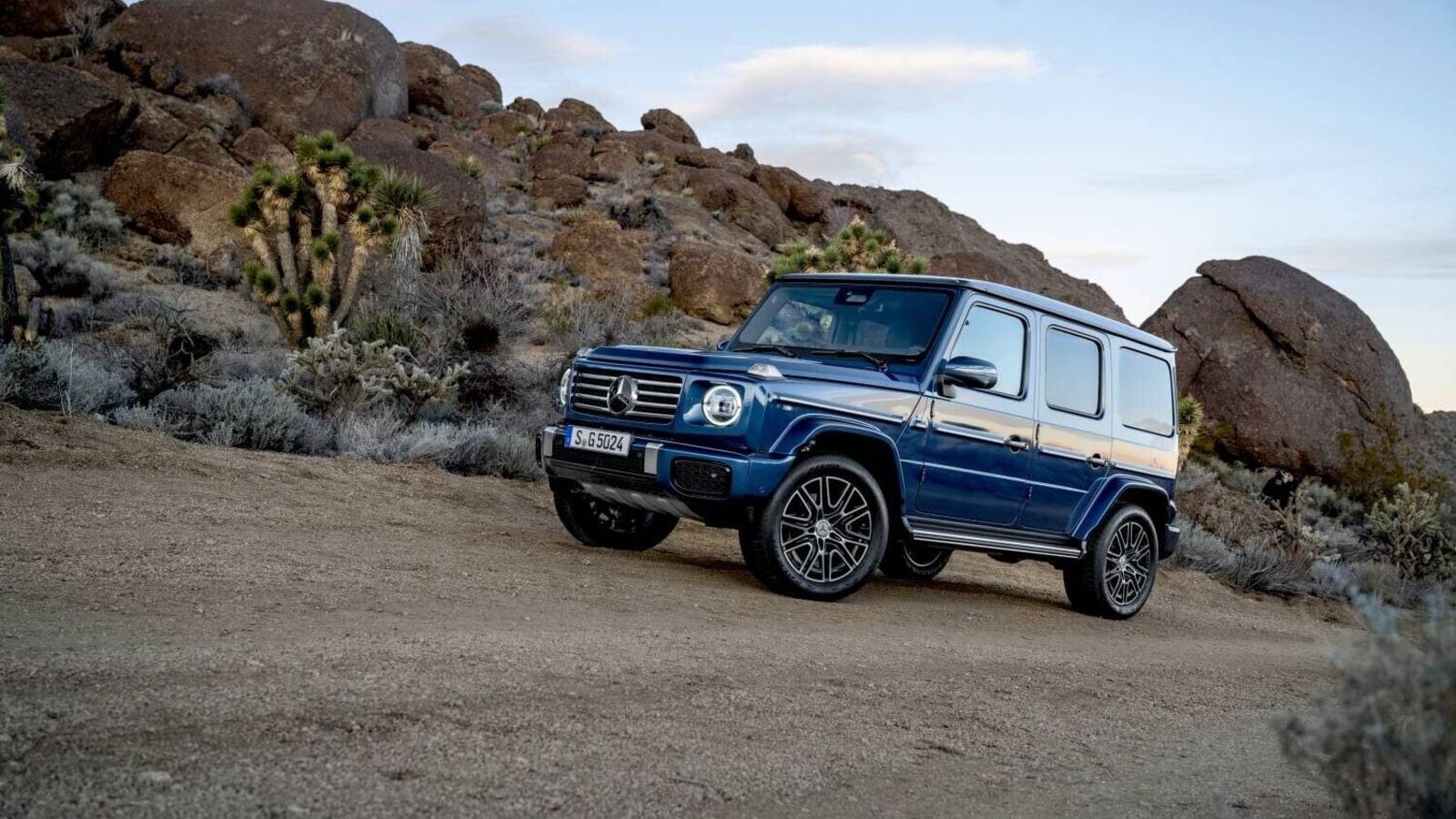
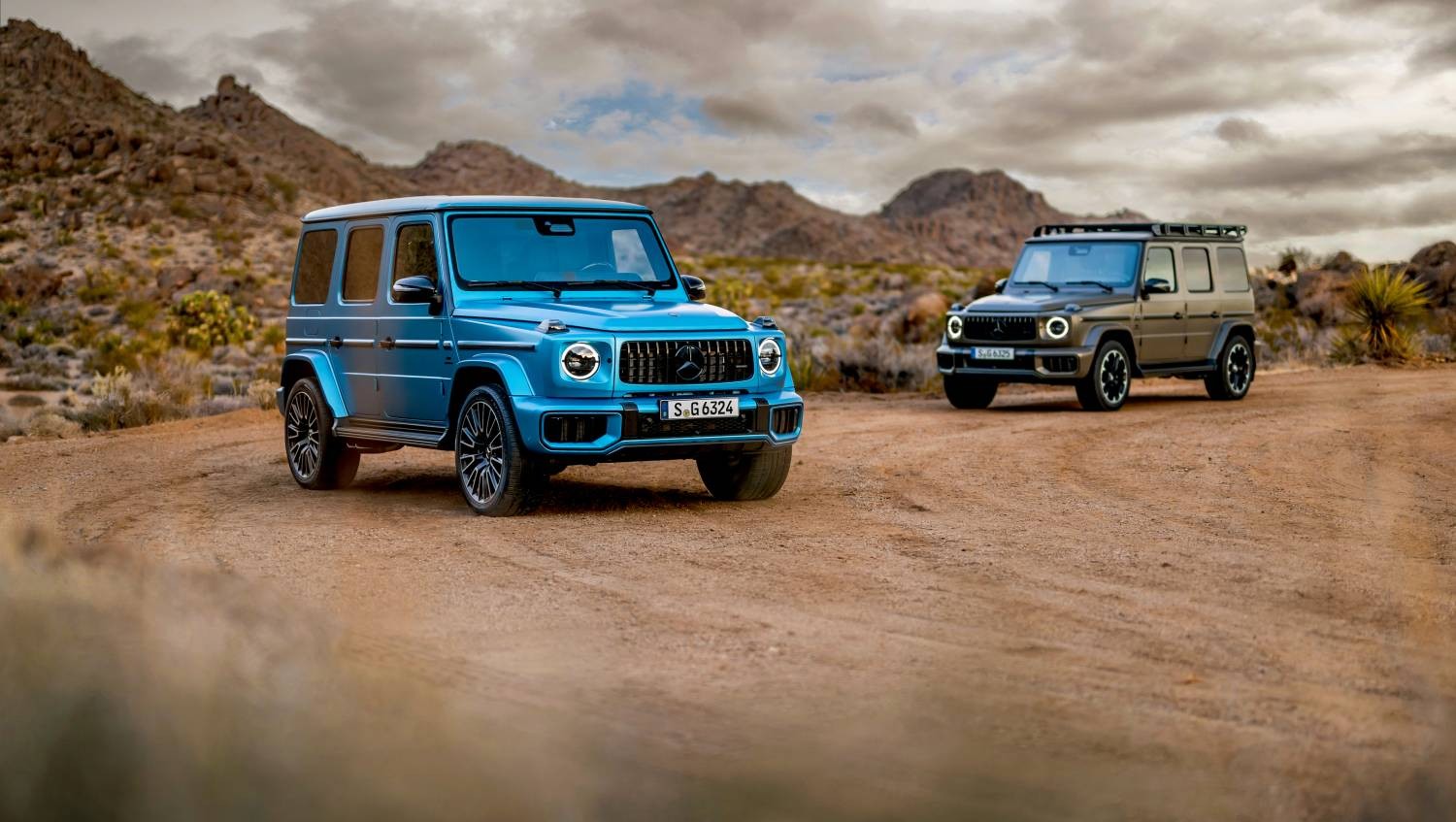
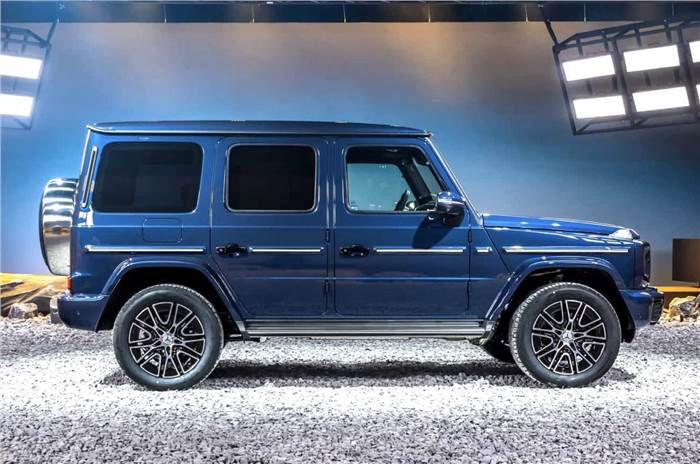
Mercedes-Benz has taken the wraps off the 2025 G-Class facelift bringing key updates to the boxy off-roader. The 2025 Mercedes-Benz G-Class now comes with mild-hybrid engines across the range, more features, and driver assistance systems. Mercedes-Benz has revised the lineup to feature three variants with a straight six petrol or diesel and the top-spec AMG.

The 2025 Mercedes-AMG G63 has also been revised and continues to sport the 4.0-litre twin turbo V8 that develops the same 585 bhp and 850 Nm. The engine now comes with the mild-hybrid tech with the slight performance boost, which helps the performance SUV to sprint from 0-100 kmph in 4.2 seconds. The G63 also gets the new Active Ride Control suspension, while the G 550 now comes with the Transparent Hood feature that gives you a look under the bonnet of the SUV, making it a crucial feature when off-roading.

Also Read : Mercedes-Benz GLC gets a plug-in variant with 308 bhp & 217 kmph top speed

2025 Mercedes-Benz G-Class
The 2025 Mercedes-Benz G-Class will make it to India sometime next year

The 2025 Mercedes-Benz G 500 or G 550 (depending on the market), now comes with a new 3.0-litre straight-six turbo petrol engine dropping the V8 motor on the predecessor. The engine develops 443 bhp and 560 Nm of peak torque, and comes with the 48-volt mild-hybrid system that provides a boost of 20 bhp and 200 Nm for improved performance and efficiency.

The new six-cylinder is more powerful when compared to the 416 bhp produced by the older V8, while peak torque has gone down with the V8 producing 610 Nm. The engine is paired with a 9-speed automatic transmission that sends power to all four wheels with three differential locks and a low-range function.

2025 Mercedes-Benz G-Class
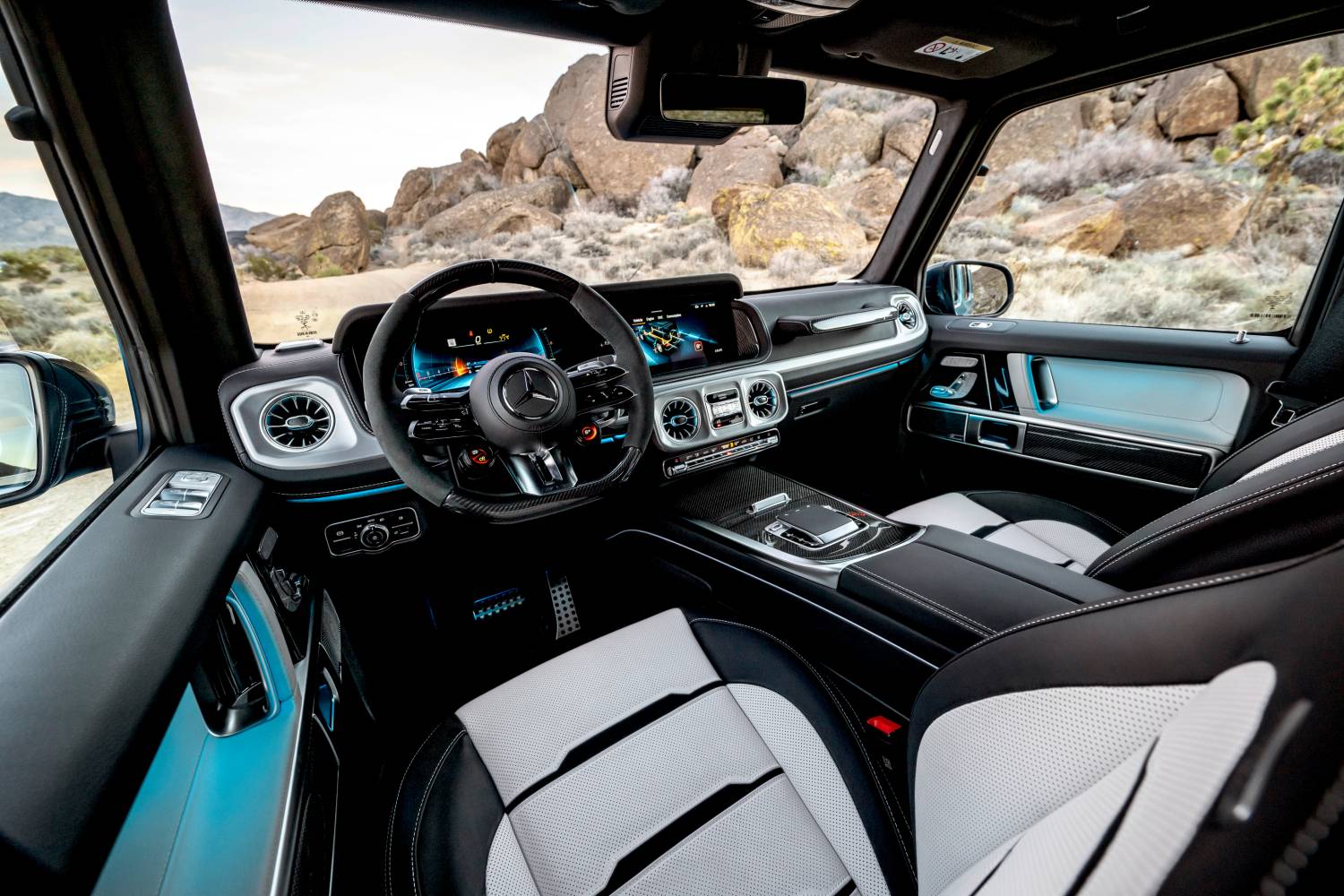
The 2025 Mercedes-Benz G-Class gets a subtle upgrade to the interior, notably adding more features and tech

Mercedes has also brought the G 450d to replace the G 400d diesel variant. The variant come with 3.0-litre, inline-six turbo diesel with mild-hybrid tech that produces 362 bhp and 750 Nm of torque. Othe upgrades including a new infotainment setup with the latest MBUX UI. The SUV also comes with wireless charging, climate control cupholders and two new 11.6-inch touchscreen units for the rear passengers.

First Published Date: 28 Mar 2024, 21:56 PM IST


Source link

Suzuki V-Strom, V-Strom 800DE India launch, bookings

Suzuki V-Strom, V-Strom 800DE India launch, bookings


V-Strom 800DE will be available in three colours, costs less than Honda Transalp 750 and Triumph Tiger Sport 850.

After a very long wait, Suzuki has finally launched the V-Strom 800DE at an introductory price of Rs 10.30 lakh (ex-showroom, Delhi).

  1. 776cc parallel-twin engine makes 84.3hp, 78Nm
  2. Rides on 21/17-inch wire-spoke rims but uses tubed tyres
  3. Gets a TFT dash, full set of electronic rider aids

Suzuki V-Strom 800DE engine, features, delivery details

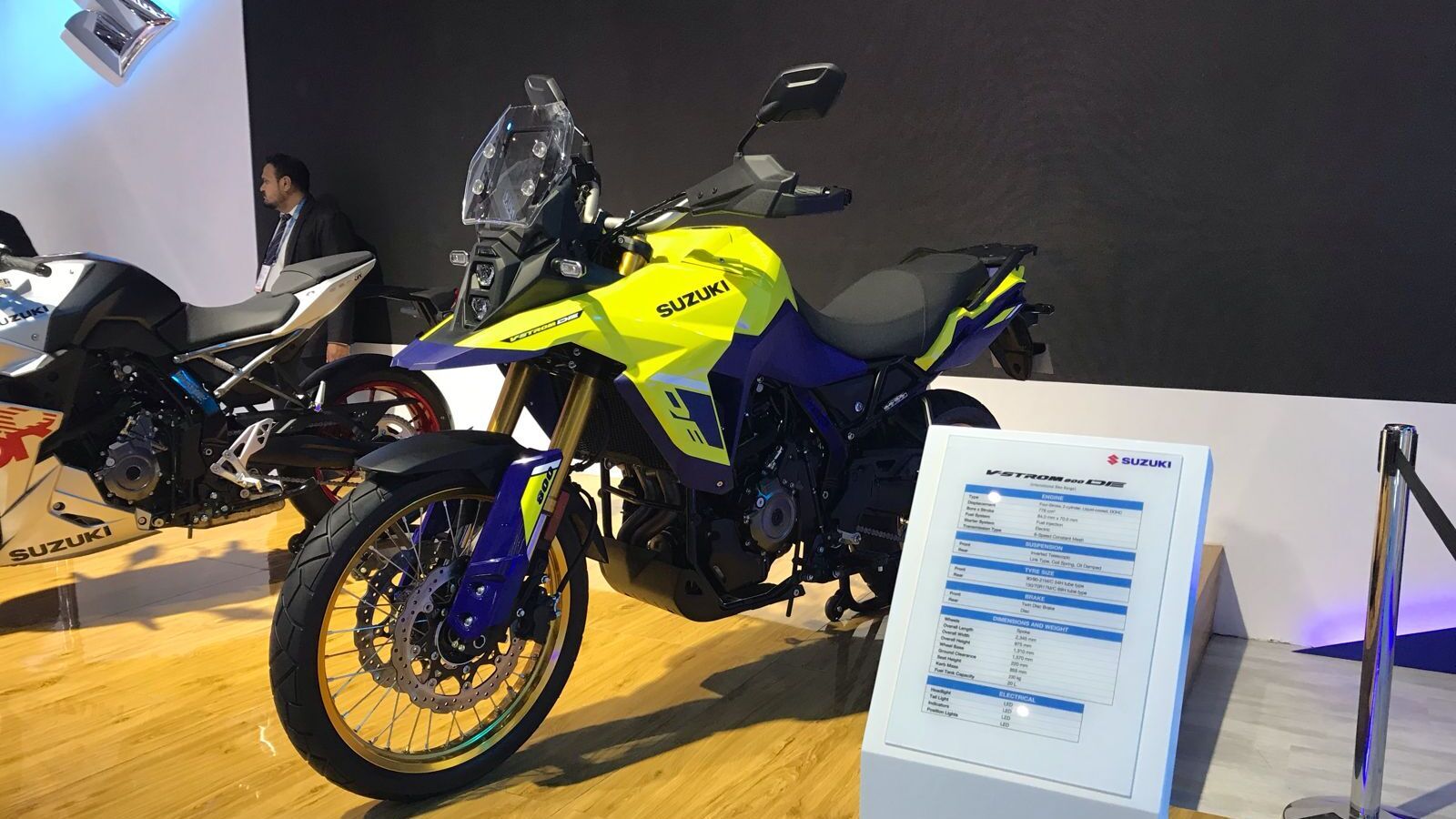
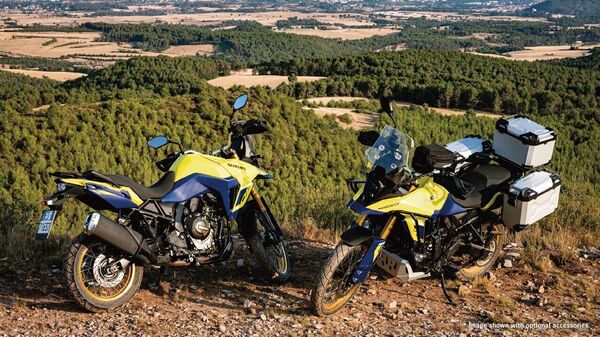
The V-Strom 800DE is powered by Suzuki’s new liquid-cooled, 776cc, 270-crank parallel-twin engine, which is rated for 84.3hp and 78Nm. A 6-speed gearbox is mated to this new mill and the bidirectional quickshifter is standard.

The V-Strom 800 DE features the same steel frame as its newly unveiled naked sibling but its subframe has been lengthened and made tougher for coping with the extra load of a pillion as well as luggage. With its 20-litre fuel tank brimmed, the V-Strom 800DE weighs 230kg, while seat height is a relatively tall 855mm.

One disappointment here is that unlike the erstwhile V-Strom 650XT, and like its closest Japanese rival the Honda Transalp 750, the spoked wheels on the 800DE come shod with tubed Dunlop Mixtour rubber.

A comprehensive number of electronic aids are standard: a bi-directional quickshifter, four riding modes (including a Gravel mode), three traction control settings and dual-channel ABS. 

At its introductory price of Rs 10.30 lakh, the Suzuki V-Strom 800DE is priced below its chief rival – the Honda Transalp 750 (Rs 11 lakh). Bookings are open at all Suzuki big-bike dealerships and it is available in three colours – Champion Yellow No. 2, Glass Matte Mechanical Gray and Glass Sparkle Black.


Source link

Suzuki V-Strom 800DE middleweight adventure tourer teased ahead of launch soon

Suzuki V-Strom 800DE middleweight adventure tourer teased ahead of launch soon

  • The new Suzuki V-Strom 800DE is all set to take on the middleweight adventure motorcycle segment with the launch expected on March 29, 2024.
The Suzuki V-Strom 800DE on display at the Bharat Mobility Global Expo earlier this year

Suzuki Motorcycle India is all set to bring the V-Strom 800DE adventure tourer to the market soon. Expected to go on sale as early as March 29, 2024, the new Suzuki V-Strom 800DE replaces the V-Strom 650 in the brand’s lineup globally and is all set to take on the middleweight adventure motorcycle segment. Suzuki showcased the V-Strom 800DE at the Bharat Mobility Global Expo 2024 earlier this year, hinting at an imminent launch.

Suzuki has dropped the teaser for the V-Strom 800DE on its social media handles while the bike was also spotted testing on several occasions. The new adventure tourer gets a complete overhaul in design, performance and features over the older 650 cc offering. Power now comes from a newly-developed 776 cc parallel-twin, liquid-cooled engine replacing the 649 cc V-Twin. The motor develops 83 bhp and 78 Nm, paired with a 6-speed gearbox and a bi-directional quickshifter.

Also Read : Suzuki V-Strom 800DE unveiled with a new powerful engine

Suzuki V-Strom 800DE
The Suzuki V-Strom 800DE swapped its V-Twin motor for a more power and higher displacement parallel-twin engine along with a host of other upgrades

The Suzuki V-Strom 800DE also comes with sharper styling and a tall stance, while other hardware components include USD forks at the front and a remote preload adjustable monoshock at the rear. Braking performance comes from dual 310 mm front discs and a single disc at the rear. The ADV gets dual-channel ABS as standard. The V-Strom 800DE rides on 21-inch front and 17-inch rear spoke wheels wrapped in 110/80 front and 150/70 rear tubeless tyres.

On the feature front, the V-Strom 800DE gets all-LED lighting, a 5-inch TFT digital instrument console, multiple ride modes, traction control, and more. The new adventure tourer marks Suzuki’s return to the big bike segment in India after a couple of years. The Suzuki V-Strom 800DE is expected to be priced around 10-11 lakh (ex-showroom), and will be competing with the Honda XL750 Transalp, BMW F 850 GS, Triumph Tiger 900, Kawasaki Versys 650 and the like in the segment.

First Published Date: 27 Mar 2024, 18:29 PM IST


Source link

Citroen Basalt SUV Coupe unveiled, will launch in 2nd half of 2024

Citroen Basalt SUV Coupe unveiled, will launch in 2nd half of 2024

  • Citroen Basalt will share its underpinnings with the C3 and C3 Aircross
Citroen Basalt will be the most affordable SUV Coupe in India.

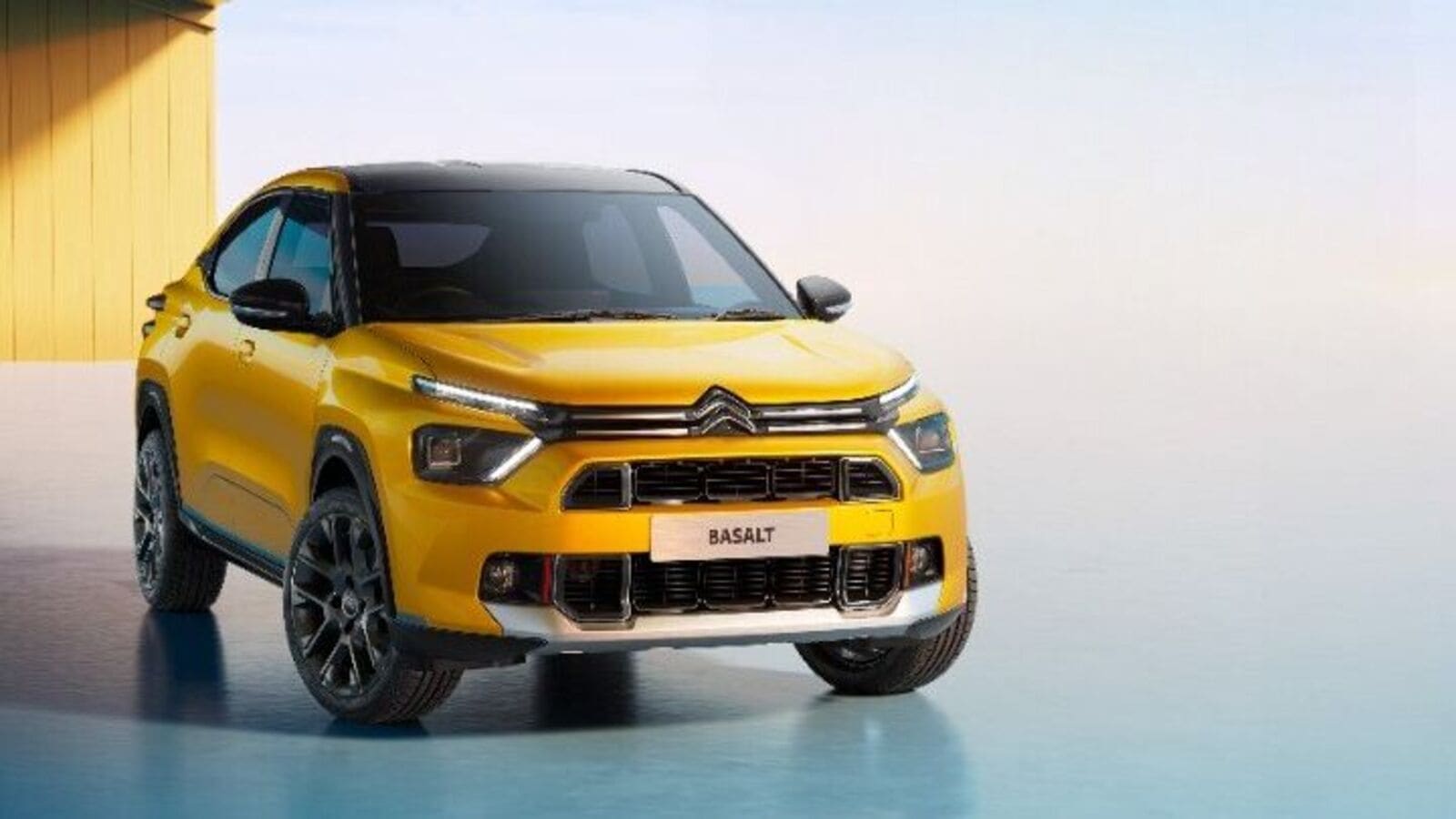
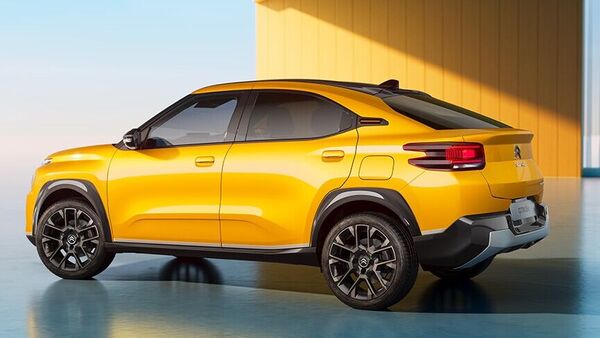
Citroen India has finally taken the wraps off of its new vehicle for the Indian market. It is called Basalt and it will go on sale in the second half of 2024. The new SUV Coupe will first go on sale in India and South America. Citroen Basalt will be the third car to come from the C-Cubed program which has earlier spawned C3 and C3 Aircross.

The C-cube program is specifically developed for emerging markets such as India and South America. The brand wanted to develop cars that were efficient and affordable so that it could expand its footprint.

Citroen Basalt
Citroen Basalt will share its underpinnings with the C3 and C3 Aircross.

Citroen will use bright colours and sharp contrasts so that the silhouette of the Basalt stands out. This is important as the Basalt will be the most affordable SUV Coupe in the Indian market. So, it will offer the practicality of an SUV but with the styling elements of a coupe. “We are delighted to unveil the third opus of this program designed to drive Citroën’s international growth. Local teams are strongly committed to deliver in the coming months this innovative concept of an SUV Coupé that exudes bold design, space inside and unique onboard comfort. Developed and produced locally, we are confident that Basalt will appeal to a large number of customers and strengthen our position in major markets. We can’t wait to tell you more about it in middle of the year.” Thierry Koskas – Citroën CEO

Also Read : Citroen C3, eC3 & C3 Aircross to get 6 airbags as standard

Citroen has not confirmed the powertrain for the Basalt. However, considering that it is based on the C-cube program, it is expected that there will be the same engine on duty that is being used for the C3 Aircross. It is a 1.2-litre, three-cylinder turbocharged engine that puts out 108 bhp of max power at 5,500 rpm and a peak torque output of 205 Nm at 1,750-2,500 rpm with the 6-speed torque converter automatic transmission. The torque output falls to 190 Nm at 1,750 rpm with the 6-speed manual gearbox.

First Published Date: 27 Mar 2024, 16:31 PM IST


Source link

Renault Duster, Renault Duster launch date, Nissan SUV for India details

Renault Duster, Renault Duster launch date, Nissan SUV for India details


Heavily localised CMF-B platform will be used for these two SUVs and their seven-seater derivatives.

At a joint press briefing, Nissan and Renault have announced the development of four new products; two five-seater SUVs, one from each brand, and their respective seven-seater derivatives.

  1. Renault Duster, Nissan SUV to be based on localised CMF-B platform
  2. Both midsize SUVs to spawn respective seven-seater iterations
  3. Two other products also in pipeline

Renault Duster, Nissan SUV: platform, design

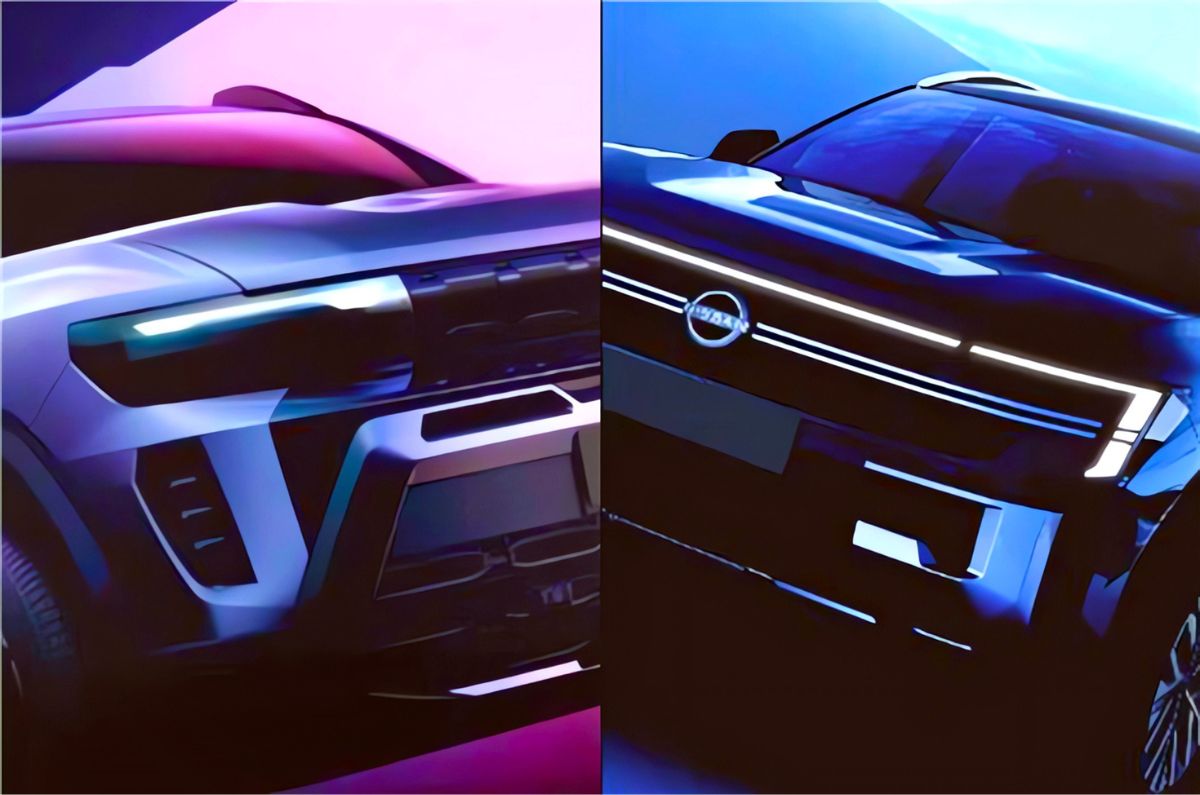
A teaser of the two upcoming midsize SUVs was released in concept form. The SUVs will be based on the Renault-Nissan Alliance’s modular, heavily localised CMF-B platform that underpins a number of global models for both the manufacturers, along with Renault’s sister brand Dacia.

While Renault hasn’t confirmed, we believe its CMF-B-based five-seater SUV could revive the ‘Duster’ nameplate. The new-gen Renault Duster made its global debut in February this year.

However, the newly teased CMF-B SUV features some styling changes over the global-spec Duster, including redesigned headlamps as well as a restyled front bumper. The Nissan SUV boasts L-shaped LED DRLs that are connected together with a light bar running across the nose.

Renault Duster, Nissan SUV: seven-seater versions

Both SUVs will also have their respective seven-seater iterations, considering the growing segment of three-row midsize SUVs that now include the Hyundai Alcazar, MG Hector Plus, Tata Safari and Mahindra XUV700. The three-row versions of the two SUVs will likely have some distinctive styling elements and a longer wheelbase, but might carry over the same powertrain(s).

Renault Duster, Nissan SUV: launch timeline, rivals

The new Renault Duster is expected to make its India entry only by late 2025. While there is no official launch timeline for either of the four SUVs, the Renault Duster and Nissan’s five-seater SUV will likely be launched first, followed by their seven-seater iterations. The manufacturers confirmed that the products from the two brands will be introduced parallelly. Additionally, there are plans to introduce two more products, although there’s no confirmation as to what they could be.

Upon arrival, the SUVs will fend off competition from SUVs like the Hyundai Creta, Kia Seltos, Skoda Kushaq, Volkswagen Taigun, Maruti Suzuki Grand Vitara, Toyota Hyryder, Honda Elevate, Citroen C3 Aircross and the MG Astor.

Also see:

Citroen Basalt SUV-coupe breaks cover

Force Gurkha 5-door teased ahead of mid-2024 launch


Source link

XPeng AeroHT’s modular flying car design certified, gets closer to launch

XPeng AeroHT’s modular flying car design certified, gets closer to launch

  • The upcoming air module vehicle has been codenamed X3-F and is now a step closer to flight certification and customer deliveries.
The XPeng AeroHT eVTOL flying car is now a step closer to flight certification and customer deliveries

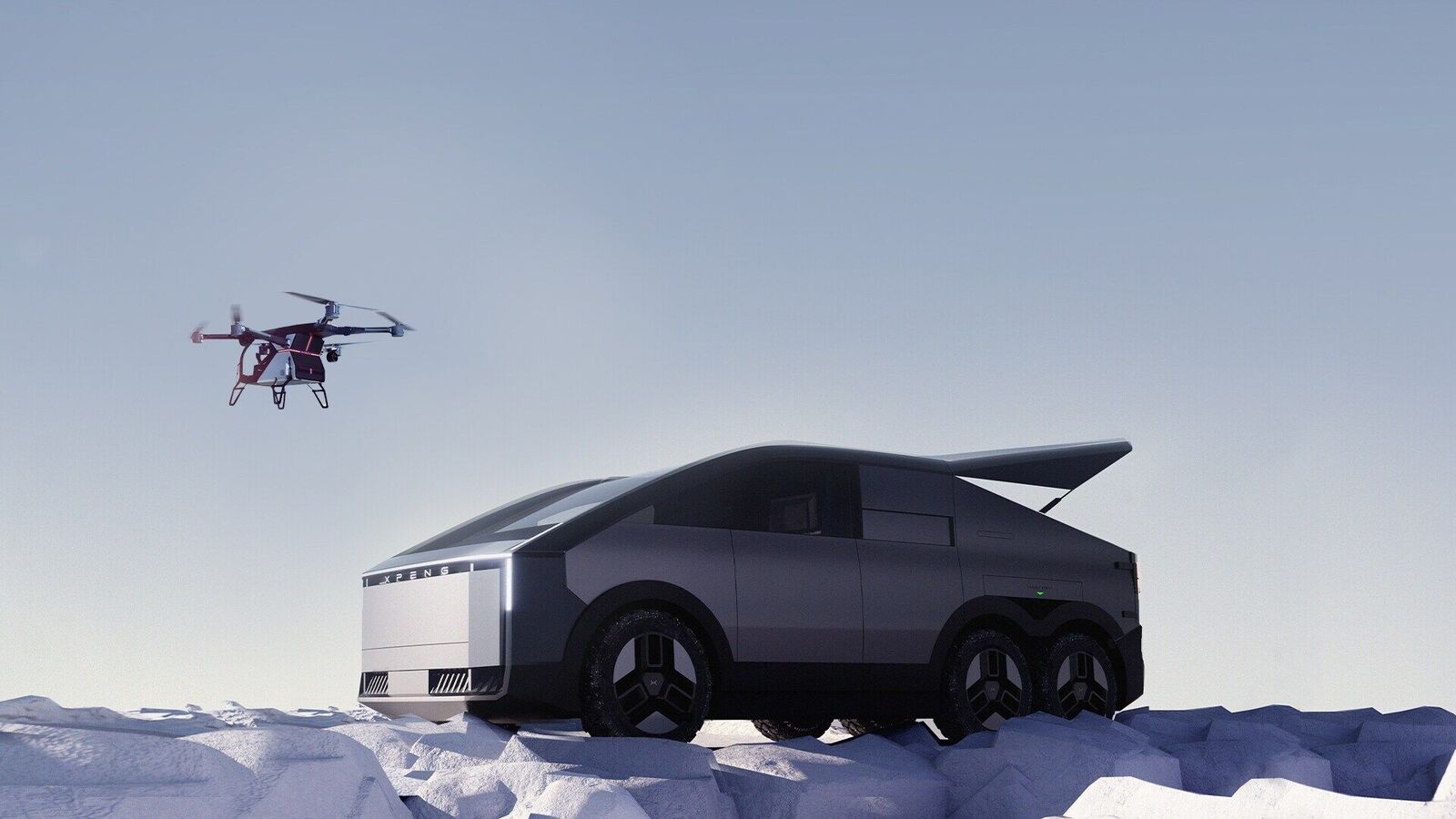
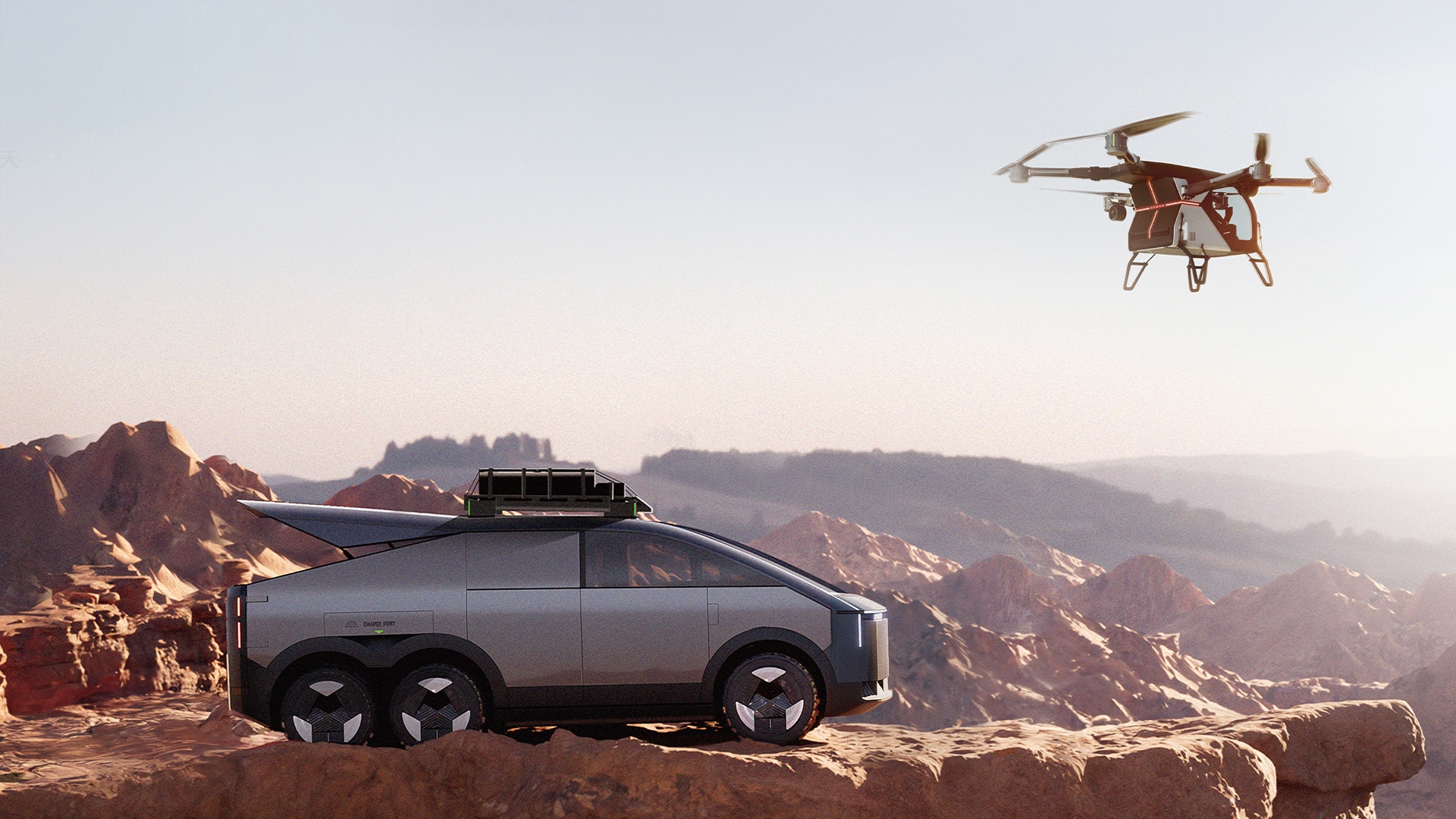
Chinese auto giant, XPeng has announced receiving the design certification for its upcoming flying car. The company’s eVTOL (electric vertical take-off and landing) arm, Aero HT, is now closer to commencing commercial operations with its flying cars in China. The upcoming air module vehicle has been codenamed X3-F and is now a step closer to flight certification and customer deliveries.

XPeng previously showcased two new flying car designs at the company’s annual 1024 event last year – the X3 and a modular EV that could transport a separate eVTOL in its rear. The X3 could drive, park and take off on its own, learning much from the older X2 “flying car” developed by the company. The modular EV is now being developed to be brought into production in 2025 ahead of customer deliveries in China.

Also Read : XPeng unveils plan to go beyond cars with AI, flying car, robot.

XPeng AeroHT eVTOL flying car
The XPeng AeroHT eVTOL flying car will be able to navigate the roads and skies simultaneously

AeroHT’s new modular eVTOL will be able to navigate the roads and skies simultaneously. The company says its modular flying car is now “one step closer” to achieving this feat. The X3-F EV/eVTOL combo has had its Type Certificate application accepted by the Civil Aviation Administration of Central and Southern China (CAAC).

The certification applies specifically to the eVTOL air module portion of the upcoming offering, which comprises a 6×6 All-Wheel-Drive (AWD) ground modular for the EV. XPeng AeroHT says that having received the design certification from CAAC, the company is now looking forward to seeking airworthiness certification.

Once approved, AeroHT will be able to begin scaled production of the modular eVTOL with customer deliveries promised to begin by late 2025.

First Published Date: 26 Mar 2024, 18:11 PM IST


Source link

Radar to Lidar: How self-driving cars see roads

Radar to Lidar: How self-driving cars see roads

Autonomous driving vehicles use a set of technologies including radar, lidar sensors, and high-definition cameras to ensure a driving behaviour that i

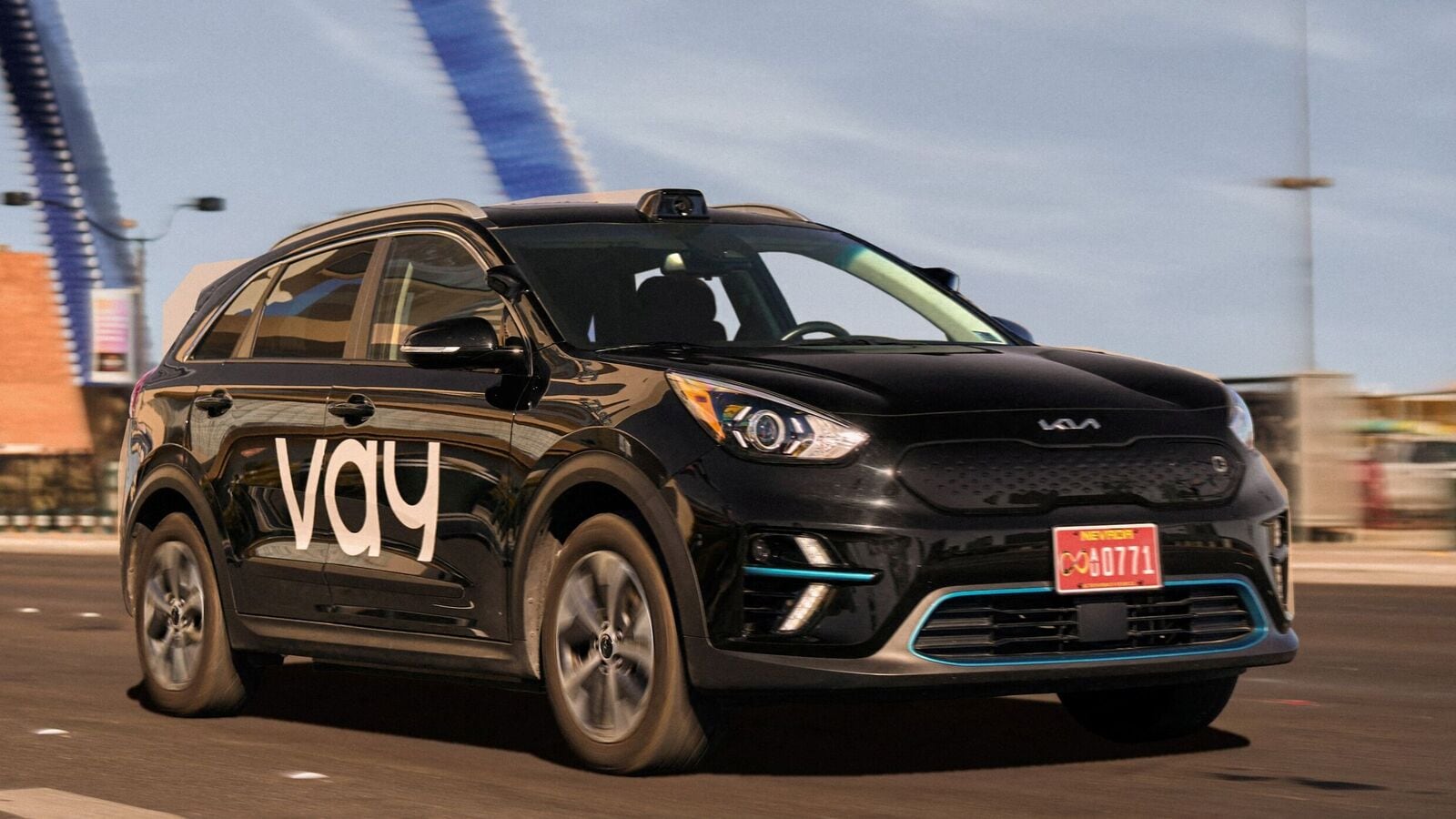
Autonomous driving vehicles use a set of technologies including radar, lidar sensors, and high-definition cameras to ensure a driving behaviour that is safe and doesn’t require human interference. (via REUTERS)

Self-driving cars have been making headlines over the last one decade. Traditional car manufacturers have been working on this technology with a huge chunk of investment. Besides that, the technology startups and leading technology companies have also been working on the same system. One word that reflects the multi-dimensional disruptions that have been evolving the auto industry worldwide is CASE (Connected, Autonomous, Shared, Electric).

CASE refers to technologies like connected vehicles, autonomous driving technology, shared mobility and electric mobility. One of the major disruptions that is creating evolution in the global auto industry is self-driving or autonomous driving technology, which enables the vehicle to run without or with variable levels of human interference but doesn’t command complete manual intervention.

Also Read : Tech giants and their automobile dream: Status report

The self-driving vehicles or autonomous vehicles use a variety of sensors, actuators, radars, high-definition cameras, and powerful processors, which work in unison and come laced with an intelligent machine-learning system. These technologies create a map of the vehicle’s static and changing surroundings, enabling the car to navigate between intended destinations without or with variable levels of human interference.

Here is a list of technologies used by self-driving cars.

Radar

One of the most common devices used by autonomous driving vehicles is radar. The self-driving vehicles come equipped with radars located at various positions across the exterior, which help the vehicle’s onboard computer to determine the perceived distance and visuals to ensure safer driving behaviour.

Lidar sensors

Light detecting and ranging sensors, popularly known as Lidar sensors are frequently used in autonomous and semi-autonomous driving vehicles. The Lidar sensors are used to measure distance, detect road edges and identify lane markings. This eventually helps in creating safe and reliable driving behaviour.

High definition cameras

Many self-driving vehicles come equipped with high-powered cameras that capture the image of the surroundings of the vehicle and send those to the onboard computer. Paired with the radar and Lidar sensors, these cameras help the computer and the powerful processors to create a map of the surroundings of the vehicle. This map contains the data related to the roads, various objects, and distances between different objects, helping the vehicle to determine the safest and best route. These cameras also help the vehicle’s computer to detect and recognize the traffic signs.

First Published Date: 26 Mar 2024, 17:29 PM IST


Source link

Mercedes G-Class, Mercedes G Wagon facelift, Mercedes-AMG G63 facelift revealed

Mercedes G-Class, Mercedes G Wagon facelift, Mercedes-AMG G63 facelift revealed

New G-Class SUV gets minor styling tweaks, a new suspension setup and more.

The Mercedes G-Class line-up has received a mid-life update, the second for this generation of the SUV. The refreshed G-Class now gets mild hybrid engine options across the line-up along with other minor changes. 

  1. Standard G-Class facelift gets minor power bump for all engines
  2. AMG G63 gets same power but new suspension setup
  3. EQG EV SUV coming later this year 

Mercedes G-Class facelift: powertrain highlights

The G-Class in its current gen was unveiled back in 2018 and has now received tweaks to its entire line-up. The G-Class EV, likely to be called the EQG upon debut, is also expected to see light of day later this year. 

The entry-level model will continue to use a 3.0-litre straight-six diesel, although it is now mated to a 48V mild hybrid integrated starter generator (ISG). That lifts power 357hp, while substantially boosting torque to 750Nm – which is why it has been rebadged from G400d to G450d. The G500 will continue to be offered in some markets, with its 3.0-litre six-cylinder in-line petrol unit now lifted to 436hp. 

Mercedes G-Class facelift: exterior highlights

There are subtle design changes to the G-Class. There is a new front bumper and radiator grille, while the A-pillars have been subtly rounded off and a new lip added to the leading edge of the windscreen. The latter two changes are designed to improve aerodynamic efficiency and reduce interior noise, and were inspired by developments for the electric version. Through those and other minor developments, Mäntele claims the drag coefficient of the G-Class has been reduced from 0.53 to 0.48.

The front-facing camera has now been mounted lower in the front bumper so that it offers better visibility of obstacles using a new ‘transparent bonnet’ view – a switch that required Mercedes to fit a small auto-deploying washer jet to ensure the camera stayed clean.

Mercedes G-Class facelift: interior highlights

Inside, the G-Class gains the same version of the MBUX infotainment system that sees duty on the GLS facelift – which means it gets a touchscreen for the first time – along with temperature-controlled cup holders and a wireless mobile charger. In another nod to practicality, the G-Class now features keyless entry for the first time; while a seemingly minor tweak, it required substantial work to install without redesigning the door handle itself.

The off-road ‘control centre’ in the middle of the dashboard has also been revamped to give easier access to key functions. 

Mercedes G-Class facelift: off-road tech

What hasn’t changed is the off-road capability of the model: it has ground clearance of 229mm, a fording depth of 70cm, a 31 degree angle of approach and the ability to remain stable on inclines of up to 35 degrees.

Mercedes-AMG G63 facelift gets updates too

The hot Mercedes-AMG G63 has been revamped with extra power and an advanced new active suspension system that is designed to improve both its on- and off-road performance. Just like the standard G-Class, the facelift also adds 48-volt mild-hybrid tech the AMG G63’s hand-built 4.0-liter V8, but it produces 585hp which is same as before.  Also the AMG G 63 now gets optional AMG Active Ride Control, Mercedes’ hydraulic, anti-rollbar-free suspension tech, that made its debut on the AMG SL 63.

Also see: 


Source link