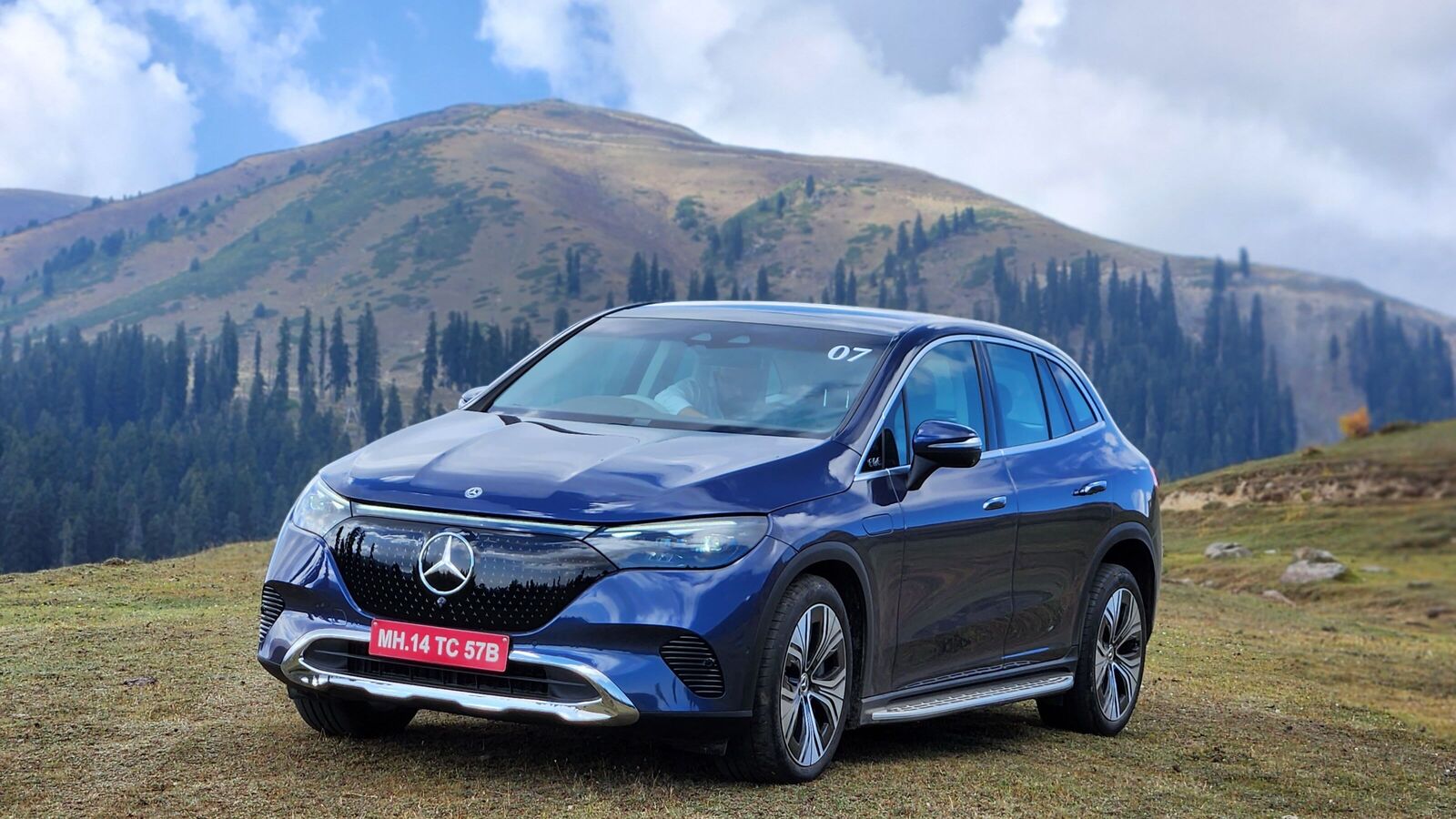
Year Ender 2023: Electric cars launched in India this year

Year Ender 2023: Electric cars launched in India this year

India is one of the fastest-growing electric vehicle markets in the world. Over the last few years, both legacy players and EV startups have been drastically transforming the landscape of the Indian EV industry. Electric two-wheelers dominate the Indian EV market, but car manufacturers too are introducing interesting products. While homegrown car manufacturers have been launching new electric cars in the country, foreign brands are also bringing their respective products into the segment.

By: HT Auto Desk
| Updated on: 23 Dec 2023, 20:42 PM

From mass-market to luxury, the year 2023 witnessed launch of several electric cars across price-segments, with SUVs dominating the chart.

In 2023, several carmakers, in both mass-market and luxury segments have launched some spectacular electric cars across different pricing slabs. Interestingly, like the fossil-fuel-propelled passenger vehicle market, the Indian electric car market is witnessing the rise of SUVs. In 2023, the majority of the electric cars launched in the country were SUVs.

Also Read : Year Ender 2023: The coolest concept cars unveiled this year

Here is a comprehensive list of the electric cars that were launched in India in 2023.

MG Comet EV

MG Comet EV is the most affordable electric car in India. This small boxy hatchback looks tiny compared to other models in the fray, but a perfect machine for in and around-city commuting. MG Comet EV was launched in 2023 at an introductory starting price of 7.98 lakh (ex-showroom). The electric hatchback threw a tough challenge to the Tata Tiago EV, the erstwhile most affordable electric car in India with its pricing. Design-wise, the EV is eye-catching on the exterior, while inside the cabin it looks simple yet very much urban at the same time. The Comet EV promises a 230 km range on a single charge.

Tata Nexon EV facelift

One of the most noteworthy car launches in India in 2023 was the arrival of the Nexon EV facelift. Tata Nexon EV is the country’s bestselling electric car and the homegrown automaker simply ramped up the appeal of the electric compact SUV with the launch of the Nexon facelift, which incorporates a wide range of design and feature updates. The Nexon EV facelift comes available at a starting price of 14.74 lakh (ex-showroom), and it promises a 465-kilometre range on a single charge, while it can accelerate to 0-100 kmph in 8.9 seconds. It comes with V2V and V2L technologies.
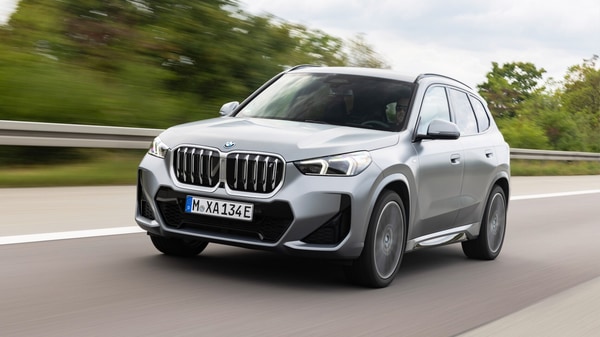
BMW iX1 electric SUV
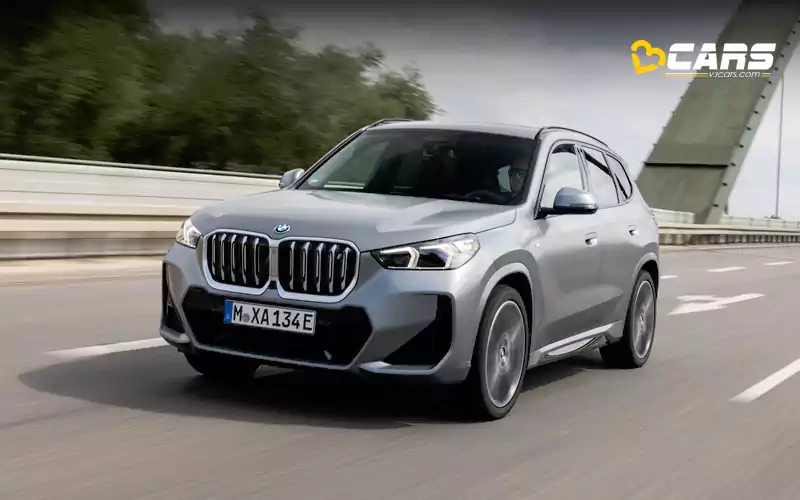
Powering the electric SUV is a 66.4 kWh battery pack paired with dual electric motors.

BMW iX1

BMW launched the electric avatar of the X1 SUV, christened as iX1 in India in 2023. The luxury EV was launched in the country at a price tag of 66.90 lakh (ex-showroom). BMW iX1 is the German brand’s fourth fully electric vehicle and is sold in India via the CBU route. Powering the electric SUV is a 66.4 kWh battery pack paired with dual electric motors. The electric propulsion system churns out 309 bhp peak power and 494 Nm of maximum torque. The EV promises up to 440-kilometre range on a single charge. It can reach 0-100 kmph in 5.6 seconds and can achieve a top speed of 180 kmph.

BMW i7

BMW i7 is an all-electric sedan that was launched in India in 2023 at a price tag of 2.50 crore (ex-showroom). The BMW i7 M70 xDrive is the brand’s first M-division electric car that was launched in India in 2023. Powering this luxury electric sedan is a 101.7 kWh battery pack that is paired with dual electric motors and generates up to a 560-kilometre range on a single charge. The electric propulsion system churns out 657 bhp peak power and 1,100 Nm maximum torque. This electric sedan can sprint to 100 kmph from a standstill position in just 3.7 seconds at a top speed of 250 kmph.

Mahindra XUV400

Mahindra XUV400 is the homegrown automaker’s first-ever electric SUV launched in India in 2023. The Mahindra XUV400 comes positioned in compact SUV segment and it competes with rivals like the Tata Nexon EV. Launched at 15.99 lakh (ex-showroom), the Mahindra XUV400 is available in two different battery options and promises up to 456-kilometre range on a single charge. Available in EC and EL, the Mahindra electric SUV’s price goes up to 18.99 lakh (ex-showroom).

Citroen eC3

Despite being a new entrant in the Indian passenger vehicle market, French auto giant Citroen was quick to launch an electric car in the form of eC3. The electric SUV comes priced from 11.50 lakh (ex-showroom) and it promises a range of 320 kilometres on a single charge, which is also the highest in its segment. Available in four different variants, the Citroen eC3 EV is powered by a 29.2 kWh battery pack that promises 320 kilometres range on a single charge. The electric SUV promises a top speed of 107 kmph.

Volvo C40 Recharge

Volvo C40 Recharge is the second electric car in India from the Swedish luxury car manufacturer after the XC40 Recharge. The electric car was launched at 61.25 lakh (ex-showroom). The EV competes with rivals such as Kia EV6 and Hyundai Ioniq 5. The EV gets power from a 78 kWh battery pack paired with dual electric motors. The EV churns out 402 bhp peak power and 660 Nm of maximum torque. The EV is capable of running at a top speed of 180 kmph and can sprint to 100 kmph from a standstill position in 4.7 seconds.

Hyundai Ioniq 5

Hyundai Ioniq 5 is the second electric car from the South Korean auto giant in the Indian market. The Hyundai Ioniq 5 EV has been launched in the country at 44.95 lakh (ex-showroom). The EV comes competing against the Kia EV6 but is more affordable than the rebadged sibling. Powering the Hyundai Ioniq 5 is a 72.6 kWh battery pack, that promises a 631 kilometre range on a single charge. It gets a rear-wheel drivetrain churning out 214 bhp peak power and 350 Nm of maximum torque. The EV claims come with a fast charging technology that charges the battery from 10 to 80 per cent in just 18 minutes.

Audi Q8 e-tron and Sportback e-tron

Audi launched the Q8 e-tron and Sportback e-tron in India in middle of 2023. The SUV and the Sportback were launched together, priced at 1.14 crore and 1.18 core (ex-showroom). The Q8 e-tron essentially came as a facelifted iteration of the erstwhile e-tron. Both the SUV and the Sportback were launched in two trims – 50 and 55, with range of up to 600 kilometres on a single charge. Powering the 50 variant is a 71 kWh battery pack, while the 55 onbe gets a larger 114 kWh battery pack. The SUV has a maximum claimed range of 491 kilometres and 582 kilometres for the 50 and 55 variants, respectively, while the Sportback has a maximum range of 505 kilometres and 600 kilometres for the 50 and 55 variants, respectively.

Mercedes-Benz EQB

Mercedes-Benz India launched the EQB 350 4Matic electric SUV in India in 2023, at a starting price of 77.50 lakh (ex-showroom). The luxury electric SUV was launched in the country replacing the previous EQB 300 4Matic that was launched in December 2022. The EQB is powered by a 66.5 kWh battery pack. The electric propulsion system onboard the SUV promises 288 bhp peak power and 520 Nm of maximum torque. These specifications are significant enhancements from the EQB 300 4Matic.

Mercedes-Benz EQE

Mercedes-Benz EQE electric SUV was launched in India in 2023 after the EQS and EQB, joining the lineup as the brand’s third EV in the country. The Mercedes-Benz EQE electric SUV was launched here at 1.39 crore (ex-showroom). It competes with rivals like Audi Q8 e-tron and BMW iX1 electric SUVs. Mercedes-Benz EQE 500 4Matic SUV comes promising 550 kilometres range on a single charge. The SUV gets power from a 90.56 kWh battery pack that is paired with dual motors. The SUV can accelerate from 0-100 kmph in 4.9 seconds at a top speed of 210 kmph.

First Published Date: 23 Dec 2023, 20:42 PM IST


Source link
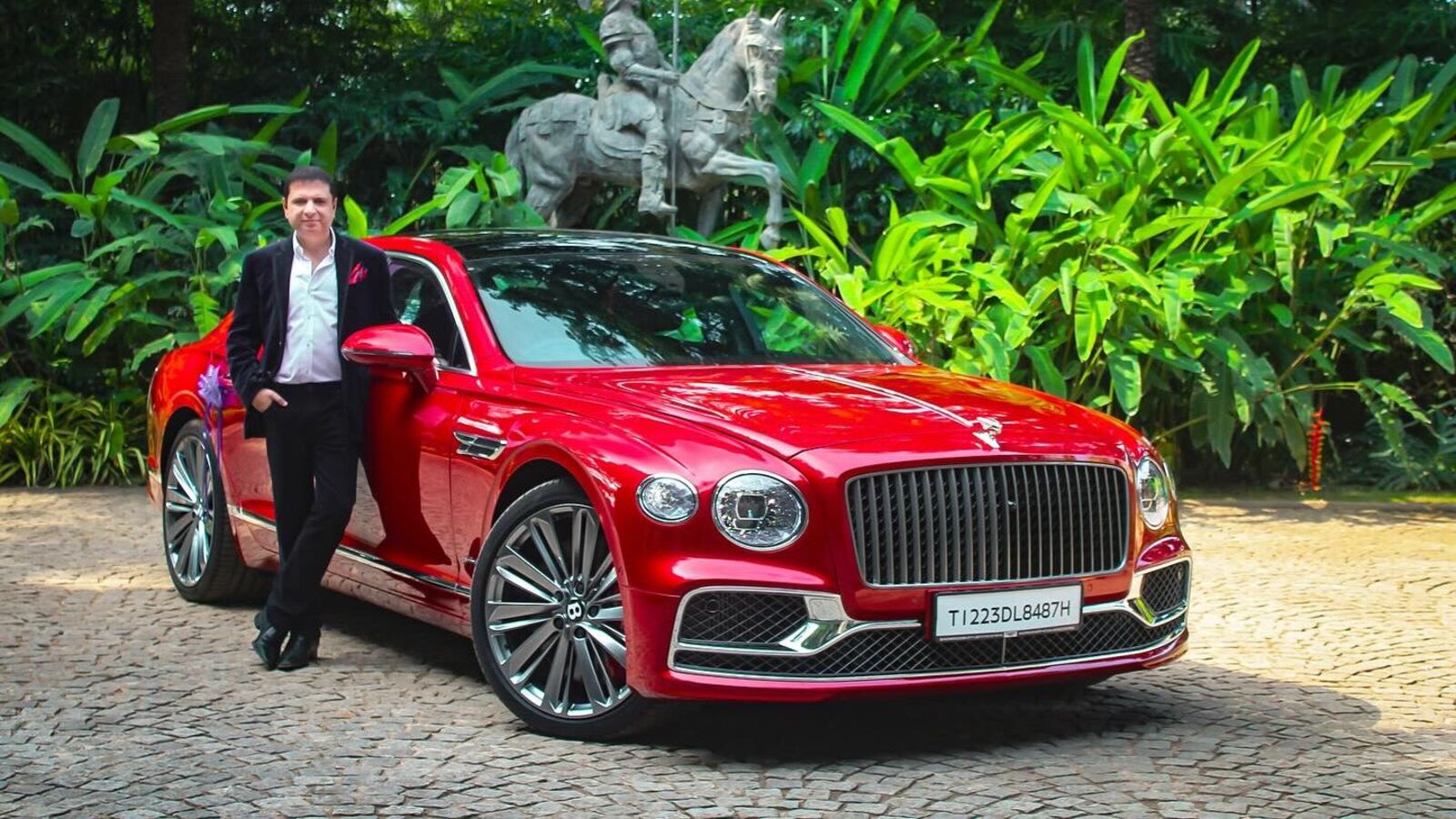
Billionaire Yohan Poonawalla brings home the Bentley Flying Spur W12 Speed

Billionaire Yohan Poonawalla brings home the Bentley Flying Spur W12 Speed

Billionaire car collector Yohan Poonawalla has one of the most exotic car collections in the country and the businessman has now added the Bentley Flying Spur W12 Speed to his garage. The Flying Spur W12 Speed is one of the most opulent luxury cars sold in India and retails from 7 crore (ex-showroom) onwards before one can tick on the options.

By: HT Auto Desk
| Updated on: 23 Dec 2023, 18:51 PM

The Bentley Flying Spur W12 Speed is one of the most illustrious cars in Yohan Poonawalla’s collection that’s already filled with some of the exotic machines from across the world

The Bentley Flying Spur W12 Speed packs luxury and power in a stellar package. The British limousine uses a 6.0-litre W12 turbocharged engine under the bonnet that develops 626 bhp and 900 Nm of peak torque. The motor is paired with a ZF 8-speed dual-clutch automatic transmission and the luxury car can sprint from 0-100 kmph in just 3.8 seconds.

Also Read : Actor Arshad Warsi buys new Toyota Hilux pick-up truck

Yohan Poonawalla’s car collection is said to be valued at well over 100 crore and is a mix of old and new cars. Chairman and Managing Director of the Poonawalla Engineering Group, Poonawalla has an affinity towards Rolls-Royce, Bentley and Ferrari cars. He owns cars like the Ferrari 488 Pista Spyder, F12 Berlinetta, 488 Aperta, Portofino and more. He also owns a Lamborghini Gallardo, Land Rover Defender, Bentley Bentayga, Rolls-Royce Phantom VII and more.

Concerning his classic car collection, the industrialist has added several beauties over the years. It started with a 1951 Chevrolet gifted to him in the 1990s, followed by the Rolls-Royce Phantom III, a 1933 Rolls-Royce Phantom II, a 1964 Lincoln Continental 4-door Convertible, a 1927 Rolls-Royce 20 HP Tourer by Barker & Co, a 1979 Rolls Royce Phantom VI Limousine, a Mysore Bentley Mark VI 4-Light Touring Saloon by Hooper & Co. and more. All of his cars have strong legacies associated with them.

Yohan Poonawalla was awarded the “Collector of the Year 2023″ title at the Geneva International Motor Show in Qatar earlier this year.

First Published Date: 23 Dec 2023, 18:51 PM IST


Source link

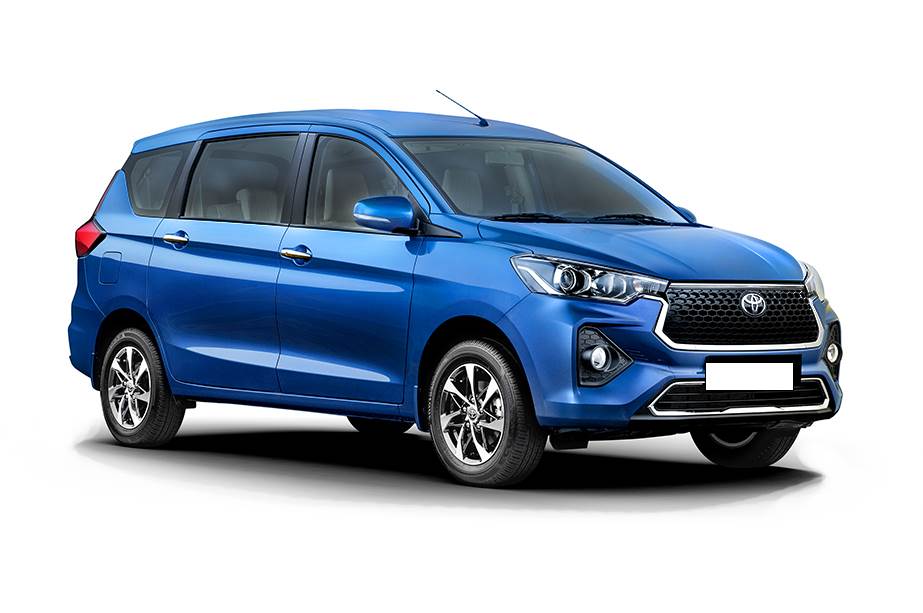
Toyota Rumion price, Rumion video review, mileage, CNG, vs Ertiga – Introduction

Toyota Rumion price, Rumion video review, mileage, CNG, vs Ertiga – Introduction

Does the Rumion deliver anything more than the Ertiga it is based on? We find out.

Published on Dec 23, 2023 02:27:00 PM

1,455 Views

Make : Toyota
Model : Rumion

Also see:

Toyota Rumion review: Innova’s new sibling

Copyright (c) Autocar India. All rights reserved.

Comments

×

img

No comments yet. Be the first to comment.


Source link

Delhi motorists take note: These vehicles are banned temporarily. Here’s why

Delhi motorists take note: These vehicles are banned temporarily. Here’s why

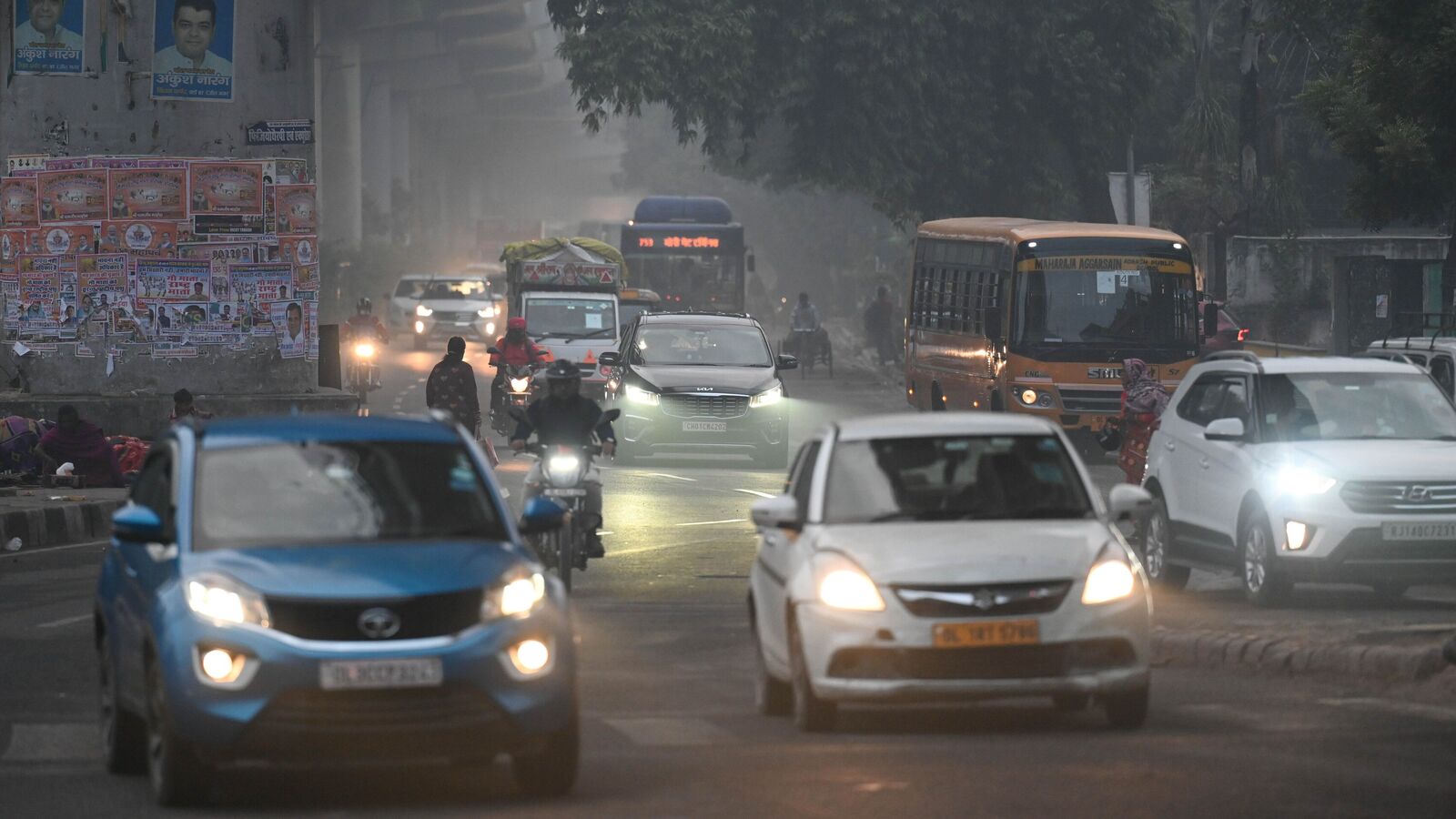
Pollution in Delhi NCR is increasing once again because of this the Graded Response Action Plan (GRAP) has rolled out a new order that bans vehicles up to BS-3 petrol and BS-4 diesel four-wheelers. The air quality of Delhi NCR falls under the ‘Severe’ category which essentially means an AQI ranging between 4O1-45O. As of now, there is no timeline stated for the ban to be lifted.

Ban on BS3 petrol and BS4 diesel cars has been implemented once again because of increasing AQI. (Photo by Sanchit Khanna/ Hindustan Times) (Hindustan Times)

The Sub-Committee observed that the AQI of Delhi on 22nd December witnessed a sharp increase. It stood at 4O9 and the committee says that it is only expected to increase a further 8 owing to the highly unfavourable meteorological and climatic conditions reported/ predicted by IMD/ IITM.

The AQI categorises scores from zero to 500, with values between zero and 50 considered “good,” 51 to 100 labelled as “satisfactory”, 101 to 200 as “moderate”, 201 to 300 as “poor”, 301 to 400 as “very poor” and 401 to 500 as “severe”.

Apart from banning cars, GRAP has ordered a strict ban on construction and demolition activities in the entire NCR region. However, few activities are expected such as projects for railway services, airports, inter-state bus terminals, hospital/health care and metros. Projects and activities related to national security, public projects such as sanitation, highways, roads, flyovers etc. are also exempted.

Also Read : From West, with no love – India among regions likely to become dumping grounds for polluting vehicles.

Earlier, the Delhi government had planned to introduce the Odd-Even rule after Diwali when pollution spiked in the city. However, it postponed the plans after the Supreme Court termed the move as mere optics without much effect on pollution levels.

First Published Date: 22 Dec 2023, 19:04 PM IST


Source link

Year Ender 2023: Cars for India that passed GNCAP crash test with flying colours

Year Ender 2023: Cars for India that passed GNCAP crash test with flying colours

India’s automobile industry is constantly evolving. People’s demands keep changing and manufacturers try to ensure that they are fulfilling the demands. The latest push in the industry has come in the form of safe vehicles. People are now well aware of the safety rating of the vehicles. What has helped in pushing safe vehicles is Global NCAP’s #safercarsforindia initiative. As part of this campaign, every year several cars that are being sold in India are crash-tested. This year also several cars were crash-tested and here are five cars that passed GNCAP tests with flying colours in 2023.

By: HT Auto Desk
| Updated on: 22 Dec 2023, 17:26 PM

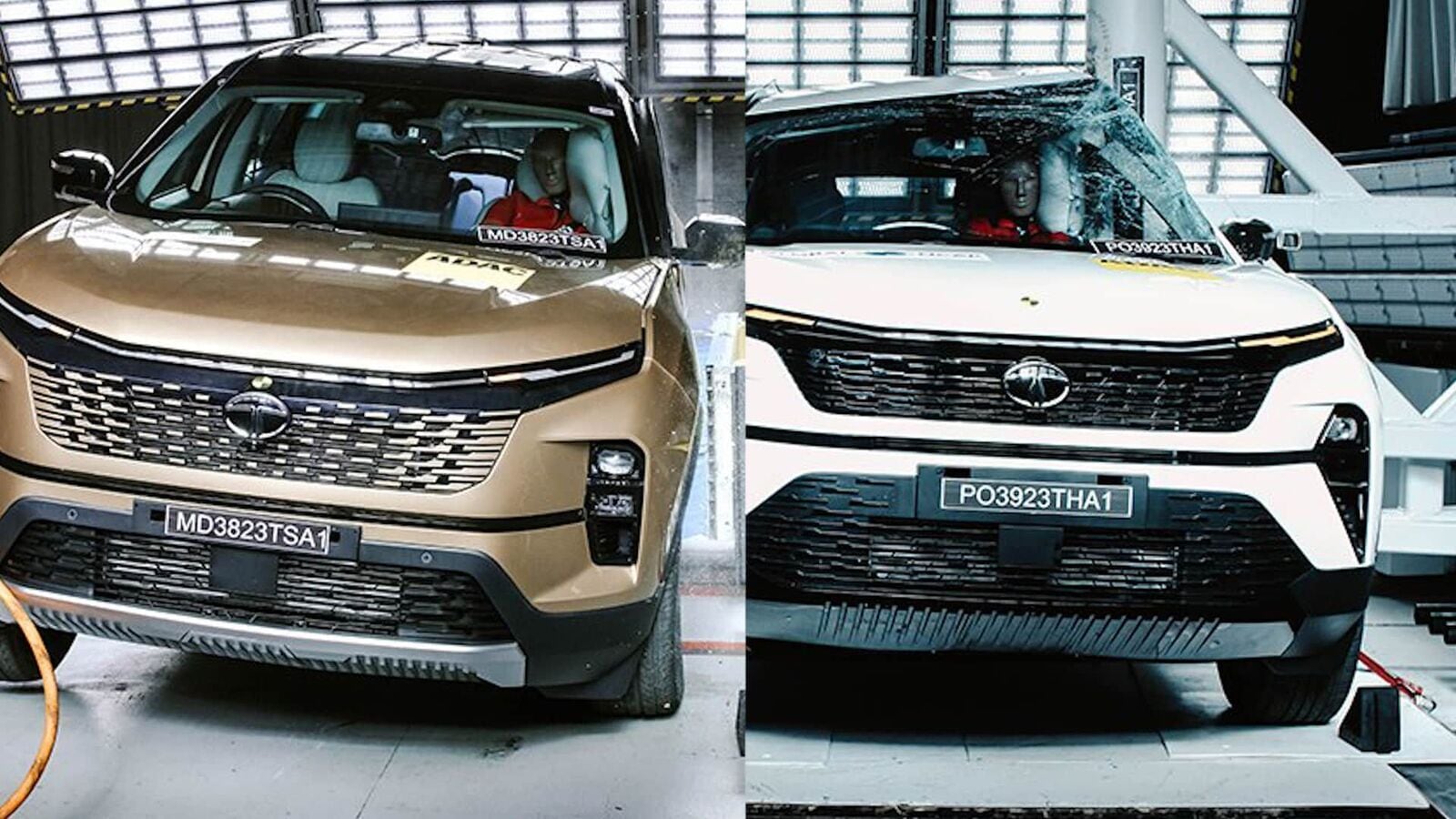
Tata Harrier and Safari SUVs have secured five star rating at the Global NCAP crash tests and Bharat NCAP becoming two of the safest cars in India.

Tata Safari and Harrier

Tata Motors was the first automobile manufacturer that really started the movement about safe cars in India with the Nexon. However, they took a long time to crash-test the Harrier and Safari. With the facelifts, the manufacturer finally sent the SUVs to Global NCAP for a crash test and they scored the highest rating in the crash test. Not only this, the Harrier and the Safari are also the first vehicles to be tested by Bharat NCAP. Both the SUVs are based on Land Rover’s Omegarc platform so it makes sense that both SUVs also share the same safety rating and features.

Hyundai Verna

Well, this came as a surprise to everyone. Hyundai Verna scored 5 stars in the Global NCAP crash test. It is the first made-in-India car from Hyundai to achieve five stars in the crash test. The new generation of Verna was launched in the Indian market this year and has been doing decent in terms of sales. The voluntary test for the Hyundai Verna was one of the last tests to be done by Global NCAP for India.

Also Read : Volkswagen to bring back physical buttons in new cars in era of touchscreen

Volkswagen Virtus and Skoda Slavia

Volkswagen Virtus and Skoda Slavia also scored 5 stars in the Global NCAP crash test. Both sedans come from the manufacturer’s India 2.0 strategy and are based on MQB-A0-IN. This is the same platform that is being used on the Volkswagen Taigun and Skoda Kushaq which also scored 5 stars in a crash test.

First Published Date: 22 Dec 2023, 17:26 PM IST


Source link

Skoda Kodiaq price, new Superb, Enyaq iV, ID4 among four new launches from Skoda-VW

Skoda Kodiaq price, new Superb, Enyaq iV, ID4 among four new launches from Skoda-VW

All four models will be brought in as niche imports or as CKDs.

The duo of Volkswagen and Skoda have had a packed couple of years with its India 2.0 launches, but what’s next for 2024? Well, both brands will be relying on a bunch of niche imports to further populate their respective portfolios over the next 12 months. Additionally, there could be mid-lifecycle updates and more special editions on models like the Kushaq, Slavia, Taigun and Virtus. Let’s take a closer look at the upcoming launches from Skoda and Volkswagen in 2024.

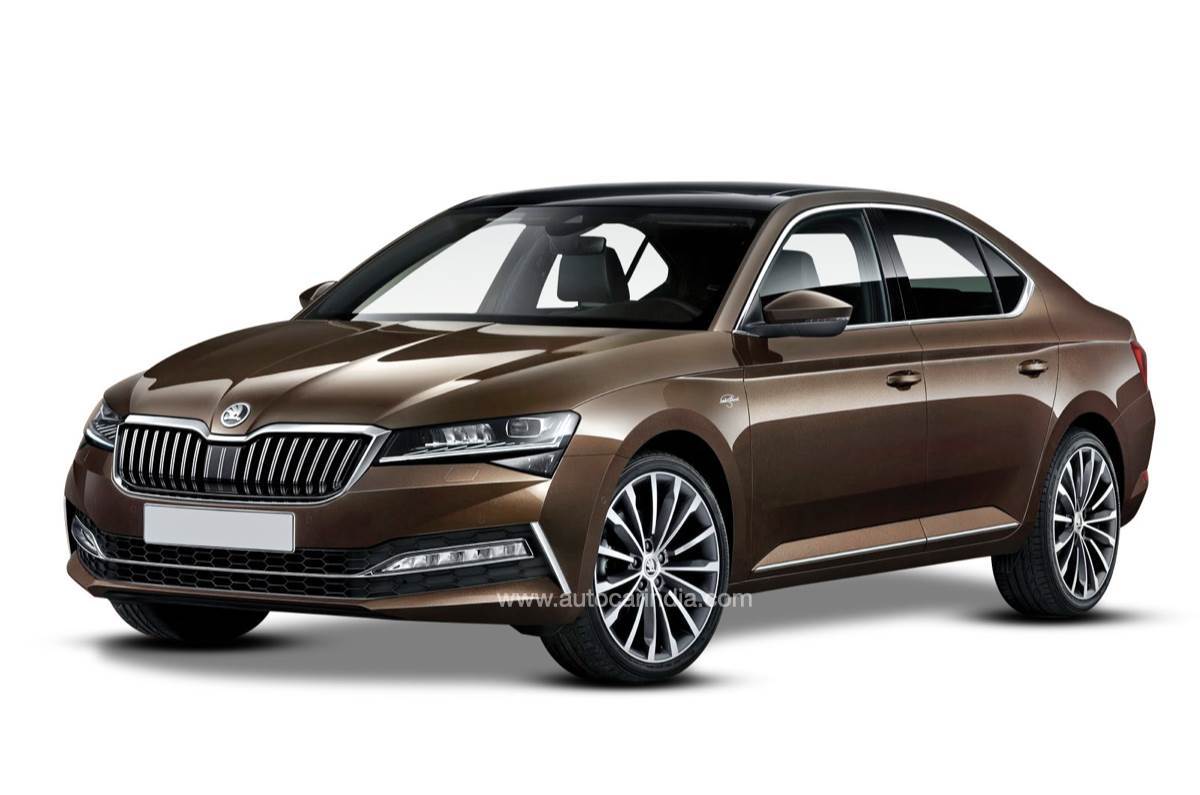
Skoda Superb

Expected price: Rs 50 lakh
Launch: Early 2024

Skoda will reintroduce the previous-gen Superb sedan in our market in limited numbers, after it was discontinued due to the BS6.2 implementation. The company will introduce it with an updated 190hp, 2.0-litre TSI turbo-petrol engine, mated to a sole 7-speed DSG gearbox. However, the Superb will not be locally assembled in India anymore, but will be imported as a CBU (completely built-up unit). The Czech brand will reintroduce it only in top-spec L&K trim with new features like ADAS that include lane-keeping assist and adaptive cruise control, a 360-degree camera, a new infotainment system, adaptive chassis control tech, an active tyre pressure monitoring system and nine airbags.

However, this will only be a stop-gap measure, as last month, Skoda globally unveiled the fourth-gen Superb with evolutionary styling, an all-new interior and an updated powertrain line-up, which even includes a plug-in hybrid. Although there’s no official word on it, we expect the new-gen Superb to also make it to India at some point in the future. 

Skoda Enyaq iV

Expected price: Rs 55 lakh
Launch: Mid-2024

The Enyaq iV will be Skoda’s first all-electric offering in India and it’ll be brought in as a full import. This five-seater crossover is only slightly smaller than Skoda’s flagship three-row Kodiaq SUV. Skoda has been testing the top-spec ‘80x’ version in India, which gets a 77kWh battery powering two electric motors – one on each axle giving it all-wheel-drive capability – producing a total of 265hp. Also, the Enyaq iV has a healthy claimed range of over 500km and an equally impressive 0-100kph acceleration time of 6.9 seconds. It remains to be seen whether Skoda offers lower-spec, two-wheel-drive variants of the Enyaq iV for a lower starting price point.

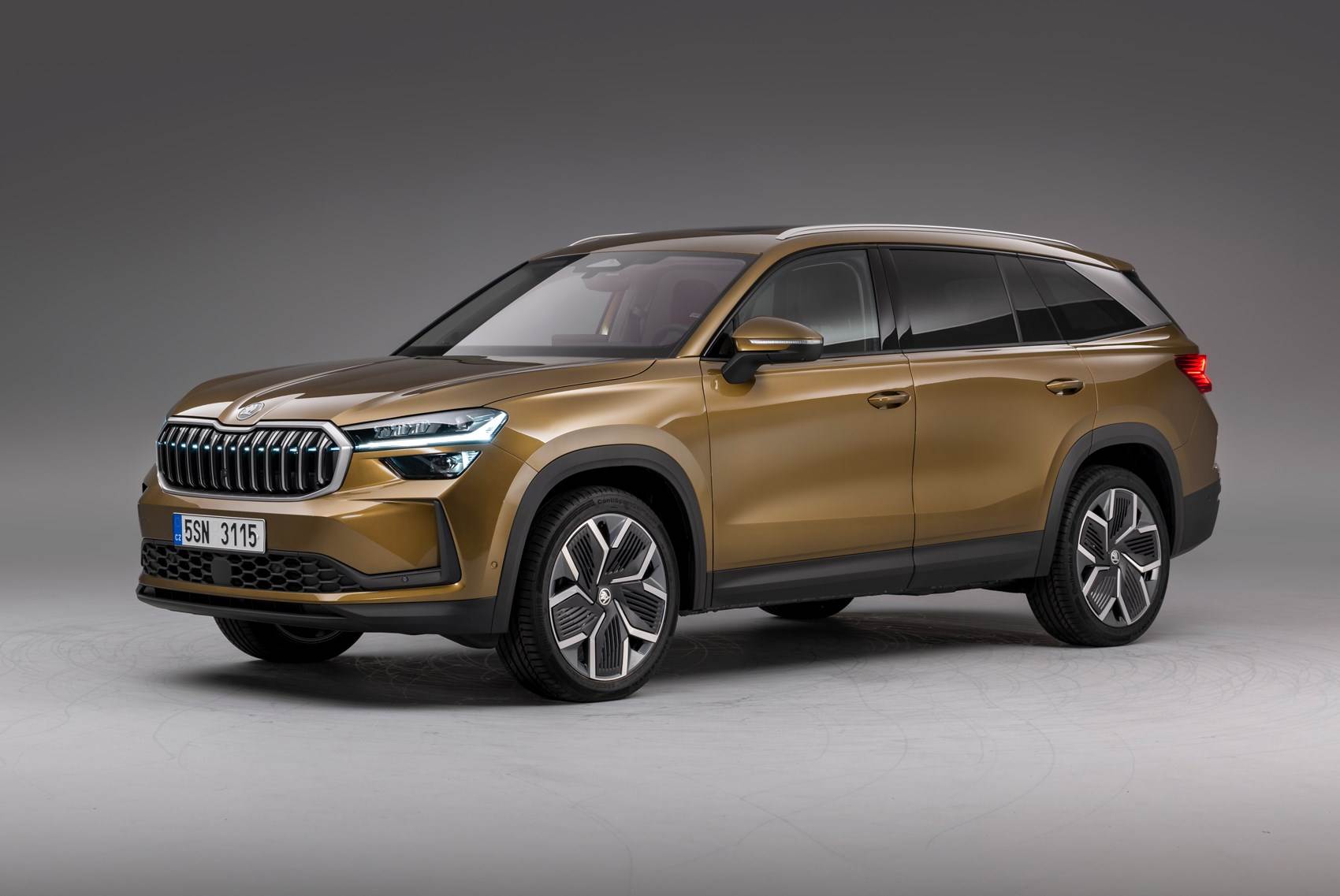
New Skoda Kodiaq

Expected price: Rs 50 lakh
Launch: Late 2024

The second-gen Kodiaq is the brand’s first production car to be styled with elements from the ‘Modern Solid’ philosophy previewed by last year’s Vision 7S concept, which gives it a more overtly rugged and utilitarian look than its predecessor. It’s also slightly longer than its predecessor, which means there’s more space in the third row and boot. The interior, meanwhile, is shared with the latest-gen Superb, and as such looks premium and well-equipped with a fine mix of physical and touch controls.

Under the hood, the new Kodiaq is powered by 2.0-litre petrol and diesel engines as well as a plug-in hybrid and mild-hybrid 1.5-litre petrol engines; the diesel-automatic solely gets the option of a 4×4 system. Skoda will get the new Kodiaq to India towards the end of 2024, although there’s no confirmation on what powertrain configuration it will get, or if it will be a CKD (completely knocked-down) unit as the existing Kodiaq or an import. The Kodiaq currently continues to be on sale in India in its first-generation guise with a petrol engine. 

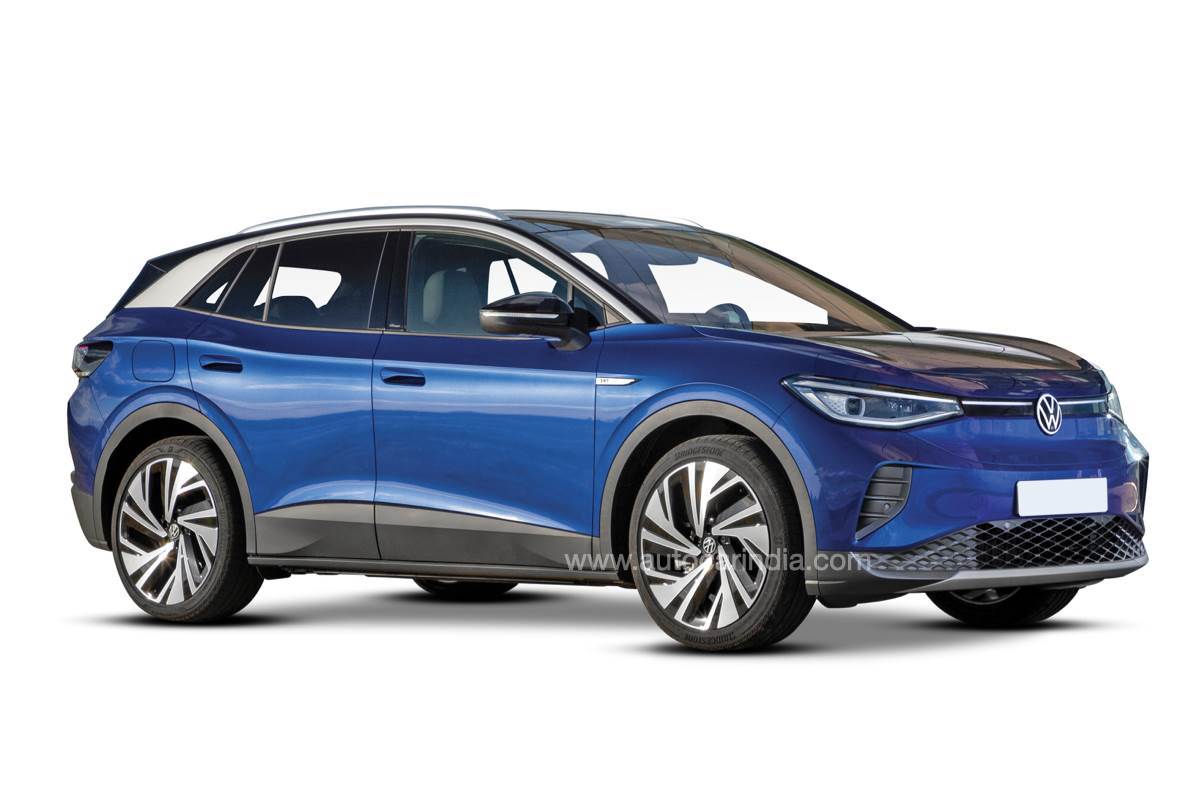
Volkswagen ID.4

Expected Price: Rs 55 lakh
Launch: Mid-2024

A sister model to the Skoda Enyaq iV, Volkswagen’s first all-electric model for India will also be a niche import. The ID.4 is based on VW’s MEB electric platform. India will likely get the high-performance ID.4 GTX model that uses one electric motor at the front axle and one at the rear. Combined, it produces 299hp and 460Nm of torque. The ID 4 GTX houses a 77kWh battery that has a claimed range of up to 480km on a single charge. This high-performance model uses one electric motor at the front axle and one at the rear. Combined, it produces 299hp and 460Nm of torque. Volkswagen has been testing the ID 4 in India for nearly two years now. However, its launch is yet to be greenlit by Volkswagen’s global headquarters. It will be brought in with Volkswagen’s India 3.0 plan, which is all about electric mobility and will cover both completely built units (CBUs) as well as locally built EVs.

Also See:

Mahindra lines-up six SUVs for 2024

Maruti readies three new launches for 2024


Source link

BMW iX1 Electric Battery-Motor Specs, Driving Range

BMW iX1 Electric Battery-Motor Specs, Driving Range

This article will provide you with the information about the battery-motor specs like power, torque, battery capacity, driving range and mileage details of the BMW iX1 electric .

Considering the body style, size and price range of the BMW iX1, it competes with the following cars:

  • Volvo XC40 Recharge
  • BMW i4

What Are The Battery-Motor Specs Of BMW iX1?

The battery and motor specifications of the BMW iX1 are as follows:

BMW iX1

BATTERY-MOTOR SPECIFICATIONS

Battery Capacity

64.7Kwh

Power

313PS

Torque

494NM

Transmission

Automatic

Range (Claimed)

440KM

Charging Time (w/ 7.4kW AC)

6.5 hours

Charging Time (w/ 50kW DC)

29 minutes

Mileage

6.80

What Is The Mileage Or Fuel Efficiency Of BMW iX1?

The BMW iX1 has a mileage of kmpu. This means that BMW iX1 will cover km for each unit or kWh of electricity.

Read more about how you can get the best mileage or fuel efficiency from your car:

10 Tips To Get The Best Mileage From Your Petrol, Diesel Or CNG Car


Source link

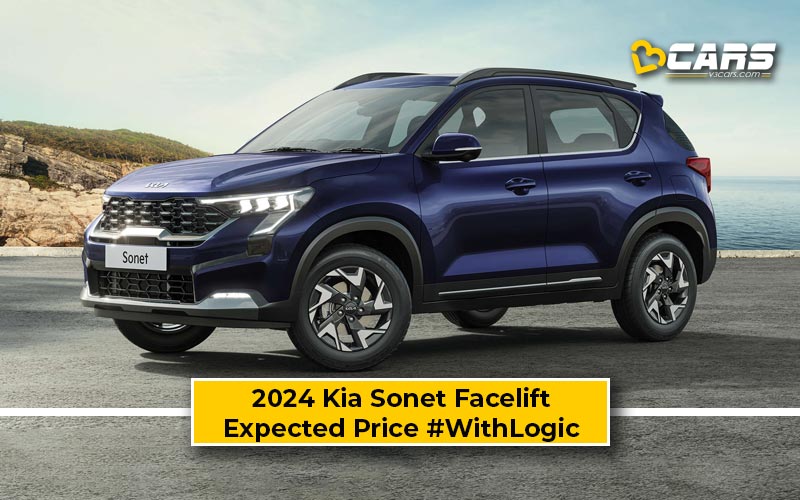
Kia Sonet 2024 Facelift Expected Price Range With Logic (Updated)

Kia Sonet 2024 Facelift Expected Price Range With Logic (Updated)

Update (Dec 21, 2023): After carefully analysing the brochure and variant wise features of the Sonet 2024, we have updated the expected prices of the Sonet facelift. Please note that these are our estimations based on the information available as of December 21, 2023. We’re not expecting to modify these prices anymore. So, you can consider this as the final revision from our side to the Sonet 2024 expected prices.

Also Read: Confirmed: Kia Sonet 2024 Will Get These ADAS Features

2024 Hyundai Creta Facelift Expected Price Range — #WithLogic

Note: Check your Car EMI with our – Car Loan EMI Calculator

2024 Kia Sonet Facelift Expected Price

As we saw with the Seltos facelift, we’re not expecting any significant price revisions. At the time of the launch, even the Seltos facelift didn’t add too much to the old Seltos price. Even with the addition of ADAS, dual-zone auto AC and a larger sunroof, the prices were only mildly higher than the older model.

We’re not expecting Kia to disrupt the market with the Sonet facelift either. So, we should see a marginal increase at best in the Sonet facelift’s prices over the outgoing model. However, we also have to keep in mind the feature revisions. Every single variant of the new Sonet gets a few extra features. The 2024 Sonet price expectation following table takes all of these factors into account:

2024 KIA SONET FACELIFT

EXPECTED PRICE (EX-SHOWROOM)

Variant

1.2L Petrol MT

1.0L Turbo Petrol ACMT

1.0L Turbo Petrol Auto

1.5L Turbo Diesel MT

1.5L Diesel ACMT

1.5L Diesel Auto

HTE

₹8,00,000

₹10,00,000

HTK

₹9,00,000

₹11,00,000

HTK+

₹9,90,000

₹10,70,000

₹11,70,000

HTX

₹11,70,000

₹12,50,000

₹12,20,000

₹12,60,000

₹13,40,000

HTX+

₹13,00,000

₹13,50,000

₹13,80,000

GTX+

₹13,90,000

₹14,90,000

X-Line

₹14,00,000

₹15,00,000

The only notable thing here is that the Sonet facelift is getting a new diesel-manual powertrain, which wasn’t available earlier. This will help them keep the starting prices for Sonet diesel buyers under control as it won’t get the auto-clutch manual transmission.

Even with the addition of ADAS features in the 2024 Sonet top model shouldn’t increase the prices too much. We noted with the Seltos facelift that even with so many extra features in the top model, the launch prices still respected the Rs. 20.0 lakh price barrier. While Tata have already breached it with the Nexon diesel-automatic, we still expect Kia to mind it. Unlike Tata, we have seen sensible pricing from Kia in the past and we’re confident that even with the Sonet 2024, we should get a reasonable price tag for most of the variants.

Thus, we expect the Sonet 2024 facelift to cost between Rs. 8.0 lakh and Rs. 15.0 lakh (ex-showroom).

Also Read: It’s Not A Sierra: Leaked Design Patent Confirms Our Fears

Note: Check your car’s fuel cost with Fuel Cost Calculator in India

Now, let’s evaluate each variant one by one to see how much it could cost. For this estimation, we’ll use the old Sonet’s prices as the baseline. Then, we’ll see the feature changes and add the appropriate perceived value for the features. Here, we’ll also take into account any other considerations like round figures and Kia’s historical pricing strategy to get to a final price. To know more about what you get extra with each variant of the new Sonet, visit the following link:

2024 Kia Sonet Facelift — Old Vs New — Most Detailed Comparison

2024 Kia Sonet HTE Expected Price Logic

In the base model, you get almost Rs. 35,000 worth of features but you also lose some basic features. Net, the new Sonet base model adds about Rs. 30,000 worth of features over the outgoing model. To keep the prices under Rs. 8.0 lakh, we expect Kia to ask for another Rs. 20,000 for this model.

As for the HTE diesel-manual, this powertrain is new for the Sonet. But the Sonet diesel-ACMT was earlier available for Rs. 9.95 lakh (ex-showroom). With the lack of auto-clutch manual, we can expect it to make up for the additional features and maintain a sub-Rs. 10.0 lakh starting price.

KIA SONET HTE PRICE EXPECTATION

(Ex-Showroom)

Powertrain

Old Price

Difference

Exp. Price

1.5L turbo diesel-ACMT

Rs. 9.95 lakh

Not Available

Difference

Rs. 2.16 lakh


1.2L petrol-MT

Rs. 7.79 lakh

Rs. 21,000

Rs. 8.0 lakh

Difference


Rs. 2.0 lakh

1.5L turbo diesel-MT

Not Available

Rs. 10.0 lakh

Kia Sonet 2024 HTK Expected Price Logic

The HTK variant adds almost Rs. 40,000 worth of features. So, we’re expecting the new Sonet to deliver better value here by only asking for Rs. 30,000 more. This way, the petrol variants price will remain (barely) under Rs. 9.0 lakh while the diesel-manual can respect the Rs. 11.0 lakh psychological barrier.

Here again, the older 1.2L petrol to diesel price gap can remain at Rs. 2.0 lakh. The lack of auto-clutch (IMT) will help compensate for the costs of adding extra features.

KIA SONET HTK PRICE EXPECTATION

(Ex-Showroom)

Powertrain

Old Price

Difference

Exp. Price

1.5L turbo diesel-ACMT

Rs. 10.69 lakh

Not Available

Difference

Rs. 1.99 lakh


1.2L petrol-MT

Rs. 8.70 lakh

Rs. 30,000

Rs. 9.0 lakh

Difference


Rs. 2.0 lakh

1.5L turbo diesel-MT

Not Available

Rs. 11.0 lakh

Kia Sonet Facelift HTK Plus Expected Price With Logic

The Sonet 2024 HTK Plus variant adds about Rs. 12,000 – 15,000 worth of features. But the price gap could be higher than that. The Sonet HTK Plus 1.2L petrol could cost Rs. 9.90 lakh and remain below the Rs. 10.0 lakh psychological barrier.

Meanwhile, the jump to the turbo petrol is easier to justify as it may only cost Rs. 80,000 more. Not only does it offer more power and better drivability, it does so without compromising on the fuel efficiency. Not to mention, the inclusion of auto-clutch manual transmission makes it almost as good as an automatic in crawling traffic.

This variant may maintain a turbo petrol to diesel price gap of Rs. 1.0 lakh. While it was only Rs. 90,000 before, we expect Kia to keep this variant a little pricey so that the jump to diesel-ACMT comes across as more reasonable. With this strategy, regardless of whether the buyer chooses HTK Plus diesel-MT or the HTX diesel-ACMT, Kia will stand to make a better profit.

KIA SONET HTK PLUS PRICE EXPECTATION

(Ex-Showroom)

Powertrain

Old Price

Difference

Exp. Price

1.2L petrol-MT

Rs. 9.64 lakh

Rs. 26,000

Rs. 9.90 lakh

Difference

Rs. 85,000


Rs. 80,000

1.0L turbo petrol-ACMT

Rs. 10.49 lakh

Rs. 21,000

Rs. 10.70 lakh

Difference

Rs. 90,000


1.5L turbo diesel-ACMT

Rs. 11.39 lakh

Not Available

Difference


1.5L turbo diesel-MT

Not Available

Rs. 11.70 lakh

New Kia Sonet HTX Expected Price With Logic

The HTX variant of the Sonet 2024 could cost Rs. 11.70 lakh with the turbo petrol-ACMT powertrain. This price is Rs. 25,000 higher than before as it also gets almost Rs. 30,000 worth of additional features than before.

The gap from petrol-ACMT to petrol-automatic will be higher than before as it also gets some Rs. 25,000 – 30,000 worth of additional features. Similarly, these extra features are also available with the diesel-ACMT and diesel-automatic powertrains but not with the diesel-manual. This move will also encourage buyers to skip the diesel-MT and go with the diesel-ACMT for better value.

KIA SONET HTX PRICE EXPECTATION

(Ex-Showroom)

Powertrain

Old Price

Difference

Exp. Price

1.0L turbo petrol-auto

Rs. 11.99 lakh

Rs. 51,000

Rs. 12.50 lakh

Difference

Rs. 44,000


Rs. 80,000

1.0L turbo petrol-ACMT

Rs. 11.45 lakh

Rs. 25,000

Rs. 11.70 lakh

Difference

Rs. 80,000


Rs. 90,000

1.5L turbo diesel-ACMT

Rs. 12.25 lakh

Rs. 35,000

Rs. 12.60 lakh

Difference


Rs. 40,000

1.5L turbo diesel-MT

Not Available

Rs. 12.20 lakh

Difference


Rs. 1.20 lakh

1.5L turbo diesel-auto

Rs. 13.05 lakh

Rs. 35,000

Rs. 13.40 lakh

Kia Sonet 2024 HTX Plus Expected Price With Logic

The HTX Plus variant of the Sonet facelift adds a little more than Rs. 25,000 worth of features. So, we’re also expecting the similar jump to reflect in the new prices.

KIA SONET HTX PLUS PRICE EXPECTATION

(Ex-Showroom)

Powertrain

Old Price

Difference

Exp. Price

1.0L turbo petrol-ACMT

Rs. 12.75 lakh

Rs. 25,000

Rs. 13.0 lakh

Difference

Rs. 80,000


Rs. 80,000

1.5L turbo diesel-ACMT

Rs. 13.55 lakh

Rs. 25,000

Rs. 13.80 lakh

Difference


Rs. 30,000

1.5L turbo diesel-MT

Not Available

Rs. 13.50 lakh

Kia Sonet Facelift GTX Plus Expected Price With Logic

The GTX Plus variant is where you can expect to see some real fireworks. Because of the ADAS features, the value proposition just jumps through the roof. Since they are using cameras to enable ADAS, the cost of implementation is low. But, the real-world benefits are immense if it ends up working as intended.

We feel like this variant will offer a perceived value of almost Rs. 1.0 lakh with the ADAS features while costing only a little more. Keeping the prices per our expectations will also allow Kia to keep the GTX Plus variants under the psychological barrier of Rs. 14.0 lakh for the petrol-automatic and Rs. 15.0 lakh for the diesel-automatic.

KIA SONET GTX PLUS PRICE EXPECTATION

(Ex-Showroom)

Powertrain

Old Price

Difference

Exp. Price

1.0L turbo petrol-ACMT

Rs. 13.09 lakh

Not Available

Difference

Rs. 70,000


1.0L turbo petrol-auto

Rs. 13.79 lakh

Rs. 11,000

Rs. 13.90 lakh

Difference

Rs. 80,000


Rs. 1.0 lakh

1.5L turbo diesel-auto

Rs. 14.69 lakh

Rs. 21,000

Rs. 14.90 lakh

Difference

Rs. 80,000


1.5L turbo diesel-ACMT

Rs. 13.89 lakh

Not Available

New Sonet 2024 X-Line Expected Price With Logic

With a Rs. 10,000 space for plough through, we can expect Kia to use it for the X-Line variants. It also adds a couple thousand rupees worth of features. So Rs. 10,000 jump from the GTX Plus is reasonable.

KIA SONET X-LINE PRICE EXPECTATION

(Ex-Showroom)

Powertrain

Old Price

Difference

Exp. Price

1.0L turbo petrol-auto

Rs. 13.89 lakh

Rs. 11,000

Rs. 14.0 lakh

Difference

Rs. 1.0 lakh


Rs. 1.0 lakh

1.5L turbo diesel-auto

Rs. 14.89 lakh

Rs. 11,000

Rs. 15.0 lakh

Why 2024 Sonet Facelift Won’t Cost More Than Rs. 15.0 Lakh?

It’s worth noting that the Nexon was the first car in the B2-SUV space to blow through the Rs. 15.0 lakh psychological price barrier. It offers such poor value and feature distribution that we couldn’t recommend even a single variant of the car.

So, it’s not unrealistic to expect the Sonet to also do so. However, we’re still betting on Kia to approach the Sonet 2024 with a sensible pricing strategy and bring it back in the game with a bang. We’re pretty confident that this pricing will help the Sonet achieve consistent 5-figure monthly dispatch numbers and turn on some heat on the low value-for-money offerings like the Nexon.

If you are interested in learning more about the variant-wise features of the new Sont facelift and our booking recommendation, you can watch the following video:


Source link

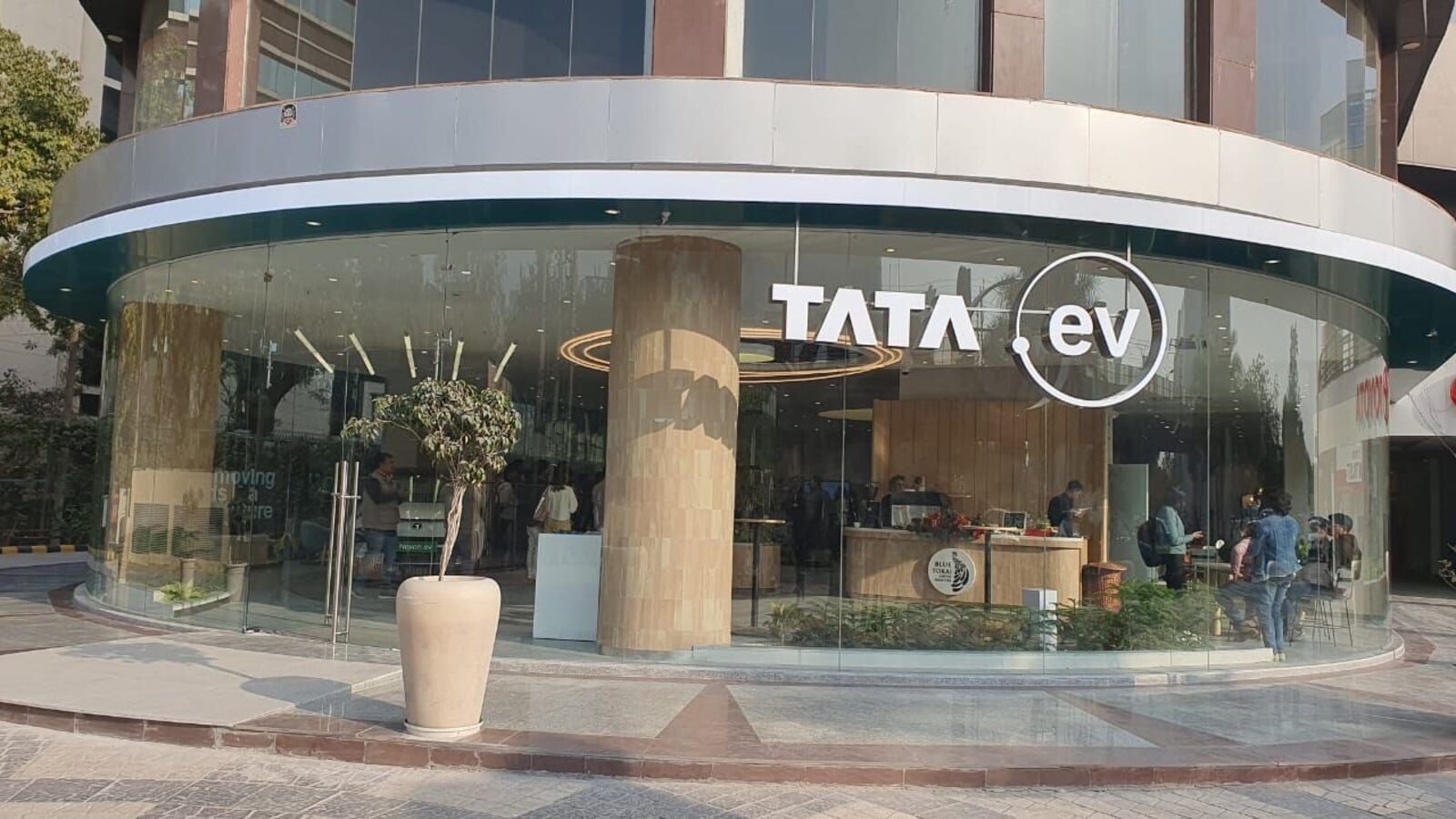
Tata Motors inaugurates EV-only showroom in Gurugram. Check details

Tata Motors inaugurates EV-only showroom in Gurugram. Check details

Tata Motors has inaugurated its first EV-only dealership in Gurugram. The dealership will open for the general public on 7th January and it is located on Sohna Road. The manufacturer says that they will expand the network to 2-3 more cities where they sell the most number of electric vehicles.

By: Paarth Khatri
| Updated on: 21 Dec 2023, 16:19 PM

The new EV-only dealership is located on Sohna Road, Gurugram and will be operational from 7th January.

Customers would be able to use fast chargers that will be available at these new dealerships. Tata has also announced that once the EV dealerships are up and running, they will stop selling electric vehicles from regular showrooms. Apart from this, all Tata EV showrooms will have workshops that will be exclusive to Tata electric vehicles, this information was already confirmed to us back in October last year when the manufacturer launched the Tiago EV.

Tata Motors currently sells the Nexon. ev, Tiago.ev and Tigor. ev in the Indian market. Nexon.ev and Tiago.ev contribute around 75 per cent of sales among all Tata electric vehicle sales. Speaking of Tiago.ev, 25 per cent of buyers of the electric hatchback are women. Tata aims to complete 2023 with about 70,000 EV sales.

Also Read : Nexon to XUV700: Top 5 Indian cars that got shot in the arm with GNCAP rating

Commenting at the inauguration of the new showrooms, Shailesh Chandra, MD, Tata Motors Passenger Vehicles Ltd., and Tata Passenger Electric Mobility, said, “With insights gathered from over 1 Lakh Tata EV customers, we understand that the EV consumers seek a different kind of customer experience. They are sensitive to how the planet is evolving, very conscious about the cost of driving, and desire cutting-edge technology. This is in line with the new brand identity’s core values – sustainability, community, and technology. The new flagship showrooms are the first physical manifestations of this brand philosophy and we have mapped the customer journey accordingly. We want to empower our customers so our plans include the creation of a harmonious community space to facilitate customer gatherings/services, sustainability-focused workshops, and events for customers. These showrooms are not just about retailing EVs but they become TATA.ev community centres in Gurugram.

First Published Date: 21 Dec 2023, 15:22 PM IST


Source link

Mahindra Thar price, 5-door Thar interior, new features, powertrain options

Mahindra Thar price, 5-door Thar interior, new features, powertrain options

A dashcam, rear AC vents and larger touchscreen will be among some new features over regular Thar.

Mahindra has been testing the upcoming 5-door Thar for nearly a year and a half now, and while we have already reported to you with several spy images, a new sighting of the interior shows some additional features that the 5-door SUV will get over its 3-door sibling. The 5-door is expected to go on sale by the middle of next year.

  1. 5-door Thar to get larger touchscreen, sunroof
  2. Will also get front seat armrest and rear AC vents
  3. Likely to carry forward petrol and diesel engines from 3-door Thar

Mahindra Thar 5-door interior spied

As we have already reported, the biggest update to the 5-door Thar’s interior will be a larger touchscreen in a new housing, possibly a 10-inch unit with improved interface and graphics. This will necessitate a slight redesigned of the dashboard, but the AC vents, HVAC controls and band of toggle switches at the bottom, as seen in these images, will be carried forward unchanged. The band of physical buttons and a rotary dial below the screen have also been retained from the regular Thar.

The newer revelation is that there will be individual armrests for the front seats as well second-row AC vents, both of which are missing from the 3-door Thar. And while this test mule comes fitted with dummy seats at the rear, it remains to be seen if Mahindra offers a regular bench seat or two individual seats as in the regular Thar.

Other additions of note over the regular Thar could be an improved instrument cluster with a larger MID (possibly from the Scorpio N), a dashboard camera as well as a single-pane sunroof that’s clearly visible in these images. The 5-door Thar will only be offered in a hardtop guise with a fixed roof.

The 7-inch screen on the Thar 3-door has been criticised for its mediocre interface and display, and also for its relatively smaller size – 8-inch units are pretty much the norm on almost every other mainstream car or SUV. We expect the larger touchsreen infotainment to be added to the Thar 3-door as well at some point in the future.

Also See: Mahindra Thar Armada among 7 names trademarked for upcoming SUV

With the Thar 5-door, Mahindra will be targetting SUV buyers who want a practical vehicle that can be used for daily commutes as well as for off-road use. Therefore, a longer features list and more creature comforts will be crucial to set it sufficiently apart from its 3-door sibling that’s a focused off-roader. Camouflaged test mules have also hinted at a slightly altered design to set it apart from its 3-door sibling.

Mahindra Thar 5-door powertrain options

Under the hood, the 5-door Thar is likely to retain the current 2.2-litre diesel and 2.0-litre petrol engines, mated to the same 6-speed manual and auto gearboxes. The off-road hardware will also be carried forward, but owning to the longer wheelbase and additional weight, there will be changes to the suspension setup.

The 5-door Thar is expected to debut sometime around mid-2024, and is expected to be priced considerably higher than the regular Thar, likely in the Rs 16 lakh-20 lakh (ex-showroom) range.

Image Source 

Also See:

Next-gen Bolero to get multiple seating options

SCOOP! Mahindra XUV300 EV coming by June 2024 as Nexon EV rival

Mahindra XUV300 facelift to go on sale by February 2024


Source link

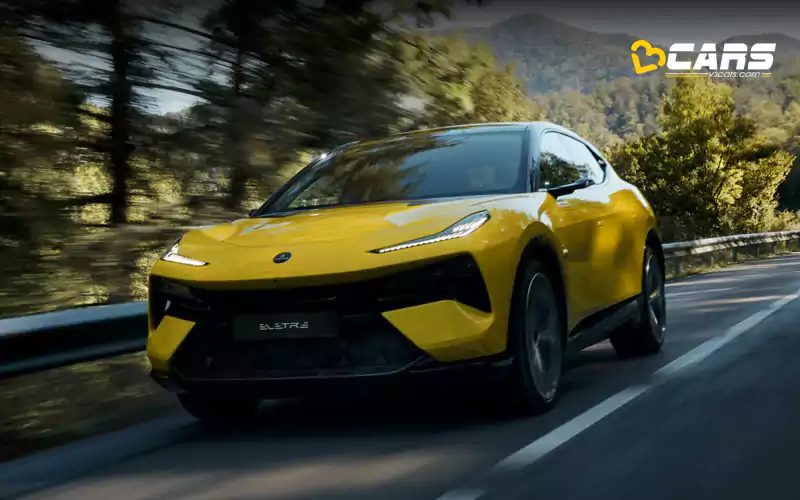
Lotus Eletre Electric Battery-Motor Specs, Driving Range

Lotus Eletre Electric Battery-Motor Specs, Driving Range

This article will provide you with the information about the battery-motor specs like power, torque, battery capacity, driving range and mileage details of the Lotus Eletre electric .

Considering the body style, size and price range of the Lotus Eletre, it competes with the following cars:

  • Jaguar I-Pace
  • BMX XM
  • Audi E-Tron

What Are The Battery-Motor Specs Of Lotus Eletre?

The battery and motor specifications of the Lotus Eletre are as follows:

Lotus Eletre

BATTERY-MOTOR SPECIFICATIONS

Battery Capacity

112.0Kwh

Power

603PS

Torque

710NM

Transmission

Automatic

Range (Claimed)

600KM

Charging Time (w/ 7.4kW AC)

Charging Time (w/ 50kW DC)

20 Minutes

Mileage

5.36

What Is The Mileage Or Fuel Efficiency Of Lotus Eletre?

The Lotus Eletre has a mileage of 5.36kmpu. This means that Lotus Eletre will cover 5.36km for each unit or kWh of electricity.

Read more about how you can get the best mileage or fuel efficiency from your car:

10 Tips To Get The Best Mileage From Your Petrol, Diesel Or CNG Car


Source link

Volkswagen shortens new car development time to 3 years, plans fewer test models

Volkswagen shortens new car development time to 3 years, plans fewer test models

Volkswagen aims to have an additional $11 billion in its coffer by 2026. Keeping an eye on this goal, the German auto giant is streamlining its new car development strategy. The automaker claims to have reduced new car development time to three years. Also, Volkswagen plans significantly fewer test vehicles during its new car development programs. It believes, these measures will begin to bear fruit in 2024 and will help the OEM to achieve its target by cutting vehicle production costs.

By: HT Auto Desk
| Updated on: 21 Dec 2023, 12:24 PM

Volkswagen is taking various measures including shortened new car development time, fewer prototype manufacturing, improved aftersales business etc to increase its profit.

Volkswagen has said that it has adopted a new program, christened the “Accelerate Forward/ Road to 6.5”, under which the automaker has been adopting some major changes across different levels of the company. Interestingly, this move comes after Volkswagen CEO Thomas Schafer recently said that the carmaker is no longer competitive. Clearly, with these moves, VW is aiming to reduce expenditures in an attempt to put the company back on track.

Also Read : Volkswagen launches Taigun and Virtus with new Deep Black Pearl colour theme

Currently, a new car development process takes around 50 months, which Volkswagen claims to have reduced to 36 months. The carmaker claims that three years will be enough to bring a new car to the market without sacrificing its quality or safety. VW estimates this move will help the company to save around $1 billion by the end of 2028. Another major change in the new car development strategy will be fewer prototypes for the evaluation process. The automaker claims to be aiming to reduce the prototypes by 50 per cent. It claims this move will not impact the quality of the new cars of the company negatively and will annually save $844 million.

Besides these, Volkswagen is also aiming to improve its after-sales business, more optimized production time, cost-effective procurement services etc. Besides these, Volkswagen is planning job cuts as well to reduce its expenses and increase profit.

First Published Date: 21 Dec 2023, 12:24 PM IST


Source link

Tata Safari and Harrier receive first ever Bharat NCAP 5-star rating

Tata Safari and Harrier receive first ever Bharat NCAP 5-star rating

Tata Motors has announced that its Safari and Harrier SUVs are the first vehicles to secure a 5-star rating in Bharat NCAP’s crash test. Both SUVs had also scored five stars in the Global NCAP crash test on which Bharat NCAP is based on. The Harrier and Safari were recently updated and received mechanical as well as cosmetic upgrades.

By: Paarth Khatri
| Updated on: 20 Dec 2023, 21:24 PM

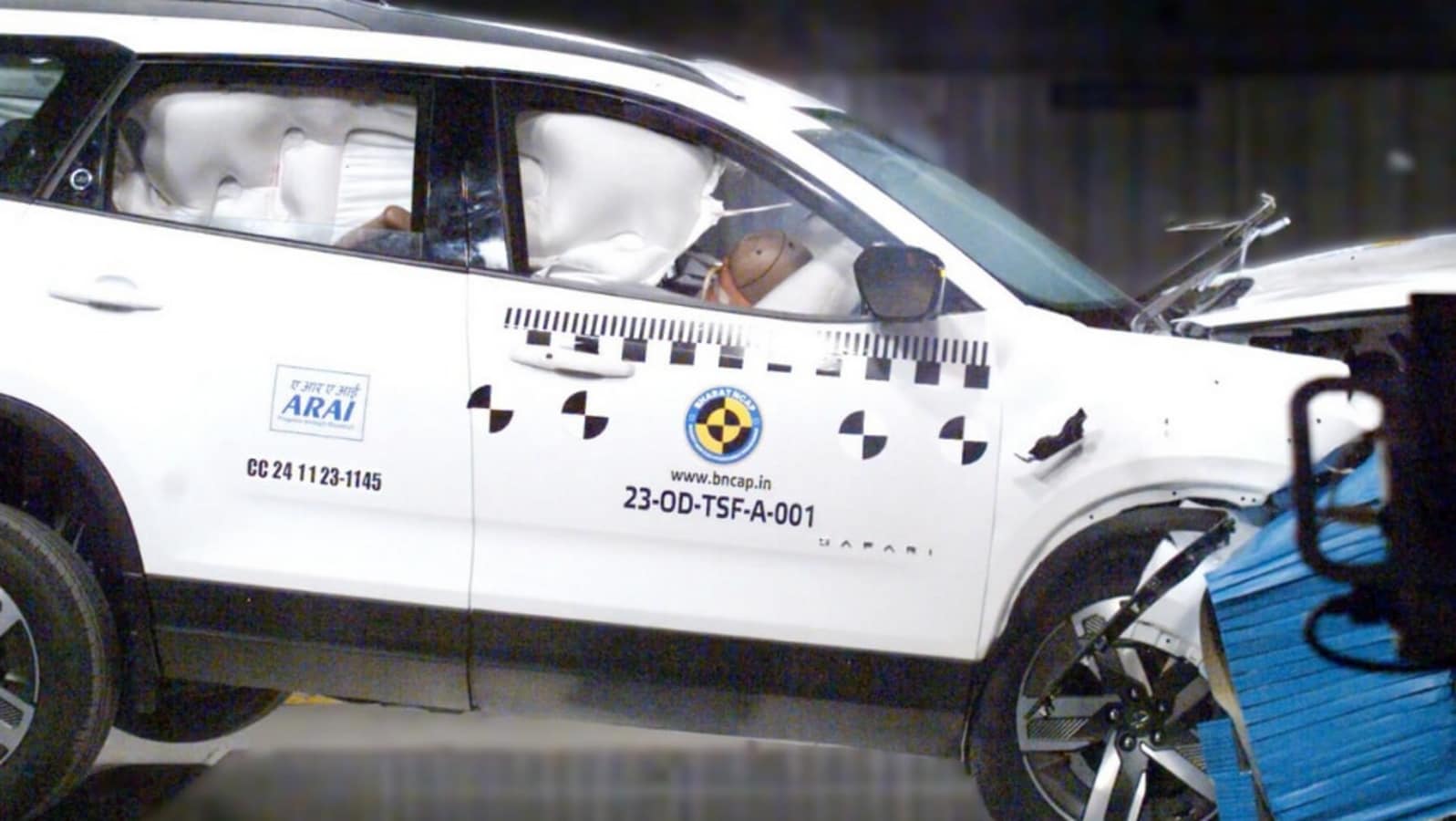
The Harrier and Safari are the first vehicles to be tested by Bharat NCAP.

Tata Harrier and Safari received 30.08 points out of 32 in Adult Protection and 44.54 points out of 49 in Child Protection. The SUVs were fitted with seven airbags out of which six are offered as standard across all variants, Electronic Stability Control, three-point seatbelts in all rows, seatbelt reminders for all passengers, ISOFIX child seat mounts and seatbelts with retractor, pretensioner, load limiter and anchor pretensioner.

The Harrier is priced between 15.49 lakh and 26.44 lakh whereas the Safari starts at 16.19 lakh and goes up to 27.34 lakh. All prices are ex-showroom. Both SUVs use the same 2.0-litre diesel engine that is sourced from Fiat. It produces 168 bhp and 350 Nm. The gearbox on duty is a 6-speed manual unit or a 6-speed torque converter transmission.

Watch: Tata Harrier or Safari? Which one should you pick and why

Tata Motors has now found one more reason to underline the safety credentials of its vehicles. “Bharat-NCAP is a significant step forward as it provides customers with a credible, objective score to evaluate the safety aspects of various vehicles. Informed customers taking optimal decisions will further foster the rising preference for safer vehicles in the country,” said Shailesh Chandra, MD, Tata Motors Passenger Vehicles Ltd and Tata Passenger Electric Mobility Ltd. “We acknowledge and appreciate the collaborative efforts of the government, regulatory bodies, and the automotive industry in this pursuit. At Tata Motors, safety is at the core of our DNA and we are honoured to win this maiden Bharat-NCAP certification with an exemplary 5-star rating for two of our vehicles. We remain committed and will continue to work towards improving vehicle safety holistically.”

Also Read : Tata Nexon to Mahindra XUV700: How 5-star GNCAP safety ratings boosted these Indian cars’ sales performance

What is Bharat NCAP?

Bharat NCAP is a a star-rating system for crash testing cars that are available in Indian market specifically. As previously mentioned, it is based on the Global NCAP crash test system and will rate vehicles from zero to five, depending on the safety provided in case crashes. The test involves subjecting the test vehicle to crashes from multiple sides. Cars are voluntarily being sent by manufacturers and so far, the likes of Maruti Suzuki, Hyundai, Kia and of course, Tata Motors have sent a number of their respective models for the test.

On the result of Safari and Harrier, Nitin Gadkari, Union Minister for Road Transport and Highways, once again underlined the significance of Bharat NCAP. “Bharat NCAP is India’s independent, atmanirbhar voice on vehicle safety. It is benchmarked to the best-in-class global standards and the Bharat-NCAP vehicle rating system is designed to advance road safety and vehicle safety standards beyond mandatory regulations,” he said. ” I’m delighted that the first ever vehicles being certified today with the highest achievable 5-star rating, are both from Tata Motors. I congratulate them on award of this coveted certification with the highest possible ratings and for continuing to enrich their legacy of introducing the safest vehicles on Indian roads.”

First Published Date: 20 Dec 2023, 20:35 PM IST


Source link

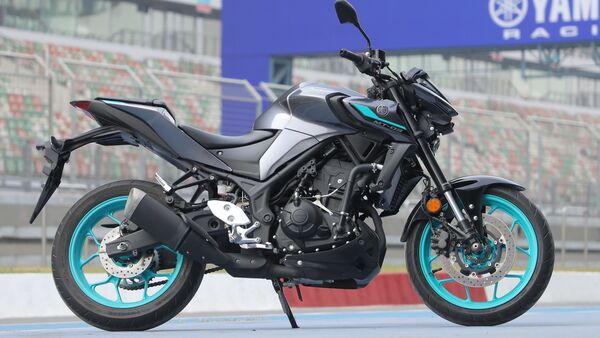
Yamaha YZF-R3 & MT-03 initial impressions: Motorcycles for purists

Yamaha YZF-R3 & MT-03 initial impressions: Motorcycles for purists

Yamaha Motor India was once known for being a brand that wanted to sell motorcycles that enthusiasts would want. The manufacturer used to sell the YZF-R3 but it was then discontinued when the BS6 emission norms came into effect. Since then things have been slow and cold. However, earlier this year, Yamaha announced that they would be launching the YZF-R3 and MT-03 in the Indian market. This sparked a lot of hype around the brand once again. So, when Yamaha invited us for a few laps of both motorcycles on the Buddh International Circuit (BIC), we could not say no.

By: Paarth Khatri
| Updated on: 20 Dec 2023, 17:57 PM

The MT-03 and R3 use the same underpinnings.

It is important to note that we only rode both motorcycles for just 15 minutes which is 4 laps of the race track. So, these are only our initial impressions and not a full review.

Yamaha R3 and MT-03: Looks and ergonomics

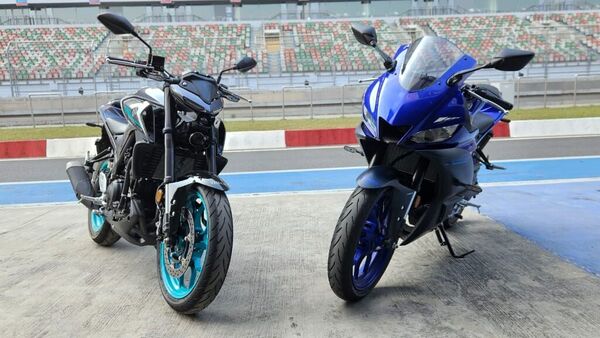
Yamaha R3 Yamaha MT-03
Both motorcycles look quite impressive and high quality.

In terms of looks not much has changed since the last time, the R3 was on sale in the Indian market. It now comes with all LED lighting, a fairing and a design that is inspired by its elder siblings. The golden forks do add a bit of character and premiumness to the looks of the motorcycle. Being a sportbike, the R3 comes with slightly rear-set footpegs and clip-on handlebars. Having said that, the ergonomics are not as committed as one would imagine. In fact, they are more accommodating than the R-15 which was quite surprising for me.

Then there is the MT-03 which has a transformer-like front-face and looks like a larger version of the MT-15. The motorcycle just gets twin slim LED Daytime Running Lamps and a projector headlamp. The one thing that is a bit of an eyesore is the fact that the horn is placed right below the headlamp. Being a naked streetfighter, the riding triangle on the MT-03 is more upright and comfortable than the R3. However, because there is no fairing, the wind blast on the MT is a lot more than the R3.

Yamaha R3 and MT-03: Smooth engine

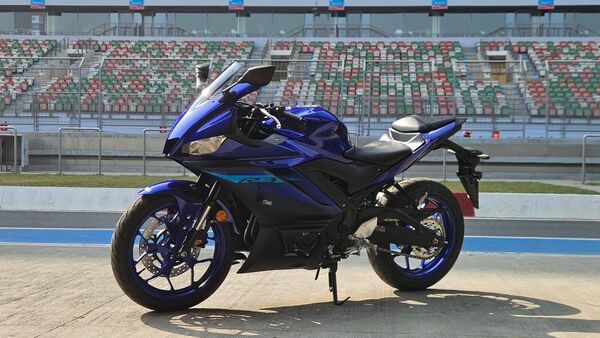
Yamaha R3
The ergonomics of the R3 are more accommodating than the R15.

Both motorcycles are powered by a 321 cc, parallel-twin engine that is very smooth and delivers power in a very linear fashion. The engine dishes out 41 bhp at 10,750 rpm and a peak torque of 29.5 Nm at 9,000 rpm. The engine comes mated to a 6-speed gearbox which unfortunately does not get a slip-and-assist clutch. Because of this, under aggressive downshifting, the rear would start to hop. Moreover, the gearbox would get stuck while shifting from 4th to 5th and then from 5th to 6th. The engine can pull cleanly even at higher gears and slow speeds and speaking of speeds, it can stay all day long at 100 kmph doing 6,000 rpm. We were able to clock a top speed of around 172 kmph on the R3 whereas the MT-03 did 169 kmph.

Yamaha R3 and MT-03: Features

Yamaha MT-03
The MT-03 looks striking. The only eye sore is the placement of the horn which is directly below the projector headlamp.

There are no fancy features on the R3 and MT-03. It just comes with a digital instrument cluster that shows various information including a temperature gauge and a gear position indicator. There is no Bluetooth connectivity or USB port to charge mobile devices. Fortunately, the motorcycles do come with all LED lighting and dual-channel ABS.

Yamaha R3 and MT-03: Who should get one?

Well, this is where things get a bit interesting. Yes, people have been waiting for these motorcycles for a long time now but Yamaha is bringing them to India through the CBU route. What this means is that they are priced high. The MT-03 costs 4.60 lakh whereas the R3 is priced at 4.65 lakh. Both prices are ex-showroom. The recently launched Aprilia RS 457 is priced at 4.1 lakh ex-showroom and it does look more exotic, offers more features and is more powerful as well. But, if you are a purist, someone who just wants a pure basic motorcycle without any of the fancy features then your heart will deviate towards Yamaha’s motorcycles.

First Published Date: 20 Dec 2023, 17:57 PM IST


Source link

Tata Harrier price, Safari price, Harrier BNCAP, Safari crash test safety

Tata Harrier price, Safari price, Harrier BNCAP, Safari crash test safety

Tata’s range-topping SUVs are the first models to receive a rating under the Bharat New Car Assessment Programme.

The very first crash test results from the Indian government’s Bharat New Car Assessment Programme (BNCAP) have been announced, with both Tata Harrier and Safari securing a 5-star rating. The organisation has been conducting tests since December 15 and has just revealed the first batch of results.

  1. Harrier, Safari score high on adult and child protection
  2. Score and rating similar to the one received from Global NCAP
  3. Bharat NCAP and Global NCAP norms overlap for the most part

Tata Harrier, Safari crash test results

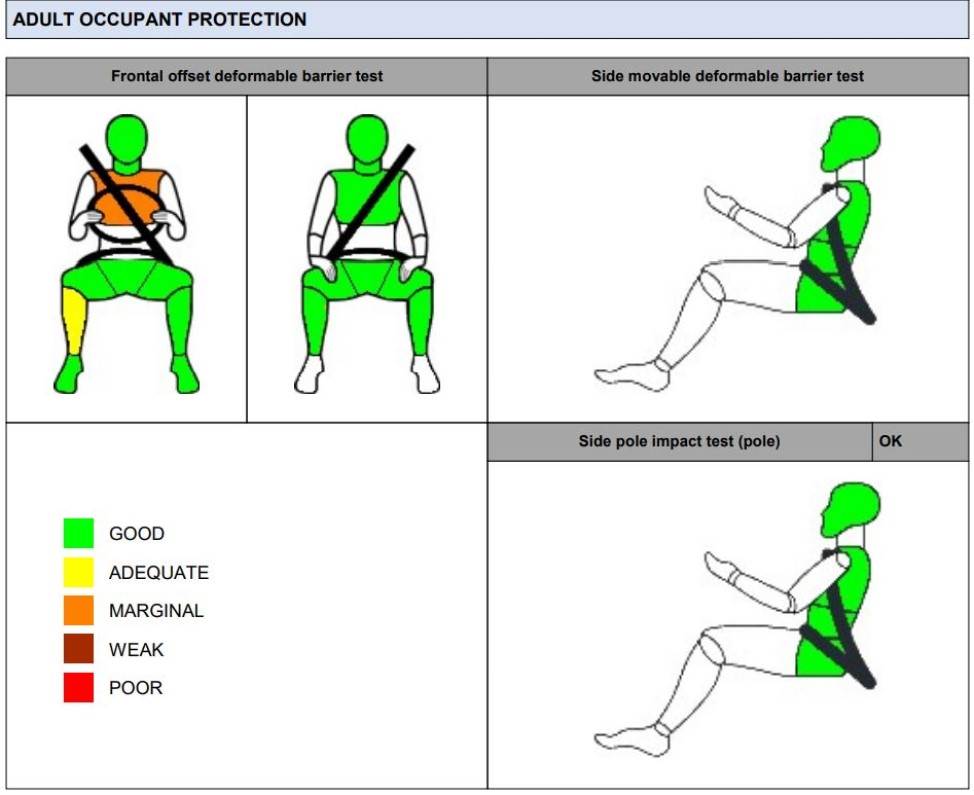
The Harrier and Safari both secured 30.08/32 points for adult occupant protection (AOP) and 44.54 out of a maximum of 49 for child occupant protection (COP), which have helped get that 5-star rating. While the SUVs scored perfectly in the side movable deformable barrier test, the protection for the chest region in the frontal offset deformable barrier test proved to be less than ideal.


Interestingly, these two SUVs had also been awarded a 5-star rating in Global NCAP’s crash tests, and had been given very similar scores for AOP and COP. There’s more on that here.

Difference between Global NCAP and Bharat NCAP

For all intents and purposes, there’s very little that separates the two ratings and the processes implemented by each organisation. One of the major differences, though, is that under Global NCAP, the maximum score that can be attained for AOP is 34 points, while under Bharat NCAP, it is 32 points. Other than this, the crash test protocols and assignment of ratings seem to be quite similar.

Also see:

Tata Harrier, Safari Global NCAP crash test results video

Tata Motors to launch three new SUVs in 2024


Source link

Tesla dominance in EV world under big threat as BYD equals Q3 market share

Tesla dominance in EV world under big threat as BYD equals Q3 market share

Tesla has long held a place of prominence in the world of electric vehicles (EVs), enjoying a significant lead over all its rivals across the world. But the pedestal on which the US-based manufacturer has long been perched upon is under direct threat from China’s BYD which has now equalled Tesla’s 17 per cent market share in the world of battery electric vehicles or BEVs, as per Counterpoint Research.

By: HT Auto Desk
| Updated on: 19 Dec 2023, 20:02 PM

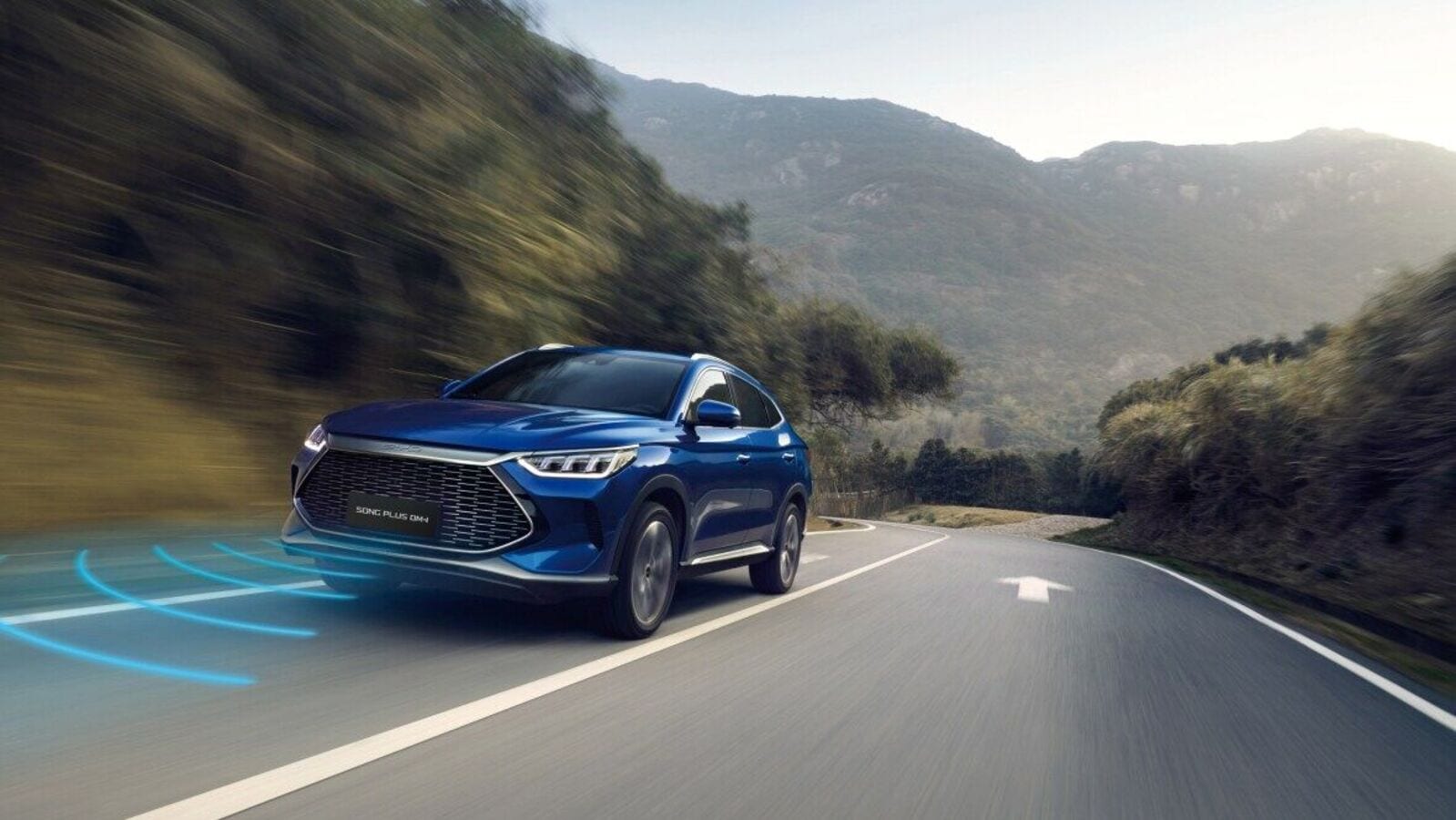
BYD is on the hunt and it smells Tesla. Cars like BYD Song (in pic) are helping the Chinese company notch up sales numbers fast.

BYD is a significant player in China’s EV scene and has recently expanded to several overseas markets as well, including India. And unlike Tesla, the company also offers hybrids and plug-in hybrids (PHEVs), apart from its lineup of BEVs. Tesla, however, only offers BEVs and even here, its global market share is now under serious threat.

Also Read : Why India is the largest vehicle market that Tesla has failed to tap into yet

What is remarkable is that BYD had a 13 per cent market share in the previous Q3 (for BEVs alone) and was behind the curve to Tesla’s 17 per cent even then. But it has taken some massive strides to catch up and is now poised to shift to top gear and overtake. A key driving factor here may be BYD’s March of 2022 decision to stop production of vehicles that are powered by engines, and focus entirely on BEVs, hybrids and PHEVs. While China remains its biggest market, overseas expansion may also be helping with the additional boost.

Tesla vs BYD: David vs Goliath?

Tesla Model 3
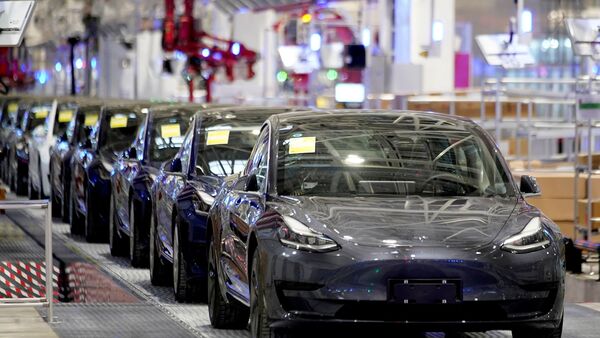
File photo of Tesla Model 3 vehicles rolling out of the company plant in Shanghai. (REUTERS)

Tesla’s rise has been meteoric. It has left established champions of the automotive world, the likes of Toyota, Volkswagen and even the German luxury brands far behind. The Elon Musk-led company has often been compared to David from the Book of Samuel. But BYD may be the new David in town.

Also Read : BYD does what Tesla has not, sold six million PHEVs and EVs

Established in 1995 as a company focused on rechargeable nickel–cadmium batteries, BYD eventually established two main subsidiaries – BYD Auto and BYD Electronics. BYD Auto was founded in 2003, the same year as Tesla. The Chinese company entered into production of forklifts, buses, trucks and electric bicycles – not necessarily in that order, before seeing potential in battery-powered four-wheeled vehicles. The potential was also because China was emerging as a big player in the EV category. Today, the country leads the world.

Tesla only entered into the Chinese market in 2017. The Shanghai facility was its first outside of the US and currently supplies the local market as well as select European countries. But while the company remains an enormously popular manufacturer here, BYD has been consistently growing big in its home base while pressing on the expansionist mode as well.

If Tesla has Model 3, its most affordable EV, BYD has Seal. If Tesla has Model Y SUV, BYD has Song EV. Model for model, the competition is hotting up. Tesla is catering to the global audience. BYD is still a largely Chinese market-dependent company. But it is using its local popularity to add winds to its proverbial sails. Will Tesla weather the incoming storm?

First Published Date: 19 Dec 2023, 19:51 PM IST


Source link

Volkswagen to bring back physical buttons in new cars in era of touchscreen

Volkswagen to bring back physical buttons in new cars in era of touchscreen

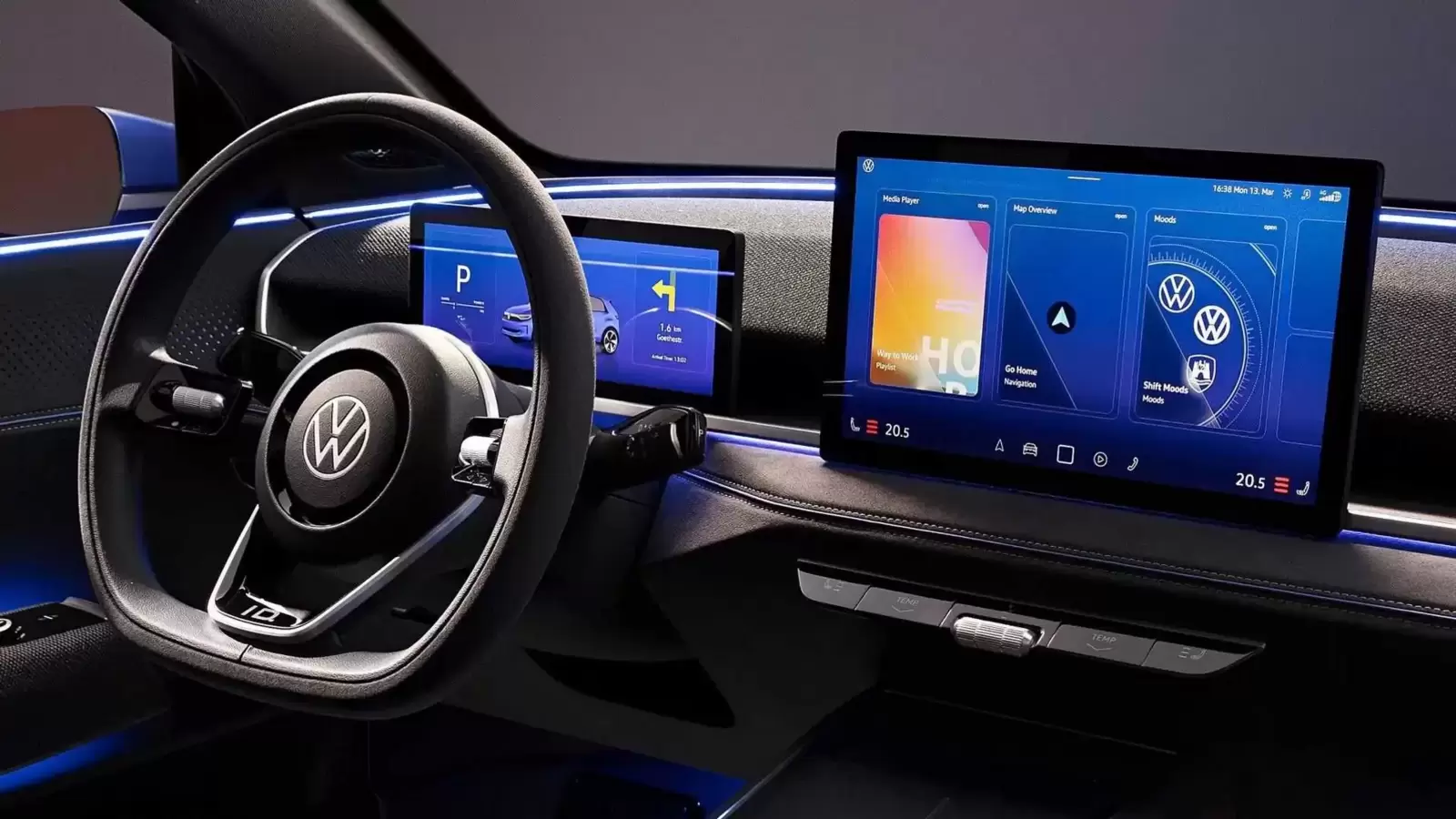
In an era when almost every car manufacturer is focusing on touchscreen controls or touch panels inside their respective car cabins, Volkswagen is thinking otherwise. The German automobile giant is planning to bring back physical buttons in its new cars, reveals a report by British automotive publication Autocar UK. Volkswagen has revealed the interior of its ID. 2all concept and previewed what the cabin of its future cars would look like.

By: HT Auto Desk
| Updated on: 19 Dec 2023, 16:07 PM

The revelation of Volkswagen’s plan to bring back physical buttons comes at a time when automakers around the world are being criticised for their over-reliance on touchscreen controls.

Volkswagen’s interior designer Darius Watola reportedly said that the ID. 2all previews a new approach for all the future cars the automaker is slated to bring. Also, Watola reportedly said that this move of bringing back physical buttons comes in response to the criticism about over-reliance on touch controls. Volkswagen is not the only automaker to think this way, as several other carmakers too are shifting their strategies in similar lines.

Also Read : Physical buttons are much easier to use than touchscreens: Study.

Interestingly, as almost every automaker around the world is increasingly focusing on removing the conventional physical buttons in favour of the touchscreen controls, consumers have been complaining that instead of increasing convenience the touchscreen controls are often proving to be inconvenient and risky as well. This criticism has reportedly propelled Volkswagen to plan to bring back conventional physical buttons in its future passenger vehicles.

Interestingly, this move comes as a complete reversal from the strategy the German automaker took under the former CEO Herbert Diess. It decided to follow in Tesla’s footsteps and centralize the majority of its controls to the touchscreen infotainment screen. Volkswagen also removed the physical buttons from the steering wheels and replaced them with touch-sensitive capacitive buttons. This move reportedly frustrated the Volkswagen customers. Volkswagen’s current CEO Thomas Schafer has even said that this move has done a lot of damage to the brand. Considering this, the move to bring back physical buttons inside the cabin comes as a significant shift from the automaker’s previous strategy.

First Published Date: 19 Dec 2023, 16:07 PM IST


Source link

F4 Indian Championship results: Cooper Webster wins title

F4 Indian Championship results: Cooper Webster wins title


Webster becomes the first ever F4 India champion, securing the title by 62.5 points over Rishon Rajeev.

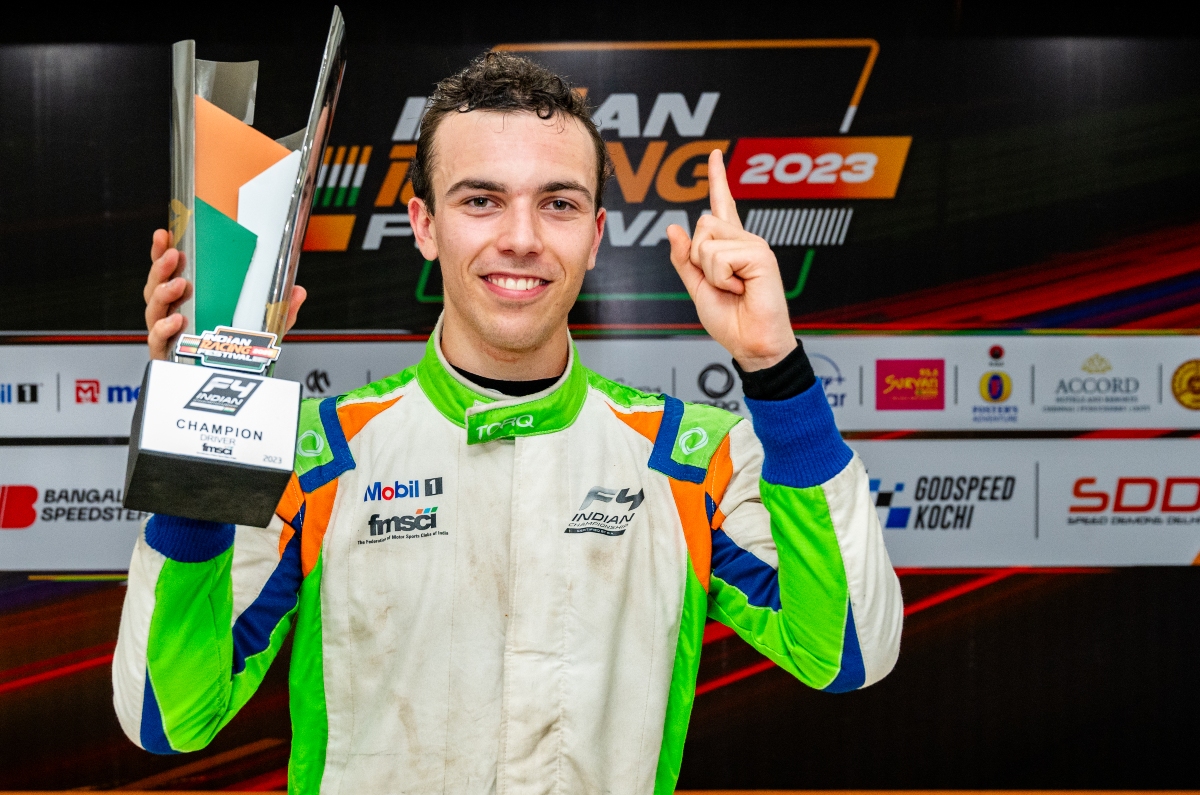
Cooper Webster has won the first ever Formula 4 (F4) Indian Championship after securing a total of eight race wins, nine podiums and 244.5 points. This is the 20-year-old Australian’s first race car championship victory; he started off his motorsport career as a sim racer before switching to real-life racing last year.

  • Webster wins total of eight races
  • Rajeev finishes second overall

The F4 Indian Championship made its debut this year, featuring the FIA-homologated Gen 2 Mygale F4 car (also used in the French F4 championship) run by MP Motorsport. Along with a bunch of up-and-coming national talent, the championship also attracted a number of international racers it offered Super Licence points, which are necessary to qualify to race in F1.

Quite a few tweaks were made to the calendar since the Hyderabad and Chennai street races were cancelled. This left the inaugural season with a total of four rounds, all of which were held at the Madras International Circuit.

Cooper started the season on a strong note, but encountered a few hiccups, mainly due to tyre issues. Nevertheless, he headed into the finale with a lead of 44.5 points over Akshay Bohra. He put himself in prime position to win the title after securing pole position in both qualifying sessions. Qualifying 1 set the grid for Race 1, while Qualifying 2 set the grid for Race 3. The results of the two races then set the grids for Races 2 and 4, with the top six positions reversed.

He converted both pole positions into race wins (Races 1 and 3), securing enough points to win the championship with a lead of 62.5 points over Rishon Rajeev.

Rajeev won Race 2, ahead of Alex Sawer and Webster after Rishab Jain was handed a 30 secs post-race penalty for overtaking under yellow flags. The final race of the season was won by Shahan Ali Mohsin, ahead of Sawer and Rajeev.

“We had trouble at the beginning with the first couple of rounds with tyre issues and what not. But I put my head down and worked hard, and found some really good pace at the end of the season. So yeah, I’m really stoked about getting my first championship in race cars and also working with MP [Motorsport]; what an amazing squad they are,” said Cooper. “I’ve enjoyed my time here in India and I’m looking forward to next year where I’m going into Euro Cup 3.”

2023 F4 Indian Championship results
Pos Driver Points
1 Cooper Webster 282.5
2 Rishon Rajeev 220
3 Akshay Bohra 211
4 Shahan Ali Mohsin 202
5 Alex Sawer 186
6 Rohaan Madesh 90
7 Rishab Jain 74
8 Jack Taylor 63
9 Nooris Gafoor 57
10 Arjun Chheda 37
11 Dion Gowda 24.5
12 Veer Rajwade 2
13 Shriya Lohia 2

Also see:

F4 India Chennai street race pushed to 2024 due to Cyclone Michaung

F4 India debuts in Chennai; Webster makes strong start


Source link

Range Rover Sport price in India, powertrain options, new SV and PHEV variants, features

Range Rover Sport price in India, powertrain options, new SV and PHEV variants, features

Sport also gets a new PHEV variant priced at Rs 2.11 crore; is the only plug-in hybrid SUV in its class.

The Range Rover Sport has been on sale in India for about one and half years now, but so far it was only available with 3.0-litre six-cylinder petrol and diesel mild-hybrid engine options. Now, Land Rover has officially listed prices of the flagship Range Rover Sport SV variant, as well as the 3.0-litre plug-in hybrid petrol on its India website. Dealers say once booked, it will take 6-8 months for either of these variants to be delivered.

  1. Flagship Range Rover Sport gets 635hp, 4.4-litre V8 engine
  2. Plug-in hybrid gets a claimed EV-only range of 123km
  3. Deliveries to take 6-8 months post booking

Here’s a look at the detailed price of the new V8 and PHEV variants of Range Rover Sport:

Range Rover Sport prices (ex-showroom)
Variant Price
Range Rover Sport SV Rs 2.80 crore
Range Rover Sport PHEV Autobiography Rs 2.11 crore

Range Rover Sport SV

Pushing out 635hp and 800Nm from a 4.4-litre, twin-turbocharged BMW-sourced V8 engine, this is the most powerful Range Rover yet. It does the 0-100kph sprint in 3.8 seconds, and can go on to a top-speed of 290kph. It drives all four wheels via an 8-speed automatic gearbox. 

There are subtle design changes over the regular Sport model, which includes wider front and rear tracks, increased camber, a new front bumper and grille treatment, side skirts and a rear bumper with dual twin exhausts. The new front treatment is partly necessitated by the increased cooling requirements of the V8 engine and the brakes.

Range Rover Sport SV interior

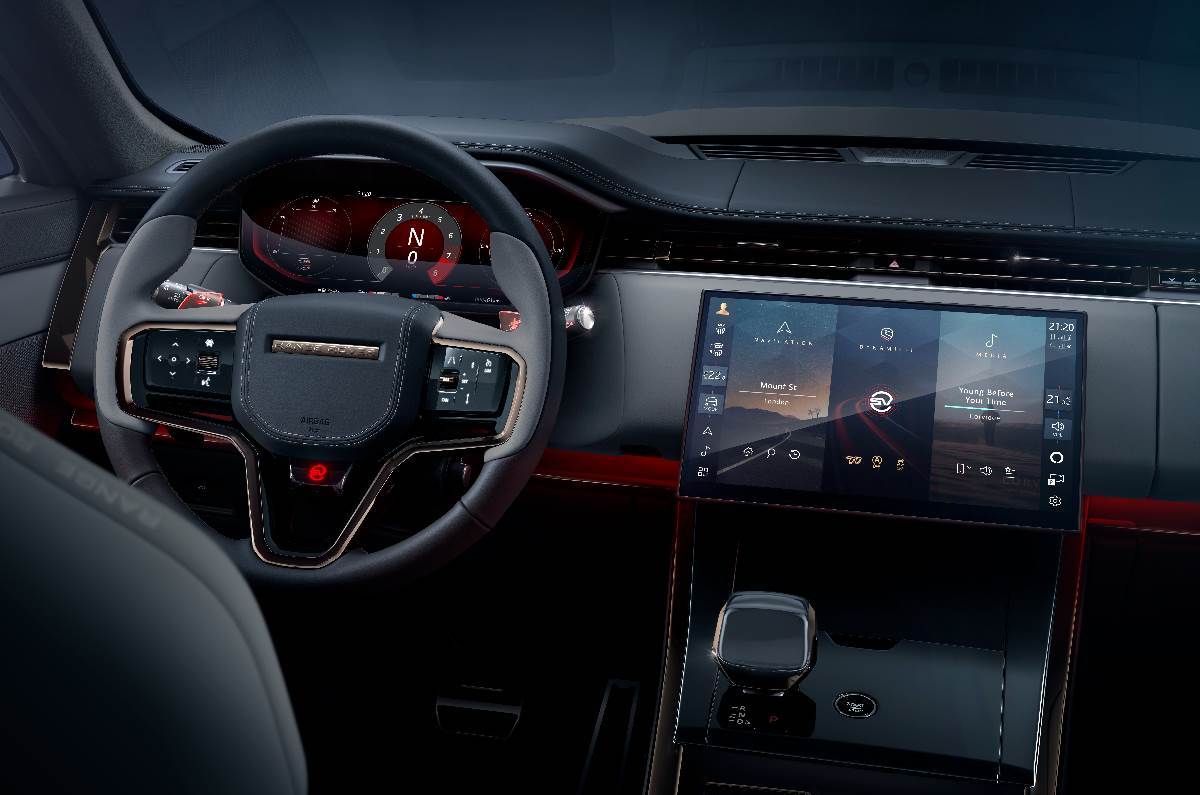
Inside, the SV has new seats with integrated head restraints, and a new design for the steering wheel – smaller, thicker rim with clearly moulded hand positions. It also incorporates an SV button to activate the personalised drive mode. The integrated head restraints make it onto the two rear chairs too, but otherwise, the interior architecture largely continues unchanged.

Range Rover Sport PHEV

The other addition is the plug-in hybrid variant that’s powered by a 3.0-litre, 6-cylinder engine that’s coupled with a 38.2kWh battery pack. Total system output stands at 460hp and 660Nm of torque, has a top-speed of 225kph, and can sprint from 0-100kph in 5.5 seconds. The battery pack takes five hours to fully charge using a 7kW AC charger, and it returns an electric-only range of 123km (WLTP cycle). This powertrain also comes mated to an 8-speed automatic gearbox, sending power to all four wheels.

The plug-in hybrid powertrain is only available in top-spec Autobiography trim, but while it doesn’t get any exterior or interior cosmetic updates, it comes fully loaded with all the bells and whistles. These include digital LED headlights, panoramic sunroof, 22-inch alloy wheels, ambient lighting, four-zone climate control, illuminated scuff plates, 22-way powered front seats with ventilation and message, head-up display, 360-degree camera and much more.

The Range Rover Sport SV joins the likes of other super SUVs in the country such as the Lamborghini Urus, Audi RS Q8 and Aston Martin DBX. The PHEV, meanwhile, does not have any direct rival in India.

Also See:

Ferrari 812 successor due next year; will continue with V12 engine


Source link

Maruti eVX to Tata Harrier EV: Electric cars to launch in India next year

Maruti eVX to Tata Harrier EV: Electric cars to launch in India next year

India will get a number of new electric cars in the next 12 months as the EV segment continues to grow at a rapid rate. Several carmakers have already confirmed launch of their new electric vehicles in 2024. Some of these models will help top carmakers enter the EV fray in the country which currently has less than seven per cent contribution to overall vehicle sales in India. Key names among the expected electric cars to hit Indian shores include the likes of Maruti Suzuki’s first EV – the eVX, Tata Harrier EV among others. Here is a quick look at list of brand new electric cars to launch in India next year.

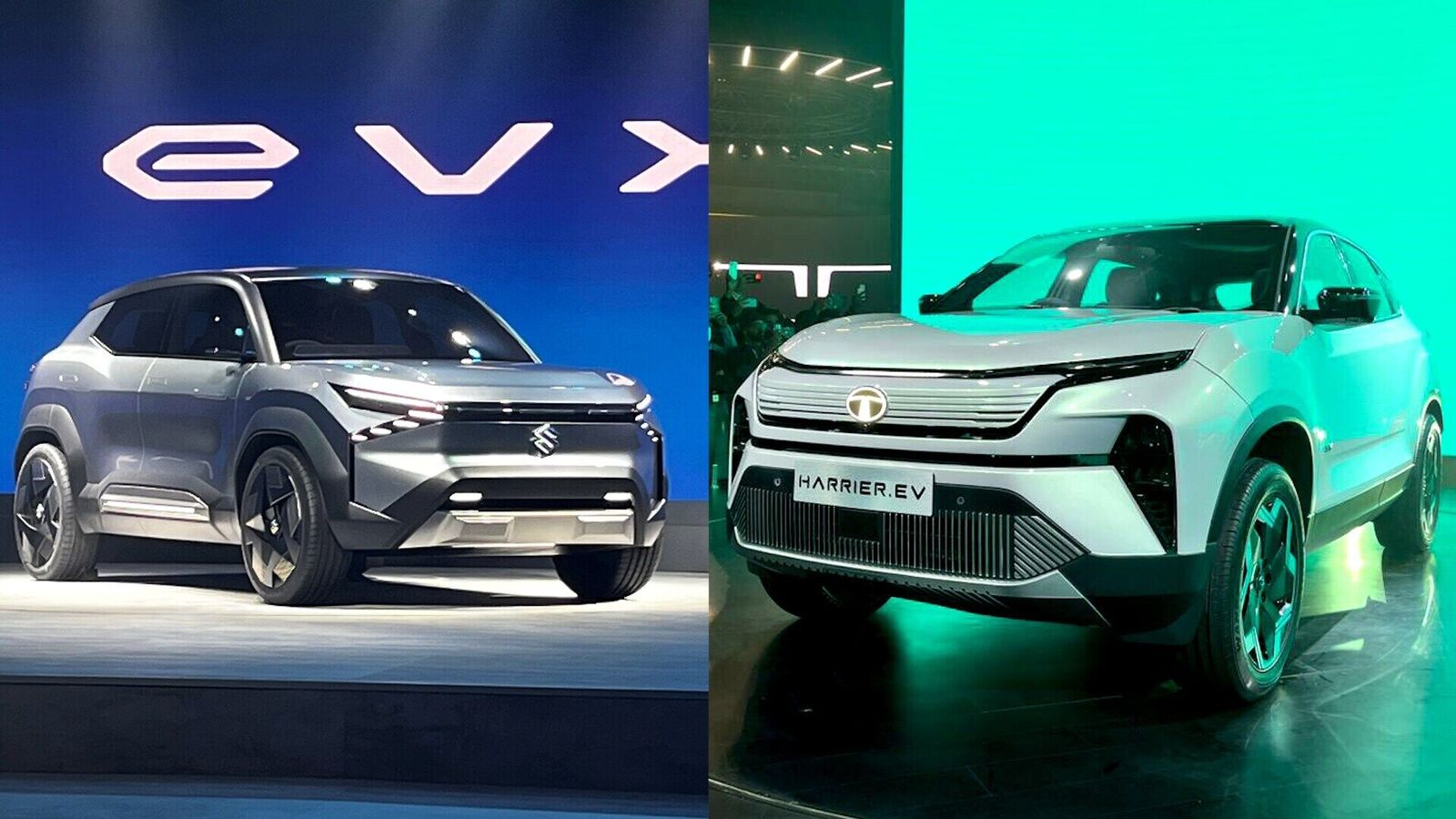
Maruti Suzuki is expected to launch its first electric vehicle in India with the introduction of the eVX in 2024. Tata Motors is also expected to launch at least three new EVs, including the electric avatar of its flagship Harrier SUV next year.

Maruti Suzuki eVX

2024 will be a landmark year for Maruti Suzuki, the largest carmaker in India, as it plans to put its first ever electric car eVX to production. The carmaker has confirmed that the eVX electric SUV, first showcased at the Auto Expo held in January this year, will be manufactured from Suzuki Motor’s Gujarat facility at Hansalpur starting next year. It is expected to be launched some time in 2024. The eVX electric SUV will come with a range of around 550 kms in a single charge. It will be equipped with a 60 kWh lithium-ion battery pack. When launched, it will take on the likes of MG ZS EV and Hyundai Kona among others.

Tata Harrier EV

Tata Motors has confirmed that its flagship Harrier SUV, which recently received a major facelift, will get its electric version next year. The Harrier EV made its debut at the Auto Expo earlier this year. Built on the Gen 2 EV architecture, the Harrier EV will come with V2L and V2V charging facilities. The Harrier EV has been spotted testing on roads ahead of its launch within the next few months. However, very little is known about what this electric SUV will offer in terms of range, performance and features.

Tata Punch EV

The second electric vehicle from Tata stable expected to make India debut next year is the Punch. The smallest SUV from the carmaker already has the ICE and CNG version on sale. When launched, it will become the fourth car in Tata’s lineup to offer ICE, CNG and EV version of the same model. The Punch EV is expected to come with the same Ziptron technology that is doing duty in other Tata EVs like Nexon. The size of the battery could be the ones used for Tigor EV or the Nexon EV. Tata Punch EV could offer range of more than 300 kms in a single charge in the long-range version.

Tata Curvv EV

The third electric car from Tata Motors expected to be launched in 2024 is the Curvv EV. Tata is likely to launch the EV version of the SUV after its ICE version makes its debut. The Curvv EV will be based on Tata Motor’s X1 platform which will be heavily reworked to become EV ready. According to reports, the expected range of the Curvv electric SUV will be between 400 kms and 500 kms in a single charge. It is not clear if Tata Motors will use the same battery the Nexon EV facelift uses.

Kia EV9

The Korean auto giant is expected to expand its EV lineup in India with the introduction of its three-row electric SUV EV9. Based on the Electric Global Modular Platform (E-GMP), the EV9 stands more than five metres in length. It promises to offer range of up to 541 kms in a single charge. It is expected to be offered in two variants. Globally, the EV9 is powered by a 150 kW electric motor that can help it sprint 0-100 kmph in 9.4 seconds. The RWD version of the EV will come with a more powerful 160 kW electric motor. The EV has an 800-volt electrical architecture that enables the EV to charge at ultra-fast speed. Kia claims the EV9 can run 239 kms with just 15 minutes of charging.

Mahindra XUV.e8

Mahindra and Mahindra will also expand its EV lineup for India with the launch of an electric SUV based on the XUV700. This will be Mahindra’s second electric offering after the XUV400. Mahindra had showcased five upcoming electric SUVs during an event held in United Kingdom in August last year. To be launched under the Born Electric brand, the XUV.e8 is expected to come with dual electric motor as well as all-wheel drive technology. Mahindra is likely to offer at least 60 kWh battery pack with the XUV.e8 EV besides adding features like level 2 ADAS, 5G connectivity among others.

First Published Date: 18 Dec 2023, 14:20 PM IST


Source link