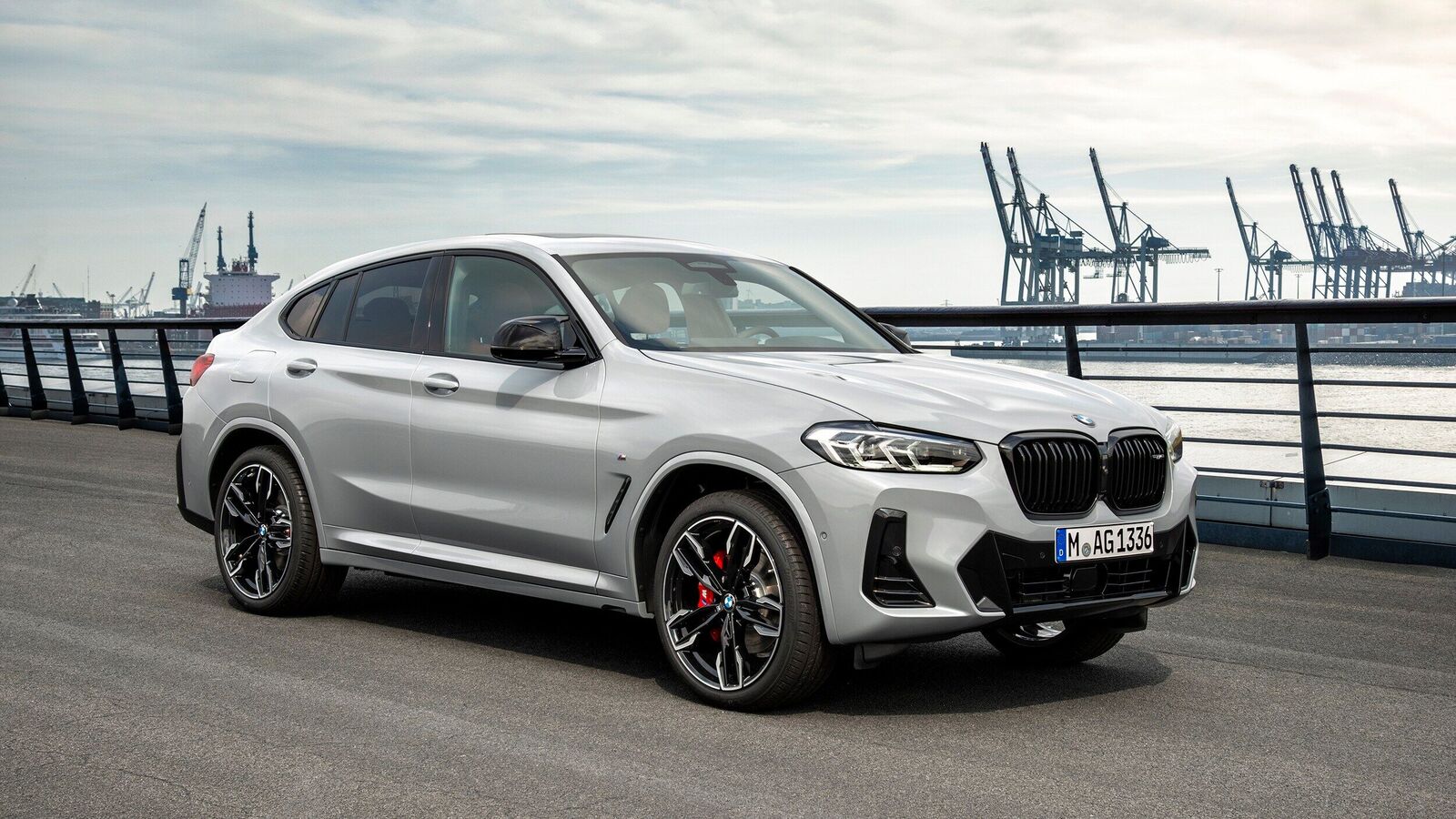
German auto giant has teased the upcoming M Sport version of the X4 SUV in India ahead of its launch. The carmaker has confirmed that the X4 M40i SUV will make India debut on October 26. The latest iteration of the X4 M performance model has already been introduced globally. In India, BMW had launched the facelift version of the X4 SUV back in March last year. However, earlier this year, the German carmaker had delisted the SUV from its official websites.
By: HT Auto Desk | Updated on: 20 Oct 2023, 14:07 PM
The German auto giant has introduced the X4 M40i SUV with a 3.0-litre M TwinPower Turbo inline 6-cylinder engine mated to a 48V mild-hybrid technology.
The new X4 M40i SUV is likely to come to India through the completely-built unit (CBU) route. It is expected to carry the same 3.0-litre M TwinPower Turbo inline 6-cylinder engine under the hood that is used for global models. The engine is also mated to a 48V mild-hybrid technology. The transmission job is handled by an 8-speed Sport Automatic transmission with Sport and Manual shift modes and steering wheel-mounted paddle shifters and Launch Control. The engine is capable of churning out 382 bhp of maximum power and 502 Nm of peak torque. The SUV can sprint 0-100 kmph in under five seconds and has a top speed of 210 kmph.
The mild-hybrid powertrain helps the SUV to boost its output by around 11 bhp. It helps the X4 M40i run for up to 50 kms purely on electric power.
In terms of looks, the BMW X4 M40i will sport a different kidney grille than the ones seen on other models. It is larger and a single-piece frame instead of the standard twin grille setup with a black bar. The front headlights feature full LED technology as standard. The SUV sits on 20‑inch M light alloy wheels. There are M Sport badging s all around to differentiate the SUV from its standard X4 version.
The interior of the X4 M40i is also sporty. The dashboard is dominated by a free-standing, central digital display which houses the 10.25-inch touchsreen infotainment system as standard. There is also a 12.3-inch version of the touchscreen display which is likely to be offered as an option. The upholstery has been updated with new sports seats. It also gets a three-zone automatic climate control.
The price of the BMW X4, before it got delisted in India, used to start from Rs. 71.90 lakh (ex-showroom). Expect the X4 M40i SUV to cost at least ₹90 lakh (ex-showroom) when launched.
There’s a new SUV coming next year for almost every budget. Here’s a complete list.
Published On Oct 20, 2023 05:44:00 PM
Planning to buy a new SUV? Our new car 2024 guide is here to help and beginning the series is a list of every new SUV that’s slated to launch before the end of 2024. The new SUV list is full of not just updates to existing models but also includes the all-new SUVs that will hit Indian shores for the first time. The list includes 20 upcoming SUVs, some with mass appeal like the Kia Sonet facelift and Hyundai Creta facelift, to flagships like the Ferrari Purosangue and Maserati Grecale, and everything in between.
Disclaimer: All prices and launch dates are estimates.
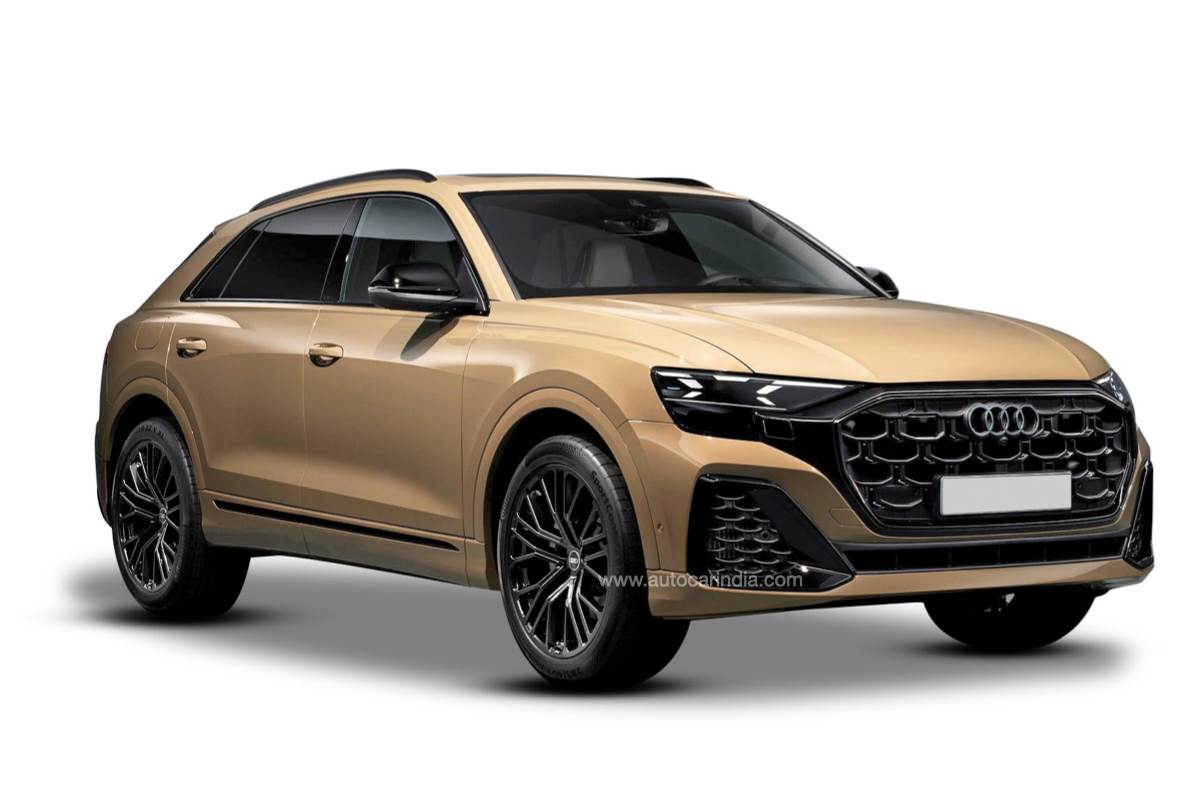
Audi Q8 Facelift
Expected price: Rs 1.10 crore-1.40 crore Launch: Early 2024 Engine: 3.0-litre petrol
Besides cosmetic enhancements, the Audi Q8 Facelift also feature HD Matrix LED headlights.
Ferrari Purosangue
Expected price: Rs 6 crore Launch: Early 2024 Engine: 6.5-litre petrol
The Purosangue is technically the Italian marque’s first SUV, but it’s marketed as a ‘four-door, four-seat model’. It has a sportscar-like front-mid engine layout and a rear-mounted gearbox, and unlike other super-SUVs that use turbochargers for better low-end torque, it has a 6.5-litre naturally aspirated V12 engine producing 725hp and 716Nm. It gets an 8-speed transaxle dual-clutch auto gearbox that drives the rear wheels and an additional 2-speed ‘control unit’ driving the front wheels, giving the Ferrari Purosangue all-wheel drive. The Purosangue sprints from 0-100kph in a claimed 3.3sec and can achieve a top speed of 310kph.
Force Motors will be extending the Gurkha range with a long-wheelbase five-door version. It’s expected to come with multiple seating options, including a bench or captain’s chairs for the second row and jump seats or captain’s chairs in the third row. Expect the five-door version to share much with its three-door sibling, including its Mercedes-sourced 2.6-litre diesel engine mated to a 5-speed manual gearbox.
Multiple iterations of the five-door Gurkha have been spotted, including six- and seven-seater versions as well as a pickup version. The company could also introduce a 4×2 version alongside a 4×4 version.
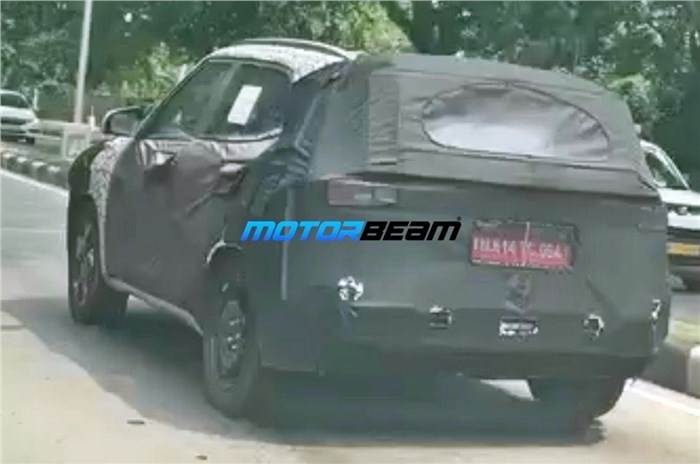
India’s bestselling midsize SUV is due for a serious mid-life makeover, which will feature design inspiration from Hyundai’s global flagship SUV, the Palisade. These will include a large grille with several metallic horizontal slats, split projector LED headlamps and vertical and horizontal LED Daytime Running Lamps. While the interiors could see minor styling tweaks too, the more notable changes are likely to be the inclusion of ADAS, a 360-degree camera and an updated 10.25-inch infotainment. Also, the 160hp, 1.5-litre turbo-petrol will join the range, filling the gap left by the discontinued 1.4-turbo. It will likely be mated to the same 7-speed dual-clutch transmission. Other engine options include 115hp, 1.5-litre naturally aspirated petrol and diesel, both available with manual and automatic transmissions. Expect a sportier Creta N-Line variant to follow suit.
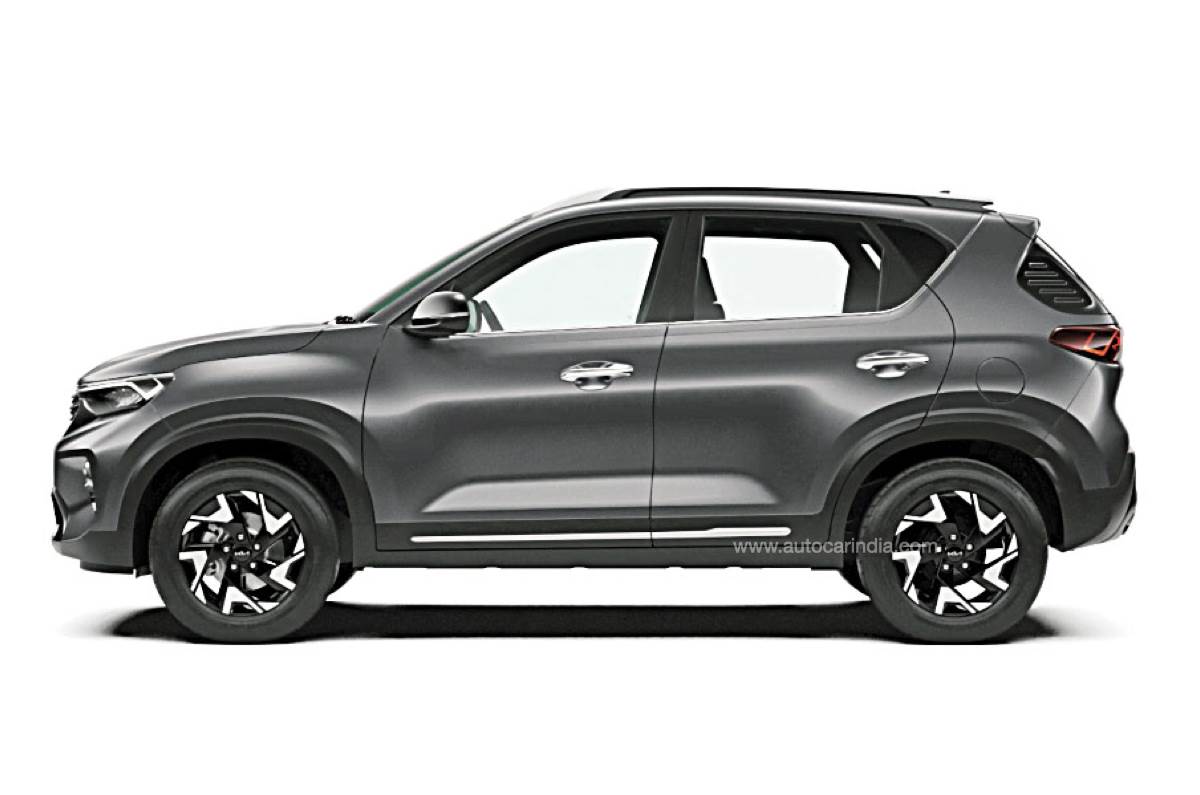
Kia will give the Sonet a mid-life cycle facelift, which is likely to borrow design cues from Kia’s newest global models like the EV9 and EV5. These could result in redesigned headlamps, grille and bumpers, as well as a new tailgate. It could offer new alloys too. Inside, it will get minor tweaks to the styling and it will be interesting to see whether, like its cousin Hyundai Venue, Kia also offers ADAS with the new version. What isn’t likely to change is the Sonet’s powertrain options. It will continue to get an 83hp, 1.2-litre petrol with a 5-speed manual; 120hp, 1.0-litre turbo-petrol with a 6-speed iMT or 7-speed dual-clutch automatic; and a 115hp, 1.5-litre diesel engine with a 6-speed iMT or automatic transmission.
Mahindra is gearing up to extend the Thar line with a 5-door, aimed to appeal to a broader audience – those seeking a tough, go-anywhere SUV but with added comfort and practicality. The extra doors come courtesy of a longer wheelbase, which is expected to aid space in the second row and boot. Under the hood, it is likely to retain the current 2.2-litre diesel and 2.0-litre petrol engines, mated to the same 6-speed manual and auto.
The extensively redesigned XUV300 will include a new front and rear-end and new alloys. Its overall dimensions, however, are likely to be similar to the outgoing version to keep within the sub-4-metre range to qualify as a compact SUV and get tax benefits. Mahindra will also be overhauling the interiors to make them look more desirable and modern. Boosting its premiumness will be the inclusion of a panoramic sunroof. The XUV300 facelift is likely to continue with the same set of engines – a 1.2-litre turbo-petrol and a 1.5-litre diesel. However, it will get a new Aisin-sourced 6-speed automatic (torque converter), which is likely to replace the 6-speed automated manual transmission (AMT).
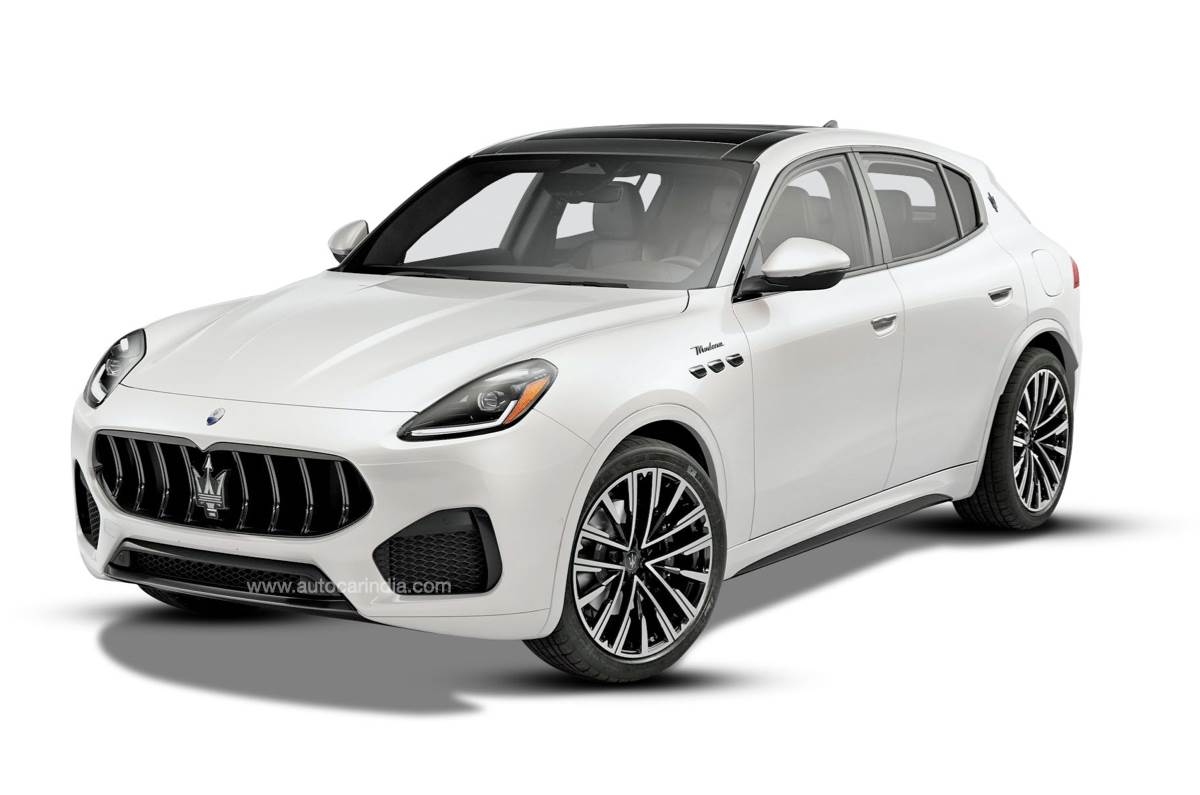
The MaseratiGrecale is a Porsche Macan-rivaling sporty SUV that sits below the flagship Levante in Maserati’s line-up. It is available with a 2.0-litre, four-cylinder turbo-petrol engine with a 48V mild-hybrid system in two iterations – GT and Modena. The former makes 300hp and its 0-100kph time is 5.6 seconds, while the latter is more powerful with 330hp and does 0-100kph in 5.3 seconds. There’s also a more powerful V6 Trofeo variant, which produces 530hp and can accelerate from 0-100kph in just 3.8 seconds.
The Mercedes GLC Coupé is a swanky alternative to the more upright GLC SUV, thanks to its sloping roofline with a plunging liftback-style tailgate. Like the SUV iteration, the new-generation GLC Coupé is larger than its predecessor in every dimension and its interiors feature Mercedes’ latest connectivity, tech and design. The Coupé could share its powertrain options with the SUV, and a performance-oriented AMG version is also likely to be on offer.
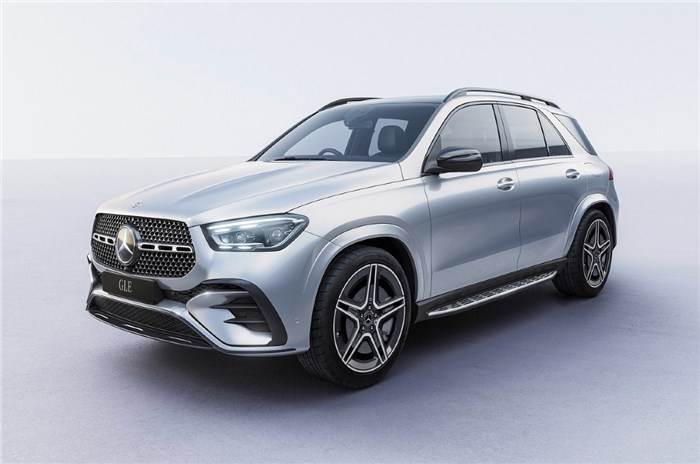
The Mercedes-Benz GLE facelift gets a revised front bumper, tweaked LED headlights, new design for the alloy wheels and refreshed tail-lights. On the inside, the GLE facelift gets a new multifunction steering wheel from the S-Class with touch-sensitive controls, new trim and an updated MBUX infotainment system.
Mini’s five-door crossover is heading to India in its third-gen avatar. The new car has grown in size, and as a result, cabin space has also expanded, featuring an extra 130mm of legroom in the back. The rear seat backrests are now individually adjustable in six positions by up to 12 degrees too; boot space is 460 litres. Notably, the Countryman will be the first Mini to offer Level 2 ADAS. In international markets, it will be available with electric, turbo-petrol and diesel powertrains.
Nissan New X-Trail
Expected price: Rs 35 lakh Launch: Early 2024 Engine: 1.5-litre petrol Hybrid
Nissan will reintroduce the X-Trail in India in its fourth generation to take on the likes of the Volkswagen Tiguan and Skoda Kodiaq. This monocoque SUV is available in five- and seven-seat configurations. Nissan could offer the X-Trail with either a 1.5-litre turbo-petrol with mild-hybrid technology or a 1.5-litre e-Power engine with range extender hybrid technology. The latter is essentially an EV as the wheels are solely powered by an electric motor and the engine acts as a generator to charge the batteries.
Inside, expect premium kit like a 12.3-inch digital cluster, 12.3-inch touchscreen, ADAS technology as well as a 360-degree camera. The X-Trail will be sold alongside the Magnite, and will be the second offering from the Japanese brand.
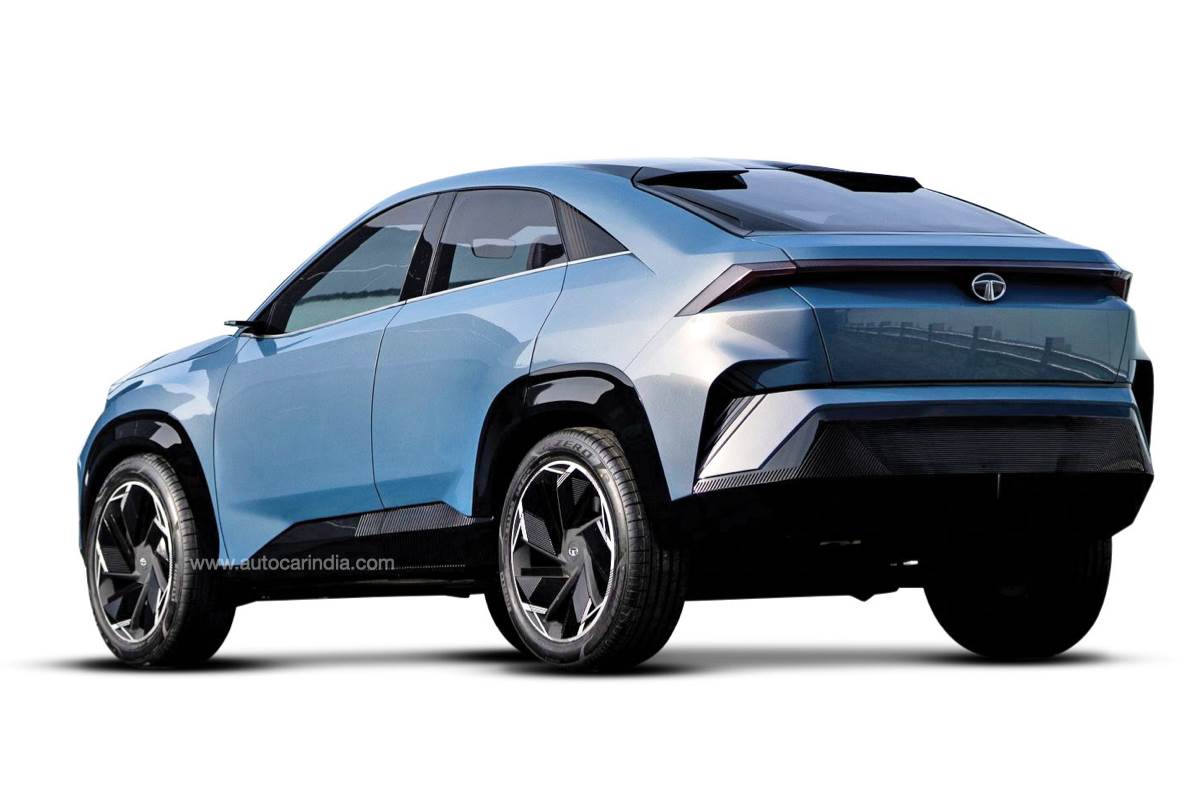
The TataCurvv is a rad SUV coupé, which will be positioned above the Nexon in Tata’s line-up. It will appeal to those looking for a standout offering without sacrificing the practicality of an SUV, such as high ground clearance and a raised seating position. Design highlights include its sloping roofline, which is neatly integrated into its notchback-styled boot. It also has a strong shoulder line, squared-off wheel arches and thick body cladding, which adds ruggedness. Its interiors are likely to get a digital screen for the instrument cluster and another 10.25-inch screen for the infotainment, which was recently introduced with the Nexon EV. In addition, it’ll also feature the touch-operable climate control cluster as well as kit like a 360-degree camera and a sunroof. Initially, the Curvv will be offered as an EV with a range of 400-500km. The ICE version will launch soon after with a 125hp, 1.2-litre direct-injection turbo-petrol with manual and automatic gearboxes.
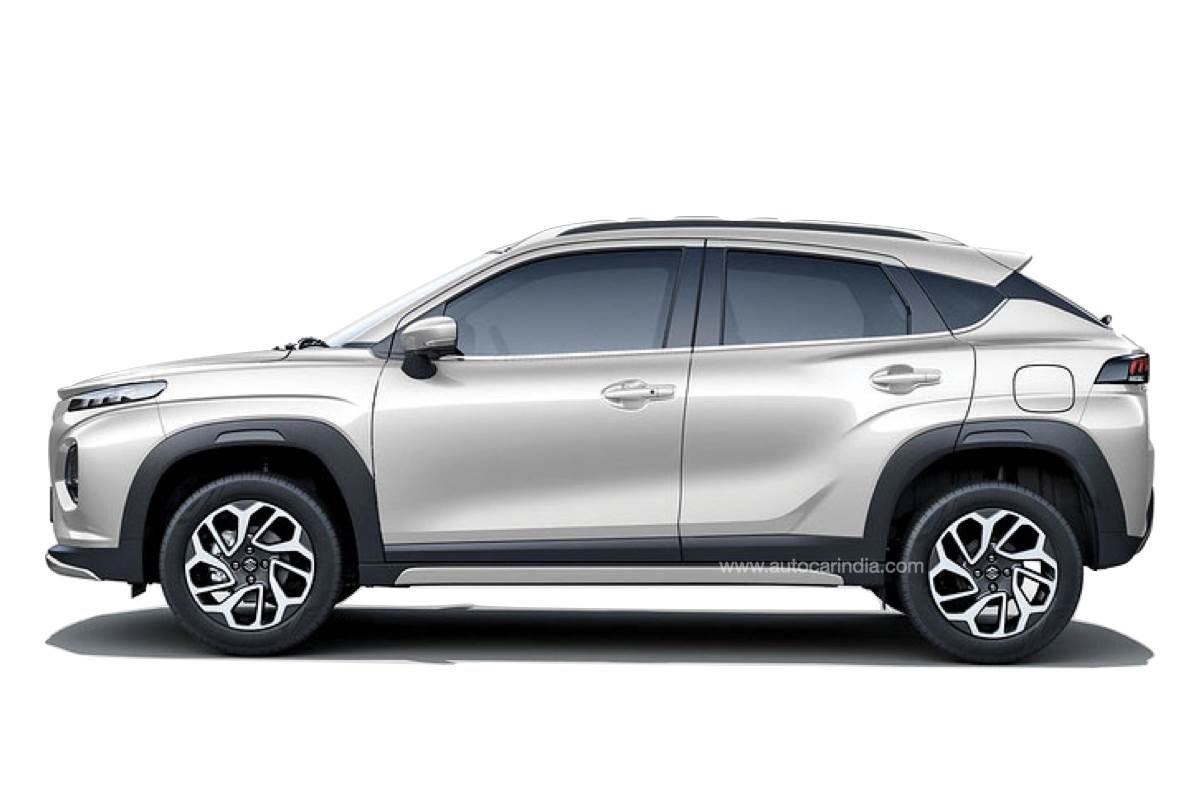
Toyota will re-enter the sub-4-metre crossover segment with the Urban Cruiser Taisor, a redesigned Maruti Fronx. As with the Glanza and Rumion, expect no mechanical changes and minimal cosmetic differences over the Fronx.
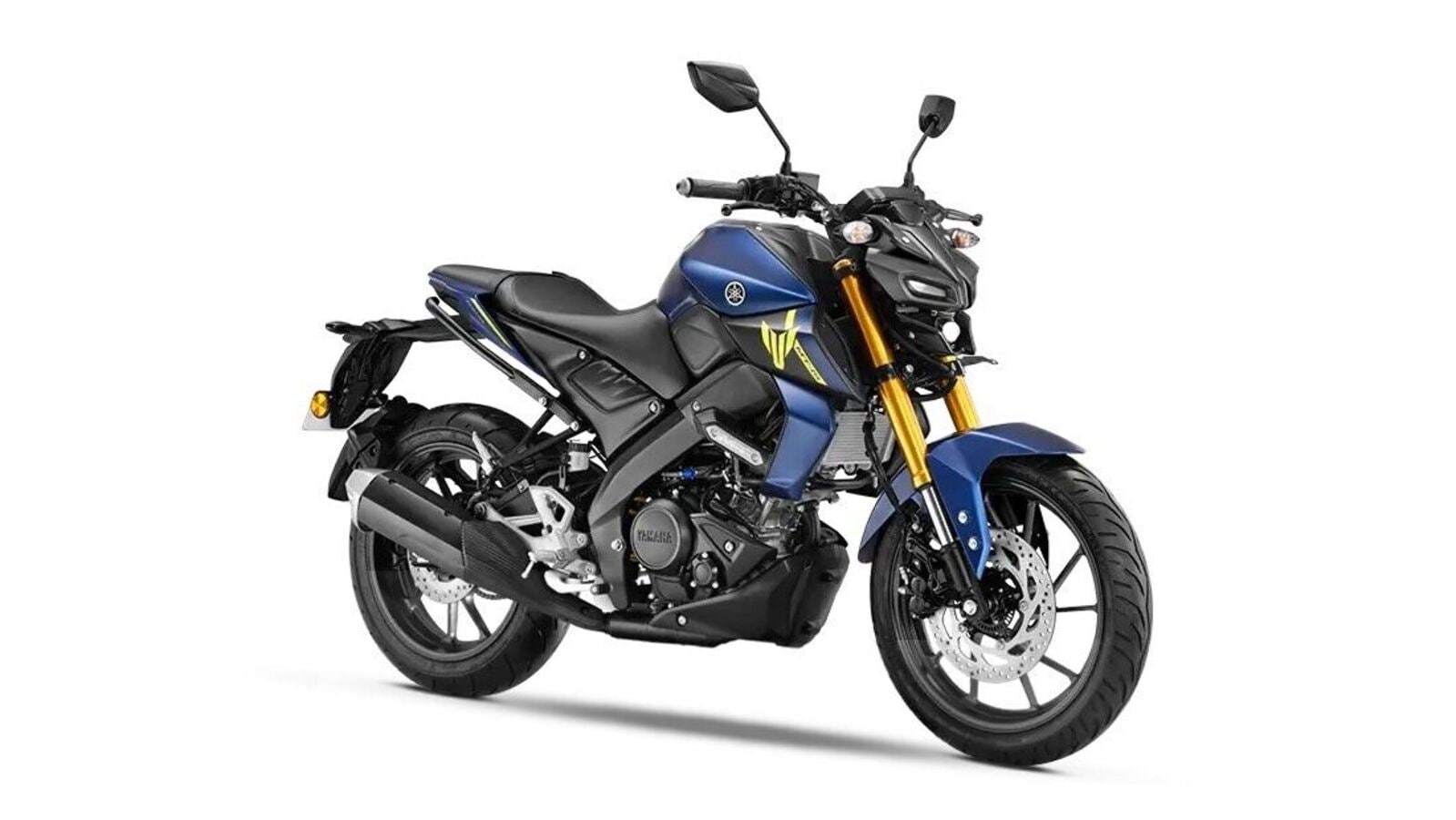
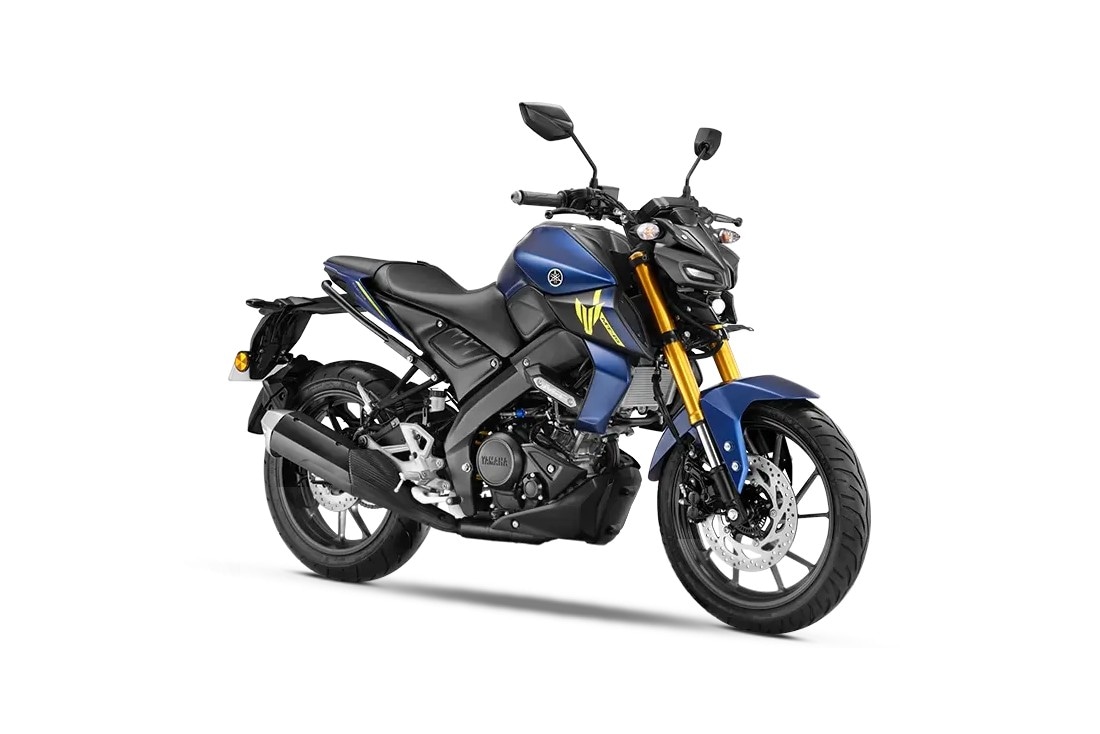
Yamaha Motor India recently introduced the 2023 MT-15 V2 streetfighter in the market. The 2023 Yamaha MT-15 arrives with a host of upgrades, the most important of which has been the transition to BS6 Phase 2 norms, meeting the latest emission standards. However, that’s not the only change, the bike gets new colour schemes as well bringing a breath of fresh air to the offering. Should you consider the 2023 Yamaha MT-15? Let’s take a look.
By: HT Auto Desk | Updated on: 19 Oct 2023, 20:54 PM
The Yamaha MT-15 is one of the most performance-friendly offerings in the segment. Should you buy one in 2023?
The Yamaha MT-15 is one of the exciting motorcycles in its segment. The bike shares its underpinnings with the YZF-R15 V4, while the styling is borrowed from Yamaha’s larger-capacity naked motorcycles. The alien face on the MT-15 makes it stand out compared to its rivals, while the build quality is one of the best in the segment.
The 2023 Yamaha MT-15 also gets the Monster Energy MotoGP special edition
Power on the MT-15 V2 comes from the tried and tested 155 cc, liquid-cooled, single-cylinder engine with Variable Valve Actuation (VVA) technology. The motor develops 18.4 bhp at 10,000 rpm and 14.1 Nm of peak torque at 7,500 rpm. The 155 cc motor is paired with a 6-speed gearbox with a slip and assist clutch and the engine is now OBD2 compliant and E20 compatible as well.
Suspension duties on the 2023 Yamaha MT-15 come from USD front forks with a monoshock at the rear, while braking performance comes from disc brakes (282 mm front and 220 mm rear) at either end. The bike also gets an aluminium swingarm that’s lighter and does not compromise on stability.
On the feature front, the Yamaha MT-15 gets an LCD instrument cluster that shows the necessary information including a fuel consumption indicator, VVA indicator, shift timing light, gear position indicator and a tachometer. The bike gets all-LED lighting with LED flashers and also gets Bluetooth connectivity. Moreover, the Yamaha mobile app brings a host of additional features including geofencing, rider telematics, call and SMS alerts, email notifications, fuel consumption details and more.
The streetfighter is equipped with a host of electronic aids including dual-channel ABS and a side-stand cut-off switch. The 2023 MT-15 V2 was also updated with the traction control system, which is now standard across Yamaha India’s motorcycle lineup. The bike rides on a 100/80 section front and a wide 140/70 section rear tyre wrapped on 17-inch alloy wheels.
The 2023 Yamaha MT-15 V2 gets multiple colours – Dark Metallic Blue, Metallic Black, Cyan Storm, Racing Blue, and Ice-Fluo Vermillion. The company is also offering the Monster Energy Yamaha MotoGP special edition on the streetfighter. The MT-15 V2 is priced from ₹1.67 lakh, going up to ₹1.73 lakh. All prices are ex-showroom, Delhi.
India is the world’s third largest car market in the world, behind China and the United States. And while there are dozens of brands competing for your attention and looking to have a sizeable chunk of the market space, not every company has had it easy here. Some have even packed up and left while many others never entered in the first place.
By: HT Auto Desk | Updated on: 19 Oct 2023, 16:23 PM
File photo used for representational purpose.
Among some very renowned car brands the world over, many are now defunct and do not exist. And many of these were never had any India presence at all. But that may not necessarily mean that Indians don’t remember them fondly. Or at least this is what is revealed in a study conducted by car leasing company Hippo Leasing which analysed Google search volumes for discontinued car manufacturers. The total monthly search volume was calculated by combining the search volumes from the 10 countries with the largest economies in the world.
The most-searched discontinued car manufacturer in the world is Saab while Pontiac was next on the list. Oldsmobile, Trabant and Holden complete the top-five list. In India too, and very interestingly, it is Saab that was most searched for among now extinct car brands. Pontiac and Holden were next most searched. Saab was also the most searched extinct car brand in countries like Japan, the UK, France and South Korea. But the Swedish manufacturer was not always present in all of these countries. It never was in India.
Saab
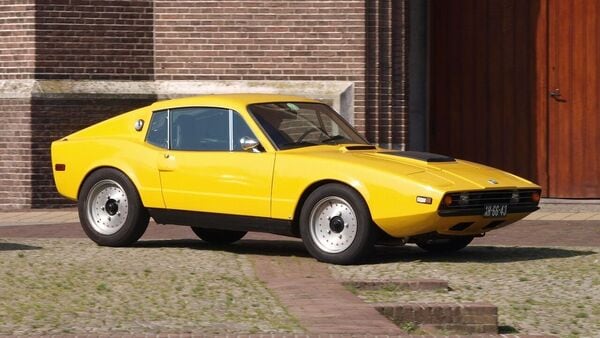
The Saab Sonett was a popular model from the brand. Seen here is the Saab Sonett III which was manufactured in the early 1970s.
Saab was a Swedish car manufacturer that traces its roots to 1945 while its first-ever car – Saab 92 – was rolled out in 1949. While it functioned indepdentedly through the next few decades, General Motors bought a 50 per cent stake in the early 1990s. While some of its models became favourites among a certain section of buyers in Europe, the company never really managed to create a solid mark in markets where it competed in. The company would eventually come go through multiple ownership changes but by 2016, owner National Electric Vehicle Sweden (NEVS) announced the brand name won’t be used any longer for future models. This effectively drew the curtains on the brand that had been plagued with issues of bankruptcy as well.
Pontiac
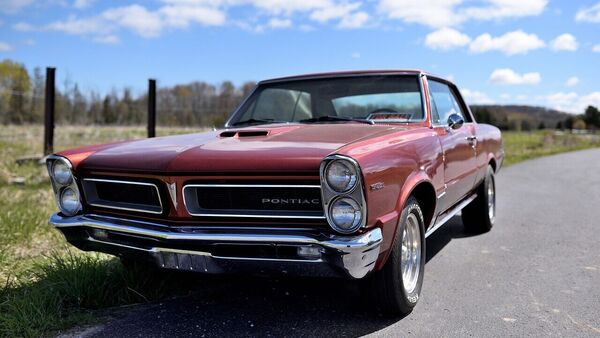
This is an image of a Pontiac 1965 LeMans. The 1965 GTO is considered one of the most iconic models of its times and still commands a hefty value in auctions for vintage vehicles.
Founded in 1926, Pontiac is a well-known American automotive brand that was under GM. Pontiac vehicles were primarily sold in the US, Canada and Mexico, and fared reasonably well for most of its existence. But the turn of the century had started throwing up new set of challenges with rival brands surging forward in popularity and with more compelling models. By 2009, GM announced that it would eliminate Pontiac brand along with two other brands it owned – Hummer and Saturn.
Oldsmobile
As may be evident from its name, Oldsmobile was founded as Olds Motor Vehicle Company in 1897 by Ransom E. Olds. It would eventually be the best-selling car brand in the US in the early parts of the 1900s. The first mass-produced car from the brand was the Oldsmobile Model R “Curved Dash which was manufactured between 1902 and 1907. It would come under GM in 1908. The subsequent decades would see a number of mid-size models, compact sedans as well as muscle cars from the brand. The highest point, in terms of sales, was in the 1970s and 1980s when it was a name to be truly reckoned with. But by the early part of the 1990s, the good years were behind. Sales plummeted from over a million each year to a shade over 400,000 in 1993. There were still some models that fared rather well but profitability became a big issue. By December of 2000, GM announced it would pull the plug on the brand.
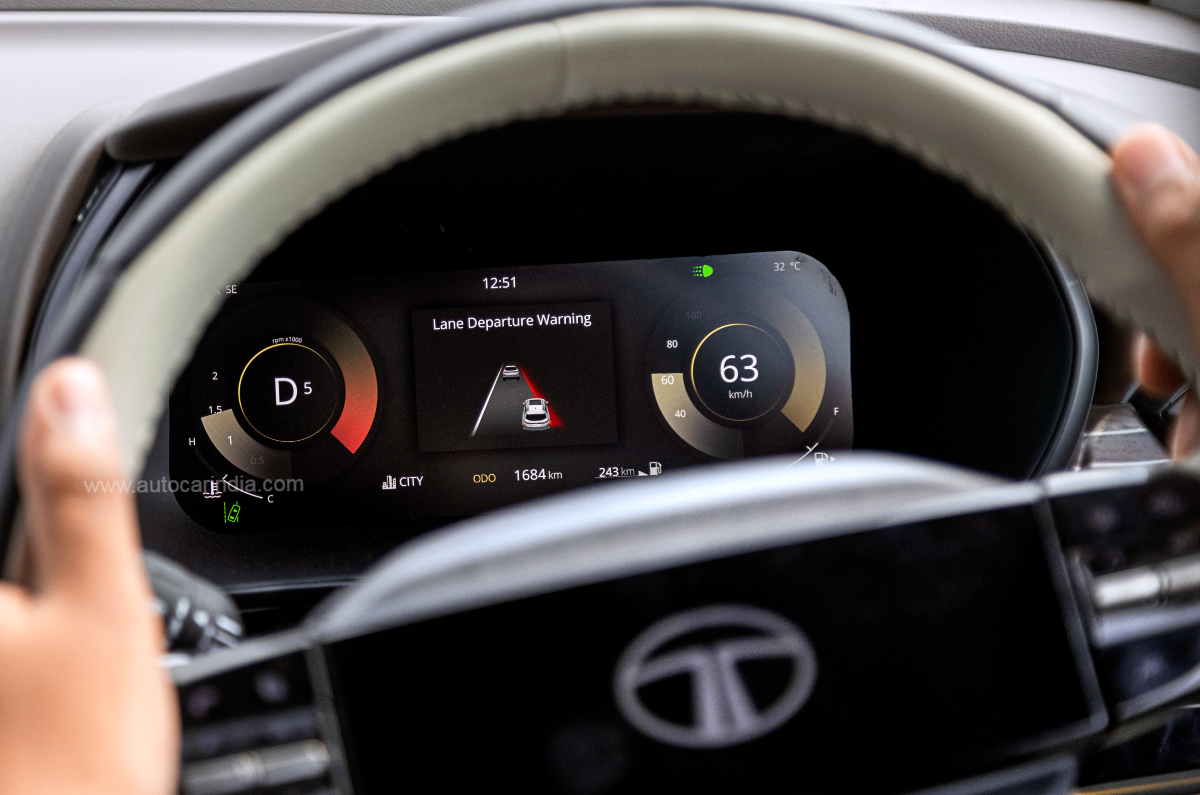
Lane keep assist will be included in the ADAS bundle but via a software update, thanks to the switch to electric power steering.
Earlier this year, Tata Motors introduced ADAS features to the pre-facelift Harrier and Safari with features like forward collision warning, autonomous emergency braking, blind spot detection and lane departure warning. Lane-keep assist, however, was not part of the suite. The feature detects when a car is drifting out of its lane and actively intervenes in the steering even if the driver has given no input.
Tata Motors says steering intervention was not possible earlier as the SUVs were equipped with a hydraulic power steering setup. However, as the facelifted SUVs have switched to an electronic power steering system, the company says lane-keep assist is now possible.
Curiously though, Tata Motors has not introduced the feature with the recently launched Harrier and Safari facelifts. The carmaker says it’s still working out its calibration but in what will be a relief to early buyers of the new SUVs, it will be later added to the initial lot of cars via a software update.
The presence of lane-keep assist will further up the Safari and Harrier duo’s safety quotient, which recently not only secured a 5-star Global NCAP rating for adult and occupant protection but also netted the highest scores so far for any vehicle tested under its Safer Cars for India programme.
Besides the software update to the steering system, Tata Motors also indicated that it will periodically roll out OTA (over the air) updates for the new advanced infotainment system that it has introduced on the facelifted Harrier, Safari and the Nexon line-up.
Honda Motorcycle & Scooter India recently launched the 2023 Unicorn in the country. The Honda Unicorn has been one of the brand’s popular sellers for well over a decade now and the bike continues to sustain its strong sales thanks to the model’s famed reliability and low cost of ownership. With the latest update, Honda has made some necessary changes to the Unicorn to keep it relevant in the market. Here’s a look at what’s different on the 2023 Unicorn.
By: HT Auto Desk | Updated on: 18 Oct 2023, 21:38 PM
The 2023 Honda Unicorn has been updated to the latest emission regulations to continue its strong sales streak.
The 2023 Honda Unicorn has been updated to meet the latest BS6/OBD2 emission norms that came into effect from April this year. Under the latest norms, the company has updated the engine with an OBD2-compliant device that checks the vehicle’s emissions in real-time. The engine is also compliant with E20 (ethanol 20 per cent blend) fuel, whenever it’s available in the market.
Mechanically, the 2023 Honda Unicorn remains the same with power coming from the 160 cc air-cooled, single-cylinder engine with fuel injection. The motor is tuned to produce 13.27 bhp at 7,500 rpm and 14.58 Nm of peak torque available at 5,500 rpm. The engine is paired with a 5-speed gearbox.
Underpinning the motorcycle is a diamond-type frame, while the suspension duties are handled by telescopic forks at the front and a hydraulic monoshock set-up at the rear. Braking performance comes from a 240 mm disc at the front and a 130 mm drum brake at the rear. The bike gets single-channel ABS as standard. The Unicorn rides on an 80/100 section front tyre and a 100/90 section rear tyre. Both are wrapped in 18-inch alloy wheels.
has launched an OBD-compliant version of the Unicorn. It is priced at ₹1,09,800 (ex-showroom Delhi) and will be sold in a single variant. The 2023 Honda Unicorn will be going against Bajaj Pulsar 150, TVS Apache RTR 160 2V and Bajaj Pulsar N150. Honda is offering a special 0-year warranty package which includes 3 years of warranty as standard and 7 years of warranty as an optional extended warranty.
The styling on the 2023 Honda Unicorn has been largely unchanged and that’s certainly one of the familiar bits on the bike that customers like. The motorcycle gets conservative yet modern styling with the halogen headlamp upfront, a simple fuel tank with indents, an elongated single seat, and a single-piece grab rail. The bike is available in four colours – Pearl Igneous Black, Imperial Red Metallic, Matte Axis Gray Metallic and a new Pearl Siren Blue colour scheme.
The 2023 Unicorn gets a three-pod instrument console with a tachometer, and speedometer, while the third pod incorporates the necessary tell-tale lights and the fuel gauge. The switchgear continues to be simple with a self-start function, in addition to the kick-starter.
The 2023 Honda Unicorn is priced at ₹1.10 lakh (ex-showroom, Delhi) and is offered in a single variant. The 160 cc commuter takes on rivals like the Bajaj Pulsar N150, TVS Apache RTR 160 2V, and Hero Xtreme 160R 2V, among others. With the Unicorn, Honda is offering a 3-year warranty as standard, while there’s also the option to extend the warranty by another seven years.
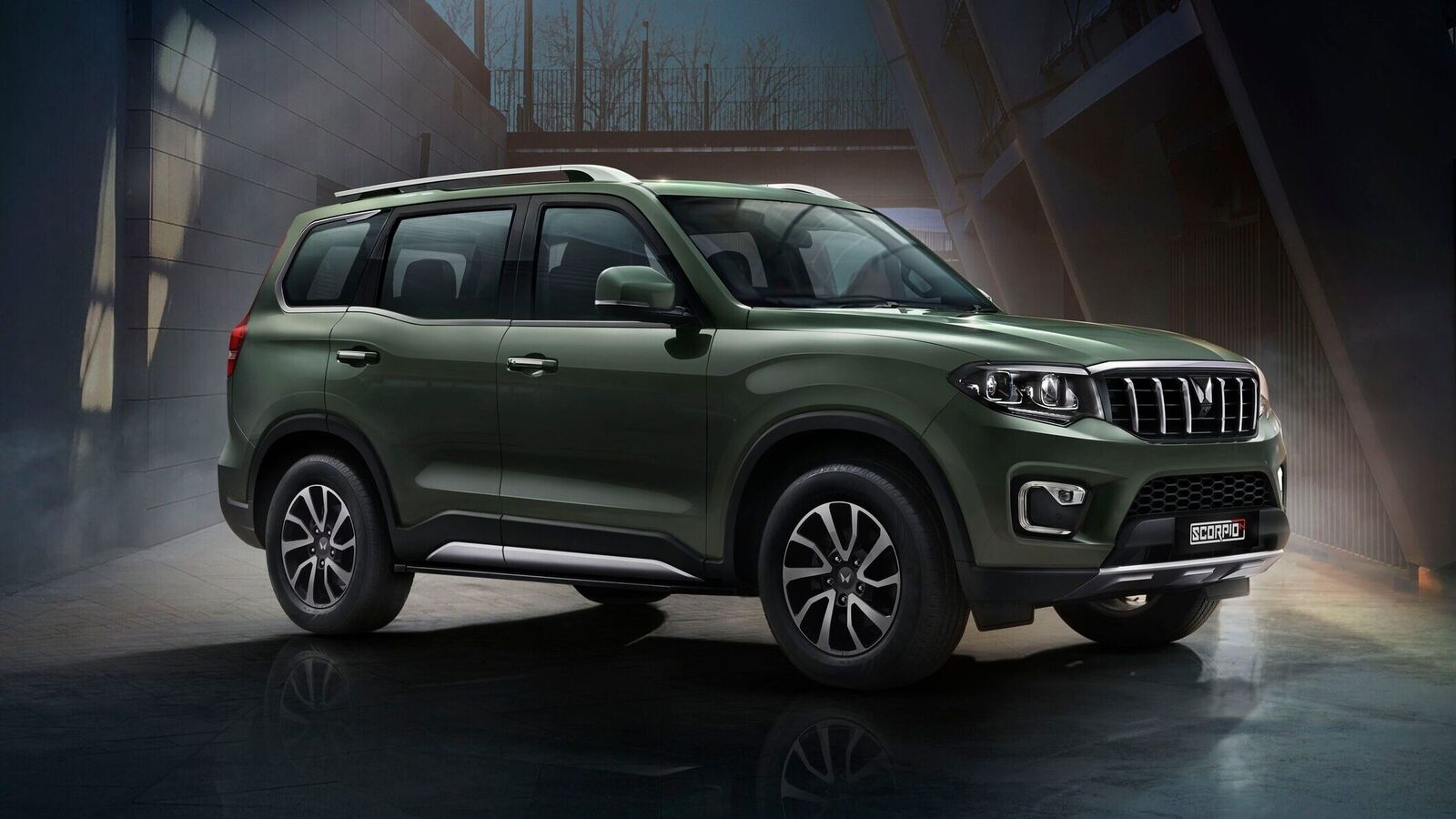
Ever since Mahindra launched the Scorpio N in the Indian market, it has received a tremendous response in terms of demand. Because of this, the waiting period for the SUV was very long. Since then Mahindra has been trying to reduce the waiting period. The latest update is that the waiting period is now between 35 and 40 weeks in New Delhi.
By: HT Auto Desk | Updated on: 18 Oct 2023, 16:02 PM
Mahindra Scorpio N is 206 mm long, 97 mm wide and has 70 mm more wheelbase compared to the Scorpio Classic. It rides on R18 and R17 diamond cut alloy wheels, and sports signature double barrel LED Projector headlamps, tall stacked LED tail lamps, shark-fin antenna and electrically adjustable and foldable ORVMs, among other exterior features.
The Scorpio N is offered as a 6-seater or a 7-seater. It is available in four trims – Z2, Z4, Z6 and Z8. Last month, the prices of the Scorpio N were hiked. This is the third time Mahindra and Mahindra has increased the price of the Scorpio-N SUV. Earlier, the carmaker had hiked its prices in January and April. The prices start at ₹13.26 lakh and go up to ₹24.54 lakh. Both prices are ex-showroom.
Mahindra is using a body-on-frame chassis for the Scorpio N. It comes with a rear-wheel drive setup with a proper 4×4 powertrain. Powering the SUV is a 2.0-litre turbo petrol engine and a 2.2-litre diesel engine which are also doing duty on the XUV700 and the Thar.
The diesel engine is available in two tunes. The lower variants produce 130 bhp and 300 Nm whereas the higher variants put out 172 bhp and up to 400 Nm. It is mated to a 6-speed manual gearbox as standard whereas the higher variants also get an option of a 6-speed torque converter automatic transmission. The petrol engine puts out 200 bhp of max power and a peak torque output of up to 380 Nm of peak torque. It is also offered with a 6-speed manual gearbox or a 6-speed torque converter automatic transmission.
Watch: 2022 Mahindra Scorpio-N: First Drive Review
Mahindra is still selling the previous generation of the Scorpio which now has been rebranded to Scorpio Classic. Its prices were hiked by ₹25,000. Mahindra Scorpio Classic is now priced between ₹13.25 lakh and ₹17.06 lakh. Both prices are ex-showroom.
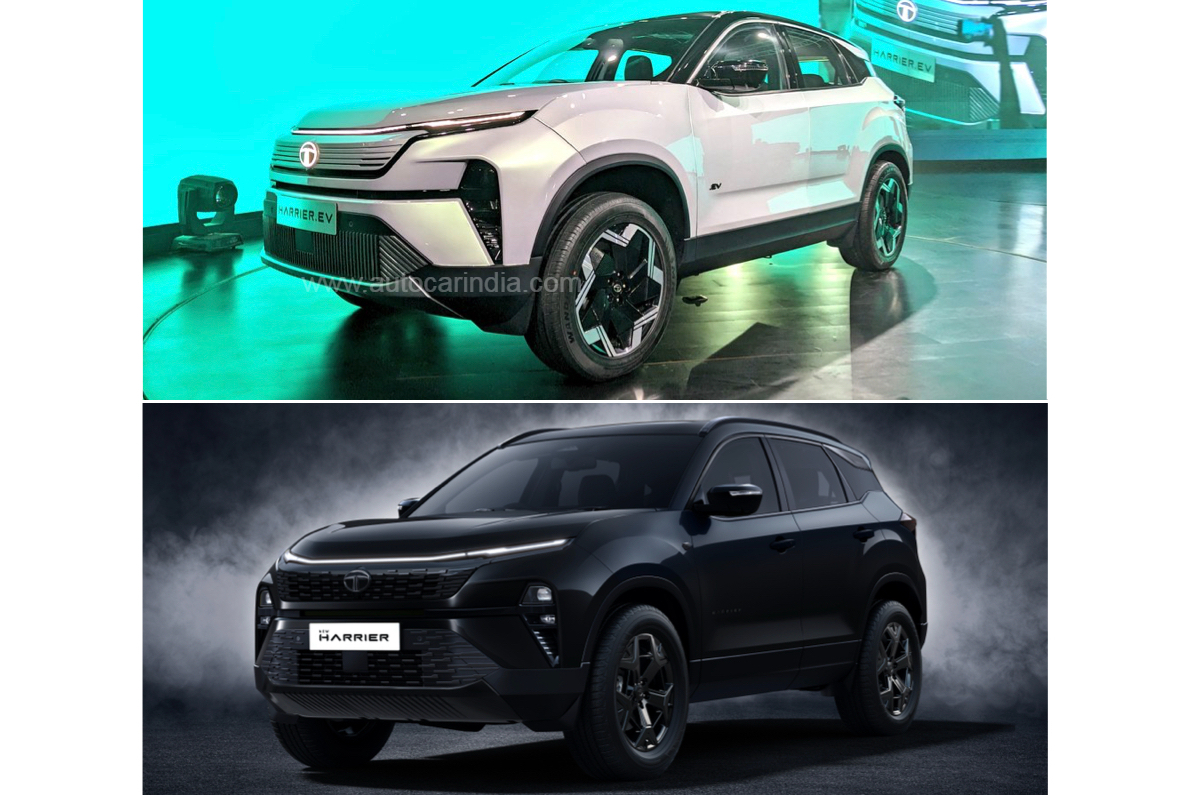
The under-development 1.5-litre TGDi petrol motor will likely arrive with Curvv SUV before it makes its way to the Harrier and Safari.
At this year’s Delhi Auto Expo, Tata Motors showcased a Harrier EV concept as well as the 1.5-litre turbocharged gasoline direct injection (TGDi) engine that would be offered under the hood of the Harrier SUV. And while the 1.5L TGDi engine has been in the works for a while now, we understand that the electric Harrier would arrive before its petrol-powered counterpart.
At the price announcement of the facelifted Harrier and Safari yesterday, Shailesh Chandra, managing director of Tata Motors Passenger Vehicles Ltd and Tata Passenger Electric Mobility Ltd, said “We have already shown the 1.5-litre TGDi engine at the Auto Expo and we intend to bring it. I would say that it’s slightly far away – one year and beyond. But we are going to bring the petrol engine also.”
According to sources, the development of the petrol motor is proving to be a challenge but one the company knows it must address, “Petrol volumes are going to grow and it is imperative that we enter the petrol segment also,” said Chandra. Once ready, the engine would allow Tata Motors to offer a petrol-powered version of both the Curvv and Sierra SUVs, in addition to the Harrier and Safari.
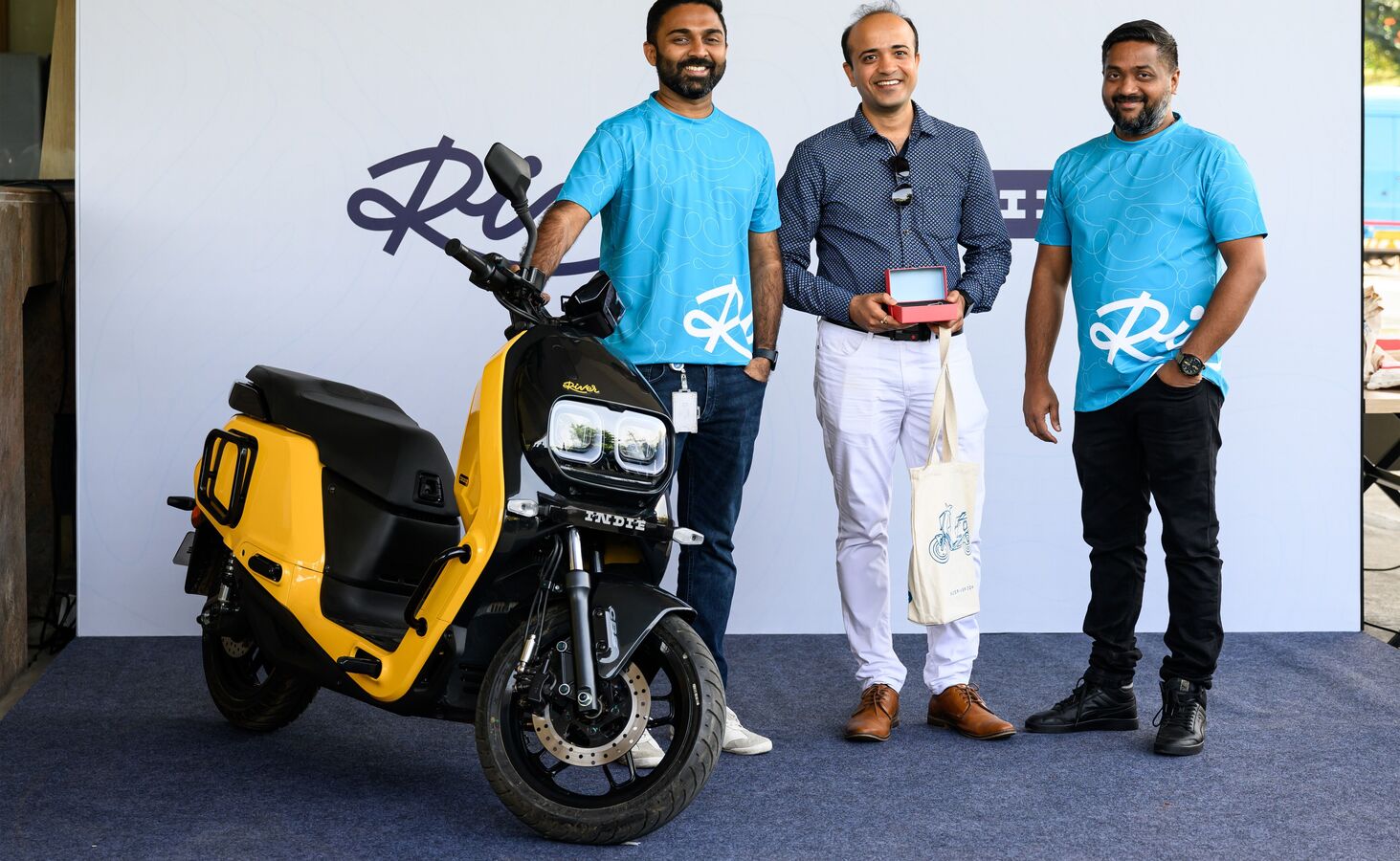
Bengaluru-based electric vehicle manufacturer, River, has commenced deliveries of its maiden electric scooter, Indie, in Bengaluru. The first group of pre-order customers were officially handed over their keys during an event. The electric scooter was launched in the country earlier this year in February, followed by the rollout of the first unit from the company’s state-of-the-art manufacturing facility in Hoskote in August.
By: HT Auto Desk | Updated on: 17 Oct 2023, 16:24 PM
River Indie electric scooter sources power from a 6.7 kWh electric motor, which churns out 26 Nm of torque.
River is set to revise the price of its debut product, which will be announced soon. The price hike is being considered in the aftermath of the latest modifications in the FAME II subsidy. However, the first batch of customers received the product at the initially announced price of ₹1.25 lakh (ex-showroom, Bengaluru).
The EV brand is also working on launching its first experience center in Bengaluru, which is expected to open for public by November this year. Since its inception in March 2021, the brand has raised a total of $28 million in funds from marquee investors to speed up its electric mobility journey. The EV startup is hopeful to sell one lakh units of the high-speed electric scooter by 2025.
The Indie electric scooter sources power from a 6.7 kWh electric motor, which churns out 26 Nm of torque. Power is sent to the rear wheel via a belt drive, propelling the EV to sprint 0-40 kmph in 3.9 seconds at a top speed of 90 kmph. The motor comes paired with a 4 kWh battery pack, which is claimed to deliver a 120-km range on a single charge.
The scooter comes with an unusual design that grabs attention at the very first glance. It gets dual front LED headlamps with integrated LED daytime running lights as well as LED taillights. On the feature front, there is a fully-digital six-inch colour instrument cluster, spacious 20-inch footboard, 43-litre under-seat boot space and a 12-litre glove box, among others.
It runs on 14-inch black alloy wheels wrapped with meaty tyres. The front wheel gets a 240 mm disc brake, while the rear sports a 200 mm disc. For suspension duty, the scooter gets a telescopic setup at the front and a twin hydraulic system at the rear.
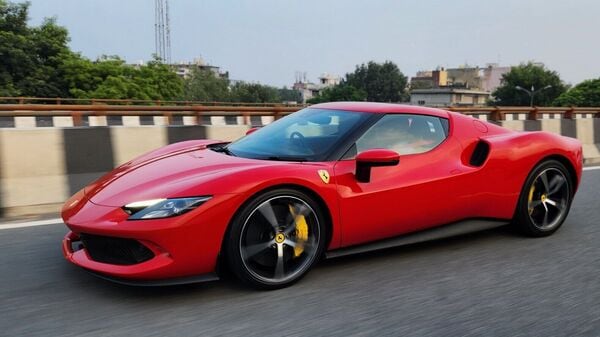
India is now the world’s third largest car market, overtaking Japan and sitting behind only China and the United States. And while the surge is being powered overwhelmingly by SUVs in the mass-market space, the luxury segment continues to grow by leaps and bounds as well. But what about the microscopically small supercar segment here? Almost everyone would agree that our country is hardly the happy hunting ground for growling V6s and V8s. Options for the elite among elites are limited but if you do have the resources for one, why won’t you choose one? And why not the Ferrari 296 GTB then?
With its typically low-slung profile, the Ferrari 296 GTB is best when being raced around on a track. But even in real world conditions, it has enough practicality to be an occasional thrill-evoking automotive miracle.
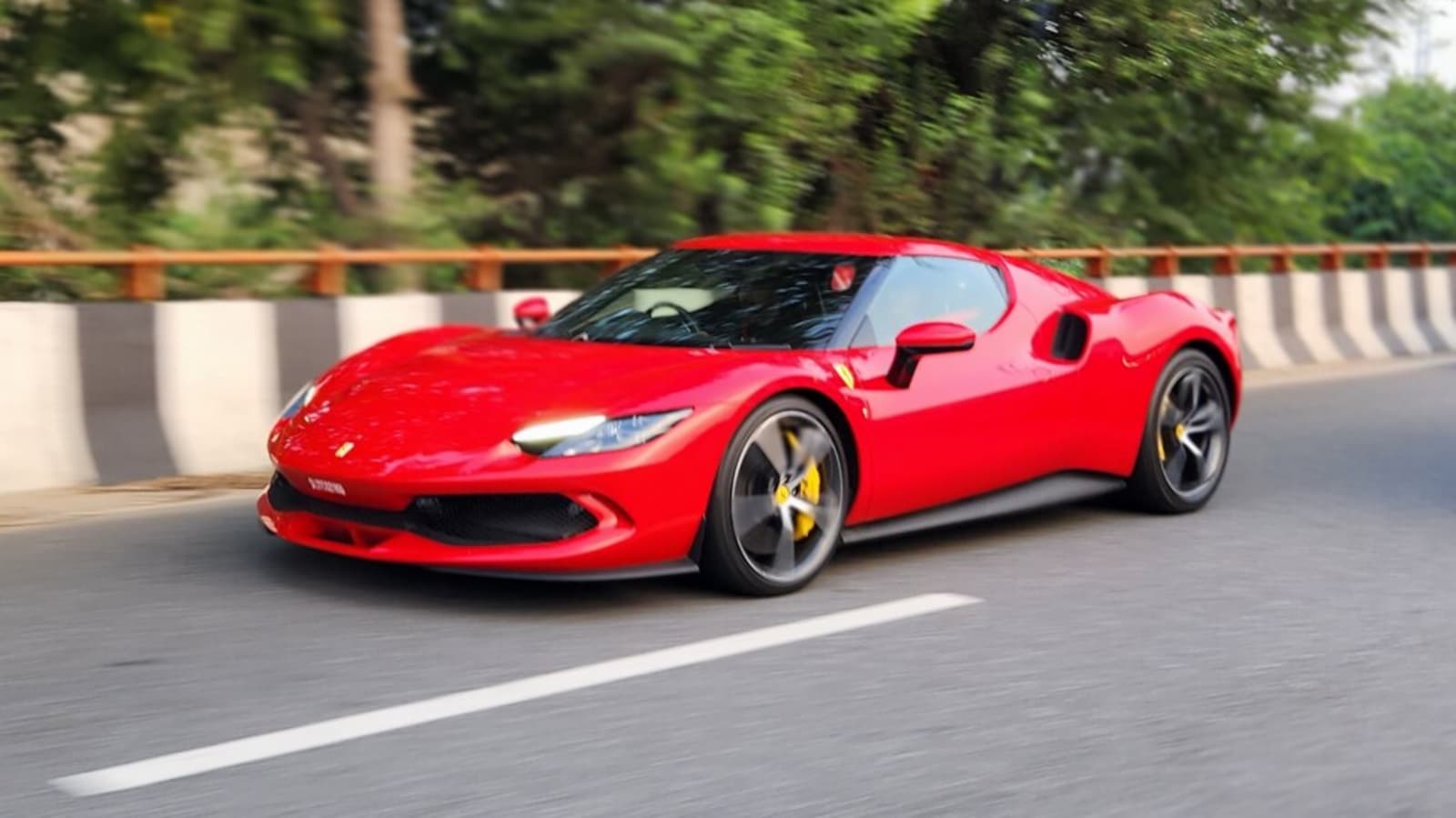
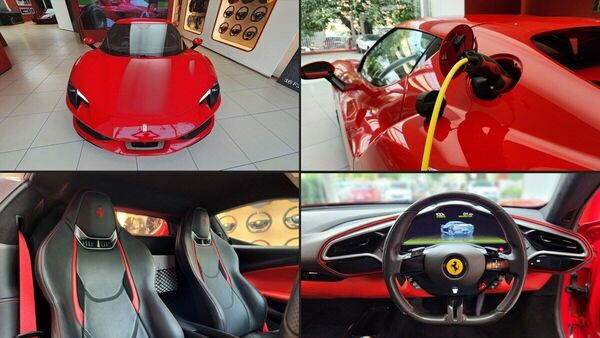
It is a masterpiece. It is a demon. It is a revolution. It is Ferrari 296 GTB and it has touched down on Indian shores as the latest mid-rear-engined two-seater marvel. All electrics can all but wait because this here is a plug-in hybrid too. But the core power still comes from the roar of a 3.0-litre twin-turbo V6 that puts out 654 hp all on its own. Combine it with some serious electric power and one can add another scrumptious dose of 165 hp to the mix. The electric-only range is at 25 kilometres, a distance that this supercar can race through in the blink of an eye.
Watch: Ferrari 296 GTB review: Red demon with hybrid horns
For the purer among the purists, it may seem like a V6 is a ‘significant’ step down but does it really matter, especially when the Ferrari 296 GTB can do a 0 to 100 kmph in 2.9 seconds? Or when the rated top speed is at a massive 330 kmph? Or that here is a performance-based hybrid supercar from The Prancing Horse.
With a combined power output of 820 hp, and a roar to silence everyone on the road, the Ferrari 296 GTB makes quite a statement on the move.
Performance remains at the core of the Ferrari 296 GTB even if the start on eDrive mode means here is the quietest Ferrari off the block. The electric motor kicks in by default and pushes the supercar forward. The silence before the storm? Absolutely! Engage the Performance drive mode, caress the throttle with a foot and the Ferrari 296 GTB flies faster than the fastest roller-coaster you can ever imagine. The gearshifts are typically – and aggressively – quick and that feeling of a Ferrari revving all the way to the 8,500 mark is a feeling that no written words can ever seek to do justice to. And that roar, oh that roar…
Mean from the outside and mean within – the Ferrari 296 GTB hybrid supercar assumes several roles but all with the solitary purpose of putting speed credentials on a pedestal.
But for most parts of our quick drive though, we were surrounded by admiring fellow motorists too keen to get a closer stare. Who won’t want to do just that. Because here yet another Ferrari that looks menacingly gorgeous even when not making passionate love to the wind. Draped in the Rosso Corsa shade of Red, the model curves at all the right places for visual seduction. There is a sense of raw power on its proverbial horizon, one that also extends to the cabin where Alcantara, carbon fibre and high-quality leather converge for a perfect blend. Don’t expect the largest of display screens – and there are two screens inside. But who gets into a Ferrari for the infotainment anyway? The sports steering packs in a lot of touch-sensitive buttons and there is a learning curve to manage these.
But there is no managing the fact that the Ferrari 296 GTB is made to stand out wherever it may be standing still or racing forward at. Complete with that electric motor, it retains its mean heart with a gentle, genial purpose. At well and truly above ₹5 crore-mark, the Ferrari 296 GTB is perhaps what every modern supercar ought to be about – sense and speed.
Bookings have now reopened for the X440 with prices ranging from Rs 2.40 lakh-2.80 lakh.
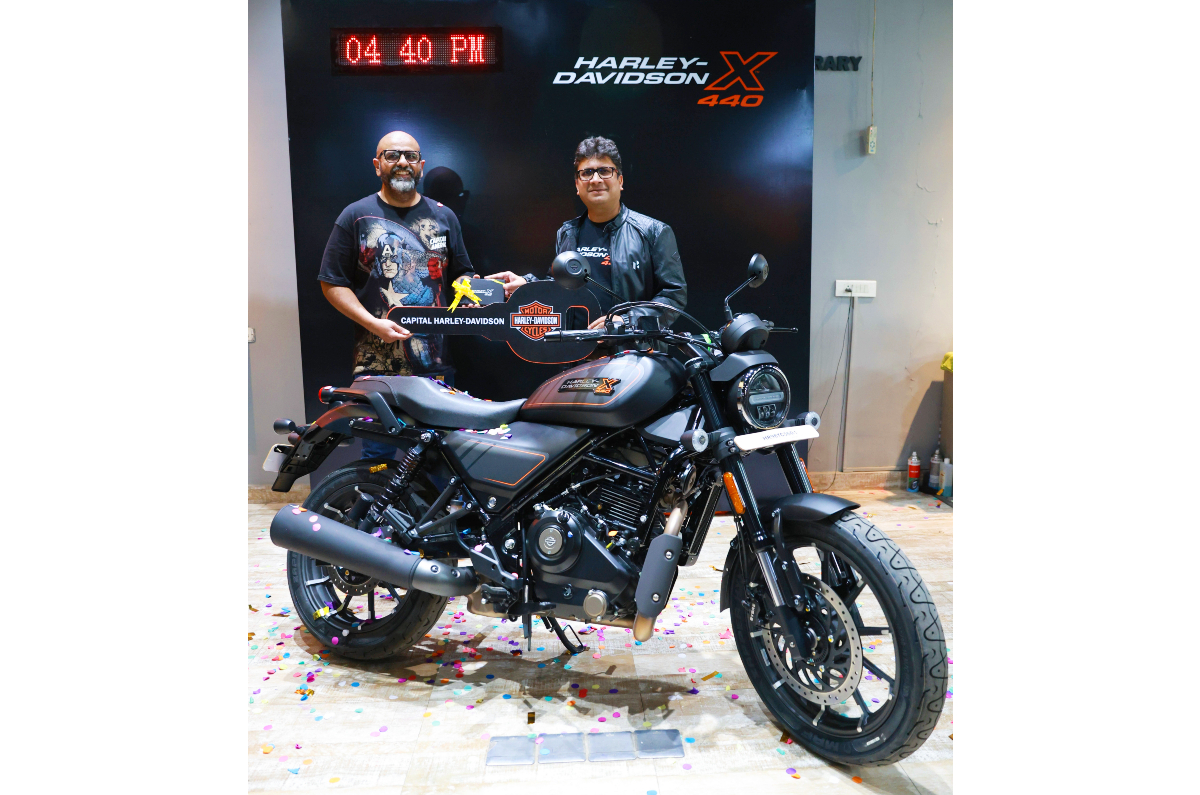
As promised, Hero began deliveries of the Harley-Davidson X440 on October 15, and they started in a big way. Deliveries were conducted across 100 dealerships, including both standalone Harley-Davidson and select Hero MotoCorp outlets across the country.
The Harley-Davidson X440 is made at Hero MotoCorp’s manufacturing facility in Neemrana, Rajasthan. The bike was originally launched in July 2023 and went on to garner a massive 25,000-plus bookings in its first month.
The demand was so high that Hero temporarily closed bookings in the country and increased prices across the range. Now that the deliveries have begun, Hero has reopened bookings across existing Harley dealers and through select premium Hero dealerships. Bookings can also be made online.
The motorcycle is available in three variants – Rs 2,39,500 for the Denim variant, Rs 2,59,500 for Vivid, and Rs 2,79,500 for S. This marks a Rs 10,500 hike per model over the launch price.
Hero MotoCorp’s CEO Niranjan Gupta said, “It will be our endeavour to complete all deliveries over the next 4-5 months. Our supply chain is already in the process of ramping up the capacity, as we would like to serve every single customer in India who wants to own a Harley Davidson and reduce the waiting period moving forward.”
“We are excited to bring the thrill of Harley-Davidson motorcycles to motoring enthusiasts across the country, including Tier II cities and smaller towns,” he added.
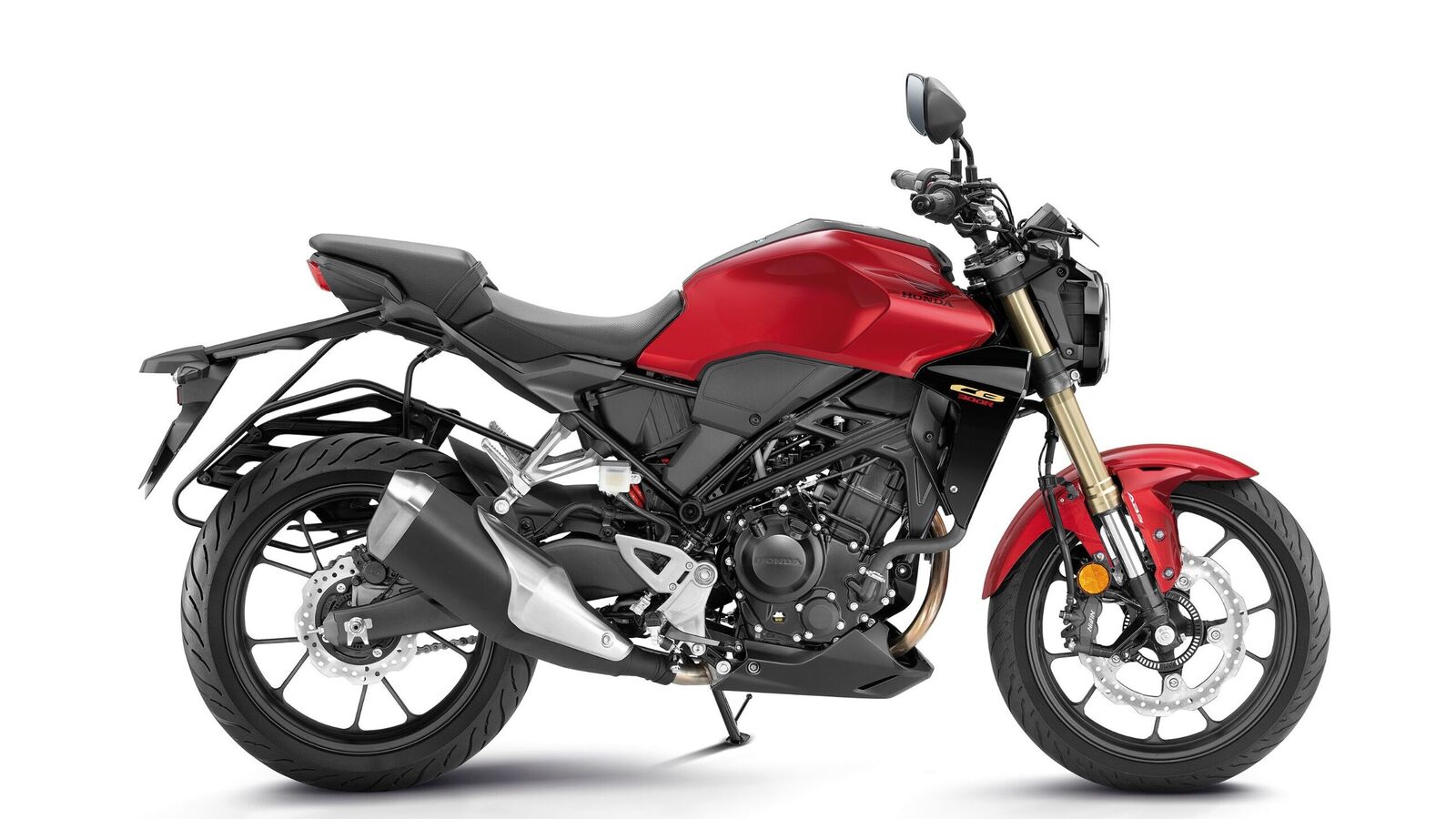
The 2023 CB300R comes mated to a six-speed gearbox and gets an assist slipper clutch which eases gearshifts and manages rear wheel lock-up on hard down shifts while deceleration.
In terms of styling, the motorcycle draws inspiration from the retro-themed CB1000R litre-class roadster with a minimalistic take on it. It boasts a muscular fuel tank and a beefy upswept exhaust, reflecting the neo sports cafe DNA. An all-LED lighting system with round LED headlamp, LED winkers and LED tail lamp further enhanced the styling quotient.
Weighing at just 146 kg, the CB300R is the lightest motorcycle in its category. It gets 41mm USD front forks and an adjustable mono-shock absorber at the rear, making it a decent choice for Indian roads. Braking duties are handled by 296mm disc brake (front) and 220mm disc (rear) with dual-channel ABS as standard.
In terms of features, the motorcycle gets a fully digital instrument cluster as well as emergency stop signal and hazard light switch. The motorcycle will be made available in Pearl Spartan Red and Matte Massive Grey Metallic colour options. “The CB300R is an ultimate gateway for young riders to brand Honda’s engineering prowess, design philosophy and premium build quality,” said Tsutsumu Otani, Managing Director, President & CEO, Honda Motorcycle & Scooter India.
Interior will also see minor cosmetic and equipment upgrades.
These are the first undisguised images of the Kia Sonet facelift that’s due to launch in India in the next 3-4 months. While several camouflaged test mules have been spied on multiple occasions before, these images that have surfaced on the internet give us a complete look at the exterior design of the updated Sonet.
The Sonet pictured here is for overseas markets and is longer than four meters in length. According to Kia India, the Sonet facelift that is headed to our shores will have slightly different looking front and rear bumpers from the one seen in these leaked images.
India-bound Sonet facelift will slightly differ in design
Likely to remain mechanically unchanged
Launch is expected in the coming months
Kia Sonet facelift exterior design revealed
This is the first mid-lifecycle update for the Sonet since its launch in September 2020, and changes will only be limited to plastic parts. The most noticeable of these are the new front bumper and headlamp assembly – the main headlamp cluster has largely retained its shape, but there’s a new drop-down element that extends into the bumper below and comes with revised LED Daytime Running Lamps and fog lamps.
Going by the bumper, this seems to be an HT Line variant that gets a slightly redesigned faux skid plate and mesh for the central air intake. The GT-Line variants could have a different bumper design. Kia also seems to have updated the grille inserts, although the overall shape remains similar.
There aren’t any significant changes in profile save for the new alloy wheels that’ll likely differ on the HT-Line and GT-Line trims. At the rear, the wraparound tail lamps have been swapped with new vertical units that are now connected by an LED light bar. It also gets a much chunkier rear bumper with a dual-tone black and silver finish.
Kia Sonet facelift interior
Although these images do not give us a look at the interior of the updated Sonet, previous spy images have hinted at slightly updated switchgear for the HVAC controls and an all-new digital instrument cluster from the new Venue. Additionally, the Sonet is also expected to get a new brown colour for the upholstery and an armrest for the rear seat, with the latter making a comeback.
Kia Sonet facelift powertrain
The Sonet facelift is likely to continue with the existing 83hp, 115Nm, 1.2-litre petrol engine, a 120hp, 172Nm, 1.0-litre turbo-petrol engine and a 116hp, 250Nm, 1.5-litre diesel engine. The petrol engine is expected to be mated to a 5-speed manual, while the turbo-petrol and diesel engines will retain the 6-speed iMT. Additionally, they will also get a 7-speed dual-clutch automatic and a 6-speed automatic, respectively.
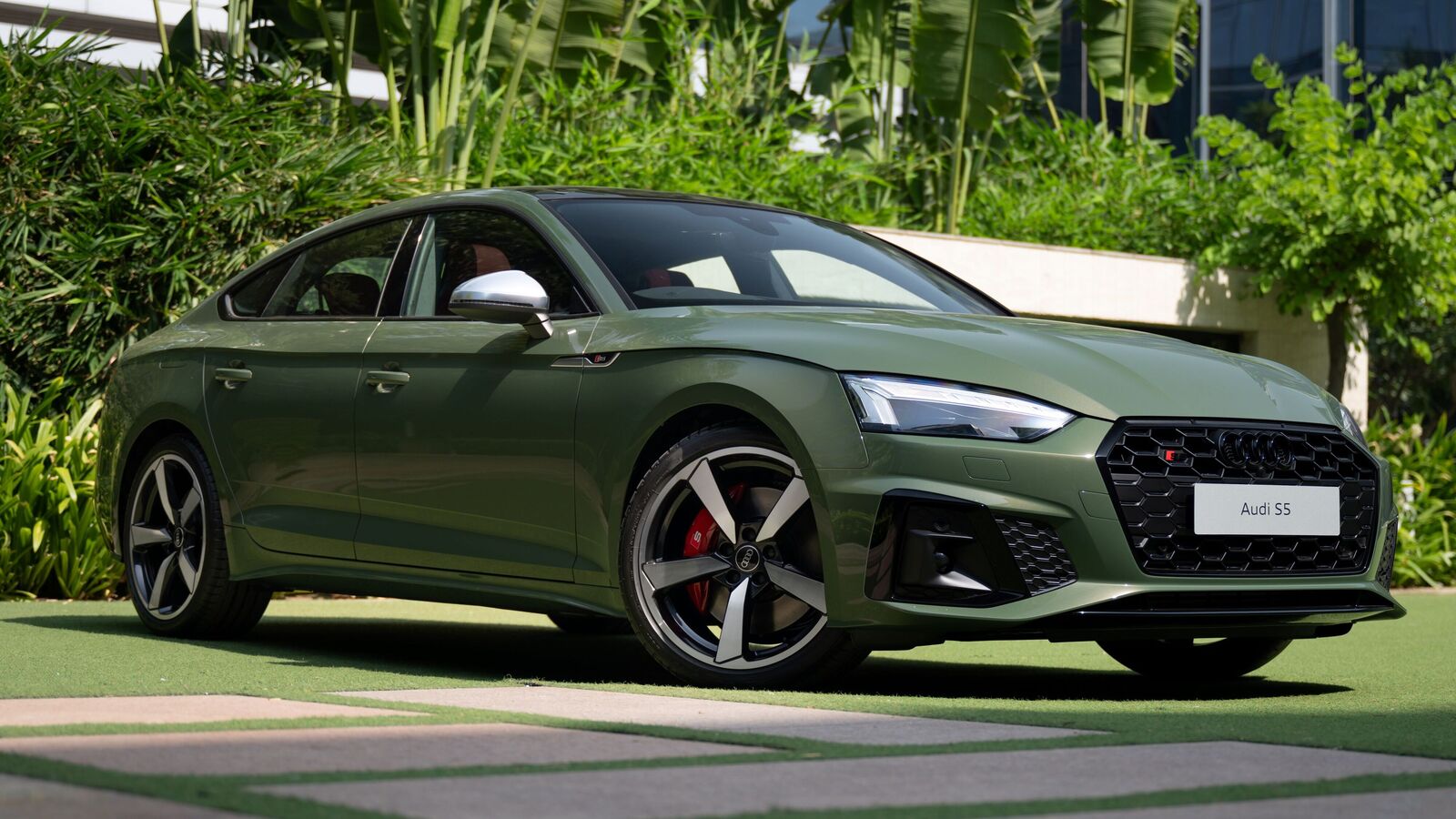
German luxury car manufacturer Audi on Monday launched the S5 Sportback Platinum Edition in India for the festive season. The limited edition model costs ₹81.57 lakh (ex-showroom) and will be offered in two colour options – District Green and Mythos Black. The model offers exclusivity combined with luxury and performance to thrill seekers and enthusiasts. This is the brand’s third special edition this festive season, after the special edition Q8 and Q5.
Audi S5 Sportback Platinum Edition is being offered in limited units for the festive season.
Exterior highlights:
The special edition model sports Matrix LED headlights with laser light technology that adds a touch of sophistication to the front fascia. The Black Styling Package with black accents on the grille, air intakes, Audi rings and window trim enhances the sporty appeal of the car. Red Brake Calipers with ‘S’ lettering and LED rear lights with dynamic turn signals further enhance the look.
Interior highlights:
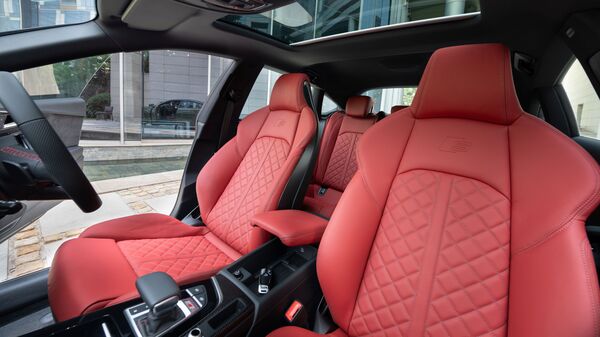
Fine Nappa leather upholstery in Magma Red elevates the premium feel in the cabin of the Audi S5 Sportback Platinum Edition.
On the inside, the Platinum Edition model get Sports Seats Plus with massage functionality for comfort and luxury. Fine Nappa leather upholstery in Magma Red elevates the premium feel in the cabin while decorative inserts in carbon Atlas emphasize the sporty character of the vehicle. There are LED sills with S logo projection on the entrance of the front doors that illuminate the path when entering or exiting the vehicle.
Feature highlights:
There is an MMI system onboard the S5 Sportback Platinum Edition that offers intelligent free-text search and voice recognition functions. There is a fully digital 31.24-cm instrument cluster in full HD resolution. It comes with three customizable view modes: Sport, S performance and Dynamic. The MMI touch display allows easy integration of phone for navigation, music and third-party apps.
Engine highlights:
The car makes use of a 3.0-litre, TFSI V6 petrol engine with turbocharging and a combination of direct injection and indirect injection. It produces an output of 354 hp (260 kW) and 500 Nm of torque available between 1,370 and 4,500 rpm.
Pre-bookings for the MUVI 125 4G will soon be opened by the Acer brand. Meanwhile, the company has also invited those interested in dealership opportunities to express their intent. For both pre-bookings and dealership inquiries, those interested need to visit the company’s official website.
The electric scooter was first showcased at the EV India Expo 2023 in Greater Noida in September this year. It comes with swappable batteries, ensuring hassle-free charging. The two removable of 48V 35.2Ah each offer a range of 80 kilometres per charge and can reach a top speed of 75 kmph. The company claims that it can be charged to full in around four hours and riders can even opt to use just one battery at a time.
The scooter is being touted as a futuristic electric mobility solution for urban commuters. It comes with a light-weight chassis which is sturdy in nature and rides on 16-inch wheels for smooth movement. The chassis is complemented by an innovative rear shock absorber system which comes paired with a front hydraulic fork, offering agility and stability to riders.
It will be available in three color options: White, Black, and Grey.
The features of the scooter are said to be highly customizable and data-driven for the tech-savvy riders. One can use their Android or iOS smartphone to customize the vehicle and turn it into an interactive machine. It gets a Bluetooth-enabled 4-inch LCD screen with three configurations available.
Aprilia’s Maverick Vinales and Yamaha’s Fabio Quartararo completed the podium.
The Indonesian round of the 2023 MotoGP world championship was topsy-turvy with Pramac rider Jorge Martin briefly leading the title race after a dominant win in Saturday’s sprint race. But reigning champion Francesco Bagnaia once again finds himself on top of the standings after Martin crashed out of the lead in the main race.
Bagnaia wins from 13th on grid
Bezzecchi on podium in sprint, P5 in race despite injury
Marc Marquez crashes out in both races
Martin vs Bagnaia title fight
Martin won the sprint race, and for the first time this year, eclipsed Bagnaia in the title fight, albeit by a mere seven points. He looked set to be on top in the main race again, but a lowside at Turn 10, presumably due to grip issues with the soft front tyre, ended his race prematurely. Bagnaia, who was running in third place when this happened, saw his chance to regain the title lead and soon overtook Aprilia’s Maverick Vinales.
Mooney VR46 team score despite injuries
Valentino Rossi’s half-brother Luca Marini claimed pole position for the first time in MotoGP and finished second in the sprint race. Joining him on the sprint podium was teammate Marco Bezzecchi, who also took a commendable top-five finish in the main race, coming from ninth on the grid.
Both riders are nursing broken collarbones, albeit different ones, and credit to them for putting on a stellar performance, broken bones notwithstanding.
Quartararo back on the podium
Just like he did in the inaugural Indian GP, Yamaha’s Fabio Quartararo, again, finished on the final step of the podium in Indonesia. He came unerringly close to former teammate Maverick Vinales in the closing stages, but wasn’t able to overtake the Spaniard. This season has yet to see Fabio Quartararo stand on the top step of the podium.
Other standout performances in Indonesia
Speaking of injured racers, LCR Honda’s Alex Rins finished inside the top 10 on a satellite Honda, despite a double leg fracture. He finished ahead of even weekend favourite Aleix Espargaro, who rides the latest 2023 RS-GP. And Fabio Di Giannantonio recorded a career-best finish in fourth place, ahead of losing his seat to Marc Marquez next year.
2023 MotoGP Championship standings
Having claimed his sixth feature race win this season, Bagnaia now sits 18 points clear of Martin in the standings. Trailing those two is Mooney VR46’s Bezzecchi. Ducati is also your 2023 constructors champion, which makes it four on a trot for the Borgo Panigale-based factory.
MotoGP heads to Australia next weekend, so keep tuning in as we bring you the latest coverage.
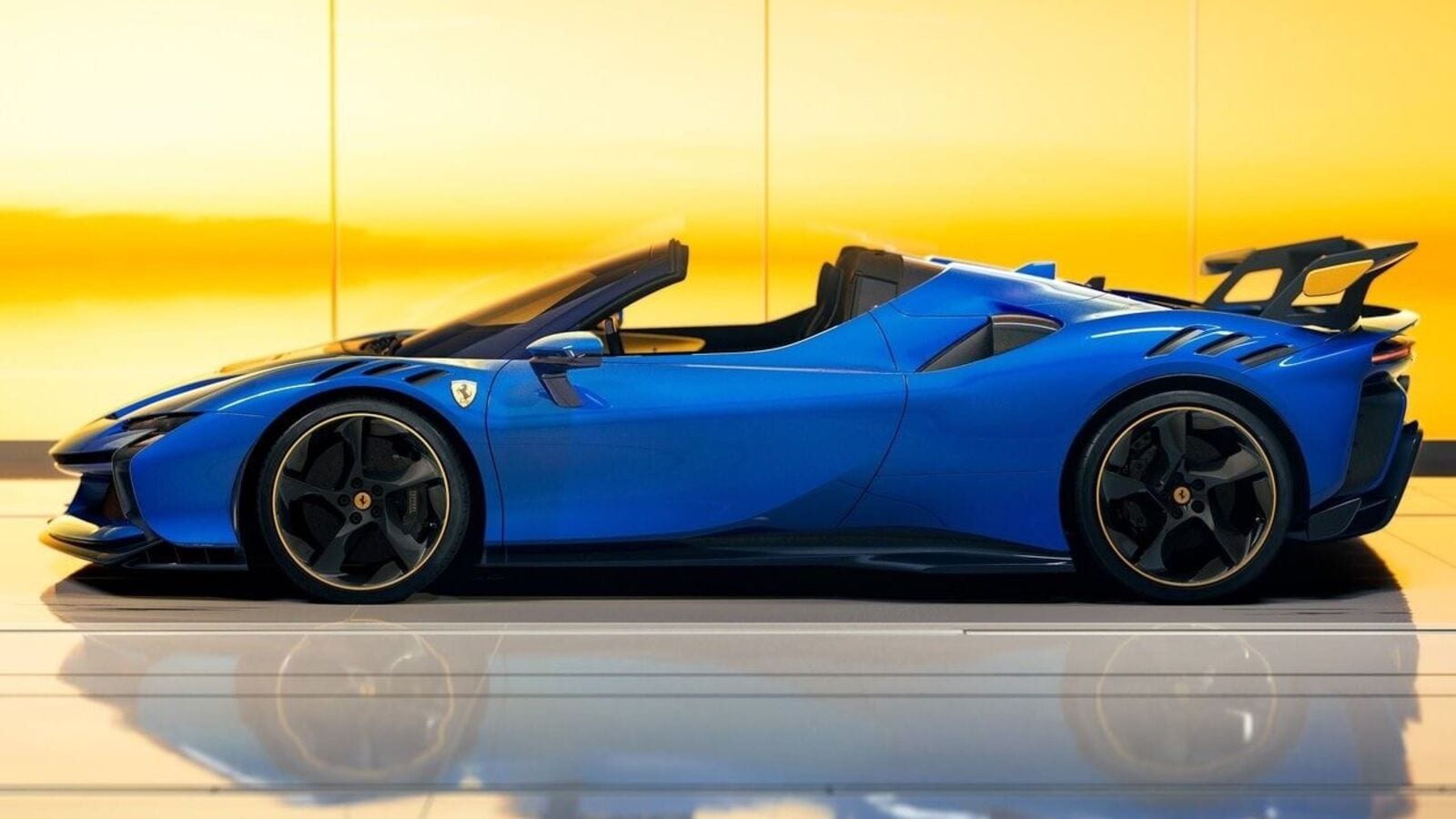
Automakers mulling the idea of accepting cryptocurrency as payment for selling their cars is nothing new. However, Italian sportscar brand Ferrari has become one of the major automobile brands to accept cryptocurrency as a payment method in the US, Reuters has reported. The automaker has also reportedly said that it will extend the scheme to European markets as well.
By: HT Auto Desk | Updated on: 15 Oct 2023, 11:10 AM
Ferrari has become the latest automaker to accept payment in cryptocurrency.
Ferrari has reportedly claimed that it has taken the decision to accept payment through cryptocurrency after receiving requests from specific markets and dealers as many of its clients have invested in crypto. Also, the automaker has reportedly stated that it has been receiving requests from wealthy customers in the European market to open the provision of payment through cryptocurrency.
Speaking about this decision, Ferrari’s Chief Marketing and Commercial Officer Enrico Galliera said that cryptocurrencies had made efforts to reduce their carbon footprint through the introduction of new software and a larger use of renewable sources. “Some are young investors who have built their fortunes around cryptocurrencies,” he said revealing the reason behind accepting crypto as a means of payment, while adding, “Some others are more traditional investors, who want to diversify their portfolios.”
Cars being large ticket products cryptocurrency’s entrance in the vehicle retail segment could be the beginning of an interesting trend. However, to date, the automakers along with other blue-chip companies have steered clear of cryptocurrency as the volatility of such digital currencies renders them impractical for commercial transactions. Also, government regulations and high energy consumption too have also prevented the spread of cryptocurrencies as a means of payment.
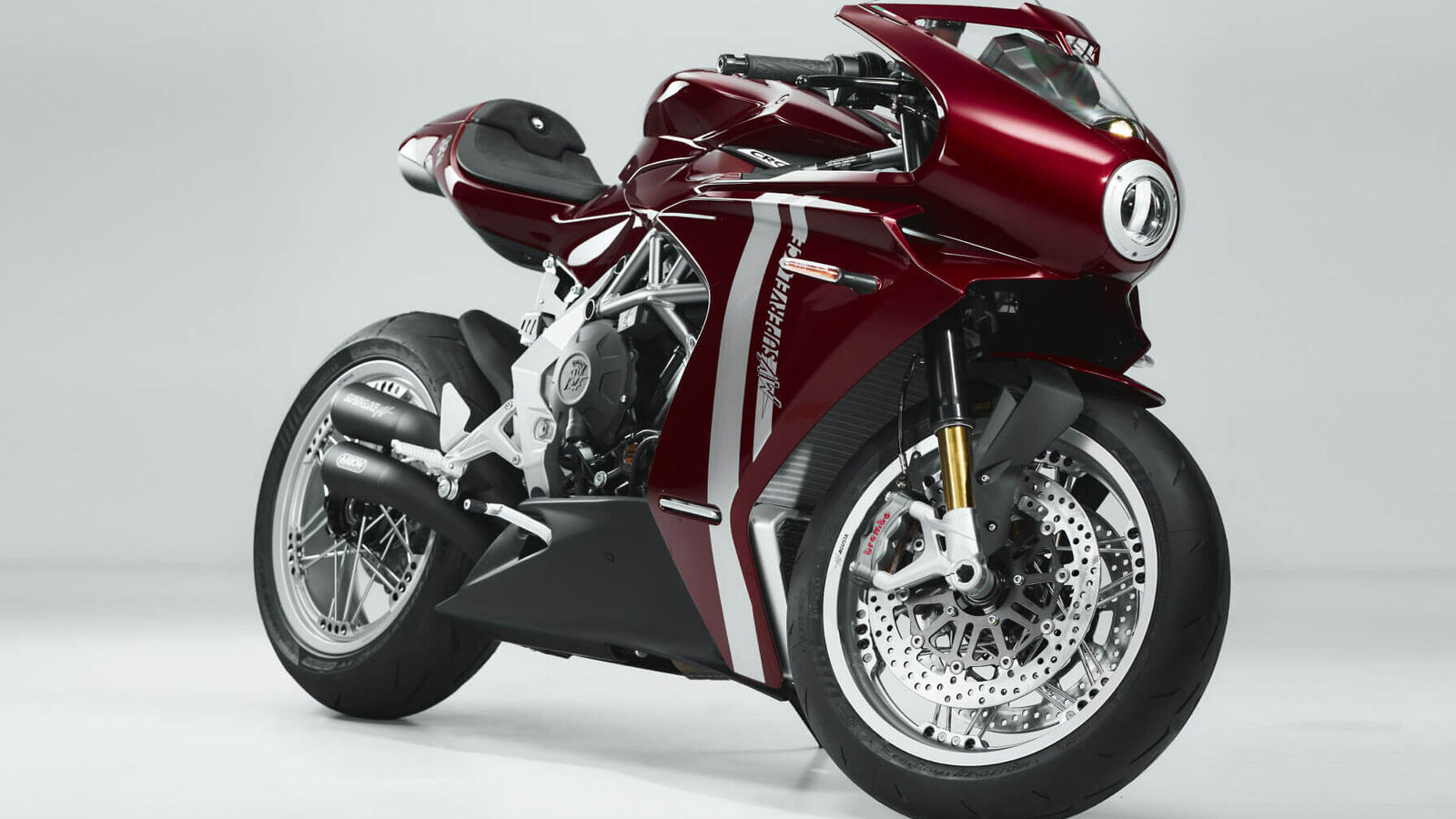
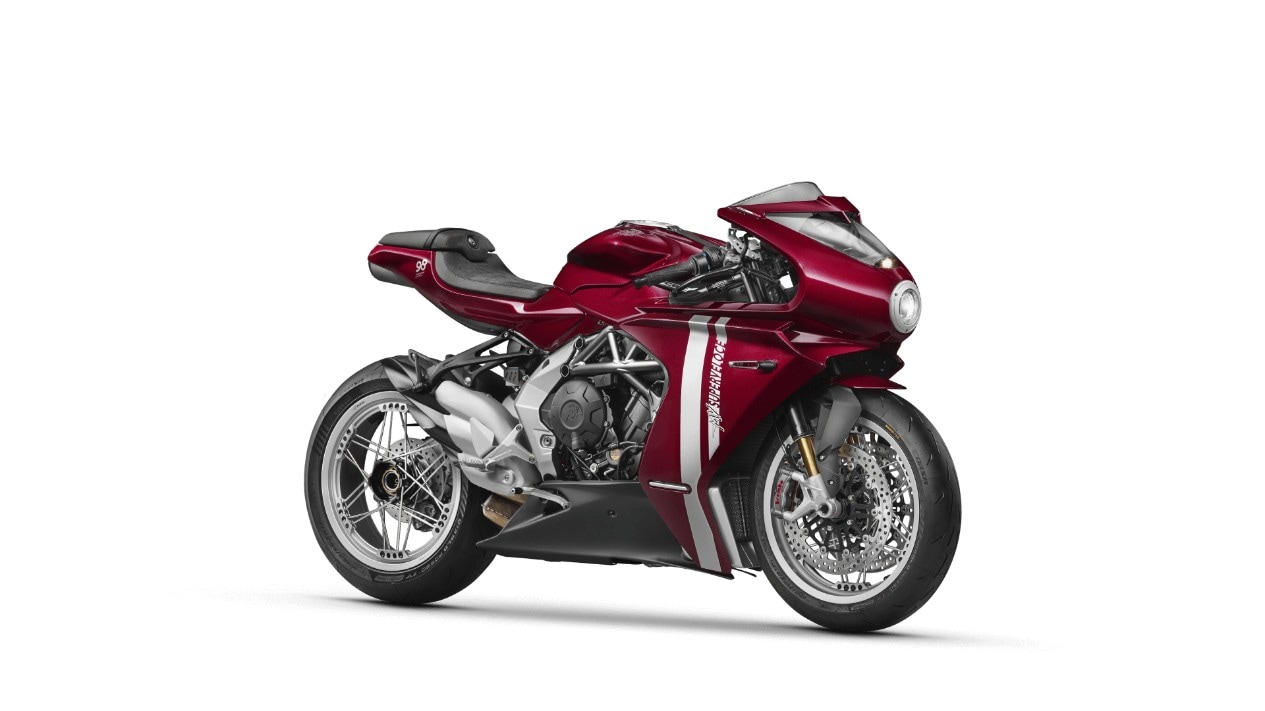
Iconic Italian bike maker MV Agusta has taken the wraps off the new Superveloce 98 limited edition motorcycle for the world. The new MV Agusta Superveloce 98 celebrates the 80th anniversary of the brand’s legendary ‘98’ engine this year. The limited edition motorcycle will be restricted to only 300 examples worldwide. The 98 cc single-cylinder motor was the first-ever to be produced by the Italian marquee and intended to simplify transportation in the post-World War II era.
By: Sameer Fayaz Contractor | Updated on: 14 Oct 2023, 19:14 PM
The MV Agusta Superveloce 98 celebrates the brand’s 80th anniversary of designing its first 98 cc engine
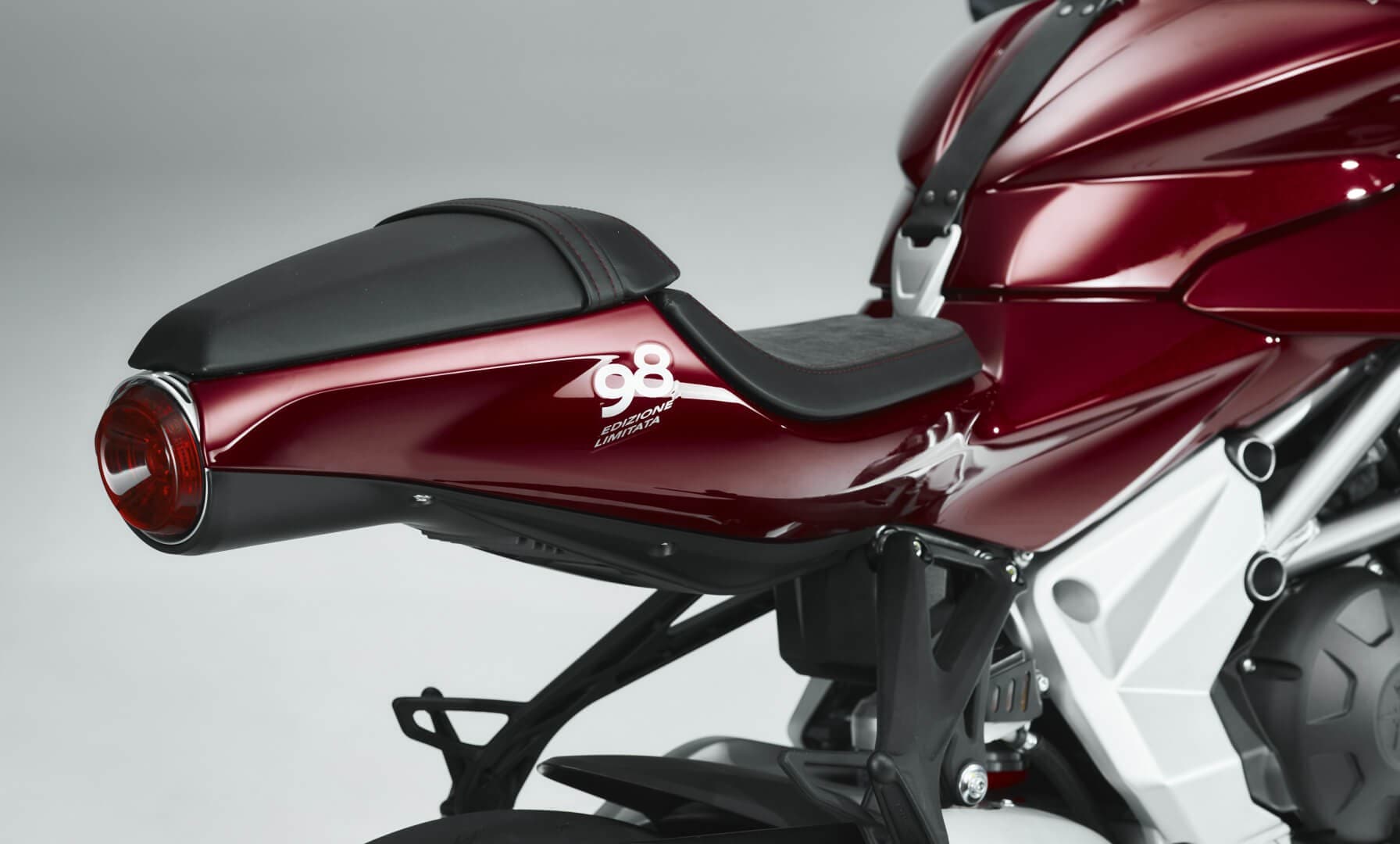
The new MV Agusta Superveloce 98 gets special upgrades, the most notable of which is the special deep red paint scheme as a nod to that used on the MV 98. MV Agusta calls it ‘Rosso Varghera’ and the deep red shade is accompanied by the contrast silver-coloured stripe running across the Alcantara seats.
The MV Agusta Superveloce 98 gets the special deep red paint scheme called ‘Rosso Varghera’ accompanied by the contrast silver-coloured stripe running across the Alcantara seat
Underpinning the limited edition Superveloce 98 is the 798 cc three-cylinder engine tuned for 147 bhp at 13,000 rpm and a top speed of 240 kmph. The 98 benefits from titanium intake and exhaust valves, while buyers will have the option of a racing kit that adds a triple-outlet Arrow exhaust, a special map for the ECU, a passenger seat cowl, a custom motorcycle body cover and a certificate of origin.
On the electronics front, the Superveloce 98 gets a 5.5-inch TFT instrument console with Bluetooth connectivity. The bike also gets cruise control, launch control, front lift control, GPS, and an anti-theft system with geolocation.
The MV Agusta Superveloce 98 draws power from the same 798 cc three-cylinder engine. There’s an optional Racing Kit that adds an Arrow exhaust, a special ECU map, passenger cowl and custom body cover, and a certificate of origin
The first MV Agusta 98 was designed in 1943 when Italian entrepreneur Count Domenico Agusta realised that Italy needed small-capacity motorcycles and not aeroplanes in the post-war world. The MV 98 was designed to be functional and accessible as Europe stumbled to get back on its feet. Needless to say, MV Agusta has come a long way since as a brand transforming itself into a mainstay maker of exotic motorcycles.
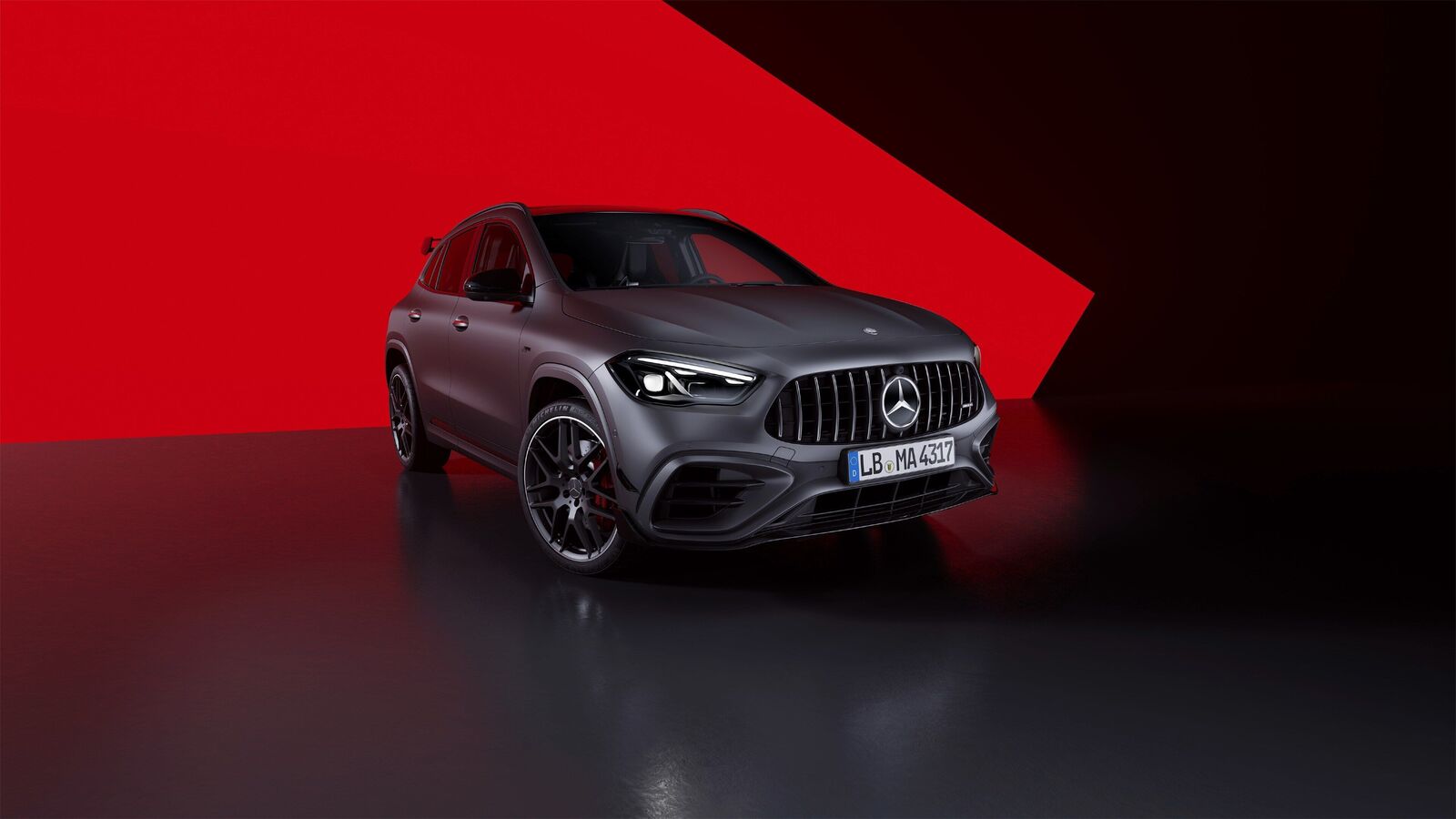
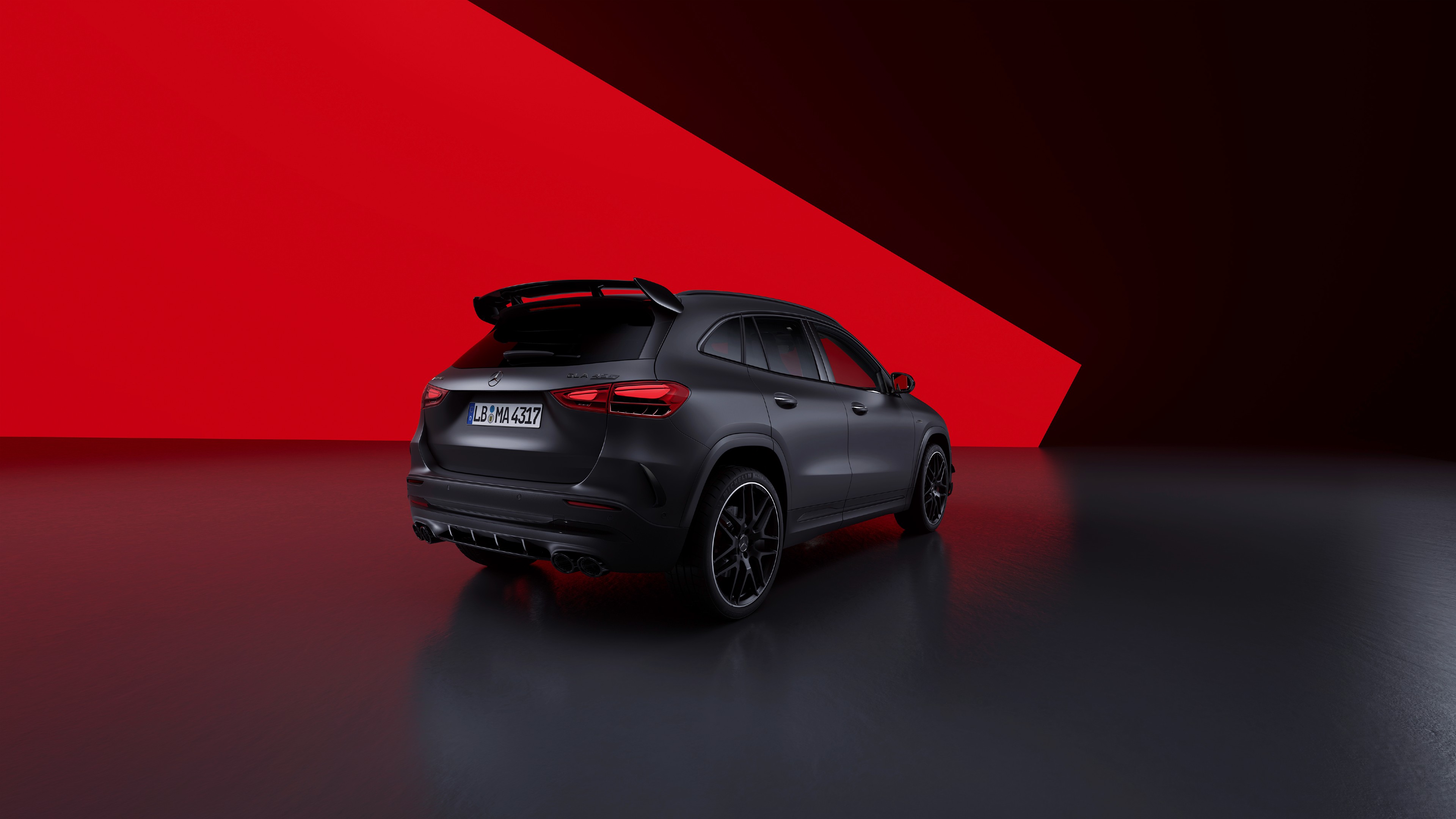
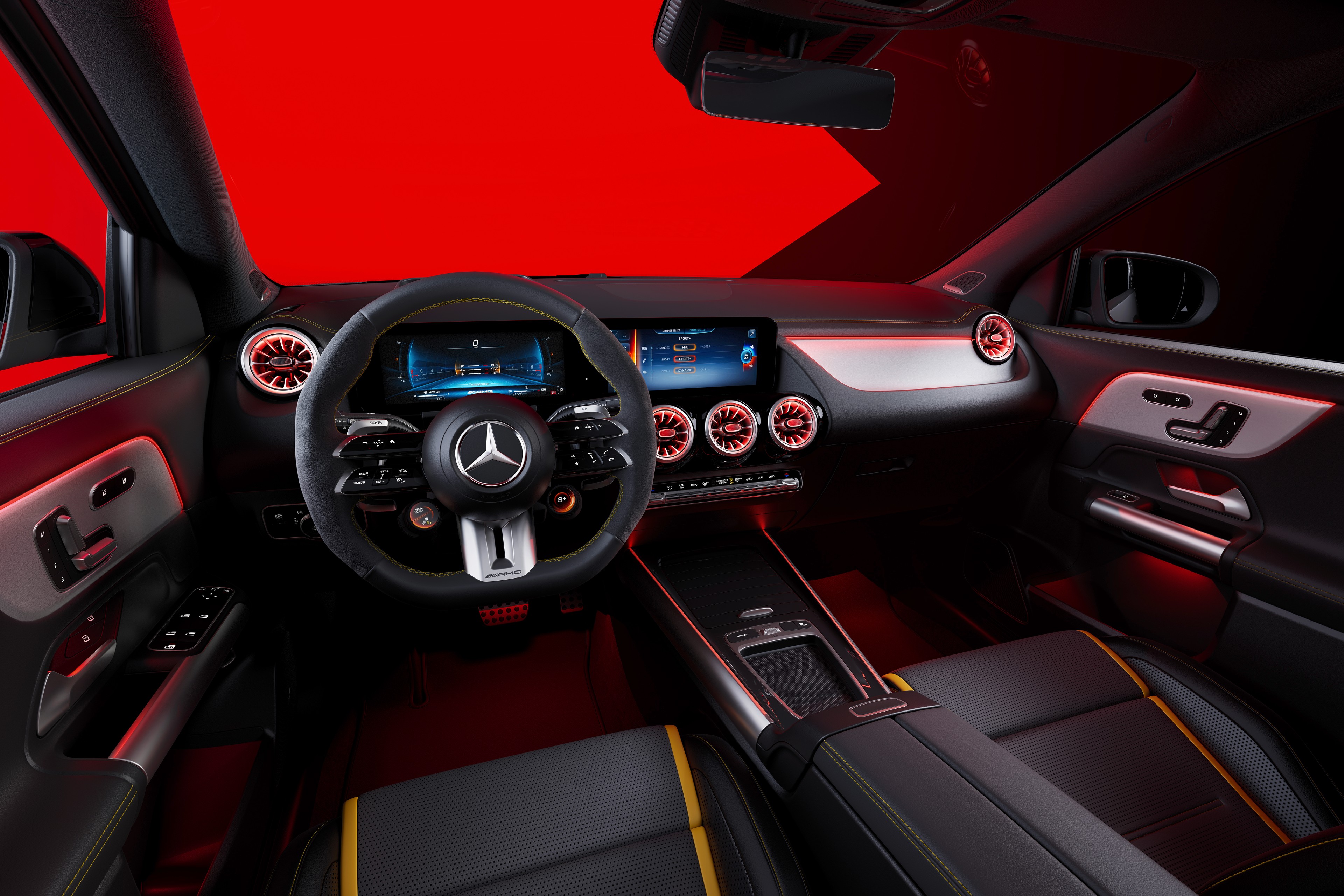
Mercedes-Benz has unveiled the 2024 Mercedes-AMG GLA 45 S 4MATIC+ performance SUV for the world. The 2024 Mercedes-AMG GLA 45 S brings a mid-life update to the compact luxury performance offering with visual and tech upgrades, bringing the model more up to speed with the latest Mercedes models.
By: Sameer Fayaz Contractor | Updated on: 14 Oct 2023, 15:37 PM
The 2024 Mercedes-AMG GLA 45 S gets subtle tweaks to the styling and cabin for the new model year
The 2024 Mercedes-AMG GLA 45 S gets a redesigned front apron with the AMG crest on the bonnet, which replaces the tri-star logo. The headlamps and taillights have been tweaked with a mildly revised inner design that replaces the cluster shape at the front and rear. The wheel arches are now body painted, as opposed to finished in black on the older version, which should make the model appear visually leaner than before. Mercedes is also offering 20-inch alloy wheels as standard with 21-inch wheels as an option. Customers also have the option to upgrade to multibeam LED headlamps on the new GLA 45 S.
The 2024 Mercedes-AMG GLA 45 S packs the 2.0-litre turbocharged, four-cylinder petrol engine with 415.7 bhp and 500 Nm of peak torque
The cabin gets subtle tweaks as well including the new AMG Performance steering wheel, while the MBUX user interface now gets enhanced computing power with an AMG-specific interface. It now supports wireless Apple CarPlay and Android Auto, while the USB Type-C port will charge your devices faster. There’s an extra USB-C port as well. Other upgrades include new upholstery covers for the sports seats with the option to have full-blown AMG Performance seats.
Power on the 2024 Mercedes-AMG GLA 45 S comes from the familiar 2.0-litre turbocharged, four-cylinder petrol engine tuned for 415.7 bhp and 500 Nm of peak torque, paired with the 8-speed AMG Speedshift transmission. The performance offering can sprint from 0-100 kmph in 4.3 seconds with a top speed of 270 kmph. The model also gets an updated RACE mode as standard, while power goes to all four wheels via the AMG Performance 4MATIC+ all-wheel drive system. The Affalterbach-tuned SUV gets AMG Torque Control, which optimises power distribution between the front and rear axles as well as the left and right rear wheels.
The cabin gets the new AMG Performance steering wheel, new upholstery, updated MBUX UI and more
There’s no word on whether the 2024 Mercedes-AMG GLA 45 S facelift will make its way to India. The automaker retails the delectable AMG A 45 S performance hatchback in the country and the GLA 45 S would make for a slightly more practical companion, should it be sold here. Meanwhile, the AMG GLA 35 is on sale in India.




.jpeg&c=0)
.jpeg&c=0)
.jpeg&c=0)
.jpeg&c=0)