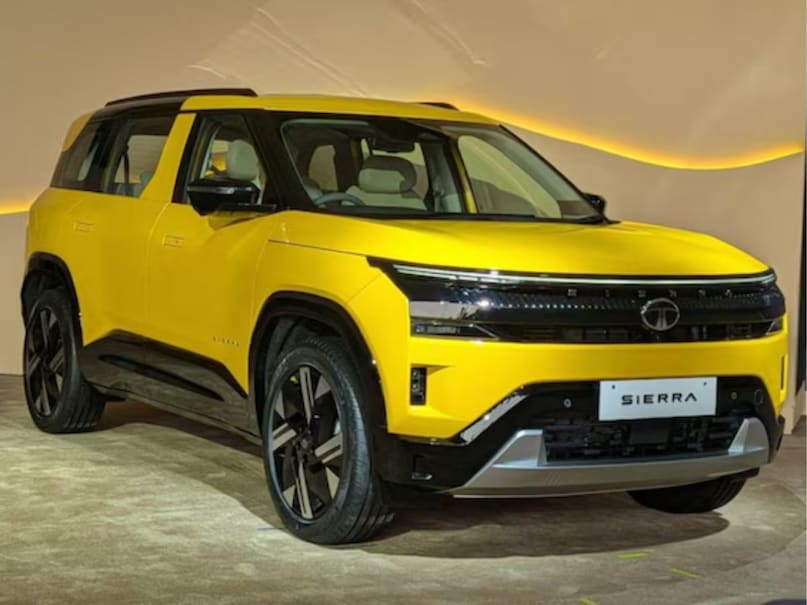
Which variant of Tata Punch EV is the best option? Know what you will get by paying ₹6.49 lakh

Which variant of Tata Punch EV is the best option? Know what you will get by paying ₹6.49 lakh

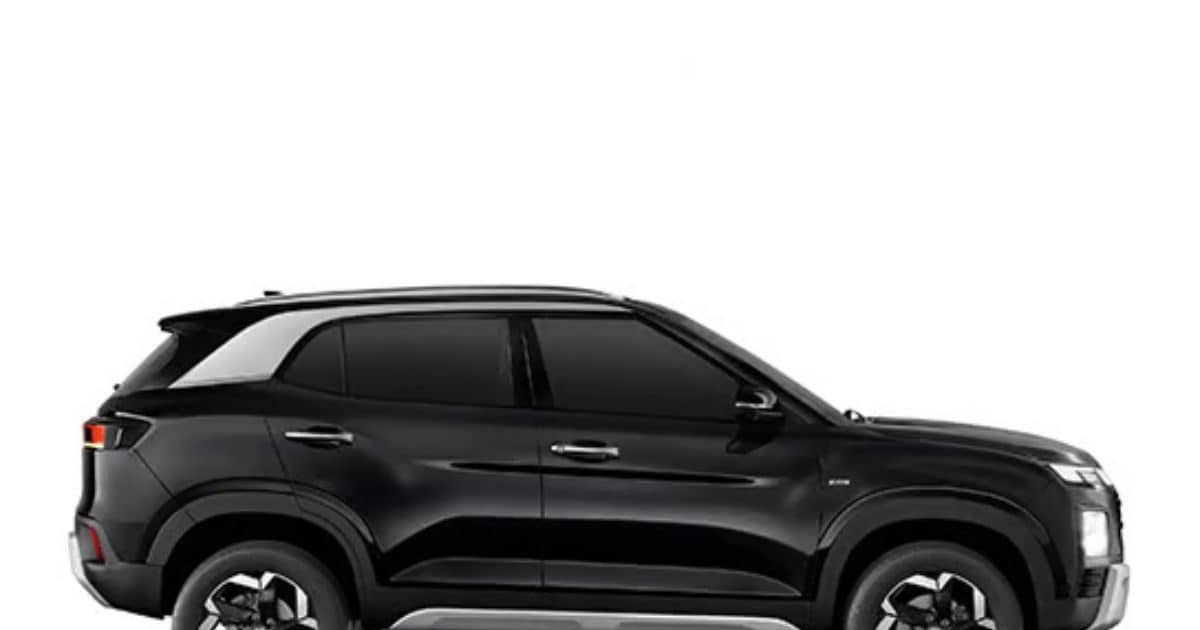
Tata Motors has introduced its popular micro-SUV Punch EV in a new facelift avatar in February 2026. This electric SUV now comes with two battery options – 30 kWh and 40 kWh, taking the ARAI range to 468 km. Real world C75 range is 335-355 km.

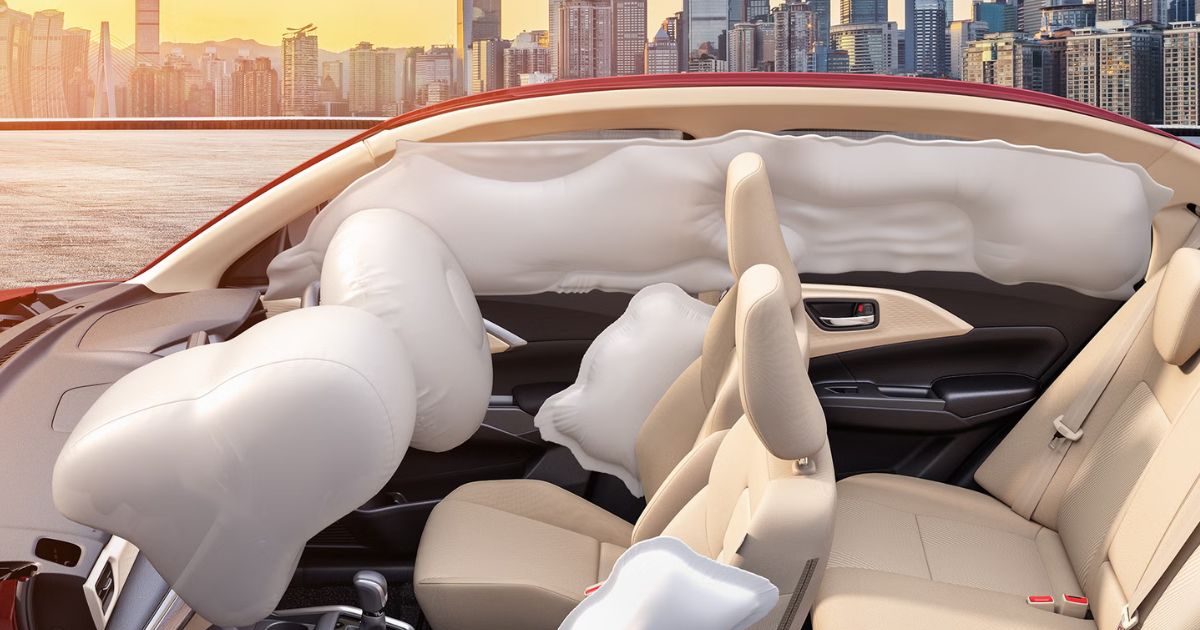
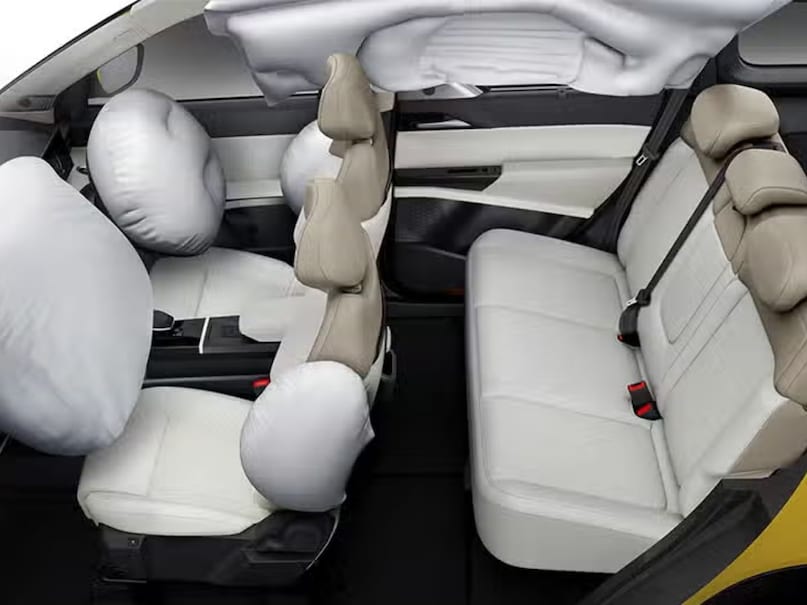
Prices start from ₹9.69 lakh ex-showroom to ₹12.59 lakh, while the Battery-as-a-Service (BaaS) plan is available from just ₹6.49 lakh. Lifetime warranty is available on 40 kWh battery. 65 kW DC fast charging allows 20-80% charge in just 26 minutes. With new design, better performance, 6 airbags as standard and premium features, it competes with vehicles like MG Windsor EV, Citroen eC3. Let us have a look at its variant-wise details.

1. Smart (30 kWh, ₹9.69 lakh)

This is the base variant of Nexon EV. With 88 PS power and 154 Nm torque, it is capable of giving a range of up to 365-375 km. The company sells it with standard 6 airbags, TPMS, ESC, hill-hold, auto climate control, multi-mode regenerative braking, drive modes (city-sport), LED DRL, 15-inch steel wheels, 4-inch MID cluster and power front windows. There is no touchscreen, but connected car tech is present.

2. Smart+ (30 kWh ₹10.29 lakh / 40 kWh ₹10.89 lakh)

The Smart variant gets an additional 8-inch touchscreen, wired Apple CarPlay/Android Auto, 4 speakers, steering controls, 65W Type-C charger, rear power windows, central locking, shark-fin antenna. The 40 kWh unit has a rear camera, electronic parking brake, 3 drive modes (Eco included).

3. Adventure (40 kWh, ₹11.59 lakh)

With a large battery pack, it is capable of delivering 129 PS power and 468 km range. The Smart+ variant gets cruise control, hill descent control, push-button start, electric ORVM and 16-inch stylish steel wheels.

4. Empowered (40 kWh, ₹12.29 lakh)

It has features like 10.25-inch touchscreen + 10.25-inch digital cluster, wireless carplay/auto, 360 degree camera, air purifier, rain-sensing wipers, rear wiper-defogger, cooled glovebox, front armrest, blind-spot monitor and auto headlamps.

5. Empowered Plus S (40 kWh, ₹12.59 lakh)

This is the top variant. The company sells it with sunroof (voice activation), ventilated front seats, wireless charger, leatherette seats, rear armrest, LED projector headlamps, fog lamps with cornering, roof rails and auto-dimming IRVM.

The new Punch EV facelift is the best offering in the segment in terms of style, range, features and price. It has become even more affordable with BaaS plans. Along with renting the battery, you will be able to buy it for just ₹ 6.49 lakh. Its direct competition in its segment is Citroen EC3.

Source link

Scorpio becomes the country's best selling 7-seater SUV! Overtook Safari and Fortuner

Scorpio becomes the country's best selling 7-seater SUV! Overtook Safari and Fortuner

The SUV segment is the largest in the Indian car market. At present these types of vehicles are sold the most. The big family thinks of entering the SUV segment and buying a 7-seater car. Same thing was seen last month also. The 7-seater SUV segment was quite buzzing in January 2026. Last month, a total of 39,30 new vehicles of this segment were sold.

This figure shows an impressive increase of 16.82 percent on an annual basis as compared to 33,409 units sold in January 2025. Mahindra Scorpio/N was the best selling 7-seater SUV in January 2026. At the same time, demand for Mahindra XUV 7XO and Tata Harrier/EV has also increased. Let us take a look at the Model Wise Sales Report.

Mahindra Scorpio/N

The first number in the list is Scorpio/N. Last month, both Scorpio and Scorpio N together sold a total of 15,542 units. This figure shows a slight increase of 0.65 percent on an annual basis compared to the total 15,442 units sold in January 2025.

Mahindra XUV7XO

In terms of sales, XUV7XO is at second place. Last month, this 7-seater SUV got a total of 10,133 new customers. This figure shows an impressive increase of 20.65 percent on an annual basis compared to the total 8399 units sold in January 2025.

Tata Harrier/EV

Harrier is at third place in terms of sales. A total of 3711 units were sold last month. This figure shows an impressive increase of 149 percent on an annual basis compared to the total 1488 units sold in January 2025.

Toyota Fortuner

Fortuner is at number four in the list. 3046 people bought it last month. This figure shows an annual decline of 3.27 percent compared to the total 3149 units sold in January 2025.

Tata Safari

On the basis of explosive growth in sales, Tata Safari has registered its name in the list of top 5 7-seater SUVs of last month. In January 2026, it got 2375 new customers. This figure shows an impressive increase of 53.42 percent on an annual basis compared to the total 1548 units sold in January 2025.

Apart from the top-5 cars of this segment mentioned above, last month there were 1945 units of Mahindra XEV9e, 962 units of Hyundai Alcazar, 612 units of Mahindra Units have been sold.

Source link

25 KM Mileage, Sunroof and 6 Airbags! This SUV is coming to make a splash in the market, price is less than 10 lakhs

25 KM Mileage, Sunroof and 6 Airbags! This SUV is coming to make a splash in the market, price is less than 10 lakhs

The popularity of compact SUV segment is increasing day by day in the Indian automobile market. Customers are now turning to reliable, powerful and economical internal combustion engine (ICE) vehicles as they offer a combination of fuel efficiency, performance and reliability. Three cool ICE compact SUVs are going to launch in India soon.

The names of Renault Mini Duster, Mahindra Thar Facelift and Maruti Suzuki Brezza Facelift are included in this list of upcoming compact SUVs. Customers may like these models a lot with their stylish design, advanced features, strong engine and value for money. Renault Mini Duster will give true SUV stance, Thar facelift will make off-roading more exciting, while Brezza facelift can be best for family use and city driving. Let us take a look at their possible details.

Renault Mini Duster

This is Renault's most popular upcoming compact SUV, which is being known as the brand's 'Mini Duster'. It will fall in the sub-4 meter category and will be a scaled-down version of the original Duster. In design, it will have a more upright, boxy and rugged SUV silhouette. Instead of the crossover styling of the Kiger, it will have rugged body cladding, larger wheels and a stronger stance.

If media reports are to be believed, it may be launched in 2027-28. Engine options will be based on the Kiger's 1.0 liter turbo-petrol (HR10), which will be available with manual and CVT gearboxes. Power will be around 100 PS and torque will be around 160 Nm, which will give excellent performance both in the city and on the highway. Features are expected to include dual digital screen, wireless Android Auto-Apple CarPlay, rear AC vents, 6 airbags and ADAS level-1 safety. The estimated price will be Rs 8 to 12 lakh (ex-showroom).

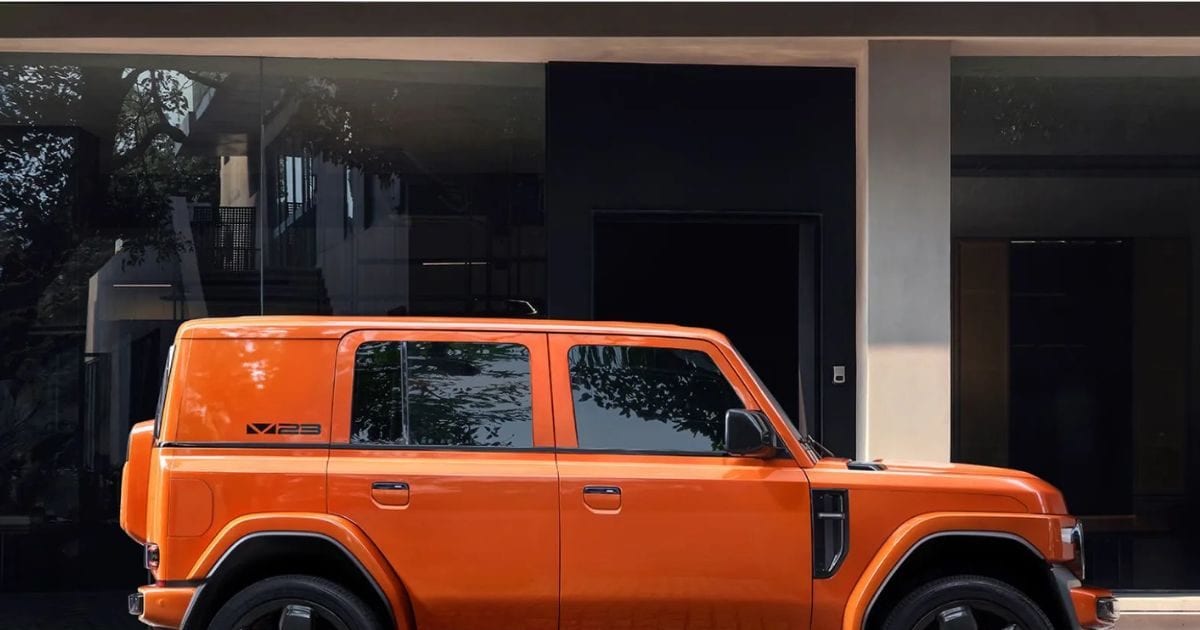
2026 mahindra thar facelift

This will be a more premium and modern incarnation of the existing Thar. Recently, a design inspired by Thar Rocks has been seen in spy shots. A new grille with double-stacked slots, projector headlights with C-shaped LED daytime running lights, redesigned bumpers, body cladding and new diamond-cut alloy wheels are part of the update. Updated tail lamps and windshield wipers will also be available in the rear.

There will be changes in the interior like larger 10.25 inch infotainment screen, full digital instrument cluster, new steering wheel, sunroof (in hardtop variant), electric power steering (EPS) and remapped button placement. There is also news of 360 degree camera being added, which will help in both city parking and off-roading. There is going to be no change in the engine. The estimated price will be Rs 10 to 18 lakh.

Maruti Suzuki Brezza Facelift

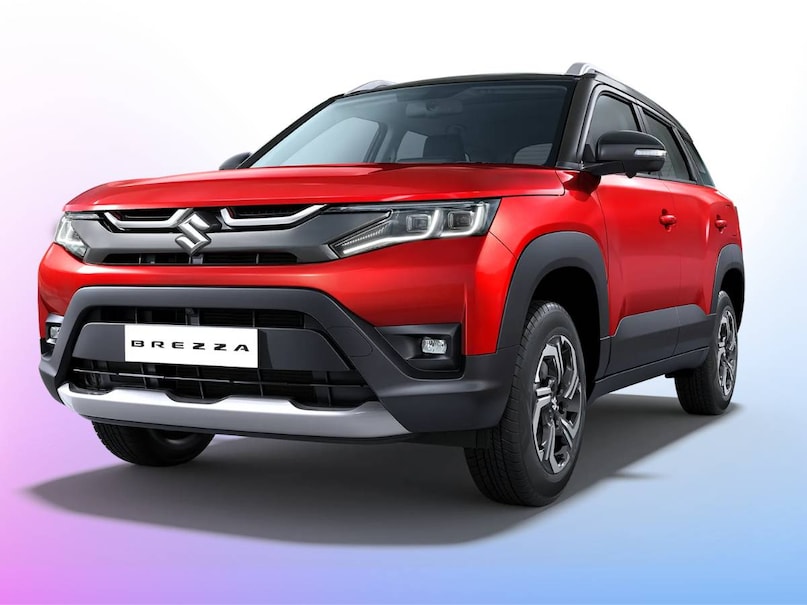
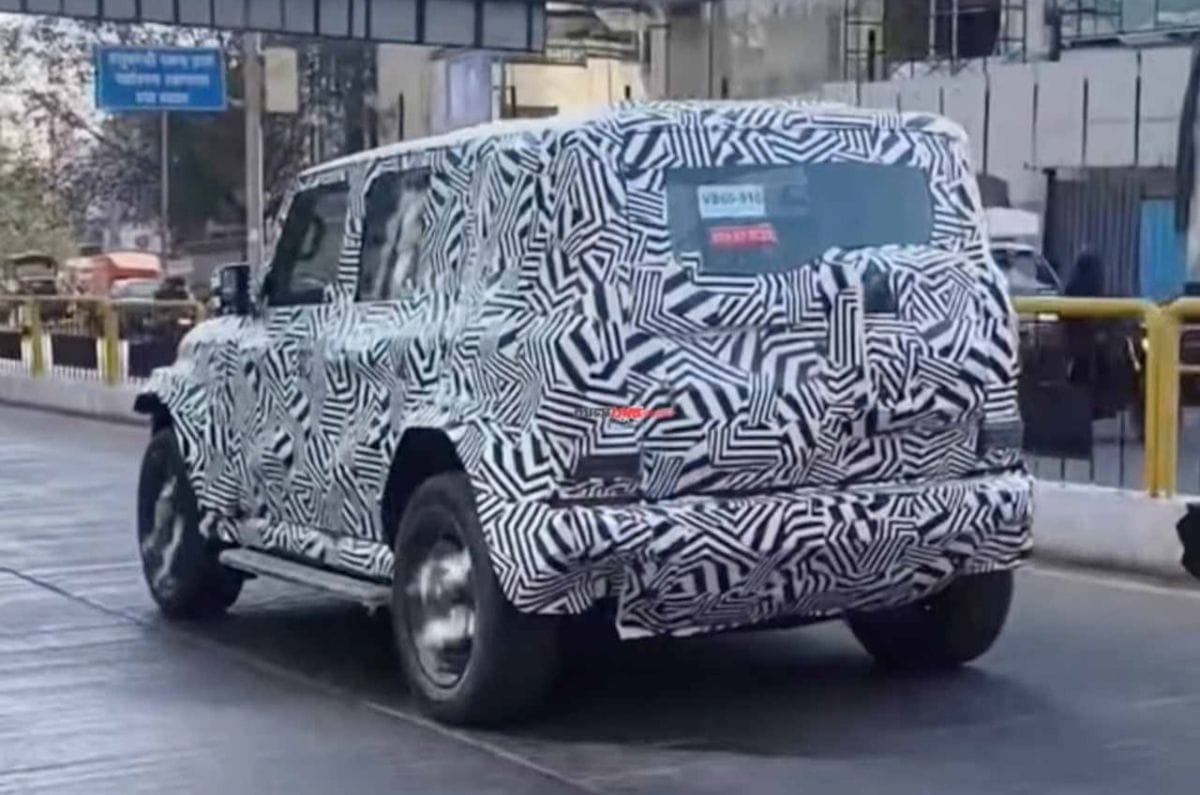
It is going to be launched around March-May 2026. Recent spy shots show new 16-inch alloy wheels, revised front-rear bumper, updated LED headlights-taillights and integrated spoiler despite heavy camouflage. Features like large touchscreen, 6-speed manual gearbox (new), wireless charging, heads-up display, ventilated front seats, single pane sunroof, ambient lighting and premium sound system will be added to the interior.

The engine will be 1.5 liter naturally aspirated petrol (103 PS) or a new 1.2 liter turbo-petrol option may come. 6-speed torque converter auto and underbody CNG tank can also be found, which will take the mileage to 25-30 km/kg. In safety, 6 airbags, 360 camera, ESP and hill hold will be standard. The estimated price will be Rs 8.5 to 14 lakh (ex-showroom). Brezza facelift can become the perfect choice for family users.

Source link

टाटा मोटर्स के एमडी शैलेश चंद्रा का कहना है कि भारत का इलेक्ट्रिक कार बाजार: किफायती ईवी बड़े पैमाने पर अपनाने की कुंजी है

टाटा मोटर्स के एमडी शैलेश चंद्रा का कहना है कि भारत का इलेक्ट्रिक कार बाजार: किफायती ईवी बड़े पैमाने पर अपनाने की कुंजी है


<p>भारत में यात्री ईवी की पहुंच वर्तमान में लगभग 4-5 प्रतिशत है।</p>
<p>“/><figcaption class=भारत में यात्री ईवी की पहुंच वर्तमान में लगभग 4-5 प्रतिशत है।

के एमडी शैलेश चंद्रा ने कहा, भारत का इलेक्ट्रिक कार बाजार बढ़ रहा है, लेकिन यह तभी आगे बढ़ेगा जब अधिक किफायती इलेक्ट्रिक कारें लोकप्रिय होंगी। टाटा मोटर्स यात्री वाहन और टाटा पैसेंजर इलेक्ट्रिक मोबिलिटी।

भारत में कुल मिलाकर यात्री ईवी की पहुंच वर्तमान में लगभग 4-5 प्रतिशत है।

संरचनात्मक असंतुलन की ओर इशारा करते हुए, चंद्रा ने कहा कि ₹12 लाख से कम श्रेणी, जो कुल यात्री वाहन मात्रा का लगभग 65 प्रतिशत है, में ईवी की पहुंच केवल 1.6 प्रतिशत है।

इसके विपरीत, बाजार का शेष 35 प्रतिशत हिस्सा शामिल करने वाला ₹12 लाख से अधिक वाला खंड पहले ही 10 प्रतिशत के आसपास पहुंच चुका है।

चंद्रा ने कहा, “गेंद 5 प्रतिशत की गति से घूमना शुरू हो गई है, लेकिन असली गति तब आती है जब आप दोहरे अंक में प्रवेश करते हैं।”

“अगर उस 65 प्रतिशत सेगमेंट में से 10 प्रतिशत भी इलेक्ट्रिक में स्थानांतरित हो जाता है, तो आप राष्ट्रीय स्तर पर चार से 10 प्रतिशत तक पहुंच जाते हैं। तभी यह एक गंभीर खेल बन जाता है।” उन्होंने वर्तमान चरण को घातीय वृद्धि से पहले एक प्रारंभिक चरण के रूप में वर्णित किया, जिसमें तीन ट्रिगर त्वरण की गति निर्धारित करते हैं: ब्रांडों में अधिक मॉडल उपलब्धता, प्रमुख राजमार्गों पर पर्याप्त चार्जिंग बुनियादी ढांचा, और प्रवेश खंड में मजबूत मूल्य प्रस्ताव।

कम वास्तविक दुनिया रेंज, धीमी चार्जिंग गति और बैटरी स्थायित्व और पुनर्विक्रय मूल्य में सीमित उपभोक्ता विश्वास के कारण ₹12 लाख से कम ब्रैकेट में ईवी को मुख्यधारा में लाना विशेष रूप से चुनौतीपूर्ण रहा है।

उन्होंने कहा, “इस सेगमेंट में ग्राहक मूल्य के प्रति अत्यधिक जागरूक हैं। उन्हें पूर्वानुमेयता और पारदर्शिता की आवश्यकता है।” इलेक्ट्रिक कार बाजार के नेता नए सिरे से उन चिंताओं को दूर करने की कोशिश कर रहे हैं पंच.ईव. मॉडल 350 किमी तक की दावा की गई रेंज प्रदान करता है और 26 मिनट में 20-80 प्रतिशत चार्जिंग का समर्थन करता है, 15 मिनट में 135 किमी की टॉप-अप के साथ। यह असीमित किलोमीटर, आजीवन बैटरी वारंटी भी दे रहा है।

नई कीमत ₹ 9.69 लाख (एक्स-शोरूम, मुंबई) है पंच.ईव कंपनी ने दावा किया कि यह ईवी स्वामित्व को एंट्री-लेवल छोटी कार सेगमेंट में आईसीई पेशकश के साथ ऑन-रोड कीमत के बराबर लाता है। व्यापक पंच पोर्टफोलियो में, जिसमें पेट्रोल, सीएनजी और ईवी वेरिएंट शामिल हैं, ईवी की पहुंच वर्तमान में लगभग 10 प्रतिशत है। चंद्रा ने कहा कि निकट अवधि में यह बढ़कर 15-20 प्रतिशत तक पहुंच सकता है।

चंद्रा को उम्मीद है कि ताज़ा पंच ईवी मौजूदा मॉडल की तुलना में 30-50 प्रतिशत की वृद्धिशील बिक्री करेगी, जो वर्तमान में प्रति माह 1,500-1,800 इकाइयाँ बेचती है। अग्रिम बाधाओं को कम करने के लिए, नेक्सॉन और हैरियर ईवी के निर्माता ने एक पेश किया है सेवा के रूप में बैटरी (BaaS) विकल्प एक वित्तपोषण तंत्र के रूप में संरचित है जो वाहन और बैटरी की लागत को दो ईएमआई में अलग करता है। ₹2.6/किमी की बैटरी ईएमआई के साथ ₹6.49 लाख से शुरू। टाटा मोटर्स जेएसडब्ल्यू एमजी मोटर इंडिया, विनफास्ट, टोयोटा और सहित निर्माताओं में शामिल हो गया मारुति सुजुकी समान विकल्प प्रदान करने में।

टाटा मोटर्सजो वर्तमान में आधा दर्जन ईवी मॉडल बेचता है, ने प्रतिद्वंद्वी जेएसडब्ल्यू, एमजी और अन्य को जमीन सौंप दी है।

हैरियर ईवी जैसे नए मॉडलों ने इसे कुछ बढ़त हासिल करने में मदद की है। फेडरेशन ऑफ ऑटोमोबाइल डीलर्स एसोसिएशन के आंकड़ों के अनुसार, इसकी बाजार हिस्सेदारी जनवरी 2026 में बढ़कर 43 प्रतिशत हो गई, जो जुलाई 2025 में 38 प्रतिशत थी। कंपनी ने 2025 को 81,125 ईवी की बिक्री के साथ समाप्त किया, जो साल-दर-साल 18 प्रतिशत अधिक है। अकेले जनवरी में, इसकी 9,052 इकाइयाँ बिकीं, जो कि एक साल पहले की अवधि की तुलना में 72.7 प्रतिशत की वृद्धि है।

चंद्रा ने आगाह किया कि विकास अचानक होने के बजाय धीरे-धीरे होगा। उन्होंने कहा, “ईवी अचानक उछाल के बारे में नहीं है। यह हर उत्पाद को लगातार मजबूत करने और प्रौद्योगिकी को सुलभ बनाने के बारे में है।” “एक बार जब आप 10-15 प्रतिशत को पार कर जाते हैं, तो गति नाटकीय रूप से बदल जाती है। तभी वास्तव में घातीय वृद्धि शुरू होती है।”

  • 21 फरवरी, 2026 को 08:07 पूर्वाह्न IST पर प्रकाशित

2M+ उद्योग पेशेवरों के समुदाय में शामिल हों।

अपने इनबॉक्स में नवीनतम जानकारी और विश्लेषण प्राप्त करने के लिए न्यूज़लेटर की सदस्यता लें।

ETAuto उद्योग के बारे में सब कुछ सीधे आपके स्मार्टफोन पर!


Source link

ल्यूसिड ने लाभप्रदता बढ़ाने के लिए अमेरिकी कार्यबल में 12% की कटौती की

ल्यूसिड ने लाभप्रदता बढ़ाने के लिए अमेरिकी कार्यबल में 12% की कटौती की


<p>ल्यूसिड ने चौथी तिमाही में रिकॉर्ड 5,345 वाहनों की डिलीवरी की।</p>
<p>“/><figcaption class=ल्यूसिड ने चौथी तिमाही में रिकॉर्ड 5,345 वाहनों की डिलीवरी की।

कंपनी ने शुक्रवार को कहा कि ल्यूसिड ने अपने अमेरिकी कर्मचारियों की संख्या में से 12 प्रतिशत को नौकरी से निकाल दिया है, क्योंकि वह अधिक कीमत वाले उत्पादों की मांग में नरमी के बीच लाभप्रदता बढ़ाना चाहती है। इलेक्ट्रिक वाहन.

रॉयटर्स द्वारा देखे गए एक ज्ञापन में सीईओ मार्क विंटरहॉफ ने कहा, “हम अपने संगठन को सुव्यवस्थित कर रहे हैं ताकि हम अधिक दक्षता के साथ काम कर सकें और सकल मार्जिन में सुधार और दीर्घकालिक विकास के लिए अपनी प्रतिबद्धताओं को पूरा कर सकें।”

कंपनी के प्रवक्ता ने एक बयान में कहा, कटौती से एरिज़ोना में इसकी विनिर्माण सुविधा में प्रति घंटा उत्पादन कर्मचारियों पर कोई असर नहीं पड़ेगा। इसमें प्रभावित लोगों की संख्या के बारे में विवरण नहीं दिया गया।

नियामक फाइलिंग के अनुसार, ल्यूसिड के पास 2024 तक वैश्विक स्तर पर लगभग 6,800 पूर्णकालिक कर्मचारी थे।

कंपनी ने इस पर डिस्काउंट और प्रमोशनल ऑफर निकाले हैं लक्जरी एयर सेडान पिछले साल उपभोक्ताओं से अपील की गई थी कि ऊंची उधारी लागत के कारण बड़ी खरीदारी को कम किया जाए।

नवंबर में इसने लॉन्च किया ग्रेविटी टूरिंग एसयूवी $79,900 की शुरुआती कीमत के साथ, जो छह-अंकीय मूल्य टैग से काफी कम है, जिसने इसके अधिकांश लाइनअप को परिभाषित किया है।

ल्यूसिड ने चौथी तिमाही में रिकॉर्ड 5,345 वाहनों की डिलीवरी की, क्योंकि सस्ती ग्रेविटी एसयूवी के लिए अच्छे स्वागत से अमेरिकी टैक्स क्रेडिट की समाप्ति के कारण कमजोर मांग की भरपाई करने में मदद मिली।

कंपनी ने पिछले साल कहा था कि वह 2026 में एक मिडसाइज इलेक्ट्रिक एसयूवी लॉन्च करेगी।

कंपनी के प्रवक्ता ने कहा कि ल्यूसिड अपने मध्यम आकार के प्लेटफॉर्म के उत्पादन की शुरुआत, अपने उन्नत ड्राइवर-सहायता प्रणाली और सॉफ्टवेयर के विकास के साथ-साथ अपनी एयर सेडान और ग्रेविटी एसयूवी की बढ़ती बिक्री पर ध्यान केंद्रित कर रहा है।

टेकक्रंच ने सबसे पहले दिन में विकास की सूचना दी।

न्यूआर्क, कैलिफोर्निया स्थित ल्यूसिड 24 फरवरी को अपने चौथी तिमाही के नतीजों की रिपोर्ट करने वाला है।

  • 21 फ़रवरी 2026 को प्रातः 08:01 IST पर प्रकाशित

2M+ उद्योग पेशेवरों के समुदाय में शामिल हों।

अपने इनबॉक्स में नवीनतम जानकारी और विश्लेषण प्राप्त करने के लिए न्यूज़लेटर की सदस्यता लें।

ETAuto उद्योग के बारे में सब कुछ सीधे आपके स्मार्टफोन पर!


Source link

6-speed MT, new design and ADAS! This cheap SUV is coming to create a new identity in the market

6-speed MT, new design and ADAS! This cheap SUV is coming to create a new identity in the market

2026 Maruti Brezza is going to enter the Indian market soon. This has been seen many times during testing. Recently some pictures of the new Brezza have surfaced, in which this upcoming car can be seen without camouflage. This is a mid-cycle facelift, which will bring cosmetic, feature and mechanical upgrades to the existing Brezza.

Talking about design, there are no major changes visible in the exterior. Some spy shots show minor updates like revised front bumper, grille, new alloy wheels, thinner side cladding and updated taillights and bumper at the rear. The overall silhouette will remain the same boxy and muscular, but a more aggressive and premium look can be achieved. From the testing without camouflage it seems that the design is final and launch may happen soon. Let us look at other details also.

Interior and Features

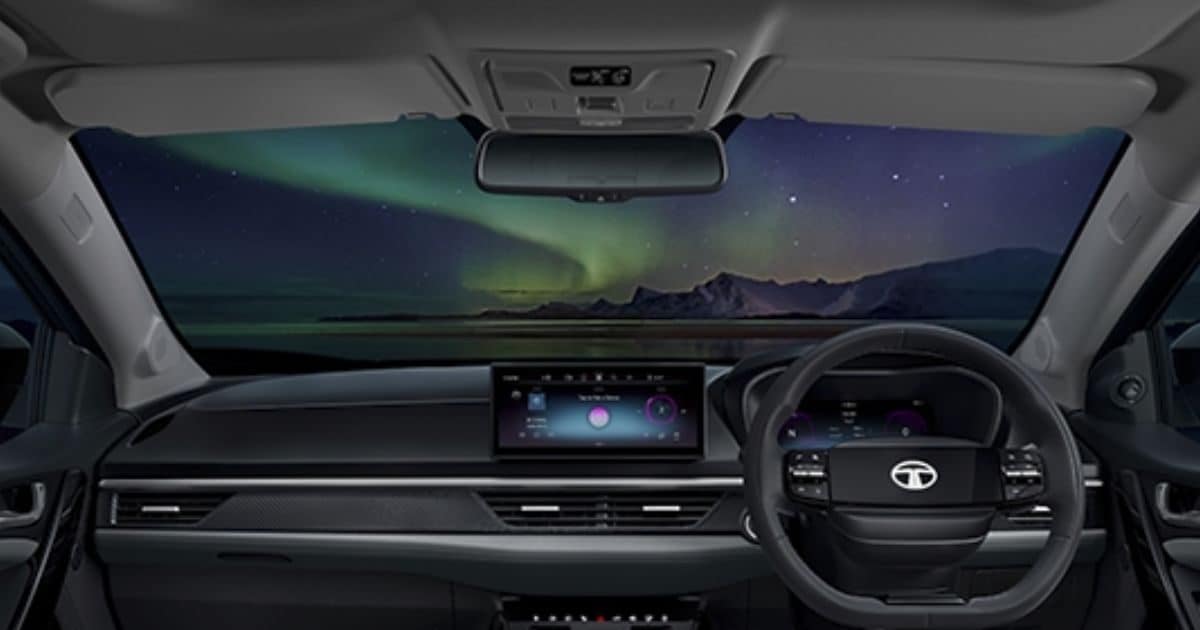
There will be a big upgrade in the cabin. It is expected to get a larger infotainment screen (likely 10.25-inch or 10.1-inch), updated dashboard layout, new upholstery, ventilated front seats, new digital instrument cluster and better material quality. Existing features like head-up display, wireless charging will remain intact.
In its CNG variant, the boot space will be better due to the underbody tank.

New features could include a 6-speed manual gearbox (a first for Maruti), larger touchscreen, ventilated seats, better connected car tech, wireless Android Auto/Apple CarPlay, cruise control, sunroof and possibly level-1 ADAS. At the same time, for safety, the existing safety features like 6 airbags, ESP, hill hold will continue.

Engine and Mileage

The existing 1.5-litre naturally aspirated petrol (103 PS, 137 Nm) and CNG variants will remain. The big update is the new turbo petrol engine (likely 1.0 or 1.2-litre, like the Fronx), which may come mated to a 6-speed MT. Along with better performance, it will also give good mileage on the highway. Especially with turbo and 6-speed, it is going to be much better than before. These updates will make Brezza even stronger in the segment.
Source link

EV vs Petrol: Before buying a new car, know the mathematics of real running cost for 5 years.
EV vs Petrol: Before buying a new car, know the mathematics of real running cost for 5 years.

Buying a new car is a big decision in life, but nowadays this decision does not depend only on design or features. The skyrocketing prices of petrol and diesel have forced people to turn to other options. In such a situation, EVs have emerged as a much better option. If you are planning to buy a car in the coming days and are confused about which would be better to choose between petrol or EV car, then this article is useful for you. We have taken Nexon ICE and Nexon EV as examples.

At present, the average price of petrol has reached ₹ 94.50 to ₹ 95.50 per liter, while the cost of EV charging at home is only ₹ 1 per km. Could 5-year running costs prove to be a game-changer for an average Indian buyer who drives 15,000 km every year? Amidst the government EV policy, extension of FAME-II and falling battery prices, the discussion on EV is in full swing, but is it really cheaper? Or will the petrol car prove to be old reliable? In this article we will learn about the difference between these two.

Understand mathematics from Nexon ICE and Nexon EV

We have taken Nexon ICE and Nexon EV as examples. This includes Tata Nexon Petrol (XZ+ variant) and Nexon EV (Empowered Plus). The on-road price of petrol Nexon will be around ₹ 13-14 lakh, while the price of Nexon EV will go up to ₹ 17-18.5 lakh. This means that there is going to be an additional expenditure of ₹ 4-5 lakh initially on EV, but this is where the real story begins. Let us understand the advantages and disadvantages between the two.

Fuel/charging costs

Suppose you run 15,000 km annually, then in 5 years the total running will be 75,000 km. Real-world mileage of the petrol Nexon is assumed to be an average of 15 km/litre (city-highway mix). In this way, the total petrol consumption will be 5,000 liters. At ₹ 95/litre, you will buy fuel worth ₹ 4,75,000 in 5 years.

On the other hand, the real-world efficiency of the Nexon EV is 7 km/unit (AC charging at home). In this way, if it travels 75 thousand kilometers in 5 years, it will spend a total of 10,714 units. Domestic tariff in UP averages ₹6-8/unit. Round figures ask for ₹7/unit. In this way, the total expenditure in 5 years will be only around Rs 75 thousand. If we compare both, there will be savings of around Rs 3-3.30 lakh in 5 years.

maintenance cost

In a petrol car, parts like engine oil, filter, timing belt, spark plug and clutch have to be changed. Apart from this, it is also necessary to get service done every 10,000 km. In this way, the total maintenance in 5 years will be between ₹ 60,000-75,000.

At the same time, there is no engine in EV. You only have to spend a little on brake pads, tires and software updates. Battery warranty is 8 years/1.6 lakh km. Total maintenance is only between ₹15,000-25,000. In this way, there is a saving of Rs 40-50 thousand on the maintenance and service front also.

insurance and tax

Due to the higher ex-showroom price of EV, annual insurance is ₹ 10-15% costlier (1st year ₹ 80,000 vs petrol ₹ 50,000). Total insurance for EV in 5 years will be ₹3-3.5 lakh, for petrol ₹2.5-2.8 lakh. However, in many states EVs are getting 50-100% exemption in road tax. The registration charge on EV is also less in UP. Overall this difference remains ₹ 50,000-70,000.

Total 5 Year Ownership Cost (75,000 km)

  • Petrol Nexon: Purchase ₹13.5 lakh + Fuel ₹4.75 lakh + Maintenance ₹65,000 + Insurance ₹2.7 lakh. In this way the figure reaches around ₹22 lakh.
  • Nexon EV: Purchase ₹ 18 lakh + Charging ₹ 75,000 + Maintenance ₹ 20,000 + Insurance ₹ 3.2 lakh. Its total figure also reaches around ₹ 22 lakh.

The numbers of both appear to be almost equal, but for those who drive more than 15,000 km/year, the EV breaks even in 3-4 years. At 20,000 km/year, EV becomes cheaper by ₹ 2-2.5 lakh in 5 years. If you drive a taxi/cab, the savings will be even higher.

Resale value and other factors

Resale of petrol cars is considered better, but battery technology of EV is getting perfected. In 2026, the resale value of Nexon EV after 3 years is expected to be 55-60% and petrol can also get resale value around 60-65%.

Which one makes sense to buy?

If you drive less than 40-50 km daily and the budget is tight, then a petrol car is still safe. If you have 12,000+ km/year, home charging facility and plan to keep it for 5+ years, then EV will be a smart choice. By buying an EV you will also be able to save 10 tonnes of CO2 in 5 years. With time, charging infrastructure will also improve, which will make driving EVs much better.

Source link

टाटा मोटर्स को उम्मीद है कि नई पंच.ईवी एंट्री-लेवल ईवी को अपनाने को लोकतांत्रिक बनाएगी

टाटा मोटर्स को उम्मीद है कि नई पंच.ईवी एंट्री-लेवल ईवी को अपनाने को लोकतांत्रिक बनाएगी


<p>Punch.ev एंट्री सेगमेंट में पहली कार होगी जो 40-किलोवाट बैटरी के साथ 350 किमी की वास्तविक दुनिया की रेंज प्रदान करेगी।</p>
<p>“/><figcaption class=पंच.ईवी एंट्री सेगमेंट में पहली कार होगी जो 40-किलोवाट बैटरी के साथ 350 किमी की वास्तविक दुनिया की रेंज प्रदान करेगी।

टाटा मोटर्स ने शुक्रवार को पंच ईवी का फेसलिफ्ट संस्करण लॉन्च किया और कहा कि उसे उम्मीद है कि नवीनतम पेशकश एंट्री-लेवल ईवी को अपनाने को लोकतांत्रिक बनाएगी, जो लगभग दो-तिहाई इलेक्ट्रिक कार की मांग के लिए जिम्मेदार है।

कंपनी, जिसने 2025 कैलेंडर वर्ष में भारत में कुल 1.76 लाख इलेक्ट्रिक कारों की बिक्री में 40 प्रतिशत की हिस्सेदारी हासिल की, ने यह भी कहा कि अंतरिक्ष में बड़े खिलाड़ियों सहित अधिक खिलाड़ियों का प्रवेश, देश के हरित गतिशीलता के समग्र ईवी मिशन के लिए फायदेमंद होगा।

भारत ने 2030 तक 30 प्रतिशत इलेक्ट्रिक वाहन प्रवेश हासिल करने का लक्ष्य रखा है।

कंपनी ने कहा, ₹9.69 लाख (एक्स-शोरूम मुंबई) की शुरुआती कीमत के साथ, पंच.ईवी ₹6.49 लाख की शुरुआती कीमत और ₹2.6 प्रति किमी की बैटरी ईएमआई पर BaaS के साथ वैकल्पिक वित्तपोषण विकल्प के साथ आता है।

टाटा मोटर्स पैसेंजर व्हीकल्स (टीएमपीवी) के प्रबंध निदेशक और सीईओ, शैलेश चंद्रा ने एक मीडिया बातचीत में कहा, “हम एंट्री ईवी के लिए बहुत प्रतिबद्ध हैं, क्योंकि यहीं पर 65 प्रतिशत मांग है। जब तक हम इस पर काबू नहीं पाते, हम ईवी को मुख्यधारा में नहीं ला पाएंगे और यही कारण है कि पंच ईवी भारत में इलेक्ट्रिक वाहनों की प्रगति और विकास की यात्रा में महत्वपूर्ण लॉन्च में से एक बन गया है।”

उन्होंने कहा कि सालाना बिकने वाली 12 लाख रुपये से अधिक कीमत वाली 16 लाख यात्री कारों में से, ईवी की संख्या लगभग 1.60 लाख या 10 प्रतिशत है, इसके विपरीत, 12 लाख रुपये से कम कीमत वाली 30 लाख कारों में ईवी की हिस्सेदारी लगभग 50,000 या सिर्फ 1.6 प्रतिशत है।

चंद्रा ने कहा, “यह देश में इलेक्ट्रिक वाहनों को मुख्यधारा में लाने की वास्तविक चुनौती है। और अगर यह खंड विद्युतीकृत नहीं हुआ, तो आप ईवी को मुख्यधारा में लाने का उद्देश्य कभी हासिल नहीं कर पाएंगे।”

12 लाख वर्ग के 10 प्रतिशत प्रवेश की दिशा में आगे नहीं बढ़ने के कारकों में “बहुत कम” वास्तविक दुनिया की रेंज और कम चार्जिंग गति जैसे कारकों का हवाला देते हुए उन्होंने कहा, पंच ईवी प्रवेश खंड में गोद लेने का लोकतंत्रीकरण करने जा रहा है क्योंकि यह इन मुद्दों को संबोधित करता है।

फेसलिफ्ट पंच.ईवी एक बड़े 40 kWh एलएफपी प्रिज्मीय सेल बैटरी पैक के साथ आता है, जो वास्तविक दुनिया की C75 रेंज लगभग 355 किमी और ARAI प्रमाणित- रेंज 468 किमी प्रदान करता है, फास्ट चार्जिंग सपोर्ट है क्योंकि बैटरी केवल 26 मिनट में 20 प्रतिशत से 80 प्रतिशत तक चार्ज हो सकती है और लाइफटाइम एचवी (हाई वोल्टेज) बैटरी वारंटी असीमित किलोमीटर को कवर करती है, कंपनी के अनुसार।

“Punch.ev एंट्री सेगमेंट में पहली कार होगी जो 40-kWh बैटरी के साथ 350 किमी की वास्तविक दुनिया की रेंज प्रदान करेगी। इस तरह के फ़ुटप्रिंट में, हम 40 kWh प्रदान करने में सक्षम नहीं हैं, लेकिन शुद्ध EV आर्किटेक्चर के लिए धन्यवाद जिसने हमें इसकी अनुमति दी। इसे और अधिक लिया जा सकता है।

“तकनीकी रूप से, हम अभी भी इसे और अधिक ले सकते हैं। लेकिन यहां यह इस बारे में है कि आप कीमत, रेंज और फीचर सेट के अनुकूलन का संतुलन कैसे लाते हैं जिसकी लोग अपेक्षा करते हैं। इसलिए आपको इस सीमा के भीतर इस सीमा को वितरित करना होगा कि कार के इस आकार के लिए कीमत कितनी उपयुक्त है,” चंद्रा ने कहा।>

  • 20 फरवरी, 2026 को 04:31 अपराह्न IST पर प्रकाशित

2M+ उद्योग पेशेवरों के समुदाय में शामिल हों।

अपने इनबॉक्स में नवीनतम जानकारी और विश्लेषण प्राप्त करने के लिए न्यूज़लेटर की सदस्यता लें।

ETAuto उद्योग के बारे में सब कुछ सीधे आपके स्मार्टफोन पर!


Source link

28.65 KM in one liter petrol! This is the highest mileage car in the country! Price starts from Rs 5.79 lakh

28.65 KM in one liter petrol! This is the highest mileage car in the country! Price starts from Rs 5.79 lakh

The prices of petrol and diesel are continuously increasing in the country. In such a situation, mileage has now become not just a convenience but a necessity for car buyers. On the basis of fuel efficiency figures certified by the Automotive Research Association of India (ARAI), we are telling you the top 5 highest mileage cars of the country.

These figures are based on petrol and hybrid powertrains (in kilometers per litre), as the mileage of CNG cars is measured in kilometers per kilogram. Note, ARAI figures are lab tested and real-world mileage may be off by 15-25%, but they are a great benchmark for comparison. The mileage of every car is above 25 KMPL. Come, let us know about them one by one.

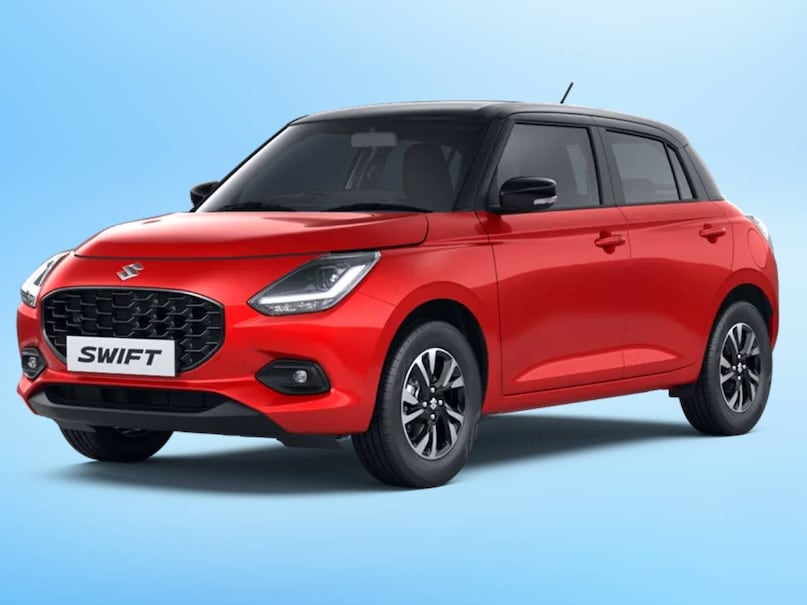
1. Maruti Suzuki Swift

Maruti Swift is the favorite hatchback of young buyers, which now comes with Z-series 1.2 liter 3-cylinder petrol engine. This engine gives 82 hp power and 112 Nm torque. ARAI mileage in the 5-speed AMT variant is 25.75 KMPL, while in the manual it is 24.8 KMPL. Its weight is only 920-925 kg, which gives excellent efficiency due to low weight. Ex-showroom price starts from Rs 5.79 lakh to Rs 8.65 lakh. Swift is not only ahead in mileage, but is also known for driving fun, better safety and modern features (7-inch touchscreen, wireless Android Auto).

2. Maruti Suzuki Celerio

Celerio is one of the most affordable and efficient hatchbacks in the country. Its 1.0 liter 3-cylinder petrol engine generates 69 hp power and 91 Nm torque. ARAI mileage in the AMT variant reaches 26 KMPL, while the base MT stands at 25.24 KMPL. The biggest plus point is its light weight (810-835 kg), which ensures low fuel consumption in city traffic. The price is only Rs 4.70 lakh to Rs 6.73 lakh (ex-showroom). Celerio makes a budget friendly and better option for small families and first-time buyers.

3. Honda City e:HEV

The car that gives the highest mileage in the sedan segment is the hybrid variant of Honda City. Its 1.5 liter Atkinson-cycle petrol engine (100 hp, 131 Nm) combined with permanent magnet synchronous motor (109 hp, 253 Nm) gives a total power of 126 hp. ARAI mileage with e-CVT transmission is 27.26 kpl. Despite weighing 1280 kg, the hybrid system provides excellent efficiency through battery regeneration and electric assist. The price is around Rs 20 lakh (ex-showroom). With premium feel, spacious interior, level-2 ADAS safety and refined drive, it is ideal for the family.

4. Toyota Urban Cruiser Hayrider / Maruti Grand Vitara

Both of these badge-engineered mid-size SUVs are in a tie in strong hybrid versions. The 1.5 liter 3-cylinder Atkinson-cycle petrol engine (92 hp, 122 Nm) coupled with the 80 hp electric motor (141 Nm) give a total output of 116 hp. ARAI mileage with e-CVT is 27.97 kpl. The weight is around 1250-1295 kg. The price of Hayrider is Rs 16.72-20.19 lakh and that of Grand Vitara is Rs 16.63-19.57 lakh (ex-showroom). Both have AWD option, premium features (panoramic sunroof, 360° camera) and hybrid technology.

5. Maruti Suzuki Victoris

The country's highest mileage car is Maruti's new mid-size SUV Victoris. It also has the same 1.5 liter strong hybrid powertrain (92 hp engine + 80 hp motor, total 116 hp) as the Grand Vitara and Hayrider, but due to optimized tuning and design the ARAI mileage has reached 28.65 kpl. Weight is 1250-1295 kg. Prices start from Rs 10.50 lakh and go up to Rs 19.99 lakh (ex-showroom) for the hybrid top variant.

Our advice: If your budget is low then go for Celerio or Swift, while for premium and long term savings, Hybrid Victoris, Hayrider/Grand Vitara or City e:HEV are best. These cars not only save fuel but are also environment friendly. Before buying, definitely take a test drive and check real-world user reviews.

Source link

468 KM range, ventilated seats and sunroof! Explosive entry of Tata Punch EV, price only ₹ 9.69 lakh

468 KM range, ventilated seats and sunroof! Explosive entry of Tata Punch EV, price only ₹ 9.69 lakh

Tata Motors has introduced its cheapest electric car in a new avatar in the Indian market. We are talking about Tata Punch EV Facelift. This is the first major update of the micro SUV, which has come in sync with the ICE Punch facelift. Punch EV, which has a strong hold in the entry-level electric SUV segment, will now attract customers with more modern design, premium features, larger battery and better range.

The company has made it perfect for city use and family, with special focus on real-world performance. Along with the launch, the company has also announced Lifetime Battery Warranty (Unlimited Kilometers), which is a first in the entry level segment. Let's take a look at its price, variant details, design, interior, features, safety, battery, motor and range details.

Price and variant options

The starting ex-showroom price of 2026 Tata Punch EV facelift is Rs 9.69 lakh. This is the introductory price and depending on the different variants, the top end model can go up to Rs 15 lakh. Medium range (30 kWh battery) and long range (40 kWh battery) variants are available. The price can be further reduced by choosing the Battery-as-a-Service (BaaS) option, making it easily available in a monthly subscription model. Booking has started immediately and deliveries are expected to start from March.

Design and exterior

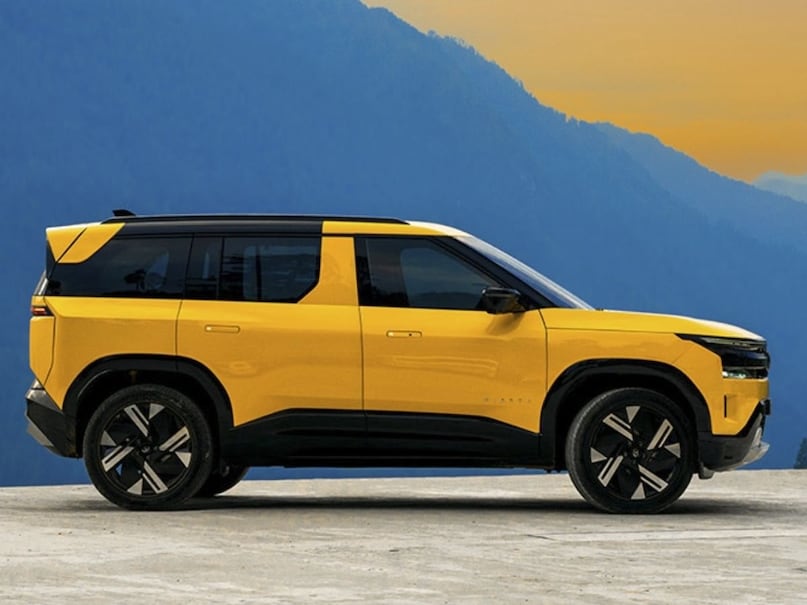
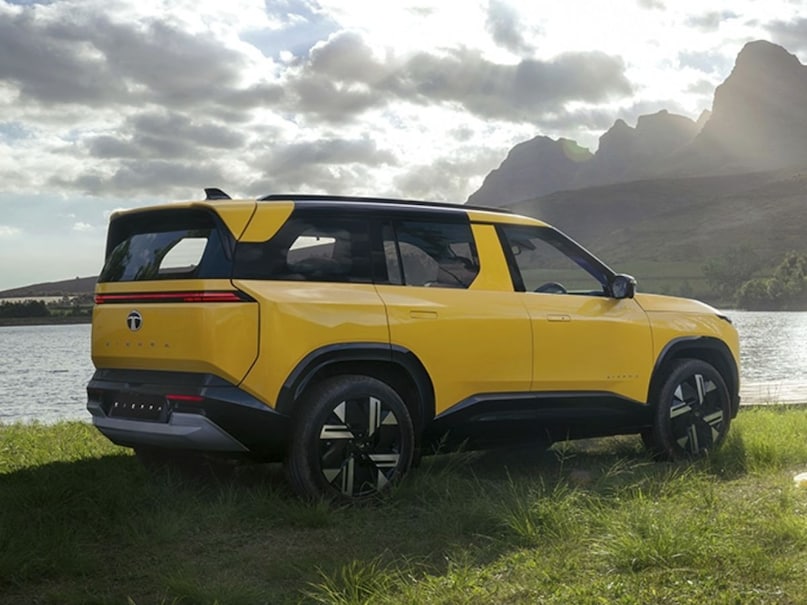
The design of the facelift Punch EV is quite refreshed and modern. The front gets a cleaner facia, sealed-off grille, full-wide LED light strip that connects to the DRLs and a revised bumper. The design of the headlamps has been changed, which now look more sharp and aggressive. The side profile remains almost the same, but new aero-style 16-inch alloy wheels (195/60 R16) and gray body cladding give it a premium touch. The rear gets new LED taillights and a full-wide LED light bar, which looks great at night. The new color options include Fearless Yellow (inspired by Harrier), Bengal Rouge (copper shade), Caramel, Empowered Oxide, Pure Gray and Pristine White. Dual-tone options are also available.

Interior and Comfort

A lot of upgrades have been done in its cabin. The new HVAC panel comes with automatic climate control. Illuminated charging status indicator, dual-tone dashboard and upholstery, new window control buttons and seats with better thigh support are available. Higher variants get a 12.3-inch touchscreen infotainment system with a new interface, while a 10.25-inch digital instrument cluster is standard.

Features like ventilated front seats, voice assisted sunroof, wireless Apple CarPlay and Android Auto make it the most premium in the segment. Cabin space is practical, there is enough leg room and boot space for the family. The cabin now feels more premium and comfortable with new upholstery and redesigned AC vents.

Features and safety

It is full of features. It can be purchased in three drive modes – Eco, City and Sport. Four region modes can be controlled with paddle shifters. 360-degree camera, connected car tech, ambient lighting and Arcade.EV suite are also available. Wireless charging, voice commands and updated user interface make driving easy and enjoyable. Luxury like powered driver seat can also be available in higher variants. Overall, it has now become not just an economical EV but a feature-packed smart SUV.

It has been given standard 6 airbags, ESP (Electronic Stability Program), Hill Start Assist (HSA), ABD with EBD, i-TPMS and all-wheel disc brakes. A 5-star GNCAP rating is expected (like the ICE version). Parking sensors and 360-degree camera are standard. However, it has still not been given ADAS.

Battery, Motor and Range

The biggest update is in the powertrain. Now available are 30 kWh (medium range) and new 40 kWh (long range) battery packs. ARAI certified range with 40 kWh battery is 468 km. The single front-mounted electric motor delivers powerful performance (around 122 PS and 190 Nm in the long range). 65 kW DC fast charging allows 20-80% charge in just 26 minutes. 15 minutes of charging gives 135 kilometers additional range. Also supports 3.3 kW or 7.2 kW wall box for home charging. With three drive and four region modes, you will get excellent performance in both city and highway.

Source link

35 KM mileage, 6 airbags and sunroof! This hybrid SUV is ready to enter the market with a bang, starting price is less than 10 lakhs

35 KM mileage, 6 airbags and sunroof! This hybrid SUV is ready to enter the market with a bang, starting price is less than 10 lakhs

Upcoming Hybrid Cars in India: The demand for hybrid vehicles in the domestic market has increased rapidly in the last few years. Due to skyrocketing prices of petrol and diesel and continuously increasing pollution, people are turning towards this segment. Keeping this in mind, the country's popular car companies will launch many new products in the coming days.

This includes the names of Renault Duster Hybrid, Nissan Tecton Hybrid, Maruti Front Hybrid, Hyundai Creta Hybrid and Kia Seltos Hybrid. All these models will come with strong powertrain, modern features, safety and strong mileage. It will not only be comfortable in city traffic, but will also give excellent performance on highways and off-road. Come, let us know about these upcoming hybrid cars.

Renault Duster Hybrid

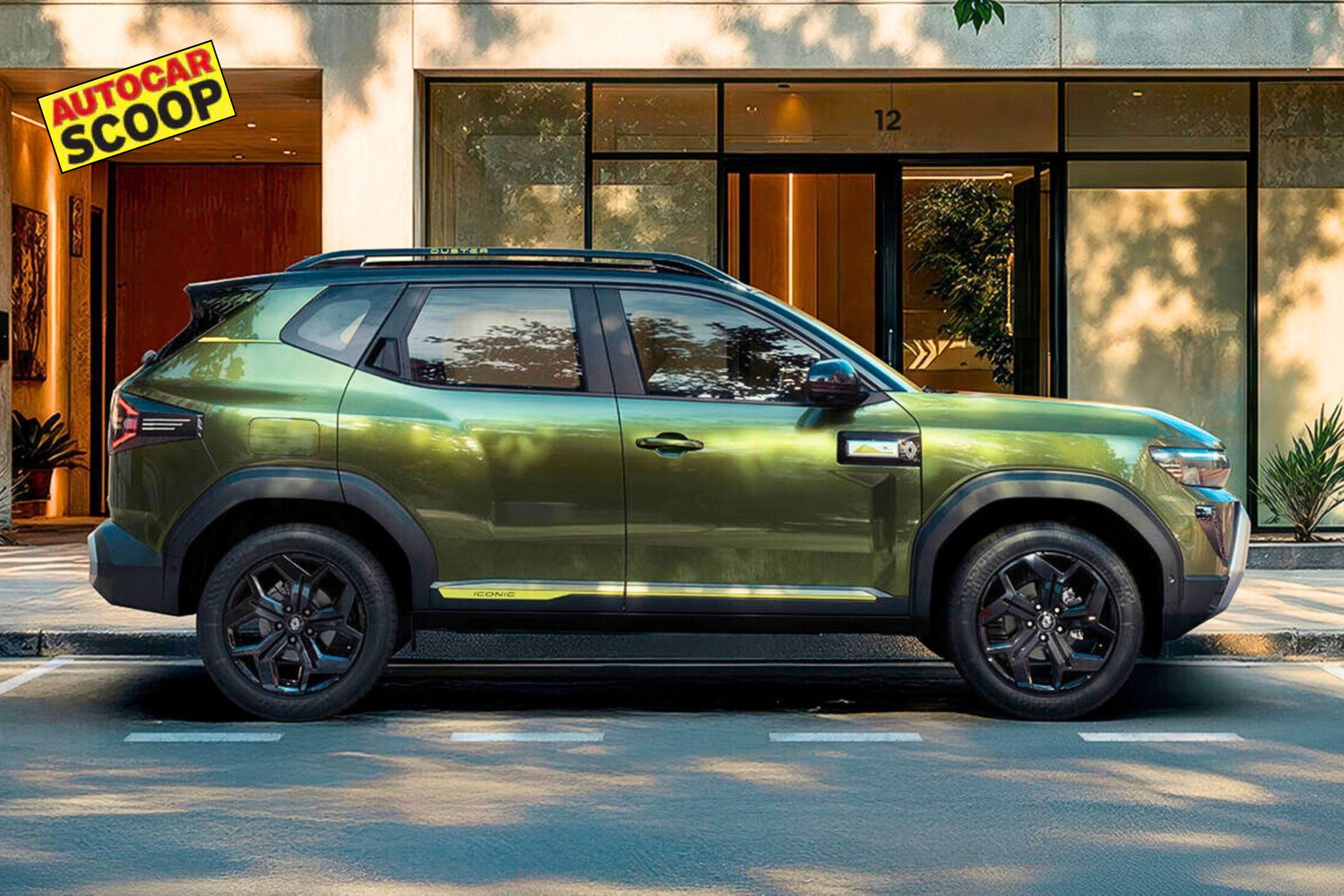
At number one in the list is Renault's Duster Hybrid. The company will launch this SUV in the fourth quarter of the year 2026 i.e. around Diwali. The new generation Duster has already been unveiled in January 2026 and its hybrid variants will come later. Its powertrain is based on a 1.8 liter four-cylinder petrol engine, which alone produces 109 bhp power and 172 Nm torque. It has a 49 BHP electric motor, 1.4 kWh battery pack and 20 BHP hybrid starter generator (HSG).

The total system output is 160 PS power and 172 Nm torque, making it the most powerful hybrid system in the segment. It will come with an 8-speed DCT gearbox and will allow pure electric driving in EV mode. The company claims that it can reduce fuel consumption by 40 percent, which can give mileage of 20-25 km per liter in the city and 25-28 km per liter on the highway. The estimated price for hybrid variants will be Rs 17 to 20 lakh ex-showroom.

Talking about the features, the new Duster will have top-class features like dual 10.1 inch infotainment and 10.25 inch driver display, level-2 ADAS (with 17 features), panoramic sunroof, 212 mm ground clearance, 518 liters of boot space, 360 degree camera, ventilated seats and 7 airbags. This will be the perfect choice for those who want off-roading. Its approach angle is 26.9 degrees and departure angle is 34.7 degrees. In the Indian market, it will compete with hybrid cars like Grand Vitara and Hayrider.

Nissan Tekton Hybrid

The next model is Nissan Tecton Hybrid, which will be a rebadged version of Renault Duster. It will be launched in early 2027 or late 2026. It will also be built on the CMF-B LS platform and will use the same 1.8 liter petrol hybrid system as the Duster Hybrid, which will produce 160 PS power, 172 Nm torque along with a 1.4 kWh battery and similar mileage. Nissan will present it with its unique design, which will have a petrol SUV inspired grille, C-shaped LED DRL and connected taillights.

The interior will have dual tone cabin, gloss black trim and copper inserts. The estimated price will be Rs 16 to 19 lakh ex-showroom. Tecton Hybrid will be a big step for Nissan to return to the Indian market. It may come with a different exterior from the Duster and some features like a better sound system or premium materials. It will match Duster in mileage, performance and reliability, but will be ahead in brand value and ride quality. This is going to be the perfect choice for Indian customers who want a stylish and tough look.

Maruti Fronx Hybrid

The third model is Maruti FrontX Hybrid, which can revolutionize the affordable hybrid segment. It will be launched with a facelift in 2027. It will be Maruti's first mass-market strong hybrid, which will use a series hybrid system based on the 1.2 liter Z12E three-cylinder petrol engine. The engine will only work as a generator, the car will always run in EV mode. The battery will be of 1.5 to 2 kWh and the mileage can reach 35 km per liter. This is going to be perfect for city driving.

The price is expected to be between Rs 8 to 15 lakh ex-showroom, which will make it the cheapest hybrid crossover. Features will include panoramic sunroof, ventilated seats, level-2 ADAS, 9 inch touchscreen, wireless charging and reclining rear seats. Maruti's service network and low maintenance costs will make it attractive to the common customer. The Front Hybrid will go beyond petrol and CNG variants and provide an eco-friendly option. This will be best for young buyers and first-time hybrid users.

Hyundai Creta Hybrid

The Hyundai Creta Hybrid is the fourth model on our list, which will arrive alongside the third-generation Creta (codenamed SX3) in early 2027. It will hybridize the 1.5 liter naturally aspirated petrol engine, the total system output is going to be around 115-120 bhp. Mileage is expected to be 22-25 km per litre. This will be a strong hybrid system, which will provide regenerative braking and EV assist. The estimated price can be Rs 18 to 21 lakh ex-showroom.

Creta Hybrid will have Hyundai's signature features like dual 12.3 inch display, level-2 ADAS, ventilated front seats, powered driver seat with memory, 360 degree camera and premium audio system. It will give a direct challenge to Grand Vitara and Hayrider. Hyundai's build quality, feature loaded cabin and refined driving experience will give it a premium feel. Creta is already a bestseller in the Indian market and the hybrid version will further increase its popularity.

Kia Seltos Hybrid

On the basis of last but not least, we have placed Kia Seltos Hybrid at fifth position. It will be launched in the second quarter of 2027. This will also be a hybrid version of the 1.5 liter NA petrol engine, which will be similar to the Creta Hybrid. The price will be controlled by localizing the components more, the estimated price is Rs 17 to 20 lakh and the mileage can be around 23-26 km per liter.

The new Seltos already has a panoramic sunroof, dual 12.3-inch screens, ADAS level-2+ and high-quality interiors. This will get even better in the hybrid version. Kia's sporty design, dynamic handling and youth appeal will make it a better option for many customers. In the market, it will give direct competition to cars like Grand Vitara Hybrid and Duster Hybrid.

Source link

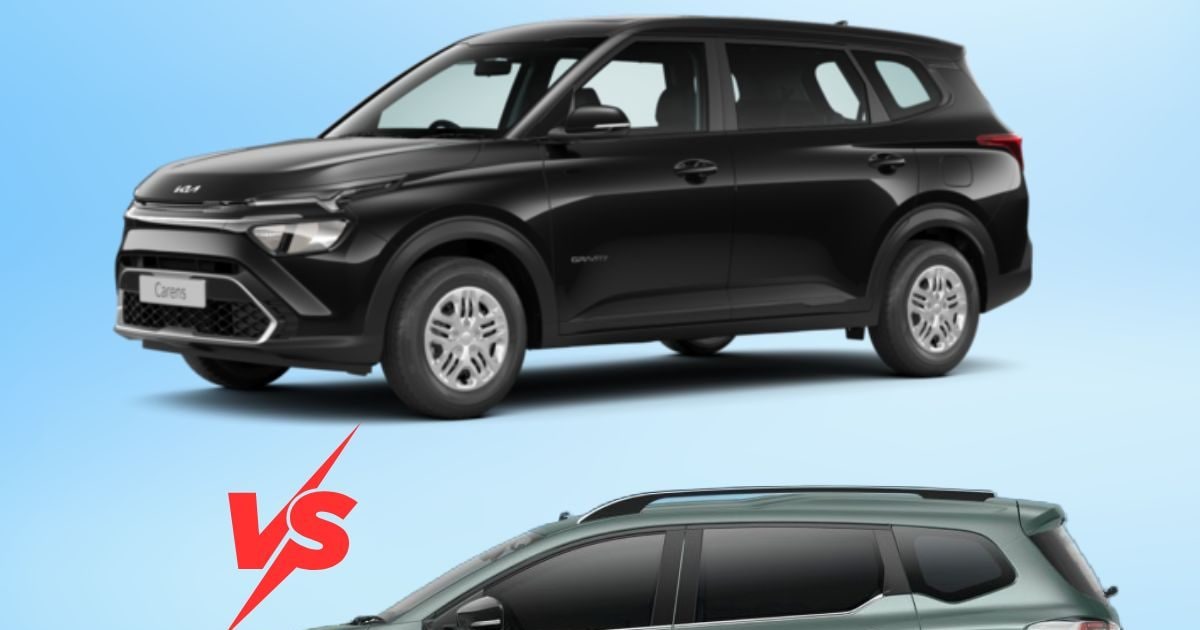
'Sticked the chip' and declared it as ours! How different is Nissan Gravitas from Renault Triber? Know before you open your pocket

'Sticked the chip' and declared it as ours! How different is Nissan Gravitas from Renault Triber? Know before you open your pocket

Nissan wants to expand its business in the Indian market. Instead of working hard for this, the company has borrowed its Triber from its partner Renault and rebranded it. Triber will be sold as Nissan Gravit. It has been recently launched at a starting ex-showroom price of ₹ 5.65 lakh. This price goes up to ₹ 8,93,500 for the top spec variant.

If you are going to buy an affordable 7-seater in the coming days and are having trouble choosing between Renault Triber and Nissan Gravite, then this article of ours is useful for you. In this article, we understand the difference in design, interior, features, safety and engine performance between Renault Triber and this MPV which is going to be sold as Gravity.

How much difference in price?

As told to you, the ex-showroom price of Nissan Gravit starts from ₹ 5.65 lakh (Visia) and goes up to ₹ 8.93 lakh (Tekana Launch Edition AMT). Key variants include Visia (₹5.65 lakh), Ascenta (₹6.59 lakh), N-Connecta (₹7.20 lakh MT/₹7.80 lakh AMT) and Tekna (₹7.91 lakh MT/₹8.49 lakh AMT).

Renault Triber prices range from ₹5.76 lakh (Authentic) to ₹8.60 lakh (Emotion). The AMT option in Triber is mainly available in the top variant. The Gravity is ₹ 11,000 cheaper in the base variant, but ₹ 33,000 more expensive in the top end. On-road prices in states like Uttar Pradesh are expected to be around ₹6.5 lakh to ₹10.5 lakh for the Gravitas and ₹6.6 lakh to ₹9.8 lakh for the Triber. Special introductory pricing and a longer warranty offer is also available for the first 1,001 units on Gravitas.

design comparison

Length of both the cars is approximately 3990 mm, width is 1735 mm, height is 1644 mm, wheelbase is 2636 mm and ground clearance is 182 mm. Boot space reaches 625 liters with the third row removed. The front of the Gravity is bolder and SUV-like. It has a large honeycomb pattern grille, smoked LED headlamps, C-shaped red accent bumper and crystal edge LED taillights.

The side profile features functional roof rails (50 kg load capacity) and 15-inch dual-tone alloy wheels. Available colors are Forest Green, Onyx Black and Blade Silver. The design of the Triber is sleeker and family oriented, which includes Renault's diamond grille, LED DRLs and dual-tone body colours. The Gravity looks a little more premium and attractive, while the Triber looks simple and practical.

Interior comparison

Both have 5+2 modular seating, in which the second row can slide, recline and fold-and-tumble. Whereas, the third row is removable (50:50 split). A total of over 100 seating configurations are available. The Gravitas features dual-tone suede and leatherette upholstery, ambient lighting, neck cushion and premium finishing.

The dashboard layout is inspired by the pre-facelift Triber, but improved with better stitching and material quality. The Triber features black-grey woven fabric, a cooled glovebox and practical storage space (up to 31 litres). Independent rear AC (second and third row vents) on both is standard from the mid variants.

comparison of features

Common features include 8-inch floating touchscreen (wireless Android Auto and Apple CarPlay), 7-inch TFT digital cluster (top variant), steering mounted controls, push-button start, cruise control, auto headlamps, rear camera, front parking sensors and rear defogger. The Gravity comes with JBL premium audio, dual-channel dashcam, cabin air purifier and ambient lighting. The Triber also has good features, but the Gravity offers more luxury add-ons in the top variant.

Safety comparison

Both have 6 airbags (front, side and curtain), ABS with EBD, ESP, traction control, hill start assist, TPMS, ISOFIX and speed alert as standard. More than 30 active and passive safety features are present. The old Global NCAP rating of Triber was 4-star, while the new test result may be different. The test of Gravity is still pending, but due to the similar platform the safety level is almost the same.

Engine and Mileage

Both have the same 999 cc 3-cylinder naturally aspirated petrol engine, which produces 72 PS power and 96 Nm torque. Transmission options are 5-speed manual or AMT (Easy-Shift in Gravity). CNG retrofit option is also available on MT variant. According to ARAI, the mileage of Gravity is around 19.3-19.6 km/litre and Triber is around 18-20 km/litre.

Final Verdict: Both Nissan Gravit and Renault Triber compete with each other in the budget 7-seater segment. However, the market and resale value of Renault Triber is good as it has maintained its presence in the market for a long time. Apart from this, Renualt should also get higher marks in terms of sales and service.

Source link

ऑडी RS5 का 639hp V6 PHEV के रूप में पुनर्जन्म – परिचय | ऑटोकार इंडिया

ऑडी RS5 का 639hp V6 PHEV के रूप में पुनर्जन्म – परिचय | ऑटोकार इंडिया


2026 ऑडी आरएस5 को हाल ही में सेडान और एस्टेट दोनों रूपों में पेश किया गया है, और यह इंगोलस्टेड के प्रदर्शन विंग, ऑडी स्पोर्ट की प्लग-इन हाइब्रिड (पीएचईवी) प्रदर्शन कारों की नई पीढ़ी में से पहली है। पिछले RS5 के 2.9-लीटर ट्विन-टर्बो V6 को गियरबॉक्स-माउंटेड इलेक्ट्रिक मोटर और बैटरी पैक के साथ जोड़कर, नया-जेन मॉडल ऑडी के प्रसिद्ध क्वाट्रो AWD सिस्टम के नए संस्करण के लिए आश्चर्यजनक 639hp और 825Nm प्रदान करता है। ऑडी के हालिया मॉडल रेंज समेकन के लिए धन्यवाद, यह नया मॉडल वैश्विक स्तर पर आरएस4 अवंत और आरएस5 स्पोर्टबैक और कूप दोनों की जगह लेता है।

2026 ऑडी आरएस5 पीएचईवी पर स्विच करता है

नई RS5 कई कारकों की बदौलत अपने मुख्य पावर आंकड़े तक पहुंची है। पोर्शे के साथ साझा किया गया EA839 V6 का उच्च-प्रदर्शन 2,894cc, ट्विन-टर्बोचार्ज्ड संस्करण, 510hp तक की शक्ति के साथ वापस आता है। 8-स्पीड टॉर्क-कन्वर्टर ऑटोमैटिक के अंदर लगे 130kW इलेक्ट्रिक मोटर की सहायता से कुल पावर फिगर की अनुमति मिलती है जो कि आउटगोइंग RS5 से 189hp अधिक है, और नई ऑडी S5 से 272hp अधिक है, जो V6 माइल्ड-हाइब्रिड पावरट्रेन का उपयोग करता है।

इन सबके कारण 0-100kph का समय घटकर 3.6 सेकंड हो गया है, जो कि मौजूदा RS4 अवंत से 0.3 सेकंड तेज है। यदि यह प्रदर्शन को बढ़ावा देने के लिए असंगत लगता है, जिसमें 37 प्रतिशत अधिक टॉर्क भी शामिल है, तो ऐसा इसलिए है क्योंकि 550 किलोग्राम वजन में भी काफी वृद्धि हुई है, नए पीएचईवी अवंत ने तराजू को आंशिक रूप से 2,370 किलोग्राम तक बढ़ा दिया है (सेडान लगभग 15 किलोग्राम हल्का है)।

बेशक, इसमें बड़ा योगदान बैटरी पैक का है, जिसकी क्षमता 25.9kWh (22kWh प्रयोग करने योग्य) आंकी गई है। हालांकि अभी तक कोई आधिकारिक संख्या नहीं है, ऑडी का कहना है कि यह नए RS5 को पूरी तरह से चार्ज होने पर केवल इलेक्ट्रिक मोड में 80 किमी से अधिक चलाने की अनुमति देता है, जो बदले में 11 किलोवाट तक की गति पर एसी चार्जर के माध्यम से किया जा सकता है। सबसे अच्छी बात यह है कि ऑडी इंजीनियरों का कहना है कि पावरट्रेन “सुनिश्चित करता है कि विद्युत रूप से गाड़ी चलाते समय आरएस5 एक आरएस मॉडल जैसा महसूस हो”।

वजन दंड के अलावा, बैटरी पैक, जो नए, हाई-टेक रियर-डिफरेंशियल के ऊपर बैठता है, बूट स्पेस को भी खा जाता है। अधिक व्यावहारिक अवंत वैगन में, यह गैर-हाइब्रिड ए 5 अवंत पर पूर्ण 115 लीटर कम है, केवल 361 लीटर, जो सीट के पीछे तक मापा जाता है। फिर भी, इसका आकार अच्छा है और ऐसा लगता है कि इसमें दो बड़े सूटकेस रखे जा सकते हैं। सेडान, जो तकनीकी रूप से एक लिफ्टबैक है, क्योंकि इसका टेलगेट छत पर टिका हुआ है, लगभग 350 लीटर पर थोड़ा कम जगहदार है।

2026 ऑडी आरएस5 नई पीढ़ी की क्वाट्रो एडब्ल्यूडी का उपयोग करती है

2026 आरएस5 ब्रांड के आदरणीय ऑल-व्हील ड्राइव सिस्टम का एक नया संस्करण पेश करता है, जो ऑडी के अनुसार उद्योग में पहली तकनीक का उपयोग करता है। 8-स्पीड टॉर्क-कन्वर्टर गियरबॉक्स एक सीमित-स्लिप सेंटर डिफरेंशियल से जुड़ा है, जो 85 प्रतिशत तक टॉर्क को पीछे के पहियों या 70 प्रतिशत तक आगे के पहियों तक भेज सकता है। इसमें एक 'प्री लोड' फ़ंक्शन भी है जो इसे आंशिक रूप से हमेशा लॉक रखता है, जिससे थ्रॉटल इनपुट पर त्वरित प्रतिक्रिया होती है और बिजली का तेजी से पुनर्वितरण होता है।

नया इलेक्ट्रो-मैकेनिकल रियर डिफरेंशियल अभी भी अधिक प्रभावशाली है, जिसमें ऑडी डायनेमिक टॉर्क कंट्रोल को बुलाती है। यह अनिवार्य रूप से एक इलेक्ट्रिक एक्चुएटर है जो यांत्रिक टॉर्क आने से पहले, बाएं और दाएं पिछले पहियों के बीच तुरंत विभाजित होने के लिए 8kW और 40Nm की आपूर्ति कर सकता है; ऑडी का कहना है कि यह सिर्फ 15 मिलीसेकंड में प्रतिक्रिया करता है। यह निश्चित रूप से अपने स्वयं के ईसीयू द्वारा शासित होता है जो वास्तविक समय में प्रत्येक ड्राइवर इनपुट के साथ-साथ वाहन के व्यवहार का विश्लेषण करता है, और ड्राइव मोड के आधार पर इसके प्रदर्शन को भी बदलता है।

2026 ऑडी आरएस5 को प्रमुख कार्यक्षमता अपडेट मिले

B10 ऑडी A5 और उसके प्लेटफ़ॉर्म भाई-बहनों को उनकी नई पीढ़ी के अंदरूनी हिस्सों के लिए कुछ आलोचना का सामना करना पड़ा, जो बड़े बेज़ेल्स के साथ बड़ी स्क्रीन पर केंद्रित थे, और अधिकांश भौतिक नियंत्रणों को हटा दिया – जो पहले एक ऑडी हॉलमार्क था। हाल ही में, A5, S5, Q5, SQ5 और अब वास्तव में RS5 ने इसे ठीक करने के लिए कुछ प्रयास किए हैं, स्टीयरिंग व्हील पर कैपेसिटिव टच बटन से हार्ड बटन और क्लिक-व्हील पर स्विच किया है। इसके अतिरिक्त, स्क्रीन ग्राफ़िक्स को उज्जवल बनाने और चलते-फिरते पढ़ने (और छूने) में आसान बनाने के लिए इसमें बदलाव किया गया है, जो सहायक है क्योंकि अधिकांश नियंत्रण – जैसे एसी – टचस्क्रीन में ही रहते हैं।

इसके अलावा, इंटीरियर एक भविष्यवादी दिखने वाला, उच्च गुणवत्ता वाला मामला बना हुआ है, जिसे आरएस5 में एक निश्चित रूप से स्पोर्टी व्यक्तित्व पर लिया गया है। डैशबोर्ड, दरवाज़ों और सीटों पर डिनमिका (साबर) का अधिक उपयोग होता है, जबकि असबाब, ट्रिम और प्रकाश व्यवस्था में लाल रंग का उपयोग लगभग हर सतह पर होता है। गर्म, मालिश करने वाली, संचालित स्पोर्ट्स बकेट सीटें मानक हैं, हालांकि वेंटिलेशन एक विकल्प पैक का हिस्सा है। पीछे की सीट उचित जगह प्रदान करती है – हालाँकि सामने की बड़ी सीटों के कारण आगे का दृश्य बाधित होता है – और सनरूफ वैकल्पिक है।


Source link

बिक्री बढ़ने के साथ रेनॉल्ट ईवी को 'आक्रामक' बनाएगी

बिक्री बढ़ने के साथ रेनॉल्ट ईवी को 'आक्रामक' बनाएगी


<p>रेनॉल्ट का ऑपरेटिंग मार्जिन 2024 में 7.6 प्रतिशत से गिरकर पिछले साल 6.3 प्रतिशत हो गया।</p>
<p>“/><figcaption class=रेनॉल्ट का ऑपरेटिंग मार्जिन पिछले साल 2024 में 7.6 प्रतिशत से गिरकर 6.3 प्रतिशत हो गया।

फ्रांसीसी वाहन निर्माता रेनॉल्ट ने गुरुवार को कहा कि वह यूरोप में इलेक्ट्रिक और हाइब्रिड वाहनों की अपनी श्रृंखला को “नवीनीकृत और विस्तारित” करेगी, इस चिंता के बावजूद कि उपभोक्ता दहन इंजन से दूर जाने में संकोच कर रहे हैं।

नए मॉडलों की योजना तब आई जब कंपनी ने पिछले साल बिक्री में तीन प्रतिशत की वृद्धि के साथ 58 बिलियन यूरो (68 बिलियन डॉलर) की वृद्धि दर्ज की, जिसमें ईवी की बिक्री 77 प्रतिशत और हाइब्रिड ईवी की बिक्री 35 प्रतिशत बढ़ी।

कुल मिलाकर, ईवी अब मात्रा के हिसाब से कुल बिक्री का 14 प्रतिशत और हाइब्रिड 30 प्रतिशत का प्रतिनिधित्व करते हैं।

रेनॉल्ट की रणनीति उसके फ्रांसीसी प्रतिद्वंद्वी स्टेलंटिस के बिल्कुल विपरीत है, जिसने इस महीने अपने ईवी परिचालन में 22 बिलियन यूरो की भारी कटौती करके निवेशकों को चौंका दिया था, यह कहते हुए कि इसने खरीदारों की क्लीनर वाहनों में स्थानांतरित होने की इच्छा को गलत बताया था।

“यह सफलता हमारी ठोस उत्पाद रणनीति और हमारे ब्रांडों की शक्ति को प्रमाणित करती है,” मुख्य कार्यकारी फ्रेंकोइस प्रोवोस्ट, जिन्होंने पिछले गर्मियों में पिछले सीईओ लुका डी मेओ को फ्रांसीसी लक्जरी समूह केरिंग द्वारा शिकार किए जाने के बाद पदभार संभाला था, ने एक बयान में कहा।

लेकिन रेनॉल्ट जीवाश्म ईंधन से चलने वाले इंजनों की तुलना में इलेक्ट्रिक वाहनों पर कम पैसा कमाती है, और रेनॉल्ट का ऑपरेटिंग मार्जिन पिछले साल 2024 में 7.6 प्रतिशत से गिरकर 6.3 प्रतिशत हो गया।

कंपनी ने कहा कि यूरोप में उसके “विद्युतीकरण अभियान” को आगे बढ़ाने से “अत्यधिक चुनौतीपूर्ण माहौल” में इस साल मार्जिन में और गिरावट आएगी, जो 5.5 प्रतिशत हो जाएगी।

निचली पंक्ति में, रेनॉल्ट ने 10.8 बिलियन यूरो का शुद्ध घाटा दर्ज किया, जो निसान में उसकी हिस्सेदारी के मूल्य में गिरावट को दर्शाता है। उस शुल्क के बिना, शुद्ध लाभ 74 प्रतिशत कम होकर 715 मिलियन यूरो हो गया होता।

कंपनी ने कहा, “2026 और आने वाले वर्षों में लागत में कटौती एक प्रमुख प्राथमिकता बनी रहेगी।”

थोड़ा ऊपर खुलने के बाद, गुरुवार को पेरिस स्टॉक एक्सचेंज में रेनॉल्ट के शेयर 3.4 प्रतिशत नीचे थे।

  • 19 फरवरी, 2026 को 04:17 अपराह्न IST पर प्रकाशित

2M+ उद्योग पेशेवरों के समुदाय में शामिल हों।

अपने इनबॉक्स में नवीनतम जानकारी और विश्लेषण प्राप्त करने के लिए न्यूज़लेटर की सदस्यता लें।

ETAuto उद्योग के बारे में सब कुछ सीधे आपके स्मार्टफोन पर!


Source link

20.7 KM Mileage, Panoramic Sunroof and ADAS! This SUV is being sold in full swing in the market, starting price is only ₹ 10.99 lakh

20.7 KM Mileage, Panoramic Sunroof and ADAS! This SUV is being sold in full swing in the market, starting price is only ₹ 10.99 lakh

Kia India is continuously performing better in the domestic market. Its popular car Kia Seltos has added to the company's sales. They have recently announced that Seltos has crossed the total sales mark of 6 lakh units since its launch in India (2019). This achievement reflects the continuously increasing demand for Seltos in the mid-size SUV segment.

Releasing the data, the company said that top end trims (GTX, X-Line etc.) contributed 29% of the total sales, which shows the increasing interest of customers towards premium features, advanced safety and connected technology. In January 2026 alone, 10,639 units were sold, which is 58% more than December 2025. There was a good balance of different variants in the total sales. From base to top, all the trims have found customers.

Price and Design
Kia Seltos can be purchased in Delhi at an ex-showroom price of Rs 10.99 lakh (HTE Petrol MT). At the same time, its top X-Line diesel AT variant goes up to ₹ 19.99 lakh. You can buy it in a total of 10 main variants (HTE, HTK, HTX, GTX, X-Line etc.), which have more than 40 sub-variants.

Based on the new K3 platform, the length of this SUV is 4,460 mm. It gets an aggressive tiger nose grille, ice cube LED headlamps, star map DRL, connected star map tail lamps, 18 inch crystal cut alloy wheels, flush door handles, dual-pane panoramic sunroof. 10 Colors + Matte Graphite for X-Line can be purchased with muscular stance and high ground clearance.

Interior and Features
It can be bought with Smoky Black-White or Hunter Green two-tone cabin, 12.3-inch HD touchscreen + 12.3-inch digital cluster (Panoramic Trinity Display), 64 color ambient lighting, ventilated front seats, 10-way power driver seat, rear 60:40 split seats, Bose 8-speaker sound system, wireless charger and dual zone AC.

Features include wireless Android Auto/Apple CarPlay, OTA updates, Kia Connect (remote start, geofencing), smart key, paddle shifters, and electric parking brake. For safety, it gets standard 6 airbags, ABS+EBD, ESC, TPMS, hill hold, 360° camera (top variants) and Level-2 ADAS in the top variant.

Engine and Mileage
The company sells it in a total of 3 engine options. The first one is 1.5L NA petrol, which gives 115 PS power and 144 Nm torque. The second is 1.5L turbo petrol, which produces 160 PS power and 253 Nm torque. The third is 1.5L turbo diesel unit, which is capable of producing 116 PS power and 250 Nm torque. Its maximum claimed mileage is 20.7 KMPL.

Source link

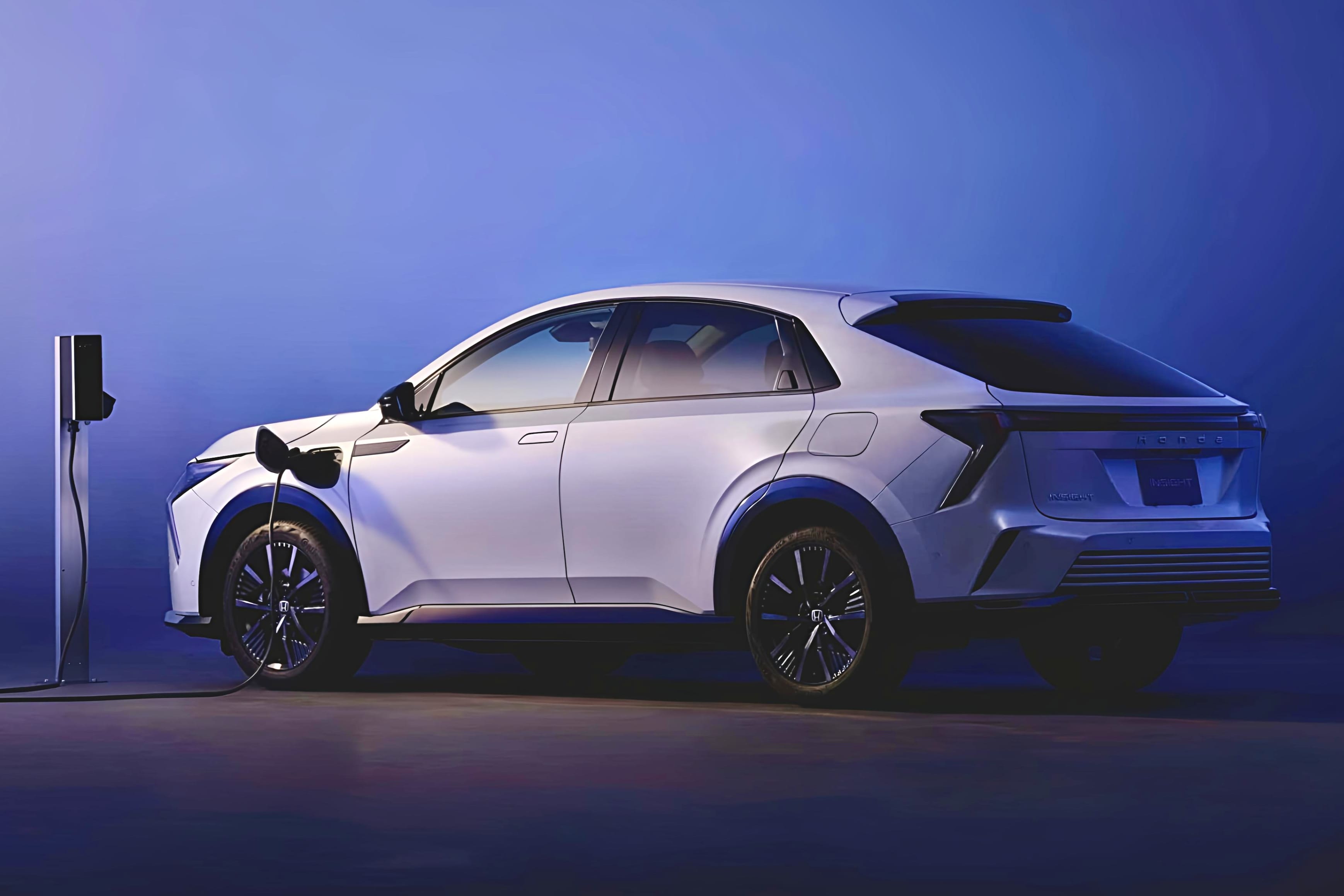
Electric vs Hybrid Cars: Which car is better to buy at present? Know

Electric vs Hybrid Cars: Which car is better to buy at present? Know

Electric vs Hybrid Cars: In today's era, due to environmental protection and rising fuel prices, people are turning to electric vehicles (EVs) and hybrid cars. The EV market in India is growing rapidly by 2026, but lack of charging infrastructure and battery cost are still challenges.

At the same time, hybrid cars provide a combination of petrol and electric power, which are convenient for long distances. If you want to buy a good car in the coming days and are confused about which of these two would be better to buy, then this article of ours is useful for you. We will compare both and tell which is the better option at present?

Advantages and disadvantages of electric cars

Electric cars run entirely on batteries, which provide zero emissions. The running cost of EVs in India in 2026 is very low. Since the price of electricity is around Rs 8 per unit, the cost per kilometer comes to Rs 1-2. Maintenance is also low, as there is no engine oil or clutch.

EVs are becoming cheaper due to government subsidy and 5% GST. For example, models like Tata Nexon EV or MG ZS EV offer a range of 300-400 km in the city. However, battery replacement every 8-10 years can be expensive (lakhs of rupees). Charging infrastructure is currently limited to cities, there is a problem in rural areas. EVs can be risky in floods or heavy rains. Resale value is also lower than hybrid.

Advantages and disadvantages of hybrid cars

Hybrid cars are a mixture of petrol engine and electric motor, which increases fuel efficiency. Models like Toyota Innova Hycross or Maruti Grand Vitara in 2026 give 28 km/litre mileage, which is better than petrol cars.

These are perfect for long trips as petrol stations are available everywhere and range is not a concern. The battery is small, so replacement is cheap. Resale value is better than EVs, but more expensive than EVs and fuel dependency remains. Due to this the emissions are more than EVs. Plug-in hybrids can be more expensive than EVs.

Which one is better?

EVs prove to be affordable in India, especially if you drive in the city and have charging facilities at home/office. Savings on fuel and maintenance over five years make EVs profitable. If your trips are irregular, long distance or in areas with weak charging networks, hybrids are better. The technology of EVs is changing rapidly, but hybrids are still more reliable. EVs are better from an environmental point of view, but hybrids are a transitional option.

Final Verdict: No one among these can be considered the winner. Which would be a better option depends on your needs. If you don't want emissions, choose electric cars. Hybrid cars are a much better option for those who want a balance between EV and ICE. You can choose any one of these according to your need and budget.

Source link

पोर्शे 911 कैरेरा कैब्रियोलेट सिंगर संस्करण छवि गैलरी – परिचय | ऑटोकार इंडिया

पोर्शे 911 कैरेरा कैब्रियोलेट सिंगर संस्करण छवि गैलरी – परिचय | ऑटोकार इंडिया


क्लासिक को पुनर्स्थापित करने के साथ-साथ संशोधित करने में विशेषज्ञता वाला एक विशेष कोचबिल्डर पोर्श 911 मॉडल, गायक वाहन डिजाइन हाल ही में सीमित-रन का खुलासा हुआ पोर्श 911 कैरेरा कैब्रियोलेट। अमेरिका स्थित कंपनी, जो अपने रेस्टोमॉड (पुनर्स्थापित और संशोधित) क्लासिक 911 के लिए प्रसिद्ध है, ने 1980 के दशक के अंत से मूल प्रकार 964 के पारंपरिक डिजाइन और अपील को बरकरार रखते हुए कई आधुनिक सुविधाओं को एकीकृत किया है। कॉसवर्थ के इनपुट को लागू करते हुए, सिंगर द्वारा पोर्शे 911 कैरेरा कैब्रियोलेट का फ्लैट-सिक्स इंजन 8,000rpm तक घूमता है और 420hp का उत्पादन करता है।

यह भी देखें

रोल्स-रॉयस फैंटम अरेबेस्क छवि गैलरी

फेरारी 849 टेस्टारोसा छवि गैलरी

मैकलेरन आर्टुरा स्पाइडर MCL39 चैम्पियनशिप संस्करण छवि गैलरी


Source link

मारुति सुजुकी ने BaaS के बिना ई-विटारा की कीमत का खुलासा किया, जिसकी कीमत ₹15.99 लाख से शुरू होती है

मारुति सुजुकी ने BaaS के बिना ई-विटारा की कीमत का खुलासा किया, जिसकी कीमत ₹15.99 लाख से शुरू होती है


<p>मारुति सुजुकी ई-विटारा</p>
<p>“/><figcaption class=मारुति सुजुकी ई-विटारा

मारुति सुजुकी ने BaaS मूल्य निर्धारण की घोषणा के एक दिन बाद बुधवार को नई ई-विटारा के लिए पूर्ण गैर-BaaS (सेवा के रूप में बैटरी) मूल्य सूची जारी की। मानक एक्स-शोरूम कीमतें अब ₹15.99 लाख से ₹20.01 लाख तक हैं, जो कि BaaS-लिंक्ड मूल्य निर्धारण से लगभग ₹5-5.5 लाख अधिक है।

BaaS मॉडल के तहत, कीमतें ₹10.99 लाख और ₹14.51 लाख के बीच थीं, बैटरी किराये की दरें 49kWh पैक के लिए ₹3.99 प्रति किमी और 61kWh पैक के लिए ₹4.39 प्रति किमी निर्धारित की गईं। वेरिएंट और बैटरी कॉन्फ़िगरेशन अपरिवर्तित रहते हैं, तीन ट्रिम्स- ज़ेटा, डेल्टा और अल्फा के साथ।

49kWh बैटरी केवल ज़ेटा वेरिएंट पर दी गई है, जबकि 61kWh पैक ज़ेटा और अल्फा ट्रिम्स पर उपलब्ध है। ज़ेटा वैरिएंट 142bhp और 192.5Nm उत्पन्न करने वाले फ्रंट-व्हील-ड्राइव सिस्टम का उपयोग करता है।

61kWh संस्करण समान टॉर्क आउटपुट के साथ लगभग 172bhp प्रदान करता है। विश्व स्तर पर बेचे जाने वाले AWD संस्करण को इस स्तर पर भारत में पेश नहीं किया जाएगा। दावा किया गया है कि 49kWh वर्जन के लिए ड्राइविंग रेंज 440km तक और 61kWh वेरिएंट के लिए 543km तक है।

कंपनी के बयान के मुताबिक, 31 मार्च से पहले ई-विटारा खरीदने वाले ग्राहकों को इंस्टॉलेशन के साथ एक मानार्थ होम चार्जर मिलेगा।

मारुति सुजुकी नेक्सा आउटलेट्स पर पहले साल या 1,000 यूनिट तक मानार्थ डीसी फास्ट चार्जिंग की भी पेशकश करेगी। कंपनी आठ साल की बैटरी वारंटी और तीन साल की वाहन वारंटी प्रदान करेगी।

  • 18 फरवरी, 2026 को शाम 05:34 बजे IST पर प्रकाशित

2M+ उद्योग पेशेवरों के समुदाय में शामिल हों।

अपने इनबॉक्स में नवीनतम जानकारी और विश्लेषण प्राप्त करने के लिए न्यूज़लेटर की सदस्यता लें।

ETAuto उद्योग के बारे में सब कुछ सीधे आपके स्मार्टफोन पर!


Source link