The 2023 Hyundaii20 facelift is available in five different variants: Era, Magna, Sportz, Asta, and Asta (O). The hatchback is available in six monotone colour options and two dual-tone exterior shades. The monotone colour options are Fierry Red, Amazon Grey, Atlas White, Titan Grey, Typhoon Silver and Starry Night. The dual-tone paint options are Fierry Red with Abyss Black roof and Atlas White with Abyss Black roof. The hatchback now comes with a single 1.2-litre naturally aspirated petrol engine, which is available with a five-speed manual gearbox and an iVT as an option.
Here are the 2023 Hyundai i20 facelift variant-wise features explained.
Watch: Hyundai i20 2020 | First Drive Review | 1.2-Litre Petrol manual & 1.0-Litre Turbo iMT
Hyundai i20 Era
The base variant of the Hyundai i20 facelift is the Era, which is powered by a 1.2-litre Kappa petrol engine paired with a five-speed manual transmission. The base variant gets safety features such as six airbags, ABS with EBD, electronic stability control, hill-start assist control, vehicle stability management control, seatbelt pre-tensioner, child seat anchor and reverse parking sensors as standard. Other features include halogen headlamps, body-cloured door handles, 14-inch steel wheels, body-coloured ORVMs, front-seat adjustable headrests, engine start-stop system, front power outlet, map lamps etc.
Hyundai i20 Magna
Hyundai i20 Magna sits above the Era. It is available in manual transmission only. It gets all the features available in the Era variant. Additionally, the Magna variant gets features such as the tyre pressure monitoring system (TPMS), automatic headlamps, LED DRLs, 15-inch steel wheels with full wheel covers, sharkfin roof antenna, electrically adjustable ORVMs and foldable key. Inside the cabin, it gets a fixed armrest, an 8.0-inch touchscreen infotainment system with voice recognition, Apple CarPlay and Android Auto connectivity, a multifunction steering wheel with audio and Bluetooth controls, rear AC vents etc.
Hyundai i20 Sportz
Hyundai i20 Sportz is available in both manual transmission and iVT options. In addition to the features offered in the Magna variant, it gets 16-inch dual-tone steel wheels, turn indicators on wing mirrors, tail lamps connecting the chrome garnish etc. Inside the cabin, the Sportz variant features a rear camera with a display on the infotainment system, automatic climate control with a digital display, cruise control, cooled glove box etc.
Hyundai i20 Asta
Asta is the second top variant of the Hyundai i20 facelift. In addition to the features offered in the Sportz variant, it gets LED headlamps with integrated LED DRL, a smart key, 16-inch diamond-cut alloy wheels, an electric sunroof, chrome-finished door handles etc. It also comes with puddle lamps, a burglar alarm, blue ambient lighting, a leather-wrapped steering wheel and gear shifter, a sliding-type front armrest, a rear wiper and washer, luggage lamp. It also comes with a seven-speaker Bose premium audio system with a sub-woofer.
Hyundai i20 Asta (O)
The Asta (O) is the top-end variant of the Hyundai i20 facelift. It is available in both manual gearbox and iVT options. In addition to the features offered in the Asta variant, it gets a voice-enabled smart electric sunroof, height-adjustable seat belts for the driver and front passenger, rear seat adjustable headrests, Home to Car (H2C) with Alexa integration, ambient sounds of nature-influenced by Hyundai Verna, Hyundai Bluelink with over-the-air (OTA) map updates. It also gets a 10.25-inch HD touchscreen infotainment and navigation system.
Maruti Suzuki is offering heavy discounts on its Arena models in September ahead of the upcoming festive season across India. India’s largest carmaker is offering as many as eight models sold through Arena dealership with discounts and benefits of up to ₹59,000 based on variants one chooses. The benefits offered by the carmaker include cash discounts, exchange bonuses as well as corporate discounts. The Arena chain of dealerships, which mostly sells the small cars from Maruti Suzuki, recently completed its sixth anniversary during which it has sold around 70 lakh cars.
By: HT Auto Desk | Updated on: 09 Sep 2023, 14:59 PM
Maruti Suzuki small cars like WagonR, Swift and Alto K10 are being offered at a discount of more than ₹50,000 in September.
Maruti Suzuki sells nine models through its Arena chain of dealership in India. These cars include the Alto K10, S-Presso, WagonR, Celerio, Swift, Dzire, Brezza, Ertiga and Eeco. Only the Brezza SUV among these nine is not offered with any discounts. Here is a quick look at how much one can save on each model this month.
Maruti WagonR
Among all the Maruti cars up for discounts in September, the biggest incentives are for those who wants to drive home the WagonR. Maruti Suzuki is offering cash discount of ₹35,000 besides added benefits like exchange bonus worth ₹20,000 and corporate discount of ₹4,000. Maruti is also offering the CNG version of the WagonR with an overall discount of ₹54,000. This includes cash discount of ₹30,000.
Maruti Swift
The Swift hatchback is also up for grabs with an overall discount of ₹55,000. These include cash benefits worth ₹35,000 cash discount, ₹20,000 worth exchange bonus and another ₹5,000 as corporate discount. One should know that these benefits are not applicable on variants of the hatchback. For the ZXi and ZXi +, the cash discount goes down to just ₹25,000. The exchange bonus amount can be reduced to ₹15,000 if the model to be sold is more than seven years old.
Maruti Alto K10
The Alto K10, Maruti’s smallest car on offer, is available with big discounts. The car gets overall benefits worth ₹54,000. These includes cash discount of ₹35,000 only on the petrol manual variant, ₹15,000 worth exchange bonus and corporate discount of ₹4,000. The petrol automatic and the CNG versions of the Alto K10 are offered with cash discount worth ₹20,000.
Among other models the Celerio, Dzire, Ertiga and Eeco are available with discounts worth between ₹59,000 and ₹20,000 this month.
Hyundai has boosted the safety quotient of the 2023 i20 by offering loads of features as standard. It now offers 6 Airbags, Electronic Stability Control, Hill Assist Control, Vehicle Stability Management, Antilock Braking System and Electronic Brake Distribution across all variants.
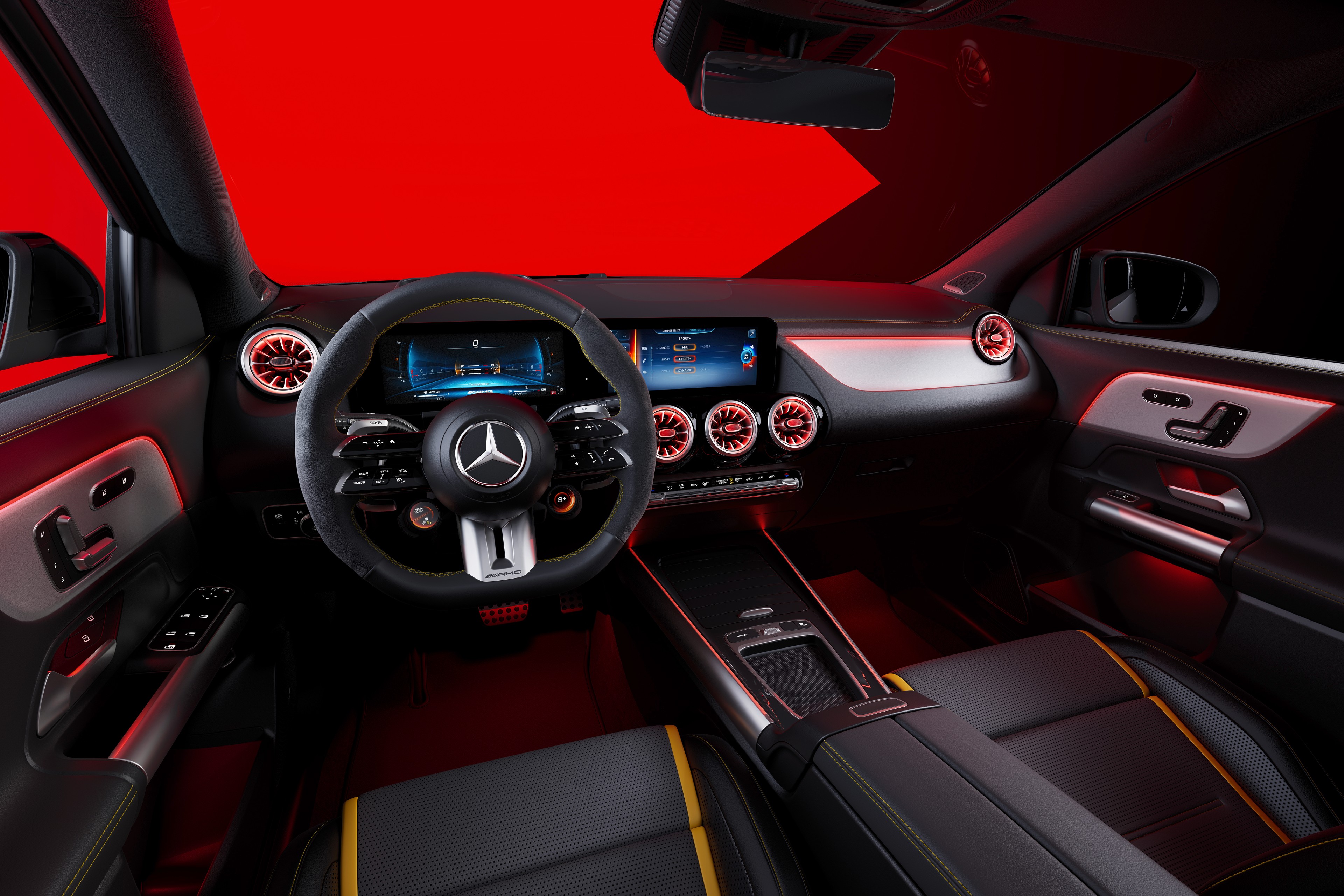
The interior is finished in a dual-tone grey and black colour scheme, there is ambient lighting, Bose sound system, a redesigned key, semi-leatherette seats, leatherette door armrests and a leather-wrapped D-Cut steering wheel.
The infotainment system now comes with sounds of nature, 60+ connected car features, 127 Embedded VR commands, 52 Hinglish voice commands, Over-the-Air updates, multilanguage support and a Type C charger.
Powering the new i20 is a 1.2-litre naturally aspirated petrol engine that produces 82 bhp with the manual transmission and 86 bhp with the IVT automatic transmission. The engine now also comes with the Idle Stop & Go (ISG) feature.
For cosmetic changes, the bumpers have been redesigned to look sharper and there is a new set of LED headlamps with LED Daytime Running Lamps. On the side, there are new 16-inch alloy wheels.
Commenting on the announcement, Mr. Tarun Garg, COO,Hyundai Motor India Ltd., said, “The i20 brand has consistently set the bar in the Indian automobile industry across generations. With a passionate customer base exceeding 1.3 million, the new Hyundai i20 remains the beacon of customer aspirations. Prioritizing safety as a cornerstone, the new Hyundai i20 delivers a resounding message with its standard features, including 6 Airbags, Electronic Stability Control, Hill Assist Control, Vehicle Stability Management, 3-Point Seatbelts, and seatbelt reminder for all occupants. Crafted for the urban youth, the new Hyundai i20 promises an unmatched mobility experience. We hold unwavering confidence that the new Hyundai i20 will not only elevate customer aspirations but also resonate profoundly with the ambitions of the young Indian buyers who wish to leave an indelible mark.”
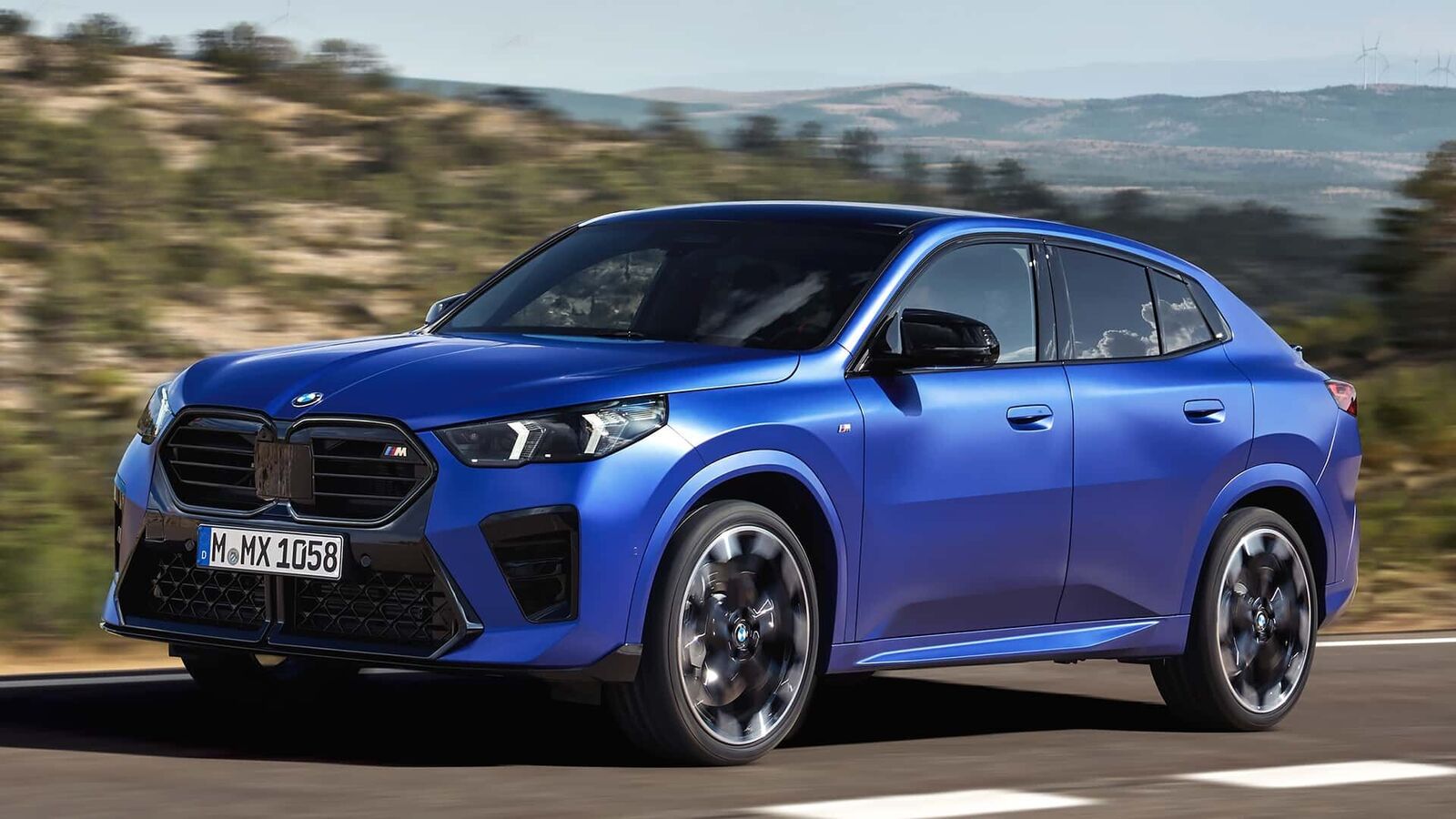
Being a Performance Edition, several exterior elements are finished in Cerium Grey. For instance, the front grille, fog lamp inserts and the outside rearview mirrors. There are M performance stickers as well. BMW has also retweaked the light element and there are full LED tail lamps.
The interior also gets a few upgrades. It now comes with a gear-selector finished in Alcantara. There are M Performance door projectors and M Performance door pin. The sport seats come with electric adjustment and memory function. The boot space measures a generous 430 litre. It can be further expanded because the rear seats can be folded in a 40/20/40 split. There is ambient lighting with six dimmable designs.
In terms of features, there is BMW Live Cockpit Professional which includes a 0.25-inch digital instrument display and a 10.25-inch Control Display. The driver also gets a heads-up display. There is also a virtual assistant and BMW Gesture Control on offer. The car features the HiFi loudspeaker system, a parking assistant with rearview camera and wireless Android Auto and Apple CarPlay.
Powering the 220i M Performance Edition is a 2.0-litre petrol engine that has been twin-turbocharged. It puts out 173 bhp of max power and a peak torque output of 280 Nm at 1350-4600 rpm. The gearbox on duty is a 7-speed automatic transmission with paddle shifters. The car accelerates from 0 -100 kmph in just 7.1 seconds.
That’s because the 2023 Tata Nexon facelift gets an extensive redesign and a revamped cabin but the engines are the same and so is the platform with its famed global 5-star safety rating. So, what are these updates and do they make a difference to you? We drove the new Nexon facelift in sunny Jaipur to find out.
Watch – Tata Nexon facelift first drive review: Can it set the benchmark higher?
Tata Nexon facelift: Comprehensive new design
The new Nexon has seen extensive changes to its design and features. It’s still based on the X1 platform — the last connection to the famed Indica. It’s only fair then that the Nexon gets to wear the new design theme before all the new Tata models arrive in the future. If you’ve seen the Curvv concept, this will look familiar. The upright stance looks really nice. I like the fact that it does not have an obvious grille, which means Tata is bringing a more centralised design theme to its cars – whether EV or ICE. You will see more familiar styling elements on these cars going forward.
I also like the haunches on the bonnet, they add a nice masculine appeal, plus you get to know where the edges of the car are far better from the driver’s seat. The LED DRLs look very futuristic, and at the same time, they double up as turn indicators. The headlamp unit is a split set-up and is more compact than before.
Updates to the profile are minimal and cleverly done. There’s a new beltline that gives the impression of a longer car, while there are new alloy wheels with aero inserts that seem to be shared from the upcoming Nexon EV facelift. The rear gets a redesign too with the new X-themed LED taillights that are connected by a light bar on the tailgate. There are plenty of angular lines on the new bumper and tailgate, which makes for a busy design overall. It’s still one of the more confusing bits on the Nexon’s exterior. The signature raked windscreen stays the same but the Nexon now gets a longer roof spoiler for better aerodynamics. This also integrates the rear wiper for a clutter-free appearance. Apart from the visual upgrades, the Nexon is offered in new colours including this “Fearless Purple” that’s bound to grab your attention.
The Tata Nexon gets a revised dashboard with a minimalist design theme. Fewer buttons, redesigned air vents and new floating infotainment screens are mainstays
Tata Nexon facelift: New interior
If you like the exterior of the Nexon, the interior should impress you even more. It’s seen big changes. Right from the steering wheel to the dashboard, everything feels new and everything feels premium. The steering wheel is now a two-spoke unit. The centre mimics a gaming console design and sports the illuminated Tata logo, which we are told, is a world-first.
The dashboard has been completely redesigned for a cleaner look. You have a three-step unit with black plastics on the top, carbon-fibre finish in the centre and leather inserts at the bottom. This is also finished in purple on the purple exterior shade, which extends to the seats and door pads as well. The plastics are nice and sturdy and the overall design is minimalistic. You also get wireless charging, a leather-wrapped armrest with some storage space but no visible cupholders. The door pockets can hold one-litre bottles and even an umbrella though.
The front seats get improved cushioning for better lumbar and lateral support. The seats also get ventilation and it worked flawlessly to keep us cool in scorching Jaipur. There’s no change in proportions and the Nexon facelift continues to pack decent space inside. The rear seats are comfortable but lack legroom for tall passengers, while the headroom is decent at best.
The rear passengers now get a seatbelt reminder with a three-point seatbelt for the middle occupant. However, they still miss out on a headrest. Depending on the Persona you choose, the Nexon’s feature list skips a few goodies, especially in the Smart variant. The Pure, Creative and Fearless personas are more loaded in this regard.
The new digital instrument console can also show navigation with the full-screen mode for distraction-free driving. This is a segment-first feature.
Tata Nexon facelift: Tech galore
The Nexon’s cabin has not only seen an aesthetic upgrade, but it’s a lot more tech-friendly as well. That comes from two new displays. There are two new 10.25-inch digital screens. One is for the instrument console and the other is for the infotainment unit. We’ve seen this before on the Nexon EV Max Dark Edition but the bezels are slimmer, so it looks a lot more modern. Both of these units come with a new UI. They are far too easy to use. The graphics are great – nice and crisp – and the colours look equally nice. The new digital console will also show the navigation map like on luxury cars and the feature is certainly impressive.
There are fewer buttons in the cabin overall and the HVAC controls have also been replaced with a touch-based panel at the bottom. You get only 2 toggle switches – AC temperature and blower speed. The feature looks and feels premium but we would’ve liked haptic feedback over here like we see on Land Rover and Audi models. This would’ve made it safer to use on the road.
The feature list continues with wireless Android Auto and Apple CarPlay, a new 360-degree camera and a blind-view monitor that shows up every time you engage either indicator. The Nexon also gets an air purifier, a 9-speaker JBL sound system, height-adjustable passenger seat and voice commands in seven languages. The system can also take voice commands via Alexa.
The Nexon also gets remote engine start/stop and remote AC features for the first time, both of which can be activated using the app to pre-start the SUV or pre-cool the cabin. On the safety front, the Tata Nexon facelift gets six airbags, ESP, ISOFIX child seat anchor mounts, and hill hold function as standard. The SUV retains its five-star safety tag by the Global NCAP but is yet to get a safety rating under India’s very own Bharat NCAP.
Tata Nexon facelift: Promising new automatic
Tata has updated the powertrain on the new Nexon facelift. The new showstopper
is the 1.2-litre turbo petrol with a dual-clutch automatic alongside the tried and tested 1.5-litre diesel engine. The 1.2-litre turbo petrol continues to make 118 bhp and 170 Nm of peak torque and is paired with 4 gearbox options – a 5-speed manual, a 6-speed manual, a 6-speed AMT and the one we were driving – the 7-speed dual-clutch transmission.
The 7-speed DCT with the 1.2 turbo is a nice combination. Most of the power is concentrated in the mid-range and is quite likeable. The engine is responsive and gets the numbers going quickly. If you are looking at highway runs too, this should keep you very happy while making the entire process smooth. Compared to the diesel, the petrol motor is more refined and the NVH levels are way lower. There is turbo lag under 2,000 rpm, which tends to be a bother but the DCT helps mask that effectively. You will still have to work your way around to get the SUV moving. What we would’ve liked is a little more responsiveness at the lower end of the rpm.
The paddle shifters offer more control, especially to combat the turbo lag. The new mono-shifter feels chunky and premium on the DCT version. The steering weighs up nicely and while it may not be as heavy as we’d like at high speeds, the unit is responsive. The new dual-clutch transmission also offers slick shifts and works well for the most part. Body roll is well contained but the shift in weight is immediately apparent around a hard corner. Even then, the Nexon manages to entertain and is an enjoyable experience. You continue to get 3 driving modes – Economy, City and Sport – that tune acceleration accordingly.
Tata Nexon facelift: Diesel supremacy
With the turbo petrol done, It’s now time to move on to the Nexon facelift diesel in this Fiery Red shade. The 1.5-litre diesel engine makes 113 bhp and 260 Nm of peak torque, and we drove the one paired with a 6-speed manual gearbox. All good things on the Nexon and definitely what most users admire if you like a diesel SUV. You also get a 6-speed AMT that brings more convenience. With the diesel engine, it’s a familiar space, there’s a nice power band to play around with. The acceleration in the lower end is amazing and it is quick off the line. If you’ve liked the Nexon diesel, the new one only takes that experience much higher with all the tech on board, complemented by the new design and styling.
The torque-friendly diesel keeps you entertained, especially on open roads. The steering wheel feels a tad heavier at high speeds than the petrol and the clutch is easy to manage in stop-and-go traffic. The diesel engine’s clatter though seeps into the cabin quite easily and Tata could’ve worked on improving the NVH levels here. The Nexon diesel continues to be fuel efficient, something that hasn’t changed.
Tata Nexon facelift: Ride quality?
When it comes to ride quality on the Nexon, Tata has tuned the SUV rather well and it keeps you comfortable on most broken roads and even some nasty potholes. It’s very pliant out on the highway as well as broken patches. The 208 mm ground clearance works wonders to combat challenging terrain and the SUV certainly delivers.
Tata Nexon facelift: What can be better
But not everything remains hunky dory on the Nexon. Quality levels could be better, especially in the cabin. The fit and finesse have seen massive strides but there is scope for improvement in smaller areas like the door grab handles. Certain plastics still feel flimsy, which robs the premium feel the car otherwise has to offer. Our test unit also faced issues with the connecting Android Auto but a hard factory reset resolved the issue. We’re told these concerns will be addressed on the production models.
Tata Nexon facelift: Verdict
Is the new Nexon comprehensively updated enough? The short answer is yes. The design looks fantastic, the interior gets a complete revamp and the changes make it nearly an all-new offering. It now boils down to how much of a price increment will the new Nexon come at. Prices will be announced on September 14. The Nexon’s comprehensive upgrade also comes at a time when the competition has really upped the game.
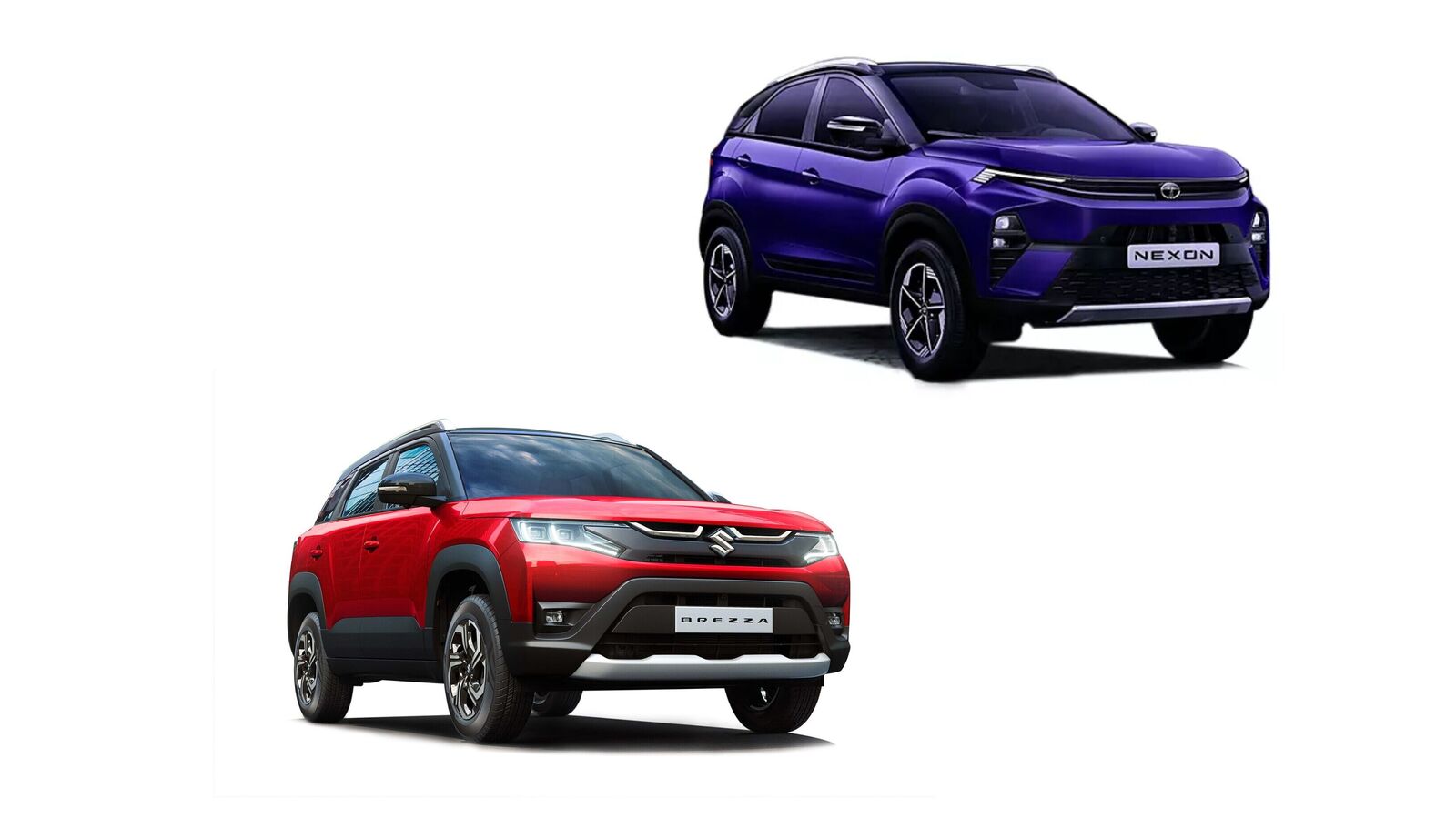
So Tata had to update its bestseller to keep it formidable against all its rivals. This includes the Maruti Suzuki Brezza, Kia Sonet, Mahindra XUV300, Hyundai Venue and more. The Venue was recently introduced with ADAS, making it the first car in the segment to get the same, which certainly makes things challenging for the Nexon. The Nexon is a massive showcase of improvement in the automaker’s talents and at the right price, this will be another winner, retaining its bestseller tag for more years to come.
Aston Martin’s DB12 will be making its India debut on 29th September. The launch event will happen at the British High Commission in New Delhi. Aston Martin DB12 will be priced at ₹4.80 crore ex-showroom and deliveries will start from Q3 of 2024. It is important to note that this price is before any options. Speaking of options, Aston Martin is offering loads of personalization options through its ‘Q’ customisation programme so expect the price to shoot up quite easily.
Aston Martin DB12 borrows its engine from Mercedes-AMG.
Powering the DB12 is a 4.0-litre V8 that has been twin-turbocharged. That figure seems familiar because the engine is derived from Mercedes-AMG. However, Aston Martin is running their tune on it because of which the power output is boosted to 670 bhp and the peak torque output stands at 800 Nm. 0-100 kmph comes up in claimed 3.6 seconds and the top speed is rated at 325 kmph.
The gearbox on duty is an 8-speed unit that transfers the power to the rear wheels only. To handle all that power, a new electronic rear differential has been placed. Unlike a conventional Limited Slip Differential, it can go from fully open to 100% locked in a matter of milliseconds.
The final drive ratio has been shortened for better in-gear acceleration and the transmission has been re-calibrated as well to reduce shift speeds and increase shift characteristics. Aston Martin DB12’s bonded aluminium structure has seen a 7 per cent increase in global torsional stiffness thanks to changes to a range of underbody components.
The adaptive dampers on the grand tourer are also new and the anti-roll bars are stiffer. Aston Martin has given special attention to the steering inputs so that they are sharper and still provide good feedback to the driver. The DB12 is fitted with cast-iron 400 mm front discs and 360 mm rear discs. The brake booster has also been re-tuned to improve pedal feedback.
Audi has unveiled the interior design language of its upcoming EV SUV Q6 e-tron which comes as a screen-packed vehicle. The Q6 e-tron will be the brand’s first EV that will be built on its new Premium Platform Electric (PPE) architecture. The vehicle gets a total of three screens facing the passengers – an OLED gauge cluster, an infotainment touchscreen and one front-passenger dedicated touchscreen.
By: HT Auto Desk | Updated on: 04 Sep 2023, 16:23 PM
Audi Q6 e-tron gets a total of three screens – an OLED gauge cluster, an infotainment touchscreen and one front-passenger dedicated touchscreen.
The OLED gauge cluster measures 11.9-inch and the infotainment touchscreen measures 14.5-inch, while both these reside under a single curved bezel underlined by ambient lighting. Another 10.9-inch touchscreen is dedicated to the front-seat passenger, and has a way of blocking the driver’s view of its contents, per safety regulations.
The electric SUV gets a new Android-based infotainment software which gets a ‘self-learning voice assistant’. It responds to – “Hey, Audi.” and can learn a driver’s preferences gradually and even make suggestions. Coming to the optional head-up display (HUD), it comes with augmented reality.
When the SUV’s speed, navigation directions, or traffic signs are reflected onto the windshield, the HUD tilts forward their images to create the impression that they’re floating in front of the vehicle. Audi claims this helps reduce distractions, particularly in low-visibility situations.
Another interesting feature inside the Q6 e-tron is the customizable ambient lighting. The vehicle also has interactive lighting elements such as a welcome action and the ability to notify people when the vehicle is locked and unlocked. Other features include mimicking the turn signals and visualizing the EV’s charging levels.
The steering wheel is squared-off and is flat on the top and bottom and hosts a bunch of touch-sensitive controls. Coming to its exteriors, the Audi Q6 e-tron’s dimensions are said to be similar to that of the ICE Q5 SUV.
Honda Cars India has registered a marginal rise in its sales in August with one of the smallest fleet any carmaker has in India. With the help of its two sedans – the fifth generation City and the sub-compact Amaze, the carmaker has been able to deliver 7,880 units last month. The Japanese auto giant’s sales in India has grown by one per cent compared to the same month last year. The carmaker is now gearing up to launch the Elevate compact SUV, its third model in India, on Monday (September 4).
City and Amaze sedans hold Honda Cars’ sales in India steady with marginal growth in August.
Honda’s sales last month is barely 31 units more than the carmaker sold in August last year. However, the carmaker has clocked a decent jump in sales compared to the previous month. In July this year, Honda had clocked 4,864 units. The Japanese carmaker attributed the rise to growing demands ahead of festive season. “The festive demand has been strong and continues to show good momentum. The celebratory fervour, which began with Onam in southern India, will extend to the rest of the markets as we move towards the peak of festivities in the coming months,” Yuichi Murata, Director Marketing and Sales at Honda Cars India, said.
Meanwhile, Honda’s export has dropped to 2,189 units against 2,356 units in August 2022, a decline of around seven per cent.
Honda is gearing up to add a compact SUV in its sedan-only lineup on September 4 when it officially launches the Elevate. Honda Cars has already received good response on bookings for the SUV. Bookings were opened on July 3 for ₹5,000. The deliveries are expected to begin soon after it is launched.
Watch: Honda Elevate SUV First Drive Review
Honda Elevate SUV will be offered in four variants – SV, V, VX and ZX. The carmaker will initially offer the SUV with seven single colour options. The SUV will be offered with a 1.5-litre DOHC i-VTEC petrol engine, which is also used for the Honda City sedan. This engine churns out 119 bhp of power and 145.1 Nm torque. The engine is available with a six-speed manual gearbox and an advanced CVT gearbox.
Tata Motors reported its sales for the month of August 2023 and the automaker’s domestic volumes stood at 76,261 units when compared to 76,479 units in August 2022. The automaker’s total sales (passenger + commercial) were at 78,010 units, compared to 78,843 units during August last year, maintaining the sales momentum.
By: HT Auto Desk | Updated on: 01 Sep 2023, 17:37 PM
Tata Motors total sales for August 2023 remained flat but EVs continued to show solid growth of 55% during the same period
Total Passenger Vehicle (PV) sales in August 2023 were at 45,933 units, a drop of 3 per cent over 47,351 units sold in August last year. Domestic PV sales stood at 45,513, down by 3.5 per cent, as against 47,166 units sold in August 2022.
On the other hand, exports grew by 127 per cent from 185 units last August to 420 units last month. Electric vehicles showed maximum growth of 54.9 per cent with 6,236 units sold last year, as opposed to 4,026 units sold in August 2022.
Total Commercial Vehicle (CV) sales in August were at 32,077 units, growing by 1.9 per cent over 31,492 units sold during the same period last year. HCV trucks, ILMCV trucks and passenger carriers were all in the green, while volumes for cargo and pick-up vehicles saw a 4.4 per cent decline. Domestic CV sales stood at 30,748 units, up by 4.9 per cent over 29,313 units sold last August. Exports declined by 39 per cent to 1,329 units, from 2,179 units a year ago.
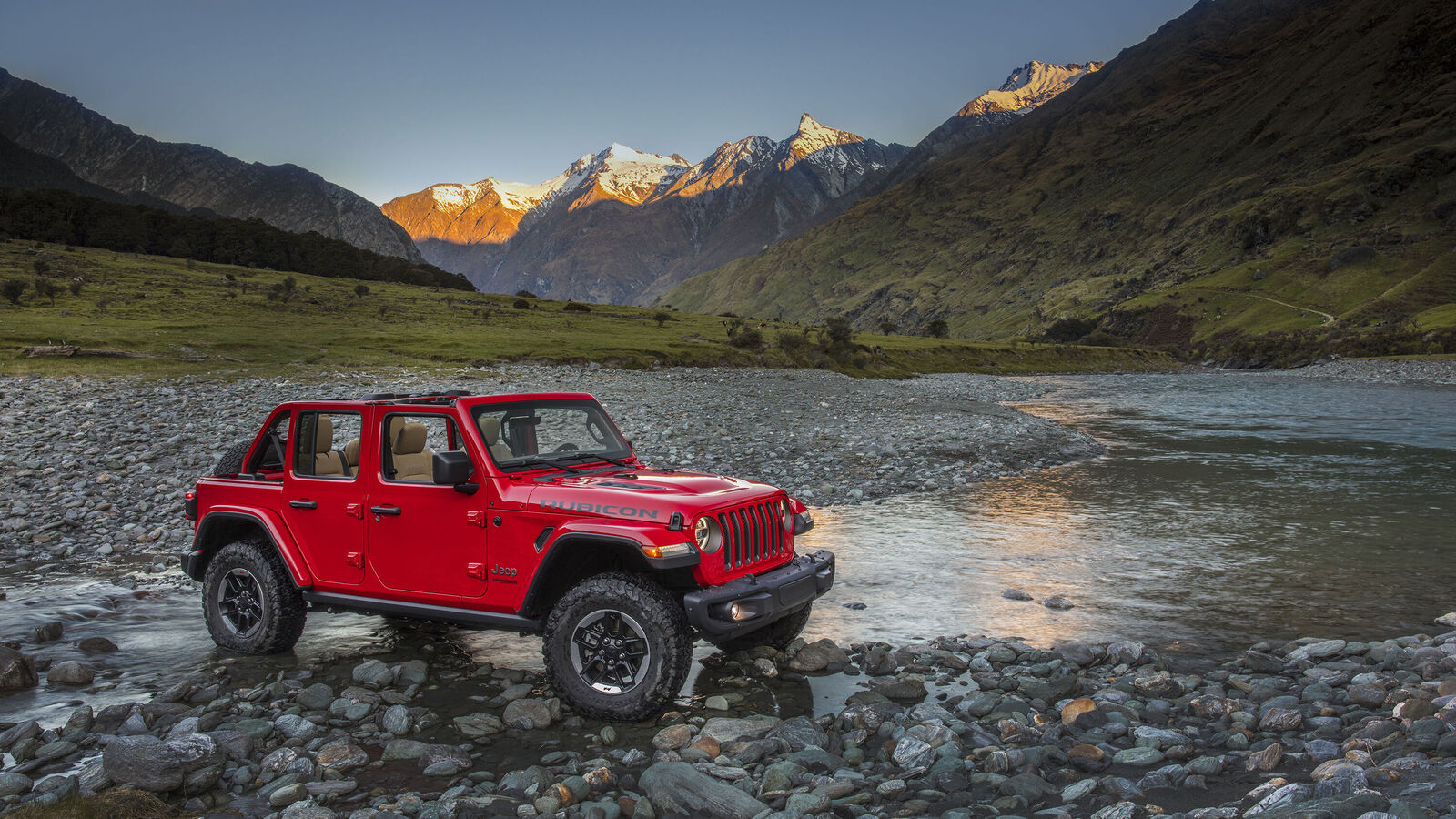
The iconic Jeep Wrangler has achieved a new milestone as the automaker rolled out the five millionth example of the off-roader globally. The five-millionth Jeep Wrangler has been sold to a customer in New Jersey in the US and is the fifth-generation 2024 version. The automaker achieved the milestone in a span of 37 years since the first Wrangler rolled out in the US in 1986 (as a 1987 model), replacing the Jeep CJ that continued the legacy of the original 1941 Willy MB.
By: Sameer Fayaz Contractor | Updated on: 31 Aug 2023, 18:36 PM
The Jeep Wrangler was first launched in 1986 in the US and is now a global off-roading icon
Since the launch of the first Jeep Wrangler (YJ), the automaker went on to sell 630,000 units of the off-roader between 1987 and 1995. The second-generation Wrangler (TJ) would go on to sell 900,000 units between 1996 and 2006. The third generation Wrangler (JK) arrived in 2006, followed by the JL in 2017. The five-millionth model sold is the 2023 4xe Rubicon 20th Anniversary Edition in the Earl paint scheme. The owner will also receive $ 5,000 worth of Jeep Performance parts and Jeep Wave customer care benefits.
The five-millionth Jeep Wrangler to be sold is the 2023 4xe Rubicon 20th Anniversary Edition
Speaking about the sales milestone, Jim Morrison, Senior Vice President and Head of Jeep brand North America, said, “With five million Wranglers sold, the Jeep brand continues to grow fueled by the unwavering passion of the Jeep global community. With legendary 4×4 capability, open-air-freedom and a timeless design, the Wrangler embodies the spirit and the soul of the Jeep brand. Over 80 per cent of the five million Wranglers sold since 1986 are still on the road, having fun out there and showcasing the amazing staying power of the vehicle. Our new 2024 Wrangler raises the bar once again as the most capable Wrangler yet, with more technology, safety features and refinement.”
The Jeep Wrangler started life as a two-door model with a 2.5-litre four-cylinder and a 4.2-litre inline six-cylinder engine options. Over the years, the automaker went on to introduce the four-door version, which is sold globally as well including in India. The fifth-generation Wrangler will make its way to the Indian market at a later date.
After introducing the BMW 7 Series Protection and i7 Protection a few weeks ago, the German luxury car brand has now introduced the X5 Protection, which is based on the revised iteration of the SUV. The BMW X5 Protection VR6 comes as an armour-plated bulletproof luxury SUV. The car will be showcased in the flesh at the upcoming Munich Motor Show next month.
By: HT Auto Desk | Updated on: 30 Aug 2023, 16:40 PM
BMW X5 Protection VR6 comes on the heels of the introduction of BMW 7 Series Protection and i7 Protection.
Despite being an armour-plated SUV, the BMWX5 Protection VR6 is not easily distinguishable from other BMW X5 models. As the automaker states, stealth is the first line of defence for this car. It sports twin M bars in the front kidney grille, high-gloss black M mirror caps, BMW Individual roof rails in high-gloss Shadow Line, and the twin pairs of exhaust pipes typical of the M exhaust system.
Beneath the familiar skin, the SUV features moulded high-strength steel plates shaped to fit the body in areas like doors, side frames, roof and bulkhead. The car also gets an armoured trunk divider and an aluminium underbody shrapnel shield. The fuel tank comes with a special casing that can seal punctures to prevent leaks in case a bullet or shrapnel penetrates the tank. The SUV meets VPAM ballistics requirements. However, customers can further enhance the protection level of the SUV by choosing optional underbody armour and additional roof armour.
Powering the BMW X5 Protection is the same 4.4-litre twin-turbocharged V8 engine that powers the standard BMW X5 M60i xDrive. This engine is paired with a 48-volt mild-hybrid system to generate 515 bhp peak power and 750 Nm of maximum torque. The car brand has not disclosed the weight of the X5 Protection but the armour plates have certain added extra weight on it, impacting the performance. It can sprint 0-100 kmph in 5.9 seconds, which is a significant drop from the M60i’s 4.2 seconds timing. However, this matches the previous armoured X5’s performance. The SUV’s suspension and braking system too have been re-tuned to handle the additional weight.
Maruti Suzuki plans to invest a whopping ₹45,000 crore to double its annual production capacity in the next eight years, reported PTI. Maruti Suzuki India’s chairman RC Bhargava reportedly said on Tuesday that the automaker plans to produce 40 lakh cars annually by 2031 with the influx of investment it is making to double production capacity. This comes at a juncture when the Indian auto industry like the rest of the global automobile industry is witnessing the introduction of new technologies and Maruti Suzuki is aiming to take a lead in that.
By: HT Auto Desk | Updated on: 29 Aug 2023, 15:25 PM
Besides focusing on doubling production capacity to 40 lakh cars annually by 2031, Maruti Suzuki is also emphasising on development of new technology for its vehicle fleet.
Despite being the largest car brand in India, Maruti Suzuki is yet to penetrate the EV segment, while Tata Motors, Hyundai, MG Motors and Mahindra along with several luxury car brands have already launched their respective products in the country’s electric car segment. Speaking about this, Bhargava accepted that the company is late in the segment but believes that it will not impact the brand by damaging its ability to get an adequate market share in the space.
Watch: Maruti unveiled eVX EV Concept at Auto Expo 2023
He also said that Maruti Suzuki aims to launch six electric cars by the decade’s end, which would give it a strong position in the market. “Yes, we are behind some companies in launching EV but that does not mean that we are late in the market or that when we are coming in 2024-25, we will have in any way damaged our ability to get an adequate market share,” he added.
As Maruti Suzuki is thriving towards greener and cleaner powertrain technology, it will increasingly focus on a wide range of new technologies including electric vehicles, hybrids, CNG, ethanol and compressed biogas in the coming days, said Bhargava. Speaking about these technologies, he also said that it is difficult to predict what will happen in the next eight to ten years.
Bhargava also said that Maruti Suzuki has reached the 20 lakh units annual production and sales milestone. Now, it is aiming to double that figure by reaching the 40 lakh units annual production and sales milestone, he said. The plan will be part of the automaker’s ‘Maruti 3.0’ strategy, under which the company is targeting to add another 20 lakh units of production capacity with about 28 different car models in the market by FY 2030-31.
The Maruti Suzuki chairman said that the era ahead is going to be a very uncertain and challenging one. “The era before us is going to be a very uncertain era, a very challenging era. Putting up these two million cars itself will cost us something close to ₹45,000 crore. It depends how inflation goes but at the moment we estimate the cost about ₹45,000 crore for two million cars,” Bhargava said.
Hyundai Motor is facing a crisis in its home base of South Korea after a government organisation gave the green signal for unionized workers of the carmaker to go on strike. The protesting workers have been demanding a hike in wages and for the retirement age to be increased.
By: HT Auto Desk | Updated on: 28 Aug 2023, 15:13 PM
File photo used for representational purpose. (REUTERS)
South Korea’s National Labor Relations Commission has permitted for Hyundai’s unionized workers to go on strike. Reuters, citing local reports, highlighted that these workers are now planning to gather and chart out their next course of action even though talks with the company management will continue as well.
The protesting workers had previously threatened to walk out unless Hyundai management agreed to their twin demands of wage increase and extension on the retirement age. The talks thus far has led to nothing significant.
Wage war at Hyundai: Potential fallout
If the unionized workers do go ahead with a general strike, this would turn out to be the first wage-related conflict at Hyundai in South Korea in five years. And it could not come at a worse time for the Korean car giant as it has been looking at ramping up production that has already taken a hit due to supply-related shortages.
A strike in the times to come could wreck havoc with delivery timelines of Hyundai models to the South Korean buyers, potentially ushering these customers towards rival brands. This especially so because the current inventories are rather minuscule.
It is further reported that Hyundai may be facing an operational loss of 1 trillion won ($755.37 million) if the strike does go ahead.
The Indian government has announced that it will lease 20 Audi bullet-resistant cars at the cost of ₹18 crore for the upcoming G20 Summit scheduled for September 9-10, 2023. The Press Information Bureau’s (PIB) fact check handle on X, formerly known as Twitter, confirmed the development. The Audi armoured cars will be used for the security needs of the foreign dignitaries who will attend the G20 Summit.
By: HT Auto Desk | Updated on: 26 Aug 2023, 18:52 PM
Delhi Police along with Traffic Police officials conducts a Carcade Rehearsals for the G20 Delegates ahead of G20 summit at Kartavya Path in New Delhi (Raj K Raj/ Hindustan Times)
India will host the G20 Summit for the first time, which will have leaders from over 20 nations in attendance. The cars will be used to ferry the visiting dignitaries over the two-day period. PIB Fact Check also clarified that the provision of bullet-resistant cars is a standard protocol procedure for all Head of State (HoS) and Head of Government (HoG) visits.
✔️ The Government of India has leased 20 Audi Bullet Resistant cars for 18 crores to accommodate the security needs of #G20 visiting Leaders. No cars have been purchased.
✔️Provision of BR cars is a standard protocol procedure for all HoS/HoG visits.
The G20 Summit will be held in New Delhi next month and is scheduled to take place at ‘Bharat Mandapam’ at the ITPO Convention Centre, Pragati Maidan between September 9 and 10. Apart from the ITPO Convention Centre, foreign dignitaries will be visiting other venues including Rajghat, IARI Pusa, and NGMA (Jaipur House). The guests will also visit the new convention centre at Pragati Maidan in the national capital.
This year’s G20 Summit is open for discussion on several important issues including advancing green growth and climate finance; promoting rapid, inclusive, and adaptable economic expansion, expediting progress towards sustainable development goals; navigating technological transformations and developing digital public infrastructure, reforming multilateral institutions to suit the 21st century and fostering Development under women’s leadership.
The G20 Summit comprises 19 countries including Argentina, Australia, Brazil, Canada, China, France, Germany, India, Indonesia, Italy, Japan, Republic of Korea, Mexico, Russia, Saudi Arabia, South Africa, T¼rkiye, United Kingdom, United States and the European Union. The countries invited this year include Bangladesh, Comoros, Egypt, Mauritius, Netherlands, Nigeria, Oman, Singapore, Spain, and the UAE.
The Amaze is Honda’s compact sedan that goes against the Maruti Suzuki Dzire, Tata Tigor and Hyundai Aura. Honda has priced the Amaze between ₹7.05 lakh and ₹9.66 lakh. Both prices are ex-showroom. The Amaze is available only in three variants – E, S, and VX and five monotone colours – Lunar Silver Metallic, Platinum White Pearl, Meteoroid Grey Metallic, Radiant Red Metallic and Golden Brown Metallic.
Honda sells Amaze only with a 1.2-litre, naturally aspirated, four-cylinder engine. It produces 89 bhp of max power and a peak torque output of 110 Nm. It comes mated to either a 5-speed manual gearbox or a CVT automatic transmission.
Honda is currently preparing to launch its mid-size SUV in the Indian market. It is called the Elevate and it will be going against the Hyundai Creta, Maruti Suzuki Grand Vitara, Kia Seltos, MG Astor, Toyota Urban Cruiser Hyryder, Citroen C3 Aircross, Skoda Kushaq and Volkswagen Taigun.
Watch: Honda Elevate SUV: First drive review
The Elevate will be offered only with a 1.5-litre, four-cylinder, naturally aspirated engine. It puts out 119 bhp of max power and 145 Nm of peak torque. This is the same engine that is doing duty on the Honda City as well. The Elevate will be offered with a 6-speed manual gearbox or a CVT automatic transmission. Honda will not sell Elevate with a diesel engine or a hybrid powertrain. Instead, Honda has confirmed that they will be launching the electric version of the Elevate by 2026.
The Morris Garages (MG) name enters its 100th anniversary and to celebrate the same, MG Motor India, the brand’s Indian subsidiary, has announced a host of offers, discounts and benefits for customers across its vehicle range. The offers kicked off with the ‘100 years of Driving Smiles’ centenary campaign, under which customers can avail of several benefits.
By: HT Auto Desk | Updated on: 24 Aug 2023, 19:20 PM
The offers extend to all MG Motor India models starting from the Comet EV, Astor, Hector, ZS EV to the Gloster SUV (HT Auto)
MG Motor India’s centenary year offers include 20 per cent off on accessories, up to 40 per cent on value-added services, 10 per cent off on extended warranty and roadside assistance as well as a free vehicle check-up and wash. Furthermore, all MG vehicles sold between August 10 and November 30, 2023, will get the exclusive “100 years” badge.
The offers includes discounts on accessories, extended warranty and RSA, value-added services, as well as free vehicle check-up and wash for new and existing customers
Existing customers who offer referrals also stand a chance to win a staycation, subject to terms and conditions. The offers can be availed by MG customers at authorised dealerships or on the ‘My MG’ mobile app.
Speaking on the 100-year celebrations, Gaurav Gupta, Deputy Managing Director – MG Motor India, said, “As MG embarks on this remarkable journey of a hundred years, it’s an absolute pleasure to celebrate this milestone with our valued consumers, who have been an integral part of this incredible journey. As a brand committed to exceptional customer service, this initiative will enhance MG’s affinity among our customers. We are excited to celebrate this milestone with them and provide valuable offers that enhance their ownership experience. Join us in commemorating this remarkable journey, filled with accomplishments, milestones, and a future of excitement and innovation.”
MG Motor India has cemented its position as one of the foremost players in the Indian electric car space with the ZS EV and the recently launched Comet EV. The latter remains one of the most affordable electric cars on sale in the country. MG has also been actively working towards setting up electric charging stations across the country. MG Motor’s ICE lineup comprises the Astor, Hector, Hector Plus and Gloster SUVs.
Defending Formula 1 world champion Max Verstappen could be prosecuted for exceeding speed limits in a viral video. The Red Bull Racing driver was seen driving the Aston Martin Valkyrie in Monaco and was said to be going at 120 kmph in a 90 kmph zone. While the video initially went viral on a positive note, it seems to have now landed the F1 champion in a soup of sorts.
By: HT Auto Desk | Updated on: 23 Aug 2023, 16:01 PM
Max Verstappen was seen exceeding speed limits in a viral video while driving the Aston Martin Valkyrie in Monaco
According to reports, at the General Directorate of the National Gendarmerie, a specialised cell tracks down such videos broadcasted on social networks. Going by the video, Verstappen stands accused of “endangering the lives of others” and could be prosecuted for the same. Apart from the fines imposed by local authorities, F1’s governing body, the FIA could also take cognisance and penalise the driver, should the allegations prove to be true.
The viral video shows Max Verstappen driving the $2.1 million dollar worth Aston Martin Valkyrie hypercar that produces in excess of 1,000 bhp. The 20-second-long video shows the Dutch driver taking the car for a spin on the Nice Nord motorway. The Valkyrie is one of the most advanced hypercars known for its sharp design and performance built in collaboration between Aston Martin and Red Bull Racing.
The Valkyrie coupe uses 100 per cent carbon fibre in its construction minimising load and enhancing the power-to-weight ratio. The 6.5-litre V12 motor develops 1,140 bhp revving up to 11,100 rpm. The Valkyrie can sprint from 0-100 kmph in under 3 seconds and has a top speed of over 321 kmph.
On the racing front, Max Verstappen is dominating the 2023 F1 season with little to no competition from his contemporaries. The F1 driver will most likely be unfazed by all the chatter as he prepares for his next home race, the Dutch Grand Prix at Zandvoort on September 4. The two-time world champion is aiming to secure his third world championship this season.
Along with exchange support, the company is also offering a complimentary service package of up to four years. It is also offering corporate benefits of up to ₹70,000 as well as extended warranty with benefits up to ₹4,000.
Earlier this month, the company carried out a monsoon service campaign, offering various maintenance-related discounts to customers. Skoda currently sells three models in India – Kushaq, Kodiaq and Slavia.
The company recently achieved a milestone of exporting 6,00,000 cars that were produced at its manufacturing facility in Chakan, Pune. This achievement cements the position of India as a key export hub for the VW Group. The India-made models are finding strong demand in Mexico, GCC countries, Sub Sahara, North Africa and other Asian markets, to name a few, further solidifying the Group’s global footprint. Notably, the Kushaq is also the first Skoda vehicle to be exported from India.
The India-made Skoda Kushaq and Skoda Slavia models are set to be exported to Vietnam as parts and components in 2024. To facilitate this expansion, an advanced 16,000 sq. m plant is currently under construction in Chakan, Pune, dedicated to manufacturing these.
In June, the company entered into the NFT space with the launch of Skodaverse India – a Web 3.0 platform to engage users with NFT sales. It will offer unique digital art enabling customers to unlock bespoke utilities and experiences. The aim is to create a community of Skoda fans to interact, engage and co-create in the long term. Skodaverse India is a part of the existing global Web 3.0 initiative Skodaverse.
The annual multi-day Monterey Car week came to an end on August 20 after witnessing classic car concours, product launches, races, auctions, rallies and posturing. The auto show saw participation from many auto makers who showed their best efforts to attract elite car buyers. The show witnessed electric SUV concepts with doors that open in reverse, a supercar covered in gold and intricate hand-painted pictures of other cars.
By: HT Auto Desk | Updated on: 21 Aug 2023, 18:15 PM
Bugatti will only make one unit of Chiron Super Sport Golden Era.
Then there were 3D-printed hypercars and an SUV that runs on hydrogen. One of the electric standouts was the Rōnin, priced at $385,000, from Fisker. The product is limited to only 999 units and promises 600 miles of range. The company will start the production of the model in the second half of 2025.
Then there was a ‘Time Attack’ edition of the all-electric Rimac Nevera hypercar, priced at $2.1 million. It will be a limited-edition run of just 12 units. The new already has a host of speed records in its kitty and it boasts 1,813 horsepower.
The Ronin from Fisker is limited to only 999 units.
Lamborghini’s Lanzador conceptual model made a debut as futuristic electric vehicle. Inspired by the versatality ofUrus and high ride height inspired by the off-road capable Lamborghini Huracan Sterrato, it will come with two electric motors, one for each axle, providing all-wheel drive. The model is slated for 2028.
Among the traditionals, Kia showcased the EV6 with a limited edition in dark green. BMW came up with its i5 M60 and iX5 Hydrogen, two road-going vehicles leading the automaker’s alternative fuel goals. It also showcased an electric sedan – the BMW i5 M60 with an estimated range of up to 256 miles. It joins the iX SUV and i4 sedan, among others, in BMW’s all-electric line.
Mercedes had a line-up of Maybach EQS electric SUV, Maybach Night Series and Vision One-Eleven concept. It also unveiled its new Mercedes-AMG GT, a special edition of the Mercedes-AMG SL and 2024 Mercedes-AMG SL 63 Manufaktur Big Sur.
McLaren showed the 2024 McLaren 750S while Maserati unveiled the MCXtrema. Hennessey debuted the $3 million Venom F5 Revolution Roadster while Bugatti debuted the Chiron Super Sport ‘Golden Era’.
Nissan has issued a recall in the US affecting more than 236,000 small cars owing to a potential issue with the tie rods in the front suspension. The National Highway Traffic Safety Administration (NHTSA) in its recall document has stated that the potential issue could result in the bending and breaking of the tie rods, possibly leading to a loss of steering control. The tie rods play a crucial role in enabling the steering of the vehicle.
By: HT Auto Desk | Updated on: 20 Aug 2023, 13:09 PM
Nissan recalls over 236,000 small cars in the US due to potential steering control issues with tie rods.
The latest recall impacts specific Nissan Sentra compact cars that were produced between 2020 and 2022, revealed the NHTSA document. Nissan claims to have identified that when the tie rods of these vehicles become bent, there is a possibility of them breaking. This can adversely impact the vehicle’s steering system, consequently elevating the risk of a potential accident.
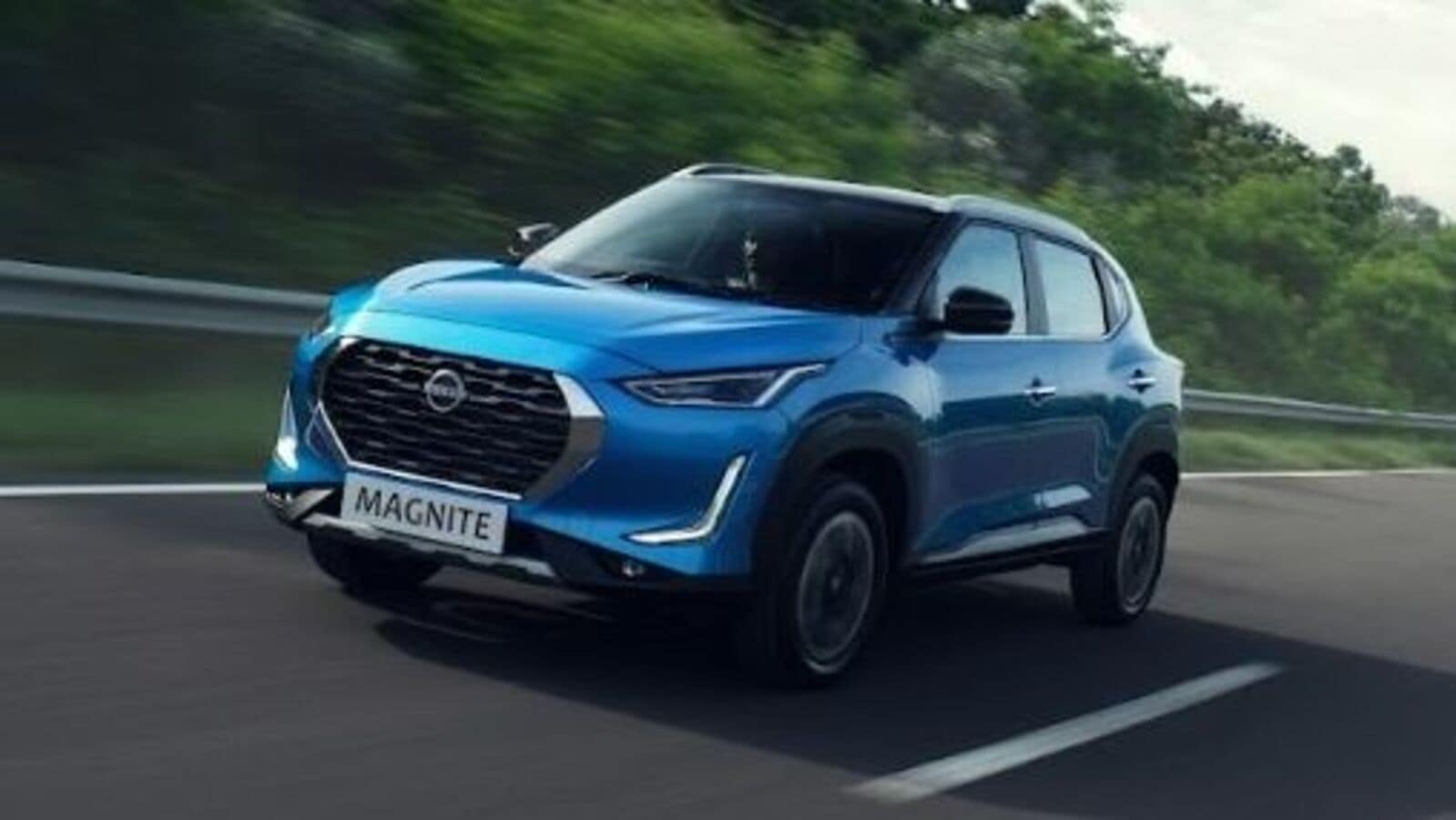
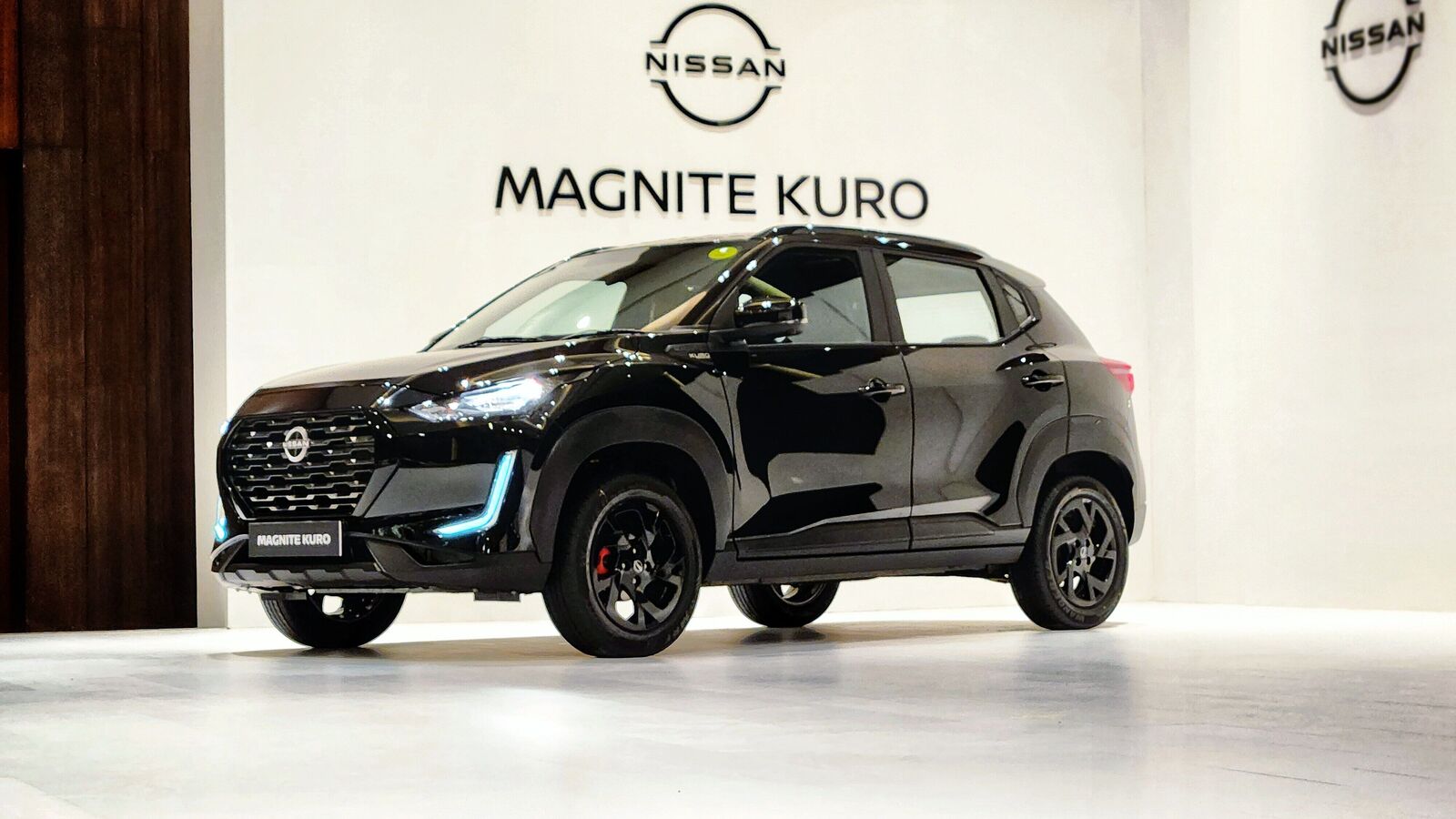
Watch: Nissan Magnite SUV | First Drive Review | 1.0-litre Turbo Manual & CVT
If the vehicle owners notice their steering wheel being off-centre or experiencing vibrations, they have been advised to reach out to the local dealers. The Nissan dealers will inspect and replace the tie rods that are found to be bent or broken, stated NHTSA. Also, the recall document has further revealed that once an updated design becomes accessible, dealers will provide a no-cost replacement of both the left and right tie rods for vehicle owners.
Starting on October 5, the Japanese car brand will start sending out letters to the owners of the impacted Nissan cars informing them about the recall. A subsequent letter will be dispatched once the necessary parts become available.
Meanwhile, Nissan Motor India Pvt. Ltd. has announced a free monsoon check-up camp for its customers. The monsoon camp started on 15th July and will continue till 15th September. Nissan car owners can visit authorised workshops serving Nissan and Datsun vehicles across the country to get free check-ups of their vehicles.