Also See:
Mercedes-Benz GLA vs BMW X1 comparison: Diesel duel
Source link
Japanese automaker Isuzu has announced its I-Care pre-summer camp bringing preventive checks and maintenance for its D-Max range of pick-ups and MU-X SUVs. The service camp offers a range of benefits for customers including complementary checks, discounts on parts, labour and more. The Isuzu pre-summer camp will be held between March 19 and March 24, 2024, across the company’s authorised dealer service outlets.
Isuzu customers can avail of a free 37-point comprehensive check-up for their vehicles, a 10 per cent discount on labour, a 7 per cent discount on parts, lubricant and fluids, and a 20 per cent discount on the retail RSA purchase. Furthermore, the automaker is offering a free top wash on all vehicles, while BS6 vehicle customers get free regen.
Also Read : Isuzu D-Max S-Cab pick-up gets a new top Z trim. Check out price, features, specs
The Isuzu pre-summer camp will be organised at all authorised service facilities of in Ahmedabad, Baramulla, Bengaluru, Bimavaram, Bhuj, Bhubhaneshwar, Calicut, Chennai, Coimbatore, Delhi, Dimapur, Durgapur, Gandhidham, Gorakhpur, Gurugram, Guwahati, Hyderabad (Kukatpally & L.B.Nagar), Indore, Jaipur, Jaigaon, Jalandhar, Jammu, Jodhpur, Kochi, Kolkata, Kolhapur, Kurnool, Leh, Lucknow, Madurai, Mandi, Mangalore, Mehsana, Mohali, Mumbai, Navi Mumbai, Nagpur, Nashik, Nellore, Noida, Pune, Raipur, Rajahmundry, Rajkot, Siliguri, Surat, Tirupati, Trivandrum, Trichy, Vadodara, Vijayawada and Visakhapatnam.
Customers can call their preferred Isuzu service centre to book a service appointment during the camp days. The automaker retails the D-MAX pick-ups – S-CAB Z, S-CAB and Regular Cab, for the commercial segment; whereas it retails the D-MAX V-Cross lifestyle pick-up and MU-X full-size SUV in the passenger vehicle segment.
First Published Date: 16 Mar 2024, 17:40 PM IST
Low speed limits on a 6-lane road result in dangerous braking in front of speed cameras.
I write this column as someone who has evolved into a very sedate driver over the years. Don’t get me wrong, I have my fun on bikes in the right environment, but I find much more joy in driving to a destination as efficiently as possible rather than as fast as possible. I suppose it also helps that my personal car is a twenty-year-old Maruti Zen. It’s a car whose ability to transport you to a simpler time is something I adore, and it also doesn’t feel very comfortable above 100kph.
With that foundation laid in place, it’s time to get to the point of this column. Some of our speed limits are ridiculous to the point of being downright dangerous. A prime example would be what’s happening on the Mumbai-Pune Expressway. A few years ago, the speed limit was raised from 80kph to 100kph and I think that number nicely balances the capability of our modern cars along with the driving skills of the average Indian road user.
However, this speed limit only applies to the straight stretches and the problem begins when you get to the ghat section between Khopoli and Lonavala. Here, the speed limit is immediately halved to 50kph, which is simply way too slow for a road that remains a very wide and flowing six-lane expressway throughout.
How do we know that this is far too slow? Well, the authorities have now erected plenty of new overhead gantries with speed cameras, and I’ve noticed that almost nobody – not even most commercial vehicles – are going that slowly, especially downhill. People either drive past with oblivion or suddenly and dangerously brake to avoid the fine.
Things get even worse when you’re on the elevated section over Lonavala where there’s a 30kph speed limit board that is soon followed by a row of new cameras. To put it into context, how absurd is this on a six-lane ‘expressway’, an above-average athlete can run faster than that.
Having recently been stung by a Rs 2,000 fine for doing a very sedate 64kph on the expressway ghat, I tried slowing down to 30kph for this board and had to completely get off the road to do so without possibly causing a pile-up.
I really wonder how this hasn’t already been corrected. Do the authorities who set these speeds actually drive on these roads? Or have all these new speed cameras been intentionally placed right next to unrealistic speed limit boards? Either way, something has to change.
For bikes, things get worse, with painfully low speed limits on many state and national highways, and a growing number of strategically parked speed interceptor vehicles waiting to catch you out.
Speed limits are important and the steep fines associated with them do a good job of keeping reckless driving under control. But at the same time, more thought and science needs to go into the design of these limits, especially when tens of thousands of crores of taxpayer money is being put into road infrastructure development.
The very point of making great roads is to facilitate more efficient traffic movement, which will lead to a more efficient economy. Doesn’t it completely defeat the purpose if we are going to then artificially slow the traffic down again?
Also See:
The Skoda Epiq derives its name from the word epiq and is about 4.1 metres long, making it a tad shorter than the Skoda Kushaq, promising a range of 4
…
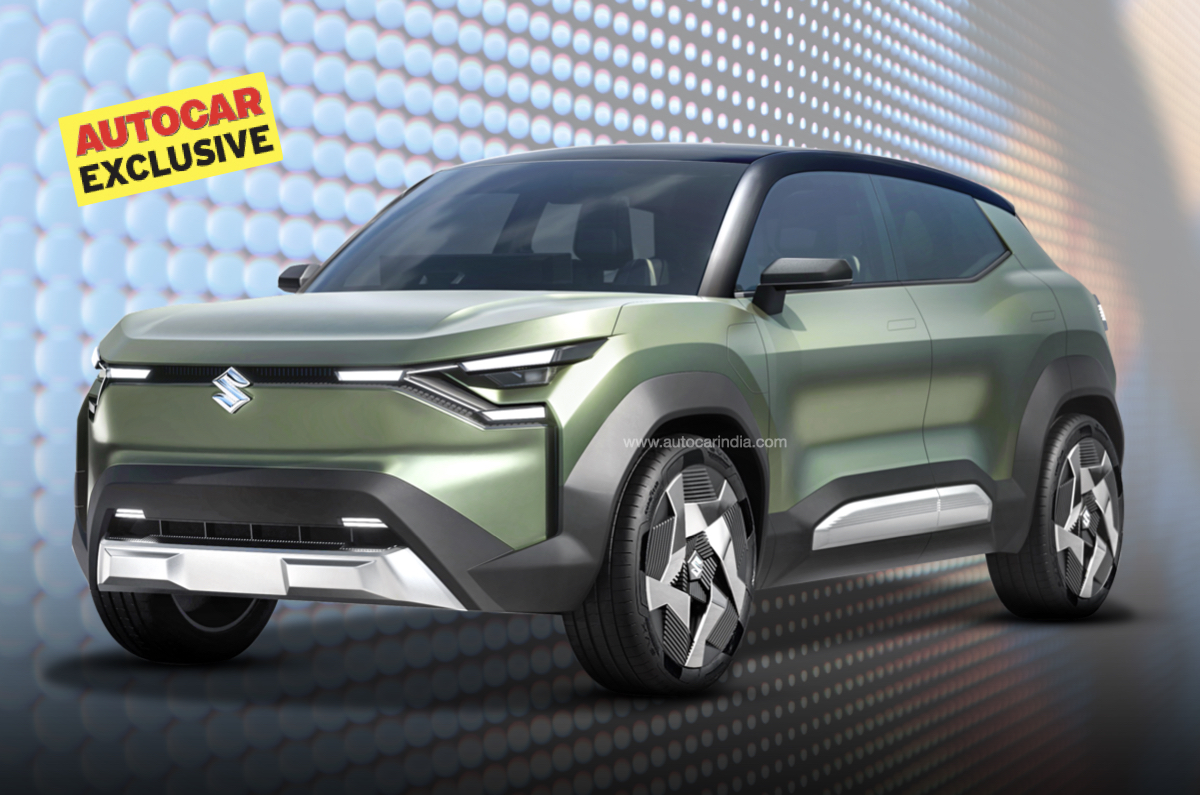
Skoda Auto has taken the wraps off its most accessible electric offering. The new Skoda Epiq electric SUV arrives as a design study with the final version to arrive in 2025. The Epiq derives its name from the word ‘epiq’ and is about 4.1 metres long, making it a tad shorter than the Skoda Kushaq, while promising a range of 400 km on a single charge. Prices in Europe will be around 25,000 Euros (approx. ₹23 lakh) in the European market.
The Skoda Epiq shares its underpinnings with the Volkswagen ID.2. The exterior adopts the Modern Solid design language, which the company says incorporates smart functionality and practicality together. The front gets the new Tech-Deck Face, which Skoda says is a modern interpretation of the brand’s radiator grille with the gloss black surface hiding the camera and adaptive cruise control radar.
Also Read : Skoda to assemble electric cars in India from 2027, aims affordability
The grille is flanked by new T-shaped LED DRLs with the headlights sporting Matrix LED technology stacked below. The bumper features massive vertical slats, which reminds us of the iconic grille on Jeep SUVs. The shoulder line offers a bold and flat design at the side that adds to the rugged feel of the Skoda Epiq. Add to that the flared wheel arches and the T-shaped LED taillights at the rear.
The cabin on the Skoda Epiq concept shows a clutter-free design with a dual-tone theme. The model gets a two-spoke steering wheel, a 5.3-inch Virtual Cockpit and a 13-inch touchscreen infotainment system. The dashboard features simpler lines with a gloss-black finish running across. Skoda says there will be wireless charging and plenty of open storage areas across the cabin including a boot capacity of up to 490 litres.
Also Read : Skoda aims to mass-market electric car segment in India, mulling various options
The Epiq will be able to support bi-directional charging, allowing it to charge devices using the vehicle’s battery. The automaker has not revealed any specifications yet on the electric SUV and we expect the same to be disclosed closer to the launch next year. The Epiq is part of the brand’s EV offensive that includes six electric cars in the coming years. Skoda also has the new Elroq compact electric SUV lined up for debut later this year.
There’s no word on whether Skoda plans to bring the Epiq to India at any point. The automaker though is planning to introduce the Enyaq electric SUV in the country later this year as its first all-electric offering.
First Published Date: 15 Mar 2024, 16:39 PM IST
TVS Racing is all set to kick off the 2024 TVS Asia One Make Championship (OMC) from March 15, 2024, onwards. The third edition of the TVS One Make Championship will be held alongside the FIM Asia Road Racing Championship (ARRC) and will have promising young riders on the race-spec Apache RR 310 competing for the laurels.
Much like the previous editions, the TVS One Make Championship will have riders from different regions in Asia participating in the race. From India, riders KY Ahmed, Jagan Kumar, Chiranth Kumar, and Sarthak Chavan will be competing in the series, alongside riders from Indonesia, Malaysia, Japan, Thailand, Singapore, the Philippines, South Korea and Germany.
Also Read : TVS Motor Co enters France, displays its product range at Salon du Deux Roues.
Commenting on the championship, Vimal Sumbly, Head Business – Premium at TVS Motor Company said, “Celebrating our third year at the Idemitsu FIM ARRC alongside TVS Asia OMC marks a significant milestone for TVS Racing. It’s a testament to our enduring dedication to motorsport, excellence and innovation. Our continued participation underscores our commitment to pushing the limits of engineering and performance, while also providing an exciting platform for our riders to showcase their skills on the international stage. The race machines for this season of the championship get a few important technical updates for further possibilities on the race performance. The engineering behind these race machines and insights from the races go into our products and showcase our strengths and transformations. As we embark on another thrilling season, we are eagerly excited by the opportunity to continue our legacy of success and to bring the thrill of racing to fans around the world. We look forward to another exciting year of competition, camaraderie, and, most importantly, the relentless pursuit of victory, and wish our racers luck for this season.”
Ron Hogg, Promotions Director of Two Wheels Motor Racing said, “TVS Asia OMC has been instrumental in the expansion of ARRC and since their debut in 2022, we have garnered vast support and recognition from our fanbase and motorsports community which has impacted the championship positively. This year, we are proud to mark the entries of two additional countries in the one-make series which I believe would also serve to broaden our brand proposition and incite new interests in the future. As we move forward, our goal remains the same which is to ensure our reach to a wider demography while elevating the standards of Asian motorsports.”
This edition will also see the riders using the Alpinestars airbag system equipped in their racing suit. The new safety feature will bring more confidence among the riders ensuring a safety net. The young racers will be piloting the 2024 TVS Apache RR 310 built for the track. The race-spec machine remains largely similar to the 2023 edition but gets improvements in the form of advanced electronic fuel injection (EFi) and electronics systems. The overall braking has also been refined with improved engine braking and a more consistent braking system.
The 2024 ARRC will commence with Round 1 at the Changi circuit this weekend. The season will move forward with six rounds in 2024. The TVS OMC will have a total of 15 riders on the grid, of which six are newcomers.
First Published Date: 14 Mar 2024, 18:43 PM IST
The design language remains unchanged on the 2024 BYD Atto 3 but there are cosmetic and feature changes including a new infotainment system, software
…
Chinese electric vehicle giant, Build Your Dreams (BYD) has revealed the updated Atto 3 electric SUV for the 2024 model year. The MY2024 BYD Atto 3 arrives with subtle upgrades over the outgoing model. The design language remains unchanged on the 2024 Atto 3 but there are cosmetic and feature changes including a new infotainment system.
The 2024 BYD Atto 3 now comes with a new Cosmos Black colour option that brings a more premium look to the SUV. The model also gets a new gloss black finish on the chrome window surrounds, while the D-pillar insert is also finished in gloss black. The Build Your Dreams badge on the tailgate has been shortened to just the ‘BYD’ logo. The electric offering also gets new 18-inch alloy wheels that now get wider 235/50 R18, as opposed to 215/55 R18 tyres. The changes were made after customers in international markets reported a subpar grip from the rubber.
Also Read : BYD Seal EV launched in India at ₹41 lakh, gets up to 650 km of range.
The cabin layout remains the same but the big update on the 2024 Atto 3 is the new infotainment screen. The model uses a larger 15.6-inch touchscreen system from the new Seal EV, as against the 12.8-inch unit on the current model. The screen continues to get the rotating feature enabling it in landscape and portrait modes. The cabin also features a new dark blue and black colour scheme, which exudes a fresh look to the interior.
BYD has also introduced software updates including the new ‘Intelligent Start’ system that allows the driver to start the car by pressing the brake pedal. The new infotainment unit also comes with Amazon Music support, a web browser, a karaoke function and a BYD app store. Other upgrades include a thicker sunroof shade, expanded voice recognition software, quieter navigation and proximity alarm alerts, as well as a new anti-theft alarm sound. The interior ambient lighting is also linked to Spotify songs being played.
There are no mechanical changes to the Atto 3. The electric offering continues to be underpinned by the e-Platform 3.0 with a 49.9 kWh blade battery that promises 345 km on a single charge. The electric motor is good for 201 bhp and 310 Nm of peak torque. A larger 60.5 kWh battery pack also powers the SUV with a claimed range of 420 (WLTP) on a single charge in international markets, while the India-spec version offers a range of 521 km (ARAI-certified).
The right-hand-drive 2024 BYD Atto 3 is on sale in Japan and Singapore and will slowly be available in more markets globally. The Atto 3 is already on sale in India and the update is likely to make its way here later this year. The company though is yet to confirm any details on the same. The BYD Atto 3 is priced at ₹33.99 lakh (ex-showroom) in India.
First Published Date: 13 Mar 2024, 18:29 PM IST
Atto 3 borrows its larger touchscreen from Seal EV; no mechanical changes.
BYD has rolled out a mid-lifecycle update for the Atto 3 electric SUV overseas, and the updates include new paint options and an updated infotainment screen with more features. However, it remains mechanically unchanged. The BYD Atto 3 is the company’s highest selling EV in several markets, including India.
There aren’t any cosmetic changes on the outside, but the Atto 3 gets a new ‘Cosmos Black’ exterior colour shade. The chrome window surround and the silver textured D-pillar trim have also been blacked-out. Furthermore, the alloy wheels have a slightly updated design and the ‘Build Your Dreams’ logo on the boot lid is now just spelt as BYD.
The more significant update is on the inside – the 12.3-inch rotating touchscreen infotainment has made way for a larger 15.6-inch unit that’s borrowed from the Seal EV. It also gets a new black-blue interior colour scheme that replaces the previous beige-blue colours. There, however, aren’t any cosmetic changes, but it does get a new ‘intelligent start’ system that allows the driver to start the car by just pressing the accelerator pedal.
The Atto 3 is powered by a front-axle mounted electric motor that develops 201hp and 310Nm, allowing the Atto 3 to do the 0-100kph run in 7.3 seconds (claimed). It packs a 60.48kWh blade battery that has an ARAI-certified range of 521km. The Atto 3’s battery pack can be charged in around 10 hours using a 7kW Type 2 AC charger, while a 80kW fast charger takes around 50 minutes to go from 0-80 percent.
Given that the Atto 3 is already on sale in India, we expect the updated version to be available here pretty soon. BYD recently also launched the Seal EV as its third product in India.
Also See:
The teaser video shows the battery undergoing a 40-foot drop test to demonstrate the durability of the component that will power the upcoming Rizta f
…
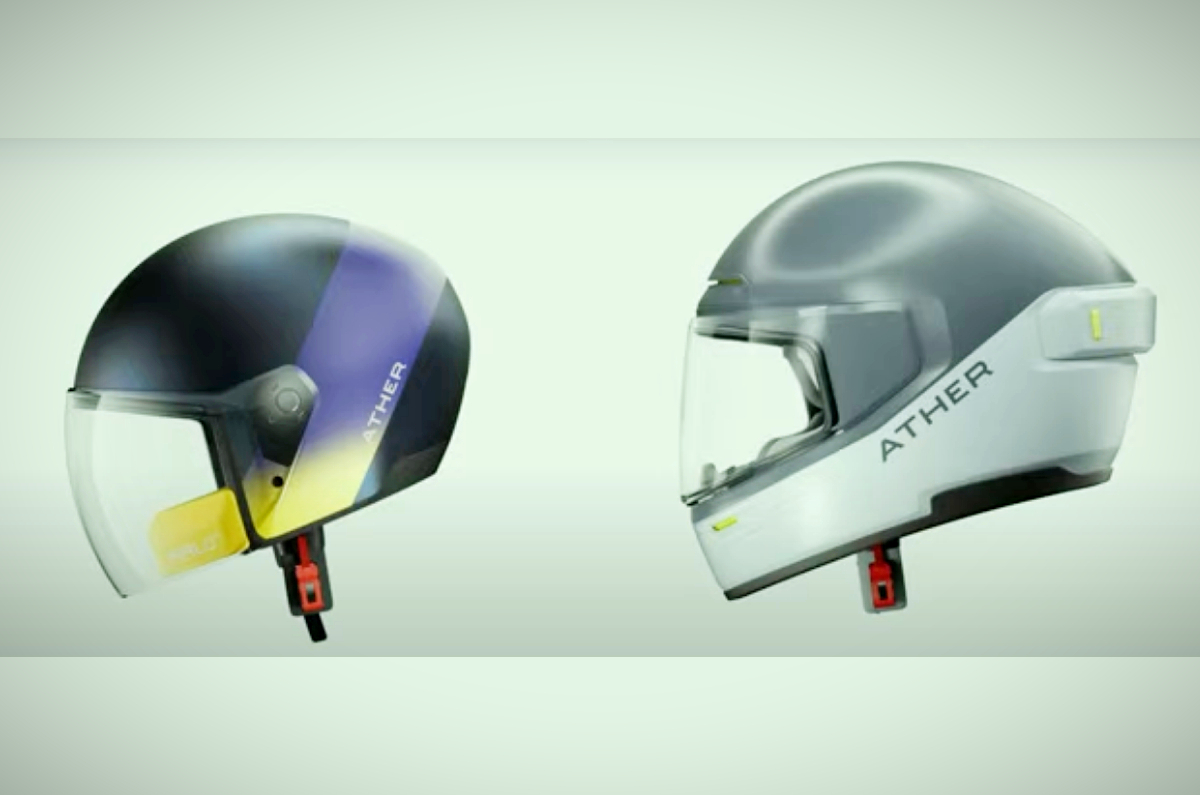
Ather Energy will reveal the new Rizta electric scooter on April 6, 2024, at the Ather Community Day. Ahead of the debut, the company is slowly revealing little details about the upcoming offering in a bid to keep buyers excited. The latest teaser video has now dropped on Ather’s social media and shows the new battery pack on the Rizta.
The teaser video shows the battery undergoing a 40-foot drop test to demonstrate the durability of the component. The video ends with the battery pack successfully withstanding the impact at the end of the test. The company says that the drop test showcases the battery pack’s ability to withstand shocks when going over bad roads. That’s all the details the company has shared so far without giving out numbers on the capacity or range. The flat design though hints at the battery going under the floorboard, similar to the Ather 450X, which would ensure maximum space under the seat.
Also Read : Ather to reveal Halo smart accessory on April 6 alongside Rizta. What is it?
Details remain scarce but Ather has promised the biggest seat in the segment and under-seat storage for the Rizta family e-scooter. The company currently builds battery packs in the 2.9 kWh and 3.7 kWh capacities respectively. The former promises a range of 111 km, while the latter offers a range of 150 km (certified) on a single charge. It needs to be seen if the Rizta will get the same battery pack or if the company opt for something larger in the interest of a higher range.
The bigger battery pack will also increase the weight of the scooter, which will be another challenge for the company. Hence, it needs to be seen how the Rizta is engineered to accommodate the needs of the family scooter buyer. Complete details on the Rizta should be available early next month. Make sure to keep watching this space for all the action.
First Published Date: 12 Mar 2024, 20:46 PM IST
Apart from hybrid tech, the Porsche 911 line-up will also get a major model update.
The Porsche 911 hybrid has been confirmed for a debut later this year, and this powertrain upgrade for the iconic 911 line-up is a part of a major model update that’s been two years in the making.
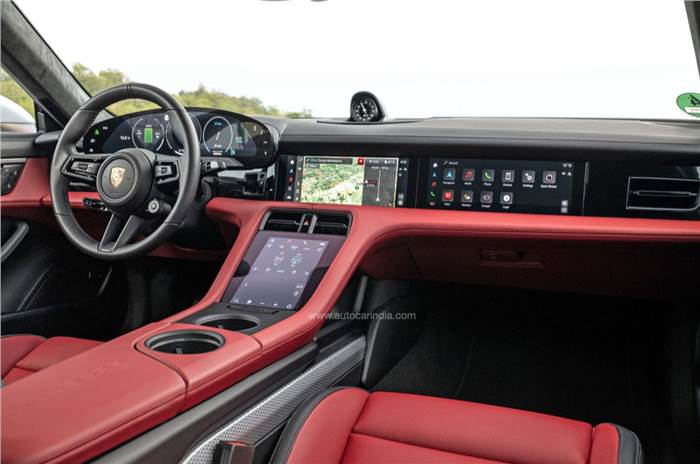
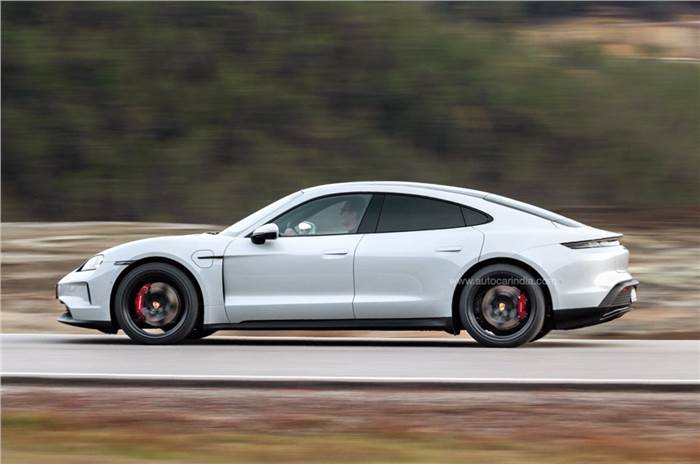
The ‘992.2’-generation Porsche 911 receives a host of mid-life revisions, including subtly altered exterior styling, a reworked interior and updated six-cylinder petrol engines. It is one of four new Porsche models arriving in 2024 – one of the German marque’s busiest years on record for new launches – alongside the new Panamera, Taycan and electric Macan.
The changes are intended to sustain the 911’s appeal through to 2027, when an all-new ninth-generation model will join the increasingly electrified Porsche line-up.
The most significant change to the 911 in its sixth decade of production is the adoption of a unique petrol-electric hybrid system. Set to appear in a new four-wheel-drive model being revealed in the summer, it combines a tuned version of Porsche’s turbocharged six-cylinder engine with a specially designed electric motor housed within the front axle. The petrol engine provides drive to the rear wheels, while the electric motor drives the front wheels. A 48V integrated starter motor in the dual-clutch automatic gearbox will provide an electric boost and power ancillary components.
The new 400V system is claimed to generate its own energy reserves using the engine as a generator – in a function similar to that of a range-extender drivetrain – as well as via brake regeneration, negating the need for external charging.
Electric energy is stored in a specially developed lightweight lithium-ion battery. With an energy capacity well below the batteries used by Ferrari and Mercedes-AMG in their plug-in performance models, it has been configured specifically for rapid energy charge and discharge properties.
Secrecy surrounds the output of the new hybrid drivetrain, though Porsche is eventually expected to offer the new petrol-electric unit in a range of different performance levels. Both Turbo-E Hybrid and Turbo S E-Hybrid models have been mooted for introduction in line with the Cayenne and Panamera line-ups.
Before the eighth-generation 911 bows out later this decade, Porsche is also set to launch an 800hp-plus hybrid successor to the fearsome GT2 RS. A fully electric 911 is not immediately planned, and Porsche instead envisages them progressing into the future with electrified combustion engines in combination with new e-fuel derivatives to provide net-zero emissions.
Apart from the powertrain, the changes on the facelift include:
Enhanced cooling: To boost cooling for the front-mounted radiators and brakes, Porsche has given the new front bumper distinctive air ducts that house five vertical louvres on each side, in place of the three horizontal louvres of the existing model. It is most likely that they will incorporate some sort of active operation to better balance cooling and aerodynamic drag. There is also a larger central air duct book-ended by additional cooling channels on either side.
Revised headlamps: Instead of being housed within the top section of the bumper insert, the indicators are now integrated into the revised headlight assemblies that feature a new graphic design. As with the units used by the facelifted Cayenne, the new headlights are expected to offer HD matrix LED functionality with more than 32,000 pixels per unit and the capability of lighting up to 600 metres ahead.
Restyled rear end: The updated 911 receives new-look brake lights integrated into the top of a restyled rear bumper, and it also features inboard-mounted tailpipes within a revised diffuser.
Interior upgrades: The changes to the interior of the new 911 are more subtle. Prototypes use the existing dashboard architecture and other features, suggesting that most tweaks will involve software upgrades. Among the expected developments are new digital instrument graphics and the latest Porsche Communication Management system for infotainment functions.
Also see:
Porsche 911 GT3 RS video review
New 536hp Porsche Panamera e-Hybrid gets 95km EV range
Porsche India records highest ever sales of 914 units in 2023
The National Highway Authority of India (NHAI) has removed Paytm Payments Bank Ltd (PPBL) from its list of FASTag issuing banks and NBFCs after the Reserve Bank of India (RBI) ordered the closure of Paytm Payments Bank due to non-compliance and supervisory concerns. Now, it has published a revised list of issuers of the FASTag.
In the revised list, there are a total of 39 banks and NBFCs which are eligible to issue FASTags to vehicle owners. The banks and NBFCs in the revised list of FASTag issuers authorised by the NHAI include Airtel Payments Bank, Allahabad Bank, AU Small Finance Bank, Axis Bank Ltd, Bandhan Bank, Bank of Baroda, Bank of Maharashtra, Canara Bank, Central Bank of India, City Union Bank Ltd, Cosmos Bank, Dombivli Nagari Sahakari Bank, Equitas Small Finance Bank, Federal Bank, Fino Payment Bank, HDFC Bank, ICICI Bank, IDBI Bank, IDFC First Bank, Indian Bank, Indian Overseas Bank, IndusInd Bank, J&K Bank, Karnataka Bank, Karur Vysya Bank, Kotak Mahindra Bank, LivQuik Technology Pvt Ltd, Nagpur Nagarik Sahakari Bank Ltd, Punjab Maharashtra Bank, Punjab National Bank, Saraswat Bank, South Indian Bank, State Bank of India, Syndicate Bank, The Jalgaon People’s Co-op Bank, Thrissur District Cooperative Bank, UCO Bank, Union Bank of India and Yes Bank.
Also Read : How to deactivate PayTm FASTag and apply for fresh one: A step by step guide
(To purchase a new Fastag, click here.)
After the removal of Paytm Payment Bank Ltd from the list of FASTag issuing banks, many vehicle owners who purchased FASTag from the PPBL now have to buy FASTag from any other issuing banks. However, they can continue using the existing Paytm FASTag until they have any balance in the account. However, no topping up of the Paytm FASTag accounts will be allowed after March 15, 2024, as NHAI and RBI have informed. Hence, the users of Paytm FASTags are advised to purchase a new FASTag from any other authorised bank.
First Published Date: 11 Mar 2024, 17:02 PM IST
Creta N Line gets sporty cosmetic changes along with larger 18-inch wheels.
Less than 2 months after the 2024 Hyundai Creta facelift’s prices were announced, the Korean company has brought in the sportier N Line – in N8 and N10 trims – priced between Rs 16.82 lakh-20.30 lakh, which is quite close to our estimate. This is Hyundai’s third N Line model in India, and the second major expansion of the Creta line-up after the launch of the Alcazar. Bookings for the N Line had opened for Rs 25,000 on February 29 and Hyundai has already received over 80,000 orders.
| Hyundai Creta N Line prices (ex-showroom) | |
|---|---|
| Variant | Price |
| Creta N Line N8 MT | Rs 16.82 lakh |
| Creta N Line N10 MT | Rs 18.32 lakh |
| Creta N Line N8 DCT | Rs 19.34 lakh |
| Creta N Line N10 DCT | Rs 20.30 lakh |
The top-spec Creta SX(O) with the 160hp, 1.5-litre turbo-petrol engine comes mated to only a 7-speed dual-clutch auto, and is priced at Rs 20 lakh. The equivalent N Line trim, N 10, costs Rs 30,000 more. Meanwhile, the N8 trim costs Rs 19.34 lakh. Hyundai claims that the automatic version does the 0-100kph sprint in 8.9 seconds.
However, the Creta N Line is also available with a 6-speed manual gearbox, priced between Rs 16.82 lakh-18.32 lakh. Both powertrains come with three drive modes – Eco, Normal and Sport – and three ‘Traction’ modes – Snow, Sand and Mud. Hyundai claims the dual-clutch version delivers 18.4kpl, while the manual is rated at 18kpl.

The Creta N Line is priced lower than special range-topping versions of rivals like the Skoda Kushaq Monte Carlo 1.5 TSI (Rs 19.09 lakh-20.49 lakh), Volkswagen Taigun GT Plus and GT Edge (Rs 18.18 lakh-20 lakh) and the Kia Seltos X-Line (Rs 19.60 lakh-20.30 lakh).
Cosmetically, Hyundai seems to have upped the ante with the Creta N Line compared to previous N Line models. Along with the usual sportier bits, the model sports all-new front and rear bumpers, a new front grille, pronounced side skirts, and larger 18-inch alloy wheels – the N Line has relatively lower profile 215/55 R18 tyres (compared to the Creta SX(O)’s 215/60 R17 units).

Hyundai offers three monotone exterior finishes – Abyss Black Pearl, Atlas White and Titan Grey Matte (exclusive to the N Line trim) – along with three dual-tone ones – Atlas White, Shadow Grey and Thunder Blue – which get a contrasting black roof. Red accents are seen in various places, both inside and out; the Creta N Line also sports a prominent rear spoiler and twin exhaust tips.

The interior is all-black with red accents – the standard Creta gets a dual-tone interior theme. The N Line adds metal pedals, N-badged steering, gear knob and leatherette seat upholstery, and red ambient lighting.

The features list on the top-spec Creta N Line N10 is the same as the top-spec SX(O). Safety features such as rear disc brakes, 360-degree cameras, blind-sport monitors, a tyre pressure monitor, an electronic parking brake, Level 2 ADAS tech, six airbags and more are standard. Creature comforts include a panoramic sunroof, dual 10.25-inch instrument cluster and infotainment screens, dual-zone climate control, ventilated front seats, an 8-way powered driver’s seat and an 8-speaker Bose audio system. A dual dash cam is also standard with the Creta N Line.

The Creta N Line gets a retuned suspension setup and reworked steering dynamics for a sportier drive, along with a sportier-sounding exhaust.
All prices, ex-showroom, India
Also see:
Hyundai Alcazar long term review; 42,000km report
Insurance companies in the UK are reluctant to insure Chinese electric vehicles (EVs), citing concerns over high repair costs, lack of technical infor
…
Chinese electric vehicles (EVs) are facing insurance challenges in the UK, with many models being either uninsurable or burdened with exorbitant premiums. Factors such as high repair costs, lack of technical information, and lengthy lead times for replacement parts are contributing to this issue. Models like the BYD Seal, GWM Ora 03, and some MG models are particularly affected, according to a report by Auto Express.
Thatcham Research, a UK-based risk intelligence company, attributes this situation to Chinese automakers’ unfamiliarity with European repair processes. The intelligence company emphasises that there is a need for better engagement between Chinese automakers and the UK insurance industry. It advises these companies to understand the market and ensure they have the right logistics in place to support their vehicles.
However, Chinese EVs are not the only ones facing insurance challenges in the UK. EV owners in general are paying nearly double the premiums compared to those with combustion vehicles. Tesla owners, in particular, are experiencing significant cost increases. Insurers are also quick to write off cars from mainstream Western manufacturers due to minor battery issues, especially those with batteries as structural elements.
The UK’s National Body Repair Association, highlights the lack of parts availability for Chinese manufacturers as a major issue. The repair association stated that repairers have had to write off models like the GWM ORA 03 due to unavailability of parts, despite these being repairable under different circumstances.
Also Read : Chinese vehicles under radar for national security data risk in United States
GWM ORA acknowledges the challenges faced by some owners in obtaining insurance coverage and claims to be taking steps to address the issue. However, the carmaker suggest that part of the problem may be due to unfamiliarity with the brand, leading to communication breakdowns and exaggerated parts lead times.
Another challenge lies in the differences between the Chinese and European repair markets. Labor rates in China are much lower, leading to a perception that repairs are simpler and more cost-effective than they actually are in Europe.
Ultimately, these insurance challenges could impact the competitiveness of Chinese EVs in the UK and European markets, especially in light of potential tariffs. The gap between the expectations of Chinese automakers and the UK insurance industry needs to be addressed to ensure a smoother path for Chinese EVs in these markets.
First Published Date: 10 Mar 2024, 17:35 PM IST
Red Bull secured their second consecutive 1-2 finish this season. Leclerc secured the final spot on the podium.
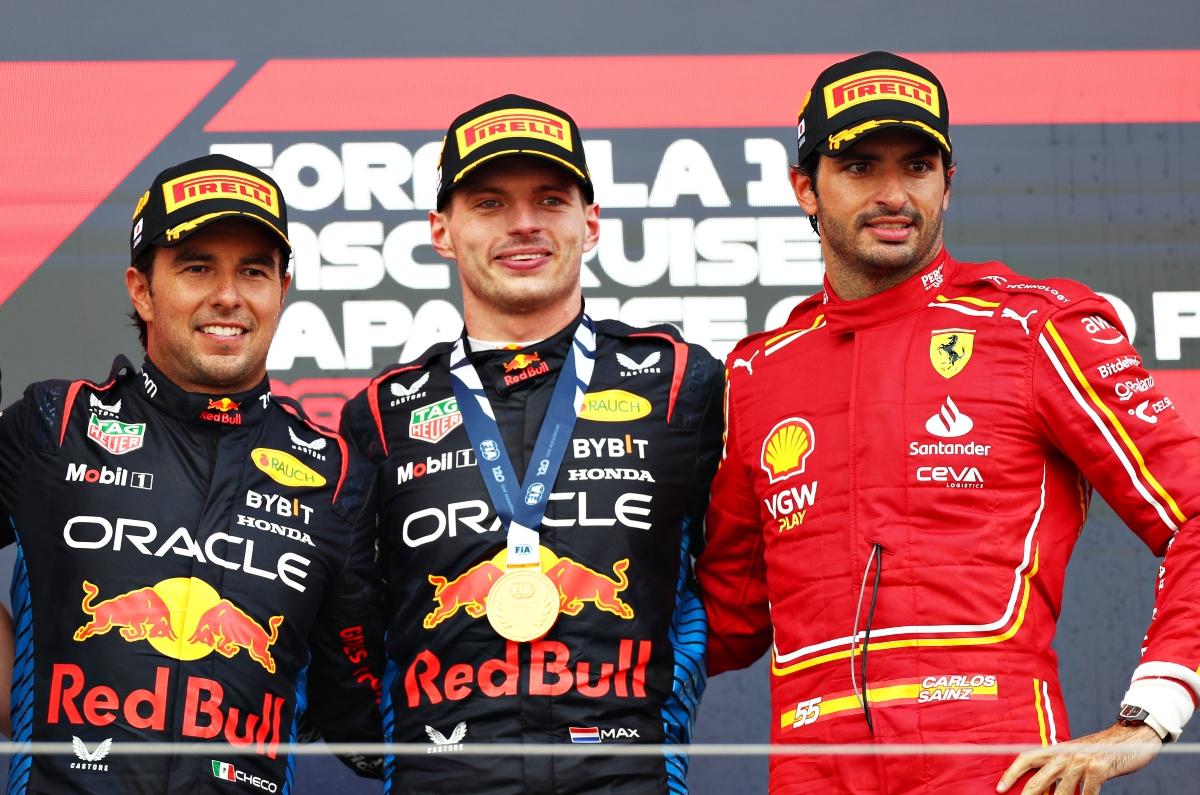
Max Verstappen took a commanding victory at the Saudi Arabian GP to secure his 100th podium finish in F1. Interestingly, this is the first time that he has won the opening two races of a season.
Sergio Perez overcame a penalty to finish second, handing Red Bull their second straight 1-2 finish this season. Charles Leclerc bounced back from a disappointing Bahrain GP to finish third at Jeddah. Ferrari’s 18-year-old reserve driver Oliver Bearman, who was subbing in for an ill Carlos Sainz, won the fan vote for Driver of the Day after scoring points on his F1 debut.
Red Bull remain undefeated two rounds into the season. Verstappen led the way from pole position and delivered yet another controlled and commanding drive to take victory.
“I think overall of course a fantastic weekend for the whole team, but also from my side, I felt really good with the car,” said Verstappen. “The last stint was a bit longer than we would have liked, but with the Safety Car we had to go for it. So, the last few laps, also with those backmarkers, with the cold tyres, it was a little bit slippery. But we had good pace so we could manage it quite well. Overall, very, very pleased.”
Perez was given a five-second time penalty for an unsafe release into the path of Fernando Alonso. But he held enough of a gap to Leclerc behind him to hold on to second place.
Leclerc struggled a bit on the medium compounds. While he couldn’t quite capitalise on Perez’s penalty, he did score an additional point for setting the fastest lap of the race.
McLaren’s Oscar Piastri finished fourth, ahead of Fernando Alonso, who was the sole Aston Martin driver in the race after his teammate Lance Stroll clipped the wall and hit the barriers early on. Mercedes’ George Russell was chasing Alonso in the closing stages, but had to settle for sixth place.
It’s been a fairytale weekend for Oliver Bearman. The 18-year-old had just secured pole position in F2 when he was called up as a last-minute replacement for Sainz, who was diagnosed with appendicitis.
Despite less than an hour of practice time, Bearman managed to qualify P11. He then pulled off some spirited overtakes on Yuki Tsunoda and Nico Hulkenberg, and even resisted pressure from Norris towards the end of the race to finish seventh on his debut.
“What a great experience and opportunity to have my first race in Formula 1 with Scuderia Ferrari. It was physically demanding, especially in the end when I had Lando (Norris) and Lewis (Hamilton) behind me on Softs. I had to push flat out to maintain the gap and had to stay really focused, always checking my mirrors,” said Bearman.
“I’m confident that I maximised everything today and had great fun out there. I’ll never forget this weekend.”
Norris ended up eighth, ahead of Lewis Hamilton. Hulkenberg rounded out the top 10 to score Haas’ first point this season. The German was aided by his teammate Kevin Magnussen, who helped back up the field, giving Hulkenberg enough of a gap to pit and re-join the field without losing ground.
Verstappen leads the standings,15 points ahead of his teammate Perez. Leclerc is third overall, eight points behind Perez.
Next up on the F1 calendar is the Australian GP on March 22-24.
| 2024 Saudi Arabian GP results | ||
|---|---|---|
| Pos | Driver | Team |
| 1 | Max Verstappen | Red Bull Racing |
| 2 | Sergio Perez | Red Bull Racing |
| 3 | Charles Leclerc | Ferrari |
| 4 | Oscar Piastri | McLaren |
| 5 | Fernando Alonso | Aston Martin |
| 6 | George Russell | Mercedes |
| 7 | Oliver Bearman | Ferrari |
| 8 | Lando Norris | McLaren |
| 9 | Lewis Hamilton | Mercedes |
| 10 | Nico Hulkenberg | Haas |
| 11 | Alexander Albon | Williams |
| 12 | Kevin Magnussen | Haas |
| 13 | Esteban Ocon | Alpine |
| 14 | Logan Sargeant | Williams |
| 15 | Yuki Tsunoda | RB |
| 16 | Daniel Ricciardo | RB |
| 17 | Valtteri Bottas | Kicks Sauber |
| 18 | Zhou Guanyu | Kicks Sauber |
| NC | Lance Stroll | Aston Martin |
| NC | Pierre Gaslty | Alpine |
Also see:
Rivian’s shares closed more than 2 per cent higher on Friday as its cheaper R2 SUV racked up tens of thousands of reservations within hours of its launch, fueling optimism that the electric vehicle maker could expand in the mass-market segment. Unveiled on Thursday, the smaller R2 SUV, which will start at $45,000, has attracted more than 68,000 reservations, CEO RJ Scaringe said in a post on X.
Analysts also said that the Amazon-backed EV maker’s plan to produce the R2 at its existing U.S. factory and pause the construction of its second factory in Georgia may result in cost savings that will delay further fundraising.
The pause in its Georgia plant is expected to drive additional savings of more than $2.25 billion for Rivian compared to its prior forecast. It will also hasten R2 deliveries to the first half of 2026.
Cost savings will leave the company with enough cash on hand through R2’s start of production, “relieving considerable pressure to raise capital in the near term,” Deutsche Bank analyst Emmanuel Rosner said.
The Illinois plant, where Rivian also makes its electric delivery vans, can produce 215,000 vehicles a year after production of the R2 starts, the company said on Thursday.
“With this new product, Rivian can potentially break more into the mass market segment, which represents about half of total U.S. auto sales,” said analysts at Bank of America.
In a surprise move, the company also introduced the R3 and a more powerful R3X variant on Thursday. The R3 will be cheaper than the R2 and will be launched after it.
The reveals come when EV demand is rising at a slower pace than automakers had expected, weighing on shares of the companies this year. Rivian’s stock had nearly halved in value this year, before the launch on Thursday.
After Friday’s close, Rivian’s market value stands at $12.49 billion, around $264 million more than its close on Thursday. Since the R2 launch event, Rivian’s market value has increased by more than $1.7 billion.
Meanwhile, market leader Tesla has slashed prices to spur sales and is also pursuing a cheaper model.
“Given Tesla has shown little ambition to move into the SUV space, Rivian could be one of the few EV SUVs on the market that most investors will likely want to buy over the next 3-4 years,” Evercore ISI analyst Chris McNally said in a note.
First Published Date: 09 Mar 2024, 18:42 PM IST
With million-dollar cars, track days and amazing private collections, Dubai just might be one of the best holiday destinations for auto enthusiasts.
Published On Mar 09, 2024 09:30:00 AM
Think about an automotive-themed holiday and you invariably think of road trips in the Swiss Alps, top speed runs on the German Autobahn, cruising around the Italian lake district or perhaps a track day at Silverstone. But there’s another destination that’s closer to home, has some of the most insane and exclusive cars in the world, and a number of attractions to keep the auto enthusiast in you entertained – Dubai.
The Flat12 cafe is the place to visit for some great cars and coffee.
Dubai in February is a great place to be. The weather is perfect, there’s loads of events and gatherings happening, and of course, there’s the automobiles. If you are a keen car spotter, there isn’t a better place in the world than Dubai. From the huge showrooms flanking Sheikh Zayed road selling ultra-exclusive, multi-million dollar supercars and hypercars, to the exotics parked carefree on the streets and in mall parkings, it is truly a sight to behold. My personal street car spotting highlights were a Nissan Skyline GT-R (R34), a Mercedes-McLaren SLR and a Bugatti Chiron, and this was just the tip of the iceberg.
Agile and punchy BMW M240i was good fun to drive on the Dubai Autodrome.
A select few Indian media personnel were invited by Dubai tourism to experience what the city has to offer, and apart from some interesting and insightful ‘touristy’ activities planned, our event itinerary involved a few auto-centric activities. The one I was most excited about, by far, was the track driving experience. I had a lot of pent-up excitement before we even got to the Dubai Autodrome; after all this would be my first ever track drive experience. And that excitement only grew tenfold once we entered the track. The car park was littered with your ‘usual’ Dubai cars – Audi R8s, Lamborghini Huracans, Rolls-Royces, Dodge Challenger Hellcats and the likes. But through the half-drawn garage doors, I could see some really special track machinery. A Ferrari 488 Challenge Cup Car, plenty of Formula 4 open wheel race cars and even some superbikes.
Post a quick briefing session, where we were told what to and what not to do out on the track, I got to meet the car I would be driving. It was a BMW M240i coupe, which with its sweet B58 straight six motor, rear wheel-drive configuration and short wheelbase was sure to be a hoot to drive. And it was! It was dusk by the time I got to the track but that didn’t stop me from enjoying myself. The focus was not on flat-out lap times but on proper track driving techniques and following the racing line. And to keep me in check, I was accompanied by Charles who was one of the instructors at the Dubai Autodrome; it was a good thing considering a near million dollar Ferrari Cup car was also on the track at the same time.
You can literally arrive and drive at the track.
And it wasn’t like this was open to just racing license holders or media people, anyone with a valid driving license can literally arrive and drive at the Dubai Autodrome. The choice of track weapons are also plentiful – the M240i, the M4 Competition, the Ferrari Challenge Cup cars and even an older Jaguar Formula 1 car!
It’s not just the cars or the track driving experience that you’ve got to look forward to. There’s a bustling and growing car culture as well, with regular cars and coffee meets taking place, and one of the best places to experience this is the Flat 12 cafe. We visited this cafe that’s situated in a huge warehouse by Port Rashid, on a relatively off day. Still, there was some serious eye candy in store, from a mint condition Audi Quattro, to a Lancia Delta Integrale, two Jaguar E-Types (one was a restomod), a BMW M3 (E46), a Honda Integra Type R and a Porsche 911 (991.2), all on display inside the cafe. The delicious food and coffee was an added bonus. We also dropped by a special, private collection of some eclectic classic and vintage cars in the heart of Dubai, which also had a small aeroplane parked inside!
Seeing the Dubai skyline from behind the wheel of a car, in the sea, was an unusual experience.
The Marina is another place where Dubai really flexes its muscles, with huge shiny yachts parked in the harbour on one side and tall shiny skyscrapers on the other. This is also where I got to drive the Jet Car, which was essentially a jet ski with a car’s body. It was an unnerving experience, thanks to the choppy waters, but exciting and unique nonetheless.
Michelin-starred 11 Woodfire’s food was as delicious to eat as it was to look at.
While in Dubai, I also got to experience some amazing food from around the world, with the highlight being 11 Woodfire, a Michelin star restaurant. Then there was the exhilarating Edge Walk, which is a 55-storey high platform that provides stunning, uninterrupted views of the entire city and the mammoth Burj Khalifa right in front. We also drove down to the town of Hatta, which is near the Oman border and experienced kayaking in the picturesque Hatta Dam reservoir. We also had an informative tour on honeybees and how they make the precious honey, which was concluded by a very sweet tasting session.
There was also an insightful tour on the life of honeybees.
Mind you, these are just the experiences we had but Dubai has so much more to offer. From exotic car rentals, to dune bashing in the desert in Toyota Land Cruisers and Nissan Patrols, auto enthusiasts and tourists are well catered to in this city. This jewel in the middle of the desert should be on your bucket list of places to visit.
Copyright (c) Autocar India. All rights reserved.
Ford Motor could soon to return to India as the US-based carmaker recently filed a few design patents for the domestic market and two of its global models spotted on Indian roads recently. Ford Motor has not officially made any statement on the future of Ford India yet. However, the carmaker is expected to make a comeback after two years after stopping production in 2022. From Figo to Ecosport, Ford has offered several popular models in India before it left the market. While these models may not return to India, here is a look at five global cars which one would like to see on Indian roads when Ford returns.
The Endeavour SUV, rival to Toyota Fortuner, is one of the most awaited models in India. The rival to Toyota Fortuner, Endeavour has been one of the best-selling models in the large SUV space before Ford stopped making cars in India. Recently, Ford Everest was seen on Indian roads, triggering speculation of the SUV’s return. Everest is basically the new generation avatar of the Endeavour SUV sold globally.
The Everest SUV spotted in India comes powered by a 2.0-litre turbo diesel or a 2.0-litre bi-turbo diesel engine. The turbo engine can churn out 168 bhp of power while the bi-turbo can generate 208 bhp of power. The torque output peaks at 405 Nm and 500 Nm. The turbo diesel engine uses a 6-speed automatic transmission whereas the Bi-turbo gets a 10-speed automatic transmission. Both gearboxes get SelectShift and Ford offers 4×2 as well as 4×4 drivetrains.
The Ranger pickup truck is another model that was spotted on Indian roads along with the Everest SUV. The Ranger, which could rival the likes of Toyota Hilux and Isuzu D-Max sold in India, is one of the smallest pickup trucks Ford offers in global markets.
Ford offers the Ranger pickup globally with three engine options. There is a 2.3-litre EcoBoost, 2.7-litre EcoBoost and a 3.0-litre EcoBoost. The 2.3-litre unit puts out 266 bhp of max power and 420 Nm of peak torque. Then there is the 3.0-litre unit that is rated for 399 bhp and 583 Nm. As of now, the 2.7-litre engine has not gone on sale. Ford says that they are targeting power and torque figures of 310 bhp and 542 Nm.
IF Ford was to have an SUV that can rival the likes of Mahindra Thar or Maruti Suzuki Jimny, it would probably be the Bronco. Ford launched the Bronco SUV in 2021 with both two-door and four-door 4X4 versions for the first time. Ford Bronco SUVs are offered in two powertrain options. There is a 2.7-litre EcoBoost V6 petrol engine which can produce 310 horsepower and 542 Nm of torque. It also comes equipped with a 2.3-litre EcoBoost four-cylinder engine which can churn out 270 hp of power and peak torque of 420 Nm.
Ford used to sell the Mustang sports car in India before it wrapped up business three years ago. However, the Mustang can return to India in its new electric avatar when Ford makes a comeback. Ford Mustang Mach-E, which was recently trademarked in India, comes with up to 502 km of driving range. Ford offers the EV equipped with two battery choices – a 72 kWh unit and a 91 kWh unit.
As EV adoption in India grows and customers look forward to newer models, Ford may find an opportunity in the electric pickup segment with the F-150 Lightning. Launched for the first time in 2022, the F-150 Lightning is one of the most popular electric pickup trucks in the US.
The Ford F-150 Lightning pickup truck comes with a range of 482 km on a single charge. Equipped with dual electric motors, one on each axle, the electric pickup can achieve 563 horsepower and a staggering 1,050 Nm of peak torque. F-150 Lightning can go from 0 to 100 kilometres per hour in just four seconds. Ford claims that with a super fast DC charger, the F-150 Lightning can replenish around 87 kms of charge in just 10 minutes, charging the battery from 15 to 80% in just 41 minutes. The towing capacity of the F-150 Lightning, an important characteristic in pickup trucks, is 4.53 tonnes.
First Published Date: 08 Mar 2024, 15:51 PM IST
BYD Seal is the newest electric car in the Indian market and at its price points, will rival Hyundai Ioniq 5. The Seal EV will be offered with two pow
…
BYD, the Chinese EV giant, has made waves in the global market by surpassing Tesla as the largest EV maker worldwide. This remarkable achievement is credited to the cutting-edge technology found in BYD vehicles, particularly the revolutionary ‘blade battery’ tech, coupled with their competitive pricing. Recently, BYD took the Indian market by storm with the launch of its Seal, touted as a performance EV, at an unexpectedly competitive price point. Priced at ₹41 lakh ex-showroom, the Seal garnered immense interest, with over 200 bookings within just two days of its launch.
While the BYD Seal offers an enticing value proposition, brand recognition plays a crucial role in the Indian market. This is where the Hyundai Ioniq 5 comes into play. Priced similarly to the Seal, the Ioniq 5 benefits from the strong brand awareness of Hyundai and its extensive sales network, giving it an edge in the market.
To provide a comprehensive comparison between the BYD Seal and the Hyundai Ioniq 5, let’s delve into their pricing, specifications, range, and features.
2023 hyundai ioniq 5 se standard range
BYD Seal has been launched in India in three variants. First up is the base Dynamic variant, boasting a 61.44 kWh battery pack and a rear-wheel drive setup. With 201 bhp and 310 Nm of torque under the hood, this variant promises an impressive range of 510 kilometres on a single charge.
Moving up the ladder, the BYD Seal Premium comes equipped with an 82.56 kWh battery and retains the rear-wheel drive configuration. Packing a punch with 308 bhp and 360 Nm of torque, this variant offers the longest range of the trio, reaching up to 650 kilometres.
Also Read : BYD Seal EV launched in India at ₹41 lakh, gets up to 650 km of range
For those craving even more power, the top-of-the-line BYD Seal Performance variant delivers with its 82.56 kWh battery and all-wheel drive system. Generating a whopping 523 bhp and 670 Nm of torque with a slightly reduced claimed range of 580 kilometres.
The Dynamic variant capable of reaching 85 per cent charge in 37 minutes when plugged into a 110 kW charger. The Premium and Performance variants, on the other hand, can handle even faster 150 kW chargers.
On the other end of the spectrum, the Hyundai Ioniq 5 from Korea boasts a 72.6 kWh battery pack and an axle-mounted single electric motor producing 214 bhp and 350 Nm of torque. Hyundai claims an impressive charging time from 10-80 per cent in just 18 minutes using a 350 kW DC charger.
The larger battery size of the Seal has proven to benifial, offering impressive advantages across its range. The Dynamic variant boasts a claimed range of 510 km and can accelerate from 0-100 kmph in just 7.5 seconds. Stepping up to the Premium Range, drivers can expect even more exhilarating performance, with a 0-100 kmph acceleration time of 5.9 seconds and a claimed range of 650 km.
For those seeking the ultimate in performance, the Seal Performance variant delivers with a claimed range of 580 km and quick acceleration from 0-100 kmph in just 3.8 seconds.
On the other hand, the Hyundai Ioniq 5 offers a competitive range of up to 630 kilometres, making it pretty comparable to the Seal’s Premium Range.
Step inside the BYD Seal, and you’ll be greeted by a three-spoke multi-function steering wheel, a digital driver’s display, and a touchscreen infotainment system that can rotate to suit your viewing angle. The EV also boasts a panoramic sunroof, a 360-degree camera, ventilated seats, wireless charging, and Level 2 ADAS features for a truly futuristic driving experience.
On the other hand, Hyundai’s electric crossover is no slouch in the features department either. Featuring a spacious interior with a 12.3-inch digital console and touchscreen infotainment system with wireless Apple CarPlay and Android Auto along with over 60 features of connected car technology and Bose sound system. It also gets dual-zone climate control, leather upholstery, ventilated seats with memory function, and more.
The BYD Seal pricing ranges between ₹41 lakh and ₹53 lakh (ex-showroom). The Dynamic and Premium variants of BYD Seal make it the most affordable option among the two EVs in this comparison. The sole variant of Hyundai Ioniq 5 is priced at ₹46 lakh (ex-showroom).
First Published Date: 07 Mar 2024, 18:57 PM IST
Single motor variant of the XC40 Recharge has a power output of 238hp, WLTP range of 475km.
Volvo has launched a new variant of the XC40 Recharge with a single motor mounted to the rear axle. Officially called the E60, the variant is dubbed the ‘Plus’ on the Volvo India website and is priced at Rs 54.95 lakh, ex-showroom, India. It is positioned below the dual-motor, AWD XC40 Recharge E80 (Ultimate) that’s priced at Rs 57.9 lakh, ex-showroom, India.
The E60 single-motor variant loses out on some features compared to the dual-motor model such as Pixel LED headlamps, fog lamps, 360-deg camera and a Harman Kardon sound system. That being said, the E60 variant gets features such as an 8-speaker sound system, two-zone climate control, a 12-inch digital driver’s display, a 9-inch infotainment unit, TPMS, park assist, 19-inch alloy wheels, panoramic sunroof, powered front seats and wireless phone charging to name a few.
However, being a Volvo, it continues to get a raft of safety features like 7 airbags and an ADAS suite that includes lane keep assist, adaptive cruise control, cross-traffic alerts and rear collision warning.
The Volvo XC40 Recharge E60’s power output stands at 238hp and 420Nm, which allows the SUV to complete the 0-100kph sprint in 7.3 seconds and reach a limited top speed of 180kph. The single motor variant gets a 69kWh Lithium-ion battery pack that has a WLTP range of 475km.
The Volvo XC40 Recharge E60 single motor rivals other RWD EVs such as the recently launched BYD Seal Dynamic (Rs 41 lakh) and Premium (Rs 45.55 lakh), Hyundai Ioniq 5 (Rs 45.95 lakh) and the Kia EV6 GT Line (Rs 60.95 lakh).
Also see:
Hybrid cars are gradually gaining higher traction in the Indian passenger vehicle market. Over the last few years, several automakers present in the Indian market have been shifting their focus on bringing in new cleaner and greener powertrain technologies. While the ultimate goal remains steady on battery electric vehicles, hybrid cars are bridging the gap between pure EVs and fossil fuel-propelled models that run on petrol or diesel.
Market data reveals that between September and November 2023, sales of hybrid cars surged significantly surpassing the electric car retail numbers. While electric car sales have been witnessing a marginal slowdown, in sync with the worldwide trend, hybrid cars are recording a ramp-up in growth. As the numbers testify, a total of 24,062 units of hybrid cars were sold between September and November last year, as against 21,455 units of battery electric cars.
The question is why Indians are in love with hybrid cars instead of pure electric vehicles.
It is well known that hybrid cars offer the benefit of both worlds, internal combustion engines (ICE) and electric vehicles (EV), by combining a fossil fuel engine with an electric motor and a battery pack. By blending the best of both worlds, the hybrid powertrain technology not only ensures lower tailpipe emission compared to pure petrol or pure diesel models but also offers lower fuel consumption and longer driving range, eventually resulting in financial savings for the vehicle owners.
At the same time, hybrid powertrain technology comes at a cheaper cost compared to pure electric vehicles. Besides that, using a hybrid car boosts the consumers’ confidence in electrified propulsion technology. There are different types of hybrid powertrain technology available in the market, which include micro hybrid, mild hybrid, full hybrid and plug-in hybrid. In the first two variants, the electric motor acts as an assisting component for the internal combustion engine, which generates the actual propulsion power, while in the latter two variants, the electric motor itself can generate propulsion power for the vehicle with assistance from a battery pack. Many full hybrid or plug-in hybrid cars can run about 50-kilometre distance on electric power alone.
In the last few years, several automakers in the Indian passenger vehicle market have launched their respective hybrid cars. Maruti Suzuki Grand Vitara, Toyota Urban Cruiser Hyryder, Honda City and Toyota Innova Hycross are some of the key passenger vehicles in the country, which currently are sold as hybrid models. Interestingly, the hybrid powertrain technology has penetrated not only the mass-market segment but the luxury segment as well. The reason behind this is the rising consumer demand for this tech.
Multiple factors have played their bit in this growth story of hybrid cars. Since the Covid-19 pandemic, demands for personal mobility have surged drastically. At the same time, sky-high petrol and diesel prices and the significantly high cost of acquisition for electric cars have paved the way for hybrid cars in India, which satiate the requirement for lower tailpipe emission in the face of tightening emission norms and growing concern for environmental pollution. Besides that, the promise of a longer driving range and lower fuel consumption too helped the growth of hybrid cars.
Petrol and diesel prices in India have shot up by around 41 per cent since 2019. In such a situation increased availability of CNG kits in the aftermarket and OEMs introducing petrol-CNG cars have offered the consumers a viable solution, but with that, the vehicle owners have to compromise on boot storage. Electric vehicles too have come up dramatically in the last few years, but even now, an electric car costs significantly more than its ICE counterpart. Besides that, other factors like confusion about the lifecycle of EVs, lack of charging infrastructure, and range anxiety have been hindering the desired growth of electric cars.
On the other hand, hybrid technology offers a key viable solution, where consumers don’t have to worry about range anxiety or compromise on the boot space of their vehicles while getting the benefit of both ICE and EVs. The consumers have understood this and shifting their focus accordingly. Buoyed by that, carmakers in India are increasingly focusing on bringing hybrid cars into the market, fuelling the cyclic growth in the segment.
First Published Date: 06 Mar 2024, 15:13 PM IST