9,99,999 KM…and then everything is zero! This car made a unique record

9,99,999 KM…and then everything is zero! This car made a unique record

Last Updated:

This story of a French driver who completed 9,99,999 km by driving the same car for 15 years has gone viral on the internet. As soon as the odometer reached 10 lakh, it suddenly reset to zero and the car started looking 'like new'. This is not just an incident, but a great example of car durability and proper maintenance. After all, how was this record made? Read the full news.

news quickly

Zoom

This car covered more than 9,99,999 KM.

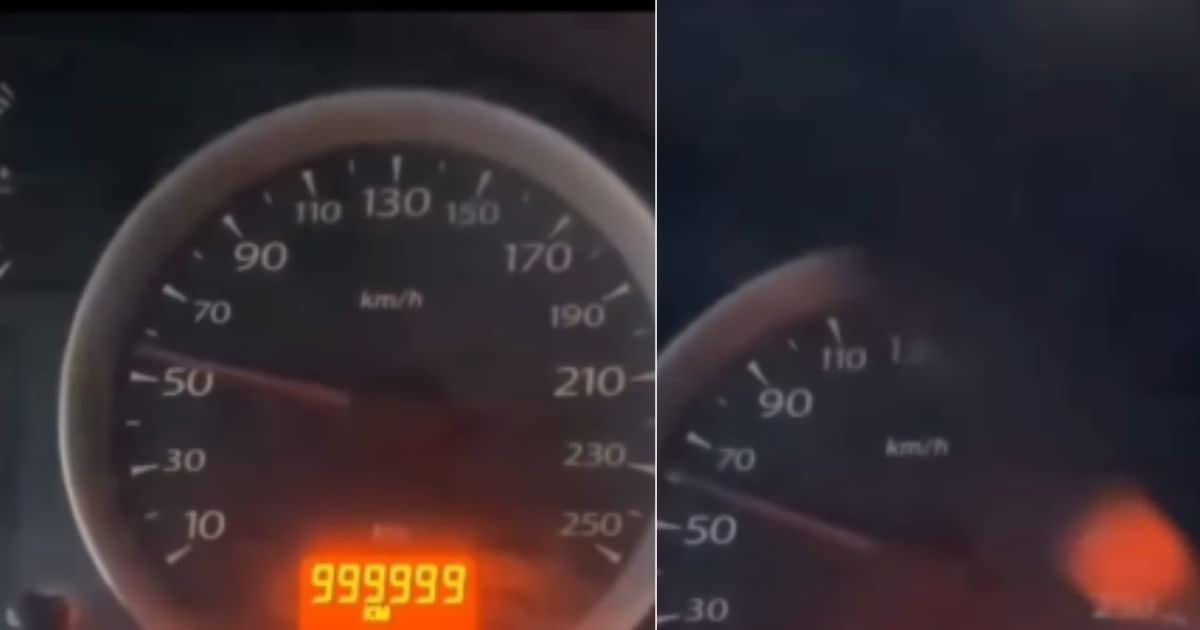
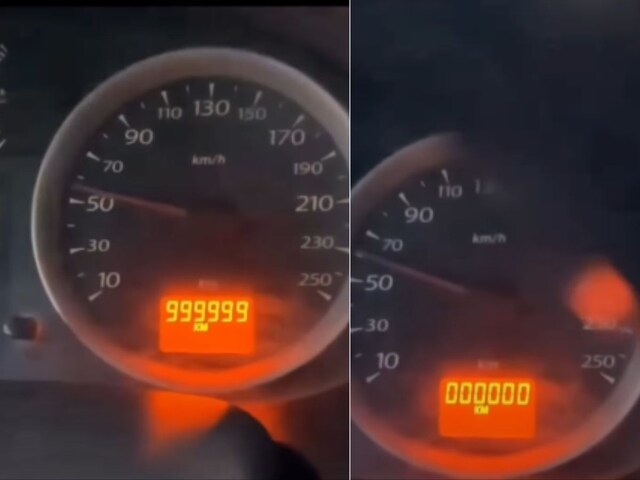
An ordinary driver in the city of Lyon, France has set a unique example in automobile history. By driving the same compact car continuously for 15 years, he took the odometer of his car to 999,999 kilometers. When the odometer was about to cross the 1,000,000 mark, the car's display suddenly reset to zero. This incident went viral on social media and remains a topic of discussion among auto lovers.

This French driver used this car in everyday life. Office, market, family trips – this person has made this record by consuming thousands of liters of fuel every day and with regular oil changes. Most modern cars start breaking down around 3 lakh kilometers due to planned obsolescence, but this car showed the power of old school engineering. This has been possible due to the hard work of the owner and maintaining the car well.

New car gift!

After the incident, the brand's engineers contacted the owner and offered a new car to keep in his museum. This is not just a story of an odometer reset, but of the triumph of mechanical reliability over digital limits. When the odometer reached 999,999, the car's electronic system could not handle the seventh digit and reset. This made the car appear 'brand new' electronically, whereas in reality it was 15 years old.

Lessons for millions of car owners

Nowadays, there is a trend in the auto industry to buy a new car every 4-5 years. Companies quickly discontinue old cars in the name of new features, strict emission norms and electronic complexity. But this French story is a reminder that with proper maintenance, regular servicing and good lubricants, a car can last for decades. Such cases are rare, but such reliability has been seen in older models of Toyota, Honda or some European brands.

This incident is an inspiration for those car owners who want to drive their vehicle for a long time. Small things like regular oil change, tire rotation, brake check and engine tuning play a big role. In today's era, where electric vehicles and hybrid technology are coming, there is a need to pay similar attention to the longevity of the battery and motor.

About the Author

authoring

Ram Mohan MishraSenior Sub Editor

Ram Mohan Mishra, working as Senior Sub-Editor at News18 Hindi, is active in digital media since 2021 and is currently handling the Auto Desk. They provide car and bike related information in an easy, clear and reliable manner.read more


Source link

Forget the mechanic! Do car service at home like this, thousands of rupees will be saved every year

Forget the mechanic! Do car service at home like this, thousands of rupees will be saved every year

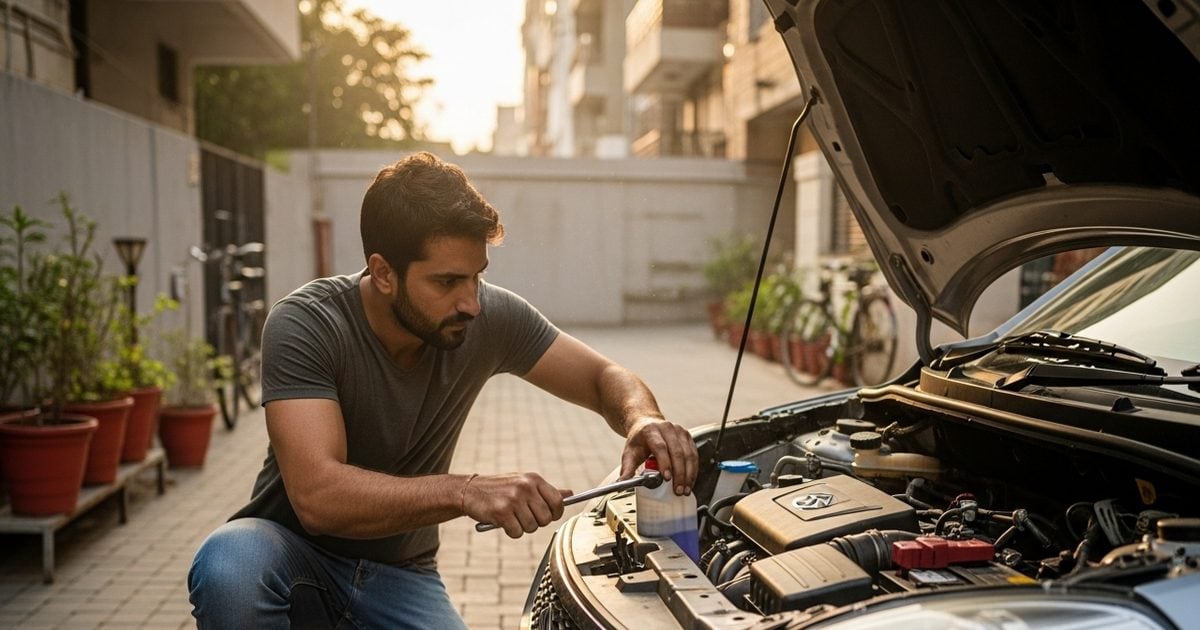
In today's era, car is not just a luxury but has become an essential part of our lifestyle. But the biggest challenge after buying a car is its maintenance. Often we run to the mechanic even for small problems like oil checking, air filter cleaning or wiper replacement and pay huge labor charges.

Did you know that a large part of car servicing is so easy that you can do it yourself in your garage or parking lot? Getting regular minor servicing done at home not only saves your hard-earned money, but also gives you better information about the condition of your vehicle. In this article, we will tell you about those 5 tricks, by adopting which you can become the 'doctor' of your car.

1. Regular check of engine oil and filter

Engine oil is the 'blood' of your car. If it becomes dirty or reduces, the engine parts start rubbing against each other, which can cause huge damage. To check this, open the bonnet of the car and remove the 'dipstick'. Wipe it with a clean cloth, put it back in and then take it out and look. By changing oil at home, you can easily save mechanic's service charge of Rs 500 to Rs 1000. Oil level should be between 'minimum' and 'maximum'. If the oil color is dark black and sticky, it is time to change it.

2. Air filter cleaning and replacement

The air filter protects the engine from dust and dirt. If it gets jammed, the mileage of the car starts falling rapidly and the pressure on the engine increases. There is a plastic box near the engine of the car, in which the air filter is installed. Open the clips and take out the filter. If the filter is not very dirty, dust it vigorously or clean it with a vacuum cleaner/air pressure. If it has turned black, buy a new one and install it yourself. With this, the fuel efficiency of your car can increase by 10%.

3. Maintaining coolant and brake fluid levels

Coolant is essential to keep the engine cool and the correct brake fluid is essential for safe driving. Mechanics often charge huge amounts in the name of topping up these fluids. Look at the coolant reserve tank under the bonnet. If the level is low, add coolant and water mixture as per the car manual. Similarly, check the brake fluid container also. Never open the coolant lid when the engine is hot, there is a risk of getting burned by the steam.

4. Cleaning the battery terminals

Often the reason for the car not starting is not the battery's fault, but the 'white layer' (Corrosion) accumulated on its terminals. Mix one spoon of baking soda in one cup of lukewarm water. With the help of an old toothbrush, scrub the battery terminals. After cleaning, apply some Vaseline or grease on them. This increases the life of the battery and you do not need to frequently replace the battery or go to the electrician.

5. Management of wiper blades and tire pressure

Bad wipers can cause accidents during rainy season. Changing them is a very easy task. Lift the wiper arm, press the clip of the old blade, remove it and install the new blade. No tool is required for this. Check tire pressure at least twice a month. When there is less air, tires wear out quickly and mileage is reduced. You can monitor it yourself by purchasing an inexpensive digital pressure gauge.

Our advice: Car maintenance is not rocket science. It will take you only 30 to 45 minutes in a month to do the 5 tasks mentioned above. By taking care of these small things, you will not only avoid long queues and unnecessary expenses at the mechanic, but the resale value of your car will also remain better. So next time you think of servicing, first pick up the toolkit yourself and start taking care of your car, it will save both money and time.

Source link

What should be the first car of your life, should you buy it considering your budget or need, how important is the safety rating?

What should be the first car of your life, should you buy it considering your budget or need, how important is the safety rating?

highlights

Decide the budget before buying a car.Mileage and maintenance are also factors.Also take care of safety features.

Life's First Car: Buying the first car is a memorable experience for everyone. But this decision should not be based only on budget and design. While buying your first car, it is important to keep many aspects in mind, so that it proves to be a right and profitable investment for you. Let us know what things should be kept in mind while choosing the first car.

decide the budget first
First of all, you should assess your budget properly. Decide whether you want to buy a new car or whether it would be better for you to get a second-hand car. A new car may cost a little more, but it provides better service in the long run. At the same time, a second-hand car is available at a lower price and can be a good option for beginners in driving. If you are buying a new car, also look into financing options to make your purchase easier.

How much will the car run?
Next, it's important to think about how you'll be using your car. If you mostly drive a car in the city, then hatchback cars like Maruti Suzuki Swift, Hyundai Grand i10 or Tata Tiago can be a good option. At the same time, if you travel long distances on the highway, then sedan or SUV models like Honda City or Tata Nexon would be a better option. If you have a large family, MPVs or 7-seater cars may be suitable for you.

Mileage and maintenance are also factors
Mileage and maintenance is also an important aspect for your first car. Petrol cars are suitable for less driving, whereas diesel or CNG models can prove to be good for more driving. Additionally, electric cars like Tata Nexon EV or MG Comet EV can also be a future-oriented option, as they are environment-friendly and can prove to be economical in the long run.

Take care of safety features also
It is very important to have safety features in your first car. It must include features like dual airbags, anti-lock braking system (ABS), rear parking sensors and electronic stability control (ESC). These features will not only ensure your safety but will also increase confidence while driving.
Apart from this, it is also important to keep in mind the resale value of the car. Think about what a good price you can get for your first car if you sell it in the future. Cars from companies like Maruti Suzuki and Hyundai generally give better resale value.

Performance and comfort are also important
Don't forget to take a test drive before buying a car. This will help you understand the performance, comfort and driving experience of the car. During the test drive, feel whether the steering, brakes and seating comfort of the car are suitable for your needs or not.

Ultimately, your first car should be one that fits your budget, needs and lifestyle. Do thorough research before buying, compare various options and take a wise decision based on your driving patterns. Choosing the right car will not only make your driving easier but will also give you a satisfying experience in the long run.

Tags: auto news

Source link

What can cause a car to break down on road and how to avoid it: Key tips

What can cause a car to break down on road and how to avoid it: Key tips

The long weekend around Christmas has thrown traffic out of control in many parts of India, especially for those heading to hill stations in Himachal Pradesh or Maharashtra. Motorists and holidayers who took the Mumbai-Pune Expressway over the weekend faced long traffic jams. The massive traffic jam on the Mumbai Pune Expressway took 36 hours to be cleared, leaving thousands of vehicles stuck on the highway near Lonavala and Khandala.

By: HT Auto Desk
| Updated on: 25 Dec 2023, 18:14 PM

Due to the weekend and Christmas holidays, there was a huge traffic jam on the Mumbai-Pune Expressway at Khandala Ghat, while broken-down vehicles made the situation worse. (HT_PRINT)

For many people who took the Mumbai-Pune Expressway to reach their destinations during the weekend around Christmas, it became a nightmare. Many people had to wait more than three hours to get out of the jam after being stuck in traffic congestion. At some stretches, the traffic jam extended up to 10 kilometres. Several cars broke down on the Mumbai-Pune Expressway, worsening the traffic situation there. Videos of cars standing at the roadside on the Mumbai Pune Expressway with their bonnets open have gone viral on social media platforms.

Breakdowns on the road can be extremely stressful for vehicle owners. Here are some common reasons that play key roles behind a car breaking down and tips on how to avoid such a condition.

Dead or faulty battery

One of the most common causes of vehicle breakdown is a dead or faulty battery, which makes it difficult for a driver to start a car’s engine, eventually leaving him or her stuck. It is recommended to get the battery checked by a technician every three years and replace it if required. A few warning signs of a faulty car battery are dim lights and slow-functioning power windows.

Faulty alternator

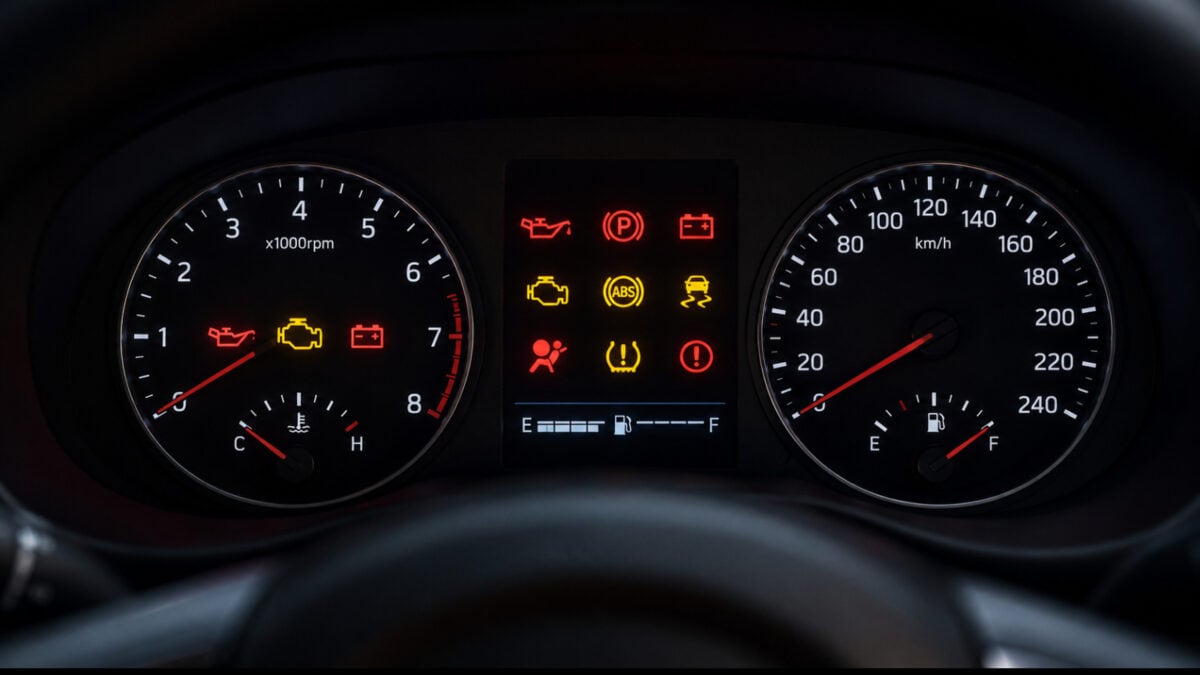
An alternator is highly important as it recharges a car’s battery using engine power. Additionally, the alternator also provides power to the car’s electrical components. A faulty alternator means the battery will not be charged properly and there will be stress on other electrical components as well. Hence, get the alternator checked periodically by a technician and fix if there are any issues. Keep an eye out for the car’s ignition warning light and high engine temperature alert. These are signs when the belt that drives the alternator is broken.

Malfunctioning engine

An engine can be dubbed as the heart of a car. The engine works in unison with many critical components and faults in any of them can result in a breakdown. Some common issues related to a car engine failure include a failing oil pump, aged spark plugs, debris and oil deposits, poor lubrication, inadequate fuel and air compression, blocked engine radiators, leaking engine coolant, damaged oxygen sensors prolonged engine detonation etc. It is imperative to get the engine checked by a trained technician frequently and fix any issue if detected. Also, make sure to change engine oil and engine coolant periodically as required and prescribed by the OEM.

Damaged clutch wire

Manual cars rely on a clutch for running and shifting gears. In case of damage to the clutch, the vehicle’s overall performance is impacted negatively. If the clutch plate is burnt or the clutch wire is broken, the car stops moving. If you see, hear or feel signs like a grinding sound while changing gears, the clutch pedal comes at a higher position than its usual resting position, unusual feeling while the clutch pedal is pressed, there is a potential issue with the clutch and it needs to be fixed immediately.

Electrical issues

Modern cars come loaded with a wide range of advanced features, which make it hard to detect electrical problems. It is difficult to fix such an issue in the middle of the rod. But, an electrical short circuit can drain the car’s battery and leave the vehicle stranded. Hence, if you feel any issues with any of the car’s electrical systems like dimming lights or issues with power windows or other components, get the car checked by a technician. Installation of aftermarket electrical components such as additional lights or other devices can also put stress on the entire electrical system and eventually on the battery as well. Also, avoid installing unnecessary lights or fancy gadgets as that puts pressure on the battery draining its charge.

First Published Date: 25 Dec 2023, 18:14 PM IST


Source link