Never ignore these 10 lights burning on the dashboard!

Never ignore these 10 lights burning on the dashboard!

In modern cars, different warning lights installed on the dashboard are a mirror of the health condition of the vehicle. These lights provide instant notification of problems with the engine, brakes, battery, tires and other critical systems. Red lights are worth immediate attention, while yellow/orange lights indicate caution. Due to increase in temperature in summer, there is extra pressure on the engine, cooling system, battery and tires, due to which these lights can come on more often.

Many drivers ignore these, but this can lead to major problems like engine damage, brake failure or sudden breakdown. In summer, it is common for coolant to burn quickly, battery fluid to dry up and tire pressure to increase. Therefore, it is important to understand these lights and take timely action. Let us know what kind of lights come on on the dashboard and what do they mean?

Dashboard lights and what they mean

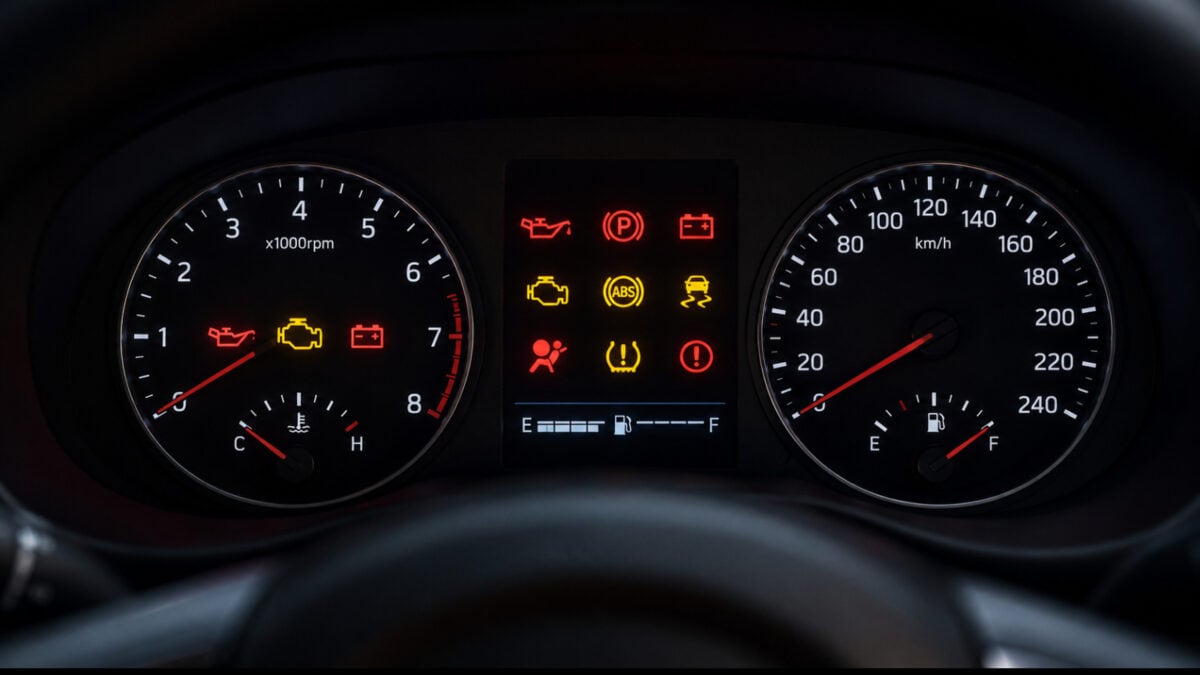
There are many standard lights on the dashboard of the car. The check engine light (engine outline) indicates a problem with the engine or emissions system. It can be yellow or red in colour. Engine temperature warning (thermometer icon) indicates engine overheating. The battery light (battery symbol) indicates a malfunction of the charging system.

The oil pressure light (oil can) indicates low pressure or lack of engine oil. Tire Pressure Monitoring System (TPMS) lights up when there is too much or less air in a tyre. The ABS light indicates a problem with the anti-lock braking system, while the brake warning indicates a low handbrake or brake fluid. Other lights include low fuel, airbag, traction control etc. Decide priority based on their color. Don't ignore red light.

icon name of light meaning/sign
🌡️ engine temperature warning This is a sign of engine overheating.
🛢️ oil pressure light Engine oil pressure is low or there is lack of oil.
🔋 battery light There is a fault in the charging system or alternator.
🛑 / ⚠️ brake warning Handbrake engaged or brake fluid low.
👤 / 🪂 airbag light There is a malfunction in the airbag system.
⚙️ / ⚠️ check engine light There is a problem with the engine or emissions system.
(ABS) abs light There is a malfunction in the anti-lock braking system.
⚠️ / 🛞 TPMS The air pressure in a tire is too low or high.
🚗💨 traction control Tire grip is decreasing or there is a malfunction in the system.
low fuel There is very little fuel (petrol/diesel) left in the tank.

Why be more careful about these lights in summer?

Summer season is challenging for the car. When the outside temperature goes above 40 degrees, the engine temperature increases rapidly, which puts a burden on the cooling system. The temperature light may come on when the coolant level is low or there is a problem with the radiator, ignoring which may cause the head gasket to blow.

Heat has the worst effect on the battery. The fluid evaporates, the chemical reaction accelerates and the life of the battery gets reduced. The possibility of battery failure doubles in summer. The air in the tires gets heated and expands, due to which the pressure increases and there is a risk of blowout. The TPMS light often comes on for this reason. Additionally, heat can affect wiring and sensors, leading to false warnings.

What to do when the light goes out

  • Take immediate action: When a red light (like temperature or oil) comes on, stop the vehicle at a safe place, turn off the engine and let it cool.
  • Yellow Light: Go to the nearest service centre. Get the check engine light diagnosed with an OBD scanner.
  • Preventive Maintenance in Summer: Check coolant, brake fluid, oil regularly. Check tire pressure in the cold morning. Keep battery terminals clean. Use sunshade in parking. Get serviced before a long drive.

Summary: Ignoring dashboard lights can prove costly. Being careful in summer not only increases the lifespan of the vehicle, but accidents can also be avoided. Every driver should read the manual and have basic knowledge. Safe driving can be ensured with timely maintenance.
Source link

Is the tire punctured or just deflated? Make correct identification like this in 2 minutes

Is the tire punctured or just deflated? Make correct identification like this in 2 minutes

Last Updated:

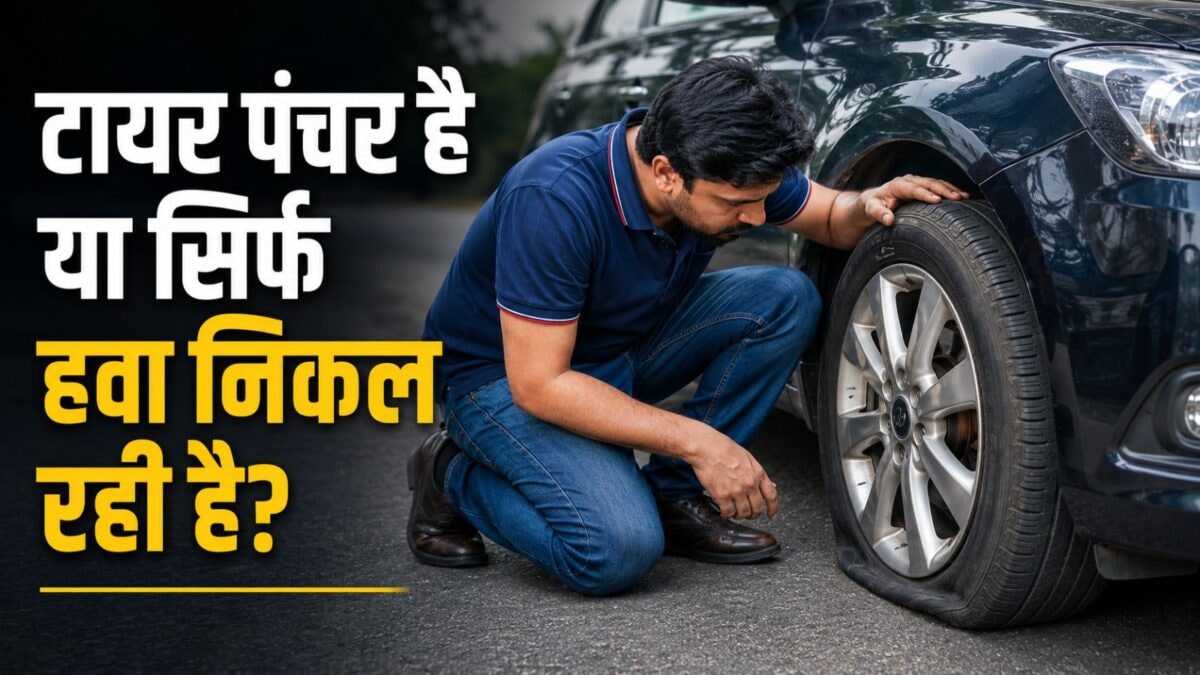
If the tire air suddenly starts decreasing while driving, then before panicking it is important to know whether the issue is of puncture or just air leakage? The symptoms of both the problems are different and correct identification can save you from huge expenses and road accidents. In this report, know the sure symptoms of tire puncture, easy ways to check at home and such important tips which every driver should know.

news immediately

Zoom

Identify the tire like this.

You are driving on the road and suddenly you feel that the tire is losing air. The question arises whether it is a puncture or just air has escaped? It is very important to understand this difference in everyday driving. Wrong decision not only wastes time but also increases the risk of life on the road. Puncture is usually caused by a nail, glass or any sharp object, while simple air leakage can be caused by a valve, tire wall or temperature change.

In a country like India where roads are bad and there is a lot of debris, this problem is common. With timely and correct identification, you can save a small problem from turning into a major accident. In this article we will explain in detail how to differentiate from symptoms, how to test with home methods and what steps to take next. With the right information, you will not only save money but will also be able to travel safely.

Find out like this

The tire goes flat rapidly due to puncture. If the pressure drops significantly within a few hours or minutes, the possibility of puncture is high. At the same time, the pressure gradually reduces only when the air comes out. If air comes out after several days or weeks, it is possible that there is a leakage at the puncture site.

A nail or pin can often be seen stuck in a punctured tyre. When air is released, no foreign part is visible in the sidewall of the tyre. In case of puncture, a 'thup-thup' sound or vibration may be felt while driving.

Easy home testing methods

  • Soap-water test: Spray soap solution on the tire valve, sidewall and tread. If bubbles form there is a leak. A large bubble or strong air will be visible in the puncture.
  • Listen for hissing sound: Listen near the tire. A loud whistling sound is a sign of puncture.
  • Pressure Check: Measure pressure in the morning and evening. If PSI drops by 5-8 in a day then puncture is possible.
  • Visual Inspection: Rotate the tire and take a good look. If any nail, stone or hole is visible then it is puncture.

What to do if there is a puncture

Stop the vehicle immediately and install the spare tyre. If the puncture is small, a temporary repair can be done with a puncture kit, but for long distances, a professional vulcanizer is necessary. Never travel more than 50-60 km with a punctured tyre.

preventive measures

Adopt regular pressure checks, good quality tires and careful driving. Check tires more often during the summer season because air expands due to heat. With these simple methods you will be able to differentiate easily and enjoy a safe journey.

About the Author

authoring

Ram Mohan MishraSenior Sub Editor

Ram Mohan Mishra, working as Senior Sub-Editor at News18 Hindi, is active in digital media since 2021 and is currently handling the Auto Desk. They provide car and bike related information in an easy, clear and reliable manner.read more


Source link

Road not visible at night? Make car headlights super bright like this

Road not visible at night? Make car headlights super bright like this

Last Updated:

Are your car headlights not providing as much light at night as before? Poor visibility not only makes driving difficult but can also increase the risk of an accident. The good thing is that the brightness of headlights can be increased by some easy measures without spending much. From headlight cleaning to LED upgrades and proper alignment, learn the tips that can make your night driving safer and more comfortable.

news quickly

Zoom

Car headlight brightness tips: Increase brightness in these ways.

It is very important to have a clear view of the road while driving at night. Many times accidents occur due to old or blurry headlights. Increasing the headlight brightness of your car not only improves your visibility but also makes driving at night more comfortable and safe. But while increasing the brightness, it is important to follow the legal rules so that the drivers of the vehicles coming in front do not face any problem.

In this article, we are sharing some practical and effective tips by which you can safely increase the brightness of your car's headlights. These tips are based on regular maintenance, upgrades and proper use. Overall, better headlights not only save your life but also make night driving enjoyable. Let us know how these can be kept better?

clean headlights regularly

Dust, sludge and oxidation accumulated on headlights can reduce illumination by 30-40%. Clean the headlights with mild soap and microfiber cloth every 15 days. Use a headlight restoration kit for deep fogging. This increases the light immediately.

Upgrade headlight bulbs

Replace old halogen bulbs with brighter LED or HID bulbs. LED bulbs produce more lumens and consume less power. While purchasing, choose only DOT or ECE certified bulbs. Lights with 6000K color temperature provide good visibility.

Get headlight alignment checked

Due to wrong alignment the light does not fall on the road. Get headlight alignment done at service center. With proper alignment the light goes in the right direction and brightness is felt.

Repair wiring and electrical systems

Brightness decreases due to loose wiring or weak battery. Get the battery and alternator checked. By installing high quality relay and wiring kit the light remains stable.

Install additional fog lamps or accessory lights

LED fog lights or driving lights can be installed while remaining within the legal limits. These give more light in less beam. Always keep switch control.

Check reflectors and lenses

Replace old reflectors with new ones. Lenses become clear by polishing.

By adopting these tips, you can increase the headlight brightness of your car to a great extent. Always remember that too bright lights can become a danger to others, so maintain balance. With regular maintenance you can enjoy safe night driving.

About the Author

authoring

Ram Mohan MishraSenior Sub Editor

Ram Mohan Mishra, working as Senior Sub-Editor at News18 Hindi, is active in digital media since 2021 and is currently handling the Auto Desk. They provide car and bike related information in an easy, clear and reliable manner.read more


Source link