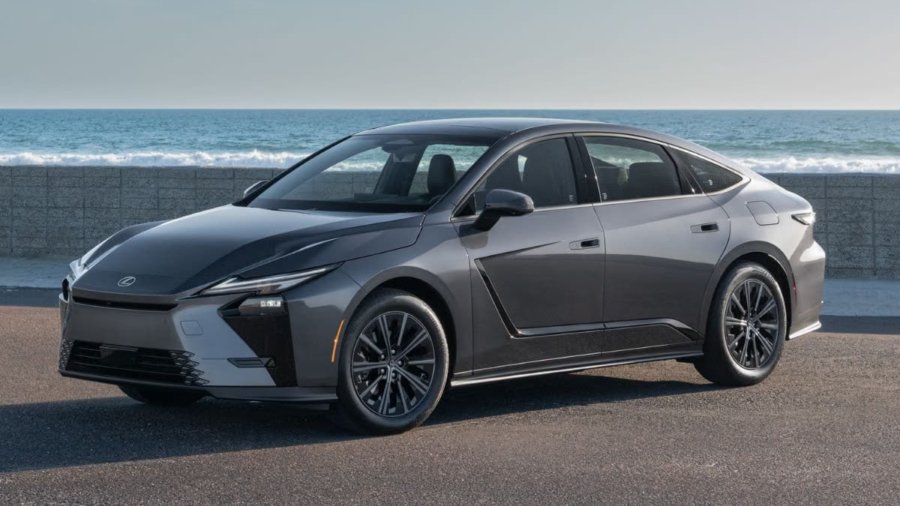
The Lexus ES is available in India in two forms: the ES 350h strong hybrid and the ES 500e EV. The 350h was added to the ES range in July, joining the 500e that launched earlier this year. Beyond the new powertrain options, the latest…

Know about car insurance
The Lexus ES is available in India in two forms: the ES 350h strong hybrid and the ES 500e EV. The 350h was added to the ES range in July, joining the 500e that launched earlier this year. Beyond the new powertrain options, the latest…
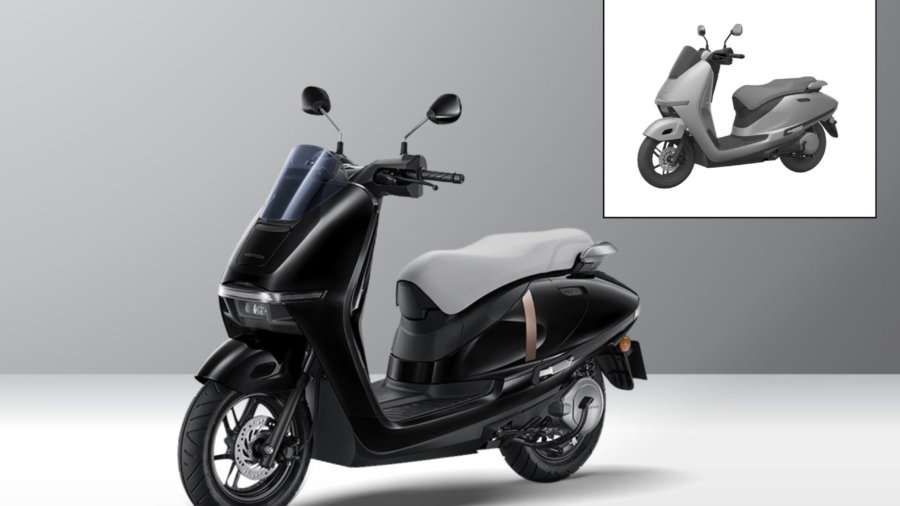
While Honda unveiled the QC3 for our market, the Japanese marque has also patented a ‘UC3’ in our country. It is a more spacious, cruiser-esque electric scooter that also debuts an LFP chemistry battery for the overseas market.Honda UC3 debuts an LFP battery overseasIt has…
Last Updated:
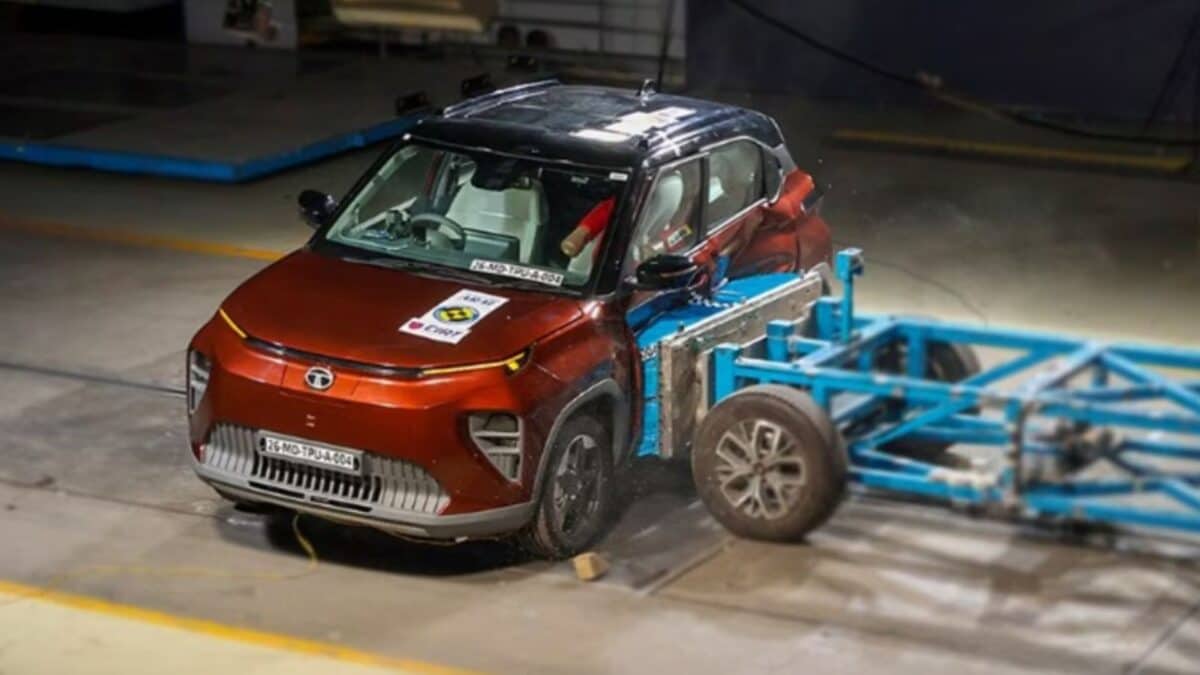
Tata Punch EV Facelift has received a 5-star safety rating.
Tata Motors' electric compact SUV Punch EV Facelift has performed brilliantly in the recent Bharat NCAP crash test and achieved a full 5 star safety rating. The models tested in these tests conducted in 2026 were Punch.EV Adventure 40 and Empowered+ S 40 variants. The car scored 31.09 out of 32 points in Adult Occupant Protection (AOP) and 45 out of 49 points in Child Occupant Protection (COP).
This rating also applies to Smart+ 40, Adventure 40, Empowered 40, Empowered+ S40 along with Smart 30 and Smart+ 30 variants. Amidst the growing concerns regarding the safety of electric vehicles in India, this result of Punch EV can prove to be reliable for the buyers. Tata has already given priority to safety and now the crash test results confirm the same.
Detailed result of crash test
It has got a total of 31.09/32 points in Adult Occupant Protection. It scored 15.28 out of 16 points in the frontal offset deformable barrier test and 15.80 out of 16 points in the side movable deformable barrier test. Side pole impact test recorded 'OK' result. Crash assessment diagrams showed 'good' protection in most areas, while 'adequate' protection in some body regions.
Scored 45/49 in child occupant protection. It got a full 24/24 in dynamic score and 12/12 in CRS installation, while the vehicle assessment got 9 out of 13. JOI i-Spin Safe Child Restraint System was used for both 18 month and 3 year old child dummies. Both scored 8/8 in frontal impact and 4/4 in side impact. The seats were installed in the rearward-facing position with an i-size Isofix/leg setup.
Safety Features
Front airbags for driver and passenger, side curtain airbags, side chest airbags, electronic stability control (ESC), pedestrian protection and seat belt reminder are standard on the tested model. Isofix child seat mounts are available on the second-row outboard seats. 6 airbags are standard in all its variants.
Price, range and features
Ex-showroom prices for the Punch EV facelift start from ₹9.69 lakh (Smart 30) to ₹12.59 lakh (Empowered+ S40). Battery-as-a-service option is available from ₹6.49 lakh. The ARAI range of the 30 kWh battery variants is 365-375 km and real-world range is around 260-275 km, while the ARAI range of the 40 kWh variant is 468 km and real-world range is around 335-355 km. The 40 kWh variant accelerates from 0-100 km/h in 9 seconds. With 65 kW DC fast charging, 20-80 percent charge is done in 26 minutes. High-end variants get 10.25-inch touchscreen, ventilated seats, sunroof, 360-degree camera, wireless Android Auto/Apple CarPlay and connected features.
.jpg?impolicy=website&width=52&height=52 "authoring")
Ram Mohan Mishra, working as Senior Sub-Editor at News18 Hindi, is active in digital media since 2021 and is currently handling the Auto Desk. They provide car and bike related information in an easy, clear and reliable manner.
read more

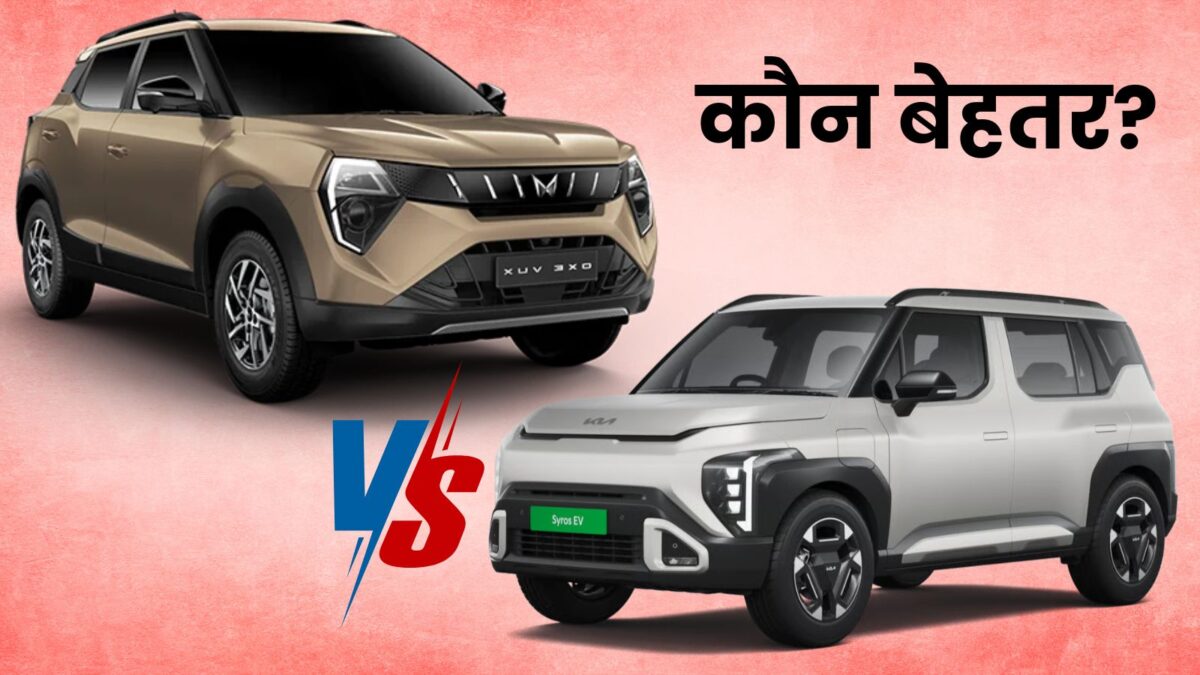
Kia Syros EV and Mahindra XUV 3XO EV compete with each other in the compact SUV segment in the Indian EV market. Prices for the Kia Syros EV start at ₹13.49 lakh (ex-showroom), while the top variant goes up to ₹19.99 lakh. Mahindra XUV 3XO EV, on the other hand, is priced between ₹13.89 lakh to ₹14.96 lakh. Both models are designed for affordable electric mobility, premium features and daily use.
The Syros EV claims more range with two battery options, while the XUV 3XO EV offers a balance of budget and performance. If you want to buy either of these two, then this article of ours is useful for you. Let's take a look at the details of their design, interior, features, safety, battery, motor and range.
Kia Syros EV comes with an attractive and modern look. 3995 mm length, bold front grille, LED lights and EV-specific elements. Mahindra Syros EV looks more stylish.
The Syros EV has dual 12.3-inch screens, panoramic sunroof, spacious rear seats and premium materials. The XUV 3XO EV features twin 10.25-inch displays, ventilated seats and good cabin space. Comfort is good in both, but Kia's cabin feels more luxurious.
The Syros EV has L2 ADAS, V2L, connected car tech and a panoramic sunroof as standard. Features like Harman Kardon audio, 360 degree camera, L2 ADAS and wireless charging are available in XUV 3XO EV. Both are full of tech. The XUV 3XO EV is also safe with 6 airbags, ESP and L2 ADAS. Both have good safety scores.
The Syros EV has 42 kWh (443 km range, 133-135 hp) or 51.4 kWh (526 km, 171 hp, 255 Nm) battery options. It can be charged 10-80% in 39 minutes with DC fast charging. The XUV 3XO EV has a 39.4 kWh battery and its motor produces 147 hp power and 310 Nm torque. Claimed range goes up to 456 KM. It can be charged 0-80% in 50 minutes. The Syros EV leads in range, while the XUV 3XO EV is stronger in torque and acceleration (0-100 km/h in just 8.3 seconds).
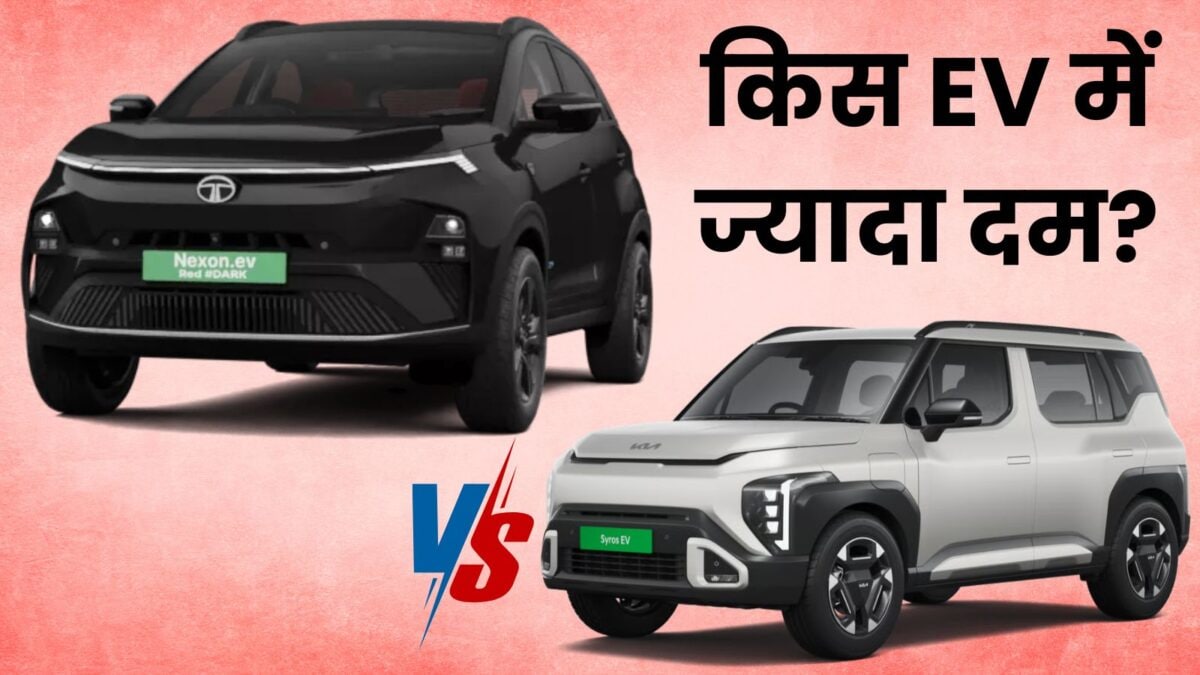
Kia Syros EV vs Tata Nexon EV: There is strong competition in the Indian EV market. The recently launched Kia Syros EV and the popular Tata Nexon EV are giving tough competition to each other in the sub-compact electric SUV segment. Both the cars come with stylish design, modern features and good range, which are suitable for city driving and highway trips.
Ex-showroom price of Cyros EV starts at ₹13.49 lakh and ex-showroom price of Nexon EV starts at ₹12.49 lakh. The Cyros EV comes with two battery options (42 kWh and 51.4 kWh), while the Nexon EV has 30 kWh and 45 kWh packs available. Cyros EV can be made even more affordable with BaaS (Battery as a Service). Let's take a look at the details of both of them, from design to powertrain.
The Kia Syros EV has bold, boxy and EV-specific styling. It can be purchased with LED lights, closed grill and sleek profile. It looks slightly longer and taller than the Nexon EV. The design of Tata Nexon EV is muscular and modern, with connected LED lights and attractive alloy wheels. Both offer a premium look on the road, but the stance of the Cyros EV seems more family-oriented.
The cabin of Cyros EV is spacious and premium. It has a 30-inch panoramic Trinity display (dual 12.3-inch screen), panoramic sunroof, ventilated seats, ambient lighting and Harman Kardon sound system. The Nexon EV also has good space, a 12.3-inch touchscreen, JBL sound and ventilated seats, but the cabin of the Cyros EV feels more luxurious and modern.
Both have wireless charging, 360° camera, wireless Android Auto/Apple CarPlay and connected tech. The Cyros EV comes with Level-2 ADAS, V2L/V2V charging and a larger display in the higher variants. ADAS is also available in the Nexon EV, but the feature list of the Cyros EV seems a bit richer.
The Tata Nexon EV's 5-star BNCAP rating is its strong point, along with 6 airbags, ESP and strong structure. Cyros EV also comes with 5-star safety package, 6 airbags, 360° camera and level-2 ADAS. Both are safe options for the family.
The Cyros EV's 51.4 kWh battery pack delivers 526 km range (ARAI) and the 171 hp / 255 Nm motor. The 42 kWh variant produces 135 hp with a range of 443 km. It has 100 kW DC fast charging support.
The Nexon EV's 45 kWh pack delivers 489 km range and 142 hp / 215 Nm (30 kWh: 275 km). Charging is a little slow. Syros EV is ahead in range and power. According to your budget and needs, you can choose any one of these electric SUVs.
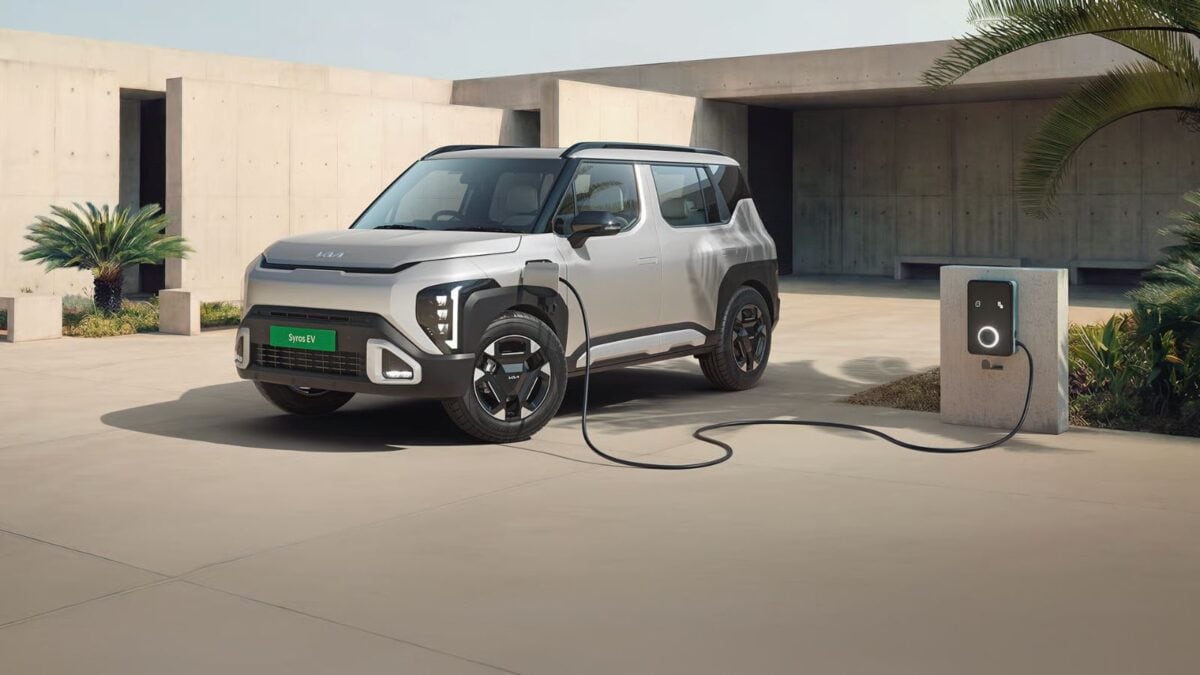
Kia Motors has launched its new electric SUV Kia Cyros EV in the Indian market. With a starting price of ₹ 13.49 lakh (ex-showroom), this car is ready to make a splash in the sub-4 meter electric SUV segment. With an ARAI claimed range of up to 526 km, attractive design, premium interiors and advanced features, Kia Syros EV is the perfect option for customers who want a combination of style, performance and eco-friendly driving.
It is based on the ICE version of the already available Kia Syros, but completely redesigned with EV technology. Available with two battery options (42 kWh and 51.4 kWh), this model can do 10-80% DC fast charging in just 39 minutes. Keeping in mind the increasing demand for electric vehicles in India, Kia has introduced it with affordable price and long range, which makes it different from Hyundai Creta Electric and other competitors. Let's take a look at the details from its design to powertrain.
The design of Kia Syros EV is bold and modern. With 3995 mm length, 1805 mm width and 1670 mm height, this SUV commands a strong presence on the road. The stylish grille with LED DRLs at the front, sculpted body lines, roof rails and sporty alloy wheels give it a premium look. At the rear, connected LED taillights and sharp lines add to the EV-specific appeal.
Its cabin is spacious and premium. High-quality materials, soft-touch surfaces and dual-tone theme give a modern feel. The panoramic sunroof, ventilated seats and good cabin space will ensure a comfortable journey for 5 passengers. The large touchscreen infotainment system and digital instrument cluster on the dashboard make it technology-rich.
The Kia Syros EV is equipped with advanced features, which include wireless Android Auto/Apple CarPlay, 360° camera, ventilated and heated seats, premium sound system, connected car technology and multiple driving modes. Remote features are also available through Kia's UVO connectivity app.
Special attention has also been given to safety in this. Features like 6 airbags standard, ABS with EBD, ESC, hill assist, TPMS and ADAS level 2.0 (Advanced Driver Assistance System) are available. The strong body structure will further enhance the safety of the EV. It is expected to get 5-star safety rating from BNCAP.
It comes with two battery packs. The variant with 42 kWh battery gives 443 km range with 135 PS power and 255 Nm torque. The larger 51.4 kWh battery pack offers an ARAI range of up to 526 km with 171 PS power. Both have front-wheel drive single motor. The 100 kW DC fast charger enables 10-80% charging in just 39 minutes, while AC charging is also available.
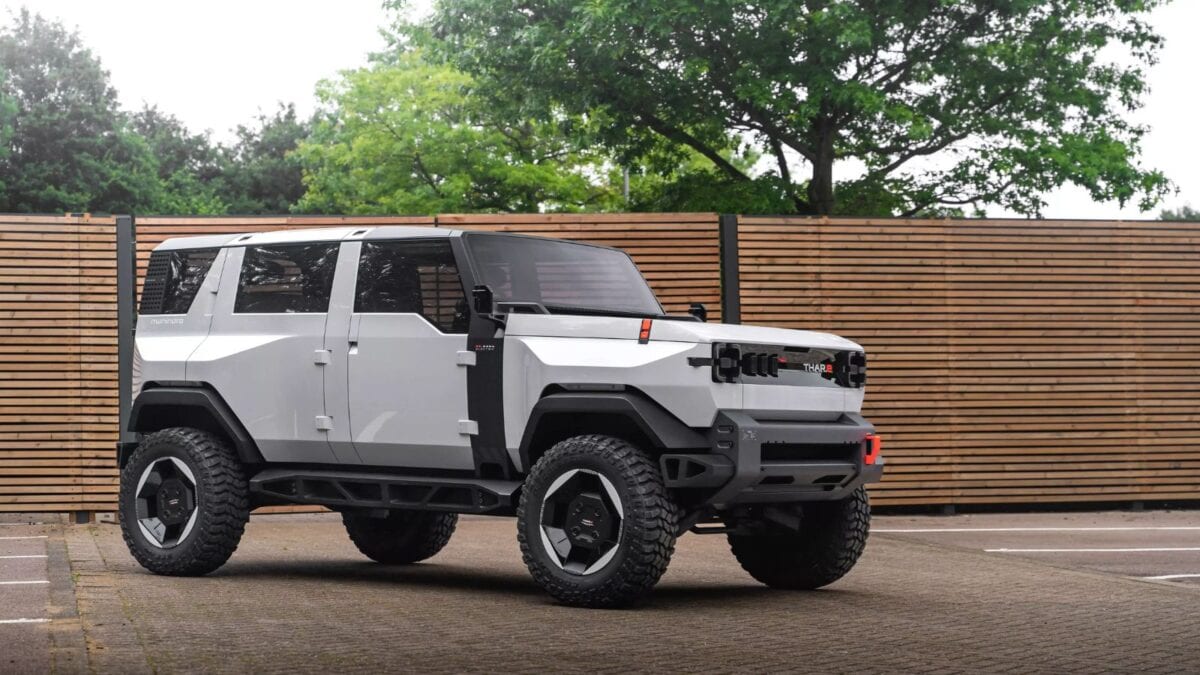
Mahindra has filed the design patent of its upcoming off-roader electric SUV Mahindra Vision T in India. This step has been taken before the official unveil, which shows that the company is preparing to launch the production model soon. Vision T is basically a developed form of Thar E Concept, which will become the new member of the Thar family.
This SUV will be based on Mahindra's new NU_IQ monocoque platform, which supports petrol, diesel, hybrid and fully electric powertrains. Patent images show that the production version will be almost similar to the concept. The boxy silhouette, upright proportions and off-road look make it a modern and premium version of Thar. With a length of about 4.3 meters, it will fall in the midsize SUV segment. Let's take a look at the details from its possible design to powertrain.
The design of Vision T is inspired by Thar but more modern. It has a boxy shape, short overhangs, squared wheel arches and exposed bonnet latches. The front has the signature split grille with vertical slats, along with LED lighting (central square projector and four individual DRLs). Chunky bumpers, pronounced wheel arch cladding, roof rails and a rear-mounted spare wheel reinforce the off-road character. This will present a more premium and modern look of Thar.
Based on the concept, the interior will be minimalist and tech-loaded. Free-standing digital instrument cluster, large portrait-oriented touchscreen infotainment system, three-spoke steering wheel and physical toggle switches will be provided. With dual-tone theme, good space and command seating height, it will be a comfortable family SUV. Technologies like connected car features, OTA updates and ADAS can be adopted from Mahindra's latest models.
The company will offer it with panoramic sunroof, advanced infotainment, multiple driving modes and premium audio system. For off-roading, 5-link rear suspension and DAVINCI damper technology will provide better ride comfort.
For safety, its NU_IQ platform has been strengthened with a strong monocoque structure. Customers can buy it with features like ADAS, multiple airbags, 360-degree camera and electronic stability program.
The electric version may be launched first. FWD/AWD option with LFP battery (shared with BE 6/XEV 9e), good range and performance. ICE and hybrid options will also come later. This platform is multipurpose, which will balance both ride comfort and off-road capability.
Overall, Vision T will take Thar's popularity forward with electric and modern touch. The estimated price could be between ₹15-20 lakh. Launch is expected in 2027. This will give a new direction to the off-road EV segment in the Indian market.
Kia India has recently officially unveiled its new mass-market electric SUV Syros EV. This car, to be launched on July 24, 2026, will be the company's most affordable all-electric model, which will compete with vehicles like Tata Nexon EV and Mahindra XUV 3XO EV in the compact EV SUV segment. The Syros EV will come with two battery pack options – 42 kWh and 51.4 kWh, capable of delivering an ARAI claimed range of 443 km and 526 km.
It is built on the K1 platform, which combines EV-specific styling, advanced features and strong performance. With front-mounted motor, power will be available from 135 hp to 171 hp. This SUV, which achieves 0-100 km/h speed in just 8.1 seconds, is equipped with features like fast charging, level-2 ADAS, premium interior and lifetime battery warranty. Pre-bookings have started (₹25,000), while the price is expected to be between ₹15-20 lakh (ex-showroom). Let us understand this in 5 highlights.
Syros EV comes with two battery options – 42 kWh (443 km range) and 51.4 kWh (up to 526 km). The larger battery pack delivers 171 hp power. This is the vehicle with the highest range in the compact electric SUV segment. Good performance is expected in the real world also.
100 kW DC fast charging provides 10-80% charge in just 39 minutes. With 11 kW AC charger support, full charge is done in 4-5 hours. This includes EV technologies like i-Pedal mode, regenerative braking and battery conditioning.
EV touch has been given in a look similar to the ICE model. It has got digital tiger face, ice cube LED headlamps, star map lighting, flush door handles and aero alloy wheels. 16 liter trunk, V2L functionality and virtual engine sound system will make the EV experience unique.
30-inch Trinity Panoramic Display (dual 12.3-inch screens + 5-inch HVAC), Harman Kardon 8-speaker sound, panoramic sunroof, ventilated seats, 64-color ambient lighting, wireless charging and OTA updates are provided. Sliding-reclining rear seats are also going to be very comfortable for the passenger.
This will be an advanced EV with level-2 ADAS (16 functions), 6 airbags, 360° camera, 25+ safety features. Lifetime high-voltage battery warranty, assured buyback and BaaS (Battery-as-a-Service) option will make ownership easier.

Last Updated:
Tata Avinya
Tata Motors is rapidly advancing its premium electric vehicle (EV) strategy. Recently, a camouflaged SUV has been seen testing in public, which looks very similar to the company's upcoming Avina X model. This could be Tata's first premium electric SUV, which is expected to be launched in India in 2027.
This prototype with MH number plate has been seen in a video shared on social media. Despite being highly camouflaged, its coupe-style silhouette, sloping roofline and LED lighting elements can be seen. This model will not only meet the needs of Indian customers but can also create a strong presence of Tata in the global market. Let us know what has been seen in this testing mule of Tata Avinya.
The sloping roofline in the prototype is giving a coupe-like look. The LED headlamps at the front and connected DRLs at the front-rear match Tata's recent design patterns. Dual-tone diamond-cut alloy wheels and smooth body surfacing are also seen. Although the entire design is hidden due to camouflage, the proportions and lighting signature point towards a Tata product.
In March, Tata Motors had said that Avinya X will no longer be built on Jaguar Land Rover's EMA platform. Instead, the Freelander platform of the Cherry-JLR (CJLR) ecosystem will be used. This will reduce development cost and speed up the launch process. The company is reworking electronic systems, software and vehicle functions for Indian buyers. Teams from India, China and UK are working on this project.
According to industry reports, battery packs ranging from 65 kWh to 80 kWh can be provided in the first Avinya models. The focus is on balancing range, performance and cost, so that despite being a premium EV, it maintains broad market appeal.
The first Avinya models will be produced at the new TMPV-JLR plant in Panpakkam, Tamil Nadu. This facility is an important part of Tata's premium EV project. Avinya is being developed as a global premium EV brand, which will use multiple scalable architectures from the Tata Motors and JLR ecosystem.
Ram Mohan Mishra, working as Senior Sub-Editor at News18 Hindi, is active in digital media since 2021 and is currently handling the Auto Desk. They provide car and bike related information in an easy, clear and reliable manner.read more
Last Updated:
Kia Seltos has been the best selling SUV of the company.
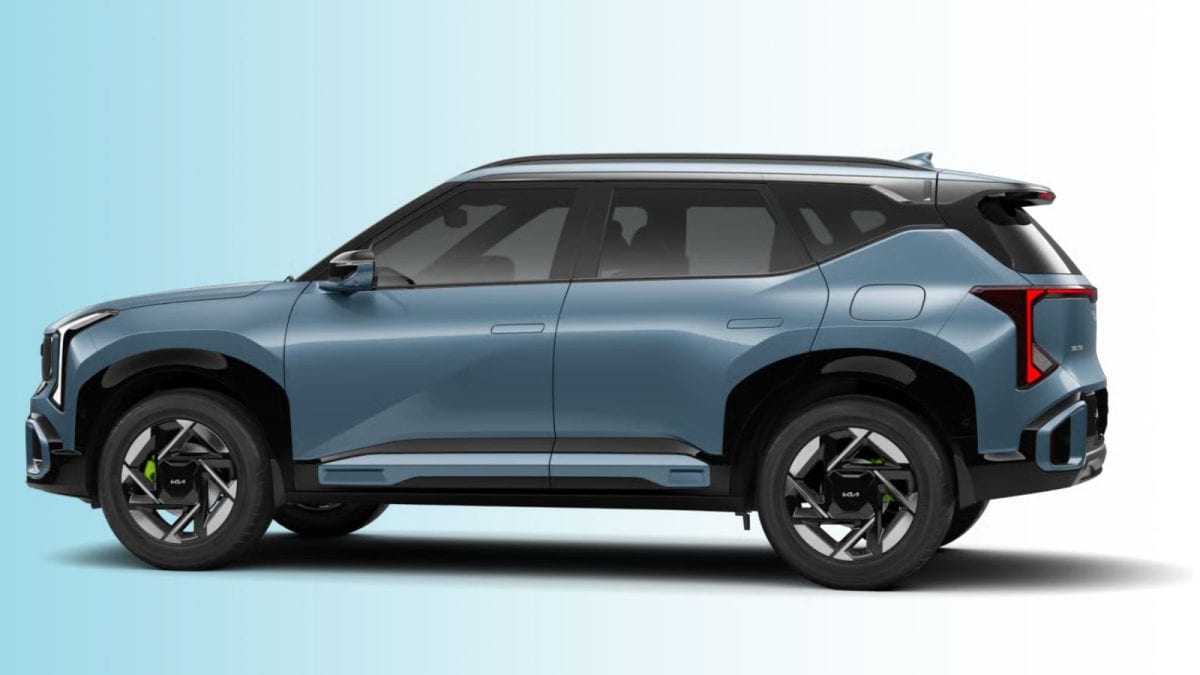
The demand for EVs is increasing rapidly in the Indian car market. In such a situation, Korean automobile manufacturer Kia is preparing to launch its new electric SUV Kia Syros EV. According to recently leaked information online, this will be Kia's smallest electric SUV in India, which will be positioned below the Carens Clavis EV. Unofficial details suggest that the Cyros EV will be offered with two battery pack options.
This model will be able to provide long range in the segment due to its small size, light weight and better efficiency. Kia India has not confirmed these details. The launch is expected soon. This model will be the best option for those buyers in the Indian EV market who want premium features, long range and strong warranty. Let's take a look at its possible design, battery, motor and range details.
The design of the Cyros EV is likely to be based on the company's modern 'Tiger Face' language. Bold front grille, LED headlights and sporty lines can be seen in it. Due to its small dimensions, it will be perfect for city roads. The interior will have a cabin with premium materials, digital instrument cluster and modern layout, which will offer comfortable seating and good space.
According to leaked information, Cyros EV will have features like large touchscreen infotainment system, connected car technology, ventilated seats and panoramic sunroof. It will be equipped with Kia's latest generation features. The company will provide a better safety package in it, which will include Level-2 ADAS (Advanced Driver Assistance System). It is expected to have multiple airbags, 360-degree camera and other modern safety features.
The Cyros EV will get 42 kWh and 51.4 kWh battery pack options, which are similar to the Carens Clavis EV and Creta EV. Being small and light, it will provide better efficiency. There is a possibility of getting a claimed range of up to 443 km with the 42 kWh battery and up to 520 km with the 51.4 kWh battery.
This will be one of the longest range electric SUVs in the segment. Motor details are not clear yet, but a single motor setup is expected like Kia's current EVs. The most attractive thing is the lifetime or 15 years battery warranty. Apart from this, 3 years standard warranty (extendable up to 7 years/1.6 lakh km) and buyback program can also be available. All these details are unofficial. Complete information about performance, charging speed, variants and price will be revealed at the time of official launch.
Ram Mohan Mishra, working as Senior Sub-Editor at News18 Hindi, is active in digital media since 2021 and is currently handling the Auto Desk. They provide car and bike related information in an easy, clear and reliable manner.read more
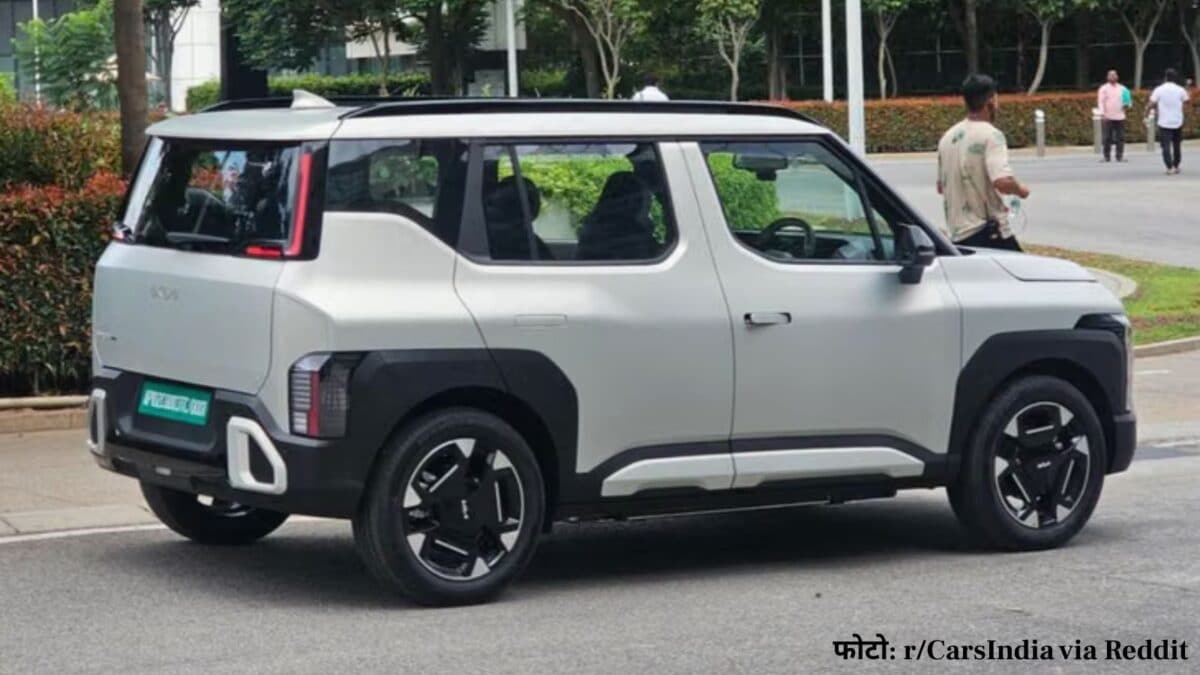
Kia is preparing to launch its most affordable electric SUV Syros EV in India. Recently, during the TVC shooting in Bengaluru, it was seen completely before its launch, which appears to be a completely production-ready version. Taking the popularity of the ICE version forward, this EV model will compete in the sub-4 meter compact SUV segment.
It will compete with vehicles like Tata Nexon EV, Mahindra XUV 3XO EV. It is expected to be priced between ₹15-20 lakh (ex-showroom), making it attractive for first-time EV buyers. Let's take a look at the details from its possible design to battery, motor and range.
The Syros EV is built on the K1 platform, which gets EV-specific updates like a closed front grille, charging port on the front left side, aero-optimized 17-inch alloy wheels and revised bumpers. The vertical LED headlamps, L-shaped DRLs and tall L-shaped tail lamps are carryovers from the ICE model. The EV badge and silver finish give it a distinct identity. It maintains a boxy and upright style, which will prove to be practical and attractive on Indian roads.
The interior will be premium and feature-loaded. 5-inch climate control screen with dual 12.3-inch displays (infotainment and driver cluster), panoramic sunroof, ventilated front and rear seats, sliding-reclining rear seats, 64-color ambient lighting, Harman Kardon sound system and wireless are the main highlights. EV-specific graphics and software updates will improve connected car technology.
It is expected to include vehicle to load, paddle shifters for regenerative braking, 360-degree camera, wireless Android Auto/Apple CarPlay and over-the-air updates. For safety, 6 airbags, ESC, TPMS, EPB, parking sensors and level-2 ADAS (Adaptive Cruise Control, Lane Keep Assist) can be provided. The 5-star Bharat NCAP rating of the ICE version will also provide strong safety to the EV.
Two battery options can be found in it – 42 kWh (approximately 404-443 km ARAI range) and 51.4 kWh (approximately 490-520 km claimed range). Both will come with front-mounted electric motors. The variant with small battery can get around 135 PS power and 255 Nm torque, while the variant with big battery can get up to 171 PS. With DC fast charging, 10-80% charge can be done in about 30 minutes. Real-world range is expected to be around 380-430 km.
Kia can also provide 8-15 years battery warranty after launch, which will increase the confidence of buyers. Cyros EV will make a strong entry in the EV market with affordable price, premium feel and good range. The launch is going to happen soon, which will give further impetus to the Indian EV market.
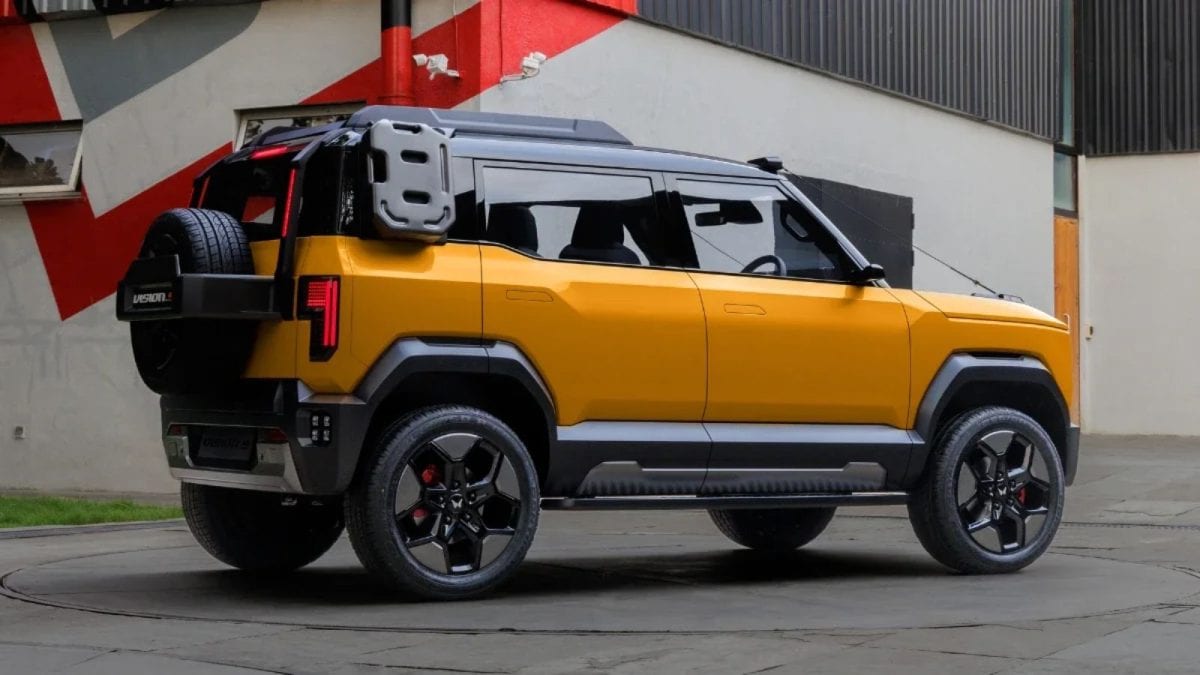
Mahindra is strongly preparing its new generation SUV lineup. Vision S, one of the concept models introduced under the company's Global Vision 2027, has now reached the production stage. Recently, its test mule has been spotted in heavy disguise, in which production-spec LED DRLs are clearly visible for the first time. Inverted L-shaped LED daytime running lights are seen matching the projector headlamps, which are very similar to the Vision S concept unveiled in August 2025. This sub-4 meter compact SUV will be based on NU_IQ platform, which will support both ICE, hybrid and electric powertrains.
Mahindra is positioning it for both lifestyle and off-road. Features like the boxy and upright stance, thick wheel arches and the rear-mounted spare wheel make it a smaller, more city-friendly version of the Scorpio-N. Experts predict that this SUV, to be launched in 2027, will compete directly with vehicles like Tata Sierra. It is expected that its starting ex-showroom price will be less than ₹ 10 lakh and the top variant will go up to ₹ 18-20 lakh. Let's take a look at its possible design to engine-performance details.
The design of the Vision S takes a practical touch while maintaining the sporty solidity of the concept. The boxy silhouette, high ground clearance, squared-off wheel arches and straight roofline give it a strong and upright look. The front sees vertically stacked projector headlamps with inverted L-shaped LED DRLs. Circular LED headlamps and C-shaped DRL pattern were also seen in some spy shots, which could be for different variants.
Thick cladding on the side profile, flush-fitting door handles and tailgate mounted spare wheel at the rear give classic off-roader vibes. Some mules with Thar-style headlamps have also been spotted. Overall, it looks like a muscular, lean and mean SUV, which will maintain a commanding presence both in the city and on the highway. Due to NU_IQ platform both FWD/AWD options are available.
The production-spec interior also looks quite premium and functional. The spy shots show features like a full-length panoramic sunroof, dual-tone navy blue and gray theme, soft-touch materials and a flat floor (a world first in an ICE SUV). The cabin is spacious, with good leg room and head room.
Aircraft-style toggle switches (for seat heating, traction control, off-road modes), dual-zone climate control, crystal-inspired AC vents, large touchscreen infotainment system and digital instrument cluster can be provided. Rear center armrest, adjustable headrests and three-point seatbelts will be standard. Overall the interior will maintain a balance of comfort and modern technology.
Mahindra Vision S is expected to be loaded with latest features. There will be panoramic sunroof, wireless charging, connected car technology, cruise control and level-2 ADAS safety suite. Higher variants can get 360-degree camera, ventilated seats, premium audio system and wireless Android Auto/Apple CarPlay. Off-road modes and traction control system will make it adventure-spirited.
Mahindra is paying special focus on safety. 6 airbags, ESP, hill hold, hill descent control, TPMS and ISOFIX child seat anchorage may remain standard. ADAS features like automatic emergency braking, lane keep assist, adaptive cruise control etc. will be available. The robust NU_IQ platform will help meet global safety standards.
Both petrol and diesel options will be available in Vision S. The main engines will be the 1.5L four-cylinder diesel engine (taken from the XUV 3XO, but with more power) and the 1.2L turbo petrol engine. Hybrid and electric variants will also come later. Both manual and automatic gearboxes will be available.
AdBlue cap is seen in the diesel variant, which confirms the BS6 Phase-2 compliant system. Performance is expected to be good. You will get comfortable highway cruising, decent off-road capability and easy handling in the city. NU_IQ platform will provide better ride quality and handling. company it 'Mini Scorpio N' Can present by name. More details will be revealed as the launch gets closer.
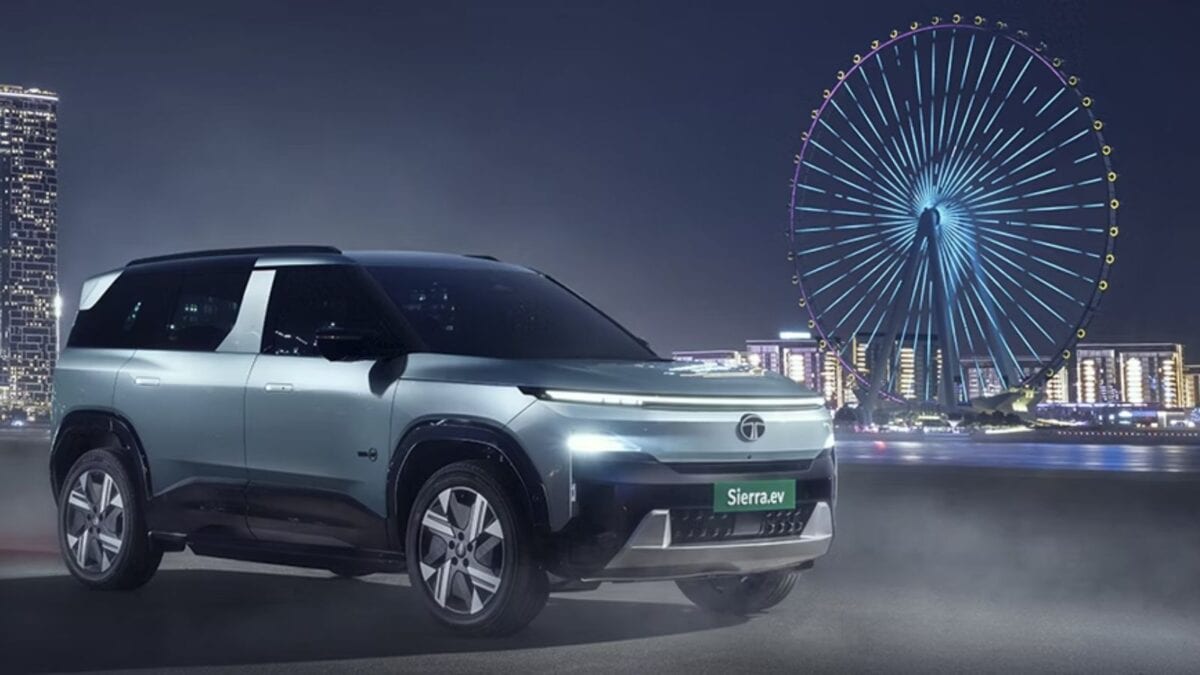
Tata Motors has launched Sierra EV in the Indian market after a long wait. Available at a starting price of just ₹ 18.79 lakh (ex-showroom), this SUV comes with 63 kWh and 75 kWh battery options. One thing was most discussed at the time of launch – why is the power output of the 75 kWh RWD variant less than the 63 kWh RWD?
The 63 kWh model produces 238 PS (175 kW), while the 75 kWh RWD produces only 209 PS (154 kW). This is a difference of 29 PS (about 12%), while the 75 kWh variant is also costlier and has a longer range. Tata has now given an official statement regarding this.
According to Tata Motors, this is not a mistake but an intentional engineering decision. Both batteries are packed in the same volume. The 75 kWh battery uses high-capacity cells and Cell-to-Pack (C2P) architecture, achieving excellent packaging efficiency of 141 Wh/kg and 8.9 km/kWh energy efficiency.
This brings the ARAI range to 665 km (99 km more than 63 kWh). However, this resulted in a slight reduction in operating voltage, resulting in reduced peak power. The company says that the peak torque of 315 Nm is the same in both the RWD variants, so there will be no significant difference in daily driving and city-highway performance. 75 kWh is range-focused, while 63 kWh is performance-oriented.
Sierra EV comes with an attractive design like the ICE model. Its highlights are closed-off grille, end-to-end LED DRL, LED taillights, flush door handles, 19-inch alloy wheels with aero inserts and a large panoramic sunroof (1525mm x 925mm). The 2730 mm wheelbase and 622 liters of boot space add to the practicality.
The cabin has a triple screen setup (two 12.3-inch + 10.25-inch). Light colours, spacious feel, ventilated and memory seats, extendable under-thigh support, rear blinds and leatherette upholstery provide a premium experience.
12-speaker JBL sound system (Dolby Atmos), wireless Android Auto/Apple CarPlay, EV Route Planner, DrivePay (UPI), AirConsole Gaming, iRA.ev connectivity, 540° camera and gesture-controlled powered tailgate are the big features.
For safety, it has features like L2+ ADAS, 6 airbags, strong structure and V2L/V2V. 6 terrain modes and crawl control are also provided for off-road.
The 63 kWh battery gives 565 km ARAI range, while the 75 kWh will give 665 km range. Both RWD have 315 Nm torque. AWD option is also available in 75 kWh. Fast charging can add 263 km range in 15 minutes. The speed of 0-100 km/h is completed in 5.8 seconds. Built on the Acti.ev platform, this SUV offers a great combination of performance and range.
Last Updated:
MG windsor is having huge sale.
MG Windsor continues to be popular in the Indian car market. Even before completion of two years of its launch, this electric CUV has won the trust of more than 75,000 customers. More than 19,000 units have been sold in the first half of the year 2026 alone, making it India's best-selling electric car.
The company says that the increasing popularity of MG Windsor is playing an important role in rapidly promoting electric mobility in the country. The special thing is that its demand is not limited to big cities only, but it is getting great response from Tier-2 and emerging markets also. Its ex-showroom price starts from ₹ 14.95 lakh and goes up to ₹ 21.01 lakh. At the same time, with BaaS scheme, it can be purchased at a starting ex-showroom price of only ₹ 9.99 lakh.
According to JSW MG Motor India, MG Windsor has crossed the huge sales figure of over 75,000 units in less than two years after its launch. More than 19,000 units have been sold in the first half of 2026 alone. Along with this, the company has also registered an annual increase of 13% in total sales in the first half of 2026 compared to the first half of 2025. After its success, the company is preparing to launch two new electric cars and a plug-in hybrid model in this financial year.
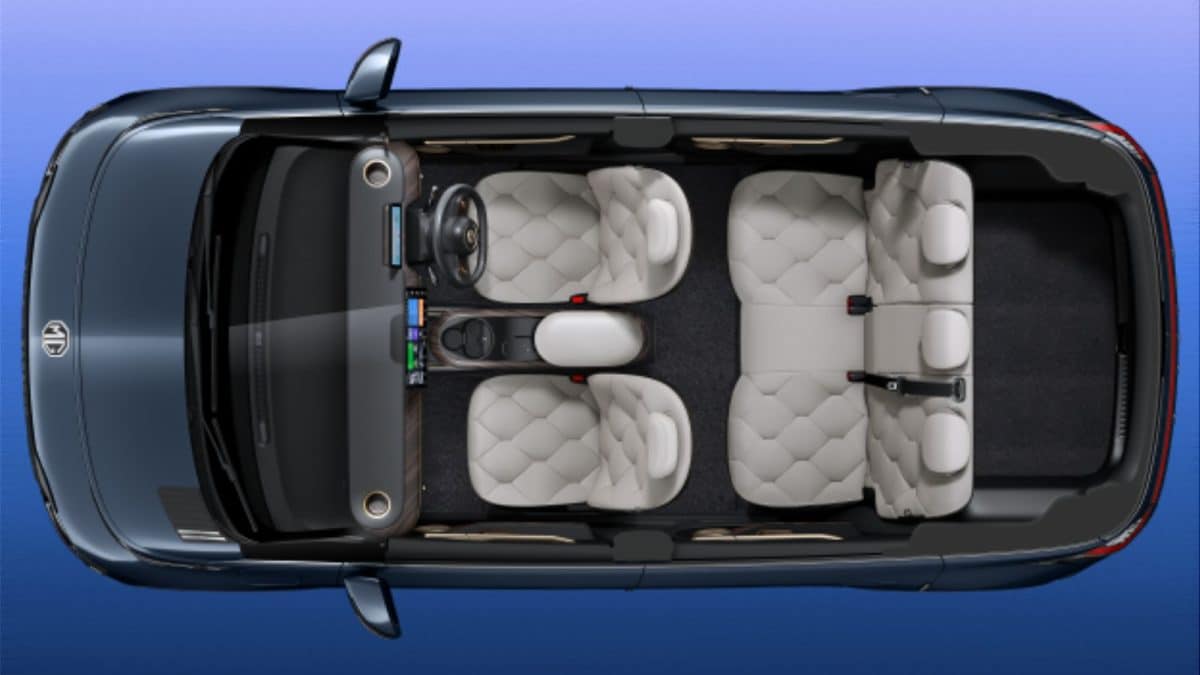
MG Windsor has been designed on the company's futuristic AeroGlide design language, which makes it different from conventional cars. It is a perfect blend of sedan-like length and SUV-like utility. Business class comfort has been provided in the cabin. It has Aero Lounge seats, which can be reclined up to 135 degrees. Apart from this, a large 15.6-inch GRANDVIEW Touch Display has been provided on the center console, which further improves the driving experience.
MG Windsor has been introduced as a feature-loaded electric CUV. It has a large touchscreen infotainment system, premium cabin, comfortable seats and family-friendly space. The company says that this car has been designed to provide better driving experience with excellent comfort and modern technology.
MG Windsor is available with two battery options. The first is a 38 kWh battery pack, which gives a range of 332 km on a single charge. Whereas, the PRO variant has a 52.9 kWh battery, whose claimed range is 449 km. The electric motor generates power of 100 kW (136 PS) and torque of 200 Nm, due to which it is capable of performing strongly both in the city and on the highway.
Ram Mohan Mishra, working as Senior Sub-Editor at News18 Hindi, is active in digital media since 2021 and is currently handling the Auto Desk. They provide car and bike related information in an easy, clear and reliable manner.read more
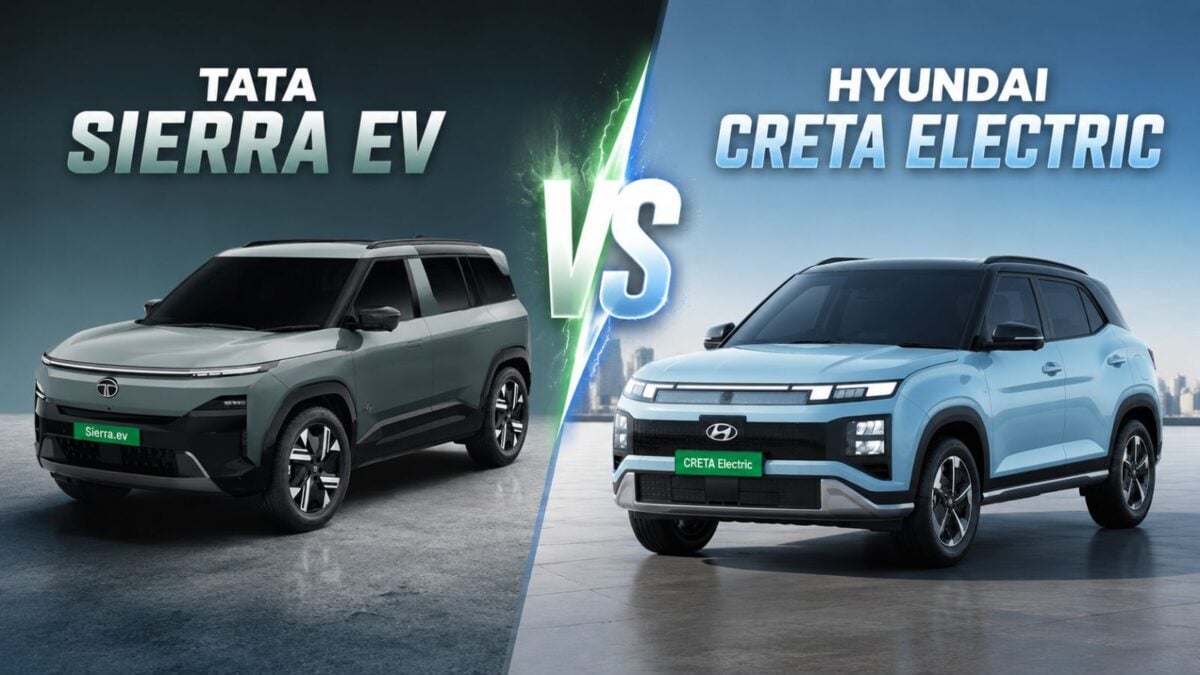
Tata Sierra EV has arrived in the Indian market after a long wait. It also competes with Hyundai Creta Electric in the market. If we look at the prices of both, Tata Sierra EV can be purchased for ₹ 18.79 lakh (Pure 63 kWh RWD) to ₹ 25.99 lakh for the top variant. Whereas, Hyundai Creta Electric starts at ₹ 18.03 lakh (Executive 42 kWh) and the top variant goes up to around ₹ 24.70 lakh.
Both offer a premium EV experience in the compact SUV segment, but the Sierra EV offers more range and power, while the Creta EV emphasizes on brand value, refined drive and value-for-money. Customers can now choose based on space, features and real-world performance. Both these models will further accelerate India's EV transition. Let us know which of these two will be more profitable to buy in terms of design, battery and range?
Tata Sierra EV comes with retro-modern look. Upright bonnet, split LED headlamps, blanked grille, two-tone roof and flush door handles. It looks as strong and adventurous as the petrol/diesel Sierra. The Hyundai Creta Electric is more futuristic and sleek with its Morse-code 'H' logo. The Creta has more mainstream appeal with its EV-specific closed grille and smooth lines, while the Sierra offers bold and unique styling.
Talking about the cabin, Sierra EV gets triple-screen setup (dashboard), panoramic sunroof, ventilated seats, JBL 12-speaker Dolby Atmos sound and premium materials. The Creta Electric comes with dual 10.25-inch screens, panoramic sunroof, ventilated front seats and Bose audio. Both are spacious 5-seaters, but the cabin of the Sierra feels a little more premium and technology-heavy. The interior of Creta is refined and user-friendly.
Both have L2+ ADAS, 360° camera, wireless charging, V2L and connected tech. Sierra has features like extra auto park assist, in-car gaming, 540° camera and boost mode. The Creta has an EV-specific UI, voice sunroof and a good infotainment system. Sierra looks a little ahead in features.
Talking about safety, Tata Sierra EV gets 6 airbags as standard, strong Acti.ev+ platform and advanced ADAS. Creta Electric is also expected to have 6 airbags, ESC, ADAS L2+ and good safety rating. Tata's EVs have generally proven to be strong in structural safety.
Tata Sierra EV has 63 kWh (565 km MIDC) or 75 kWh (665 km MIDC, RWD) battery options. An AWD dual-motor setup is also available with the RWD motor (235 bhp). It can reach the speed of 0-100 kmph in just 5.8 seconds. The Creta Electric can be bought with a 42 kWh (420 km) or 51.4 kWh (510 km) battery pack. The Sierra clearly offers better range, power and performance, while the Creta is efficient for daily use.
Tata Sierra has been launched in the Indian car market after a long wait. The company has started the starting ex-showroom price of this 5-seater electric SUV from ₹ 18,79,000. At the same time, the ex-showroom price of the top-spec variant full of QWD and modern features goes up to ₹ 25,99,000.
If you are planning to buy this EV in the coming days and have not been able to make a budget yet, then this article will be useful for you. In this article, we have brought details of Sierra EV from on-road price to EMI. We will also take a look at the battery, motor and other details.
If you are planning to buy this electric SUV in the country's capital, then you are going to get bumper savings. After the recently released Delhi EV Policy 2026, those buying EVs worth ₹ 30 lakh or less will get complete exemption in RTO charges. In this way, you will be able to buy it in Delhi at an on-road price of only ₹ 19,75,875. This includes insurance amount of Rs 78,085 and TCS charge of Rs 18,790, which you can withdraw later while filing ITR.
If you make a down payment of Rs 5 lakh to bring this electric SUV home, then you will have to apply for a car loan on the remaining Rs 14,75,875. If your monthly income is good and your credit score is in good condition, then you will easily get this loan at an interest rate of 10 percent.
Let us assume that you will get this car loan for 5 years. In this way, at 10 percent interest rate, you can repay your car loan by paying a total of 60 EMIs of Rs 31,358. In this way you will pay total installment of Rs 18,81,479. If Rs 5 lakh down payment is added, its price will be Rs 23,81,479 (after interest and EMI).
As we calculated, by paying a down payment of Rs 5 lakh, we will take a car loan on Rs 14,75,875 at 10 percent interest rate for a total of 5 years, so in this way we will have to pay a total interest of Rs 4,05,604 in 60 monthly installments.
Sierra EV is a modern electric SUV, which is built on the Acti.ev+ platform. Upright bonnet, split LED headlamps, blank grille, flush door handles, dual-tone roof and dual-tone alloy wheels give it a premium look.
Its cabin has a triple-screen dashboard (instrument cluster, infotainment and passenger screen), panoramic sunroof, ventilated powered front seats, JBL 12-speaker sound system (Dolby Atmos) and premium materials. The 5-seater cabin is spacious.
Features include L2+ ADAS, 360° camera, voice assisted sunroof, auto park assist, V2L/V2V charging and boost mode. For safety, it has been provided with 6 airbags, ESP, strong body structure and advanced ADAS features. It is expected to get full 5-stars in BNCAP also.
It is sold with 63 kWh and 75 kWh LFP battery options. RWD gets 238 PS power and QWD gets 313 PS power. It can accelerate from 0-100 km/h in just 5.8 seconds. MIDC range is up to 565-665 km. 120 kW DC fast charging adds 263 KM range in 15 minutes.
Our advice: Before buying an electric car, check once at your home whether an EV charger can be installed there. Apart from this, if you are planning to buy it on EMI, then first raise at least Rs 5-7 lakh and then also keep in mind that a good amount from your monthly income will go towards paying its EMI. Our advice is that if you earn Rs 1,00,000 per month and are not already paying any big loan installments, then you can buy it on EMI.
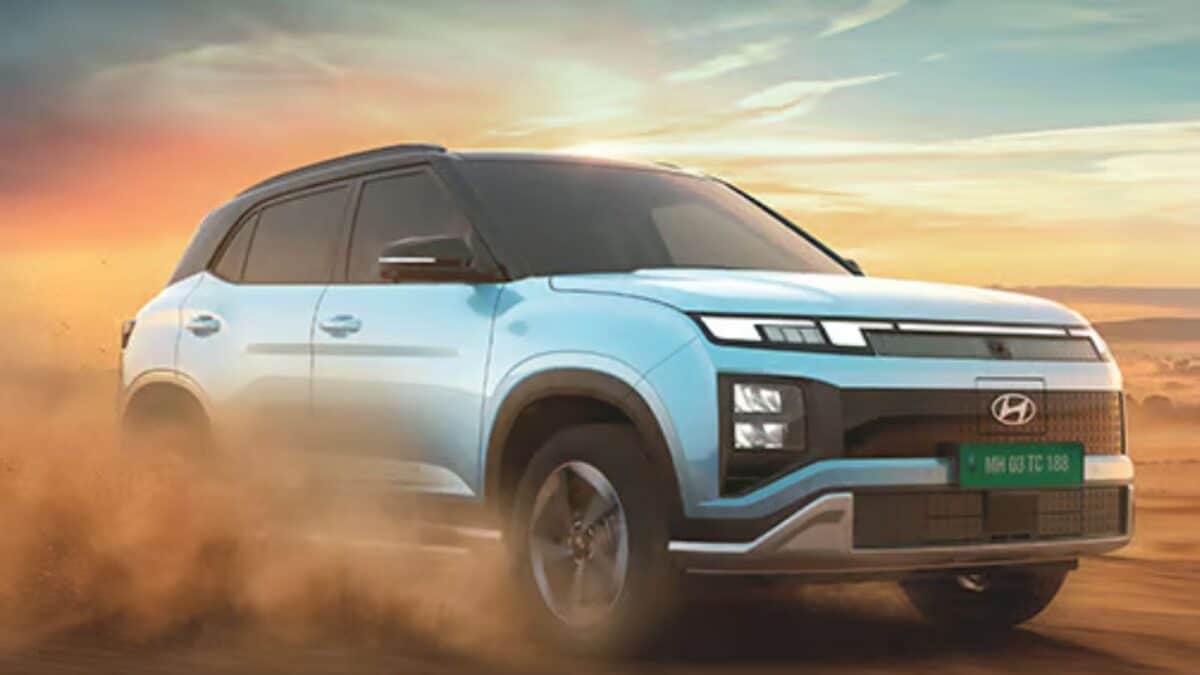
Hyundai Motor India has introduced its popular car Creta Electric with a Battery-as-a-Service (BaaS) program to make it even more affordable. Under this innovative scheme, customers can take the battery on separate subscription, which will significantly reduce the ex-showroom price of the car. The effective launch price of Creta Electric through BaaS starts at just Rs 10.99 lakh, while the price of the full battery model is around Rs 18 lakh.
Customers purchasing Hyundai Creta Electric with this scheme will have to pay battery rent of Rs 3.9/KM. Talking about the benefits of BaaS, it reduces upfront expenses, keeps running costs under control and also eliminates the worry of battery replacement. This step of Hyundai is going to boost the Indian EV market, especially for those families who want a premium SUV but were held back due to budget. If you are planning to buy it with BaaS, then take a look at its design, battery, motor and range details.
The design of Creta Electric is very similar to the ICE model but it was introduced with EV-specific updates. With length 4,340 mm, width 1,790 mm and height 1,655 mm, it fits in the compact SUV category. EV features like closed-off front grille, aerodynamic alloy wheels, LED lighting and frunk (22 litres) give it a modern look. The Knight Edition gets special styling.
The interior is premium and spacious. Features like twin 10.25-inch display (infotainment and driver cluster), panoramic sunroof, ventilated front seats, Bose's 8-speaker sound system, dual-zone climate control and wireless charger enhance comfort. The cabin quality is high, there is good space and the vehicle to load (V2L) feature allows the car to be used as a power source.
Creta Electric is feature-packed. It can be purchased with Level 2 ADAS (20+ features), 360-degree camera, dashcam, blind view monitor, wireless connectivity, Blue Link, digital key and in-car payments features. Panoramic sunroof and ventilated seats are standard in premium variants.
For safety, it includes 6 airbags, ESC, TPMS, hill hold/descent control, all wheel disc brakes and 75+ advanced features. Level 2 ADAS offers features like lane keeping, adaptive cruise and auto emergency braking.
It can be purchased with two battery options – 42 kWh (range up to 420 km, 135 PS motor) and 51.4 kWh (range up to 510 km, 170 PS power). Front-wheel drive motor gives smooth performance. Full charge can be completed in 4 hours with 11 kW AC charger and 10-80% can be completed in just 39-58 minutes with 100 kW DC fast charger. Real world range can be considered to be around 300-380 KM.
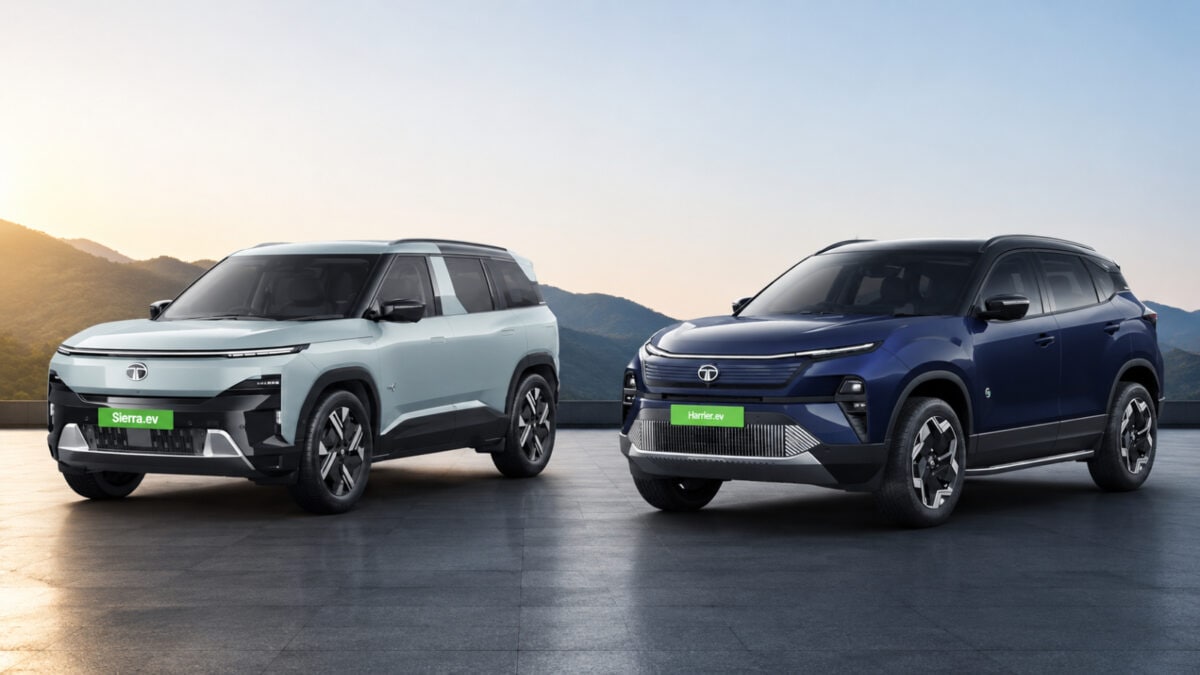
Tata Motors recently strengthened its EV line-up with the launch of Tata Sierra EV, which brings the iconic Sierra design in an electric avatar. It is a more affordable and slightly compact alternative to the Harrier EV. Both are based on the Acti.EV+ platform, but the positioning is different. The Sierra EV is family-oriented and value-for-money, while the Harrier EV is a premium, larger SUV with more features.
Ex-showroom price of Sierra EV starts at ₹18.79 lakh (Pure 63 kWh), the top variant can go up to ₹25-26 lakh. While Harrier EV starts at ₹21.49 lakh (Adventure 65 kWh), the top QWD variant goes for around ₹30 lakh. Both are attractive options for EV buyers, coming with long range, fast charging and strong safety from Tata. Let us know who is better in terms of design and battery-motor?
Tata Sierra EV has a boxy, upright and classic look. It has been introduced with split LED headlamps, blank grille, flush handles and two-tone roof like the ICE version. It looks more practical and family-friendly. The Harrier EV is more dynamic, coupe-styled and muscular, with larger dimensions (4607 mm length) and gives premium road presence. Sierra EV is a bit smaller (about 4400 mm), but feels spacious.
Both the electric SUVs have a premium feel. The Sierra EV gets a triple-screen setup (10.25-inch cluster, 12.3-inch touchscreen + passenger display), panoramic sunroof and ventilated seats. The Harrier EV features a large 14.5-inch touchscreen, JBL Dolby Atmos sound and luxury materials. The cabin of the Sierra EV offers slightly more practical boot space (622 litres+).
Talking about the features, both have features like Level-2 ADAS, 540 degree camera (Transparent Mode), V2L, Auto Park, Summon Mode and Panoramic Sunroof. The Harrier EV gets more premium touches like a larger screen and advanced infotainment, while the Sierra EV is the value pack. Tata is known for its strong 5-star rating. Both have 6-7 airbags, ESP, TPMS, ADAS and disc brakes as standard. Both Harrier EV and Sierra EV get 7 airbags and advanced ESP.
Tata Sierra EV can be purchased with 63 kWh (RWD, 535-565 km) or 75 kWh (RWD/AWD, 665 km MIDC) battery options. Harrier EV has 65 kWh (538 km) and 75 kWh (622-627 km) battery options. Both have fast charging (20-80% in just 25 minutes) support.
The top QWD variant of the Harrier EV gets a dual-motor setup, which produces a combined motor power of 158 PS (front) + 238 PS (rear) and 504 Nm torque. At the same time, Sierra EV has been offered with both RWD and QWD drivetrain options. The real-world range of both electric SUVs is approximately between 480 to 530 kilometers.
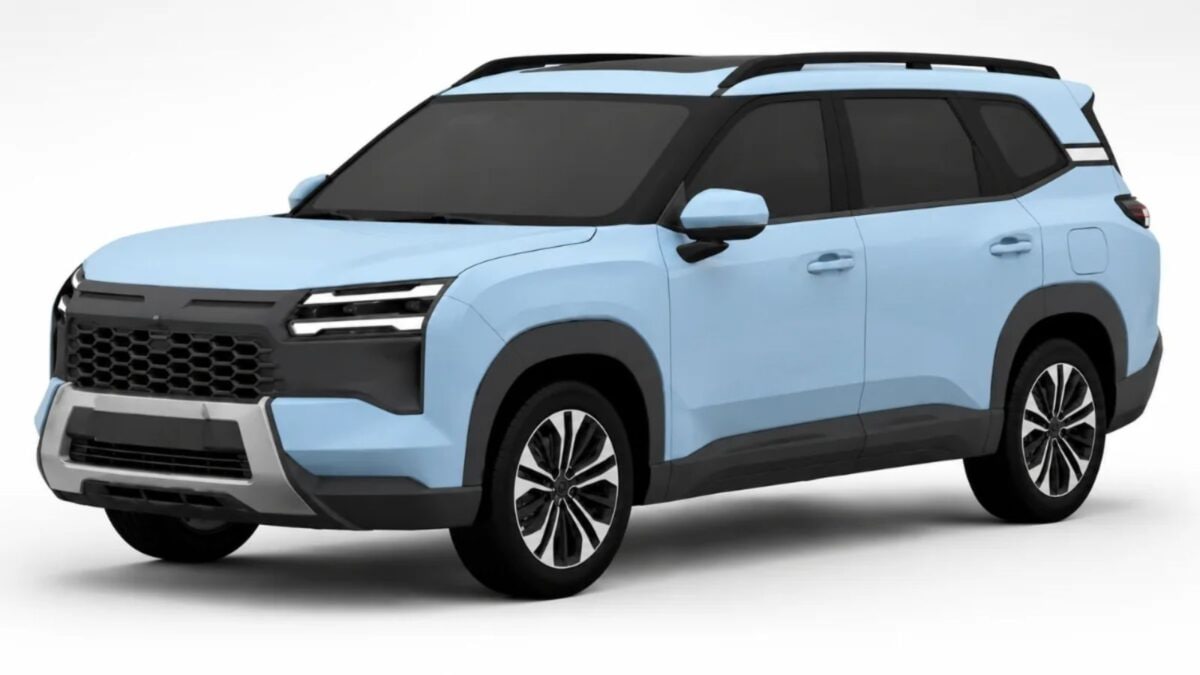
This month is going to be very happening for the Indian car market. This month, vehicles from budget cars to premium segment will also be launched. The list of upcoming cars includes Renault Kwid Facelift (July 3), Nissan Tekton (July 9), JSW MG PHEV SUV (around July 16), Maruti Suzuki Brezza Facelift (July 23) and the new generation model of Toyota Hilux.
Keeping in mind the growing consumer demand, new features, better powertrains and electrification trends, these models promise to deliver strong performance, style and value for money on Indian roads. With competition intensifying in the automobile sector, customers are getting attractive options, which will offer the best combination of design, technology and sustainability. Let's take a look at the details of these upcoming cars.
The new Renault Kwid Facelift will get a modern look with a sharper front end inspired by the Dacia Spring, Y-shaped LED DRLs, revised bumpers and new taillights, which will make it more SUV-like. The interior will use a larger 10-inch touchscreen infotainment system, new steering wheel, updated instrument cluster and better materials. Features will include wireless Android Auto/Apple CarPlay, 6 airbags as standard and other safety upgrades.
The powertrain will carry over the existing 1.0-litre naturally aspirated petrol engine with a 5-speed manual and AMT, which is adequate for city driving. The expected price is expected to be between ₹4.30 lakh to ₹5.88 lakh (ex-showroom), which will make it attractive in the segment.
The Tecton will have a bold and muscular design inspired by the Nissan Patrol, which includes C-shaped LED lights, V-motion grille, rugged bumpers, high ground clearance and modern alloy wheels. The interior will look premium with a three-tone theme (blue, black, copper), with a large touchscreen, large AC vents and comfortable seating. The features are expected to include ventilated seats, advanced infotainment and safety systems.
Powertrain options will include 1.0L/1.3L turbo-petrol and possibly hybrid systems, available with manual and automatic gearboxes. Expected pricing to range between ₹11 lakh to ₹18-19 lakh (ex-showroom), which will provide a strong competitor in the mid-size SUV segment.
JSW MG's new PHEV SUV will be a 7-seater with a bold and upright design, with LED lights, modern profile and family-friendly styling. This is going to be best on Wuling Starlight 560. The interior will have a spacious cabin with two large screens, digital cluster, automatic climate control and premium materials. Features will include advanced connectivity, multiple drive modes and safety technology.
The powertrain will be a PHEV setup of 1.5-litre petrol engine + electric motor and 20.5 kWh battery, which will give 197 bhp power, 100+ km EV range and 1000+ KM total range. Expected pricing could start from ₹20 lakh onwards, taking on rivals like the XUV700/Safari.
The Brezza facelift will have a fresh look with a refreshed front grille, new headlamps, updated bumpers and wheels. The interior will have a larger 10.1-inch touchscreen, redesigned dashboard, better upholstery and ventilated seats. Features will include a 360-degree camera, larger infotainment, ADAS (possibly) and practical elements like underbody CNG.
The main attraction in the powertrain will be the new 1.0 liter turbo-petrol engine (100 PS) with 6-speed manual. Besides, the existing 1.5 liter engine and CNG option will also remain. Expected price will be around ₹8.5 lakh to ₹14-15 lakh (ex-showroom), making it a value champion in the segment.
The new gen HiLex will have a sharper, angular and bold design language, which includes slim LED headlamps, vertical taillamps and 17-inch wheels. The interior will be quite modern. It will have dual 12.3-inch display, new steering, premium materials and lots of physical buttons.
Features will include ADAS, 360-camera, ventilated seats, OTA updates and advanced off-road systems. The powertrain will continue to be a 2.8 liter diesel engine (204 PS) with 6-speed MT/AT and 4WD, possibly with a mild-hybrid option. Expected pricing will be around ₹30-38 lakh (ex-showroom), making it a top choice in the premium pickup segment.
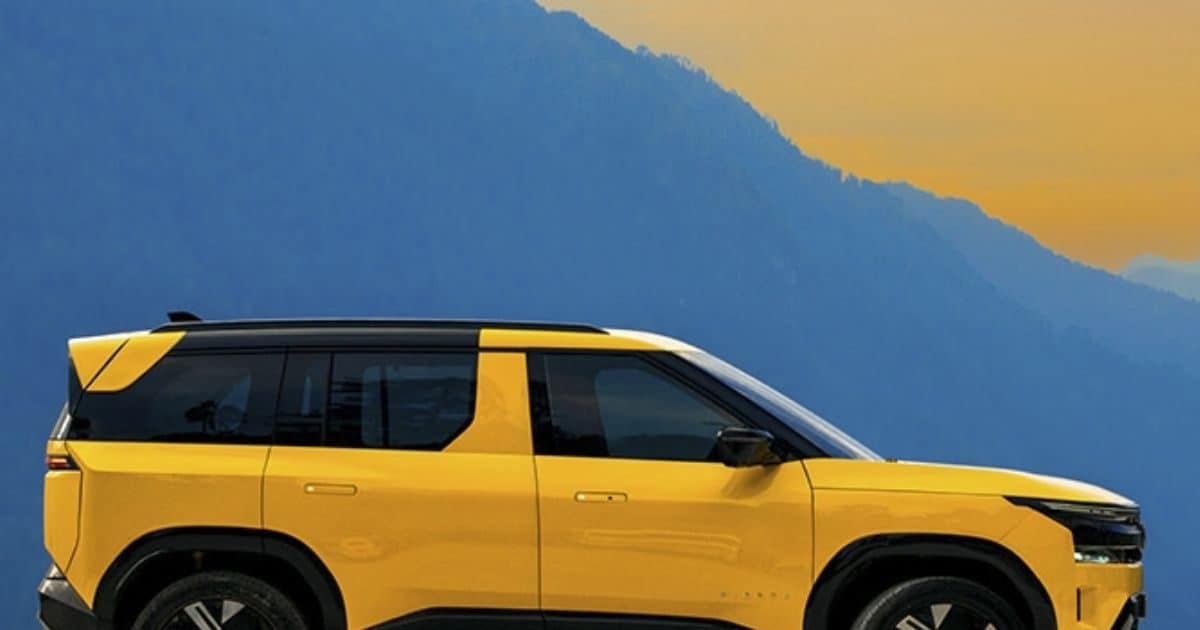
Tata Motors is going to give new excitement to the Indian market by bringing its iconic Sierra nameplate in electric avatar. The original Sierra was launched in 1991, which was India's first domestic SUV. Now its fully electric version is going to come in 2026, which will be positioned between Nexon EV and Curve EV and will be below Harrier EV.
The expected launch date of Tata Sierra EV is in the second quarter of 2026 i.e. between April to June 2026. Unofficial bookings have started at ₹11,000 token. The estimated price is ₹20 to ₹25 lakh ex-showroom, which will make it competitive in the mid-size electric SUV segment. Let us know how special is it going to be?
Talking about design, Sierra EV Neo is made in retro style, which combines the boxy look of the old Sierra with a modern touch. Features like upright stance, flat bonnet, closed-off grille (EV specific), split LED headlamps, full-width LED light bar, flush door handles, muscular bumpers, squared wheel arches and dual-tone roof make it adventure ready.
The rear has wraparound windows and connected LED tail lamps. The panoramic glass roof (alpine style but safety compliant) makes it special. This is a five-door compact SUV, which is different from the three-door model. The design looks more premium and boxy than the Nexon and Curve, which gives an off-road feel.
The interior is very premium and spacious. Features include floating center console with triple-screen dashboard (12.3-inch digital cluster, central infotainment and passenger display), four-spoke steering wheel (illuminated Tata logo), dual-tone materials, ambient lighting and panoramic sunroof.
Front seats are powered and ventilated, second row ventilation, dual-zone climate control, wireless charger, premium audio system (with JBL or Dolby) and connected car tech (iRA app). The cabin is airy and minimalistic, with soft touch materials and wide glass panels creating a light and spacious feel.
The list of features is long. Level-2 Advanced Driver Assistance Systems (ADAS) include adaptive cruise control, lane departure warning, autonomous emergency braking, 360-degree camera, vehicle-to-load (V2L) and vehicle-to-vehicle (V2V) charging, over-the-air (OTA) updates, wireless Android Auto/Apple CarPlay, and multiple drive modes. Power tailgate, ambient lighting and connected tech make it as premium as the Harrier EV.
Tata never compromises on safety. Sierra EV will have 6-7 airbags as standard, ABS with EBD, ESC, hill hold assist, TPMS, electronic parking brake and strong structural integrity. There is a 360 camera and other assist features with Level-2 ADAS. A 5-star rating is expected in Bharat NCAP, which will give high safety scores like Tata's EV lineup.
It is built on Acti.EV+ platform, which provides multi-layer skateboard design, fast charging and ADAS support. Battery options can be 55 kWh, 65 kWh or 75 kWh. Single motor RWD (about 167 hp) and dual motor AWD (up to 238 hp) configurations will be available. ARAI claimed range is 450-550 km (500+ km real world in some reports), which will be tested on MIDC cycle. Top speed will be up to 170 kmph and DC fast charging support (10-80% fast charge). LFP battery technology will provide long life and safety.