By: HT Auto Desk | Updated on: 05 Jan 2024, 16:47 PM
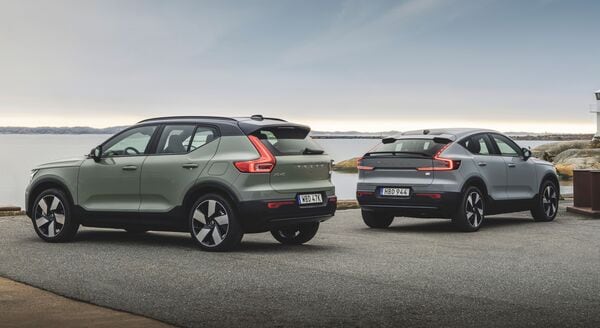
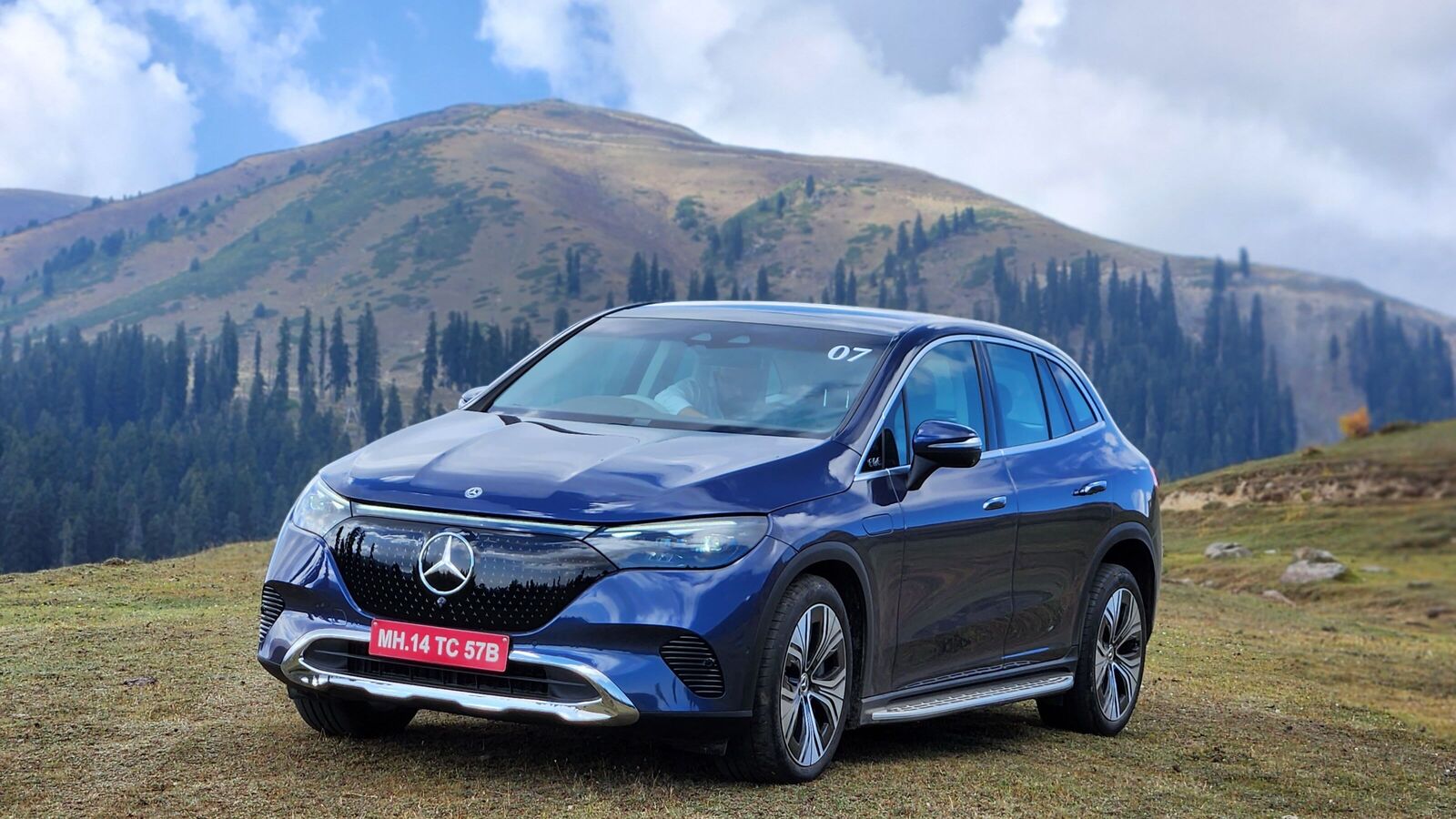
Volvo launched the C40 Recharge electric SUV as its second fully-electric model in India last year.
Volvo Cars in India offers two fully electric models in C40 Recharge and XC40 Recharge. The latter found more than 500 homes across India in 2023.
Swedish auto giant Volvo Cars has clocked a significant jump in sales in 2023. The carmaker said it has sold more than 2,400 units in India, registering a growth of 31 per cent compared to 2022. In the previous year, Volvo had sold 1,851 cars across the country and emerged as one of the leading luxury vehicle manufacturers in India.
On Friday (January 5), Volvo released its India sales report for last year. The carmaker sold 2,423 units during this period. It garnered most of its sales from its flagship model XC60 SUV which remains its best-selling model in the country. Even its electric SUV XC40 Recharge contributed handsomely with one-fifth of its overall sales coming from the model.
Volvo is now gearing up for increase in sales in India this year. Jyoti Malhotra, Managing Director at Volvo Car India, said, “The year 2023 has been an impressive year in terms of growth. A 31 per cent growth over the previous year exhibits consumer confidence.” The carmaker recently launched the C40 Recharge electric SUV which contributed with 180 units since its introduction in September last year. More than half of the electric SUV were bought in states like Kerala and Tamil Nadu.
The C40 Recharge is the second pure electric offering from the Swedish luxury car brand after the XC40 Recharge. It is priced at ₹61.25 lakh (ex-showroom) and sits above the XC40 Recharge as Volvo’s most premium EV offering in India. The C40 Recharge comes equipped with twin electric motors paired with a 78 kWh lithium-ion battery pack and an AWD drivetrain. The dual electric motors are capable of generating 402 bhp of peak power and 660 Nm of maximum torque. The EV is capable of accelerating 0-100 kmph in 4.7 seconds at a top speed of 180 kmph.
Also watch: Volvo C40 Recharge electric SUV first drive review
The XC60 SUV, Volvo’s best-seller in India, saw a significant surge in sales last year. The carmaker said it retailed 921 units of the SUV in 2023. The SUV was launched in a mild hybrid avatar back in October 2021. The XC60 SUV comes powered by a 2.0-litre petrol engine which is mated to a 48V battery pack. The SUV is capable of generating up to 250 hp of power and 350 Nm of peak torque.
By: HT Auto Desk | Updated on: 01 Jan 2024, 16:57 PM
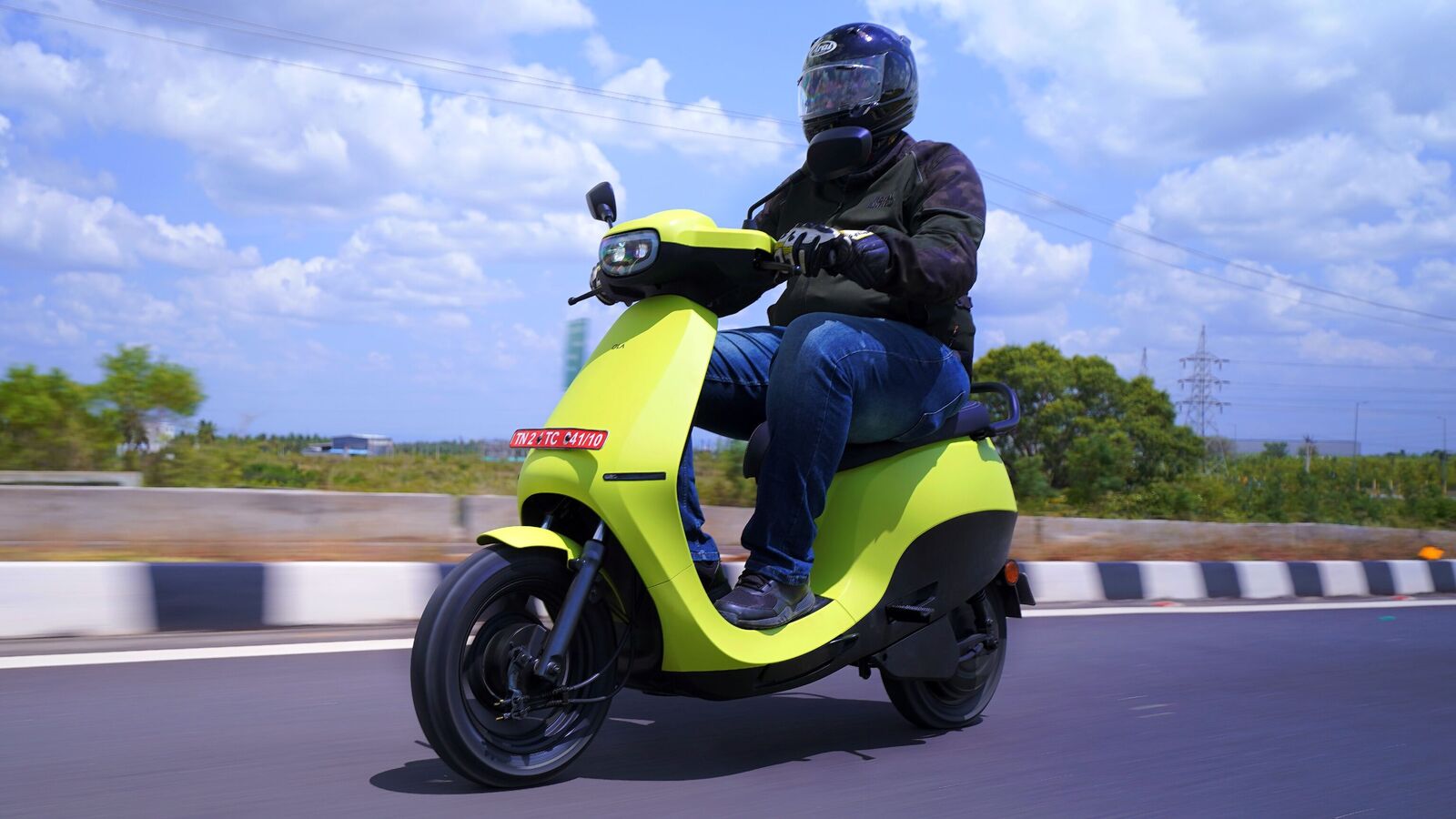
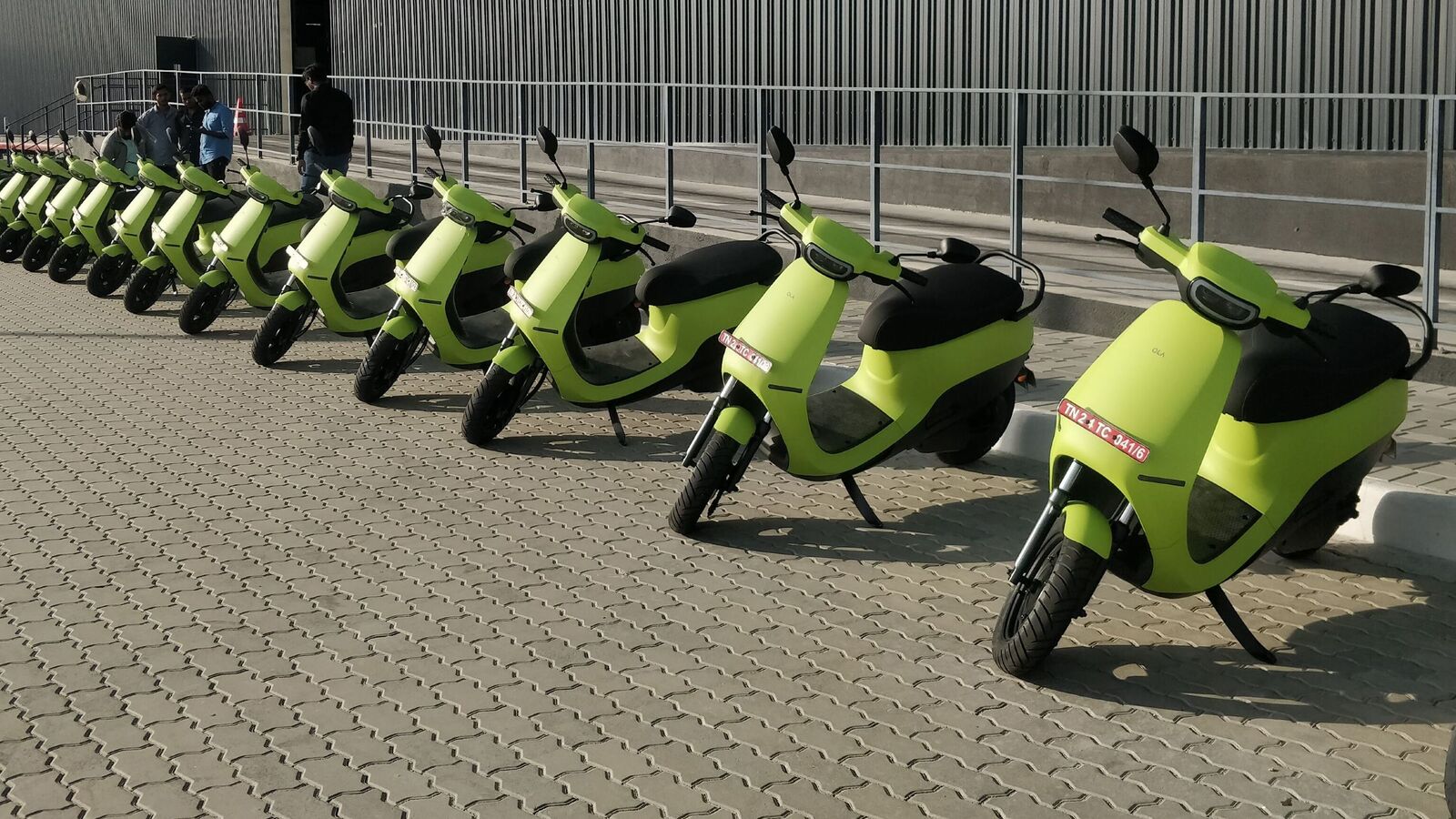
Ola Electric sells S1 Pro, S1 Air and S1X Plus electric scooters in India.
Ola Electric sells S1 Pro, S1 Air and S1X Plus electric scooters in India.
Ola Electric on Monday announced that it sold 30,219 electric scooters across India in December 2023. The ride-hailing platform turned into an EV manufacturer also claimed that it captured 40 per cent market share in the Indian electric two-wheeler segment. Ola Electric further claimed that December 2023 witnessed its highest-ever monthly registrations.
The electric two-wheeler manufacturer has claimed in an official release that it registered a whopping 74 per cent sales growth in December 2023, as compared to the same month a year ago. Also, the company claims to have recorded 68 per cent growth in the last quarter ending in December 2023 with 83,963 units, compared to the October-December quarter of 2022. Also, the EV manufacturer claims to have sold a total of 2.65 lakh units of electric scooters in 2023.
Ola Electric further claimed that it crossed another milestone of becoming the first company in the industry to produce 400,000 electric scooters in just two years. Speaking about the sales performance, Anshul Khandelwal, Chief Marketing Officer of Ola Electric, said that its ‘December to Remember’ campaign was a massive success bringing thousands of customers under the EV fold. “We believe that we have continued our market leadership for yet another quarter on the back of our strong product lineup comprising the S1 Pro, S1 Air, and the S1 X+. Our ‘December to Remember’ campaign has been a massive success, bringing thousands more under the EV fold,” he added.
Ola Electric currently has five different electric scooters on offer across variants and different battery options. It sells models like S1 Pro, S1 Air and S1X Plus. Priced at ₹147,499 (ex-showroom), S1 Pro is the company’s flagship premium EV scooter while S1 Air is available at ₹119,999 (ex-showroom), and it is the band’s most affordable EV.
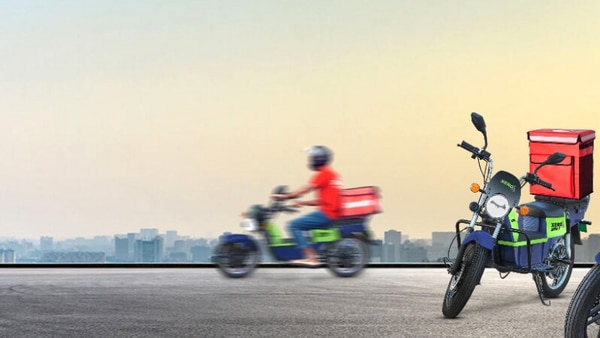
Electric two-wheeler manufacturer Xero EV has joined with battery-swapping technology provider VoltUp for last-mile delivery solutions. The EV maker announced on Wednesday that it aims to get 15,000 electric two-wheelers on the road within the next two years, which will be used in the last-mile delivery segment.
By: HT Auto Desk | Updated on: 27 Dec 2023, 18:18 PM
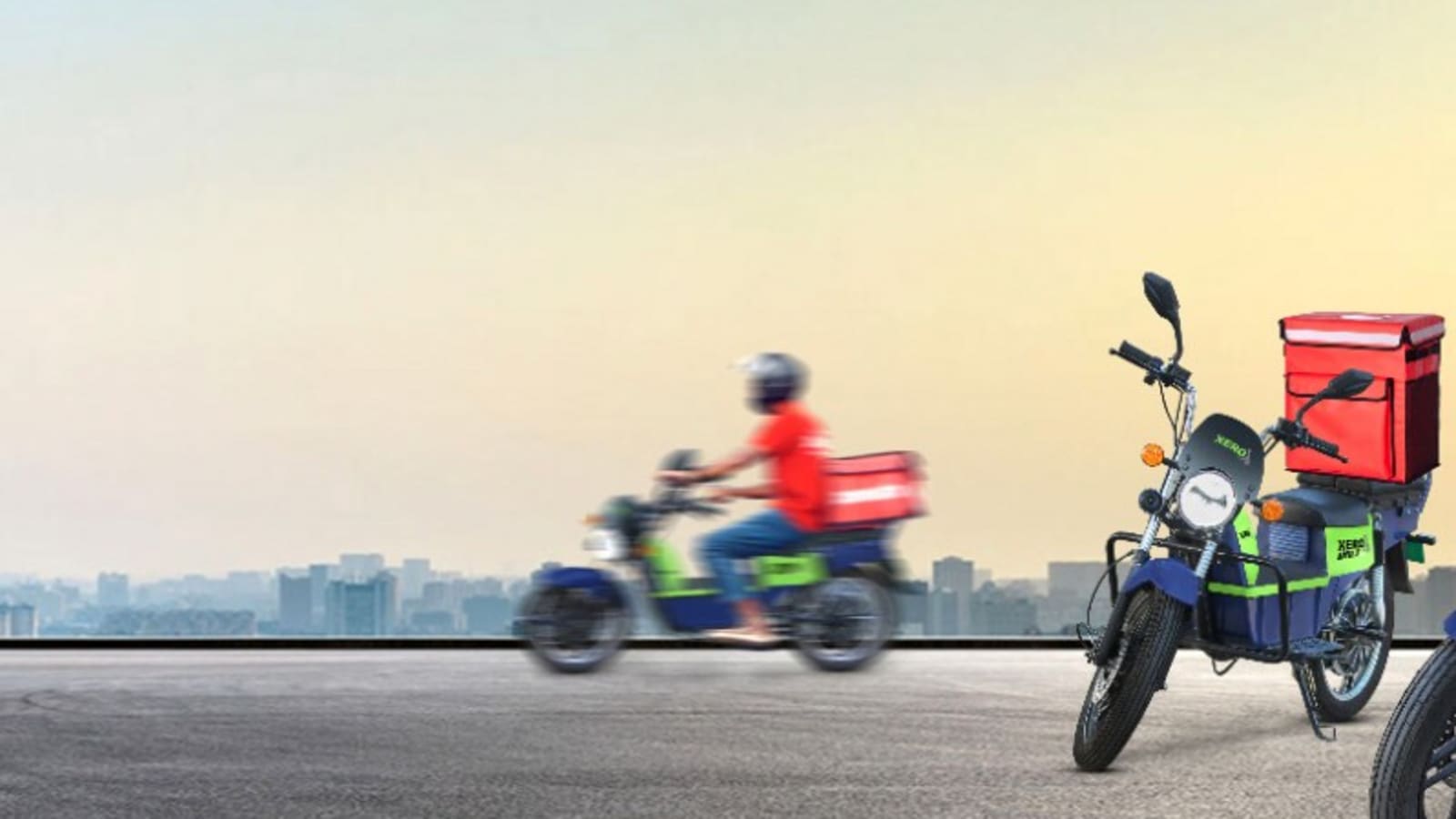
Xero EV aims to produce 15,000 electric two-wheelers with swappable batteries by 2025.
Under the strategic partnership between Xero EV and VoltUp, the electric two-wheeler manufacturer’s pure electric scooters will leverage the latter’s battery-swapping facility across 12 cities in the country. The EV maker claims the partnership will revolutionise last-mile delivery solutions across these cities. While the company claimed that this partnership will initially benefit the Mink electric scooter, it will also benefit other Xero electric two-wheelers. Xero EV has further claimed that under this partnership, users of its electric two-wheelers will be able to swap their battery packs within a minute.
Speaking about this collaboration, Bharat Pritmani, co-founder of Xero EV has said that the two companies are creating a solution that not only meets but exceeds the demands of last-mile delivery partners. “This collaboration marks a turning point in the electric vehicle industry. By integrating Xero’s energy-efficient products with VoltUp’s swappable battery network, we are creating a solution that not only meets but exceeds the demands of last-mile delivery partners,” Pritmani added.
Ritesh Singh, Head of Business & Strategy at VoltUp said that this partnership between the two companies will play a pivotal role in minimizing costs for riders, unlocking new possibilities for the electric vehicle landscape. “The partnership between VoltUp and Xero EV not only underscores our dedication to offering cutting-edge solutions but also emphasises our commitment to creating a sustainable future for all. As we embark on this journey together, we are confident that this partnership will play a pivotal role in minimizing costs for riders, unlocking new possibilities for the electric vehicle landscape. The integration of VoltUp’s platform into Xero EVs Mink model will significantly reduce charging times, enabling riders to optimize their time on the road and eliminate the waiting game associated with traditional charging or fast charging stations,” he added.
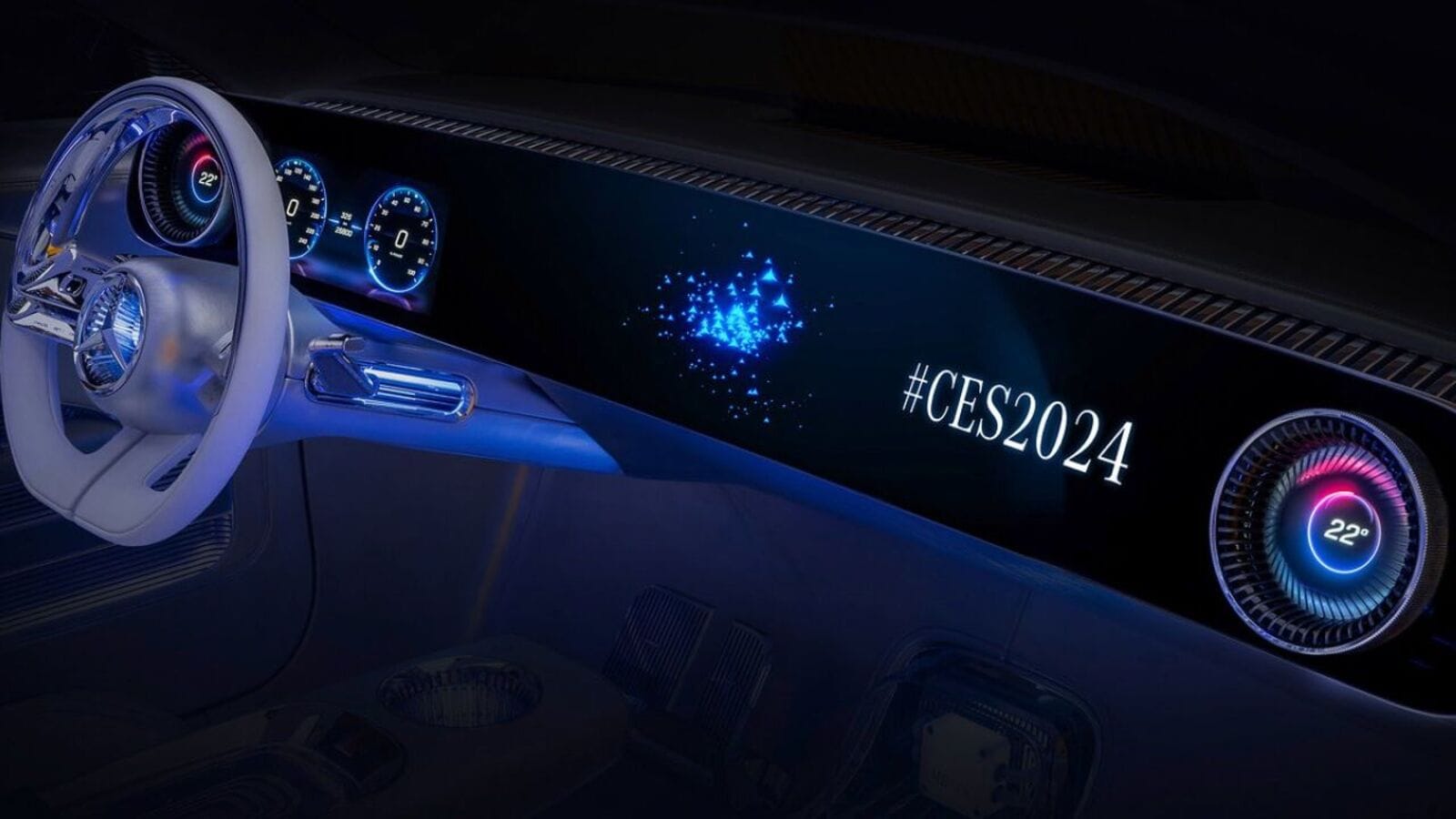
Mercedes-Benz has stated that it will reveal a number of digital innovations at the CES 2024 in Las Vegas next month. Slated to take place between 9th and 13th January 2024. The German luxury car manufacturer has revealed that it will showcase a camouflaged prototype of the pure electric G-Class and its new Artificial Intelligence (AI) powered iteration of MBUX virtual assistant.
By: HT Auto Desk | Updated on: 25 Dec 2023, 16:48 PM
Mercedes-Benz is gearing up to show a camouflaged prototype of the pure electric G-Class and AI-powered assistant, while the Concept CLA will make its North American debut.
Consumer Electronics Show or CES has been witnessing an increasing penetration of automotive technologies with a rising number of automobile manufacturers every year and the 2024 edition of the annual event is not going to be any different. Honda has already teased an electric vehicle that will break cover at the CES 2024. Mercedes-Benz has also said that it will showcase its updated AI-powered MBUX virtual assistant that will offer a more human-like interaction opportunity with the car.
Mercedes-Benz has said the new MBUX virtual assistant takes the ‘Hey Mercedes’ voice assistant into a whole new visual dimension using high-resolution game-engine graphics developed by Unity Technologies. This updated MBUX system will debut in Mercedes-Benz cars in 2024.
While the AI-fuelled updated version of MBUX will be a key attraction from Mercedes-Benz at CES 2024, the carmaker will also showcase a camouflaged prototype of the pure electric G-Class that is among the much-awaited Mercedes-Benz electric vehicles. Also, the automaker will showcase the Concept CLA electric sedan with a coupe design promising more than 750-kilometre range. With an appearance at this event, the Mercedes-Benz Concept CLA will make its North American debut.
The Concept CLA four-door sedan previews the new entry-level vehicles from the luxury car marquee, which will comprise both internal combustion engine (ICE) propelled models as well as electric vehicles. Meanwhile, Mercedes-Benz India is gearing up to launch its GLS facelift in the country on 8th January 2024, which made its global debut earlier this year.
India is one of the fastest-growing electric vehicle markets in the world. Over the last few years, both legacy players and EV startups have been drastically transforming the landscape of the Indian EV industry. Electric two-wheelers dominate the Indian EV market, but car manufacturers too are introducing interesting products. While homegrown car manufacturers have been launching new electric cars in the country, foreign brands are also bringing their respective products into the segment.
By: HT Auto Desk | Updated on: 23 Dec 2023, 20:42 PM
From mass-market to luxury, the year 2023 witnessed launch of several electric cars across price-segments, with SUVs dominating the chart.
In 2023, several carmakers, in both mass-market and luxury segments have launched some spectacular electric cars across different pricing slabs. Interestingly, like the fossil-fuel-propelled passenger vehicle market, the Indian electric car market is witnessing the rise of SUVs. In 2023, the majority of the electric cars launched in the country were SUVs.
Here is a comprehensive list of the electric cars that were launched in India in 2023.
MG Comet EV
MG Comet EV is the most affordable electric car in India. This small boxy hatchback looks tiny compared to other models in the fray, but a perfect machine for in and around-city commuting. MG Comet EV was launched in 2023 at an introductory starting price of ₹7.98 lakh (ex-showroom). The electric hatchback threw a tough challenge to the Tata Tiago EV, the erstwhile most affordable electric car in India with its pricing. Design-wise, the EV is eye-catching on the exterior, while inside the cabin it looks simple yet very much urban at the same time. The Comet EV promises a 230 km range on a single charge.
Tata Nexon EV facelift
One of the most noteworthy car launches in India in 2023 was the arrival of the Nexon EV facelift. Tata Nexon EV is the country’s bestselling electric car and the homegrown automaker simply ramped up the appeal of the electric compact SUV with the launch of the Nexon facelift, which incorporates a wide range of design and feature updates. The Nexon EV facelift comes available at a starting price of ₹14.74 lakh (ex-showroom), and it promises a 465-kilometre range on a single charge, while it can accelerate to 0-100 kmph in 8.9 seconds. It comes with V2V and V2L technologies.
Powering the electric SUV is a 66.4 kWh battery pack paired with dual electric motors.
BMW iX1
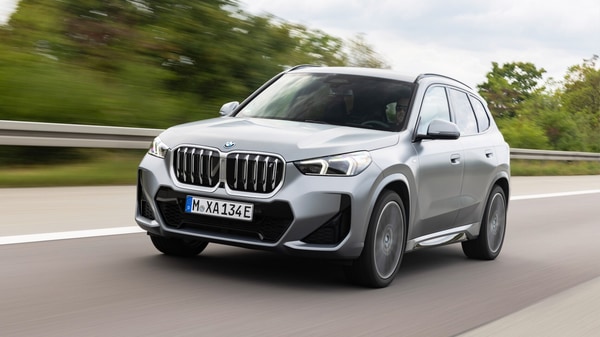
BMW launched the electric avatar of the X1 SUV, christened as iX1 in India in 2023. The luxury EV was launched in the country at a price tag of ₹66.90 lakh (ex-showroom). BMW iX1 is the German brand’s fourth fully electric vehicle and is sold in India via the CBU route. Powering the electric SUV is a 66.4 kWh battery pack paired with dual electric motors. The electric propulsion system churns out 309 bhp peak power and 494 Nm of maximum torque. The EV promises up to 440-kilometre range on a single charge. It can reach 0-100 kmph in 5.6 seconds and can achieve a top speed of 180 kmph.
BMW i7
BMW i7 is an all-electric sedan that was launched in India in 2023 at a price tag of ₹2.50 crore (ex-showroom). The BMW i7 M70 xDrive is the brand’s first M-division electric car that was launched in India in 2023. Powering this luxury electric sedan is a 101.7 kWh battery pack that is paired with dual electric motors and generates up to a 560-kilometre range on a single charge. The electric propulsion system churns out 657 bhp peak power and 1,100 Nm maximum torque. This electric sedan can sprint to 100 kmph from a standstill position in just 3.7 seconds at a top speed of 250 kmph.
Mahindra XUV400
Mahindra XUV400 is the homegrown automaker’s first-ever electric SUV launched in India in 2023. The Mahindra XUV400 comes positioned in compact SUV segment and it competes with rivals like the Tata Nexon EV. Launched at ₹15.99 lakh (ex-showroom), the Mahindra XUV400 is available in two different battery options and promises up to 456-kilometre range on a single charge. Available in EC and EL, the Mahindra electric SUV’s price goes up to ₹18.99 lakh (ex-showroom).
Citroen eC3
Despite being a new entrant in the Indian passenger vehicle market, French auto giant Citroen was quick to launch an electric car in the form of eC3. The electric SUV comes priced from ₹11.50 lakh (ex-showroom) and it promises a range of 320 kilometres on a single charge, which is also the highest in its segment. Available in four different variants, the Citroen eC3 EV is powered by a 29.2 kWh battery pack that promises 320 kilometres range on a single charge. The electric SUV promises a top speed of 107 kmph.
Volvo C40 Recharge
Volvo C40 Recharge is the second electric car in India from the Swedish luxury car manufacturer after the XC40 Recharge. The electric car was launched at ₹61.25 lakh (ex-showroom). The EV competes with rivals such as Kia EV6 and Hyundai Ioniq 5. The EV gets power from a 78 kWh battery pack paired with dual electric motors. The EV churns out 402 bhp peak power and 660 Nm of maximum torque. The EV is capable of running at a top speed of 180 kmph and can sprint to 100 kmph from a standstill position in 4.7 seconds.
Hyundai Ioniq 5
Hyundai Ioniq 5 is the second electric car from the South Korean auto giant in the Indian market. The Hyundai Ioniq 5 EV has been launched in the country at ₹44.95 lakh (ex-showroom). The EV comes competing against the Kia EV6 but is more affordable than the rebadged sibling. Powering the Hyundai Ioniq 5 is a 72.6 kWh battery pack, that promises a 631 kilometre range on a single charge. It gets a rear-wheel drivetrain churning out 214 bhp peak power and 350 Nm of maximum torque. The EV claims come with a fast charging technology that charges the battery from 10 to 80 per cent in just 18 minutes.
Audi Q8 e-tron and Sportback e-tron
Audi launched the Q8 e-tron and Sportback e-tron in India in middle of 2023. The SUV and the Sportback were launched together, priced at ₹1.14 crore and ₹1.18 core (ex-showroom). The Q8 e-tron essentially came as a facelifted iteration of the erstwhile e-tron. Both the SUV and the Sportback were launched in two trims – 50 and 55, with range of up to 600 kilometres on a single charge. Powering the 50 variant is a 71 kWh battery pack, while the 55 onbe gets a larger 114 kWh battery pack. The SUV has a maximum claimed range of 491 kilometres and 582 kilometres for the 50 and 55 variants, respectively, while the Sportback has a maximum range of 505 kilometres and 600 kilometres for the 50 and 55 variants, respectively.
Mercedes-Benz EQB
Mercedes-Benz India launched the EQB 350 4Matic electric SUV in India in 2023, at a starting price of ₹77.50 lakh (ex-showroom). The luxury electric SUV was launched in the country replacing the previous EQB 300 4Matic that was launched in December 2022. The EQB is powered by a 66.5 kWh battery pack. The electric propulsion system onboard the SUV promises 288 bhp peak power and 520 Nm of maximum torque. These specifications are significant enhancements from the EQB 300 4Matic.
Mercedes-Benz EQE
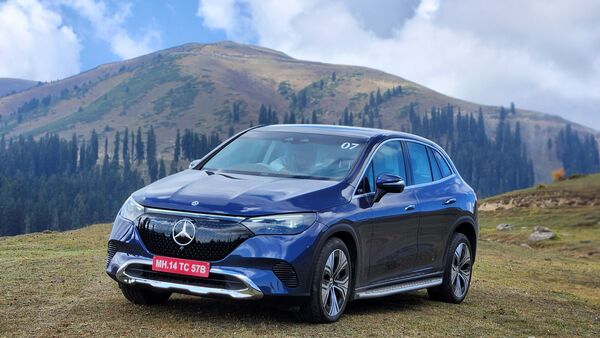
Mercedes-Benz EQE electric SUV was launched in India in 2023 after the EQS and EQB, joining the lineup as the brand’s third EV in the country. The Mercedes-Benz EQE electric SUV was launched here at ₹1.39 crore (ex-showroom). It competes with rivals like Audi Q8 e-tron and BMW iX1 electric SUVs. Mercedes-Benz EQE 500 4Matic SUV comes promising 550 kilometres range on a single charge. The SUV gets power from a 90.56 kWh battery pack that is paired with dual motors. The SUV can accelerate from 0-100 kmph in 4.9 seconds at a top speed of 210 kmph.
Tesla has long held a place of prominence in the world of electric vehicles (EVs), enjoying a significant lead over all its rivals across the world. But the pedestal on which the US-based manufacturer has long been perched upon is under direct threat from China’s BYD which has now equalled Tesla’s 17 per cent market share in the world of battery electric vehicles or BEVs, as per Counterpoint Research.
By: HT Auto Desk | Updated on: 19 Dec 2023, 20:02 PM
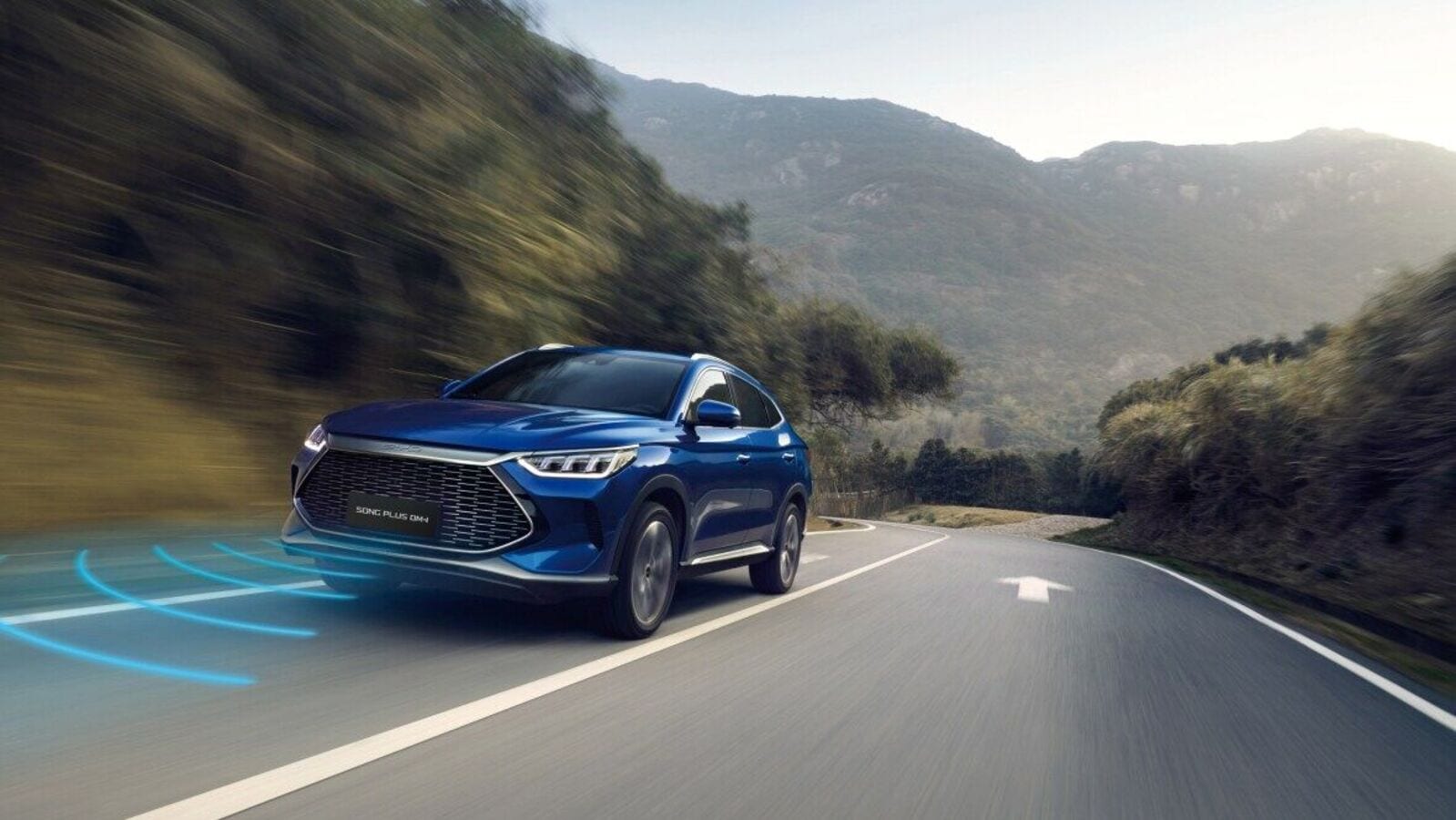
BYD is on the hunt and it smells Tesla. Cars like BYD Song (in pic) are helping the Chinese company notch up sales numbers fast.
BYD is a significant player in China’s EV scene and has recently expanded to several overseas markets as well, including India. And unlike Tesla, the company also offers hybrids and plug-in hybrids (PHEVs), apart from its lineup of BEVs. Tesla, however, only offers BEVs and even here, its global market share is now under serious threat.
What is remarkable is that BYD had a 13 per cent market share in the previous Q3 (for BEVs alone) and was behind the curve to Tesla’s 17 per cent even then. But it has taken some massive strides to catch up and is now poised to shift to top gear and overtake. A key driving factor here may be BYD’s March of 2022 decision to stop production of vehicles that are powered by engines, and focus entirely on BEVs, hybrids and PHEVs. While China remains its biggest market, overseas expansion may also be helping with the additional boost.
Tesla vs BYD: David vs Goliath?
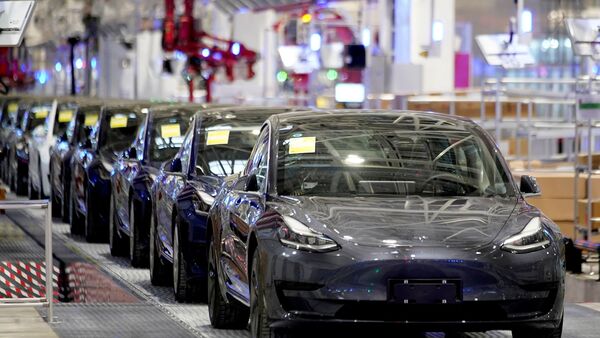
File photo of Tesla Model 3 vehicles rolling out of the company plant in Shanghai. (REUTERS)
Tesla’s rise has been meteoric. It has left established champions of the automotive world, the likes of Toyota, Volkswagen and even the German luxury brands far behind. The Elon Musk-led company has often been compared to David from the Book of Samuel. But BYD may be the new David in town.
Established in 1995 as a company focused on rechargeable nickel–cadmium batteries, BYD eventually established two main subsidiaries – BYD Auto and BYD Electronics. BYD Auto was founded in 2003, the same year as Tesla. The Chinese company entered into production of forklifts, buses, trucks and electric bicycles – not necessarily in that order, before seeing potential in battery-powered four-wheeled vehicles. The potential was also because China was emerging as a big player in the EV category. Today, the country leads the world.
Tesla only entered into the Chinese market in 2017. The Shanghai facility was its first outside of the US and currently supplies the local market as well as select European countries. But while the company remains an enormously popular manufacturer here, BYD has been consistently growing big in its home base while pressing on the expansionist mode as well.
If Tesla has Model 3, its most affordable EV, BYD has Seal. If Tesla has Model Y SUV, BYD has Song EV. Model for model, the competition is hotting up. Tesla is catering to the global audience. BYD is still a largely Chinese market-dependent company. But it is using its local popularity to add winds to its proverbial sails. Will Tesla weather the incoming storm?
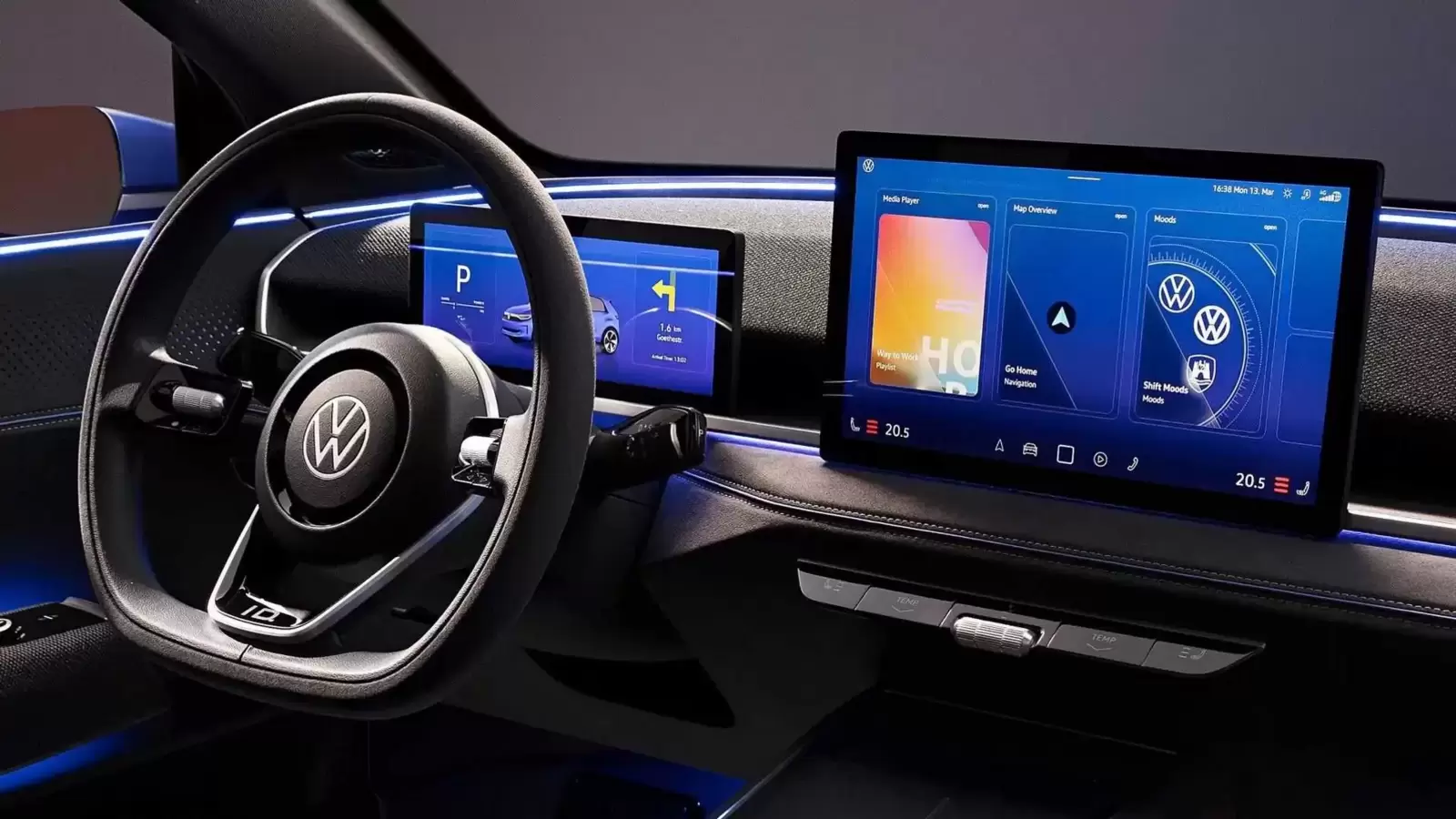
In an era when almost every car manufacturer is focusing on touchscreen controls or touch panels inside their respective car cabins, Volkswagen is thinking otherwise. The German automobile giant is planning to bring back physical buttons in its new cars, reveals a report by British automotive publication Autocar UK. Volkswagen has revealed the interior of its ID. 2all concept and previewed what the cabin of its future cars would look like.
By: HT Auto Desk | Updated on: 19 Dec 2023, 16:07 PM
The revelation of Volkswagen’s plan to bring back physical buttons comes at a time when automakers around the world are being criticised for their over-reliance on touchscreen controls.
Volkswagen’s interior designer Darius Watola reportedly said that the ID. 2all previews a new approach for all the future cars the automaker is slated to bring. Also, Watola reportedly said that this move of bringing back physical buttons comes in response to the criticism about over-reliance on touch controls. Volkswagen is not the only automaker to think this way, as several other carmakers too are shifting their strategies in similar lines.
Interestingly, as almost every automaker around the world is increasingly focusing on removing the conventional physical buttons in favour of the touchscreen controls, consumers have been complaining that instead of increasing convenience the touchscreen controls are often proving to be inconvenient and risky as well. This criticism has reportedly propelled Volkswagen to plan to bring back conventional physical buttons in its future passenger vehicles.
Interestingly, this move comes as a complete reversal from the strategy the German automaker took under the former CEO Herbert Diess. It decided to follow in Tesla’s footsteps and centralize the majority of its controls to the touchscreen infotainment screen. Volkswagen also removed the physical buttons from the steering wheels and replaced them with touch-sensitive capacitive buttons. This move reportedly frustrated the Volkswagen customers. Volkswagen’s current CEO Thomas Schafer has even said that this move has done a lot of damage to the brand. Considering this, the move to bring back physical buttons inside the cabin comes as a significant shift from the automaker’s previous strategy.
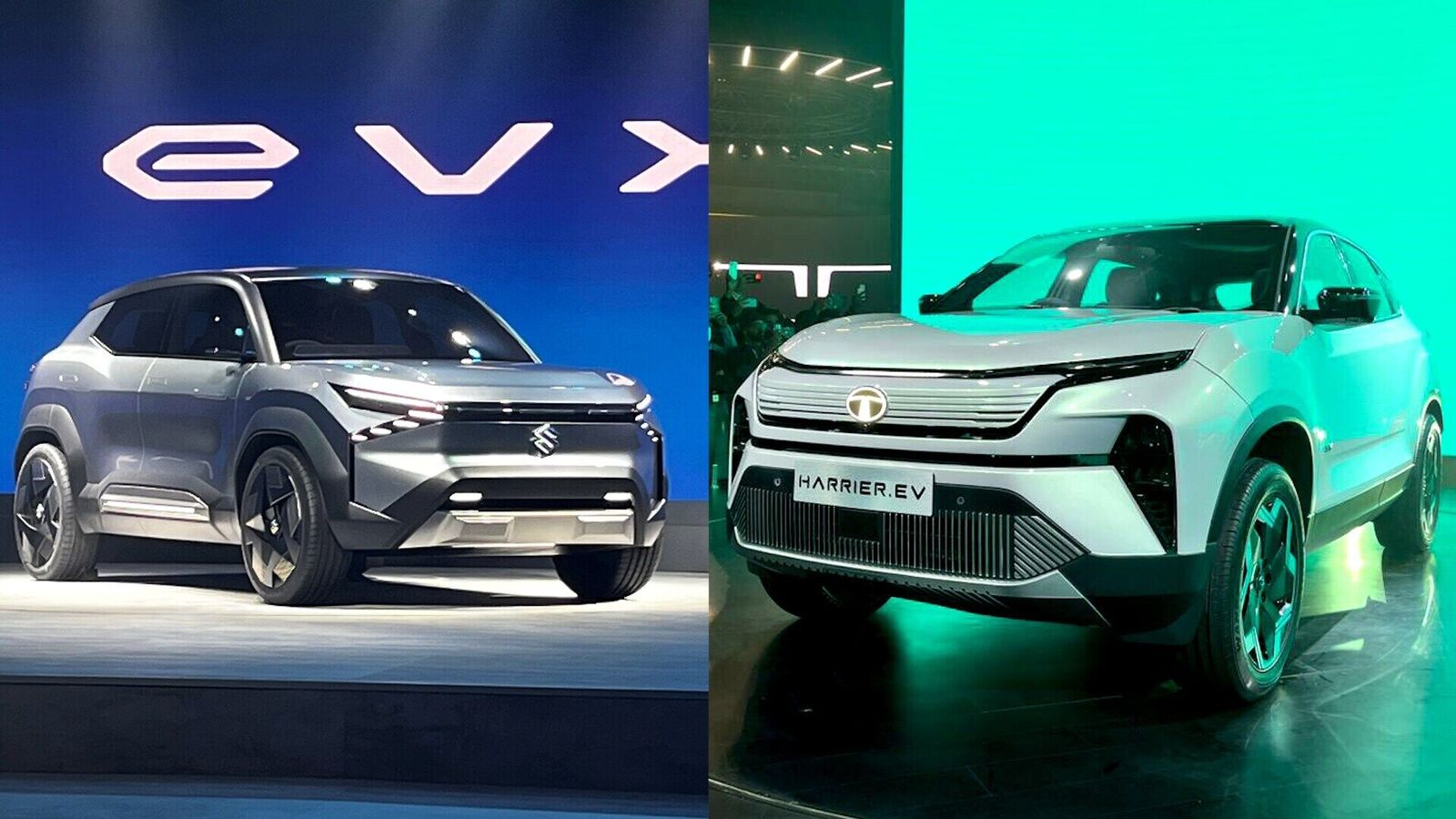
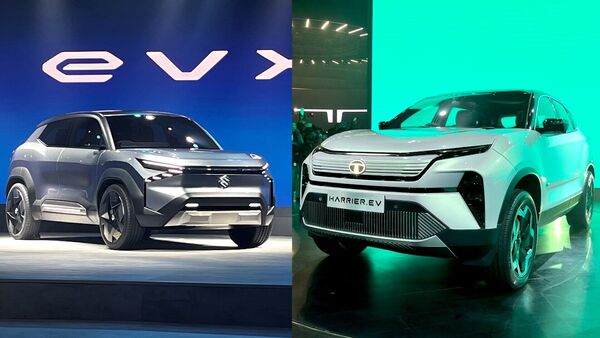
India will get a number of new electric cars in the next 12 months as the EV segment continues to grow at a rapid rate. Several carmakers have already confirmed launch of their new electric vehicles in 2024. Some of these models will help top carmakers enter the EV fray in the country which currently has less than seven per cent contribution to overall vehicle sales in India. Key names among the expected electric cars to hit Indian shores include the likes of Maruti Suzuki’s first EV – the eVX, Tata Harrier EV among others. Here is a quick look at list of brand new electric cars to launch in India next year.
Maruti Suzuki is expected to launch its first electric vehicle in India with the introduction of the eVX in 2024. Tata Motors is also expected to launch at least three new EVs, including the electric avatar of its flagship Harrier SUV next year.
2024 will be a landmark year for Maruti Suzuki, the largest carmaker in India, as it plans to put its first ever electric car eVX to production. The carmaker has confirmed that the eVX electric SUV, first showcased at the Auto Expo held in January this year, will be manufactured from Suzuki Motor’s Gujarat facility at Hansalpur starting next year. It is expected to be launched some time in 2024. The eVX electric SUV will come with a range of around 550 kms in a single charge. It will be equipped with a 60 kWh lithium-ion battery pack. When launched, it will take on the likes of MG ZS EV and Hyundai Kona among others.
Tata Harrier EV
Tata Motors has confirmed that its flagship Harrier SUV, which recently received a major facelift, will get its electric version next year. The Harrier EV made its debut at the Auto Expo earlier this year. Built on the Gen 2 EV architecture, the Harrier EV will come with V2L and V2V charging facilities. The Harrier EV has been spotted testing on roads ahead of its launch within the next few months. However, very little is known about what this electric SUV will offer in terms of range, performance and features.
Tata Punch EV
The second electric vehicle from Tata stable expected to make India debut next year is the Punch. The smallest SUV from the carmaker already has the ICE and CNG version on sale. When launched, it will become the fourth car in Tata’s lineup to offer ICE, CNG and EV version of the same model. The Punch EV is expected to come with the same Ziptron technology that is doing duty in other Tata EVs like Nexon. The size of the battery could be the ones used for Tigor EV or the Nexon EV. Tata Punch EV could offer range of more than 300 kms in a single charge in the long-range version.
Tata Curvv EV
The third electric car from Tata Motors expected to be launched in 2024 is the Curvv EV. Tata is likely to launch the EV version of the SUV after its ICE version makes its debut. The Curvv EV will be based on Tata Motor’s X1 platform which will be heavily reworked to become EV ready. According to reports, the expected range of the Curvv electric SUV will be between 400 kms and 500 kms in a single charge. It is not clear if Tata Motors will use the same battery the Nexon EV facelift uses.
Kia EV9
The Korean auto giant is expected to expand its EV lineup in India with the introduction of its three-row electric SUV EV9. Based on the Electric Global Modular Platform (E-GMP), the EV9 stands more than five metres in length. It promises to offer range of up to 541 kms in a single charge. It is expected to be offered in two variants. Globally, the EV9 is powered by a 150 kW electric motor that can help it sprint 0-100 kmph in 9.4 seconds. The RWD version of the EV will come with a more powerful 160 kW electric motor. The EV has an 800-volt electrical architecture that enables the EV to charge at ultra-fast speed. Kia claims the EV9 can run 239 kms with just 15 minutes of charging.
Mahindra XUV.e8
Mahindra and Mahindra will also expand its EV lineup for India with the launch of an electric SUV based on the XUV700. This will be Mahindra’s second electric offering after the XUV400. Mahindra had showcased five upcoming electric SUVs during an event held in United Kingdom in August last year. To be launched under the Born Electric brand, the XUV.e8 is expected to come with dual electric motor as well as all-wheel drive technology. Mahindra is likely to offer at least 60 kWh battery pack with the XUV.e8 EV besides adding features like level 2 ADAS, 5G connectivity among others.
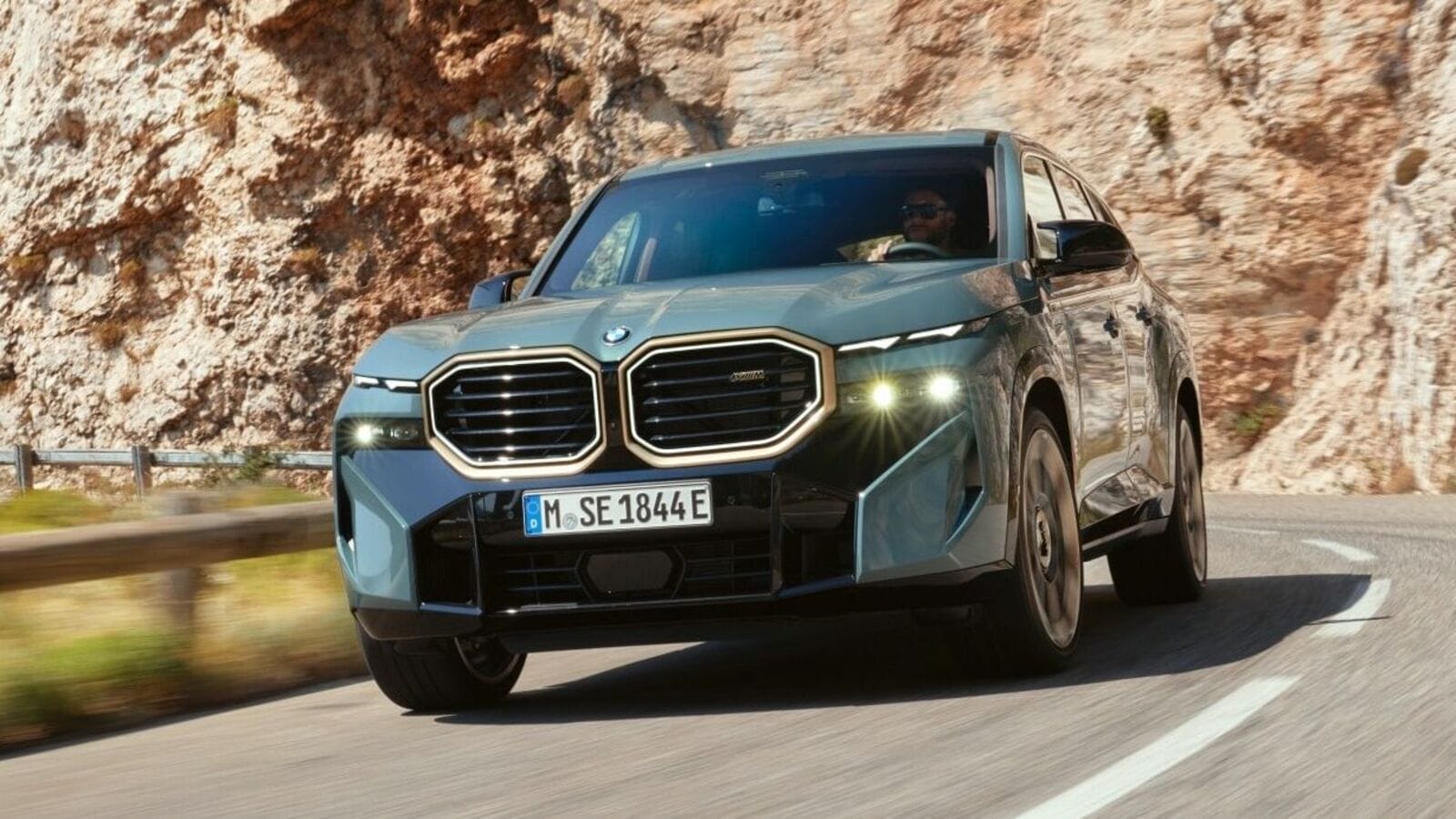
BMW’s high-performance car division, popularly known as BMW M has no intention to follow its arch-rival Mercedes-AMG’s strategy of offering downsized engines for its sporty cars. Also, the German automaker plans to continue selling its V8 and inline-six engines, claims a report by CarExpert. This revelation comes despite the build-up of pressure due to stringent emission norms.
By: HT Auto Desk | Updated on: 17 Dec 2023, 10:52 AM
BMW M is working on pure electric high-performance cars but that won’t come anytime soon.
In an interaction, BMW M’s boss Frank van Meel said that the automaker’s high-performance division has no plan to introduce three and four-cylinder engine-powered cars alongside the future electric vehicles. He said that putting a smaller engine under the hood of a full-blown M model in combination with big batteries simply would not be the right way for the auto company.
Meel reportedly said that BMW M wants to have a strong base engine and going to smaller engines in combination with bigger batteries wouldn’t be the right way for the automaker. “That’s not the way we see it because we want to have a strong base engine anyway. So, for us, going to smaller combustion engines in combination with bigger batteries would not be the right way. For us, then the step will be to go purely electric right away. And do that in a proper way,” van Meel reportedly said.
BMW M is working on pure electric cars as the demand for EVs is rising. However, such cars are not coming anytime soon, claimed van Meel. He believes that the electric propulsion technology is not ready yet for a track-focused machine, which can provide continuous power output in a significant way. “It has to do one or two laps of the Nurburgring Nordschleife at full speed, actually, then with the battery, if you go, let’s say over 250 kilometres per hour, you won’t get any much further anyway. So that’s currently the restriction,” the CEO added.
Tata Motors’ electric vehicle wing Tata Passenger Electric Mobility has tied up with as many as four EV charge point operators in India to bolster the EV charging infrastructure across the country. With the help of operators like Chargezone, Glida, Statiq and Zeon, Tata Motors plans to install around 10,000 new electric vehicle charging stations in the country in the next two years. The carmaker has signed a Memorandum of Understanding (MoU) with these charge point operators today (December 11).
By: HT Auto Desk | Updated on: 11 Dec 2023, 18:05 PM
Tata Motors is currently the leading manufacturer in the electric passenger vehicle segment. It also has one of the largest EV charging network across India.
Tata Motors is currently the leading manufacturer in the electric passenger vehicle segment. The carmaker has already sold more than 1.15 lakh electric vehicles across India. Tata offers three electric cars in its portfolio which includes the likes of Nexon EV, Tigor EV as well as Tiago EV. The carmaker is expected to launch at least three more electric vehicles within the next one year. Being the leader of the EV segment, Tata Motors also has one of the largest EV charging network across India with the help of Tata Powers.
The MoU signed between Tata Motors and the four charge point operators will use telematics insight from the carmakers and identify locations to set up the new EV charging stations. This would mean Tata Motors will be able to take help from these operators to install EV chargers at places where its electric vehicles sell the most or is most frequented by Tata’s electric vehicle owners.
Chargezone, Statiq, Zeon and Glida, also formerly known as Fortum Charge Drive India, are some of the leading EV charger operators in India. They have a combined EV charging network of around 2,000 stations spread across various cities in the country. The MoU with Tata Motors will extend the number to 12,000 within the next 12-15 months, said the carmaker. Balaje Rajan, Chief Strategy Officer at Tata Motors Passenger Vehicles and Tata Passenger Electric Mobility, said, “This collaboration will benefit from Tata Passenger Electric Mobility’s unparalleled EV usage insights, coupled with the CPOs’ innovative charging solutions and entrepreneurial spirit, and create 10,000+ additional charging points in the country by FY25.”
Also watch: 2023 Tata Nexo EV first drive review
Tata Motors and these four charge point operators will also work on a smart payment gateway for its customers to make it easy for them to recharge and pay. They are planning to roll out RFID cards which will be accessible at any of the charge points operated by these companies. Customers will also be able to avail benefits of loyalty programs as well as access dedicated customer care number.
Currently. Tata Motors has nearly 5,000 public EV charging stations across the country in collaboration with Tata Power. Tata Motors and Tata Power have also launched EZ Charge Card, a touch-based RFID card. Tata Motors has also tied up with Bharat Petroleum to set up 7,000 chargers over the next year.
China’s Huawei Technologies has asked Mercedes Benz and Volkswagen’s Audi if they are interested in buying small stakes in its smart car software and components firm, according to three people with knowledge of the discussions.
By: Reuters | Updated on: 11 Dec 2023, 16:44 PM
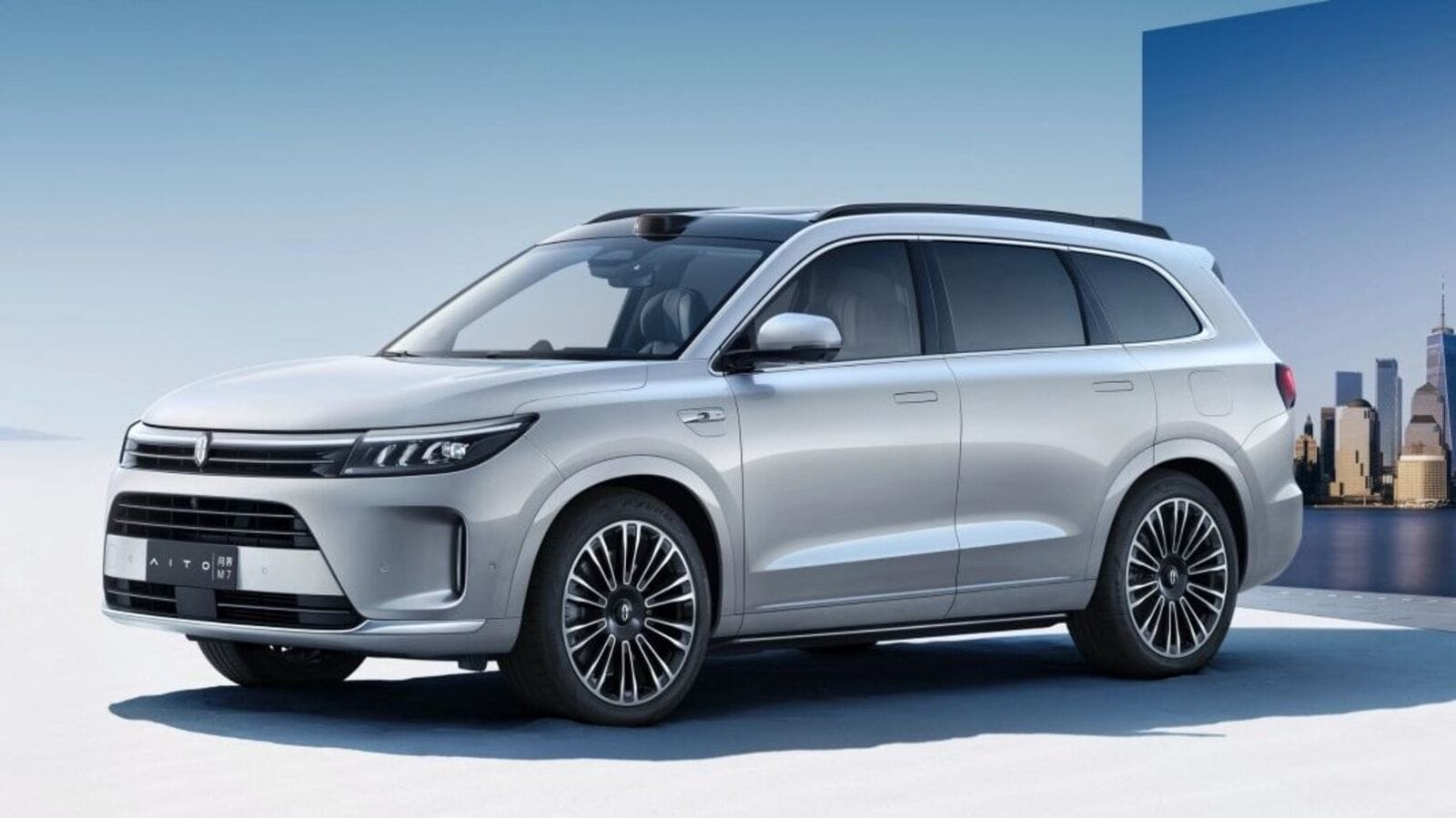
The Huawei Aito M7 is the debut car model from the Chinese smartphone maker.
The move is aimed at expanding its partnerships beyond Chinese brands, they said. Huawei, the target of U.S. sanctions since 2019, also hopes the presence of foreign investors would help defend the business from potential further geopolitical tensions, according to one of the sources who was briefed on the matter.
The Chinese technology giant said last month it will spin off its four-year Intelligent Automotive Solution (IAS) business unit which is seeking to become the dominant supplier of software and components for smart electric vehicles (EVs).
Sources have previously said the unit will be valued at somewhere between $28 billion and $35 billion.
Huawei held preliminary talks with Mercedes in recent weeks, according to two sources. One source said the German auto brand was offered a 3% to 5% stake with the valuation to be negotiated.
But Mercedes was not that interested as it wants to remain in charge of its software to sustain its premium brand positioning rather than outsource it to a supplier, the source added.
Audi’s level of interest in Huawei’s offer could not be immediately determined.
However, two of the sources said Audi and Huawei are planning a partnership to develop autonomous driving technologies for Audi. Those technologies would be used in vehicles for the Chinese market from 2025 and which would be built by the German automaker’s venture with FAW Group.
The sources declined to be identified as the discussions were confidential.
Mercedes declined to comment on what it called speculation. Huawei and Volkswagen did not respond to requests for comment. The move by Huawei comes as global automakers in China increasingly seek to partner with Chinese companies, which have pulled ahead in developing high-end features for tech-savvy Chinese consumers. Volkswagen has been working with EV automaker Xpeng and autonomous driving chip designer Horizon Robotics to develop China-specific intelligent and connected electric cars.
Audi has also partnered with SAIC Motor to develop EVs in a segment for the Chinese market it did not previously have a presence in.
Richard Yu, who oversees Huawei’s smart car business, told a forum in April that it had been difficult for European, U.S. and Japanese companies to choose Huawei as their main supplier of intelligent solutions due to U.S. sanctions. “Therefore it’s a huge challenge because we have invested tremendously,” Yu said at the time.
While many of China’s most high-profile EV manufacturers like Nio and BYD rely on their own software, Huawei has formed partnerships with smaller electric car makers like Seres Group and some big older automakers like Chongqing Changan Automobile.
Changan Auto has said it will be an investor in Huawei’s smart car business once it is spun off, owning as much as 40% along with relevant parties.
Yu said in November that Huawei had invited Seres, Chery Automobile, Jianghuai Automobile Group and BAIC Motor to invest in the smart car firm and hoped FAW Group could join as well.
Dongfeng Motor is another potential investor in the firm, sources have said.
India’s Ola Electric has slashed its sales goals for 2023-2025 by more than half and delayed its target of achieving profits by a year, after reduced government incentives pushed up e-scooter prices, according to a document and two sources with direct knowledge of the company’s finances.
By: Reuters | Updated on: 06 Dec 2023, 16:42 PM
Ola Electric, India’s largest electric two-wheeler manufacturer, is planning to cut down its sales targets ahead of its IPO launch.
The scaling back of Ola’s targets comes ahead of its $700 million stock market debut plan, even though the SoftBank-backed company, which likens itself to Tesla in the West, continues to lead the small yet fast growing e-scooter market. In a surprise move in May, India’s government cut cash incentives available for e-scooter buyers without giving an explanation. Ola’s CEO Bhavish Aggarwal at the time said the reduced incentive would be a “short-term blip” for sales, and the company said the move would “have no impact on volumes”.
A document seen by Reuters with Ola’s latest financial projections shows it now expects to record 300,000 e-scooter sales in the ongoing fiscal year to March 2024, two-thirds lower than the earlier goal of 882,000 which Reuters reported in July.
The revenue target for the ongoing fiscal year period is now $591 million, versus the earlier goal of $1.55 billion – a cut of about 60%, according to the internal document.
In a statement, Ola did not acknowledge the document or comment on the cuts to internal forecasts. It said future financial targets were “yet to be verified”.
“This is completely confidential information of the company,” Ola said.
The targets have been lowered because of the government’s lower subsidy, said two sources with direct knowledge of the company’s finances, who declined to be named citing confidentiality.
“The new numbers have been toned down so the company is able to meet or exceed them … that is what investors want to see,” said one of the sources.
EV Goals
While Ola is launching new scooters, parts of its nationwide network of over 400 service hubs which maintain and repair its EVs are showing signs of strain after a surge in sales, Reuters reported last month.
India e-scooters sales nearly tripled to over 700,000 during 2022-23 versus the previous year, with Ola a market leader, but the sales were still a fraction of 15 million plus two-wheelers sold in the country.
Prime Minister Narendra Modi wants 70% of all new two-wheeler sales to be electric by 2030. India now offers 15% of the price before tax as incentives for e-scooters, compared with 40% earlier, leading to higher prices.
Before the government incentive cuts, Ola, still loss-making, was expecting to record its first operating profit of $220 million in the ongoing 2023-24 fiscal year. The revised targets in the document show it will record an operating loss of $92 million this year, and a profit of $111 million next year.
Sales will also rise but at a far slower pace than earlier predicted.
Ola will sell 900,000 units in 2024-25 and 2.3 million units in 2025-26, the new document showed. Those targets are 60% and 21% lower than earlier estimates when incentives were in place.
On Saturday, Ola’s Aggarwal slashed prices of his entry-level e-scooter by about 20% to around $1,100 to boost their appeal and bring more people into the EV fold, adding that lower government incentives were not a worry.
“People had feared the e-scooter industry will be hit due to government incentive cuts. Industry has more than recovered,” Aggarwal said.
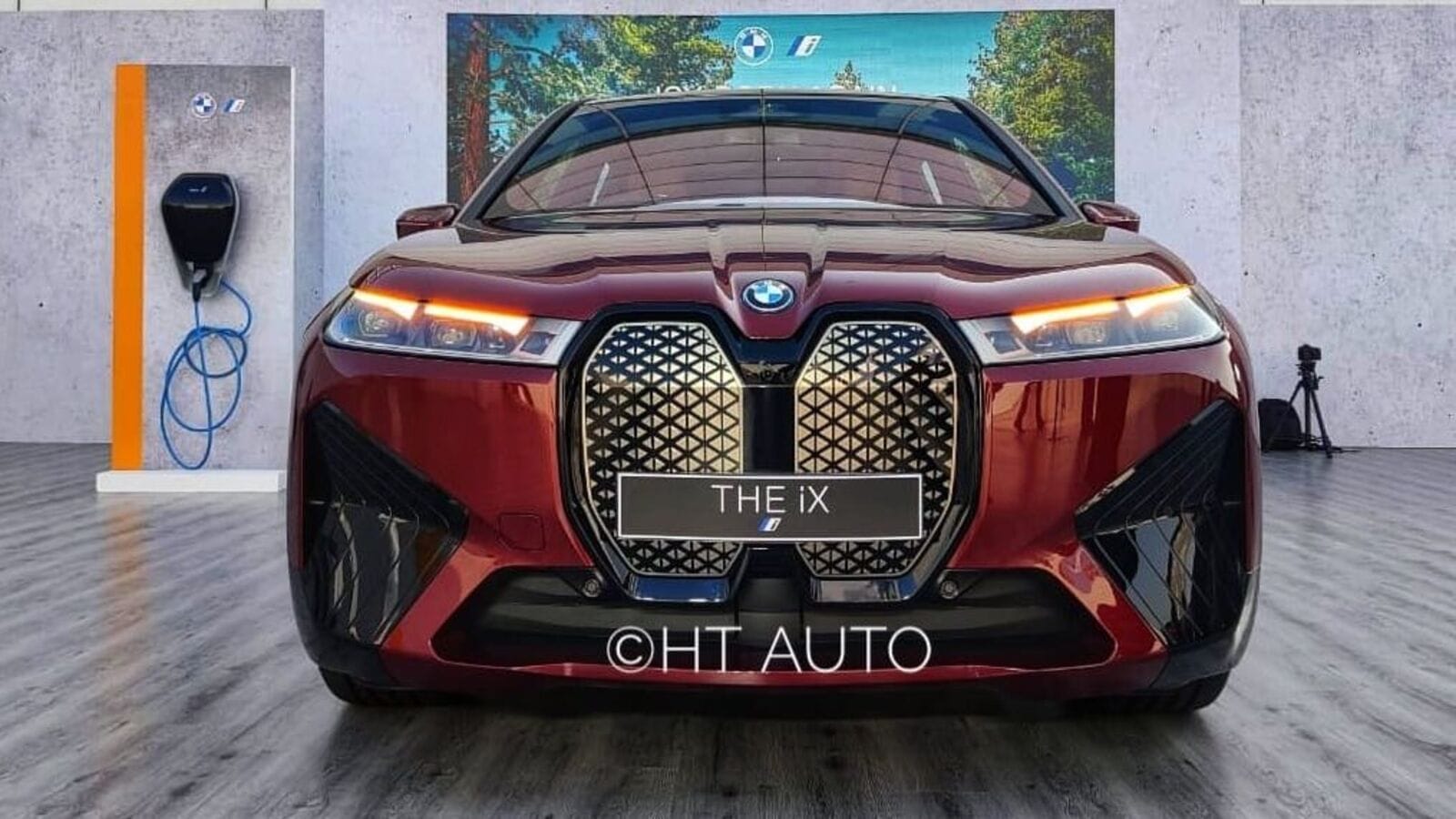
BMW is working with a Michigan-based energy storage technology company named Out Next Energy (ONE), which announced that it used a battery on a BMW iX test car, which achieved nearly a 1,000-kilometre range on a single charge. Interestingly, BMW is one of the major investors in the company, which makes us think that the German luxury car brand that is aiming big with its EV strategy may introduce a new battery to the future iX electric SUVs, which will enable the cars to run nearly 1,000 kilometres on a single charge.
By: HT Auto Desk | Updated on: 04 Dec 2023, 16:59 PM
BMW iX currently offers a 372-kilometre range, which can be extended to nearly 1,000 kilometres with new battery technology.
BMW is one of the leading car manufacturers globally that has been aggressively working on electric vehicles. The automaker has already launched multiple electric cars across different segments globally, including India as well. One of the BMW electric cars is the iX SUV, which is available in India alongside some other global markets. The BMW iX currently offers a 372-kilometre range on a single charge. However, ONE claims that with its Gemini dual-chemistry battery, the electric SUV can get a massive boost, enabling it to run nearly thrice the range compared to the current model.
Watch: BMW iX electric SUV launched in India: First impressions
The battery technology company has claimed that its Gemini battery is rated at 450 Wh/l of volumetric energy density, while the energy content is more than 185 kWh in the same space allotted to typical passenger electric vehicles’ packs.
Meanwhile, BMW has applied for a trademark for the iM3 nomenclature, which fuelled speculation that the automaker is working on a performance-focused electric vehicle under its M division, possibly an all-electric M3. However, BMW M boss Frank van Meel has revealed that despite the trademark filing, the automaker will not make an electric performance car named iM3. On the other hand, he also said that an electric M3 is a viable option for the automaker.
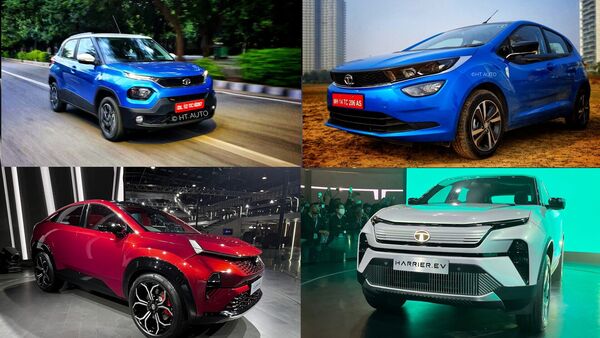
Tata Motors is expected to drive in more electric vehicles besides other new models to India in coming days. The upcoming Tata cars, some of which will be launched in the next few months, also include CNG and ICE models too. While Tata Motors has confirmed launch of at least three of these models by next year, the other models have already been showcased in either production version or in concept avatars recently by the carmaker.
By: HT Auto Desk | Updated on: 30 Nov 2023, 14:15 PM
Tata Motors is expected to launch around eight new models in coming days. Some of these models, including the Punch EV and Harrier EV, have already been confirmed for launch by next year.
Tata Motors is currently the leading carmaker in India in the electric vehicle segment. It offers models like Nexon EV, Tiago EV and Tigor EV. Tata also has two of India’s best-selling SUVs in Nexon and Punch. The carmaker recently launched the facelift version of the Harrier and Safari SUVs. Besides EVs and ICE vehicles, Tata also offers a few CNG models including the Tigor, Tiago, Punch and Altroz. The carmaker will expand all these portfolios with new models in coming days.
Here is a look at some of the new and upcoming cars from Tata Motors stable worth waiting for.
Punch is the smallest SUV in Tata Motors’ lineup in India. The rival to Hyundai Exter, Punch is available in both petrol and diesel versions along with CNG kit too. In August this year, Tata Motors confirmed that it will launch four electric vehicles by early 2024. These upcoming electric vehicles also include the Punch EV, which has already been spotted a number of times during test runs. According to reports, the Punch EV will use the same Ziptron technology that is doing duty on the Nexon EV. The size of the battery could be the ones used for Tigor EV or the Nexon EV. Tata Punch EV could offer range of more than 300 kms in a single charge in the long-range version.
Tata Motors showcased the Curvv Concept model in 2022 highlighting how its design language will change for upcoming models. A year later, the carmaker is preparing to launch Curvv in the production form. Tata had showcased the ICE version of the Curvv at the Auto Expo held earlier this year. Sailesh Chandra, MD at Tata Motors, had confirmed that the Curvv ICE version will be launched in India ahead of its EV avatar by 2024. With either 1.2-litre and 1.5-litre petrol engines under its hood, the Curvv SUV is expected to take on the likes of Hyundai Creta, Kia Seltos, Maruti Suzuki Grand Vitara among others in the compact segment.
Tata Curvv EV
Showcased first as an electric concept, the Curvv SUV is likely to see its EV version launching in India after the ICE version. The Curvv EV will be based on Tata Motor’s X1 platform which will be heavily reworked to become EV ready. According to reports, the expected range of the Curvv electric SUV will be between 400 kms and 500 kms in a single charge. It is not clear if Tata Motors will use the same battery the Nexon EV facelift uses.
Tata Harrier EV
Tata Motors unveiled the Harrier EV at Auto Expo 2023 earlier this year. The carmaker has confirmed that the EV version of Tata’s flagship SUV will go on sale in 2024. It has been spotted testing on roads ahead of its launch within the next few months. Built on the Gen 2 EV architecture, the Harrier EV will come with V2L and V2V charging facilities. As far as design is concerned, the unit showcased by the carmaker at the Auto Expo is slightly different from the Harrier facelift SUV launched in October. Tata Motors has not revealed much about the powertrain and its specifications yet.
Tata Altroz EV
Showcased at the Auto Expo 2020 in concept form, Tata Altroz EV is one of India’s most awaited electric cars. This would be the second hatchback from the carmaker after the Tiago to get an electric version. The Tata Altroz EV is expected to draw power from the automaker’s Ziptron powertrain, which would comprise a permanent magnet AC motor channelling energy to the front wheels via a single-speed transmission. Expect the Altroz EV’s lithium-ion battery pack to offer a range of around 300 kms in a single charge, which could come with fast charging capability.
The Altroz premium hatchback is also expected to get its most powerful variant in the Racer version, which was showcased at the Auto Expo 2023. The sporty-looking version of the hatchback, complete with a dual-tone theme of red and black with white stripes, could be Tata’s answer to the likes if Hyundai i20 N Line. The Altroz Racer is powered by a 1.2-litre turbocharged petrol engine. It produces 120 bhp and 170 Nm of peak torque. These power outputs are more than the Altroz iTurbo. Also, the gearbox has been upgraded, the Altroz Racer gets a 6-speed unit instead of a 5-speed unit.
Tata Nexon CNG
The Nexon SUV, Tata Motors’ best-selling car in India, is currently offered with petrol, diesel and electric versions. However, the carmaker could complete Nexon’s family with the introduction of its twin-cylinder iCNG technology too. The carmaker recently launched the CNG version of Punch SUV. There are talks that Tata Motors is also planning to use the same technology in Nexon too. The sub-compact SUV’s key rival Maruti Suzuki Brezza is the only model in the segment which is offered with CNG technology.
The much-awaited Sierra SUV from Tata Motors was first showcased back in 2020 during Auto Expo. In the 2023 edition of the auto show, Tata Motors returned with an EV concept version of the SUV. Tata Motors has confirmed that the Sierra EV will be launched in India by 2025.
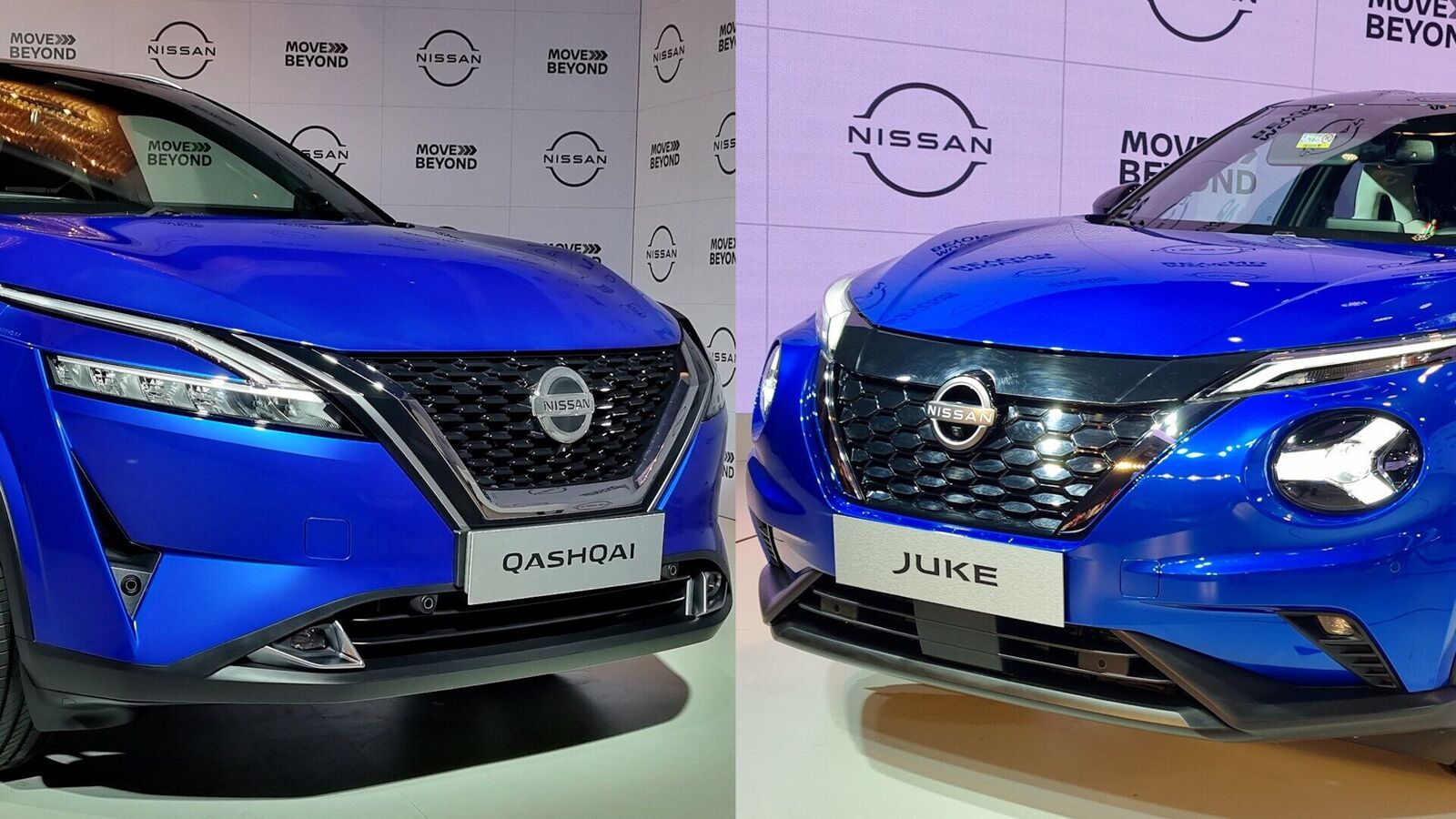
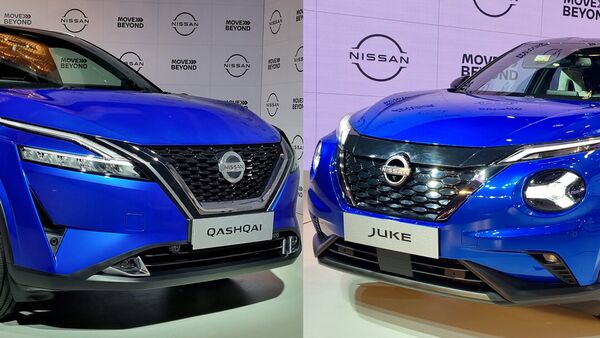
Japanese auto giant Nissan Motor is likely to manufacture the electric versions of its two India-bound models Qashqai and Juke in United Kingdom. According to reports by British broadcaster Sky News, the Japanese carmaker will announce the development tomorrow, November 24. It is expected that these two models will be made at the carmaker’s UK plant located in Sunderland. Both these models were showcased in India last year in their ICE avatar along with the new generation X-Trail SUV. Qashqai and Juke are expected to hit Indian roads soon.
By: HT Auto Desk | Updated on: 23 Nov 2023, 13:50 PM
Nissan Motor had showcased the Qashqai and Juke, along with the new generation X-Trail SUV as the three upcoming models for India.
Rishi Sunak, Prime Minister of UK, is expected to visit Nissan Motor’s facility in northern part of the country on Friday. He is expected to be present when the announcement will be made by Makoto Uchida, CEO at Nissan Motor. Earlier in September, Nissan Motor had confirmed that two of its upcoming electric vehicles will be manufactured at its UK facility. According to reports cited by news agency Reuters, Nissan Motor is likely to invest $1.25 billion in UK to manufacture new electric vehicles. However, the carmaker is yet to confirm which two models will be manufactured there.
Nissan Motor showcased the ICE and hybrid versions of the Qashqai and Juke in India in October last year. The Juke is smaller in size compared to Qashqai, and could rival the likes of Creta and Seltos when launched in India. Qashqai could aim at the popularity of Harrier and others. The carmaker is currently testing the road feasibility of these models. The Qashqai has already been spotted on Indian roads during test runs.
Also watch: Top highlights of the Nissan Qashqai showcased in India
Nissan offers the Qashqai SUV with petrol engine mated to a hybrid system. The 1.3-litre turbocharged engine can generate up to 140 bhp of power and 156 Nm of peak torque. The transmission job is handled by Nissan’s Xtronic CVT gearbox. Nissan also offers a 1.5-litre unit mated to an ePower gearbox with Qashqai. This engine is capable of generating 156 bhp of power. Nissan Juke comes with a 1.00-litre petrol engine, mated to either a 6-speed manual or a 7-speed DCT gearbox. The engine can generate 115 bhp of power and up to 200 Nm of peak torque.
HiPhi A is a Chinese high-performance electric sedan that promises 0-96 kmph in just two seconds.
By: HT Auto Desk | Updated on: 20 Nov 2023, 16:12 PM
1/6
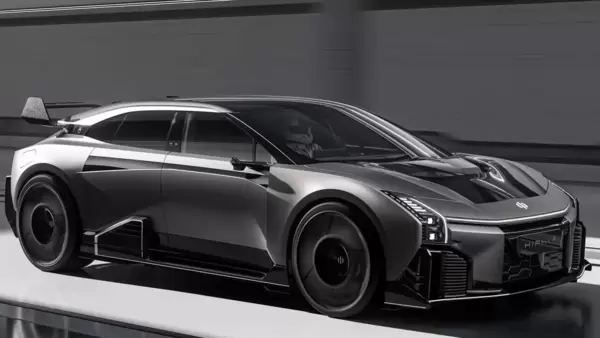
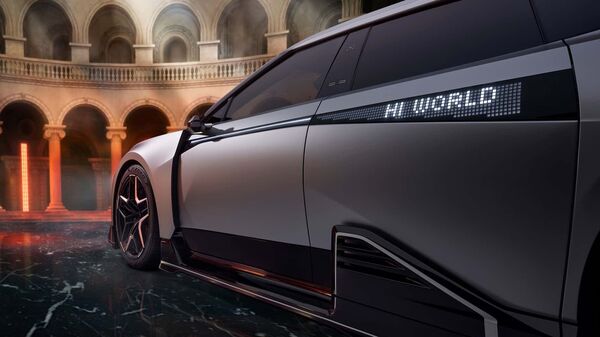
HiPhi A is an all-electric high-performance sedan designed and developed by a Chinese EV manufacturer called HiPhi. The electric super sedan is slated to make its debut at the 2023 Guangzhou Auto Show. The EV comes with a design that has been inspired by the automaker’s previous electric car HiPhi Z, which was unveiled in March this year.
2/6
The HiPhi A looks like to have taken a bit of design inspiration from the Nissan GT-R, as its front profile comes with some significant resemblances. However, the overall design is distinctive and looks outlandish. The EV looks more like an elongated hatchback rather than a fully grown sedan.
3/6
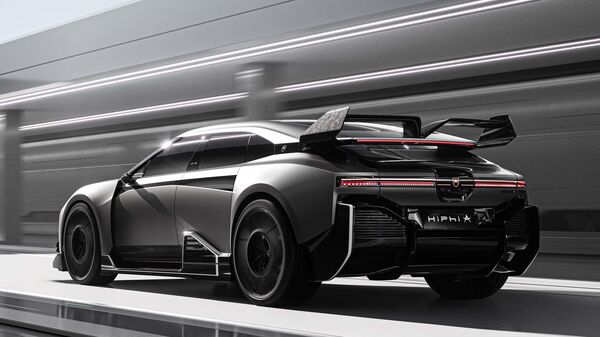
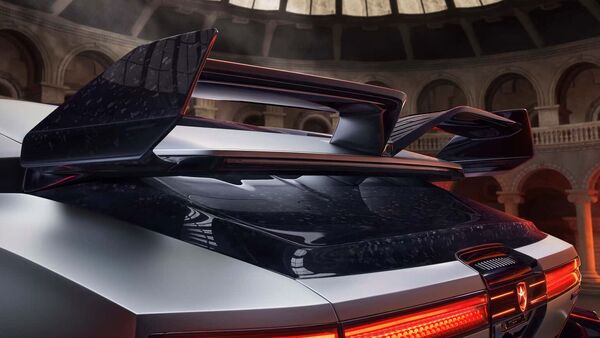
The EV sports a bifurcated roof spoiler with a sleek LED light bar integrated to it. There is another wider LED light-bar that acts as the taillight of the EV, while the car sports a massive rear diffuser enhancing its bold visual appeal. The EV manufacturer has clearly emphasised on the aerodynamic efficiency of the HiPhi A while designing the car.
4/6
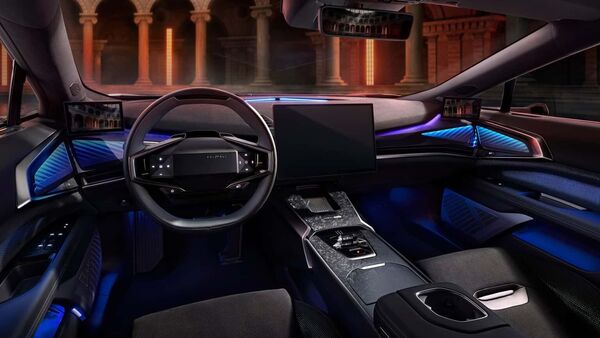
Inside the cabin, the car doesn’t boast an extraordinary look. However, being a high-end performance EV, the HiPhi A gets a premium vibe. There is a large landscape-oriented touchscreen infotainment system, a fully digital instrument cluster and a dual-spoke multifunction steering wheel. It looks like HiPhi has emphasised on digital interfaces inside the cabin of the car.
5/6
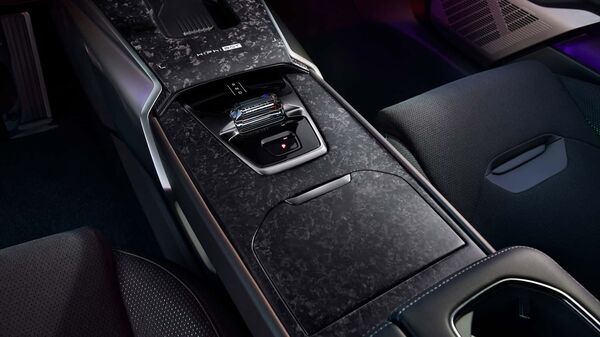
The HiPhi A gets carbon fibre incorporated to various places inside the cabin that not only reduce the weight of the EV, but enhances rigidity as well. The car gets a centre console that reminds us of Lamborghini supercars. Clearly, the manufacturer has kept an eye on the details of the HiPhi A.
6/6
HiPhi has revealed that the car comes with three different electric motors, with one mounted to the front axle and other two fitted to the rear axle and chanelling power to the rear wheels. Its battery pack size is unknown yet but expect a large pack to be there. HiPHi A promises 1,270 bhp of peak power and can run at a top speed of 300 kmph, with the capability to sprint to 96 kmph from standstill position in just two seconds.
With EV demand slowing at home, and companies facing substantial import tariffs in the US as well as a European Union probe into Chinese subsidies, automakers view the region as a major growth opportunity that, so far, is largely untapped. Across the six Gulf states, including oil majors Saudi Arabia and the United Arab Emirates, electric cars account for just 0.4% of the passenger-vehicle market.
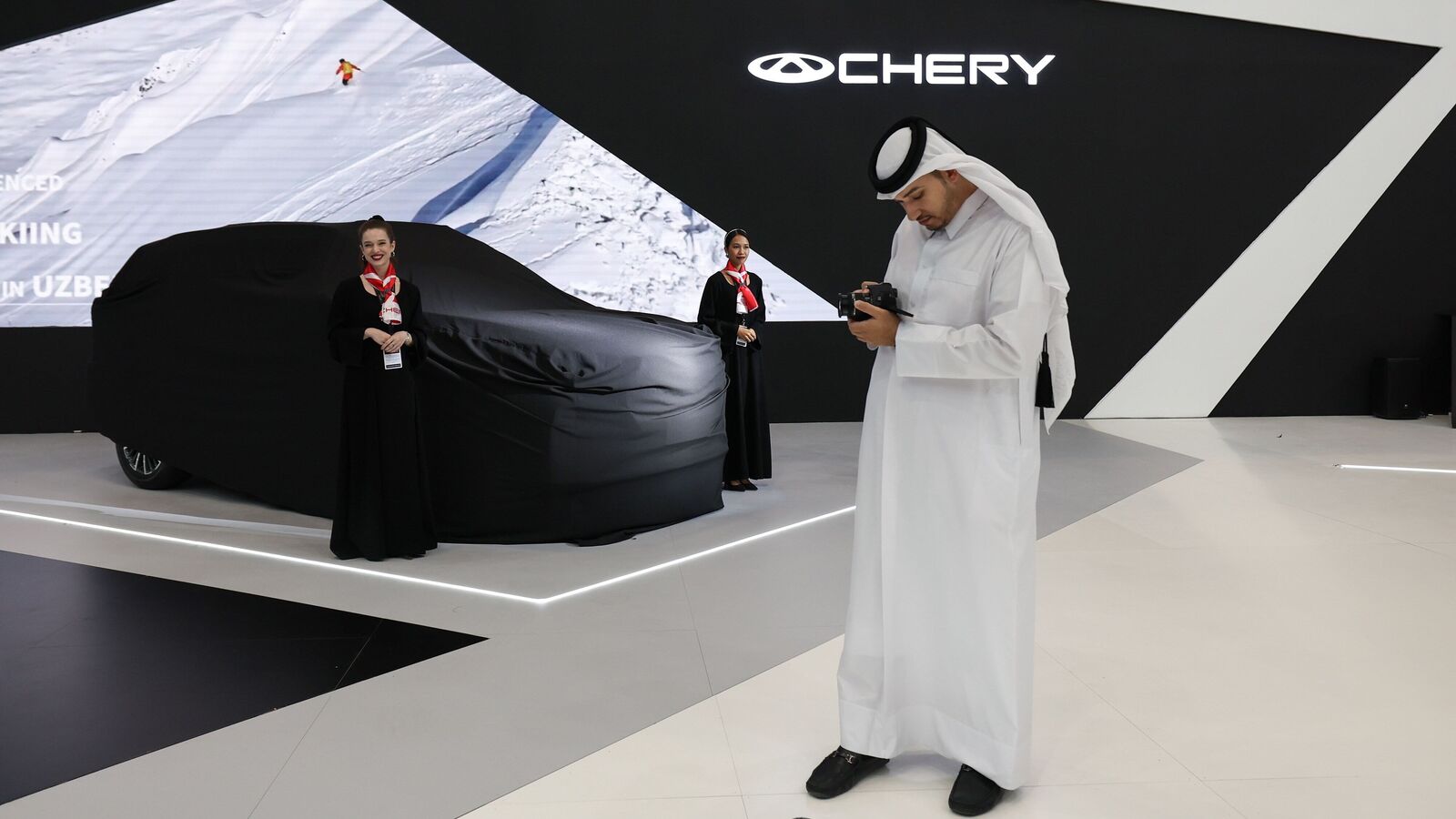
That’s got some of China’s best-known automakers flocking to the region. Chery Automobile Co. is planning to launch at least two new hybrids or EVs, while Xpeng Inc. and Zhejiang Geely Holding Group Co.’s premium Zeekr brand have started selling in Israel and making plans to expand into more countries in the region, including Qatar and Bahrain.
But Chinese firms’ efforts to build their presence face a raft of challenges, from simple economics — fuel is generally cheap in major oil producing countries — to a lack of brand awareness among potential buyers, scarce charging infrastructure and concerns about how well car batteries can handle the brutal heat of a Middle East summer.
“I think in the Middle East, it’s a mix. EVs are not ready in many places. As an idea, it’s great but growth is still very slow here. We do have EV cars in our company but the number of sales and inquiries are less,” said Ahmad Firoozi, a marketing manager from the Qatari distributor Nasser Bin Khaled Automobiles, which works with brands like MG Motor, and Geely-Volvo joint venture Lynk & Co.
There’s also the threat of the Israel-Hamas war escalating. Israel has vowed to destroy Hamas, which is designated as a terrorist group by the US and European Union, after the Oct. 7 onslaught by the militant group that left more than 1,400 Israelis dead.
Some of the top oil producers in the Middle East are making ambitious promises to transition away from the fossil fuels that have underpinned their economic growth, and shift to green technologies that are key to the world’s efforts to reduce emissions.
The UAE is investing as much as 200 billion dirhams ($55 billion) by 2030 to transform its energy strategy, and has pledged that EVs and hybrid cars will make up more than 50% of the national fleet by 2050, from 4% currently.
Saudi Arabia this year greenlit a manufacturing plant for Ceer, its first homegrown EV brand that’s set to start selling cars in 2025, and recently opened another with California-based maker Lucid Group Inc. The kingdom has already signed a $5.6 billion deal with premium Chinese automaker Human Horizons Technology that reflects the region’s interest in higher-end vehicles. Separately, the Abu Dhabi government this year took a 7% stake in China’s Nio Inc.
Chinese brands made up 16% of the 616,500 new vehicles sold in Saudi Arabia last year. The Gulf country was also the second-largest importer of Chinese cars in 2022, behind Mexico, before dropping to fifth place this year as exports to Russia and Europe picked up. Marques like MG are seeing fast growth in the UAE, posting an 86% surge in the first three months of this year, according to local media reports.
BYD Co. topped the EV sales chart for Israel and ranked fourth overall in vehicle sales in the first nine months of 2023. Of the roughly 16,000 foreign-made EVs imported to a free-trade zone in Jordan’s central governorate of Zarqa in the first half of the year, about 80% were made in China.
Auto firms are likely to benefit from China’s deepening economic ties with the Middle East, just as escalating trade tensions with Europe and the US ripple through the EV sector and risk throttling the industry’s ambitions abroad. That’s made the region a welcoming investment prospect and could help Chinese companies more easily access potential new funds and even skirt tightening import regulations in Western markets.
Within the Middle East, consumer tastes are evolving. Customers now see Chinese vehicles as durable, reliable, and with capabilities on par with German, American or Japanese cars that make them worth the money, said Hesham Amer, a UAE-based auto distributor who has worked with brands such as Guangzhou Automobile Group Co.
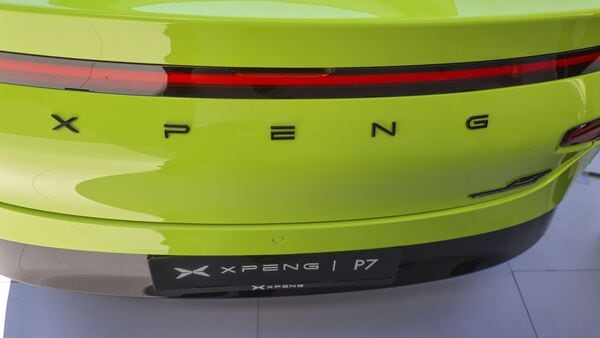
File photo: Branding on an Xpeng P7 electric vehicle (EV). (Bloomberg)
Fuel economics are starting to change in favor of EVs, too. While it’s still relatively cheap to run a gas-guzzler in many places — petrol costs between $2.18 to $2.35 per gallon in Saudi Arabia and Qatar — it’s financially savvy to have an EV in some countries. In the UAE, where the government sets petrol pricing higher at $3.43 per gallon, it costs about $50 to fill up a small sport-utility vehicle, compared with around $10 to fully charge a similar sized EV, according to Amer.
“The Middle East is probably the most promising for Chinese automakers,” said Yale Zhang, managing director at Shanghai-based consultancy Autoforesight Co. Wealthy customers may be particularly interested in an EV that has innovative in-car technologies and can rapidly accelerate like a Porsche, he said.
Chinese firms are also looking at how they can allay concerns about whether cars made abroad can withstand the extreme heat, sand and dust of the Middle East.
Peter Matkin, the head of research and development for Chery’s high-end marque Exeed, said one way the brand tests its cars’ durability is to leave a vehicle outside for an entire day during summer to see how the environment impacts materials. Some vehicles not specifically engineered for the Middle East start to creak after being parked outside for extended periods of time, he said.
Battery performance is also a top concern for automakers and consumers alike. During summers in Doha, where temperatures can soar to 50C (122F), the time needed to charge an EV from a 50-kilowatt commercial charger increases to as long as two-and-a-half hours from the typical 40 to 45 minutes, according to Sertac Bayhan, a senior scientist at the Qatar Environment and Energy Research Institute, part of Hamad Bin Khalifa University.
High temperatures, along with the need to run air conditioning constantly, means batteries drain quicker. One EV that underwent testing at the institute showed a range drop from 350 kilometers (217 miles) in winter to just 200 kilometers in summer. Batteries also degrade much faster in hotter climes, with capacity shortened by about 70% to 75% during the standard 10-year warranty period.
Even surmounting the technological hurdles won’t guarantee market share for Chinese firms. Charging infrastructure is sparse in many Middle East countries — the UAE has less than 900 charging stations currently, though has vowed to install 30,000 by the end of 2050. And while opinions about the quality of ‘Made in China’ vehicles improves, most brands remain relatively unknown in the region.
At October’s Geneva International Motor Show, which this year took place in Doha, booths for Chinese brands like Chery and Lynk & Co. attracted groups of interested onlookers, but the biggest crowds flocked to legacy names like Porsche and Lamborghini.
Established Western brands are also looking to muscle in on the Middle East market in competition with Chinese EVs.
Mercedes-Benz Group AG’s local dealer launched at least three electric models at the Doha show and Selvin Govender, who heads the firm’s marketing and sales for the Middle East and Africa, said he’s already seeing customer interest. Mercedes has recorded double-digit growth in EV sales in the UAE, and single-digit growth in Saudi Arabia, he said. For some attendees, their curiosity about Chinese EVs will take time to translate into actual sales.
Wafa and Mohamed, a Doha-based couple in their 30s who asked not to be identified by their last names due to privacy concerns, are considering replacing one of their three cars — a Corolla, a Lexus and a Porsche — with a Chery vehicle. But worries about the battery-powered vehicles’ performance in the Qatari summers mean they’re not likely to purchase one any time soon. “Maybe when everyone else starts driving an EV, then we’ll think about it,” Wafa said.
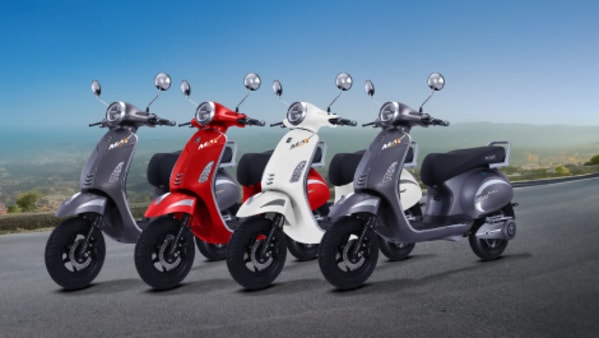
Bookings for the ePluto 7G Max are already open across India.
By: HT Auto Desk | Updated on: 08 Oct 2023, 17:00 PM
1/6
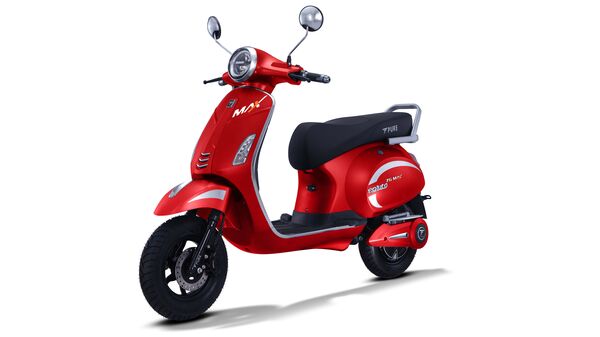
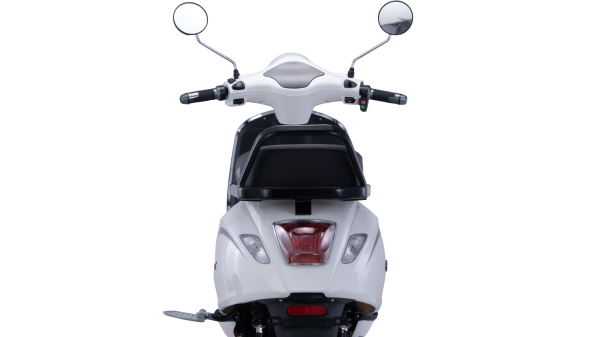
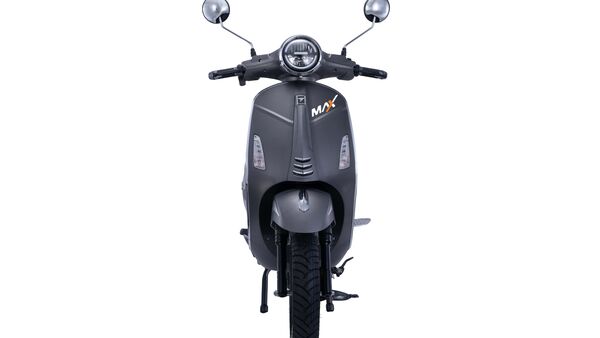
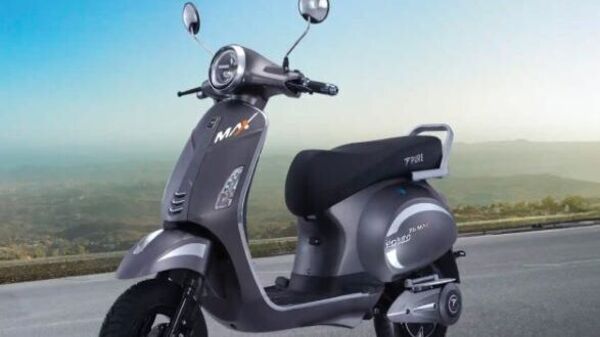
Pure EV has announced the launch of the ePluto 7G Max electric scooter at ₹114,999 (ex-showroom). The EV startup has also stated that bookings for the retro-themed electric scooter have been open across the country, with deliveries slated to commence during the upcoming festive season.
2/6
With the launch of the ePluto 7G Max electric scooter, Pure EV aims to increase its sales numbers during the upcoming festive season. The all-new electric scooter comes promising an impressive 201 km range on a single charge. Also, the EV comes with a host of advanced features such as hill-start assist, downhill assist, coasting regen, reverse mode, smart AI for battery longevity etc.
3/6
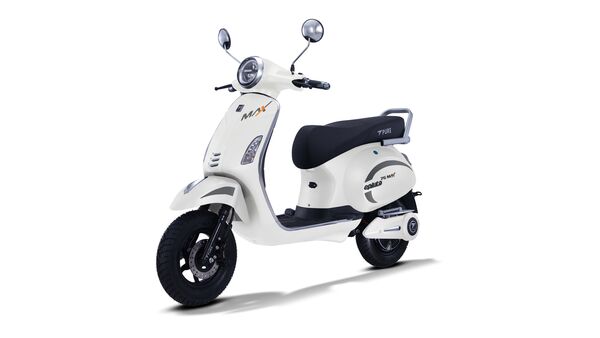
The retro-themed electric scooter is available in four different colour options: Matte Black, Red, Grey and White. Powering the all-new electric scooter is a 3.5 kWh lithium-ion battery pack that is mated to an electric motor capable of churning out 3.21 bhp peak power.
4/6
The AIS-156 certified battery pack claims to come with a smart battery management system powered by Artificial Intelligence (AI). The scooter gets three different riding modes. Pure EV has said that the scooter comes with a standard battery warranty of 60,000 kilometres and an extended warranty of 70,000 kilometres too is on offer.
5/6
Speaking about the design of the ePluto 7G Max, the scooter dons an old-school design blended with modern elements like LED lights, a fully digital instrument cluster etc. The scooter is equipped with smart regenerative technology, claims the manufacturer. It gets reverse mode assist and parking assist features enhancing the convenience of the rider.
6/6
With the Auto Push function, the EV can move ahead at a steady speed of five kilometres per hour, which means the rider won’t have to push it manually. The model is targeted towards consumers driving around 100 km per day and do not want to go through the hassle of frequent charging.
By: Paarth Khatri | Updated on: 06 Oct 2023, 19:36 PM
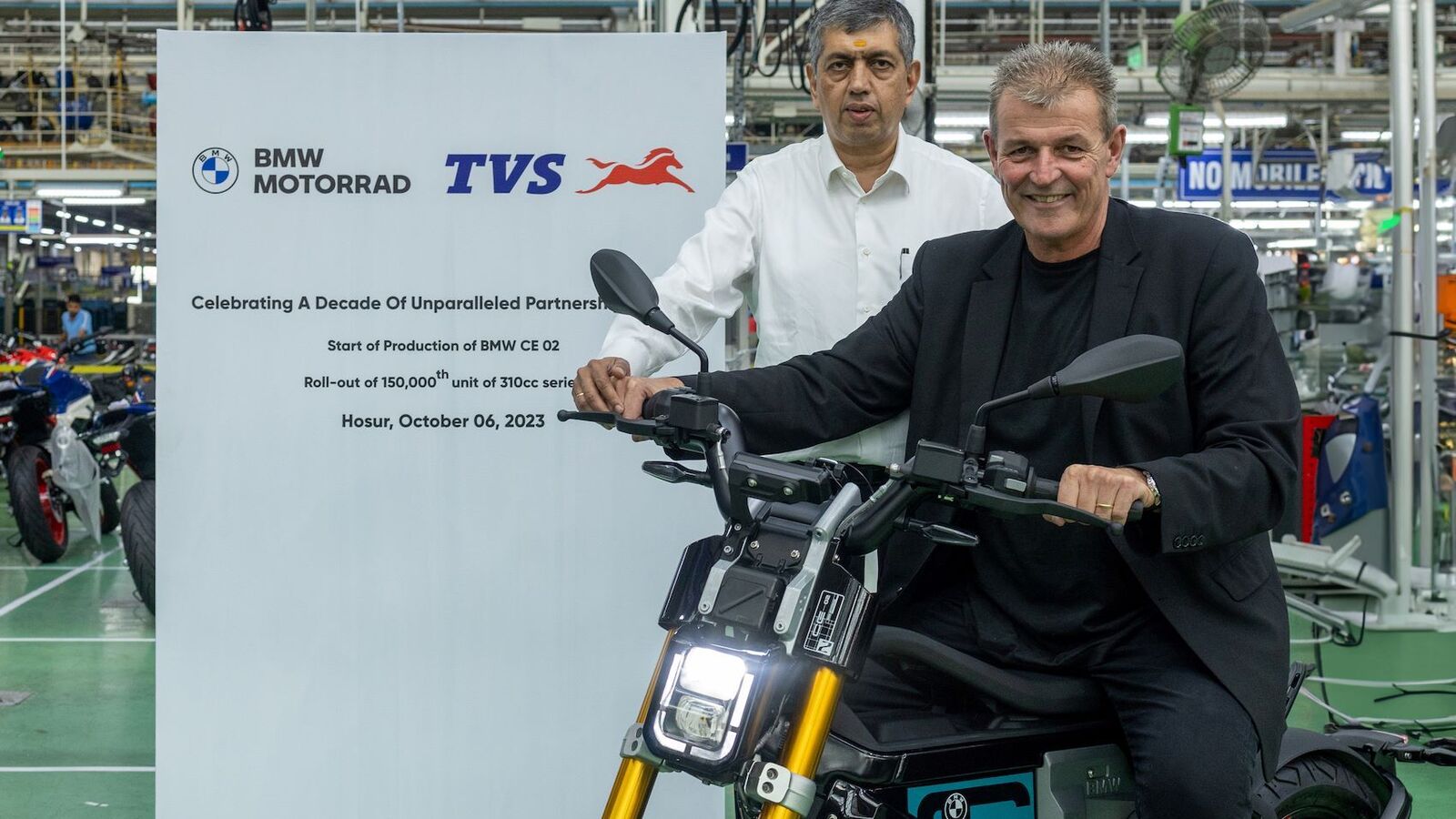
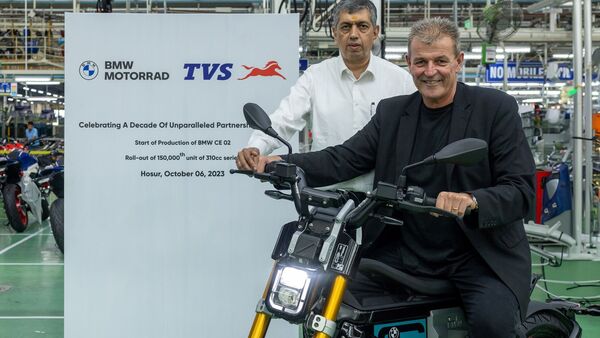
TVS Motor Company and BMW Motorrad today celebrated their 10-year long partnership. On this milestone, the production of BMW CE 02 started at TVS Motor’s Hosur manufacturing plant. Apart from this, TVS also rolled out the 1,50,000th unit of BMW Motorrad’s 310 cc series of motorcycles. Together, the two companies have developed and launched five iconic motorcycles, including the BMW G 310 R, BMW 310 GS, and BMW G310 RR, along with TVS Motor Company’s flagship motorcycles, TVS Apache RR 310 and the recently launched TVS Apache RTR 310.
Mr. KN Radhakrishnan, Director & CEO, TVS Motor Company with Dr. Markus Shramm, Head of BMW Motorrad with the BMW CE 02
The Apache RTR 310 received a lot of appreciation and the manufacturer has started production of the motorcycle. The brand will soon start deliveries and test rides. The motorcycle is priced between ₹2.43 lakh and ₹2.64 lakh. Both prices are ex-showroom.
Then there is BMW’s CE 02 electric scooter. As of now, it is not known whether it will go on sale in the Indian market or not. The electric motor uses a belt drive to transfer power and the motor itself produces a max power output of 54.91 Nm at 1,000 rpm. BMW is using a 48 V electrical system.
There are two riding modes, Surf and Flow. Apart from this, there is a reverse gear as well. Other features on offer are an LED headlamp, ABS on the front wheel, a USB-C charging socket, a keyless ride and a 3.5-inch TFT display.
Mr KN Radhakrishnan, Director & CEO, of TVS Motor Company, said, “Our decade long partnership with BMW Motorrad is based on shared values of innovation, quality, customer delight and engineering prowess. Aligning with our EV led global vision for growth, we are proud to extend this partnership with cutting-edge technologies and sustainable mobility solutions. In this next stage of our partnership, we are creating opportunities to jointly design and develop common platforms. Through our collaborative efforts we’ve achieved five extraordinary products in the 310cc series, including recent TVS Apache RTR 310. These products are now embraced by enthusiasts in over 100 markets globally. Taking our relationship to the next level, we have started the production of our first jointly designed, developed and industrialized EV together, the BMW CE 02, at Hosur Plant today. Together, we have achieved outstanding results, and we are excited about the future as we continue to explore new opportunities and push the boundaries of what’s possible in the world of two-wheelers.”
Dr Markus Schramm, Head of BMW Motorrad, said, “The 10th anniversary is an impressive proof of the success and strength of the collaboration between BMW Motorrad and TVS Motor Company. What began ten years ago has developed into an extraordinary success story. Our strong synergies have led to the development of impressive offerings in the Sub-500cc segment. Since the launch, BMW G 310 R and BMW G 310 GS single-cylinder models continue to enjoy unrivalled popularity and have become a key pillar of BMW Motorrad’s worldwide success. The extension and expansion of this partnership towards future technologies and sustainable mobility solutions including the unique and fully electric masterpiece BMW CE 02 is therefore a consistent step to also shape the future together with TVS Motor Company. And today’s start of production of our unique CE 02 marks a significant milestone in our joint and future cooperation.”
Tesla reportedly sent out special apparel for the vehicle launch team members of the Cybertruck pickup truck. Tesla Cybertruck is one of the most anticipated electric vehicles in the world. The official launch of the electric pickup truck is inching closer and ahead of that, the automaker has sent out special apparel for the launch team, reported the Cybertruck Owners Club forum.
By: HT Auto Desk | Updated on: 02 Oct 2023, 16:27 PM
Tesla Cybertruck is one of the most awaited electric vehicles in the world. (Image: Cybertruck Owners Club)
Tesla has already started production of the Cybertruck pickup truck. However, the production of this pure electric pickup truck with an unusual design has started at a limited number. Tesla plans to ramp up its production numbers from early 2024. However, before that, the official launch event is expected to take place in a few weeks.
A user of the Cybertruck Owners Club forum has shared an image of the official apparel. The apparel comes with the ‘Cybertruck’ word printed on it along with the ‘Launch Team’ words.
Back in April this year, Tesla CEO Elon Musk hinted that the Cybertruck handover event would happen towards the end of the third quarter. Considering that, the third quarter has been already over. However, given Tesla’s reputation of keeping with the deadlines, that is not very unusual. But now with the apparels sent out to the launch team, we can expect the event to take place in a few weeks. Also, over the last few months, the prototypes of the Tesla Cybertruck spotted have hinted that the EV is in its final phase of testing.
Tesla Cybertruck was first unveiled back in November 2019. Since then, the automaker has set multiple deadlines for the launch of the EV but failed to keep its promises again and again. It was supposed to enter production several times in the past two years, but that never happened, partly because of the global microchip shortage caused by the Covid-19 pandemic.