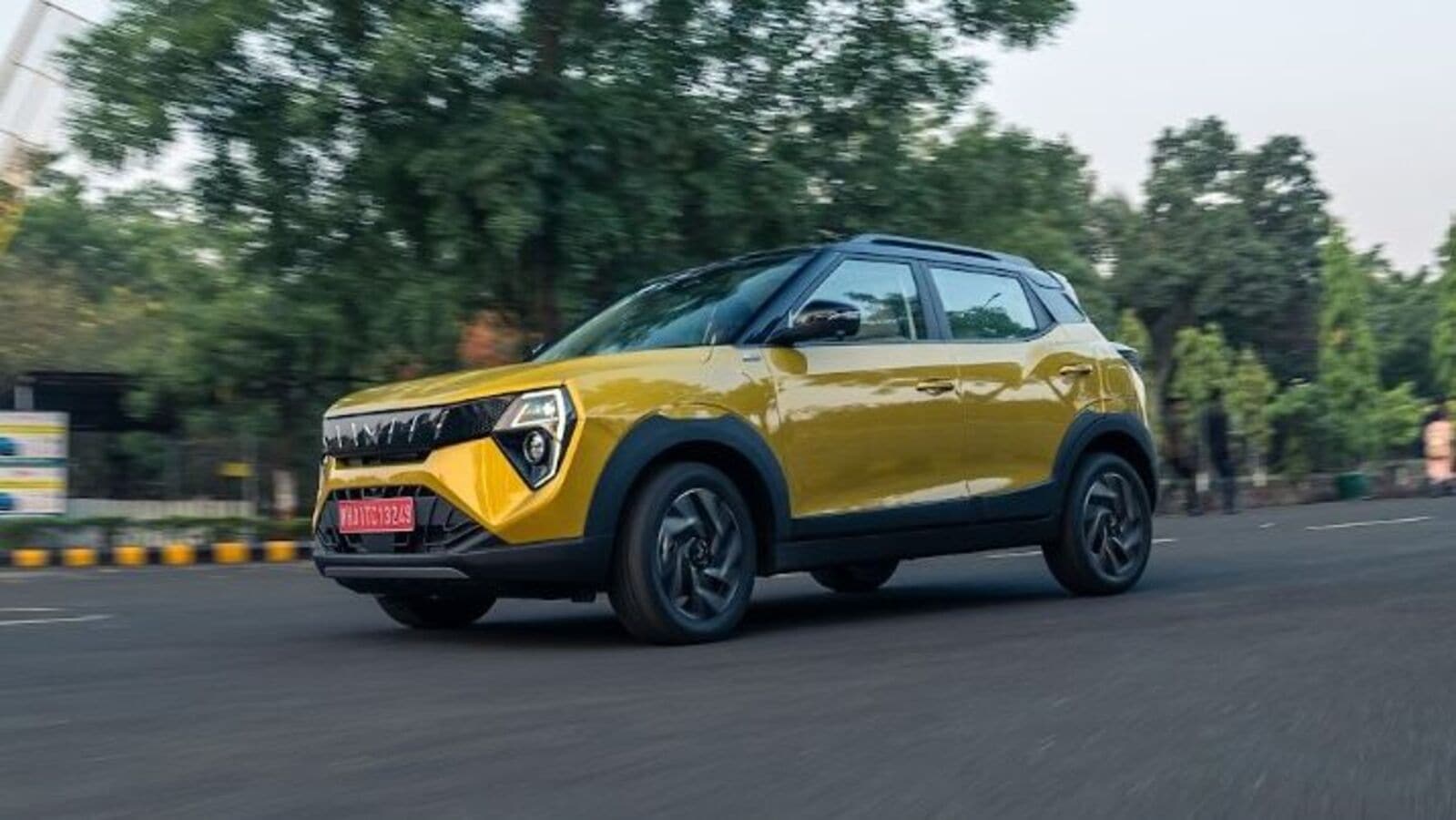
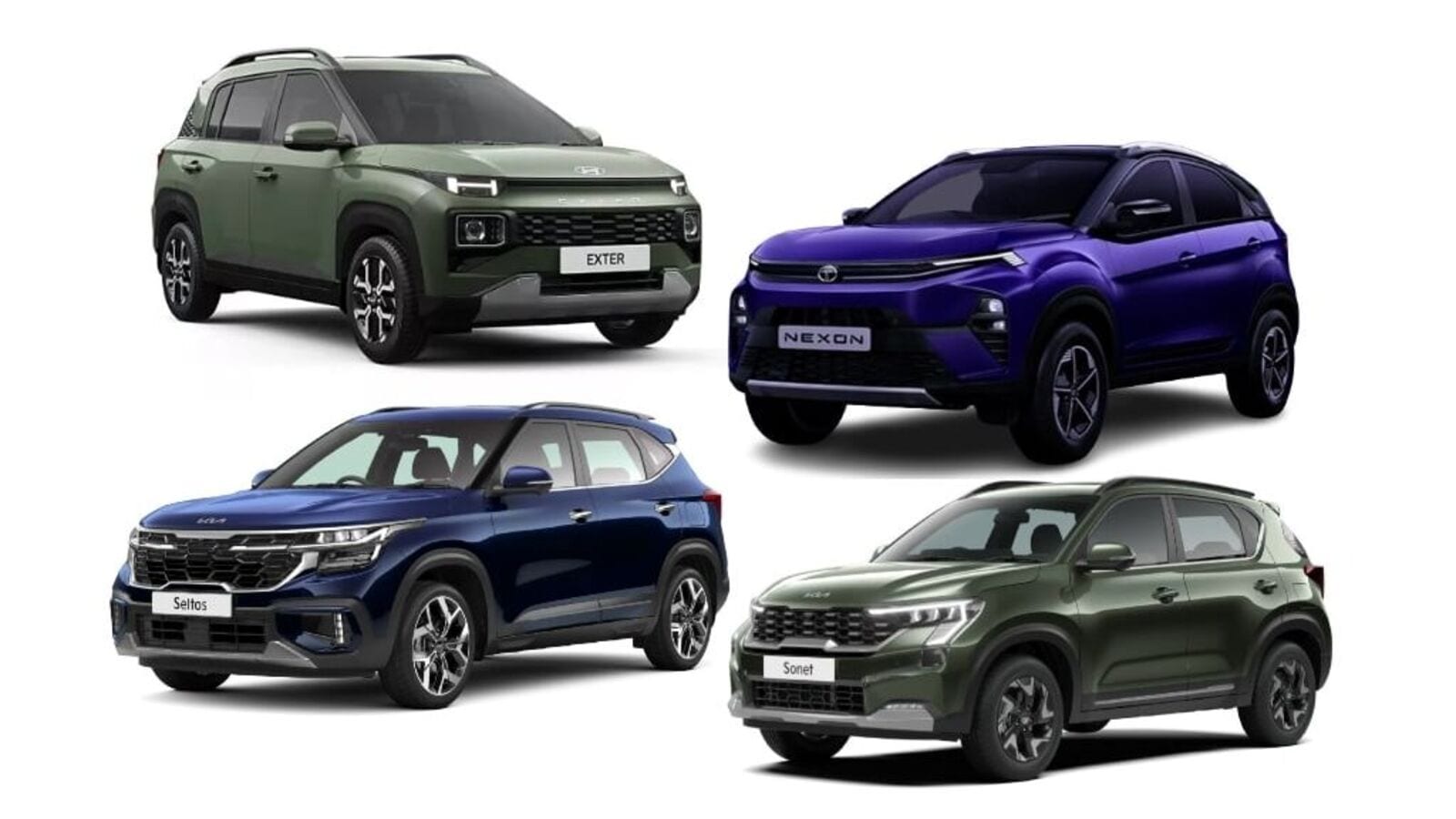
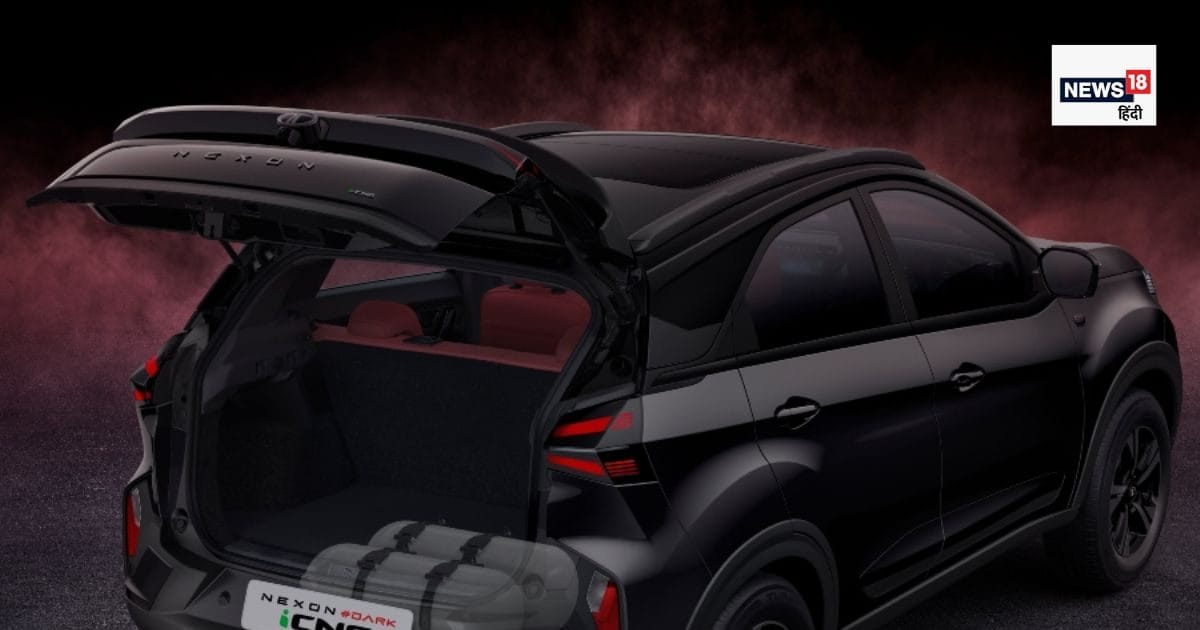
Tata Motors has launched Nexon ICNG Red Dark Edition, which costs Rs 12.70 lakh to Rs 14.70 lakh. This includes sporty look, red lady's upholstery and premium features.
The initial price of Nexon ICNG Red Edition is Rs 12.70 lakh.
Highlights
Tata Nexon ICNG Red Dark Edition was launched.
Price 12.70 lakh to 14.70 lakh rupees.
The sporty look and premium features include.
New Delhi. Tata Motors is included in India's most popular car brands and Tata Nexon SUV in the most successful SUV. It is a sub compact i.e. a car of SUV segment less than 4 meters. In the last few years, it has succeeded in making a big customer base in India. Tata also keeps updating it continuously to capitalize on its popularity. The company keeps bringing its new additions to keep the model fresh and to attract new customers. Now the company has updated its ICNG Nexon model.
The company CNG Poward Nexon was launched in September 2024. It was launched at an ex-showroom price of Rs 8.99 lakh. Now the company has launched Tata Nexon ICNG Red Dark Edition.
Available in 3 variants This dark edition of Nexon CNG is available in three trims: Creative + S, Creative + PS and Fearless + PS. The price of which is between Rs 12.70 lakh to Rs 14.70 lakh (ex-showroom). The price of the Red Dark variants is Rs 20,000 more than the standard CNG-Powered Trims. In this, visual treatment is available like the rest of Tata Motors' Dark Edition Range. This includes all-black carbon exterior paint and red color wheels that give the car a very sporty look.
Interior is also tremendous Even inside the cabin, the Nexon ICng Red Dark Edition has red lady -upholstery, red stitching and piano black interior trims to make the interior attractive. Nexon CNG Red Dark has a premium feature set, including a 10.2 -inch infotainment system, a digital instrument cluster, ventilated seats and a panoramic sunroof. It is equipped with wireless features with charging, Android Auto/Apple CarPlay and 360-degree camera and JBL 8-spicker system.
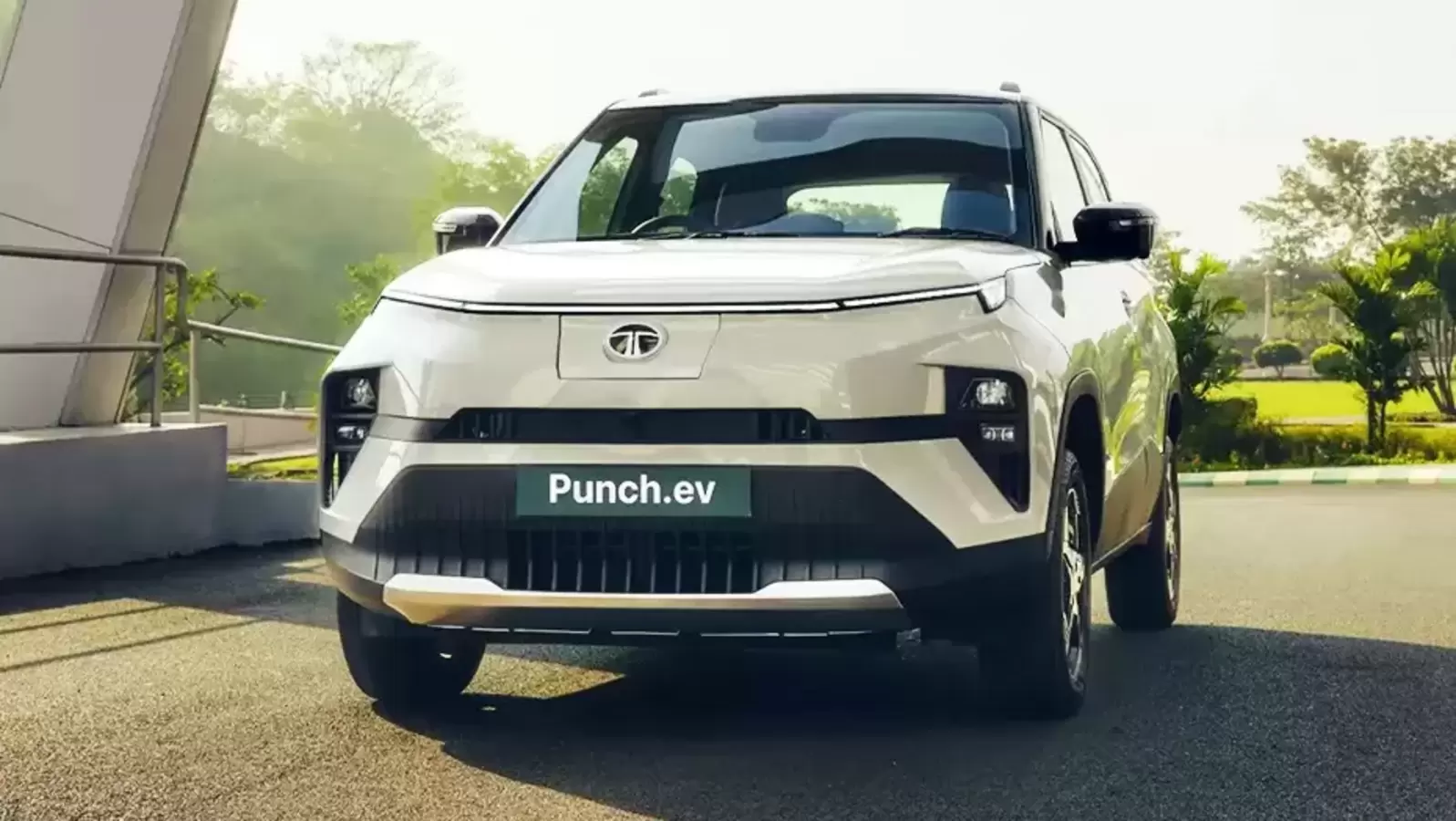
Tata Motors launched Tata Punch in 2021, which became very popular in the Indian market. The production of this car has reached 5 lakh units. Available in petrol, CNG and EV models.
The company launched this car in the Indian market in the year 2021.
New Delhi. India's very popular car manufacturing company Tata Motors launched Tata Punch in the year 2021. This SUV dominated the Indian market as soon as it was launched. This car has received continuous love from the customers. If we talk about the sales of this car, the situation is such that within a short time the company has increased the production of this car to 5 lakh units. Last year also Tata Punch was the best selling car of India.
All models, variants, special editions of Punch have been included in these 5 lakh units. All three models – petrol, CNG and EV have been included in this. This is a big achievement for the company. The company had completed the production of 4 lakh units of this car in August last year.
Engine and Power Tata Punch is powered by a 1.2-litre petrol engine which is paired with 5-speed manual and AMT units. This motor generates 87bhp and 115Nm, while the CNG model, available only with a manual gearbox, produces 72bhp power and 103Nm torque. The model is also sold as an EV, and customers can choose between 25kWh and 35kWh battery packs that offer ranges of up to 315 km and 421 km respectively on a full charge.
customers' favorite Tata Punch was liked a lot by the customers since its launch. On the basis of its stylish design and excellent performance, this car has not only given tough competition to the cars of its segment but has also become one of the overall best selling cars in all the segments. This car is sold with petrol and CNG along with EV. Because of this, customers have more options to choose from. This car is not available with diesel engine.
Location:
New Delhi,Delhi
First Published:
January 25, 2025, 14:07 IST
homeauto
This car sold in India at the speed of a bullet, tension increased for Maruti, Mahindra, Hyundai
Korean auto giant Hyundai Motor showcased the Staria luxury MPV at the ongoing Auto Expo 2025. The MPV made its global debut in 2021. This is the first time that the carmaker has brought a large luxury van to India. Staria is sold as the preferred choice in both passenger vehicle and commercial segments in global markets including South East Asia. It competes with large vans like Toyota Vellfire. Hyundai is unlikely to launch the Staria MPV in India any time soon.
Check out more details about Hyundai Staria here.
Auto Expo 2025: Skoda Octavia RS showcased
The Skoda Octavia RS, the performance version of the new generation Octavia sedan has been showcased at the Auto Expo 2025. However, the automaker did not reveal whether the car will be launched in India or not. The Octavia was previously on sale in India, but was discontinued due to low sales figures. The Skoda Octavia RS gets a 2.0-litre four-cylinder engine, which is now tuned to produce 264 bhp of maximum power and 370 Nm of peak torque. Transmission duties for the new Skoda Octavia RS are handled by a seven-speed DSG automatic gearbox.
Check out more details about the Skoda Octavia RS here.
Auto Expo 2025: Maruti Suzuki is all set to go electric
Maruti Suzuki is set to launch the e Vitara electric SUV at the Auto Expo 2025. This is going to be the first electric car of the brand. Interestingly, it will be manufactured in India for the Indian market, which makes this SUV even more special. This will mark the automaker's entry into the league of carmakers with an EV offering.
Auto Expo 2025: PM Modi said, India is being viewed with great expectations in the mobility sector.
Prime Minister Narendra Modi said that the sale of lakhs of vehicles shows how the demand in India is continuously increasing. It also highlights why India is being viewed with such high expectations when it comes to the future of mobility, he further said during the inauguration of the India Mobility Global Expo 2025.
Auto Expo 2025: The powerful G580 is here
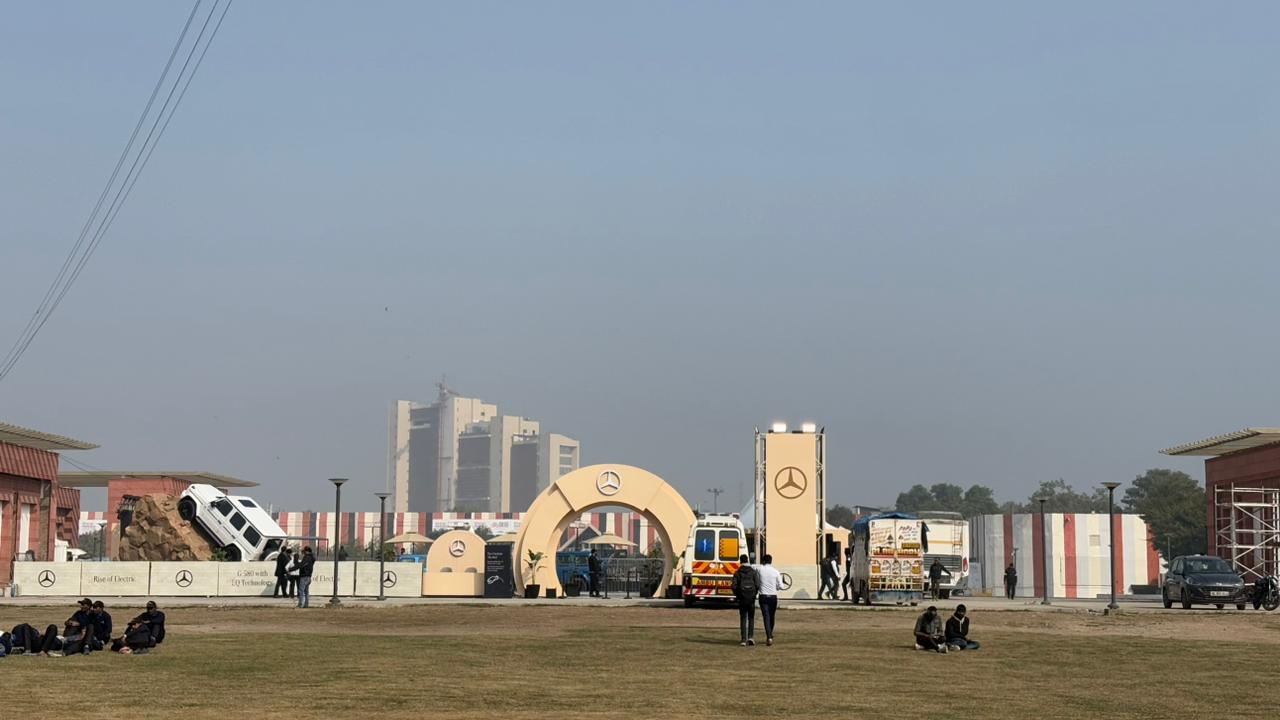
The powerful Mercedes-Benz G580 luxury SUV is here. The German luxury carmaker has created a zone at the Auto Expo 2025 to showcase the offroading capability of the G580 SUV. Mercedes-Benz is showcasing a wide range of products at the Auto Expo 2025, including both ICE-powered and electric vehicles.
Auto Expo 2025: Here's a beast
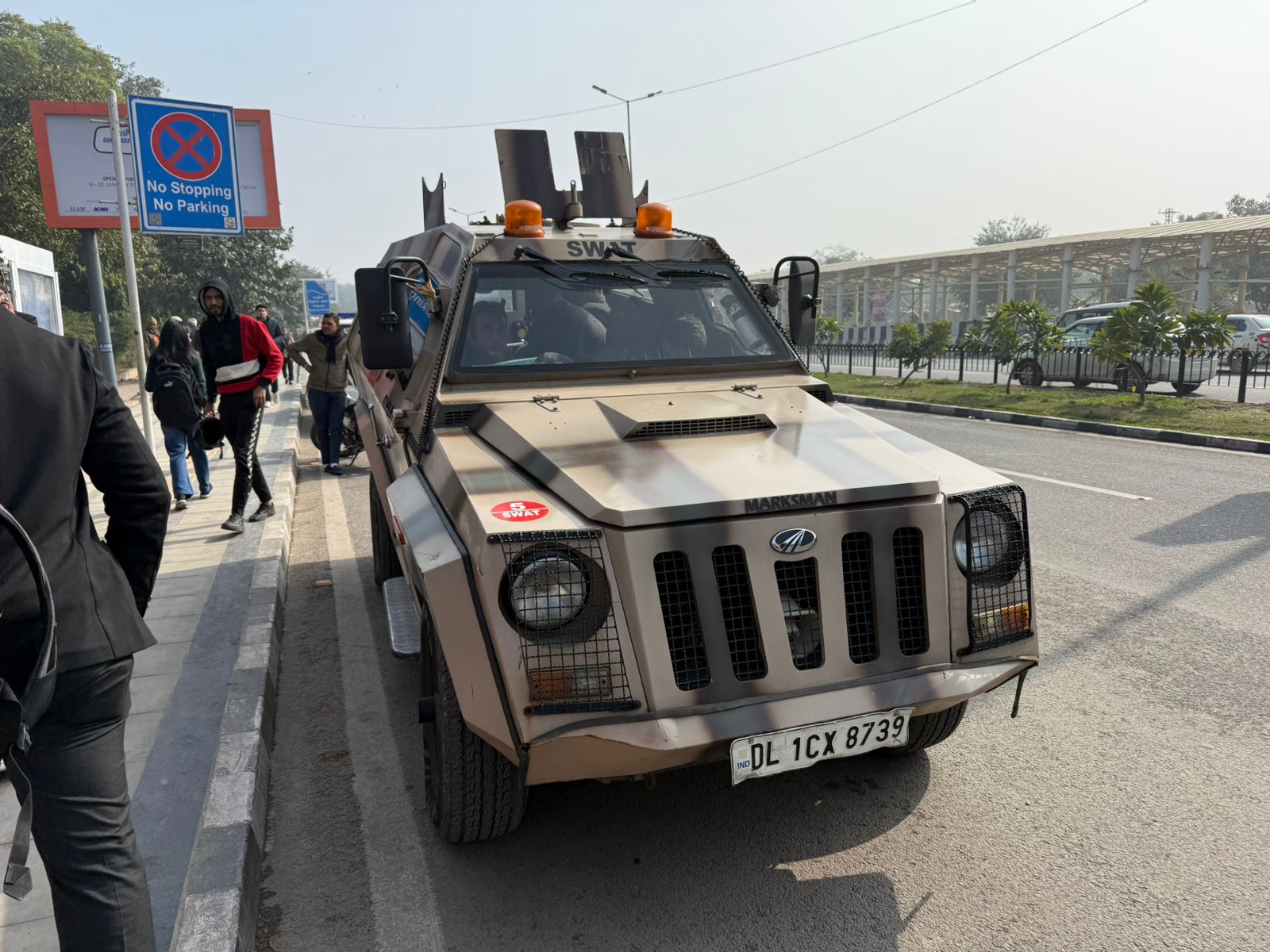
Mahindra armored vehicle parked at the Bharat Mobility Global Expo 2025 gate.
Auto Expo 2025: PM Modi said, Indian auto industry is ready for the future
In his speech during the inauguration of the India Mobility Global Expo 2025, PM Modi said that the Indian auto industry is future-ready and has immense potential. The Prime Minister further said that new technology, consumer aspirations, improvements in road and infrastructure, large number of young buyers are helping the growth of the auto industry and will continue to do so.
Auto Expo 2025: A glimpse from Yamaha Pavilion
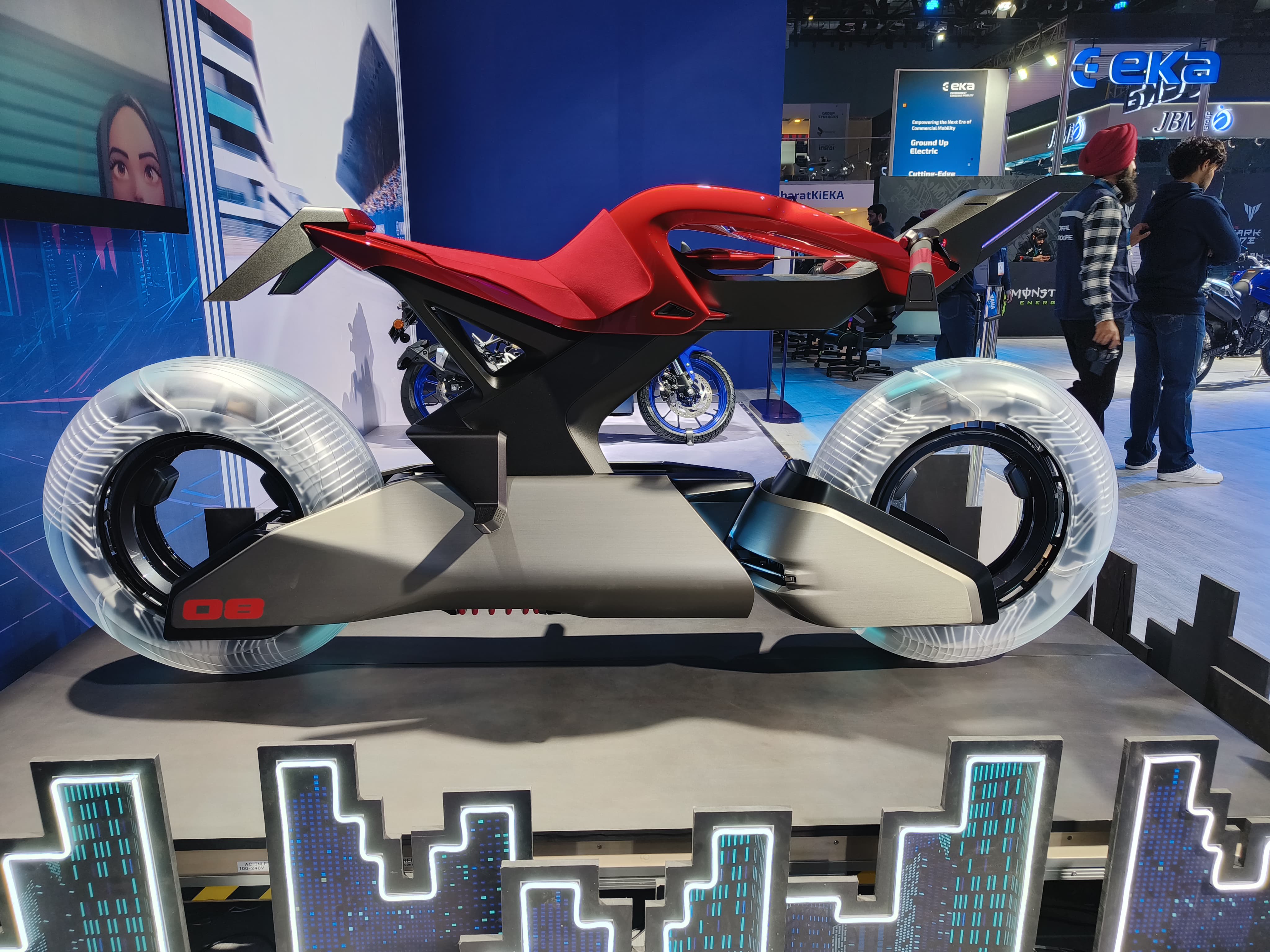
Here's a quick glimpse of Yamaha's pavilion at the Auto Expo 2025.
Auto Expo 2025: Who's missing it?
India Mobility Global Expo 2025 Major automobile brands that will be absent from Auto Expo 2025 include Audi, Jeep, Citroen and Nissan to name a few.
Auto Expo 2025: All updates live from ground zero
Auto Expo 2025: PM Narendra Modi inaugurates India Mobility Global Expo 2025
Prime Minister Narendra Modi inaugurated the India Mobility Global Expo 2025 at Bharat Mandapam in New Delhi. Auto Expo 2025 is being held at Bharat Mandapam in New Delhi. India Mobility Global Expo 2025 will be held from 17-22 January 2025 at three different venues: Bharat Mandapam and Yashobhoomi in New Delhi and India Expo Center & Mart, Greater Noida.
Auto Expo 2025: What to see at the BMW pavilion?
BMW Group India is all set to launch and showcase a number of cars and motorcycles at the auto expo, the Bharat Mobility Expo 2025, to be held at the Bharat Mandapam in New Delhi between January 17 and 22. Key cars and motorcycles worth seeing at the BMW pavilion are BMW X7, BMW 5 Series Long Wheelbase, BMW M5, BMW M4, BMW M2, BMW i7, new BMW , the new BMW S 1000 RR.
Auto Expo 2025: VinFast to enter Indian market
Bharat Mobility Global Expo 2025 Auto Expo 2025 will see the participation of an entirely new brand in the Indian passenger vehicle market. VinFast has already garnered a lot of attention globally and now it is all set to enter the Indian market. Established in 2017, VinFast is the first Vietnamese car brand to expand into global markets as well as the first to expand into the production of electric vehicles. The OEM will be showcasing the VF3, VF7 and VF9 electric cars at the expo.
Auto Expo 2025: Key participants to keep an eye on
India Mobility Global Expo 2025's Auto Expo 2025 will focus on electric mobility, sustainability, concept vehicles and advanced technologies. Among the major car manufacturers, Maruti Suzuki, Hyundai, Tata Motors, Mahindra, Porsche, Volkswagen, Skoda, Toyota, Mercedes-Benz, BMW, Vinfast, BYD, MG etc. will be in the headlines.
On the other hand, among two-wheeler manufacturers, leading brands like Suzuki, Hero MotoCorp, TVS Motor Company, Honda, Bajaj Auto, KTM etc. will showcase their products and concepts. Many electric two-wheeler manufacturers including Ola Electric, Ather Energy, Ultraviolette, Okinawa will be present there.
Auto Expo 2025: Key launches and unveilings to watch out for
Auto Expo 2025 will see some major vehicle launches, showcasing and premieres by automakers across various segments including passenger vehicles, two-wheelers, etc. Maruti will be among some of the leading passenger vehicles and two-wheelers to be showcased at the event. Suzuki E Vitara, Hyundai Creta Electric, Tata Sierra EV, VinFast VF7, VinFast VF9, BYD Celion 7, MG Cyberster, MG M9, MG 7 Trophy, New Skoda Octavia, Hero Zoom 125R, Hero Zoom 160R, TVS's new adventure motorcycle, Bajaj's second CNG motorcycle etc.
Auto Expo 2025: How to reach the venue
Auto Expo 2025 will be organized under the Bharat Mobility Global Expo 2025 and will be held at the Bharat Mandapam at Pragati Maidan, New Delhi. Bharat Mandapam will also host Tire Show, Battery Show, Mobility Tech, Steel Innovation and India Cycle Show. For visitors attending the Auto Expo at Bharat Mandapam, the Supreme Court Metro station (Blue Line) will be the closest and most walkable to the venue. The Blue Line Metro is connected to all other metro lines, allowing you to reach the venue from any end of Delhi NCR. Alternatively, you can take a cab or your personal vehicle to reach the venue. Buses are also available on this route.
Auto Expo 2025: Today's star boys!
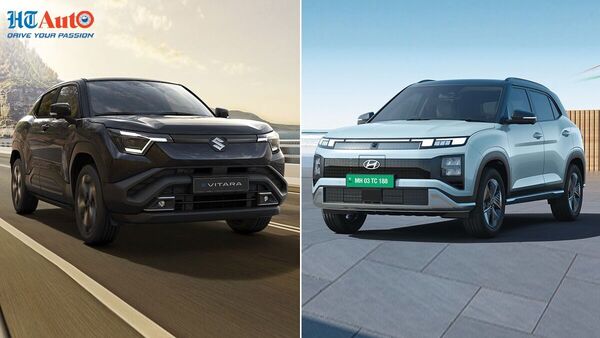
The country's largest car manufacturer is promising an electric war with the second largest car manufacturer. While the Maruti Suzuki E Vitara will be unveiled as the home debut in India, the Hyundai Creta EV will be launched soon. Both the electric SUVs will take on the likes of Tata Curve EV, Mahindra BE6 and others in a potentially interesting battle.
Maruti Suzuki E Vitara (left) and Hyundai Creta EV are the two biggest launches of Auto Expo 2025.
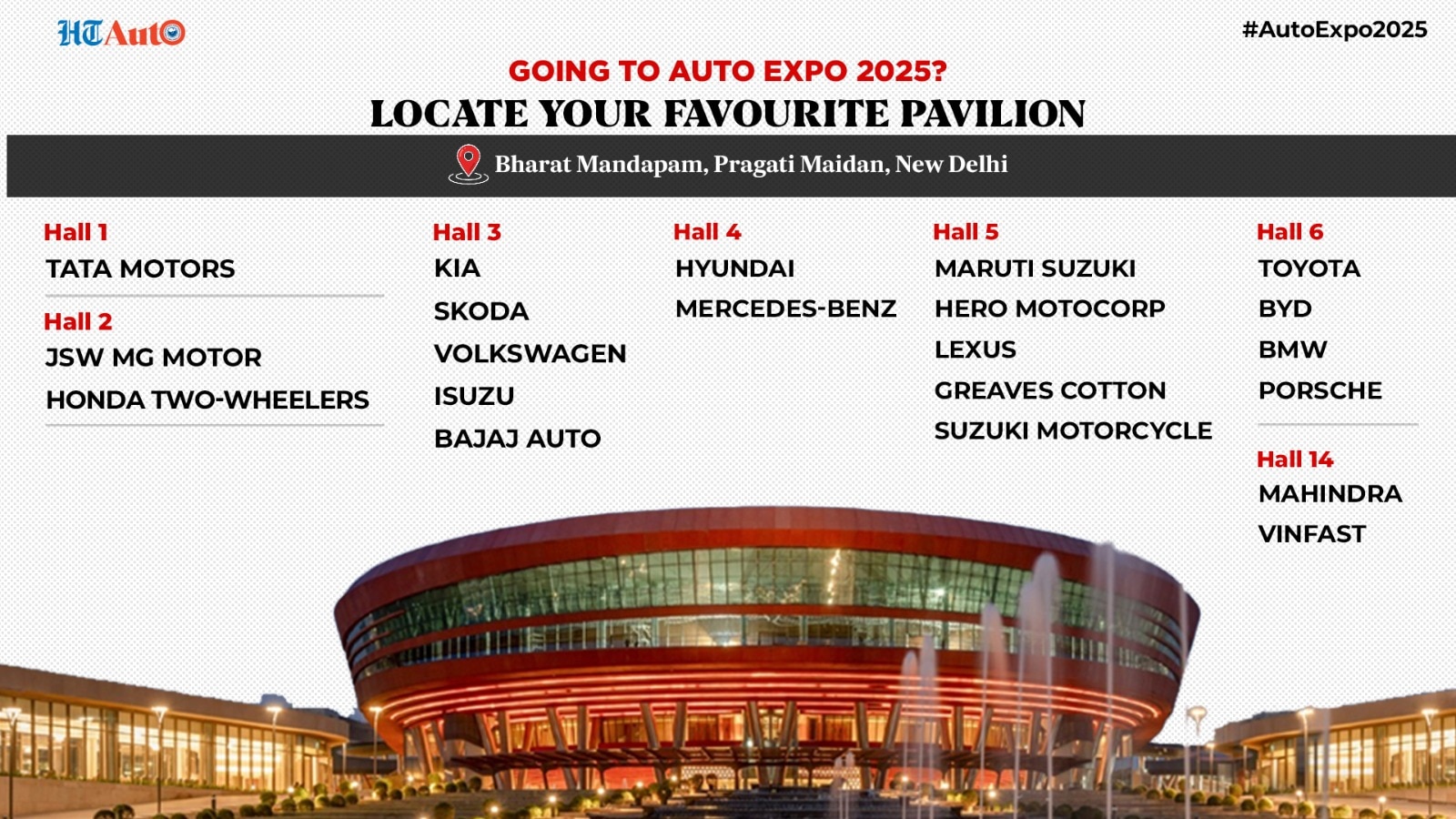
Auto Expo 2025: Finding your favorite brands just got easier
Here are all the manufacturers participating in Auto Expo 2025, and where to find each of them…
Auto Expo: A brief history of India's epic motoring show
Do you know that Auto Expo is a millennium? Yes, this event, which started in 1986, turns 39 years old this year. Organized as a biennial show in previous years, it was held at Pragati Maidan in Delhi until 2012. After this year, it moved to India Expo Mart in Greater Noida before returning to the renovated Pragati Maidan, now called Bharat Mandapam, in 2023.
Interestingly, the first Auto Expo was flagged off by the then Prime Minister Rajiv Gandhi and was held for nine days between January 3 and 11.
Auto Expo 2025 is the 17th edition of the show and it promises to be bigger and better than ever. And for the first time in a long time, entry to the event is free.
India Mobility Global Expo 2025 in numbers
Three place for each Three main events
Above 30 Vehicle manufacturers will gather at Bharat Mandapam
Overall, finish 800 OEMs participating in India Mobility Global Expo 2025
Bharat Mandapam, home of Auto Expo 2025, boasts of a built-up area 390,000 spread in square meters 123 Acre.
Yasobumi, home of the component show, is spread 200 Acre.
as many as 40 The new product is expected to be launched at the Auto Expo alone.
Prime Minister Narendra Modi to inaugurate India Mobility Global Expo
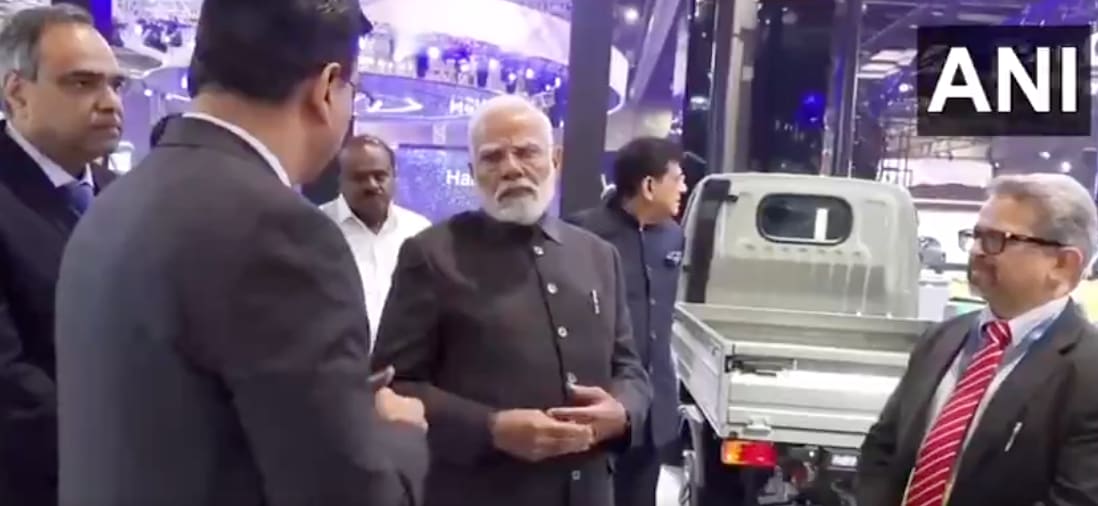
PM Modi will be at the Bharat Mandapam late today evening to inaugurate the Automotive Expo. It has also been confirmed that he will personally inspect many of the vehicles that have been showcased by the many manufacturers in attendance.
Read more here
Welcome to Auto Expo 2025
Hello and good morning, from New Delhi where the country's biggest automotive festival begins today. Team HT Auto is here at ground zero to bring you the latest from here. From grand launches to mega unveilings and much more, you won't want to miss any of the action.
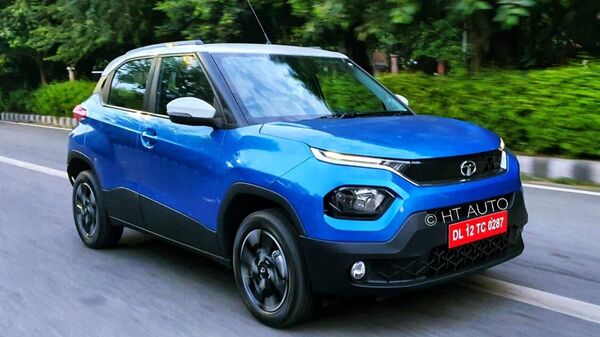
Tata Punch was the best selling car in India in 2024. The small SV sold 202,030 units in the country, which included both petrol-only, petrol-CNG and electric versions of the Tata Punch. This was the first time that a Tata car became the best-selling car in the country, overtaking Maruti Suzuki's popular models.
2/5
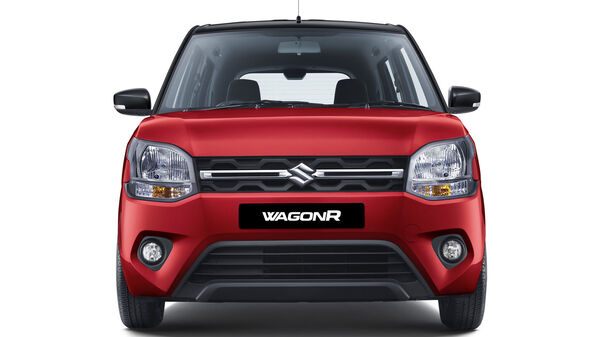
Maruti Suzuki WagonR was the second best selling car in India last year. The small hatchback sold 190,855 units in the country and was second only to the Tata Punch. Maruti Suzuki WagonR is available in petrol and petrol-CNG bi-fuel powertrain options. This hatchback is widely popular among private buyers as well as fleet operators.
3/5
Maruti Suzuki Ertiga is one of the brand's best-selling models and was the automaker's second bestseller in 2024. Not only this, the MPV became the third best selling car in India after Tata Punch and Maruti Suzuki WagonR. Its 190,091 units were sold. Like the WagonR, the Ertiga is also popular among private buyers as well as fleet operators. The MPV is available in both petrol SHVS and petrol-CNG powertrain options.
4/5
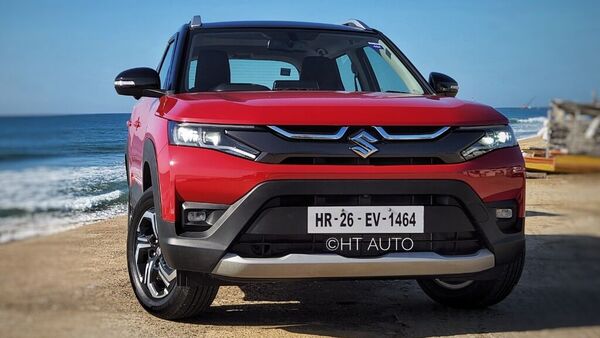
Maruti Suzuki Brezza is a very popular SUV in India. This sub-compact SUV competes with rivals like Tata Nexon, Hyundai Venue etc. The SUV is sold in petrol, petrol SHVS and petrol-CNG bi-fuel powertrain options. Maruti Suzuki Brezza was the fourth best selling car in India last year with 188,160 units sold.
5/5
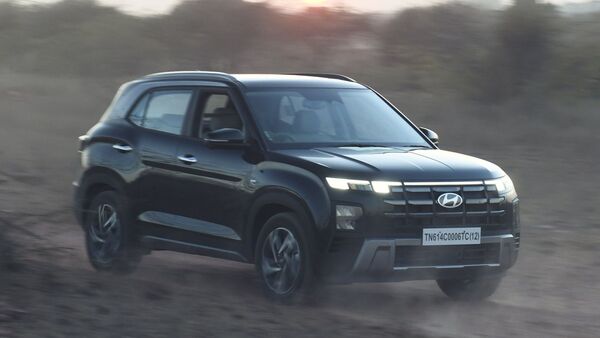
Hyundai Creta is another widely popular offering in the Indian passenger vehicle market. Recently, there has been a major change in this SUV, due to which its popularity has increased further. The Creta was the fifth best-selling car in India in 2024, with 186,619 units sold.
First publication date: 05 January 2025, 12:26 PM IST
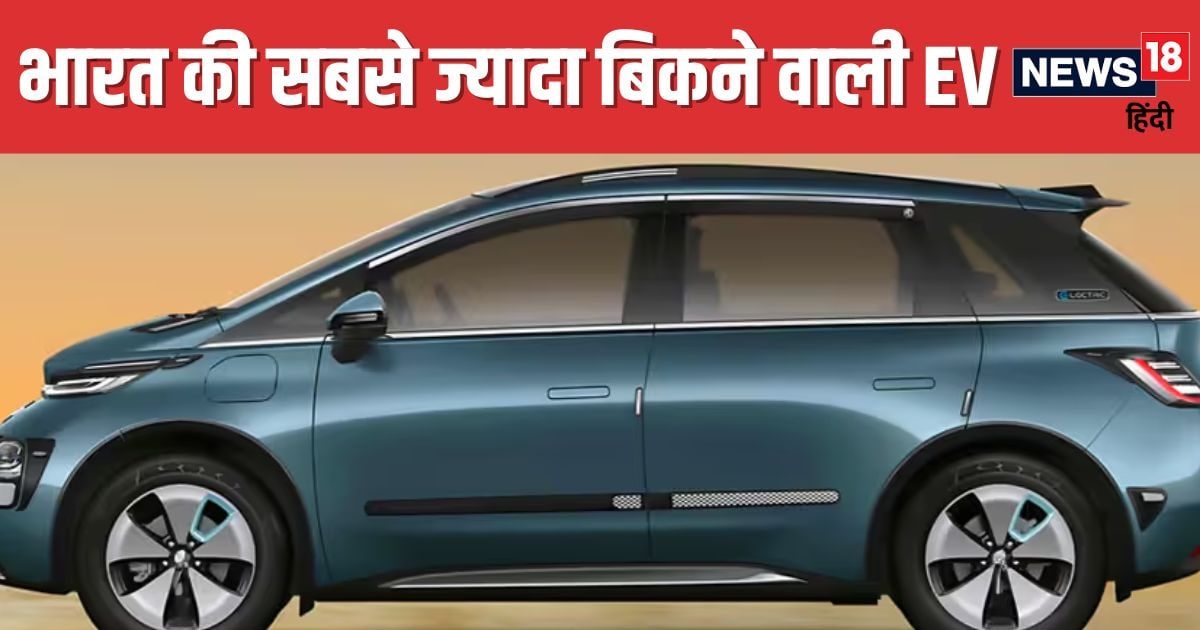
New Delhi. India's electric vehicle market is growing rapidly and the country's major car manufacturers, including Tata Motors, Hyundai and Mahindra & Mahindra, are competing to establish their dominance in the EV sector. However, you will be surprised to know that the best selling EV in the country is not from these companies. According to market data, MG Windsor EV October 2024 has sold the most electric vehicles in India for three consecutive months. During this period, more than 10,000 units have been sold. According to JSW MG Motor India, MG Windsor EV sold 3,785 units in December 2024.
The EV car maker said that its MG Windsor EV has sold 3,116 units in October and 3,144 units in November 2014. It remained the best selling car in the segment for three consecutive months, during which a total of 10,045 units were sold. Let us tell you that India's EV market is still developing and the share of electric vehicles in the total cars sold in the country is less than 3%.
Also read: This actress sent a Tesla truck as a gift on her best friend's birthday, how much does this truck cost, what are the features?
how much is the price According to the company, the price of MG Windsor EV ranges between Rs 13.50 lakh to Rs 15.50 lakh (ex-showroom). It gives a range of 332 kilometers (ARAI-certified) on a single charge. If the user chooses to purchase the unit under the Battery-as-a-Service (BaaS) model, the price of the car comes down to Rs 9.99 lakh + Rs 3.5 per kilometer as battery rent.
JSW also makes MG, Comet EV and ZS EV. The company launched MG Windsor EV in September 2024 and deliveries started in October. According to the carmaker, it sold a total of 7,516 units in December 2024, registering a growth of 55 percent year-on-year. The share of EV in this is more than 70 percent of the total car sales in these months.
MG Windsor EV is a mid-range electric car and currently has no direct rivals. But it faces tough competition in the budget EV segment, which includes low-cost cars like Tata Tiago EV, Tata Punch EV, Tata Nexon EV, Tata Curve EV, Mahindra XUV400 and Citroen e-C3.
By: HT Auto Desk , updated on: November 27, 2024, 11:17 am
Mahindra BE 6e is the latest entrant in the Indian electric car market along with Mahindra XEV 9e.
Mahindra BE 6E comes to challenge Tata Curve EV.
Mahindra launches BE 6e electric SUV in India at starting price ₹ 18.90 lakh (ex-showroom), which comes as the first EV from Born Electric, the domestic auto major's electric-only sub-brand. Initially available with a 59 kWh battery pack, the electric SUV will go on sale from January next year, with deliveries starting in late February or early March 2025. The Mahindra BE 6e was launched in the country along with the XEV 9e, which comes as the first car from Mahindra's other EV-sub brand XEV.
The Mahindra BE 6E is reviving the segment which has been seeing an influx of new cars for the past few years but in recent times, sales numbers have declined slightly in line with the global trend. However, with the new set of Mahindra EVs offering a ton of features and advanced technologies, the Indian market is expected to see a big boost in the electric car segment.
Also Read: Upcoming Cars in India
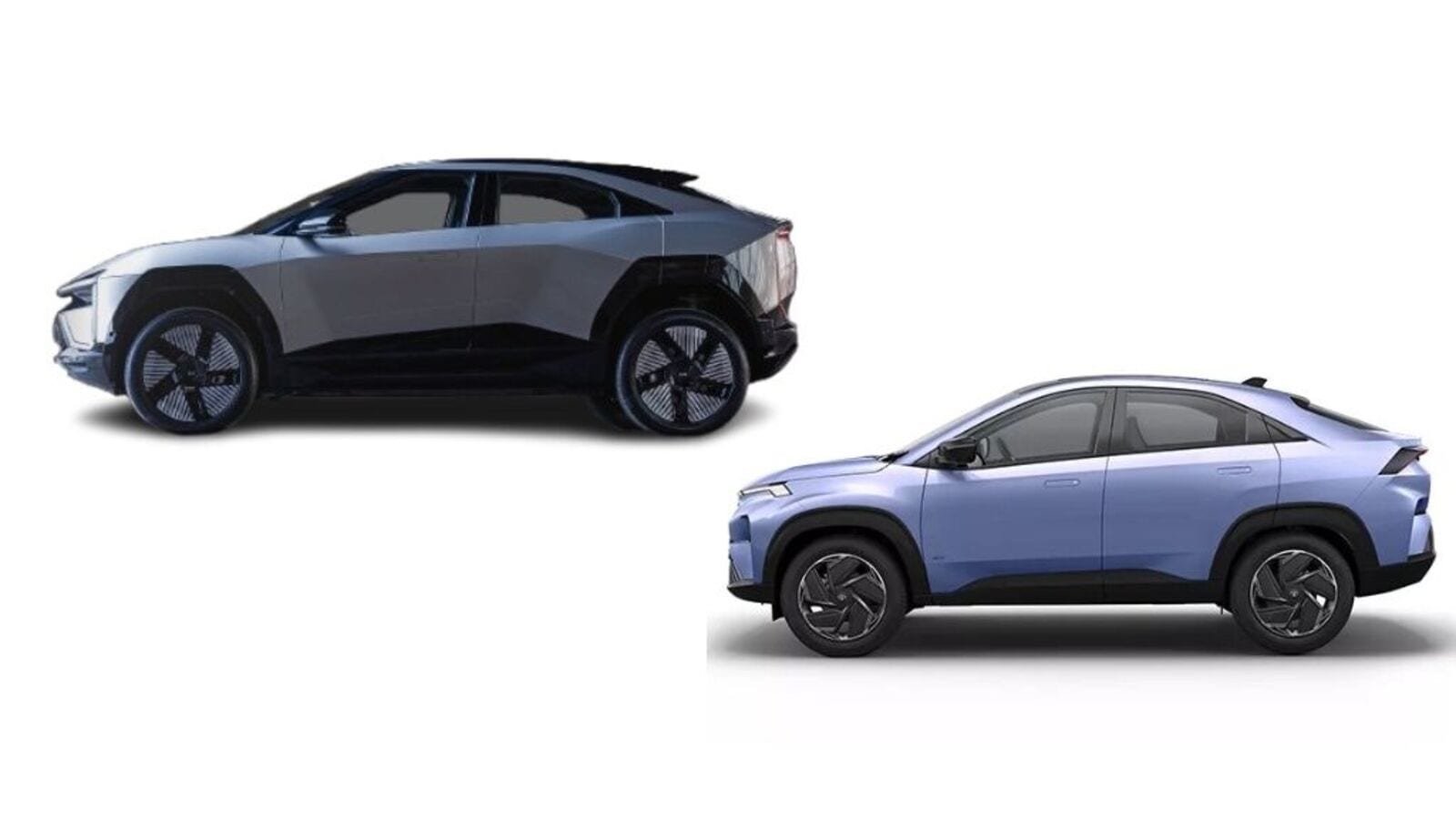
The Indian EV sector is currently led by Tata Motors with its fleet of electric cars, the latest entrant in that lineup is the Tata Curve EV. The Curve EV is expected to challenge the Mahindra BE 6E with its launch.
Here's a price and specification comparison between Mahindra BE 6e and Tata Curvvy EV.
Mahindra BE 6e vs Tata Curvvy EV: Price
Mahindra BE 6e has been launched at a price of Rs. Rs 18.90 lakh (ex-showroom). The automaker has launched only a 59 kWh battery pack variant of the electric SUV. More variants will be introduced at a later stage. Tata Curve EV is available in two different battery pack options. The price of this electric coupe SUV is between 17.49 lakh more Rs 21.99 lakh (ex-showroom). The base variant of Tata Curvvy EV is more affordable than Mahindra BE 6E.
Mahindra BE 6E vs Tata Curvvy EV: Specifications
Based on the INGLO platform, which is an EV-specific modular architecture, the Mahindra BE 6e gets two different battery pack options, a 59 kWh unit and a 79 kWh pack. While a 59 kWh battery pack has been launched, the automaker is planning to introduce variants equipped with a larger battery pack later. The 79 kWh battery pack promises a range of 550 km on a single charge. The electric powertrain installed in this SUV is capable of generating maximum power of 288 bhp and maximum torque of 380 Nm. Furthermore, it is capable of accelerating from 0-100 kmph in 6.7 seconds and has a fast charging function that allows 20-80 percent top-up in 20 minutes with a 175 kW fast charger.
The Tata Curvavi EV has two different battery pack options: a 45 kWh and a 55 kWh. Both the battery pack options come with an electric motor generating 165 bhp. The Curve EV equipped with a 55 kWh battery pack promises a certified range of 585 km on a single charge, while the 45 kWh battery pack variant promises a range of 425 km on a full charge. Tata Motors claims that the Curve EV will be able to charge enough to cover a distance of 150 km in 15 minutes. Tata Curve EV can accelerate from 0-100 kmph in 8.6 seconds and reach a top speed of 160 kmph.
Check out upcoming EV cars in India.
First publication date: 27 November 2024, 11:17 am IST
New Delhi. Now the demand for automatic transmission (AT) vehicles is increasing rapidly in the country. Despite expensive prices, people are now choosing automatic cars for more comfortable driving experience and better fuel efficiency. These vehicles, once considered luxury, now account for about 26% of the country's mass-market vehicle sales, whereas in 2020 this figure was only 16%. This information has come out from the data collected by Jato Dynamics. Due to increasing traffic in urban and metro cities, people are now turning towards such cars which can move easily in heavy traffic.
According to this data, one out of every three cars sold in the top 20 cities of the country is now with automatic transmission. However, they cost ₹60,000 to ₹2 lakh more than manual cars. Nevertheless, the increasing demand for automatic cars is closing this gap.
AT option in 83 models The availability of AT options in the market is increasing rapidly. Currently there are 83 models in which the option of automatic transmission is being offered. Major automobile manufacturing companies like Maruti Suzuki, Toyota, Tata Motors, Mahindra & Mahindra, Hyundai and Kia are promoting their AT models.
Honda's success and popularity of CVT Honda Motors, which offers advanced Continuously Variable Transmission (CVT) in its cars, has more than 50% of the company's total sales coming from automatic vehicles. According to Honda, about 60% of the company's cars are sold in CVT variants, because CVT transmission is not limited to only the top variants, but it is also available in the lower variants of all the models.
Honda's line-up includes models like Elevate, City, City e:HEV and Amaze. These automatic transmission cars are not only more fuel efficient, but they offer options ranging from affordable AMT to CVT and high-performance DCT.
Increasing popularity among buyers of every category The popularity of automatic transmission cars is increasing among people of every age and class. The main reasons for this are believed to be increasing urbanization, increasing income of people and increasing trend towards convenient driving. Car manufacturers are expecting this trend to increase further.
still dependent on imports Although demand for automatic transmissions has increased, Indian carmakers are still importing most of the automatic gearboxes. Due to this, the cost of automatic cars increases and by the time they reach the customers, cars with automatic gearbox become expensive. However, companies like Maruti Suzuki and Mahindra have localized AMT production, making automatic cars more accessible in the budget segment.
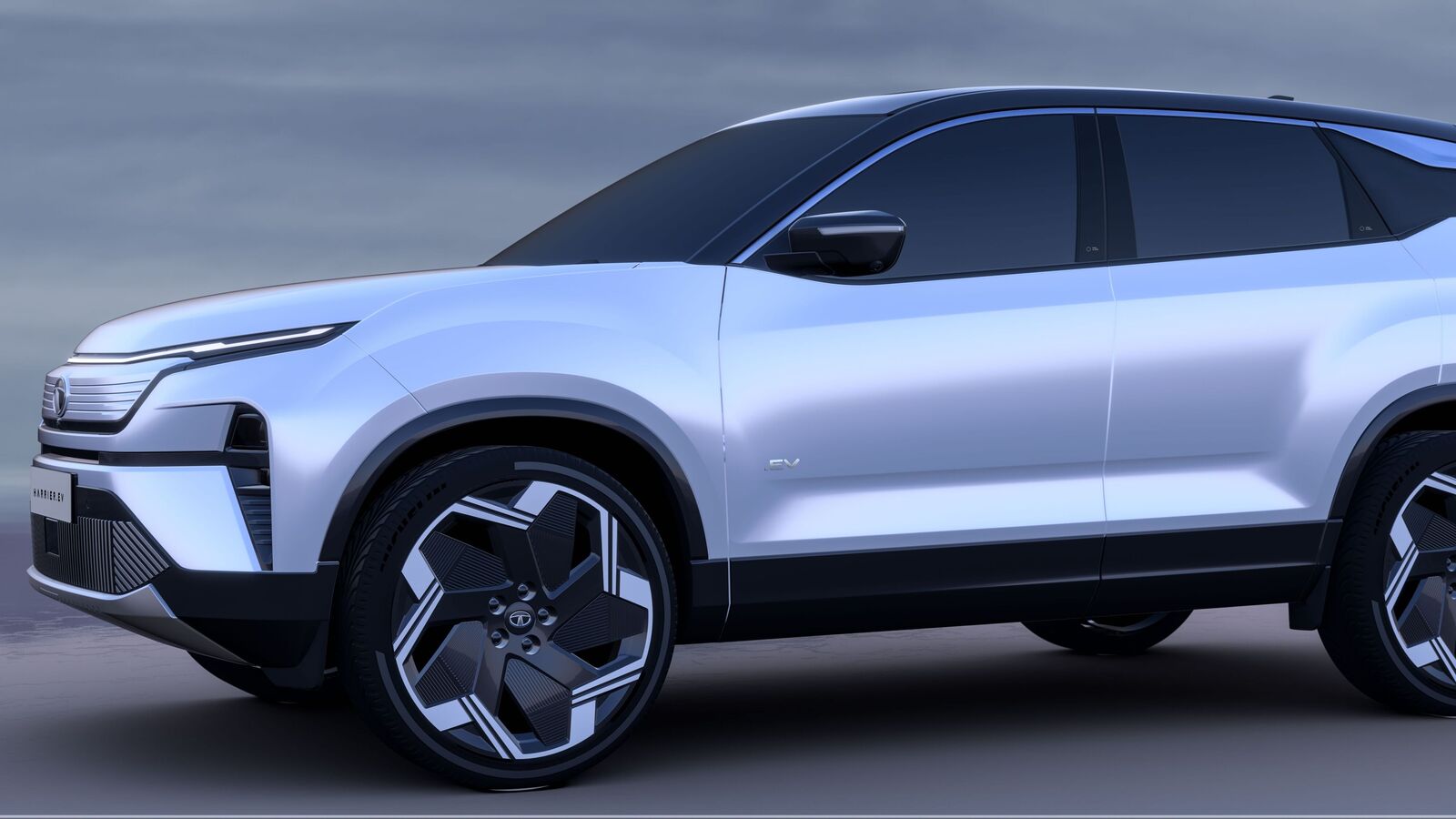
A leaked design patent from Tata Motors has revealed the Terrain Mode that could debut in its upcoming SUV. The patent image shows a rotary knob with seven different terrain modes which include snow, road, gravel, mud and other modes. Tata Motors is expected to start offering all-wheel drive or four-wheel drive with its electric SUV from the Harrier EV.
A month ago, big news came from the world of car manufacturing. Tamil Nadu Chief Minister Stalin had gone to America. There he met the leadership team of Ford Motors. Three years ago, during the Corona period, Ford had decided to withdraw its luggage from India. Now it was time to reverse this decision. Ford International Market President K Hart said that the company wants to reopen the Chennai plant. Wants to make cars there again which will be exported. When the company took the decision to close the Sanand and Chennai plants in Gujarat, it suffered a loss of two billion dollars. No company wants to face such a situation, but it was not expected that the condition of this American company would get so bad so soon. However, there was one person who understood this situation—Ratan Tata. At one point Ford tried to humiliate him at his headquarters. Salt to steel maker Ratan Tata is no longer with us today, but the business culture he nurtured will remain an icon.
truck to car journey
In 1991, Ratan Tata became the chairman of Tata Group. At that time Tata Motors was mainly known for manufacturing trucks. Tata Motors entered car manufacturing in 1998 and launched the Tata Indica at the end of the year. It was the first modern car designed by an Indian company. Ratan Tata worked very hard for this, but when the car came in the market, it did not live up to the expectations and his dream started falling apart.
Indica has seen the highest number of breakdown complaints on the roads of Delhi and Mumbai, especially during the rainy season. In 1999, Tata Group planned to close the car business. Ratan Tata was disappointed and considered it a big blow for himself.
Then Ford Motors proposed to buy the car business of Tata Motors. Ratan Tata and his team went to Ford's headquarters in Detroit, where they were humiliated in a three-hour meeting. Ford Chairman Bill Ford asked Ratan Tata, “When you had no experience in making cars, why did you take this childish step?” He said they would do him a favor by buying his car business. Hearing this, Ratan Tata was very hurt and that very night he gave up the idea of selling the car business and returned to Mumbai on the very next flight.
Bill Ford said to Ratan Tata, “When you had no experience in making cars, why did you take this childish step?” He said they would do him a favor by buying his car business. Ratan Tata was very hurt after hearing this and that very night he gave up the idea of selling the car business and returned to Mumbai on the very next flight.
Ratan Tata had decided that now he would teach Ford a lesson. In 2008, Tata Motors reached new heights of success, while Ford's situation was deteriorating. In the same year, Ratan Tata proposed to buy Ford's Jaguar and Land Rover brands. At that time Ford was incurring huge losses from these brands. When Bill Ford came to Mumbai, he said, “You are doing us a big favor.” Ratan Tata did not close these brands, but made them successful.
Today Jaguar and Land Rover are among the world's most popular car brands, and Tata Motors is a leading international car company. Ratan Tata's name will be taken among the most respected industrialists of the world. Not as arrogant as Bill Ford. The Tata Group donates 66 percent of its earnings to charity. Goodbye Ratan Novel Tata.
By: HT Auto Desk , updated on: 05 October 2024, 08:43 am
Here's a quick summary of all the important events that happened in the automobile industry on October 4.
2024 Nissan Magnite launched in India with cosmetic updates and feature additions.
The automotive field works at a fast pace, which can make it challenging to stay informed. However, HT is committed to providing timely updates on important developments within the auto industry. Below is a summary of the highlights from Wednesday, October 4.
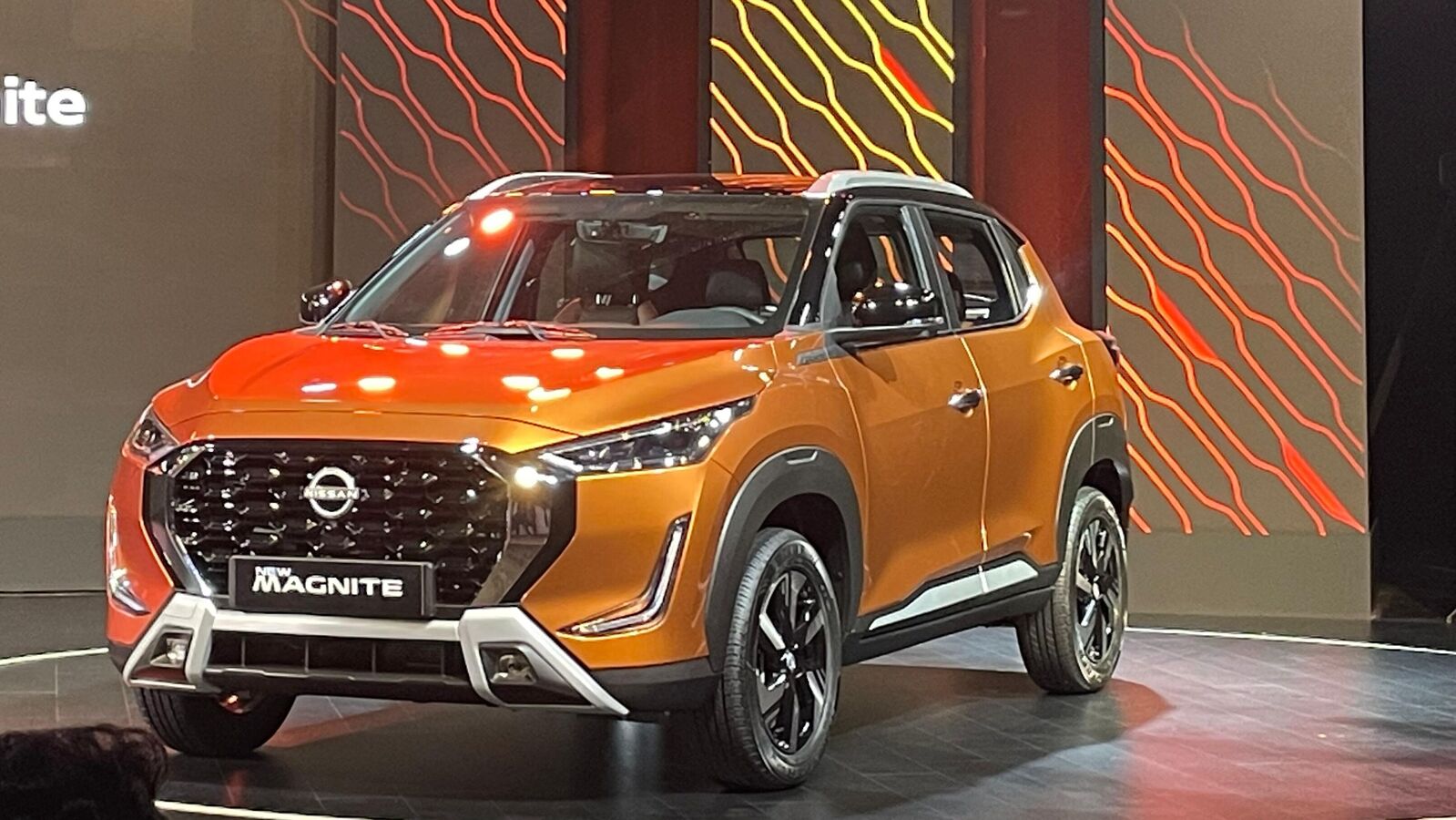
The 2024 Nissan Magnite gets a revised front bumper, new grille and updated alloy wheels. The interior includes all-leather treatment and new features. It retains the two petrol engine options and is aimed at boosting Nissan's market presence in India. Prices start at 5.99 lakh ex-showroom.
Tata Motors has re-launched a limited edition CAMO version of the Punch SUV, featuring dual-tone seaweed green exterior and updated features. at cost ₹ 8.45 lakh ex-showroom, it retains the same engine options and offers a five-star safety rating, competing with the Hyundai Xcent and Maruti Suzuki Swift.
(Read more: Tata brings back Punch Camo edition SUV for a limited period. Check out what's new)
Suzuki Motorcycle India launches GSX-8R 9.25 lakh ex-showroom, added to its 800 cc platform lineup. Competing with rivals like the Honda CBR650R, it features a 776 cc engine producing 82 bhp, advanced electronics and attractive styling with unique LED DRLs.
(Read More: Suzuki GSX-8R launched in India 9.25 lakh, will compete with Triumph Daytona 660)
BMW M4 CS launched in India
BMW M4 CS, Price Rs.1.89 crore ex-showroom, enhances track performance with better cooling, stiffer mounts and 542 bhp engine. It accelerates from 0-100 kmph in 3.4 seconds and has lightweight components for better handling.
(Read more: BMW M4 CS launched in India 1.89 crore)
Hyundai is offering discounts in October
Hyundai offers discounts up to Grand i10 Nios and Rs 58,000 Rs 55,000 off on i20 this October. Discounts are available on four models, including SUVs like Exeter and Venue, to boost sales amid a decline in the passenger vehicle segment.
(Read more: Exeter to Venue: Hyundai offers discounts of approx 80,000 on its cars in October)
Get information about upcoming cars in India, electric vehicles, upcoming bikes in India and cutting-edge technology that is changing the automotive landscape.
First publication date: 05 October 2024, 08:43 am IST
New Delhi. Tata Motors has introduced its updated Tata Punch in India. The feature list of this new compact SUV has been updated, which includes new features like 10.25-inch touchscreen and wireless phone charger. The company has added some new options to the variants of the Punch and has also discontinued some, although the design of its exteriors and interiors remains the same as before.
Its base variant is available for Rs 6.13 lakh ex-showroom, while the price of the top-spec trim has been reduced by about Rs 20,000 from Rs 10.20 lakh. Tata Motors is also offering a discount of up to Rs 18,000 on the car till October 31. The 2024 Tata Punch competes with cars like Hyundai Xcent, Citroen C3, Maruti Ignis, Nissan Magnite and Renault Kiger.
These new features were included The 2024 Tata Punch now features a 10.25-inch touchscreen instead of the 7-inch screen, along with a new center armrest. It includes a wireless phone charger, Type-C fast charger, rear AC vents and other features. The dashboard has a silver finish around the AC vents, while the fabric upholstery of the seats has been updated.
Apart from this, the new Tata Punch includes features like a 7-inch semi-digital instrument cluster, height adjustable driver seat, automatic AC and cruise control. It also has features like automatic headlamps, shark fin antenna, auto folding ORVM, LED DRLs, rain-sensing wipers, connected car technology and push button start-stop. Electric sunroof with voice command is also available in the top variant. For safety, it includes features like dual front airbags, ABS with EBD, electronic stability control and rear parking camera.
Variant lineup and colours The orange colour has been removed from the exteriors of the Tata Punch, while it is still available in the CNG version. Its variant lineup has also been updated.
Engine and Power There is no change in the engine in the updated Tata Punch. It has a 1.2 liter 3-cylinder bi-fuel petrol engine, which generates 86 bhp of power and 113 Nm of torque. In CNG mode, this engine gives 73.4 bhp and 103 Nm of torque. For transmission, it also has the option of a 5-speed manual gearbox and a 5-speed AMT gearbox with regular petrol variants.
By: HT Auto Desk , updated on: Sep 15, 2024, 08:45 am
View the latest and major updates from the Indian and global automotive industry.
View the latest and major updates from the Indian and global automotive industry.
HT Auto provides instant updates on important events happening in the automotive sector in India and around the world. In view of the many recent changes in the automotive industry, below is a brief account of the major developments that took place on Saturday, September 14.
New Volkswagen subcompact SUV teased ahead of debut
Volkswagen has released a teaser of a new subcompact SUV that will be the brand's new entry-level offering in the segment. Think of it as Volkswagen's rival to the Tata Nexon. However, the upcoming Volkswagen SUV codenamed 'A0' has been developed for the Latin American markets and will be first introduced in Brazil next year. If launched in India, the upcoming model will rival the Tata Nexon, Hyundai Venue, Kia Sonet and other similar cars.
Also read: Teaser of new Volkswagen subcompact SUV released, will compete with Tata Nexon
Mercedes-Benz EQS SUV to be launched in India on September 16
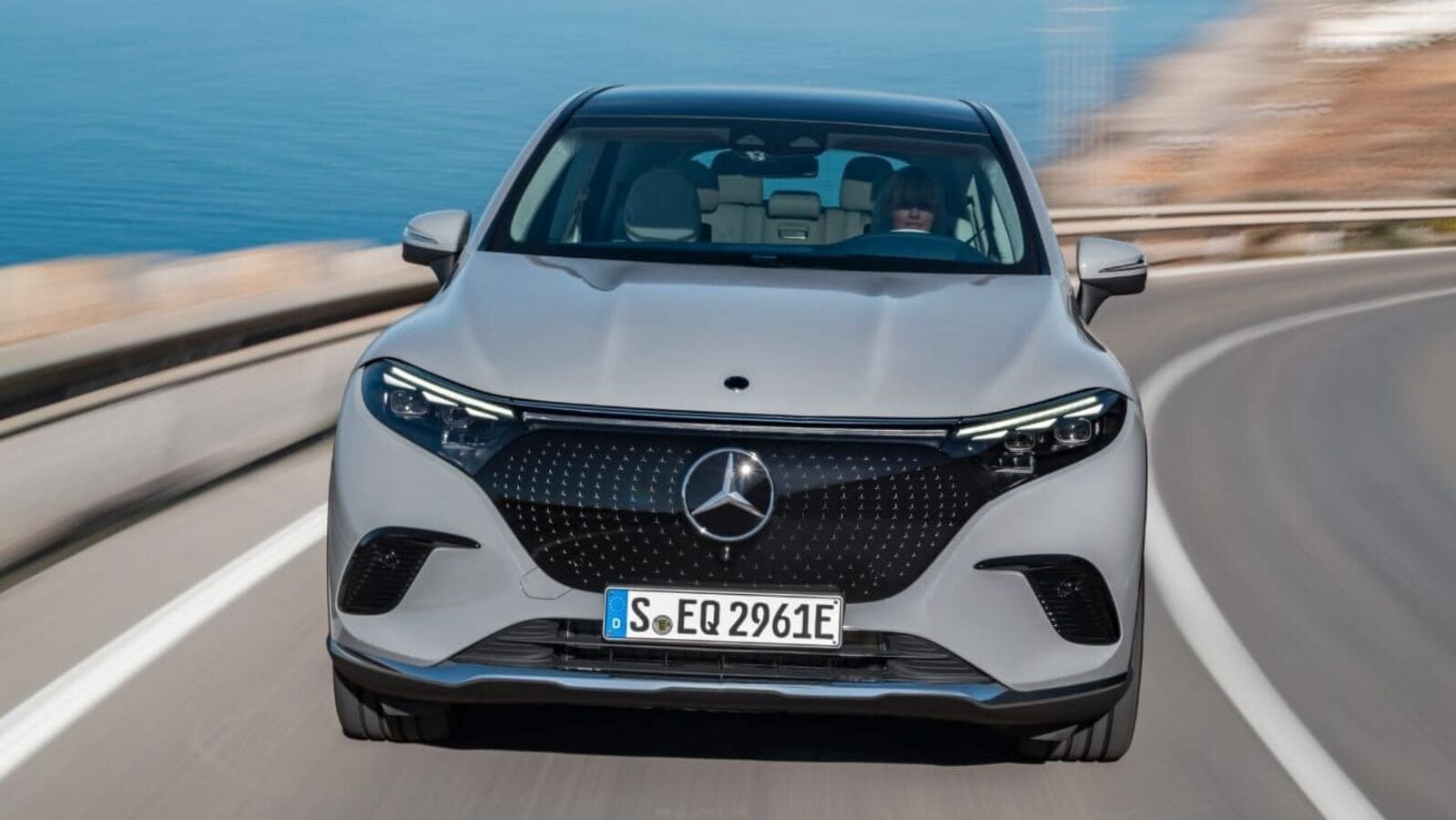
Mercedes-Benz India is all set to further expand its electric vehicle lineup with its next offering, the EQS electric SUV. The company recently introduced the Mercedes-Maybach EQS SUV in the country and has now confirmed the launch of the regular EQS electric SUV on September 16, 2024. This will be the automaker's sixth electric offering in India apart from the EQA, EQB, EQE SUV, EQS luxury sedan.
Also Read: Mercedes-Benz EQS electric luxury SUV to launch in India on September 16
Mahindra Thar Rocks Arrives At Dealerships, Bookings Open Unofficially
(Also read: Mahindra Thar Rocks arrives at dealerships, bookings unofficially open)
The new Mahindra Thar Rocks has started arriving at dealerships across India and bookings are open unofficially at select outlets. Test drives will begin from September 14. Price Priced at Rs 12.99 lakh (ex-showroom), the five-door version of the Thar offers two engine options, improved safety features and additional off-road technology.
Find out about upcoming cars in India, electric vehicles, upcoming bikes in India and cutting-edge technology that is changing the automotive landscape.
First Publication Date: Sep 15, 2024, 08:45 AM IST
Swift CNG Price: The country's leading car manufacturer Maruti Suzuki has finally launched its fourth generation Maruti Swift CNG in the Indian market. Earlier, the company had introduced its petrol variant, whose starting price was Rs 6.49 lakh. Now the company has also launched its CNG variant, whose ex-showroom price starts at Rs 8.20 lakh.
By: HT Auto Desk , updated on: 29 August 2024, 20:12 PM
The Hyundai Creta EV is one of the most awaited electric cars in India and is expected to debut at the 2025 India Mobility Expo in January next year.
,
The Hyundai Creta EV is one of the most awaited electric cars in India and is expected to debut at the 2025 India Mobility Expo in January next year.
The Hyundai Creta EV is one of the most awaited electric cars in India and is expected to debut at the 2025 India Mobility Expo in January next year.
The Hyundai Creta EV is one of the most awaited electric cars in India, and is expected to make its debut at the India Mobility Expo in January next year. Hyundai has already introduced the Kona Electric and Ioniq 5 electric cars in India. However, the Kona Electric could not achieve the desired sales numbers, while the Ioniq 5, being a premium offering, also did not bring in much numbers for the automaker. In this situation, the Hyundai Creta EV could be a crowd puller for the South Korean auto major.
The Hyundai Creta has been one of the most successful SUVs ever since it was launched in India. The automaker aims to capitalise on this successful SUV by bringing the electric Creta. Since the automaker is currently working on the Creta EV, here are some key details of the upcoming electric SUV.
Also read: Maruti EVX to Hyundai Creta EV: Five Tata Curve EV rivals you should wait for
Hyundai Creta EV: Design and platform
The Hyundai Creta EV will be built on a modified version of the K2 architecture. Interestingly, the current ICE-powered Hyundai Creta is based on the K2 platform. Taking inspiration from the design philosophy of the Hyundai Kona Electric, it can be expected that the upcoming Hyundai Creta EV will share a wide range of design elements with its ICE sibling. However, it will also have a fair number of distinctive styling bits.
Also Read: Upcoming Cars in India in 2024
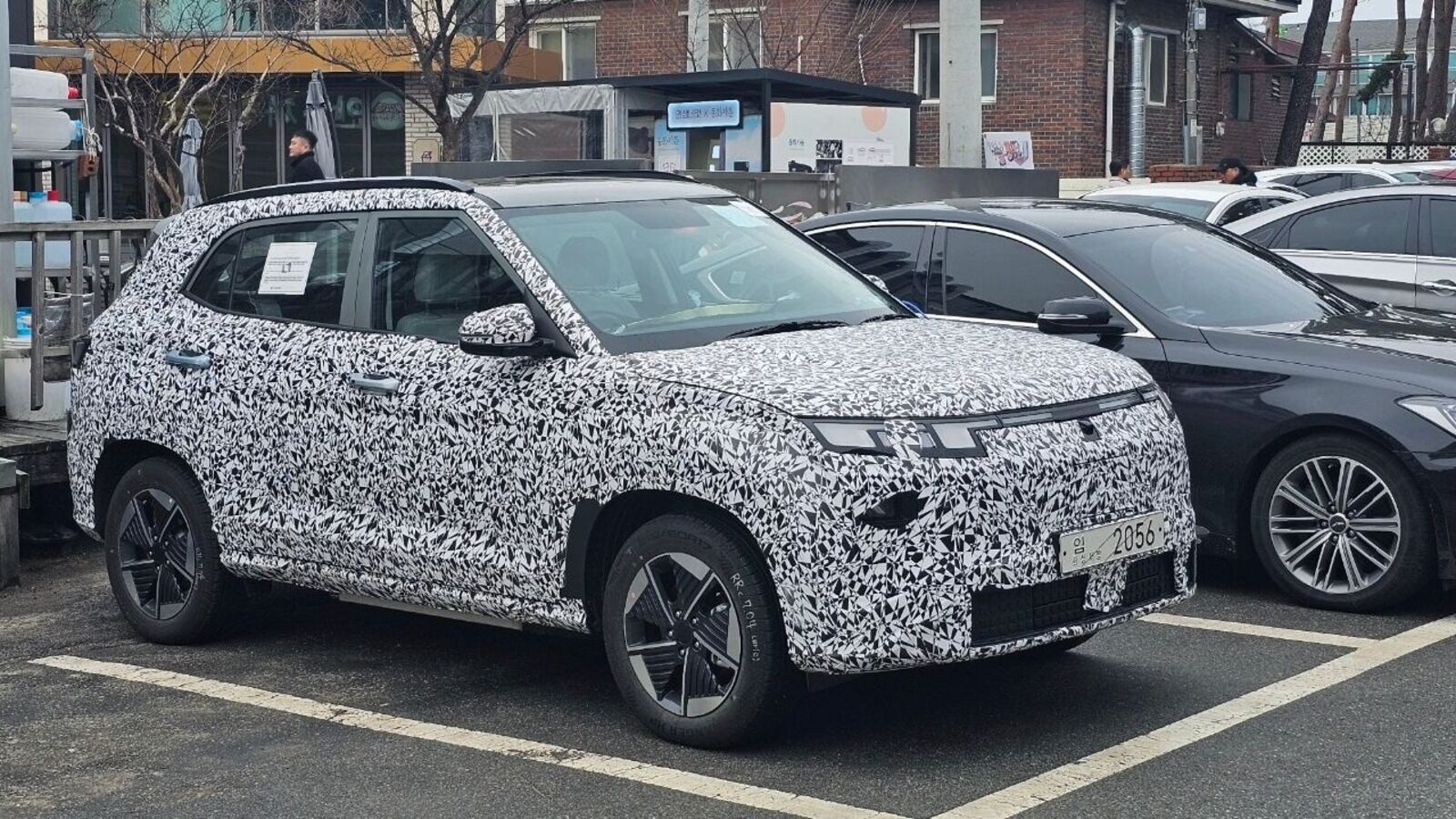
The Hyundai Creta EV will ditch the traditional front radiator grille in favour of a closed panel. There will be aero-alloy wheels to enhance aerodynamic efficiency, which plays a key role in ensuring optimum range for electric vehicles. Expect some distinctive EV-specific styling themes as well.
Watch: Hyundai Creta facelift review: Big step up for the SUV king
Hyundai Creta EV: Interior and Features
Given that Hyundai will position the Creta EV as an upmarket offering, the electric SUV will come with an interior that will carry the same vibe as the current ICE-propelled Creta. However, just like the exterior, it will have EV-specific styling features. The Hyundai Creta EV is expected to get a dual-screen setup combining a touchscreen infotainment system and instrument cluster. Other features will include a 360-degree surround view camera and a Level 2 ADAS suite.
Hyundai Creta EV: Powertrain
There is very little information about the powertrain and specifications of the upcoming Hyundai Creta EV at the moment. However, it is expected that the upcoming Creta EV will be available in two different battery pack options. Also, it will offer a range of up to 500 km on a single charge.
Launched in early August 2024, the Tata Curve EV is available with two battery pack options – a 45 kWh unit and a 55 kWh unit, promising a range of 502 km and 585 km, respectively. The Hyundai Creta EV is also expected to match these figures.
Take a look at the upcoming EV cars in India.
First Publication Date: 29 August 2024, 12:27 PM IST
By: Paarth Khatri | Updated on: 15 May 2024, 10:04 AM
Mahindra XUV 3XO is offered with three engine options and nine variants.
The Mahindra XUV 3XO comes with a new 6-speed automatic transmission.
Mahindra recently launched the XUV 3XO in the Indian market. It is essentially a heavily updated version of the XUV300. Now, the brand has opened bookings for the XUV 3XO online on the website and at authorised dealerships as well. Mahindra has also announced that they will be commencing deliveries of the sub-compact SUV from 26th May. Having said that, interested customers can already check out the XUV 3X0 at the nearby dealerships.
The XUV 3X0 will be offered with three engine options. There is a 1.2-litre turbo petrol engine, a 1.2-litre petrol engine with direct-injection and a 1.5-litre diesel engine. The direct-injection petrol engine puts out 128 bhp of max power and a peak torque output of 230 Nm. The turbo petrol produces 108 bhp and 200 Nm whereas the diesel engine puts out 115 bhp and 300 Nm.
As standard, all engines come mated to a 6-speed manual gearbox whereas the diesel engine also gets a 6-speed AMT. What’s new for the 3XO is the 6-speed torque converter automatic transmission that is now available on both petrol engines.
Mahindra is offering the XUV 3XO in nine variants. The prices start at ₹7.49 lakh and go up to ₹15.49 lakh. Both prices are ex-showroom. The main rivals of the XUV 3XO are the Kia Sonet, Tata Nexon, Maruti SuzukiBrezza, Hyundai Venue and the upcoming compact SUV from Skoda.
Watch: Mahindra XUV 3XO review: XUV300 reborn with more zeal and style? | Check – Price, Interior, Colours
Some of the highlights of the XUV 3XO are the panoramic sunroof which is the largest in the segment, there is a 360-degree parking camera, dual-zone climate control and auto hold with an electronic parking brake. Then there is the addition of Level 2 ADAS. The hardware is shared with the XUV700. Moreover, there are also three steering modes – Comfort, Normal and Sport.
By: HT Auto Desk | Updated on: 02 Apr 2024, 07:01 AM
Rapid surges in SUV sales have propelled the growth in rural market sales for all the carmakers in India, while demand for small cars has slumped sign
…
Rapid surges in SUV sales have propelled the growth in rural market sales for all the carmakers in India, while demand for small cars has slumped significantly.
Rapid surges in SUV sales have propelled the growth in rural market sales for all the carmakers in India, while demand for small cars has slumped significantly.
Rural India emerged as the driving force behind the record-breaking sales of passenger vehicle sales in FY24. After registering 41.2 lakh passenger vehicles in the CY23, now the Indian auto industry has sold 40 lakh PVs for the first time in a financial year in FY2024, reported Mint. Interestingly, this growth came despite the sliding numbers of hatchbacks, which conventionally remained the driving force behind the Indian passenger vehicle market as well as the rural PV sales.
The report has stated that in FY24, the Indian passenger vehicle market registered a total of 42.3 lakh units and one in every two cars sold in the country were SUVs. The overall passenger vehicle market in the country witnessed an 8.7 per cent year-on-year (YoY) growth over the 38.9 lakh cars sold in the previous financial year, which was another record for the Indian auto industry. Clearly, the sales of the passenger vehicles are on the momentum of creating incremental growth records over the last two financial years.
All OEMs register record rural sales
All the major car manufacturers in India reportedly witnessed all-time-high sales in rural markets in the last financial year. The demand and sales in the rural markets even overtook the urban markets, where the most preferred vehicles are SUVs.
Speaking on the rural demand and sales of Maruti Suzuki, the country’s most-selling passenger vehicle brand, Shashank Srivastava, executive committee member of Maruti Suzuki, said that sales for the OEM in the rural market were 7.87 lakh units, registering an 11 per cent YoY growth. He added that it was much better than the OEM’s urban market growth. “Rural sales of 7.87 lakh units this year, a growth of 11% year-on-year, have been much better than urban growth. Rural growth for the year is about 11% and urban growth is about 7%. And so, this is the highest-ever rural sales that we saw, which also should be a very good signal for the economy,” Srivastava said.
The second bestselling carmaker in India, Hyundai, attributed the rise in rural sales to multiple factors such as infrastructure development, increased access to information, and improved road quality across the country. Tarun Garg, Chief Operating Officer of Hyundai Motor India, said that rural sales for the OEM, for which SUVs account for more than 60 per cent of its total sales, reached a record 19.44 per cent in FY24, up from the previous year’s 18 per cent. This means that nearly one in every five Hyundai cars sold in India in FY24 were sold in rural areas. This signified a burgeoning consumer base beyond urban markets.
For homegrown auto major Tata Motors, rural sales contribute around 40 per cent to the OEM’s total sales. In the past five years, Tata Motors claims to have witnessed a five-times increase in rural market growth. The report quoted a Tata Motors spokesperson revealing that models like Tata Nexon, Punch and Tiago were the company’s highest-selling passenger vehicles in the rural markets in FY24. The OEM also attributed this sales surge to models like Punch CNG and Tiago EV.
What’s driving the surge in rural PV sales
The SUV segment in the Indian passenger vehicle market has been growing at a rapid pace over the last couple of years and it was no different in FY24. In the last fiscal, one in every two passenger vehicles sold in India, were SUVs, becoming the driving factor behind the overall PV sales growth as well as the rural market also. The segment reportedly registered its sharpest growth of 28 per cent in the last fiscal, while sales of hatchbacks or small cars accounted for 28 per cent of the total PV sales volume. The sales of hatchbacks witnessed a 12 per cent slump in the just concluded fiscal, compared to the FY23.
This comes as a major shift in trend. Earlier, the rural markets mostly preferred small cars at the entry level, but over the last couple of years that seems to have changed with aspirations of rural consumers also rising. Speaking on this, Shashank Srivastava said that the percentage sales of smaller cars is still higher in rural areas, but the overall segment construct of the markets is converging. Key factors such as rising rural incomes, higher internet penetration and connectivity are leading this change, Srivastava said. He also said the exponential growth in rural sales isn’t an isolated phenomenon, but a culmination of various factors fostering economic buoyancy in the countryside. “There seems to be a convergence in the segment choices of the rural and the urban consumers with a small lag of time,” the Maruti Suzuki official added.
By: HT Auto Desk | Updated on: 25 Feb 2024, 15:57 PM
Tata Motors’ key official Shailesh Chandra has hinted at impending price hikes for passenger vehicles in the coming months.
Tata Motors’ key official Shailesh Chandra has hinted at impending price hikes for passenger vehicles in the coming months.
Despite the rapidly rising demand for personal mobility and SUV-mania across the country, India’s passenger vehicle segment is likely to see less than five per cent growth in the next financial year, forecasted Tata Motors. Tata Motors Passenger Vehicles Managing Director Shailesh Chandra stated that India’s domestic passenger vehicle industry is likely to see moderate to less growth in the next fiscal starting in April 2024. However, the Tata Motors official believes electric vehicle sales in the country will grow despite the slow pace of EV charging infrastructure development.
Passenger vehicles to see sluggish growth
Chandra said that in FY23, the industry witnessed 25 per cent growth in the passenger vehicle segment, which is expected to become moderate in this financial year to about eight per cent. The Tata Motors official said that the industry is currently witnessing a high base effect and in the next financial year, there will be be slightly challenging situation for the segment. This challenging situation would result in the industry recording less than a five per cent growth rate in the next financial year, claimed Chandra during an analyst call.
Watch: 2023 Tata Safari review: Family SUV with bachelor spirit?
Passenger vehicles likely to be pricier
In the last few months, automakers in India have announced price hikes for their respective passenger vehicle models citing increasing production costs due to factors such as surging raw material costs, inflation etc. Chandra hinted that there would be more such price hikes in the next financial year, which would pose challenges to the growth of passenger vehicles.
Citing various challenges for the growth of passenger vehicles in India, Chandra noted that while commodity prices have been stable in the past quarter or so, there is a risk that prices may go up going forward. He hinted that costs of crucial raw materials are going up, which may impact the prices of passenger vehicles negatively in the coming months.
Watch: 2023 Tata Nexon EV facelift first drive review: Best-seller gets even better?
Electric vehicles to continue growing
Tata Motors is spearheading the democratisation of electric vehicles in India’s passenger vehicles segment. The homegrown OEM is leading the Indian electric car segment with more than 80 per cent market share. In the last few years, the segment has witnessed rapid growth thanks to various factors such as rising costs of petrol and diesel, narrowing price gap between electric and fossil fuel vehicles, availability of various government subsidies and incentives for EVs, tightening emission norms, growing awareness about environmental pollution and vehicular emissions’ impact on that, the launch of new electric cars etc. Tata Motors believes this growth momentum will continue in the next financial year as well.
Chandra said that in 2023, while the overall passenger vehicle industry grew eight per cent on a year-on-year basis compared to 2022, electric vehicle sales surged by 95-100 per cent YoY compared to the previous year. “I think this trend is likely to continue. So companies with stronger portfolios in CNG and EVs will grow,” Chandra said.
Watch: Tata Altroz iCNG: First Drive Review
Interestingly, this growth projection comes despite the sluggish pace of growth for the electric vehicle charging infrastructure, which is considered a key factor for the growth of electric vehicle sales. “As far as EVs are concerned, I think the biggest challenge here is the pace at which the charging infra is growing. It is lagging behind the pace at which the EV adoption is happening,” Chandra noted further adding, “Given that the charging infra is crucial to the growth and expansion of EV market, we have gone for an open collaboration approach with all charge point operators as well as the oil marketing companies who are focusing on expansion of charging infra.”
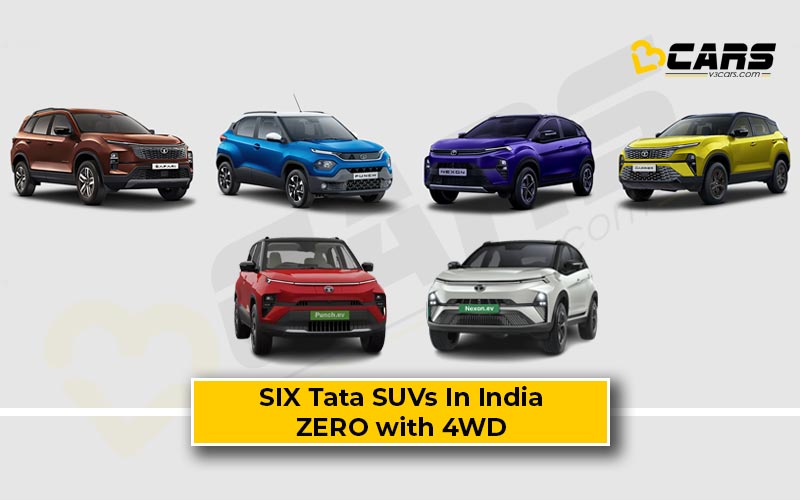
The following table lists out the number of SUVs (or SUV-like cars) in a manufacturer’s Indian portfolio along with the number of SUVs with 4WD:
INDIAN SUV MANUFACTURERS WITH 4WD
Manufacturer
# 4WD Vehicles
Total SUVs*
Mahindra
4
8
Maruti Suzuki
2
7
Hyundai
1
5
MG
1
5
Toyota
4
5
Jeep
4
4
Kia
1
2
Skoda
1
2
Volkswagen
1
2
BRANDS WITHOUT 4WD
Tata
0
6
Citroen
0
4
Renault
0
2
Honda
0
1
Nissan
0
1
BYD
0
1
*SUV here is meant to represent cars that are trying to capitalise on the SUV body style craze
Now, let’s look at each manufacturer one by one.
Mahindra — 4/8 SUVs With 4WD (50% Coverage)
Mahindra have the largest number of 4WD cars in their portfolio and Jeep are the only mass market carmaker matching them in this regard. And if you factor in the Scorpio Classic and the Bolero, both of which earlier had a 4WD option, then the count goes up to 6 vehicles for a 75% coverage.
They are cashing in on this SUV craze with the largest number of SUVs on offer. The Thar perfectly sets the stage for the rest of their SUVs to borrow the rugged, go-anywhere personality. Then, having an option of 4WD in 4 of their vehicles makes it worth a look for buyers who absolutely need that capability.
MAHINDRA SUVS
SUVs*
4WD Option
XUV300
❌
XUV400
❌
Thar
✔
Scorpio Classic
❌ (4WD Discontinued)
Scorpio N
✔
XUV700
✔
Bolero
❌ (4WD Discontinued)
Bolero Camper
✔ (Surprised?)
Bolero Neo
❌
Total: 8
4WD: 4/8
Maruti Suzuki — 2/7 SUVs With 4WD (29% Coverage)
Maruti Suzuki are the next in line with 7 SUVs. The Jimny is their halo off-roader but even the Grand Vitara has the option of 4WD with a manual transmission. We’re pretty confident that it is a made-to-order kind of a variant with very limited production because of the scarce demand. But, having that option in the variant lineup helps the Vitara earn that SUV tag. This further spills into their lineup and it’s supposed to help them sell more vehicles with this SUV styling.
While you may laugh at someone expecting 4WD capabilities from a small car like the Ignis, it’s worth noting the Ignis does get the 4WD option in some international markets. So, it has more of those SUV genes in it than other mini SUVs like the Punch, Exter and the now-discontinued KUV100.
MARUTI SUZUKI SUVS
SUVs*
4WD Option
S-Presso
❌
Ignis
No (Not in India)
Fronx
❌
Brezza
❌
Jimny
✔
Grand Vitara
✔
Invicto
❌
Total: 7
4WD: 2/7
Hyundai — 1/5 SUVs With 4WD (20% Coverage)
After the addition of the Exter, Hyundai have 5 SUVs in their Indian portfolio. Only one of these has the option of 4WD. Even though they don’t sell the Tucson in large volumes, having it around gives the other SUVs in their portfolio that SUV character. After all, that’s what the buyers are buying into. And for a leading SUVs seller, the cost of having the Tucson in India is worth it, even if its numbers don’t add up to justify that investment.
HYUNDAI SUVS
SUVs*
4WD Option
Exter
❌
Venue
❌
Creta
❌
Alcazar
❌
Tucson
✔
Total: 5
4WD: 1/5
MG — 1/5 SUVs With 4WD (20% Coverage)
Counting the Hector and Hector Plus as 2 separate SUVs and similarly, considering Astor and ZS as 2 distinct SUVs, we end up with 5 SUVs in MG’s portfolio. While the number of vehicles with 4WD option still remains 1 — exclusive to Gloster — the others still at least have a true SUV to look up to. The 20% overall coverage of 4WD in MG’s SUV portfolio is the same as that of Hyundai.
MG MOTOR SUVS
SUVs*
4WD Option
Astor
❌
Hector
❌
Hector Plus
❌
ZS
❌
Gloster
✔
Total: 5
4WD: 1/5
Toyota — 4/5 SUVs With 4WD (80% Coverage)
Toyota have 5 SUVs (or SUV-like vehicles) in India and 4 of them have the option of 4WD. Even if you ignore the ultra luxury Land Cruiser, they have a 75% coverage of 4WD in their SUV portfolio. In fact, the only car without 4WD is something most people would call an MPV as it borrows the Innova name plate. But, if Maruti Suzuki can dare to call the XL6 an SUV, then the Hycross certainly deserves the SUV tag in my books.
TOYOTA SUVS
SUVs*
4WD Option
Hyryder
✔
Hilux
✔
Fortuner
✔
Hycross
❌
Land Cruiser
✔
Total: 5
4WD: 4/5
Jeep — 4/4 SUVs With 4WD (100% Coverage)
True to their SUV DNA, Jeep are the only SUV manufacturer offering the option of 4WD with every vehicle they sell in India. 4 out of 4 — 100% 4WD coverage and a perfect score. The commitment to making SUVs doesn’t reflect as strongly as in Jeep’s India portfolio.
JEEP SUVS
SUVs*
4WD Option
Compass
✔
Meridian
✔
Wrangler
✔ (Duh!!)
Grand Cherokee
✔
Total: 4
4WD: 4/4
Kia — 1/2 SUVs With 4WD (50% Coverage)
Now, Kia are a tricky one. They have 2 SUVs and 1 electric car in the portfolio with 4WD but it’s not an SUV. Their halo product, the imported EV6 electric, has rear-wheel drive and all-wheel drive options. So, I’d say, they’re still doing much better than the carmakers selling SUVs without showing any expertise with 4WD in India.
KIA SUVS
SUVs*
4WD Option
Sonet
❌
Seltos
❌
EV6 (Not SUV)
✔
Skoda, Volkswagen — 1/2 SUV With 4WD (50% Coverage)
I’m merging Skoda and Volkswagen into one heading as they’re not only part of the same VW Group of companies, but also because their scores are identical. They both have 2 SUVs in their Indian lineup — one for the mass market buyers and one for an elite group of buyers, who, might I add, are an extremely sensible bunch.
This group of buyers sees VW and Skoda’s expensive cars from a different angle. They’re like affordable luxury cars without the premium badge on the nose and an accompanying inflated price tag. From their angle, they aren’t buying expensive cars from mass market brands but luxury cars without the baggage tagging along.
SKODA SUVS
SUVs*
4WD Option
Kushaq
❌
Kodiaq
✔
VOLKSWAGEN SUVS
SUVs*
4WD Option
Taigun
❌
Tiguan
✔
With that little off-topic nugget, let’s come back to the question at hand. They both have one 4WD SUV in their portfolio and one without. That’s a good 4WD coverage considering that they only have 2 SUVs each in India. The presence of the more expensive, larger SUV here lends the smaller one some of that SUV vibe.
Brands WIthout 4WD in Portfolio
Among car manufacturers that don’t have 4WD in any of their vehicles, we have Citroen (4 SUVs), Renault (2 SUVs) and Honda, Nissan, BYD with 1 SUV each.
Here, Citroen have the highest number of SUVs but no 4WD option. However, considering their limited reach in the country (in terms of sales and service outlets) and their age in the Indian market, it’s easy to digest the lack of 4WD cars. The rest of the brands have too few SUVs in their portfolio and not enough volumes to justify having a 4WD in the portfolio.
If we count the XUV300 and XUV400 as two separate vehicles, the Astor and the ZS as two separate vehicles, then the Punch-Punch EV and Nexon-Nexon EV should also be considered as distinct vehicles.
TATA SUVs
SUVs*
4WD Option
Punch
❌
Punch EV
❌
Nexon
❌
Nexon EV
❌
Harrier
❌
Safari
❌
Total: 6
4WD: 0/6
With that assumption, Tata Motors end up with a staggering 6 SUVs in their portfolio. NONE of these SUVs have the option of 4WD. They are also preparing the Curvv or Frest for launch in the near future. This is an SUV based on the Nexon’s platform and it’ll compete with the Creta, Seltos, Grand Vitara and other SUVs from the C-segment. Since the Nexon itself only has a front-wheel drive powertrain option, it’s safe to assume that the Curvv/Frest will also support only a front-wheel drivetrain with a petrol/diesel engine.
Thus, soon, they will have 7 SUVs in their portfolio and none of them will have the 4WD or AWD option. This is a startling fact about a major SUV manufacturer in India as they don’t have the 4WD in the portfolio to demonstrate their capabilities. It puts me in a difficult position when I have to refer to their products as SUVs, when literally all of them are nothing more than glorified, oversized hatchbacks.
They don’t have a halo product in the lineup with 4WD to lend the SUV vibe to the rest of their crossovers. While I don’t expect them to have a 100% coverage for 4WD like Jeep (all vehicles have 4WD option), at least having one is not an unreasonable expectation. It becomes even more difficult to digest when you look at Skoda, Volkswagen and Kia. All of these 3 carmakers have at least 1 vehicle with 4WD in their Indian portfolio even though they only have 2 SUVs in their portfolio.
Author’s Conclusion
I sometimes wonder how we went from this:
to:
One of them is about reclaiming your life. With a 4-wheel drive, you probably could do things they didn’t even show in the video. The first ad encourages you to go outdoors and get dirty.
The other one is about indulging in luxuries…which is good too but on a different plane — and — when the features work as intended. Even if they do, the ad feels like it’s pushing you towards laziness as they demonstrate the ability to open the tailgate without using your hands. Now, I wouldn’t mind this with the Harrier, which doesn’t have a reputation to live up to. But in the Safari ad, with the tagline “Reclaim your life”, it feels totally out of sync.
While the old ad only teases a small part of what the car is capable of, the new one pretty much sums up its capabilities. Even in the real world, the Safari is not capable of doing anything the Kia Sonet diesel can’t. In fact, the Sonet diesel does a few things better than the Safari while costing several lakhs less. Once you go into deeper analysis, you’ll find out that the Sonet offers more features. Moreover, the features in Kia cars have a much higher probability that they will work as intended during the ownership.
Am I the only one feeling like the Tata SUVs these days no longer represent what they used to?
By: Sameer Fayaz Contractor | Updated on: 12 Jan 2024, 20:01 PM
The new Tata Punch EV takes things up a notch from its petrol-powered sibling and is based on the second-generation ActivEV platform promising about 3
…
The new Tata Punch EV takes things up a notch from its petrol-powered sibling and is based on the second-generation ActivEV platform promising about 300 km of range.
The Tata Punch EV will go on sale on January 17 and prices are expected to be between ₹11-14 lakh (ex-showroom)
Tata Motors has confirmed the Punch EV is all set to go on sale on January 17, 2024. The Tata Punch EV was unveiled earlier this month and the model will be the brand’s most affordable electric SUV. The new Tata Punch EV takes things up a notch from its petrol-powered sibling and is based on the second-generation Pure EV platform called ActivEV. Pre-bookings for the new Punch EV are already open for a token of ₹21,000.
Tata Punch EV: Styling
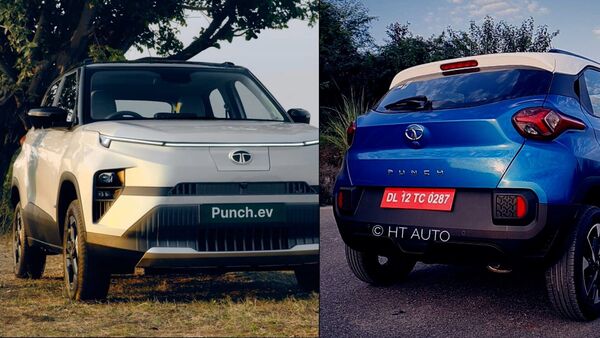
The Tata Punch EV looks different from its petrol counterpart getting styling updates as seen on the Nexon EV facelift as well as the Curvv concept. The connected LED DRLs at the front, closed-off grille, slim LED headlamps, all are intended to bring the model in line with Tata’s electric SUV family. The design theme will also be prevalent on the upcoming Harrier EV slated for launch later this year. Other notable changes include new aero alloy wheels, while the rear remains identical with the addition of the new dual-tone bumper.
The Tata Punch EV is expected to get several segment-first features including upgrades over the petrol-powered Punch
Tata Punch EV: Features
The cabin remains under wraps for now but the Punch EV is expected to get the 10.25-inch touchscreen infotainment system from the Nexon EV facelift. It will also get the new UI, the two-spoke steering wheel with the illuminated Tata logo, a rotary drive selector and more. Expect the model to come with a new control panel for the HVAC unit.
On the feature front, the Punch EV is likely to get a 360-degree camera, leatherette seats with ventilation, electronic parking brake with auto hold, wireless charging, connected car tech, cruise control, a sunroof and more. Tata is also likely to bring the Arcade.ev app to the infotainment system allowing users to download interactive applications.
Tata Punch EV: Range
Built on the second-gen platform, the new Tata Punch EV will be available in standard and long-range versions. Specifications are yet to be revealed but expect to see 25 kWh and 35 kWh battery packs. Charging options will include a 3.3 kW on the standard and a 7.2 kW AC charger on the long-range model. Expect the long-range version to offer a range of about 300 km on a single charge. Tata says the new battery packs will be wider and will come with higher-density cells promising to improve efficiency by 10 per cent.
Also Watch: 2023 Tata Nexon EV facelift first drive review: Best-seller gets even better?
More details on the Tata Punch EV will be available on January 17. Deliveries should begin soon after the launch. The electric SUV will be sold via Tata’s new EV-only dealerships. Expect prices to be in the vicinity of ₹11-14 lakh (ex-showroom) and the Punch EV will primarily take on the Citroen E-C3 in the segment.
On a fine October morning in Delhi recently, I got to spend an entire day with the Tata Punch to figure out all the answers and assess what this new sub-compact SUV has on offer. A punchy name, after all, is just a name and the real proof of its capabilities lies out in the open world.
Read on for the extensive first-drive review of Tata Punch.
Tata Punch: Exterior
Tata Punch is being offered in four variants, or personas as Tata Motors likes to call these. Much of the details highlighted here would depend on which variant or persona one opts for. There is the base which is called Pure, followed by Adventure, Accomplished and the top-end Creative. It is a clever marketing strategy because even if you opt for the base model, all you have to say is “I bought the Punch in Pure persona”. Fancy!
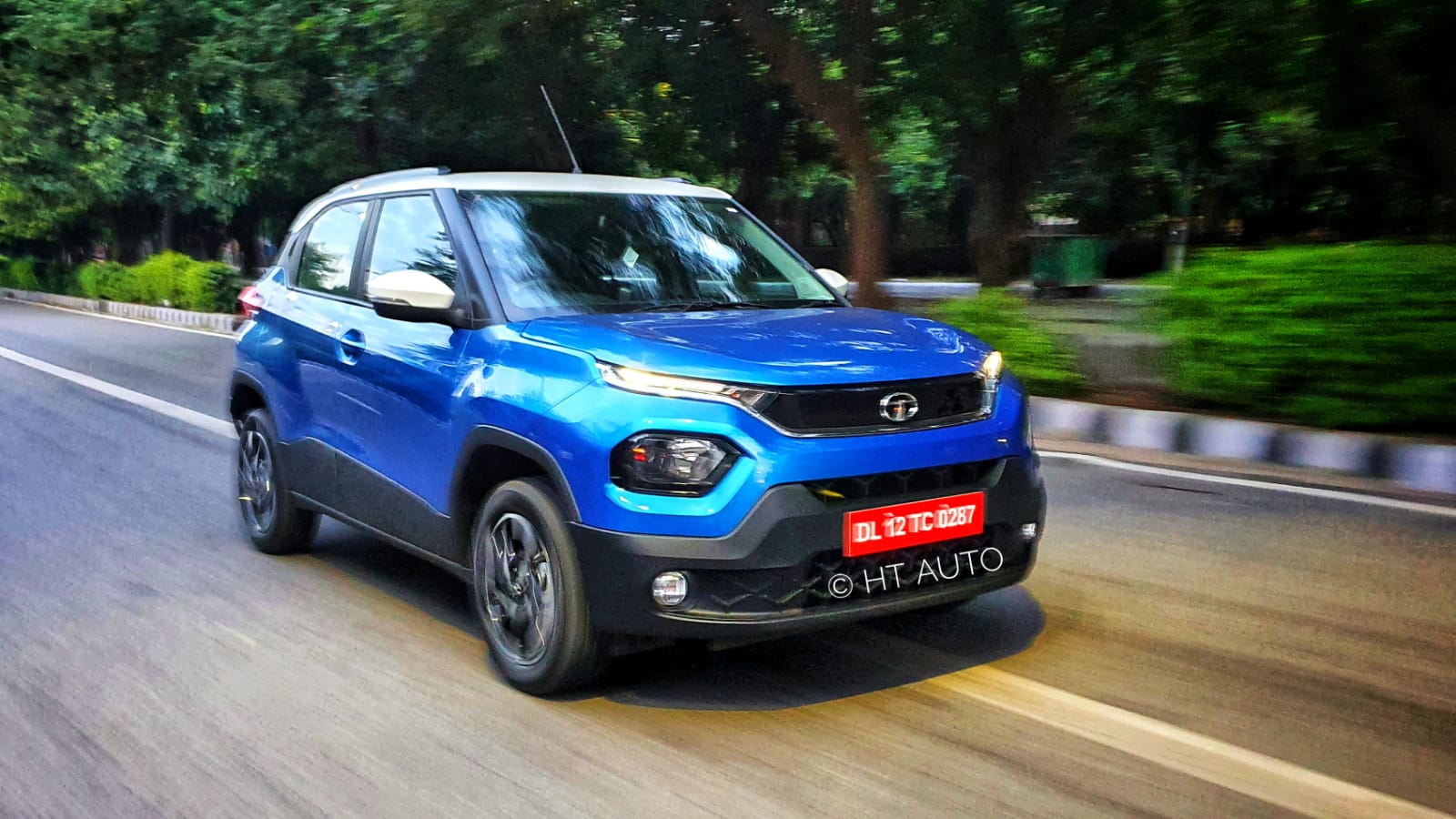
Punch has a very prominent face which underlines its SUV credentials.
There are multiple colour options on offer but not all variants get all colour choices.
Tata Punch colour options
Pure
Adventure
Accomplished
Creative (Dual-tone roof)
Orcus White
Yes
Yes
Yes
Yes (Black roof)
Daytona Grey
Yes
Yes
Yes
Yes (Black roof)
Tropical Mist
Yes
Yes
Yes (Black roof)
Atomic Orange
Yes
Yes
Yes (Black roof)
Meteor Bronze
Yes
Yes (Black roof)
Tornado Blue
Yes (White roof)
Calypso Red
Yes (White roof)
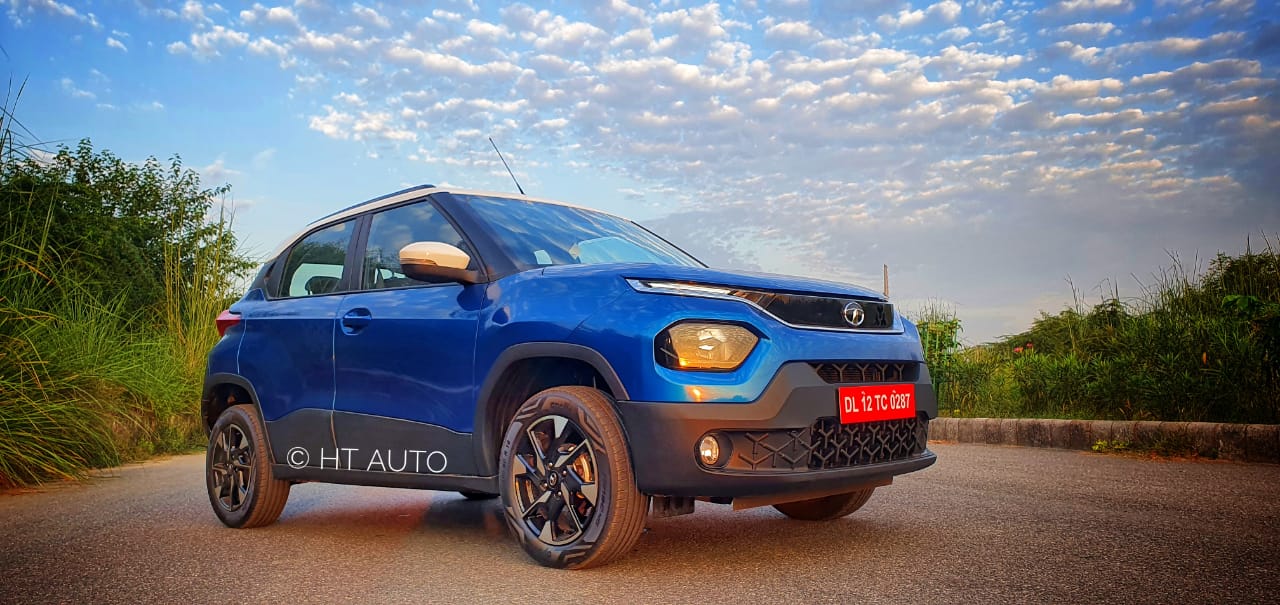
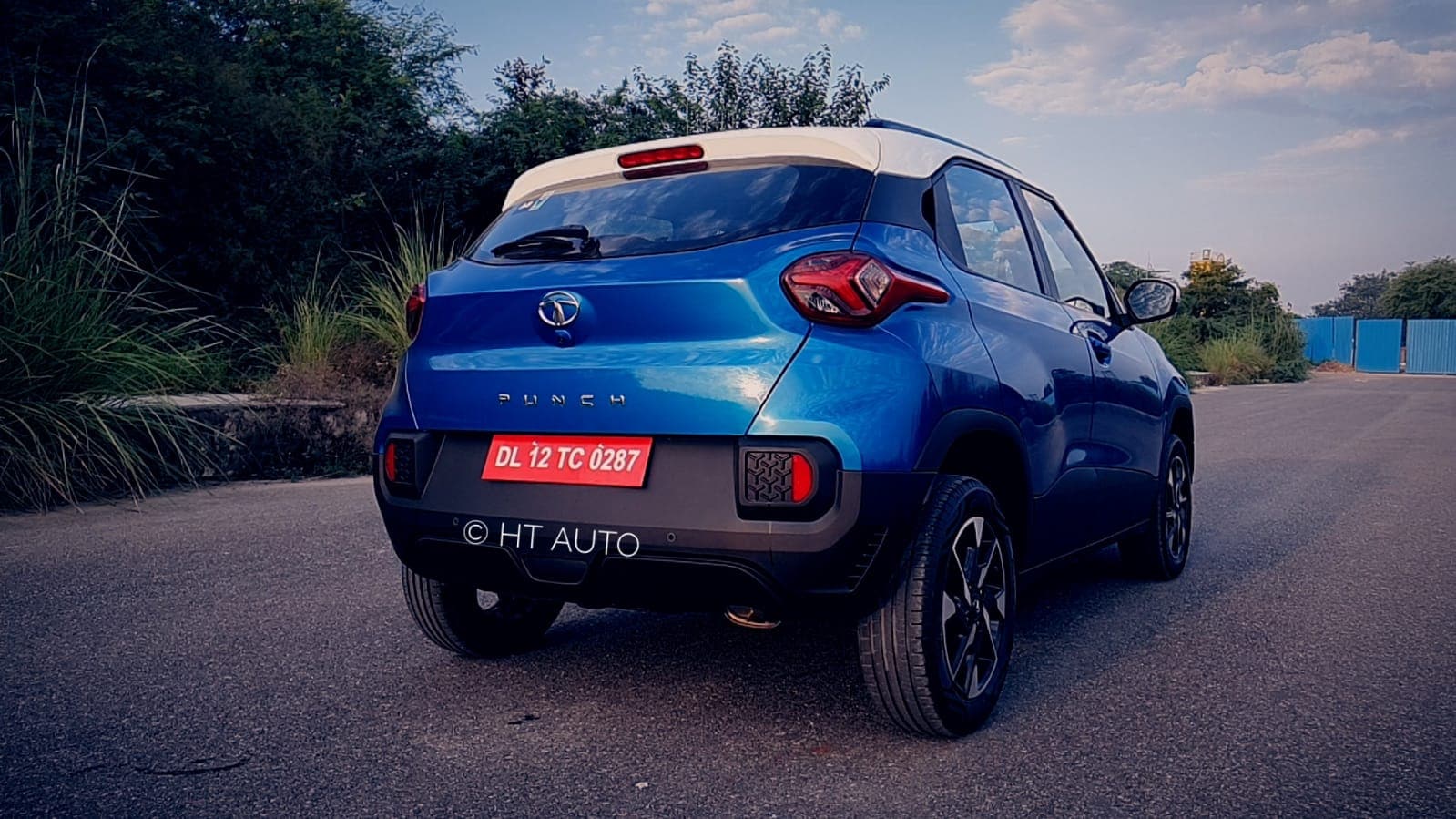
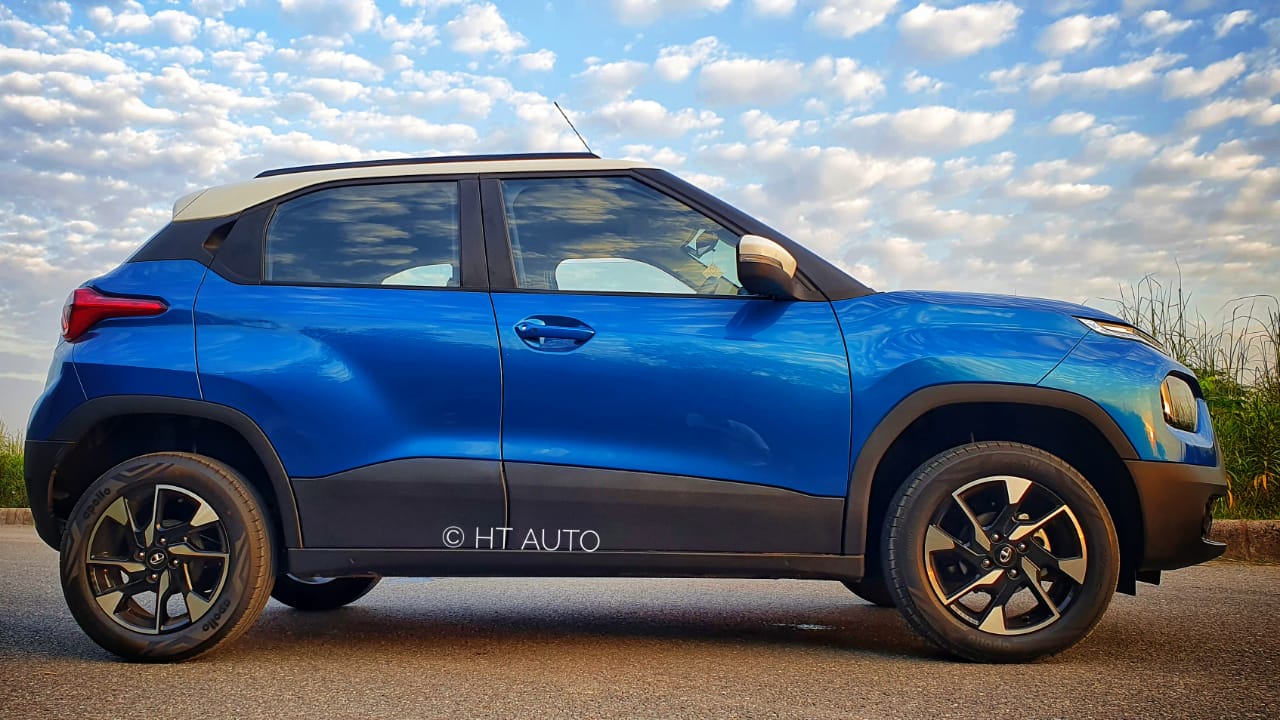
The Punch I received as part of the media test drives was in Tornado Blue shade with white roof and the top-end Creative variant. In terms of dimensions, obvious at that, the all variants are same and the Punch has compact numbers while still looking showing off an SUV-ish profile. The prominent front face with a familiar ‘Humanity Line’ on the grille, the LED DRLs and head light units that seem to have been taken straight from the Harrier and the fog light units on the front fender give it a muscular appeal.
A look at he front and side profile of Tata Punch.
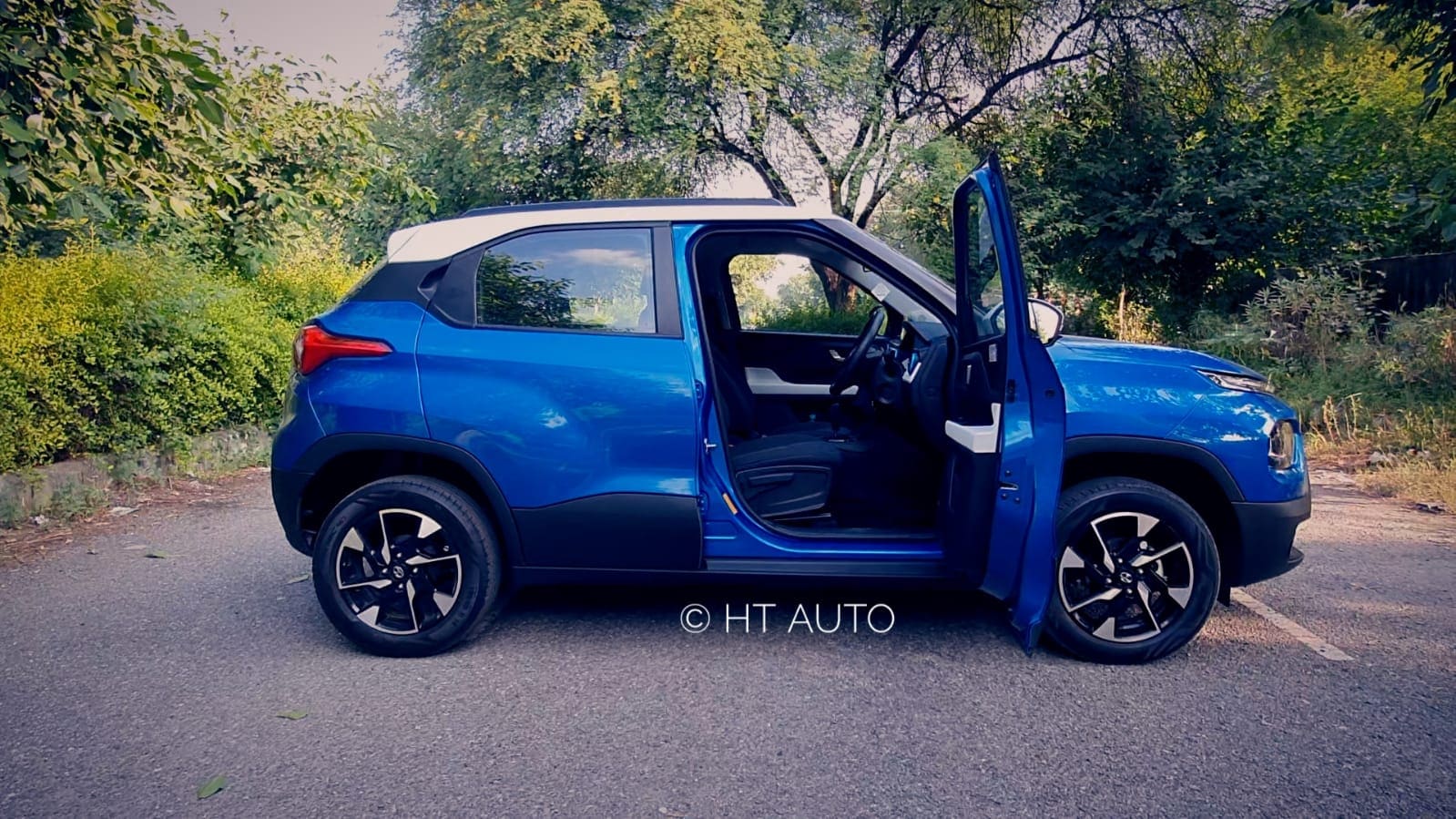
On the side, the large arches over the 15- or 16-inch wheels – depending on the variant, striking alloy design, generous cladding on the doors and roof rails highlight the profile. The fact that this car also has doors which open at a 90-degree angle – mimicking a butterfly, visually speaking, means that getting in and out is quite easy, space permitting of course.
All four doors on the Punch open at a 90-degree angle. Just be sure not to hit anyone or anything else!
Tata Punch dimensions
Length (mm)
3827
Width (mm)
1945
Height (mm)
1615
Wheelbase (mm)
2445
And the rear has a sleek demeanour courtesy arrow-shaped LED tail lights, double character lines on the trunk door and ‘Punch’ lettering here.
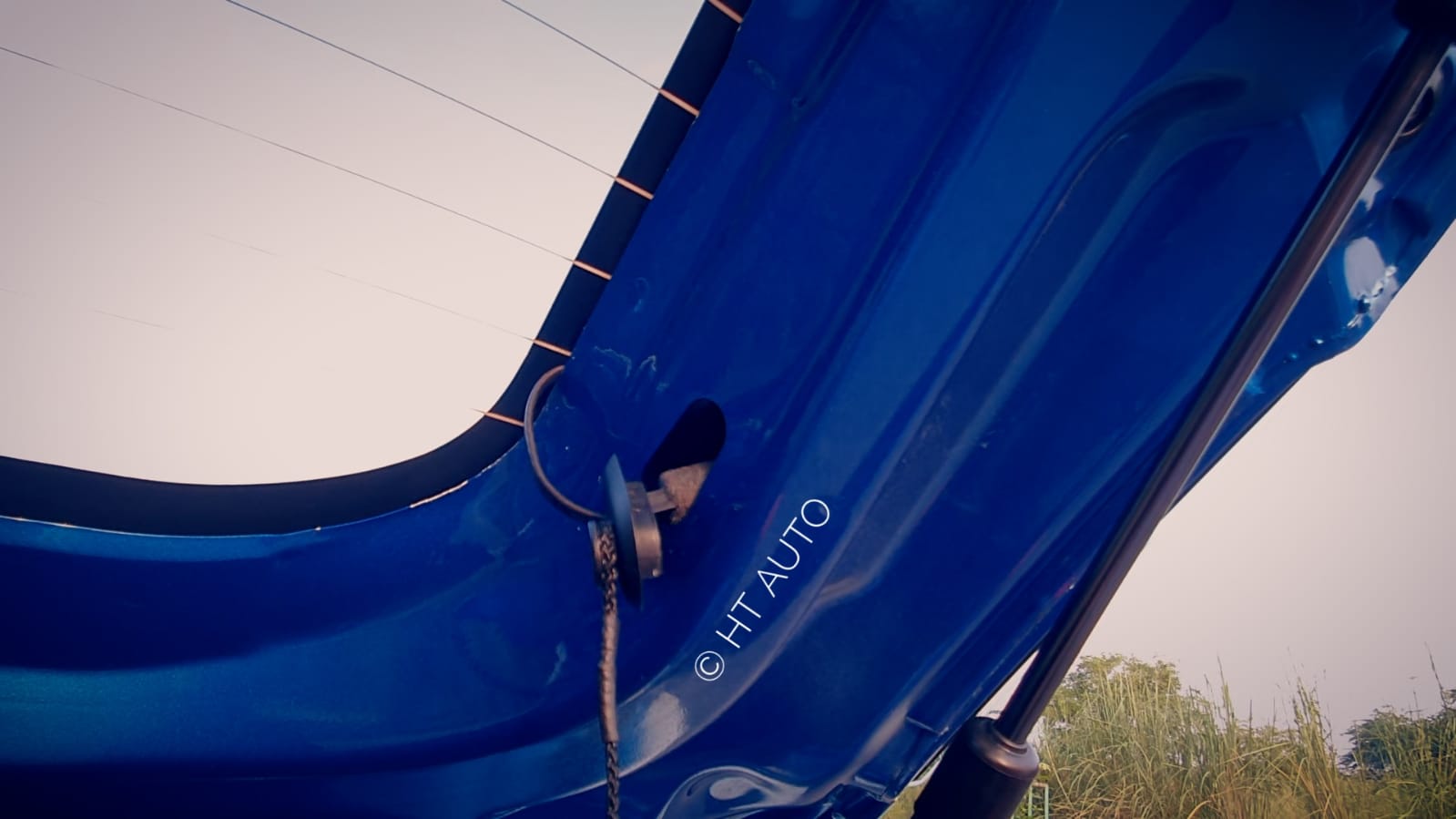
Open the trunk and there’s around 360 litres of boot space available even if the load angle is a little high and could make lifting heavy suitcases a bother. While the addition of a tyre puncture repair kit, tucked neatly on one corner, is great, the exposed wiring on the inside trunk section is shoddy. The support hinge for the parcel tray in my review unit came off at the slightest bit of tug. Word of advise – don’t put anything remotely heavy on the tray.
Minor quality-related issues like this hook for the parcel tray coming off its casing may be a concern for a few on the Punch.
Tata Punch first drive review 2024
Tata Punch: Interior
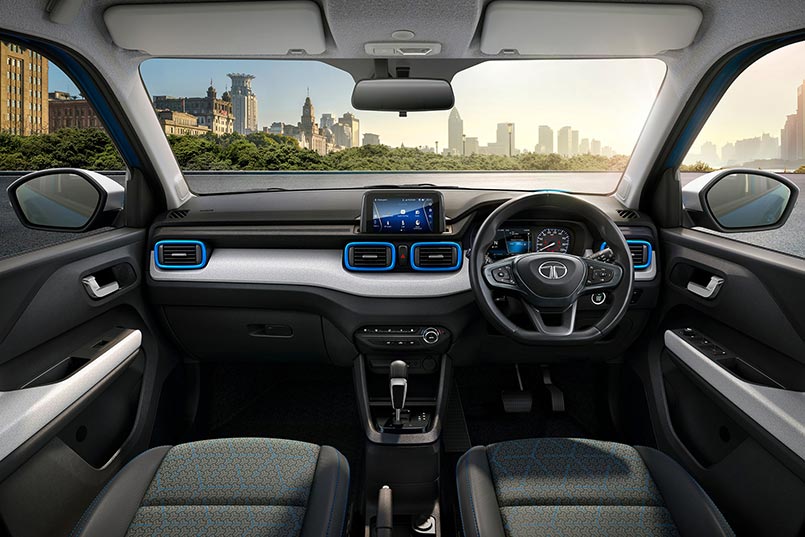
Punch has a rather compact cabin because of its rather compact dimensions. If you step in with expectations kept sky high, it is likely that the fall back to the ground will hurt. There’s no sunroof, no air purification system, no wireless phone charging option and no ambient lighting. What one can get, depending on the variant of course, are functional features for everyday use such as a cooled glovebox, infotainment screen, climate control, auto-folding ORVMs, rain-sensing wipers, automatic headlights, four speakers with two tweeters, among other additions.
Tata Punch variant-wise features
Pure
Adventure
Accomplished
Creative
All features of Pure and…
All features of Adventure and….
All features of Accomplished and…
Central locking with key
Floating 3.5 inch infotainment
Floating 7 inch touch screen infotainment by Harman with Android Auto and Apple Car Play
Projector HLs
Dual airbags
Four speakers
Four speakers, two tweeters
LED DRLs
ABS with EBD
Steering mounted control
Rear view camera
R16 Diamond cut alloys
IAC+ESS Technology
USB charging port
LED tail lamps
Roof rails
Brake Sway Control
ORVM with electrical adjustment
Front fog lamps
7 inch TFT instrument cluster
Front power windows
All power windows
R15 hyper style wheels
Auto headlamps
90-degree door
Follow me home HLs
Push button start stop
Rain sensing wipers
Flat rear floor
Anti glare IRVM
One touch down Dr window
Auto folding ORVMs
LED indicators
Central Remote Locking with Flip Key
Cruise control
Fully automatic temperature control
Black ODH
Full wheel covers
Driver seat height adjustment
Cooled glove box
Painted bumpers
Body coloured ORVM, ODH
Traction Pro (AMT only)
Rear wiper + wash
Door, wheel arch and sill cladding
Rear defogger
Puddle lamps
Rear seat arm rest
Leather steering & Gear knob
One can also choose from a host of customization options when buying the Punch, a sign that Tata Motors does not want you to be limited in your desire for more features just because you chose a lower variant.
Pure
Adventure
Accomplished
Creative
Rhythm Pack
Rhythm Pack
Dazzle Pack
IRA Pack
3.5-inch infotainment screen
7-inch touchscreen
16-inch diamond cut alloys
IRA Connected Car technology
4 speakers
2 tweeters
LED DRLs
Steering-mounted audio control
Android Auto/Apple CarPlay
Projector head lights
Rear camera
A Pillar black tape
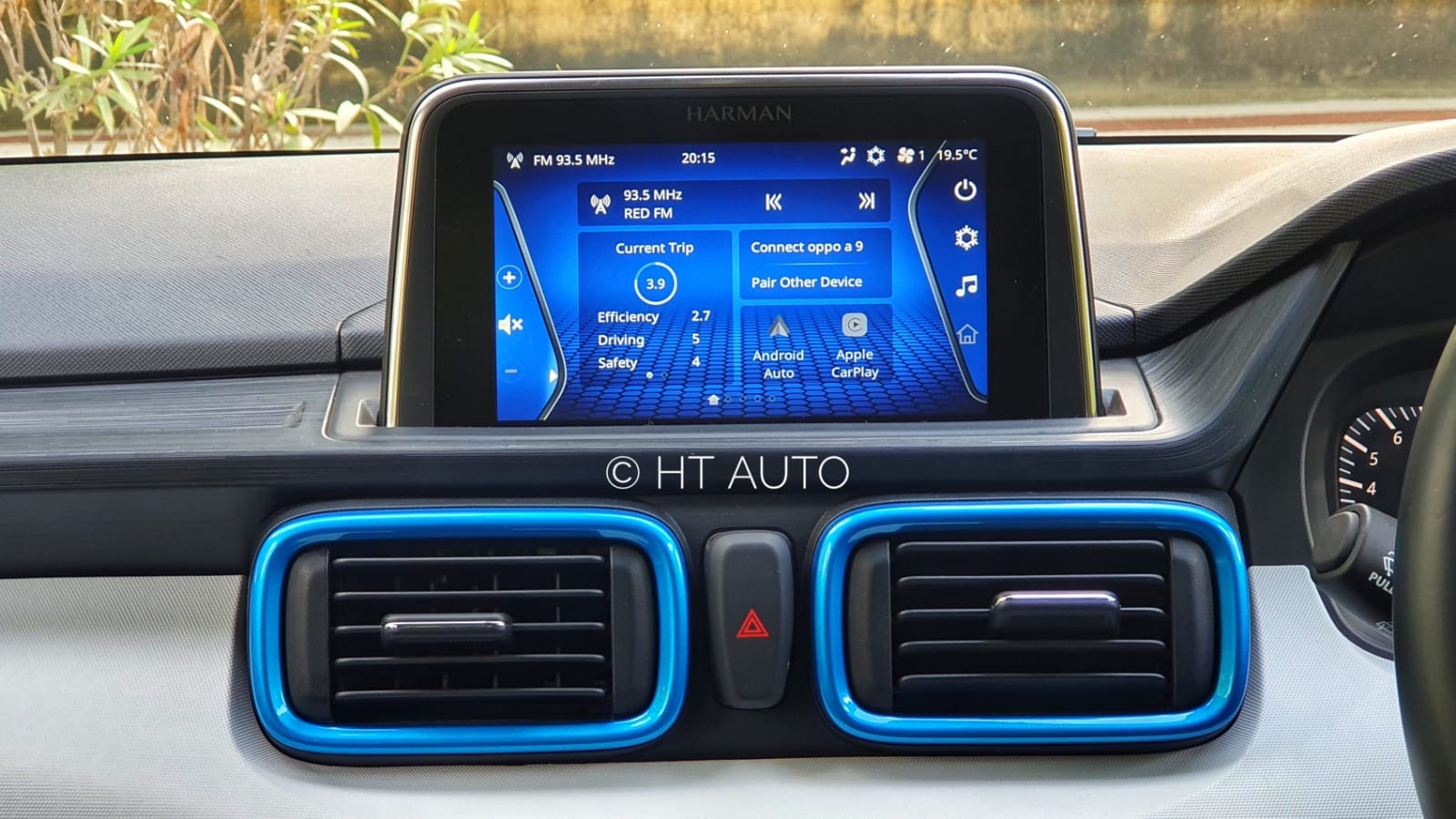
The seven-inch infotainment screen inside my Persona was par for the course courtesy minimal reflections and good response to touch inputs. Apart from the usual audio, video and navigation details, it also puts out a driver scorecard which assesses how well (or not) you have been behind the wheel. The semi-digital driver display too was on expected lines and is positioned well behind the three-spoke, flat-bottomed steering with mounted controls. The steering, however, can only be adjusted for rake and not for reach.
A look at the cabin layout of Tata Punch.
Tata Punch first drive review The New Tata Punch
Now there is a lot of hard plastics used all around the cabin of the Punch but frankly, I was expecting this. Because Tata is likely to price Punch aggressively, this is something that can be overlooked. What is impressive though is the sporty dashboard design and layout which seek to camouflage the plastic quality, especially the white patterned addition on the lower end of the dash -where the AC vents are at. Speaking of AC vents, these get an outline border in the same hue as the exterior body colour of the vehicle.
The entire dashboard layout of Punch has a youthful appeal.
The cooled glovebox is a great addition and has plenty of space for storing either documents or bottles. Or both. A sectional divide here seeks to ensure that things don’t get jumbled.
Coming to the important bit about seat upholstery and spacing, Tata Punch tends to deliver on most counts. The seats are well cushioned and the quality of stitching appeared to be satisfactory. The driver seat can be adjusted for height which means even someone who may not exactly be considered tall will have a commanding view of the road ahead. I would have expected an arm rest, at least with the AMT I was driving, but there was none to be found.
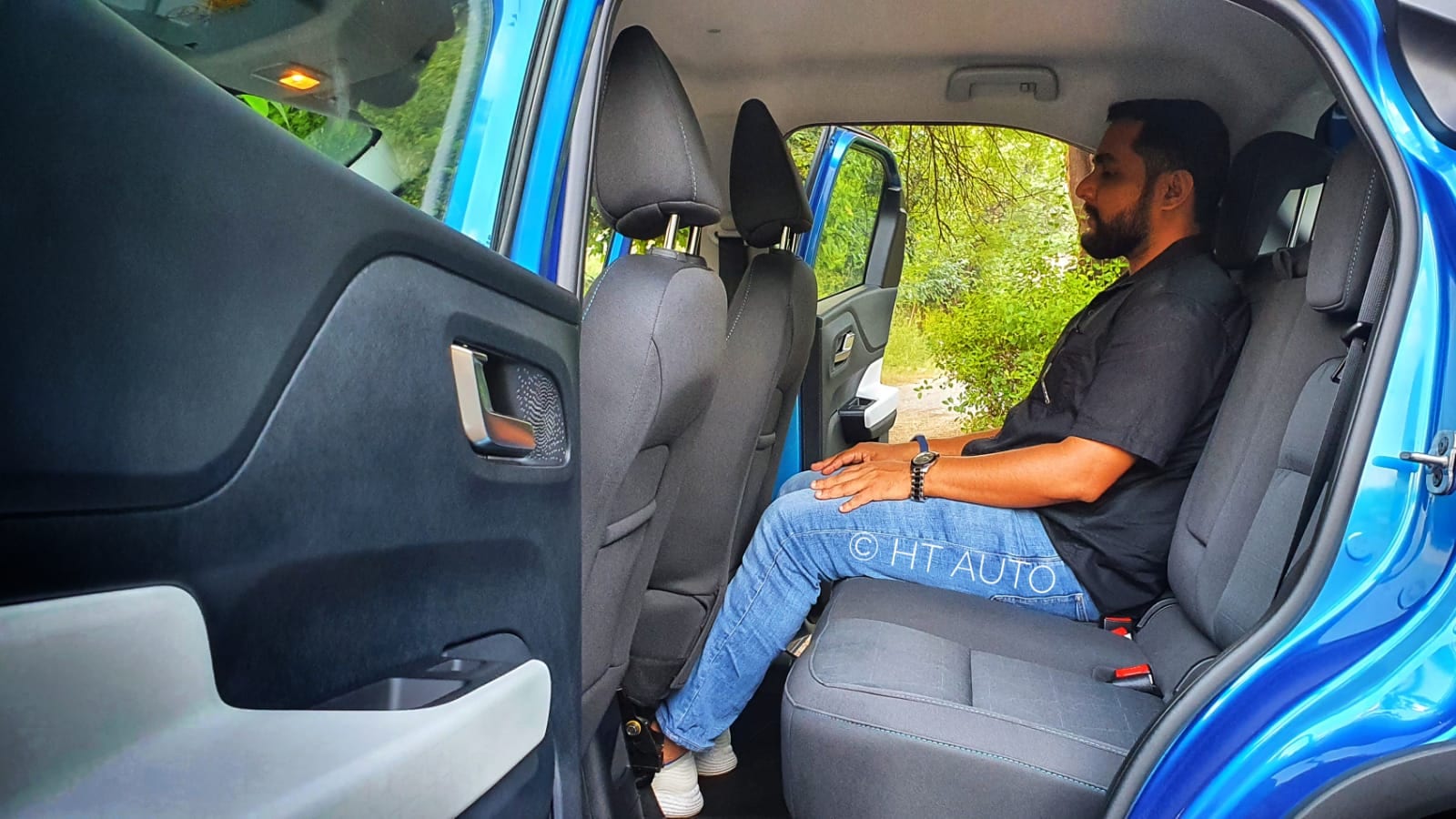
The passengers on the back seat, well, have a bit of a hit and miss experience. The flat floor ensures that there is space for feet for the middle passenger but those on either side have limited space for their respective feet due to the rails on which the front seats sit. Leg room is rather limited and knee and head room is just about satisfactory. Three passengers sitting side-by-side on long journeys may be a bit of a cramped affair, also because there is no rear AC vent. Another miss is the lack of charging points for rear-seat passengers.
Space is a bit constrained on the back seats but Punch benefits from a high-seating position.
That said, it isn’t as if the rear section of the Punch is a deal-breaker for the family person. An armrest in the middle of the rear seats, high-seat position and good punchy speakers may still make this car a good proposition for small families.
Tata Punch: Safety
Tata Motors has been consistently producing some of the safest passenger vehicles in India. Over the last few years, the homegrown carmaker has shown the world that made-in-India cars can achieve a Global NCAP five-star safety rating and one among them is the Tata Punch. This boxy SUV-ish car has received a five-star for adult occupant protection, while for child occupant protection, it has received a four-star rating.
A major factor behind this safety rating is the build quality, as the automaker claims. Besides that, on the safety feature front, the Punch gets dual front airbags, ABS with EBD, automatic headlamps, reverse parking sensors, ISOFIX anchors, autonomous emergency braking lane departure warning, electronic stability control, blind-spot detection etc.
Tata Punch: Performance
Punch is made available only with a 1.2-litre Revotron petrol engine. In case you want a diesel option, I advise checking out other Tata Motor options or picking one from the rival camp. But if the petrol engine is fine, there’s much to look forward to right here.
Tata Punch technical specs
Max Power
86 Ps
Max Torque
113 Nm
Engine
1.2 Revotron petrol
Capacity, Cylinders
11999 cc, 3 cylinders
Fuel tank capacity
37 litres
The majority of my time with the Punch was with the AMT and that worked well because majority of my time was also spent within city limits – Delhi to Gurugram to Delhi. In all, I drove this variant (oops, persona) for around 100 kilometres on mostly well-laid city roads with the occasional broken patches.
Tata Punch first drive review
Punch is relatively stable at high speeds and maintains straight lines with poise.
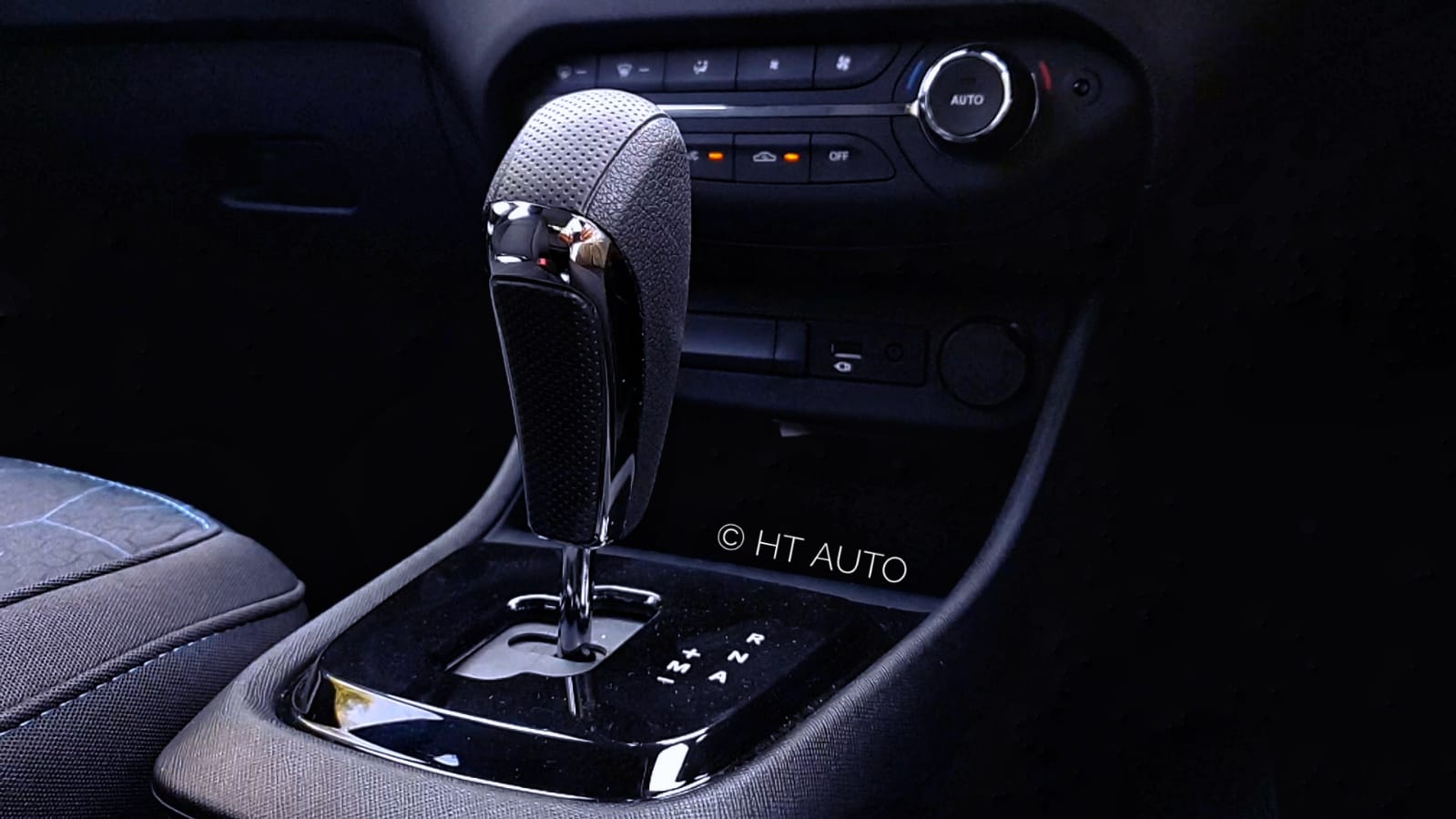
The key takeaway from the drive that I had was that the AMT, on expected lines, is a bit slow to take off. It has a familiar reluctance till around the 1,500 RPM mark and there the so-called rubber-band effect is very, very omnipresent. Any sudden plans for overtaking ought not to be sudden and will have to be well thought out before being executed. But once speed does build up and around the 1800 RPM mark, the Punch does justice to its name.
If you are primarily driving within city limits, the Punch with AMT ought to be a good choice as long as you aren’t an authentic driving enthusiast. If you are, try the Punch with a manual gearbox.
Cruising past around 60 KMPH and the Punch comes into its element. Its compact dimensions meant that weaving in and out of the extremely congested Delhi-Gurugram Expressway was an absolute delight. And because the steering set up is done right, it offers a good balance between heft and flexibility – a good combination to have for a car that may be doing duty in all kinds of traffic situations. There is also a traction-control mode on offer on the AMT which promises to get you out of slippery situations.
NVH levels are satisfactory although the groan of the engine does seep into the cabin when being excessively pushed. Keep it steady and the Punch manages to hint at a certain level of refinement that recent Tata cars have started putting in respective resumes off late.
But one thing Punch ought not to put on its resume is the control over body roll. Again, this is only when the vehicle is being pushed to perform but sharp turns at relatively high speeds means the driver and especially passengers at the rear will have to get a grip, literally speaking.
It was soon time for me to make the switch to the Punch with manual transmission and take my word for it – if you like the basic nuances of driving, you will love this car.
The Punch with MT is not just capable on regular roads but is quite capable on paths less taken and traveled.
Now I am not sure if it is because I spent most of my time with the AMT or if the manual transmission is really that good but having a control over Punch’s punch made me wish that I had had more than just 20 minutes with this particular option. The gear shifts are short, crisp and nearly precise. And remember the bit about planning over-taking moves? No need! Downshift, press the pedal and the Punch will execute commands nearly instantly.
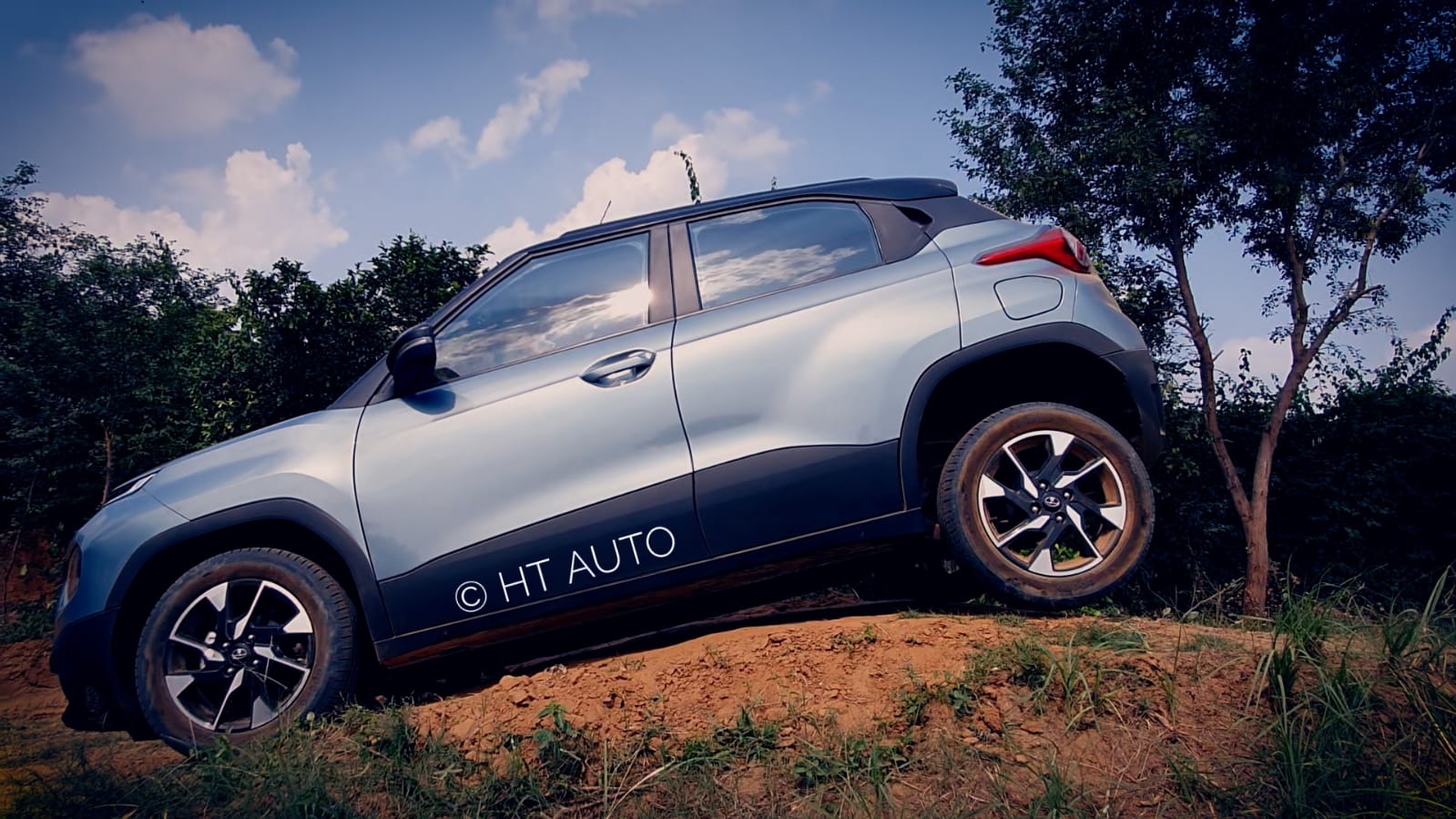
The manual gearbox is also what is likely to excel on roads less than perfect. I got a chance to test its ‘off-road’ capabilities and while it was in a controlled test track, I was mighty impressed. Sure, Punch is no 4X4 but its high-seating position does help in giving a clear view of the surroundings – crucial in tricky terrain that one may encounter. With a 20.3 approach angle, 37.6 departure angle and 22.2 ramp-over angle, Punch was nifty throughout the obstacle course. And because it has a claimed water-wading capability of 370mm, this car may also be capable of navigating through submerged roads of Indian cities during monsoon. My advice though? Don’t try it unless you absolutely must have to.
Overall, it is great that Tata Motors has offered AMT on the Punch and it does have some serious SUV traits. But it is the manual transmission that would be my preferred choice and the fact that the vehicle can ably manage challenging terrain – to its best ability – is a big, big plus over rivals.
Tata Punch: Verdict
Tata Punch looks more like an SUV than many of the sub-compact SUVs out in the market. This alone could bring many to Tata showrooms to check out the vehicle. But beyond the superficiality of looks, it has a long list of core strengths that could work in its favour.
A high ground clearance and seating position means Punch is perhaps the most SUV-ish among all sub-compact SUVs on offer.
Punch may not have an absolutely exhaustive feature list or the most comfortable drive and ride experience in the segment it wants to compete in. And yet, it packs in the features that an owner is most likely to make use of – including iRA connected app support -and is an eager machine on the move. The ability on less than perfect roads don’t come as a cherry on the cake but is a large and delicious part of the cake itself.
I expect Tata Motors to price the Punch very, very aggressively and assuming this happens, the SUV will surely be a very, very compelling option for buyers inclined towards this body type without having to break bank.

_1658209625109_1658209684469_1658209684469.jpg)