Tata Sierra EV's smaller battery pack has more power and the bigger one has less, why so?

Tata Sierra EV's smaller battery pack has more power and the bigger one has less, why so?

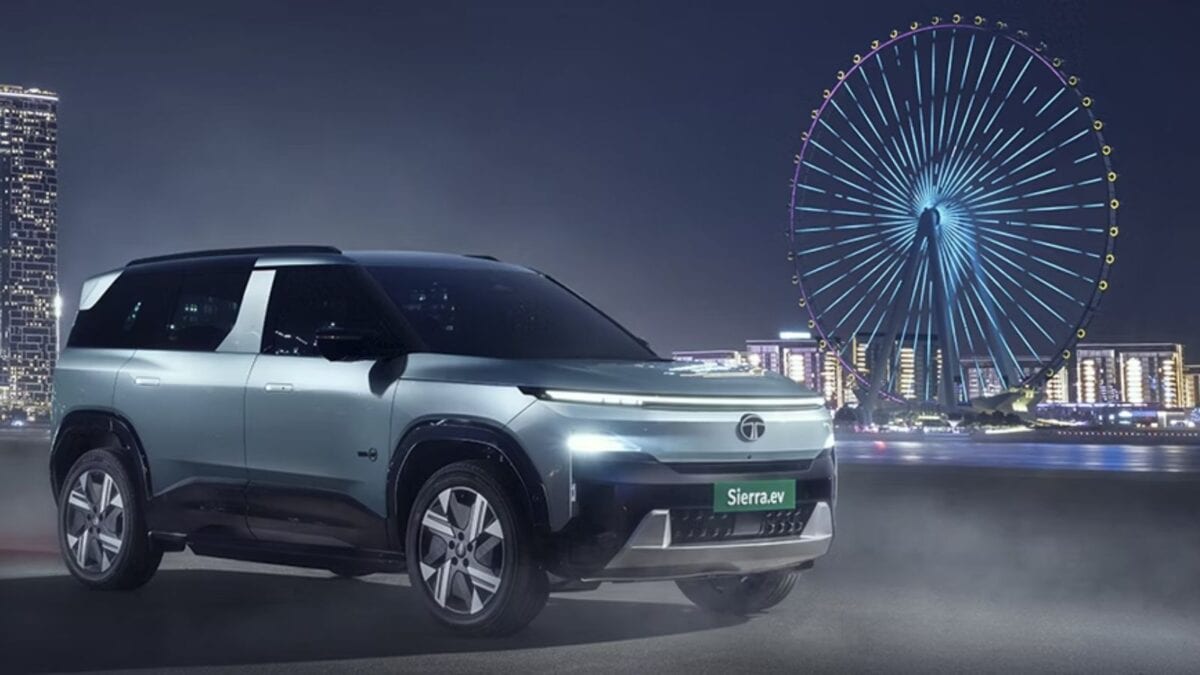
Tata Motors has launched Sierra EV in the Indian market after a long wait. Available at a starting price of just ₹ 18.79 lakh (ex-showroom), this SUV comes with 63 kWh and 75 kWh battery options. One thing was most discussed at the time of launch – why is the power output of the 75 kWh RWD variant less than the 63 kWh RWD?

The 63 kWh model produces 238 PS (175 kW), while the 75 kWh RWD produces only 209 PS (154 kW). This is a difference of 29 PS (about 12%), while the 75 kWh variant is also costlier and has a longer range. Tata has now given an official statement regarding this.

Why is power reduced in bigger packs?

According to Tata Motors, this is not a mistake but an intentional engineering decision. Both batteries are packed in the same volume. The 75 kWh battery uses high-capacity cells and Cell-to-Pack (C2P) architecture, achieving excellent packaging efficiency of 141 Wh/kg and 8.9 km/kWh energy efficiency.

This brings the ARAI range to 665 km (99 km more than 63 kWh). However, this resulted in a slight reduction in operating voltage, resulting in reduced peak power. The company says that the peak torque of 315 Nm is the same in both the RWD variants, so there will be no significant difference in daily driving and city-highway performance. 75 kWh is range-focused, while 63 kWh is performance-oriented.

Design and interior

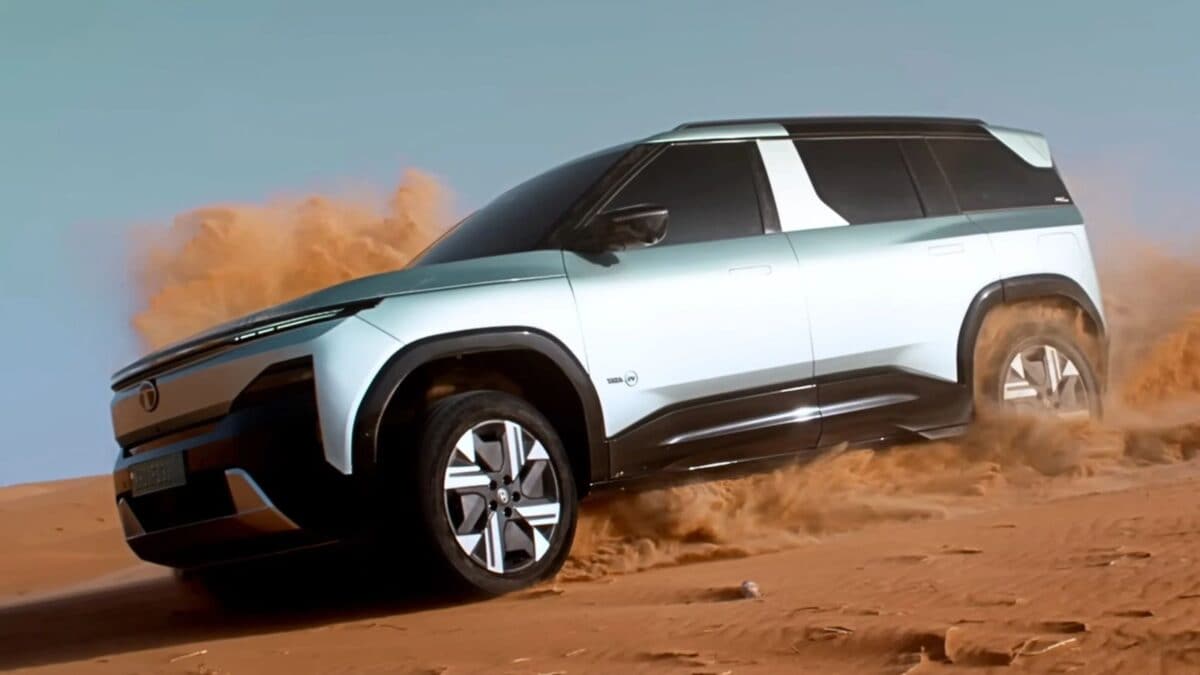
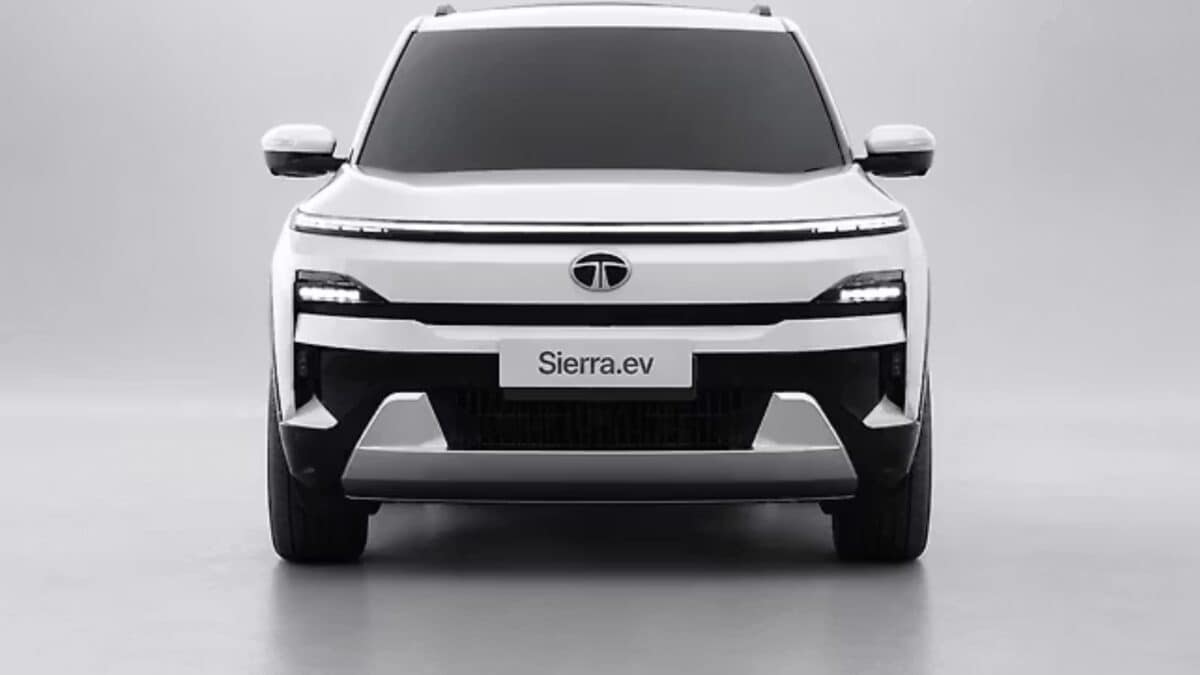
Sierra EV comes with an attractive design like the ICE model. Its highlights are closed-off grille, end-to-end LED DRL, LED taillights, flush door handles, 19-inch alloy wheels with aero inserts and a large panoramic sunroof (1525mm x 925mm). The 2730 mm wheelbase and 622 liters of boot space add to the practicality.

The cabin has a triple screen setup (two 12.3-inch + 10.25-inch). Light colours, spacious feel, ventilated and memory seats, extendable under-thigh support, rear blinds and leatherette upholstery provide a premium experience.

Features and safety

12-speaker JBL sound system (Dolby Atmos), wireless Android Auto/Apple CarPlay, EV Route Planner, DrivePay (UPI), AirConsole Gaming, iRA.ev connectivity, 540° camera and gesture-controlled powered tailgate are the big features.

For safety, it has features like L2+ ADAS, 6 airbags, strong structure and V2L/V2V. 6 terrain modes and crawl control are also provided for off-road.

Battery, Motor and Range

The 63 kWh battery gives 565 km ARAI range, while the 75 kWh will give 665 km range. Both RWD have 315 Nm torque. AWD option is also available in 75 kWh. Fast charging can add 263 km range in 15 minutes. The speed of 0-100 km/h is completed in 5.8 seconds. Built on the Acti.ev platform, this SUV offers a great combination of performance and range.
Source link

Tata Sierra EV vs Maruti e Vitara: Which one is better to buy in a budget of ₹15-20 lakh? know

Tata Sierra EV vs Maruti e Vitara: Which one is better to buy in a budget of ₹15-20 lakh? know

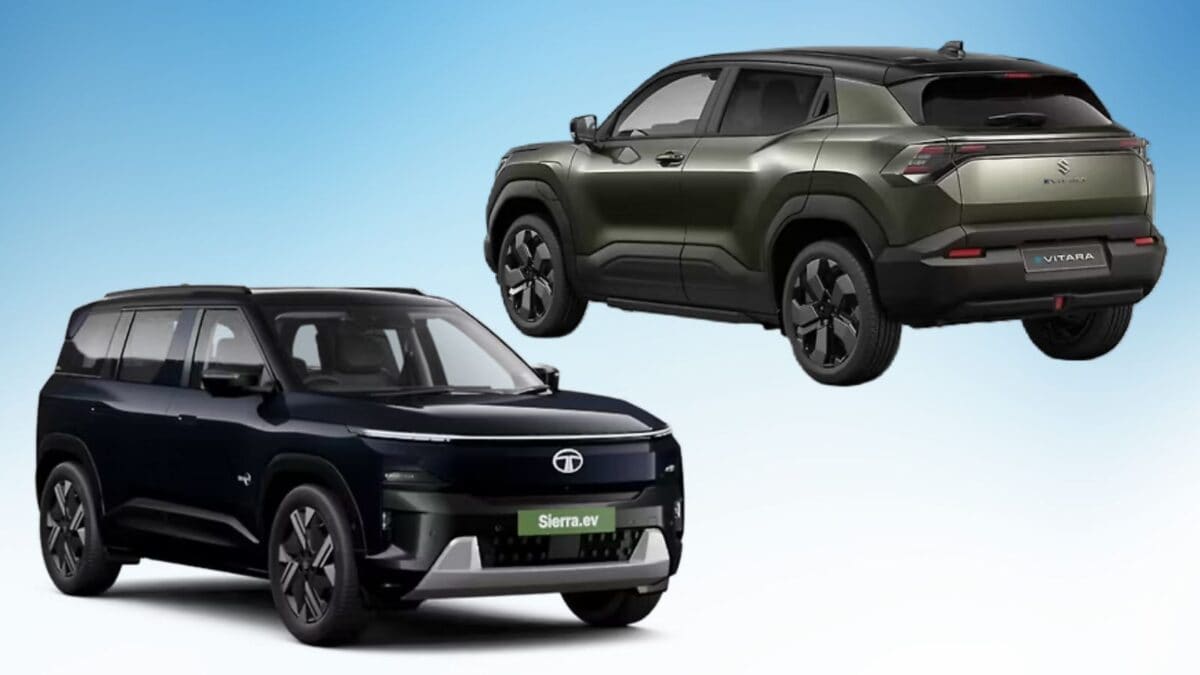
Tata Sierra EV vs Maruti Suzuki e Vitara: Sierra EV has recently entered the Indian car market. It will also compete with the already existing E Vitara in the segment. Talking about the price, Tata Sierra EV has been launched at ₹ 18.79 lakh (ex-showroom). Whereas, Maruti Suzuki e Vitara can be purchased for ₹ 15.99 lakh (ex-showroom).

Sierra EV is built on the Acti.ev+ platform and comes with a modern design, while the e Vitara is developed on the HEARTECT-e platform. In terms of price, Maruti is more attractive for early buyers, but Tata can prove to be value for money by offering more range, power and luxury features. Let us know which of these two electric SUVs can be a more profitable deal to buy?

design details

The design of Tata Sierra EV is very similar to its ICE version. It has a strong SUV stance with an upright bonnet, split LED headlamps, blanked grille, flush door handles, two-tone roof and dual-tone alloy wheels. It looks big and premium. The design of Maruti e-Vitara is also quite futuristic, which includes sharp lines, LED lighting and attractive color options. e Vitara is a bit compact, but has a young and stylish appeal. Sierra EV has better road presence due to its slightly larger size.

Cabin and Comfort

The cabin of the Sierra EV is technology-loaded. Triple screen setup (12.3-inch infotainment and passenger display, 10.25-inch driver cluster), panoramic sunroof, powered ventilated front seats, dual-zone climate control, 12-speaker JBL sound system with Dolby Atmos, ambient lighting, AR HUD and seats with memory function. The cabin is spacious and full of premium materials.

The interior of e Vitara is also modern. It has ventilated front seats, panoramic sunroof, 10.3-inch touchscreen, good wheelbase and comfortable seating. Although some premium touches may seem less compared to Tata, it is practical and user-friendly. The Sierra EV also gets a trunk and better storage.

Features and safety

Tata Sierra EV gets level-2 ADAS, 360°/540° camera, auto park assist, V2L/V2V, 6 terrain modes, boost mode, powered tailgate and more connected tech. The Maruti e-Vitara has Level 2 ADAS, 360° camera, wireless charging and good connectivity features, but Tata's list is longer and more luxurious. Wireless Apple CarPlay/Android Auto is available in both.

Maruti e-Vitara has received a 5-star Bharat NCAP rating and has 7 airbags. Tata Sierra EV has 6 airbags, Level 2 ADAS, 360° camera and standard safety features (ABS, ESP, hill hold etc.). Considering Tata's safety heritage, this will also be a top class performer.

Battery, Motor and Range

  • Tata Sierra EV: 63 kWh (565 km MIDC, RWD) and 75 kWh (665 km RWD / 624 km AWD)
  • Power up to 238 bhp, torque 315 Nm+, 0-100 km/h in just 5.8 seconds.
  • Maruti e Vitara: 49 kWh (440 km) and 61 kWh (543 km)
  • Power 142-172 bhp, Torque 193 Nm, DC fast charging 10-80% in just 45 minutes.

Who should buy it: If you want more range, power, AWD and premium feel, then Tata Sierra EV is a better option. Whereas, Maruti e Vitara offers value with affordable price, good range and reliable network of Maruti. The final decision will depend on budget, range requirement and test drive. Both EVs will play an important role in India's electric transition.

Source link

Tata Sierra EV vs Hyundai Creta Electric: Which electric SUV has more power?

Tata Sierra EV vs Hyundai Creta Electric: Which electric SUV has more power?

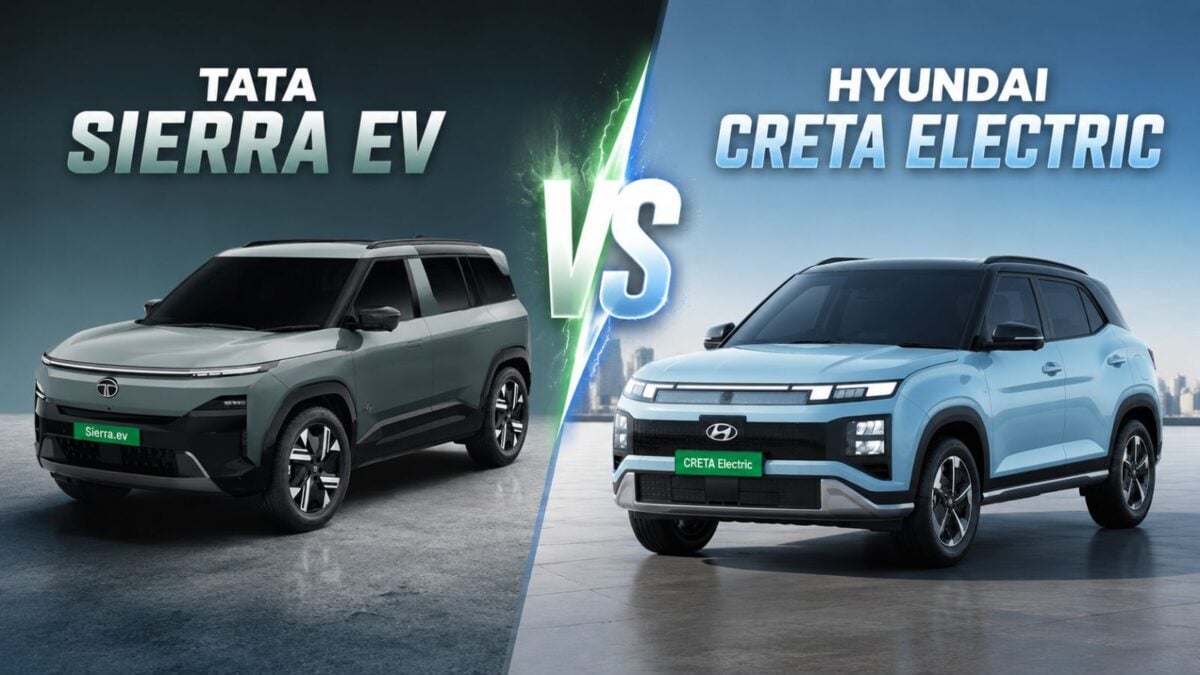
Tata Sierra EV has arrived in the Indian market after a long wait. It also competes with Hyundai Creta Electric in the market. If we look at the prices of both, Tata Sierra EV can be purchased for ₹ 18.79 lakh (Pure 63 kWh RWD) to ₹ 25.99 lakh for the top variant. Whereas, Hyundai Creta Electric starts at ₹ 18.03 lakh (Executive 42 kWh) and the top variant goes up to around ₹ 24.70 lakh.

Both offer a premium EV experience in the compact SUV segment, but the Sierra EV offers more range and power, while the Creta EV emphasizes on brand value, refined drive and value-for-money. Customers can now choose based on space, features and real-world performance. Both these models will further accelerate India's EV transition. Let us know which of these two will be more profitable to buy in terms of design, battery and range?

Design and interior

Tata Sierra EV comes with retro-modern look. Upright bonnet, split LED headlamps, blanked grille, two-tone roof and flush door handles. It looks as strong and adventurous as the petrol/diesel Sierra. The Hyundai Creta Electric is more futuristic and sleek with its Morse-code 'H' logo. The Creta has more mainstream appeal with its EV-specific closed grille and smooth lines, while the Sierra offers bold and unique styling.

Talking about the cabin, Sierra EV gets triple-screen setup (dashboard), panoramic sunroof, ventilated seats, JBL 12-speaker Dolby Atmos sound and premium materials. The Creta Electric comes with dual 10.25-inch screens, panoramic sunroof, ventilated front seats and Bose audio. Both are spacious 5-seaters, but the cabin of the Sierra feels a little more premium and technology-heavy. The interior of Creta is refined and user-friendly.

Features and safety

Both have L2+ ADAS, 360° camera, wireless charging, V2L and connected tech. Sierra has features like extra auto park assist, in-car gaming, 540° camera and boost mode. The Creta has an EV-specific UI, voice sunroof and a good infotainment system. Sierra looks a little ahead in features.

Talking about safety, Tata Sierra EV gets 6 airbags as standard, strong Acti.ev+ platform and advanced ADAS. Creta Electric is also expected to have 6 airbags, ESC, ADAS L2+ and good safety rating. Tata's EVs have generally proven to be strong in structural safety.

Battery, Motor and Range

Tata Sierra EV has 63 kWh (565 km MIDC) or 75 kWh (665 km MIDC, RWD) battery options. An AWD dual-motor setup is also available with the RWD motor (235 bhp). It can reach the speed of 0-100 kmph in just 5.8 seconds. The Creta Electric can be bought with a 42 kWh (420 km) or 51.4 kWh (510 km) battery pack. The Sierra clearly offers better range, power and performance, while the Creta is efficient for daily use.

Source link

Tata Sierra EV's smaller battery pack has more power and the bigger one has less, why so?

People with how much salary should buy Tata Sierra EV, know

Tata Sierra has been launched in the Indian car market after a long wait. The company has started the starting ex-showroom price of this 5-seater electric SUV from ₹ 18,79,000. At the same time, the ex-showroom price of the top-spec variant full of QWD and modern features goes up to ₹ 25,99,000.

If you are planning to buy this EV in the coming days and have not been able to make a budget yet, then this article will be useful for you. In this article, we have brought details of Sierra EV from on-road price to EMI. We will also take a look at the battery, motor and other details.

Tata Sierra EV On-Road Price

If you are planning to buy this electric SUV in the country's capital, then you are going to get bumper savings. After the recently released Delhi EV Policy 2026, those buying EVs worth ₹ 30 lakh or less will get complete exemption in RTO charges. In this way, you will be able to buy it in Delhi at an on-road price of only ₹ 19,75,875. This includes insurance amount of Rs 78,085 and TCS charge of Rs 18,790, which you can withdraw later while filing ITR.

Tata Sierra EV Down Payment & EMI Details

If you make a down payment of Rs 5 lakh to bring this electric SUV home, then you will have to apply for a car loan on the remaining Rs 14,75,875. If your monthly income is good and your credit score is in good condition, then you will easily get this loan at an interest rate of 10 percent.

Let us assume that you will get this car loan for 5 years. In this way, at 10 percent interest rate, you can repay your car loan by paying a total of 60 EMIs of Rs 31,358. In this way you will pay total installment of Rs 18,81,479. If Rs 5 lakh down payment is added, its price will be Rs 23,81,479 (after interest and EMI).

how much interest will go

As we calculated, by paying a down payment of Rs 5 lakh, we will take a car loan on Rs 14,75,875 at 10 percent interest rate for a total of 5 years, so in this way we will have to pay a total interest of Rs 4,05,604 in 60 monthly installments.

Design and features

Sierra EV is a modern electric SUV, which is built on the Acti.ev+ platform. Upright bonnet, split LED headlamps, blank grille, flush door handles, dual-tone roof and dual-tone alloy wheels give it a premium look.

Its cabin has a triple-screen dashboard (instrument cluster, infotainment and passenger screen), panoramic sunroof, ventilated powered front seats, JBL 12-speaker sound system (Dolby Atmos) and premium materials. The 5-seater cabin is spacious.

Features include L2+ ADAS, 360° camera, voice assisted sunroof, auto park assist, V2L/V2V charging and boost mode. For safety, it has been provided with 6 airbags, ESP, strong body structure and advanced ADAS features. It is expected to get full 5-stars in BNCAP also.

Battery, Motor and Range

It is sold with 63 kWh and 75 kWh LFP battery options. RWD gets 238 PS power and QWD gets 313 PS power. It can accelerate from 0-100 km/h in just 5.8 seconds. MIDC range is up to 565-665 km. 120 kW DC fast charging adds 263 KM range in 15 minutes.

Our advice: Before buying an electric car, check once at your home whether an EV charger can be installed there. Apart from this, if you are planning to buy it on EMI, then first raise at least Rs 5-7 lakh and then also keep in mind that a good amount from your monthly income will go towards paying its EMI. Our advice is that if you earn Rs 1,00,000 per month and are not already paying any big loan installments, then you can buy it on EMI.

Source link

Tata Sierra EV will make a grand entry tomorrow! Know launch details

Tata Sierra EV will make a grand entry tomorrow! Know launch details

Tata Motors is bringing back its classic Sierra in electric form. The new Tata Sierra EV (Sierra.ev) is going to create a stir in the mid-size electric SUV segment with modern design, strong performance and premium features. After the release of a new video of the production-spec model, many of its details have come to light. It is built on the acti.ev+ platform, which improves cabin space, safety and handling by placing the battery under the flat floor.

Its launch is going to happen tomorrow i.e. on 30th June 2026. The estimated price could be between ₹20-25 lakh (ex-showroom). It will be available in both RWD and QWD (Quad Wheel Drive/AWD) options. Sierra EV will strengthen Tata's EV lineup with a range of up to 500 km, level-2+ ADAS, triple screen setup and modern features. Let us take a look at the details revealed so far before the launch.

Design and interior

The design of the Sierra EV maintains the spirit of the original Sierra and comes with EV-specific updates. Closed-off grille, smoother bumper and EV-style front facia give it a distinct identity. The iconic wrap-around rear glass and the strong SUV silhouette remain intact. Body-coloured panels and modern lighting setup give it a premium look. Overall, this is an SUV with retro-modern appeal, which will be liked by both family and adventure lovers.

The cabin is spacious and premium. The acti.ev+ platform results in a flat floor, which increases leg room and headroom. It is expected to have a triple-screen dashboard (15-inch touchscreen, digital instrument cluster and passenger display). Features like high-quality materials, ventilated seats, panoramic sunroof and premium audio system (JBL) will give it a luxury feel. The 5-seater layout is perfect for family use.

Features and safety

Sierra EV will be feature-packed. Features like Level-2+ ADAS (Adaptive Cruise Control, Lane Assist, Autonomous Emergency Braking), 360° camera, connected car technology, wireless charging, ventilated/heated seats and V2L (Vehicle-to-Load) are included. The infotainment system will be based on Harman and Samsung tech. Battery-as-a-Service (BaaS) option may also be available, which will make the purchase economical.

Like Tata's EVs, its safety will also be strong. 6 airbags, ABS with EBD, ESP, traction control, 360° camera, all-disc brakes and electronic parking brake will be standard. acti.ev+ platform provides superior crash safety and low center of gravity. Features like blind spot monitoring, rear cross traffic alert with level-2+ ADAS will be available in higher variants. BNCAP 5-star rating is expected.

Battery, Motor and Range

Sierra EV will come in 65 kWh and 75 kWh battery pack options. In some reports, 55 kWh has also been said. The RWD variant will come with a single motor, while the top QWD (AWD) variant will offer a dual-motor setup (approximately 260 bhp+ and 504 Nm torque). Estimated range is 420-500 km (WLTP). With fast charging support, it can be fully charged in 6 hours. acti.ev+ architecture ensures performance, efficiency and long range. After launch, it will compete with vehicles like Creta Electric and BE6. For accurate information we will have to wait till tomorrow i.e. 30th June.

Source link

Tata Sierra EV ready for launch! Glimpse seen in teaser

Tata Sierra EV ready for launch! Glimpse seen in teaser

Tata Motors is ready to strengthen its EV lineup. The company is going to officially unveil the iconic Tata Sierra EV on June 30, which will be the 7th electric car of the brand. This is a big step after the Tiago EV, with the Safari EV and Altroz ​​EV still to come. The Sierra EV will be positioned below the Harrier EV and will take on the Creta EV and other competition in the mid-size SUV segment.

With the EV specific elements shown in the teaser, the Sierra EV will offer a modern EV look while maintaining the classic Sierra appeal. After launch, it will become a premium offering in the Indian EV market, which will have a combination of spacious cabin, advanced features and powerful performance. It is expected that it will come with a range of 500+ km and AWD option, which will make it attractive as a family SUV. This car built on Tata's acti.ev+ platform will prove to be a milestone in the company's EV journey. Let's take a look at its design, battery and range details.

Design and interior

The teaser image shows the front fascia of the Sierra EV, which has an EV-specific closed-off grille. There are more body-coloured elements compared to the ICE version, giving a cleaner look. The clamshell bonnet, connected LED DRLs, the sleekest LED headlights in the segment, vertically arranged LED fog lights and cornering lamps are shared with the ICE version. Silver elements like the bull-bar, white surround of the Tata logo and blue highlights on the Tata.ev badge make the EV distinctive.

The interior of Tata Sierra EV is likely to be similar to the ICE version. The major highlights will be the triple screen layout (on the dashboard), soundbar, premium JBL speakers with Dolby Atmos, extensive soft touch materials, spacious cabin and large boot space.

Features and safety

It will get dual-zone climate control, electric parking brake, powered tailgate, largest panoramic sunroof in the segment, auto headlights, rain-sensing wipers, AR-enabled HUD and more. 360° camera and other modern comfort features are also expected.

For safety, it will get advanced ADAS (Level 2), strong structure and Tata's standard safety features like multiple airbags, ESC and many other features. This car can achieve high safety score.

Battery, Motor and Range

Sierra EV will get the powertrain borrowed from Harrier EV. 65 kWh and 75 kWh battery pack options are possible. Dual-motor AWD (QWD) setup may be available, which will deliver up to 500 Nm of torque. The estimated range can go up to 500-550 km (WLTP), which will be possible with the LFP battery technology and efficient management. RWD variant can also be available. The price and full specs will be revealed after the unveiling on June 30.

Source link

From Tata Sierra EV to Nissan Tekton, 5 explosive SUVs to be launched in 2026

From Tata Sierra EV to Nissan Tekton, 5 explosive SUVs to be launched in 2026

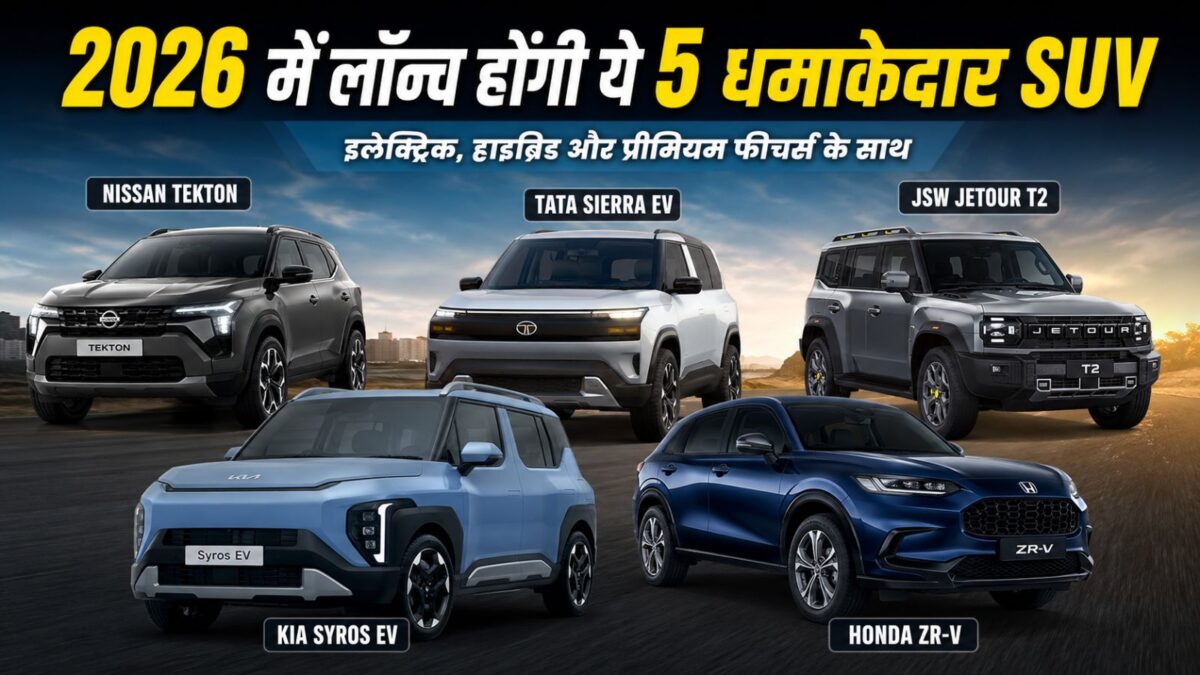
The SUV segment is going to see a huge boom in the Indian auto market in the second half of 2026. Vehicles like Nissan Tekton, Tata Sierra EV, JSW Jetour T2, Kia Syros EV and Honda ZR-V will bring new options. From affordable compact SUVs to premium hybrid and electric options are set to enter in the coming days.

These models will set a new benchmark in powertrain, features, design and performance. With increasing EV demand, hybrid technology and premium features, these vehicles will attract families, adventure lovers and tech-friendly customers. Competition will intensify with the launch, which will provide better value, safety and range. Overall, these launches will make the Indian SUV market more dynamic. Let us know with what prices and features these vehicles can be launched.

Nissan Tekton

Nissan Tecton is a compact SUV to be launched on July 9, 2026, which is based on Renault Duster. Designed to disrupt the C-SUV segment, this car will come with bold aesthetics, strong reliability and premium craftsmanship. 1.3 liter turbo petrol and hybrid powertrain options will be available. The price is expected to be around ₹10-18 lakh. With 18-inch alloy wheels, advanced technology features and strong build quality, it will compete with rivals like Creta and Duster. Production has started at the Chennai plant, which will prove to be a big step for Nissan's return to India.

Tata Sierra EV

Tata Sierra EV is scheduled to be launched in late June 2026 (June 30), which will be the electric version of Sierra ICE. Built on the acti.ev+ platform, this SUV will come with 65 kWh and 75 kWh battery packs, with RWD and AWD (dual motor) options. 500 km+ range, fast acceleration and BaaS (Battery-as-a-Service) option will attract customers. The estimated price can be kept at ₹ 15-25 lakh. This model, which will compete with vehicles like Nexon EV and Creta Electric, will strengthen Tata's EV portfolio. With modern design, premium features and off-road capability, this EV will become an attractive option for buyers.

JSW Jetour T2

JSW Jetour T2 (October 2026, around Diwali) will be the first major offering from JSW Motors, which will come in partnership with Chery. This PHEV (Plug-in Hybrid) SUV will provide 380+ PS power and 1200 km+ combined range with 1.5 liter turbo petrol engine. There will be features like 4×4 capability, large 15-inch screen, panoramic sunroof and premium interior. The price can be kept between ₹ 30-45 lakh. This 4.8 meter long vehicle will be suitable for both off-road and family use. Strengthening JSW's entry, this SUV will challenge vehicles like Mahindra XUV700 and Tata Harrier.

Kia Syros EV

Kia Cyros EV is an affordable electric SUV to be launched in July 2026, which will target the Nexon EV and XUV 3XO EV. Will offer good range, space and value for money with 42 kWh and 49 kWh battery packs. The price is likely to be ₹ 14-20 lakh. With tall-boy design, family-friendly space, advanced features and strong performance, it will become a strong contender in the EV market. Testing is going on and it will make the company's EV lineup more accessible.

Honda ZR-V

The Honda ZR-V Hybrid will arrive with deliveries in July 2026 (CBU import, limited numbers). 2.0 liter e-CVT with strong hybrid system will provide excellent mileage and premium driving experience. The price can be between ₹ 40-50 lakh. This 4567mm long mid-size SUV is based on Honda's CR-V and Civic architecture, which will have luxury features, safety and refined performance. In the market it will compete with rivals like Jeep Meridian and Skoda Kodiaq.

Source link

2 new SUVs are coming to end the reign of Hyundai Creta! Know the features

2 new SUVs are coming to end the reign of Hyundai Creta! Know the features

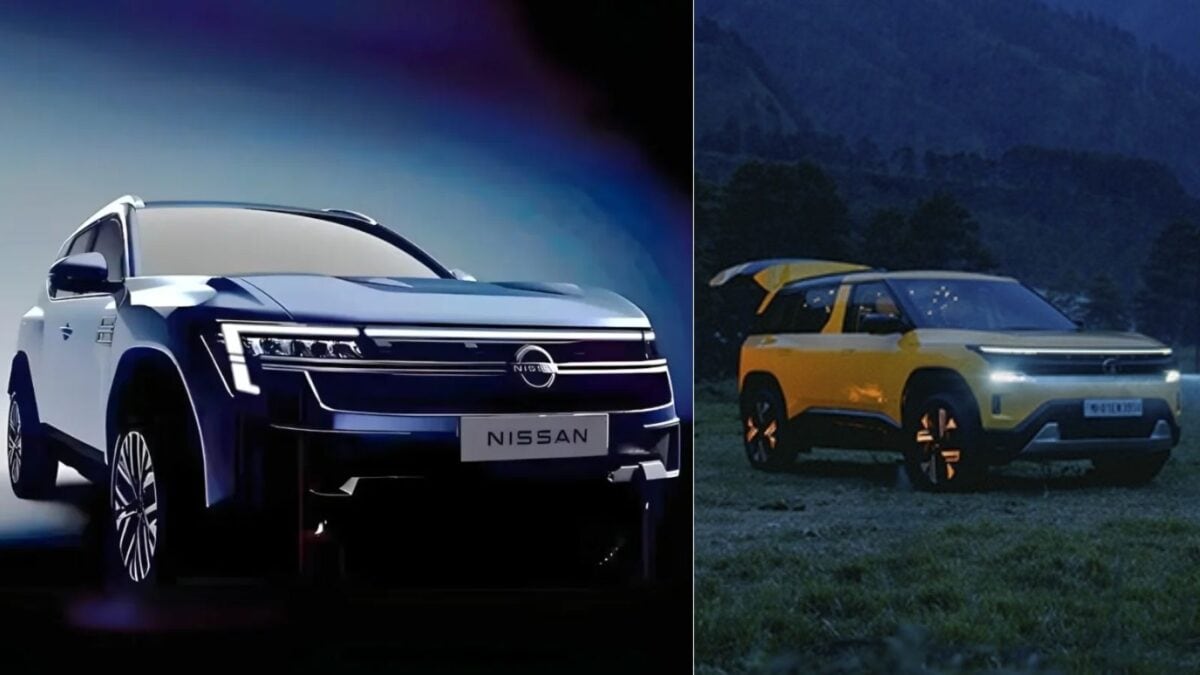
Hyundai Creta has been ruling the Indian SUV market for the last several years. Now two strong challenging new models are coming. This includes the names of Tata Sierra EV and Nissan Tekton. Both of these will compete with Creta, Seltos and other competitors in the mid-size SUV segment. Both of these are going to be much better for the 5-seater SUV segment and family.

The Tata Sierra EV will attract eco-friendly and performance-focused customers with its electric option, while the Nissan Tekton will offer a practical and value-for-money experience with a petrol-hybrid powertrain. With their launch in the coming months of 2026, new competition will increase in the segment. Customers will now be able to choose between better features, range and design. Let us know about these two.

Tata Sierra EV

Tata Motors is also bringing back its popular Sierra in EV version. This is an SUV built on Acti.ev platform, which will challenge Creta EV and other electric SUVs. The launch is expected to take place around August 2026. It will be provided with 65-75 kWh battery pack, which can give a range of up to 500 km. Power can be up to 260 bhp+ and 4WD option will also be available.

Closed-off grille, smooth bumper and iconic rear glass will be seen in the design. The interior will be spacious, which will include a 15-inch large touchscreen, digital cluster, level-2 ADAS, 360 degree camera and premium features. The price is estimated to be between Rs 20-25 lakh. Tata's strong service network and EV experience will make it attractive for families.

Nissan Tekton

Nissan's Tecton will give direct competition to Creta in its segment. It is going to be launched on 9 July 2026. It will be built on the platform (CMF-B) of the new-generation Renault Duster, but will come with a more refined and premium look. This 4.2-4.5 meter long SUV will have modern LED lights, bold styling and strong road presence.

Engine options will include 1.0-litre and 1.3-litre turbo petrol engines. Strong hybrid variant is also possible, which can give mileage up to 25 kmpl. Features will include large touchscreen, ventilated seats, 360 degree camera, wireless charging and ADAS. The price can be kept in the range of Rs 11-18 lakh, which will make it a value pack. Tekton will play an important role in Nissan's comeback.

Overall, the Tata Sierra EV points towards an electric future, while the Nissan Tekton will be a better option for conventional and hybrid buyers. With the arrival of these two, the Indian SUV market is going to become more interesting. If you are planning to buy a new SUV in the coming days, then you can choose one of these.

Source link