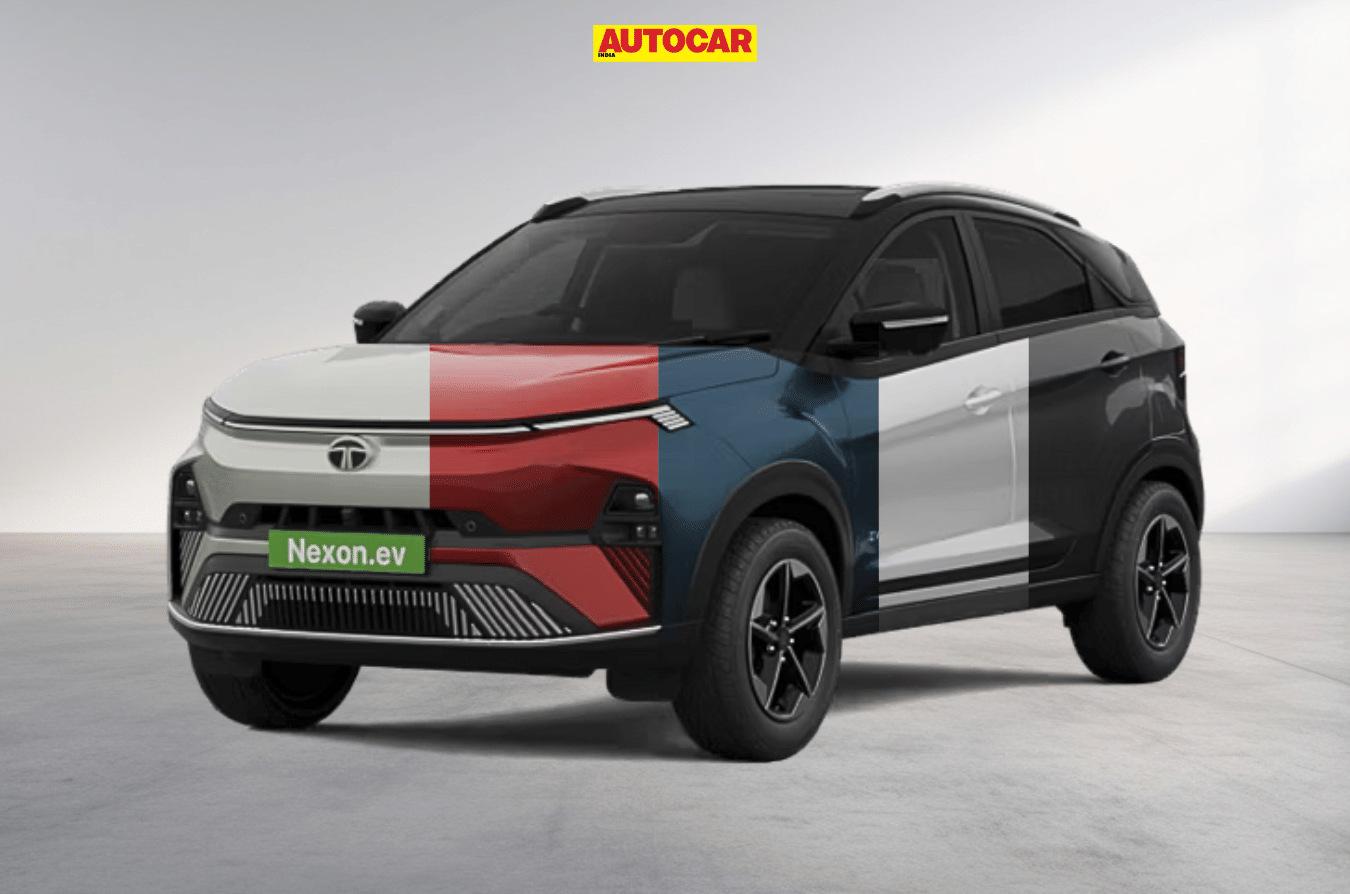
टाटा नेक्सन ईवी 6 बाहरी रंगों में पेश किया गया है। एम्पावर्ड, फियरलेस और क्रिएटिव वेरिएंट प्रिस्टिन व्हाइट, डेटोना ग्रे और फ्लेम रेड में उपलब्ध हैं। क्रिएटिव ट्रिम को क्रिएटिव ओशन नामक एक विशेष शेड भी मिलता है, जबकि एम्पावर्ड वेरिएंट भी एम्पावर्ड ऑक्साइड और इंटेन्सी टील शेड्स में आता है। केबिन का डिज़ाइन वेरिएंट पर भी निर्भर करता है। डार्क एडिशन में ऑल-ब्लैक इंटीरियर मिलता है, कुछ वेरिएंट ब्लैक-एंड-व्हाइट थीम का उपयोग करते हैं, और रेड डार्क एडिशन लाल सीटों के साथ आता है। Tata Nexon EV की कीमत 12.49 लाख रुपये से 17.49 लाख रुपये (एक्स-शोरूम) के बीच है और यह 30kWh और 45kWh बैटरी पैक के साथ उपलब्ध है।
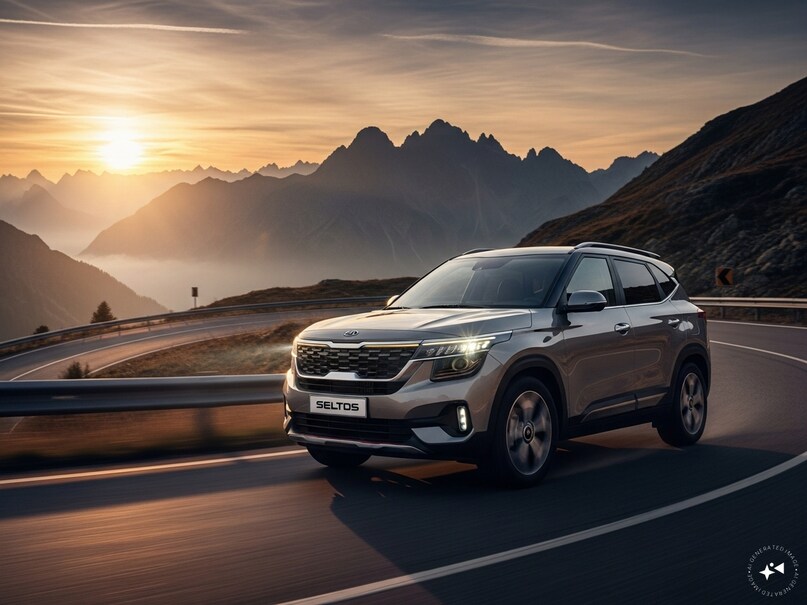
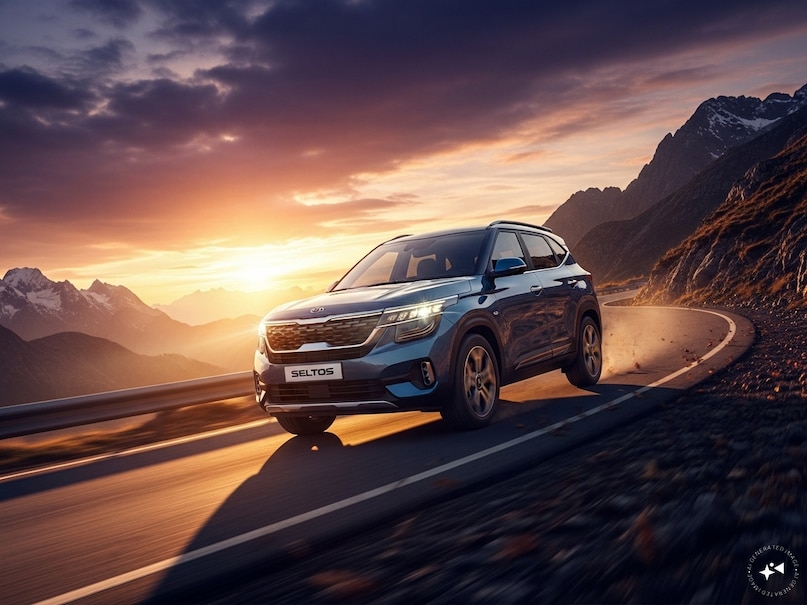
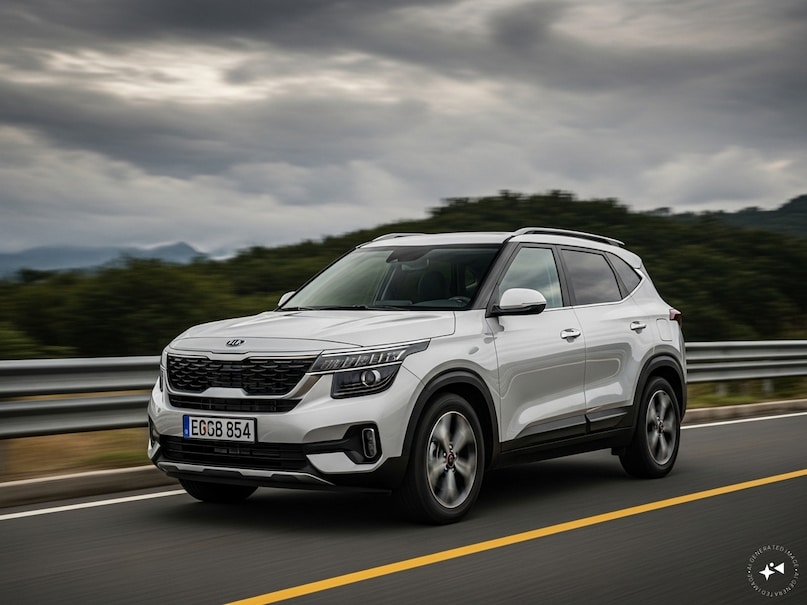
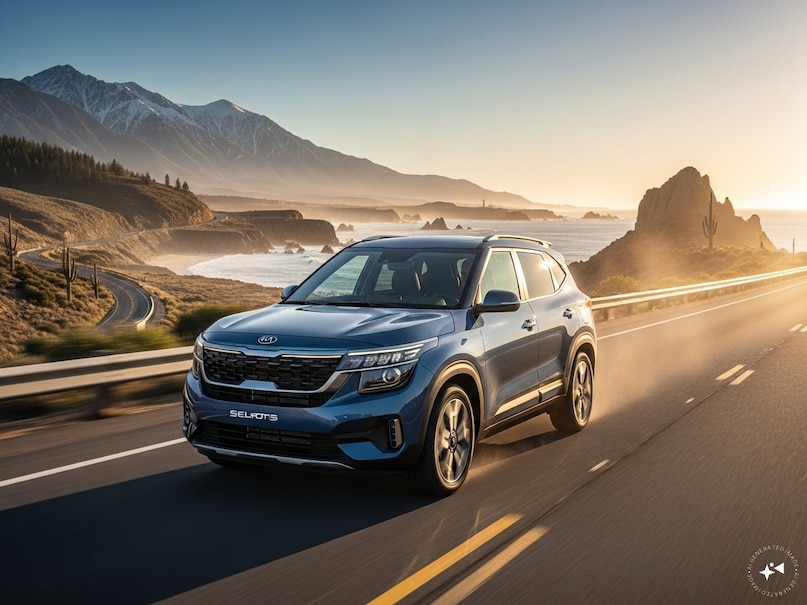
Kia India launched more than 5 lakh connected cars on Indian roads, in which Kia Seltos was at the forefront. Kia Connect 2.0 and ccNC show leadership in digital mobility.
Kia India has announced to achieve the milestone of having more than 5 lakh connected cars on Indian roads. This success, with the help of Kia Connect 2.0 and ccNC, reflects Kia India's growing leadership in delivering digital-first mobility experiences.
Kia Seltos remains the biggest contributor to this achievement, accounting for almost 70% of Kia's total connected car sales. Also playing an important role in this trend are the Sonet and Carens, which come after Seltos and reflect the huge demand for connected features in Kia India's portfolio.
Current retention trends show that customers are returning for renewal after being satisfied with the experience and connectivity features. Kia continues to lead the way in introducing advanced connected car technologies, including the most popular features.
Add News18 as Preferred Source on Google
Connected Car Navigation Cockpit: Intuitive interface, seamless connectivity and advanced OTA capabilities, keeping the vehicle always updated with the latest software and apps, making driving safe and smooth.
Over-the-Air (OTA) Software Updates and Kia Remote Diagnostics: Remote vehicle diagnostics and OTA updates, reducing dealership visits.
Digital Key 2.0: Vehicle access and driving through UWB or NFC technology via smartphone or smartwatch.
Plant over-the-air (OTA) updates: Vehicle software is updated remotely at the plant, ensuring connected cars are ready with the latest features from day one.
Multilingual Voice Recognition Support: Control vehicle functions with voice commands in multiple languages including English, Hindi, Tamil and Bengali, with more commands coming soon.
Click here to add News18 Hindi as your favorite news source on Google.
First Published:
January 11, 2026, 15:46 IST
homeauto
This car company did wonders! Made a new record by selling 5 lakh connected cars
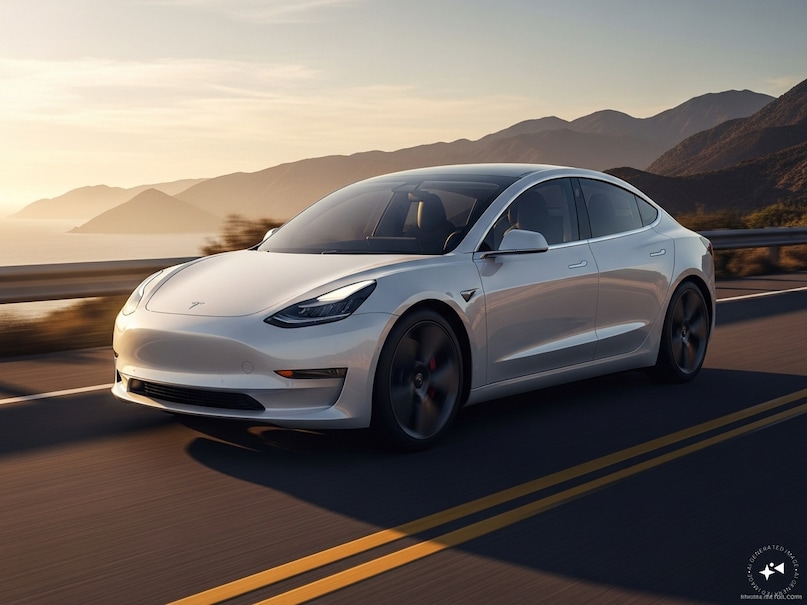
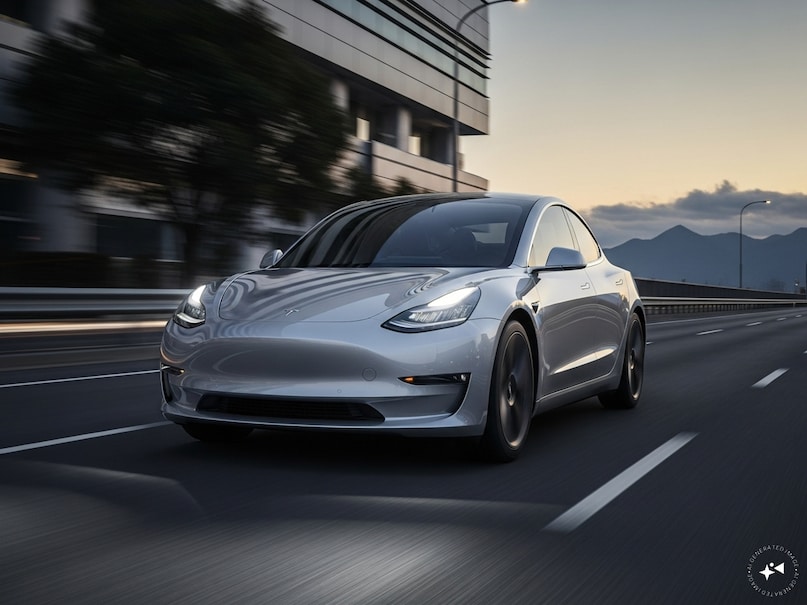
Tesla launches the Model 3 Standard in the UK, which is the cheapest Tesla at £37,990. It has a smaller battery, new features and a 322–332 mile WLTP range. Delivery will start from February 2026.
Tesla has introduced a new entry point to its Model 3 line-up with the launch of the Model 3 Standard, which is now the cheapest Tesla on sale in the UK. Its prices start from £37,990 (approximately Rs 45.92 lakh). This new variant is cheaper than the earlier base version and has many updates made especially for British buyers.
The Model 3 Standard can also be purchased under a five-year PCP plan at an installment rate of £249 (roughly Rs. 30,000) per month, with a down payment of £9,100 (roughly Rs. 11 lakh) and an annual limit of 10,000 miles. This has made it easier for those people to buy Tesla, who earlier could not buy it due to its price.
Model 3 built specifically for the UK Instead of removing features just to reduce costs, Tesla has re-engineered the Model 3 Standard to reduce running costs. Many features which were available in earlier high trims have been removed.
Add News18 as Preferred Source on Google
In the interior, fabric inserts are provided in the seats and the steering wheel can be adjusted manually. The center console also now has a more open design, with more storage space instead of the earlier covered compartment.
According to customer feedback, the indicator stock has been brought back, which many UK drivers were missing when Tesla tried to introduce a button based interface. The biggest change is inside it.
The Model 3 Standard has a smaller battery than the Premium models, but still offers 322–332 miles (518–534 km) of WLTP range, depending on configuration.
Although the battery capacity has not been disclosed, which is typical Tesla practice, its biggest feature is efficiency. Model 3 Standard claims: 20.9kWh per 160km WLTP consumption.
Due to these optimizations, the Standard variant retains Tesla's long-range identity. Tesla says that the first customers will start receiving the car by the end of February 2026. At the same time, the newly priced Model Y Standard will also be launched at £41,990 (approximately Rs 50.75 lakh).
Click here to add News18 Hindi as your favorite news source on Google.
First Published:
January 11, 2026, 15:02 IST
homeauto
Tesla introduces the cheapest Model Y, full of premium features at a low price
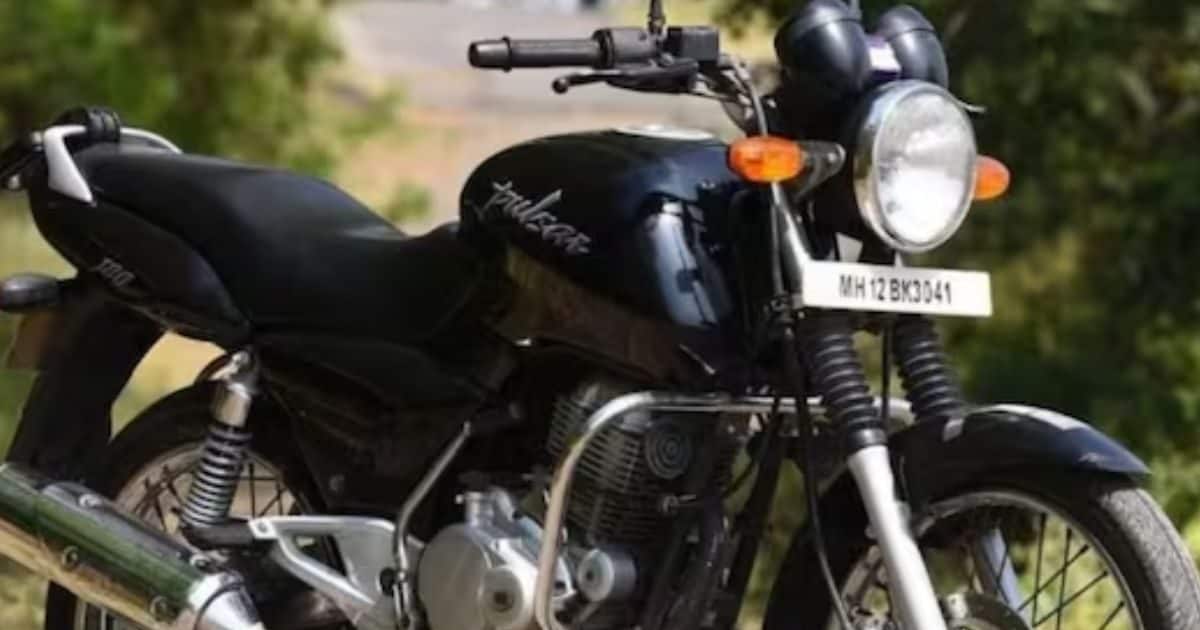
New Delhi. The story of Bajaj Pulsar began in 2001, when the Indian motorcycle market was dominated by commuter bikes that were almost entirely focused on mileage. At that time, performance enthusiasts had very few options and for common people the dream of an affordable, powerful motorcycle seemed distant. In such an environment, Bajaj created a stir in the market by launching the Pulsar range. Started with Pulsar 150 and Pulsar 180. Both these models directly attracted the youth with their powerful looks, big engines and bold identity. Pulsar not only entered the market, but changed it completely.
149cc air-cooled engine The first Pulsar 150 had a 149cc air-cooled engine, which was more powerful than the commuter bikes of that time. Whereas Pulsar 180 took this level further with 178cc engine. Beyond the numbers, what made the Pulsar range special was its performance and segment-first features like a front disc brake, sporty riding position and a muscular fuel tank that gave it a strong road presence. These motorcycles soon became a dream among the youth and college students.
time-varying pulsars The Pulsar lineup has seen many changes over time, but its core identity has always remained intact. In 2003, Bajaj introduced its DTS-i (Digital Twin Spark Ignition) technology, which improved both performance and mileage and made the engine more refined. With this update, new graphics and minor design changes kept Pulsar ahead in the performance segment. Later, features like twin pilot lamps, clip-on handlebar, gas-charged rear shock absorber and semi-digital instrument cluster were also added to Pulsar, which made its look more premium.
Pulsar 220 launched In the late 2000s and early 2010s, the Pulsar became a mature motorbike, with better reliability, sharper design and more power. The power of Pulsar 150 reached around 15bhp, while Pulsar 180 reached around 17bhp. In 2007, Bajaj also launched the Pulsar 220, first in a fuel-injected version and later in a carburetted version, to keep the price low and maintenance easy.
Strong presence of Classic Pulsar Throughout its journey, the Classic Pulsar has always been loved for its imposing presence, muscular looks and great performance. Even though Bajaj later introduced new models like the NS, RS and N series, the classic Pulsar is still known for its simplicity, reliability and emotional connect with the riders who once dreamed of owning it. The Pulsar name is not just a badge on a tank, but has become a symbol of performance motorcycling in India.
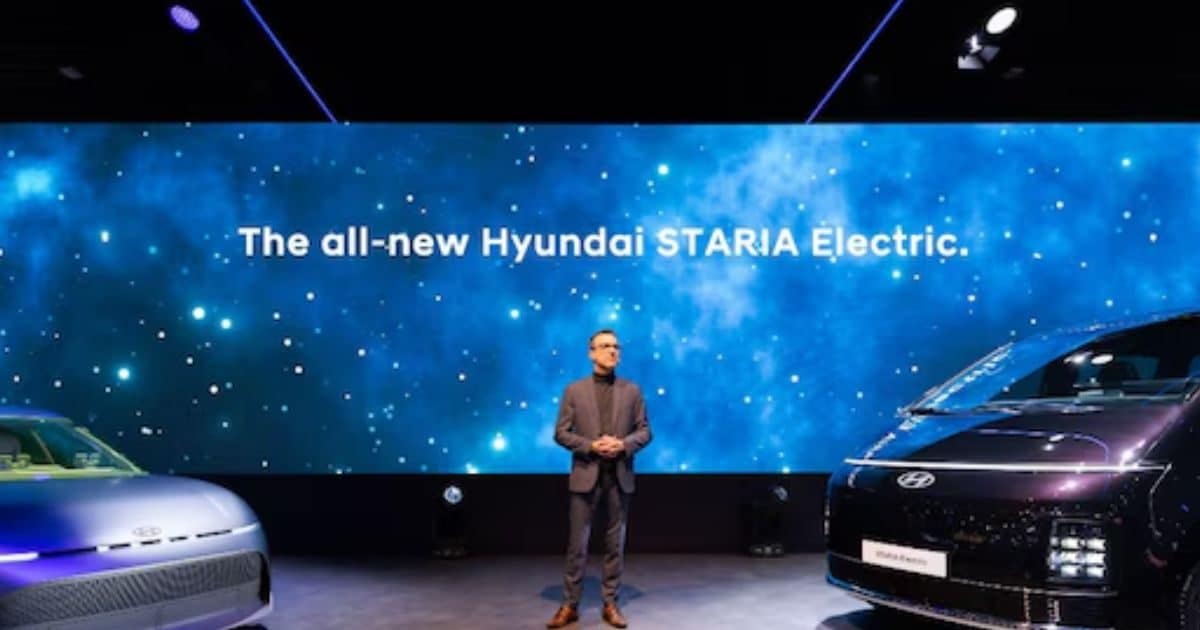
Hyundai introduced the Staria Electric at the Brussels Motor Show, which will launch in Korea and Europe in 2026. It has 84 kWh battery, 400 km range and ultra-fast charging.
New Delhi. Hyundai Motor Company has introduced the Staria Electric at the Brussels Motor Show, which is a major change in the brand's multi-purpose vehicle lineup. Launched as Hyundai's flagship MPV, the Staria Electric combines zero emission mobility with a people-centric design philosophy. It will be available for sale in Korea and Europe in the first half of 2026, after which it will be launched in other markets as well.
exterior design Staria Electric reflects Hyundai's “inside-out” design approach, with the exterior designed keeping cabin comfort and space in mind. This MPV has a long body, low beltline and large mirrors, due to which visibility is good and the interior environment feels open and comfortable. The electric vehicle-specific closed front fascia, clean surfaces and continuous horizontal light bands reinforce its electric identity. Wide sliding doors and large rear tailgate ensure easy access for everyday urban use, family trips or commercial shuttle service. The closed grille also improves aerodynamic efficiency.
Powertrain: High-Efficiency 800V Architecture At the heart of the Staria Electric is an 84 kWh battery, mated to a 218bhp front-mounted electric motor. Its advanced 800-volt EV platform, rarely seen in the MPV segment, supports high power flow and reduces heat buildup, enabling repeated ultra-fast charging. Hyundai estimates that the WLTP driving range will be around 400 kilometers.
Ultra-fast charging capability Hyundai's advanced 800V system allows the Staria Electric to charge from 10% to 80% in just 20 minutes in ideal DC fast-charging conditions. For everyday use, this MPV supports 11kW AC home charging. Heated charging port ensures reliable operation even in cold weather.
interior design Staria Electric's interior is light, spacious and comfortable, designed keeping in mind convenience and flexibility. Flat floors, wide spaces and large windows create a lounge-like atmosphere, enhanced by soft lighting and intuitive ergonomics. The Staria Electric has two 12.3-inch displays, one for the instrument cluster and the other for infotainment. Physical buttons are also provided for essential functions for ease of driving.
Location:
New Delhi,Delhi
First Published:
January 11, 2026, 12:10 IST
homeauto
Forget Creta-Venue! Hyundai Staria unveiled, unveiled in Brussels
Cristiano Ronaldo's first major automotive endorsement was for the Suzuki Swift in 2004–2005, building on his youthful image and the Swift's sporty identity. At that time Ronaldo did not have global stardom. No one knew that he would achieve so much stardom in the future. Recognizing him, Maruti placed a bet on him.
New Delhi. You might not believe it, but long before Cristiano Ronaldo had Bugattis and hypercars in his garage, his first major automotive endorsement was for the humble Suzuki Swift in 2004-2005. This deal was an important first step towards his transformation from young talent to global commercial icon. In 2004, Ronaldo was a fast-rising winger for Manchester United, known for his pace, step-overs and style, rather than trophies and records. At the same time, Suzuki was preparing to launch the new generation Swift, which was introduced for the global markets as a youth and sporty hatchback.
Suzuki bet on Ronaldo Suzuki chose then-young forward Ronaldo for Swift's energetic and dynamic image, and bet on his potential, all before Ronaldo rose to global stardom. The campaign officially launched in early 2005, coinciding with Swift's big debut in Europe.
Automotive Endorsement Story The story of this advertisement was based on the qualities of the player and the car: speed, agility and style. Advertisements and visuals showcased Ronaldo's fast moves and acceleration along with the Swift's agile handling and modern design. This messaging shifted the Swift away from being just a budget car and giving it a more ambitious, youthful image that was targeted at urban buyers. This was an initial platform for Ronaldo to connect his football-field persona to a mainstream consumer brand.
Swift's campaign with Ronaldo The Swift campaign with Ronaldo aired in Europe, Australia and New Zealand, as Suzuki launched the hatchback in several right-hand and left-hand drive markets. This exposure gave the young Manchester United star recognition among advertising audiences even outside of football broadcasts. Promotion of the car also included test-drive offers, such as footballs signed by Ronaldo, further associating the model with his image. This association positioned the Swift as a car for ambitious, sports-loving youth rather than traditional family buyers.
Not Ronaldo's first car Although Swift was reportedly not Ronaldo's first personal car, this endorsement was his breakthrough moment in the automotive space. This was several years before his now famous collection of Ferrari, Bugatti and other ultra-luxury cars.
Location:
New Delhi,Delhi
First Published:
January 10, 2026, 18:30 IST
homeauto
Ronaldo was the first brand ambassador of this hatchback of Maruti, it is popular in India.
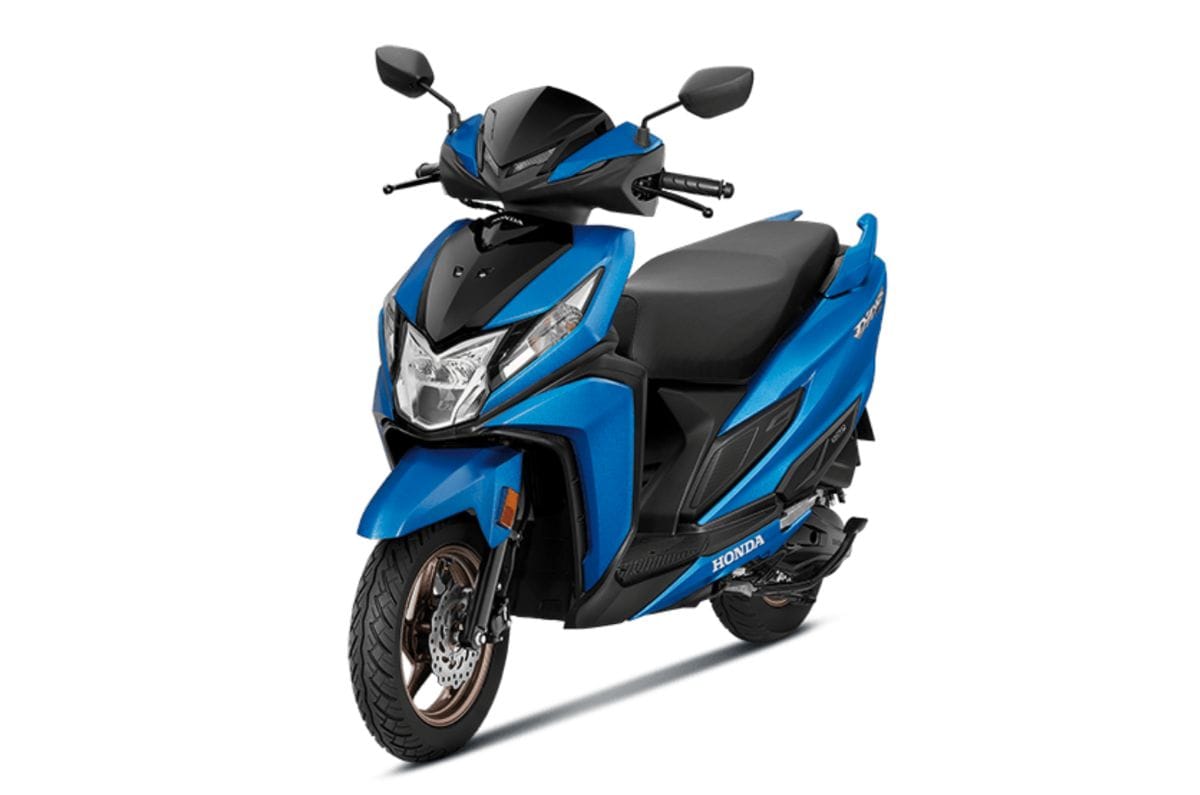
डियो 125 होंडा का अधिक युवा 125 सीसी स्कूटर है और यह एक्टिवा 125 के समान प्लेटफॉर्म पर आधारित है, दोनों के बीच कुछ यांत्रिक अंतर हैं। बड़े डियो को पावर देने वाला वही 125cc, एयर-कूल्ड, सिंगल-सिलेंडर मोटर है जो 6,500rpm पर 8.3hp और 5,000rpm पर 10.5Nm का टॉर्क देता है जो कि एक्टिवा 125 में देखा गया है। 125cc एक्टिवा और डियो के बीच चेसिस काफी हद तक समान है लेकिन बाद वाले का ग्राउंड क्लीयरेंस अधिक है और इसका वजन भी पहले की तुलना में 2 किलोग्राम कम है।
डियो 125 दो वेरिएंट में उपलब्ध है – स्टैंडर्ड और स्मार्ट – जिसमें बाद वाले में कीलेस इग्निशन, टीएफटी डैश जैसी सुविधाएं हैं और इसका वजन पहले की तुलना में 1 किलोग्राम कम है। दोनों वेरिएंट में छह रंग पेश किए गए हैं।
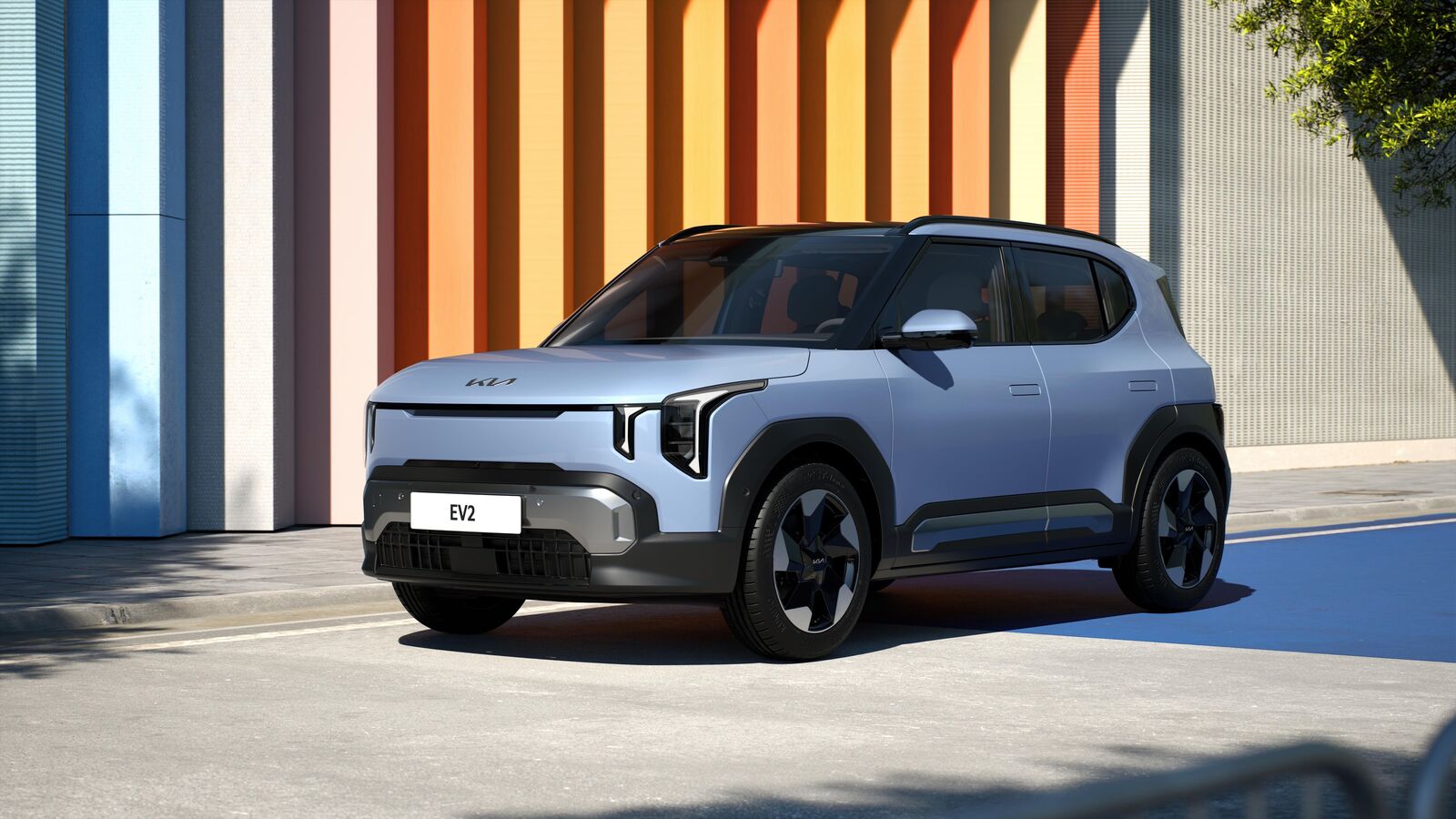
Kia has unveiled the EV2 at the Brussels Motor Show 2026, introducing its smallest and most affordable electric crossover with two battery options and a 448 km WLTP range.
The Kia EV2 made its global debut at the Brussels Motor Show 2026 as the brand's smallest electric crossover to date.
View personalized offers
check offers
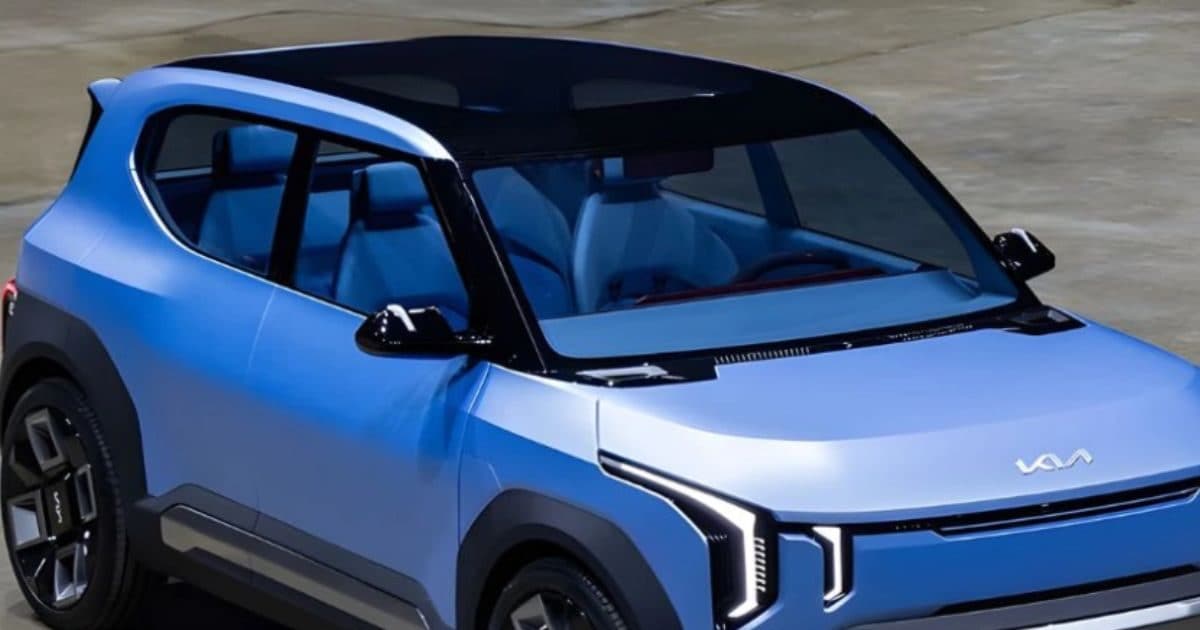
Kia unveiled the EV2 at the Brussels Motor Show 2026 and brought the compact electric crossover into production. The Kia EV2 is the sixth and smallest model in the South Korean brand's portfolio of battery electric vehicles based on the E-GMP architecture. It comes with two battery pack options, three trim lines and design cues borrowed from the larger Kia EV.
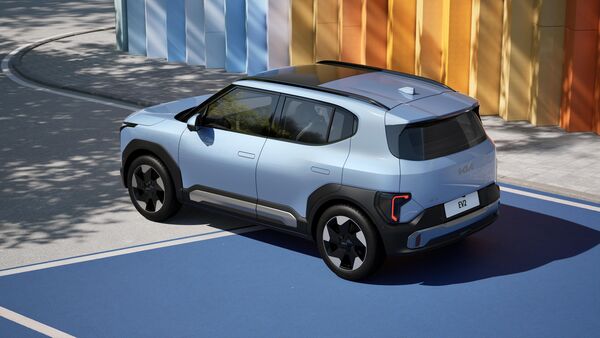
The overall silhouette of the EV2 bears some similarities with the ICE-powered Sciros on our shores, while sporting an updated version of the tiger face design seen on Kia's latest models. It brings split LED headlamps, which stand vertically, and a straight front end with thick cladding.
The cladding extends around the car and is seen extending to the taillamps, which are mounted as low as possible without encroaching on the rear bumper. This makes way for a clean tailgate design, featuring a thin rear windscreen with an upward-facing roof spoiler.
What's included in the Kia EV2's interior and tech suite?
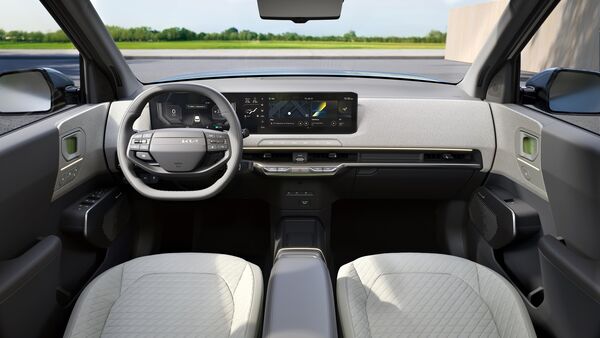
Inside, the Kia EV2 features a triple-panel display layout with a 12.3-inch instrument cluster and infotainment screen.
The cabin of the EV2 is largely inspired by the Syros, offering a similar overall layout and the same two-spoke steering wheel. The dashboard is equipped with a triple-panel display, consisting of a 12.3-inch cluster, 5.3-inch HVAC panel and 12.3-inch infotainment. Features include a Harman Kardon audio system, Digital Key 2.0, vehicle-to-load (V2L) and vehicle-to-grid (V2G) charging functionality.
Kia is also offering the EV2 in a four-seater configuration, which includes two sliding and reclining seats in the second row. This helps free up more boot space, up to 403 liters in these variants. The regular five-seater models offer a 362-litre boot, while both boast a 15-litre frunk.
Also read: Kia India crosses 5 lakh connected cars mark in the domestic market
What is the battery and range of Kia EV2?
Low-mounted taillamps and a clean tailgate design give the Kia EV2 a distinctive rear profile, paired with a slim rear windscreen.
The EV2 will be offered with two battery pack options. The 42.2 kWh battery is an LFP unit allowing a single-charge range of 317 km (WLTP). Kia will offer a long range variant equipped with a 61.0 kWh NMC unit, providing a range of up to 448 km (WLTP). Both battery packs can be recharged from 10-80 percent in less than 30 minutes using a DC fast charger.
Production of the Kia EV2 in standard Range guise is expected to begin in Q1 2026, while the Long Range and GT-Line variants are due to arrive in late June. The official launch date has not been announced, and Kia has not yet confirmed whether it will enter the Indian market or not. Despite the fine print, the EV2 will be positioned as the most affordable EV from the company, expected to list below the €36,000-mark (~) 37.80 lakh).
Check out Upcoming EV Cars in India, Upcoming EV Bikes in India.
First publication date: 10 January 2026, 15:31 PM IST
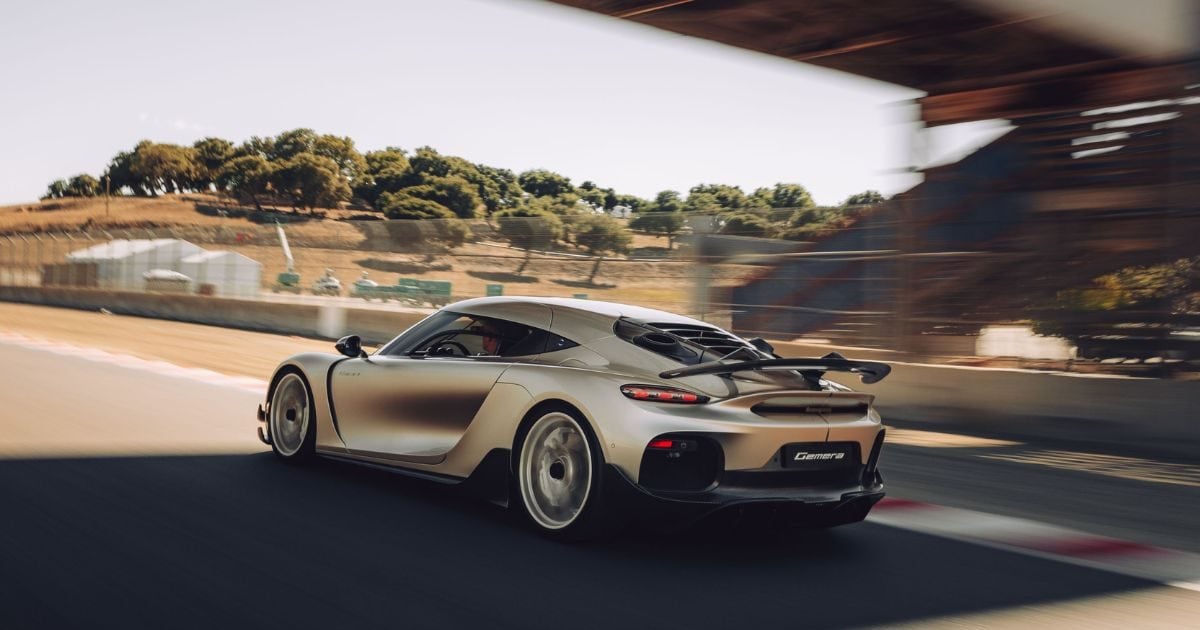
Koenigsegg Gemera passes EU safety and emission norms, becomes the most powerful family car with 2300 horsepower. The certification process is going on in America. Many smart features have been provided in this car. With European Union certification, it has now become one of the safest cars in the world.
New Delhi. Koenigsegg Gemera, which is called a four-seat hypercar and is considered to be the most powerful family car due to its 2,300 horsepower powertrain. This car has passed all the safety and emission norms of the European Union. The Swedish manufacturer has confirmed that Gemera's in-house developed high-voltage battery system not only meets the current ECE R100.3 standards, but also meets the upcoming more stringent 2027 R100.5 thermal propagation test.
torture testing Koenigsegg has called it a major achievement in EV safety engineering. The brand's patent-applied battery technology forced thermal runaway during torture testing to be limited to only one cell of the battery, preventing heat from spreading to the rest of the pack. This performance far exceeds current global standards and reflects the strength of the company's battery management system (BMS) and thermal isolation design.
New Delhi. Kia has officially introduced its smallest and most affordable electric vehicle, the EV2, which is the new entry point into the brand's growing EV lineup. Positioned below the EV3, the new B-segment SUV will be manufactured at Kia's Zilina plant in Slovakia. It will be available in standard-range and long-range versions, as well as a premium GT-Line variant. The company has just introduced this car for Europe only. No details have been revealed yet on its launch in India.
Kia EV2: dimensions The smallest model in Kia's EV lineup, the EV2 follows the brand's design philosophy and features styling inspired by larger EVs. Its length is 4,060mm, width is 1,800mm and height is 1,575mm, while the wheelbase is 2,565mm. The SUV has a tiger nose fascia, vertical LED lighting signature and upright stance. Cargo space is 362 litres, which can be expanded to 403 liters with adjustable rear seats, and there is also a 15-litre front trunk.
Kia EV2: interior On the interior side, Kia says that the cabin design is inspired by the “picnic box” concept, which provides a bright and spacious environment. The dashboard has dual 12.3-inch displays, one for the instrument cluster and the other for the infotainment system, along with a 5.3-inch panel for the climate controls. It features Kia's new ccNC Lite software platform, which allows over-the-air updates (except maps) and download of in-car apps.
Kia EV2: Features The EV2 is available in Air, Earth and GT-Line trims. The base EV2 Air gets dual-zone climate control and 16-inch alloy wheels, while the mid-spec Earth gets premium touches like ambient lighting, 18-inch wheels and a Harman Kardon audio system. The top GT-Line variant has sporty design, 19-inch wheels, ventilated seats with memory, digital key 2.0 and high-gloss exterior accents.
Full set of ADAS features The EV2 gets a full set of ADAS features, which include Forward Collision Avoidance, Lane Follow Assist, Blind-Spot View Monitor and Highway Driving Assist 2.0. For the first time in the segment, Remote Smart Parking Assist Entry feature has been provided, through which the driver can remotely park the vehicle in tight spots through the key fob.
Kia EV2: powertrain Kia offers two battery options: 42.2 kWh and 61.0 kWh battery packs, which offer a range of 317 km and 448 km respectively. Both packs are based on 400 V architecture, which supports DC fast charging and 10-80 percent charge is done in just 30 minutes. On AC power, a 22 kW charger fully charges the battery in about 2.5 to 3 hours, while 11 kW home units are suitable for overnight charging.
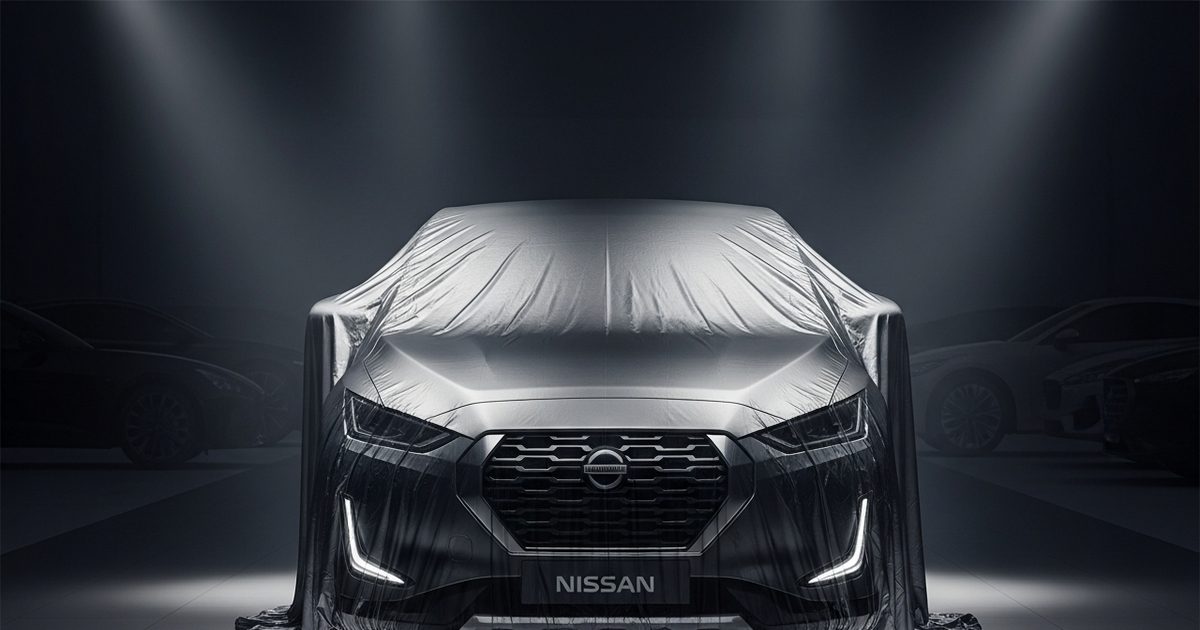
2026 Nissan Magnite CNG is now available with AMT starting at Rs 6.89 lakh, factory fitted CNG kit, 72bhp engine, multiple variants and premium features.
New Delhi. The 2026 Nissan Magnite CNG is now available with AMT (Automated Manual Transmission), starting at Rs 6.89 lakh. CNG-AMT variants are available in Acenta, N-Connecta, Tekna and Tekna+, which are priced at Rs 7.89 lakh, Rs 8.51 lakh, Rs 9.38 lakh and Rs 9.70 lakh respectively. Magnite CNG has a 1.0 liter naturally aspirated petrol engine with a power of 72bhp, which is fitted with a retro-fit CNG kit. This CNG kit is factory approved and available at all authorized Nissan dealerships at an additional cost of Rs 72,000.
Key Features
All-black cabin
Steering wheel dashboard with black and silver finish
Dual-tone copper and black layout for door pads and seat upholstery
Textured Panels on Door Pads
Dual-tone leatherette upholstery
Ambient lighting in four colors
8-inch touchscreen
7.0-inch digital instrument cluster
Rear AC Vents
Auto Dimming IRVM
360-degree camera
wireless charger auto
climate control
Type-C charging ports
electric sunroof
key fob with remote start
auto headlamps
6 airbags
electronic stability control
Three-point seatbelts and seatbelt reminder for all seats
petrol engine 1.0 liter naturally aspirated petrol and 1.0 liter turbo petrol engine options are also available in the Nissan Magnite lineup. The NA engine produces 72PS of maximum power and top torque, while the turbo-petrol unit produces 100PS of power and 96Nm of torque. It has a 5-speed manual gearbox as standard. It is an excellent car in terms of performance in its segment.
Mileage and gearbox options A 5-speed AMT unit is also available with the NA petrol engine, while an optional CVT automatic gearbox is available for the turbo-petrol engine. Nissan claims that the Magnite gives a mileage of 19.4kmpl (NA Petrol MT), 19.7kmpl (NA Petrol AMT), 20kmpl (Turbo-Petrol MT) and 17.4kmpl (Turbo-Petrol CVT). Nissan Magnite is the company's most popular car in India. Considering its popularity, the company has also launched it in the market with CNG kit.
Location:
New Delhi,Delhi
First Published:
January 09, 2026, 19:33 IST
homeauto
New SUV launched with mileage of 19.7 km, price is only Rs 6.89 lakh
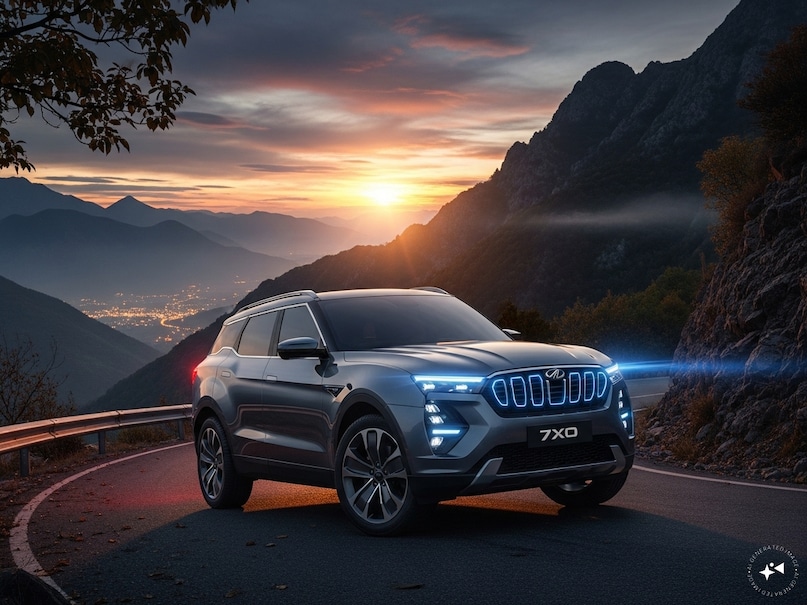
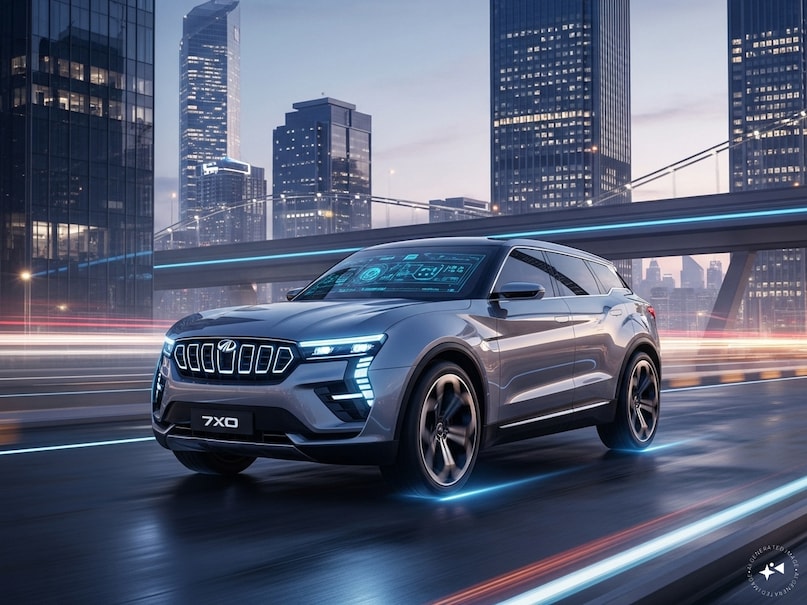
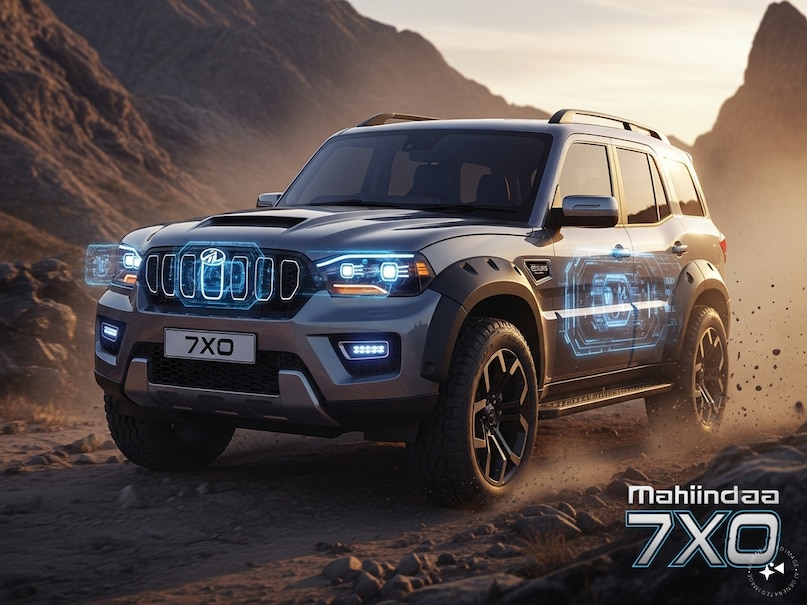
Mahindra XUV 7XO is the new SUV replacing the XUV700 in the Indian market. Many upgrades have been made in this SUV in terms of design, interior and features, although there has been no change in its dimensions. The starting price of XUV 7XO is Rs 13.66 lakh (ex-showroom), while the price of its top variant goes up to Rs 24.11 lakh (ex-showroom). These prices will be applicable for the first 40,000 customers.
This SUV competes with vehicles like Tata Safari, Hyundai Alcazar and MG Hector Plus. The XUV 7XO comes in six trim levels: AX, AX3, AX5, AX7, AX7T (Tech) and AX7L (Luxury). It has 2.0-litre turbo petrol and 2.2-litre diesel engines with manual and automatic transmission options, resulting in many variants.
Mahindra XUV 7XO: Engine The 2.0-litre turbocharged engine of the Mahindra At the same time, the diesel variant of
Add News18 as Preferred Source on Google
Mahindra Apart from this, it is also provided with independent suspension with dynamic damping.
The features list includes leatherette seats, panoramic sky roof, cruise control, power adjustable driver seat with memory and push-button ignition. For safety and convenience, six airbags, 540-degree camera system, blind spot detection system, air purification system, DVR and smart locking features have been provided. Apart from this, R18 diamond-cut alloy wheels are also available in it.
Mahindra XUV 7XO: Color and Interior Paint options for this SUV include Desert Mist, Everest White, Galaxy Grey, Midnight Black, Nebula Blue, Ruby Velvet and Stealth Black. Mahindra has given it a new beige-and-brown interior color theme, while the two-spoke steering wheel in the top trims is wrapped in two-tone leather.
AX7L इसका शीर्ष ट्रिम है महिंद्रा XUV 7XO और इसकी कीमत 23.45 लाख रुपये से 24.92 लाख रुपये के बीच है। यह निचले वेरिएंट की तुलना में कई आराम, तकनीक और सुविधा सुविधाएँ जोड़ता है। AX7L में डॉल्बी विजन और डॉल्बी एटमॉस सपोर्ट के साथ 19-इंच के बड़े अलॉय व्हील मिलते हैं। यह हवादार आगे और पीछे की सीटों, पावर्ड बॉस मोड के साथ 6-तरफा विद्युत रूप से समायोज्य सह-चालक की सीट और पीछे की खिड़की पर सनब्लाइंड के साथ आता है। अन्य अतिरिक्त सुविधाओं में कूलिंग के साथ एक रियर वायरलेस चार्जर, एक इलेक्ट्रॉनिक पार्किंग ब्रेक, एक 540-डिग्री कैमरा, वायरलेस चार्जिंग और एक 16-स्पीकर हरमन कार्डन ऑडियो सिस्टम शामिल हैं।
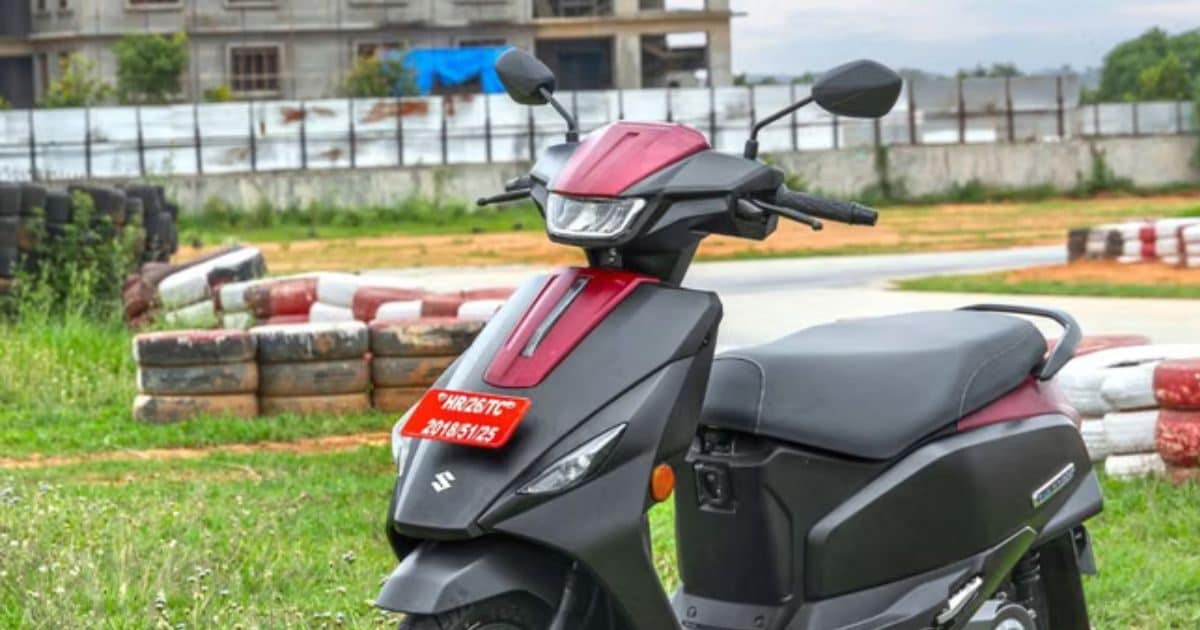
Suzuki Motorcycle India launched its first electric scooter in India, Suzuki E-Access at Rs 1.88 lakh, which includes 95km range, three riding modes and fast charging.
New Delhi. Suzuki Motorcycle India has officially opened the bookings for its first electric scooter, the Suzuki E-Access, marking the brand's foray into the electric two-wheeler segment with India as the launch market. Its price has been kept at Rs 1.88 lakh (ex-showroom, Delhi). E-Access has been introduced as a strong, practical and premium option in the rapidly growing EV scooter segment in urban areas. Along with the booking announcement, the company has also introduced a new dual-tone paint scheme: Metallic Matte Stellar Blue/Metallic Matte Fibroin Grey, taking the total to 4 attractive color options available.
rigorous testing Based on Suzuki e-Technology, the e-Access features Suzuki's own e-Technology, which features a 3.07kWh Lithium Iron Phosphate (LFP) battery, which is designed for longer life and better thermal stability. Suzuki claims that this battery gives four times more life than conventional NMC units and has been subjected to rigorous tests like submersion, vibration, drop and temperature stress. This scooter has a 5.58bhp (4.1kW) motor, which gives 15Nm torque. Its top speed is 71kmph and according to the company it can run up to 95km on a single charge. Suzuki says that the acceleration of the scooter remains responsive even with 10% battery charge.
three riding modes Riders are offered three ride modes: Eco, Ride A and Ride B, which can be selected via Suzuki Drive Mode Selector-e (SDMS-e). Besides, reverse mode is also provided which makes driving even easier. Regenerative braking and maintenance-free belt drive has been provided in E-Access, whose life is said to be up to 7 years or 70,000km.
Charging options and network support Both standard and fast charging support is available in e-Access. Standard charging takes 6 hours 42 minutes, while DC fast charging reduces this time to about 2 hours 12 minutes. Customers can also charge the scooter at home or from a portable charger.
AC charging at more than 1,200 outlets Suzuki says that it is making its entire network EV-ready. More than 1,200 outlets will have AC charging facilities, while more than 240 dealerships are already equipped with DC fast chargers and there are plans to expand further. The aim is to provide the best experience even to first-time EV buyers through certified EV technicians and dedicated service tools.
Location:
New Delhi,Delhi
First Published:
January 09, 2026, 15:54 IST
homeauto
Suzuki's first electric scooter unveiled, price is Rs 1.88 lakh
Tata Motors will unveil the Punch facelift on January 13. Ahead of the launch, the updated model has been spotted at dealerships, with images of the CNG variant revealed.
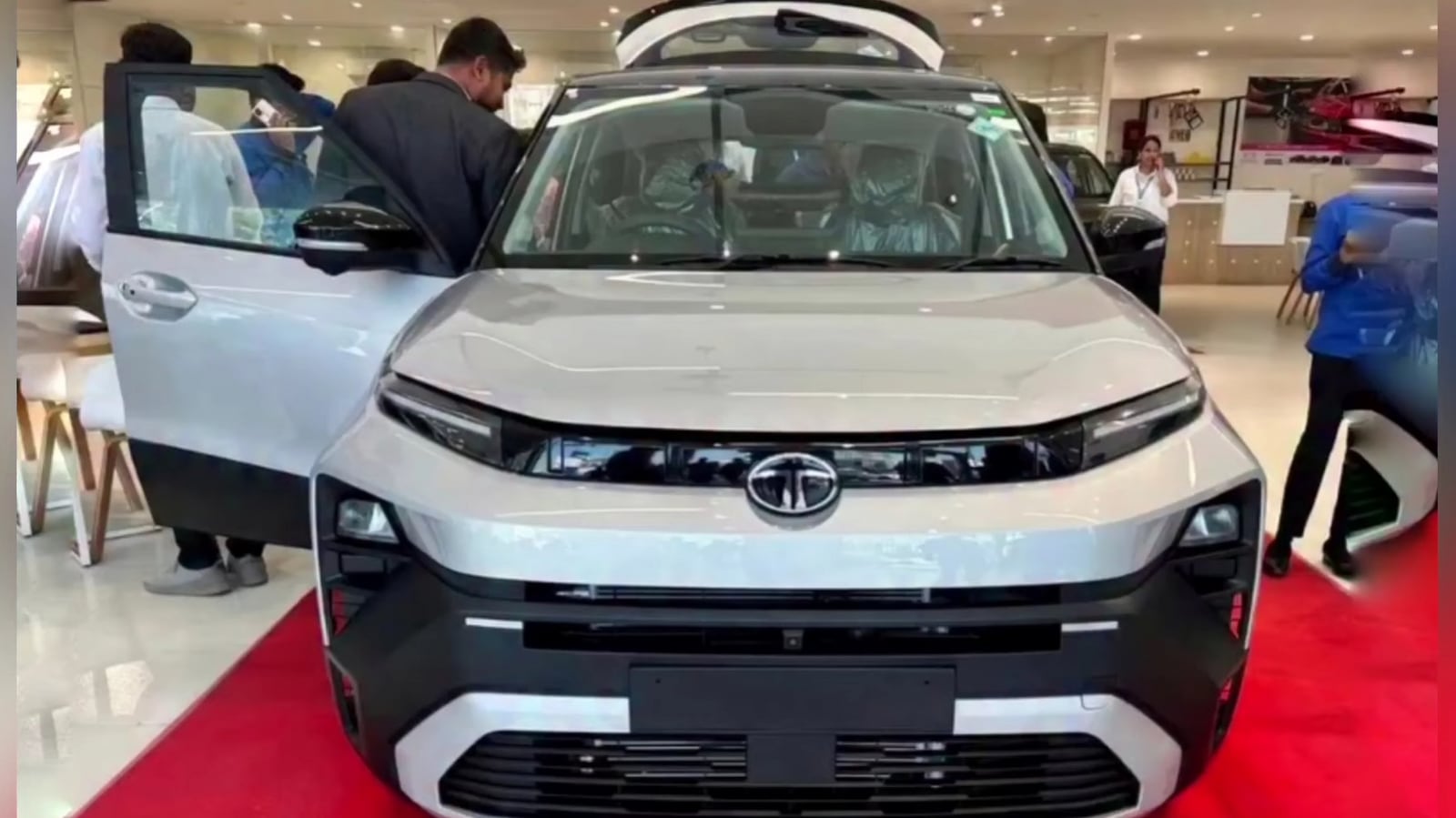
The Tata Punch facelift, seen here in Coorg Clouds Silver, has been spotted at a dealership ahead of its official unveiling on January 13.
Tata Motors is set to unveil the Punch facelift in the Indian market on January 13. Ahead of its official introduction, the carmaker has been gradually revealing details about the updated model, starting with its design changes, followed by information on variants and color options.
Now, images circulating from the dealership floor show the upcoming Tata Punch facelift on display, offering a closer look at the vehicle ahead of its debut. The unit seen in the showroom is a CNG-powered version of the micro SUV.
2026 Tata Punch facelift: Subtle exterior updates
The Tata Punch facelift retains its overall silhouette but introduces a revised design, especially at the front. Updates include refreshed lighting elements, piano black accents, a redesigned lower grille and updated skid plate. These changes bring the styling of the Punch in line with Tata Motors' new models like the Nexon, Harrier and Safari.
At the rear, the Punch facelift features redesigned taillights that retain the same outline as the existing model. The rear bumper has also been reworked, giving the sub-4 meter SUV a more rugged look.
2026 Tata Punch facelift: New color options
Along with the design updates, Tata Motors has introduced new color schemes for the Punch facelift. These include Scientific Blue, Caramel Yellow, Bengal Rouge Red, Daytona Grey, Coorg Clouds Silver and Pristine White. The unit recently spotted at the dealership appears to be finished in Coorg Clouds Silver.
Also read: Petrol variants of Tata Harrier and Safari launched, prices start 12.89 lakh
2026 Tata Punch facelift: Updated cabin and features
The interior of the Punch facelift has received notable revisions. Changes include a new twin-spoke steering wheel with illuminated Tata logo, toggle-style control switches, redesigned AC vents and a new 7-inch TFT instrument cluster. Additional features include a 360-degree camera system and six airbags.
2026 Tata Punch facelift: Engine options
A new turbo-petrol engine will be introduced in the Tata Punch facelift, although the specifications have not been revealed yet. The 1.2-litre naturally aspirated petrol engine of the existing model will continue. Transmission options will include 5-speed manual and AMT.
The Tata Punch facelift is scheduled to be officially unveiled on January 13, with more details expected to be announced closer to the launch.
First publication date: 09 January 2026, 15:49 PM IST
New Delhi. The new Tata Sierra has gone on sale in India, with the starting price announced for November 25, 2025. As soon as it was launched, the SUV received an overwhelming response and 70,000 bookings were recorded on the very first day. This figure is increasing every day. According to dealers, the interesting thing is that about 55 percent of the bookings are coming for Sierra diesel, while 25 percent are for naturally aspirated petrol and 20 percent for turbo-petrol variants.
Engine options as per variant The 1.5 liter diesel engine, which produces 118bhp of power and 260Nm/280Nm of torque, is available in all seven trims – Smart+, Pure, Pure+, Adventure, Adventure+, Accomplished and Accomplished+. Except the base Smart+ and Adventure trim, all other diesel variants get the option of automatic gearbox.
1.5 liter naturally aspirated petrol engine This engine gives maximum power of 106bhp and torque of 145Nm. It can be had with a manual (standard) or DCA automatic (only in Pure, Pure+ and Adventure trims) gearboxes. The top end Accomplished+ trim does not have the option of NA petrol engine. The 1.5 liter turbo petrol engine, which comes only with an automatic gearbox, is available only in the Adventure+, Accomplished and Accomplished+ trims.
color options Six color options are available in the Tata Sierra lineup – Andaman Adventure, Bengal Rouge, Munnar Mist, Pristine White, Pure Gray and Coorg Cloud. It is worth noting that color availability varies depending on the variant, but all 6 colors are available in the top three trims.
price and competition Prices for the Sierra SUV start at Rs 11.49 lakh for the base variant and go up to Rs 21.29 lakh for the fully-loaded trim. The starting price of turbo-petrol variants is Rs 17.99 lakh. All prices are introductory and ex-showroom.
SUV delivery The delivery of this car will start from January 15, 2026. In the midsize SUV segment, Tata Sierra competes directly with Hyundai Creta, Kia Seltos, Maruti Victoris and Grand Vitara, Honda Elevate, Toyota Hyrider, Skoda Kushaq and Volkswagen Taigun. Tata Sierra is the new incarnation of the company's old car which is also considered to be the first SUV in the Indian market.
In CY25, Maruti Suzuki retained the top position by selling 17,86,226 units, Mahindra had the fastest growth, Tata Motors, Hyundai Motor India and Toyota Kirloskar Motor remained in the top five.
India's car market continued its strong growth in CY25, but a closer look at consumer sales reveals some interesting changes among the country's largest carmakers. While the old names still remain on top, the changes in market share and year-on-year growth tell a different story. From aggressive SUVs to steady mass-market performers, here are India's top five carmakers to win over customers in 2025, based on CY25 consumer sales.
Maruti Suzuki still remains India's largest car manufacturer. The company sold 17,86,226 units in CY25, giving it 39.91 percent market share. Although this keeps Maruti on top, its hold has weakened slightly compared to CY24, when its market share was 40.24 percent.
Mahindra has emerged as one of the biggest winners of CY25. The brand sold 5,92,771 units, giving it a market share of 13.25 percent, up from 12.08 percent in CY24. This growth is no coincidence. Mahindra's strong SUV-based portfolio and waiting list of vehicles like Scorpio-N, XUV700 and Thar have greatly influenced the demand among Indian buyers. Mahindra's growth also shows that consumers' preferences are now moving towards bigger and stronger vehicles. In terms of wholesale, Mahindra shipped 6,25,603 units from its factories.
Add News18 as Preferred Source on Google
Tata Motors secured the third position with consumer sales of 5,67,607 units in CY25. However, its market share declined to 12.68 percent, which was 13.18 percent last year. Despite the increase in sales, Tata is facing pressure from increasing competition in the compact SUV and EV segments. The company's wholesale sales for the year stood at 5,78,771.
Hyundai Motor India sold 5,59,558 units in CY25, giving it 12.50 percent market share. This is a significant decline compared to 13.76 percent in CY24.
The last name in the top five is Toyota Kirloskar Motor, which sold 3,20,703 units, giving it 7.17 percent market share, which was 6.39 percent last year. Toyota's continued growth can be attributed to strong demand for its MPV vehicles and successful badge-engineered products developed in collaboration with Maruti Suzuki. The brand's credibility recognition is still working in its favor.
Click here to add News18 Hindi as your favorite news source on Google.
First Published :
January 09, 2026, 14:38 IST
homeauto
Maruti at number 1, Mahindra at number 2! Secrets of these 5 car companies in 2025
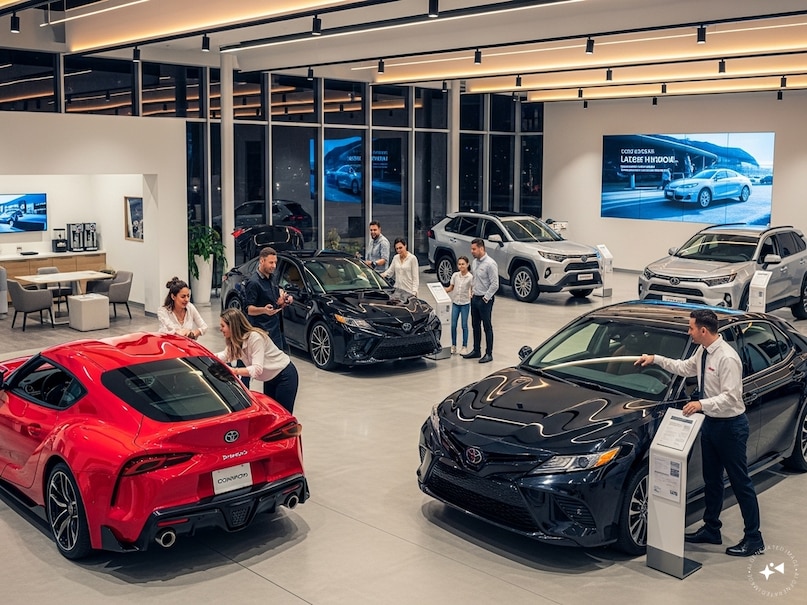
Toyota's logo is inspired by a needle and thread, BMW's blue-white color is inspired by the flag of Bavaria and Mercedes-Benz's three-pointed star represents the kingdom of the three worlds.
Car companies present their identity not just in terms of design, but in terms of their heritage and vision of the future. When you look at that small emblem on the bonnet of your car, it is actually telling a whole story. Come, let us know the story of the people behind famous car companies.
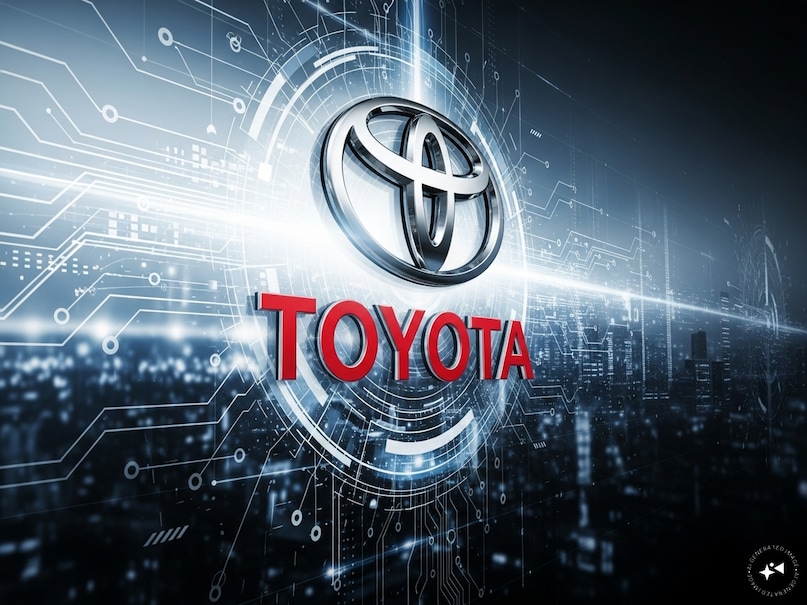
Toyota: Needle and Thread – At first glance it just looks like a 'T', but the story behind it is very deep. Toyota started its business with weaving machines. The three ovals inside the logo represent the eye of a needle with a thread passing through it. Additionally, these three circles also represent the heart of the customer, the heart of the product, and the combination of technological progress.
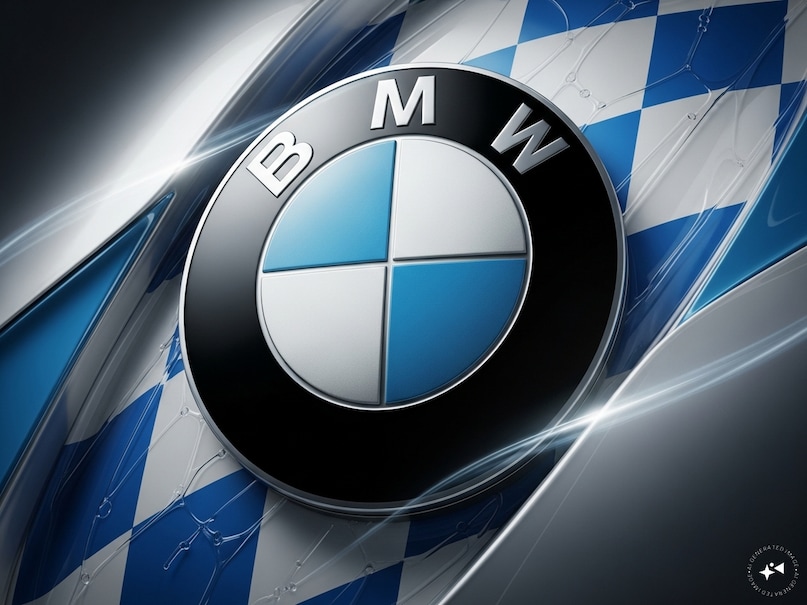
BMW: Propeller or sky? There is a very famous story regarding the blue and white color of BMW. Because BMW previously manufactured aircraft engines, many believe this represents a rotating airplane propeller. However, the company says that it is inspired by the colors of the flag of the state of 'Bavaria', where the company was formed.
Add News18 as Preferred Source on Google
Mercedes-Benz: Rule over three worlds. Its 'three-pointed star' reflects the company's ambition. Its three corners show that the company's engine has the ability to rule over all three places: land, water and air.
Audi: Merger of four companies. Audi's four rings. It is a sign of its strength and unity. These four rings represent the four independent automakers (Audi, DKW, Horch and Wanderer) that came together in 1932 to form 'Auto Union'. Today we know it as Audi.
Mahindra: India's famous company Mahindra has recently introduced its new logo. This 'M' shaped logo is called 'Twin Peaks'. It shows the courage to overcome challenges and reach heights. It has been designed in such a way that it reflects the strength and modernity of the car on the road.
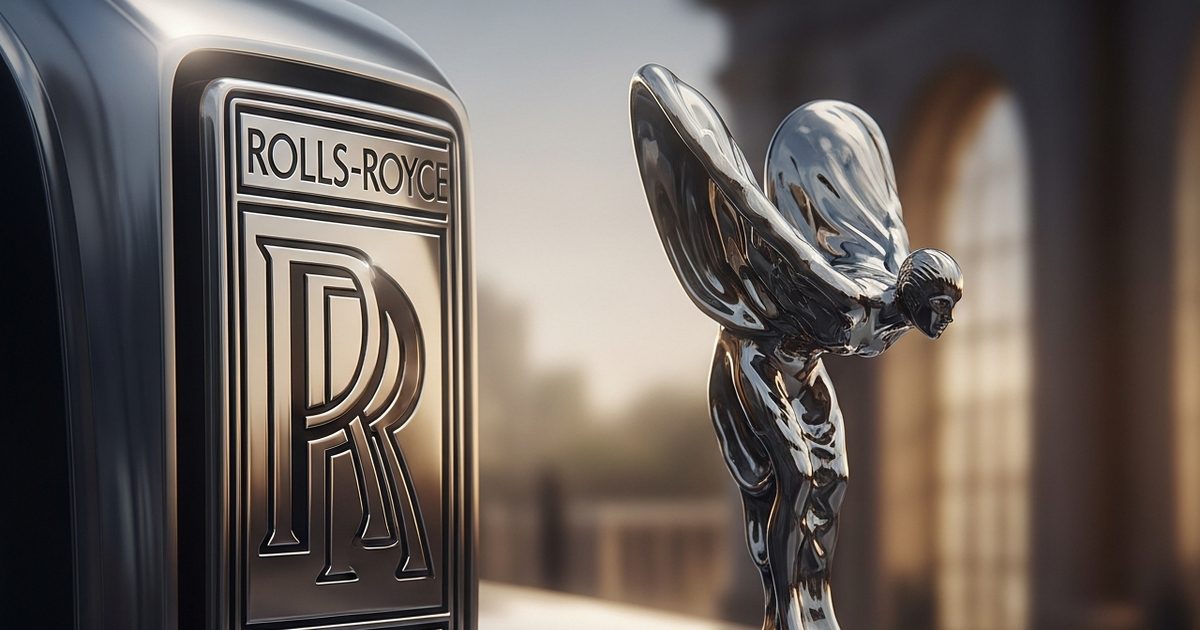
'The Spirit of Ecstasy' (the statue of a woman leaning forward) on the Rolls-Royce car is actually inspired by a love story. To protect it from theft, it hides inside the bonnet as soon as the engine is switched off.
Click here to add News18 Hindi as your favorite news source on Google.
First Published:
January 08, 2026, 17:58 IST
homeauto
The secrets hidden behind car logos, you will be surprised to know them!
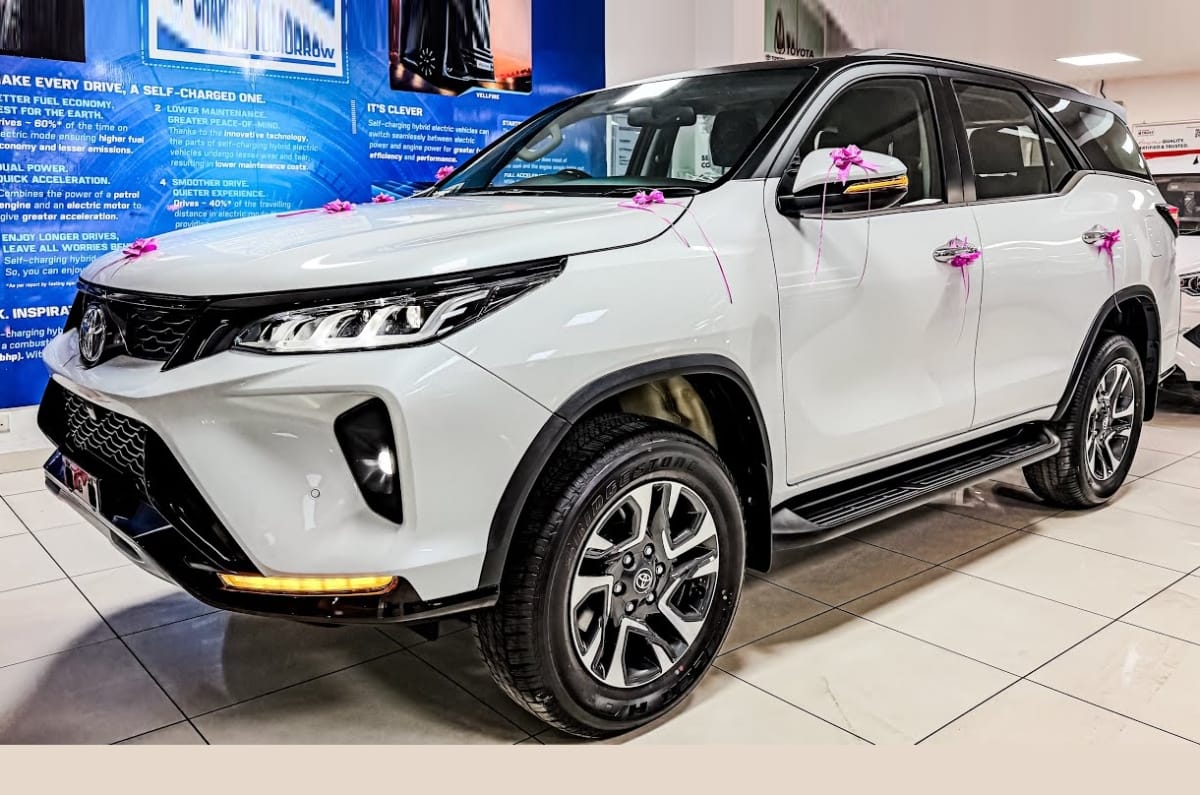
टोयोटा इंडिया ने अपने पोर्टफोलियो में चुनिंदा मॉडलों की कीमतें बढ़ा दी हैं, और जनवरी 2026 में कुछ कारों के लिए वेरिएंट लाइन-अप में बदलाव किया है। इनोवा क्रिस्टा, हाइक्रॉस और फॉर्च्यूनर – लीजेंडर सहित – की कीमतें काफी बढ़ गई हैं, जबकि टोयोटा ने रुमियन, हाइक्रॉस और फॉर्च्यूनर के चुनिंदा वेरिएंट को बंद कर दिया है। Taisor, Hyryder, Rumion, Hilux, Camry, Vellfire और Land Cruiser 300 की कीमतें अपरिवर्तित हैं।
इनोवा क्रिस्टा की कीमत सीमा अब 18.99 लाख-25.53 लाख रुपये है
इनोवा हाईक्रॉस की कीमत सीमा अब 19.15 लाख-32.38 लाख रुपये है
फॉर्च्यूनर की कीमत सीमा अब 34.16 लाख-49.59 लाख रुपये है
जनवरी 2026 में टोयोटा इनोवा क्रिस्टा की कीमत में बढ़ोतरी
इनोवा क्रिस्टा की कीमतें 33,000 रुपये तक बढ़ गई हैं
प्रकार
2025 कीमत
2026 कीमत
अंतर
जीएक्स 7एस
18.66
18.99
0.33
जीएक्स 8एस
18.66
18.99
0.33
जीएक्स+ 7एस
20.26
20.47
0.21
जीएक्स+ 8एस
20.31
20.52
0.21
वीएक्स 7एस
23.71
23.95
0.24
वीएक्स 8एस
23.75
24
0.25
जेडएक्स 7एस
25.27
25.53
0.26
*रुपए में, लाख
टोयोटा के डीजल-संचालित लैडर-फ्रेम एमपीवी की कीमतों में 33,000 रुपये तक की बढ़ोतरी हुई है, जिसमें निचले-स्पेक जीएक्स वेरिएंट में सबसे बड़ी बढ़ोतरी देखी गई है। मिड-स्पेक GX+ वेरिएंट की कीमत अब 21,000 रुपये तक अधिक है, जबकि हाई-स्पेक VX और टॉप-स्पेक ZX वेरिएंट की कीमत 25,000 रुपये और 26,000 रुपये अधिक है। इनोवा क्रिस्टा की कीमत सीमा वर्तमान में 18.99 लाख-25.53 लाख रुपये है।
जनवरी 2026 में टोयोटा इनोवा हाईक्रॉस की कीमत में बढ़ोतरी
इनोवा हाईक्रॉस की कीमतें 48,000 रुपये तक बढ़ गई हैं।
प्रकार
2025 कीमत
2026 कीमत
अंतर
जी 7एस
18.06
–
जी 8एस
18.11
–
जीएक्स 7एस
18.86
19.15
0.29
जीएक्स 8एस
18.91
19.2
0.29
जीएक्स (ओ) 7एस
20.25
20.56
0.31
जीएक्स (ओ) 8एस
20.12
20.43
0.31
शेव वीएक्स 8एस
25.95
26.35
0.4
शेव वीएक्स 7एस
25.9
26.3
0.4
शेव वीएक्स (ओ) 7एस
27.84
28.27
0.43
शेव वीएक्स (ओ) 8एस
27.89
28.32
0.43
शेव ZX 7S
30.2
30.66
0.46
शेव ZX (O) 7S
30.83
31.3
0.47
शेव ZX (O) LE 7S
31.9
32.38
0.48
*रुपए में, लाख
टोयोटा ने बेस हाईक्रॉस जी वैरिएंट को बंद कर दिया है, और एमपीवी की कीमत सीमा अब 19.15 लाख रुपये से 32.38 लाख रुपये के बीच है। GX(O) वेरिएंट की कीमत अब 31,000 रुपये अधिक है, जबकि Hycross हाइब्रिड रेंज, जो VX ट्रिम से शुरू होती है, की कीमत लगभग 40,000 रुपये अधिक है। टॉप-स्पेक हाइक्रॉस ZX(O) वैरिएंट की कीमत पहले की तुलना में 48,000 रुपये अधिक है, और यह जनवरी 2026 में सबसे अधिक वृद्धि वाला वैरिएंट है।
जनवरी 2026 में टोयोटा फॉर्च्यूनर की कीमत में बढ़ोतरी
फॉर्च्यूनर जीआर-एस की कीमत में सबसे ज्यादा बढ़ोतरी हुई है।
प्रकार
2025 कीमत
2026 कीमत
अंतर
4X2 एमटी पेट्रोल
33.65
34.16
0.51
4X2 एमटी
34.28
34.8
0.52
4X2 एमटी लीडर
34.79
–
–
4X2 एटी
36.41
36.96
0.55
4X2 एटी लीडर
36.92
–
–
4X4 एमटी
38.11
38.68
0.57
4X2 एटी लीजेंडर
41.54
42.17
0.63
नियो ड्राइव 4X4 एटी
41.74
42.37
0.63
4X4 एमटी लीजेंडर
43.64
44.3
0.66
नियो ड्राइव 4X4 एटी लेजेंडर
46.75
47.46
0.71
जीआरएस
48.85
49.59
0.74
*रुपए में, लाख
सीमित-रन, डीलर-स्तरीय लीडर वेरिएंट को बंद करने के साथ, टोयोटा ने फॉर्च्यूनर और लेजेंडर की कीमतों में क्रमशः 74,000 रुपये और 71,000 रुपये तक की बढ़ोतरी की है। एंट्री-लेवल पेट्रोल-मैनुअल वेरिएंट की कीमतों में 51,000 रुपये की बढ़ोतरी हुई है, जबकि 4×4 वेरिएंट की कीमतों में 50,000 रुपये से ज्यादा की बढ़ोतरी हुई है।
उपरोक्त मॉडलों की कीमतों में वृद्धि के अलावा, टोयोटा ने एंट्री-लेवल रुमियन ई एमटी वेरिएंट को भी बंद कर दिया है, जिसकी कीमत 9.51 लाख रुपये थी। टोयोटा रुमियन की कीमत सीमा अब 10.44 लाख रुपये से शुरू होती है, लेकिन 13.62 लाख रुपये तक जाती है।
For the first time, Delhi Police registered two FIRs for driving on the wrong side of the road, a case under BNS Section 281, Indian Express gave this information in one of its reports. This is the first time that an FIR has been registered in a case of wrong side driving in a Union Territory.
New Delhi. To intensify its action against traffic rules violations, Delhi Police has registered two FIRs related to driving on the wrong side of the road. The decision to register criminal cases against traffic rule violators is a major change in the way of law enforcement, in which instead of issuing challans, FIRs are now being registered. These FIRs have been registered by traffic assistant sub-inspectors in their respective traffic circles.
this happened for the first time This is the first time in any union territory of the country that the police is registering a criminal case against those who break traffic rules. According to police officials, in both the cases a case has been registered under Section 281 of the BNS (reckless driving) and relevant sections of the Motor Vehicles Act. According to the Indian Express report, these FIRs have been registered by traffic assistant sub-inspectors in their respective traffic circles. An FIR was registered in Kapashera when a driver was caught driving in the wrong direction near Kapashera Chowk. The driver told the traffic policeman that he was in a hurry and wanted to avoid the traffic jam.
Rule of fine of Rs 5,000 Driving in the wrong direction attracts a fine of Rs 5,000. However, the FIR registered under Section 281 of the Indian Justice Code 2023 carries a maximum punishment of six months in jail, a fine of Rs 1,000 or both and the vehicle will also be confiscated. According to the Indian Express report, the people against whom cases have been registered in the first two FIRs have been released on bail after their arrest.
What will be the new rule? Police officials said that registering an FIR for driving in the wrong direction will not become a general rule, but it is being implemented as a preventive measure. The report quoted an official as saying that if a traffic officer identifies a person who is endangering the lives of others or is driving in the wrong direction in a heavy traffic area, then an FIR will be registered against him.
Location:
New Delhi,Delhi
First Published:
January 08, 2026, 16:55 IST
homeauto
If you drive on the wrong side, you will not get a challan, you will file an FIR directly, new rule of Delhi Police


 check offers