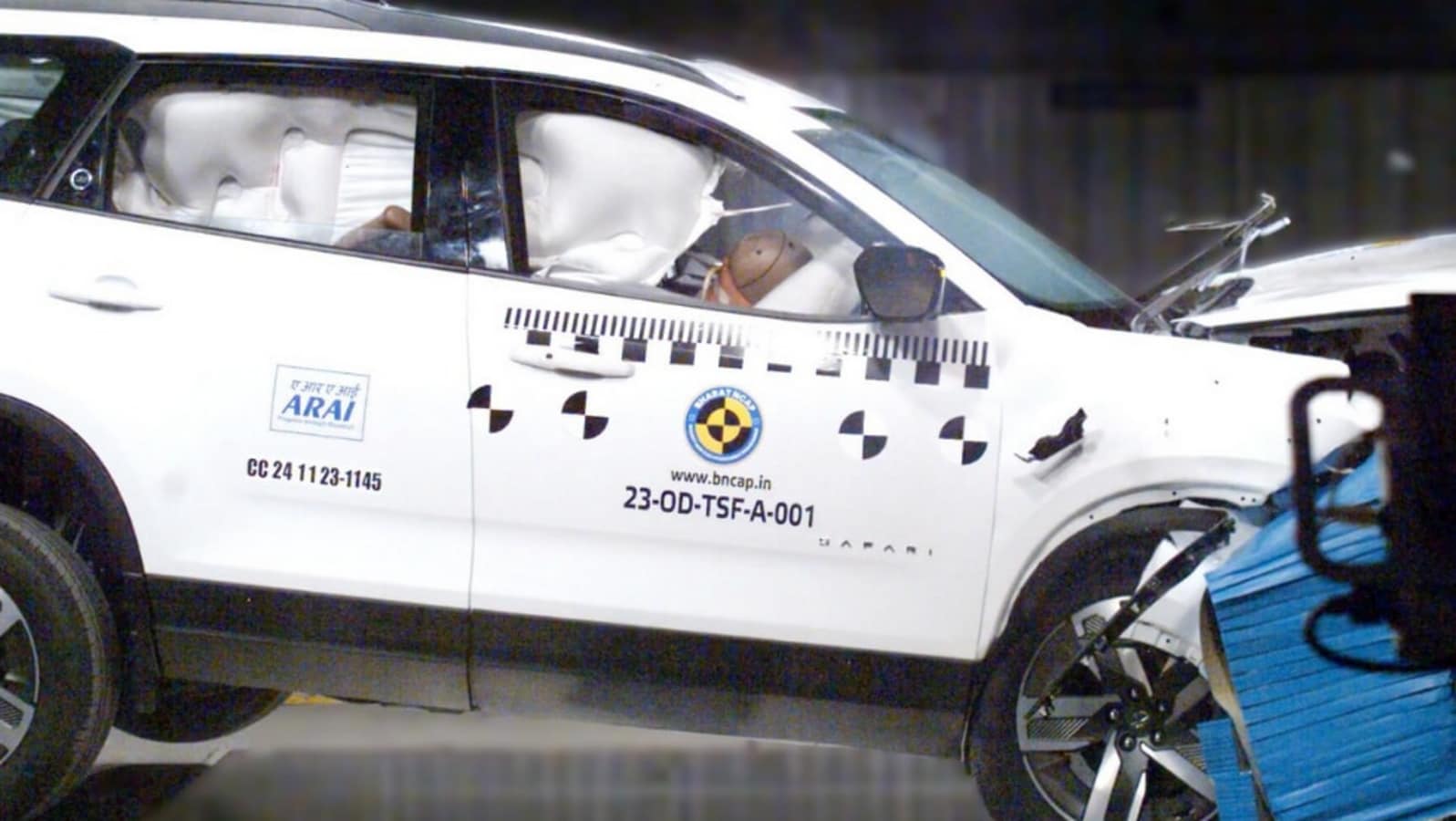
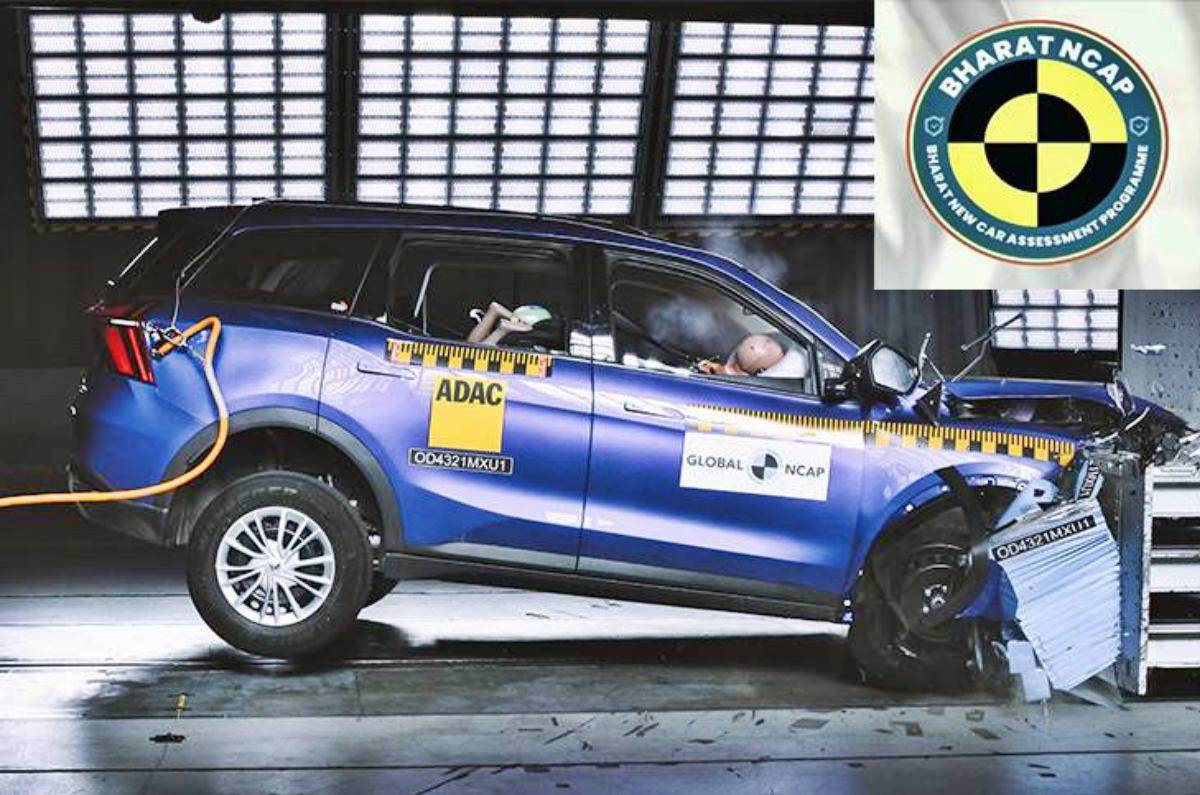
Tata Motors has announced that its Safari and Harrier SUVs are the first vehicles to secure a 5-star rating in Bharat NCAP’s crash test. Both SUVs had also scored five stars in the Global NCAP crash test on which Bharat NCAP is based on. The Harrier and Safari were recently updated and received mechanical as well as cosmetic upgrades.
By: Paarth Khatri | Updated on: 20 Dec 2023, 21:24 PM
The Harrier and Safari are the first vehicles to be tested by Bharat NCAP.
Tata Harrier and Safari received 30.08 points out of 32 in Adult Protection and 44.54 points out of 49 in Child Protection. The SUVs were fitted with seven airbags out of which six are offered as standard across all variants, Electronic Stability Control, three-point seatbelts in all rows, seatbelt reminders for all passengers, ISOFIX child seat mounts and seatbelts with retractor, pretensioner, load limiter and anchor pretensioner.
The Harrier is priced between ₹15.49 lakh and ₹26.44 lakh whereas the Safari starts at ₹16.19 lakh and goes up to ₹27.34 lakh. All prices are ex-showroom. Both SUVs use the same 2.0-litre diesel engine that is sourced from Fiat. It produces 168 bhp and 350 Nm. The gearbox on duty is a 6-speed manual unit or a 6-speed torque converter transmission.
Watch: Tata Harrier or Safari? Which one should you pick and why
Tata Motors has now found one more reason to underline the safety credentials of its vehicles. “Bharat-NCAP is a significant step forward as it provides customers with a credible, objective score to evaluate the safety aspects of various vehicles. Informed customers taking optimal decisions will further foster the rising preference for safer vehicles in the country,” said Shailesh Chandra, MD, Tata Motors Passenger Vehicles Ltd and Tata Passenger Electric Mobility Ltd. “We acknowledge and appreciate the collaborative efforts of the government, regulatory bodies, and the automotive industry in this pursuit. At Tata Motors, safety is at the core of our DNA and we are honoured to win this maiden Bharat-NCAP certification with an exemplary 5-star rating for two of our vehicles. We remain committed and will continue to work towards improving vehicle safety holistically.”
Bharat NCAP is a a star-rating system for crash testing cars that are available in Indian market specifically. As previously mentioned, it is based on the Global NCAP crash test system and will rate vehicles from zero to five, depending on the safety provided in case crashes. The test involves subjecting the test vehicle to crashes from multiple sides. Cars are voluntarily being sent by manufacturers and so far, the likes of Maruti Suzuki, Hyundai, Kia and of course, Tata Motors have sent a number of their respective models for the test.
On the result of Safari and Harrier, Nitin Gadkari, Union Minister for Road Transport and Highways, once again underlined the significance of Bharat NCAP. “Bharat NCAP is India’s independent, atmanirbhar voice on vehicle safety. It is benchmarked to the best-in-class global standards and the Bharat-NCAP vehicle rating system is designed to advance road safety and vehicle safety standards beyond mandatory regulations,” he said. ” I’m delighted that the first ever vehicles being certified today with the highest achievable 5-star rating, are both from Tata Motors. I congratulate them on award of this coveted certification with the highest possible ratings and for continuing to enrich their legacy of introducing the safest vehicles on Indian roads.”
Yamaha Motor India was once known for being a brand that wanted to sell motorcycles that enthusiasts would want. The manufacturer used to sell the YZF-R3 but it was then discontinued when the BS6 emission norms came into effect. Since then things have been slow and cold. However, earlier this year, Yamaha announced that they would be launching the YZF-R3 and MT-03 in the Indian market. This sparked a lot of hype around the brand once again. So, when Yamaha invited us for a few laps of both motorcycles on the Buddh International Circuit (BIC), we could not say no.
By: Paarth Khatri | Updated on: 20 Dec 2023, 17:57 PM
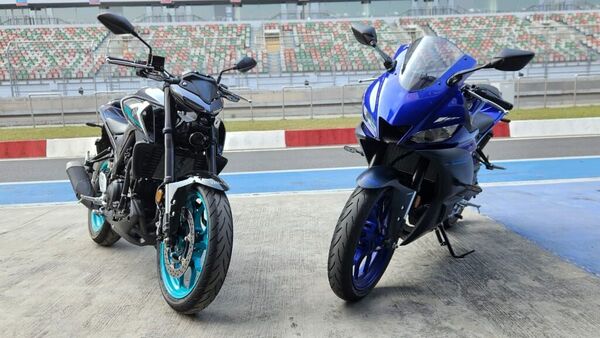
The MT-03 and R3 use the same underpinnings.
It is important to note that we only rode both motorcycles for just 15 minutes which is 4 laps of the race track. So, these are only our initial impressions and not a full review.
Yamaha R3 and MT-03: Looks and ergonomics
Both motorcycles look quite impressive and high quality.
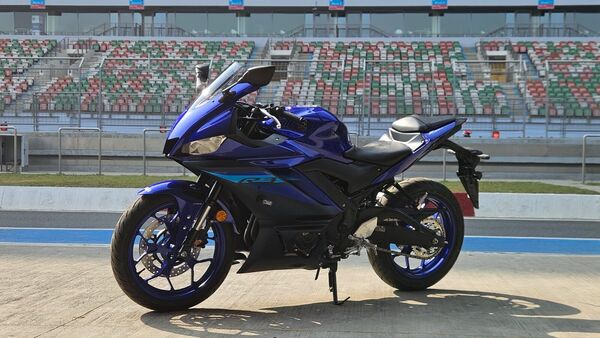
In terms of looks not much has changed since the last time, the R3 was on sale in the Indian market. It now comes with all LED lighting, a fairing and a design that is inspired by its elder siblings. The golden forks do add a bit of character and premiumness to the looks of the motorcycle. Being a sportbike, the R3 comes with slightly rear-set footpegs and clip-on handlebars. Having said that, the ergonomics are not as committed as one would imagine. In fact, they are more accommodating than the R-15 which was quite surprising for me.
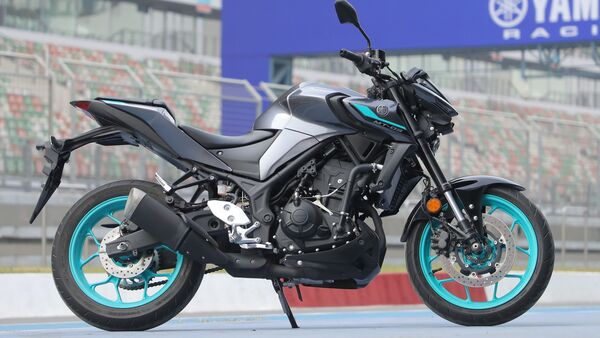
Then there is the MT-03 which has a transformer-like front-face and looks like a larger version of the MT-15. The motorcycle just gets twin slim LED Daytime Running Lamps and a projector headlamp. The one thing that is a bit of an eyesore is the fact that the horn is placed right below the headlamp. Being a naked streetfighter, the riding triangle on the MT-03 is more upright and comfortable than the R3. However, because there is no fairing, the wind blast on the MT is a lot more than the R3.
Yamaha R3 and MT-03: Smooth engine
The ergonomics of the R3 are more accommodating than the R15.
Both motorcycles are powered by a 321 cc, parallel-twin engine that is very smooth and delivers power in a very linear fashion. The engine dishes out 41 bhp at 10,750 rpm and a peak torque of 29.5 Nm at 9,000 rpm. The engine comes mated to a 6-speed gearbox which unfortunately does not get a slip-and-assist clutch. Because of this, under aggressive downshifting, the rear would start to hop. Moreover, the gearbox would get stuck while shifting from 4th to 5th and then from 5th to 6th. The engine can pull cleanly even at higher gears and slow speeds and speaking of speeds, it can stay all day long at 100 kmph doing 6,000 rpm. We were able to clock a top speed of around 172 kmph on the R3 whereas the MT-03 did 169 kmph.
Yamaha R3 and MT-03: Features
The MT-03 looks striking. The only eye sore is the placement of the horn which is directly below the projector headlamp.
There are no fancy features on the R3 and MT-03. It just comes with a digital instrument cluster that shows various information including a temperature gauge and a gear position indicator. There is no Bluetooth connectivity or USB port to charge mobile devices. Fortunately, the motorcycles do come with all LED lighting and dual-channel ABS.
Yamaha R3 and MT-03: Who should get one?
Well, this is where things get a bit interesting. Yes, people have been waiting for these motorcycles for a long time now but Yamaha is bringing them to India through the CBU route. What this means is that they are priced high. The MT-03 costs ₹4.60 lakh whereas the R3 is priced at ₹4.65 lakh. Both prices are ex-showroom. The recently launched Aprilia RS 457 is priced at ₹4.1 lakh ex-showroom and it does look more exotic, offers more features and is more powerful as well. But, if you are a purist, someone who just wants a pure basic motorcycle without any of the fancy features then your heart will deviate towards Yamaha’s motorcycles.
Tata’s range-topping SUVs are the first models to receive a rating under the Bharat New Car Assessment Programme.
The very first crash test results from the Indian government’s Bharat New Car Assessment Programme (BNCAP) have been announced, with both Tata Harrier and Safari securing a 5-star rating. The organisation has been conducting tests since December 15 and has just revealed the first batch of results.
Harrier, Safari score high on adult and child protection
Score and rating similar to the one received from Global NCAP
Bharat NCAP and Global NCAP norms overlap for the most part
Tata Harrier, Safari crash test results
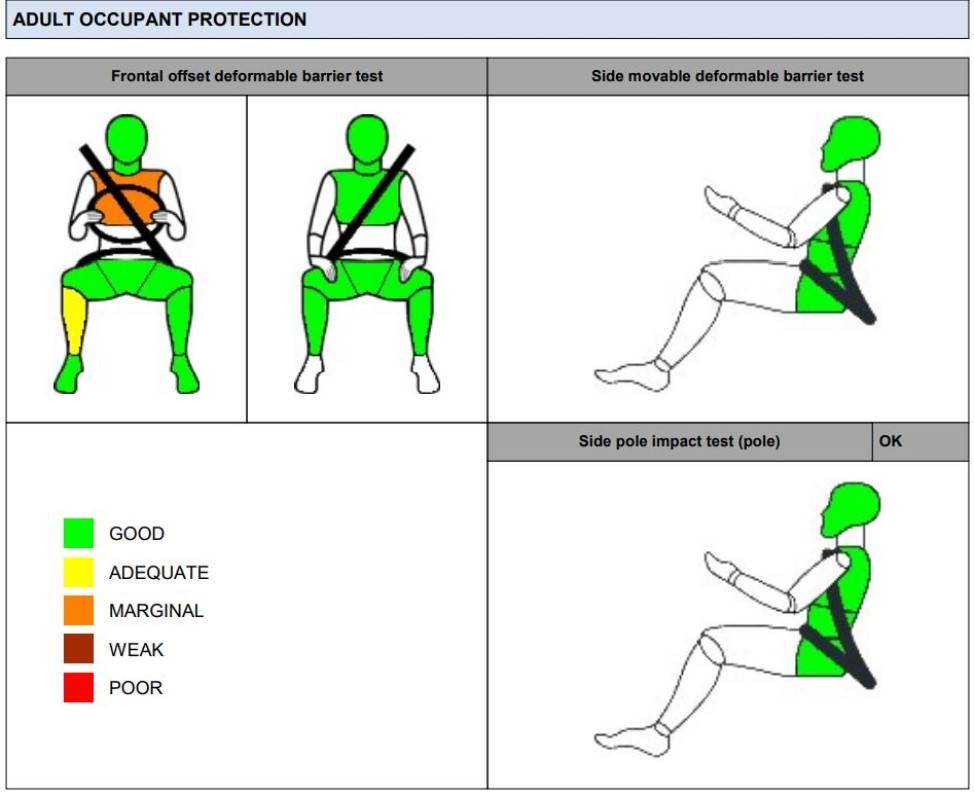
The Harrier and Safari both secured 30.08/32 points for adult occupant protection (AOP) and 44.54 out of a maximum of 49 for child occupant protection (COP), which have helped get that 5-star rating. While the SUVs scored perfectly in the side movable deformable barrier test, the protection for the chest region in the frontal offset deformable barrier test proved to be less than ideal.
Interestingly, these two SUVs had also been awarded a 5-star rating in Global NCAP’s crash tests, and had been given very similar scores for AOP and COP. There’s more on that here.
Difference between Global NCAP and Bharat NCAP
For all intents and purposes, there’s very little that separates the two ratings and the processes implemented by each organisation. One of the major differences, though, is that under Global NCAP, the maximum score that can be attained for AOP is 34 points, while under Bharat NCAP, it is 32 points. Other than this, the crash test protocols and assignment of ratings seem to be quite similar.
Tesla has long held a place of prominence in the world of electric vehicles (EVs), enjoying a significant lead over all its rivals across the world. But the pedestal on which the US-based manufacturer has long been perched upon is under direct threat from China’s BYD which has now equalled Tesla’s 17 per cent market share in the world of battery electric vehicles or BEVs, as per Counterpoint Research.
By: HT Auto Desk | Updated on: 19 Dec 2023, 20:02 PM
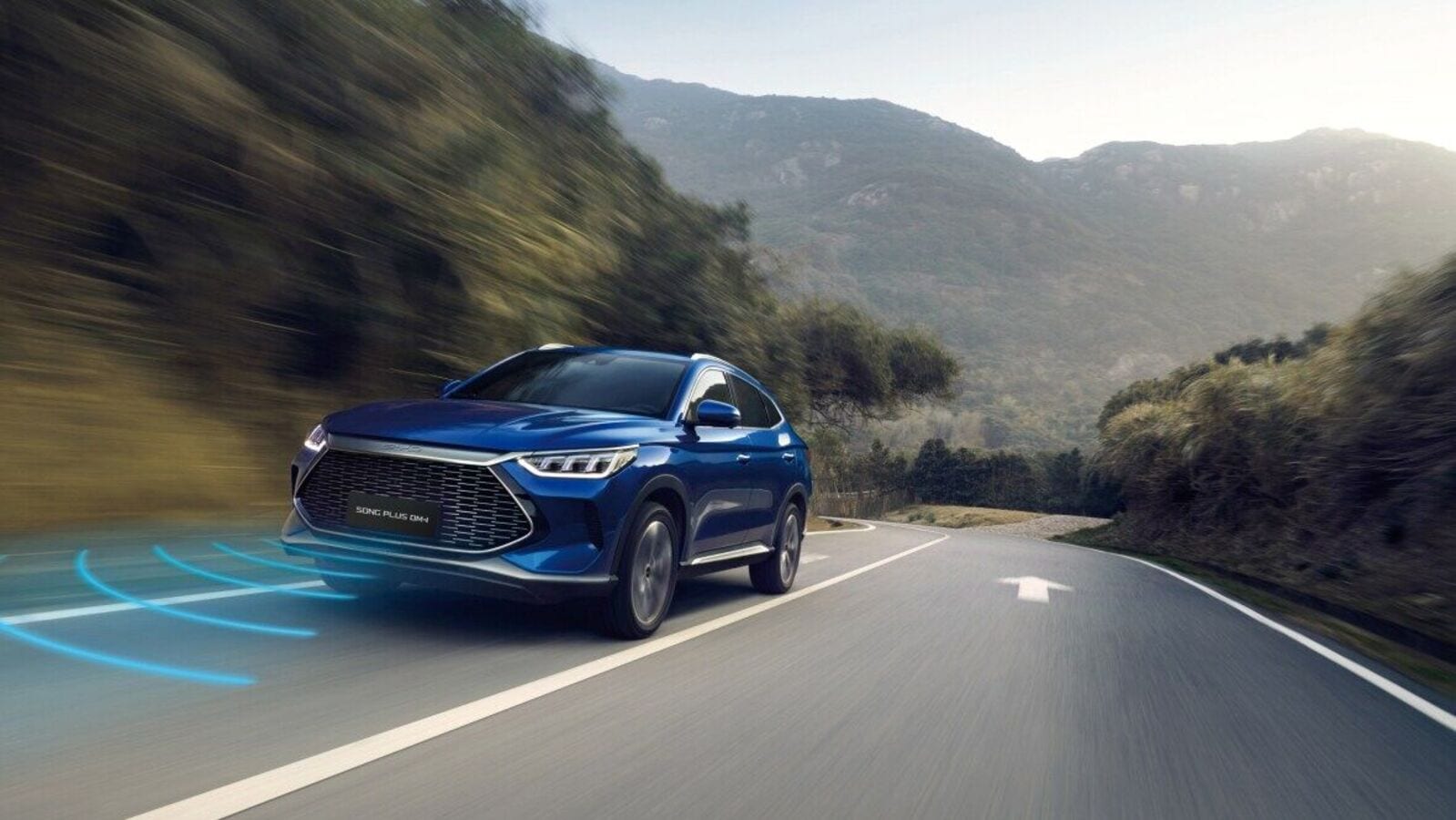
BYD is on the hunt and it smells Tesla. Cars like BYD Song (in pic) are helping the Chinese company notch up sales numbers fast.
BYD is a significant player in China’s EV scene and has recently expanded to several overseas markets as well, including India. And unlike Tesla, the company also offers hybrids and plug-in hybrids (PHEVs), apart from its lineup of BEVs. Tesla, however, only offers BEVs and even here, its global market share is now under serious threat.
What is remarkable is that BYD had a 13 per cent market share in the previous Q3 (for BEVs alone) and was behind the curve to Tesla’s 17 per cent even then. But it has taken some massive strides to catch up and is now poised to shift to top gear and overtake. A key driving factor here may be BYD’s March of 2022 decision to stop production of vehicles that are powered by engines, and focus entirely on BEVs, hybrids and PHEVs. While China remains its biggest market, overseas expansion may also be helping with the additional boost.
Tesla vs BYD: David vs Goliath?
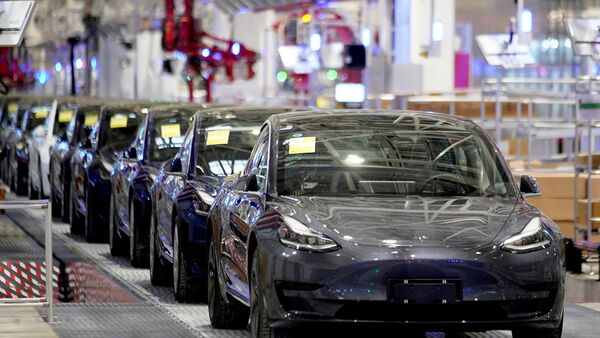
File photo of Tesla Model 3 vehicles rolling out of the company plant in Shanghai. (REUTERS)
Tesla’s rise has been meteoric. It has left established champions of the automotive world, the likes of Toyota, Volkswagen and even the German luxury brands far behind. The Elon Musk-led company has often been compared to David from the Book of Samuel. But BYD may be the new David in town.
Established in 1995 as a company focused on rechargeable nickel–cadmium batteries, BYD eventually established two main subsidiaries – BYD Auto and BYD Electronics. BYD Auto was founded in 2003, the same year as Tesla. The Chinese company entered into production of forklifts, buses, trucks and electric bicycles – not necessarily in that order, before seeing potential in battery-powered four-wheeled vehicles. The potential was also because China was emerging as a big player in the EV category. Today, the country leads the world.
Tesla only entered into the Chinese market in 2017. The Shanghai facility was its first outside of the US and currently supplies the local market as well as select European countries. But while the company remains an enormously popular manufacturer here, BYD has been consistently growing big in its home base while pressing on the expansionist mode as well.
If Tesla has Model 3, its most affordable EV, BYD has Seal. If Tesla has Model Y SUV, BYD has Song EV. Model for model, the competition is hotting up. Tesla is catering to the global audience. BYD is still a largely Chinese market-dependent company. But it is using its local popularity to add winds to its proverbial sails. Will Tesla weather the incoming storm?
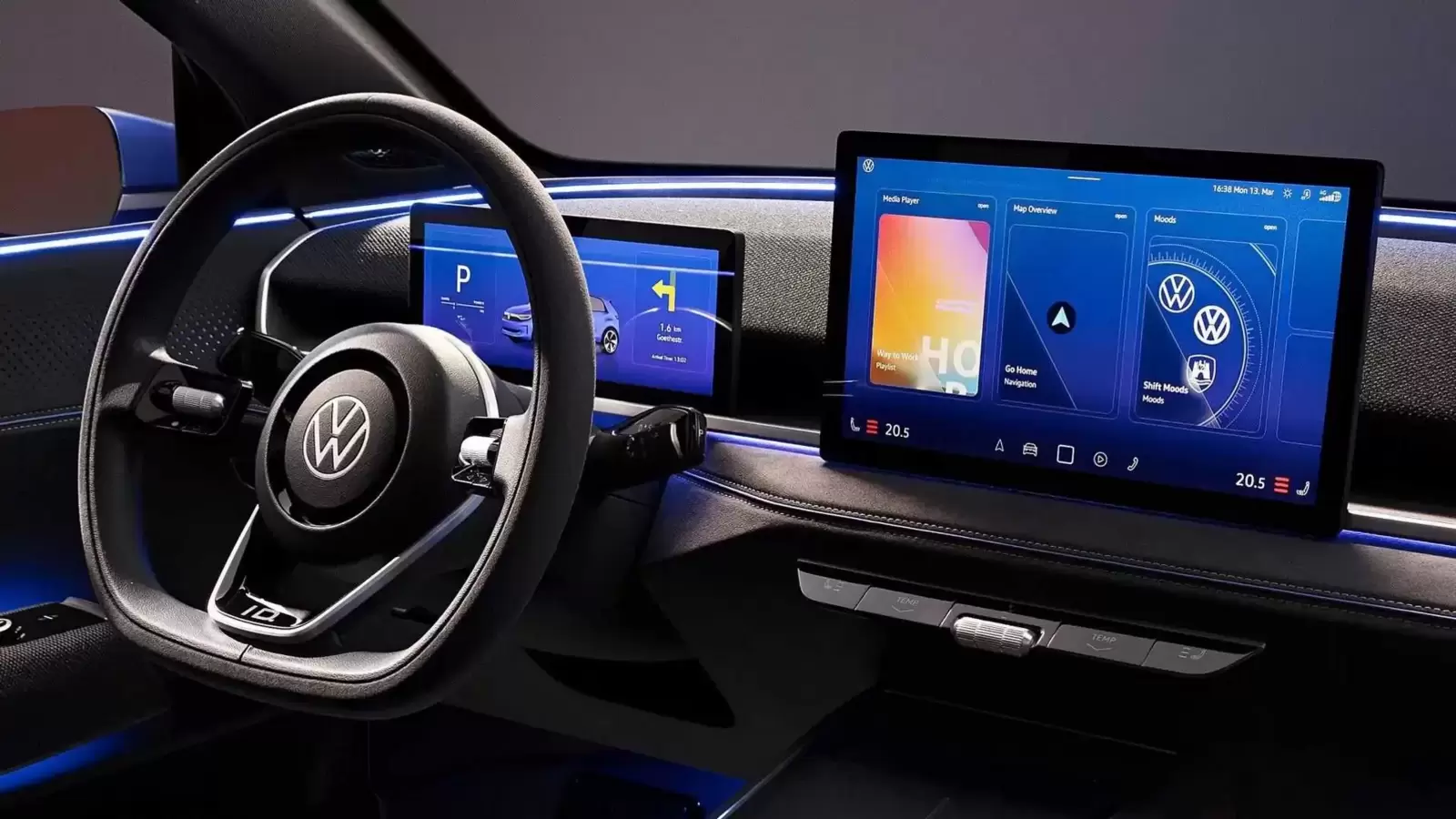
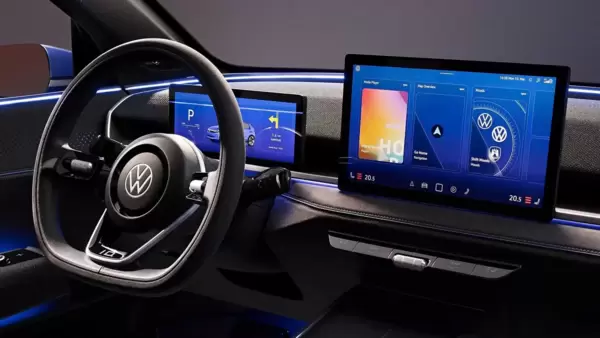
In an era when almost every car manufacturer is focusing on touchscreen controls or touch panels inside their respective car cabins, Volkswagen is thinking otherwise. The German automobile giant is planning to bring back physical buttons in its new cars, reveals a report by British automotive publication Autocar UK. Volkswagen has revealed the interior of its ID. 2all concept and previewed what the cabin of its future cars would look like.
By: HT Auto Desk | Updated on: 19 Dec 2023, 16:07 PM
The revelation of Volkswagen’s plan to bring back physical buttons comes at a time when automakers around the world are being criticised for their over-reliance on touchscreen controls.
Volkswagen’s interior designer Darius Watola reportedly said that the ID. 2all previews a new approach for all the future cars the automaker is slated to bring. Also, Watola reportedly said that this move of bringing back physical buttons comes in response to the criticism about over-reliance on touch controls. Volkswagen is not the only automaker to think this way, as several other carmakers too are shifting their strategies in similar lines.
Interestingly, as almost every automaker around the world is increasingly focusing on removing the conventional physical buttons in favour of the touchscreen controls, consumers have been complaining that instead of increasing convenience the touchscreen controls are often proving to be inconvenient and risky as well. This criticism has reportedly propelled Volkswagen to plan to bring back conventional physical buttons in its future passenger vehicles.
Interestingly, this move comes as a complete reversal from the strategy the German automaker took under the former CEO Herbert Diess. It decided to follow in Tesla’s footsteps and centralize the majority of its controls to the touchscreen infotainment screen. Volkswagen also removed the physical buttons from the steering wheels and replaced them with touch-sensitive capacitive buttons. This move reportedly frustrated the Volkswagen customers. Volkswagen’s current CEO Thomas Schafer has even said that this move has done a lot of damage to the brand. Considering this, the move to bring back physical buttons inside the cabin comes as a significant shift from the automaker’s previous strategy.
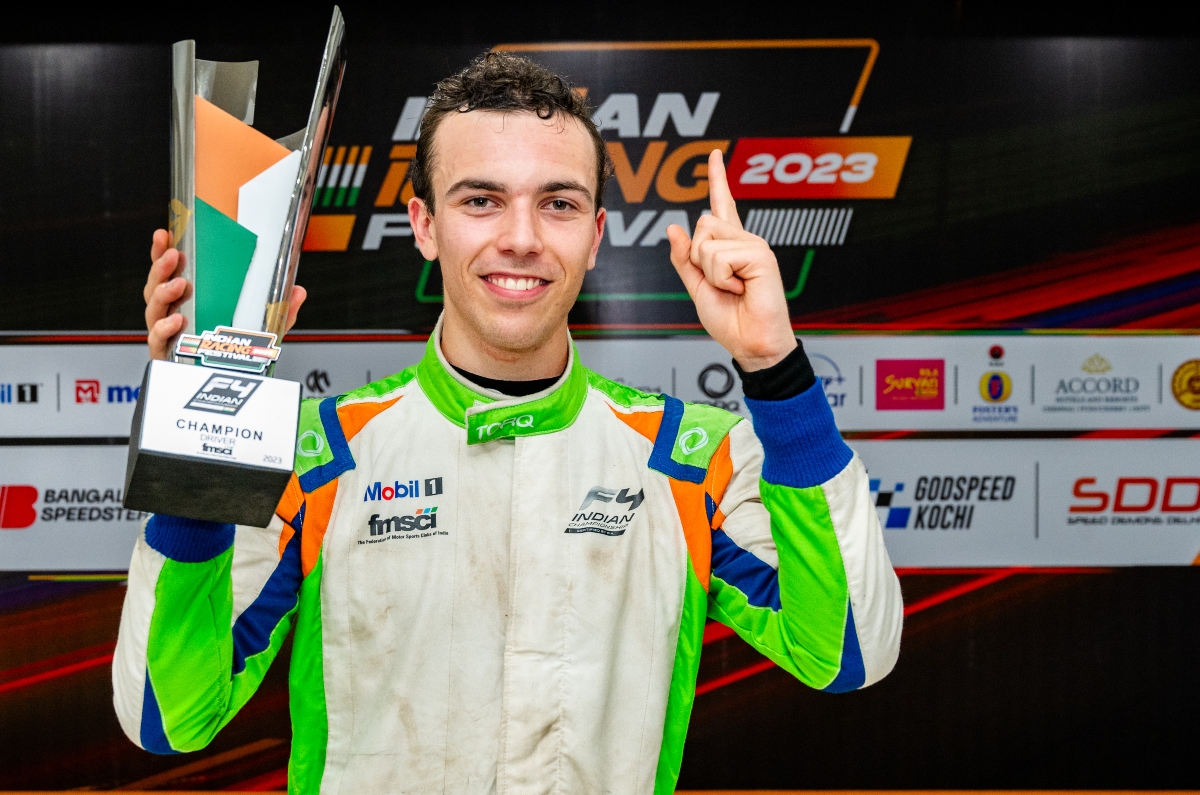
Webster becomes the first ever F4 India champion, securing the title by 62.5 points over Rishon Rajeev.
Cooper Webster has won the first ever Formula 4 (F4) Indian Championship after securing a total of eight race wins, nine podiums and 244.5 points. This is the 20-year-old Australian’s first race car championship victory; he started off his motorsport career as a sim racer before switching to real-life racing last year.
Webster wins total of eight races
Rajeev finishes second overall
The F4 Indian Championship made its debut this year, featuring the FIA-homologated Gen 2 Mygale F4 car (also used in the French F4 championship) run by MP Motorsport. Along with a bunch of up-and-coming national talent, the championship also attracted a number of international racers it offered Super Licence points, which are necessary to qualify to race in F1.
Quite a few tweaks were made to the calendar since the Hyderabad and Chennai street races were cancelled. This left the inaugural season with a total of four rounds, all of which were held at the Madras International Circuit.
Cooper started the season on a strong note, but encountered a few hiccups, mainly due to tyre issues. Nevertheless, he headed into the finale with a lead of 44.5 points over Akshay Bohra. He put himself in prime position to win the title after securing pole position in both qualifying sessions. Qualifying 1 set the grid for Race 1, while Qualifying 2 set the grid for Race 3. The results of the two races then set the grids for Races 2 and 4, with the top six positions reversed.
He converted both pole positions into race wins (Races 1 and 3), securing enough points to win the championship with a lead of 62.5 points over Rishon Rajeev.
Rajeev won Race 2, ahead of Alex Sawer and Webster after Rishab Jain was handed a 30 secs post-race penalty for overtaking under yellow flags. The final race of the season was won by Shahan Ali Mohsin, ahead of Sawer and Rajeev.
“We had trouble at the beginning with the first couple of rounds with tyre issues and what not. But I put my head down and worked hard, and found some really good pace at the end of the season. So yeah, I’m really stoked about getting my first championship in race cars and also working with MP [Motorsport]; what an amazing squad they are,” said Cooper. “I’ve enjoyed my time here in India and I’m looking forward to next year where I’m going into Euro Cup 3.”
Sport also gets a new PHEV variant priced at Rs 2.11 crore; is the only plug-in hybrid SUV in its class.
The Range Rover Sport has been on sale in India for about one and half years now, but so far it was only available with 3.0-litre six-cylinder petrol and diesel mild-hybrid engine options. Now, Land Rover has officially listed prices of the flagship Range Rover Sport SV variant, as well as the 3.0-litre plug-in hybrid petrol on its India website. Dealers say once booked, it will take 6-8 months for either of these variants to be delivered.
Flagship Range Rover Sport gets 635hp, 4.4-litre V8 engine
Plug-in hybrid gets a claimed EV-only range of 123km
Deliveries to take 6-8 months post booking
Here’s a look at the detailed price of the new V8 and PHEV variants of Range Rover Sport:
Range Rover Sport prices (ex-showroom)
Variant
Price
Range Rover Sport SV
Rs 2.80 crore
Range Rover Sport PHEV Autobiography
Rs 2.11 crore
Range Rover Sport SV
Pushing out 635hp and 800Nm from a 4.4-litre, twin-turbocharged BMW-sourced V8 engine, this is the most powerful Range Rover yet. It does the 0-100kph sprint in 3.8 seconds, and can go on to a top-speed of 290kph. It drives all four wheels via an 8-speed automatic gearbox.
There are subtle design changes over the regular Sport model, which includes wider front and rear tracks, increased camber, a new front bumper and grille treatment, side skirts and a rear bumper with dual twin exhausts. The new front treatment is partly necessitated by the increased cooling requirements of the V8 engine and the brakes.
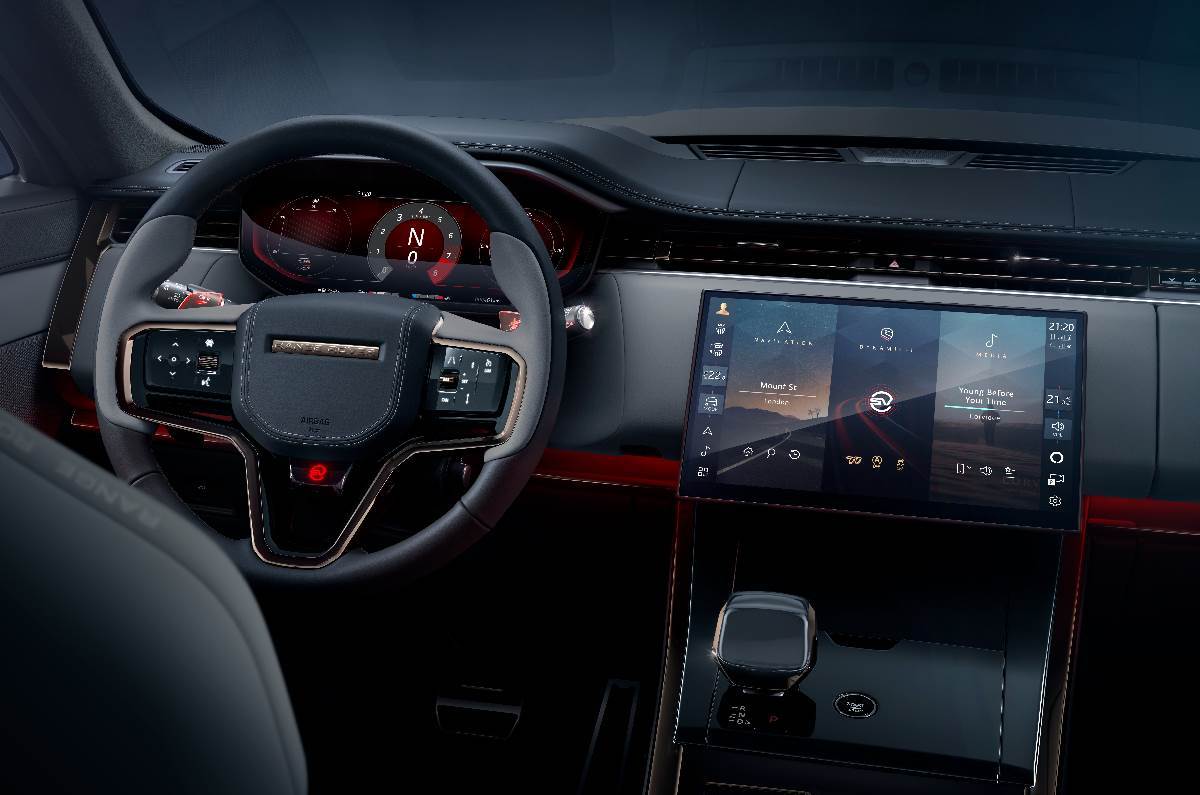
Range Rover Sport SV interior
Inside, the SV has new seats with integrated head restraints, and a new design for the steering wheel – smaller, thicker rim with clearly moulded hand positions. It also incorporates an SV button to activate the personalised drive mode. The integrated head restraints make it onto the two rear chairs too, but otherwise, the interior architecture largely continues unchanged.
Range Rover Sport PHEV
The other addition is the plug-in hybrid variant that’s powered by a 3.0-litre, 6-cylinder engine that’s coupled with a 38.2kWh battery pack. Total system output stands at 460hp and 660Nm of torque, has a top-speed of 225kph, and can sprint from 0-100kph in 5.5 seconds. The battery pack takes five hours to fully charge using a 7kW AC charger, and it returns an electric-only range of 123km (WLTP cycle). This powertrain also comes mated to an 8-speed automatic gearbox, sending power to all four wheels.
The plug-in hybrid powertrain is only available in top-spec Autobiography trim, but while it doesn’t get any exterior or interior cosmetic updates, it comes fully loaded with all the bells and whistles. These include digital LED headlights, panoramic sunroof, 22-inch alloy wheels, ambient lighting, four-zone climate control, illuminated scuff plates, 22-way powered front seats with ventilation and message, head-up display, 360-degree camera and much more.
The Range Rover Sport SV joins the likes of other super SUVs in the country such as the Lamborghini Urus, Audi RS Q8 and Aston Martin DBX. The PHEV, meanwhile, does not have any direct rival in India.
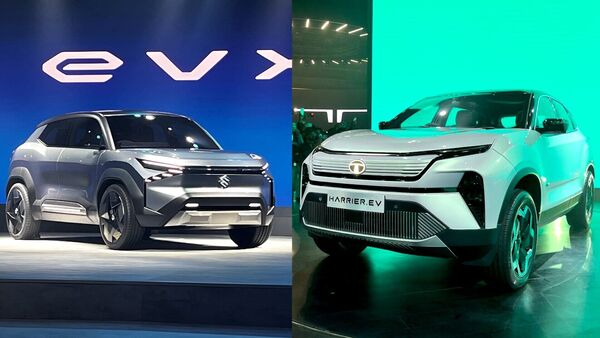
India will get a number of new electric cars in the next 12 months as the EV segment continues to grow at a rapid rate. Several carmakers have already confirmed launch of their new electric vehicles in 2024. Some of these models will help top carmakers enter the EV fray in the country which currently has less than seven per cent contribution to overall vehicle sales in India. Key names among the expected electric cars to hit Indian shores include the likes of Maruti Suzuki’s first EV – the eVX, Tata Harrier EV among others. Here is a quick look at list of brand new electric cars to launch in India next year.
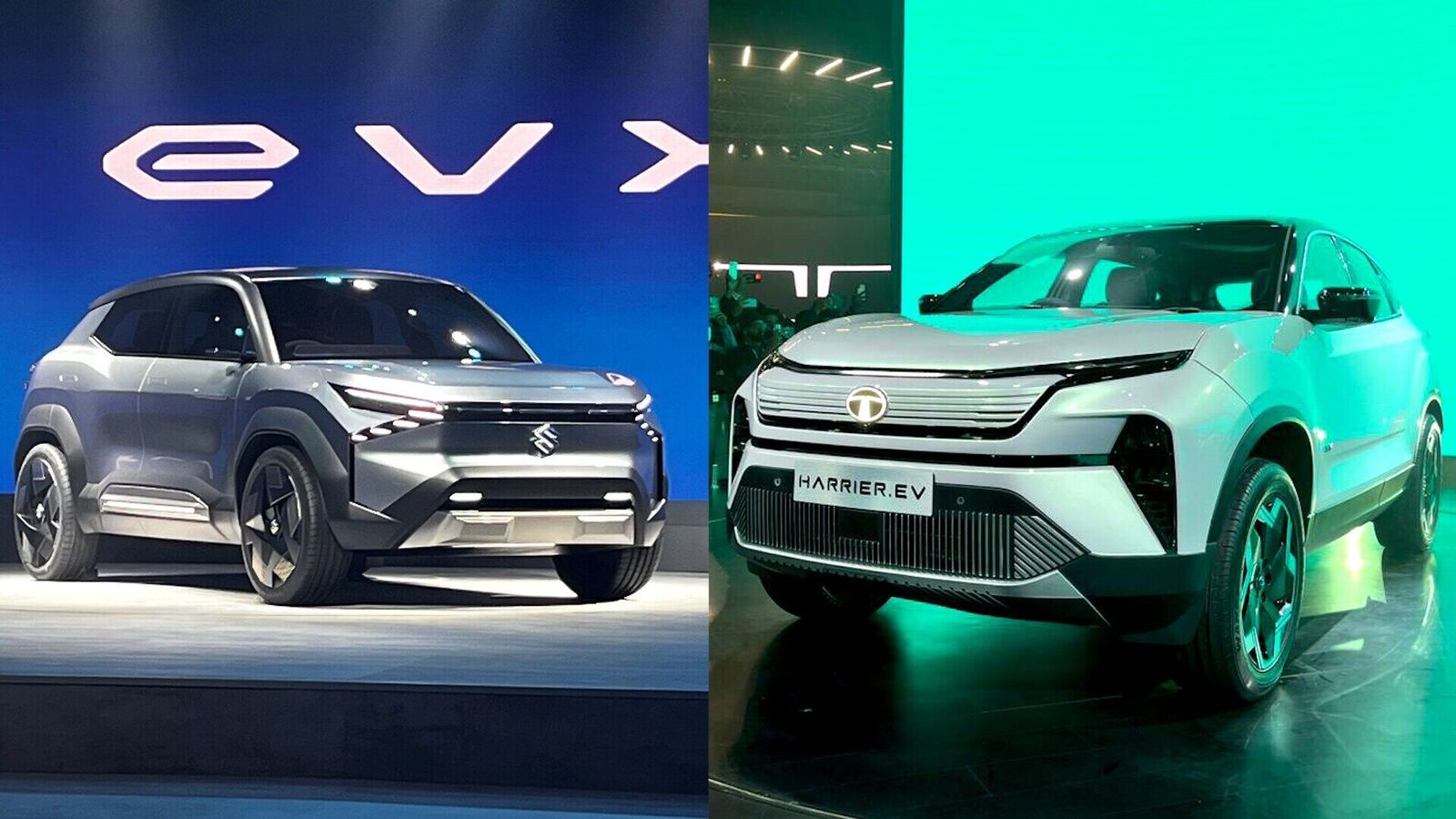
Maruti Suzuki is expected to launch its first electric vehicle in India with the introduction of the eVX in 2024. Tata Motors is also expected to launch at least three new EVs, including the electric avatar of its flagship Harrier SUV next year.
2024 will be a landmark year for Maruti Suzuki, the largest carmaker in India, as it plans to put its first ever electric car eVX to production. The carmaker has confirmed that the eVX electric SUV, first showcased at the Auto Expo held in January this year, will be manufactured from Suzuki Motor’s Gujarat facility at Hansalpur starting next year. It is expected to be launched some time in 2024. The eVX electric SUV will come with a range of around 550 kms in a single charge. It will be equipped with a 60 kWh lithium-ion battery pack. When launched, it will take on the likes of MG ZS EV and Hyundai Kona among others.
Tata Harrier EV
Tata Motors has confirmed that its flagship Harrier SUV, which recently received a major facelift, will get its electric version next year. The Harrier EV made its debut at the Auto Expo earlier this year. Built on the Gen 2 EV architecture, the Harrier EV will come with V2L and V2V charging facilities. The Harrier EV has been spotted testing on roads ahead of its launch within the next few months. However, very little is known about what this electric SUV will offer in terms of range, performance and features.
Tata Punch EV
The second electric vehicle from Tata stable expected to make India debut next year is the Punch. The smallest SUV from the carmaker already has the ICE and CNG version on sale. When launched, it will become the fourth car in Tata’s lineup to offer ICE, CNG and EV version of the same model. The Punch EV is expected to come with the same Ziptron technology that is doing duty in other Tata EVs like Nexon. The size of the battery could be the ones used for Tigor EV or the Nexon EV. Tata Punch EV could offer range of more than 300 kms in a single charge in the long-range version.
Tata Curvv EV
The third electric car from Tata Motors expected to be launched in 2024 is the Curvv EV. Tata is likely to launch the EV version of the SUV after its ICE version makes its debut. The Curvv EV will be based on Tata Motor’s X1 platform which will be heavily reworked to become EV ready. According to reports, the expected range of the Curvv electric SUV will be between 400 kms and 500 kms in a single charge. It is not clear if Tata Motors will use the same battery the Nexon EV facelift uses.
Kia EV9
The Korean auto giant is expected to expand its EV lineup in India with the introduction of its three-row electric SUV EV9. Based on the Electric Global Modular Platform (E-GMP), the EV9 stands more than five metres in length. It promises to offer range of up to 541 kms in a single charge. It is expected to be offered in two variants. Globally, the EV9 is powered by a 150 kW electric motor that can help it sprint 0-100 kmph in 9.4 seconds. The RWD version of the EV will come with a more powerful 160 kW electric motor. The EV has an 800-volt electrical architecture that enables the EV to charge at ultra-fast speed. Kia claims the EV9 can run 239 kms with just 15 minutes of charging.
Mahindra XUV.e8
Mahindra and Mahindra will also expand its EV lineup for India with the launch of an electric SUV based on the XUV700. This will be Mahindra’s second electric offering after the XUV400. Mahindra had showcased five upcoming electric SUVs during an event held in United Kingdom in August last year. To be launched under the Born Electric brand, the XUV.e8 is expected to come with dual electric motor as well as all-wheel drive technology. Mahindra is likely to offer at least 60 kWh battery pack with the XUV.e8 EV besides adding features like level 2 ADAS, 5G connectivity among others.
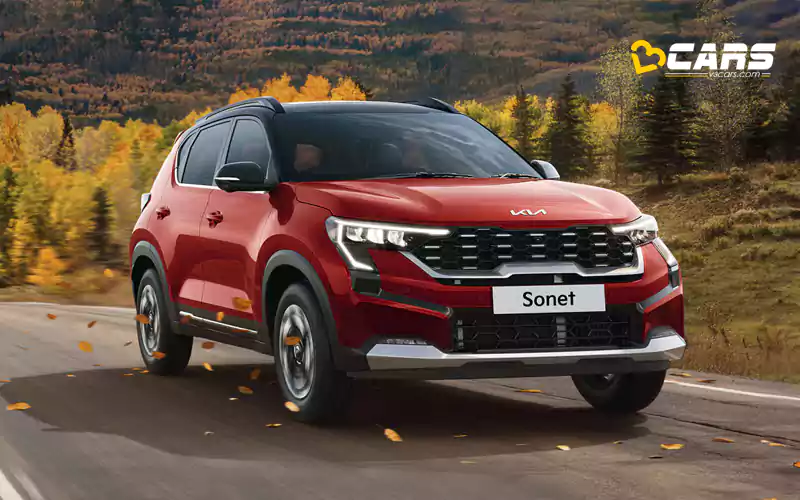
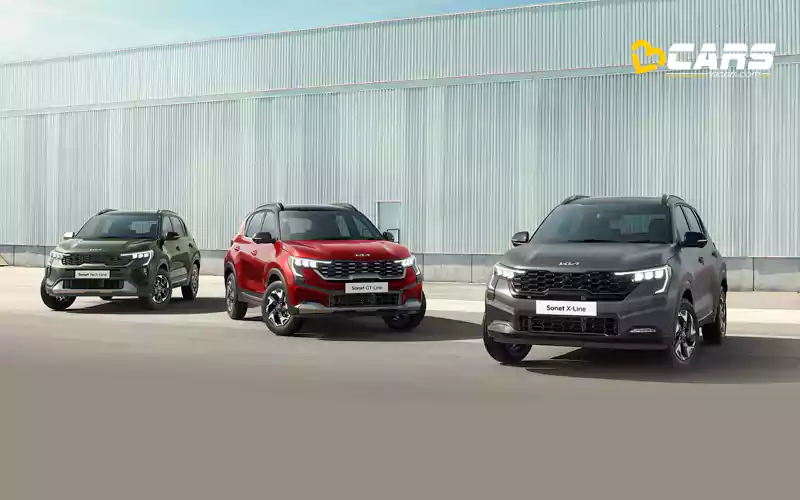
This article will give you a perspective of the engine specs like, displacement, power, torque, mileage and transmission details of the Kia Sonet Facelift diesel and petrol engines.
Considering the body style, size and price range of the Kia Sonet Facelift, it competes with the following cars:
What Are The Engine Specs Of Kia Sonet Facelift?
2024 KIA SONET FACELIFT | ENGINE SPECS
Engine
1.0L Turbo Petrol
1.2L Petrol
1.5L Turbo Diesel
Displacement
998cc
1197cc
1493cc
Cylinder
3
4
4
Power
120PS @ 6000rpm
83PS @ 6000rpm
100PS @ 4000rpm
Power:Weight
103.99PS/t
76.78PS/t
81.10PS/t
Torque
172Nm @ 1500 – 4000rpm
115Nm @ 4200rpm
240Nm @ 1500 – 2750rpm
Torque:Weight
149.05Nm/t
106.38Nm/t
194.65Nm/t
Manual
6-speed MT
5-speed MT
6-speed MT
Automatic
7-speed DCT
NA
6-speed TC
The Kia Sonet Facelift is available with 3 engine options: 1.0L turbo petrol,1.2L petrol and 1.5L turbo diesel. The 1.0L turbo petrol engine makes 120 of power at 6000rpm and 172Nm of torque between 1500 and 4000rpm. This engine is available with a 6-speed MT and a 7-speed DCT transmission.
The 1.2L petrol engine churns out 83PS of power at 6000rpm and 115Nm of torque at 4200rpm. The 1.2L petrol engine gets a 5-speed MT transmission.
The 1.5L turbo diesel engine is rated to deliver 100PS of power at 4000rpm and 240Nm of torque between 1500 and 2750rpm. You can get the 1.5L turbo diesel engine of the Sonet Facelift with a 6-speed MT or a 6-speed TC transmission.
Read more about how you can get the best mileage or fuel efficiency from your car:
This article will give you details about the dimensions, or length, width, height and wheelbase of the Kia Sonet facelift. We’ll also look at the ground clearance, boot space, fuel tank capacity and tyre size of the Kia Sonet facelift.
The Kia Sonet facelift is 3995mm long, 1790mm wide and 1642mm tall. Bigger exterior dimensions give a car a stronger road presence. The Sonet facelift has a 2500mm long wheelbase. A longer wheelbase makes the car more stable at high speeds and gives better legroom in the back seat, while a shorter wheelbase makes the car more agile.
KIA SONET FACELIFT 2024 DIMENSIONS
Length
3995mm
Width
1790mm
Height
1642mm
Wheelbase
2500mm
Ground Clearance
205mm
Boot Space
385L
Fuel Tank Capacity
45L
Wheel Size (Base)
195/65 R15
Wheel Size (Top)
215/60 R16
The Kia Sonet facelift has a fuel tank capacity of 45 litres and a boot space measuring 385 litres. The Sonet 2024 facelift has a ground clearance of 205mm. The tyre size of the Kia Sonet facelift base model is 195/65 R15 and the top model rides on 215/60 R16 tyres. Cars running on bigger wheels provide better handling and styling. However, these advantages come at the cost of efficiency. Having bigger wheels means more metal and more rotating mass. Therefore, it adversely impacts your drivability, performance and mileage.
What Are The Dimensions Of Kia Sonet Facelift 2024?
The Kia Sonet facelift is 3995mm long, 1790mm wide and 1642mm tall.
What Is The Length Of Kia Sonet Facelift 2024
The Kia Sonet facelift is 3995mm long. Here’s the length of Sonet facelift in other units like centimetres, metres, feet and inches:
2024 Kia Sonet Facelift Length
Millimetres
3995mm
Centimetres
399.5cm
Metres
3.995m
Inches
157.28in
Feet
13.11ft
What IsThe Width Of Kia Sonet Facelift 2024?
The Kia Sonet facelift is 1790mm wide. Here’s the width of Sonet facelift in other units like centimetres, metres, feet and inches:
2024 Kia Sonet Facelift Width
Millimetres
1790mm
Centimetres
179cm
Metres
1.79m
Inches
70.47in
Feet
5.87ft
What Is The Height Of Kia Sonet Facelift 2024?
The Kia Sonet facelift is 1642mm tall. Here’s the height of Sonet facelift in other units like centimetres, metres, feet and inches:
2024 Kia Sonet Facelift Height
Millimetres
1642mm
Centimetres
164.2cm
Metres
1.642m
Inches
64.65in
Feet
5.39ft
What Is The Fuel Tank Capacity Of 2024 Kia Sonet Facelift?
The Kia Sonet facelift has a fuel tank capacity of 45 litres.
What Is The Wheelbase Of 2024 Kia Sonet Facelift?
The Kia Sonet facelift 2024 has a wheelbase measuring 2500mm. Here’s the wheelbase of Sonet facelift in other units like centimetres, metres, feet and inches:
2024 Kia Sonet Facelift Wheelbase
Millimetres
2500mm
Centimetres
250cm
Metres
2.5m
Inches
98.43in
Feet
8.2ft
What Is The Boot Space Of Kia Sonet Facelift?
The Kia Sonet 2024 facelift has a boot space measuring 385 litres. Here’s the boot space information of Sonet facelift in other units like cubic centimetres, cubic metres, cubic inches and cubic feet:
2024 Kia Sonet Facelift Boot Space
Litres
385L
Cubic Centimetres
385000cm3
Cubic Metres
0.385m3
Cubic Inches
23494.24in3
Cubic Feet
13.6ft3
What Is The Ground Clearance Of Kia Sonet Facelift 2024?
The Kia Sonet facelift has a ground clearance of 205mm. Here’s the ground clearance of Sonet facelift in other units like centimetres, metres, feet and inches:
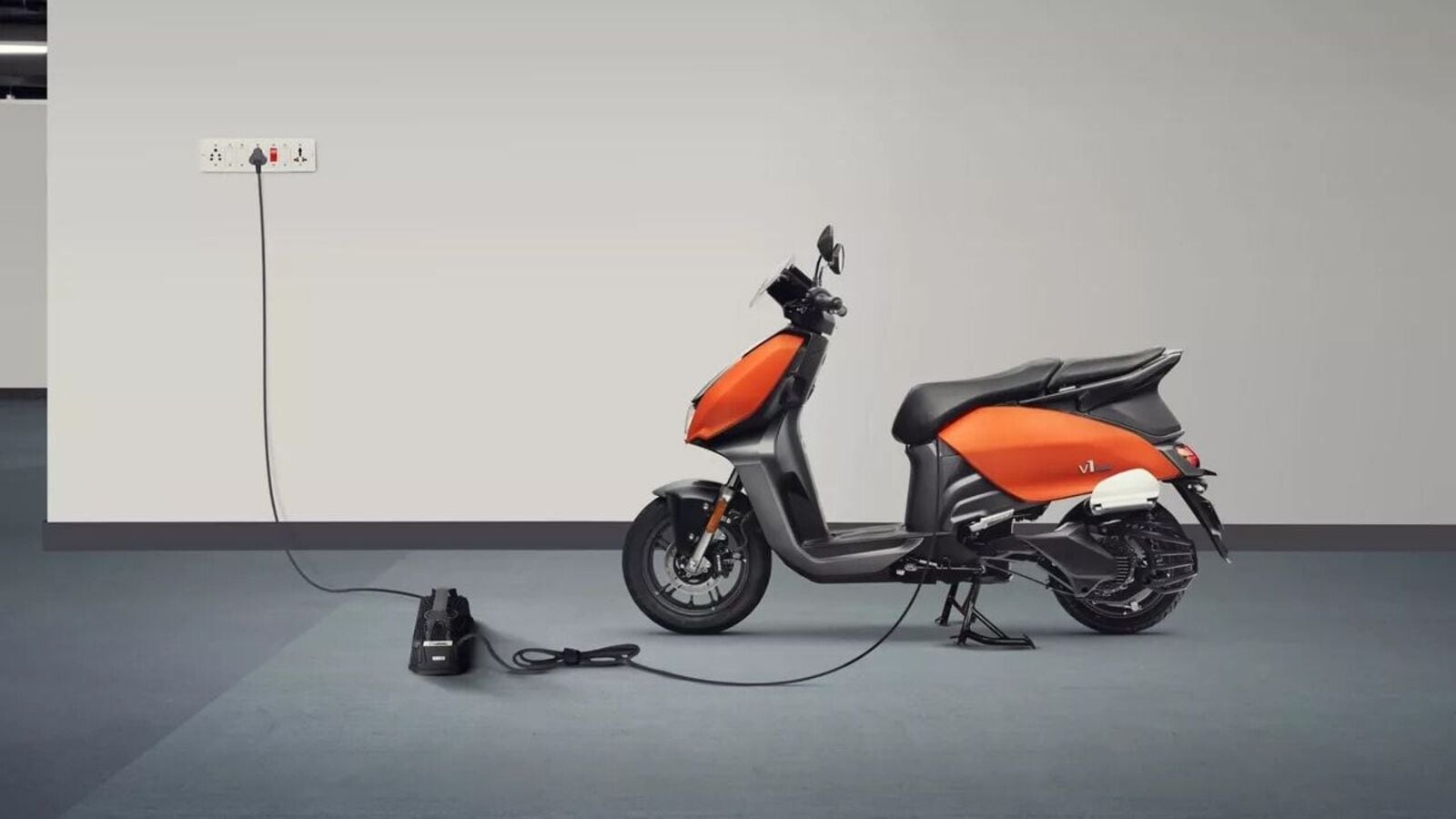
As part of the year-end offers, the Vida V1 electric scooter gets an extended battery warranty worth ₹8,259. You also get a cash discount of ₹6,500, an exchange bonus of ₹5,000 and a loyalty discount of ₹7,500. There’s also a corporate discount of ₹2,500 with the e-scooter. Lastly, the company is offering a subscription plan worth ₹1,125.
Furthermore, customers wanting to finance their Vida V1 with attractive finance schemes including a low-interest rate of 5.99 per cent, zero per cent processing fees on loans and EMIs starting from ₹2,429. The company has partnered with banks and NBFCs including Hero FinCorp, IDFC and Ecofy for the V1.
The Vida V1 is priced at ₹1.26 lakh, while the V1 Pro is priced at ₹1.46 lakh (ex-showroom Delhi, including FAME II subsidy). The e-scooter promises a real-world range of 110 km with a top speed of 80 kmph. The V1 can sprint from 0-40 kmph in 3.2 seconds and comes with fast charging that will top up the battery from 0-80 per cent in 65 minutes using a DC charger. The Vida V1 comes with removable batteries, which sets it apart from rivals – Ather 450X and Ola S1 Pro.
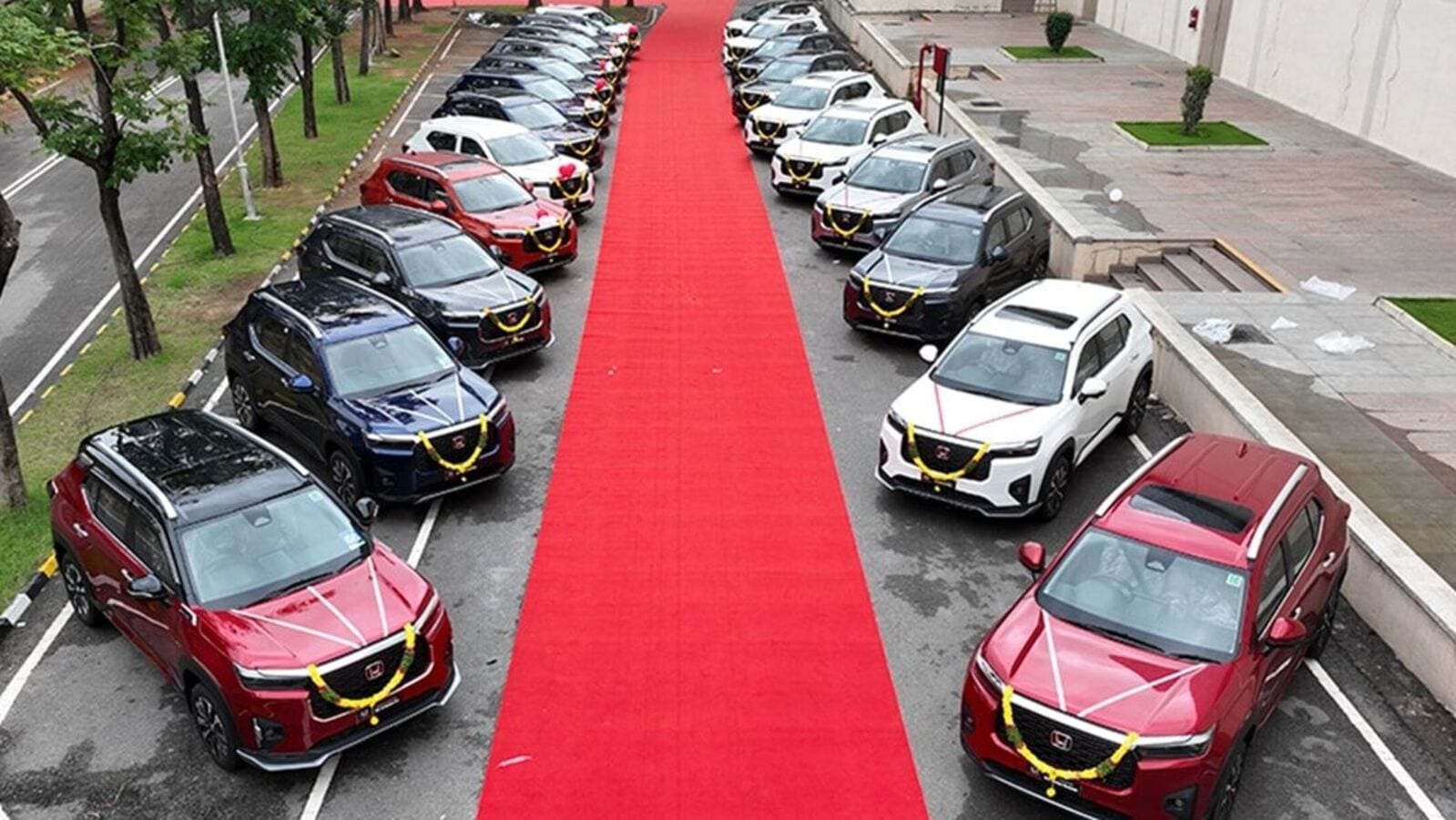
Honda Cars India Ltd. has announced that the new Elevate SUV sales have crossed the 20,000 units milestone in 100 days since the launch. The all-new Honda Elevate arrived in showrooms in September this year commencing a new era for the Japanese automaker in the country. The strong response to the offering amidst established competition will help solidify its presence in the segment.
By: Sameer Fayaz Contractor | Updated on: 17 Dec 2023, 11:29 AM
Honda says it is adjusting production for the automatic variants of the Elevate, which are in more demand
Honda said that the new Elevate accounted for over 50 per cent of total sales for the company in the last three months. It has also helped HCIL’s sales grow by 11 per cent between September and November year-on-year. The company also revealed that the CVT automatic remains in higher demand on the SUV.
The Honda Elevate has been off to a good start in the highly competitive compact SUV segment
Speaking about the promising start for the Elevate, Yuichi Murata, Director of Marketing and Sales – Honda Cars India Ltd., said, “We are thrilled to witness the remarkable success of the Honda Elevate, which has surpassed our expectations. The 20,000 sales milestone of Elevate in the first 100 days of launch is a proud moment for us and reflects the trust & preference of our valued customers, making us a notable contender in the industry. Furthermore, we have maximised the production of the Elevate to serve our waiting customers as early as possible and adjusted the variant mix to align with the market demand which is overwhelmingly high for CVT variants currently.”
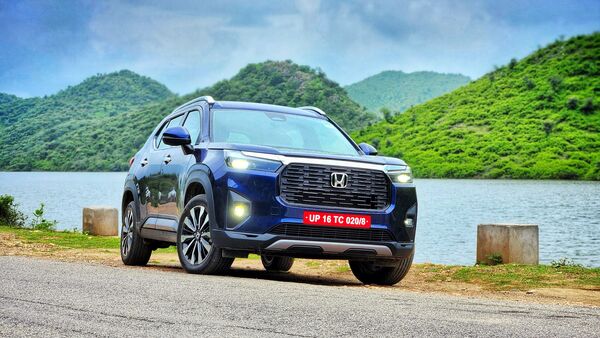
Designed with the concept of ‘Urban Freestyler’, the Honda Elevate boasts a bold and masculine design and is equipped with a powerful 1.5L i-VTEC petrol engine paired with 6-speed MT and 7-speed CVT automatic transmissions.
The Honda Elevate competes in a highly crowded segment comprising the Kia Seltos, Hyundai Creta, Volkswagen Taigun, Skoda Kushaq, MG Astor, Maruti Suzuki Grand Vitara, Toyota Urban Cruiser Hyryder, and more. The competitive pricing has been a major selling point and so has the addition of essential features without going overboard. It’s also a fairly spacious offering in the front and rear.
Watch: Honda Elevate SUV: First drive review
The Honda Elevate comes with ADAS, a floating touchscreen infotainment system with Apple CarPlay and Android Auto, LED headlights, electric sunroof and more. Prices for the Elevate start from ₹11 lakh, going up to ₹16 lakh (ex-showroom, Delhi). The introductory prices are valid till the end of December 2023. Honda India also exports the SUV to several markets internationally including Japan.
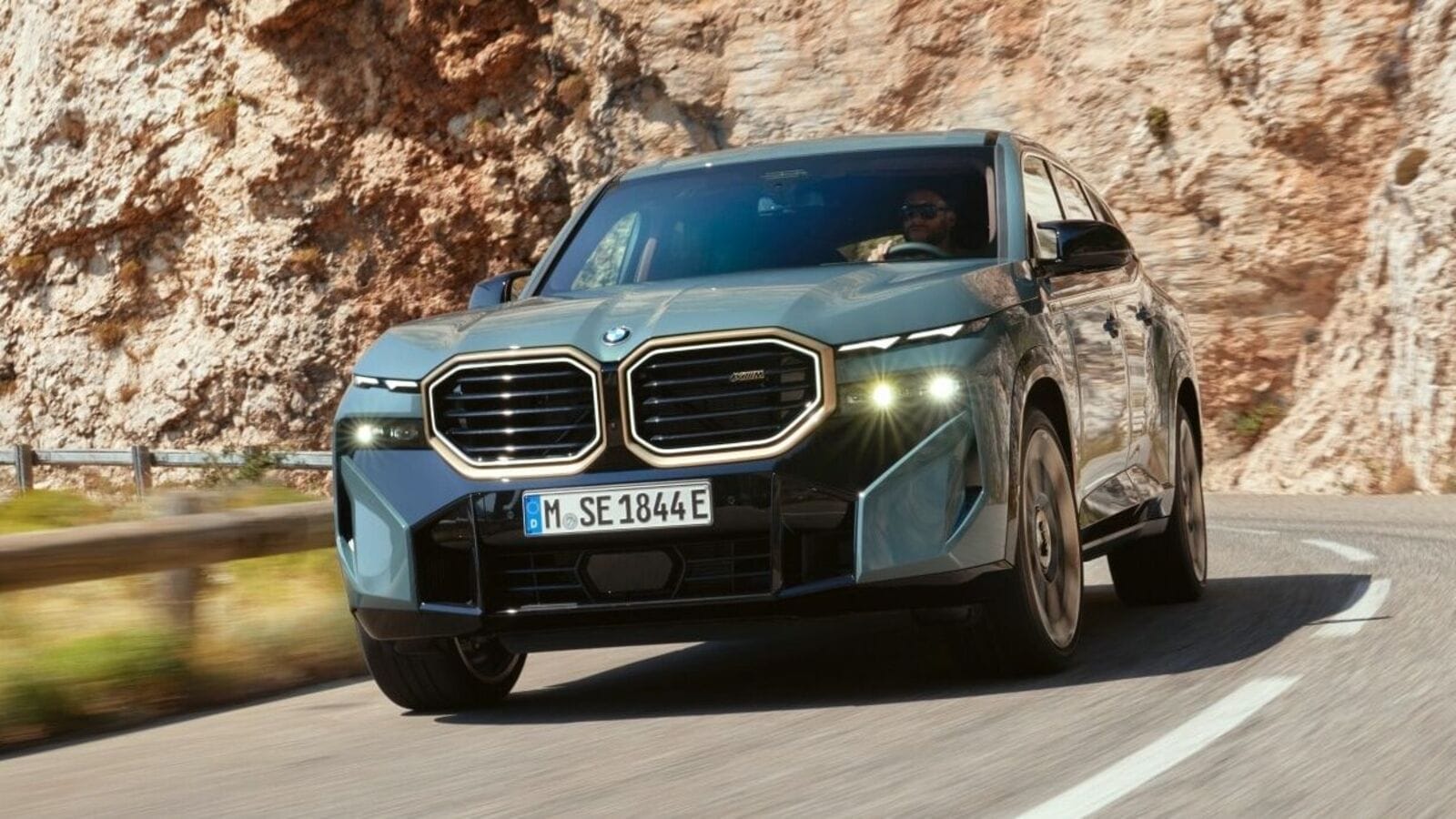
BMW’s high-performance car division, popularly known as BMW M has no intention to follow its arch-rival Mercedes-AMG’s strategy of offering downsized engines for its sporty cars. Also, the German automaker plans to continue selling its V8 and inline-six engines, claims a report by CarExpert. This revelation comes despite the build-up of pressure due to stringent emission norms.
By: HT Auto Desk | Updated on: 17 Dec 2023, 10:52 AM
BMW M is working on pure electric high-performance cars but that won’t come anytime soon.
In an interaction, BMW M’s boss Frank van Meel said that the automaker’s high-performance division has no plan to introduce three and four-cylinder engine-powered cars alongside the future electric vehicles. He said that putting a smaller engine under the hood of a full-blown M model in combination with big batteries simply would not be the right way for the auto company.
Meel reportedly said that BMW M wants to have a strong base engine and going to smaller engines in combination with bigger batteries wouldn’t be the right way for the automaker. “That’s not the way we see it because we want to have a strong base engine anyway. So, for us, going to smaller combustion engines in combination with bigger batteries would not be the right way. For us, then the step will be to go purely electric right away. And do that in a proper way,” van Meel reportedly said.
BMW M is working on pure electric cars as the demand for EVs is rising. However, such cars are not coming anytime soon, claimed van Meel. He believes that the electric propulsion technology is not ready yet for a track-focused machine, which can provide continuous power output in a significant way. “It has to do one or two laps of the Nurburgring Nordschleife at full speed, actually, then with the battery, if you go, let’s say over 250 kilometres per hour, you won’t get any much further anyway. So that’s currently the restriction,” the CEO added.
Kawasaki has unveiled the new 2024 Ninja ZX-10RR Winter Test Edition in the global market. It comes with a new unique livery that is developed by the World Superbike Kawasaki Racing Team (KRT). The inspiration for the new livery comes from the 2024 WSBK KRT Ninja Winter Test bike. The manufacturer will only be making 25 units of the Winter Edition.
By: HT Auto Desk | Updated on: 16 Dec 2023, 18:47 PM
The Winter Edition comes with few cosmetic changes as well as mechanical changes.
Kawasaki Ninja ZX-10RR Winter Edition comes with a black and grey colour scheme with neon yellow body graphics. There is a nice snowflake logo on the fairing of the motorcycle and there is also a numbered plate on the tank protector that denotes which unit the motorcycle is out of 25.
Apart from this, the motorcycle also gets mechanical upgrades such as an Akrapovic exhaust system to enhance its performance. Owners of these exclusive motorcycles will also get two-person VIP access to any WSBK round of their choosing. This will include access to the paddock and KRT hospitality.Kawasaki will also offer a guided tour of KRT Box and a meet-up with the racers – Axel Bassani and Alex Lowes.
Powering the special edition motorcycle is the same 998 cc inline four-cylinder that is liquid-cooled. It is tuned to produce 214 bhp of max power. Features on offer are a full-colour TFT screen, cruise control, traction control, quickshifter, cornering management functions, Ohlins steering damper and a lot more.
As of now, there is no official word whether the motorcycle will be launched in the Indian market or not. In other news, the motorcycle recently unveiled the ZX-6R in the Indian market. They also launched the W175 Street in the Indian market. It is priced slightly higher than the W175.
The tests were supposed to begin in October, but were delayed due to the festive season.
The Government of India’s Bharat New Car Assessment Programme (BNCAP) has completed its first round of crash testing, with results expected this week or by the end of this month. This will help buyers make a more informed purchase decision. Bharat NCAP tests were supposed to begin on October 15th, but were pushed back to December 15th due to the busy holiday season.
While testing agencies have already submitted their evaluations, the formal process of assigning star ratings from 1-5 will be announced by the Central Institute of Road Transport (CIRT) Pune, which is the programme manager for the car assessment plan.
Hyundai, Kia, Maruti and more have submitted cars for tests
Bharat NCAP to test ICE, CNG and EVs
Bharat NCAP test costs Rs 60 lakh; overseas test costs Rs 2.5 crore
Bharat NCAP results
Mahmood Ahmed, additional secretary, Ministry of Road Transport and Highways, told our sister publication Autocar Professional that the “government’s BNCAP programme is on track. We are hoping to share the results as soon as possible, which could be this week or before the end of the year.”
According to Autocar Professional, senior government officials are considering holding a mega event at which Road Transport Minister Nitin Gadkari and Bharat NCAP officials will likely announce the ratings. However, the plan is currently being debated, which explains why the ratings are yet to be announced on the BNCAP website.
Prominent manufacturers who have submitted their models for the first round of crash tests include Hyundai, Kia, Maruti Suzuki, Mahindra, Toyotaand others. Bharat NCAP is a voluntary programme which tests the base variant of each car.
Bharat NCAP testing process
As part of the test regimen, Bharat NCAP conducts Adult Occupant Protection (AOP) and Child Occupant Protection (COP) tests on vehicles weighing up to 3,500kg, and gives them a safety rating between zero and five. However, while Global NCAP gives a separate rating for AOP and COP, Bharat NCAP will give a unified rating. The vehicles are picked at random by the Automotive Research Association of India (ARAI) and International Centre for Automotive Technology (ICAT) from authorised dealerships.
The crash test ratings of Bharat NCAP will apply to vehicles holding type approval, spanning across models with a seating capacity of up to eight, including the driver. Government officials went on to say that the testing regime includes evaluating and rating CNG, electric, and internal combustion engine vehicles. According to the guidelines, the testing agencies will conduct the frontal impact test at 64kph, the side impact test at 50kph and the pole side-impact test at 29kph.
During the programme’s launch, Gadkari had stated that over 30 models have already been nominated for testing, and added that a BNCAP test will cost Rs 60 lakh, while an overseas tests costs roughly Rs 2.50 crore.
Yamaha Motor India has finally launched the R3 and the MT-03 in the Indian market. They are priced at ₹4.65 lakh and ₹4.60 lakh respectively. Both prices are ex-showroom and the motorcycles will be sold through Yamaha’s Blue Square dealerships. As of now, the motorcycles come to India as a Completely Built Unit and it is expected that the manufacturer might drop the price if the demand is high enough for them to use the Completely Knocked Down route.
By: Paarth Khatri | Updated on: 15 Dec 2023, 18:28 PM
The Yamaha R3 and the MT-03 come into the Indian market via the import route.
At this price, the motorcycles are quite expensive. For reference, the KTM390 Duke costs ₹3.11 lakh ex-showroom and the recently launched Aprilia RS 457 is priced at ₹4.10 lakh ex-showroom. Because of the pricing, the Aprilia now seems more value for money as it will have more exclusivity factor and comes with more electronic aids as well.
Both motorcycles share the same 321 cc, liquid-cooled, parallel-twin engine that produces 41.4 bhp of peak power at 10,750 rpm and 29.6 Nm of maximum torque at 9,000 rpm. The engine is very smooth but because of its high-revving engine, the rider would need to twist the throttle in case he or she needs to exploit that power. Having said that, the engine is also tractable and does 100 kmph at 6,000 rpm without any vibrations.
Yamaha is using a 6-speed gearbox for the engine. Unfortunately, there is no slip-and-assist clutch on offer because of which under aggressive downshifting the rear does start to hop. Having said that the gearbox is quite smooth for the most part.
The R3 and the MT-03 are quite basic in terms of features. There is no traction control, riding modes or Bluetooth connectivity. The motorcycles only get a dual-channel ABS, all LED lighting and a digital instrument cluster that only shows basic information.
On the 40th anniversary of the iconic car, Bhargava gets candid on some rare, behind-the-scenes action of the company’s extraordinary journey.
Published On Dec 15, 2023 06:56:00 PM
Fairytale-like tales of the automobile industry don’t come any better than that of Maruti. It’s the car company that put our entire nation on wheels with the little 800. So 40 years ago, on December 14, 1983, when then Prime Minister Indira Gandhi handed over the key to the first Maruti 800 to Indian Airlines employee Harpal Singh – after he paid a measly Rs 47,500 – little did he or anyone imagine that Indian roads would never be the same again. This humble home on wheels went on to become a symbol of mobility that conquered our roads.
Hormazd: Mr Bhargava, you were there when the car was launched, that momentous occasion when Indira Gandhi handed over the key to Harpal Singh. Did you ever imagine what a revolution the Maruti 800 would spark?
Bhargava: You’re absolutely right. In December 1983, when the car was launched, I don’t think anyone anywhere had any inkling of what it would lead to – for the automobile industry in India, for our component industry, for manufacturing in India or for the whole concept of customer centricity that we now all talk about [it was virtually an unknown word back then]. And how India would transform from being known for poor quality and manufacturing into a hub whose products, including a sophisticated one like a car, are accepted in the best of markets the world over.
Hormazd: What makes the Maruti story even more captivating is that the government never planned to make a car. Do you think it was Sanjay Gandhi’s tragic death in a plane crash that made Maruti an emotional project for his mother?
Bhargava: If Sanjay Gandhi hadn’t passed away in that accident, there would have been no joint venture of this kind. We can only imagine what the state of automobiles in India would have been. After 1993 [when the automobile industry was delicensed], companies would have come in, but would the industry have grown the way it did? Because the way the component industry grew, the way small cars boosted the growth of motorisation in India, it would never have happened with the bigger multinationals. In fact, one of the reasons multinationals flocked to India back then was that we were the only country with a well-established, developed component industry. Look at the size of the component industry today, it’s unbelievable. It exports more than USD 20 billion worth of components at present.
Hormazd: Tell us about your experience during the negotiations with Suzuki.
Bhargava: We started our negotiations with Suzuki in April 1982; it took over two months to put all the licence agreements in place, and we finally signed the agreement in October 1982. While negotiating, we told Osamu Suzuki that we had to close the deal by October of that year. Suzuki was taken aback and didn’t think it could be done because they had been in talks with General Motors for two years at the time. But I insisted that we close it by August so that I could return to India and get the required government clearances.
The Japanese still have a relatively conservative mindset, and as a company, they have their own legal processes as well. We didn’t have a lawyer with us during the negotiations. It was just me and DS Gupta [marketing director, Maruti], with V Krishnamurthy [chairman of Maruti] in the background. Suzuki himself didn’t join any of the negotiations. All he said was to come to him if there was a problem or disagreement. We would travel to Tokyo frequently because Suzuki’s lawyer was based there. Our visits ranged from as long as two weeks to as short as an hour, after which we would return to India, and they would visit us for the next round of discussions. It was a continuous process, but we did manage to get the agreement completed and then pushed it through various government departments. We had no choice but to get it done by October 2, 1982.
Hormazd: Suzuki took just a 26 percent stake at the beginning of the joint venture. How did they arrive at that figure?
Bhargava: Suzuki had a limit on how much money they could put in. Also worried about the risks, they said the total cost of the project must be limited to USD 200 million, and that they would only take 25 percent equity. No more. Everything in the project had to be done within that cost.
Hormazd: But why 25 percent and not 26 percent? It would have been strategically better as that would have given them special rights and the power to block some key decisions.
Bhargava: Actually, from the very beginning, the government had directed us to get 40 percent foreign equity in the project. They, in fact, had refused to sign this agreement for just 25 percent. So we informed Suzuki of the Companies Act and about the additional rights they would have if they went from 25 to 26 percent in acquisition. This also garnered me a great deal of trust, as the guy helping them understand things they weren’t aware of. Next, I tried to convince them to jump to 40 percent from 26 percent. So we came up with a compromise: Suzuki agreed to increase to 40 percent, but over a period of five years, starting with an initial 26 percent stake. So that allowed the government to hold its own, and we got our 40 percent.
Hormazd: After tasting success for five years, Suzuki must have been delighted to raise their investment to 40 percent.
Bhargava: At that time, they were only too happy. They would have pumped in more funds to go even higher. I don’t think they anticipated the response we got. When we prepared a budget and projected a profit, Suzuki asked us, “How long have you guys been in the automobile industry?” I told him we had never been in the field, to which he responded saying we clearly knew nothing about it because this wasn’t how things worked! “You don’t make a profit in the first year. You don’t get customers to book cars they have never seen or are even in production,” he had said. I told him then that if it doesn’t happen, it doesn’t, but there was no harm trying. What did we have to lose? So when we got 1,20,000 bookings [within the first year], they were shocked!
Hormazd: But you couldn’t have fulfilled all those orders because you had capacity limits, right?
Bhargava: Our target was to make 20,000 cars in the first year, 40,000 in the next. The whole production plan had to be changed. The ratio between the vehicles had to be changed completely because it was all passenger cars. Vans were only a small part of the business.
Hormazd: Why couldn’t you increase capacity?
Bhargava: Despite such long waiting lists, we couldn’t raise the capacity at Maruti till 1992-’93 because it needed foreign exchange. Plus, nobody was willing to release the money it would require. Where was foreign exchange? We were in a crisis in 1991, and we’re talking about 1985 to 1991. How were we expected to get the money to set up a car plant? Even in 1991, the government had said we could expand only if we got a foreign loan to cover the cost. So we approached Axiom Bank in Japan and got aid to finance the foreign exchange part of our expansion. That’s how we got our next line in Gurgaon. Until then, we had to live with shortages.
Hormazd: What are your takeaways today, 40 years after delivering the first Maruti 800?
Bhargava: The most important of the lot is realising that we lose an enormous amount of knowledge and people’s capabilities because we don’t value experience as a form of learning; we only value academic degrees. If you train people on ways to channel their learnings, correctly utilise their experience and motivate them, it would add a lot of value to our functioning. Even the best of engineers can’t do this. When I say you must leverage the experiences of those who actually do the work, then you must be willing to make changes so they are motivated to listen to you, to learn from you and contribute to your company. You can’t do this if you take all the credit for what’s happening in the company.
Hormazd: How did Maruti get such an efficient workforce? Was it just the Japanese company systems and work culture, or more?
Bhargava: It was a number of factors. In fact, that’s part of what my new book is going to be all about. How did Maruti become different? What motivated the guys to work differently from what others were doing? Yes, our extensive exposure to Japan and training in Japan played a major role, and Suzuki’s support to Maruti was unparalleled. I don’t think the head of any car company does what he did. The level of interest he took, the amount of time he devoted to the project was amazing.
Hormazd: Lastly, which is your favourite Maruti car of all time? The model closest to your heart.
Bhargava: All models are special to me. Maruti, in itself, is special to me. But there’s no question that the car that drove our success, that drove India’s motorisation and made a car accessible to a large section of our population, was the Maruti 800. It symbolises India’s transformation from an old, obsolete car market to a modern automobile industry. No other model has played such a significant role in any auto market the world over.
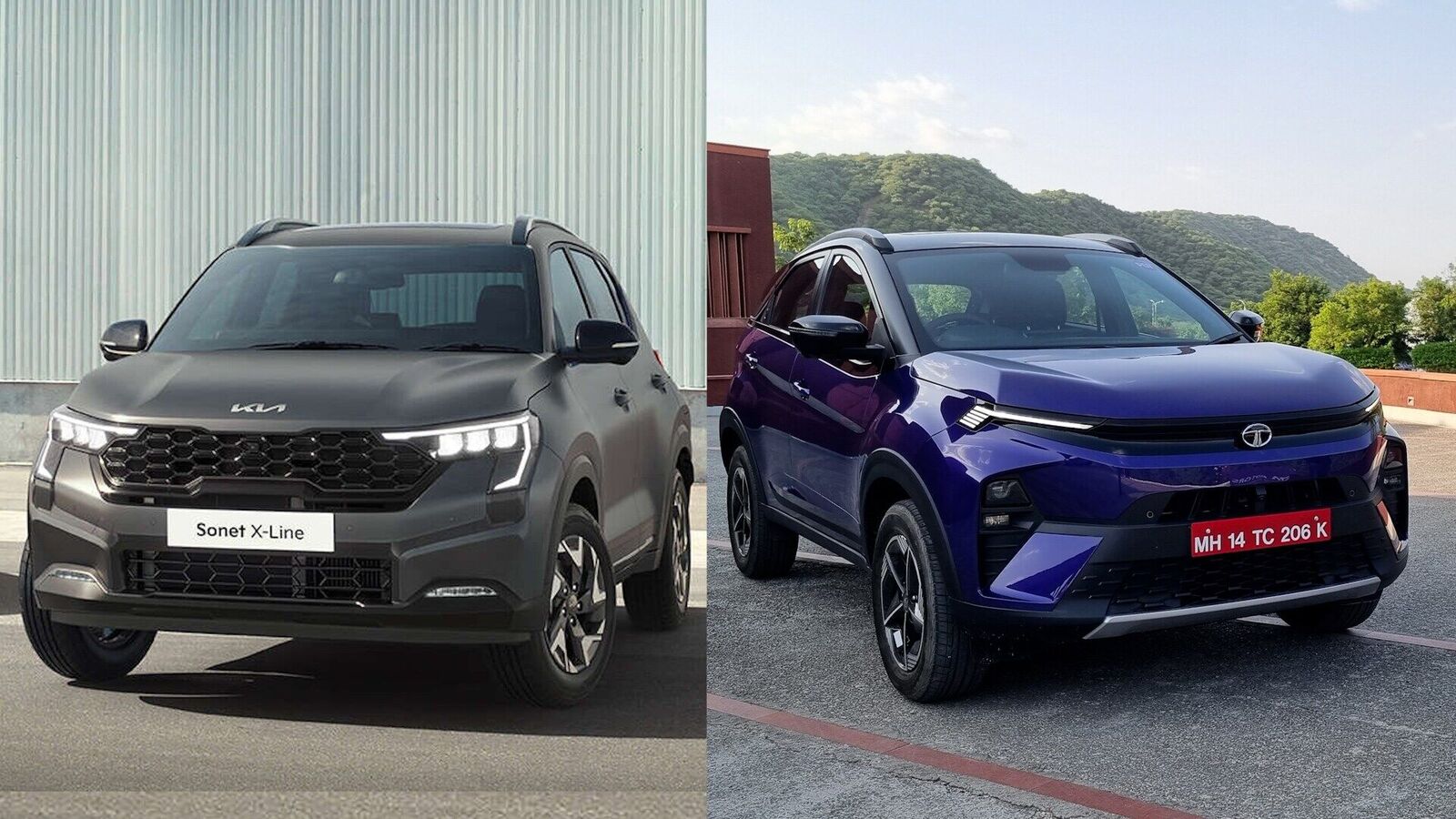
Kia Sonet facelift SUV has been unveiled for India with host of changes. The Korean carmaker has upgraded the SUV which competes in the sub-compact segment. In its new avatar, the 2024 Sonet facelift comes across a more tech and feature-loaded version with sportier looks. Among its rivals, Tata Nexon also received major overhaul just a couple of months ago. It will be an interesting contest between the two when Kia launches the new Sonet next month.
Kia has unveiled the new Sonet facelift SUV with several updates, including some segment-first features. It will rival the likes of 2023 Tata Nexon SUV which was also overhauled massively in its latest iteration.
Kia has announced that pre-bookings for the Sonet facelift SUV will start from December 20. According to HT auto sources, the booking amount for the Sonet facelift will be ₹25,000. One can book the SUV through the nearest dealership or through Kia’s official website. Kia Sonet was first launched in India back in September, 2020. Sonet is Kia’s second best-selling model in India. Till November, the carmaker has sold nearly 2.83 lakh units across the country. Since then, this will be the first major update for the SUV that will aim to renew its rivalry with the likes of TataNexon, Maruti Suzuki Brezza, HyundaiVenue, Mahindra XUV300 among others.
With choices galore in the segment, which one should be your pick? Here is a quick comparison between 2024 Kia Sonet and Tata Nexon, two of the models which received updates most recently, to make an informed decision.
Kia Sonet facelift vs Tata Nexon facelift: Specs
The new Sonet has grown marginally compared to its predecessor in terms of dimension. The SUV now stands 3,995 mm in length and 1,790 in width which are similar to the existing dimensions of the Sonet. However, the height of the SUV has increased by 32 mm. It now stands at 1,642 mm instead of 1,610 mm earlier. The wheelbase of the Sonet facelift SUV also remains same at 2,500 mm. Kia will offer Sonet SUV in as many as seven trims. Unlike Tata Motors, Kia has not changed the nomenclature of the variants. There are 11 colour options to choose from, including the new Pewter Olive and two dual-tone exterior themes. Kia will also introduce the Matte Graphite colour exclusively for the X-Line trim.
Compared to Sonet, the new Nexon is similar in size but marginally wider by 14 mm. However, the height of the Nexon is slightly smaller than the new Sonet. Tata Motor offers the Nexon SUV in 11 variants. When it comes to choice of exterior colours, Nexon offers only six against 11 offered on Sonet.
Kia Sonet facelift vs Tata Nexon facelift: Features
Sonet embodies every essence a Korean car manufacturer stands for – feature-rich and loaded with new technology. The Sonet is the first SUV in its segment to be offered with ADAS technology, a feature none of its rivals have yet. This will give Sonet an edge over the likes of Nexon. The ADAS tech is offered with 10 features including lane keep assist, lane follow assist and lane departure warning. There are overall 25 safety features in Sonet, including six airbags as standard, which are more or less similar to what Nexon offers.
In terms of creature comfort, Sonet again stands apart among most its rivals, even Nexon. The updated cabin now comes with a dual digital screen, each measuring 10.25 inches, serving as infotainment system or driver display. Overall, Kia claims there are 25 segment-first features inside Sonet. These also include the likes of ventilated front seats, electric sunroof, air purifier, Bose sound system and power-adjustable driver seat.
Kia Sonet facelift vs Tata Nexon facelift: Engines, performance
Under the hood, Kia has kept things unchanged for the Sonet facelift SUV. There are three engines, including petrol and diesel, offered as choices. The 1.2-litre naturally-aspirated petrol engine is capable of churning out 82 bhp of power and 115 Nm of peak torque. The engine will come mated to a 5-speed manual gearbox. The second option is the 1.0-litre turbo petrol engine. Mated to either a 6-speed iMT and 7-speed DCT transmission, the engine can generate 118 bhp of power and 172 Nm of peak torque. The sole diesel engine is a 1.5-litre unit which can churn out 114 bhp of power and 250 Nm of peak torque. The only change here is the return of the 6-speed manual gearbox for diesel variants. It also gets a 6-speed automatic gearbox which is a better option than Nexon’s AMT unit.
As far as the new Nexon is concerned, the SUV comes powered by a more powerful 1.2-litre turbo petrol unit that can generate 118 bhp of power and 170 Nm of peak torque. The engine comes mated to either a 5-speed manual, 6-speed manual or a 7-speed DCA transmission units. The 1.5-litre diesel engine is equally powerful as that of the Sonet. Besides the AMT, Nexon diesel also comes mated to a 6-speed manual gearbox.
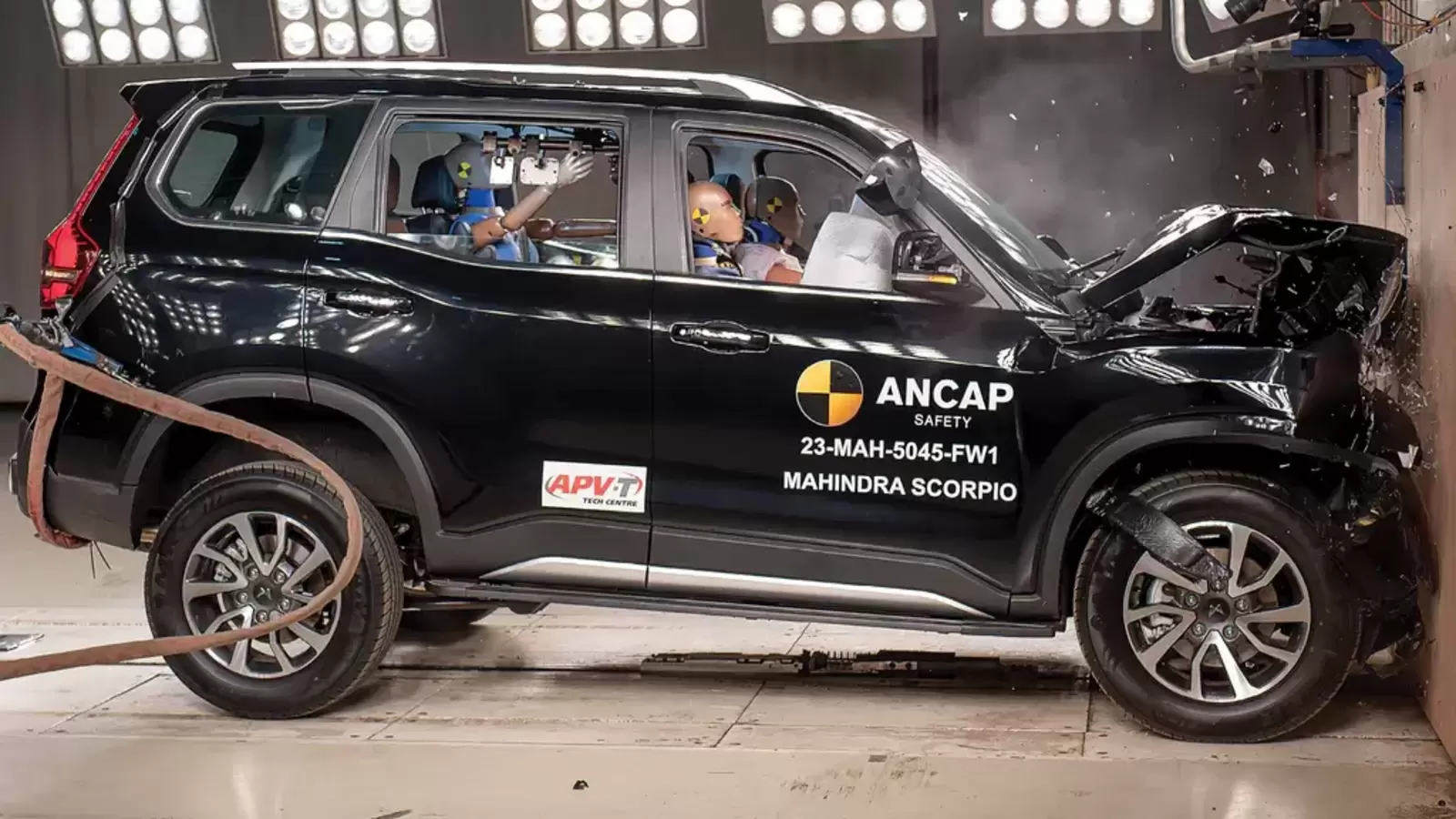
Mahindra Scorpio-N owners are still trying to get their heads around the surprising crash test results the SUV came up with at the Australasian NCAP (ANCAP). The flagship SUV from the carmaker, which is also their best-selling model in India, scored zero rating at the ANCAP crash tests held recently. What has surprised many that the Scorpio-N returned with a five-star rating at the Global NCAP crash test held not so long ago. Now, Mahindra and Mahindra has officially come out with its explanation and its way forward to make Scorpio-N safer in the future.
Mahindra Scorpio-N failed miserably at the crash tests conducted by Australasian NCAP returning with zero stars despite offering six airbags besides other safety features. Few months ago, the same car was awarded five-star rating by Global NCAP.
The Mahindra Scorpio-N tested by ANCAP came laced with several safety features including six airbags, Electronic Stability Control, ABS and EBD, ISOFIX seats among others. But these features were not enough for the SUV to even score a single rating at the test. Sharing the results, the ANCAP explained that the Scorpio-N failed the test due to lack of features like autonomous emergency braking and lane support system. Both these features are usually available with ADAS pack, which Mahindra does not offer with this SUV. The ANCAP also took serious note that the model does not have seatbelt reminders for the second and third rows, speed limit information, driver monitoring system, child presence detection and that the second and third row seats do not offer enough protection for children.
The Scorpio-N’s disappointing safety rating at the ANCAP has prompted Mahindra to announce that it will make necessary changes when the SUV undergoes mid-cycle update. The carmaker is now expected to offer ADAS in the SUV when the facelift arrives, a feature Mahindra offers only in the XUV700 SUV as of now. Reacting to the ANCAP safety rating, Mahindra and Mahindra issued a statement which read, “The ANCAP has specific requirements, which were updated on January 1, 2023, that include the mandate for certain safety features. We at Mahindra are committed to our promise of safety and are working towards meeting these unique safety regulations and requirements for Australia as part of our product mid-cycle update.”
Also watch: 2024 Kia Sonet facelift SUV: Safer, sportier and ready to challenge rivals
The Scorpio-N’s ANCAP safety rating shows how new car assessment program around the world can actually throw up different results for the same model. It is evident that, to be coined as one of the safest cars, one needs to have features highlighted by the agency in case of Scorpio-N. The result comes months after Scorpio-N became the first body-on-frame SUV to secure five-star rating at the Global NCAP crash tests under new safety protocols. It is one of the safest cars in India currently, placed right after TataHarrier and Safari, Volkswagen Taigun and Skoda Kushaq.
Mahindra and Mahindra had launched the Scorpio-N SUV in Australia in April this year, as well as in New Zealand a few months later. Mahindra also sells models like Thar among others in the continent. ANCAP is the safety rating agency for all new cars launched in these two countries.









.jpg&w=700&q=90&c=1 "Maruti 800 turns 40 years in India")