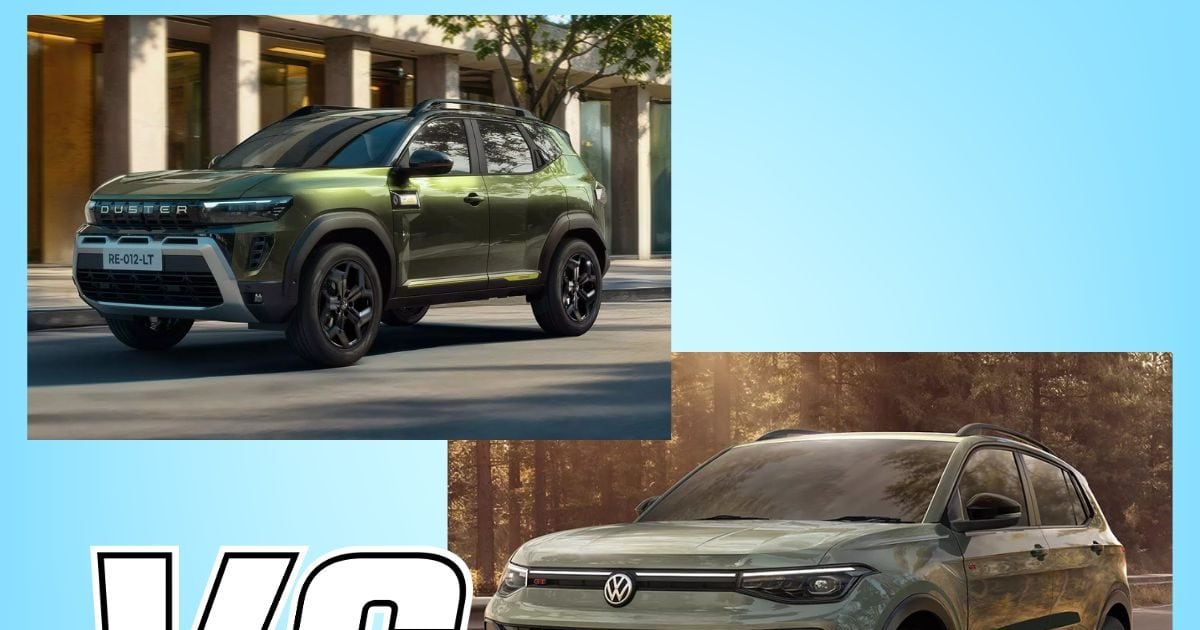
Diesel vs CNG Car: Which fuel option will be beneficial for you? Know

Diesel vs CNG Car: Which fuel option will be beneficial for you? Know

Nowadays, buying a car has become a big decision. Especially when it comes to fuel option. Diesel and CNG are two popular fuel options, especially in cities like Delhi. Diesel cars are known for their durability and long range capability, whereas CNG cars are known for their cheap running costs and eco-friendly nature.

In such a situation the question arises that which option is better for you? It depends on your driving pattern, budget and needs. The price of diesel in Delhi in February 2026 is approximately ₹ 87.67 per liter, while the price of CNG is ₹ 77.09 per kg. Let us know about these two, so that you can take the right decision.

Price and running costs

First of all let's talk about running cost. The main advantage of CNG cars is their low cost. For example, an average CNG car gives a mileage of 25-30 km per kg. If you drive 1 km, the cost of CNG is approximately ₹ 2.77.

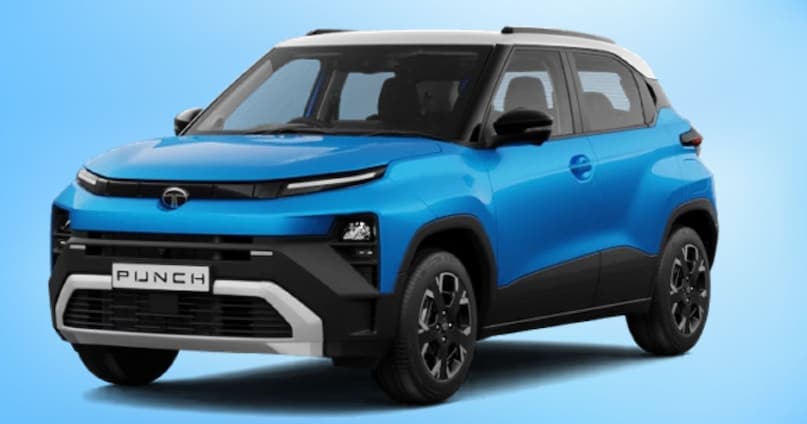
At the same time, diesel cars give mileage of 20-25 km per liter. The running cost of diesel is around ₹ 3.90 per km. If you drive 20,000 km annually, CNG will cost you ₹ 55,400, while diesel will cost you around ₹ 78,000. This means CNG will save ₹ 22,600 annually. However, the starting price of CNG cars is slightly higher than diesel. For example, the price of Tata Punch CNG starts from ₹ 7.3 lakh, while the diesel variant may be slightly cheaper.

Mileage and performance

CNG is ahead in terms of mileage. Popular cars like Maruti Swift CNG gives 32.85 km/kg, while diesel is better on the highway, like Hyundai Venue diesel gives 24 km/l. However, CNG has less power. Like 100hp in Nexon CNG, but more torque is available in diesel. If you drive a lot on the highway or carry heavy load, then diesel is a better option. At the same time, high mileage of CNG is beneficial for traffic in the city. In real-world tests, Tata Altroz ​​CNG gives 25.11 km/kg, which is better than diesel's 24.2 km/litre.

Maintenance and servicing

Diesel cars are expensive in maintenance. Due to the complex parts of diesel engine, spare parts and service cost is high. This may cost Rs 10 to 15 thousand annually. Maintenance is a little more in CNG cars because the kit needs to be checked. Like frequent servicing of spark plugs and filters.

Overall, if your running is more than 15,000 km, then the savings on CNG cover the maintenance. The life of CNG engine is like petrol, but there is less wear and tear than diesel. However, CNG may require more maintenance after a year if the running is less. There is good availability of CNG stations in Delhi, but diesel is easily available everywhere.

Environment and other factors

CNG is cleaner from environmental point of view. Lower emissions, such as CO2 and particulate matter. Diesel causes more pollution, due to which diesel cars are being banned in many cities. CNG cars are the most eco-friendly option after EV in 2026. Boot space is less in CNG because of the tank, whereas there is no problem in diesel. Diesel is better in resale value if the car is in good condition, but demand for CNG is increasing. If your running is less (10,000 km/year), then diesel is of no use because maintenance will be more. At the same time, CNG gives 20-30% savings in long running.

Which one is right for you?

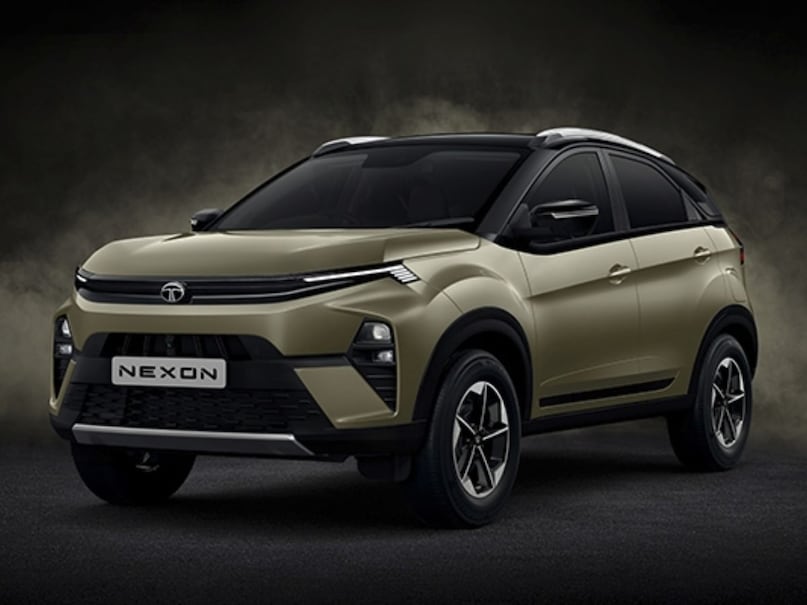
If you drive a lot in the city, want low running costs and care about the environment, then CNG is better. Like Maruti Ertiga CNG or Tata Nexon CNG. If you want long trips, more power and torque, then choose diesel. Like Kia Sonet Diesel. Overall, the benefits of CNG are more visible in 2026. Especially in Delhi where CNG infrastructure is strong. Before buying a car, take a test drive and calculate your budget.

Source link

These are the 5 best EVs coming with BaaS scheme, starting price only ₹ 4.92 lakh

These are the 5 best EVs coming with BaaS scheme, starting price only ₹ 4.92 lakh

With the increasing popularity of electric vehicles (EVs) in India, the Battery as a Service (BaaS) model has made it easy and affordable for buyers to buy an EV. In this scheme, the price of the battery is separated from the initial price of the car, which reduces the upfront cost significantly and the battery is used by paying a rental fee per kilometer.
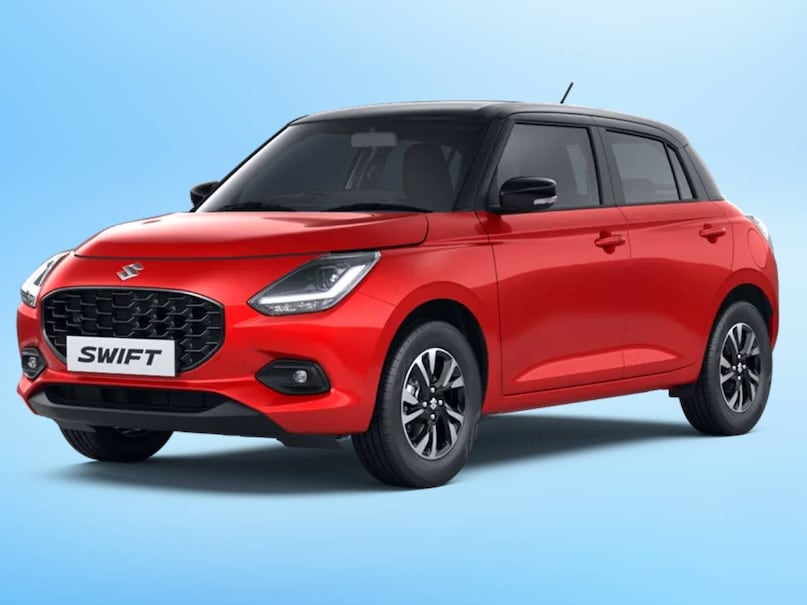
This brings the starting price of EV close to ICE cars, while the running cost remains low. Brands like MG, Tata and Maruti have adopted this model, due to which MG Comet EV is the most affordable, Tata Punch EV is the most affordable and new models like Maruti e Vitara have come in the market. If you are planning to buy an EV with BaaS in the coming days, then we have brought 5 such options for you.

MG Comet EV

Comet EV is India's most affordable EV, which is perfect for short commutes in the city. Its starting price with BaaS starts at ₹4.92 lakh and battery rental is ₹3.2 per km. Whereas, without BaaS it will be available for ₹ 7.63 lakh. It has a 17.4 kWh battery, which gives an ARAI range of 230 km. Features like small size, rear-wheel drive, cruise control, 360° camera and regenerative braking make it a perfect option for the city. The top speed is 100 km/h and it is a compact and low maintenance option for the family.

New Tata Punch EV

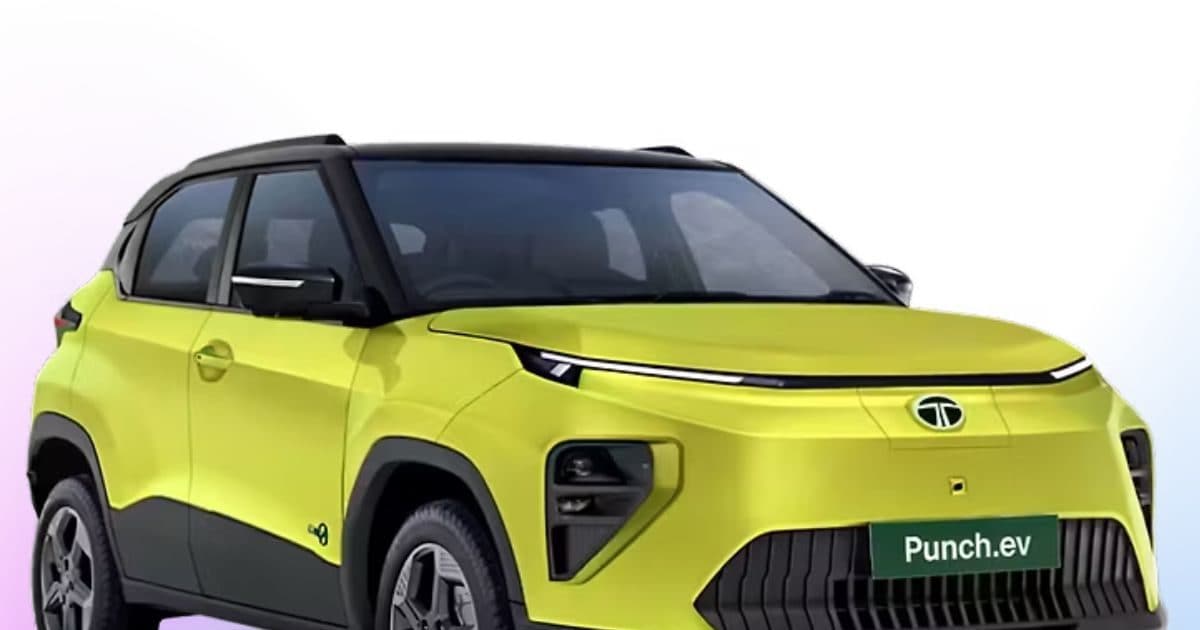
Tata Punch EV is a compact electric micro SUV, which offers the most attractive per km charge with BaaS. With BaaS prices starting at ₹6.49 lakh (₹9.69 lakh without BaaS), battery rental is only ₹2.6 per km. It has 30 kWh and 40 kWh battery options and the ARAI range goes up to 365 and 468 km. Features include dual 10.25-inch screens, ventilated seats, 360° camera, iRA connected tech and lifetime battery warranty (first owner). This SUV is best for both city and highway along with looks, ground clearance and safety.

MG Windsor EV

Windsor EV is an intelligent crossover SUV, which gives a premium feel. Price starts at ₹9.99 Lakh with BaaS. Battery rental ranges from ₹3.9-4.5 per km (depending on battery pack). It has 38 kWh and 52.9 kWh battery options, with ARAI claimed ranges of 332 and 449 km. Features include 15.6-inch touchscreen, reclining rear seats, infinity view glass roof, level 2 ADAS, 6 airbags and premium sound system. It is spacious for family use, rear seat experience is excellent.

Maruti e Vitara

Maruti E Vitara is the country's first homegrown electric SUV, which starts at ₹ 10.99 lakh (Delta variant, 49 kWh battery) with BaaS. Battery rental is ₹3.99 per km. In variants with larger 61 kWh pack, fare will have to be paid at the rate of ₹ 4.39/km. Maruti's reliability, 8 years/1.6 lakh km battery warranty, free charging (first year) and assisted buyback make it a better option.

MG ZS EV

The ZS EV is a premium mid-size electric SUV, available with BaaS for just ₹ 13 lakh. Battery rental will have to be paid at the rate of ₹ 4.5 per km. It has a 50.3 kWh battery, which is capable of giving a range of up to 461 km according to ARAI. Features include advanced infotainment, regenerative braking, quick DC charging (0-80% 60 minutes) and good cabin space. It gives better performance on the highway, is strong in safety and practicality.

Source link

These 5 new sedans are ready to enter the market with a bang, starting price less than ₹ 10 lakh

These 5 new sedans are ready to enter the market with a bang, starting price less than ₹ 10 lakh

The remaining months of the year 2026 are going to be special for the Indian automobile market. There will be a lot of activity especially in the sedan segment. This is very good news for customers who want the best balance of space, comfort, safety and technology. In the coming days, 5 new sedans will enter the Indian auto market. This list includes Hyundai Verna Facelift, Mercedes-Benz CLA EV, Volkswagen Virtus Facelift, Skoda Slavia Facelift and Honda City Facelift.

These models will come with new design, advanced features, hybrid/EV option and Level-2 ADAS. Sedan lovers will now be able to invest in them with premium feel, better mileage and modern look. In this article, we have brought details related to all these upcoming sedans. Their starting price is ₹ 10. Let us know about them one by one.

Hyundai Verna Facelift

Hyundai Verna facelift is one of the most talked about mid-size sedans of 2026. This car, which will be launched in March or May 2026, has already been spotted during testing. The exterior will get new LED lights inspired by Sonata, revised front grille, new bumper and alloy wheels. There will be a big change in the interior. It gets dual 12.3-inch screens, a new steering wheel (like the Venue) and an updated dashboard.

The 1.5 liter naturally aspirated and 1.5 liter turbo petrol engines will continue, while there is also a possibility of a hybrid variant. Features like level-2 ADAS, ventilated seats and premium sound system will keep it ahead of its competitors. The price is expected to be between Rs 12 to 18 lakh. Otherwise, it will be perfect for both young buyers and family users.

Mercedes-Benz CLA EV

Mercedes-Benz CLA EV is the biggest attraction in the premium segment. This all-electric sedan, scheduled to be launched in April 2026, is bringing the CLA name back to India. With 85.5 kWh battery, the WLTP will give a range of up to 792 km on the cycle. The single motor rear-wheel drive variant will have 272 hp power and 350 Nm torque.

The 800V architecture and 240 kW fast charging will add 186 miles of range in 10 minutes. 0-100 km/h will be achieved in just 6.7 seconds. Luxury interior, MBUX infotainment, AI features and AMG Line options will be available. Booking will start from March 10, talking about the estimated price, it can start from Rs 65 lakh. This EV sedan is a perfect mix of luxury, performance and sustainability.

volkswagen virtus facelift

The Virtus facelift will arrive in the second quarter or third quarter of 2026. This will further strengthen the segment's best-selling sedan. The exterior will get new front-rear bumpers, revised headlamps, taillamps and alloy wheels. A 10.1-inch touchscreen, 10.25-inch digital cluster, new trims and possibly Level-2 ADAS will be added to the cabin.

There will be 1.0 liter and 1.5 liter TSI turbo petrol engines, with 1.0 liter the option of new 8-speed torque converter automatic may come. 5-star global NCAP safety will continue. The price is going to be between Rs 11.5 to 19 lakh. Virtus will be best for those customers who want driving dynamics, space and reliability.

new skoda slavia

Skoda Slavia facelift will be launched in the fourth quarter of 2026. Like the Kushaq facelift, there will be major changes in it too. The exterior will have a new grille, sharper headlamps, connected LED DRL, revised bumper and new alloy wheels. Large touchscreen, digital instrument cluster, ventilated seats and 360 degree camera are possible in the interior.

Also, it is going to get Level-2 ADS for the first time. Apart from this, the 1.0 liter and 1.5 liter TSI engines will remain intact and a new 8-speed torque converter will also be added. The 5-star safety rating will also remain. The price can be kept around Rs 10 to 19 lakh. The Slavia is ideal for buyers who want premium build quality, space and value for money option.

new honda city

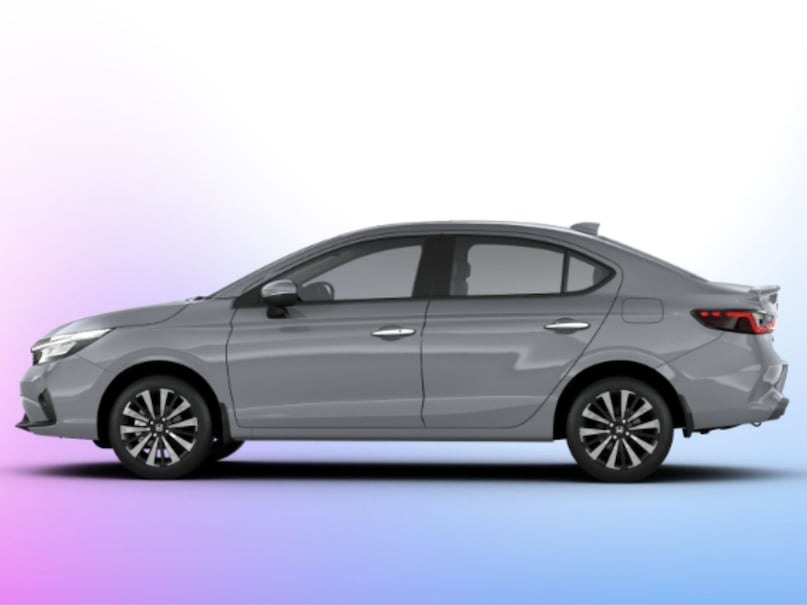
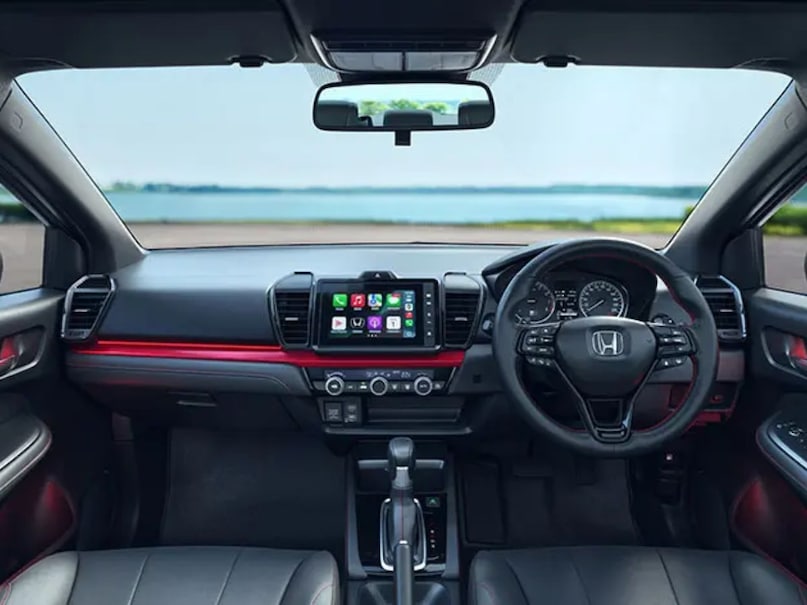
The second facelift of Honda City will come in the second half of 2026. This will be the first bridge model from the new generation of 2028. Civic inspired styling is going to have a new grille, LED lights, bumpers and alloy wheels. The interior will have updated trims, bigger screen and new features. The hybrid variant will continue with the 1.5 liter petrol engine which will give excellent mileage. It includes advanced safety features and Honda Sensing System. The price is going to be between Rs 12 to 20.5 lakh. City's comfort, refinement and reliability has always been the best, the new facelift will make it more attractive.

Overall, these five sedans will give new energy to the Indian market in 2026. Be it a budget sedan or a luxury EV, options will be available in every segment. Customers should now wait because these updates will bring a big change in design, technology and sustainability. This return of the sedan segment will challenge SUV dominance and increase diversity. If you are planning to buy a new car then do not ignore these offers.

Source link

मांग में बढ़ोतरी को पूरा करने के लिए मारुति सुजुकी अगले वित्त वर्ष में अपनी क्षमता बढ़ाएगी

मांग में बढ़ोतरी को पूरा करने के लिए मारुति सुजुकी अगले वित्त वर्ष में अपनी क्षमता बढ़ाएगी


<p>कंपनी, जिसकी वर्तमान में हरियाणा और गुजरात में संयंत्रों में 2.6 मिलियन यूनिट की स्थापित वार्षिक क्षमता है, पूरी क्षमता पर काम कर रही है और आपूर्ति बाधाओं का सामना कर रही है।</p>
<p>“/><figcaption class=कंपनी, जिसकी वर्तमान में हरियाणा और गुजरात में संयंत्रों में 2.6 मिलियन यूनिट की स्थापित वार्षिक क्षमता है, पूरी क्षमता से काम कर रही है और आपूर्ति बाधाओं का सामना कर रही है।

देश की सबसे बड़ी कार निर्माता कंपनी मारुति सुजुकी जीएसटी दरों में रीसेट के बाद स्थानीय बाजार में मांग में बढ़ोतरी को पूरा करने के लिए आगामी वित्तीय वर्ष में 500,000 और कारों का उत्पादन करने की क्षमता जोड़ेगी।

मारुति सुजुकी देश में हरियाणा और गुजरात में इसकी सुविधाओं में कुल स्थापित क्षमता 2.6 मिलियन यूनिट प्रति वर्ष है।

कंपनी – जिसके पास लगभग 200,000 वाहनों के ऑर्डर लंबित हैं – ने कहा कि वह 100 प्रतिशत क्षमता पर काम कर रही है और ग्राहकों की मांग को पूरी तरह से पूरा करने में असमर्थ है। मारुति सुजुकी के पास लगभग 12 दिनों का स्टॉक है, जिसमें से 7 दिनों का स्टॉक पारगमन में है। आम तौर पर कंपनी के पास डीलरशिप में 30 दिनों का स्टॉक होता है।

मारुति सुजुकी के वरिष्ठ कार्यकारी अधिकारी (विपणन और बिक्री) पार्थो बनर्जी ने कहा, “पिछले महीने हमारी बुकिंग में 20 प्रतिशत की वृद्धि हुई। हम क्षमता के हिसाब से सीमित हैं और हर महीने अपने उत्पादन को समायोजित कर रहे हैं ताकि यह सुनिश्चित किया जा सके कि किसी भी ग्राहक को, चाहे वह हैचबैक हो या सेडान या उपयोगिता वाहन, अपने वाहन पाने के लिए बहुत लंबे समय तक इंतजार न करना पड़े।”

कुल मिलाकर, मारुति सुजुकी ने पिछले महीने 161,000 यात्री वाहन भेजे, जबकि फरवरी 2025 में 160,791 वाहन बेचे गए थे।

मूल कंपनी सुजुकी मोटर कॉर्पोरेशन (एसएमसी) ने पिछले महीने एक पोस्ट-अर्निंग कॉल में कहा था, “वर्तमान में, हम प्रति माह 220,000-230,000 इकाइयों का उत्पादन करते हैं, जिसमें भारत के लिए 170,000-180,000 इकाइयां प्रति माह और निर्यात आदि के लिए प्रति माह लगभग 50,000 इकाइयां शामिल हैं। अफ्रीका, मध्य पूर्व आदि में निर्यात की मांग है, और अगले वित्तीय वर्ष में विस्तारित उत्पादन क्षमता के साथ (दो) नए संयंत्र), लगभग 20,000 इकाइयां/माह जोड़ी जाएंगी, जिसकी हम आशा करते हैं।''

भारतीय सहायक कंपनी मारुति सुजुकी वर्तमान में एसएमसी में कुल बिक्री में 56 प्रतिशत का योगदान देती है। सुजुकी ने कहा कि अगले वित्तीय वर्ष में उसे भारत में प्रत्येक नए संयंत्र में प्रति वर्ष 250,000 इकाइयों की क्षमता वृद्धि की उम्मीद है। जबकि खरखौदा (हरियाणा) में दूसरी लाइन पहली तिमाही में वाणिज्य परिचालन के लिए निर्धारित है, हंसलपुर (गुजरात) में चौथी लाइन दूसरी तिमाही में चालू होने के लिए निर्धारित है। एसएमसी ने कहा, “चूंकि उत्पादन में बढ़ोतरी आवश्यक है, इसलिए योगदान चरणबद्ध किया जाएगा। खरखौदा को अगले वित्तीय वर्ष की पहली तिमाही से, हंसलपुर को दूसरी तिमाही से योगदान देने की उम्मीद है।”

एसएमसी ने कहा, “एक जोखिम है कि जो ग्राहक डिलीवरी के लिए इंतजार नहीं कर सकते, वे अन्य कंपनियों में जा सकते हैं, इसलिए मानक स्तर (लगभग 30 दिन वांछनीय है) के करीब इन्वेंट्री सुरक्षित करना वांछनीय है, लेकिन स्थिति कठिन बनी हुई है, और हम मजबूत आपूर्ति-मांग देख रहे हैं।”

  • मार्च 3, 2026 को 10:28 अपराह्न IST पर प्रकाशित

2M+ उद्योग पेशेवरों के समुदाय में शामिल हों।

अपने इनबॉक्स में नवीनतम जानकारी और विश्लेषण प्राप्त करने के लिए न्यूज़लेटर की सदस्यता लें।

ETAuto उद्योग के बारे में सब कुछ सीधे आपके स्मार्टफोन पर!


Source link

मर्सिडीज ने भारत में ट्रिपल-डिजिट वार्षिक वी-क्लास बिक्री का लक्ष्य रखा है – परिचय | ऑटोकार इंडिया

मर्सिडीज ने भारत में ट्रिपल-डिजिट वार्षिक वी-क्लास बिक्री का लक्ष्य रखा है – परिचय | ऑटोकार इंडिया

मर्सिडीज बेंज भारत नए लॉन्च के लिए तीन अंकों की वार्षिक मात्रा का लक्ष्य बना रहा है वि कक्षा क्योंकि यह लक्जरी एमपीवी सेगमेंट में विस्तार कर रहा है। मॉडल की कीमत 1.4 करोड़ रुपये है और इस साल के अंत में पुणे में स्थानीय असेंबली में जाने से पहले इसे पूरी तरह से निर्मित इकाई (सीबीयू) के रूप में आयात किया जाएगा।

प्रबंध निदेशक और सीईओ संतोष अय्यर ने कहा कि वी-क्लास के साथ, मर्सिडीज का लक्ष्य वॉल्यूम का पीछा करने के बजाय पता योग्य लक्जरी बाजार का विस्तार करना है। अय्यर ने कहा, “वैन बाजार में एक स्पष्ट सफेद जगह है,” उन्होंने कहा कि मॉडल के स्थिर होने के बाद कंपनी को “कुछ ट्रिपल-डिजिट वॉल्यूम” की उम्मीद है, जो स्थानीयकरण के मामले का समर्थन करता है।

  1. कीमत 1.4 करोड़ रुपये; प्रारंभ में CBU के रूप में आयात किया गया

  2. मुख्यधारा के प्रीमियम एमपीवी से ऊपर स्थित है

  3. हाई-एंड एमपीवी की मांग करने वाले मौजूदा मर्सिडीज ग्राहकों की मांग

विलासिता की कमी को पूरा करने की स्थिति में

संपन्न खरीदारों के लिए दूसरी या तीसरी कार

मर्सिडीज ने आखिरी बार 2019 में भारत में वी-क्लास की पेशकश की थी, लेकिन अय्यर ने कहा कि उस समय यह सेगमेंट परिपक्व नहीं था। नया मॉडल भारतीय प्राथमिकताओं के लिए बेहतर कॉन्फ़िगरेशन के साथ वापस आता है। अय्यर ने कहा, ''खाली जगह 1 करोड़ रुपये से 2 करोड़ रुपये के बीच है।' “हमें लगा कि 1.5 करोड़ रुपये सही कीमत है। स्थानीयकरण के साथ, हम इसे 1.4 करोड़ रुपये में पेश कर सकते हैं।”

उन्होंने स्पष्ट किया कि वी-क्लास ग्राहक के गैरेज में मौजूदा मॉडलों की जगह लेने की संभावना नहीं है। उन्होंने कहा, “यह परिवार में एकमात्र कार नहीं होगी,” उन्होंने इसे हवाईअड्डा स्थानांतरण, सप्ताहांत यात्रा या चलते-फिरते काम के लिए दूसरे या तीसरे वाहन के रूप में पेश किया।

अगर पूरी तरह से आयात किया जाता, तो वी-क्लास की कीमत 2 करोड़ रुपये के करीब होती। स्थानीय असेंबली का उद्देश्य प्रतिस्पर्धी मूल्य निर्धारण बनाए रखना और टिकाऊ मात्रा का समर्थन करना है। अय्यर ने कहा, ''इसलिए हम स्थानीयकरण कर रहे हैं।'' “यह बहुत कम नहीं हो सकता।” मर्सिडीज को कॉर्पोरेट बेड़े के बजाय मुख्य रूप से समृद्ध निजी खरीदारों से मांग की उम्मीद है।

भारत में वी-क्लास के बीच बैठेगी टोयोटा वेलफ़ायर और लेक्सस एलएम लक्जरी एमपीवी क्षेत्र में।

व्यापक प्रीमियम पुश का हिस्सा

टॉप-एंड मॉडल राजस्व वृद्धि को बढ़ावा देते हैं

वी-क्लास का लॉन्च मर्सिडीज की अपने टॉप-एंड पोर्टफोलियो को मजबूत करने की रणनीति के अनुरूप है। चार में से एक मर्सिडीज भारत में बिकने वाली कारें अब इसके टॉप-एंड सेगमेंट से आती हैं, जिसमें पिछले साल 11 प्रतिशत की वृद्धि हुई है।

कंपनी ने 2025 में 19,007 इकाइयों की बिक्री के साथ समापन किया, जो साल-दर-साल लगभग 2 प्रतिशत कम है, लेकिन इसने भारत में अपना अब तक का सबसे अधिक राजस्व दर्ज किया। समृद्ध उत्पाद मिश्रण ने औसत बिक्री मूल्य को बढ़ा दिया है। अय्यर ने पहले कहा था, ''हमारा औसत बिक्री मूल्य अब लगभग 1 करोड़ रुपये हो गया है।'' “यह स्पष्ट रूप से दिखाता है कि हम किस प्रकार का मिश्रण बेच रहे हैं।”

मर्सिडीज को इस साल एकल अंकीय वृद्धि की उम्मीद है लॉन्च करने की योजना है आंतरिक दहन और इलेक्ट्रिक पावरट्रेन में 12 नए मॉडल, कोर और टॉप-एंड सेगमेंट पर मजबूत फोकस के साथ। अय्यर ने कहा, ''हम सिर्फ वॉल्यूम के पीछे नहीं भाग रहे हैं।'' “हम लगातार विकास करना चाहेंगे और ब्रांड और अवशिष्ट मूल्यों की रक्षा करेंगे।”

मर्सिडीज-बेंज वी-क्लास: विशेषताएं और पावरट्रेन विवरण

भारत में विद्युतीकरण रुका हुआ है

मर्सिडीज ने भारत में तीन अंकों की वार्षिक वी-क्लास बिक्री का लक्ष्य रखा है

वी-क्लास को चालक-केंद्रित लक्जरी एमपीवी के रूप में तैनात किया गया है, जिसमें पीछे की सीट पर आराम और गोपनीयता पर जोर दिया गया है। इसमें लक्जरी कैप्टन सीटें, एयरमैटिक सस्पेंशन, हीट-इंसुलेटिंग ग्लास, रियर ब्लाइंड्स और 15-स्पीकर बर्मेस्टर साउंड सिस्टम के साथ-साथ सात एयरबैग और एक्टिव लेन असिस्ट और डिस्ट्रोनिक जैसे ड्राइवर सहायता सुविधाएं प्रदान की जाती हैं।

मर्सिडीज ने भारत में तीन अंकों की वार्षिक वी-क्लास बिक्री का लक्ष्य रखा है

भारत में इसे दो इंजन विकल्पों के साथ पेश किया गया है। पेट्रोल 231hp उत्पन्न करता है और इसमें माइल्ड-हाइब्रिड असिस्ट मिलता है, जबकि डीजल 237hp प्रदान करता है।

विद्युतीकरण विश्व स्तर पर मर्सिडीज के दीर्घकालिक रोडमैप का हिस्सा बना हुआ है, जिसमें इलेक्ट्रिक वैन का विकास चल रहा है। हालाँकि, भारत में पूरी तरह से इलेक्ट्रिक वी-क्लास पेश करने की तत्काल कोई योजना नहीं है। अय्यर ने कहा, “वैश्विक कार लॉन्च होने के बाद हम मूल्यांकन करेंगे। इस साल के लिए कुछ भी नहीं।” वर्तमान में प्लग-इन हाइब्रिड संस्करण पर भी विचार नहीं किया जा रहा है।


Source link

मर्सिडीज स्थानीय रूप से निर्मित पोर्टफोलियो का विस्तार करेगी, 2026 में 10 नए बाजारों में प्रवेश करेगी

मर्सिडीज स्थानीय रूप से निर्मित पोर्टफोलियो का विस्तार करेगी, 2026 में 10 नए बाजारों में प्रवेश करेगी


<p>मर्सिडीज-बेंज इंडिया के सीईओ और एमडी संतोष अय्यर ने ब्रेंडन सिसिंग, वीपी सेल्स एंड मार्केटिंग और एमराह ओजर, सीएफओ मर्सिडीज-बेंज के साथ बिल्कुल नए वी-क्लास एक्स्ट्रा एलडब्ल्यूबी का अनावरण किया।</p>
<p>“/><figcaption class=मर्सिडीज-बेंज इंडिया के सीईओ और एमडी संतोष अय्यर ने ब्रेंडन सिसिंग, वीपी सेल्स एंड मार्केटिंग और एमराह ओजर, सीएफओ मर्सिडीज-बेंज के साथ बिल्कुल नए वी-क्लास एक्स्ट्रा एलडब्ल्यूबी का अनावरण किया।

मर्सिडीज-बेंज इंडियादेश में सबसे ज्यादा बिकने वाला लक्जरी कार निर्मातानए लॉन्च, नए स्थानों में विस्तार और गहरे स्थानीयकरण के साथ 2026 में अपने उत्पाद को आक्रामक बनाए रखने की योजना बना रहा है, क्योंकि यह बढ़ती मांग का दोहन करना चाहता है। उच्च श्रेणी के वाहन और उभरते लक्जरी गतिशीलता खंड।

जर्मन लक्जरी ऑटोमेकर चालू कैलेंडर वर्ष में 11 नए मॉडल लॉन्च करेगा, जिसका उद्देश्य अपने लक्जरी पोर्टफोलियो को व्यापक बनाते हुए भारत में तेजी से वैश्विक पेशकश लाना है, संतोष अय्यर, प्रबंध निदेशक और सीईओ मर्सिडीज-बेंज इंडियाटीओआई को बताया।

पिछले साल मर्सिडीज-बेंज इंडिया की कुल बिक्री में ₹1.5 करोड़ (ऑन-रोड) से अधिक कीमत वाले मॉडलों की हिस्सेदारी लगभग 25 प्रतिशत थी, इसके टॉप-एंड पोर्टफोलियो – जिसमें एस-क्लास, मेबैक और एएमजी रेंज शामिल थे – ने साल-दर-साल लगभग 11 प्रतिशत की वृद्धि दर्ज की, जो समृद्ध खरीदारों के बीच बढ़ती मांग को दर्शाता है। कंपनी ने 2025 में 19,007 यूनिट्स बेचीं।

2026 में, मर्सिडीज-बेंज ने लगभग 20 खुदरा सुविधाओं में सुधार करने और 10-11 नए बाजारों में विस्तार करने की योजना बनाई है।

अय्यर ने कहा कि कंपनी को भूराजनीतिक अनिश्चितताओं और विनिमय दर में अस्थिरता के बावजूद 2026 में विकास हासिल करने की उम्मीद है। इसने पहले ही जनवरी में 2 प्रतिशत मूल्य वृद्धि लागू कर दी है और यूरोप से आयातित घटकों पर निरंतर निर्भरता के कारण अप्रैल में एक और संशोधन की योजना बनाई है।

सोमवार को, कंपनी ने स्थानीय रूप से उत्पादित वी-क्लास एक्स्ट्रा लॉन्ग व्हीलबेस (एलडब्ल्यूबी) के साथ प्रीमियम लक्जरी वैन सेगमेंट में प्रवेश किया। “पहियों पर निजी सूट” के रूप में स्थापित, वी-क्लास को डीजल वी300डी और पेट्रोल वी300 दोनों वेरिएंट के लिए ₹1.4 करोड़ (एक्स-शोरूम, अखिल भारतीय) की प्रारंभिक कीमत पर पेश किया जाएगा। अय्यर के अनुसार, स्थानीय असेंबली ने मर्सिडीज-बेंज को कीमत लगभग 1.82 करोड़ रुपये के पहले अपेक्षित स्तर से कम करने में सक्षम बनाया।

अय्यर ने कहा, “यह एक ऐसा खंड है जो अब तक लक्जरी बाजार में काफी हद तक अप्रयुक्त रहा है।” उन्होंने कहा कि यह वाहन मौजूदा मर्सिडीज-बेंज ग्राहकों को आकर्षित करने की उम्मीद है जो पारिवारिक और इंटरसिटी यात्रा के लिए अतिरिक्त उच्च-आरामदायक गतिशीलता विकल्प चाहते हैं।

वर्तमान में, टोयोटा और लेक्सस इस सेगमेंट में वेलफायर और एलएम को पूरी तरह से निर्मित इकाइयों (सीबीयू) के रूप में बेचते हैं, जिसकी अनुमानित वार्षिक मात्रा लगभग 2,000 इकाइयों की है।

वी-क्लास की सूची में शामिल होने के साथ उच्च श्रेणी के वाहन स्थानीय स्तर पर असेंबल किए जाने पर, इस साल के अंत में मर्सिडीज-बेंज इंडिया के स्थानीयकरण पोर्टफोलियो में एक और मॉडल जुड़ने की उम्मीद है। शुरुआती कीमत पर वी-क्लास बुक करने वाले ग्राहकों को भविष्य में कीमतों में बढ़ोतरी से सुरक्षा मिलेगी।

  • मार्च 3, 2026 को 04:27 अपराह्न IST पर प्रकाशित

2M+ उद्योग पेशेवरों के समुदाय में शामिल हों।

अपने इनबॉक्स में नवीनतम जानकारी और विश्लेषण प्राप्त करने के लिए न्यूज़लेटर की सदस्यता लें।

ETAuto उद्योग के बारे में सब कुछ सीधे आपके स्मार्टफोन पर!


Source link

People with this much salary can buy Tata Nexon immediately, know the details of down payment and EMI.

People with this much salary can buy Tata Nexon immediately, know the details of down payment and EMI.

Tata Nexon has been the country's best selling SUV for some time now. Even in February 2026, this SUV has retained the number-1 crown. Last month it got a total of 19,430 new customers. Talking about the price, the company sells it at a starting ex-showroom price of only ₹ 7.32 lakh, which goes up to ₹ 14.15 lakh for the top variant.

If you are planning to buy new Tata Nexon in the coming days, then this article of ours is useful for you. In this article, we have brought details related to on-road price and EMI of this domestic SUV. We will also take a look at its interior, features, safety, engine and mileage details.

On road price and EMI details

On the ex-showroom price of Tata Nexon of ₹ 7,31,890, one will have to pay RTO tax of Rs 63,551 and insurance amount of around Rs 40,204 along with additional charges of around Rs 500. In this way, the on road price of this SUV in the capital Delhi will reach Rs 8,36,145.

Let us assume that you make a down payment of Rs 2 lakh while purchasing a car. In this way, you will have to take a car loan on the remaining Rs 6,36,145. If you have a good CIBIL score, then you will get this loan at an interest rate of about 10 percent. In this way, you will be able to repay this loan in 5 years with a total of 60 EMIs of Rs 13,516.

how much interest will have to be paid

According to our calculation, you will take loan on the principal amount of Rs 6,36,145. In this way, a total of 60 EMIs at the rate of 10 percent and interest amount of Rs 1,74,827 will be paid in 5 years. If interest and down payment are added, then after 5 years the price of the car will be Rs 10,10,972.

Important Note: The on-road price and EMI details mentioned above are subject to change depending on location, dealership, RTO and insurance company. Apart from this, to get a loan at the right interest rate, you will have to have a good credit score. If you have 2-3 lakh cash and a job with 40-50 thousand salary, then it would be appropriate to buy it at this EMI.

interior detail

The cabin of Nexon is modern and premium. It has features like 10.25-inch Harman touchscreen infotainment system, 10.25-inch full digital instrument cluster, wireless Android Auto and Apple CarPlay, ventilated front seats, leatherette upholstery, touch-based HVAC controls, air purifier, panoramic or voice-assisted sunroof and JBL sound system (in the top variant). Space is also comfortable with 382 liters of boot space.

Features and safety

The company sells it with wireless charger, cruise control, 360° camera, TPMS, push-button start, LED lighting and iRA connected tech. At the same time, for safety, it has features like 6 airbags standard, ESP, ABS with EBD, 360° HD camera, blind spot monitor, ADAS (in top variants) and ISOFIX. Both Global NCAP and India NCAP have given it 5 stars.

Engine and Mileage

It can be purchased in 1.2L turbo petrol (120 PS, 170 Nm), 1.5L turbo diesel (115 PS, 260 Nm) and CNG options. Transmission options include manual, AMT and DCT. Its ARAI mileage is 17-18 kmpl in petrol, 23-24.08 kmpl in diesel and 24 km/kg in CNG.

Source link

Maruti E Vitara vs Tata Curve EV: Which electric SUV costs more? Know before you buy

Maruti E Vitara vs Tata Curve EV: Which electric SUV costs more? Know before you buy

The electric SUV segment is growing rapidly in the Indian auto market. Recently, the country's largest car company has also launched Maruti E Vitara as its first offering in this segment. Its direct competition in the market is with Tata Curve EV. On one hand, Maruti e-Vitara is attractive with its affordable price and Battery as a Service (BaaS) option, while Tata Curve EV is known for its stylish coupe design and strong performance.

Maruti e-Vitara prices start at ₹10.99 lakh with BaaS and go up to ₹14.29 lakh, with a subscription fee of ₹4.39 per km. Without BaaS it is available from ₹ 15.99 lakh to ₹ 20.01 lakh. Variants include Delta, Zeta and Alpha. Whereas, the price of Tata Curve EV ranges from ₹ 17.49 lakh to ₹ 22.24 lakh, in which there are Creative, Accomplished and Empowered variants. Let's take a look at their design, interior, features, safety, battery, motor and range details.

Design

The design of Maruti E Vitara is futuristic SUV style, with bold front grille, matrix LED DRL, projector headlamps and 18-inch alloy wheels. Its length is 4275 mm, width 1800 mm, height 1640 mm and wheelbase 2700 mm, which makes it stable and spacious. Color options include Arctic White, Opulent Red etc.

At the same time, Tata Curve EV is a coupe SUV, which has a sloping roofline, animated LED lighting, flush door handles and aerodynamic alloy wheels. Its length is 4310 mm, width is 1810 mm, height is 1637 mm and wheelbase is 2560 mm. Colors like Virtual Sunrise, Flame Red available. In comparison, Maruti's design is practical and family-oriented, while Tata's is more stylish and has youth appeal.

interior

The interior of the Maruti e-Vitara is dual-tone, with a 10.25-inch digital instrument cluster, 10.25-inch touchscreen infotainment, leather upholstery, ventilated front seats and ambient lighting. There is good space in the rear seats, but headroom could be a little less. Boot space is 500 litres.

The interiors of the Tata Curve EV are also dual-tone, but with a larger 12.3-inch touchscreen, 12.3-inch digital cluster, leatherette upholstery and more storage options. The rear seats are a bit cramped due to the coupe roof, but comfort is good. Boot space is also 500-604 litres. Tata's interior looks more modern, while Maruti's is family-friendly and simple.

Features and safety

Both cars have automatic climate control, wireless charging, cruise control and drive modes (Eco, Normal, Sport). The Maruti has a fixed glass roof, air purifier and more ADAS features like auto emergency braking, lane keep assist. The Curve has a panoramic sunroof, V2V/V2L charging, 360-degree camera and JBL sound system. Tata is ahead in features, but Maruti's connected car tech and smart features are also strong.

Both have received 5-star rating in India NCAP. Maruti has 7 airbags, level 2 ADAS, 360 camera, TPMS and ESC. Tata Curve has 6 airbags, level 2 ADAS, hill descent control and blind spot monitor. Maruti's AOP score is better, while Tata's COP score is strong. Both are safe.

Battery, Motor and Range

Maruti e-Vitara has a 49 kWh battery (142 bhp, 189 Nm, 440 km range) and 61 kWh (171 bhp front, 181 bhp in AWD, 300 Nm, 543 km range). DC fast charging takes 45 minutes from 10-80%. Curve EV has 45 kWh (148 bhp, 215 Nm, 430 km range) and 55 kWh (165 bhp, 215 Nm, 502 km range) batteries. DC charging takes 40 minutes from 10-80%.

Source link

Buying your first car with a budget of ₹ 10 lakh, which is better between petrol and CNG? Know

Buying your first car with a budget of ₹ 10 lakh, which is better between petrol and CNG? Know

First Car Buying Tips: Buying your first car is a dream of almost everyone. If you are also looking for your first car in the coming days in a budget of up to Rs 10 lakh and are confused about which to choose between petrol or CNG, then this article of ours is useful for you. There are good hatchbacks to small and better SUVs to choose from in the segment priced below Rs 10 lakh. First time car buyers are often confused about two things.

The smooth performance and power of the engine should be given priority or the huge savings in fuel expenses incurred every month should be kept in mind. On one hand, petrol cars are considered reliable for their refined driving and long distance journeys, while on the other hand, CNG cars with modern technology like 'twin cylinder' have solved the age-old problem of boot space to a great extent. In such a situation, let us know which fuel option will be the best option for you in the budget of ₹ 10 lakh? We will look at different facts.

1. Running Cost and Mileage

If you are buying your first car mainly for going to office or driving within the city, where the daily journey is 40-50 kilometers, then CNG is the most economical option for you. Compared to petrol, the mileage of CNG is around 25-34 km/kg, which reduces your running cost to almost half as compared to petrol. At the same time, if your car goes out only once or twice a week or the total journey in a month is less than 500 km, then the initial low price of petrol car will be more beneficial for you.

2. Performance and driving experience

Driving feel is very important for those who drive a car for the first time. Petrol engines are known for their silent working and instant pickup (torque). Petrol engines give more confidence while overtaking on the highway or climbing mountains. Although companies like Maruti and Tata have refined their CNG kits a lot, still there is a lack of 10-15% power compared to petrol.

3. Boot Space and Utilities

Often the first car is used for family trips. In old CNG cars, the boot space was completely lost due to the cylinder. But in 2026, Tata Motors' 'Twin Cylinder' technology has changed this, where the cylinders have been shifted down and there is space for luggage on top. Still, in a pure petrol car you get full cargo space without any compromise, which is essential for long trips.

4. Maintenance and Resale Value

Servicing petrol cars is usually cheap and simple. In CNG cars, it is necessary to get the cylinder checked and leakage tested every few years. Talking about resale value, in olden times the demand for petrol cars was high, but due to the rising prices of fuel, now both the demand and price of company-fitted CNG cars have started getting quite good in the second hand market.

What's right for you?

If you are fond of driving, you need more power, your running is less and you like to travel with a lot of luggage in the boot, then petrol vehicles are best for you. At the same time, if your aim is to keep fuel expenses low, your daily running is high and you spend more time in city traffic, then feel free to buy a CNG car.

Source link

मारुति ब्रेज़ा 10 साल की हो गई: ब्रांड की पहली कॉम्पैक्ट एसयूवी पर एक नज़र – परिचय | ऑटोकार इंडिया

मारुति ब्रेज़ा 10 साल की हो गई: ब्रांड की पहली कॉम्पैक्ट एसयूवी पर एक नज़र – परिचय | ऑटोकार इंडिया

मार्च 2026 में बिक्री के 10 साल पूरे हो गए मारुति ब्रेज़ायह कार निर्माता की कॉम्पैक्ट एसयूवी सेगमेंट में पहली एंट्री है। संदर्भ के लिए, इस सेगमेंट की शुरुआत प्रीमियर रियो द्वारा की गई थी और बाद में फोर्ड इकोस्पोर्ट द्वारा इसे लोकप्रिय बनाया गया, लेकिन दोनों मॉडल बंद कर दिए गए हैं, और पिछले कुछ वर्षों में, कई निर्माताओं ने अपनी खुद की कॉम्पैक्ट एसयूवी पेशकश पेश की है। मारुति का कहना है कि ब्रेज़ा पिछले दस वर्षों में लगातार भारत की शीर्ष 10 सबसे ज्यादा बिकने वाली कारों में बनी हुई है।

कॉम्पैक्ट एसयूवी ने 2017 ऑटोकार इंडिया कार ऑफ द ईयर का पुरस्कार भी जीता और पूरी तरह से भारत में डिजाइन और विकसित होने वाला पहला मारुति मॉडल होने का गौरव हासिल किया। यहां देखें कि पिछले कुछ वर्षों में कॉम्पैक्ट एसयूवी कैसे विकसित हुई है।

पहली पीढ़ी की मारुति विटारा ब्रेज़ा (2016-2022)

मारुति ने 8 मार्च 2016 को पहली पीढ़ी की ब्रेज़ा लॉन्च की, जिसकी कीमत 6.99 लाख रुपये से 9.68 लाख रुपये के बीच थी। संक्षिप्त विवरण सरल था: मारुति डिजाइनर छोटे पदचिह्न के भीतर एक उचित एसयूवी के सीधे रुख और लुक को पकड़ना चाहते थे और उन्होंने इसे हासिल किया। हुड के तहत, लॉन्च के समय केवल एक इंजन था, फिएट-स्रोत 1.3-लीटर डीजल जो 89bhp और 200Nm का उत्पादन करता था; कोई 5-स्पीड मैनुअल और 5-स्पीड एएमटी के बीच चयन कर सकता है। केबिन अपने आकार के हिसाब से विशाल था और उस समय सेगमेंट के लिए अच्छी तरह से सुसज्जित था, जिससे ब्रेज़ा को खरीदारों के बीच तेजी से पसंद आने में मदद मिली। लेकिन बड़ा क्षण 2018 में आया, जब ब्रेज़ा ने ग्लोबल एनसीएपी क्रैश टेस्ट में 5-स्टार रेटिंग में से प्रभावशाली 4 रेटिंग हासिल की।

नया रूप

मारुति ब्रेज़ा 10 साल की हो गई: ब्रांड की पहली कॉम्पैक्ट एसयूवी पर एक नजर

मध्य-जीवनचक्र अद्यतन सुझाए गए बाहरी स्वरूप की तुलना में बड़ा यांत्रिक बदलाव लेकर आया। बीएस4 से सीधे बीएस6 उत्सर्जन मानदंडों में परिवर्तन के साथ, डीजल इंजन को पूरी तरह से हटा दिया गया और इसके स्थान पर मारुति का 1.5-लीटर K15B स्वाभाविक रूप से एस्पिरेटेड पेट्रोल इंजन आया। एक और महत्वपूर्ण परिवर्तन था: एएमटी ने अधिक परिष्कृत 4-स्पीड टॉर्क कनवर्टर स्वचालित इकाई के लिए रास्ता बनाया। यहां तक ​​कि शहर की परिस्थितियों में स्टीयरिंग हल्का और उपयोग में आसान हो गया, और कम गति पर सवारी के आराम में सुधार हुआ। 2020 में, टोयोटा ने अर्बन क्रूज़र नामक एक रीबैज संस्करण पेश किया, लेकिन इसे 2 साल बाद बंद कर दिया गया।

दूसरी पीढ़ी की मारुति ब्रेज़ा (2022-वर्तमान)

मारुति ब्रेज़ा 10 साल की हो गई: ब्रांड की पहली कॉम्पैक्ट एसयूवी पर एक नजर

दूसरी पीढ़ी के साथ, मारुति ने 'विटारा' उपसर्ग को हटा दिया, और एसयूवी का नाम बदलकर ब्रेज़ा रख दिया। यह अपने पूर्ववर्ती के समान ग्लोबल सी प्लेटफॉर्म पर आधारित है, हालांकि कंपनी इसे विभेदीकरण के लिए टीईसीटी प्लेटफॉर्म के रूप में संदर्भित करती है। जेनरेशनल अपडेट ने मॉडल के लिए पहली बार दो चीजें पेश कीं: एक सनरूफ और एक फैक्ट्री-फिटेड सीएनजी विकल्प। इसके बाहरी हिस्से में शीट मेटल संशोधन प्राप्त हुए, जबकि केबिन को 9-इंच की बड़ी टचस्क्रीन, 360-डिग्री कैमरा, ब्रांडेड आर्कमिस साउंड सिस्टम और बहुत कुछ जैसी सुविधाओं के साथ अपडेट किया गया था। छह एयरबैग को शामिल करने और मैनुअल वेरिएंट में ईएसपी को शामिल करने के साथ सुरक्षा उपकरणों का भी विस्तार किया गया।

इसके ऑटोमैटिक ट्रांसमिशन विकल्प को पैडल शिफ्टर्स के साथ 6-स्पीड टॉर्क कनवर्टर यूनिट में अपग्रेड किया गया था। 1.5-लीटर पेट्रोल इंजन को संशोधित किया गया और साथ ही पहले वाले सिंगल-इंजेक्टर सेटअप को डुअल-इंजेक्टर सिस्टम से बदल दिया गया। हालाँकि यह एक अप्रत्यक्ष-इंजेक्शन इकाई बनी हुई है, प्रत्येक सिलेंडर में अब दो इंजेक्टर मिलते हैं, जिससे ईंधन दक्षता में सहायता मिलती है। ईंधन दक्षता के आंकड़ों में भी सुधार हुआ। पिछले मॉडल में 17.03kpl (मैनुअल) और 18.06kpl (ऑटोमैटिक) तक का दावा किया गया था, जबकि नए ब्रेज़ा को मैनुअल के लिए 20.15kpl और ऑटोमैटिक के लिए 19.80kpl पर रेट किया गया है।


Source link

मर्सिडीज-बेंज इंडिया ने स्थानीय उत्पादन शुरू करने के लिए ₹1.4 करोड़ में वी-क्लास एलडब्ल्यूबी लॉन्च किया

मर्सिडीज-बेंज इंडिया ने स्थानीय उत्पादन शुरू करने के लिए ₹1.4 करोड़ में वी-क्लास एलडब्ल्यूबी लॉन्च किया


<p>मर्सिडीज-बेंज इंडिया के सीईओ और एमडी संतोष अय्यर ने ब्रेंडन सिसिंग, वीपी सेल्स एंड मार्केटिंग और एमराह ओजर, सीएफओ मर्सिडीज-बेंज के साथ बिल्कुल नए वी-क्लास एक्स्ट्रा एलडब्ल्यूबी का अनावरण किया।</p>
<p>“/><figcaption class=मर्सिडीज-बेंज इंडिया के सीईओ और एमडी संतोष अय्यर ने ब्रेंडन सिसिंग, वीपी सेल्स एंड मार्केटिंग और एमराह ओजर, सीएफओ मर्सिडीज-बेंज के साथ बिल्कुल नए वी-क्लास एक्स्ट्रा एलडब्ल्यूबी का अनावरण किया।

मर्सिडीज-बेंज इंडिया सोमवार को भारत में ₹1.4 करोड़ (एक्स-शोरूम) की प्रारंभिक कीमत पर बिल्कुल नया वी-क्लास एक्स्ट्रा लॉन्ग व्हीलबेस (एलडब्ल्यूबी) लॉन्च किया गया, जो ड्राइवर-चालित लक्जरी और विशाल व्यक्तिगत गतिशीलता की तलाश करने वाले समृद्ध खरीदारों को लक्षित करता है।

लक्जरी कार निर्माता ने कहा कि वह भारत में वी-क्लास का स्थानीय उत्पादन भी शुरू करेगी, जो देश के प्रति अपनी दीर्घकालिक प्रतिबद्धता को मजबूत करेगी और अपनी स्थानीयकरण रणनीति को मजबूत करेगी।

नई वी-क्लास को “पहियों पर निजी सूट” के रूप में तैनात किया गया है और इसे छह सीटों वाले कॉन्फ़िगरेशन के साथ पेश किया गया है, जिसमें प्रीमियम ग्राहकों और बड़े परिवारों के लिए विलासिता, स्थान और उन्नत आराम सुविधाएं शामिल हैं।

के प्रबंध निदेशक और सीईओ संतोष अय्यर ने कहा, “हमें भारतीय बाजार के लिए बिल्कुल नया वी-क्लास पेश करते हुए खुशी हो रही है, जो 'प्राइवेट सुइट' की अवधारणा को फिर से परिभाषित करता है, जो हमारे विशिष्ट ग्राहकों को विलासिता, स्थान और गोपनीयता प्रदान करता है।” मर्सिडीज-बेंज इंडिया.

उन्होंने कहा, “वी-क्लास का स्थानीय उत्पादन शुरू करने का निर्णय हमारी भारत की प्रतिबद्धता को और मजबूत करता है, जिससे हमारे ग्राहकों के लिए महत्वपूर्ण मूल्य जुड़ता है।”

नई वी-क्लास 3,430 मिमी के अतिरिक्त लंबे व्हीलबेस और 5,370 मिमी की कुल लंबाई के साथ आती है। यह मॉडल 9जी-ट्रॉनिक ऑटोमैटिक ट्रांसमिशन के साथ पेट्रोल और डीजल दोनों पावरट्रेन के साथ उपलब्ध होगा।

पेट्रोल संस्करण में 2.0-लीटर इंजन है जो 170 किलोवाट (228 बीएचपी) और 15 किलोवाट हल्के-हाइब्रिड सिस्टम का उत्पादन करता है, जबकि डीजल संस्करण 174 किलोवाट (233 बीएचपी) प्रदान करता है।

वाहन ने पहली बार भारत में वी-क्लास के लिए पेट्रोल इंजन विकल्प भी पेश किया है। यह मॉडल AIRMATIC एयर सस्पेंशन से लैस है, जिसे भारतीय सड़क की स्थिति के लिए तैयार किया गया है, और इसे पेट्रोल और डीजल दोनों वेरिएंट में पेश किया गया है, जिससे भारत दोनों पावरट्रेन में यह सुविधा प्राप्त करने वाला विश्व स्तर पर पहला बाजार बन गया है।

विशेषताएँ

केबिन के अंदर, वी-क्लास में दूसरी पंक्ति में मसाज, वेंटिलेशन और काफ सपोर्ट के साथ लक्जरी व्यक्तिगत सीटें हैं। तीसरी पंक्ति हवादार सीटें प्रदान करती है – जो कि सेगमेंट की पहली सुविधा है। एमपीवी 64-रंग परिवेश प्रकाश व्यवस्था, एक बर्मेस्टर सराउंड साउंड सिस्टम, थर्मोट्रॉनिक जलवायु नियंत्रण और ऊर्जावान आराम कार्यक्रम से सुसज्जित है, जो यात्रा के दौरान यात्रियों की भलाई को बढ़ाने के लिए डिज़ाइन किया गया है। सुरक्षा के मोर्चे पर, वी-क्लास सात एयरबैग प्रदान करता है, जिसमें ए से डी पिलर तक विस्तारित विंडो एयरबैग शामिल हैं, साथ ही ड्राइवर सहायता प्रणाली जैसे एक्टिव डिस्टेंस असिस्ट डिस्ट्रोनिक, एक्टिव लेन कीपिंग असिस्ट, ब्लाइंड स्पॉट असिस्ट भी शामिल है। और एक 360-डिग्री कैमरा सिस्टम।

मर्सिडीज-बेंज ने कहा कि वी-क्लास भारत में उच्च-निवल मूल्य वाले ग्राहकों के बीच बढ़ती प्रवृत्ति को संबोधित करता है, जो तेजी से विशाल, चालक-चालित लक्जरी वाहनों की तलाश कर रहे हैं जो पारिवारिक यात्रा के लिए गोपनीयता और आराम प्रदान करते हैं।

नई वी-क्लास के लिए बुकिंग शुरू हो गई है, जिसकी शुरुआती बुकिंग राशि ₹5 लाख है, और मौजूदा मर्सिडीज-बेंज ग्राहकों के लिए प्राथमिकता डिलीवरी की योजना बनाई गई है।

  • 2 मार्च 2026 को 04:43 अपराह्न IST पर प्रकाशित

2M+ उद्योग पेशेवरों के समुदाय में शामिल हों।

अपने इनबॉक्स में नवीनतम जानकारी और विश्लेषण प्राप्त करने के लिए न्यूज़लेटर की सदस्यता लें।

ETAuto उद्योग के बारे में सब कुछ सीधे आपके स्मार्टफोन पर!


Source link

Why is Stepney one inch smaller than regular tyre? 90% people don't know the real reason

Why is Stepney one inch smaller than regular tyre? 90% people don't know the real reason

HomePhotonation

Why is Stepney one inch smaller than regular tyre? 90% people don't know the real reason

Last Updated:

The small stepiness of the car is not a shortcoming, but a great wisdom. After all, why do companies offer space-saver tires instead of full-size tires? There are interesting reasons behind this related to mileage, weight, boot space and cost. Next time before you get a puncture, know the secret of this smart engineering.

Why does the stepney (spare tire) in a car often appear half to an inch smaller than the regular tire? This is not a shortcoming, but a well-thought-out design. It is also called space-saver or donut tyre. The main reasons are weight, space and cost savings. Let us know why this is done.

Weight Reduction: Making the Stepney smaller and lighter reduces the overall weight of the car. Less weight increases fuel efficiency and improves mileage. If the Stepney was as big as a regular tyre, the car would be carrying extra weight all the time, which would lead to higher petrol/diesel costs. This is also beneficial for environmental regulations.

Spare Tire in boot

Space Saving: Smaller tire occupies less space in the trunk. This provides more boot space and is convenient for storing luggage. Keeping a regular sized spare would fill the trunk quite a lot, this is especially a problem in small cars. Space-saver designs allow car manufacturers to simplify packaging.

Add News18 as
Preferred Source on Google

Tire Manufacturing

Cost Cutting: Companies save money by making Stepney smaller. Smaller tire and rim are cheaper, material is less. This is only for emergencies, so there is no need to make it high-quality or expensive. With this the total price of the car can be kept low.

spare tire changing

Temporary use only: Stepney is not meant for long distance or high speed use. It is meant for use only at 70-80 km/hr speed and up to 50-100 km to reach the nearest service centre. Due to its small size, it is advisable not to use it at long distances.

spare tire use

Ease of Handling: Being small and light the stepney becomes easy to change. Especially women or people with less strength can easily lift and fit it. Changing a heavy regular tire would have been difficult. This is also a practical advantage in emergency.

punctured car tire

Are there any disadvantages: When Stepni is installed, the ground clearance of the car may reduce slightly and the handling may feel different. Therefore, keep the speed low and do not drive for long periods. Some cars have a full-size spare, but most come with a space-saver only.

Tire Replacement

Summary: Stepney being small is not a flaw, but smart engineering. This is done for weight saving, space saving, fuel efficiency, low cost and easy handling. Next time you get a puncture, remember that it has been deliberately made small, so that you can change the tire easily and the expenses are also less.

Source link

Which one is wiser to buy between Tata Punch EV and Tiago EV? Know the difference between price and features

Which one is wiser to buy between Tata Punch EV and Tiago EV? Know the difference between price and features

Tata Punch EV Facelift vs Tata Tiago EV: Both of these are popular electric cars of Tata Motors, which provide affordable EV options in the Indian market. Punch EV facelift has recently come with a new avatar and BaaS scheme. At the same time, Tiago EV is already making its mark in the market.

Talking about price, Tiago EV is more affordable. Its ex-showroom price starts from ₹ 7.99 lakh and goes up to ₹ 11.14 lakh. Whereas, the price of Punch EV facelift ranges from ₹ 9.69 lakh to ₹ 12.59 lakh. Apart from this, customers can buy the new Punch EV with BaaS for just ₹ 6.49 lakh. In this, battery charge of ₹ 2.6 per km will have to be paid separately. Let us take a look at their design, features, safety, battery, motor and range details.

Design and interior

Punch EV facelift is more attractive. With the facelift, it has got an updated front grille, new bumpers, closed grille and bold road presence. Due to high ground clearance it is better on bad roads. At the same time, Tiago EV has a classic hatchback design, which is compact and easy for the city. In comparison, the look of Punch EV gives a more modern and premium feel.

The interior of Punch EV is more spacious and premium. It offers a larger cabin, high set seating, better visibility and more comfortable space. The interior of Tiago EV is also good, but there is a little less space in the rear and hatchback layout. Features like ventilated front seats, air purifier and large boot space are better in Punch EV.

Features and safety

Punch EV facelift is ahead in terms of features. It includes 10.25-inch touchscreen, 10-inch digital instrument cluster, wireless Android Auto/Apple CarPlay, voice-enabled sunroof, 360-degree camera, wireless charger and iRA connected features. Whereas, Tiago EV has cruise control, rain-sensing wipers and basic features.

In terms of safety, both are good as they have got 5-star safety rating. Punch EV has features like 6 airbags, ESP and hill hold. Whereas, Tiago EV can be purchased with 4 airbags, ABS and good safety.

Battery, Motor and Range

The Punch EV facelift has 30 kWh and 40 kWh battery options, giving an ARAI claimed range of 355 KM and 468 KM. Motor power is 88-129 bhp and torque is up to 154 Nm. Fast charging is up to 65 kW and it takes just 26-30 minutes to charge 20-80%. The Tiago EV has 19.2 kWh (223 km range) and 24 kWh (293 km range) batteries. The motor produces 60-74 bhp and 110-114 Nm torque. In this way, the range, power and charging speed of Punch EV is much better than Tiago EV.

Who is better?

Overall, if you want an electric car with low range and budget in the city, then Tiago EV is a good option. With more range, SUV styling, space, features and better performance, the Punch EV facelift is a more value for money option. Especially the BaaS scheme has opened the way for it to reach more customers than before.

Source link

Tata Motors dominates the EV market! MG and Mahindra are far away, see sales report

Tata Motors dominates the EV market! MG and Mahindra are far away, see sales report

The demand for electric cars is increasing with time in the Indian market and Tata Motors is directly leading this segment. The same was seen in last month's sale also. On one hand, Tata Motors was the largest EV selling company in the country. Whereas, MG and Mahindra have secured second and third position.

All the EV car companies in the country touched a total sales figure of 13,669 units last month. This figure represents an impressive increase of 44 percent year-on-year compared to 9,479 units sold in the Indian market in January 2025. Let us look at the sales reports of different companies.

Tata Motors

As told to you, Tata Motors is at number one in the list. It got a total of 5,558 new customers last month. This figure represents an impressive growth of 39 percent year-on-year compared to the total 4,002 new EVs sold in February 2025. The company's EV portfolio includes vehicles ranging from Punch EV to Harrier EV.

MG Motor

MG Motor is at second place in terms of sales. A total of 3,310 units were sold last month. This figure shows a slight decline of 5 percent on an annual basis compared to the total 3,489 units sold in February 2025. The company has electric vehicles ranging from MG Comet to Windsor EV.

Mahindra
Mahindra is at third place in terms of sales. This local company has sold a total of 2,913 new electric vehicles last month. This figure shows a huge increase of 473 units on an annual basis compared to the total 508 units sold by them in February 2025.

VinFast

The beginning of Vinfast is also looking quite good. The company has sold a total of 384 units in February 2026. In this way, the company has registered its name in the list of top-5 EV car companies by being in fourth place. Two EVs are sold in the Indian market with the names VF6 and VF7.

BYD

On the basis of slight growth, BYD has registered its name in the list of top-5 companies. A total of 306 units were sold last month. This figure represents an annual increase of 10 percent compared to the total 278 units sold in February 2025.

Apart from the top-5 EV car companies mentioned above, last month Hyundai sold 304 units, Kia 295 units, BMW 245 units, Maruti 214 units, Mercedes-Benz 65 units, Tesla 29 units, Volvo 25 units, Stellantis 13 units, Porsche 3 units, Rolls-Royce 3 units and JLR only 2 units.

Source link

25.51 KM Mileage, Sunroof and 6 Airbags! SUV has been dominating the market for 10 years

25.51 KM Mileage, Sunroof and 6 Airbags! SUV has been dominating the market for 10 years

Maruti Suzuki Brezza has completed 10 years in the Indian market since its launch in March 2016 and during this period it has achieved sales of more than 14 lakh units. This compact SUV has consistently been included in the top 10 best-selling passenger vehicles in India, which reflects its strong appeal in the sub-4 meter segment. Brezza has achieved rapid success since its launch. The company sells it at a starting ex-showroom price of only ₹ 8,25,900.

It achieved sales figures of 85,168 units in 2016, 140,945 units in 2017 and 155,466 units in 2018. Even in recent years its performance has been excellent. 17,704 units have been sold in December 2025. This figure is expected to be even better at 17,486 units in January 2026 and in February 2026. In this way, Maruti Brezza has crossed the total sales figure of more than 14 lakh units. Let's take a look at its design, interior, features, safety, engine and mileage details.

Design and interior

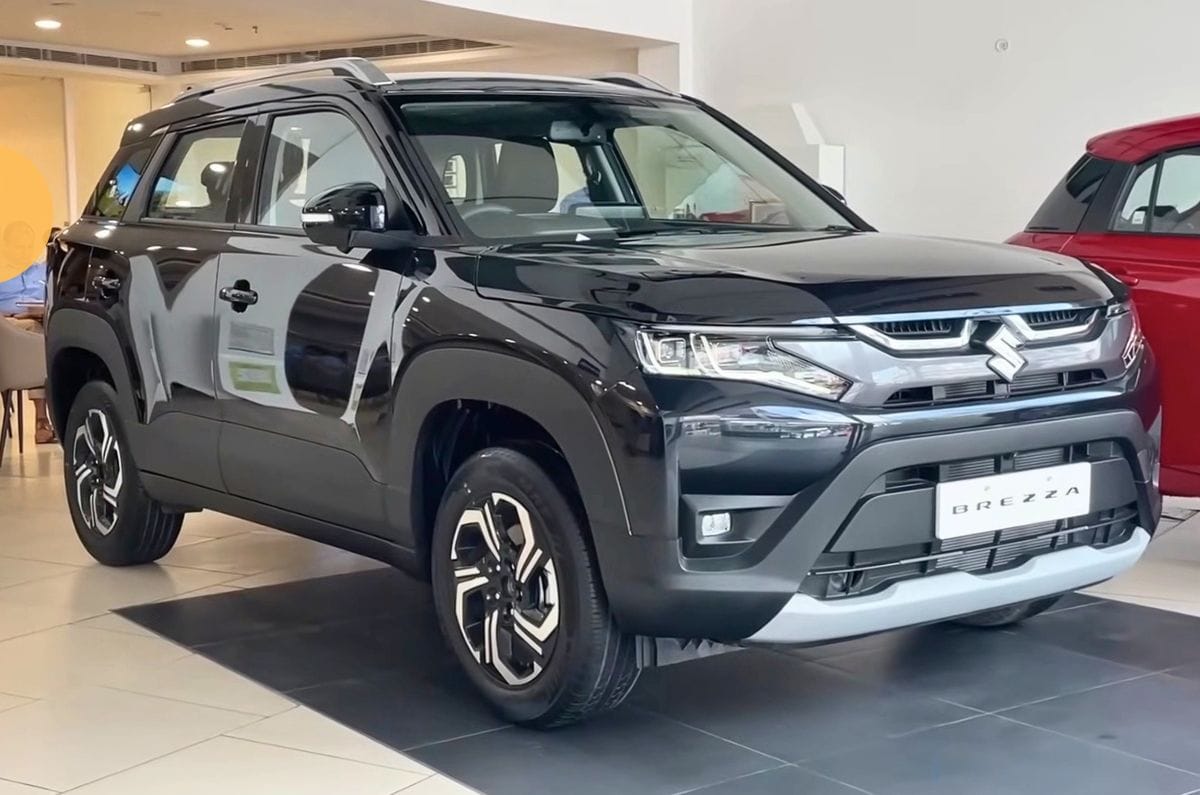
The design of Maruti Suzuki Brezza is attractive and strong. This includes a new grille, updated bumper and CNG badge. The exterior styling has chrome accents, LED headlamps, dual-tone alloy wheels and roof rails, which give it a sporty look. Talking about dimensions, its length is 3995 mm, width 1790 mm, height 1685 mm, wheel base 2500 mm and ground clearance 198 mm, which makes it suitable for both city and highway.

The interiors are premium and comfortable, with a dual-tone theme, soft-touch materials and ample space. The seats are available in fabric or leatherette. The rear seats are foldable, increasing the boot space to 328 litres. There may be updates like a larger infotainment system, digital instrument cluster and ventilated front seats on the dashboard.

Features and safety

Features include 9-inch touchscreen, Arkemis sound system, electric sunroof, head-up display, 360-degree camera, paddle shifters, wireless charging, keyless entry and connected car tech. It is strong in terms of safety, with 6 airbags as standard, ESP, ABS with EBD, hill hold, ISOFIX, rear parking sensors and possible Level 2 EDAS. Has a 4-star rating in Global NCAP.

Engine and Mileage

The company sells it with a 1.5-litre K15C petrol engine, which produces 102 bhp power and 137 Nm torque. 87 BHP and 121.5 Nm are available in CNG variant. Transmission has 5-speed manual or 6-speed automatic. It is being sold with mild hybrid tech. Talking about fuel efficiency, it is capable of giving a mileage of 19.89 KMPL in petrol and 25.51 KMKG in CNG.

Source link

24 KM Mileage, Sunroof and 6 Airbags; The middle class is after this SUV!

24 KM Mileage, Sunroof and 6 Airbags; The middle class is after this SUV!

The second month of the year 2026 has been much better for the Indian auto market. There was a huge sale in February 2026. The highest demand was seen for SUVs. At the same time, sedan and hatchback have also got a good number of customers. Talking about the best selling car of last month, this place is occupied by Tata Nexon. At the same time, there has been a huge increase in the sales of Maruti Dzire and Tata Punch.

The top-10 cars of February 2026 together have attracted 1,70,127 new customers. This figure shows a good increase of 8.76 percent on an annual basis as compared to 1,56,425 units of top-10 cars sold in February 2025. Let's take a look at the sales reports of the best selling cars last month.

Tata Nexon

Tata Nexon is at number one in the list. Last month, this desi SUV got a total of 19,430 new customers. This figure shows an impressive increase of 26.59 percent on an annual basis as compared to the total 15,349 units sold in February 2025. The company sells it at a starting ex-showroom price of only ₹ 7,31,890.

Tata Nexon's raced hood, sleek LED DRLs, R16 alloy wheels and panoramic sunroof make it special. Its cabin gets ventilated leatherette seats, 10.25 inch infotainment system, JBL speakers, wireless charger and 382L boot space with connected tech, multi drive modes, 360 camera and 6 airbags with ADAS. Engine options also available are 1.2L Turbo Petrol (120PS), 1.5L Turbo Diesel (115PS) and CNG. Maximum claimed mileage is 24.08 kmpl.

Maruti Dzire

Maruti Dezire is at second place in terms of sales. This popular sedan has got 19,326 new customers last month. This figure shows an annual increase of 31.52 percent compared to the total 14,694 units sold in February 2025.

Tata Punch

Tata Punch is at third place in terms of sales. This affordable SUV got 18,748 new customers last month. This figure shows an annual increase of 28.77 percent compared to the total 14,559 units sold in February 2025.

Hyundai Creta

In terms of sales, Creta has reached fourth place. It got 17,938 new customers last month. This figure shows an impressive increase of 9.93 percent on an annual basis compared to the total 16,317 units sold in February 2025.

Maruti Brezza

On the basis of growth, Brezza has registered its name in the list of top-5 cars of last month. A total of 17,863 units have been sold in February 2026. This figure shows an annual increase of 16.05 percent compared to the total 15,392 units sold in February 2025.

Apart from the top-5 cars of February 2026 mentioned above, 17807 units of Maruti Ertiga, 14,885 units of Maruti Wagon R, 14,833 units of Maruti Swift, 14665 units of Scorpio/N and 14,632 units of Maruti Baleno were sold last month.

Source link

इंडोनेशिया ने टाटा मोटर्स और महिंद्रा एंड महिंद्रा से वाहन आयात पर रोक लगा दी है

इंडोनेशिया ने टाटा मोटर्स और महिंद्रा एंड महिंद्रा से वाहन आयात पर रोक लगा दी है

फाइल फोटो

इंडोनेशिया ने भारत से मिलने वाले 105,000 वाहनों के ऑर्डर को रोक दिया है टाटा मोटर्स और महिंद्रा & महिंद्रा नीति निर्माताओं के विरोध के बाद, ब्लूमबर्ग ने बताया।

इस महीने की शुरुआत में, दोनों कंपनियों ने सौदे के बारे में स्टॉक एक्सचेंजों को अलग-अलग सूचित किया था और इसे भारतीय वाहन निर्माताओं द्वारा हासिल किया गया अब तक का सबसे बड़ा निर्यात ऑर्डर बताया था। टाटा मोटर्स अपनी इंडोनेशियाई सहायक कंपनी पीटी के माध्यम से 70,000 वाहनों – 35,000 योद्धा पिक-अप और 35,000 अल्ट्रा टी.7 ट्रकों की आपूर्ति करनी थी। टाटा मोटर्स डिस्ट्रीब्यूसी इंडोनेशिया। महिंद्रा ने 2026 में 35,000 स्कॉर्पियो पिक-अप वाहनों की आपूर्ति करने की प्रतिबद्धता जताई थी।

सहकारिता मंत्री फेरी जूलियनटोनो ने 26 फरवरी को घोषणा की कि वाहनों का आयात – 4×4 और छह-पहिया लॉरी का मिश्रण – सरकार और कानून निर्माताओं के बीच बैठक होने तक निलंबित कर दिया जाएगा।

टाटा मोटर्स और महिंद्रा एंड महिंद्रा दोनों के प्रवक्ताओं ने कहा कि उन्हें इस मामले पर इंडोनेशियाई सरकार से कोई औपचारिक संचार नहीं मिला है, उन्होंने आगे टिप्पणी करने से इनकार कर दिया।

यह रुकावट इंडोनेशिया के ऑटो सेक्टर के लिए कठिन समय में आई है। कमजोर घरेलू खर्च और सतर्क उधार देने के कारण कार की बिक्री 2025 में 7.2 प्रतिशत गिरकर 803,687 इकाई रह गई।

  • 1 मार्च 2026 को 05:48 अपराह्न IST पर प्रकाशित

2M+ उद्योग पेशेवरों के समुदाय में शामिल हों।

अपने इनबॉक्स में नवीनतम जानकारी और विश्लेषण प्राप्त करने के लिए न्यूज़लेटर की सदस्यता लें।

ETAuto उद्योग के बारे में सब कुछ सीधे आपके स्मार्टफोन पर!


Source link

नई टाटा सिएरा ओजी वीडियो से मिलती है – परिचय | ऑटोकार इंडिया

नई टाटा सिएरा ओजी वीडियो से मिलती है – परिचय | ऑटोकार इंडिया


नई टाटा सिएरा एक प्रसिद्ध नेमप्लेट को पुनर्जीवित करती है। मूल को आइकन क्यों बनाया गया और नए में इसका कितना डीएनए है? हम टाटा के पुणे संयंत्र – जहां मूल का निर्माण किया गया था – से लेकर नए मॉडल का उत्पादन करने वाले साणंद संयंत्र तक एक महाकाव्य ड्राइव पर अतीत और वर्तमान को जोड़ते हैं।


Source link

Seltos and Sonet made Kia happy! Sold so many vehicles last month

Seltos and Sonet made Kia happy! Sold so many vehicles last month

Last Updated:

Kia India registered a growth of 10.3 percent by selling 27,610 units in February 2026. Sales increased due to the popularity of Seltos and Sonet. Atul Sood expressed happiness over the trust of the customers. See full sales report.

news quickly

Zoom

Kia Sonet

South Korean car manufacturer Kia India, which has made a strong hold in the Indian automobile market, has also made excellent sales in the second month of the year 2026. According to the latest data released by the company, Kia India's sales in February 2026 have registered an increase of 10.3% on an annual basis.

Kia India has sold a total of 27,610 units in February this year. This is the highest February sales in India so far in the company's history. Last year, i.e. in February 2025, the company had sold 25,026 units. In this way there has been an increase of about 10 percent at the annual level. This is the second consecutive month when Kia has registered double digit growth. Earlier in January 2026 also, the company had achieved a growth of 10.3% with sales of 27,603 units.

These vehicles provided fun

Their popular SUV portfolio has played a major role in the success of the company. New Gen Seltos is getting tremendous response from customers. Its updated design and safety features have kept it on top in the mid-size SUV segment. At the same time, Sonet continues to dominate the compact SUV segment. Being feature-loaded, it remains the first choice of the youth. Apart from this, Carens/Clavis and Carnival also find a good amount of customers.

What did the company say?

Expressing happiness over this achievement, Atul Sood, Senior Vice President, Sales and Marketing, Kia India, said that the record figures for February are a testament to the growing confidence of Indian customers in the Kia brand. Our strategy is not only to respond to market trends, but also to shape them through innovation and advanced technology.

Sales and Service Network

Kia is also emphasizing on network expansion across the country to increase its reach. Currently the company has 849 touchpoints in 382 cities. Apart from this, the company also has 122 certified pre-owned outlets, which are ensuring transparency in buying and selling of old vehicles. In the coming days, Kia may achieve further increase in sales due to new products.

Source link

Mahindra XEV 9e Cineluxe Edition enters Indian market

Mahindra XEV 9e Cineluxe Edition enters Indian market

Mahindra has launched the Cineluxe Edition of its new electric car XEV 9e. Its starting ex-showroom price has been kept at ₹ 29.35 lakh. This special edition is based on the top Pack Three variant of the XEV 9e, which offers a great combination of premium luxury, advanced technology and great performance.

This is a premium electric SUV with BYD Blade LFP battery technology, which becomes a strong contender in the segment with long range, fast charging and luxury features. The Cineluxe Edition gets exclusive Satin Black and Satin White colours, along with Chestnut Brown and Knockturn Black interior theme, which makes it even more attractive. Booking starts from 2nd March 2026 and delivery will start from 10th March.

Design and interior

The design of the XEV 9e Cineluxe Edition is sporty and muscular, which includes a coupe-SUV style body, illuminated logo, bi-LED headlamps, LED taillights, R19 alloy wheels and aero covers. Infinity roof (panoramic glass roof) and LightMeUp ambient lighting (16 million colors) give it a premium look. The Cineluxe has enhanced looks with Satin finish colors and exclusive exterior treatment.

The cabin is full of luxury. The Chestnut Brown and Knockturn Black leatherette upholstery, brown stitching, soft-touch materials and premium finish give it a cinematic feel. Triple HD displays (coast-to-coast Super Screens), panoramic glass roof, ventilated seats, dual-zone AC, rear AC vents, 65W Type-C fast charging ports and spacious trunk (150L) + boot (663L) are available. Ambient lighting, camp/pet/keep modes and personalized user profiles make it home-like.

Features and safety

The Cineluxe Edition comes with Harman Kardon 16-speaker audio system with Dolby Atmos, Qualcomm Snapdragon chipset, wireless Android Auto/Apple CarPlay, AR head-up display, 360° camera, hands-free park assist, wireless charging, power operated tailgate, ventilated front seats, digital key and OTT/social media apps pre-installed. Includes special modes such as PawPal (Pet), CampMe and Custom Drive Modes.

It comes with Secure360 safety suite, 7 airbags (including driver knee airbag), Level-2+ ADAS (Adaptive cruise control, lane keep assist, blind spot detection, auto lane change), EyeDentity (driver monitoring), 360° camera with surveillance mode, high stiffness body, all-wheel disc brakes, electronic stability control, TPMS and ISOFIX child seat. Can be purchased with anchor.

Battery, Motor and Range

It is equipped with a 79 kWh capacity BYD Blade LFP battery pack, which is connected to a rear-mounted permanent magnet synchronous motor (282-286 hp power, 380 Nm torque). 0-100 km/h is achieved in just 6.8-7.45 seconds. Claimed range is 656 km (MIDC). DC fast charging (175 kW) takes 20-80% in just 20 minutes. Single-pedal drive provides efficient performance.

Source link