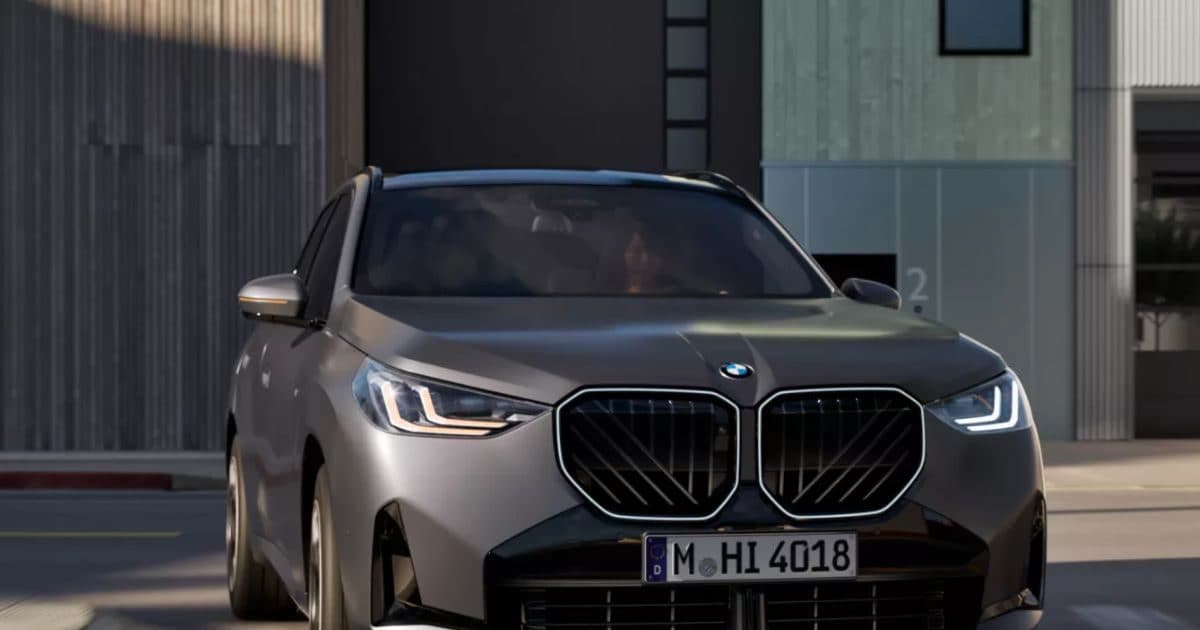
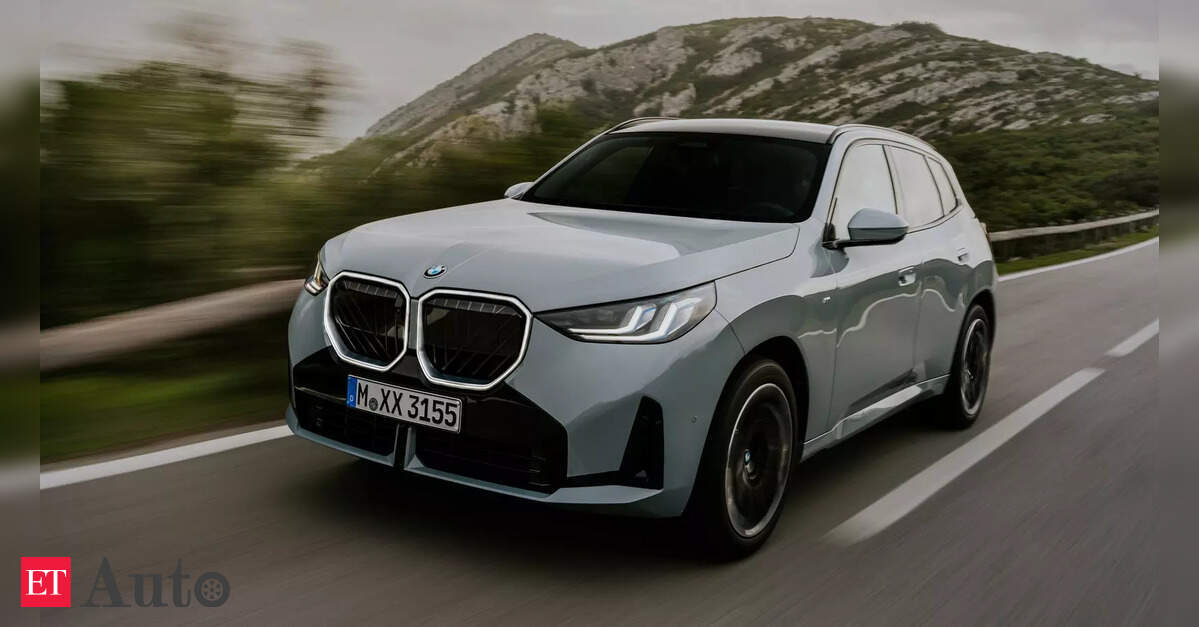
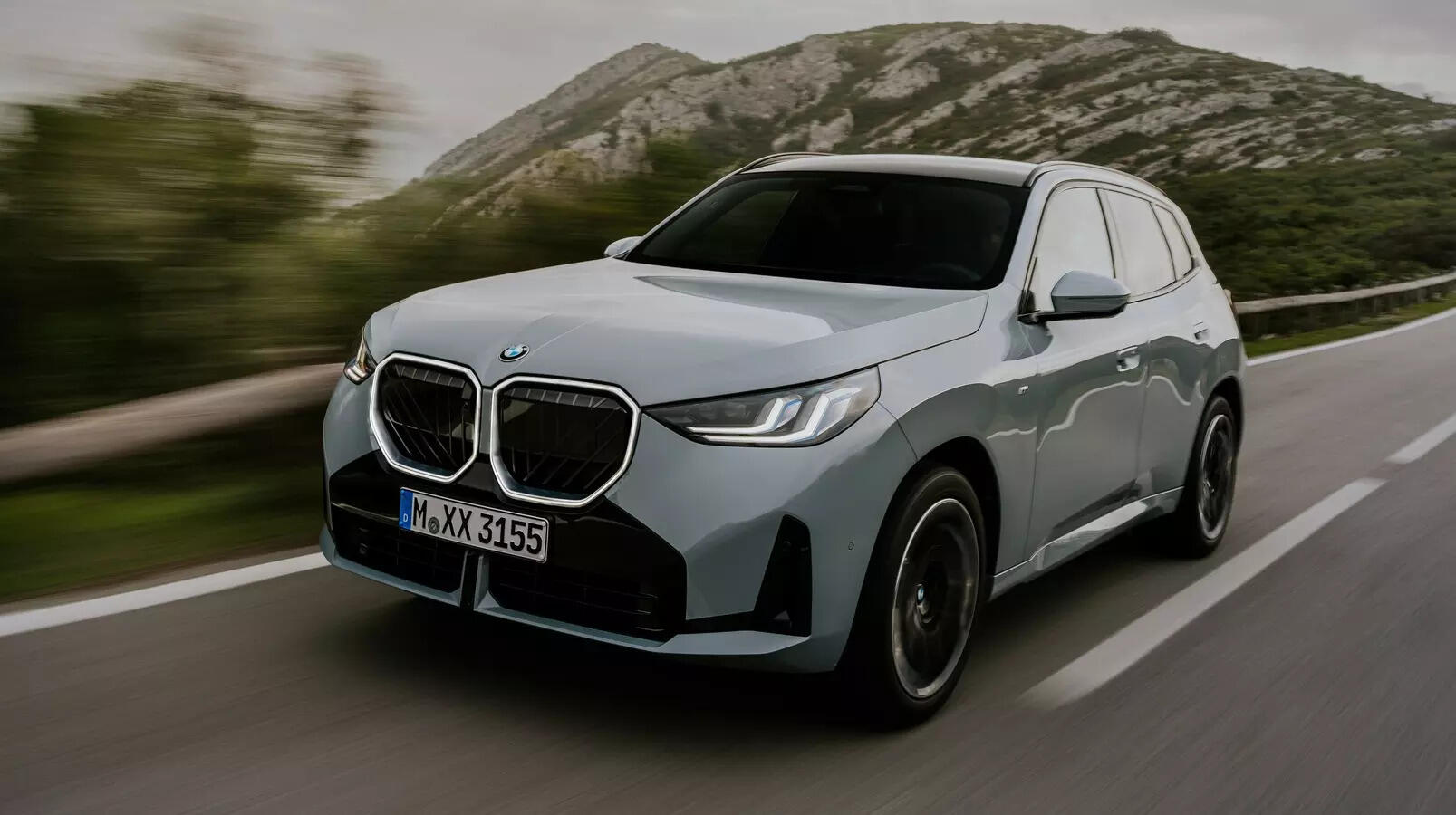
बीएमडब्ल्यू इंडिया ने बिल्कुल नया लॉन्च किया है बीएमडब्ल्यू एक्स3 30 एक्सड्राइव एम स्पोर्ट प्रो ₹74,50,000 की एक्स-शोरूम कीमत पर। मॉडल का उत्पादन बीएमडब्ल्यू ग्रुप प्लांट चेन्नई में किया गया है और देश भर में डीलरशिप पर बुकिंग शुरू हो गई है।
नया पेट्रोल संस्करण X3 पोर्टफोलियो में मौजूदा xDrive 20 पेट्रोल और xDrive 20d डीजल संस्करणों में शामिल हो गया है।
हरदीप सिंह बराड़, अध्यक्ष और सीईओ, बीएमडब्ल्यू ग्रुप इंडियाने कहा, “नए की शुरूआत के साथ बीएमडब्ल्यू एक्स3 30 एक्सड्राइव एम स्पोर्ट प्रो, हम उस विरासत को प्रदर्शन और उपस्थिति के उन्नत स्तर पर ले जा रहे हैं। शक्ति शक्ति को आकर्षित करती है, और नया X3 30 वास्तव में एक उत्साही ड्राइविंग अनुभव बनाने के लिए परिष्कृत विलासिता के साथ अधिक आक्रामक इंजन की जोड़ी प्रदान करता है। इस नए संयोजन के साथ, हमने अपने आधुनिक, प्रदर्शन-संचालित ग्राहकों, जो अधिक मांग करते हैं, को पूरा करने के लिए भारत में एक्स3 की पेशकश का और विस्तार किया है।''
इंजन और प्रदर्शन
X3 30 xDrive M स्पोर्ट प्रो 2-लीटर चार-सिलेंडर पेट्रोल इंजन द्वारा संचालित है जो 1,600 और 4,600 आरपीएम के बीच 258 एचपी और 400 एनएम टॉर्क पैदा करता है। वाहन 6.3 सेकंड में 0 से 100 किमी/घंटा की रफ्तार पकड़ लेता है और इसमें बीएमडब्ल्यू एक्सड्राइव ऑल-व्हील ड्राइव तकनीक है।
मॉडल में आठ-स्पीड स्टेपट्रॉनिक ऑटोमैटिक ट्रांसमिशन और 48V तकनीक शामिल है। इलेक्ट्रॉनिक रूप से नियंत्रित डैम्पर्स के साथ अनुकूली निलंबन मानक के रूप में पेश किया जाता है।
डिजाइन और विशेषताएं
बाहरी हिस्से में रोशनी के साथ एक काली किडनी ग्रिल, 20-इंच एम मिश्र धातु के पहिये, एम स्पोर्ट ब्रेक और अनुकूली एलईडी हेडलाइट्स शामिल हैं। वाहन की लंबाई 4,755 मिमी और व्हीलबेस 2,865 मिमी है। अंदर, X3 30 xDrive M स्पोर्ट प्रो में एक घुमावदार डिस्प्ले है जिसमें 12.3 इंच की सूचना स्क्रीन और 14.9 इंच का नियंत्रण डिस्प्ले है। इंस्ट्रूमेंट पैनल सेंसटेक में लपेटा गया है। मॉडल में स्पोर्ट्स सीटें, एक पैनोरमिक ग्लास सनरूफ, हरमन कार्डन ऑडियो सिस्टम और बीएमडब्ल्यू कनेक्टेडड्राइव सेवाएं भी शामिल हैं।
वाहन ब्रुकलिन ग्रे मेटैलिक, ड्यून ग्रे मेटैलिक, अल्पाइन व्हाइट, इंडिविजुअल टैनज़नाइट ब्लू और ब्लैक सैफायर मेटैलिक सहित कई पेंट विकल्पों में उपलब्ध है।
16 फरवरी, 2026 को शाम 05:13 बजे IST पर प्रकाशित
2M+ उद्योग पेशेवरों के समुदाय में शामिल हों।
अपने इनबॉक्स में नवीनतम जानकारी और विश्लेषण प्राप्त करने के लिए न्यूज़लेटर की सदस्यता लें।
ETAuto उद्योग के बारे में सब कुछ सीधे आपके स्मार्टफोन पर!
The market of sub 4m SUVs is continuously growing. The same was seen in last month's sale also. The country's popular cars together have added a total of 1,21,150 new customers in January 2026. This figure shows an impressive growth of 13 percent on an annual basis as compared to the total 1,06,969 units sold in January 2025.
If we look at last month's sales report, Tata Nexon was the best selling car in the segment. At the same time, there has been a good increase in the sales of Tata Punch and Maruti Brezza. On the other hand, demand for cars like Maruti Fronx and Hyundai Exter has decreased. Let us have a look at the Model Wise Sales Report.
Tata Nexon/EV
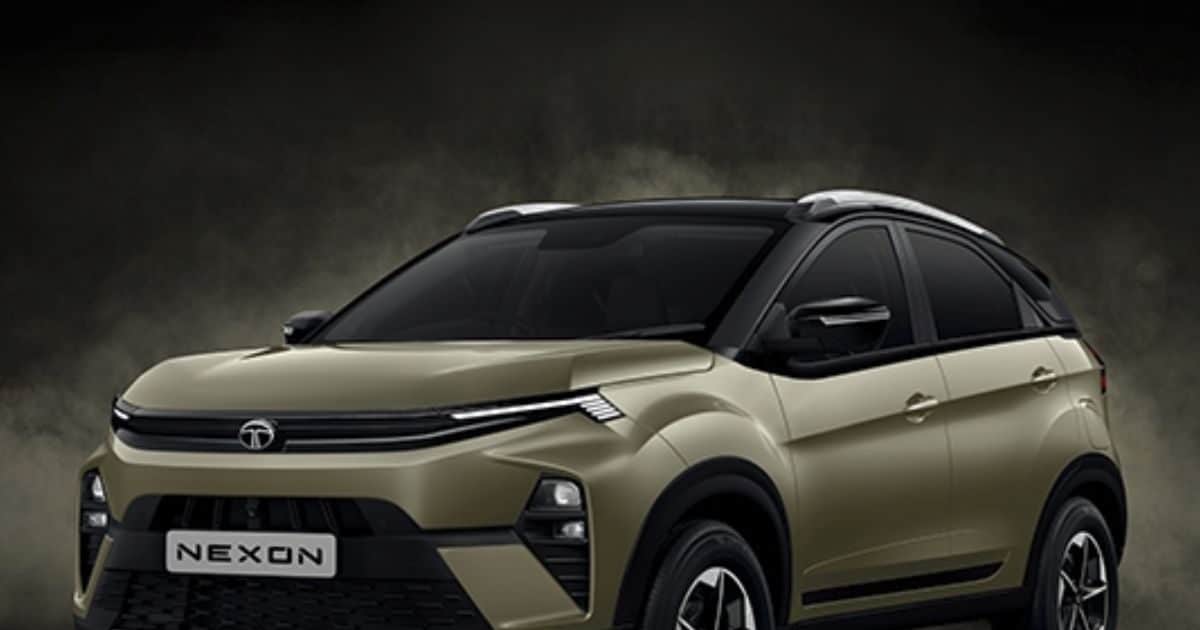
Nexon/EV is at number one in the list. It has got 23,365 new customers last month. This figure represents a spectacular increase of 51.75 percent on an annual basis as compared to the total 15,397 units sold in January 2025.
Tata Punch/EV
Tata's car is also at second place in terms of sales. Punch got a total of 19,257 new customers in January 2026. This figure shows an annual increase of 18.64 percent compared to the total 16,231 units sold in January 2025.
Maruti Brezza
Brezza is at number three in terms of sales. 17,486 units of this Sub 4m SUV were sold in January 2026. This figure shows an annual increase of 18.57 percent compared to the total 14,737 units sold in January 2025.
Maruti Fronx
The cells of the fronds have decreased. A total of 13,353 units were sold last month. This figure shows a decline of 12 percent on an annual basis as compared to the total 15,192 units sold in January 2025.
Hyundai Venue
On the basis of increase in sales, Venue has registered its name in the top-5 list of Sub 4m SUVs. It has got 12,413 new customers last month. This figure shows an annual increase of 11.77 percent compared to the total 11,106 units sold in January 2025.
Apart from the top-5 SUVs of the segment mentioned above, last month there were 10,998 units of Kia Sonet, 8845 units of Mahindra 275 units have been sold.
BMW X3 30 xDrive M Sport Pro has been launched in the Indian market after a long wait. This is the top variant of the luxury SUV, whose ex-showroom price is Rs 74.50 lakh. The on-road price in Mumbai is around Rs 88.57 lakh, while in Delhi it can reach around Rs 86.18 lakh. This variant comes with petrol engine and is the most powerful in BMW's X3 lineup.
The company will sell it in Alpine White, Black Sapphire, Tanzanite Blue, Dune Gray and Brooklyn Gray color options. Length of BMW X3 30 xDrive M Sport Pro is 4755 mm, width is 1920 mm, height is 1660 mm and wheelbase is 2865 mm. Come, its design, interior, features. Let's look at the safety engine and mileage details.
Design and interior
The exterior includes M Sport Pro package along with dark kidney grille, iconic glow, smoked headlamps and taillamps, red M Sport brake callipers. The 20-inch M alloy wheels (front 255/45 R20, rear 285/40 R20) are in a staggered setup, giving it a wider and lower look. There is panoramic sunroof, LED headlights, daytime running lights, fog lights and body colored door handles. The rear has arrow-shaped LED taillights and '30' badge.
The cabin is minimalistic, with leather upholstery, M seat belts and soft-touch materials. Front seats are electrically adjustable (6-way), with memory presets, lumbar support. Rear seat 40:20:40 split, folding flat, but backrest is upright. There are three-zone automatic climate control, ambient lighting, leather-wrapped steering, head-up display and wireless charging pad. Storage includes large door pockets, armrest storage and cup holders. Boot space is 570 litres.
Features and safety
The company has given it 12.3-inch touchscreen infotainment, 15-speaker Harman Kardon sound system (750W), wireless Android Auto/Apple CarPlay, voice command, gesture control. Other features include cruise control, electronic parking brake, 360-degree camera, parking assist, 6 drive modes (Personal, Efficient, Comfort, Sport, Relax, Expressive), rain-sensing wipers and rear sunblinds.
For safety, it has 6 airbags (driver, passenger, curtain, side), ADAS level 3, forward collision warning, lane departure warning, high-beam assist. It also has tire pressure monitoring, ABS, EBD, ESP, traction control, overspeed warning, child seat anchor, engine immobilizer and keyless central locking.
Engine and Mileage
Its 2.0-litre turbocharged petrol engine produces 255 bhp power and 400 Nm torque. It is quite efficient and powerful with BS6 Phase 2 compliant, 48V mild-hybrid system. It can be bought with 8-speed automatic (TC), paddle shifters, sport mode and AWD. Talking about performance, it accelerates from 0-100 kmph in just 6.3 seconds. Mileage is 14.61 kmpl.
Jeep India has launched a new special edition of its popular three-row SUV Meridian. Jeep Meridian Track Edition is based on its Overland trim. It has been introduced with a sportier look and some exclusive enhancements. The Track Edition has been made available for a limited period and comes in both 2WD and 4WD configurations.
Ex-showroom prices for the 2026 Jeep Meridian Track Edition start at Rs 35.95 lakh for the 2WD variant (Track AT), while the 4×4 variant (Track AT 4×4) is priced at Rs 37.82 lakh. Additionally, a mandatory accessory pack costs Rs 9,200, which adds to the total cost. This edition is available only with automatic transmission and can be booked across all Jeep dealerships.
It is a bit premium compared to the standard Meridian, but its special features make it value for money. Under the Jeep Confidence 7 program, facilities like 7 years extended warranty, assured buyback, maintenance package, roadside assistance and priority service are available. Let's take a look at its design, interior, features, safety, engine and mileage details.
Design and interior
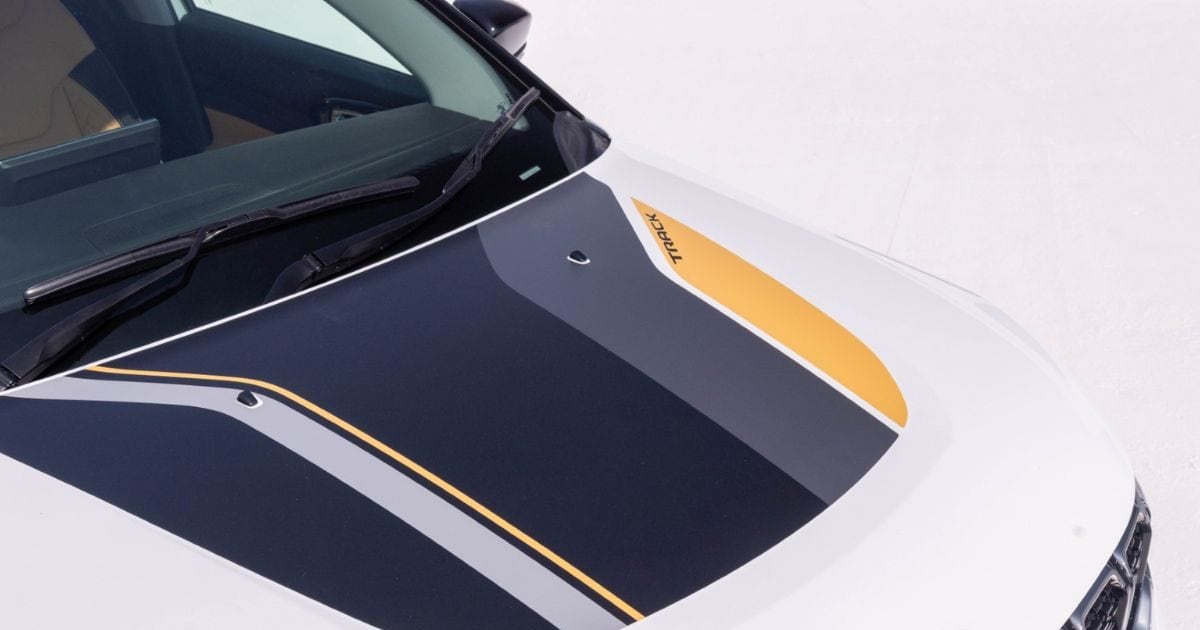
The exterior design of the Track Edition is quite sporty and rugged. Piano black accents are given on the grille, badges and exterior moldings, which give it a dark and aggressive look. The grille is in dark espresso color with neutral gray highlights. The signature Track Edition hood decal and exclusive Track Edition insignia set it apart. The 18-inch diamond-cut alloy wheels make it even more attractive.
The interior has a perfect balance of luxury and comfort. The dual tone Tupelo interior comes with suede inserts, with contrast stitching and quilting on the seats and bolsters. Dark espresso accents and piano black bezels give a premium feel to the cabin. The steering wheel is wrapped in Cortina leather with detailed stitching.
Track Edition branding is given on cabin elements and floor mats. The front seats are 12-way powered and ventilated, with memory function. The dual-pane panoramic sunroof makes the cabin bright and airy. The second row seats can slide full-forward up to 140 mm, enhancing third row access and comfort. Space is good in the overall 7-seater configuration. However, the third row may be a bit tight for larger adults.
Features and safety
The Track Edition is packed with high-tech features. The 10.1-inch Uconnect 5 touchscreen infotainment system supports wireless Apple CarPlay and Android Auto. The 10.25-inch digital instrument cluster displays real-time information. The premium Alpine audio system comes with 9 speakers.
Other features include wireless charging, dual-zone climate control, powered tailgate, remote engine start/stop, navigation and 30+ connectivity features. The 4×4 variant has Jeep's Selec-Terrain system, which offers Auto, Mud/Sand, Snow modes. Frequency Selective Damping (FSD) suspension and all-season tires make driving smooth.
There are more than 10 active safety functions with Level 2 ADAS. Such as Adaptive Cruise Control with Stop and Go, Collision Mitigation Braking, Blind Spot Detection, Active Lane Keep Assist and Intelligent Speed Assist. There are standard features like 6 airbags, 360-degree view camera, hill start assist, electronic roll mitigation, electronic parking brake, traction control, TPMS and hill descent control. Meridian has received a 5-star rating in Global NCAP, which proves its strength.
Engine and Mileage
The Track Edition has a 2.0-litre Multijet II diesel engine, which generates 170 HP power and 350 Nm torque. This engine is smooth and efficient, which performs well both in urban and highway conditions. The transmission is a 9-speed automatic, which offers quick shifts. The 4×4 variant has a low-range mode and multiple terrain modes. ARAI certified mileage goes up to 16.25 kmpl.
Renault Triber is the cheapest 7-seater car in the country. Its sales are continuously increasing. Last month, Renault sold a total of 2509 units of Triber. If you are planning to buy an affordable 7-seater MPV in the coming days, then how much better option can Triber be for you? Know this…
news quickly
Renault Triber
Renault and Nissan together do business in the Indian car market. Both companies have a small portfolio. They had good sales last month. On one hand the demand for Nissan Magnite was seen increasing. At the same time, there was a huge increase in the sales of Renault Triber. Nissan has sold a total of 2502 units in January 2026.
This figure shows an annual increase of 4 percent compared to the total 2404 units sold in January 2025. At the same time, Renault has sold 3715 vehicles last month. This figure shows a decline of 3 percent on an annual basis as compared to the total 3845 units sold in January 2025. Let us have a look at the Model Wise Sales Report.
Renault Triber
Renault Triber is at number one in the list. The country's cheapest 7-seater car got 2509 customers last month. This figure shows an impressive increase of 72.32 percent on an annual basis compared to the total 1456 units sold in January 2025. Renault Triber prices start at ₹5.76 lakh and go up to ₹8.60 lakh (ex-showroom).
Its design is attractive and family-oriented, which includes roof rails and LED tail lamps. The interior is spacious with modular seating. It can be bought with 625 liters of boot space, cooled center console features, 8-inch touchscreen, cruise control, auto headlamps and 6 airbags for safety, ESP, 4-star NCAP rating. Its 1.0-litre petrol engine produces 72 PS power and 96 Nm torque. Its claimed mileage is around 20 KMPL.
Nissan Magnet
Nissan Magnite is at second place in terms of sales. This affordable SUV got 2502 new customers last month. This figure shows a slight increase of 4 percent on an annual basis compared to the total 2404 units sold in January 2025. At the same time, X-Trail is not getting any customers for a long time.
Renault Kiger
Renault Kiger is at third place in terms of sales. It has got 703 new customers last month. This figure shows an annual decline of 6.89 percent compared to the total 755 units sold in January 2025.
Renault Kwid
Kwid sales have declined marginally. It got only 503 new customers last month. This figure shows an annual decline of 11.60 percent compared to the total 569 units sold in January 2025.
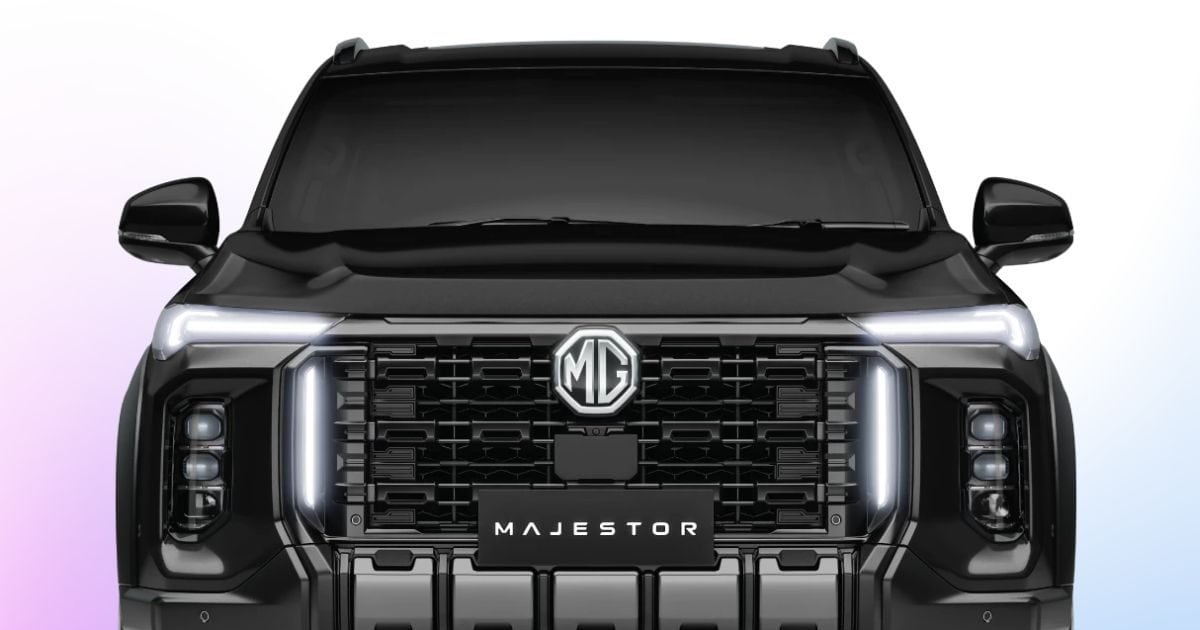
MG Motor India has recently introduced its new flagship SUV MG Majestor in the Indian auto market. It is going to compete with SUVs like Toyota Fortuner and Jeep Meridian in the market. This car has been placed above MG Gloster and will compete in the D+ segment.
Launched on 12 February 2026, this SUV will create recognition in the market for its large size, advanced features and off-road capabilities. Here we will discuss top 5 important things about MG Magister, which will help you understand this car better. Come, let us know these points one by one.
1. Design and dimensions
MG Magister is the tallest, widest and longest SUV in its class, which gives it a strong road presence. Its exterior design is bold, which includes sharp LED lighting, big grill and rugged look. The length, width and height of the car make it different from competitors like Toyota Fortuner. Premium material has been used in the interior, which gives a luxury feel.
It is available in 7-seater configuration, in which the third row seats are also comfortable. Overall, its design is perfect for those who want a large, imposing SUV that can fit in everywhere from city streets to off-road trails. Due to its size, it is perfect for family trips, where there is no shortage of space. MG has designed it in such a way that it is not only attractive in appearance but also practical.
2. Engine and Performance
MG Magister has a 2.0-litre twin-turbo diesel engine, which generates power of 215 PS and torque of 478 Nm. This engine comes with an automatic gearbox and is equipped with a four-wheel drive (4WD) system, which enables it for off-road performance. The top speed and acceleration of the car are quite impressive, which provides stability during highway driving.
3. Features and Technology
This SUV is loaded with features, which include dual 12.3-inch screens (instrument cluster and infotainment), panoramic sunroof, ventilated seats and Level 2 EDAS (Advanced Driver Assistance System). ADAS has features like automatic emergency braking, lane keep assist and adaptive cruise control, which enhance safety.
The interior also has a premium audio system, wireless charging and multi-zone climate control. This car is equipped with connected technology, which provides smartphone integration and remote control features. Overall, Magister is for those who give priority to technology and comfort. Its features make it a strong contender in the segment, especially when it comes to luxury and convenience.
4. Off-Road Capability
The MG Magister is built on a ladder-frame chassis, which makes it sturdy. It has triple differential lock (front, center and rear), which enhances off-road performance. This feature is usually found in high-end SUVs like G-Wagon, but Magister offers it at an affordable price. The car has multi-terrain modes, which provide better grip in sand, mud, snow. If you are an adventure lover, then this SUV is best for you, because it gives off-road experience along with city driving.
5. Pricing and Positioning
The estimated price of MG Majestor is Rs 39.50 to Rs 43.25 lakh, which makes it a direct competitor to cars like Toyota Fortuner Legend. It is positioned above the MG Gloster and sets a benchmark in the premium D+ segment. If priced right, it can shake up the market as it offers a great combination of features, size and performance.
In the Indian market where the demand for SUVs is increasing, Magister is an attractive option. Although its sales will depend on how successful it is, the initial reviews are positive. Overall, if you are looking to buy a new, feature-rich SUV, the Magister is one to consider.
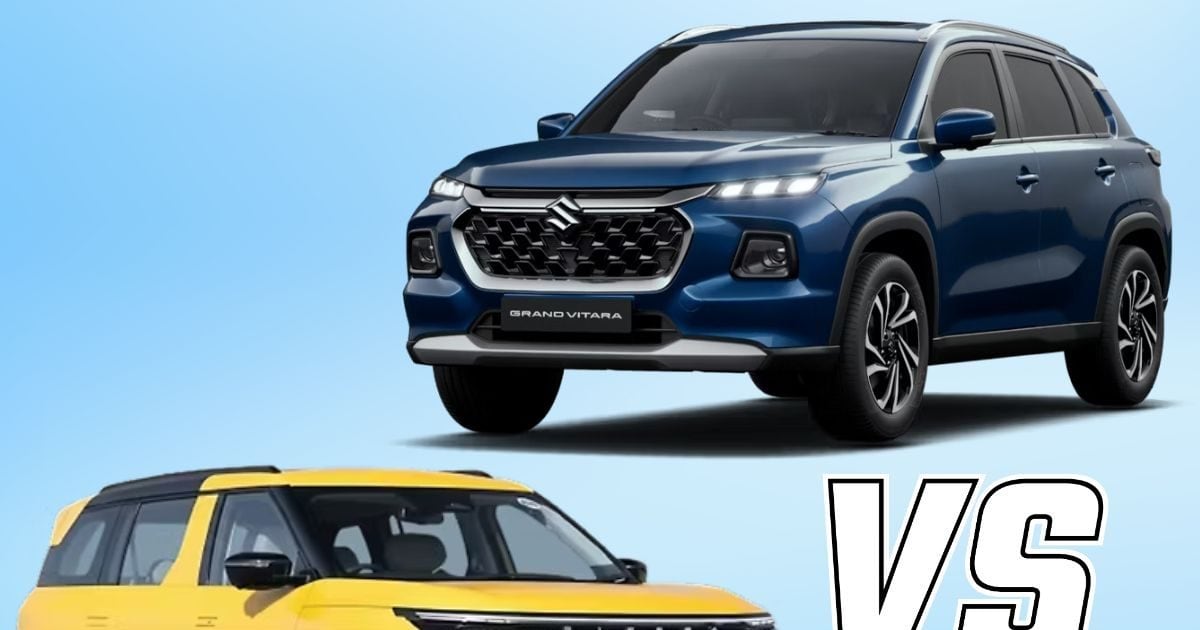
Tata Sierra vs Maruti Suzuki Grand Vitara: In the compact SUV segment, both Tata Sierra and Maruti Suzuki Grand Vitara compete with each other. Tata Sierra is launched in 2025. It has a strong design and is full of features, while the Grand Vitara is a premium and fuel efficient option.
Ex-showroom prices for the Grand Vitara start at Rs 10.77 lakh (Sigma petrol variant) and go up to Rs 19.72 lakh for the top model Alpha Plus Hybrid CVT DT. At the same time, the starting ex-showroom price of Tata Sierra is Rs 11.49 lakh (Smart Plus Petrol), which goes up to Rs 24.19 lakh for the top variant Accomplished Plus TGDi. Let us have a look at the design, interior, features, safety, engine and mileage details of both.
Design
The design of the Grand Vitara has an upright SUV stance, which includes LED headlights, LED DRLs, connected tail lamps, 17-inch alloy wheels and a panoramic sunroof. It is 4345 mm long, 1795 mm wide and 1645 mm high, wheelbase is 2600 mm and ground clearance is 210 mm.
The design of Tata Sierra is more modern and road presence, with LED headlights, LED fog lamps, flush door handles, 19-inch alloy wheels (225/55 R19 tyres) and panoramic sunroof. It is 4340 mm long, 1841 mm wide and 1715 mm high, wheelbase is 2730 mm and ground clearance is 205 mm.
interior
Both have 5-seater cabins, but Sierra is more spacious. The Grand Vitara has a dual-tone dashboard, leatherette upholstery, 7-inch digital cluster and glove box. Boot space is 373 litres, which reduces in the hybrid variant. The Sierra comes with leatherette upholstery, 10.24-inch digital cluster, ambient lighting, cooled glove box and sliding rear parcel tray. Boot space is 622 liters (1257 liters with rear seats folded), which is more than the Grand Vitara. Both have 60:40 split rear seats, but the Sierra also has features like manually-extendable thigh support and extendable sun visors.
Features
The Grand Vitara has automatic climate control, multifunction steering, cruise control, 9-inch touchscreen (Android Auto, Apple CarPlay), ventilated seats, wireless charging and Arkamis sound system. Sierra is overloaded. It has 2-zone automatic climate control, 12.3-inch touchscreen, 12-speaker JBL sound, gesture-controlled powered tailgate, driver seat with memory function, triple-screen layout and sport mode. Sierra has more features like level-2 ADAS, 19-inch wheels and dual-zone AC.
Safety
Both have 6 airbags, ABS with EBD, ESP, hill assist, TPMS, 360-degree camera and ISOFIX. The Grand Vitara has brake assist, impact sensing auto door unlock and HUD. Sierra is more advanced. It can be bought with Level-2 ADAS (Forward Collision Warning, Auto Emergency Braking, Lane Keep Assist, Blind Spot Monitor), Hill Descent Control and AR HUD (with Navigation).
Engine and Mileage
Grand Vitara has 1462cc petrol (102 bhp, 139 Nm), 1490cc strong hybrid (91 bhp, 122 Nm) and CNG options. Transmission options include FWD/AWD with 5-speed manual or e-CVT. The Sierra is powered by 1498cc petrol (105 bhp, 145 Nm), 1498cc TGDi turbo petrol (158 bhp, 255 Nm) and 1497cc diesel (116 bhp) engines, transmission options are FWD only with 6-speed manual or DCA automatic. Sierra's TGDi engine is more powerful. ARAI mileage of Grand Vitara is 27.97 kmpl and Tata Sierra is 29.9 kmpl.
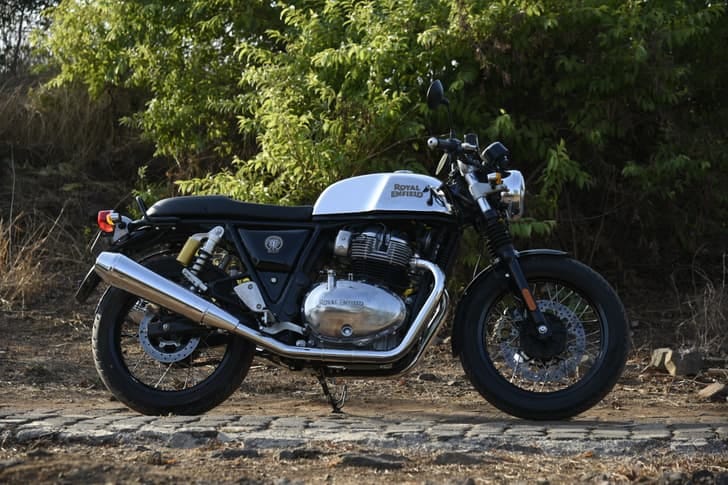
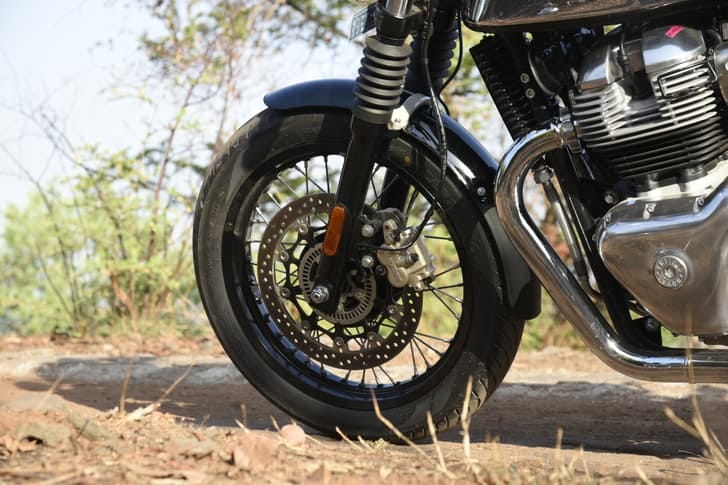
रॉयल एनफील्ड कॉन्टिनेंटल जीटी 650 में 648cc, पैरेलल-ट्विन, एयर-ऑयल-कूल्ड इंजन है जो 47.5hp और 52.3Nm का टॉर्क पैदा करता है। इसके कैफे रेसर स्टाइल में अधिक सुव्यवस्थित लुक के लिए क्लिप-ऑन हैंडलबार, रियर-सेट फ़ुटपेग और वैकल्पिक पिलियन काउल के साथ एक सिंगल सीट शामिल है। हार्डवेयर में फ्रंट में 41 मिमी टेलीस्कोपिक फोर्क और रियर में एडजस्टेबल प्रीलोड के साथ ट्विन शॉक एब्जॉर्बर शामिल हैं। ब्रेकिंग को 320 मिमी फ्रंट डिस्क और 240 मिमी रियर डिस्क द्वारा नियंत्रित किया जाता है। कॉन्टिनेंटल जीटी 650 ट्यूब-प्रकार के टायरों के साथ 18 इंच के तार-स्पोक पहियों पर चलता है – सामने 100/90 और पीछे 130/70।
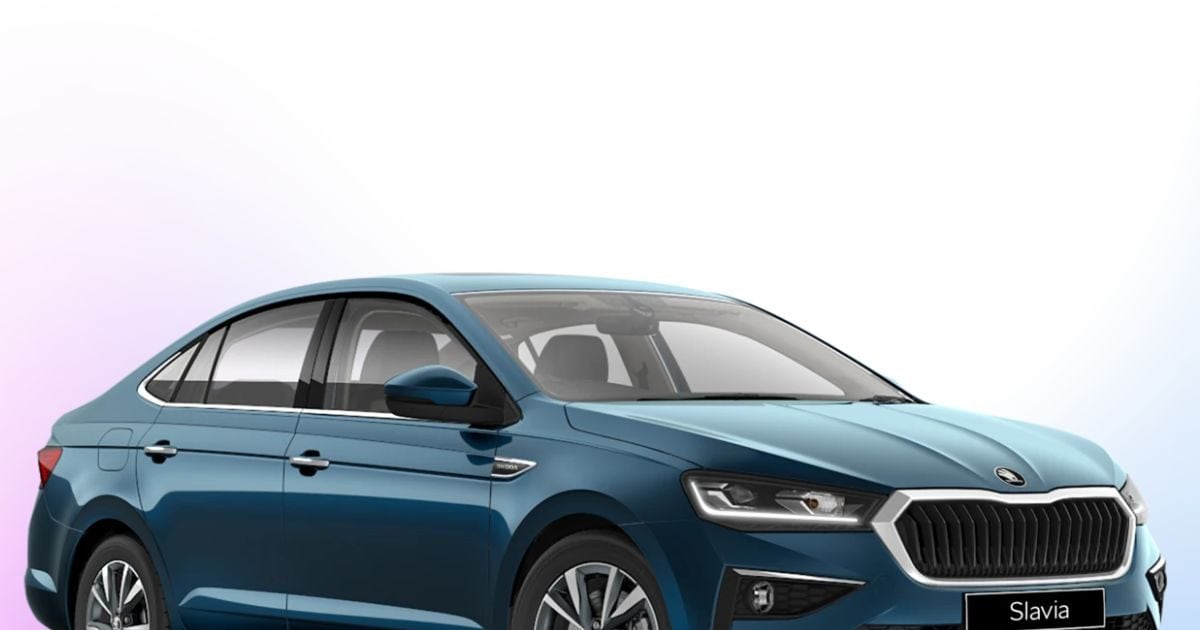
The Skoda Slavia Facelift was recently spied testing, confirming its upcoming mid-cycle update in the Indian market. This car was launched in 2021 and now its facelift version is expected to be launched in 2026. Probably it will be introduced by the end of the year or in the fourth quarter. This update will be mainly similar to the Skoda Kushaq facelift, which includes improvements in exterior, interior, features and some safety.
Spy images reveal that the overall silhouette of the Slavia facelift will remain the same, but there will be major changes at the front and rear. A new bumper, larger lower air dam, revised grille, sharper LED DRLs and new headlights can be seen at the front, which will give the car a more aggressive and modern look. Updated bumper and taillights are also expected in the rear. Let's take a look at the interior, features, safety, engine and mileage details.
How much will the design change?
Some reports mention new alloy wheels and color options. The test mule was covered in camouflage, but the changes are clearly visible. Like the lower position of the new fog lamps and connected LED elements. This design update will help the car compete with its rivals like Hyundai Verna, Volkswagen Virtus and Honda City.
interior update
Major upgrades are expected in the interior. The 10.25-inch digital instrument cluster seen in the test mule is taken from the Kushaq facelift. The infotainment screen will be an updated 10.1-inch one, which will have AI assistant feature. Dual-tone ambient lighting, rear massaging seats (for the first time in the segment), ventilated front seats, redesigned steering wheel and new upholstery can be found. The panoramic sunroof is missing, so the single-pane sunroof may continue. The cabin will be spacious, with 521 liters of boot space and the premium feel will increase.
Features and safety
The Slavia is already feature-rich, but the facelift will add more. These include 6-way powered and ventilated front seats, wireless charger, cruise control, 8-speaker sound system, auto headlamps, rain-sensing wipers, automatic climate control. The big highlight could be Level 2 ADAS, which will have features like lane keep assist, forward collision warning, blind spot detection, autonomous braking etc. This will increase competition in the segment.
Slavia already has a 5-star Global NCAP rating. 6 airbags, ABS with EBD, ESC, hill hold assist, TPMS, rear parking sensors and camera will continue in the facelift. The new additions will further strengthen safety with front parking sensors, all-wheel disc brakes and Level 2 ADAS.
Engine and Mileage
Engine options will remain the same. This includes 1.0-litre TSI turbo-petrol (115 PS) and 1.5-litre TSI turbo-petrol (150 PS). The 1.0-litre Kushaq facelift will now get a new 8-speed torque converter automatic transmission (earlier it was 6-speed), while the 1.5-litre will get a 7-speed DCT. Mileage according to ARAI will be from 18.73 to 20.32 kmpl.
potential price
The facelift will be priced slightly higher than the current model, possibly between ₹ 11-20 lakh ex-showroom. It will compete with Virtus, Verna and City. Overall, the Skoda Slavia facelift will become more premium, smart and safe, which is going to strengthen its position in the Indian sedan segment.
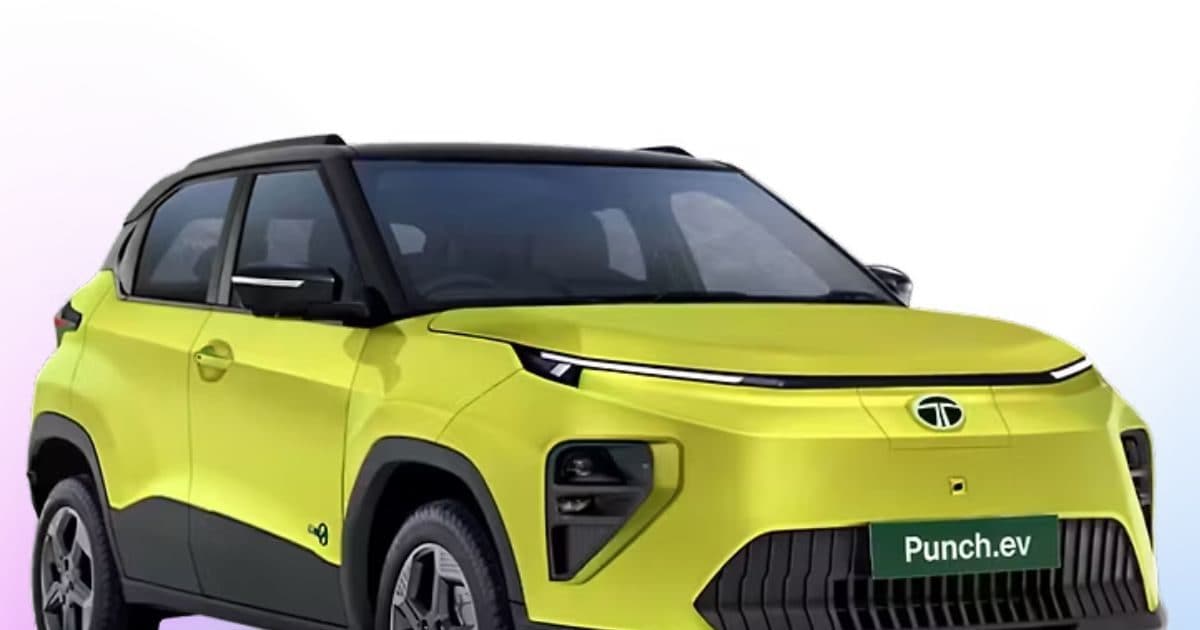
Upcoming Electric Cars In India: The demand for EVs in the country's auto market is increasing with time. Many new electric SUVs are going to be launched in 2026. The names of Tata Punch.ev (facelift), Tata Sierra.ev, Maruti e-Vitara and Toyota Urban Cruiser Ebella are included in this list.
These new electric SUVs are not only eco-friendly, but are also ready to take the market by storm with modern features, long range and affordable prices. Their price can start from Rs 10 lakh and reach Rs 20-25 lakh. Let us have a look at their possible price, design, interior, features, safety, battery, motor and range details.
Tata Punch.ev (Facelift)
The facelift version of Tata Punch.ev is expected to be launched on 20 February 2026. Its estimated price ranges from Rs 9.99 lakh to Rs 14.50 lakh (ex-showroom). This model is based on Tata's Acti.EV platform and will be available in 25kWh and 35kWh battery pack options, offering a range of 315 to 421 km.
The facelift includes design updates like a new front bumper, LED DRLs, more angular front and rear fascia. The interior can get better touchscreen infotainment system, wireless charging and ADAS features like automatic emergency braking, lane keep assist and adaptive cruise control. This SUV is perfect for city driving as its compact size and high ground clearance provide off-road capability.
Tata Sierra.ev
Tata Sierra.ev is likely to be launched by March 2026. Its price can range from Rs 15 lakh to Rs 30 lakh. It is built on the Acti.EV+ platform and will have 55kWh and 65kWh battery pack options, which give a range of more than 500 kilometers. RWD and AWD variants will be available, as well as dual-motor setup. The design includes modern touches like slick LED headlights, a large panoramic sunroof and sporty alloy wheels.
The interior will be tech-rich, with a large touchscreen, digital instrument cluster, 360-degree camera and premium audio system. The ICE version of Sierra.ev is already in the market, but the EV version will make it stronger in the electric segment. It is perfect as a family SUV, with a spacious cabin and safety features like multiple airbags and ESP.
Maruti e-Vitara
Maruti Suzuki's first full electric SUV e-Vitara will be launched soon. Its estimated price is Rs 15 lakh to Rs 22.50 lakh. It will have 49kWh and 61kWh battery packs, which provide ARAI certified range of up to 543 kilometers. This SUV will come in three trims and has received a 5-star safety rating from Bharat NCAP.
The design features SUV styling like black cladding, LED headlights and 18-inch alloy wheels. The interiors include a dual-screen setup, ventilated seats, wireless charging and ADAS features like blind spot monitoring. Maruti's extensive service network will provide it with affordable maintenance. It will compete with competitors like Creta EV and ZS EV.
Toyota Urban Cruiser Ebella
Toyota Urban Cruiser Ebella is scheduled to be launched on 16 or 19 February 2026. Its price can range from Rs 16 lakh to Rs 25 lakh. This is a rebadged version of the Maruti e-Vitara, so the specs are similar. It will get a maximum range of 543km with 49kWh and 61kWh batteries. However, Toyota has added its signature style to it.
Like different grille, headlights and interior theme. Features include hybrid-inspired tech, premium upholstery and Toyota reliability. This SUV is for those customers who want the reliability of the Toyota brand. The design of Ebella looks more premium and AWD option is not provided in it too.
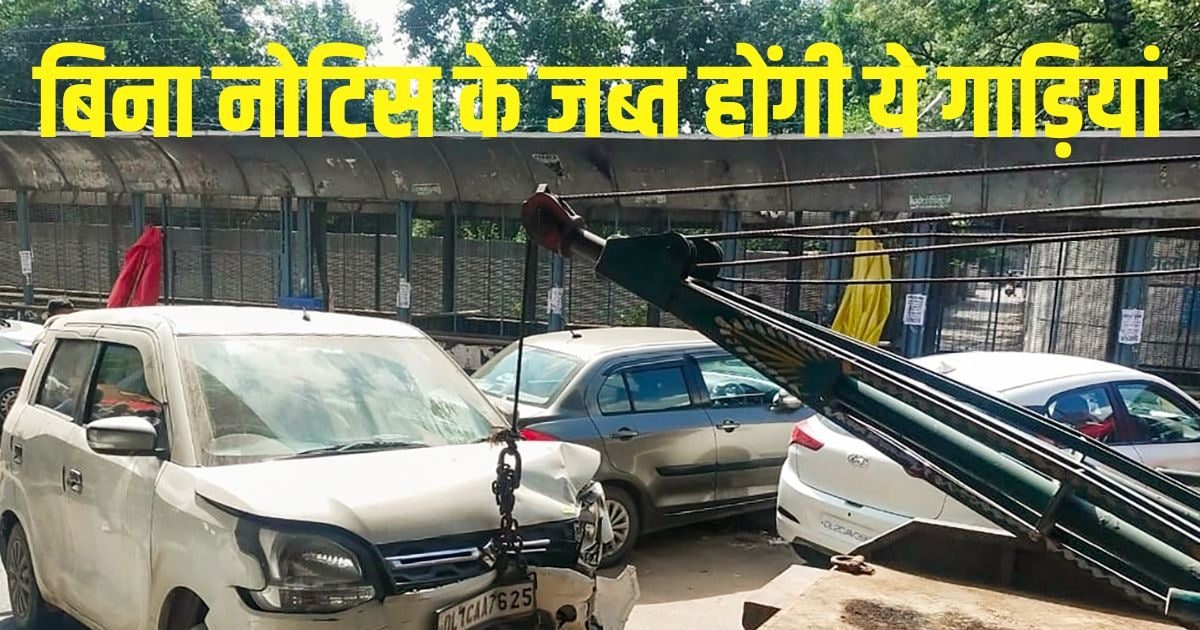
New Delhi. Now 10 year old diesel and 15 year old petrol vehicles have started being seized in the country's capital Delhi. The special thing is that whether these vehicles are moving or parked on the road, both will be confiscated. The Transport Department of Delhi Government has issued a very strict order, which may create chaos in the coming days. Now the department will have the right to confiscate your 10 year old diesel vehicle or 15 year old petrol vehicle without any prior notice. In such a situation, if you have kept these vehicles in your house then be careful now.
According to the notice of Delhi Transport Department, now whether your vehicle is found moving on the road or parked in the parking lot outside your house, the rules will apply equally to both. These seized vehicles will be sent directly for scrap. Often people have a misconception that this rule is only for cars, but the department has made it clear that this order applies to all two-wheeler scooters, bikes and four-wheelers, jeeps, commercial vehicles.
10 year old diesel and 15 year old petrol vehicles seized
If your bike is more than 15 years old, it will also come under the purview of this action. The main objective of the transport department is to reduce toxic smoke and pollution in Delhi, in which old BS-3 and below standard engines are contributing the most.
According to an estimate, there are still around 20 to 25 lakh such vehicles on the streets of Delhi and in the parking lots of homes which have completed their technical life. A large number of these are two-wheelers. Registration of lakhs of vehicles has been canceled in the last few years, but the concern of the department is that these vehicles are still present within the city, which cause pollution from time to time.
This process of removing old vehicles has not started suddenly, but there is a long legal journey behind it:
2014-2015 (NGT order): National Green Tribunal (NGT) for the first time banned the plying of 10 year old diesel and 15 year old petrol vehicles in Delhi-NCR.
2018 (Supreme Court seal of approval): The Supreme Court, while upholding the NGT order, gave strict instructions to the Transport Department that the list of such vehicles should be made public and they should be removed.
2021-22 (Registration Cancellation): Delhi government started canceling the registration of such vehicles on a large scale and released the list of 'de-registered' vehicles.
2023-24 (Extension of scrap policy): The government created authorized scrapping centers in collaboration with private vendors and lured people with tax exemption on surrendering their vehicles themselves.
2026 (Latest Decree): Now the department has adopted the 'zero tolerance' policy and has chosen the path of direct seizure and scrapping, in which no notice of any kind will be given.
How to get NOC and transfer?
If your vehicle is about to reach its end of life, then the department has kept a small way open. You can transfer your vehicle to states outside Delhi-NCR by taking No Objection Certificate (NOC) in time. But remember, once the vehicle is seized, there will be no legal way to get it back or get the NOC.
According to government data of 2025 from the Transport Department, there were about 62 lakh such registered vehicles in Delhi, which included 41 lakh two-wheelers and 18 lakh four-wheelers. But the actual number is less than one-fourth of this, as many vehicles have already been de-registered or taken out of the NCR. Now in the current situation the number of two-wheelers may be around 2-3 lakh.
फरवरी की एक अँधेरी सुबह में, मर्सिडीज-बेंज के विशाल अनटरटुएरखिम संयंत्र में, शुरुआती शिफ्ट के लिए आने वाले श्रमिकों का स्वागत वहाँ के कार्यकर्ताओं द्वारा किया जाता है। ज़ेंट्रमधुर दक्षिणपंथी अल्टरनेटिव फॉर जर्मनी से संबद्ध एक स्वयंभू संघ (एएफडी) दल।
फ़ैक्टरी के चुनाव से पहले वे जो पुस्तिका बाँट रहे हैं उसमें लिखा है, “गेम-चेंजर”। कार्य परिषदजिस पर ज़ेंट्रम इसका उद्देश्य मुख्यधारा की यूनियनों को चुनौती देना है, जो ऑटोमोटिव उद्योग को हजारों नौकरियों में कटौती से बचाने में विफल रही हैं।
वर्तमान में ऑटो यूनियन राजनीति के हाशिए तक ही सीमित, धुर दक्षिणपंथी जर्मनी के पावरहाउस उद्योग में श्रमिकों के बीच चिंताओं का फायदा उठाकर जमीनी स्तर पर प्रभाव बनाने की उम्मीद कर रहे हैं जिससे मदद मिल सके। एएफडी राष्ट्रीय मंच पर. देश के कार निर्माता ईवी में बदलाव और चीनी प्रतिस्पर्धा से जूझ रहे हैं।
ओलिवर ने कहा, “हमने खुद को स्थापित कर लिया है।” हिलबर्गर56, जिन्होंने 2009 में ज़ेंट्रम की स्थापना की और स्वयं स्टटगार्ट में संयंत्र में काम करते हैं।
रॉयटर्स ने करीब एक दर्जन ट्रेड यूनियनों से बात की और कार्य परिषद हर चार साल में जर्मनी भर की कंपनियों द्वारा आयोजित होने वाले चुनावों से पहले ऑटो क्षेत्र के प्रतिनिधियों और अधिकारियों के साथ-साथ राजनेताओं और कार्यकर्ताओं की भी बैठक हुई।
जर्मनी के 16 राज्यों में से एक के प्रधान मंत्री, राष्ट्रीय गवर्निंग गठबंधन के कई वरिष्ठ सदस्य और संघ के प्रतिनिधि उन लोगों में शामिल थे जिन्होंने कहा कि वे चिंतित हैं कि मार्च से मई तक होने वाले वोटों में दूर-दराज़ को लाभ मिलेगा।
एएफडी, जिसे पिछले साल संघीय अधिकारियों द्वारा “दक्षिणपंथी चरमपंथी” के रूप में वर्गीकृत किया गया था, जर्मनी की राजनीतिक मुख्यधारा से अलग हो गया है।
राज्य के प्रमुख ने स्वतंत्र रूप से बोलने के लिए अपनी पहचान बताने से इनकार करते हुए कहा, “अगर एएफडी के करीबी समूह कंपनियों में मजबूत पकड़ बना सकते हैं तो यह चिंता का कारण होना चाहिए।”
कार्य परिषदें कॉरपोरेटवादी मॉडल का एक स्तंभ हैं, जिसके समर्थकों का कहना है कि द्वितीय विश्व युद्ध के बाद जर्मनी में स्थिरता और समृद्धि को बढ़ावा देने में मदद मिली, जिससे लगभग 37 प्रतिशत कर्मचारियों को कंपनियों के भीतर औपचारिक आवाज मिली।
मर्सिडीज और जैसी कंपनियों की मुख्य यूनियन आईजी मेटल के अधिकारी वोक्सवैगनकहते हैं कि कई धुर दक्षिणपंथी उम्मीदवार ऑटो उद्योग के दक्षिणी हृदय क्षेत्र में कार्य परिषदों के चुनाव में खड़े होने की योजना बना रहे हैं।
हालाँकि कुछ लोग केवल एएफडी से जुड़े हुए हैं, लेकिन वे पार्टी को – जो राष्ट्रव्यापी जनमत सर्वेक्षणों में अग्रणी है और इस साल पांच राज्यों के चुनावों में बढ़त हासिल करने की राह पर है – कार्यकर्ताओं को लुभाने के लिए एक बड़ा मंच दे सकते हैं।
धुर-दक्षिणपंथ का मुकाबला करने के लिए आईजी मेटल पहल का हिस्सा लुकास हेज़ेल ने कहा, “एक वर्क्स काउंसलर हर तिमाही में एक बार वर्क्स असेंबली में हजारों लोगों के सामने एएफडी तर्क पेश कर सकता है।” “यह एक स्थानीय पार्षद की तुलना में कहीं अधिक मूल्यवान राजनीतिक पद है।”
अवसर की तलाश में, एएफडी सबसे स्थापित धुर-दक्षिणपंथी श्रमिक आंदोलन ज़ेंट्रम को और अधिक समर्थन दे रहा है।
एएफडी के उप संसदीय नेता ने कहा, “यदि आप एक समाज को आकार देना चाहते हैं, तो अकेले चुनाव पर्याप्त नहीं हैं।” सेबस्टियन मुएनज़ेनमैयर राइनलैंड-पैलेटिनेट में 22 मार्च के राज्य चुनाव से पहले एक पार्टी कार्यक्रम में ज़ेंट्रम की मेजबानी करने के बाद।
“आपको एक मोज़ेक की ज़रूरत है – पार्टी, एक ट्रेड यूनियन, सांस्कृतिक पहल, शायद एक संगीतकार, एक प्रकाशक, एक किताब की दुकान। प्रत्येक की अपनी भूमिका है, लेकिन सभी एक ही दिशा में आगे बढ़ते हैं।”
मर्सिडीज, वोक्सवैगन और VW के स्वामित्व वाली ऑडी ने कार्य परिषद चुनावों पर सीधे टिप्पणी करने से इनकार कर दिया, लेकिन सहिष्णुता और विविधता जैसे लोकतांत्रिक मूल्यों की वकालत करते हुए बयान जारी किए।
कंपनी के एक प्रवक्ता ने कहा, “एएफडी आर्थिक नीतियों और कुछ मामलों में संवैधानिक और ज़ेनोफोबिक पदों की भी वकालत करता है जो मर्सिडीज-बेंज के मूल्यों के साथ असंगत हैं।”
कुछ पर्यवेक्षकों ने बड़ी यूनियनों के कमजोर होने पर लोकतंत्र के लिए व्यापक खतरे की चेतावनी दी है, जो कि महामंदी के दौरान श्रमिक आंदोलनों के विखंडन के साथ समानताएं दर्शाते हैं, जिसने 1930 के दशक में नाज़ीवाद के खिलाफ संगठित होने की उनकी क्षमता को कम कर दिया था।
कैसल यूनिवर्सिटी के ट्रेड यूनियन विशेषज्ञ क्लाउस डोएरे ने कहा, “यह मान लेना कि यूनियनें अगले कार्य परिषद चुनावों में केवल काली नजर के साथ जीत हासिल करेंगी, घातक होगा।” “एक सफलता की संभावना मौजूद है।”
अनटरटुएरखिम में, कुछ कार्यकर्ता चार ज़ेंट्रम कार्यकर्ताओं के आगे से आगे निकल जाते हैं लेकिन कई लोग अभियान सामग्री स्वीकार कर लेते हैं।
“हम 800 फ़्लायर्स से गुज़रे हैं,” हिलबर्गर कहते हैं, अपनी वैन से एक और बक्सा लाते हुए।
बड़ी यूनियनें, जो खुद को गैर-पक्षपातपूर्ण बताती हैं, लेकिन स्पष्ट रूप से सामाजिक न्याय और नस्लवाद और दूर-दक्षिणपंथी उग्रवाद के विरोध जैसे मूल्यों की रक्षा करती हैं, पारंपरिक रूप से कार्य परिषद चुनावों पर हावी रही हैं।
एएफडी का कहना है कि यूनियनें वामपंथी एजेंडे पर काम करती हैं जो अब आम श्रमिकों का प्रतिनिधित्व नहीं करता है, और संसदीय जांचों की एक श्रृंखला के माध्यम से उन्हें बदनाम करने की कोशिश की गई है।
हिलबर्गर ने एक साक्षात्कार में कहा, “आज, अब सिगार-धूम्रपान फैक्ट्री का मालिक नहीं है जो लोगों को धमकाता है। आज, लोग गलत राय रखने पर एक शक्तिशाली कार्य परिषद से अधिक डरते हैं।”
मर्सिडीज श्रमिकों को सौंपे गए पत्रक में आईजी मेटल पर आरोप लगाया गया है, जिसमें 2 मिलियन से अधिक सदस्य हैं, जो नौकरी में कटौती बढ़ने पर खड़े हैं, लेकिन संकट को ठीक करने के लिए कुछ ठोस प्रस्ताव पेश करते हैं।
ज़ेंट्रम, जिसकी एक संघ के रूप में स्थिति विवादित है क्योंकि यह सामूहिक सौदेबाजी वार्ता में भाग नहीं लेती है, हिलबर्गर ने कहा, वर्तमान में देश भर में हजारों में से लगभग 150 कार्य परिषद सदस्य और 15 सहयोगी हैं। सात अनटेरटुएरखिम में हैं, जहां इस साल 207 उम्मीदवार खड़े होंगे, जो 2022 की तुलना में कुछ अधिक है।
हिलबर्गर ने कहा, ज़्विकाउ में वोक्सवैगन के ऑल-इलेक्ट्रिक प्लांट में एक संबद्ध समूह 24 उम्मीदवारों को मैदान में उतारेगा, जो 2022 में आठ से अधिक है, जबकि ऑडी इंगोलस्टेड में ज़ेंट्रम के तीन उम्मीदवार ऑटो सेंटर बवेरिया में सफलता हासिल कर सकते हैं।
हिलबर्गर उम्मीदवारों की कुल संख्या नहीं बता सके।
डोएरे ने कहा, “ये शोकेस कंपनियां हैं, यहां सफलता प्रतीकात्मक रूप से महत्वपूर्ण है।” “अगर वे मर्सिडीज या वोक्सवैगन में सफल हो सकते हैं, तो यह संकेत देता है कि शायद वे एक ताकतवर ताकत हैं।”
कार निर्माण में संकट स्थापित पार्टियों और ट्रेड यूनियनों से निराश श्रमिकों से विरोध वोट हासिल करने का मौका दे सकता है।
हिलबर्गर ने कहा, जहां सप्ताहांत फुटबॉल के नतीजे दुकान के फर्श पर होने वाली चर्चा पर हावी होते थे, अब “बातचीत तुरंत और लगभग विशेष रूप से राजनीति में बदल जाती है”।
एएफडी ने शुरू में ज़ेंट्रम को, जिसके नेता हिलबर्गर ने वर्षों तक स्किनहेड बैंड में गिटार बजाया था, उन संगठनों की “असंगतता” सूची में रखा, जिनके साथ काम करना बहुत कठिन था। सदस्यों ने 2022 में इसे हटाने के लिए मतदान किया, जब पार्टी दाहिनी ओर स्थानांतरित हो गई।
जेन्स केलर, हनोवर में एक नगर पार्षद, कई एएफडी अधिकारियों में से एक हैं जो ज़ेंट्रम कार्यकर्ता भी हैं।
लीपज़िग विश्वविद्यालय के राजनीतिक विश्लेषक आंद्रे श्मिट ने कहा, “एएफडी ने उन सभी लोगों की खोज कर ली है जो उनके पास पहले से हैं… वे अब तेजी से चाहते हैं कि वे कार्यस्थल की राजनीति में सक्रिय हों।”
पिछले साल के संघीय चुनाव के बाद इन्फ्राटेस्ट डिमैप के एक एग्जिट पोल से पता चला कि लगभग 38 प्रतिशत ब्लू-कॉलर कार्यकर्ताओं ने एएफडी को वोट दिया, जो 2021 से 17 प्रतिशत अंक अधिक है, जबकि केवल 12 प्रतिशत ने केंद्र-वाम सोशल डेमोक्रेट को चुना।
वीडीए ऑटोमोटिव इंडस्ट्री एसोसिएशन के प्रमुख हिल्डेगार्ड म्यूएलर ने चेतावनी दी है कि नौकरी की असुरक्षा और नीति निर्माता की निष्क्रियता को देखते हुए “सरल, लोकलुभावन और भावनात्मक रूप से चार्ज किया गया” दूर-दराज का संदेश प्रेरक साबित हो सकता है।
उन्होंने कहा, “यह केवल एएफडी ही नहीं है जो फैक्ट्री के गेट पर इंतजार कर रहा है; एएफडी के करीबी प्रतिनिधि भी सूची में शामिल होंगे।”
पारंपरिक यूनियनें वापस लड़ रही हैं: हेज़ल ने कहा कि उन्होंने कार्यस्थल अतिवाद का मुकाबला करने के लिए 2019 में आईजी मेटल द्वारा स्थापित एसोसिएशन फॉर द प्रिजर्वेशन ऑफ डेमोक्रेसी के लिए 10 लोगों को काम पर रखा है। उनका तर्क है कि ज़ेंट्रम जैसे समूह दिखावटी यूनियन हैं जिनका लक्ष्य श्रमिकों के हितों को कायम रखना नहीं बल्कि व्यवधान पैदा करना है।
क्रिश्चियन ट्रेड यूनियन कन्फेडरेशन (सीजीबी) ने चेतावनी दी है कि कुछ कार्य परिषद के उम्मीदवार एएफडी से संबंधों का खुलासा नहीं कर रहे हैं, उन्हें “ज़ेंट्रम से अधिक खतरनाक बताया गया है, जिनकी एएफडी से निकटता कम से कम ज्ञात है”।
सीजीबी के मेटलवर्कर्स यूनियन के स्लेट पर मार्च 2025 में चुने गए एक ओपल रुसेल्सहेम वर्क्स काउंसिल सदस्य के बाद में दूर-दराज़ समूहों से संबंध होने की सूचना मिली थी।
1990 के दशक के बाद से ट्रेड यूनियन का घनत्व लगभग आधा हो गया है, लगभग 14 प्रतिशत जर्मन कर्मचारी, और एएफडी ने नागरिक समाज और राजनीति में उनकी अंतर्निहित भूमिका को चुनौती दी है।
श्मिट ने कहा, “यूनियन ही एकमात्र ऐसी संस्था है जो अभी भी श्रमिकों की आवाज़ बनने के लिए उनके साथ प्रतिस्पर्धा कर रही है।”
15 फरवरी, 2026 को 01:12 अपराह्न IST पर प्रकाशित
2M+ उद्योग पेशेवरों के समुदाय में शामिल हों।
अपने इनबॉक्स में नवीनतम जानकारी और विश्लेषण प्राप्त करने के लिए न्यूज़लेटर की सदस्यता लें।
ETAuto उद्योग के बारे में सब कुछ सीधे आपके स्मार्टफोन पर!
Auto News Weekly Wrap-Up: The second week of February 2026 was much better for the Indian auto market. On one hand, Tata Motors has introduced its cheapest electric SUV in a new avatar. At the same time, a news has also come that India is now moving towards adopting WLTP testing cycle, which is an effort to make fuel efficiency and emissions more realistic.
Apart from this, spy shots of SKODA Slavia Facelift have also been revealed, which indicate updates in design and features. Finally, the MG Majestor has finally been introduced after a long wait. Let us know about this week's top news one by one.
Tata Punch EV facelift seen
Tata Motors has recently teased the Punch EV facelift through pictures. It will be launched on 20 February 2026. This model will have updated styling and a fully electric approach, which is perfect for urban driving. In the facelift version, a range of 563 kilometers can be obtained on a single charge, which is more than before. The exterior includes a cleaner closed grille, sharper looks and Y-shaped LED DRLs.
The interior features a large central touchscreen, digital instrument cluster and a dual-spoke steering wheel. This model will strengthen Tata's EV range, especially in the budget-friendly segment. Prices could start around Rs 10 lakh and it is going to be smaller than the Nexon EV but feature-packed. The spy shots reveal that it is completely uncamouflaged, which is adding to the excitement ahead of the launch.
India will adopt WLTP testing cycle
The Government of India has decided to adopt WLTP (Worldwide Harmonized Light Vehicle Test Procedure) from April 2027. This new protocol will be applicable to all M1 category vehicles like cars, SUVs and MPVs. Modified Indian Driving Cycle (MIDC) is currently used, but WLTP better reflects real-world driving.
This cycle, implemented in Europe since 2018, will make fuel efficiency and emissions more accurate, thereby providing correct information to consumers, BS6 vehicles will have to undergo this new test, but EVs will remain on MIDC for now. This change will also affect the Corporate Average Fuel Efficiency (CAFE) norms, which is an important step towards environmental protection.
Skoda Slavia facelift seen
Testing pictures of Skoda Slavia facelift have been revealed. It can be launched in May 2026. The fully camouflaged test mule shows updates to the LED headlights, revised grille and integrated lighting elements. Features may include electric sunroof, 6-way powered and ventilated front seats, 10.1-inch touchscreen and AIDS suite.
The design will have reworked bumpers, new alloy wheels and revised taillights. There will be no mechanical changes, but the price will remain between Rs 12 to 19 lakh. This update will make Slavia stronger in competition with Honda City and Hyundai Verna. The price may also increase slightly compared to the current model.
Entry of MG Majestor
MG Motor India has unveiled the Majestor SUV, which is the flagship model above the Gloster. It is in the D+ segment, which has a 215 bhp diesel engine, advanced off-roading tech and 4X4 capability. The exterior has a heavily redesigned front, connected LED taillamps and thick cladding.
The interior features an all-black theme, heated/massaging seats and locking differentials. It will come in 6 or 7-seater option and the price can potentially start from Rs 50 lakh. The company has started taking bookings for a token amount of only Rs 41 thousand and the delivery will start from May 2026.
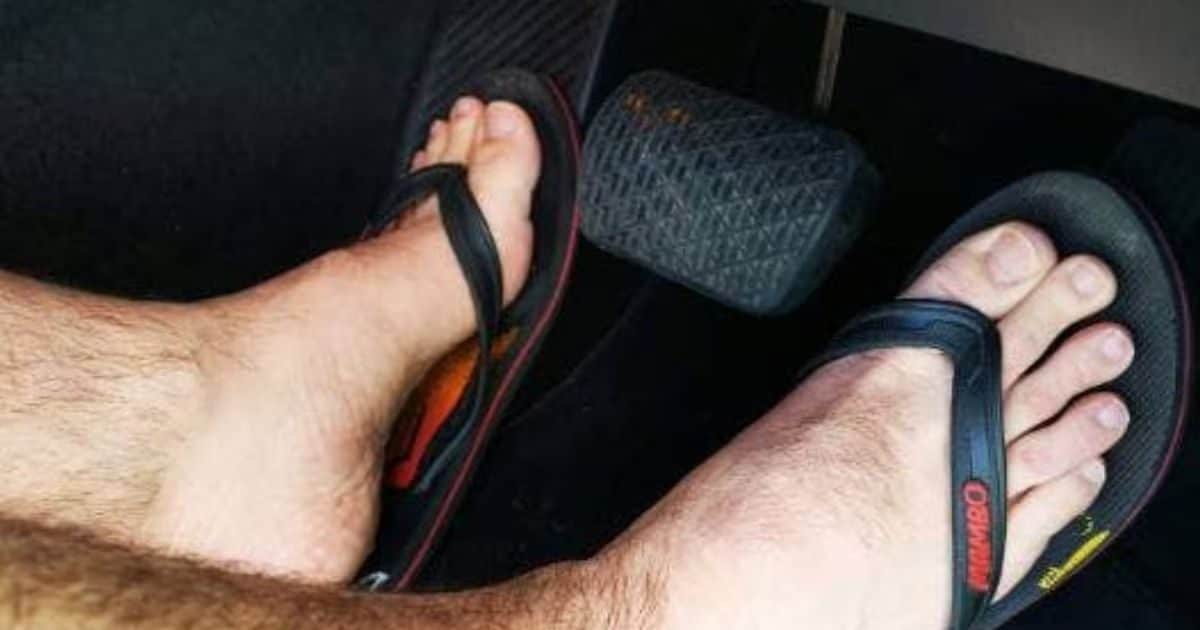
There are many rumors and misconceptions about road safety in India. One of the main questions is whether the traffic police can issue a challan for driving while wearing slippers? If you also have this question in your mind, then today you will get the answer. We will know what the rules say about this and whether experts recommend driving wearing slippers or not?
There were some changes in traffic rules in 2019. At that time, many fake claims went viral after the amendments in the Act. Like a fine of Rs 1000 for driving in slippers, wearing a half-sleeved shirt, driving in a lungi-vest, not keeping an extra bulb in the car and getting a challan for having dirty mirrors? Come, let us know what is the reality?
What does the rule say?
If we look at the Motor Vehicle Act, 1988 and its rules, there is mention of essentials like helmet and seat belt in Section 129, but there is no clear provision regarding footwear. Section 184 deals with dangerous driving, in which if any footwear affects the driver's control and causes an accident, a fine can be imposed up to Rs 1000 for the first time and Rs 2000 for the second time.
However, challan cannot be issued merely on the basis of wearing slippers. In many states, traffic police sometimes issue challan out of misunderstanding, but this can be challenged in court. For example, if slippers slip and get stuck in the brake pedal, this may be considered dangerous driving, but not in normal circumstances. If a policeman issues a wrong challan, you can complain on the e-challan portal or go to court.
What do experts say?
There is no legal restriction, but keeping safety in mind, we should not drive wearing slippers. The slippers can slip easily, the grip on the pedals may reduce and there may be problem in emergency braking. According to the reports of the World Health Organization (WHO), footwear plays an important role in road accidents.
Lakhs of accidents happen every year in India and small carelessness becomes the cause of big accidents. Traffic experts say that drivers should wear closed shoes or sandals, which provide good grip. If you drive in slippers, be cautious. The law will support you, but safety is your responsibility.
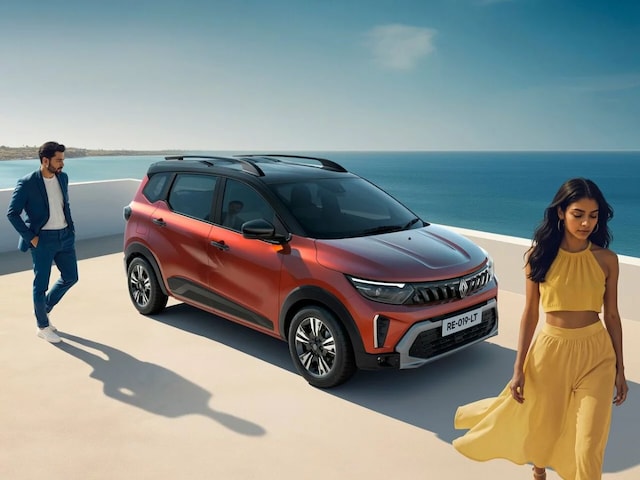
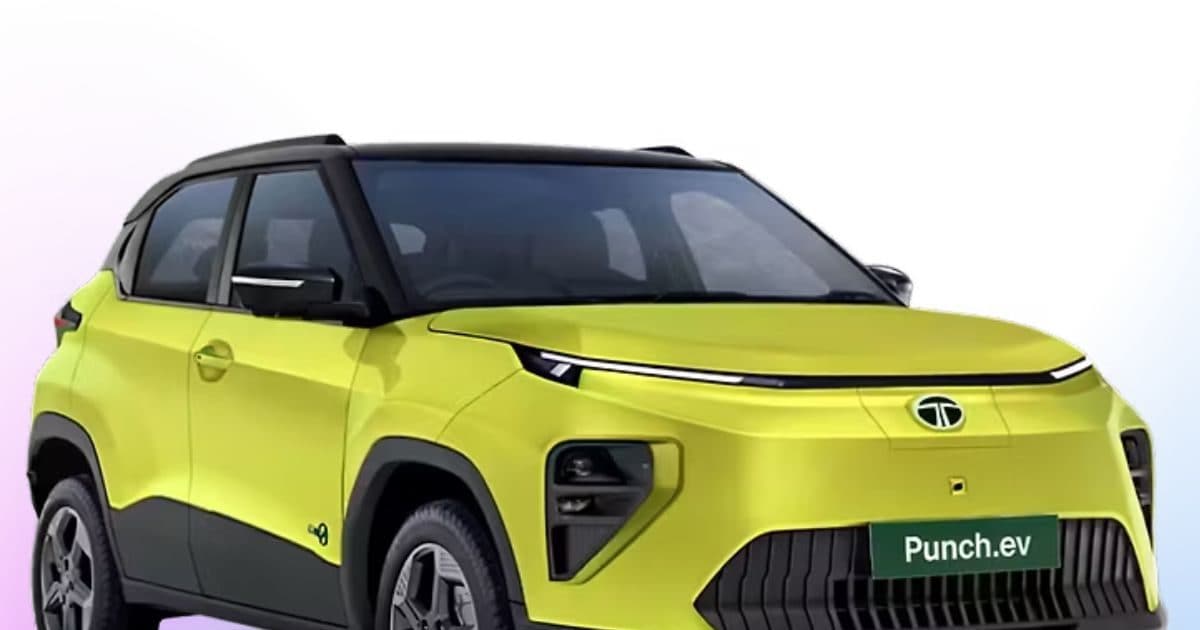
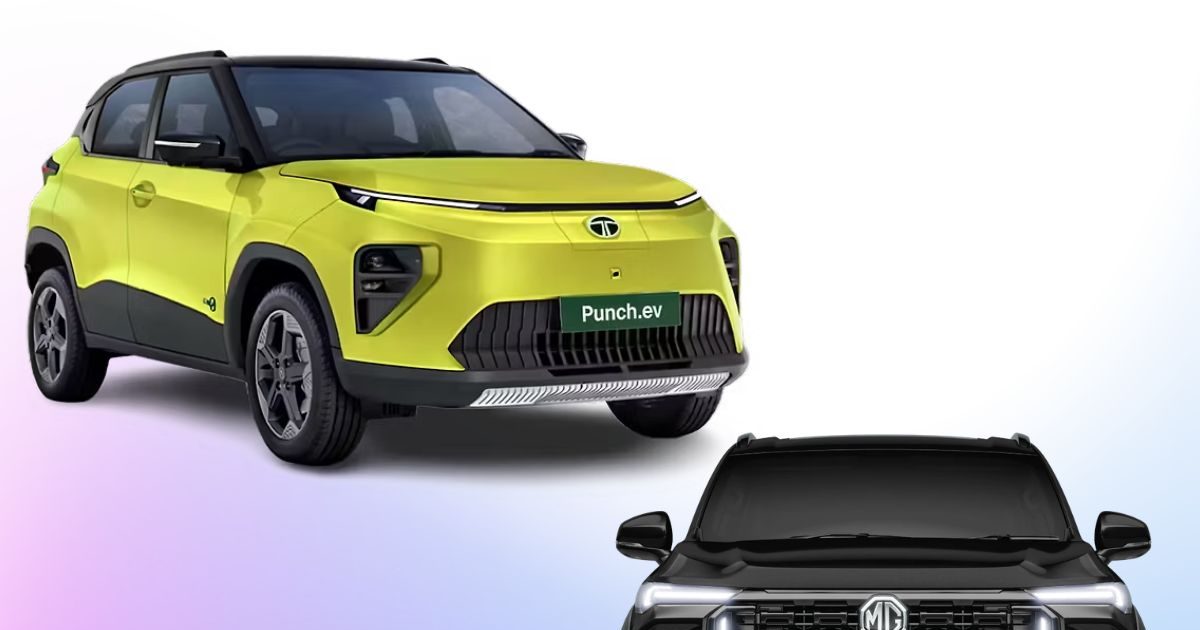
The 2026 Tata Punch EV Facelift has recently been spotted without any camouflage. This model is going to be launched on 20 February 2026 and is an updated version of Tata Motors' popular compact SUV. The current Punch EV is priced between Rs 9.99 lakh to Rs 14.44 lakh (ex-showroom), while the facelift may be priced slightly higher. It may come with premium design updates, better features and possible range improvement.
The exterior design of Tata Punch EV facelift looks more modern and neat-clean. At the front, the black strip has been replaced by a sealed-off grille, which is joined by a full-width LED light strip between the headlamps. The bumper has been redesigned, which includes a larger air dam, larger headlamp cluster with black surround and a new 'textured' faux silver skid plate. Come, let us know about the updates made in it.
design update
The spy image shows that the charging flap remains on the nose, while the slim DRL and Y-shaped LED DRL remain unchanged. The side profile remains almost the same, but some variants may get new aero-optimized alloy wheels (195/60 R16). At the rear, there is an LED light bar carried over from the ICE Punch facelift, along with a redesigned bumper. New color options include Brown, Bright Yellow, Sunlit Yellow (with black roof) and Fearless Red dual-tone (black roof). In the market it will compete with competitors like Citroen eC3.
interior update
There are minor but effective changes on the interior, which make the cabin more premium and comfortable. The layout is similar to the current model, but the AC vents have been redesigned, new upholstery choices and the seats have better thigh support. The two-spoke steering wheel has illuminated logo, piano black center console, center screen with rotary drive selector, touch-sensitive AC control panel, contoured door panels and angular air vents with silver accents. The cabin theme and trims have been updated, providing a better ambience to the passengers. Overall, it will be spacious and user-friendly for family use.
How much difference in features
The list of features has become stronger in the facelift. The main highlight is the large 12.3-inch touchscreen infotainment system with the new UI. It will get a 10.25-inch digital instrument cluster with updated graphics, powered driver seat and possibly updated sound system. Existing features like voice-enabled electric sunroof, ventilated front seats, wireless charger, multi-colour ambient lighting, air purifier, auto headlamps, connected car tech and arcade.ev suite will remain. All this together makes it the most feature-rich EV in the segment.
How much better will the safety be?
In terms of safety, Punch EV facelift is strong. It gets 6 airbags, electronic stability control (ESC), hill hold assist, all-wheel disc brakes, electronic parking brake with auto-hold, 360-degree camera and front/rear parking sensors. For the first time, Level 2 ADAS features like autonomous emergency braking, lane keep assist and adaptive cruise control can be available. However, this is not confirmed yet. Maintaining the 5-star Bharat NCAP rating of the current model, it will remain a safe option in the segment.
Battery, Motor and Range
There are no major changes mechanically. It will come with two battery options – 25kWh (standard) and 35kWh (long range). The front-mounted electric motor with a 25kWh battery produces 82PS of power and 114Nm of torque, while the 35kWh produces 122PS of power and 190Nm of torque. MIDC certified range is 315km for 25kWh and 421km for 35kWh.
Charging includes 3.3kW wall box, 7.2kW fast charger and DC fast charging (50kW to 10-80% in 56 minutes). In terms of performance, the Long Range variant accelerates from 0-100kmph in less than 9.5 seconds, while the standard one will be able to accelerate in 13.5 seconds. It is suitable for both city and highway. Let us tell you that these details are tentative. The company is still expected to get official confirmation.
Maruti Suzuki is the largest car selling company in the country. Last month also he did a huge sale. A total of 1,74,529 units have been sold in January 2026. This figure represents an annual increase of 1 percent compared to the total 1,73,599 units sold by Maruti in January 2025.
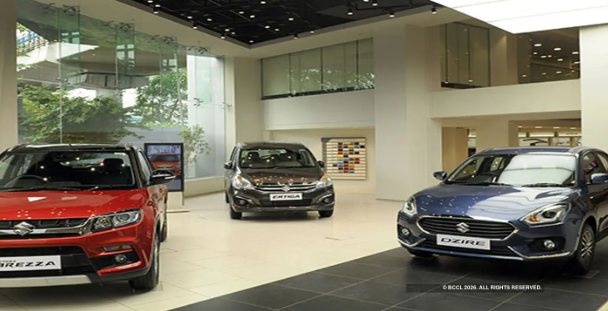
On one hand, Maruti Swift was the best selling car of the company. At the same time, there has been a huge increase in the sales of Maruti Brezza, Ertiga and Dzire. Apart from this, sales of Maruti Baleno, Frontx and Wagon R have also decreased. Let us look at the Model Wise Sales Report of the company.
Maruti Swift
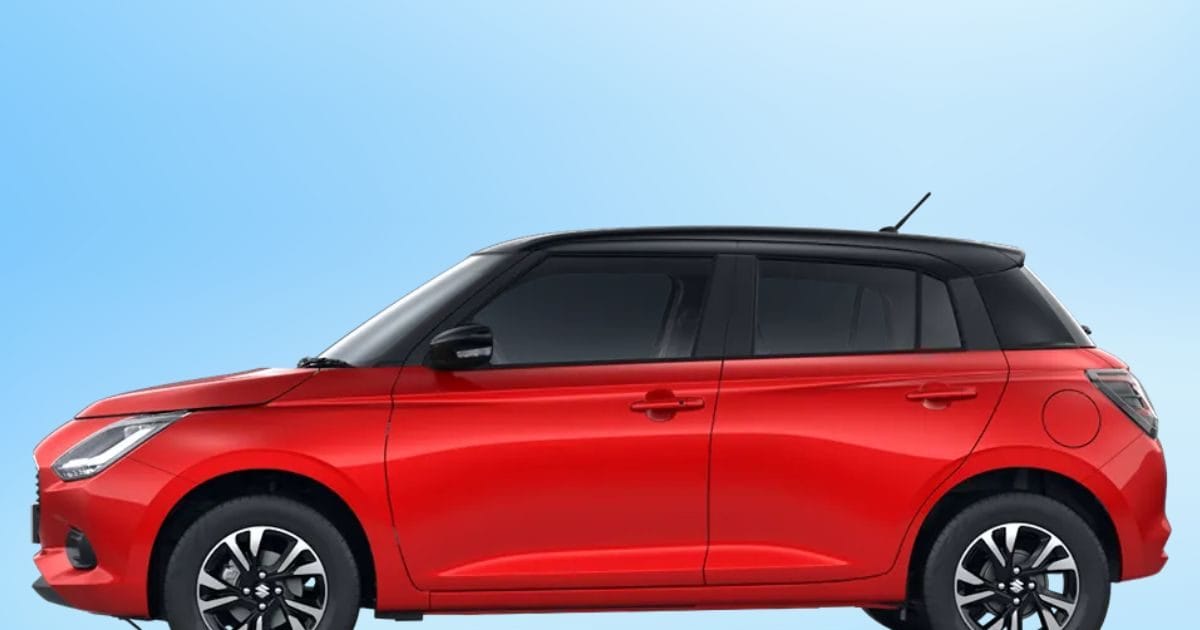
Maruti Swift is at number one in the list. This popular hatchback has got 17,806 new customers last month. This figure shows a slight increase of 4 percent on an annual basis as compared to the total 17,081 units sold in January 2025.
The price of Maruti Swift starts from Rs 6.49 lakh and goes up to Rs 9.64 lakh (ex-showroom). The design is sporty. It has LED headlamps and C-shaped taillamps. The interior is black themed. It has a touchscreen and flat-bottom steering. Features include cruise control, wireless charger and auto climate. Safety includes 6 airbags, ABS, ESP. The engine is 1.2L petrol (81 BHP), which is capable of giving a mileage of 24.8-25.75 kmpl. In CNG it gives a claimed mileage of up to 32.85 km/kg.
Maruti Baleno
Baleno is at second place in terms of sales. This popular hatch was purchased by 16,782 people last month. This figure shows a decline of 16 percent on an annual basis as compared to the total 19,965 units sold in January 2025.
Maruti Brezza
Brezza is at number three in terms of sales. This affordable SUV got 17,486 new customers in January 2026. This figure represents an increase of 19 percent year-on-year from the total 14,747 units sold in January 2025.
Maruti Ertiga
Ertiga is at number four in the list. This 7-seater car has got 17,892 new customers last month. This figure shows a significant increase of 26 percent on an annual basis compared to the total 14,248 units sold in January 2025.
Maruti Dzire
On the basis of increase in sales, Dezire has registered its name in the list of top-5 cars of the company. It has got 19,629 new customers last month. This figure shows an annual increase of 28 percent as compared to 15,383 units sold in January 2025.
Apart from the top-5 cars of the company mentioned above, there are 13,353 units of Maruti Fronx, 15,118 units of Maruti Wagon R, 11,914 units of Maruti Eeco, 7,030 units of Maruti Grand Vitara, 15,240 units of Maruti Victoris, 12,314 units of Maruti Alto, 3,820 units of Maruti XL6, 591 units of Maruti Jimny. Units, 1,902 units of Maruti Ignis, 1,501 units of Maruti Celerio, 1,954 units of Maruti S-Presso and 197 units of Maruti Invicto have been sold.
Hyundai is one of the most popular car companies in the Indian market. They did good sales last month also. The company has sold a total of 59,107 vehicles in January 2026. This figure represents an annual increase of 9.45 percent compared to the total 54,003 units sold in January 2025.
If we look at the sales report, Hyundai Creta was the best selling SUV of the company. At the same time, sales of Venue and Aura have also increased. Apart from this, the sales of Exter and Alcazar have decreased. Let us take a look at the Model Wise Sales Report of the company.
Hyundai Creta/EV
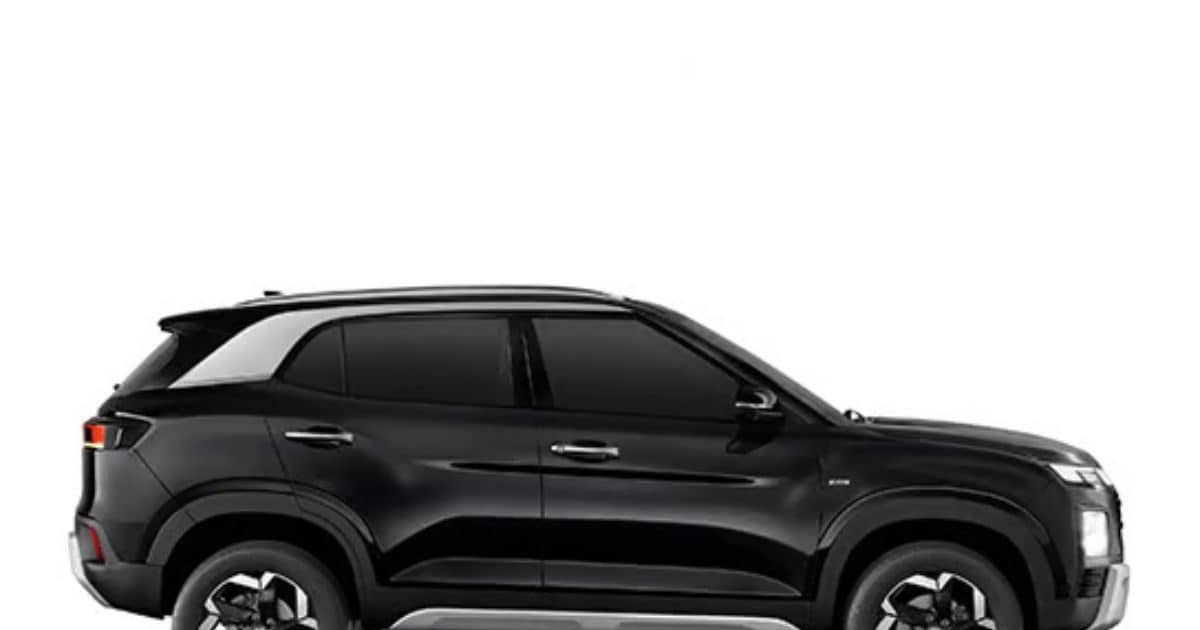
As told to you, Creta is at number one in the list. It got 17,921 new customers last month. This figure shows a decline of 3 percent on an annual basis as compared to the total 18,522 units sold in January 2025.
The price of Hyundai Creta ranges from Rs 10.79 lakh to Rs 20.20 lakh (ex-showroom). The interior is spacious with ventilated seats, panoramic sunroof, 10.25-inch touchscreen and Bose sound system. Features include ADAS, wireless charging, Blue Link connectivity and 6 airbags, ESC and ABS for safety. Engine options are 1.5L petrol (113 bhp, 17.4 kmpl), 1.5L diesel (114 bhp, 21.8 kmpl) and 1.5L turbo petrol. Maximum claimed mileage is 21.8 KMPL.
Hyundai Venue
Venue is at second place in terms of sales. This small SUV was bought by 12,413 people last month. This figure shows a slight increase of 11 percent on an annual basis as compared to the total 11,106 units sold in January 2025.
Hyundai Aura
Aura is at number three in the list. A total of 7978 units have been sold in January 2026. This figure shows an impressive increase of 48 percent on an annual basis compared to the total 5388 units sold in January 2025.
Hyundai Grand i10
Grand i10 is at number four in the list. 7710 people bought it last month. This figure shows an impressive increase of 45 percent on an annual basis compared to the total 5311 units sold in January 2025.
Hyundai i20
Due to increase in sales, Hyundai i20 has registered its name in the list of top-5 cars. It got 5677 new customers last month. This figure represents an annual increase of 19.74 percent compared to the total 4741 units of i20 sold in January 2025.
Apart from the top-5 cars of the company mentioned above, last month 5621 units of Hyundai Exter, 962 units of Alcazar, 823 units of Verna and only 1 unit of Ioniq were sold. At the same time, Hyundai Tucson did not find any customer.
मारुति सुजुकी ने जनवरी में 1.7 लाख इकाइयों की बिक्री के साथ पीवी सेगमेंट का नेतृत्व किया।
उद्योग संगठन सोसायटी ऑफ इंडियन ऑटोमोबाइल मैन्युफैक्चरर्स (सियाम) ने शुक्रवार को कहा कि जीएसटी दरों को तर्कसंगत बनाए जाने और कीमतों में गिरावट के कारण जनवरी में कंपनियों से डीलरों तक घरेलू यात्री वाहन (पीवी) की डिलीवरी सालाना आधार पर 13 प्रतिशत बढ़कर 4,49,616 इकाई हो गई, जबकि मांग मजबूत बनी हुई है।
पिछले महीने बिक्री वृद्धि में उपयोगिता वाहनों का योगदान रहा। पिछले महीने इस खंड की थोक बिक्री बढ़कर 2.5 लाख इकाई हो गई, जो कि एक साल पहले की अवधि में 2.1 लाख इकाई थी, जो 16 प्रतिशत की वृद्धि दर्शाती है। जनवरी में वैन की बिक्री बढ़कर 11,914 इकाई हो गई, जो पिछले साल इसी महीने में 11,250 इकाई थी। हालाँकि, यात्री कार डिस्पैच जनवरी में साल-दर-साल 5 प्रतिशत घटकर 1.2 लाख यूनिट रह गई।
मारुति सुजुकी ने जनवरी में 1.7 लाख इकाइयों की बिक्री के साथ पीवी सेगमेंट का नेतृत्व किया। सियाम ने कहा कि पिछले महीने दोपहिया वाहनों की बिक्री 26 प्रतिशत बढ़कर 19.3 लाख इकाई हो गई, जो पिछले साल जनवरी में 15.3 लाख इकाई थी।
सियाम के महानिदेशक राजेश मेनन ने कहा, “यात्री वाहनों, दोपहिया और तिपहिया वाहनों ने जनवरी 2025 की तुलना में जनवरी 2026 में दोहरे अंक की वृद्धि के साथ अपनी अब तक की सबसे अधिक बिक्री दर्ज की।” उन्होंने कहा कि नए साल की शुरुआत सकारात्मक रही है, जो पिछली तिमाही में देखी गई मजबूत गति को बढ़ा रही है, जिसे जीएसटी दर में कटौती के बाद निरंतर मांग का समर्थन मिला है।
मेनन ने कहा कि मौजूदा नीतिगत प्रतिकूलताओं के साथ-साथ भारत के विनिर्माण आधार को मजबूत करने के लिए केंद्रीय बजट 2026 में घोषित पहल से इस क्षेत्र को दीर्घकालिक लाभ मिलने और मध्यम अवधि में विकास को समर्थन मिलने की उम्मीद है। जीएसटी परिषद ने पिछले साल 22 सितंबर, नवरात्रि के पहले दिन से प्रभावी स्लैब को 5 प्रतिशत और 18 प्रतिशत तक सीमित करने को मंजूरी दे दी।
जीएसटी दर के युक्तिकरण के कारण कंपनियों ने वाहन की कीमतों में कटौती की। कीमतों में कटौती के कारण आगामी त्योहारी अवधि में रिकॉर्ड बिक्री हुई और बिक्री की गति अब नए साल में भी बढ़ गई है। एजेंसियां
14 फरवरी, 2026 को 04:02 अपराह्न IST पर प्रकाशित
2M+ उद्योग पेशेवरों के समुदाय में शामिल हों।
अपने इनबॉक्स में नवीनतम जानकारी और विश्लेषण प्राप्त करने के लिए न्यूज़लेटर की सदस्यता लें।
ETAuto उद्योग के बारे में सब कुछ सीधे आपके स्मार्टफोन पर!
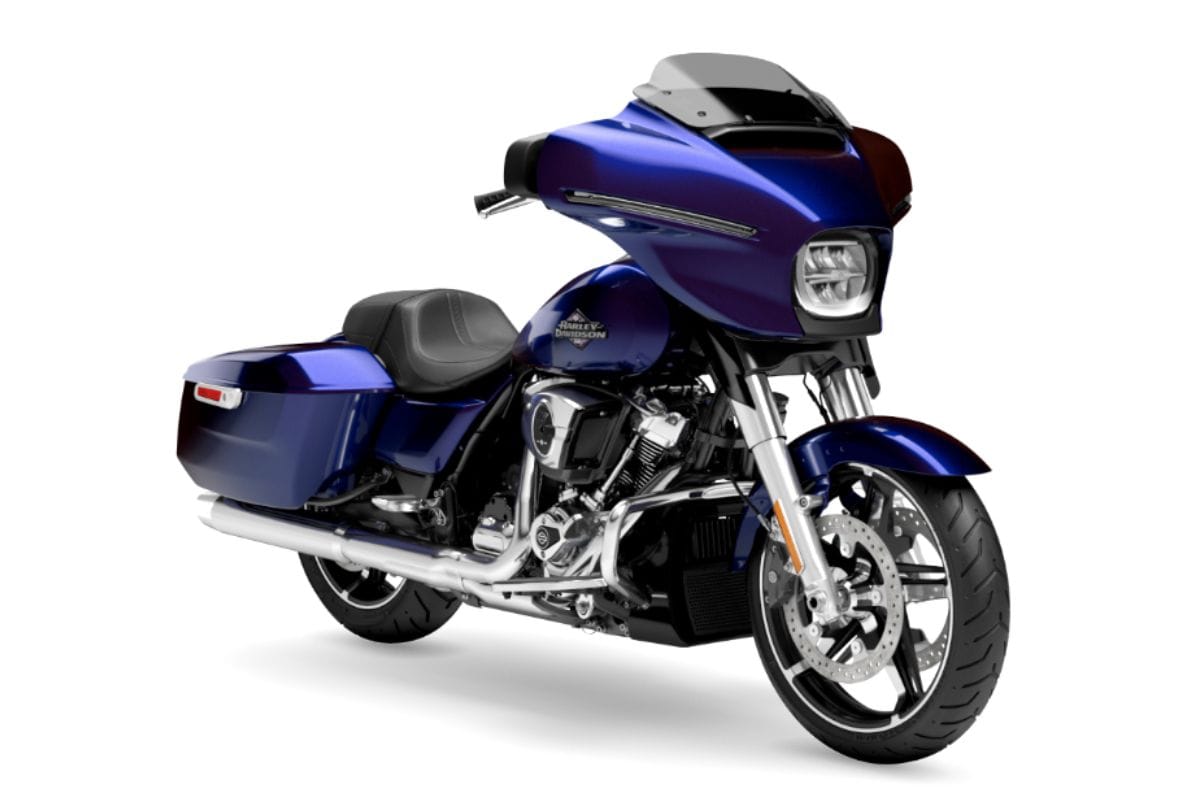
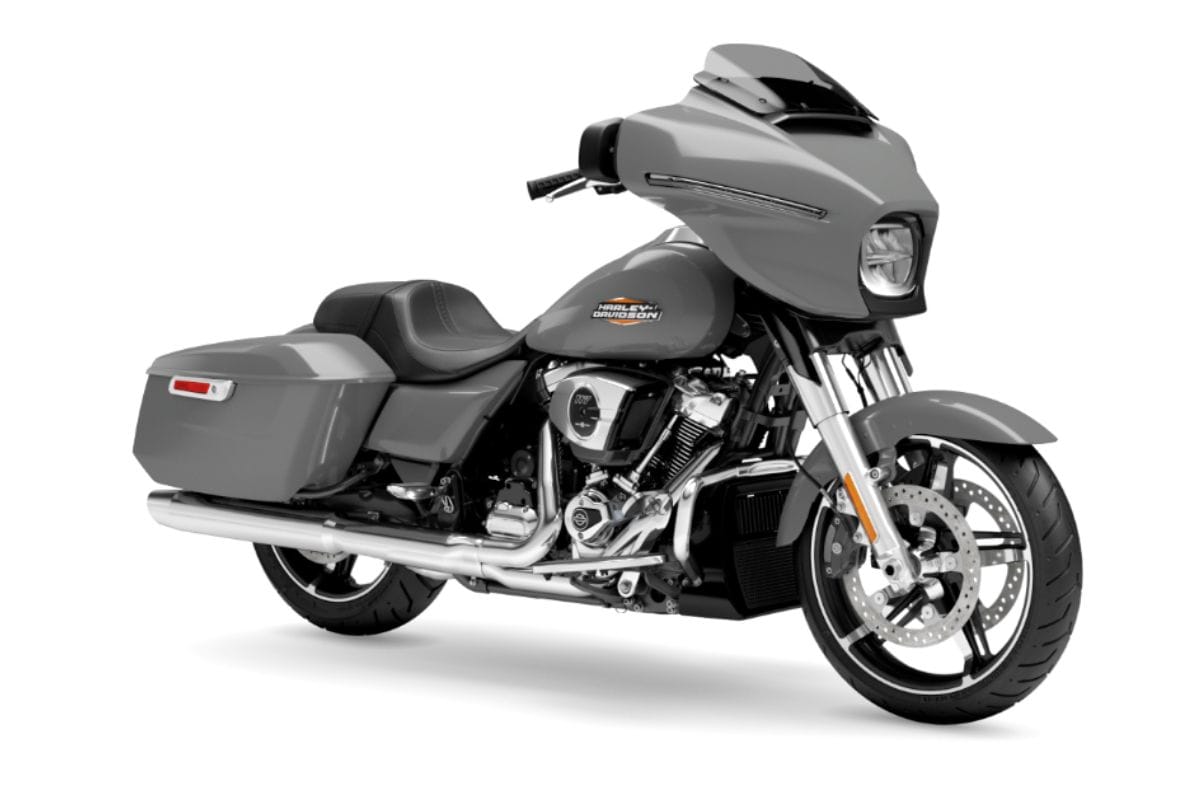
स्ट्रीट ग्लाइड हार्ले-डेविडसन के सबसे लंबे समय तक चलने वाले और सबसे अधिक पहचाने जाने वाले मॉडलों में से एक है, जो बाइक के 'ग्रैंड अमेरिकन टूरिंग' परिवार का हिस्सा है। अपने नवीनतम संस्करण में स्ट्रीट ग्लाइड को शक्ति प्रदान करने वाला मिल्वौकी-आठ 117CI (1,923cc), V-ट्विन इंजन है जो 107hp और 175Nm का टॉर्क उत्पन्न करता है। 368 किलोग्राम वजन के साथ, स्ट्रीट ग्लाइड निश्चित रूप से एक भारी मोटरसाइकिल है, लेकिन 715 मिमी सीट की ऊंचाई और 140 मिमी ग्राउंड क्लीयरेंस के साथ, यह जमीन से काफी नीचे तक वजन उठाती है। यह भारत में केवल एक ही वेरिएंट में उपलब्ध है और सात रंग विकल्पों में आता है, जिनमें से छह के लिए आपको अतिरिक्त भुगतान करना होगा।
The hatchback is considered to be a better combination between an SUV and a sedan. There are many options to choose from in this segment in the market. There have been ups and downs in hatchback sales in the last month. On one hand, Maruti Suzuki Swift was the best selling hatch of the country. At the same time, there has been a decline in the sales of Baleno and Wagon R.
Maruti Suzuki Swift is at number one in the list. A total of 17,806 units were sold last month. This figure shows a decline of 4 percent on an annual basis as compared to 17,081 units sold in January 2025.
Price and features
The ex-showroom price of Maruti Suzuki Swift ranges from Rs 5.79 lakh to Rs 8.80 lakh. The interior is spacious and premium. It has features like 7-9 inch touchscreen, wireless charging and cruise control. Safety features include 6 airbags, ABS with EBD and hill hold as standard. The engine is 1.2L Z-series petrol (80-82 bhp, 111 Nm), which is capable of giving mileage up to 32.85 km/kg in CNG.
Maruti Suzuki Baleno
Baleno is at number two in the list. It has got 16,782 new customers last month. This figure shows a 16 percent decline on an annual basis as compared to the total 19,965 units sold in January 2025.
Maruti Suzuki WagonR
WagonR is at number three in terms of sales. A total of 15,118 units have been sold in January 2026. This figure shows a huge decline of 37 percent on an annual basis compared to the total 24,078 units sold in January 2025.
Maruti Suzuki Alto
Maruti Alto is at number four in the list. A total of 12,314 units were sold last month. This figure represents an increase of 8 percent on an annual basis as compared to the total 11,352 units sold in January 2025.
Tata Tiago
With the increase in sales, Tata Tiago has registered its name in the list of top-5 hatchbacks. It got a total of 8,349 new customers last month. This figure shows an annual increase of 23 percent as compared to 6,807 units sold in January 2025.
Apart from the top-5 hatchbacks of January 2026 mentioned above, last month 7,710 units of Hyundai Grand i10 Nios, 5,677 units of Hyundai i20, 3135 units of Tata Altroz, 2,978 units of Toyota Glanza and only 1,902 units of Maruti Suzuki Ignis were sold.

 बीएमडब्ल्यू एक्स3 30 एक्सड्राइव एम स्पोर्ट