Mahindra's magic from road to farm! Sale of tractors increased along with vehicles

Mahindra's magic from road to farm! Sale of tractors increased along with vehicles

Mahindra & Mahindra has achieved excellent sales performance across its various segments in January 2026. The company has seen growth in automotive, commercial vehicles (CVs) and tractors sales. Mahindra, known for its SUVs, reflects its strong position in the Indian market and the success of its new products.

In the automotive segment, Mahindra sold a total of 1,04,309 vehicles, which includes exports. This is an annual growth (YoY) of 24% compared to the same period last year. In January last year, the company had sold about 85,432 units. Sales of utility vehicles (mainly SUVs and passenger vehicles) in the domestic market stood at 63,510 units, which is 25% more than 50,659 units in January 2025.

Shine on the power of SUVs!

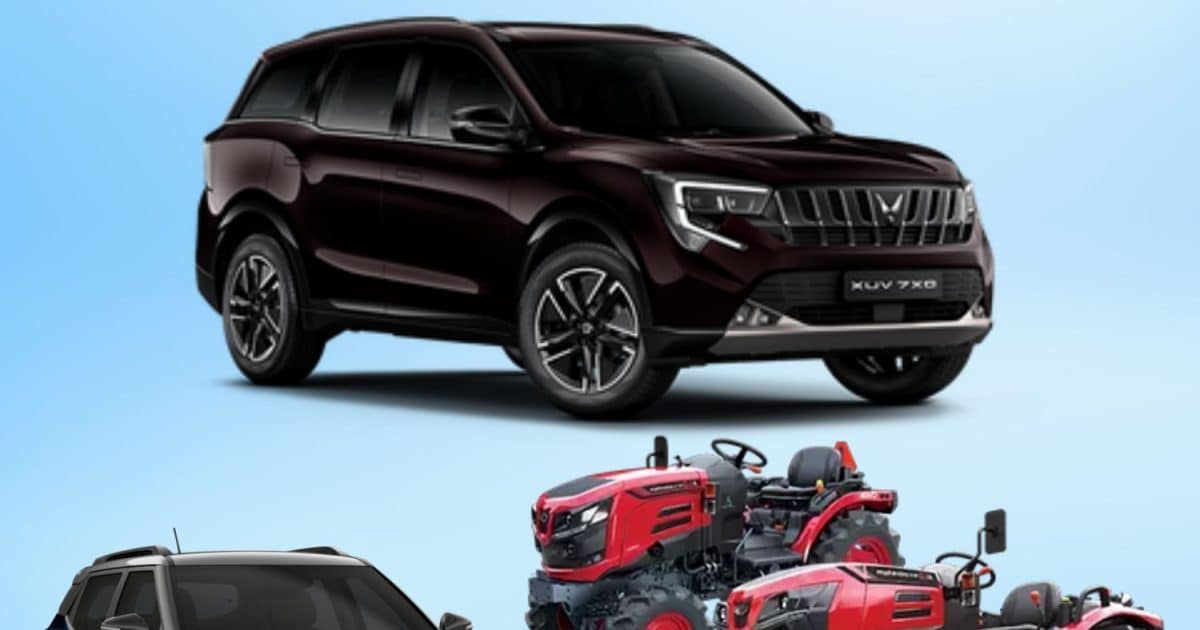
This growth has mainly come from the company's popular SUV models like Thar Roxx, XUV 3XO, XUV700, and the recently launched XUV 7XO and electric XEV 9S. These new models have achieved record bookings, with the XEV 9S and 7XO registering a combined 93,689 bookings, strengthening the company's leadership in the SUV segment. Mahindra's SUV strategy has attracted customers, which includes differentiated features, safety and value-for-money offerings.

Increased demand for commercial vehicles

The company also performed brilliantly in the commercial vehicles (CVs) segment. Sales in the domestic CV and 3-wheeler segment reached 37,222 units, registering a growth of 23%. Demand in the LCV (<3.5T) category remained strong as in previous months, especially in logistics and small businesses. This growth is related to economic recovery, infrastructure projects and rural demand.

Agriculture gave a boost

Mahindra showed even more impressive results in the farm equipment segment, i.e. tractors. Domestic sales of Mahindra and Swaraj brand tractors stood at 38,484 units in January 2026, while it was 26,305 units in January 2025. This is a huge increase of more than 46%. This boom in the tractor segment has come due to good monsoon, government schemes, increasing purchasing power of farmers and agricultural mechanization. Mahindra remains India's largest tractor manufacturer and has a strong market share in this segment.

Overall, these January 2026 sales point to Mahindra building on its strong 2025 performance (where the SUV achieved the milestone of 600,000+ units). The company is expecting continued growth in 2026 due to new launches, EV portfolio expansion and plans to increase capacity.
Source link

Hyundai is doing wonders in the market on the basis of this SUV, exports also increased along with domestic sales.

Hyundai is doing wonders in the market on the basis of this SUV, exports also increased along with domestic sales.

Hyundai Motor India Limited (HMIL) has made a blockbuster sale in January 2026. The company recorded the highest ever monthly sales in the country, with total domestic sales of 59,107 units. This figure shows an annual increase of 9.5% compared to January last year (54,003 units). Additionally, the company also set a new record in total sales (domestic + exports), where a total of 73,137 units were sold, which is 11.5% more than the same period last year.

This success reflects Hyundai's strong position in the Indian market and growing confidence among customers. Commenting on the achievement, Tarun Garg, MD & CEO of the company, said, “Achieving a strong YoY growth of 11.5% with our highest ever monthly domestic sales of 59,107 units and total sales of 73,137 units not only reflects Hyundai's brand leadership, but is also a testament to the collective strength of our people, partners and customers.”

Bumper demand for Hyundai Venue!

Some major models made a special contribution to this record sales of January 2026. Hyundai Venue recorded its highest ever monthly sales with 12,413 units sold. This shows Hyundai's strong hold in the sub-4 meter SUV segment, where the attractive design, features and price of the facelift model are pleasing the customers. Similarly, Hyundai Aura compact sedan also created a record and sold 7,978 units. This model is popular among family-oriented customers. Especially because of its spacious interior, fuel efficiency and modern features.

Exports also increased

The company also performed brilliantly on the export front. 14,030 units have been exported in January, which is 20.9 more than 11,600 units in January last year. This growth reflects Hyundai's global supply chain and growing demand in international markets. Vehicles exported from India mainly go to Africa, Middle East, Latin America and other emerging markets.

These record sales are also a positive sign for the Indian automobile sector. Such strong performance by a major brand like Hyundai as early as 2026 shows that customer demand remains strong. Growing interest in SUV and premium hatchback segments, launch of new models, better financing options and increasing purchasing power in both rural-urban areas have contributed to this growth.

Company's future plan

Going forward, Hyundai is planning to launch new models, with special emphasis on electric vehicles. The company aims to further increase its share in the Indian market, where it is already among the top-3 players. This record of January 2026 is not only a milestone for the company, but also raises hopes of strong growth in 2026 for the entire auto industry.

Source link

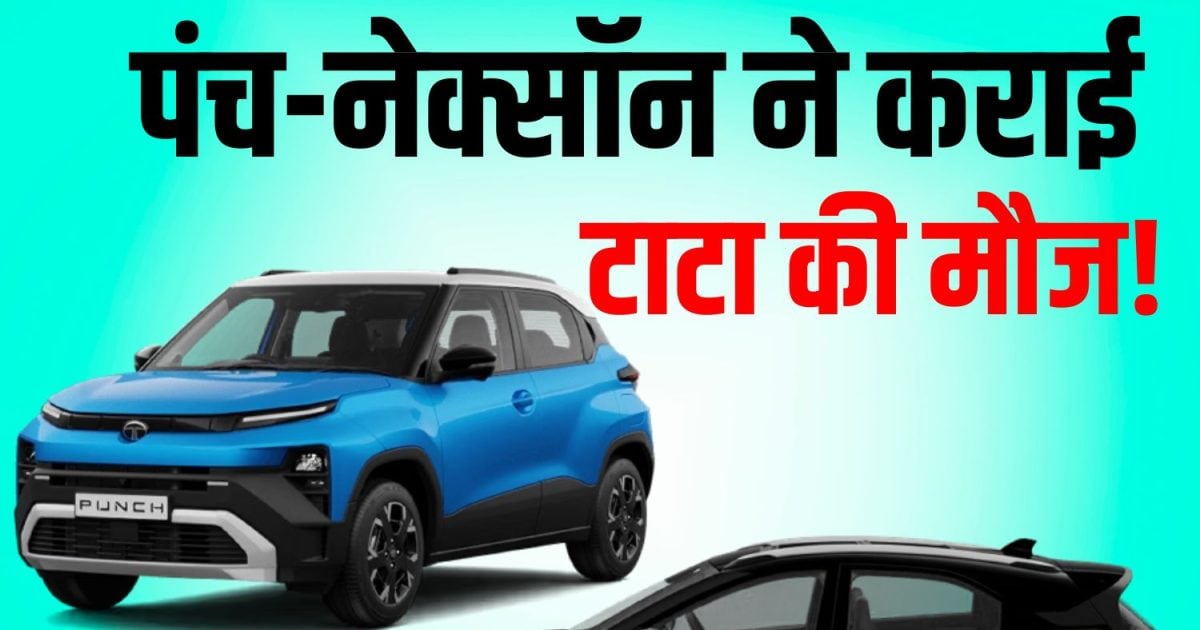
Nexon and Punch made Tata Motors have fun! Beat Mahindra on the basis of strong sales

Nexon and Punch made Tata Motors have fun! Beat Mahindra on the basis of strong sales

Tata Motors is continuously strengthening its position within the Indian auto market. The company has released the sales report for the first month of the year 2026. Tata has recorded total sales of 71,066 units in the domestic and international markets, which represents an impressive growth of 47.1% as compared to 48,316 units in January 2025.

Sales in the domestic passenger vehicle (PV) segment stood at 70,222 units, which also includes electric vehicles (EV). This figure is 46.1 percent more than the 48,076 units sold in the same month last year. PV sales in international trade (IB) reached 844 units, representing an increase of 251.7% from 240 units. Overall, the EV segment (domestic + iB) sold 9,052 units, up 72.7% from 5,240 units in January 2025.

Nexon and Punch shine!

This success of Tata Motors is based on the strong demand for SUV and EV models. Tata Nexon retained the title of the company's Best Selling Car with sales of 23,000 units. Whereas, 19,000 units of Tata Punch have been sold. Punch has crossed the 7 lakh units mark in just 4 years and 3 months, while Tiago has also joined the club of 7 lakh total sales. The company has also recently increased the production of Sierra model.

Tata Motors sold 1.71 lakh units in the third quarter of FY26, which is a growth of 22.3%. In this way, Tata Motors has become the second largest passenger vehicle manufacturer in the country, leaving behind Hyundai and Mahindra. The company continues to shine in the EV segment. They have electric cars ranging from Tiago EV to Tata Curvv EV.

What did the company say?
Tata Motors MD and CEO Shailesh Chandra said that double-digit growth is expected in 2026, this figure can be achieved mainly by focusing on SUVs and EVs. Tata Motors, part of the $180 billion Tata Group, is a leader in design, safety and performance. The company is leading India in the EV revolution with an emphasis on zero emissions and connected mobility.

Source link

FasTag Rule Change: Now the hassle of KYC is over! This rule of Fastag changed from today

FasTag Rule Change: Now the hassle of KYC is over! This rule of Fastag changed from today

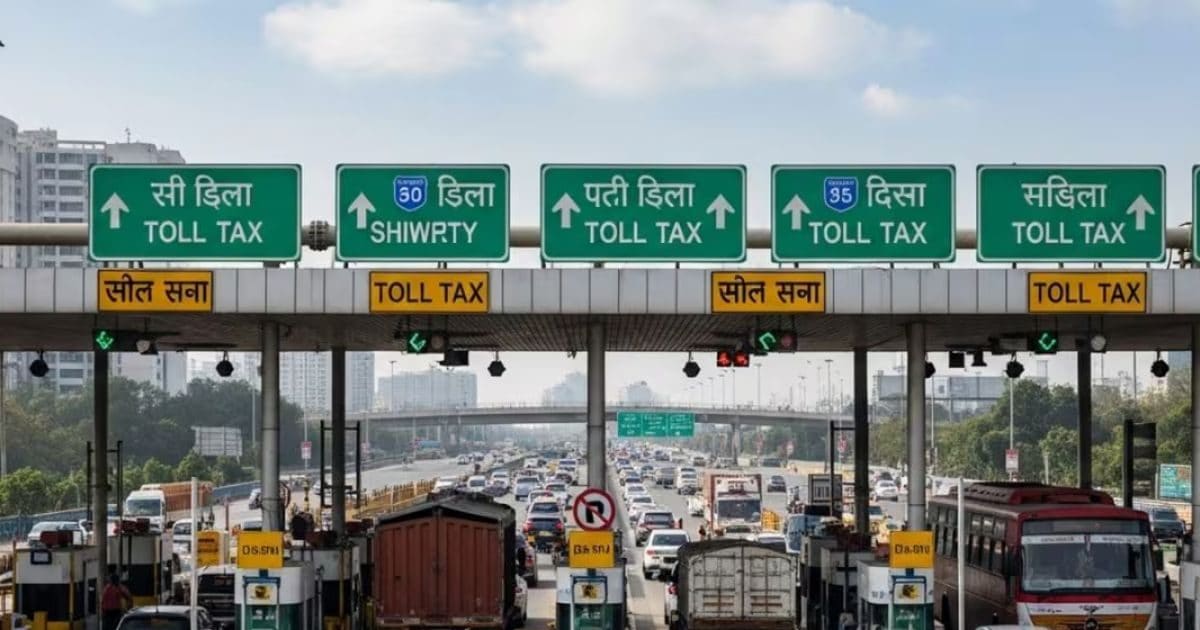
FasTag Rule Change: A major change in FASTag rules has come into effect from 1 February 2026. This will provide great relief to lakhs of vehicle owners. National Highway Authority of India (NHAI) has announced that now the 'Know Your Vehicle' (KYV) process for issuing new Fastag has been completely abolished. This change has been implemented mainly for cars, jeeps and vans (Private 4-Wheelers).

Earlier, even after Fastag activation, KYV verification was mandatory, in which the vehicle documents were re-checked. This caused a lot of trouble to the users. Many times, despite the documents being correct, there was a risk of delay and blacklisting at the toll plaza due to repeated demand for verification. Now a solid plan has been made to completely eliminate this problem.

KYC hassle is over

According to this new rule of NHAI, from February 1, 2026, the entire responsibility of issuing new Fastag has fallen on the banks. The bank will check and verify the vehicle details (like registration number, chassis number etc.) before issuing the FASTag. Once Fastag is activated, no additional KYC or KYV verification will be required. With this, the process of obtaining Fastag has become faster, simpler and requires less paperwork. People buying new vehicles will now be able to easily get Fastag.

What will old Fastag users do?

There is good news for old Fastag users also. Earlier, KYV had to be done routinely every now and then, but now this routine will no longer be necessary. KYV will be required only in special cases, such as complaint of misuse of Fastag, wrong vehicle tagging, technical problem or any other dispute. For example, if there is a complaint that Fastag is linked to a wrong vehicle or toll evasion is taking place, then NHAI or the bank can ask for KYV. Otherwise, normal users are now relieved of repeated verification.

Bank's responsibility increased

With this change, banks have also become more responsible. Banks will now check vehicle details from the VAHAN database before issuing Fastag, which will reduce the possibility of issuing wrong or fake Fastag. Also, if there is any problem after Fastag activation, the bank and NHAI will jointly solve it.

Overall, this simplification in Fastag rules from February 1, 2026 is going to prove convenient for the common man. Drivers traveling on the highway will now face less hassle, toll payment will be faster and time will be saved.

Source link

19 Km mileage, 6 airbags and sunroof! This family sedan suddenly became costlier by Rs 33,690

19 Km mileage, 6 airbags and sunroof! This family sedan suddenly became costlier by Rs 33,690

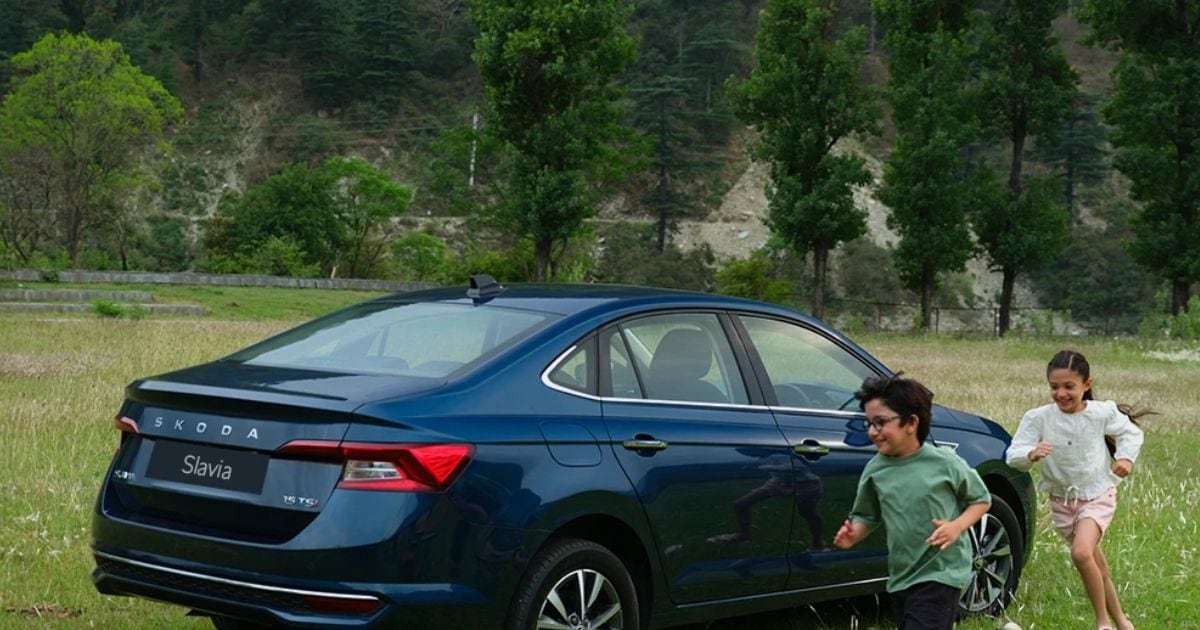
Skoda Slavia has become more expensive than before. The company has decided to increase the prices of its popular sedan by up to Rs 33,690. This increase has been implemented on selected variants only. The highest price hike has happened for the top variant. There itself. The price of some variants remains the same as before. Talking about the hike, the maximum increase of Rs 33,690 has been seen on its Monte Carlo 1.0 AT variant.

At the same time, there has been a hike of up to Rs 29,207 on Monte Carlo 1.5 DSG, Rs 27,690 on Prestige 1.0 AT, Rs 25,897 on Sportline 1.5 DSG, Rs 23,207 on Prestige 1.5 DSG, a maximum of Rs 16,586 on Signature 1.0 and Sportline 1.0 (MT and AT) variants. At the same time, the prices of entry-level Classic 1.0 MT, Monte Carlo 1.0 MT and Prestige 1.0 MT have not increased. Let's take a look at its interior features and engine-performance details.

Interior and Features

The interior of Skoda Slavia is premium and spacious. It has high-quality materials, soft-touch dashboard, leatherette seats and ambient lighting. There is good leg room and head room on the rear seats, which is perfect for family use. The large boot space of 521 liters is very useful for storing luggage. The steering wheel is multi-functional and the digital instrument cluster looks modern.

Slavia has a good collection of latest features. This includes a 10-inch touchscreen infotainment system (with Android Auto and Apple CarPlay), wireless charging, cruise control, keyless entry, push-button start, ventilated front seats and a 6-speaker audio system. Features like ADAS (Advanced Driver Assistance System) are also available in higher variants, which make driving safe.

Safety Features and Rating

The Slavia has received a 5-star Global NCAP rating, which shows its strong build quality. It has 6 airbags as standard, ABS with EBD, electronic stability control (ESC), traction control, hill hold control, tire pressure monitoring system (TPMS), and emergency brake light flashing. ISOFIX child seat mounting and rear middle three-point seatbelt also enhance safety.

Engine and Mileage

Skoda Slavia comes with two turbo-petrol engine options. The first one in it is 1.0-litre TSI engine, which generates 114 bhp power and 178 Nm torque. It is available with 6-speed manual or torque converter automatic gearbox. ARAI mileage ranges from 18.73 to 20.32 kmpl. The second 1.5-litre TSI engine gives 148 bhp power and 250 Nm torque. It comes with 7-speed DSG automatic and ARAI mileage is 19.36 kmpl.

Source link

24 Km Mileage, 6 Airbags and Sunroof! This is the cheapest diesel car in the country, starting price is only ₹ 7.99 lakh

24 Km Mileage, 6 Airbags and Sunroof! This is the cheapest diesel car in the country, starting price is only ₹ 7.99 lakh

Most Affordable Diesel Cars in India: The demand for diesel engine SUVs has always been strong in the Indian automobile market. Especially among buyers who want long distance driving, better mileage and torquey performance. For this reason, popular car companies of the country still sell diesel vehicles in the car market.

If you want to buy a diesel car in the coming days, then this article will be useful for you. In this article, we have brought a list of the 5 cheapest diesel cars in the country. The names of Mahindra Bolero, Mahindra Bolero Neo, Mahindra XUV 3XO, Kia Sonet and Tata Nexon are included in this list. Come, let us know about their price and features.

Mahindra Bolero

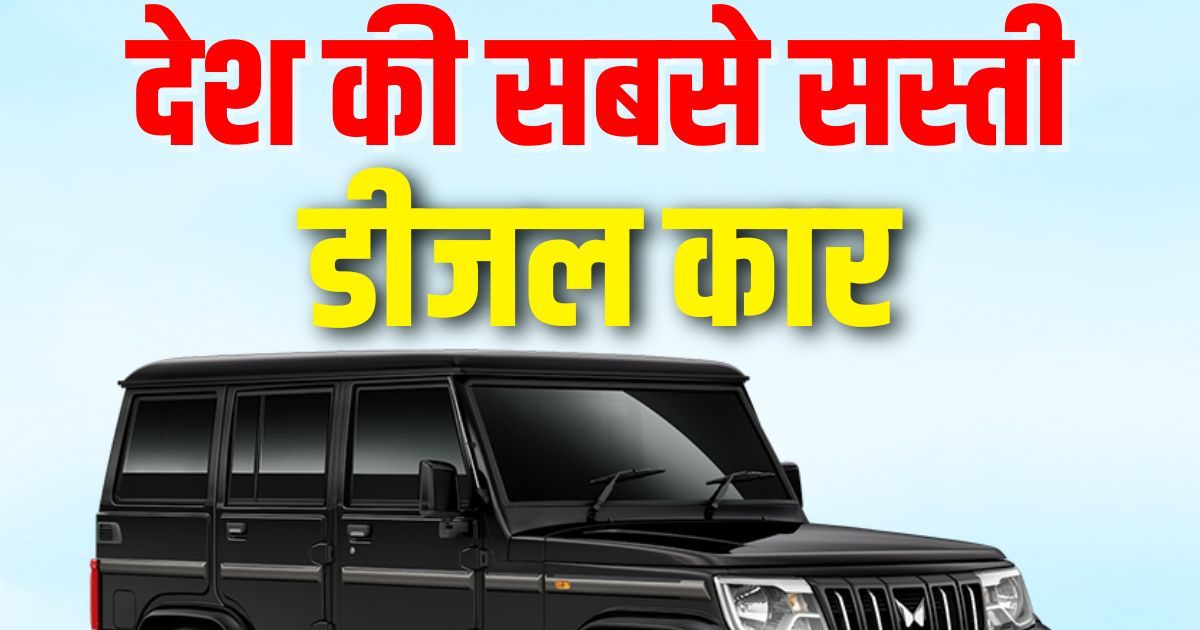
Bolero is currently the cheapest diesel SUV in the country. Its ex-showroom price starts at just Rs 7.99 lakh, making it the cheapest option in the Rs 10 lakh segment. Bolero has a 1.5 liter mHawk diesel engine, which generates 76 PS power and 210 Nm torque. It is a rugged SUV with a body-on-frame chassis, which gives excellent performance on rough roads.

Mileage as per ARAI is 16 kmpl, which is good in real world also. The interior is basic, but the 7-seater layout, high ground clearance and durability make it perfect for rural and semi-urban users. Dual airbags and ABS are standard in safety. If the budget is tight and you want a car with ruggedness, then Bolero is the best choice.

Mahindra Bolero Neo

Bolero Neo is a more modern and premium version of Bolero. Its starting ex-showroom price is Rs 8.69 lakh. This is also a 7-seater and is powered by 1.5 liter mHawk diesel engine, but here the power reaches 100 PS and torque 260 Nm, which gives better performance. Mileage is around 17 kmpl.

The design gets updated grille, LED DRLs and better interior. Features like touchscreen infotainment, cruise control and rear parking camera are available in higher variants. For safety, there are dual airbags, ABS and ISOFIX child seat mounts. Bolero Neo is ideal for those buyers who want the ruggedness of Bolero.

Mahindra XUV 3XO

XUV 3XO is making waves in the compact SUV segment. The starting price of its diesel variant is around Rs 8.95 lakh. It is equipped with 1.5 liter turbo diesel engine, which gives 117 PS power and 300 Nm torque. Also the mileage is up to 20-21 kmpl. The design is aggressive and stylish. Dual-tone roof, LED lights and large alloy wheels make it better.

The interior is premium. Features like panoramic sunroof, 10.25 inch touchscreen, wireless charger, 360 degree camera and level-2 ADAS are available in higher variants. In terms of safety, 6 airbags are standard and a 5-star rating is expected in Global NCAP. The XUV 3XO is perfect for both city and highway driving and attracts young buyers who give priority to features and safety.

Kia Sonet

Kia Sonet is a premium compact SUV. Its price with diesel engine starts from Rs 8.98 lakh. The 1.5 liter CRDi diesel engine comes with 115-120 PS power and 250 Nm torque and the mileage is 24 kmpl. The design is bold, which includes tiger nose grille, LED lights and sporty look.

The interior gives a luxury feel. It has ventilated seats, BOSE sound system, wireless charging and connected car tech. Safety has features like 6 airbags, ADAS and 360 camera. Sonet is best for those buyers who want premium feel, high tech features and good mileage. It is competitive like the Nexon, but Kia's build quality and aftersales make it different.

Tata Nexon

Tata Nexon is the safest and feature-loaded compact diesel SUV. The price of its diesel variant starts from around Rs 9 lakh. The 1.5 liter turbo diesel engine gives 113 PS power and 260 Nm torque. Its mileage is around 23-24 kmpl. Nexon has received a 5-star safety rating in Global NCAP.

Also 6 airbags are standard. Features include panoramic sunroof, 10.25 inch screen, ventilated seats and ADAS. The design is bold and muscular. Nexon is perfect for those family buyers who keep safety on top priority. However, this is the most expensive car in the list.

Our suggestion: These five SUVs are the top contenders in the diesel segment in the Indian market. Bolero and Bolero Neo are best for budget and ruggedness, while XUV 3XO, Sonet and Nexon are best for modern features and safety. Prices depend on the city and offers, so before buying the car, take final quotations from different dealerships.

Source link

26.99 km mileage, 360° camera and sunroof! These SUVs made a grand entry, prices starting from just ₹ 5.59 lakh

26.99 km mileage, 360° camera and sunroof! These SUVs made a grand entry, prices starting from just ₹ 5.59 lakh

Car Launched in Jan 2026: In the first month of this year itself, the dominance of SUVs was seen in the Indian auto market. On one hand, Tata Motors has introduced the country's cheapest SUV Tata Punch in a new avatar. At the same time, Mahindra has launched its 2 new SUVs in the market.

All these vehicles, launched in January 2026, fall in the SUV segment and are attracting customers with new design, features, engine options and better performance. Let's take a look at their price and features.

2026 Tata Punch

The new Tata Punch is scheduled to be launched in early January 2026, which is the facelift version of Tata's best-selling micro-SUV. Its ex-showroom price starts from ₹ 5.59 lakh and goes up to ₹ 10.54 lakh. The new Punch now looks more modern, with updated LED headlamps, connected rear light bar, revised bumpers and an EV-inspired clean design.

The engine gets a new 1.2L turbocharged petrol engine, which gives 120 PS power and 170 Nm torque, along with 6-speed gearbox. Features include a 10.25-inch touchscreen, 360-degree camera, sunroof, wireless Android Auto/Apple CarPlay and better safety features like 6 airbags and blind spot monitor. The Punch can be bought with CNG and its maximum claimed mileage is 26.99 km/kg.

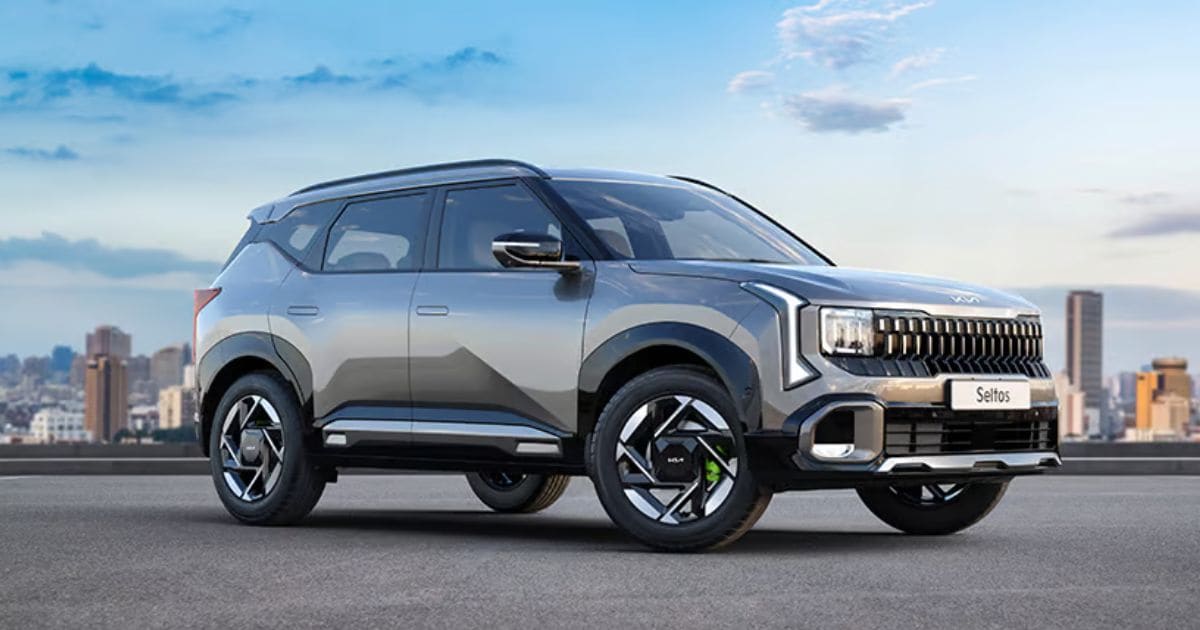
2026 Kia Seltos

2026 Kia Seltos

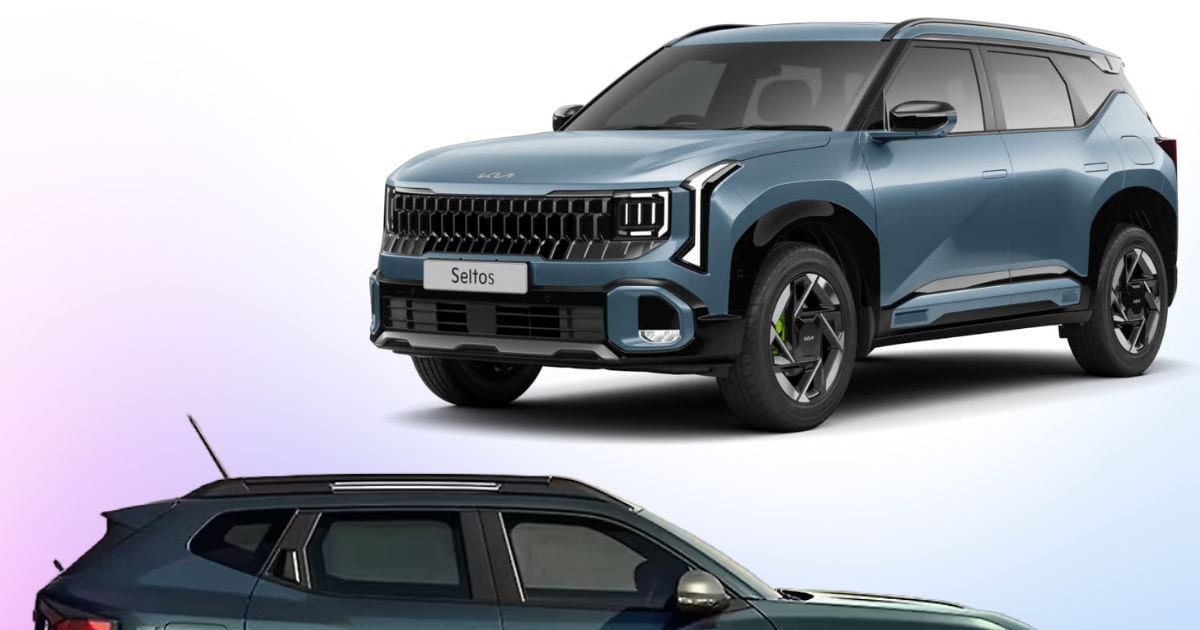
The new Seltos was launched in the first week of January, which is now a second-generation model. Its price starts from ₹ 10.99 lakh and goes up to ₹ 19.99 lakh. The new Seltos looks bigger and more premium, with a new K3 platform, sharper styling, a longer wheelbase (80mm more) and a dual-pane panoramic sunroof.

Engine options include 1.5L petrol (115 PS), 1.5L turbo-petrol (160 PS) and 1.5L diesel (116 PS). Along with 6MT, CVT, iMT, 7DCT and 6AT gearbox. Features like ADAS level-2+ safety, large infotainment system, and command-centric interior make it a strong competitor to Hyundai Creta and Maruti Grand Vitara.

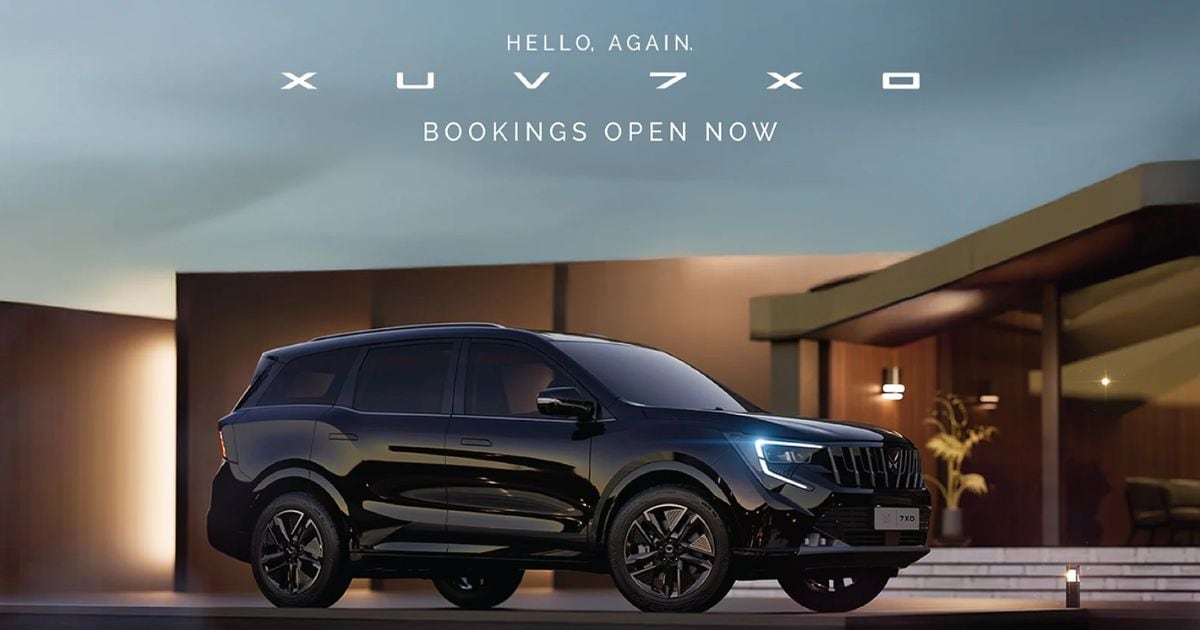
Mahindra XUV 7XO

Mahindra XUV 7XO

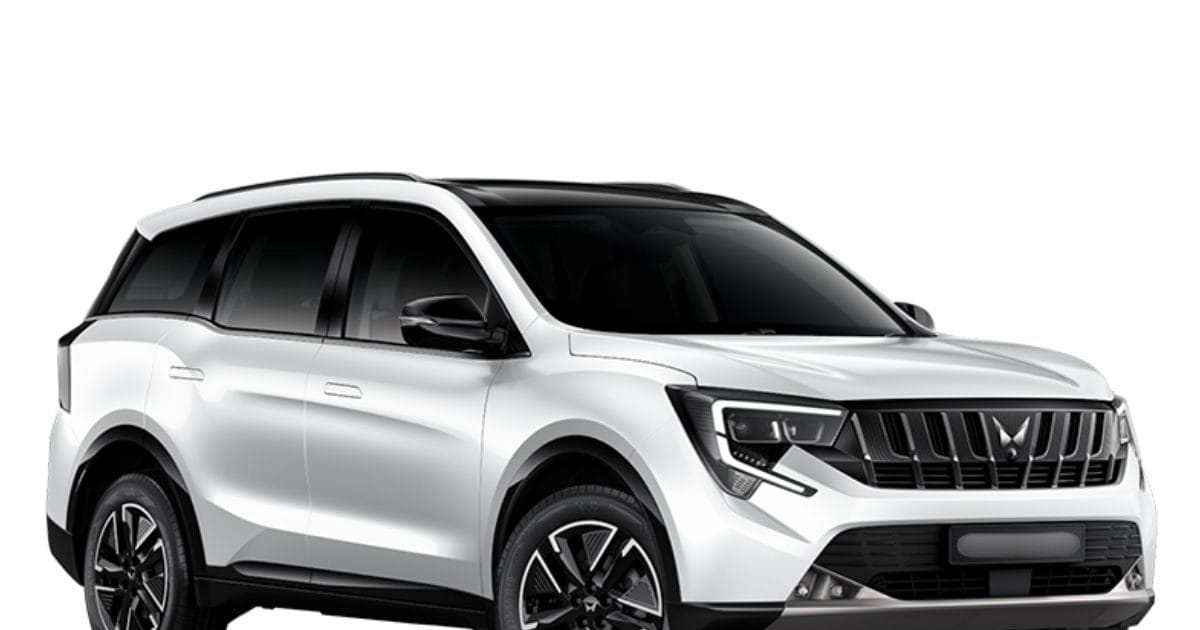
It has been launched on 5 January 2026, which is basically the facelift version of XUV700. Prices start from ₹13.66 lakh and go up to ₹24.92 lakh. It has features like new front and rear design, triple 12.3-inch screen dashboard, boss mode, ventilated seats, 7 airbags, level-2 ADAS and 540-degree camera system.

This is India's first SUV with a combination of Dolby Vision and Dolby Atmos, which takes in-car entertainment to a new level. The powertrain has the same petrol and diesel options as before. Along with this, better suspension has also been provided. It is competing with MG Hector and Tata Safari in the mid-size SUV segment. Delivery of top variants has started from January.

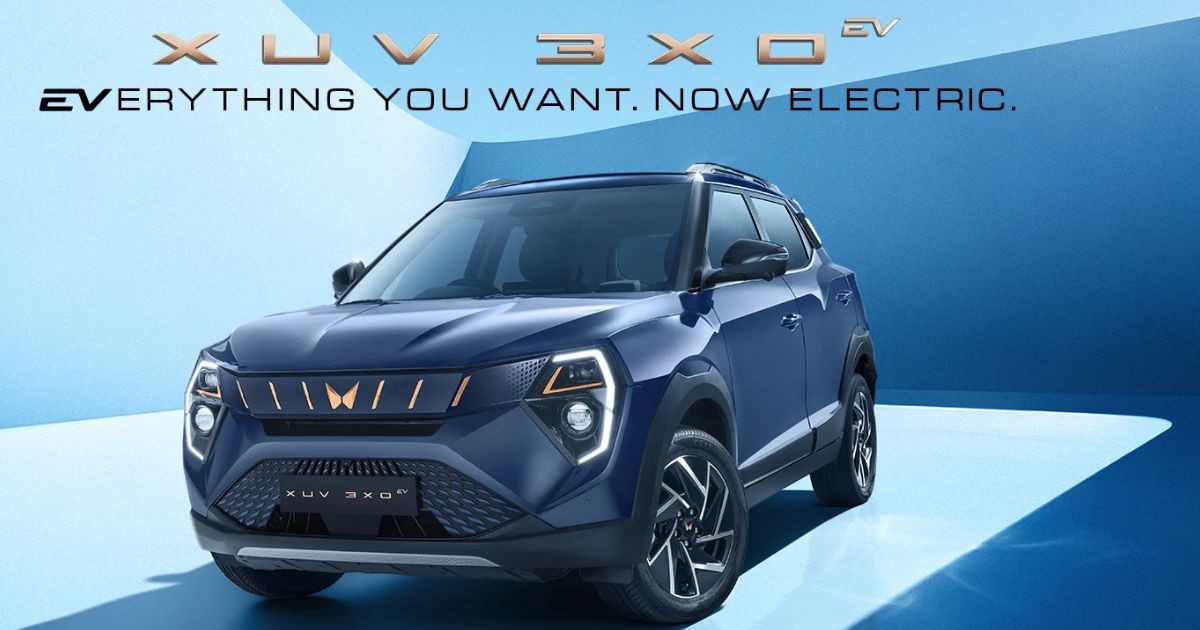
Mahindra XUV 3XO EV

Mahindra XUV 3XO EV

The new XUV 3XO EV will be launched in the Indian market on January 6, 2026. It is the electric version of the XUV 3XO and replaces the older

It has a 39.4 kWh battery pack, which gives a real-world range of 285 km with 150 PS power and 310 Nm torque. Features include 360-degree surround view, blind view monitor, level-2 ADAS, panoramic sunroof etc. It will compete with Tata Nexon EV and MG Windsor in the market.

Source link

Auto News Weekly Wrap-Up: From grand entry of new Duster to India-EU free trade, these are the 5 big news of the week

Auto News Weekly Wrap-Up: From grand entry of new Duster to India-EU free trade, these are the 5 big news of the week

Auto News Weekly Wrap-Up: This week was very exciting for the Indian automobile sector. The biggest highlight was the grand entry of 2026 Renault Duster, which is ready to compete with Creta-Seltos with new design, ADAS, hybrid option and premium features.

Imported luxury cars may soon become cheaper through India-EU FTA. With huge reduction in duty, these can be purchased at less money. The Skoda Kylaq touched the 50,000 units production milestone, while the Volkswagen Tayron R-Line and BMW X3 30 xDrive M Sport Pro also made headlines. How was the last week of January 2025 full of new launches, trade deals and milestones? Come, let us know.

Entry of 2026 Renault Duster

The biggest news is the unveiling of 2026 Renault Duster. Renault introduced the New Gen Duster in India on 26 January 2026 in Chennai. This iconic SUV is back after four years and is now coming in its third generation with a completely new design, features and powertrain. The India-specific model has two turbo-petrol engine options. This includes 1.0-litre and 1.3-litre (160 bhp, 280 Nm). Additionally, there will also be a strong hybrid variant (1.8-litre petrol + electric motor, total 160 hp), which will be launched by Diwali 2026.

Features include many premium elements like 10-inch touchscreen (Google OS), ADAS, panoramic sunroof, ventilated seats, 212 mm ground clearance and 518-litre boot space. Pre-bookings have started at ₹21,000, prices will be announced in March and deliveries are scheduled from April 2026. It will compete with competitors like Hyundai Creta, Kia Seltos, Maruti Grand Vitara.

India-EU Free Trade Agreement (FTA)

The second important news is the agreement of India-EU Free Trade Agreement (FTA). With this, imported cars can become cheaper. Recently India and the European Union have approved the “Mother of All Deals”. Under this FTA, the import duty on European cars will be reduced from 110% to 40% first and later to 10%.

This will mainly apply to cars priced above 15,000 euros and there will be a quota of 250,000 vehicles annually. With this, luxury cars like BMW, Mercedes-Benz, Audi, Volkswagen, Porsche can become cheaper by 20-30%. However, this benefit will start being available from 2027-2028, because the legal process and implementation will take time. This will be a big boost for European brands in the Indian market and may affect locally produced models as well.

Bumper demand for Skoda Kylaq

Skoda Kylak has touched a major production milestone. Skoda has completed production of 50,000 units of Kylaq at its Chakan plant, which has happened in just over a year. This compact SUV has become quite popular after production started in December 2024. Due to increase in demand, the capacity of the plant has been increased by 30%. Kylaq prices start at ₹7.59 lakh and is the most affordable product from Skoda.

VW Skoda Kylaq unveiled

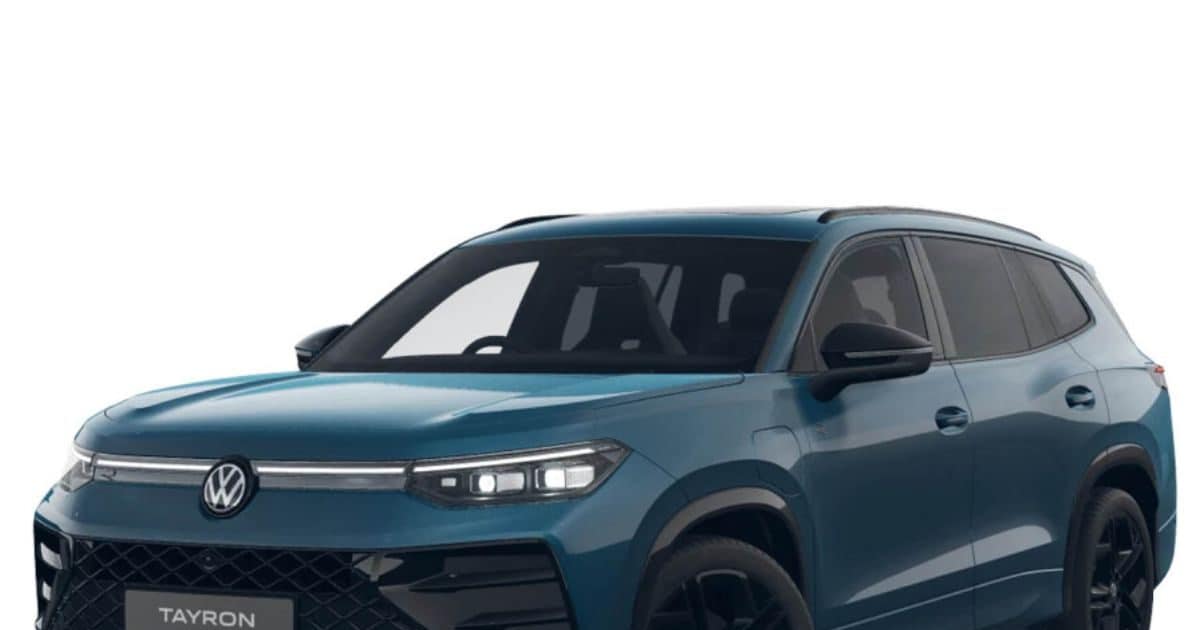
Volkswagen also introduced the India-spec Tayron R-Line. This 7-seater premium SUV is based on the Tiguan platform, but comes with a different design. It has a 2.0-litre TSI turbo-petrol engine (201 bhp, 320 Nm), 4MOTION AWD, panoramic sunroof, 30-color ambient lighting, large boot space and ADAS features. This will be Volkswagen's flagship SUV and will be positioned above the Tiguan R-Line.

BMW X3 30 xDrive M Sport Pro

The last big news is about the BMW X3 30 xDrive M Sport Pro. BMW has confirmed the launch of this new variant and pre-bookings have started from January 30, 2026. This will be the most powerful X3 till date, which has a 2.0-litre turbo-petrol engine (258 hp). Big wheels, new exterior elements and premium features will be available with the M Sport Pro package. It will be produced locally at the Chennai plant and is expected to be launched on 16 February.

Source link

Panoramic sunroof, 360° camera and level-2 ADAS! This desi SUV will enter in a new avatar

Panoramic sunroof, 360° camera and level-2 ADAS! This desi SUV will enter in a new avatar

The 2026 facelift model of Mahindra Scorpio N is going to be launched soon and many major updates have been confirmed from the recent spy shots. In particular, the panoramic sunroof (pano sunroof) and 360-degree camera system are now confirmed, which are not in the current model. These features are being added keeping in mind the demand of Indian buyers, especially due to increasing competition in the premium SUV segment, this update is very important.

In the spy shots, the Scorpio N facelift has been seen testing in full camouflage. The front grille has been slightly revised, in which the use of horizontal slats is visible. There are minor changes to the bumper, but the headlights and fog lamps remain almost the same with a C-shaped LED design. Let us know about the possible updates.

Possible design updates

A bulge is visible in its ORVMs (side mirrors), where 360 ​​degree cameras are housed. This feature is now almost confirmed. Newly designed 18-inch or 19-inch alloy wheels are seen on the side profile, which seem to have more ground clearance. Minor updates like new LED taillights and bumper revision are also expected in the rear. Overall, this is an evolution, as the bold and muscular look of the Scorpio is going to be retained.

Interior and Features

The biggest change will be in the cabin. The dashboard has been reworked, where it will now get a larger 10.25-inch free-standing infotainment touchscreen. AC vents have shifted down. The instrument cluster will now be fully digital, with a large color multi-info display, the analog dials have been done away with. The panoramic sunroof is clearly visible in the spy shots, which was earlier just a single-pane sunroof.

Other expected features include front ventilated seats, powered driver seat (with memory function), second row ventilated seats, C-Type charging ports, Harman Kardon audio system with Dolby Atmos and electronic parking brake auto-hold. Safety is confirmed by the 360-degree camera, which will help in parking. Also, it is expected to get level-2 emergency.

Engine and Performance

There will be no major changes in the engine. The existing 2.0-litre turbo petrol (200 hp) and 2.2-litre mHawk diesel (130-175 hp) options will continue. 4×2 and 4×4 variants will also be sold with manual and automatic transmission. This facelift may be launched in early 2026 or mid-2026. Expected price is between Rs 13-25 lakh. In the market it will compete with competitors like Tata Safari and Hyundai Alcazar.

Source link

34 Km Mileage, 6 Airbags and Advanced Features! This is the cheapest CNG car in the country, price starts from only ₹ 4,61,900

34 Km Mileage, 6 Airbags and Advanced Features! This is the cheapest CNG car in the country, price starts from only ₹ 4,61,900

Most Affordable CNG Cars in India: Amidst the ever increasing pollution and skyrocketing prices of petrol and diesel, people are turning to CNG vehicles. These are more popular among those who want low maintenance cost, better mileage and eco-friendly option. If you are also looking for a cheap CNG car, then this article of ours is useful for you.

In this article, we have brought for you a list of the 5 cheapest CNG vehicles in the country. This includes the names of Maruti Suzuki S-Presso CNG, Maruti Suzuki Alto K10 CNG, Renault Kwid CNG and Maruti Suzuki Wagon R CNG. Come, let us know about their price and features.

Maruti Suzuki S-Presso CNG

The first number in the list is Maruti S-Presso CNG. This is one of the cheapest CNG cars of Maruti, whose starting ex-showroom price starts at around Rs 4.62 lakh, while the top CNG variant VXi (O) S-CNG is priced at around Rs 5.12 lakh. The S-Presso has a mini-SUV-like design with high ground clearance (180 mm), which is good for the potholes and bumpy Indian roads.

It uses a 998 cc K10C engine, which gives 56 bhp power and 82.1 Nm torque in CNG mode. ARAI claimed mileage is 32.73 km/kg. Features include digital instrument cluster, touchscreen infotainment, power steering, air conditioner and dual airbags. This car is best for small families or first time car buyers, because its maintenance is very low.

Maruti Suzuki Alto K10 CNG

The next car is Maruti Alto K10 CNG. The ex-showroom price of its CNG variants starts from LXi S-CNG at around Rs 4.82 lakh, while the top VXi (O) S-CNG is available at around Rs 5.32 lakh. The 998 cc engine of Alto K10 generates 55.92 bhp power and 82.1 Nm torque on CNG. ARAI mileage is 33.85 km/kg.

This car is very low maintenance, parts are cheap and running cost is very low (about Rs 1-1.5 per km). Features include steering mounted controls, rear parking sensors, Android Auto/Apple CarPlay support and mild-hybrid technology. Alto K10 comes with its small size, easy driving and low maintenance costs. This is perfect for those who want to stay on budget.

Renault Kwid CNG

Now let us talk about Renault Kwid CNG. Renault recently launched a factory-fitted CNG option in the Kwid, which is available in 2025-2026. The ex-showroom price of its starting CNG variant starts from around Rs 4.67-5.00 lakh, while the top Climber CNG goes up to around Rs 5.47 lakh.

Kwid's 999 cc engine gives 67 bhp power in CNG mode, which is the highest among them. The mileage is around 22-25 km/kg as per ARAI, but due to the SUV-style design and 184 mm ground clearance, it performs better on bad roads. Features include 8-inch touchscreen, reverse camera, digital instrument cluster, keyless entry and good cabin space.

Maruti Suzuki Wagon R CNG

The most expensive in this list is Maruti Suzuki Wagon R CNG. It is at the forefront in space and practicality. Its CNG variant starts from LXi at Rs 5.89 lakh and VXi at around Rs 6.42 lakh ex-showroom. The 998 cc engine produces 55.92 bhp and 82.1 Nm on CNG, ARAI mileage is 34.05 km/kg.

The biggest feature of Wagon R is its tall-boy design, which makes it very spacious from inside. The rear passengers get good legroom and headroom. Features include 7-inch touchscreen, Android Auto/Apple CarPlay, 6 airbags, automatic climate control and good safety. It is best for the family, because it has more space for luggage and provides comfort even in long journeys.

Our advice: Comparing these four cars, Alto K10 CNG and S-Presso CNG are the cheapest, while Wagon R CNG is ahead in space and Kwid CNG is better in style and ground clearance. Choosing CNG saves thousands of rupees annually, especially in cities like Delhi where CNG stations are in abundance. If your budget is 5-6 lakhs, then these cars are the best option.

Source link

20 Km mileage, 6 airbags and 360 degree camera, this India made SUV is making waves in foreign countries! Price only ₹5,61,643

20 Km mileage, 6 airbags and 360 degree camera, this India made SUV is making waves in foreign countries! Price only ₹5,61,643

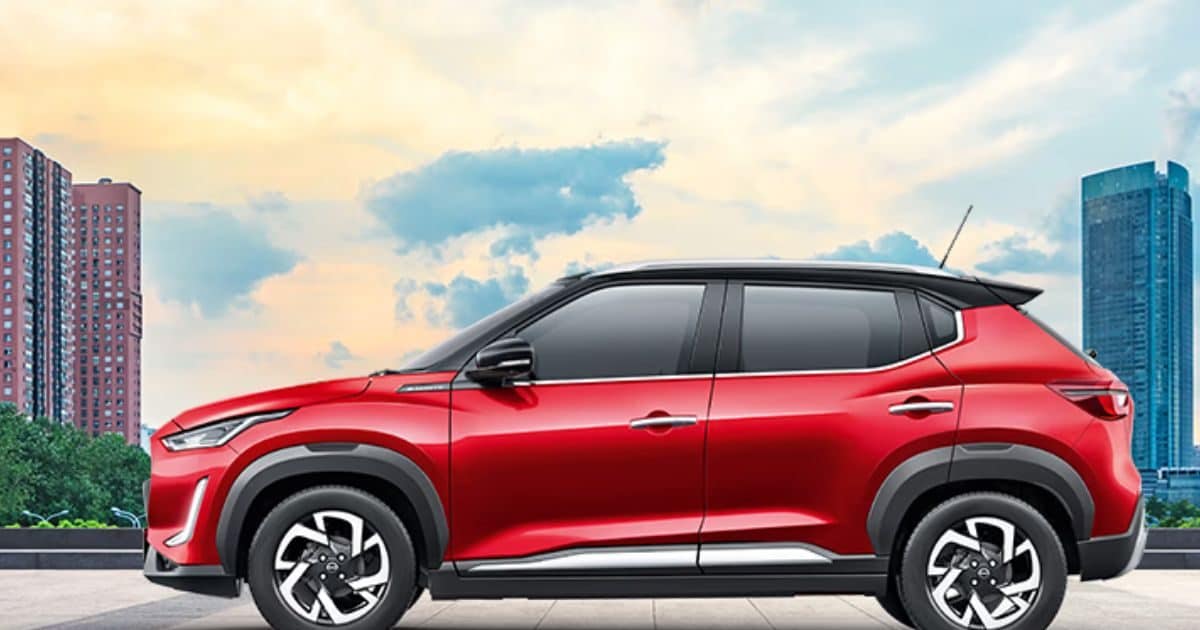
Nissan Magnite is one of the most popular SUVs in the country. Along with selling it in the domestic market, Nissan also exports it to foreign markets. Recently the list of vehicles sent out in December 2025 has come. Magnite occupies the first place in this list. At the same time, exports of Verna and Hyrider have also increased. Come, let us know about the top-10 cars exported last month.

As told to you, Nissan Magnite is at number one. Last month, a total of 9268 units were sent to the foreign market. This figure shows an annual increase of 260 percent as compared to 2570 units exported in December 2024.

Price and features of Nissan Magnite

The company sells it at a starting ex-showroom price of only ₹ 5,61,643. Its interiors are premium dual-tone, spacious and comfortable, with features like 360 ​​degree camera, 8-inch touchscreen, wireless Android Auto/Apple CarPlay, ambient lighting and plasma cluster ionizer. Safety has 6 airbags as standard, 55+ features, 5-star global NCAP rating. The engine is 1.0L NA (72 PS) and Turbo (99 PS) petrol. Its maximum claimed mileage is 19.9 kmpl (ARAI).

Hyundai Verna

Hyundai Verna is at second place in the list. A total of 6125 units were sent out last month. This figure shows an impressive increase of 51 percent on an annual basis compared to the total 4054 units sold in December 2024.

Toyota Hyrider

Hayrider is at third place in terms of exports. A total of 5164 units have been exported in December 2025. This figure shows an annual increase of 11.25 percent compared to the total 4642 units exported in December 2024.

Maruti Jimny

Maruti Jimny is at number four in the list. A total of 4592 units were exported last month. This figure shows an annual decline of 2 percent compared to the total 4699 units sent abroad in December 2024.

Hyundai Grand i10

On the basis of slight increase, Grand i10 has registered its name in the top-5 list. A total of 4234 units were exported last month. This figure represents an annual increase of 3.98 percent compared to the total 4072 units shipped in December 2024.

Apart from the top-5 cars mentioned above, 4202 units of Nissan Sunny, 3489 units of Maruti Dzire, 3261 units of Hyundai Aura, 2724 units of Maruti e Vitara and 2395 units of Maruti Swift were exported last month.

Source link

2026 Renault Duster vs Kia Seltos: Which mid-size SUV has more power? Know

2026 Renault Duster vs Kia Seltos: Which mid-size SUV has more power? Know

2026 Renault Duster vs Kia Seltos: The new Duster is making a strong comeback in the Indian market, while the Kia Seltos is already popular in the segment and is coming with some updates in the 2026 model. Both are compact SUVs that appeal to young buyers, but there are several differences. Here we look at the details of design, interior, features, safety, engine and performance.

Duster has a boxy and muscular look, which gives it a better SUV feel. It has a high bonnet, unique signature with LED DRLs, Duster branding on the bold grille, functional roof rails and a clean profile. It is 4346 mm long, 1815 mm wide and 1703 mm high, which gives rugged off-road appeal.

Whereas, Kia Seltos has a sharp and urban design, which looks more modern. It has the option of bold front grille, LED headlights, connected tail-lights, 18-inch alloy wheels and panoramic sunroof. It is 4460 mm long, 1830 mm wide and 1635 mm high, which is longer but less tall than the Duster.

Interior and Features

The interiors of the Duster are modern and techy, with a dual-screen setup (10.1-inch infotainment and 10.25-inch digital instrument cluster). It has a panoramic sunroof, wireless phone charger, dual-zone climate control, powered tailgate and ventilated front seats. Cabin space is good, but the rear seats have less leg room than the Seltos.

The interiors of the Kia Seltos feel more premium, with dual 10.25-inch panoramic screens, woven cloth or SynTex upholstery, 10-way power driver seat and more space. There is more comfort for the rear passengers and the boot space is equal to Duster (510 litres) (about 500 litres). The cabin of Seltos feels more luxurious.

Both the SUVs are feature-rich. The Duster gets wireless Android Auto/Apple CarPlay, 48-colour ambient lighting, keyless entry, multi-drive modes, wireless charger and powered tailgate. The Seltos gets Bose premium audio, smart power liftgate, ventilated seats, highway driving assist and dual-zone AC. Seltos is more tech-focused, but Duster offers eco-friendly features with the hybrid option.

safety detail

The Duster gets 6 airbags as standard, ABS with EBD, ESC, TPMS, 360-camera and level 2 ADAS (Adaptive Cruise Control) in higher variants. The Seltos gets forward collision-avoidance assist, blind-spot warning, lane keeping assist, 6 airbags and ESC. Both have strong safety, but Seltos's ADAS seems more advanced.

Engine and Performance

The new Renault Duster comes with a total of 3 engine options. This includes 1.0L Turbo Petrol (100 PS, 160 Nm, 6MT), 1.3L Turbo Petrol (163 PS, 280 Nm, 6MT/6DCT) and 1.8L Strong Hybrid (160 PS, 172 Nm, 1.4 kWh battery). It is the most powerful in the segment, but no diesel engine is offered now.

On the other hand, Kia Seltos can also be purchased with 3 engine options. This includes the first 1.5L NA petrol (113 bhp, 144 Nm, MT/iVT), the second 1.5L turbo petrol (158 bhp, 253 Nm, DCT) and 1.5L diesel (114 bhp, 250 Nm, MT/AT). In the Turbo variant, 0-100 km/h is completed in 8-9 seconds and AWD option is also available with it.

Source link

17Km mileage, panoramic sunroof and ADAS! People are after this 7-seater SUV, book it today and get it after 12 months!

17Km mileage, panoramic sunroof and ADAS! People are after this 7-seater SUV, book it today and get it after 12 months!

Mahindra XUV 7XO has made a splash as soon as it arrived. The demand for this 7-seater SUV, which was launched in January, has increased so much that customers may now have to wait for 12 months to buy it. If you are also planning to buy the new XUV 7XO in the coming days, then this article is useful for you. Come, let us know what is the waiting period on which variant.

First of all let's talk about the base variant. The waiting period of its AX variant is about 12 months. At the same time, the minimum waiting period for the top AX7T variant is only 4 weeks. In other variants like AX7, there is news of waiting of 10-12 weeks and in some up to 5 months. Deliveries of the lower variants (AX, AX3, AX5) will begin from April 2026, while deliveries of the higher variants (AX7, AX7T, AX7L) will begin from January 2026.

Mahindra XUV 7XO: Price

Ex-showroom price of Mahindra XUV 7XO starts from ₹ 13.66 lakh and goes up to ₹ 24.92 lakh. The base petrol manual starts from ₹13.66 lakh, while the top diesel automatic AWD variants are priced around ₹24-25 lakh. On-road price in Delhi can range from ₹15-30 lakh, which includes RTO, insurance etc. This price is slightly more than XUV700.

Cabin and features

The interior is quite premium and full of technology. It has a triple 12.3-inch screen setup – driver display, infotainment and passenger display. The cabin is spacious, 7-seater option is available but the third row is a bit tight for adults.

The luxury feel is provided with ventilated front seats, Boss Mode (front seat adjusted for rear passenger), rear AC vents, premium upholstery and leatherette finish. Features like touchscreen based AC controls and AR HUD are segment-first.

This SUV is feature loaded. This includes 360/540-degree camera, level-2 ADAS (Adaptive Cruise Control, Lane Keep Assist, Auto Emergency Braking), panoramic sunroof, wireless charging, Android Auto/Apple CarPlay, premium audio system, multi-function steering, keyless entry and push button start.

safety detail

Mahindra has left no stone unturned in safety. It can be purchased with features like 7 airbags standard, 5-star rating in BNCAP, ABS+EBD, ESP, Hill Hold/Descent Control, TPMS, ISOFIX child seat mounts. With ADAS and high-strength body, it is going to be very safe as a family SUV.

Engine and Mileage Details

There are 2.0-litre turbocharged engines (200 hp power, 380 Nm torque) in petrol and 2.2-litre turbo (182 hp@3500 rpm, 450 Nm@1750-2800 rpm) options in diesel. Transmission is available with 6-speed manual or automatic. Some variants also have AWD. Mileage according to ARAI is 13-15 kmpl in petrol and 15-17 kmpl in diesel.

Source link

How many types of Hybrid Cars are there? Know who is better for you

How many types of Hybrid Cars are there? Know who is better for you

Hybrid cars are becoming very popular at present. Amidst the ever increasing pollution and skyrocketing prices of petrol and diesel, hybrid engines have emerged as a much better option. These cars provide better mileage and lower emissions by combining an electric motor with a petrol or diesel engine.

These are mainly divided into three types. This includes the names of mild hybrid (MHEV), full hybrid (HEV) and plug-in hybrid (PHEV). Their technology varies depending on your driving style, budget and needs. Let us understand in detail which technology car can be right for you.

Mild Hybrid (MHEV)

First of all let's talk about mild hybrid (MHEV). This is the most basic form of hybrid cars, where a small electric battery and motor assist the main engine. The electric motor works to start the engine, help in acceleration and regenerate energy during braking.

However, this car cannot run completely on electric mode. Talking about advantages, they are low price (10-20% more expensive than normal cars), better fuel efficiency (5-15% savings) and easy maintenance. The drawback is limited electric range. This car is better for those people who travel short distances in the city and want to save fuel by staying within the budget. If your daily run is less than 50 km and there is no charging infrastructure, then this can be the perfect option.
The option is ideal.

Full Hybrid (HEV)

Now let's look at Full Hybrid (HEV). This is more advanced, where the car can run on the electric motor alone, especially at low speeds or in traffic. The engine and motor work together or separately and the battery is charged by braking. Benefits include high mileage (up to 30-50 km/l), low emissions and smooth driving. However, its initial price may seem high to you.

Plug-in Hybrid (PHEV)

The third and most effective option is plug-in hybrid (PHEV). Yeful is a step up from hybrid, where the larger battery can be charged at home or by plugging it in at a charging station. Electric range is 30-80 km, after that it works like an HEV. Benefits include zero emissions on short trips, tax incentives and high efficiency. However, they are heavy weight and expensive and also need to be charged.

Apart from this, hybrid cars are also divided into series and parallel. In series hybrid, the engine only charges the battery, whereas in parallel, it provides power to both the wheels. Toyota's system is a combination of series-parallel. Range-Extended EV (REEV) is similar to PHEV but the engine only acts as a generator.

Overall, hybrid cars are a great combination of fuel economy and environmental safety. Companies like Toyota, Honda and Hyundai are promoting these models in India in 2026. However, choosing one of these will depend on your lifestyle and budget. Strong Hybrid cars are mostly sold in the Indian market.

Source link

NHAI has returned the money to those who had deducted toll from the vehicles parked at their homes! Came into your account?

NHAI has returned the money to those who had deducted toll from the vehicles parked at their homes! Came into your account?

Have you also got money deducted from Fastag without taking your vehicle to the expressway? if the answer 'Yes' If yes, then just wait and find out how to get your money back. The National Highway Authority of India (NHAI) itself has admitted its mistake. The country's Transport Minister Nitin Gadkari gave this information in a written reply in the Lok Sabha.

Due to technical glitches and human errors in the FASTag system, cases of wrongful toll deduction from the accounts of many passengers have come to light. The National Highway Authority of India (NHAI) refunded the amount of such wrong deductions in about 18 lakh cases between January and December 2025 last year. Come, let us know about it in detail.

Toll deducted without leaving the vehicle!

According to the report of National Payments Corporation of India (NPCI), out of the total 464 crore Fastag transactions in 2025, there were 17.66 lakh transactions where wrong toll was deducted and refund was later issued. This is just 0.03% of the total transactions, but the government is taking it seriously. In about 35% of these cases, the vehicles had not even reached the toll plaza, that is, the vehicle was parked at home or somewhere else, yet money was deducted from the Fastag wallet.

Why is there variation in toll?

Most of such incidents occur when there is a technical fault in the automatic scanner or RFID reader at the toll plaza. In such a situation, toll operators enter the vehicle number in the system manually. Many times a wrong number is entered, due to which toll is deducted from the Fastag of another vehicle.

The Road Transport Ministry is now considering ending the practice of manual entry completely. Although the number of erroneous transactions is very less, it should not happen at all. Soon a decision can be taken to stop the facility of manual vehicle number feeding.

What should you do when this happens?

To avoid such errors and detect them immediately, turn on Fastag alert. Activate SMS alert from bank portal or app (like ICICI, HDFC, Kotak, My FASTag). It is necessary to link the mobile number. for balance check +91-8884333331 But give a missed call. If there is a wrong deduction, immediately 1033 (toll-free) or falsededuction@ihmcl.com Send email to. Refund is issued after investigation of the complaint.

The government is working towards strengthening Fastag. The satellite-based toll system is expected to be implemented by the end of 2026, which will bring barrier-free tolling and can almost eliminate such irregularities. If you also travel through the National Highway, then be a little cautious. If money has been deducted without the trip, it can be refunded through legal means.

Source link

If you are rich then it is like this…this gentleman bought Khatara Maruti 800 for ₹ 10 lakh! Remembered 27 years old love

If you are rich then it is like this…this gentleman bought Khatara Maruti 800 for ₹ 10 lakh! Remembered 27 years old love

Last Updated:

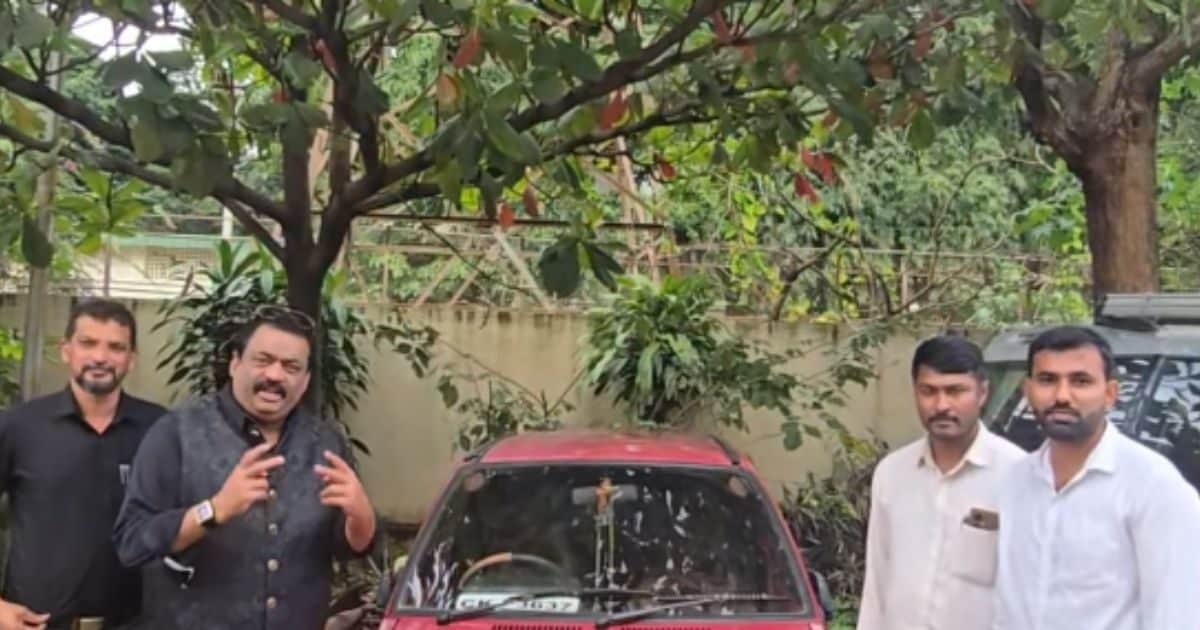
Dr CJ Roy found his Red Maruti 800 after 27 years and bought it back and gave a reward of Rs 10 lakh. The car was found with the help of social media. Why did he pay so much money to buy a used Maruti 800? Know…

news quickly

Bengaluru real estate tycoon Dr CJ Roy has located his first car, a Red Maruti 800, after 27 years and has also offered a reward of Rs 10 lakh for it. Dr. Roy, owner of many luxury cars including Rolls-Royce, took the help of social media to buy back his first car. Come, let us know how important is this Maruti 800 for Dr Roy, founder of Confident Group?

In 1994, when Dr. Roy was only 25 years old, he bought this red Maruti 800 for just Rs 1.10 lakh. At that time this amount was quite huge, with this much money one could buy 2 acres of land in Sarjapur area of ​​Bengaluru. Today the same land is worth more than Rs 20 crore. Dr. Roy had sold the car, but years later he remembered it.

power of social media

He appealed on social media and announced a reward of Rs 10 lakh. With the help of Instagram followers, the car was tracked down and Dr. Roy bought it back. He described it as the most expensive deal ever for a Maruti 800, but stressed that it was not about money, but about emotions and beginnings.

Maruti 800 fanbase

From the auto sector perspective, Maruti 800 is a symbol of India's automobile revolution. Launched in 1983, this car became the first car for the common man, which brought four wheelers within the reach of the middle class. In the 1990s, it was the first choice of youth and new entrepreneurs. Dr. Roy's story is reminiscent of this era, when Maruti 800 was not only a means of transportation but was also the first step to success.

Today, when it is the era of electric and luxury vehicles, the nostalgia of Maruti 800 still remains. Many people treasure it like a classic car and its resale value is very high on sentimental level. Maruti 800 is still a part of memories in millions of homes in India.

homeauto

If you are rich then it is like this…this gentleman bought Khatara Maruti 800 for ₹ 10 lakh!

Source link

19.76 km mileage, 6 airbags and sunroof! This 5-star SUV is getting a discount of Rs 1 lakh

19.76 km mileage, 6 airbags and sunroof! This 5-star SUV is getting a discount of Rs 1 lakh

Skoda Auto is known for its strong vehicles in the Indian market. Their portfolio includes Skoda Kylaq, Skoda Slavia, Skoda Kodiaq and the most popular Skoda Kushaq. In order to increase sales and attract customers, the company has introduced its most popular vehicle with strong discounts.

Customers purchasing New Skoda Kushaq this month will get huge benefits. The company has announced that at the beginning of the year, customers can avail a discount of up to Rs 1 lakh on the new Kushaq. After such a huge discount, this SUV, which competes with vehicles like Hyundai Creta, Kia Seltos and Maruti Suzuki Grand Vitara in the market, will become much cheaper. Let us take a look at the features and specifications along with discount details.

Bumper discount on Skoda Kushaq!

As told to you, this month the new Kushaq can be purchased with a discount of up to Rs 1,00,000. This includes an exchange bonus of Rs 50,000 and a corporate/loyalty bonus of Rs 50,000. Available at a starting ex-showroom price of only ₹ 10.66 lakh, this car will become even cheaper after the discount. However, these discount details may vary depending on the variant, available stock and dealership.

Design and dimensions

The front of the current Kushaq has a premium look with crisp LED headlights (with L-shaped DRLs), sharp chrome grille and silver skid plates. On the sides, 16-17 inch alloy wheels, black cladding, roof rails and muscular wheel arches add a sporty touch. At the rear, there are LED taillights (separate units), reflectors and dual exhaust tips (on top variants). Total length is 4225 mm, width is 1760 mm, height is about 1612 mm and wheelbase is 2651 mm. Ground clearance is 188 mm, which was good for Indian roads.

Interior and Features

Its cabin is quite premium and solid feeling. High-quality plastic, soft-touch materials and two-tone black beige theme have been used in the cabin. An 8-inch or 10-inch touchscreen infotainment system (with wireless Android Auto and Apple CarPlay) is available at the front. The instrument cluster comes with an analog-digital combination.

Features and safety

The top variants come with features like electric sunroof, ventilated front seats, cruise control, auto climate control, rear AC vents, wireless charging, keyless entry, push button start, LED ambient lighting, 6-speaker audio and rear parking camera. The infotainment system is user-friendly, but some variants lack physical AC buttons.

Safety is the biggest strength of Kushaq. This is the first local model with 5-star global NCAP rating. 6 airbags are standard across all variants. Apart from this, there are 20+ safety features like ABS with EBD, Electronic Stability Control (ESC), Multi-Collision Brake, Hill Hold Control, TPMS, ISOFIX child seat mounts, rear parking sensor and camera.

Engine and Mileage

Talking about the engine, it can be purchased with two turbo options. The first is 1.0 TSI (3 cylinder, 999 cc), which produces 115 PS power and 178 Nm torque. It is paired with 6-speed manual or 6-speed torque converter automatic. The second is 1.5 TSI (4-cylinder, 1498 cc), which gives 150 PS power and 250 Nm torque. It is mated to a 7-speed DSG automatic and comes with Active Cylinder Technology. Its maximum claimed mileage is 19.76 kmpl.

Source link

Nissan Gravite is ready to make a big entry! Know how special this 7-seater MPV will be

Nissan Gravite is ready to make a big entry! Know how special this 7-seater MPV will be

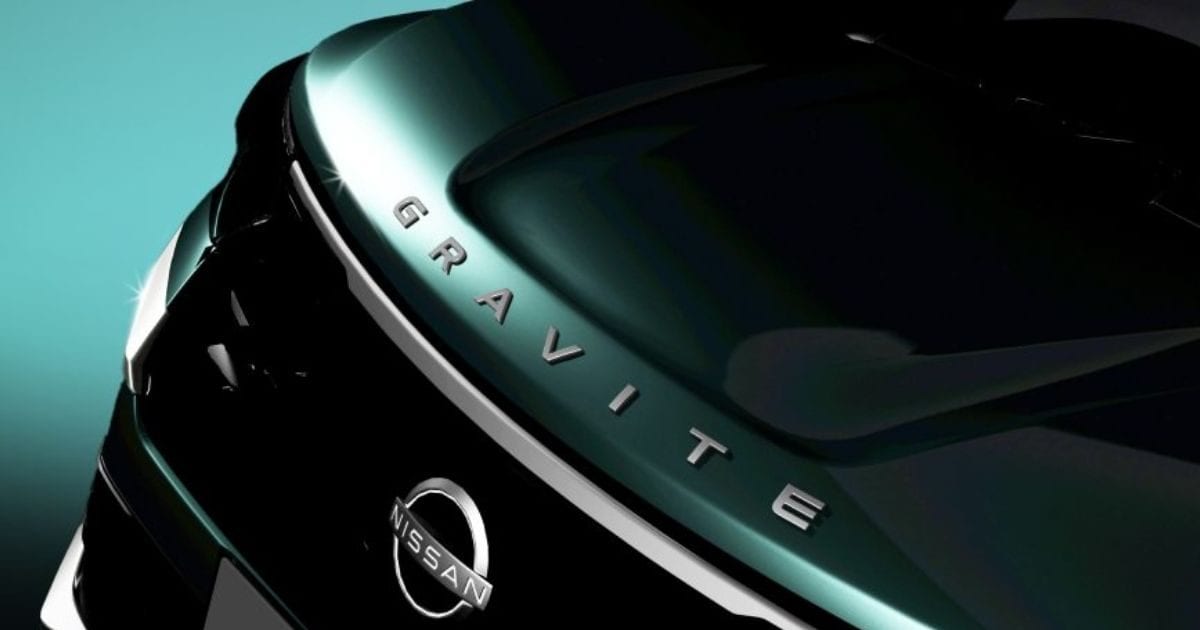
Nissan Gravite is going to enter the Indian market soon. This will be Nissan's first MPV (Multi Purpose Vehicle), which has been specially designed for the Indian family. It is a 7-seater compact MPV that shares the CMF-A+ platform with the Renault Duster, but will have Nissan's own distinct design language, features and styling.

Nissan officially announced the name Gravitas in December 2025. Its official unveil is going to happen in February 2026, while the market launch is expected by March 2026. Earlier in some reports, January 2026 was mentioned, but it has been postponed. Pre-bookings can start soon after the unveiling and deliveries will start from March. It will be manufactured locally at the Chennai plant, which is part of the Renault-Nissan Alliance.

Price and Positioning

Expected price range is between ₹6 lakh to ₹9 lakh (ex-showroom). It will be positioned slightly above the Renault Triber, but could be a value for money option. The company plans to attract early buyers with aggressive pricing. It will give strong competition in the compact MPV segment, which includes the names of Maruti Ertiga and Kia Carens.

color option

Nissan Gravitas will be offered in a total of 5 color options. These will have a signature teal shade, which is being highlighted as the flagship color. This will give an attractive and modern look. Rest of the color options include White (Pearl White), Silver (Blade Silver), Black (Onyx Black) and Grey.

Features and Packaged Load

Gravitas will be launched with packed features, which will make it competitive in the segment. It will be family-friendly, with modular seating, good space and practical storage. It will likely get an 8-inch touchscreen infotainment system, 7-inch semi-digital instrument cluster, wireless phone charging, push-button start/stop, manual AC, LED DRLs and horizontal LED headlamps, chrome grille and separate front-rear fascia, multifunctional steering wheel, multiple airbags, ABS, EBD with rear parking sensors and possible camera.

Engine and Performance

The powertrain will be taken from the Renault Triber. It has a 1.0-litre 3-cylinder naturally aspirated petrol engine, which gives 71-72 bhp power and 96 Nm torque. Transmission options will be 5-speed manual and AMT (automatic). CNG option may be available later at dealer level. This engine is fuel efficient and performs well in both city and highway.

Source link

New Renault Duster vs Tata Sierra: Who is better in features, design and performance? Know

New Renault Duster vs Tata Sierra: Who is better in features, design and performance? Know

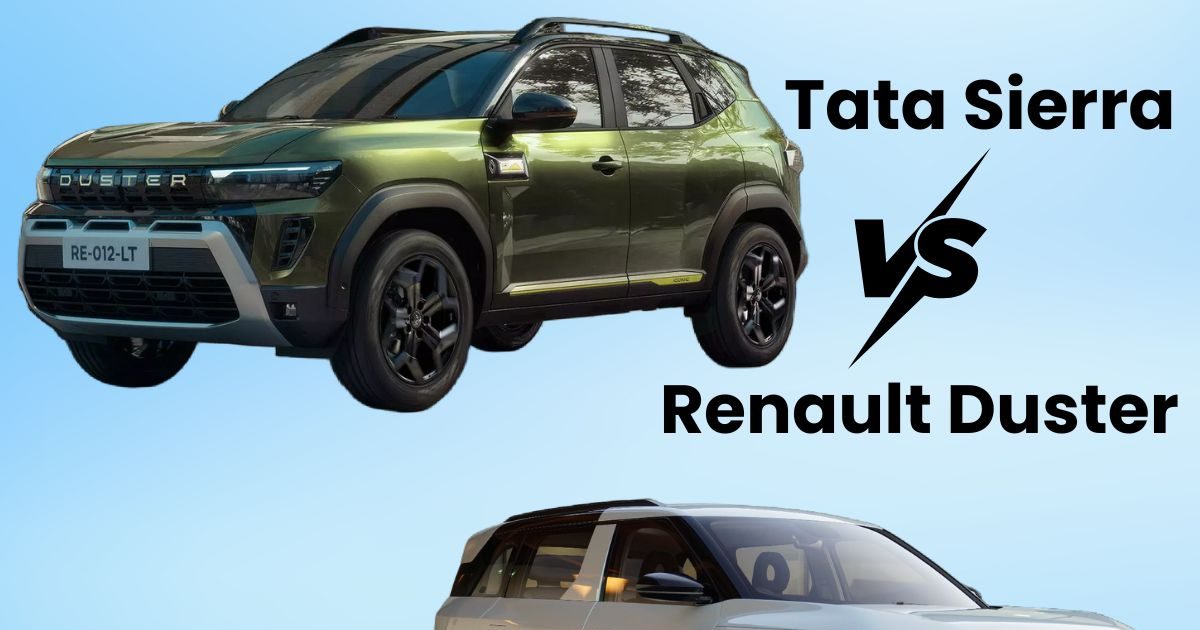
Renault India has recently introduced the New Duster. It is going to compete with Tata Sierra in the mid-size SUV segment. Both these cars have been launched recently and are attracting attention with their design, features, safety and performance. If you are confused about which SUV is the best among these two, then this article will be useful for you.

The estimated ex-showroom price of the new Renault Duster can start from ₹ 9.50 lakh and go up to ₹ 19-20 lakh. At the same time, the launch price of Tata Sierra can start from ₹ 11.49 lakh and go up to ₹ 21.29 lakh for the top variant. The base variant of Duster may be cheaper than Sierra.

New Renault Duster vs Tata Sierra: Design

The design of the new Duster is rugged and off-road focused. It gets India-specific changes like a broad trapezoidal grille, prominent Duster badging, elbow-shaped LED DRLs, pixel-style fog lamps, full LED headlamps and taillamps, muscular wheel arches, side cladding and 18-inch diamond-cut alloy wheels. Ground clearance is 212 mm.

On the other hand, the design of Tata Sierra is retro-modern. Its alpine windows with boxy shape give a classic touch. It has LED headlights, 17-19 inch alloy wheels, muscular body and premium look. It looks more refined and sophisticated like a lifestyle SUV, whereas the Duster is more rough and tough. The look of the Sierra is modern with nostalgic appeal.

Cabin and features

The interior of the Duster is premium and India-specific. It has a 10.1-inch touchscreen infotainment (wireless Android Auto and Apple CarPlay), 10.25-inch digital instrument cluster, panoramic sunroof, wireless charger, dual-zone climate control, 6-way powered and ventilated front seats, 48-color ambient lighting, keyless entry, push button start and multi-drive modes.

The interior of Tata Sierra is more luxury-oriented. It features a triple screen dashboard, 12-speaker JBL system with sound bar, 6-way powered driver seat with memory and welcome function, powered tailgate with gesture control, large panoramic sunroof and premium materials. The cabin of Sierra seems more spacious and full of technology, especially it is better for family use.

Both have modern features. Duster has strong features like panoramic sunroof, ventilated seats, 360-degree camera, wireless charger and multi-drive modes. The Sierra adds 360° surround view, blind spot monitoring, a powered tailgate, and a JBL audio system. Features like keyless entry and cruise control are common in both.

Who is better in safety?

Renault Duster has been engineered to meet 5-star safety standards. It has 6 airbags, ABS with EBD, ESP, rear parking sensors, ISOFIX, 360-degree camera, electric parking brake, disc brakes on all wheels and level-2 ADAS features. At the same time, Sierra also has ESP (21 smart functions), L2+ ADAS (22 intelligent features), multiple airbags, 360° camera and hill hold etc.

Engine and Performance

There are three engine options in Duster. Customers can buy it with 1.0L Turbo Petrol (100 PS, 160 Nm), 1.3L Turbo Petrol (163 PS, 280 Nm) and 1.8L Strong Hybrid (160 PS Combined, 172 Nm). It gives a good balance of performance and efficiency. At the same time, Sierra also has three engine options – 1.5L NA petrol (106 PS, 145 Nm), 1.5L TGDI turbo petrol and 1.5L Cryojet diesel (118 PS, 260-280 Nm).

Source link

Volkswagen's mega planning! Will launch not one or two but 5 new vehicles, know the details

Volkswagen's mega planning! Will launch not one or two but 5 new vehicles, know the details

Volkswagen has confirmed to launch 5 new vehicles in the Indian auto market this year. This announcement has been made recently, in which the company plans to launch at least one new product every quarter. This step is part of strengthening its presence in the Indian market and continuously providing new options to customers.

These mainly include Tayron R-Line, Taigun Facelift, Virtus Facelift, Golf GTI (second batch) and Tayron. These SUVs cover the sedan and hatchback segments, which will have a mix of premium features, superior performance and German engineering. The Tayron R-Line has already been unveiled, which is the company's new flagship 7-seater SUV. Come, let us know about all five upcoming cars.

VW Tayron R-Line

The company's first product is Tayron R-Line. It is a premium 7-seater SUV, positioned above the Tiguan R-Line and will replace the Tiguan Allspace. The Tayron R-Line is built on the MQB EVO platform, which has features like sporty R-Line design, LED matrix headlights, large panoramic sunroof and level-2 ADAS.

The engine is a 2.0-litre TSI turbo-petrol, producing 204 hp power and 320 Nm torque and is paired with a 7-speed DSG automatic gearbox and 4MOTION AWD. It will compete with competitors like Toyota Fortuner, Skoda Kodiaq, MG Gloster and Jeep Meridian. The estimated price could be around ₹45-50 lakh (ex-showroom).

vw tayron

After this, the standard variant of Tayron will also come, which is ready to be launched in Q2 2026. It will be a two-row mid-size SUV, which will probably have a 1.5-litre TSI engine, which will give a premium experience at a low price. This will be for those customers who do not need a 7-seater.

VW Taigun Facelift

The third big product will be the VW Taigun Facelift. The facelift will include a new front-rear design, updated infotainment system (10.1-inch touchscreen), digital instrument cluster and possibly ADAS features. Engines will be 1.0-litre and 1.5-litre TSI petrol, with the 1.0-litre optioned with an 8-speed torque converter automatic. The price is expected to be between ₹12-21 lakh.

VW Virtus Facelift

Similarly, Virtus Facelift can also be launched in the third quarter. Virtus is a premium sedan, with a spacious cabin and strong build quality. The facelift will have new bumpers, grille, LED lights and upgraded features like wireless charging, better sound system. Engine options will remain the same. This includes 1.0-litre and 1.5-litre TSI. The price can be in the range of ₹ 12-18 lakh.

vw golf gti

The company will launch the second batch of VW Golf GTI in the fourth quarter of the year. The first batch was sold out quickly, so the company is bringing a second batch, which may include around 100 units. This iconic hot hatchback produces 265 hp power from a 2.0-litre TSI engine, which comes with a 7-speed DSG. Features include 12.9-inch infotainment, ADAS, panoramic sunroof. The price may be around ₹ 50-55 lakh.

Source link