Creta becomes king! Beats Seltos, Grand Vitara and Sierra in mid-size SUV segment

Creta becomes king! Beats Seltos, Grand Vitara and Sierra in mid-size SUV segment

There is good demand for mid-size SUVs in the Indian auto market. This is the reason why car companies focus more on this segment and keep bringing new products and also update the already existing vehicles from time to time. Talking about sales, the first month of the year 2026 was much better for this segment.

Last month, Hyundai Creta was the country's best selling mid-size SUV. At the same time, there has been a huge increase in the sales of Kia Setos and Toyota Hyrider. Let us have a look at the model wise sales report in the segment.

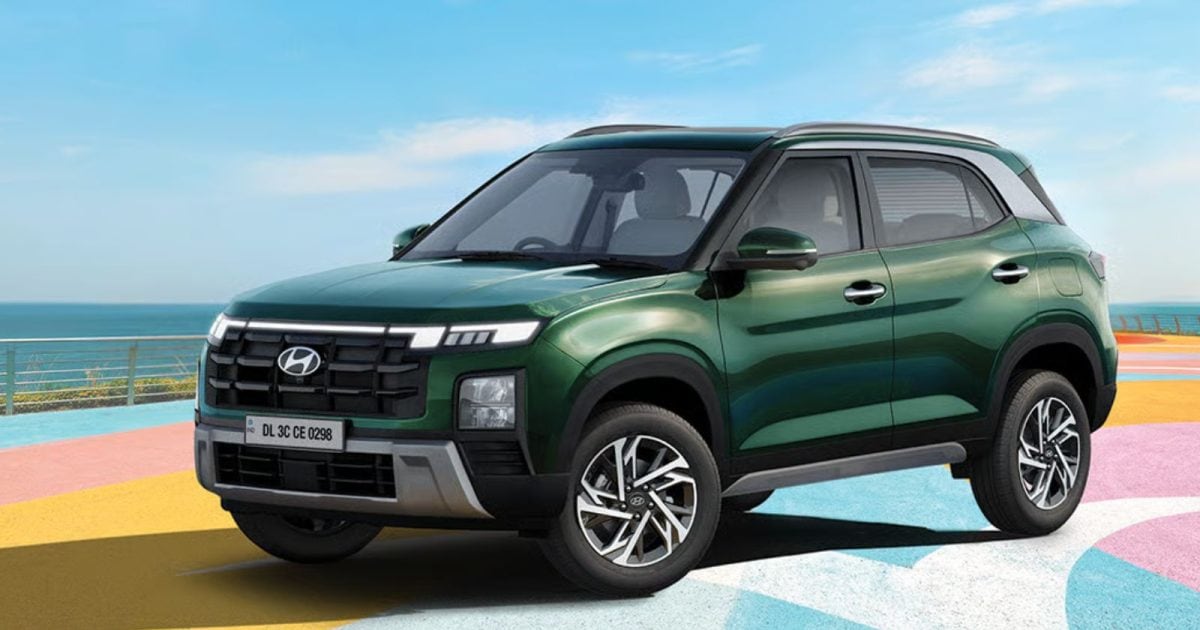
Hyundai Creta

Creta is at number one in the list. Last month, this popular mid-size SUV got a total of 17,921 new customers. This figure shows a decline of 3 percent on an annual basis as compared to the total 18,522 units sold in January 2025. Despite this, Creta remained the number-1 car of last month.

Maruti Victoris

Maruti Victoris is at second place in the list. It got a total of 15,240 new customers last month. This figure shows an impressive increase of 145 percent on a monthly basis as compared to the total 6210 units sold in December 2025.

Kia Seltos

Seltos is at number three in terms of sales. Last month it got a total of 10,639 new customers. This figure represents an increase of 64 percent on an annual basis compared to the total 6470 units sold in January 2025.

Toyota Hyrider

Hayrider sales have also increased. Last month it got a total of 9156 customers. This figure represents a spectacular increase of 85 percent on an annual basis compared to the total 4941 units sold in January 2025.

Maruti Grand Vitara

Despite declining sales, Grand Vitara has registered its name in the list of top-5 mid-size SUVs. Last month it got 7030 customers. This figure shows a decline of 55 percent on an annual basis compared to the total 15,784 units sold in January 2025.

Apart from the top-5 cars of the segment mentioned above, 7003 units of Tata Sierra, 2243 units of Honda Elevate and 1666 units of Tata Curvv were sold last month. Thus total sales were 70,898 units. This figure shows an impressive increase of 40 percent on an annual basis as compared to 50,577 units sold in January 2025.

Source link

Range Rover Evoque production starts in Chennai, will be sold in India as well as foreign markets

Range Rover Evoque production starts in Chennai, will be sold in India as well as foreign markets

Jaguar Land Rover (JLR), a subsidiary of Tata Motors, has started its new greenfield manufacturing plant at Panapakkam in Ranipet district of Tamil Nadu from today i.e. 9 February 2026. This plant was inaugurated by Tamil Nadu Chief Minister M.K. Stalin did this in the presence of Tata Sons and Tata Motors Passenger Vehicles Chairman N Chandrasekaran.

This plant is located in Sipcot Industrial Park and has been developed with an investment of ₹9,000 crore (about US$994 million). Construction work started in September 2024. This is Tata Motors' fifth passenger vehicle manufacturing plant in India, which includes two in Sanand, Gujarat, one in Pune and a joint plant with Jeep in Ranjangaon.

2.5 lakh vehicles will be made in a year!

This plant has an annual production capacity of 2.5 lakh units and will produce next generation models. This will include models of both Tata Motors and JLR. The plant is designed for the production of Electric Vehicles (EV), focusing on sustainable and future-ready manufacturing. This is the first plant to produce luxury models of JLR in India.

Range Rover Evoque rolled out

During the inauguration, the first vehicle, the locally assembled Range Rover Evoque, rolled out from the assembly line of the plant. Chief Minister Stalin himself drove this vehicle for a short distance, with Chandrasekaran accompanying him. This plant is important for the automotive sector in India, as Tamil Nadu is now the sixth major automaker of Tata-JLR after Hyundai, Renault-Nissan, BMW, VinFast.

Price and features

The Range Rover Evoque is the most accessible model in JLR's lineup, priced at ₹64.86 lakh, ex-showroom India. It is available with two engine options. The first one is P250 petrol mild hybrid (2.0-litre, 4-cylinder, turbo, 247 hp, 365 Nm) and the second is 2.0-litre turbo diesel (201 hp, 430 Nm) engine.

Both have automatic transmission, all-wheel drive and terrain response system with mild-hybrid technology. Features include 11.4-inch Pivi Pro infotainment, panoramic sunroof, Meridian sound system, wireless charging, Apple CarPlay/Android Auto etc.

Will prices decrease?

Earlier the Range Rover Evoque was completely imported (CBU), which attracted heavy import duty. Now with the start of local production through CKD (Completely Knocked Down) assembly, the import duty will be reduced, which will reduce the production cost. This may reduce the ex-showroom price by 10-20%. However, the company has not yet made any official announcement regarding this.

Source link

People with how much salary should buy Hyundai Creta, know the details from down payment to EMI.

People with how much salary should buy Hyundai Creta, know the details from down payment to EMI.

Hyundai Creta is currently the best selling SUV in the country. Its starting ex-showroom price starts from ₹ 10,79,000 and goes up to ₹ 20,20,000 for the top variant. If you are planning to buy it in the coming days, then you have reached the right address.

In this article, we have brought for you details related to Hyundai Creta's On Road Price and EMI. We will also look at the design, interior, features, safety, engine and mileage details of the vehicle. Let us tell you that we are doing this calculation according to Delhi. The price may be slightly more or less in your city.

Hyundai Creta On Road Price

As you told, Hyundai Creta can be purchased in the country's capital at a starting ex-showroom price of only ₹ 10,79,000. On this, RTO charges of ₹ 1,07,900 and insurance amount of ₹ 51,352 will have to be paid. Apart from this, TCS and other charges up to Rs 10,790 may be imposed. In this way the on-road price of the vehicle will become ₹ 12,49,042.

Hyundai Creta Down Payment & EMI Details

If you make a down payment of Rs 2 lakh at the time of buying a brand new Creta, then you will have to take a car loan for the remaining Rs 10,49,042. If you have decent monthly income and good credit score, the bank can give you this loan at an interest rate of about 10%.

Let us assume that this car loan is sanctioned for 5 years. In this way, you will have to pay a total of 60 EMIs of Rs 22,268 in 5 years at 10 percent interest rate. After completion of five years, the car will be worth Rs 15,36,068, which includes the down payment of Rs 2 lakh and the interest of Rs 2,88,026 paid in 5 years.

interior detail

The cabin of Creta is spacious and premium. Dual-tone theme, soft-touch materials, leatherette upholstery and a 10.25-inch digital cluster + integrated touchscreen panel are available. Front ventilated seats, 8-way powered driver seat, panoramic sunroof, dual-zone AC and Bose sound system add to the comfort. There is good leg-room at the rear and 433 liters of boot space.

Features and safety

Its feature list includes Level-2 ADAS (Forward Collision Avoidance, Lane Keep Assist, Blind-spot Monitor), 360° camera, wireless charging, voice-activated sunroof, wireless Android Auto/Apple CarPlay and powerful infotainment system. It also gets standard 6 airbags, ADAS, ESC, VSM, hill-start assist, TPMS and 70+ safety features.

Engine and Mileage

It is available in three options – 1.5L naturally aspirated petrol (115 PS, 144 Nm, 6MT/iVT, ARAI 17.4-17.7 kmpl), 1.5L turbo petrol (160 PS, 253 Nm, 7DCT, ~18 kmpl) and 1.5L diesel (116 PS, 250 Nm, 6MT/6AT, ARAI Can be purchased with 19.1-21.8 kmpl). Maximum claimed mileage is around 22 KMPL.

Bonus Tip: If you are looking for a 5-seater SUV for family, office commuting or daily use, then Hyundai Creta can be a better option. You can easily avail EMI by giving a down payment of Rs 2-3 lakh.

Our advice is that if you earn 60-80 thousand rupees per month and are not paying any big loan installments at present, then only plan to bring it home with a car loan. Getting a loan at a good interest rate will depend on your monthly earnings and credit score.

Source link

3 offroad modes, 19-inch wheels and a big sunroof! This SUV is coming to eat Fortuner's market?

3 offroad modes, 19-inch wheels and a big sunroof! This SUV is coming to eat Fortuner's market?

Last Updated:

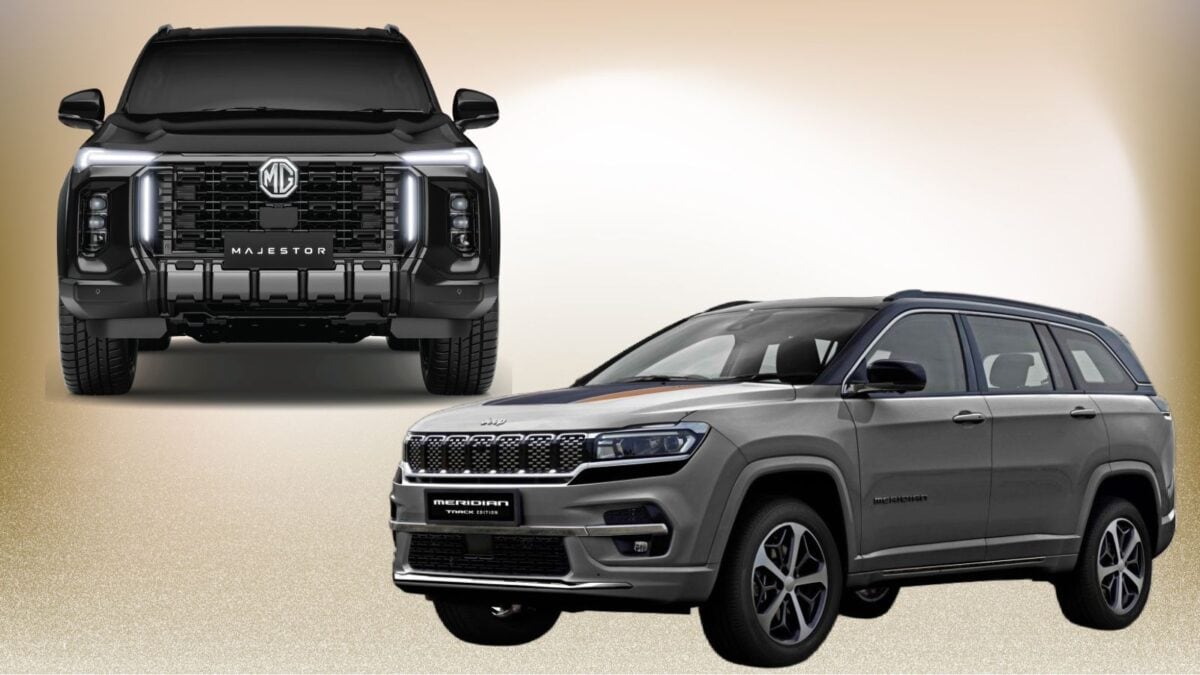
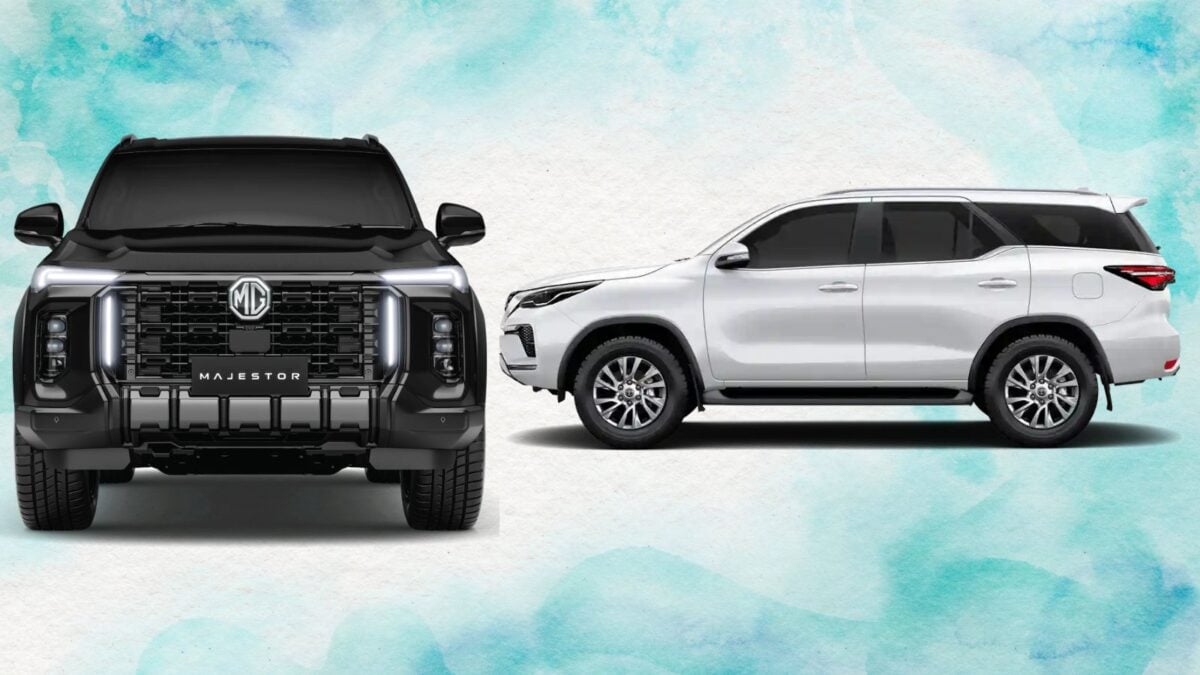
MG Motor India's MG Majestor SUV will be launched on February 12. It is going to compete with Toyota Fortuner and Jeep Meridian in the market. It has 4×4 system, luxury interior and 2.0-liter twin-turbo engine.

news quickly

Zoom

MG Majestor

MG Motor India has increased the excitement about its upcoming full-size SUV MG Majestor. This SUV will compete with cars like Toyota Fortuner and Jeep Meridian in the D+ segment. It is to be launched in the Indian market on 12th February.

Recently a teaser video of this has surfaced. The video shows the SUV driving on different terrains. It includes three dedicated off-road modes – Rock, Sand and Snow. These modes will provide better traction and control in challenging terrains like rock, sand and snow.

Majestor will be the real offroader!

This SUV has a 4×4 system, low-range 4WD and switches with differential locks, which make it capable of off-roading. Recently it was seen testing on Mount Japfu and Extreme Terrain in Nagaland, where its suspension articulation and ground clearance impressed.

Design and interior

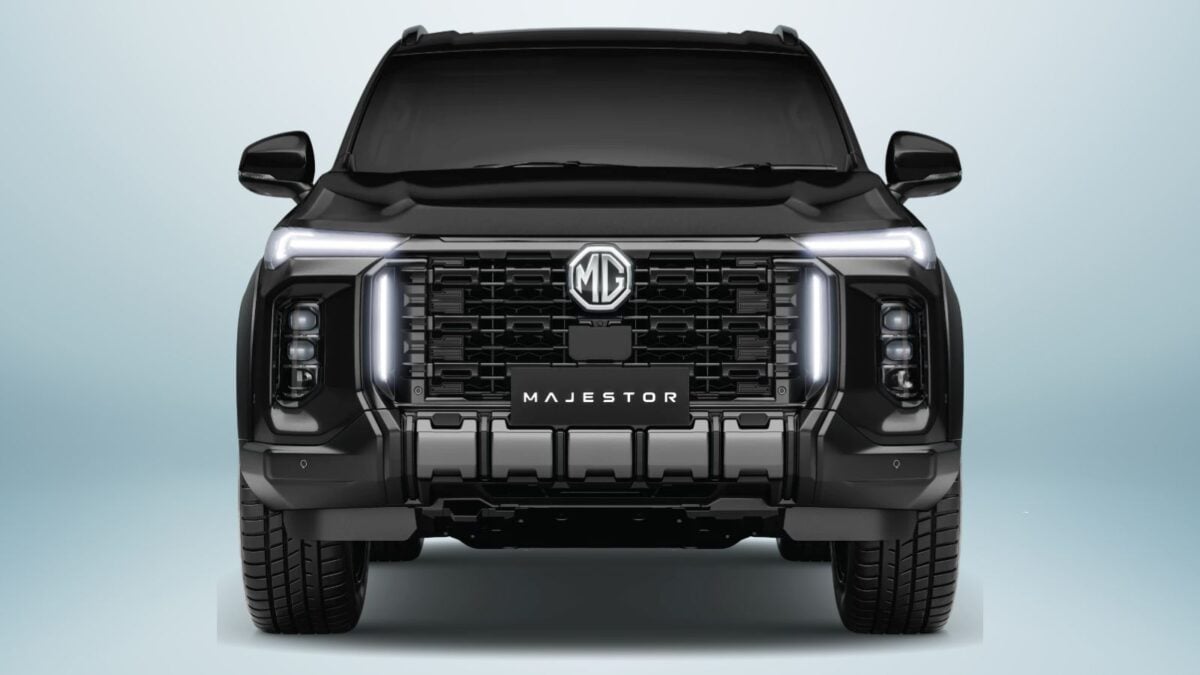
The exterior of Majestor looks quite aggressive and premium. It gets Falcon-inspired LED DRLs, a large front grille, thick body cladding and dual-tone 19-inch alloy wheels (265/65 R19 Apollo Apterra HT tyres), making it rugged and stylish. There are connected LED taillights and chrome exhaust tips at the rear. It is bigger, longer, wider and taller than MG Gloster. Also, it is built on ladder-frame chassis.

The interior is going to be full of luxury. It has dual 12.3-inch screens, Level 2 ADAS, panoramic sunroof, ventilated seats, JBL sound system and 7-seater layout. It is perfect for both family use and off-road adventure.

Engine and Performance

Talking about powertrain, it is expected to get a 2.0-litre twin-turbo diesel engine, which will generate around 213 bhp power and 478 Nm torque. It will be equipped with 8-speed automatic transmission. Some variants may also have a single-turbo option. Its price can be around 40-45 lakhs.

homeauto

This SUV is coming to eat Fortuner's market?

Source link

Hyundai i20 vs Maruti Baleno: Which hatchback is wise to buy for ₹6 lakh? know this

Hyundai i20 vs Maruti Baleno: Which hatchback is wise to buy for ₹6 lakh? know this

Hyundai i20 vs Maruti Baleno: Customers looking for a balance between an SUV and a sedan turn to the hatchback. Hyundai i20 and Maruti Baleno are the two best options in this segment. Both these cars attract young buyers. Where i20 is known for its stylish appeal and premium feel. Whereas, Baleno is liked for its better mileage and economical maintenance.

The starting ex-showroom price of both the cars is almost the same. Hyundai i20 prices start at Rs 5.99 lakh for the Era petrol manual variant and go up to Rs 10.44 lakh for the top variant Asta Opt IVT Knight. At the same time, the price of Maruti Baleno starts from Rs 5.99 lakh for the Sigma MT variant and reaches Rs 9.10 lakh for the Alpha AMT. Let us look at the design, features, engine and mileage details of both.

design comparison

The i20 looks more sporty and modern in its exterior design. Its length is 3995 mm, width is 1775 mm and height is 1505 mm, while the wheelbase is 2580 mm. It has features like LED headlamps, DRLs, taillights, sunroof (single pane), rear spoiler and alloy wheels. Colors include Fiery Red, Typhoon Silver, Starry Night etc.

Baleno is a little smaller. Its length is 3990 mm, width is 1745 mm, height is 1500 mm and wheelbase is 2520 mm. It has projector headlamps, LED DRLs, fog lamps and chrome grille, but no sunroof. Colors like Pearl Arctic White, Opulent Red, Grandeur Gray are available. The design of i20 is classy and premium, while Baleno looks safe and elegant. The Baleno is slightly ahead in boot space with 318 litres, while the i20 has 311 litres.

Whose interior is better?

The interior of i20 gives a more premium feel. It has leatherette upholstery, leather wrapped steering wheel, digital cluster, ambient lighting, sunglasses holder and glove box cooling. Dual-tone (black/grey) theme. The Baleno features fabric upholstery, leather steering, 4.2-inch digital cluster and dual-tone (black/blue) interiors. Both have 5 seats, front air vents and adjustable headrests. The Baleno is better in space, but the fit-finish and material quality of the i20 is good. There is good leg room and head room in both the rear seats.

Features and safety

The i20 has a 10.25-inch touchscreen, wireless Apple CarPlay/Android Auto, 4 speakers + 2 tweeters + subwoofer, cruise control, voice commands, USB charger (front/rear) and OTA updates. Baleno has 9 inch touchscreen, SmartPlay Pro+, ARKAMYS sound, 4 speakers + 2 tweeters, automatic climate control, heads-up display and remote immobilizer. Both have multifunction steering, keyless entry, rear parking sensors and power windows.

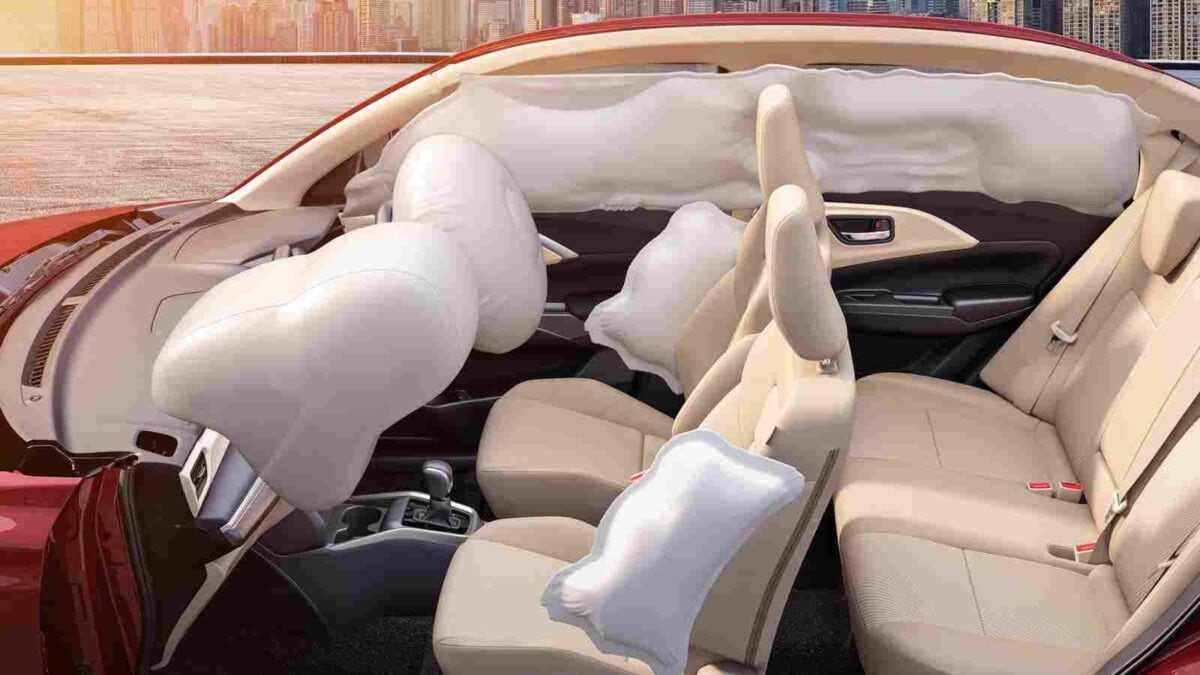
Both have 6 airbags (driver, passenger, side, curtain), ABS, EBD, ESC, rear camera, TPMS, speed alert and engine immobilizer. The i20 has hill assist, impact sensing auto door unlock and a 3-star global NCAP rating. The Baleno comes with brake assist, hill hold, 4-star Bharat NCAP rating and 360 view camera (at the top).

Engine and Mileage

Both have 1.2L petrol engine (1197 cc, 4-cylinder). The i20 produces 82-87 bhp and 114.7 Nm, while the Baleno produces 88-88.5 bhp and 113 Nm. The i20 has an IVT automatic and an optional 1.0L turbo, the Baleno has a 5-speed AMT and a CNG option. Both are FWD, suspension is MacPherson strut front and torsion beam rear. According to ARAI, the i20's mileage is 16-20 kmpl (petrol), while the Baleno's is 22.35-22.94 kmpl (petrol) and 30.61 km/kg (CNG).

Source link

Along with running on the road, the electric car will also work in the fields! Do you also know this feature?

Along with running on the road, the electric car will also work in the fields! Do you also know this feature?

Last Updated:

Gaurav Yadav is using his electric SUV as a power bank in the fields. Farming equipment can be operated with this. This initiative shows the utility and sustainability of EV in rural India. Come, let us know which feature is there in EV, which will help you in farming also.

news quickly

Zoom

EV Use in Farming

Electric cars can help you not only in driving but also in many important tasks. From village to city, their utility is continuously increasing. The latest example of this is Gaurav Yadav, a tech savvy farmer who has better knowledge of cars and bikes. He did something that is in the headlines today.

This young farmer from Haryana has launched his electric car not only on the road but also in the fields. Gaurav Yadav has great interest in farming. He promotes natural farming and is also fond of 4×4 vehicles and tractors. Now he has also put EV to work in his fields.

EV is helping in the field!

Recently, in a reel that went viral, Gaurav was seen using his electric SUV on the farm. This car is not just a means of transportation but also works like a mobile power bank. With the help of Vehicle-to-Load (V2L) technology, small farming equipment, lights, pumps or other tools can be run by extracting electricity from the car battery.

Where power cuts are common in villages, this feature is proving to be very useful. Gaurav explains that this reduces the need for diesel generators, saves expenses and also reduces pollution.

View this post on Instagram


Source link

This indigenous car company is taking direct competition with Maruti! Hyundai and Toyota defeated

This indigenous car company is taking direct competition with Maruti! Hyundai and Toyota defeated

Car Sales Jan 2026: India is the third largest car market in the world. In the Indian auto market, car companies like Maruti Suzuki, Mahindra and Tata Motors sell lakhs of vehicles every month. Same thing was seen last month also. Car companies across the country have sold a total of 4,52,589 cars in January 2026. This figure shows an annual increase of 12.71 percent compared to the total 4,01,538 cars sold in January 2025.

If we talk about company-wise sales report, then like always, Mauti Suzuki was the country's highest car selling company last month also. At the same time, Tata Motor and Mahindra have also made explosive sales. Apart from this, Hyundai and Toyota have also registered their names in the list of top-5 cars on the basis of good sales. Let us look at the sales of different companies.

Maruti Suzuki

As told to you, Maruti Suzuki is at number one in the list. It got a total of 1,74, 529 new customers last month. This figure shows a slight increase of 0.54 percent on an annual basis as compared to the total 1,73,599 units sold by it in January 2025.

Tata Motors

Tata Motors is at second place in the list. It has received a total of 70,22 new customers last month. This figure represents an annual increase of 46 percent compared to the total 48,075 units sold in January 2025.

Mahindra

Mahindra is at third place in terms of sales. This popular SUV manufacturer has received a total of 63,510 new customers last month. This figure shows an impressive increase of 25.37 percent on an annual basis as compared to the total 50,659 units sold in January 2025.

Hyundai

Hyundai, which was once at second place, has now slipped to fourth place. It got a total of 59,107 new customers last month. This figure shows an impressive growth of 9.45 percent on an annual basis as compared to the total 54,003 units sold in January 2025.

Toyota

Toyota has kept itself occupied in the top-5 list. It got 30,630 new customers last month. This figure shows an impressive growth of 17 percent on an annual basis as compared to the total 26,178 units sold in January 2025.

Apart from the top-5 car companies of January 2025 mentioned above, last month 27,603 units of Kia, 6193 units of Honda, 5739 units of Skoda, 4843 units of MG, 3715 units of Renault, 2710 units of VW, 2502 units of Nissan, 1058 units of Citroen and only 228 units of Jeep were sold.

Source link

Auto News Weekly Wrap-Up: From delivery of new Punch to i20 becoming cheaper, these are the big news of the week

Auto News Weekly Wrap-Up: From delivery of new Punch to i20 becoming cheaper, these are the big news of the week

Auto News Weekly Wrap-Up: This week many new updates have been seen in the Indian car market. On one hand, the delivery of Tata Punch facelift has started, which is making headlines with its updated design and features. At the same time, Nissan has confirmed the launch date of its new budget MPV Gravite, which is a strong indication of the brand's return to India.

Volkswagen has started bookings for the Tayron R-Line, which will compete in the premium 7-seater SUV segment. Also, the Hyundai i20 has now become more affordable, with the return of the base variant making it more attractive. Let us know one by one about all these updates that came in the first week of February 2026.

Tata Punch Facelift deliveries begin

Tata Motors has started the deliveries of 2026 Punch facelift across India. This updated SUV comes with a new stylish design, refreshed interior, new features and turbo-petrol engine. Now the 1.2-litre turbo engine gives 118bhp power. There are also options like segment-first CNG-AMT and paddle shifters. The price starts at ₹5.59 lakh for the top variant, making it value for money.

Nissan Gravitas launch date confirmed

Nissan has confirmed the launch date of its new 7-seater budget MPV Gravite in India as 17 February 2026. It is based on Renault Triber and will enter the affordable segment. Where there will be competition with models like Maruti Ertiga and Toyota Rumion. Part of Nissan's India revival strategy, the Gravite will be locally produced and designed as per the needs of Indian customers.

Volkswagen Tayron R-Line bookings open

Volkswagen has started pre-bookings for the Tayron R-Line at a token amount of ₹51,000, with the launch taking place in February 2026. This premium 7-seater SUV will be positioned above the Tiguan R-Line and will come from local assembly. With features like 2.0 TSI engine, R-Line exterior, HD Matrix headlamps, it will compete with Skoda Kodiaq, Toyota Fortuner and Jeep Meridian.

Hyundai i20 now more affordable

Hyundai has revised the prices of the i20 and relaunched the base Era variant, which starts at ₹5.99 lakh (ex-showroom). Due to this the entry price has been reduced to ₹ 74,000. 6 airbags are standard across all variants. Along with this, features like digital cluster and Type-C charging have also been added. Magna variants have also become cheaper by ₹ 13,000.

Source link

Tata Nexon vs Renault Kiger: Which SUV is wise to buy after spending 6-8 lakhs? know this

Tata Nexon vs Renault Kiger: Which SUV is wise to buy after spending 6-8 lakhs? know this

Both Tata Nexon and Renault Kiger are popular models in the sub-4 meter compact SUV segment in the Indian market. These cars are suitable for young buyers, family users and both city-highway users. Nexon is known for its strong build, excellent safety and powerful engine, while Kiger is budget friendly and comes in stylish design.

Recently both the cars have been updated. On one hand, the new Nexon has got ADAS. At the same time, Kiger Facelift has been introduced with many new changes. If you want to buy an SUV in the budget of 8-10 lakhs, then you can choose one of these. Let us look at the price and features of both.

Tata Nexon vs Renault Kiger: Design

The design of Tata Nexon looks muscular and premium. It has sharp lines, LED DRLs, large grille and connected LED taillights. Ground clearance is 208 mm, which is great for Indian roads. The Nexon looks wider and longer, which gives it stronger road presence.

On the other hand, the design of Renault Kiger is more sporty. The 2025 facelift gets new LED headlamps, fog lamps, redesigned bumpers, new alloy wheels and C-pillar graphics. Ground clearance is 205 mm. Kiger looks a bit compact, but is stylish and funky. Nexon gives a more premium feel in design, whereas Kiger looks more fresh and attractive.

interior detail

The interior of Nexon is premium and spacious. It has a 10.25-inch large touchscreen, full digital instrument cluster, ventilated seats, cooled glove box and good quality materials have been used. The cabin is wide and comfortable, rear seat space is also good.

The interior of Kiger is functional and modern. There are features like 8-inch or 10.25-inch floating touchscreen, ventilated front seats, rear AC vents, wireless charger and multi-sense driving modes. Space is good, but not as wide as the Nexon. Both have good build quality, but Nexon feels more luxurious.

Features and safety

The Nexon has advanced features like 360-degree camera, ADAS (Adaptive Cruise Control, Lane Keep Assist), wireless Android Auto/Apple CarPlay, cruise control, ventilated seats and a large infotainment system. Kiger also has features like 360-degree camera, wireless charger, auto climate control, 8-inch touchscreen, smart access card and ventilated seats.

Nexon wins in safety. It has got 5-star rating in Global NCAP, which has 6 airbags, ESP, hill hold, traction control and strong body structure. Features like ADAS are available in top variants. Kiger also has 6 airbags as standard. It gets ABS, EBD, reverse parking sensors and 21 safety features.

Engine and Mileage

Nexon has three options – 1.2L turbo petrol (118-120 bhp, 170 Nm), 1.5L turbo diesel (113-115 bhp, 260 Nm) and CNG. Transmission includes 5/6-speed MT, AMT and DCA. Its maximum claimed mileage is 17-21 kmpl in petrol and 24.08 kmpl in diesel.

Whereas, Renault Kiger has 1.0L naturally aspirated (71-72 bhp, 96 Nm) and 1.0L turbo petrol (98-100 bhp, 152-160 Nm) engines. Transmission options include 5-speed MT and CVT/AMT. Its claimed mileage (ARAI) is also around 18-20 kmpl.

Which one is better to buy?

If you want safety, power, space, mileage (especially diesel) and premium feel then Tata Nexon is a better option. At the same time, if you want a stylish and feature packed car in a low budget then Renault Kiger is a good choice. The starting price of Nexon is ₹ 7.32 lakh. At the same time, Kiger can be purchased at a starting ex-showroom price of Rs 5.76 lakh.

Source link

627 KM range, 540° camera and 7 airbags! This family EV is getting a discount of Rs 1.5 lakh

627 KM range, 540° camera and 7 airbags! This family EV is getting a discount of Rs 1.5 lakh

Tata Harrier EV has been launched recently. It comes in the list of popular electric SUVs of the country. If you are planning to buy this electric car in the coming days, then now is the best opportunity. Actually, Tata Motors is offering huge discounts on this premium offering.

The company has said that those buying Tata Harrier EV in February 2026 will get a total discount of up to Rs 1,50,000. This discount is available on both MY2025 and MY2026 models of Harrier EV. Let us tell you that its starting ex-showroom price is ₹ 21.49 lakh, which goes up to ₹ 30.24 lakh for the top variant. Let's take a look at its design, interior, features, battery, motor and range details.

interior detail

Its interior is quite luxurious and modern. The cabin has leatherette seats with dual-tone gray and white color scheme, which gives a comfortable and premium feel. The front seats are ventilated, the driver's seat is 6-way power adjustable with memory function. Features like Boss Mode, Panoramic Sunroof, Multi-Color Ambient Lighting, Touch-Based Climate Control and Wireless Phone Charger make it more attractive. For infotainment, there is a 14.5-inch (or 14.53-inch) Samsung Neo QLED touchscreen, which is a segment-first.

It has wireless Android Auto and Apple CarPlay, in-built navigation, OTA updates and Tata's iRA connected car services. Also, the 10-speaker JBL audio system with Dolby Atmos gives theater-like sound. 10.25-inch digital instrument cluster and HD rear view mirror are also provided. Space is quite good, being a 5 seater, rear passengers get ample leg room and head room. Boot space is 502 litres, which increases to 999 liters when folded.

Features and safety

Harrier EV is full of features. It has advanced features like 540-degree surround camera (with transparent mode), summon mode, e-valet, automated parking, vehicle-to-load (V2L) and vehicle-to-vehicle (V2V) charging, 65W fast charger port, digital key and ultra glide suspension. The floating touchscreen in the interior and the 4-spoke steering wheel with illuminated logo is also the center of attraction.

Tata's focus on safety is strongest. It comes with BNCAP 5-star rating ready body structure. Standard features include 6 or 7 airbags (depending on variant), ABS with EBD, ESP with i-VBAC, electronic parking brake, hill hold and hill descent control. There are Level 2 ADAS features like adaptive cruise control, lane keep assist, automatic emergency braking etc. A 360-degree camera, tire pressure monitoring and a built-in dashcam also add to the safety.

Battery, Motor and Range

Harrier EV has two battery options – 65 kWh and 75 kWh LFP (Lithium Iron Phosphate) battery pack. The ARAI certified range with the 75 kWh battery is 622-627 km, while the 65 kWh battery has a range of around 538 km. In real world it can easily travel up to 400-500 km. The motor setup consists of a permanent magnet synchronous motor at the rear in RWD (rear-wheel drive) producing 238 PS (175 kW) of power and 315 Nm of torque.

QWD (all-wheel drive) gets 158 PS induction motor at the front and 238 PS at the rear, totaling 390 bhp (about 396 PS) power and 504 Nm torque. 0-100 kmph can be achieved in just 6.3 seconds and the top speed is 180 kmph. Fast charging takes 250 km range in 15 minutes on a 120 kW DC charger or 25 minutes for 20-80%. AC charging at 7.2 kW takes 10.7 hours from 10-100%. The company is also giving lifetime battery warranty on it.

Source link

These 5 premium sedans are ready to make a big entry in the Indian market, the starting price will be only ₹ 11 lakh

These 5 premium sedans are ready to make a big entry in the Indian market, the starting price will be only ₹ 11 lakh

5 Upcoming Sedans in India: Even at present, people who want comfortable driving choose sedans only. The sedan car market in India has always been exciting. Especially in the mid-size segment where a great combination of style, performance, features and value for money is available. The year 2026 is going to be very special for sedan lovers, because many popular models are coming with their facelift or updated versions.

The list of sedans ready for launch includes the names of Skoda Octavia RS, Volkswagen Virtus Facelift, Skoda Slavia Facelift, Hyundai Verna Facelift and New Honda City. These cars are not only bringing a refreshed look in design, but will also come with advanced safety features like level-2 ADAS, better interior technology, panoramic sunroof and engine upgrades. Let us know about them one by one.

1. Skoda Octavia RS

Skoda Octavia RS was recently launched in India, but the company sent only 100 units of it to the Indian market. It is expected that its second consignment will also reach the Indian market in the second half of the year. It has a 2.0-litre TSI petrol engine, which generates 265 hp power and 370 Nm torque. It reaches the speed of 0-100 kmph in just 6.4 seconds.

Features include full LED matrix headlamps, 19-inch alloy wheels, sports bumper, RS badging, 13-inch touchscreen, bolstered sports seats and motorsport-inspired interiors. It is perfect for those who want high performance and premium feel. This remains the most powerful option in the sedan segment.

2. Volkswagen Virtus Facelift

Volkswagen Virtus is one of the best-selling sedans in India and its facelift is expected to be launched in the second or third quarter of 2026. The estimated price will be between ₹ 12-18 lakh. Updates will include refreshed front and rear bumpers, new LED lighting, updated alloy wheels and interior features like panoramic sunroof, 360-degree camera and level-2 ADAS.

Engine options will remain 1.0-litre and 1.5-litre TSI turbo-petrol, with the 1.0-litre getting a new 8-speed torque converter automatic and the 1.5-litre getting a 7-speed DSG. This car is known for its driving dynamics and build quality, and the facelift will make it more competitive.

3. Skoda Slavia Facelift

Skoda Slavia facelift will be launched in mid or end of 2026. Estimated price is ₹12-19 lakh. It is the twin of Virtus but will keep the unique styling of Skoda. Updates will include new LED headlamps and DRLs, revised grille, 3D pattern, updated taillamps and a larger 10.25-inch digital cluster on the interior, 360-degree camera and level-2 ADAS.

Engines will be 1.0-litre and 1.5-litre TSI turbo-petrol. It can be purchased with manual, automatic and DSG options. Features like rear disc brakes, panoramic sunroof and massaging seats may also come. This car will be popular for its space, features and value.

4.Hyundai Verna Facelift

Hyundai Verna facelift is scheduled to be launched in early 2026 or Q2. Its price will be around ₹ 11-18 lakh. The spy shots show a Sonata-inspired front bumper, bold LED headlights, updated rear LED light bar and new alloy wheels. The interior will have a larger dual-screen setup (12.3-inch), better ADAS level-2 and a more premium feel. Engines will be 1.5-litre naturally aspirated and turbo-petrol.

5.Honda City Facelift

Honda City facelift will come in the second half of 2026. Its estimated price will be between ₹ 12-20 lakh. This will be a minor update, which will have a front grille inspired by Civic, new lighting elements and rear design changes. The engine will be 1.5-litre naturally aspirated petrol (121 hp). Features include ADAS, updated infotainment and better safety.

Source link

Will Ford Endeavor return to the Indian market? Good news can be received in 4-6 months

Will Ford Endeavor return to the Indian market? Good news can be received in 4-6 months

Last Updated:

Ford India will start high-end engine production at Chennai plant from June 2026, will invest Rs 3250 crore, focus will be on exports. There is a possibility that the company will also recall Ford Endeavor in the coming days.

news immediately

Zoom

Ford Endeavor

Ford India has taken an important step towards its comeback in the Indian market. According to special sources, the company is preparing to restart production at its Chennai-based Maraimalai Nagar plant from June 2026. This plant was closed after Ford stopped vehicle production from India in 2021, when the company decided to leave India due to continuous losses and low market share. At that time Ford had sold the Sanand plant to Tata Motors, but kept the Chennai plant with itself.

Now Ford is reviving the plant, but the focus is on producing high-end engines rather than vehicles, which will be mainly for export. According to reports, the company is going to invest approximately Rs 3,250 crore (about 370 million dollars). The plant will have an annual capacity of around 2.35 lakh engines and production is expected to start full-scale by 2029. However, the process will start from June 2026.

Ford will start work again

Ford had stopped vehicle production from India in 2021 after canceling the proposed joint venture with Mahindra, due to which popular models like EcoSport, Endeavor were discontinued. However, now the company's strategy has changed. Some reports suggest that Ford may make a comeback in India with premium vehicles, such as the Endeavor (Everest) and Ranger pickups, which can be imported as CBU (Completely Built Unit). These models can compete with rivals like Toyota Fortuner.

Will Ford Endeavor make a comeback?

At present Ford's strategy is completely export-focused. The company has clarified that there are no plans for vehicle assembly or domestic sales in India. Endeavor (known globally as Everest) was also reported last year as a CBU import or locally assembled project, but now these plans are on hold due to EV strategy, global tariff war and company priorities. Many reports say that Endeavor's comeback is uncertain and the focus is on EV development and export.

However, given Ford's strong engineering base in India (12,000 employees in Chennai) and fan demand, the situation may change in the future. For now, Endeavor lovers will have to wait, as the company's primary goal is to strengthen the global supply chain and not an immediate return to the Indian market. This step is in the direction of making India an important manufacturing hub for Ford.

homeauto

Will Ford Endeavor return to the Indian market? You may get good news soon

Source link

28.65 KM mileage, 6 airbags and sunroof! This Hybrid SUV is getting a discount of Rs 78 thousand

28.65 KM mileage, 6 airbags and sunroof! This Hybrid SUV is getting a discount of Rs 78 thousand

Maruti Victoris is currently the cheapest Hybrid SUV in the country. It has been launched recently. To increase the sales of Victoris, the company has offered huge discounts on it in the beginning of February 2026. If you are planning to buy a good 5-seater car in the coming days, then this deal can be better. Come, let us know about the discounts available.

Maruti Suzuki is offering a discount of up to Rs 78 thousand on the purchase of Victoris this month. This includes a consumer offer of Rs 48,000 and a loyalty bonus of Rs 30,000. The company sells it at a starting ex-showroom price of only Rs 10,49,990, which goes up to Rs 19,98,900 for the top variant. After the discount, it can be purchased at a lower price.

Interior and Features

The cabin of Victoris looks quite attractive and futuristic. It has a dual-tone theme, soft-touch dashboard, piano-black finish and silver inserts, which give it a premium feel. Adequate legroom and headroom are available in the cabin. It has a large 10.1-inch touchscreen infotainment system, which supports Android Auto and Apple CarPlay. Apart from this, features like 10.25-inch digital instrument cluster, wireless charging, ventilated front seats, air purifier, 360-degree camera, head-up display and powered tailgate keep it ahead in terms of technology.

safety detail

Maruti Suzuki Victoris is a very strong SUV in terms of features as well as safety. It has standard safety features like 6 airbags, ABS with EBD, Electronic Stability Program (ESP), Hill Hold Control, Traction Control and Tire Pressure Monitoring System. Apart from this, it also gets Level-2 ADAS technology, which includes advanced safety features like Automatic Emergency Braking, Lane Keep Assist, Blind Spot Monitoring and Rear Cross Traffic Alert, which make driving safe both on the highway and in the city.

Engine and Mileage

Maruti Suzuki Victoris has a 1.5-litre petrol engine, which is known for smooth performance and better refinement. Apart from this, the option of 1.5-liter strong hybrid engine is also available in it, which uses electric motor with petrol engine. The petrol variant has the option of 5-speed manual and 6-speed automatic gearbox, while the hybrid version has e-CVT transmission. CNG option has also been made available. Its maximum claimed mileage is 28.65 KMPl.

Source link

20 Km Mileage, Sunroof and 5 Star Safety! This family car is getting a discount of Rs 98,000

20 Km Mileage, Sunroof and 5 Star Safety! This family car is getting a discount of Rs 98,000

Hyundai Verna is one of the best selling sedans in the country. However, its sales have declined marginally in the last few months. Keeping this in mind, the company has decided to give bumper discounts to the customers purchasing the new Verna this month to attract more and more customers. If you are going to buy the new Hyundai Venue in February 2026, then know the discount details.

Hyundai has decided to give a total discount of up to Rs 98,000 this month on the purchase of Verna. This includes direct cash discount of Rs 25 thousand, scrappage bonus of Rs 70 thousand and additional offer of Rs 3 thousand. In this way the total discount reaches Rs 98 thousand. Its starting ex-showroom price is ₹ 10,79,500, which goes up to ₹ 17,13,000 for the top variant. After the discount this price will reduce even further.

interior detail

The interior of Hyundai Verna is quite premium and spacious. It has leatherette upholstery with dual-tone theme (beige and black), which gives a luxury feel to the cabin. The front seats are ventilated and heated, providing comfort in both summer and winter. The driver seat comes with powered adjustment. The most special thing is the dual 10.25-inch screen setup, one of which is a digital instrument cluster and the other is an HD infotainment system, which supports wireless Android Auto and Apple CarPlay.

Features like 64-color ambient lighting, Bose premium 8-speaker sound system and nature sounds make the drive more enjoyable. Switchable infotainment and climate control panel is for the first time in this segment. Due to the long wheelbase (2670 mm) there is good leg room and headroom on the rear seats also. The boot space is also ample (528 litres). Overall, the interior is tech-forward, comfortable and modern.

Features and safety

The Verna is one of the most feature-rich cars in the segment. It has features like sunroof, wireless phone charger, cruise control, push button start, smart key, rear AC vents, automatic climate control and connected car technology (BlueLink). The top variant comes with a 10.25-inch touchscreen, Bose sound system and many customization options.

It has received 5-star rating from Global NCAP. 6 airbags are standard across all variants. Other features include ABS with EBD, electronic stability control (ESC), hill-start assist (HAC), tire pressure monitoring system (TPMS) and rear parking camera. The top variant has Level-2 ADAS (Advanced Driver Assistance System), which has advanced features like Forward Collision Avoidance, Lane Keep Assist, Adaptive Cruise Control, Blind Spot View Monitor, etc.

Engine and Performance

Hyundai Verna comes with two petrol engines. The first one is 1.5 liter MPi naturally aspirated petrol, which generates 115 PS power and 144 Nm torque. Second, there is 1.5 liter turbo GDi petrol, which generates 160 PS power and 253 Nm torque. Transmission options available are 6-speed manual, IVT (Continuously Variable) and 7-speed DCT (Dual Clutch). According to ARAI, its maximum claimed mileage is up to 20.6 KMPL.

Source link

Cars like Alto, Celerio and S-Presso will become expensive! Will not get exemption from government

Cars like Alto, Celerio and S-Presso will become expensive! Will not get exemption from government

The Government of India has completely canceled the proposed exemption for small cars in the upcoming fuel efficiency standard rules. According to an exclusive report by Reuters, the Power Ministry has removed the special relief for petrol cars weighing 909 kg or less in the latest 41-page draft of CAFE-III (Corporate Average Fuel Efficiency Phase-3).

This decision was taken after opposition from other automakers including Tata Motors, Mahindra & Mahindra, who argued that this exemption would benefit only one company (Maruti Suzuki). Come, let us know how the new rule will work now and why was it benefiting only Maruti Suzuki?

Shock to Maruti Suzuki!

Maruti Suzuki holds about 95% share in India's small car market. An earlier draft dated September 2025 proposed additional relaxation in the fuel efficiency target for petrol cars weighing less than 909 kg, as there was limited scope for efficiency improvement.

This relaxation was justified for small cars (length less than 4 meters, engine capacity up to 1200 cc). But companies like Tata, Mahindra, Hyundai and JSW MG Motor said it was inequitable as it would give Maruti an unfair advantage and harm the national goals of EV adoption.

What's in the New Testament?

Along with removing these exemptions, other parameters have also been tightened in the new draft. Weight-based over-compensation will be prevented, so that there is equal competition between light and heavy cars. The transport sector accounts for a major share of India's total petroleum consumption and CO₂ emissions.

The new rules will come into effect from April 2027 and will last till 2032. The aim is to significantly reduce fleet-average emissions. According to some estimates, it will be reduced by 91.7 grams CO₂/km. Failure to comply could result in fines of up to $550 per car.

Emphasis on EV and hybrid

These changes will increase pressure on all vehicle manufacturers to increase sales of electric and hybrid vehicles. This is a big blow for Maruti Suzuki, because many of their entry-level models (like Alto, Celerio) were dependent on this discount. The company has already said that without relief, production of small cars may become difficult. At the same time, companies like Tata and Mahindra are strong in the EV segment.

The move is part of India's green transportation policy, which focuses on accelerating EV adoption by 2030. However, this may affect the availability of affordable small cars, which are the best option for the middle class. The auto industry is now shifting investments towards EV, hybrid and advanced engine technologies.

Source link

16 KM Mileage, 7 Airbags and ADAS! This 7-seater SUV is getting a discount of Rs 45 thousand, best for a big family.

16 KM Mileage, 7 Airbags and ADAS! This 7-seater SUV is getting a discount of Rs 45 thousand, best for a big family.

Tata Safari is one of the popular 7-seater SUVs in the country. If you are planning to buy this popular SUV in the coming days, then there is a better opportunity. In fact, the company is offering huge discount offers on the purchase of Tata Safari in the beginning of February itself. Let us know with how much discount this 7-Seater Family SUV can be purchased?

Tata Motors is giving a total discount of up to Rs 45 thousand on the purchase of new Safari this month. This includes a consumer offer of Rs 10,000 and an exchange bonus of Rs 25,000 or a scrappage bonus of Rs 35,000. Let us tell you that only one offer of exchange bonus or scrappage bonus can be availed. Let us have a look at the interior, features, safety, engine and mileage details of Tata Safari.

Interior and Features

The interior of Tata Safari is quite premium and spacious. It has a dual-tone theme (like light and dark color combination), which gives a luxurious look to the cabin. The front seats are powered, ventilated and have memory function (in the top variant), while a boss mode is also available in the co-driver seat.

The middle row has captain seats or bench seat options, which are provided with ventilation and USB charging ports. The third row is foldable, which increases space. Ambient lighting in the cabin, steering wheel with illuminated logo, panoramic sunroof (with voice assisted and mood lighting) and large space ensure a comfortable journey for the entire family.

Safari is full of features with latest technology. The high-end variant has a 14.5-inch Samsung OLED touchscreen infotainment system, which supports wireless Android Auto and Apple CarPlay. A 10.25-inch digital instrument cluster, JBL audio system, air purifier, 360-degree HD surround view camera, voice commands and connected car technology are also available. Features like panoramic sunroof, ventilated front seats, rear AC vents and multi-function steering make long drives fun.

safety detail

Safari is the strongest in safety. It has received 5-star rating in both Global NCAP and Bharat NCAP. It also has been provided with 7 airbags (including driver knee airbag), ABS with EBD, ESP (Electronic Stability Programme), Hill Hold Control, all-wheel disc brakes, TPMS and ISOFIX child seat mounting. The top variant gets Level-2+ ADAS features like Adaptive Cruise Control, Lane Departure Warning, Autonomous Emergency Braking, Blind Spot Detection, Rear Cross Traffic Alert and Forward Collision Warning.

Engine and Mileage

There are two engine options in Safari. It has the first 2.0-litre Kryotec turbocharged diesel engine, which generates 170 PS power and 350 Nm torque. It comes with 6-speed manual or 6-speed automatic gearbox. The new 1.5-litre Hyperion Turbo GDi petrol engine produces 170 PS power and 280 Nm torque. Both powertrains can be purchased with 6-speed MT or AT and their mileage is around 16 KMPL.

Source link

26.99 KM Mileage, Sunroof and 6 Airbags! Small families are liking this SUV very much, price is only ₹ 5.60 lakh

26.99 KM Mileage, Sunroof and 6 Airbags! Small families are liking this SUV very much, price is only ₹ 5.60 lakh

Tata Punch is the cheapest SUV in the country. This is the reason why it gets a lot of customers. Last month also, Tata Motors has delivered Punch to many customers. The Punch has retained the title of the country's second best selling SUV, lagging behind its elder sister Tata Nexon. After GST cut, the company sells it at a starting ex-showroom price of only ₹ 5,59,900.

Last month Tata Punch got a total of 19,257 new customers. This figure represents an impressive growth of 19 percent year-on-year compared to the total 16,231 units sold in January 2025. If you are planning to buy this SUV in the coming days, then know about the interior, features, safety, engine and mileage.

interior detail

The cabin of the new Punch is quite premium and spacious. It has dual-tone blue-grey theme, comfortable seats with extended thigh support, sliding center armrest and storage. The top variant has a 10.25-inch Ultra-View HD touchscreen infotainment system, which supports wireless Android Auto and Apple CarPlay.

Features like 7-inch or 10.25-inch digital instrument cluster, voice-assisted sunroof, air purifier, wireless charger, auto climate control, rear AC vents and ambient lighting make it modern. Space is good, 5 people can sit comfortably and boot space is also adequate.

Features and safety

This is one of the most loaded cars in the segment. It has advanced features like 360-degree camera, cruise control, blind-spot monitor, push button start/stop, rain-sensing wipers, auto headlamps, connected car tech (iRA), 8-speaker sound system and multi-function steering wheel.

The biggest strength of Tata Punch is its safety. This is the safest compact SUV with 5-star rating from Bharat NCAP. Features like standard 6 airbags, ABS with EBD, ESP, hill hold/descent control, iTPMS (tire pressure monitoring), ISOFIX child seat mounts, all disc brakes and 360-degree camera make it perfect for the family.

Engine and Mileage

Tata Punch Facelift now comes with two engine options. It has the first 1.2L naturally aspirated petrol (88 PS power, 115 Nm torque) powertrain, which can give a mileage of up to 20.09 kmpl according to ARAI. The new 1.2L turbocharged petrol (118-120 PS, 170 Nm) engine is also capable of giving a mileage of around 18 KMPL. It can also be purchased in CNG fuel option, whose mileage is around 26.99 KG/PL.

Source link

Tata Punch EV Facelift will enter the Indian market on February 20, know what will change

Tata Punch EV Facelift will enter the Indian market on February 20, know what will change

Tata Punch EV Facelift has been spotted several times during testing. Now the company is ready to launch it in the Indian market. Tata Punch EV facelift is tentatively scheduled to launch on 20 February 2026. This is an updated electric version of Tata's popular micro-SUV, which will bring improvements in design, features and potential range from the current model.

Its estimated price will be around the current ₹ 9.99 lakh to ₹ 14.44 lakh (ex-showroom). However, it may increase slightly due to updates. It will give a strong competition in the compact EV segment, which will have better looks, more tech and safety focus. Let us know what changes can happen in Tata Punch Facelfit.

Design and interior

Tata Punch EV facelift will be inspired by the existing ICE Punch facelift (2026). The front will get a new LED headlamp setup, redesigned bumper, connected LED DRLs and updated grille, which will look more aggressive and modern. The rear will have connected taillights, new bumpers and refreshed tailgate design. The side profile will have new alloy wheels and SUV-like cladding. Overall, it will look more premium and attractive than before, and the ground clearance will remain good.

The interior will get a larger 10.25-inch or larger free-standing touchscreen infotainment system, digital instrument cluster and updated steering wheel. There will be touch-based AC controls, premium upholstery, better seating and seats with extended thigh support. Cabin space will be optimized. New color schemes, soft-touch materials and modern layout can increase the premium feel. Boot space is also expected to be adequate.

Features and safety

The facelift will get advanced features like larger touchscreen, wireless Android Auto/Apple CarPlay, connected car tech (iRA), voice assistant, premium sound system, sunroof, automatic climate control, air purifier, cruise control, push-button start, wireless charging and multi-mode regenerative braking. These features will be more attractive than the current model.

In terms of safety, it will have 6 airbags, ABS, EBD, ESC, TPMS, 360-degree camera, reverse parking sensors, hill hold and electronic parking brake as standard. It is built on acti.ev platform, so structural safety will be high. Potential ADAS features like lane assist or auto braking could also be added. High rating is expected in BNCAP. (about 70 words)

Battery, Motor and Range

The existing 25 kWh and 35 kWh battery packs are likely to remain in the facelift. With 25 kWh pack, you will get 80-82 bhp power, 114 Nm torque and 265-315 km claimed range (MIDC). 120 bhp power, 190 Nm torque and 365-421 km range will be available in 35 kWh pack. Some reports suggest a new 40.5 kWh pack and a range of up to 500 km. However, official confirmation regarding this is yet to happen.

Source link

27.97 Km Mileage, 6 Airbags and Sunroof! This hybrid SUV suddenly became expensive, now it will be available for this much

27.97 Km Mileage, 6 Airbags and Sunroof! This hybrid SUV suddenly became expensive, now it will be available for this much

Toyota Urban Cruiser Hybrid is one of the best selling hybrid cars in the country. If you are planning to buy it in the coming days, then there is a little bad news for you. Actually, the company has increased the price of Hayrider. This increase is said to be due to increase in raw material and production costs.

Hyryder has been made costlier by Rs 21,000 in February 2026. The company sells it exclusively in petrol-hybrid engine as well as CNG option. Its ex-showroom price starts from Rs 10,99,000 (ex-showroom) and goes up to Rs 20,19,000 (ex-showroom). Let us take a look at its interior, features, safety, engine and mileage details.

Interior and Features

The cabin of Hayrider gives spacious and premium feel. It has dual-tone black and brown interior. There is ample leg room and head room at the front and rear. Rear seats are 60:40 split foldable and also have reclining feature. The panoramic sunroof (in the top variant) makes the cabin spacious and light-filled. Features like rear AC vents, USB charging ports and armrest make the journey comfortable. Ventilated front seats, ambient lighting, leather-wrapped steering wheel and artificial leather/perforated seats add premium touches.

Its feature list includes 7-inch digital instrument cluster and 9-inch touchscreen infotainment system (Smart Play Cast), wireless charging, head-up display, electric adjustable driver seat, 360-degree camera, cruise control, auto AC, powered orthopedic seats and premium sound system. This car is quite practical for a family, where rear passengers also get good facilities.

safety detail

Toyota has not made any compromise on safety. 6 airbags are now standard across all variants (driver, passenger, side and curtain). Features like ABS with EBD, Vehicle Stability Control (VSC), Hill Hold Control, ISOFIX child seat mounts, rear parking sensors and TPMS (Tyre Pressure Monitoring System). The top variant gets Hill Descent Control (in AWD) and Advanced Body Structure (TECT), which increases crash protection.

Engine and Mileage

Engine options include a 1.5-litre K-series petrol engine (1462 cc, 103 PS power, 137 Nm torque), which comes with 5-speed MT, 6-speed AT or AWD. The CNG variant also has the same engine (88 PS in CNG mode). The Strong Hybrid has a 1.5-litre 3-cylinder engine (92 PS) + electric motor (80 PS), which gives excellent performance with the e-Drive system. Its maximum claimed mileage is 27.97 KMPL.

Source link

17.44 KM Mileage, Sunroof and ADAS! This is the country's best selling car, starting price is only ₹ 7.31 lakh

17.44 KM Mileage, Sunroof and ADAS! This is the country's best selling car, starting price is only ₹ 7.31 lakh

Tata Nexon has once again spread its charm. Nexon, which was the country's best selling car for a long time, has once again taken this crown in the beginning of the year 2026. Tata Motors has released the sales report a few days ago, in which it can be seen that Nexon has left behind Maruti Dzire and Hyundai Creta in terms of sales.

Talking about the figures, a total of 23,365 units of Tata Nexon were sold last month. This figure represents an impressive growth of 52 percent year-on-year compared to the total 15,397 units of Nexon sold in January 2025. In this way, Nexon has retained the title of the country's best selling SUV as well as the Best Selling Car. Let's have a look at its price and features.

Price and variant details

Tata Nexon is known for its strong build quality, excellent safety and modern features. Its ex-showroom price in the Indian market starts from ₹ 7.31 lakh and goes up to ₹ 14.15 lakh. On-road prices in Delhi can range from around ₹8.5 lakh to ₹16.7 lakh, depending on the city, variants and offers. Nexon is available in many variants. This includes Smart, Pure, Creative and Fearless. It is sold in CNG, petrol and diesel options.

Design and interior

The look of Tata Nexon is very bold and attractive. It has LED headlights, DRLs, end-to-end LED taillights, 16-inch alloy wheels and muscular body lines. The grille and bumpers in the facelift model are updated, which give it a premium and sporty look. Many options are available in colors like Pure Grey, Daytona Grey, Flame Red etc., as well as all-black theme is available in the Dark Edition.

The cabin is also quite premium and spacious. It has high-quality materials, ventilated seats, ambient lighting and digital instrument cluster. The 10.25-inch Harman touchscreen infotainment system comes with Android Auto and Apple CarPlay. Features like IRA 2.0 connected car technology, wireless charger, air purifier and cruise control make it a leader in the segment. The rear seats are comfortable and the 382 liters of boot space is enough for the family.

Features and safety

Features like 10.25-inch digital cluster, 360 degree camera, voice command, GPS navigation, drive modes and ADAS (Advanced Driver Assistance System) are available in the top variants. Power windows, automatic climate control and a multifunction steering wheel are standard.

This is one of the safest cars with 5-star BNCAP rating. 6 airbags, ABS with EBD, Electronic Stability Program (ESP), Hill Hold Control, Traction Control, TPMS and ISOFIX child seat mounts are standard across all variants. ADAS features like lane keep assist, automatic emergency braking are available in top models.

Engine and Mileage

Engine options include 1.2-litre turbo petrol (118 bhp, 170 Nm) and 1.5-litre turbo diesel (113-115 bhp, 260 Nm). Transmission options are 5/6-speed manual, AMT and 7-speed DCT automatic. CNG variant can also be purchased (99 bhp). According to ARAI, petrol has 17-17.44 kmpl, diesel has 23-24.08 kmpl and CNG has 17.44 km/kg.

Source link