Nissan Tekton vs Tata Sierra: Know which one is better to buy from engine to performance

Nissan Tekton vs Tata Sierra: Know which one is better to buy from engine to performance

Last Updated:

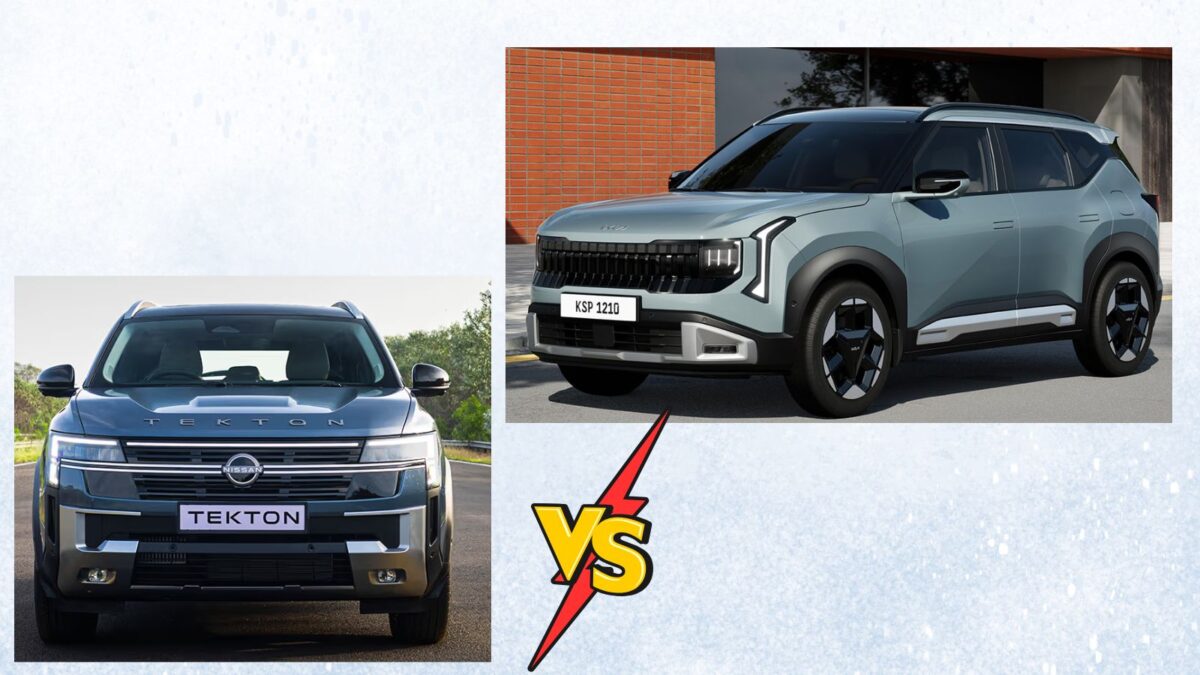
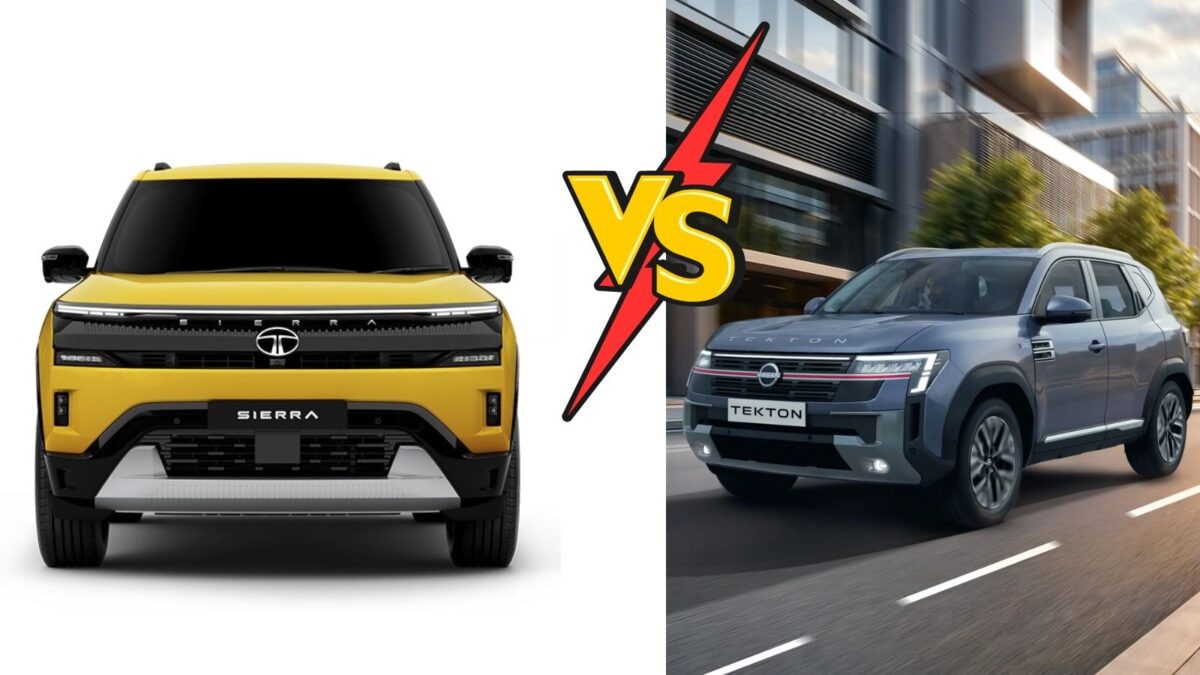
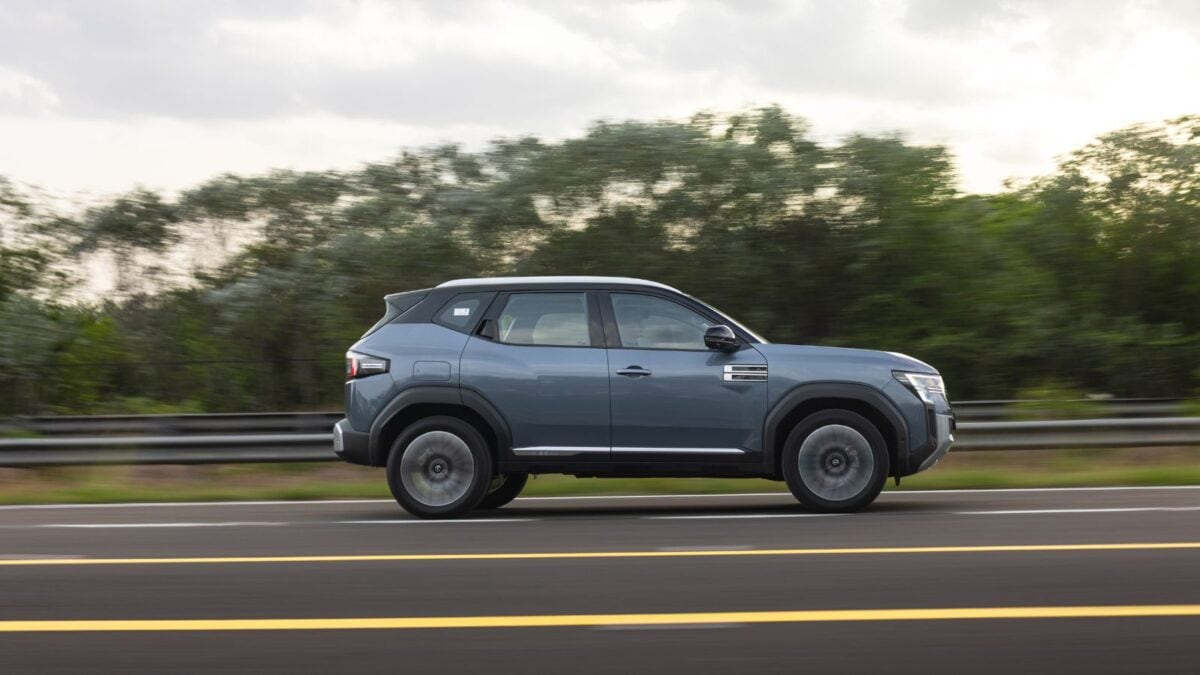
Nissan Tekton has given a direct challenge to Tata Sierra as soon as it entered the Indian SUV market. Both the SUVs come with powerful design, advanced features and multiple powertrain options, but there is a big difference in terms of price, cabin space, boot space, engine and technology. If you are planning to buy a new family SUV, then read the complete comparison of both before taking a decision.

news quickly

Zoom

Nissan Tekton vs Tata Sierra: Which one is better to buy? Know

Nissan Tekton vs Tata Sierra: Tekton has recently entered the Indian SUV market. Its direct competition in the segment is with Tata Sierra. Both the vehicles are attractive options for families with stylish design, modern features and strong performance.

The ex-showroom price of Nissan Tekton starts at ₹10.49 lakh and goes up to ₹18.59 lakh, while the price of Tata Sierra starts at ₹11.49 lakh and the top variant goes up to ₹21.29 lakh. The Tekton is slightly cheaper, which will appeal to budget-conscious buyers. Let us know who is the best in terms of design, engine and performance?

Design and interior

The aggressive look of Tekton is inspired by Nissan Patrol. It has been introduced with bold LED light bar, muscular silhouette and 18-inch alloy wheels. The Sierra has a Red Dot Award winning design, which looks more premium and has road presence, it looks slightly larger with a wider body (1841 mm) and height (1715 mm). Both have a panoramic sunroof, but the Sierra's cabin feels more spacious.

On the interior, the Tekton offers a modern tri-tone layout, 10.1-inch touchscreen, 10.25-inch digital cluster, ventilated powered front seats, dual-zone AC and Google built-in. The Sierra leads with triple screens (12.3-inch main), JBL 12-speaker sound system, HUD and rear passenger comfort features like Boss Mode. The boot space of Sierra is 622 liters and that of Tekton is 518 liters.

Features and safety

Among the features, both have wireless charging, 360° camera, powered tailgate and connected tech. The Sierra gets extras like a co-driver screen and a better speaker setup. In safety, both have 5-star BNCAP rating, they have been launched in the market with 6 airbags, ESC, TPMS and Level-2 ADAS (Adaptive Cruise, Lane Keep etc.). More advanced safety features are available in some variants of Sierra.

Engine and Performance

The Tekton has 1.0 liter turbo-petrol (98 bhp) or 1.3 liter turbo (160 bhp, mild-hybrid) options. It can be bought with a 6-speed MT/DCT and the mileage is around 18-19 kmpl. Sierra has 1.5 liter NA petrol, turbo-petrol, diesel and EV options. The torquey diesel (280 Nm) is better for the highway. Sierra offers more options with its diesel engine.

About the Author

authoring

Ram Mohan MishraSenior Sub Editor

Ram Mohan Mishra, working as Senior Sub-Editor at News18 Hindi, is active in digital media since 2021 and is currently handling the Auto Desk. They provide car and bike related information in an easy, clear and reliable manner.read more


Source link

Nissan Tekton vs Honda Elevate: Which Japanese SUV is wiser to buy? Know

Nissan Tekton vs Honda Elevate: Which Japanese SUV is wiser to buy? Know

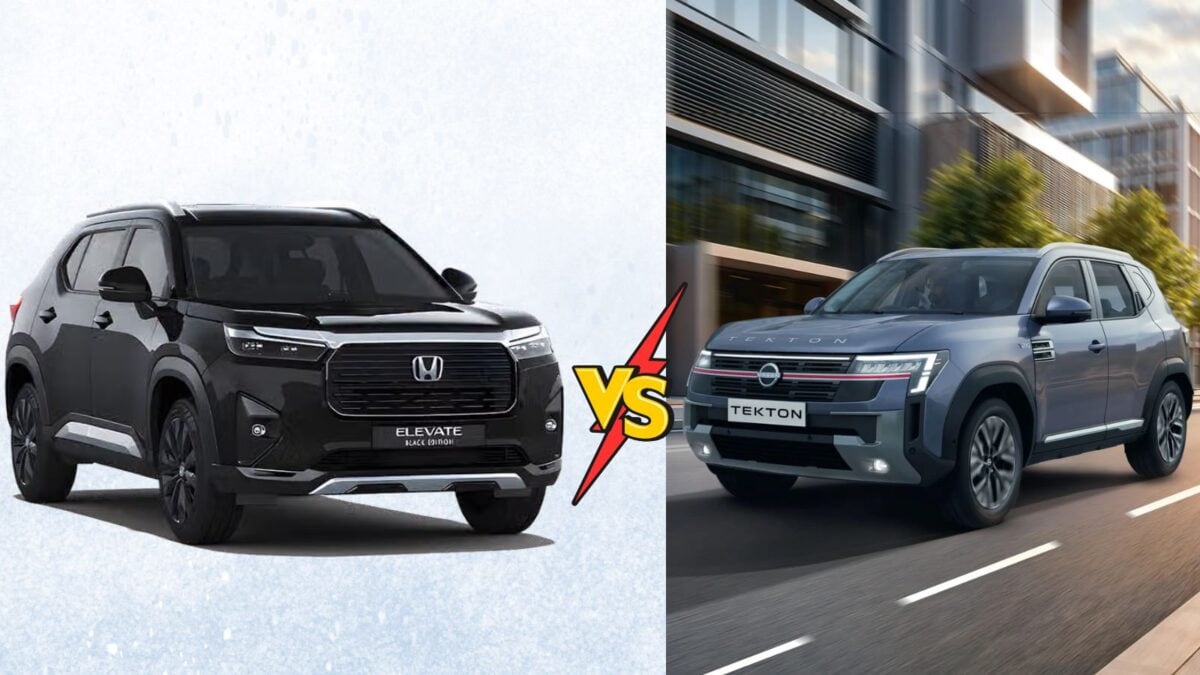
Nissan Tekton vs Honda Elevate: Recently Nissan Tecton has been launched in the Indian auto market. It will compete with Honda Elevate in its segment. On one hand, Tecton comes with a bold and boxy design. At the same time, Honda Elevate has been in the market since 2023 and is known for its reliability, space and safety.

Ex-showroom prices for Nissan Tecton start at ₹10.49 lakh (Visia 1.0L MT) and go up to ₹18.59 lakh for the top variant. Honda Elevate starts at ₹ 11.60 lakh (SV) and the top ADV Edition CVT goes up to around ₹ 16.67 lakh. The Tecton offers a slightly cheaper base price, while the Elevate offers mid-range value. Both are available on petrol engines. Let's take a look at the design and engine-performance details of both.

Design and interior

The look of Nissan Tecton is aggressive and muscular. The boxy silhouette, LED light bar, high ground clearance (about 212mm) and petrol-like SUV styling give off off-road vibes. It looks strong with big wheels and roof rails. Whereas, the design of Honda Elevate is sleek and modern. Premium appeal with upright grille, flat bonnet and soft lines. The Elevate feels more car-like, while the Tecton gives the impression of an adventurous SUV.

The cabin of the Tecton is premium with a modern tri-tone layout, 10.25-inch digital cluster, panoramic sunroof, ventilated seats, 48-color ambient lighting and leatherette upholstery. Space is good and the boot is 518 litres. The Elevate's interiors are classy and ergonomic, with a spacious cabin (458 liters boot) and good build quality. However, Tecton seems more feature-loaded and tech-heavy.

Features and safety

Both have 10-inch+ touchscreen, wireless Android Auto/CarPlay, rear AC vents, etc. Tecton gets panoramic sunroof, ventilated powered seats, 360-camera and more ambient options. Honda Sensing ADAS (Adaptive Cruise, Lane Keep) in the Elevate is stronger in the top variants. Tecton looks ahead in features.

6 airbags are standard in both. Tecton has achieved 5-star rating in BNCAP. The Elevate's strong ACE body structure and Honda Sensing ADAS make it safe (good score in JNCAP). Both have features like ESC, hill assist, 360-camera (better in Tecton). Both are close in safety.

Engine and Performance

The Tecton has two turbo-petrol options: 1.0L (99 bhp) and 1.3L (161 bhp, 280 Nm) with MT/DCT option. It gives powerful, torquey and fun drive with good mileage (18-19 kmpl). The Elevate's 1.5 liter NA i-VTEC (119 bhp, 145 Nm) engine is smooth, refined and comfortable with the CVT. But the punch of turbo is missing in it.

Source link

Only Gangadhar is powerful! Price and appearance are all the same, yet this SUV is being sold under two names.

Only Gangadhar is powerful! Price and appearance are all the same, yet this SUV is being sold under two names.

Nissan TEKTON vs Renault Duster: Duster and Tecton have recently entered the compact SUV segment in the Indian auto market to compete with vehicles like Hyundai Creta and Kia Seltos. Both the SUVs are technically the same, they are just being sold with different badges.

The starting ex-showroom price of both the SUVs has been kept at ₹ 10.49 lakh (ex-showroom). Tecton is the latest and the company has launched it in the market with the name 'Baby Patrol'. It has premium appeal with its boxy and muscular design. At the same time, the new gen Renault Duster comes with a rugged and adventurous look. Let's take a look at the price, engine and performance details of these two SUVs.

Design and interior

The design of both SUVs is different. The Tecton gets a large grille inspired by the Nissan Patrol, C-shaped LED light bar, full-width LED headlamps and connected taillights. It is 4349 mm long, 1815 mm wide and 1674 mm high. The Duster measures 4346 mm long, 1815 mm wide and 1701 mm high with Y-shaped LED DRLs, boxy silhouette and rugged bumpers. Both have the same ground clearance of 212 mm and wheelbase of 2657 mm. The look of Tecton is more premium and modern, whereas Duster gives a classic adventurous feel.

The interior of both SUVs is modern. The Tecton has a layered dashboard, copper/brass accents, dual-tone theme, 10.1-inch touchscreen and 10.25-inch digital cluster. The Duster also has a similar dual-screen setup, but a slightly more utilitarian layout. Both have panoramic sunroof, ventilated seats, wireless charger and good cabin space. Boot space is 518-700 liters (more with seats folded). The cabin of Tecton looks a little more premium.

Features and safety

Both are quite similar in features. There are wireless Android Auto/Apple CarPlay, Arkamys audio, 360° camera, powered tailgate and Google built-in. Level-2 ADAS (lane keep, adaptive cruise etc.) is better available in the Tecton in higher variants. Both have 5-star Bharat NCAP rating in safety. Standard 6 airbags, ABS, ESC, TPMS, ISOFIX and hill assist are available. ADAS and 360° camera are in higher variants.

Engine and Mileage

Both have 1.0 liter turbo-petrol (99-100 PS, 166 Nm, 19.4 kmpl) and 1.3 liter turbo-petrol (160-163 PS, 280 Nm, 17.8-18.5 kmpl) engines. 6-speed MT or DCT option available. Duster is also expected to get a strong hybrid later, while Tecton focuses on petrol. Performance is good in both, especially the 1.3 liter turbo petrol engine is better.

Overall, the Tecton is better suited for those looking for premium styling and branding, while the Duster will offer value with its rugged feel and hybrid options. You can choose between these two based on personal preference.

Source link

Tata Tiago vs Renault Kwid: Which hatchback is better to buy in a budget of ₹5 lakh? Know

Tata Tiago vs Renault Kwid: Which hatchback is better to buy in a budget of ₹5 lakh? Know

The entry-level hatchback segment has always been competitive and in high demand in the Indian auto market. However, the demand for hatchbacks has declined in the last few years after the arrival of affordable micro SUVs like Tata Punch and Hyundai Exter. Currently, Renault Kwid and Tata Tiago are the two competitors in this segment. Renault has recently updated the Kwid. At the same time, Tiago has also come in a new avatar only a few months ago.

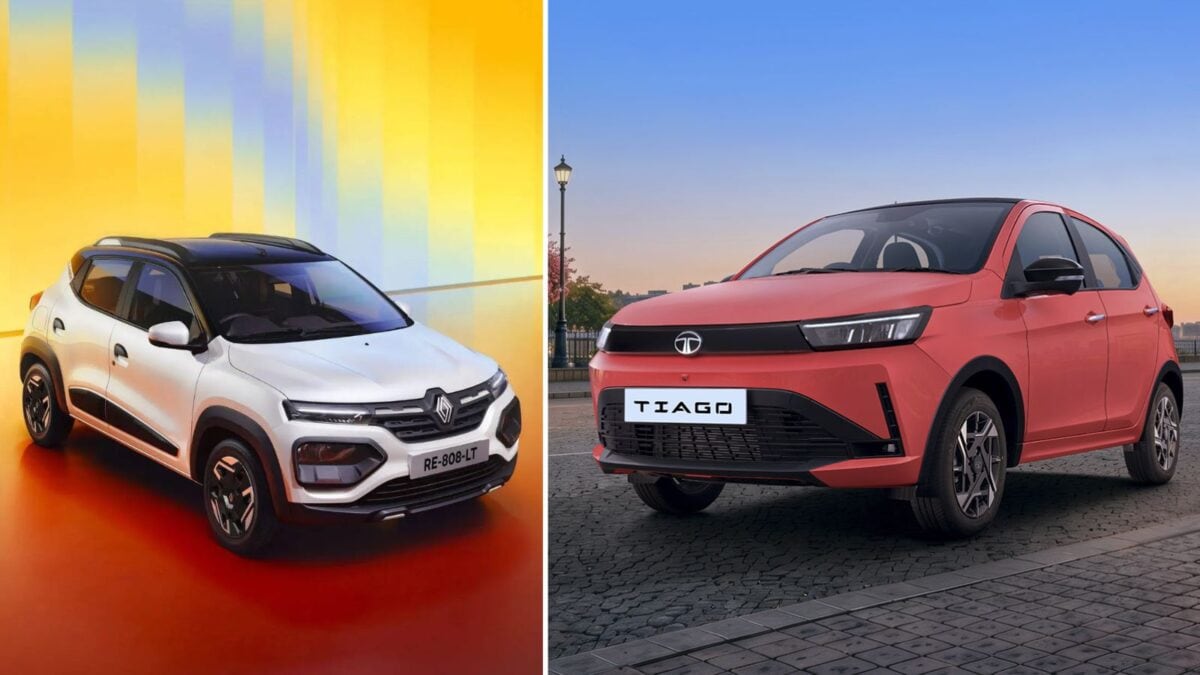
New variants of Kwid (Evolution and Climber) and Tiago have been launched with facelift, better features and safety. The starting price of Kwid starts at around ₹4.53 lakh (ex-showroom), while the Tiago can be bought for ₹4.70 lakh (ex-showroom). Let us know which hatchback among these two will be more profitable to choose?

Design and dimensions

The design of Renault Kwid is SUV-style. It looks premium with its boxy shape, high ground clearance (184 mm), roof rails and cladding. New logo, wheel covers and LED DRLs are available in the 2026 update. Length is 3731 mm, width is 1579 mm. It is perfect for city streets and bad roads.

The look of Tata Tiago is more modern and premium. The 2026 facelift has slim LED headlamps, new bumper and 14-15 inch wheels. Its length is 3813 mm, width is 1677 mm and height is 1535 mm. It seems more practical and stable for family use. The design of Tiago is more mature than the Kwid.

Cabin and Comfort

The cabin of Kwid is functional. 8-inch touchscreen, digital cluster and good seating. Space is fine, but it may seem a bit tight for three adults on the rear seat. Boot space is 279 litres. The interior of Tiago gives an updated and premium feel. It has a 10.25-inch touchscreen (in top variants), digital display, auto AC and better materials. Headroom and legroom are good, but the boot is 242 litres. Tiago is more comfortable for the family.

Features and safety

Kwid gets 8-inch screen, Android Auto/Apple CarPlay, keyless entry, rear camera, power windows and steering mounted controls. The Climber variant has more stylish features. Tiago is ahead in safety. It gets wireless connectivity, 360° camera, cruise control, cooled glovebox, paddle shifters (AMT) and connected car tech. Tiago is more feature-rich.

There is a big difference between the two regarding safety. The Global NCAP rating of Kwid is 1-star (old testing). However, now 6 airbags (in top), ESC, TPMS and ABS are available. Tiago has received a 4-star Global NCAP rating. It gets 6 airbags as standard (across multiple variants), 360° camera, ESC, traction control and better body structure. Tiago can be considered safer for the family.

Engine and Mileage

Renault Kwid has a 999 cc capacity 3-cylinder petrol engine (67-69 bhp, 91-92.5 Nm). It comes with 5-speed MT/AMT. Its ARAI mileage is 22.3 kmpl. Easy in the city, but may seem weak on the highway. CNG kit option is also available. Tata Tiago is powered by a 1199 cc 3-cylinder (85 bhp, 113 Nm petrol; less in CNG) engine, which comes with MT/AMT. Its claimed mileage is 19 kmpl (petrol) and 26-28 km/kg in CNG.

Source link

Renault Kwid vs Maruti Alto K10: Which one is better to buy in a budget of ₹ 5 lakh? Know

Renault Kwid vs Maruti Alto K10: Which one is better to buy in a budget of ₹ 5 lakh? Know

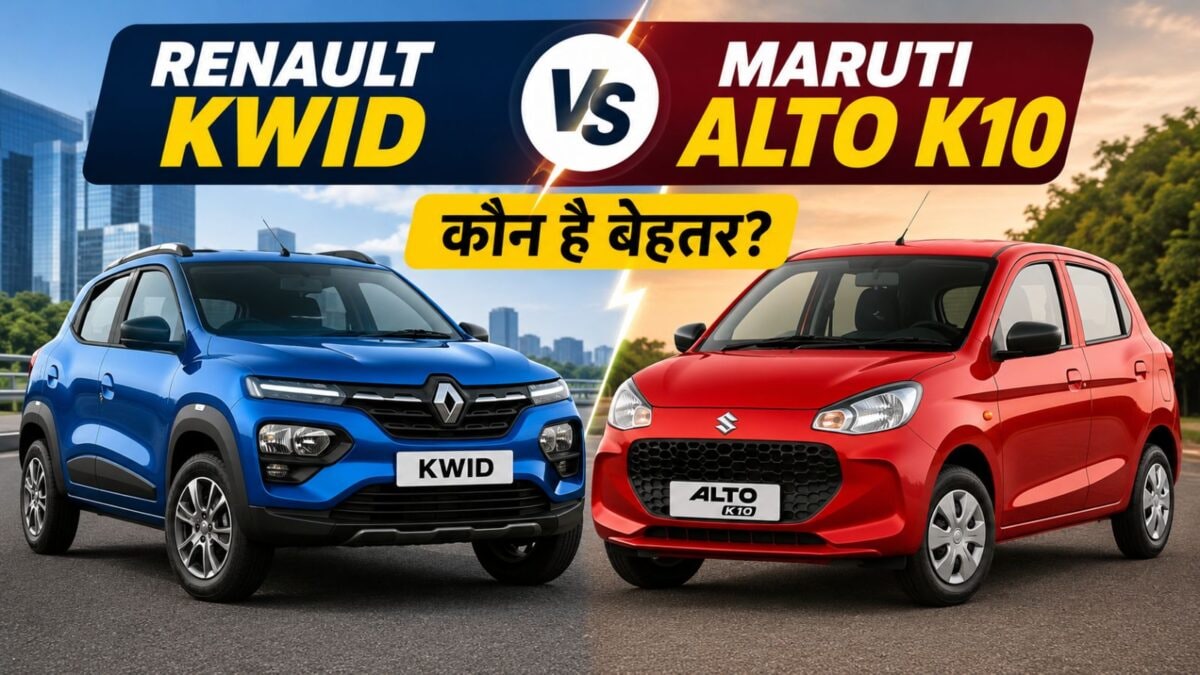
Renault Kwid vs Maruti Alto K10: There has been a long standing competition between Kwid and Alto K10 in the entry-level hatchback segment in the Indian auto market. Both the cars are ideal for city roads where low price, easy handling and good mileage are demanded. The Kwid attracts the youth with its SUV-style looks and high ground clearance, while the Alto K10 remains the choice for families and first-time car buyers due to Maruti's reliability, better service network and low maintenance costs.

The price of Kwid starts from ₹ 4.53 lakh, while Alto K10 is available in the market from ₹ 3.70 lakh. Both are 5-seater, but Kwid is slightly longer and wider, which gives better cabin space. This comparison is based on design, interior, features, safety, engine and mileage, so that buyers can take the right decision. Let us know about these two.

Design and interior

The SUV-inspired design of Renault Kwid is the biggest plus. The 184 mm ground clearance, roof rails, skid plates and bold front-rear grille make it tough on bad roads. Length is 3731 mm, width is 1579 mm. The Maruti Alto K10 has more conventional hatchback looks (length 3530 mm), but is compact and easy to park in the city. Its ground clearance is low (about 160 mm). Kwid looks stylish, while Alto K10 is simple and practical.

The cabin of Renault Kwid looks more spacious and modern. 279 liters of boot space is available. The 8-inch touchscreen, good seating and the dark theme are attractive. The interior of the Alto K10 is simple, with 214 liters of boot space, but comfortable with fabric upholstery and a basic layout. Kwid has a more premium feel.

Features and safety

The Kwid gets an 8-inch touchscreen, wireless Android Auto/Apple CarPlay, rear parking sensors and an AMT gearbox in some variants. The Alto K10 has a 7-inch touchscreen, steering-mounted controls and a good infotainment system. Both have basic features like power windows and central locking, but Kwid is slightly ahead.

Alto K10 is better in safety. It has 2-star rating in Global NCAP and 6 airbags along with ABS, EBD, ESP. The Kwid gets a 1-star rating, although it has dual airbags, ABS and some advanced features. Alto K10 is ahead in safety.

Engine and Mileage

Both have 1.0 liter petrol engines. Kwid's engine gives 67-68 bhp power, 91-92 Nm torque. Its mileage is around 21.5-22.3 kmpl. The powertrain of Alto K10 produces 68 bhp power, 89 Nm torque. It is capable of giving a mileage of up to 24.4-24.9 kmpl (petrol). In CNG it goes up to 33+ km/kg. Alto K10 looks more economical and refined, whereas Kwid feels a bit powerful. AMT option is available in both.

Source link

Tata Sierra EV vs Mahindra BE 6: Who is better in price, range, features? Know

Tata Sierra EV vs Mahindra BE 6: Who is better in price, range, features? Know

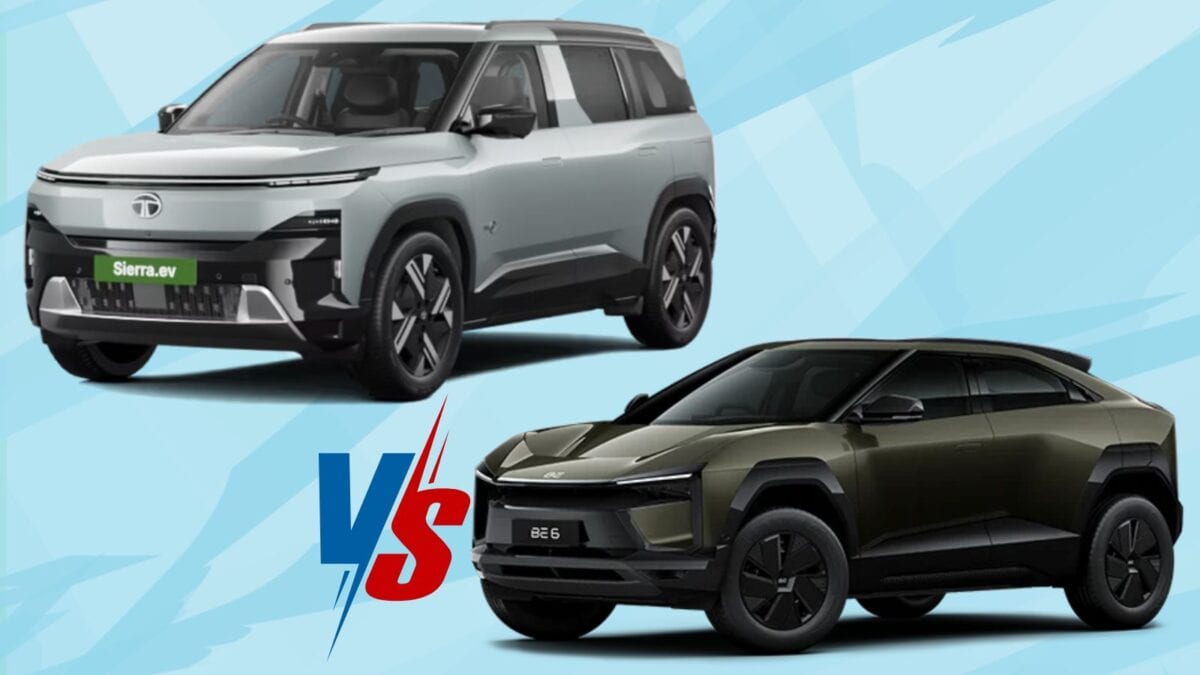
Tata Sierra EV vs Mahindra BE 6: The demand for electric vehicles is increasing rapidly in the Indian auto market. Meanwhile, two strong contenders, Tata Motors' Sierra EV and Mahindra's BE 6 are in direct competition with each other. Both mid-size electric SUVs are coming with premium features, long range and modern design, which will attract families and adventure lovers. Talking about the price, the recently launched Sierra EV can be purchased starting from ₹ 18.79 lakh to ₹ 25.99 lakh (ex-showroom) and BE 6 can be purchased between ₹ 18.90 lakh to ₹ 26.90 lakh.

Sierra EV has been launched as an EV incarnation of the iconic Sierra, with retro-modern looks and Tata's strong EV technology. Whereas BE 6 is part of Mahindra's new Born Electric lineup, which focuses on bold styling and performance. Both the models are 5-seater and are ready for Indian roads. Let us know which of these is going to be a more profitable deal to buy?

Design and interior

The Tata Sierra EV has a combination of the classic Sierra's upright bonnet, split LED headlamps and a blanketed grille. It is 4340 mm long, 1841 mm wide and 1750 mm high, with a dual-tone roof and flush door handles. Mahindra BE 6 is more modern and bold. It is 4371 mm long, 1907 mm wide, 1627 mm high and its ground clearance is 207 mm. The styling of BE 6 looks more sporty and muscular.

The cabin of Sierra EV is premium. It can be bought with triple screen setup (10.25-inch cluster, 12.3-inch infotainment and passenger display), ventilated seats, JBL audio with Dolby Atmos, HUD and panoramic sunroof. The BE 6 also feels luxurious, but the space and material quality of the Sierra EV may seem slightly better. Both have good leg and headroom.

Features and safety

Both have features like wireless charging, dual-zone AC, 360° camera and level-2 ADAS. The Sierra EV has the edge with a powered tailgate and a better sound system, while the BE is stronger on 6 terrain modes and connected tech.

In terms of safety, Sierra EV has 6 airbags, 540° camera and strong structure. BE 6 also comes with good safety features. Both expect a 5-star rating.

Battery, Motor and Range

The Sierra EV is available in two options – 63 kWh (565 km MIDC) and 75 kWh (665 km MIDC, 624 km in AWD). 63 kWh produces 235 bhp and 75 kWh dual-motor gives 300+ bhp and 504 Nm torque. BE 6 has 59 kWh (557 km) and 79 kWh (683 km) batteries, which provide 228-282 bhp and 380 Nm torque. In real-world both can give a range of 450-500 KM. Fast charging is available in both.

Source link

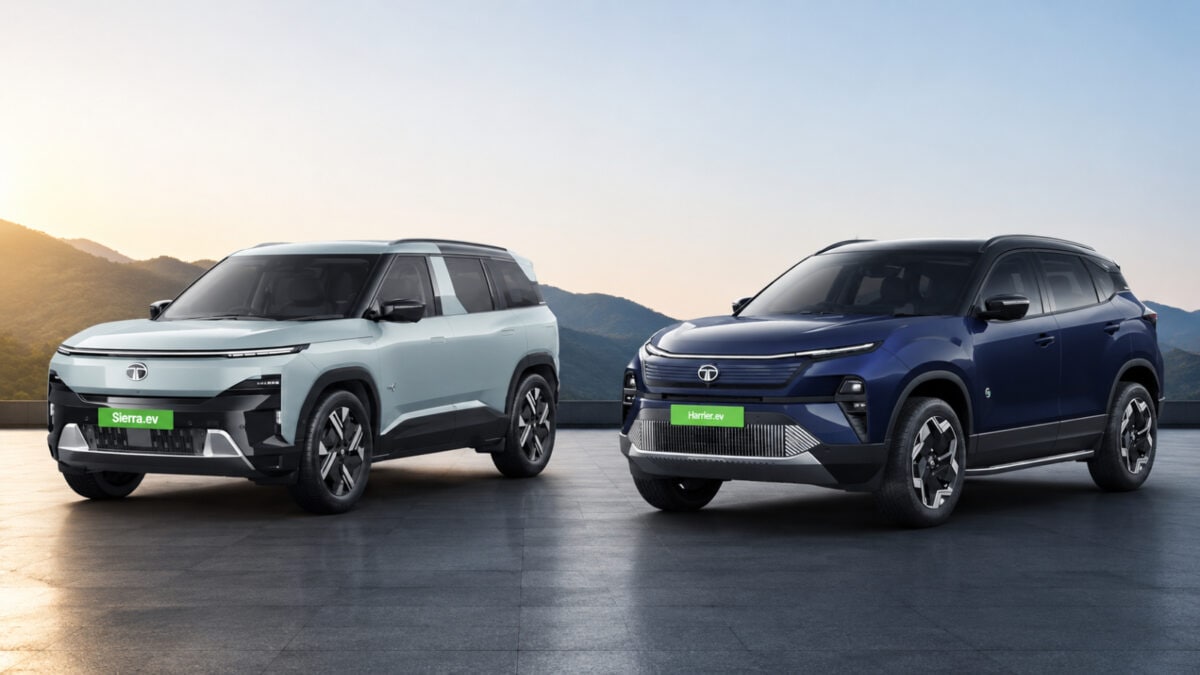
Tata Sierra EV vs Harrier EV: Which electric SUV has more power? Know

Tata Sierra EV vs Harrier EV: Which electric SUV has more power? Know

Tata Motors recently strengthened its EV line-up with the launch of Tata Sierra EV, which brings the iconic Sierra design in an electric avatar. It is a more affordable and slightly compact alternative to the Harrier EV. Both are based on the Acti.EV+ platform, but the positioning is different. The Sierra EV is family-oriented and value-for-money, while the Harrier EV is a premium, larger SUV with more features.

Ex-showroom price of Sierra EV starts at ₹18.79 lakh (Pure 63 kWh), the top variant can go up to ₹25-26 lakh. While Harrier EV starts at ₹21.49 lakh (Adventure 65 kWh), the top QWD variant goes for around ₹30 lakh. Both are attractive options for EV buyers, coming with long range, fast charging and strong safety from Tata. Let us know who is better in terms of design and battery-motor?

Design and interior

Tata Sierra EV has a boxy, upright and classic look. It has been introduced with split LED headlamps, blank grille, flush handles and two-tone roof like the ICE version. It looks more practical and family-friendly. The Harrier EV is more dynamic, coupe-styled and muscular, with larger dimensions (4607 mm length) and gives premium road presence. Sierra EV is a bit smaller (about 4400 mm), but feels spacious.

Both the electric SUVs have a premium feel. The Sierra EV gets a triple-screen setup (10.25-inch cluster, 12.3-inch touchscreen + passenger display), panoramic sunroof and ventilated seats. The Harrier EV features a large 14.5-inch touchscreen, JBL Dolby Atmos sound and luxury materials. The cabin of the Sierra EV offers slightly more practical boot space (622 litres+).

Features and safety

Talking about the features, both have features like Level-2 ADAS, 540 degree camera (Transparent Mode), V2L, Auto Park, Summon Mode and Panoramic Sunroof. The Harrier EV gets more premium touches like a larger screen and advanced infotainment, while the Sierra EV is the value pack. Tata is known for its strong 5-star rating. Both have 6-7 airbags, ESP, TPMS, ADAS and disc brakes as standard. Both Harrier EV and Sierra EV get 7 airbags and advanced ESP.

Battery, Motor and Range

Tata Sierra EV can be purchased with 63 kWh (RWD, 535-565 km) or 75 kWh (RWD/AWD, 665 km MIDC) battery options. Harrier EV has 65 kWh (538 km) and 75 kWh (622-627 km) battery options. Both have fast charging (20-80% in just 25 minutes) support.

The top QWD variant of the Harrier EV gets a dual-motor setup, which produces a combined motor power of 158 PS (front) + 238 PS (rear) and 504 Nm torque. At the same time, Sierra EV has been offered with both RWD and QWD drivetrain options. The real-world range of both electric SUVs is approximately between 480 to 530 kilometers.

Source link

हुंडई एक्सटर बनाम टाटा पंच, मारुति फ्रोंक्स: कीमत, फीचर्स और स्पेक्स की तुलना

हुंडई एक्सटर बनाम टाटा पंच, मारुति फ्रोंक्स: कीमत, फीचर्स और स्पेक्स की तुलना

हुंडई मोटर ने अपने एसयूवी पोर्टफोलियो – छोटे, या माइक्रो-एसयूवी सेगमेंट में एक महत्वपूर्ण अंतर को भरने के प्रयास में इस सप्ताह भारत में एक्सटर लॉन्च किया है। टाटा मोटर्स और मारुति सुजुकी जैसे प्रतिद्वंद्वियों ने पहले ही पंच और फ्रोंक्स लॉन्च कर दिए हैं जो बजट के प्रति जागरूक खरीदारों को लक्षित करने के लिए संबंधित कार निर्माता की सबसे छोटी एसयूवी हैं। हुंडई के लिए, यह एक नया डोमेन है, जिसे एक्सटर आकर्षक मूल्य निर्धारण और ढेर सारी सुविधाओं के साथ बाधित करने का वादा करता है। यदि आप असमंजस में हैं कि आपको इनमें से कौन सी एसयूवी चुननी चाहिए, तो यहां कीमतों, सुविधाओं और अन्य विवरणों की त्वरित तुलना दी गई है।

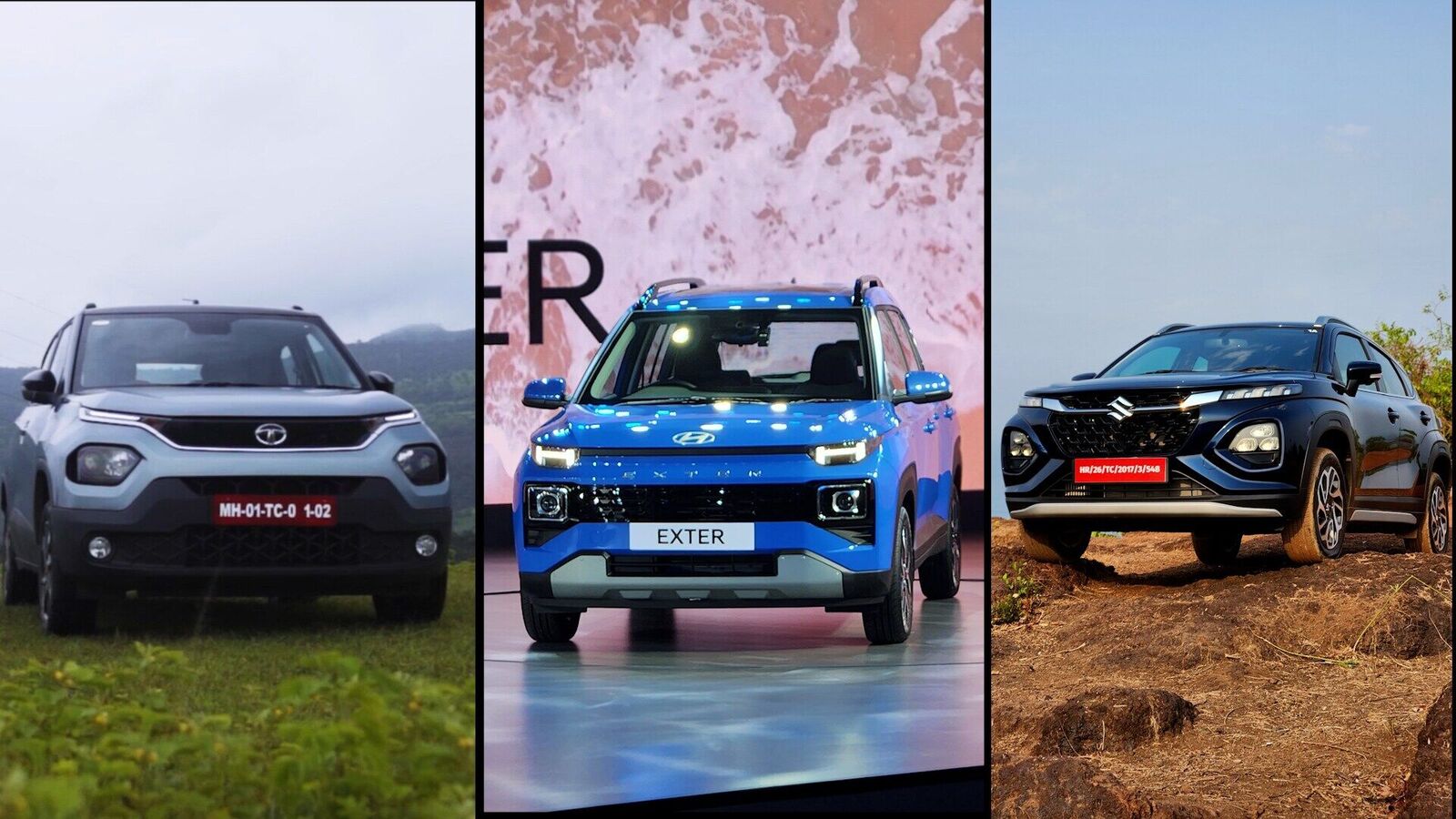
भारत में छोटी एसयूवी की लड़ाई में हुंडई एक्सटर (बीच में) टाटा पंच (बाएं) और मारुति सुजुकी फ्रोंक्स (दाएं) जैसे प्रतिद्वंद्वियों से मुकाबला करेगी।

हुंडई एक्सटर बनाम टाटा पंच बनाम मारुति फ्रोंक्स: स्पेक्स की तुलना

आकार के मामले में, एक्सटर पंच से थोड़ा छोटा है, हालांकि लंबे व्हीलबेस के साथ यह थोड़ा लंबा है। इसके अलावा, एक्सटर में 391 लीटर का बूट स्पेस है, जो इस सेगमेंट में सबसे बड़ा है। पंच 366 लीटर बूट स्पेस के साथ आता है जबकि फ्रोंक्स लगभग 308 लीटर प्रदान करता है। फ्रोंक्स 3,995 मिमी की लंबाई के साथ श्रेणी में सबसे बड़ी एसयूवी है, जो एक्सटर से 175 मिमी अधिक लंबी है। हालाँकि, जब इसकी 1,631 मिमी ऊँचाई की बात आती है तो एक्सटर स्कोर करता है, जो फ्रोंक्स से 81 मिमी अधिक है।

हुंडई एक्सटर बनाम टाटा पंच बनाम मारुति फ्रोंक्स: सीएनजी संस्करण

हुंडई इस विशेष सेगमेंट में एसयूवी लॉन्च करने वाली पहली कार निर्माता है जो सीएनजी संस्करण में भी पेश की गई है। एक्सटर सीएनजी शुरुआती कीमत के साथ दो वेरिएंट में उपलब्ध होगी 8.24 लाख (एक्स-शोरूम) और तक जाती है 8.97 लाख (एक्स-शोरूम)। इस सेगमेंट में अभी तक कोई भी अन्य प्रतिद्वंद्वी अपनी एसयूवी का सीएनजी संस्करण पेश नहीं करता है जो एक्सटर को प्रथम-प्रस्तावक लाभ के साथ पेश कर सके।

उम्मीद है कि टाटा मोटर्स जल्द ही सीएनजी के साथ पंच एसयूवी लॉन्च करेगी। कार निर्माता ने इस साल जनवरी में ऑटो एक्सपो 2023 में ट्विन-सिलेंडर तकनीक के साथ पंच सीएनजी मॉडल का प्रदर्शन किया था। मारुति सुजुकी फ्रोंक्स, जो लोकप्रिय हैचबैक पर आधारित है बैलेनो, अभी तक सीएनजी किट के साथ पेश नहीं किया गया है। हालाँकि, स्वच्छ कारों के विकल्प के रूप में मारुति के सीएनजी प्रोत्साहन को देखते हुए, उम्मीद है कि फ्रोंक्स को जल्द ही सीएनजी संस्करण मिलेगा।

देखें: Hyundai Exter SUV भारत में लॉन्च: पहली नज़र

हुंडई एक्सटर बनाम टाटा पंच बनाम मारुति फ्रोंक्स: इंजन और प्रदर्शन की तुलना

Hyundai Exter SUV को दो इंजन विकल्पों के साथ पेश करती है। इनमें सीएनजी संस्करणों के लिए द्वि-ईंधन इकाई के साथ 1.2-लीटर पेट्रोल इंजन शामिल है। नैचुरली एस्पिरेटेड मोटर या तो मैनुअल या एएमटी गियरबॉक्स यूनिट के साथ आती है। एसयूवी 83 एचपी का उत्पादन कर सकती है और एमटी और एएमटी दोनों वेरिएंट में 113.8 एनएम का टॉर्क प्रदान करती है। सीएनजी वर्जन में पावर 68 bhp और टॉर्क 95.2 Nm है।

दोनों मुक्का और फ्रोंक्स इन्हें 1.2-लीटर पेट्रोल इंजन के साथ भी पेश किया गया है। मारुति 1.0-लीटर टर्बोजेट पेट्रोल यूनिट भी पेश करती है। जहां पंच को मैनुअल और एएमटी गियरबॉक्स मिलता है, वहीं मारुति अन्य दो विकल्पों के अलावा फ्रोंक्स के साथ 6-स्पीड टॉर्क कनवर्टर ट्रांसमिशन यूनिट प्रदान करती है। पावर की बात करें तो पंच 85 hp की पावर और 113 Nm का टॉर्क जेनरेट करता है। फ्रोंक्स वेरिएंट के आधार पर 90 एचपी से 100 एचपी की पावर और 113 एनएम से 147.6 एनएम का टॉर्क जेनरेट करता है।

जहां तक ​​ईंधन दक्षता का सवाल है, हुंडई का कहना है कि एक्सटर 19.2 किमी प्रति लीटर और 19.4 किमी प्रति लीटर के बीच ईंधन दक्षता प्रदान कर सकता है। इसकी तुलना में, फ्रोंक्स 20.01 किमी प्रति लीटर और 22.89 किमी प्रति लीटर के बीच माइलेज प्रदान करता है और पंच 18.80 किमी प्रति लीटर और 20.09 किमी प्रति लीटर के बीच प्रदान करता है।

हुंडई एक्सटर बनाम टाटा पंच बनाम मारुति फ्रोंक्स: फीचर्स की तुलना

हुंडई ने इसे खरीदारों के लिए और अधिक आकर्षक बनाने के लिए एक्सटर में कई सेगमेंट-फर्स्ट फीचर्स शामिल किए हैं। एक आवाज-नियंत्रित इलेक्ट्रिक सनरूफ, एक डुअल डैश-कैम, पैडल शिफ्टर्स और वायरलेस चार्जर से लेकर मानक के रूप में छह एयरबैग, टायर-प्रेशर मॉनिटरिंग सिस्टम जैसी सुरक्षा सुविधाओं तक – एक्सटर लगभग हर उस सुविधा को पूरा करता है जिसकी एक कार में उम्मीद की जा सकती है।

मारुति फ्रोंक्स भी पीछे नहीं है। यह 360-डिग्री कैमरा और अन्य सुविधाओं के अलावा सेगमेंट-फर्स्ट हेड-अप डिस्प्ले भी प्रदान करता है। हालाँकि, पंच एक छोटी इंफोटेनमेंट स्क्रीन, सेमी-डिजिटल ड्राइवर डिस्प्ले और अन्य सुविधाओं के साथ बिल्कुल अलग है।

देखें: मारुति सुजुकी फ्रोंक्स एसयूवी: पहली ड्राइव समीक्षा

हुंडई एक्सटर बनाम टाटा पंच बनाम मारुति फ्रोंक्स: कीमतों की तुलना

हुंडई मोटर एक्सटर एसयूवी को पांच व्यापक ट्रिम्स में पेश कर रही है, जिसमें 11 वेरिएंट शामिल हैं। S और SX ट्रिम्स को तीन-तीन वेरिएंट मिलते हैं, जिनमें एक CNG वेरिएंट भी शामिल है। टॉप-एंड SX(O) और SX(O) कनेक्ट वेरिएंट केवल पेट्रोल संस्करणों में पेश किए जाते हैं। बेस वैरिएंट EX की कीमत पर आता है 5.99 लाख (प्रारंभिक, एक्स-शोरूम)। केवल पेट्रोल एस और एसएक्स वेरिएंट की कीमत के बीच है 7.27 लाख और 8.68 लाख (एक्स-शोरूम)। टॉप-एंड वेरिएंट की कीमतें सबसे ऊपर हैं 10 लाख (एक्स-शोरूम)।

इसकी तुलना में, टाटा पंच एंट्री-लेवल वेरिएंट की कीमत में एक्सटर से मेल खाता है 5.99 लाख (एक्स-शोरूम)। एसयूवी के ऑटोमैटिक वेरिएंट की कीमत जबकि टॉप-एंड वेरिएंट की कीमत 7.49 लाख (एक्स-शोरूम) है 9.51 लाख (एक्स-शोरूम)। मारुति फ्रोंक्स, तीनों में सबसे महंगी है, इसकी शुरुआती कीमत 7.47 लाख रुपये है और यह 7.47 लाख रुपये तक जाती है। 13.14 लाख (एक्स-शोरूम)।

प्रथम प्रकाशन तिथि: 12 जुलाई 2023, 10:53 पूर्वाह्न IST

Source link