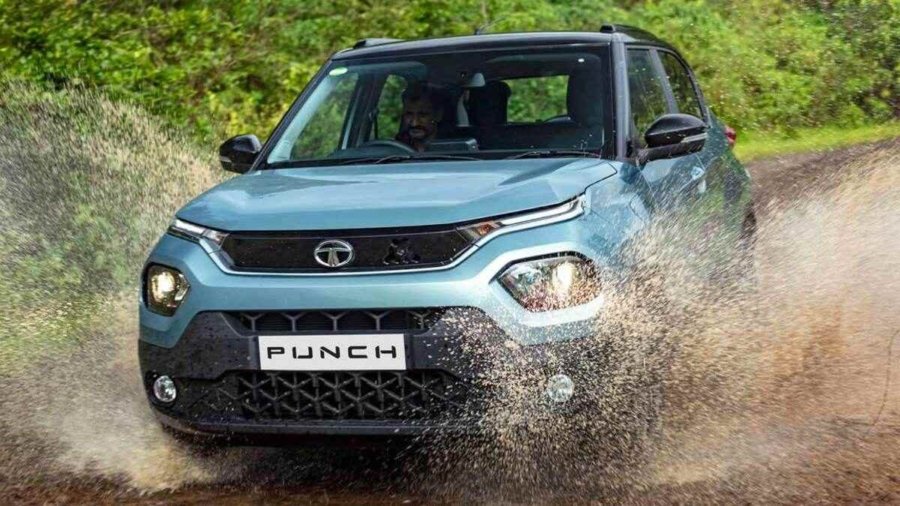
The Tata Punch and Nissan Magnite are two compact SUVs that provide several petrol and CNG options for cost-conscious customers […]

Know about car insurance
The Tata Punch and Nissan Magnite are two compact SUVs that provide several petrol and CNG options for cost-conscious customers […]
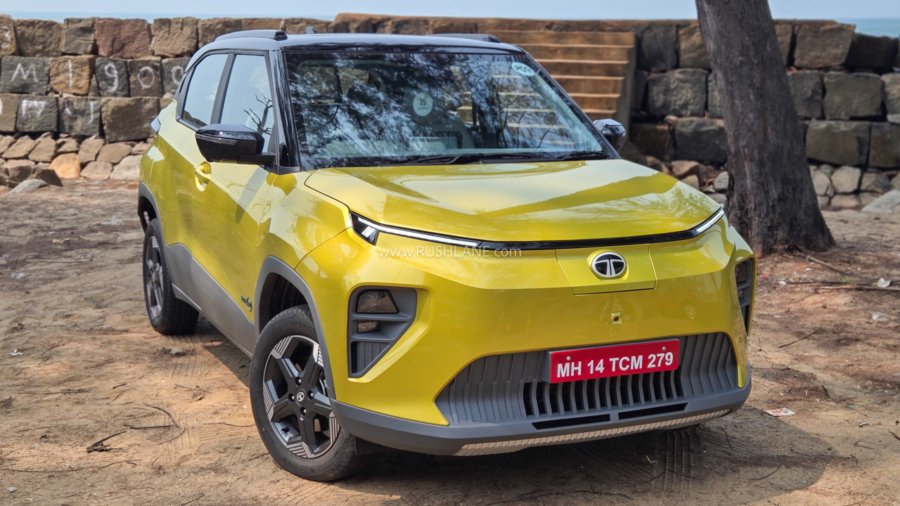
With prices increased in the range of Rs 10,000 to Rs 20,000, Tata Punch EV is now available in the price range of Rs 9.79 lakh to Rs 12.99 lakh The post Tata Punch EV Price Hike Sep 2026 – Costlier Up To Rs 20k…
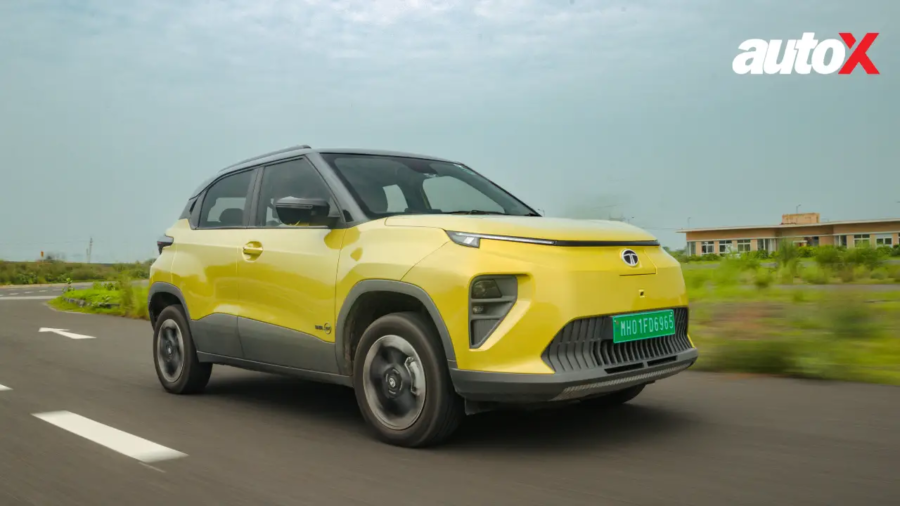
Tata Motors has revised the ex-showroom prices of the Punch EV in India, with the latest increase depending on the battery capacity and variant. The electric SUV now starts at Rs 9.79 lakh (ex-showroom) and goes up to Rs 12.99 lakh (ex-showroom). The price revision…
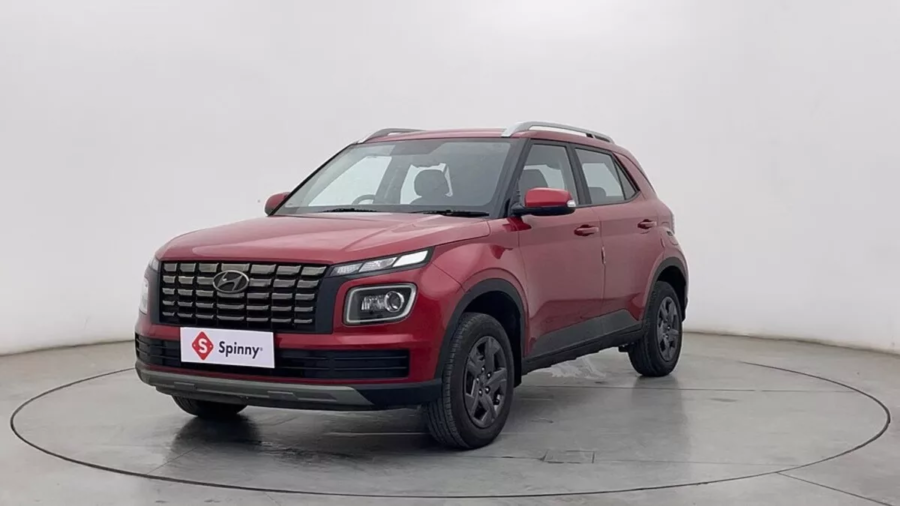
Tata Punch is a sub-compact SUV popular for urban driving. The Hyundai Venue is a compact SUV, slightly bigger than […]
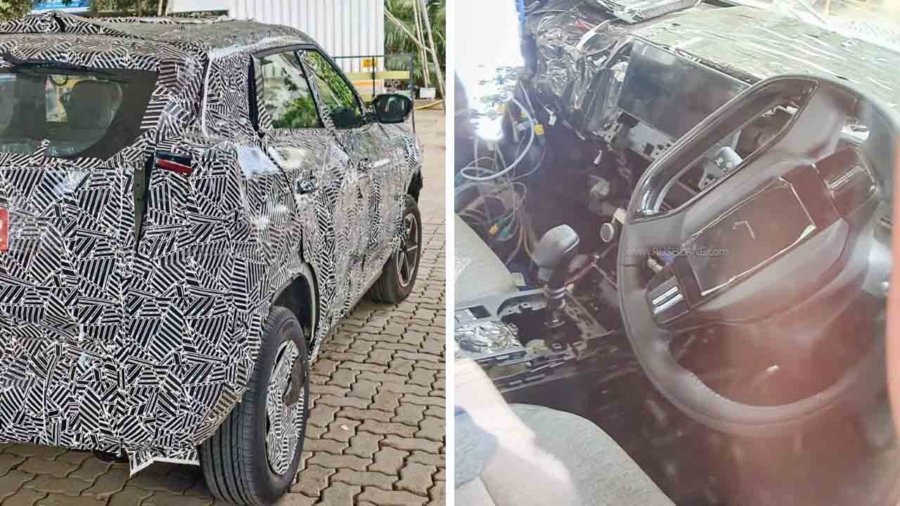
Tata is updating the Nexon and the next generation model has been spied and the interiors show suggest development is in early stages The post Next Gen Tata Nexon Interiors Leaked – Launch Likely In 2027 appeared first on RushLane.
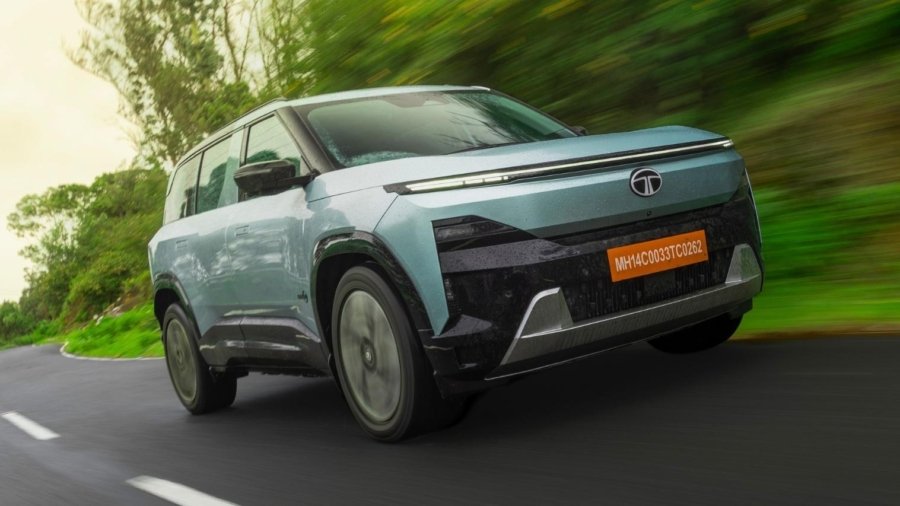
GaadiWaadi – Tata’s EV range gains momentum further as bookings triple in six months and market share rises ahead of festive season Tata Motors has an expansive range of electric cars on sale in India stretching multiple segments and price points. The Tiago EV starts…
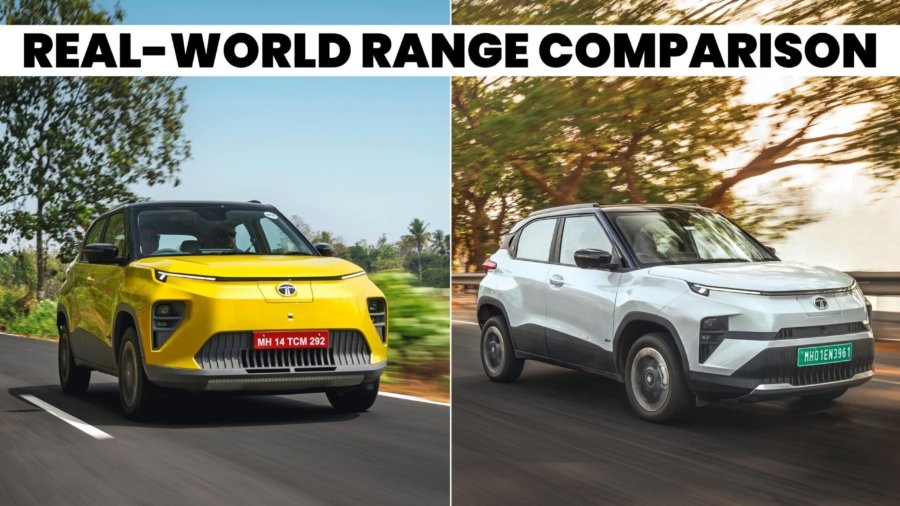
In February 2026, Tata Motors updated its most affordable electric SUV, the Punch EV, with a bump in battery size, subtle cosmetic revisions and more features while also lowering its price. To see how much the 2026 Punch EV has improved over its older iteration,…
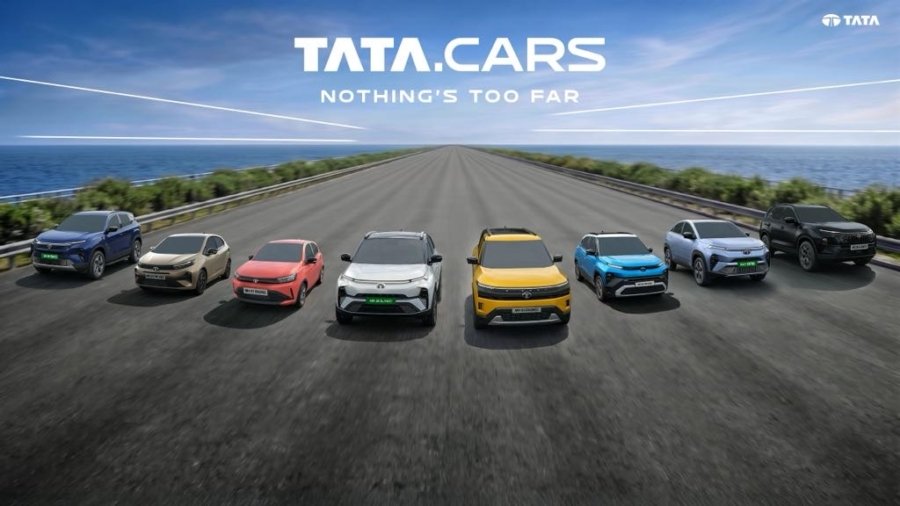
Tata Motors has introduced Tata.Cars as the new customer-facing identity for its passenger vehicle business in India. The new umbrella brand will cover the company’s petrol, diesel and electric passenger vehicles, while Tata.ev will continue to operate as the dedicated electric vehicle sub-brand. The change…
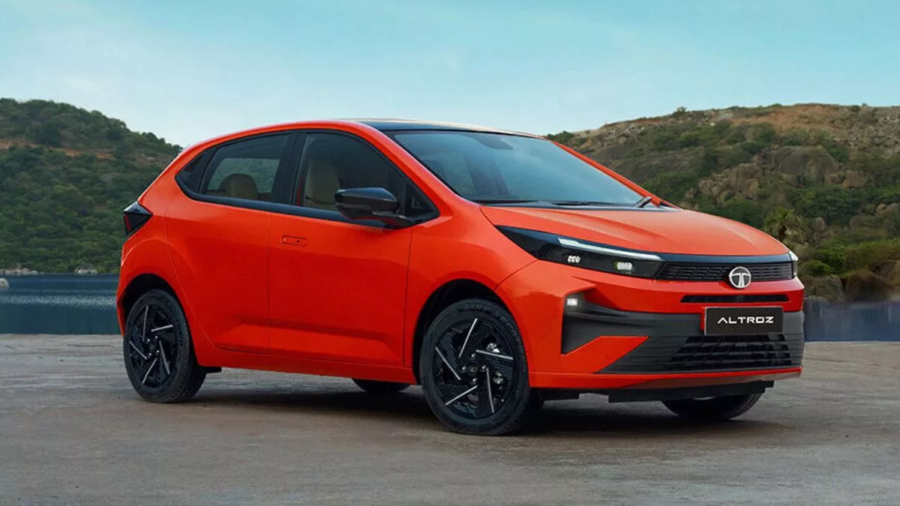
Tata Altroz image gallery showcases the hatchback’s unique styling both from the outside and inside, safety features, technology, and comfort […]
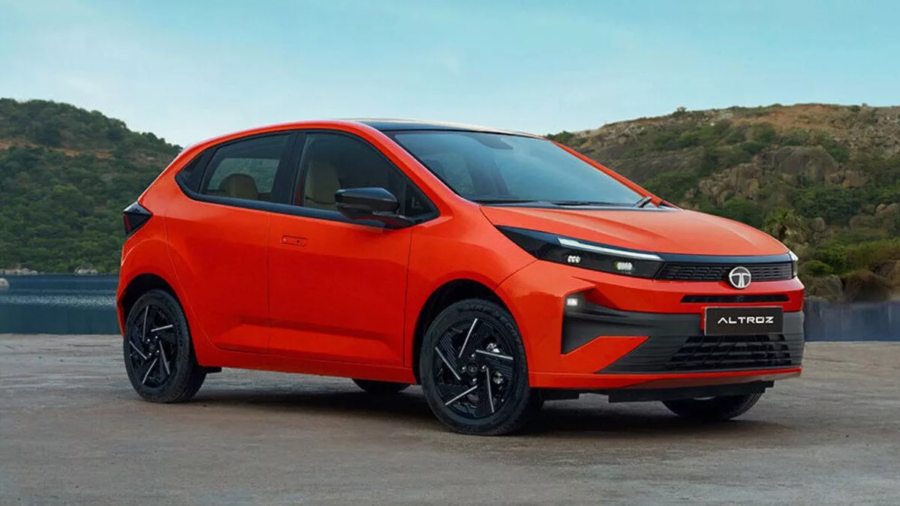
Tata Altroz image gallery showcases the hatchback’s unique styling both from the outside and inside, safety features, technology, and comfort […]
[ad_1]
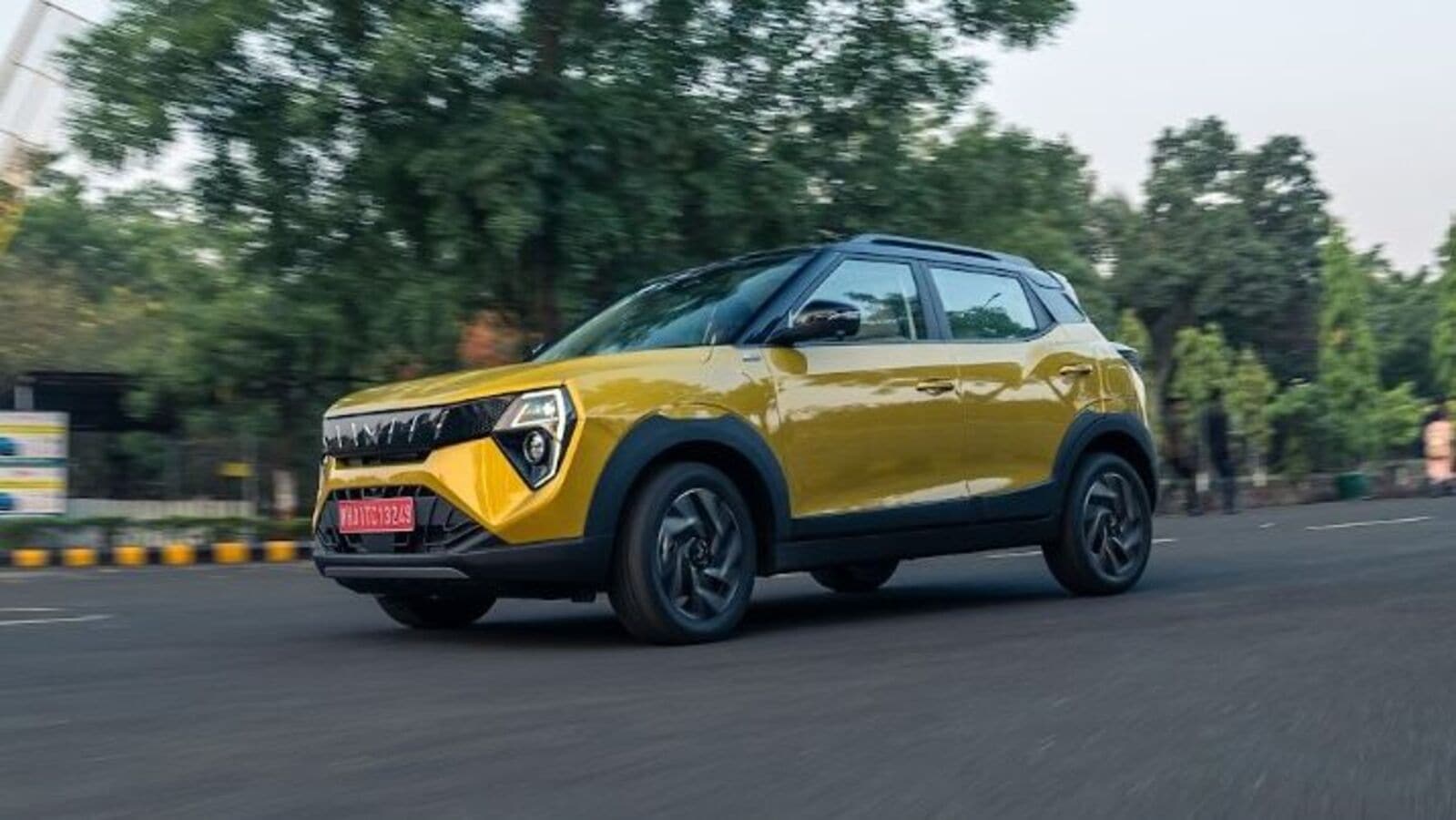
Mahindra recently launched the XUV 3XO in the Indian market. It is essentially a heavily updated version of the XUV300. Now, the brand has opened bookings for the XUV 3XO online on the website and at authorised dealerships as well. Mahindra has also announced that they will be commencing deliveries of the sub-compact SUV from 26th May. Having said that, interested customers can already check out the XUV 3X0 at the nearby dealerships.
The XUV 3X0 will be offered with three engine options. There is a 1.2-litre turbo petrol engine, a 1.2-litre petrol engine with direct-injection and a 1.5-litre diesel engine. The direct-injection petrol engine puts out 128 bhp of max power and a peak torque output of 230 Nm. The turbo petrol produces 108 bhp and 200 Nm whereas the diesel engine puts out 115 bhp and 300 Nm.
As standard, all engines come mated to a 6-speed manual gearbox whereas the diesel engine also gets a 6-speed AMT. What’s new for the 3XO is the 6-speed torque converter automatic transmission that is now available on both petrol engines.
Also Read : Level 2 ADAS to dual-zone climate control: Mahindra XUV 3XO features explained
Mahindra is offering the XUV 3XO in nine variants. The prices start at ₹7.49 lakh and go up to ₹15.49 lakh. Both prices are ex-showroom. The main rivals of the XUV 3XO are the Kia Sonet, Tata Nexon, Maruti Suzuki Brezza, Hyundai Venue and the upcoming compact SUV from Skoda.
Some of the highlights of the XUV 3XO are the panoramic sunroof which is the largest in the segment, there is a 360-degree parking camera, dual-zone climate control and auto hold with an electronic parking brake. Then there is the addition of Level 2 ADAS. The hardware is shared with the XUV700. Moreover, there are also three steering modes – Comfort, Normal and Sport.
First Published Date: 15 May 2024, 10:04 AM IST
[ad_1]

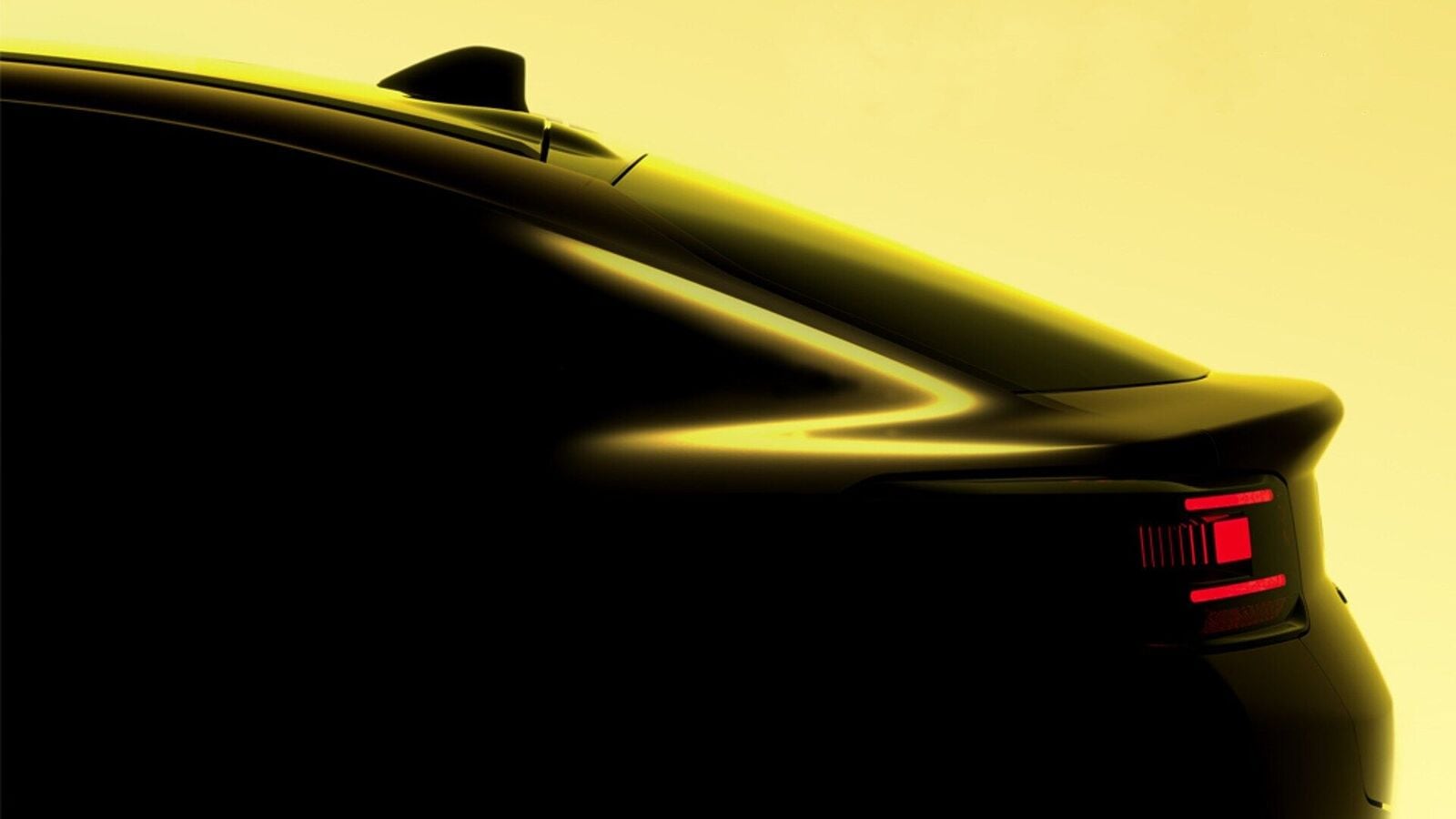
Citroen has announced it will be revealing the new Basalt Vision Coupe SUV on March 27, 2024, developed for Indian and South American markets. The Citroen Basalt Vision will be a compact coupe SUV based on the C-Cubed platform that also underpins the C3, eC3 and C3 Aircross models in the brand’s lineup.
The Citroen Basalt Vision compact coupe SUV teaser reveals the receding roofline as well as the distinctive LED taillight design. The raked rear windscreen merges into the boot and is expected to offer a sharply styled look to the SUV. Coupe SUVs are expected to be the next big design trend in the mass market space and Citroen will be early to the market taking on the upcoming Tata Curvv ICE in the segment.
Also Read : Citroen C3, eC3 & C3 Aircross to get 6 airbags as standard
The Citroen Basalt Vision is expected to be about the same size as the C3 Aircross SUV. That said, the model is likely to be a strict five-seater, unlike the seven-seater derivative of the C3 Aircross. Visually too, the Basalt Vision is expected to get a slightly different front and rear design over the existing C-Cube models for a more premium and upmarket appeal. That said, we expect Citroen’s signature grille and DRLs to feature on the new model, as well as the split headlamp setup.
The cabin is expected to borrow heavily from the new C3 Aircross but we expect improvements on the feature front among other changes. Expect the equipment levels to include a 10.1-inch touchscreen infotainment system with Apple CarPlay and Android Auto, a 7-inch digital instrument console, electrically adjustable ORVMs, connected features, climate control, keyless entry, push-button start/stop and more. Citroen could offer the coupe SUV only with the 1.2-litre turbo petrol motor to maintain its exclusivity.
More details on the Citroen Basalt Vision Coupe SUV will be available later this week. The company is also said to have the C3X cross-sedan in the works for the Indian market. Make sure to keep watching this space for all the action and to know more about Citroen’s future plans for India.
First Published Date: 25 Mar 2024, 18:26 PM IST
[ad_1]
Despite the rapidly rising demand for personal mobility and SUV-mania across the country, India’s passenger vehicle segment is likely to see less than five per cent growth in the next financial year, forecasted Tata Motors. Tata Motors Passenger Vehicles Managing Director Shailesh Chandra stated that India’s domestic passenger vehicle industry is likely to see moderate to less growth in the next fiscal starting in April 2024. However, the Tata Motors official believes electric vehicle sales in the country will grow despite the slow pace of EV charging infrastructure development.
Chandra said that in FY23, the industry witnessed 25 per cent growth in the passenger vehicle segment, which is expected to become moderate in this financial year to about eight per cent. The Tata Motors official said that the industry is currently witnessing a high base effect and in the next financial year, there will be be slightly challenging situation for the segment. This challenging situation would result in the industry recording less than a five per cent growth rate in the next financial year, claimed Chandra during an analyst call.
In the last few months, automakers in India have announced price hikes for their respective passenger vehicle models citing increasing production costs due to factors such as surging raw material costs, inflation etc. Chandra hinted that there would be more such price hikes in the next financial year, which would pose challenges to the growth of passenger vehicles.
Citing various challenges for the growth of passenger vehicles in India, Chandra noted that while commodity prices have been stable in the past quarter or so, there is a risk that prices may go up going forward. He hinted that costs of crucial raw materials are going up, which may impact the prices of passenger vehicles negatively in the coming months.
Tata Motors is spearheading the democratisation of electric vehicles in India’s passenger vehicles segment. The homegrown OEM is leading the Indian electric car segment with more than 80 per cent market share. In the last few years, the segment has witnessed rapid growth thanks to various factors such as rising costs of petrol and diesel, narrowing price gap between electric and fossil fuel vehicles, availability of various government subsidies and incentives for EVs, tightening emission norms, growing awareness about environmental pollution and vehicular emissions’ impact on that, the launch of new electric cars etc. Tata Motors believes this growth momentum will continue in the next financial year as well.
Chandra said that in 2023, while the overall passenger vehicle industry grew eight per cent on a year-on-year basis compared to 2022, electric vehicle sales surged by 95-100 per cent YoY compared to the previous year. “I think this trend is likely to continue. So companies with stronger portfolios in CNG and EVs will grow,” Chandra said.
Interestingly, this growth projection comes despite the sluggish pace of growth for the electric vehicle charging infrastructure, which is considered a key factor for the growth of electric vehicle sales. “As far as EVs are concerned, I think the biggest challenge here is the pace at which the charging infra is growing. It is lagging behind the pace at which the EV adoption is happening,” Chandra noted further adding, “Given that the charging infra is crucial to the growth and expansion of EV market, we have gone for an open collaboration approach with all charge point operators as well as the oil marketing companies who are focusing on expansion of charging infra.”
First Published Date: 25 Feb 2024, 15:57 PM IST
[ad_1]
The new Tata Punch EV takes things up a notch from its petrol-powered sibling and is based on the second-generation ActivEV platform promising about 3
…
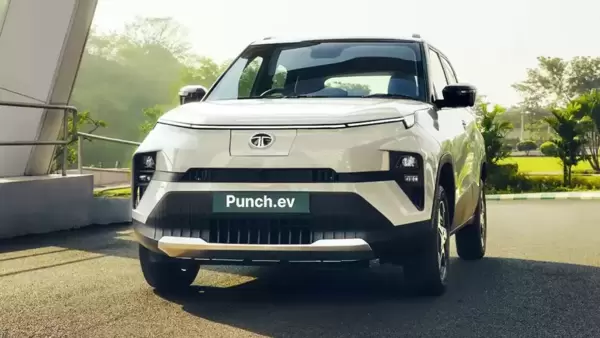
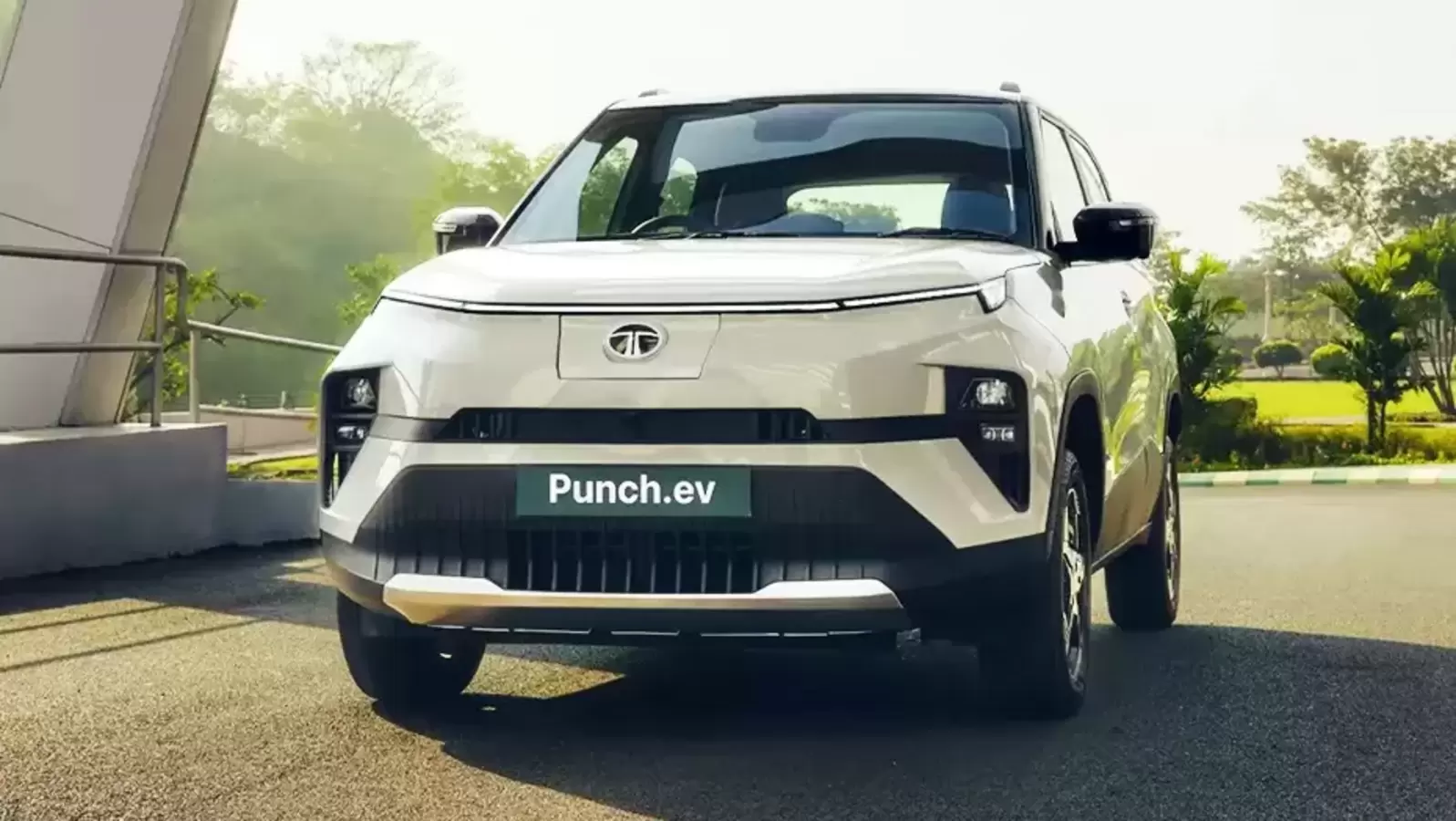
Tata Motors has confirmed the Punch EV is all set to go on sale on January 17, 2024. The Tata Punch EV was unveiled earlier this month and the model will be the brand’s most affordable electric SUV. The new Tata Punch EV takes things up a notch from its petrol-powered sibling and is based on the second-generation Pure EV platform called ActivEV. Pre-bookings for the new Punch EV are already open for a token of ₹21,000.
The Tata Punch EV looks different from its petrol counterpart getting styling updates as seen on the Nexon EV facelift as well as the Curvv concept. The connected LED DRLs at the front, closed-off grille, slim LED headlamps, all are intended to bring the model in line with Tata’s electric SUV family. The design theme will also be prevalent on the upcoming Harrier EV slated for launch later this year. Other notable changes include new aero alloy wheels, while the rear remains identical with the addition of the new dual-tone bumper.
Also Read : Tata begins production at new Sanand plant acquired from Ford
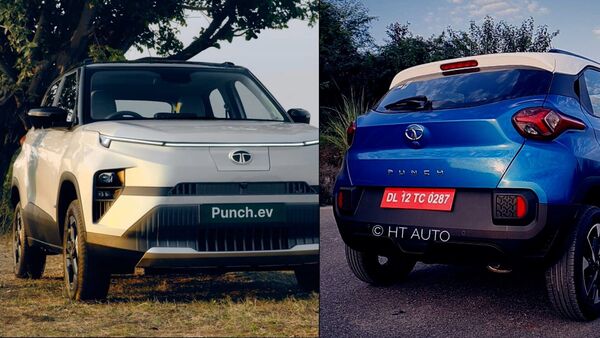
The cabin remains under wraps for now but the Punch EV is expected to get the 10.25-inch touchscreen infotainment system from the Nexon EV facelift. It will also get the new UI, the two-spoke steering wheel with the illuminated Tata logo, a rotary drive selector and more. Expect the model to come with a new control panel for the HVAC unit.
On the feature front, the Punch EV is likely to get a 360-degree camera, leatherette seats with ventilation, electronic parking brake with auto hold, wireless charging, connected car tech, cruise control, a sunroof and more. Tata is also likely to bring the Arcade.ev app to the infotainment system allowing users to download interactive applications.
Built on the second-gen platform, the new Tata Punch EV will be available in standard and long-range versions. Specifications are yet to be revealed but expect to see 25 kWh and 35 kWh battery packs. Charging options will include a 3.3 kW on the standard and a 7.2 kW AC charger on the long-range model. Expect the long-range version to offer a range of about 300 km on a single charge. Tata says the new battery packs will be wider and will come with higher-density cells promising to improve efficiency by 10 per cent.
More details on the Tata Punch EV will be available on January 17. Deliveries should begin soon after the launch. The electric SUV will be sold via Tata’s new EV-only dealerships. Expect prices to be in the vicinity of ₹11-14 lakh (ex-showroom) and the Punch EV will primarily take on the Citroen E-C3 in the segment.
First Published Date: 12 Jan 2024, 20:01 PM IST
[ad_1]
India is one of the fastest-growing electric vehicle markets in the world. Over the last few years, both legacy players and EV startups have been drastically transforming the landscape of the Indian EV industry. Electric two-wheelers dominate the Indian EV market, but car manufacturers too are introducing interesting products. While homegrown car manufacturers have been launching new electric cars in the country, foreign brands are also bringing their respective products into the segment.
In 2023, several carmakers, in both mass-market and luxury segments have launched some spectacular electric cars across different pricing slabs. Interestingly, like the fossil-fuel-propelled passenger vehicle market, the Indian electric car market is witnessing the rise of SUVs. In 2023, the majority of the electric cars launched in the country were SUVs.
Also Read : Year Ender 2023: The coolest concept cars unveiled this year
Here is a comprehensive list of the electric cars that were launched in India in 2023.
MG Comet EV is the most affordable electric car in India. This small boxy hatchback looks tiny compared to other models in the fray, but a perfect machine for in and around-city commuting. MG Comet EV was launched in 2023 at an introductory starting price of ₹7.98 lakh (ex-showroom). The electric hatchback threw a tough challenge to the Tata Tiago EV, the erstwhile most affordable electric car in India with its pricing. Design-wise, the EV is eye-catching on the exterior, while inside the cabin it looks simple yet very much urban at the same time. The Comet EV promises a 230 km range on a single charge.
One of the most noteworthy car launches in India in 2023 was the arrival of the Nexon EV facelift. Tata Nexon EV is the country’s bestselling electric car and the homegrown automaker simply ramped up the appeal of the electric compact SUV with the launch of the Nexon facelift, which incorporates a wide range of design and feature updates. The Nexon EV facelift comes available at a starting price of ₹14.74 lakh (ex-showroom), and it promises a 465-kilometre range on a single charge, while it can accelerate to 0-100 kmph in 8.9 seconds. It comes with V2V and V2L technologies.
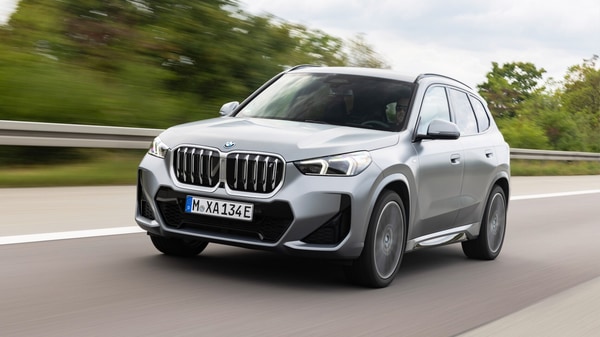
BMW launched the electric avatar of the X1 SUV, christened as iX1 in India in 2023. The luxury EV was launched in the country at a price tag of ₹66.90 lakh (ex-showroom). BMW iX1 is the German brand’s fourth fully electric vehicle and is sold in India via the CBU route. Powering the electric SUV is a 66.4 kWh battery pack paired with dual electric motors. The electric propulsion system churns out 309 bhp peak power and 494 Nm of maximum torque. The EV promises up to 440-kilometre range on a single charge. It can reach 0-100 kmph in 5.6 seconds and can achieve a top speed of 180 kmph.
BMW i7 is an all-electric sedan that was launched in India in 2023 at a price tag of ₹2.50 crore (ex-showroom). The BMW i7 M70 xDrive is the brand’s first M-division electric car that was launched in India in 2023. Powering this luxury electric sedan is a 101.7 kWh battery pack that is paired with dual electric motors and generates up to a 560-kilometre range on a single charge. The electric propulsion system churns out 657 bhp peak power and 1,100 Nm maximum torque. This electric sedan can sprint to 100 kmph from a standstill position in just 3.7 seconds at a top speed of 250 kmph.
Mahindra XUV400 is the homegrown automaker’s first-ever electric SUV launched in India in 2023. The Mahindra XUV400 comes positioned in compact SUV segment and it competes with rivals like the Tata Nexon EV. Launched at ₹15.99 lakh (ex-showroom), the Mahindra XUV400 is available in two different battery options and promises up to 456-kilometre range on a single charge. Available in EC and EL, the Mahindra electric SUV’s price goes up to ₹18.99 lakh (ex-showroom).
Despite being a new entrant in the Indian passenger vehicle market, French auto giant Citroen was quick to launch an electric car in the form of eC3. The electric SUV comes priced from ₹11.50 lakh (ex-showroom) and it promises a range of 320 kilometres on a single charge, which is also the highest in its segment. Available in four different variants, the Citroen eC3 EV is powered by a 29.2 kWh battery pack that promises 320 kilometres range on a single charge. The electric SUV promises a top speed of 107 kmph.
Volvo C40 Recharge is the second electric car in India from the Swedish luxury car manufacturer after the XC40 Recharge. The electric car was launched at ₹61.25 lakh (ex-showroom). The EV competes with rivals such as Kia EV6 and Hyundai Ioniq 5. The EV gets power from a 78 kWh battery pack paired with dual electric motors. The EV churns out 402 bhp peak power and 660 Nm of maximum torque. The EV is capable of running at a top speed of 180 kmph and can sprint to 100 kmph from a standstill position in 4.7 seconds.
Hyundai Ioniq 5 is the second electric car from the South Korean auto giant in the Indian market. The Hyundai Ioniq 5 EV has been launched in the country at ₹44.95 lakh (ex-showroom). The EV comes competing against the Kia EV6 but is more affordable than the rebadged sibling. Powering the Hyundai Ioniq 5 is a 72.6 kWh battery pack, that promises a 631 kilometre range on a single charge. It gets a rear-wheel drivetrain churning out 214 bhp peak power and 350 Nm of maximum torque. The EV claims come with a fast charging technology that charges the battery from 10 to 80 per cent in just 18 minutes.
Audi launched the Q8 e-tron and Sportback e-tron in India in middle of 2023. The SUV and the Sportback were launched together, priced at ₹1.14 crore and ₹1.18 core (ex-showroom). The Q8 e-tron essentially came as a facelifted iteration of the erstwhile e-tron. Both the SUV and the Sportback were launched in two trims – 50 and 55, with range of up to 600 kilometres on a single charge. Powering the 50 variant is a 71 kWh battery pack, while the 55 onbe gets a larger 114 kWh battery pack. The SUV has a maximum claimed range of 491 kilometres and 582 kilometres for the 50 and 55 variants, respectively, while the Sportback has a maximum range of 505 kilometres and 600 kilometres for the 50 and 55 variants, respectively.
Mercedes-Benz India launched the EQB 350 4Matic electric SUV in India in 2023, at a starting price of ₹77.50 lakh (ex-showroom). The luxury electric SUV was launched in the country replacing the previous EQB 300 4Matic that was launched in December 2022. The EQB is powered by a 66.5 kWh battery pack. The electric propulsion system onboard the SUV promises 288 bhp peak power and 520 Nm of maximum torque. These specifications are significant enhancements from the EQB 300 4Matic.
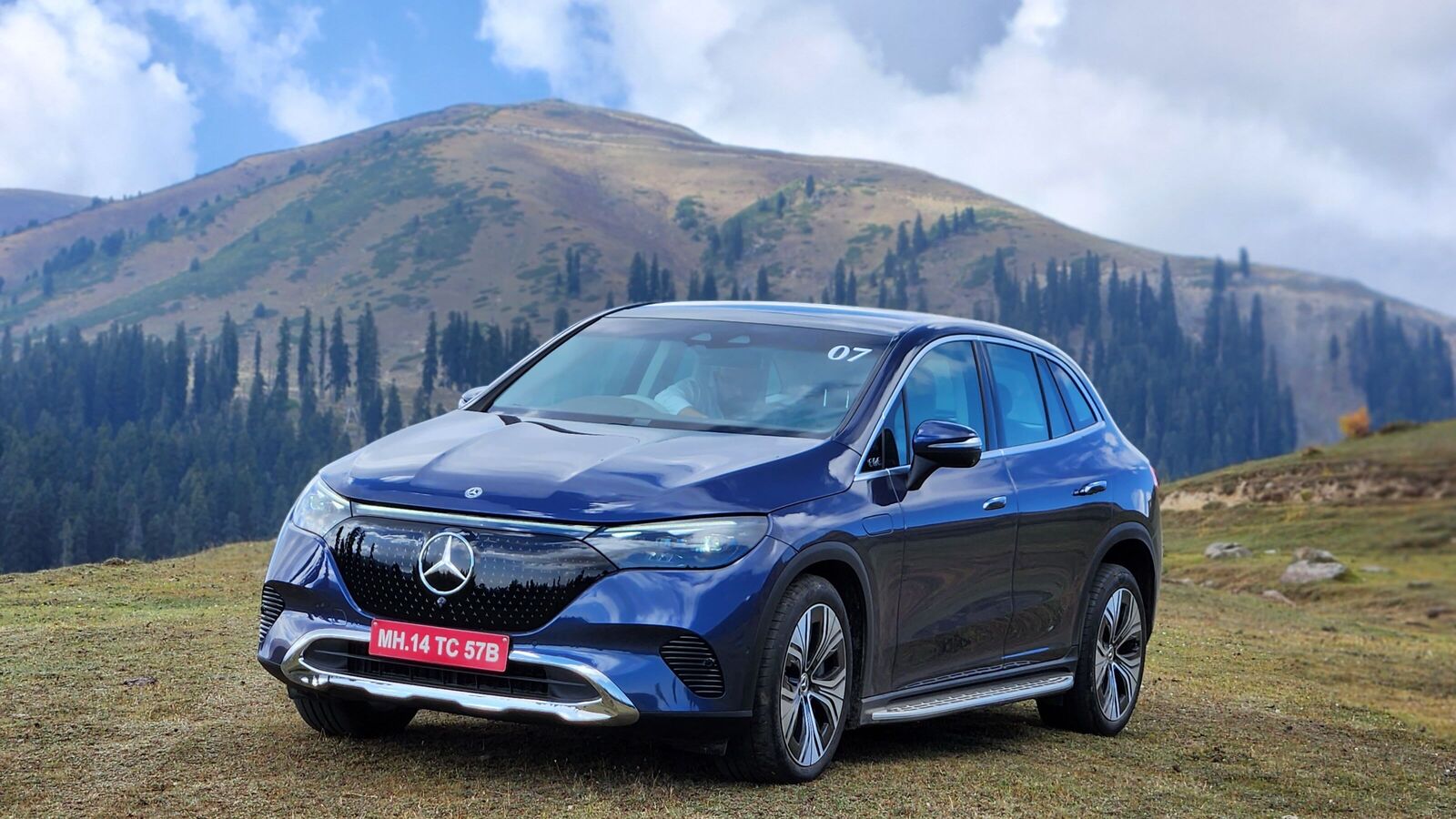
Mercedes-Benz EQE electric SUV was launched in India in 2023 after the EQS and EQB, joining the lineup as the brand’s third EV in the country. The Mercedes-Benz EQE electric SUV was launched here at ₹1.39 crore (ex-showroom). It competes with rivals like Audi Q8 e-tron and BMW iX1 electric SUVs. Mercedes-Benz EQE 500 4Matic SUV comes promising 550 kilometres range on a single charge. The SUV gets power from a 90.56 kWh battery pack that is paired with dual motors. The SUV can accelerate from 0-100 kmph in 4.9 seconds at a top speed of 210 kmph.
First Published Date: 23 Dec 2023, 20:42 PM IST
[ad_1]
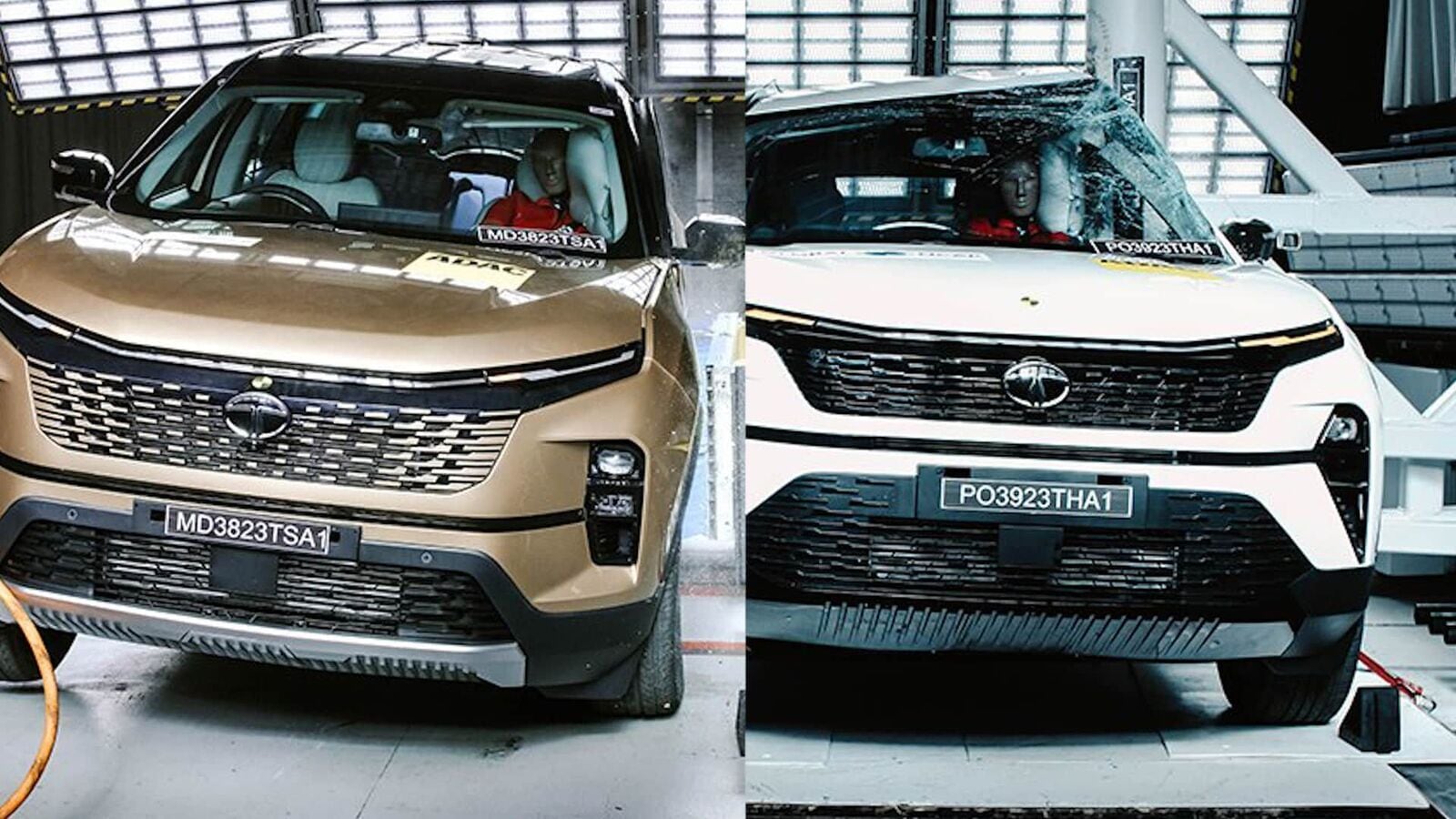
India’s automobile industry is constantly evolving. People’s demands keep changing and manufacturers try to ensure that they are fulfilling the demands. The latest push in the industry has come in the form of safe vehicles. People are now well aware of the safety rating of the vehicles. What has helped in pushing safe vehicles is Global NCAP’s #safercarsforindia initiative. As part of this campaign, every year several cars that are being sold in India are crash-tested. This year also several cars were crash-tested and here are five cars that passed GNCAP tests with flying colours in 2023.
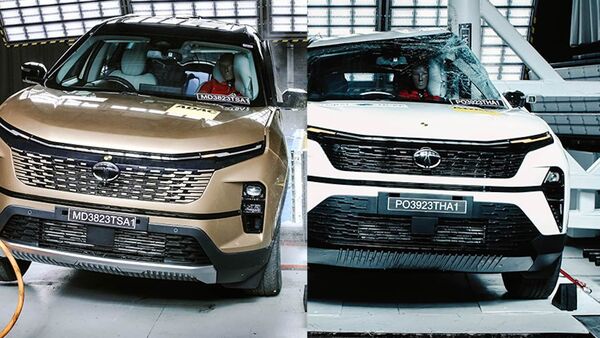
Tata Motors was the first automobile manufacturer that really started the movement about safe cars in India with the Nexon. However, they took a long time to crash-test the Harrier and Safari. With the facelifts, the manufacturer finally sent the SUVs to Global NCAP for a crash test and they scored the highest rating in the crash test. Not only this, the Harrier and the Safari are also the first vehicles to be tested by Bharat NCAP. Both the SUVs are based on Land Rover’s Omegarc platform so it makes sense that both SUVs also share the same safety rating and features.
Well, this came as a surprise to everyone. Hyundai Verna scored 5 stars in the Global NCAP crash test. It is the first made-in-India car from Hyundai to achieve five stars in the crash test. The new generation of Verna was launched in the Indian market this year and has been doing decent in terms of sales. The voluntary test for the Hyundai Verna was one of the last tests to be done by Global NCAP for India.
Also Read : Volkswagen to bring back physical buttons in new cars in era of touchscreen
Volkswagen Virtus and Skoda Slavia also scored 5 stars in the Global NCAP crash test. Both sedans come from the manufacturer’s India 2.0 strategy and are based on MQB-A0-IN. This is the same platform that is being used on the Volkswagen Taigun and Skoda Kushaq which also scored 5 stars in a crash test.
First Published Date: 22 Dec 2023, 17:26 PM IST
[ad_1]
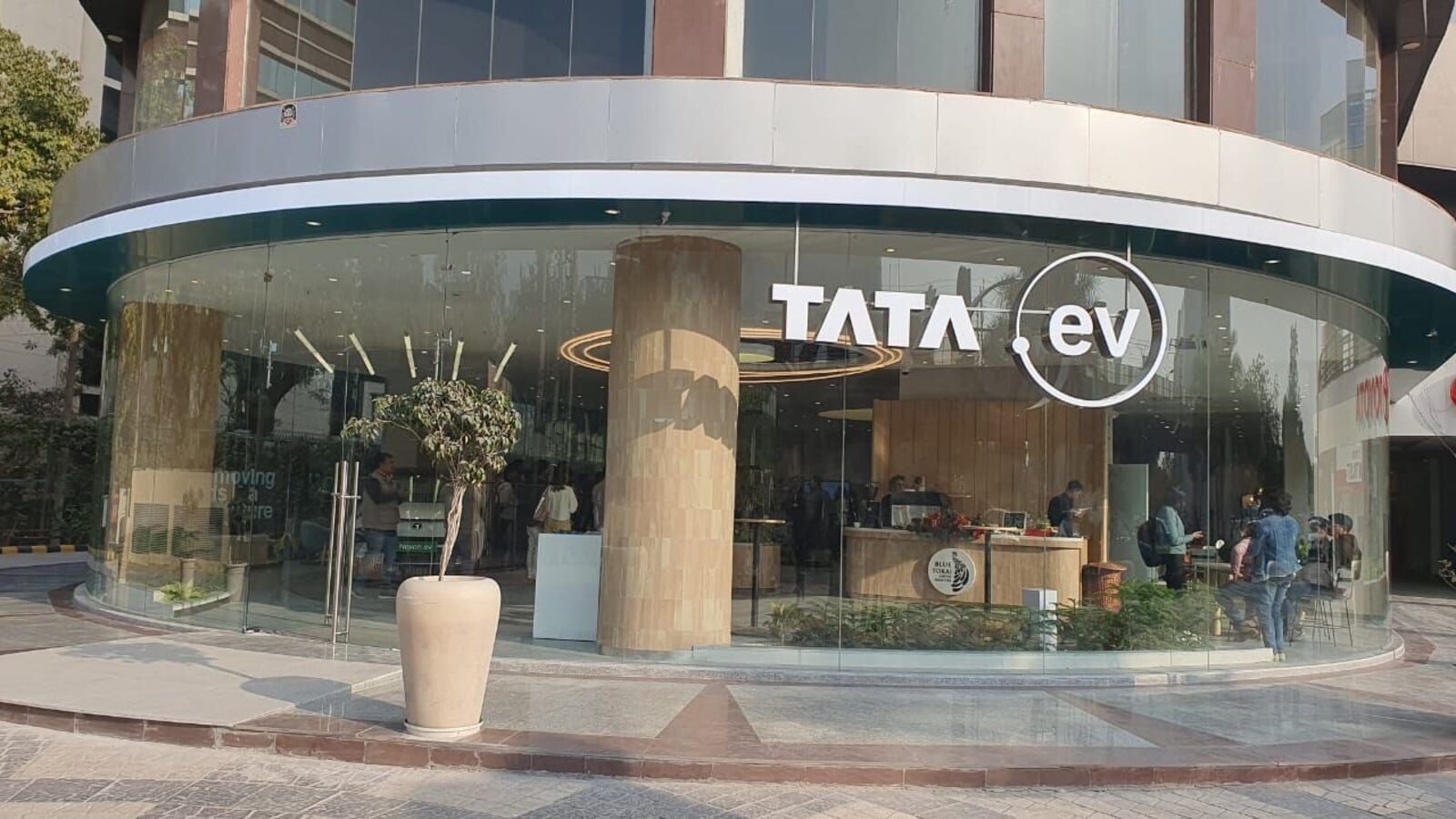
Tata Motors has inaugurated its first EV-only dealership in Gurugram. The dealership will open for the general public on 7th January and it is located on Sohna Road. The manufacturer says that they will expand the network to 2-3 more cities where they sell the most number of electric vehicles.
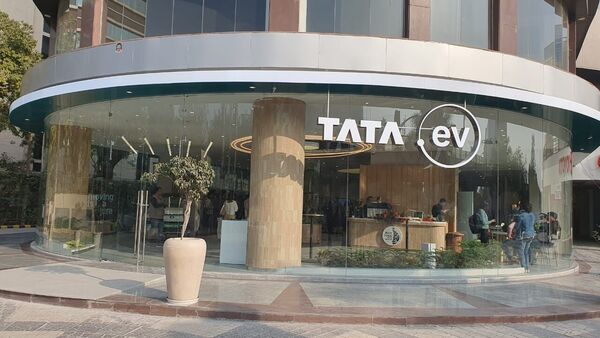
Customers would be able to use fast chargers that will be available at these new dealerships. Tata has also announced that once the EV dealerships are up and running, they will stop selling electric vehicles from regular showrooms. Apart from this, all Tata EV showrooms will have workshops that will be exclusive to Tata electric vehicles, this information was already confirmed to us back in October last year when the manufacturer launched the Tiago EV.
Tata Motors currently sells the Nexon. ev, Tiago.ev and Tigor. ev in the Indian market. Nexon.ev and Tiago.ev contribute around 75 per cent of sales among all Tata electric vehicle sales. Speaking of Tiago.ev, 25 per cent of buyers of the electric hatchback are women. Tata aims to complete 2023 with about 70,000 EV sales.
Also Read : Nexon to XUV700: Top 5 Indian cars that got shot in the arm with GNCAP rating
Commenting at the inauguration of the new showrooms, Shailesh Chandra, MD, Tata Motors Passenger Vehicles Ltd., and Tata Passenger Electric Mobility, said, “With insights gathered from over 1 Lakh Tata EV customers, we understand that the EV consumers seek a different kind of customer experience. They are sensitive to how the planet is evolving, very conscious about the cost of driving, and desire cutting-edge technology. This is in line with the new brand identity’s core values – sustainability, community, and technology. The new flagship showrooms are the first physical manifestations of this brand philosophy and we have mapped the customer journey accordingly. We want to empower our customers so our plans include the creation of a harmonious community space to facilitate customer gatherings/services, sustainability-focused workshops, and events for customers. These showrooms are not just about retailing EVs but they become TATA.ev community centres in Gurugram.
First Published Date: 21 Dec 2023, 15:22 PM IST
[ad_1]
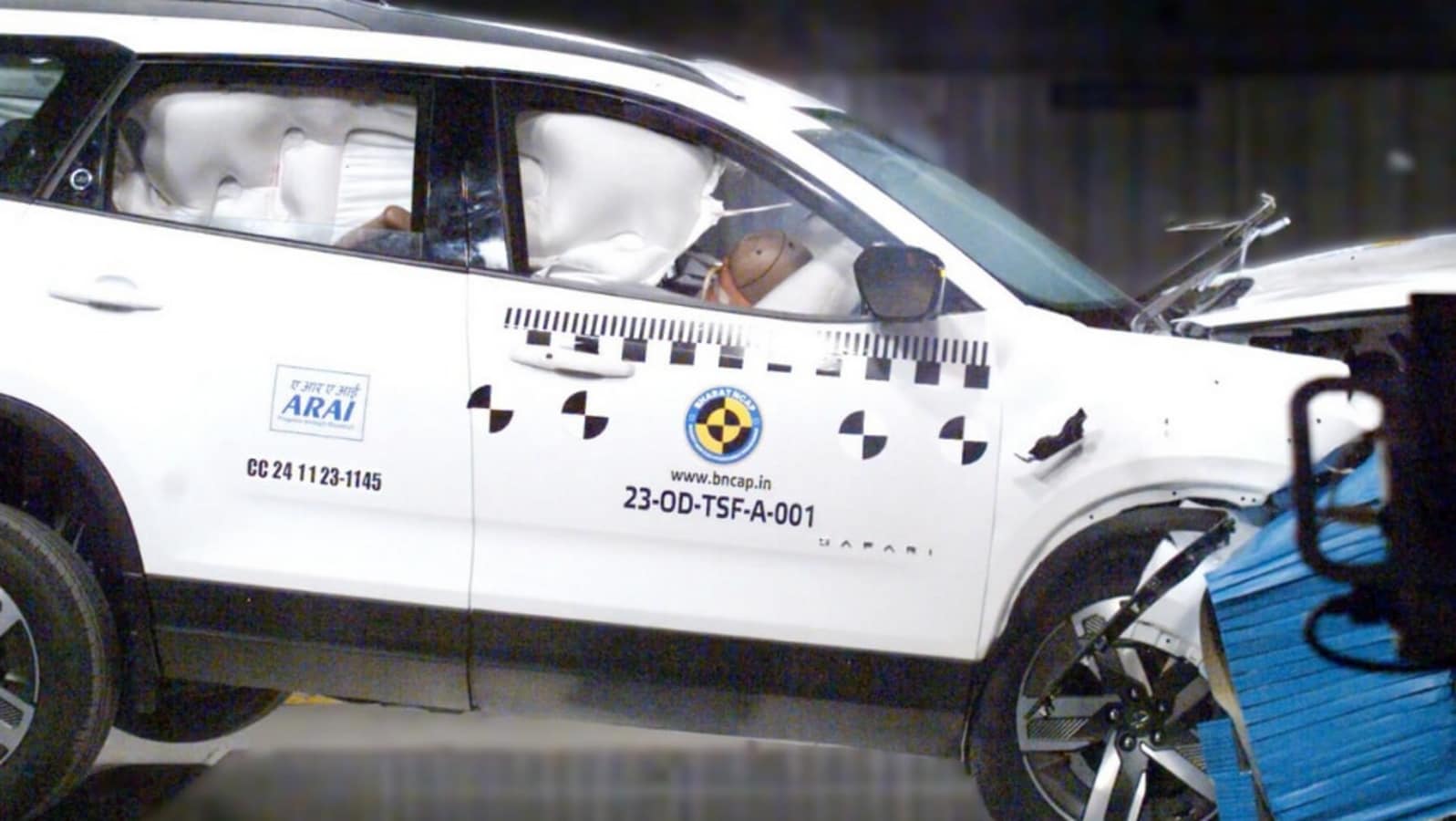
Tata Motors has announced that its Safari and Harrier SUVs are the first vehicles to secure a 5-star rating in Bharat NCAP’s crash test. Both SUVs had also scored five stars in the Global NCAP crash test on which Bharat NCAP is based on. The Harrier and Safari were recently updated and received mechanical as well as cosmetic upgrades.
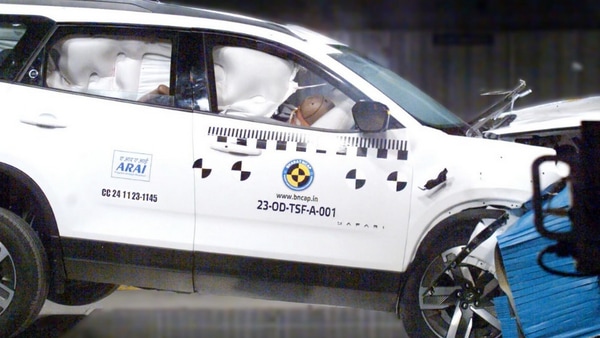
Tata Harrier and Safari received 30.08 points out of 32 in Adult Protection and 44.54 points out of 49 in Child Protection. The SUVs were fitted with seven airbags out of which six are offered as standard across all variants, Electronic Stability Control, three-point seatbelts in all rows, seatbelt reminders for all passengers, ISOFIX child seat mounts and seatbelts with retractor, pretensioner, load limiter and anchor pretensioner.
The Harrier is priced between ₹15.49 lakh and ₹26.44 lakh whereas the Safari starts at ₹16.19 lakh and goes up to ₹27.34 lakh. All prices are ex-showroom. Both SUVs use the same 2.0-litre diesel engine that is sourced from Fiat. It produces 168 bhp and 350 Nm. The gearbox on duty is a 6-speed manual unit or a 6-speed torque converter transmission.
Tata Motors has now found one more reason to underline the safety credentials of its vehicles. “Bharat-NCAP is a significant step forward as it provides customers with a credible, objective score to evaluate the safety aspects of various vehicles. Informed customers taking optimal decisions will further foster the rising preference for safer vehicles in the country,” said Shailesh Chandra, MD, Tata Motors Passenger Vehicles Ltd and Tata Passenger Electric Mobility Ltd. “We acknowledge and appreciate the collaborative efforts of the government, regulatory bodies, and the automotive industry in this pursuit. At Tata Motors, safety is at the core of our DNA and we are honoured to win this maiden Bharat-NCAP certification with an exemplary 5-star rating for two of our vehicles. We remain committed and will continue to work towards improving vehicle safety holistically.”
Also Read : Tata Nexon to Mahindra XUV700: How 5-star GNCAP safety ratings boosted these Indian cars’ sales performance
Bharat NCAP is a a star-rating system for crash testing cars that are available in Indian market specifically. As previously mentioned, it is based on the Global NCAP crash test system and will rate vehicles from zero to five, depending on the safety provided in case crashes. The test involves subjecting the test vehicle to crashes from multiple sides. Cars are voluntarily being sent by manufacturers and so far, the likes of Maruti Suzuki, Hyundai, Kia and of course, Tata Motors have sent a number of their respective models for the test.
On the result of Safari and Harrier, Nitin Gadkari, Union Minister for Road Transport and Highways, once again underlined the significance of Bharat NCAP. “Bharat NCAP is India’s independent, atmanirbhar voice on vehicle safety. It is benchmarked to the best-in-class global standards and the Bharat-NCAP vehicle rating system is designed to advance road safety and vehicle safety standards beyond mandatory regulations,” he said. ” I’m delighted that the first ever vehicles being certified today with the highest achievable 5-star rating, are both from Tata Motors. I congratulate them on award of this coveted certification with the highest possible ratings and for continuing to enrich their legacy of introducing the safest vehicles on Indian roads.”
First Published Date: 20 Dec 2023, 20:35 PM IST
[ad_1]
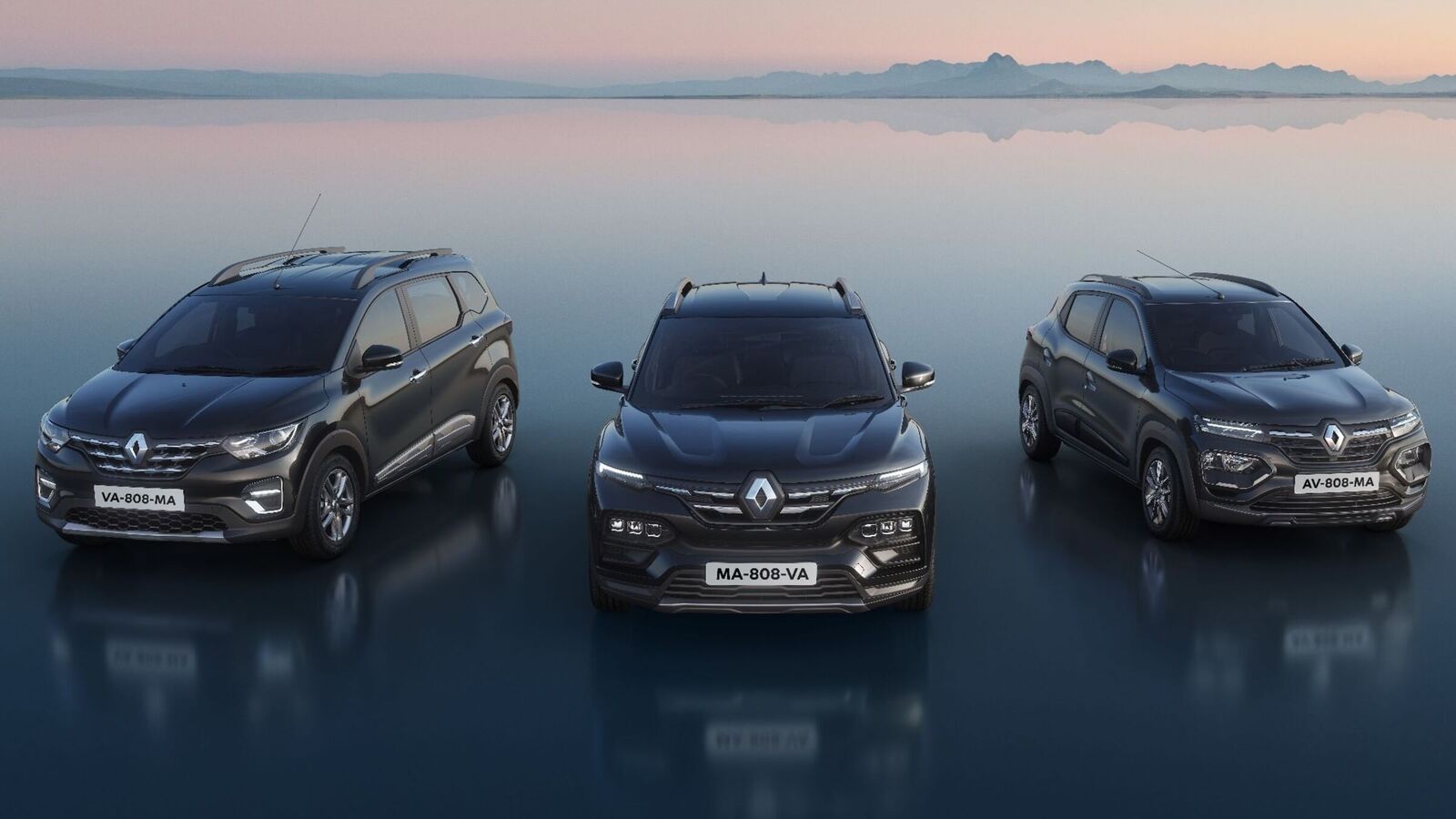
Renault India has announced support for its customers in Tamil Nadu and Andhra Pradesh who have been affected by Cyclone Michaung. The French automaker announced free roadside assistance for the affected customers, while it also launched a 24×7 helpline among other benefits. The automaker also claimed that it had initiated SMS alerts and company app notifications prior cyclone to inform its customers about vehicle safeguarding measures.
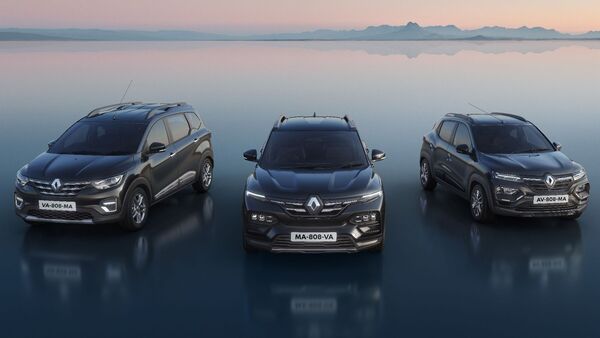
Over the last two days, several automakers including Maruti Suzuki, Tata Motors, Hyundai, Mahindra, Toyota, Jeep, and Audi have announced supportive measures for their respective customers who have been affected by the cyclone. Now, Renault has joined the list as it has announced a comprehensive support initiative for its customers.
Also Read : Citroen, Jeep join other carmakers, extend assistance to customers affected by Cyclone Michaung floods
The car manufacturer in an official release has said that it is offering roadside assistance to help customers transport their vehicles to the nearest dealerships free of cost. The company also claimed that it would reimburse the towing costs incurred by customers who independently arranged for transporting their vehicles. Renault claims to have deployed an additional fleet of 15 towing trucks throughout Tamil Nadu to prioritise recovery of flood-affected vehicles. Also, it has set up a 24×7 helpline ensuring the customers prompt and efficient assistance.
Speaking about the measures taken, Sudhir Malhotra, Vice President of Sales Marketing at Renault India Private Limited (RIPL), said the automaker has pledged to provide robust support to its customers affected by the Chennai floods. “During these hard times, Renault India, in solidarity with other OEMs, provides robust support to our customers affected by the Chennai floods. Our all-encompassing initiatives, spanning proactive communication and hands-on assistance, underscore our unwavering commitment to offering 24/7 aid to our customers in Tamil Nadu. Renault India will continue to remain vigilant, continuously monitoring the situation and adjusting our efforts to address the changing needs of the community and our customers. We stand united in these challenging times,” he added.
First Published Date: 09 Dec 2023, 10:10 AM IST
[ad_1]
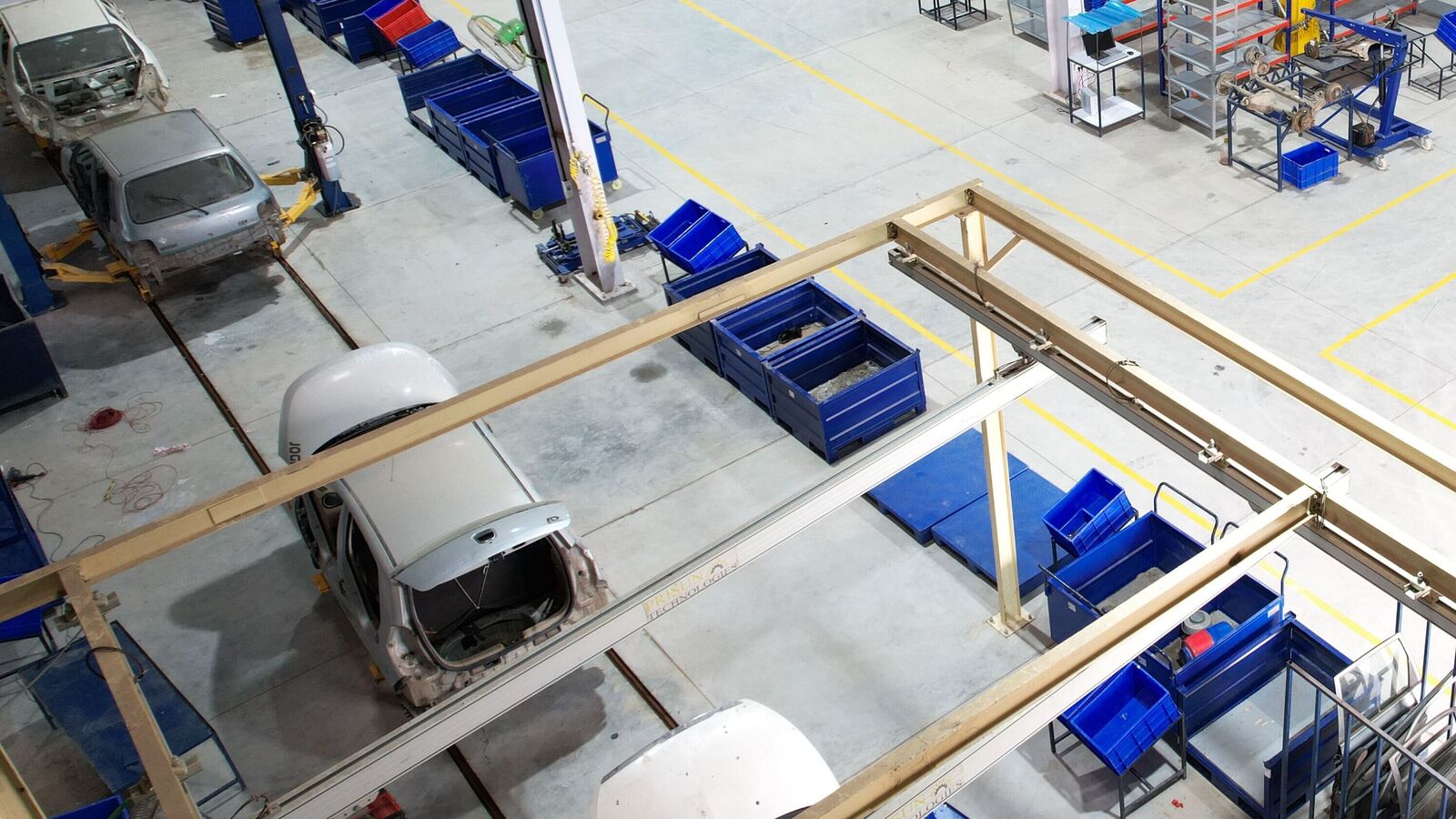
Tata Motors has opened a new vehicle scrapping facility, its fourth, in Chandigarh today (November 28). Announcing the start of the new facility, the carmaker said the state-of-the-art facility will be able to scrap around 12,000 end-of-life vehicles each year. The vehicle manufacturer further stated that the new facility is named as Re.Wi.Re, which stands for Recycle with Respect. The new facility was unveiled by Shailesh Chandra, Managing Director at Tata Motors Passenger Vehicles and Tata Passenger Electric Mobility on Tuesday.

Tata Motors said that the facility has been developed and operated by its partner Dada Trading Company. According to the carmaker, the facility will help scrapping of vehicles using environment-friendly processes. The facility, which is fully digitalised, will be able to scrap both passenger and commercial vehicles. It has dedicated centres to dismantle components like batteries, tyres, as well as fuel, oil, liquid and gas. The carmaker said the scrapping centre has dedicated cell-type and line-type dismantling for both type of vehicles.
This new vehicle scrapping centre is the fourth such facility run by Tata Motors. Previously, the carmaker had opened three such centres in Jaipur, Bhubaneshwar and Surat. Shailesh Chandra, MD at Tata Motors, said, “This state-of-the-art facility not only emphasises our unwavering commitment to responsible manufacturing but also represents our dedication to creating a greener and cleaner environment. The establishment of the fourth such facility is a testament to our relentless pursuit of reducing carbon emissions, promoting a circular economy and cultivating a culture of recycling.” In September this year, Tata Motors inaugurated its Surat vehicle scrapping facility. It is capable of recycling 15,000 vehicles every year.
Also Read : Tata cars in India set to be pricier from January 2024
Tata Motors said scrapping of old vehicles will help in getting rid of polluting vehicles and make way for safer and more fuel-efficient vehicles to enter the market. It echoes Union Minister Nitin Gadkari’s vision to discard old vehicles. Gadkari had said that the Centre’s vehicle scrapping policy will increase automobile sales by 18 per cent. He had also said that using the raw materials sourced from scrapped vehicles will save 33 per cent cost on raw material procurement.
The Vehicle Scrappage Policy introduced for the first time in August 2021, focuses on phasing out old and unfit vehicles across India in order to reduce the vehicular pollution level as the older vehicles are known for polluting the environment more than the newer models. This policy aims to de-register private cars that are aged more than 20 years and commercial vehicles aged more than 15 years.
First Published Date: 28 Nov 2023, 13:38 PM IST