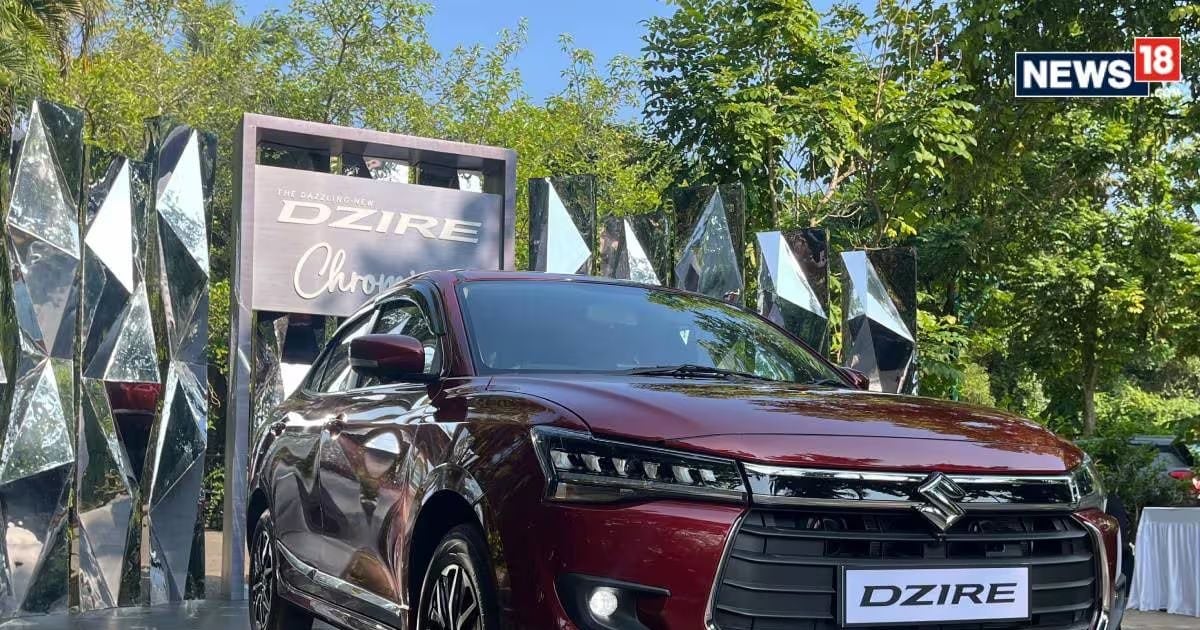
New Delhi. Maruti Suzuki is launching the new Dezire compact sedan in the Indian market on November 11. However, before this the company has already revealed the car and its crash test has also been done, in which tremendous safety performance of the car has come to light.
The company has made a lot of improvements in the build quality of the new Maruti Dezire, due to which it is being described as the company's first safest car. Now this car is seen competing with Tata and Skoda cars in terms of crash test rating. Let us tell you what safety rating the new Maruti Dezire has got in the crash test.
New Dezire becomes Maruti's safest car Let us tell you that Maruti had already crash tested this car. Its crash test data has been released by Global NCAP. The new Dzire has achieved 5-star rating in adult protection and 4-star rating in child protection in Global NCAP crash test. In this test, Dzire has scored 31.24 out of 34 for adult protection and 39.20 out of 42 for child protection.
This is the first car from Maruti to get 5-star rating in Global NCAP. This model claims good safety for the driver and passengers, while the side impact test has also shown good results.
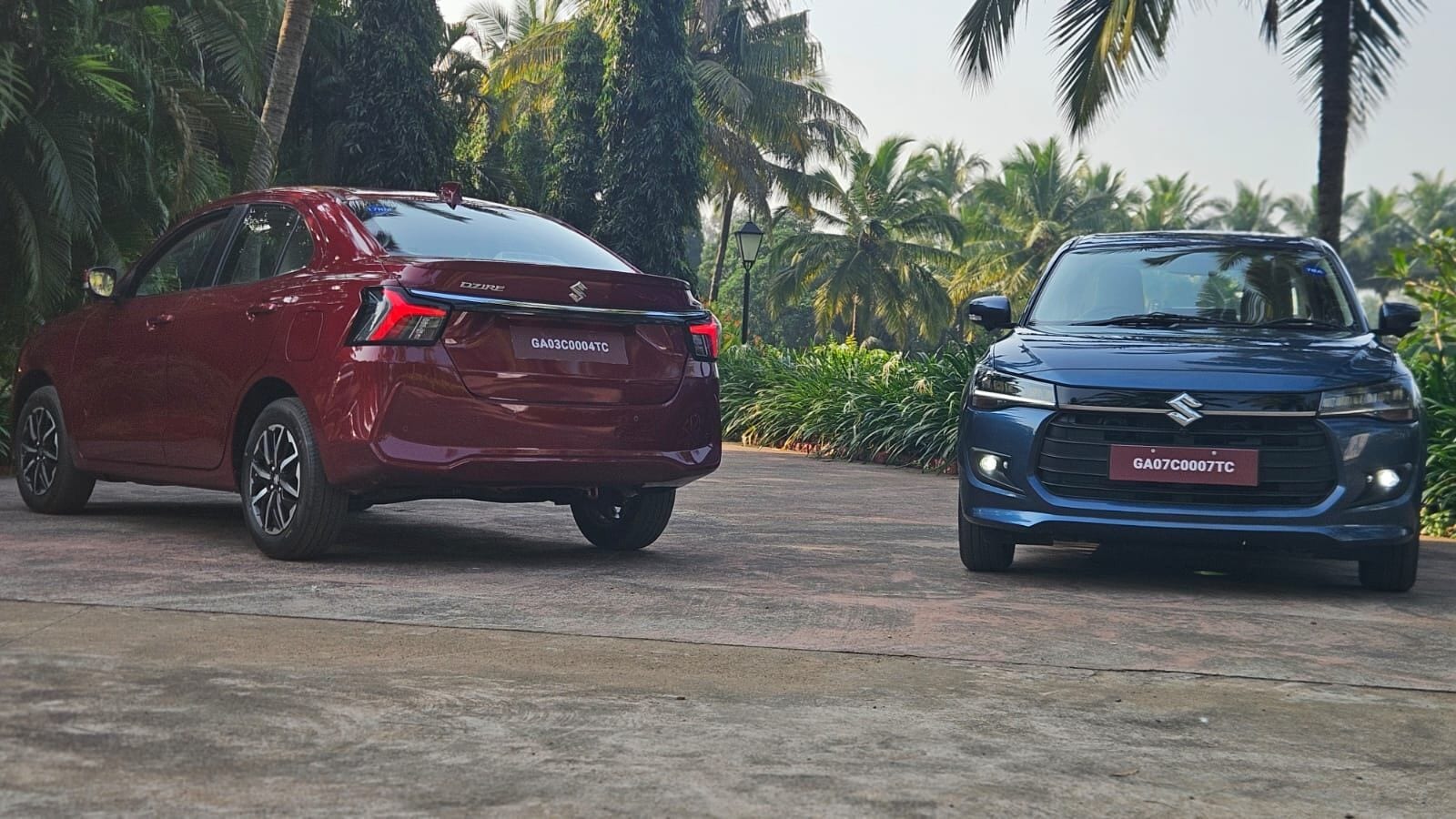
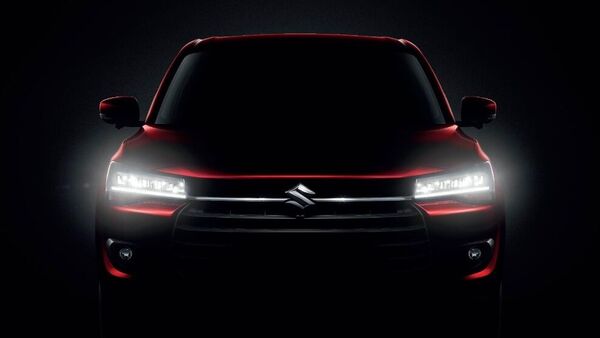
How is the new Dezire? The design of the new Maruti Dezire is completely different from the old model. The company has completely changed its interior and exterior design. The new Dzire gets a larger grille, rectangular LED headlights, redesigned fog lamps and a chrome strip at the rear with Y-shaped LED taillights. The top variant of the vehicle gets 15-inch diamond-cut alloy wheels and LED taillights with DRLs. The wheelbase of this sedan is 2,450 mm and ground clearance is 163 mm.
CNG engine option will be available along with petrol The new Dzire has a 1.2-litre, 3-cylinder Z-series engine, which generates 82hp power and 112Nm torque in petrol models, while 70 bhp power and 102 Nm torque in CNG variants. It is offered in 5-speed manual and AMT gearbox options. In CNG it will be brought only with manual transmission. According to the company, this car will offer a mileage of 33.73 kilometers in one kg of CNG.
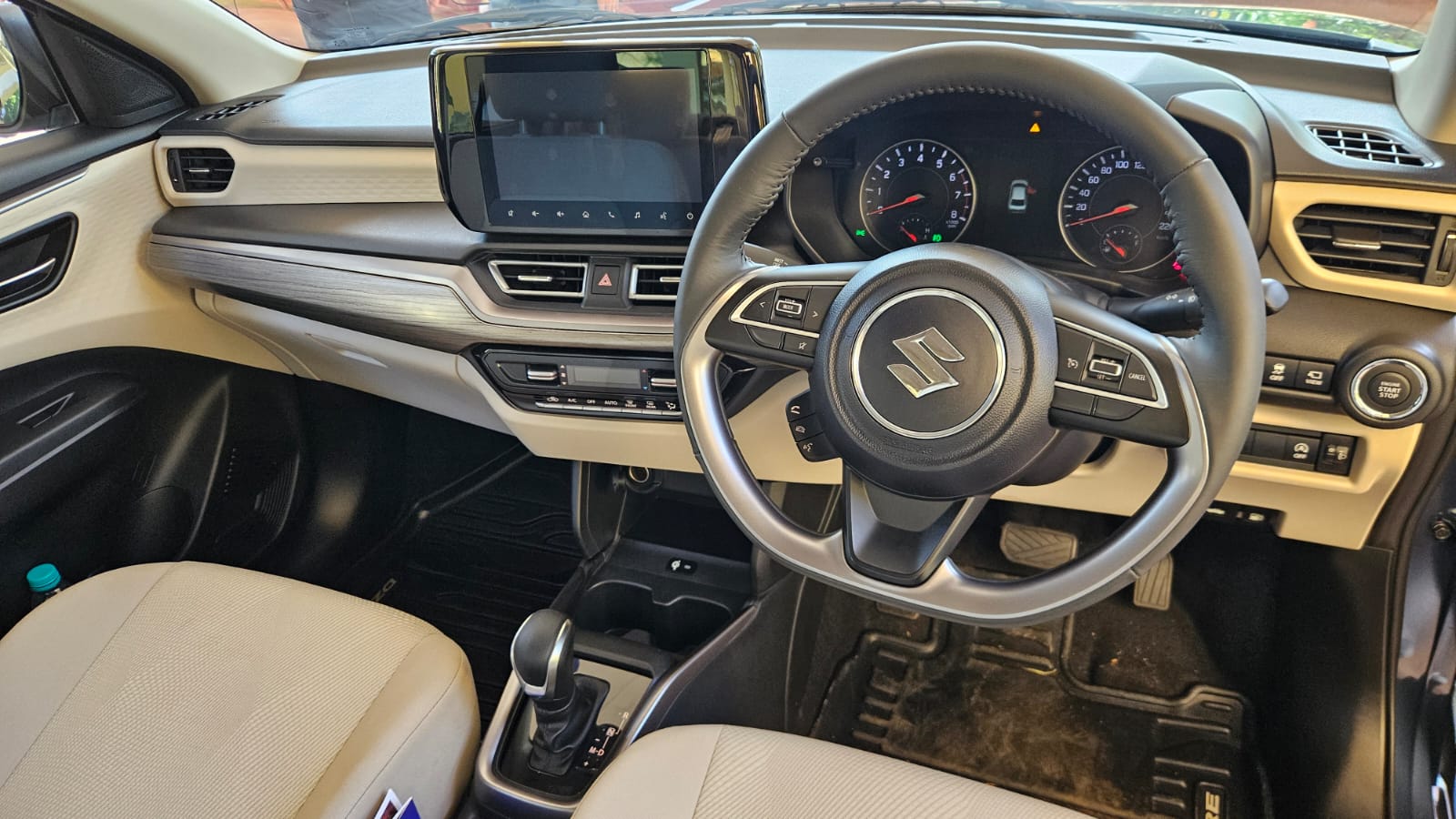
Interior features are also great The interiors include features like a new dual-tone dashboard, a 9-inch touchscreen infotainment system (with Apple CarPlay/Android Auto support), semi-digital instrument cluster and a single-pane electric sunroof. Apart from this, facilities like rear AC vents, rear center armrest and 360-degree camera are also provided.
With the launch of the new Dzire, Maruti is set to strengthen its position in the sedan segment, and it is expected to get a good response from the customers.
New Maruti Dzire Mileage: Maruti Suzuki is going to launch its new Dezire sedan (2024 Maruti Dzire) in India on 11th November. Maruti cars have always been known for better mileage. In such a situation, the news is in the headlines that how much mileage does the new Maruti Dezire give? The new Maruti Dezire is being launched in petrol and CNG engines. Mileage details of both the engines have also been revealed.
Let us tell you that the new Maruti Dezire is being brought in the Z series of new generation Swift, 1.2 liter 3-cylinder engine. The price of the new Dezire is expected to start from Rs 6.70 lakh (ex-showroom). While revealing the car, the company has also revealed the mileage figures. Let us know how much mileage you are going to get in this car.
How much mileage will you get in petrol variant? Petrol variants of Maruti Dezire will get 1.2 liter naturally aspirated petrol engine which will generate maximum power of 82 bhp and maximum torque of 112 Nm. Talking about mileage, its manual gearbox (MT) models will get a mileage of 24.79 km/l and automatic gearbox (AT) models will get a mileage of 25.71 km/l.
This much mileage will be available in CNG version If we talk about CNG version, then in CNG this car generates maximum power of 70 bhp and torque of 102 Nm. In CNG it will be brought only with manual transmission. According to the company, this car will offer a mileage of 33.73 kilometers in one kg of CNG.
Got 5-star safety rating The new Maruti Dezire is the first car from the company to get a 5-star safety rating in the Global NCAP crash test. This car has achieved 5-star rating in adult protection and 4-star rating in child protection. This is the first car from Maruti to get 5-star rating in Global NCAP. This model claims good safety for the driver and passengers, while the side impact test also showed good results.
Features will be amazing The design of the new Maruti Dezire is completely different from the old model. The new Dzire gets a larger grille, rectangular LED headlights, redesigned fog lamps, and a chrome strip at the rear with Y-shaped LED taillights. The top variant of the vehicle gets 15-inch diamond-cut alloy wheels and LED taillights with DRLs. The wheelbase of this sedan is 2,450 mm and ground clearance is 163 mm.
The interiors include features like a new dual-tone dashboard, a 9-inch touchscreen infotainment system (with Apple CarPlay/Android Auto support), semi-digital instrument cluster and a single-pane electric sunroof. Apart from this, facilities like rear AC vents, rear center armrest and 360-degree camera are also provided.
द्वारा: एचटी ऑटो डेस्क | को अपडेट किया: 09 नवंबर 2024, सुबह 10:08 बजे
वर्तमान में, रेनॉल्ट भारतीय बाजार में केवल किगर, क्विड और ट्राइबर बेचती है। एक बार लॉन्च होने के बाद, डस्टर लाइनअप में सबसे ऊपर बैठेगी।
रेनॉल्ट डस्टर का एक परीक्षण खच्चर केरल के पथानामथिट्टा में देखा गया। (फेसबुक/आदित्य)
रेनॉल्ट भारत आखिरकार भारतीय बाजार में अपने लाइनअप के विस्तार पर काम कर रहा है। वर्षों की अटकलों के बाद, ऐसा लगता है डस्टर अंततः भारत में अपनी वापसी करेगा। कॉम्पैक्ट एसयूवी के परीक्षण खच्चरों को भारतीय सड़कों पर देखा गया। फिलहाल, लॉन्च की समयसीमा स्पष्ट नहीं है लेकिन हम उम्मीद कर सकते हैं कि रेनॉल्ट 2025 की पहली छमाही में एसयूवी लॉन्च करेगी।
By: reuters , updated on: 09 November 2024, 10:05 am
Nissan is facing criticism for its hybrid strategy, with analysts highlighting its over-reliance on EVs. After huge job cuts and profit forecasts
,
Nissan is facing criticism for its hybrid strategy, with analysts highlighting its over-reliance on EVs. The company's stock declined after massive job cuts and a decline in profit forecasts, reflecting ongoing challenges in the competitive market, particularly in the US and China.
Nissan on Thursday cut its full-year operating profit forecast by 70 percent. The automaker completely scrapped its net forecast due to restructuring, which will cut costs by 400 billion yen. (Reuters)
Nissan Motor shares fell 6 percent in Tokyo trading on Friday, a day after the Japanese automaker said it would cut 9,000 jobs and 20 percent of its manufacturing capacity as it struggles with sales in China and the United States. Is struggling.
The stock posted its biggest one-day price drop since August, ending the session at 385.2 yen, just above a four-year low.
Japan's third-largest automaker on Thursday slashed its full-year operating profit forecast by 70 percent and completely scrapped its net forecast due to restructuring, which it said would cost the company in the fiscal year through March. There will be a cut of 400 billion yen ($2.61 billion). Ending.
Also read: Tesla was told to tone down enthusiasm for robotaxi, months before US investigation
Like many global automakers, Nissan is struggling in China where BYD and other domestic rivals are winning market share with affordable electric vehicles and petrol-electric hybrids equipped with advanced software.
Nissan has also been challenged in the US, where it has a shortage of hybrid vehicles because of the huge demand for that type of vehicle.
CEO Makoto Uchida said Thursday that Nissan did not expect the sudden popularity of hybrids in the US and that demand for modified versions of the core model was not as strong as expected.
Also read: Toyota COO criticizes US EV policies, calls for organic growth without mandate
Nissan's restructuring is the latest chapter in a long-running effort to revive its business, which has never fully recovered after ousting former Chairman Carlos Ghosn in 2018 and cutting its partnership with Renault.
On Friday, Economy, Trade and Industry Minister Yoji Muto declined to comment when asked by reporters for his views on possible government support for Nissan.
Recommended Watch: Maruti's first electric car Suzuki E Vitara breaks cover
Tokai Tokyo Intelligence Laboratory analyst Seiji Sugiura placed much of the blame for Nissan's U.S. hybrid situation on management, saying it expected to sell primarily new EVs and conventionally powered models.
Sugiura said, “The company released its mid-term plan this spring, but in the end it made no sense. I think their understanding of the situation is completely wrong.”
Nissan's mid-term plan announced in March included 30 new models over the next three years, increasing global sales to 1 million vehicles, increasing operating profit margins to more than 6 percent by the end of fiscal 2027 and total shareholder returns of 30 percent. It became more. ,
($1 = 153.2000 yen)
Get information about upcoming cars in India, electric vehicles, upcoming bikes in India and cutting-edge technology that is changing the automotive landscape.
First publication date: 09 November 2024, 10:05 am IST
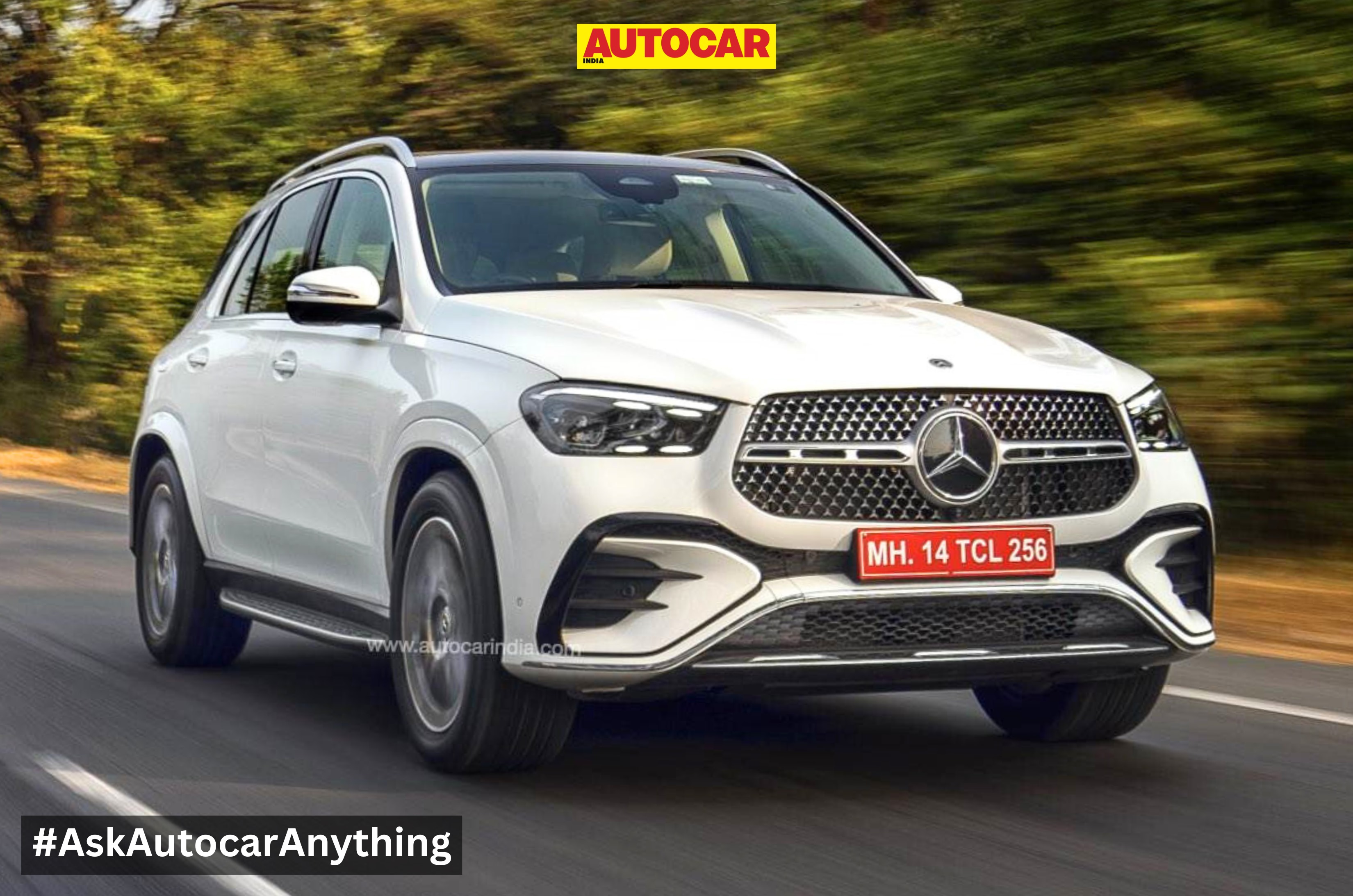
हालांकि महंगी, मर्सिडीज जीएलई अपने आलीशान और विशाल केबिन और परिष्कृत, दमदार इंजनों के साथ अलग दिखती है।
मैं 1 करोड़ रुपये से 1.5 करोड़ रुपये के बीच एक शानदार पारिवारिक कार की तलाश में हूं। हमारा परिवार पाँच लोगों का है – तीन वयस्क और दो बच्चे – इसलिए मेरी प्राथमिकता आराम है। इसे एक पहचानने योग्य ब्रांड, अच्छी सड़क उपस्थिति और अद्यतन तकनीक होनी चाहिए। मैं कार चलाऊंगा, लेकिन मेरा उपयोग बहुत कम होगा। यदि आप दृढ़तापूर्वक कार की अनुशंसा करते हैं तो मैं अपना बजट थोड़ा बढ़ा सकता हूँ। मैं ईवी के पक्ष में नहीं हूं और पेट्रोल को प्राथमिकता दूंगा।
मोहित सरीन, नई दिल्ली
ऑटोकार इंडिया का कहना है: आपके बजट के लिए काफी विकल्प मौजूद हैं, लेकिन हम आपको मर्सिडीज-बेंज जीएलई देखने का सुझाव देंगे। इसकी सड़क पर उपस्थिति अच्छी है, यह एक बहुत मजबूत ब्रांड है, पिछली सीट विशाल है, एमबीयूएक्स इंफोटेनमेंट सिस्टम में सबसे अच्छी ऑन-बोर्ड तकनीक है, और यह काफी विश्वसनीय है।
New Maruti Dzire Crash Test: Maruti Suzuki India has unveiled the new generation Dzire sedan in the Indian market. The new Dzire has included improved exterior design, new interior and many features available for the first time in the segment. The company has also started booking for New Dezire, you can book it for Rs 11,000. The price of this vehicle will be revealed on 11 November 2024.
The new Dzire has achieved a 5-star safety rating (adult protection) and 4-star rating (child protection) in the Global NCAP crash test. In this test, Dzire has scored 31.24 out of 34 for adult protection and 39.20 out of 42 for child protection. This is the first car from Maruti to get 5-star rating in Global NCAP. This model claims good safety for the driver and passengers, while the side impact test also showed good results.
How is the new Maruti Dezire? The design of the new Maruti Dezire is completely different from the old model. The new Dzire gets a larger grille, rectangular LED headlights, redesigned fog lamps, and a chrome strip at the rear with Y-shaped LED taillights. The top variant of the vehicle gets 15-inch diamond-cut alloy wheels and LED taillights with DRLs. The wheelbase of this sedan is 2,450 mm and ground clearance is 163 mm.
What will the powertrain be like? The new Dzire has a 1.2-litre, 3-cylinder Z-series petrol engine, which generates 82hp power and 112Nm torque. It is offered in 5-speed manual and AMT gearbox options.
Interior features will be amazing The interiors include features like a new dual-tone dashboard, a 9-inch touchscreen infotainment system (with Apple CarPlay/Android Auto support), semi-digital instrument cluster and a single-pane electric sunroof. Apart from this, facilities like rear AC vents, rear center armrest and 360-degree camera are also provided.
With the launch of the new Dzire, Maruti is set to strengthen its position in the sedan segment, and it is expected to get a good response from the customers.
New Delhi. Skoda India has launched its new sub-compact SUV Skoda Kylaq in the Indian market. The company wants to establish a stronger presence in the Indian market through this new SUV. The starting price of Skoda Kylaq has been kept at Rs 7.89 lakh (ex-showroom), and with this Skoda has taken its first step in the sub-compact SUV segment. Indian customers were eagerly waiting for this SUV.
Skoda Kylaq is built on the MQB A0-IN platform, which is the basic platform of Skoda and Volkswagen and on which Kushaq and Slavia have also been built earlier. Let us tell you in detail about this SUV.
Cabin and Features Kylaq has split headlamps, squared-off tail lights, butterfly front grille, LED projector headlamps and clear crease lines on the bonnet, which give it a bold and attractive look. The aluminum spoiler at the front makes its look more spectacular. The cabin of Kylaq largely matches that of Kushaq. It includes a two-spoke steering wheel, 8-inch digital instrument cluster and 10-inch touchscreen infotainment system. This SUV has been provided with features like single-pane sunroof, keyless entry, wireless phone charger, wireless Android Auto and Apple CarPlay, front seat ventilation and leatherette upholstery.
6 airbags from base variant only The Skoda Kylaq features powered seat adjust for the driver and front passenger, putting it a step ahead of its rivals. The cabin also has bottleholders, a large glovebox and cupholders on all doors. The facility of armrest between the front seats makes it more comfortable. The company has also taken full care of the safety of the customers. The Kylaq comes with 6 airbags as standard from the base variant onwards.
Engine and Performance Skoda Kylaq has a 1.0-litre TSi petrol engine, which generates power of 114bhp and torque of 178Nm. It has options of 6-speed manual and 6-speed automatic gearbox. However, mileage information has not been shared yet, but an update about it is expected soon.
With Skoda Kylaq, Skoda is planning to strengthen its hold in Tier-3 and Tier-4 cities. This special SUV is also important for the company because it marks Skoda's comeback in the sub-Rs 10 lakh price segment. In India, Skoda Kaylak can compete with Maruti Suzuki, Tata Nexon, Hyundai Venue and Mahindra 3XO.
द्वारा: एचटी ऑटो डेस्क | को अपडेट किया: 08 नवंबर 2024, सुबह 10:04 बजे
11 नवंबर 2024 को लॉन्च होने वाली नई मारुति सुजुकी डिजायर, अद्यतन सौंदर्यशास्त्र और सुविधाओं के साथ एक पूर्ण रीडिज़ाइन प्रदर्शित करती है। अब स्वतंत्र फादर
…
11 नवंबर 2024 को लॉन्च होने वाली नई मारुति सुजुकी डिजायर, अद्यतन सौंदर्यशास्त्र और सुविधाओं के साथ एक पूर्ण रीडिज़ाइन प्रदर्शित करती है। अब स्विफ्ट से स्वतंत्र, इसमें ऑल-एलईडी लाइटिंग, 9-इंच टचस्क्रीन वाला एक आधुनिक केबिन, 360-डिग्री कैमरा और वायरलेस चार्जिंग शामिल है।
डिज़ायर 2008 में पहली बार लॉन्च होने के बाद से भारतीयों के लिए एक लोकप्रिय मॉडल रही है।
मारुति सुजुकी डिजायर निर्माता द्वारा भारतीय दर्शकों के लिए अनावरण किया गया है। सबकॉम्पैक्ट सेडान को इस बार एक नया चेहरा, इंटीरियर और एक नया व्यक्तित्व मिला है। लोकप्रिय सब-कॉम्पैक्ट सेडान 11 नवंबर को लॉन्च के लिए तैयार है।
जो बूट-स्पेस विस्तार के रूप में शुरू हुआ तीव्र हैचबैक, अब एक स्टैंड-अलोन उत्पाद बन गया है मारुति सुजुकी. जापानी निर्माता ने फैसला किया कि अब समय आ गया है कि डिजायर को स्विफ्ट बैज से अलग किया जाए और इस बार फैसला किया कि अब इसे स्विफ्ट जैसा दिखने की जरूरत नहीं है।
2024 मारुति सुजुकी डिजायर: एक्सटीरियर
बाहर की तरफ, डिजायर में संशोधित लाइटिंग सेटअप है, जो इस बार ऑल-एलईडी है। फ्रंट ग्रिल, फ्रंट बम्पर और रियर बम्पर सभी पहले की तुलना में अधिक चौकोर हो गए हैं। हुड चपटा है और कार के चारों ओर शार्प स्टाइल भी देखा जा सकता है। जब आप साइड प्रोफाइल पर नज़र डालते हैं, तो आपको नए 15-इंच के अलॉय व्हील के साथ अधिक ढलान वाली छत दिखाई देगी। टायरों में 185/65 R15 सेक्शन है।
डिजायर के केबिन में भी बदलाव किया गया है लेकिन पिछली डिजायर की तुलना में काले और बेज रंग की थीम को बरकरार रखा गया है। यहां डिजायर स्विफ्ट के हिस्सों का उपयोग करती है जैसे कि सेंटर कंसोल पर एयर-कॉन नियंत्रण और ड्राइवर के लिए इंस्ट्रूमेंट क्लस्टर। इसमें एक नया डिज़ाइन किया गया डैशबोर्ड है जिसमें लकड़ी की फिनिश वाला रंग है जो लकड़ी जैसा नहीं दिखता है।
नई डिज़ायर के इंटीरियर में बुनियादी किट दी गई है जो इसे प्रतिस्पर्धा में बनाए रखने के लिए आवश्यक है।
मारुति सुजुकी डिजायर अब अपने सेगमेंट की कारों में मिलने वाली सबसे आधुनिक सुविधाओं के साथ अपडेट हो गई है। सेंटर कंसोल में अब वायरलेस ऐप्पल कारप्ले और एंड्रॉइड ऑटो कार्यक्षमता के साथ एक फ्री-फ्लोटिंग प्रकार 9-इंच टचस्क्रीन इंफोटेनमेंट सिस्टम है। अब सबकॉम्पैक्ट सेडान में सनरूफ के साथ एक नया 360-डिग्री कैमरा सिस्टम पेश किया जा रहा है। इसमें ऑटोमैटिक क्लाइमेट कंट्रोल, क्रूज़ कंट्रोल, रियर एसी वेंट, फ्रंट में एक वायरलेस चार्जर और रियर में डुअल यूएसबी-सी चार्जिंग पोर्ट भी मिलते हैं। पीछे की तरफ, कपहोल्डर्स के साथ एक आर्मरेस्ट भी उपलब्ध है।
By: bloomberg , updated on: 08 November 2024, 09:39 am
Stocks in BMW AG and Porsche AG declined on concerns over potential US tariff hikes, with BMW falling 6.8 percent and Porsche reaching a two-year low.
,
Stocks in BMW AG and Porsche AG declined on concerns over potential US tariff hikes, with BMW falling 6.8 percent and Porsche hitting a two-year low. German automakers may face challenges from US trade policies amid competition in China and Europe.
During his campaign for the presidential elections, Trump has said that he intends to impose tariffs on foreign-made cars imported into the US in order to protect local jobs. (Reuters)
Shares of German automakers led by BMW AG and Porsche AG fell on concerns that the US might raise tariffs on imported cars after Donald Trump returns to the White House.
BMW, which earlier Wednesday reported disappointing quarterly earnings, fell as much as 6.8 percent in Frankfurt. Porsche, maker of the 911 sports cars, fell to its lowest intraday price since the stock began trading more than two years ago.
Also read: Analysts reduce EV development expectations in America after Donald Trump's return
Additional tariffs would hurt German automakers, which ship more vehicles to the U.S. than any other country. The market is becoming increasingly attractive to them due to strong demand for large sport utility vehicles and a slower shift toward EVs than in Europe, allowing them to sell more of their higher-margin combustion-engine models.
During his campaign, Trump said he planned to impose tariffs on foreign-made cars shipped to the US to protect local jobs.
Mercedes-Benz Group AG declined 4.9 percent. Volkswagen AG fell as much as 4.4 percent.
Also read: Nissan cuts 9,000 jobs, halves CEO salary, here's why
German automakers operate several factories in the US where they produce cars for both local buyers and exports – meaning any European retaliatory measures could compound the damage from the trade dispute.
The conflict with the US would create another problem for the Germans, who already face stiff price competition in China and lower demand in Europe.
“Trump is pursuing a distinctly protectionist agenda that relies on higher import tariffs and more restrictions on international trade,” Clemens Fuest, president of Germany's Ifo economic research institute, said on Wednesday.
Get information about upcoming cars in India, electric vehicles, upcoming bikes in India and cutting-edge technology that is changing the automotive landscape.
First publication date: 08 November 2024, 09:39 am IST
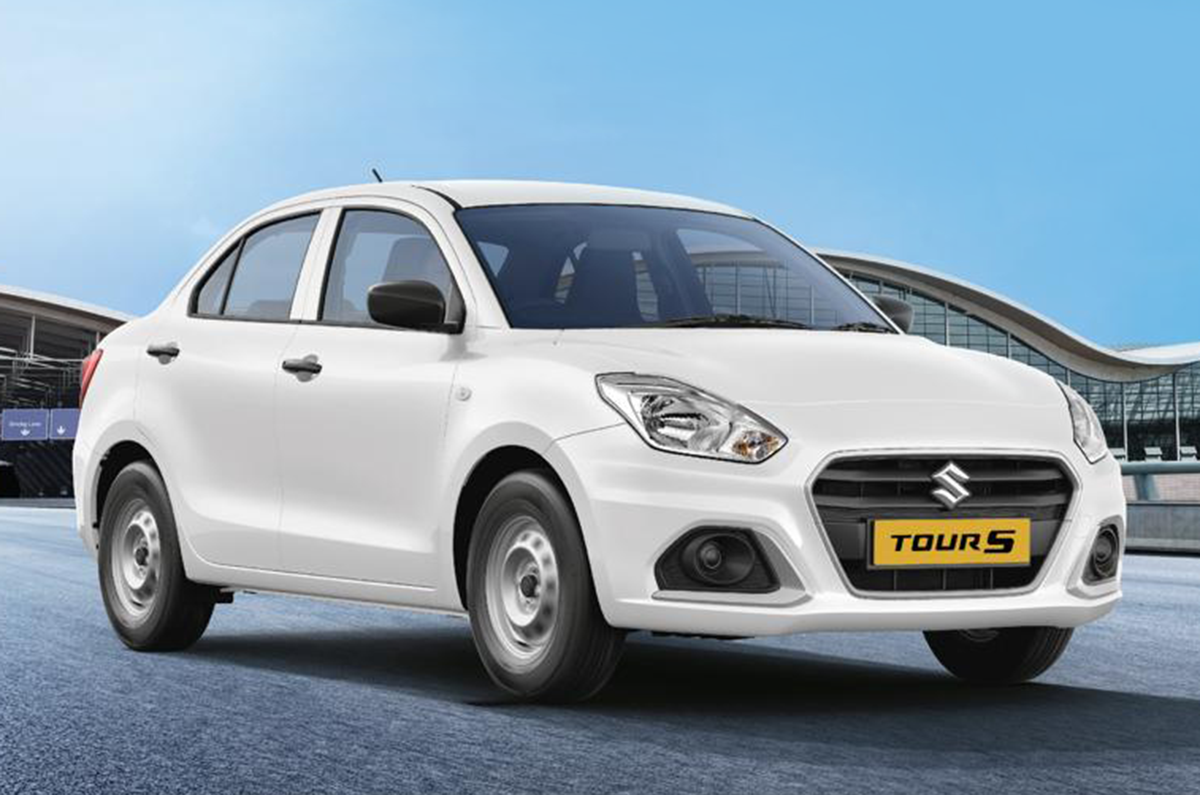
मारुति सुजुकी की बिक्री जारी रहेगी तीसरी पीढ़ी की डिजायर बिल्कुल नई चौथी पीढ़ी की कार के साथ जो इस महीने बिक्री के लिए उपलब्ध होगी। डिजायर टूर एस जो बेड़े और टैक्सी बाजारों को पूरा करता है वह मौजूदा तीसरी पीढ़ी की कार पर आधारित रहेगा।
डिजायर की आधी से ज्यादा बिक्री टूर एस वेरिएंट से होती है
टूर एस टिगोर और ऑरा के बेड़े वेरिएंट को प्रतिद्वंद्वी करता है
जैसा कि पिछले मॉडलों में होता है, नई पीढ़ी की डिजायर की बिक्री कुछ समय के लिए पिछले संस्करण के साथ ओवरलैप हो जाएगी; नई कार निजी खरीदारों को बेची जा रही है, जबकि पुरानी कार टूर के रूप में बेड़े के खरीदारों को बेची जा रही है।
डिजायर मीडिया ड्राइव में ऑटोकार इंडिया से बात करते हुए, मारुति सुजुकी के बिक्री और विपणन प्रमुख पार्थो बनर्जी ने कहा, “नई डिजायर पूरी तरह से मौजूदा मॉडल की जगह नहीं लेगी। यह [current-gen] एक केवल टूर संस्करण के रूप में जारी रहेगा, क्योंकि हमारे पास दोनों संस्करणों की महत्वपूर्ण बिक्री है।”
जबकि मारुति मानक डिजायर और डिजायर टूर एस की बिक्री का अलग से खुलासा नहीं करती है, बनर्जी ने कहा कि पिछले साल बेची गई 1.6 लाख डिजायर में से लगभग 60,000 इकाइयां टूर संस्करण थीं। इसका मतलब है कि प्रति माह औसतन लगभग 5,000 इकाइयाँ बनती हैं।
यह एक पर्याप्त संख्या है, और दोनों संस्करणों को कुछ समय के लिए उत्पादन में रखने को उचित ठहराती है। टूर एस की संख्या प्रतिद्वंद्वियों के मुकाबले भी प्रभावशाली है, टिगोर की मासिक आधार पर औसतन 1,300 इकाइयां, अमेज की 2,300 इकाइयां और हुंडई ऑरा की 4,500 इकाइयां बिकती हैं। चौथी पीढ़ी की डिज़ायर टूर संभवतः मॉडल के जीवन चक्र के उत्तरार्ध में लाइन-अप में शामिल होगी।
By: Mainak Das , updated on: 07 November 2024, 10:18 am
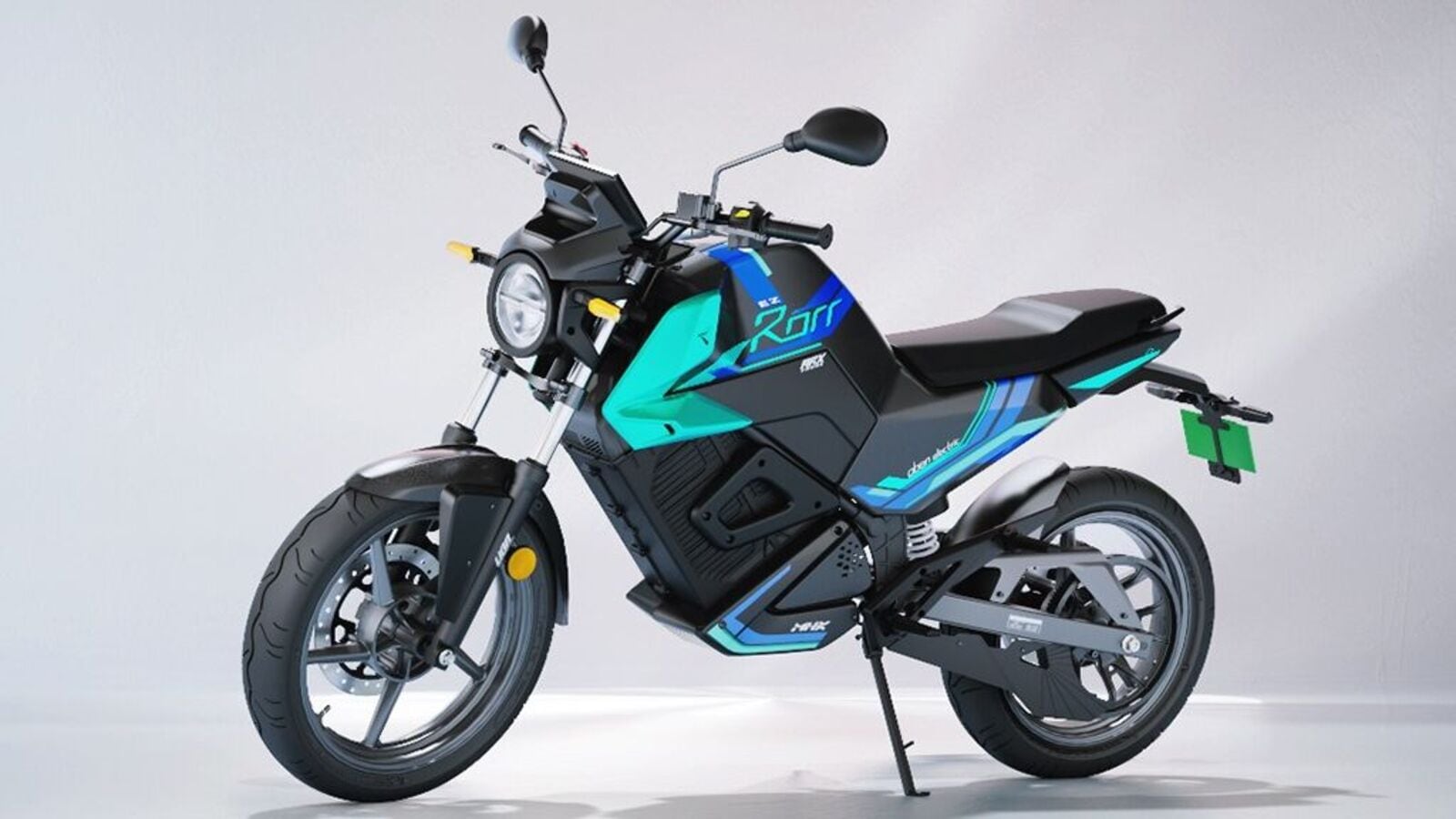
The Oben Roar EZ is an electric commuter motorcycle available for booking 2,999.
175 km range promised at ₹89,999, booking starts -175-km-range-booking-open-41730954488006.html” data-item-story-segment = “electric”>
The Oben Roar EZ is an electric commuter motorcycle available for booking for ₹2,999.
175 km range promised for Rs 89,999, booking started”>
The Oben Roar EZ is an electric commuter motorcycle available for booking for ₹2,999.
The Oberon Rohr electric motorcycle has received another edition, now in the guise of the Rozz EZ, which comes as a commuter electric motorcycle. at cost ₹ 89,999 (ex-showroom), the Oberon Roar EZ aims to increase the company's share of the electric motorcycle market in India, where the number of products has been seeing a rise in the past few months. Oben Roar EZ is already available for booking 2,999.
Check out upcoming EV bikes in India.
First publication date: 07 November 2024, 10:18 AM IST
यह कार सबसे पहले सोवियत सेना के मार्शल कॉन्स्टेंटिन रोकोसोव्स्की को दी गई थी, जिन्होंने द्वितीय विश्व युद्ध के बाद पोलैंड के रक्षा मंत्री के रूप में कार्य किया था।
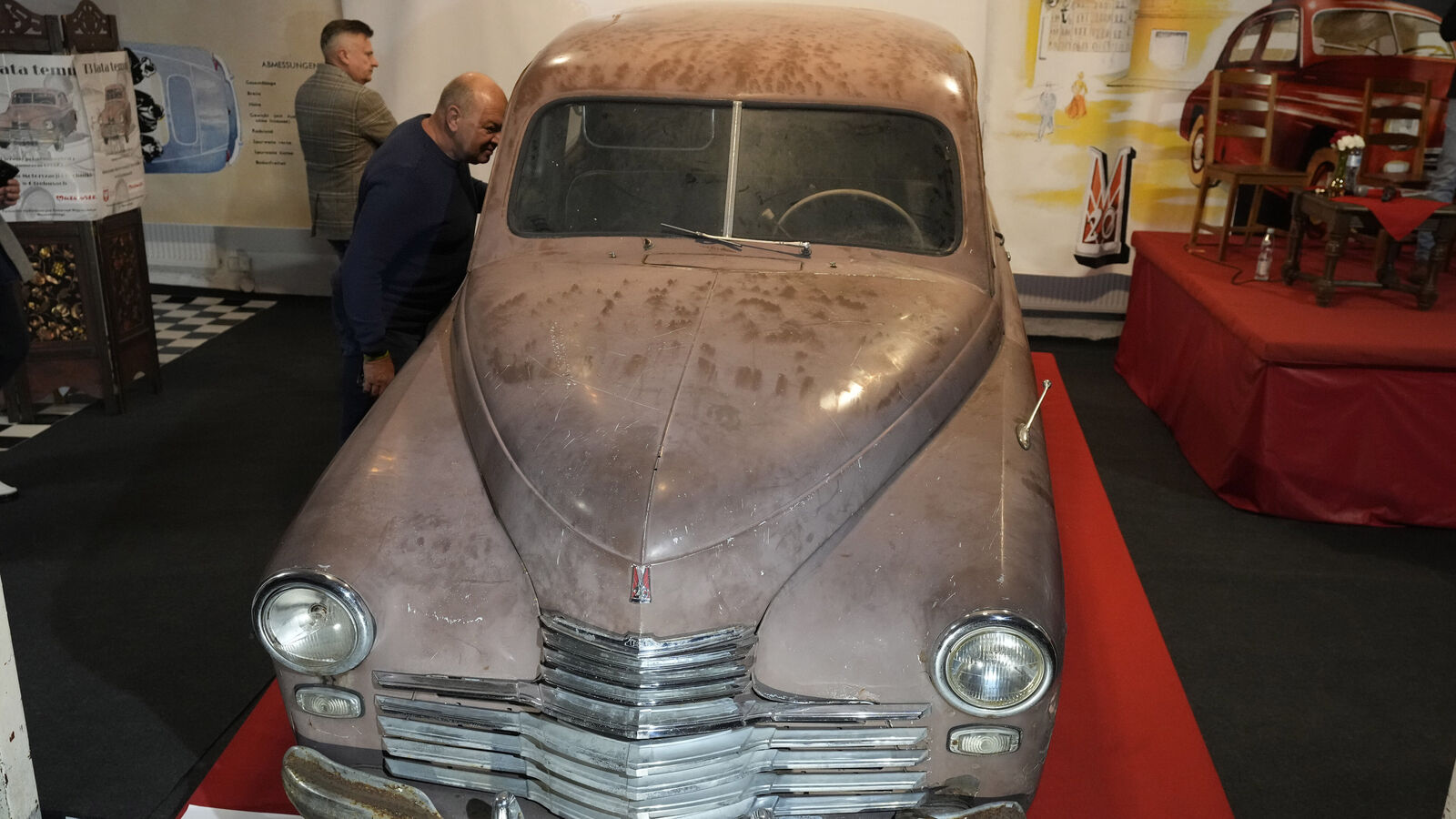
सोवियत संघ के मॉडल पर आधारित सीरियल नंबर 000001 वाली यह वॉर्सज़ावा एम-20 कार, द्वितीय विश्व युद्ध के बाद 6 नवंबर, 1951 को पोलैंड में एक कार फैक्ट्री से निकलने वाली पहली गाड़ी थी और अब, 73 साल बाद, यह सार्वजनिक रूप से उपलब्ध है। मध्य पोलैंड के ओट्रेबुसी में एक निजी संग्रहालय में प्रदर्शन। (एपी)
द्वितीय विश्व युद्ध के बाद सोवियत काल के पोलैंड में निर्मित पहली कार शुक्रवार को वारसॉ के पास प्रदर्शित की गई, जब दशकों की खोज के दौरान इसे फिनलैंड में खोजा गया और वर्षों की बातचीत के बाद इसे हासिल कर लिया गया।
भारी-भरकम 1951 वॉर्सज़ावा एम-20 का सीरियल नंबर 000001 है, जब यह ठीक 73 साल पहले उसी साल 6 नवंबर को वॉरसॉ में एफएसओ पैसेंजर कार फैक्ट्री से निकला था। यह पोलैंड के युद्ध के बाद कम्युनिस्ट शासित सोवियत संघ की अधीनता की अवधि का अवशेष है।
ओट्रेबुसी में निजी संग्रहालय के सह-संस्थापक ज़बिग्न्यू मिकिसियुक ने कहा, “हमें बेहद गर्व है क्योंकि अब हम दुनिया के उन गिने-चुने लोगों में गिने जाते हैं जिन्होंने अपने देशों में बनी श्रृंखला के पहले वाहनों को पुनः प्राप्त किया है।”
यह कार सबसे पहले सोवियत सेना के मार्शल कॉन्स्टेंटिन रोकोसोव्स्की को दी गई थी, जिन्होंने युद्ध के बाद मॉस्को पर देश की निर्भरता को सील करने के लिए पोलैंड के रक्षा मंत्री के रूप में कार्य किया था। मिकिसिउक ने कहा कि अंततः इसे फिनिश रैली कार चालक राउनो आल्टोनेन के परिवार के कब्जे में खोजा गया था, हालांकि कार का इतिहास अस्पष्ट है।
उन्होंने कहा, फिनिश मालिकों से वाहन प्राप्त करने में दो साल से अधिक की बातचीत हुई।
कार के मूल हल्के रंग को भूरे रंग के शेड से रंग दिया गया है जो 1970 के दशक में फैशनेबल था और इसमें एक बार गहन उपयोग के निशान हैं जिन्हें संग्रहालय ने इसे प्रामाणिक बनाए रखने के लिए संरक्षित किया है, लेकिन यह अभी भी “एक साथ पकड़” रहा है और “अच्छा” है “इसकी उम्र के बावजूद, मिकिसियुक ने कहा।
अब बंद हो चुकी एफएसओ फैक्ट्री ने 1970 के दशक के दौरान वर्षगांठ मनाने के लिए इसका उपयोग करने की उम्मीद में मूल मॉडल की गहनता से तलाश की। कंपनी ने इसके बदले में एक नई कार की पेशकश भी की, उस समय जब पोलैंड में कारें अभी भी एक लक्जरी थीं, लेकिन कोई फायदा नहीं हुआ।
एफएसओ फैक्ट्री मूल रूप से 1940 के अंत में इतालवी फिएट 508 और 1100 कारों को बनाने के लिए बनाई गई थी, लेकिन मॉस्को में सोवियत नेताओं ने शीत युद्ध के दौरान एक पश्चिमी कंपनी के साथ संबंधों पर आपत्ति जताई थी। उन्होंने उत्पादन को सोवियत संघ की पोबेडा (विजय) कारों पर आधारित करने का आदेश दिया, जिसमें मास्को प्रौद्योगिकी और उत्पादन लाइनें प्रदान करता था।
यह कार अब संग्रहालय के कई ऐतिहासिक वाहनों में शामिल हो गई है, जिसमें 1928 में एक डॉक्टर के परिवार द्वारा युद्ध से पहले पोलैंड में लाई गई अमेरिका निर्मित ओकलैंड और 1953 में ब्यूक शामिल है जो पोलैंड के कम्युनिस्ट युग के प्रधान मंत्री जोज़ेफ़ साइरंकीविक्ज़ की थी। शीत युद्ध के दौरान अमेरिका से सीधे संपर्क से बचने के लिए पूर्व नेता कार को नीदरलैंड के रास्ते पोलैंड ले आए।
संग्रहालय में एक वोल्वो भी प्रदर्शित है जिसका उपयोग पोलैंड के कम्युनिस्ट नेता जनरल वोज्शिएक जारुज़ेल्स्की द्वारा किया गया था, जो 1981 में मार्शल लॉ लागू करने के लिए जाने जाते हैं।
मिकिसिउक ने कहा, “हम 50 से अधिक वर्षों से ऐसा कर रहे हैं और हम उन कारों को इकट्ठा नहीं कर रहे हैं जिन्हें आप सड़क पर देख सकते हैं, बल्कि ऐसी कारों का संग्रह कर रहे हैं जिनका अपना इतिहास, अपनी आत्मा और अपनी किंवदंती है।”
संग्रहालय मालिकों को उम्मीद है कि प्रारंभिक वारसज़ावा एम-20 को प्रदर्शित करके वे जनता के सदस्यों को आगे आने और इसके इतिहास के बारे में अधिक जानकारी भरने के लिए प्रोत्साहित कर सकते हैं।
ग्रैंड विटारा, इग्निस, सियाज़ और बलेनो जैसे मारुति नेक्सा मॉडल पर छूट और ऑफर थोड़ा बढ़ गए हैं। हालाँकि, इनविक्टो और जिम्नी पर ऑफर की तुलना में कोई बदलाव नहीं हुआ है पिछला महीना. यहां बताया गया है कि आप नवंबर 2024 में नई मारुति नेक्सा कार या एसयूवी पर कितनी बचत कर सकते हैं।
अस्वीकरण: छूट अलग-अलग शहरों में अलग-अलग होती है और स्टॉक की उपलब्धता पर निर्भर करती है। सटीक आंकड़ों के लिए कृपया अपने स्थानीय डीलर से जांच करें।
नवंबर 2024 में मारुति सुजुकी ग्रैंड विटारा पर छूट
पर छूट ग्रैंड विटारा उपलब्धता के आधार पर, मजबूत-हाइब्रिड वेरिएंट पर लगभग 1.60 लाख रुपये का कुल लाभ मिलने के साथ काफी वृद्धि हुई है। नियमित पेट्रोल और सीएनजी-संचालित वेरिएंट पर लगभग 1.30 लाख रुपये का लाभ दिया जा रहा है, जिसमें डोमिनियन एक्सेसरी किट भी शामिल है।
नवंबर 2024 में मारुति सुजुकी फ्रोंक्स पर छूट
के टर्बो-पेट्रोल वेरिएंट फ्रोंक्स 93,000 रुपये तक के लाभ की पेशकश की जा रही है, जिसमें एक सहायक पैकेज भी शामिल है। इस बीच, क्रॉसओवर के नियमित पेट्रोल वेरिएंट पर 37,000 रुपये तक का बहुत कम लाभ है। सीएनजी वेरिएंट पर 15,000 रुपये की छूट और लाभ हैं।
नवंबर 2024 में मारुति सुजुकी जिम्नी पर छूट
जिम्नी पिछले कुछ महीनों से 2.3 लाख रुपये तक की छूट और लाभ के साथ बिक्री पर था। हमें बताया गया है कि कुछ डीलर बिना बिकी इन्वेंट्री को स्थानांतरित करने के लिए अतिरिक्त लाभ की पेशकश कर रहे हैं। इस महीने जिम्नी पर छूट थोड़ी कम है। ज़ेटा और अल्फा दोनों वेरिएंट 80,000 रुपये की छूट के साथ उपलब्ध हैं। पहले वाले पर 95,000 रुपये का विशेष MSSF ऑफर मिलता है, जबकि टॉप-एंड अल्फा ट्रिम पर MSSF योजना के एक हिस्से के रूप में 1.5 लाख रुपये तक की छूट मिलती है। कुल मिलाकर, जिम्नी पर 2.3 लाख रुपये तक के लाभ मिलते हैं।
नवंबर 2024 में मारुति सुजुकी इनविक्टो पर छूट
इनोवा हाइक्रॉस-आधारित इनविक्टो अल्फा + वेरिएंट पर 1.25 लाख रुपये तक के लाभ के साथ उपलब्ध है, जिसमें 25,000 रुपये का एक्सचेंज बोनस, साथ ही 1 लाख रुपये का एमएसएसएफ ऑफर भी शामिल है। Zeta+ वैरिएंट पर केवल एक्सचेंज बोनस मिलता है।
नवंबर 2024 में मारुति सुजुकी बलेनो पर छूट
पेट्रोल-एमटी, पेट्रोल-एएमटी और सीएनजी सहित बलेनो के सभी वेरिएंट लगभग 80,000 रुपये तक के लाभ के साथ सूचीबद्ध हैं। इसमें 60,000 रुपये का एक एक्सेसरी पैकेज शामिल है जिसे रियायती मूल्य और अतिरिक्त स्क्रैपेज बोनस पर लिया जा सकता है।
नवंबर 2024 में मारुति सुजुकी XL6 पर छूट
पर छूट XL6 पिछले महीने से अपरिवर्तित रहें। पेट्रोल से चलने वाले वेरिएंट पर 45,000 रुपये की रेंज में लाभ मिलता है, जबकि सीएनजी पर लगभग 35,000 रुपये का लाभ मिल सकता है। इसमें 25,000 रुपये तक की नकद छूट शामिल है, जबकि एक्सचेंज बोनस के रूप में 20,000 रुपये तक का लाभ उठाया जा सकता है।
नवंबर 2024 में मारुति सुजुकी इग्निस पर छूट
पर छूट रोशनी पिछले महीने की तुलना में बढ़ गए हैं। सभी मैनुअल गियरबॉक्स से लैस वेरिएंट पर अब लगभग 68,000 रुपये का कुल लाभ मिल रहा है, जबकि एएमटी वेरिएंट पर लगभग 73,000 रुपये का अधिक लाभ मिलता है। यहां, फिर से, लाभ नकद छूट और एक्सचेंज बोनस के बीच विभाजित हैं।
अक्टूबर 2024 में मारुति सुजुकी सियाज़ पर छूट
के सभी प्रकार मारुति सुजुकी सियाज़ वर्तमान में 55,000 रुपये तक के लाभ के साथ उपलब्ध हैं जिसमें 25,000 रुपये की नकद छूट शामिल है। इसके अतिरिक्त, ग्राहक एक्सचेंज बोनस में 25,000 रुपये या स्क्रैपेज बोनस में 30,000 रुपये का भी लाभ उठा सकते हैं। सियाज़ नेक्सा पोर्टफोलियो में एकमात्र सेडान है।
By: HT Auto Desk , updated on: 06 November 2024, 10:31 am
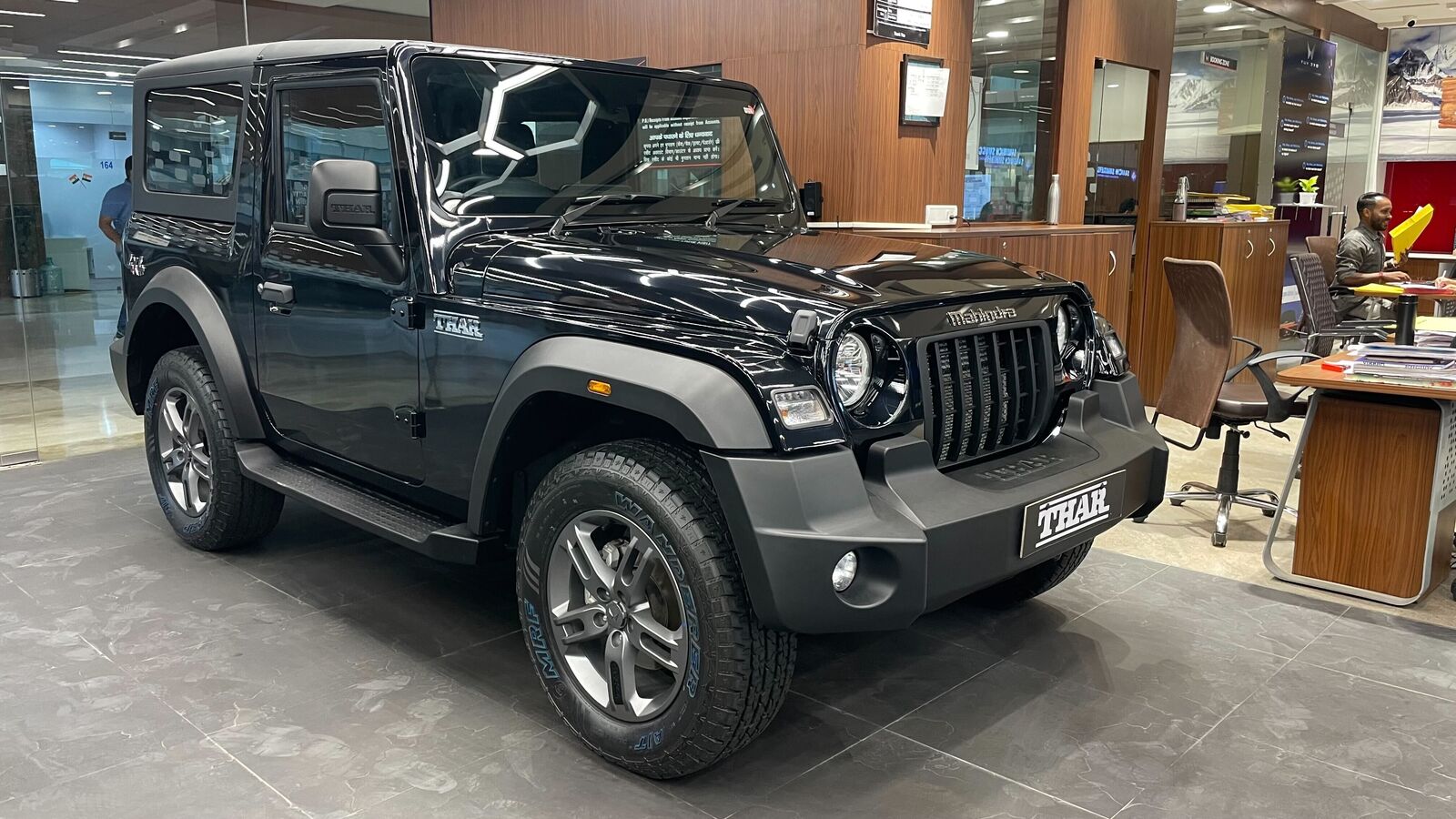
Mahindra Thar is currently available with discounts till 3 Lakhs and short waiting period of up to 3 months.
Mahindra Thar is available with 19 variants in three engine options and three trim levels.
Mahindra Thar has been one of the most popular SUVs in India since its introduction. The three-door lifestyle off-roader received a five-door version in the form of the Mahindra Thar Rocks a few months ago, but that didn't take away from the appeal of the three-door Thar. Since its launch, Thar has been in high demand, with barely any offers or discounts and the longest waiting period in the line-up. But, with the launch of the Thar Rocks, there have been some major changes in the marketing of its three-door sibling, which is actually making the deals better for consumers.
After significantly reducing the waiting period of Mahindra Thar, the domestic auto giant is now offering Discount of Rs 3 lakh on SUV. Interestingly, the amount can be increased further depending on the negotiation skills of the customer. Mahindra Thar Earth Edition, which was introduced as a special edition earlier this year, comes with maximum mileage.
Available in both 4×4 and 4×2 drivetrain layout options, the SUV is priced between 11.35 lakh more Rs 17.60 lakh (ex-showroom), the Mahindra Thar now has a waiting period of up to three months, which is significantly lower than before the launch of the Thar Rocks.
Mahindra Thar: waiting period
There is now a waiting period of up to three months on the 4×4 variants of the Mahindra Thar SUV. Available in both soft-top and hardtop options, the latter has a waiting period of up to three months for the petrol variant, while the diesel model comes with a waiting period of up to two months. The soft-top convertible variant commands a waiting period of up to three months for both petrol and diesel engine variants. There is a waiting period of up to two months for both petrol and diesel engine models of the Mahindra Thar 4×2 variant.
Mahindra Thar: What powers the SUV?
Mahindra Thar 4×4 is available in two engine options. There is also a 2.0-litre turbocharged petrol engine and a 2.2-litre diesel motor. Both these engines are available with transmission options of a six-speed manual gearbox or a six-speed torque converter automatic unit. The petrol engine produces a maximum power of 150 bhp, while the diesel motor produces a maximum power of 130 bhp.
Mahindra Thar 4×2, on the other hand, is available with a 1.5-litre diesel engine mated to a six-speed manual gearbox as standard. There is also a 2.0-litre turbocharged petrol engine available, which is shared with the 4×4 variant. The diesel engine generates maximum power of 116 bhp and maximum torque of 300 Nm. This diesel engine gets a six-speed manual gearbox as standard, while the 2.0-litre turbo-petrol motor is only offered with a six-speed torque converter automatic gearbox.
Upcoming cars in India in 2024, check out the best SUVs in India.
First publication date: 06 November 2024, 10:31 am IST
मारुति सुजुकी 11 नवंबर को आधिकारिक तौर पर नई पीढ़ी की डिजायर सब-कॉम्पैक्ट सेडान लॉन्च करेगी।
चौथी पीढ़ी की मारुति सुजुकी डिजायर नए 1.2-लीटर 3 सिलेंडर जेड सीरीज इंजन के साथ आएगी जिसे हाल ही में नई स्विफ्ट हैचबैक में पेश किया गया था। डिजायर को पेट्रोल और सीएनजी दोनों पावरट्रेन के साथ पेश किया जाएगा।
मारुति सुजुकीडिजायर 2024 सब-कॉम्पैक्ट सेडान अधिक पैसे देने का वादा करती है क्योंकि कार निर्माता इस महीने के अंत में मॉडल की चौथी पीढ़ी को लॉन्च करने के लिए तैयार है। 11 नवंबर को लॉन्च से पहले मारुति सुजुकी ने नई डिजायर के माइलेज के आंकड़ों का खुलासा किया है। सेडान अब उसी 1.2-लीटर तीन-सिलेंडर नैचुरली एस्पिरेटेड Z सीरीज पेट्रोल इंजन द्वारा संचालित होगी जो नई मारुति में भी है। तीव्र हैचबैक.
अपने नवीनतम संस्करण में मारुति सुजुकी डिजायर जैसी कारों के साथ प्रतिद्वंद्विता को नवीनीकृत करेगी हुंडईआभा और यह आगामीहोंडाअमेज एक ऐसे सेगमेंट में फेसलिफ्ट सेडान जिसमें हाल के महीनों में ज्यादा वृद्धि नहीं देखी गई है। नई सुविधाओं को शामिल करने और बेहतर ईंधन दक्षता के साथ, नई डिजायर आने वाले दिनों में सब-कॉम्पैक्ट सेडान सेगमेंट को फिर से जीवंत करने का वादा करती है।
मारुति सुजुकी डिजायर पेट्रोल माइलेज
मारुति सुजुकी के मुताबिक, नई डिजायर अपने पूर्ववर्ती की तुलना में अधिक माइलेज देगी। सेडान के पेट्रोल वेरिएंट, जिसे पांच-स्पीड मैनुअल और पांच-स्पीड एएमटी ट्रांसमिशन इकाइयों के साथ पेश किया जाएगा, कम से कम 24.97 किमी प्रति लीटर की ईंधन दक्षता का वादा करता है। यह पिछली पीढ़ी की डिजायर की तुलना में लगभग 2 किमी प्रति लीटर अधिक है। सेडान का एएमटी संस्करण 25 किलोमीटर प्रति लीटर से अधिक की ईंधन दक्षता प्रदान करने का वादा करता है।
मारुति सुजुकी नई डिजायर को पेट्रोल और सीएनजी दोनों पावरट्रेन के साथ लॉन्च करेगी। सेडान का सीएनजी संस्करण उसी इंजन द्वारा संचालित होगा जो केवल पांच-स्पीड मैनुअल गियरबॉक्स के साथ आएगा। डिजायर सीएनजी वर्तमान में लगभग 31 किलोमीटर प्रति लीटर का माइलेज देती है। अपने नए अवतार में डिजायर सीएनजी 33.73 किलोमीटर प्रति लीटर की ईंधन दक्षता का वादा करती है, जो कि अपने पूर्ववर्ती की तुलना में 2 किलोमीटर प्रति लीटर से अधिक का सुधार है।
मारुति सुजुकी डिजायर अपने 2024 अवतार में एक ताज़ा मॉडल के साथ आती है जिसमें सेगमेंट में गायब कई विशेषताएं शामिल हैं। सबसे बड़ा बदलाव इलेक्ट्रिक सनरूफ में है, जो इस सेगमेंट में पहला है। टचस्क्रीन इंफोटेनमेंट स्क्रीन का आकार भी बड़ा हो गया है और अब इसका आकार 9 इंच है। मारुति सुजुकी नई डिजायर के साथ 360-डिग्री कैमरा, एक और सेगमेंट-पहली सुविधा भी दे रही है। इनके अलावा, डिजायर वायरलेस चार्जिंग, वायरलेस एंड्रॉइड ऑटो और एप्पल कारप्ले कनेक्टिविटी, स्वचालित जलवायु नियंत्रण, पीछे के यात्रियों के लिए एसी वेंट और बहुत कुछ जैसी अन्य सुविधाओं के साथ आएगी।
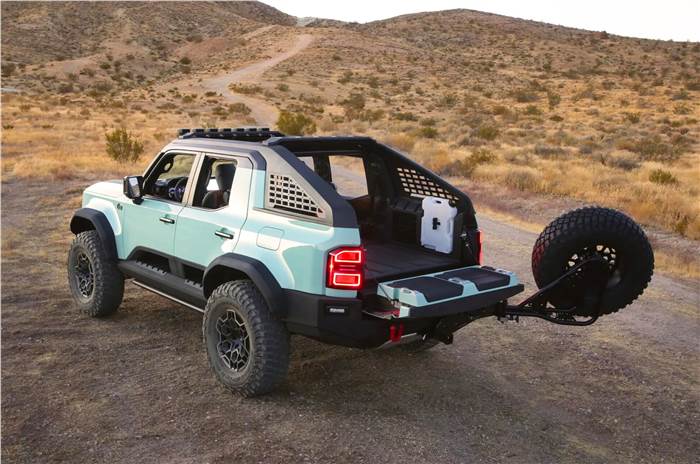
टोयोटा लैंड क्रूजर 250 पर आधारित एक अनूठी अवधारणा का प्रदर्शन करेगी जो कि SEMA शो 2024 (स्पेशलिटी इक्विपमेंट मार्केट एसोसिएशन शो) में शुरू होगी, जो हर साल अमेरिका के लास वेगास में होता है। इसे लैंड क्रूजर रॉक्स कहा जाता है, इसमें एक छोटे पिकअप बेड के साथ एक अद्वितीय परिवर्तनीय छत सेटअप मिलता है।
लैंड क्रूजर रॉक्स भारत जाने वाली प्राडो एसयूवी पर आधारित है
अद्वितीय परिवर्तनीय छत, अतिरिक्त कठोरता मिलती है
इसके पावरट्रेन में कोई बदलाव नहीं दिख रहा है
टोयोटा लैंड क्रूजर रॉक्स: यह क्या है?
विशेष रूप से डिज़ाइन की गई अवधारणा लैंड क्रूज़र 250 पर आधारित है, जो मूल रूप से इसका एक रीबैज्ड संस्करण है टोयोटा लैंड क्यूज़र प्राडोवह भारत की ओर जा रहा है। रॉक्स के लिए, वाहन के 50 प्रतिशत से अधिक हिस्से का पुन: आविष्कार और निर्माण करना पड़ा।
इस अवधारणा को ROX प्रत्यय मिलता है, जो रिक्रिएशन ओपन एक्सपीरियंस के लिए है, और इसे टोयोटा के CALTY डिज़ाइन स्टूडियो द्वारा डिज़ाइन किया गया है। CALTY, जो कैलिफ़ोर्निया, टोयोटा और या-चियोडा सांग्यो का संक्षिप्त रूप है, एक टोयोटा डिज़ाइन स्टूडियो है जिसे 1973 में स्थापित किया गया था। यह स्टूडियो सेलिका, कोरोला और लैंड जैसे कई लोकप्रिय टोयोटा मॉडलों के लिए डिज़ाइन तैयार करने में सहायक रहा है। क्रूज़र 250 (प्राडो), अन्य के बीच में।
अवधारणा पर वापस आते हुए, एसयूवी में खुले ऊपरी और निचले हिस्सों के साथ कस्टम-फैब्रिकेटेड “कंकाल” दरवाजे हैं जो आक्रामक दिखने वाले, उच्च-निकासी वाले रॉकर पैनल और रॉक रेल के ऊपर स्थित हैं। इसके अलावा, पिकअप जैसे लुक के लिए डी-पिलर को काट दिया गया है और छत को कस्टम फ्रंट-टू-रियर स्लाइडिंग सॉफ्ट टॉप से बदल दिया गया है। अतिरिक्त संरचनात्मक कठोरता के लिए टोयोटा ने खंभों के बीच कुछ अतिरिक्त सुदृढीकरण भी जोड़ा है।
ऊपर की ओर, इसमें एक कस्टम इंटीग्रेटेड ट्रिपल-बार रूफ रैक और मोल पैनल के साथ स्पोर्ट्स बार भी मिलता है जो किसी भी चीज़ को सुरक्षित करने का साधन प्रदान करता है जो बिस्तर में फिट नहीं होता है या मोल पैनल से जुड़ा नहीं होता है। डी-रिंग्स और ब्रश गार्ड के साथ कस्टम फैब्रिकेटेड, हाई-लिफ्ट फ्रंट और रियर स्टील बंपर आगे और पीछे सुरक्षा प्रदान करते हैं। प्रत्येक कोने पर, विशेष रूप से डिज़ाइन किए गए, चौड़े फेंडर कस्टम कैल्टी-डिज़ाइन किए गए, 18-इंच मशीनीकृत बिलेट पहियों पर लगाए गए बड़े टायरों से भरे हुए हैं।
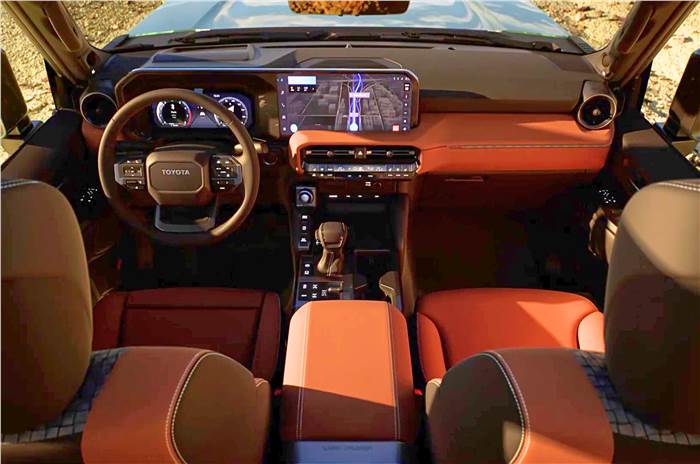
इंटीरियर में फ्रंट और रियर डोरसिल्स सहित कस्टम एसएलएस नायलॉन 3डी प्रिंटेड बिट्स हैं। इसे हेरिटेज ऑरेंज लेदर का उपयोग करके एक मजेदार वाइब व्यक्त करने के लिए अपडेट किया गया है, और दरवाजे के पैनल में एकीकृत सुरक्षा किट और धूप का चश्मा और अन्य साहसिक गियर के लिए कैच-ऑल वेबिंग शामिल है।
हुड के नीचे कोई बदलाव नहीं है, जिसका मतलब है कि कॉन्सेप्ट एसयूवी एक मजबूत हाइब्रिड सेटअप के साथ समान 2.4-लीटर पेट्रोल इंजन द्वारा संचालित है। हालाँकि, इसमें टीआरडी द्वारा अनुकूलित स्वतंत्र सस्पेंशन, 4-इंच लिफ्ट किट और आगे और पीछे दोनों तरफ जाली एल्यूमीनियम नियंत्रण हथियारों के माध्यम से व्यापक ट्रैक मिलते हैं।
टोयोटा वर्तमान में इस बात पर चुप है कि क्या यह अवधारणा श्रृंखला के उत्पादन के लिए बनाई जाएगी, हालांकि, वैश्विक स्तर पर मजबूत बॉडी-ऑन-फ्रेम एसयूवी के आसपास मौजूदा प्रचार को देखते हुए, हम भविष्य में लैंड क्रूजर प्राडो पर आधारित एक परिवर्तनीय पिकअप ट्रक देख सकते हैं। भारत के लिए, टोयोटा लैंड क्रूज़र प्राडो के भारत लॉन्च के लिए तैयार है जो लोकप्रिय के अंतर्गत आएगा एलसी 300.
New Delhi. Citroën India has introduced the Explorer Edition of Citroën Aircross in the Indian market on 4th November. Its exterior has been given special khaki color inserts along with body stickers at a price of Rs 24,000. Apart from this, black hood garnish has also been used on the exterior, which has made its look even more spectacular.
The cabin gets premium features like illuminated side sills, footwell lighting and a dashcam. If you choose the special edition with the optional pack worth Rs 51,700, you will also get the Rear Seat Entertainment Package with Dual Port Adapter, making the journey even more comfortable for the passengers.
Features of Explorer Edition
The headlights have also been upgraded in the Explorer Edition. In place of the earlier halogen lights, new LED projector headlights have been provided, which provide better illumination. Additionally, the ORVMs (Outer Rear View Mirrors) now include electrically adjustable and auto-folding function. On the side, 17-inch dual tone alloy wheels are present as before, while no other change has been made in the exterior design.
The layout of the dashboard in the cabin remains the same, but now soft touch materials have been used in it, which give it a more premium feel. Apart from this, now features like 6 airbags, rear vents with automatic AC, sliding front armrest, new flip key, grab handle and rear power window switch on the door card have been made standard in the car.
How much is the price? Talking about the price, the ex-showroom price of its special edition model is Rs 10.23 lakh. At the same time, its base model is available at a starting price of Rs 8.49 lakh (ex-showroom, Pan-India) and the price of the top variant goes up to Rs 14.35 lakh (ex-showroom, Pan-India). This car is available in 5 seater and 7 seater options.
In the segment, Citroen Aircross competes with vehicles like MG Aster, Hyundai Creta, Honda Elevate, Kia Seltos, Volkswagen Taigun, Skoda Kushaq and Maruti Grand Vitara. Apart from this, 7 seater Aircross can also be a good alternative to Mahindra Scorpio Classic.
The SUV is equipped with a powerful engine In terms of performance, the special edition of this SUV gets the same 1.2-litre 3-cylinder turbocharged petrol engine, which produces 110hp power and 170Nm torque with 6-speed manual transmission and 205Nm with 6-speed torque converter automatic. Generates torque.
Apart from this, this SUV now also has the option of a 1.2-litre 3-cylinder naturally aspirated engine, which generates 81hp of power and 115Nm of torque and is paired only with a 5-speed manual gearbox. The same engine setup is also found in the C3 hatchback and Basalt coupe SUV.
New Delhi. There was a time when goods made in China had to face a lot of infamy due to poor quality. Then came the technological revolution in China and within just 10 years, China captured the worldwide smartphone market. Today, from smartphones to automobiles, there is no industry in which China's dominance is not visible. But the aggressive pace and strategy of technological development in China has today become a cause of trouble for many big car companies around the world.
China, the largest market for automobiles, has created a stir in the global auto industry. European companies like Volkswagen, Mercedes-Benz, Aston Martin, BMW are struggling to sell their petrol and EV cars in China. At the same time, the penetration of cheap Chinese cars is increasing so much that big automobile groups like Volkswagen are having to close their plants in Germany. The penetration of affordable EV cars is increasing across the world.
Volkswagen is unable to sell cars in China European car companies are dying in China. European companies are no match for the cheap electric cars of Chinese companies. The situation is such that the German company which has been doing business in China for almost four decades is now on the verge of collapse. More than 30% of the company's income comes from China, but according to this year's figures, sales have decreased by 10%, while the company's profit has fallen by 64%. Due to this, on one hand the company had to reduce production in China, while on the other hand it is going to close 3 factories in Germany.
How a big change came in China's auto industry The reason for this change in the auto industry is said to be China's aggressive expansion policy. In fact, China's government banks and other government enterprises are giving huge subsidies to local auto companies. This is helping companies in reducing costs. Due to subsidy, the cost of Chinese cars is 30% less, while electric cars are being launched at up to 50% lower prices.
According to CAAM, an organization of automobile manufacturers in China, more than 3 crore cars were manufactured last year, of which 52 lakh were exported. However, China's exports are in the same initial position as the Korean company Hyundai was in the 70s.
More than 50% electric cars are being sold in China There has been a tremendous increase in the sales of electric cars in China. The reason for this is the cheapness of cars made by Chinese manufacturers. China had prepared a strategy to shift to electric cars in the year 2000 itself. Chinese companies had realized that they would not be able to beat European, American, Korean and German companies in petrol-diesel cars. Wan Gang, an auto engineer turned minister in China, started a plan to provide subsidies to EV companies in 2009. More than Rs 2.5 lakh crore assistance was provided by 2022. Today more than 50% of the world's EVs are sold in China.
Electric car cheaper than petrol in China According to the report of Jato Dynamics, the effect of China's aggressive policy regarding EV is that the prices of electric cars are up to 19% lower compared to petrol-diesel vehicles. The share of electric vehicles in the car market there has reached 20%. There are 50 main car manufacturing brands in Europe, 14 brands each in America and Japan. Whereas there are 140 brands in China. Also, their production capacity is 30% faster than western car manufacturers.
Maruti Dzire Rival: There is not much time left for the new year and in view of this, car companies have also started preparing for the launch of new models. Be it Maruti Suzuki, Tata-Mahindra or Honda, almost all the companies are waiting to launch some new car. At the same time, customers are also waiting for new models to come with new features.
Recently there were reports that Maruti Suzuki is going to launch the updated model (2024 Maruti Dzire) of its best selling sedan Dzire. Some of its pictures are also going viral on the internet. People are also praising the new model of Dzire. This car will come with big updates in design and features, but Honda's new Amaze (2024 Honda Amaze) can spoil the game of Desire. Let us tell you that Honda Amaze is also very much liked in the budget sedan segment. Apart from Dezire, the new Honda Amaze will also compete with Hyundai Aura in the Indian market. The company has unveiled the first look by releasing its teaser on October 4. Let us know how this car is…
How much will it cost? The starting price of Honda's new generation Amaze is estimated to be around Rs 7.50 lakh (ex-showroom). Its direct competition will be with the new generation Maruti Dezire to be launched on 11th November. Apart from this, it will also challenge sedan cars like Tata Tigor and Hyundai Aura.
Design and Looks The teaser shows the front look of Amaze, which has an attractive design with sharp styling lines and hexagonal grille. There are sleek LED headlights with LED DRL on both sides, which look a lot like the Honda Elevate SUV. The fog lamps have also been retained in their place.
The company has not yet shared any specific information about its rear profile and interior, but it is likely that along with newly designed alloy wheels and rear bumper, the tail lights will also be changed.
Cabin and features Honda has not fully disclosed the interior of the new Amaze, but it is expected that it may get a new dashboard layout and updated cabin theme. Premium features like large touchscreen, wireless phone charger and single-pane sunroof can be found in the car. In terms of safety, this time 6 airbags can be provided as standard in Amaze. Apart from this, features like Electronic Stability Control (ESC), Rear View Camera, and Advanced Driving Assist System (ADAS) can also be added, which will make it more safe.
Performance and Mileage Hardly any major changes will be seen in mechanical specifications. Currently, Honda Amaze is available with 1.2 liter i-VTEC naturally aspirated petrol engine, which generates power of 87.7hp and torque of 110Nm.
For transmission, this engine comes with 5-speed manual or CVT gearbox options. Amaze will be available only in petrol engines, as Honda has stopped producing its diesel engines. According to the company, the mileage of Honda Amaze is 18.6 kmpl.
Toshihiro said India is and will remain a key business area for the company to achieve its growth strategy for fiscal year 2030. Interestingly, in fiscal year 2023, the company achieved revenue of 5.4 trillion yen with sales of 3.2 million cars and 1.9 million motorcycles. Globally, Suzuki is targeting sales of 7 trillion yen in fiscal year 2030, and achieving sustainable growth.
Also read: Maruti E Vitara equipped with off-road technology unveiled for the first time
The focus here is on sustainable development. For FY2029-30, Suzuki has said this will contribute to the achievement of a carbon neutral society and the economic growth of our core business areas, Japan, India and Europe along with emerging countries such as India, ASEAN and Africa. main.
The focus will be on creating solutions that are unique to Suzuki, developing customer-centric products and services and growing with the operating countries and regions.
India's role changing dynamics for Suzuki
One of Suzuki Corporation's key goals for fiscal year 2030 is to achieve significant progress toward carbon neutrality. The company aims to reach carbon neutrality by 2050 in Japan and Europe and by 2070 in India in line with the target dates set by the respective governments.
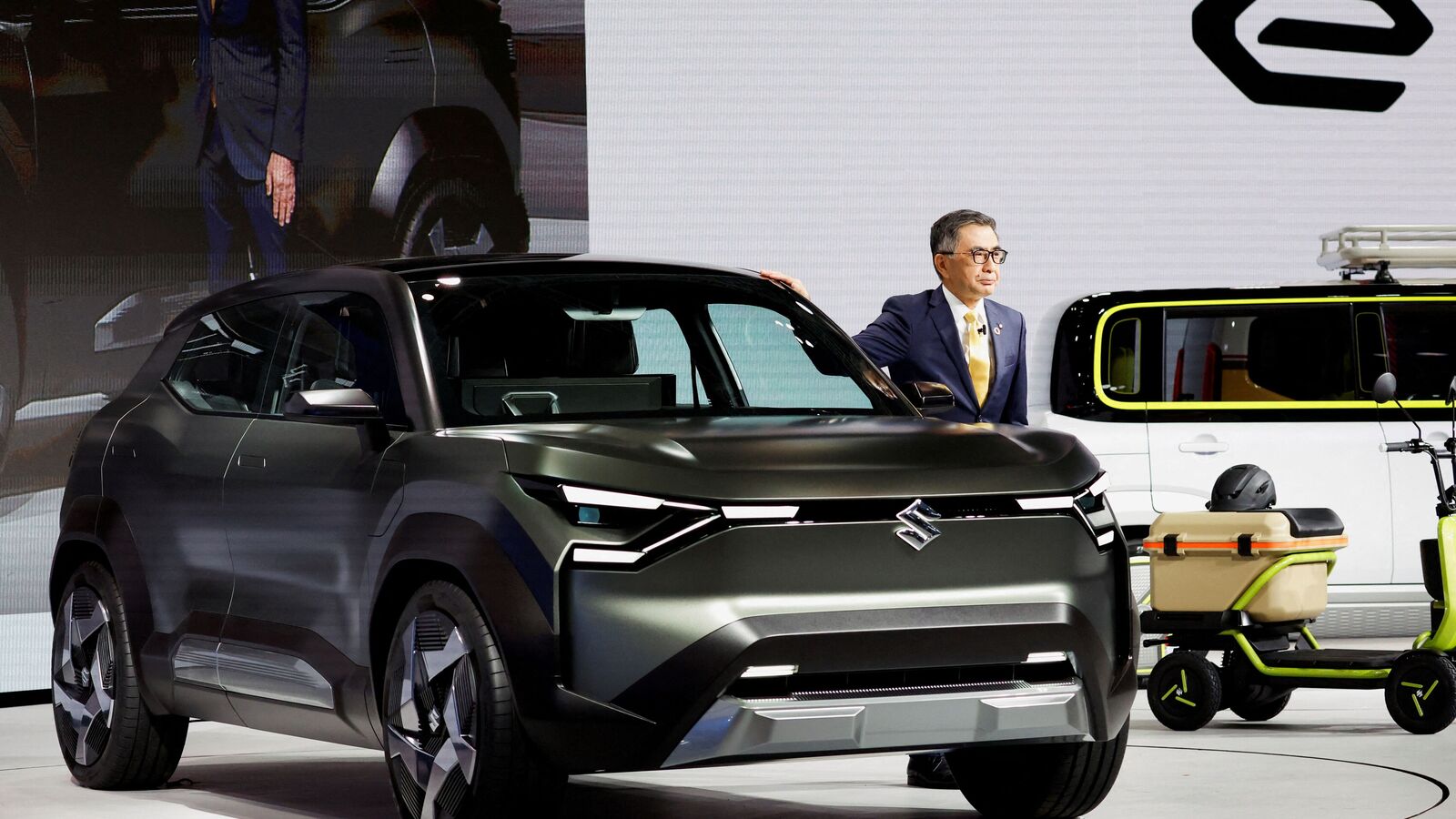
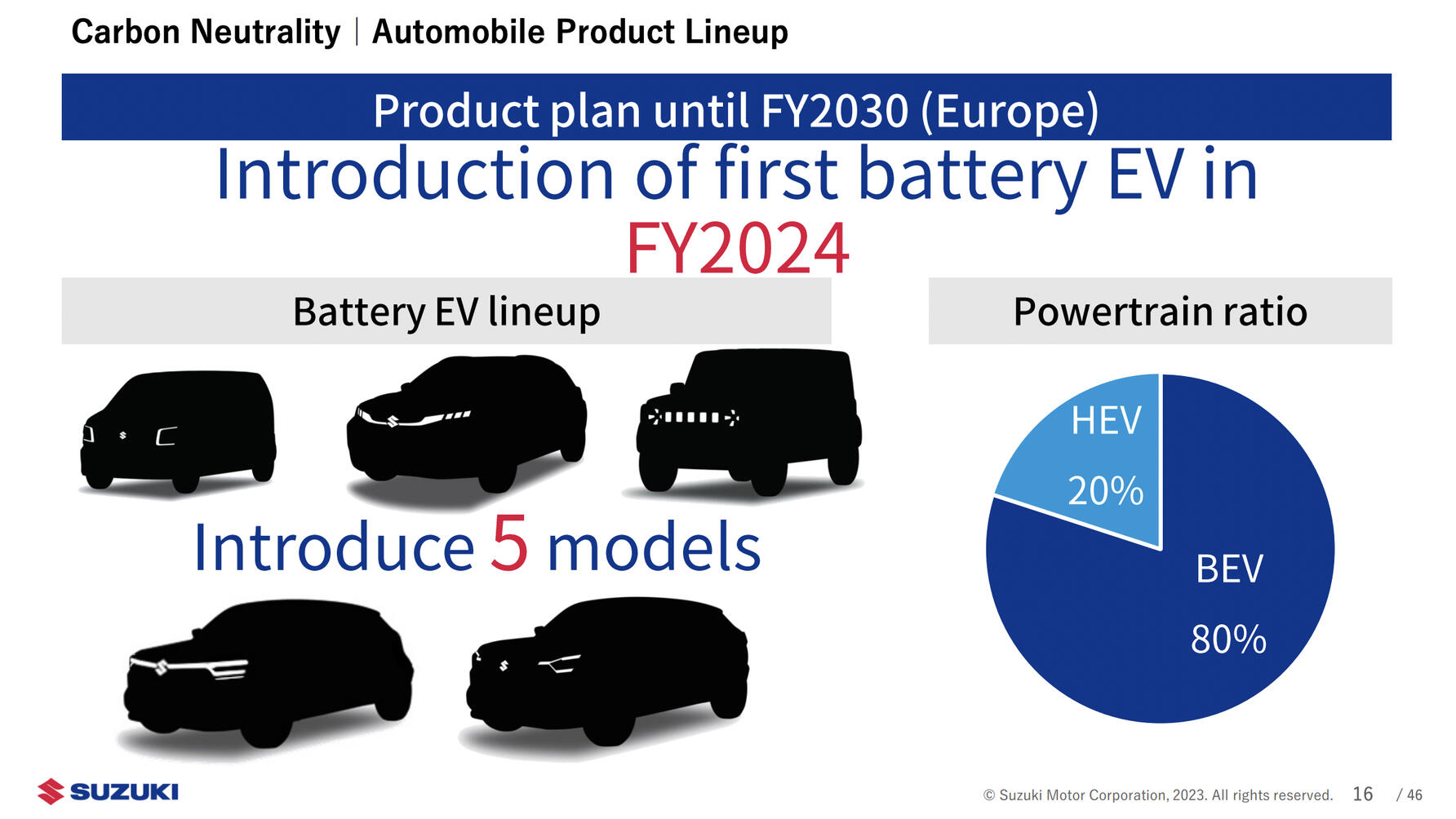
Additionally, the company also plans to grow in other regions such as Africa, Latin America, and Southeast Asia. Central to this goal is Suzuki's electric vehicle (EV) strategy, which includes plans to introduce six EVs in Japan and India and five in Europe by fiscal 2030. This transformation begins with the Suzuki E Vitara, the brand's first electric vehicle.
Suzuki had earlier announced a lineup of five EVs, which included the Maruti Suzuki E Vitara, WagonR, FrontX and two other models, starting with the E Vitara. Notably, production of the Suzuki e Vitara will begin at Suzuki Motor Gujarat (SMG) by spring 2025, with plans for export to global markets.
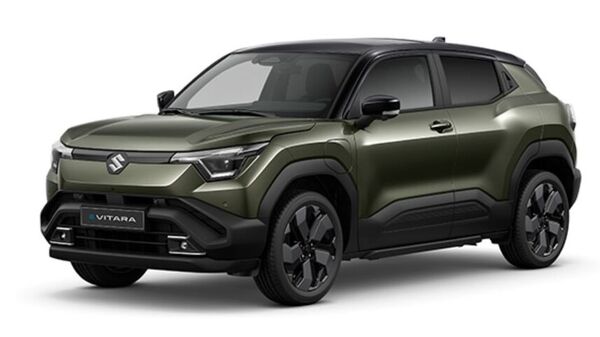
Here's your first look at the e Vitara, Maruti Suzuki's all-electric offering, which will be manufactured at the company's Gujarat facility.
To support its BEV production, Suzuki has committed to invest Rs 3,200 crore to add fourth production line at SMG plant. With this expansion, the annual production capacity of the plant will increase from the current 7,50,000 units to 10 lakh units by FY 2026.
Additionally, Suzuki plans An investment of Rs 3,500 crore to set up a second facility at SMG, which will add another one million units annually by FY2029. This expansion will ultimately increase SMG's total production capacity to two million units annually, supporting Suzuki's ambitious global growth and sustainability goals.
Suzuki's technology strategy for carbon neutrality
In addition to increasing production, Suzuki Corporation has outlined a comprehensive technology strategy for the next decade aimed at achieving its carbon neutrality goals. This strategy focuses on reducing energy consumption through three main concepts: genba, genbutsu, genjitsu (visit the site, make direct observations and determine the facts), sho-sho-kei-tan-bi (small, less, light, small), beauty) and yaramika (to challenge).
Toshihiro highlighted that the company's electric vehicle (EV) strategy will be guided by the principles of Sho-Sho-Kei-Tan-Bi, which emphasizes the production of compact, efficient and resource-conscious vehicles. This philosophy drives the development of EVs with streamlined, highly efficient motors and lightweight batteries, ultimately maximizing energy efficiency while minimizing environmental impact.
Suzuki revealed in its presentation that it plans to bring 5 EVs to market by 2030, including a production-spec EVX.
Furthermore, Suzuki's commitment to energy efficiency extends to the entire vehicle life cycle. At the heart of this approach is the concept ofkeiOr density. According to Toshihiro, Suzuki cars are about 200 kg lighter than typical European, Indian or Japanese cars.
Also read: Suzuki unveils sustainability roadmap: Focus on lighter cars, EVs. check details
This reduction in weight translates into a 6 percent reduction in energy required for driving, 20 percent less energy for manufacturing and less resource use overall, significantly cutting CO2 emissions and contributing to a more sustainable future. This is in line with Suzuki's ambition to do so.
Multidimensional approach key to sustainability
While EVs are a central focus, Suzuki's sustainability strategy covers a wide range of initiatives. The company is actively developing vehicles designed for high-efficiency internal combustion engines, advanced driver assistance systems and streamlined recycling and disassembly, with the aim of reducing its overall environmental footprint.
Suzuki Corporation understands that a “one size fits all” approach to electric vehicles (EVs) is not practical for global markets. According to Toshihiro, the company plans to diversify its investments not only into battery EVs but also hybrids and internal combustion engines. ICE) which operate on alternative fuels like CNG, biofuel and ethanol. This multi-pronged approach enables Suzuki to offer tailored solutions that maximize performance and energy efficiency in different markets.
Also See: Maruti unveils eVX EV concept at Auto Expo 2023
Suzuki's commitment to regional carbon neutrality goals aligns with its mission to expand customer choice and provide products and services that meet specific regional needs. By addressing environmental impact across various technologies, Suzuki aims to support sustainable mobility and meet the unique demands of each market.
Brand perspective is changing
Toshihiro sees Suzuki's future as a “lifestyle infrastructure company”, playing an integral role in revitalizing economies by addressing daily mobility needs through initiatives such as infrastructure development and next-generation mobility solutions.
The company is dedicated to providing high-value products and services that make it essential for both people and society. According to Toshihiro, this mission includes a strong commitment to the achievement of carbon neutrality and a sustainable future, positioning Suzuki as a major contributor to social and environmental progress.
Get information about upcoming cars in India, electric vehicles, upcoming bikes in India and cutting-edge technology that is changing the automotive landscape.
First publication date: 05 November 2024, 10:25 AM IST