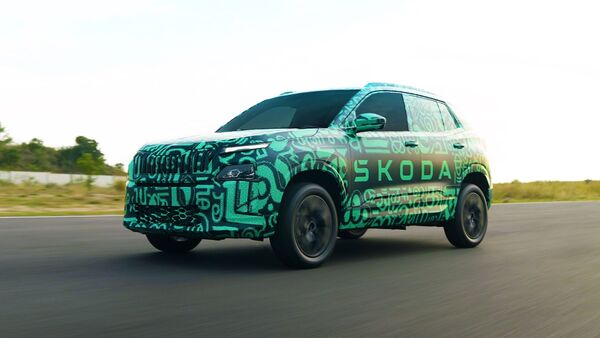
स्कोडा काइलाक भारतीय बाजार के लिए तीसरी बिल्कुल नई कार होने जा रही है, जिसे ऑटोमेकर के MQB-A0-IN प्लेटफॉर्म पर बनाया गया है, जो कि एक सस्ता व्युत्पन्न है।
…
स्कोडा काइलाक भारतीय बाजार के लिए तीसरी बिल्कुल नई कार होने जा रही है, जिसे ऑटोमेकर के MQB-A0-IN प्लेटफॉर्म पर बनाया गया है, जो वोक्सवैगन समूह के MQB मॉड्यूलर आर्किटेक्चर का एक सस्ता व्युत्पन्न है।
कुशक के बाद कायलाक भारतीय खरीदारों के लिए विकसित और निर्मित स्कोडा की दूसरी एसयूवी होगी।
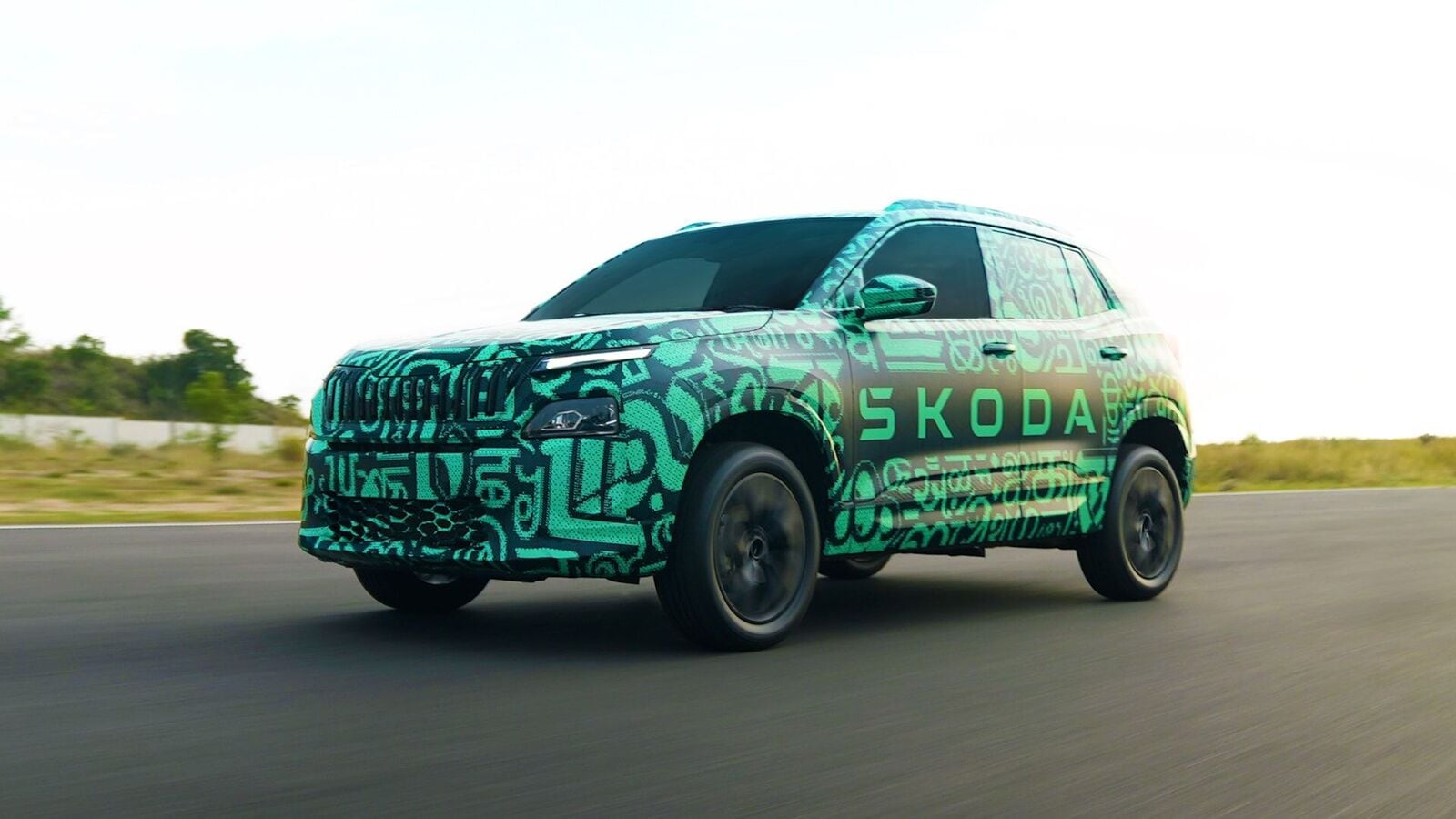
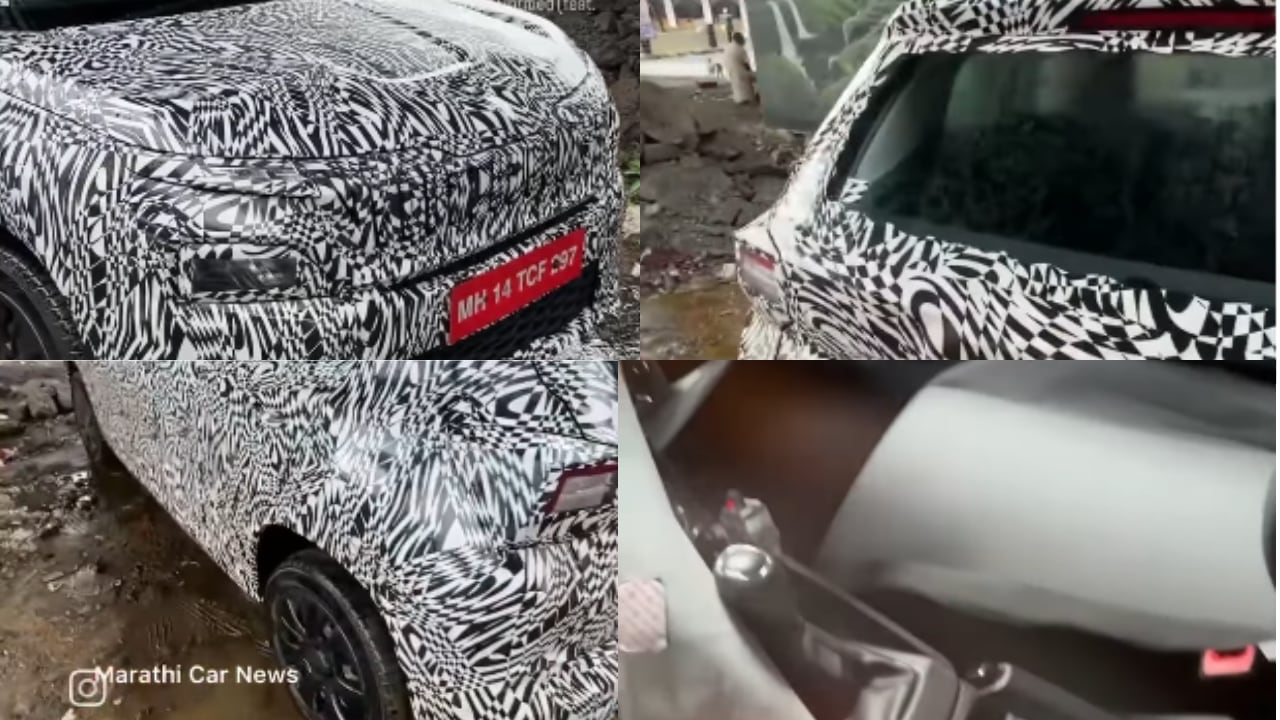
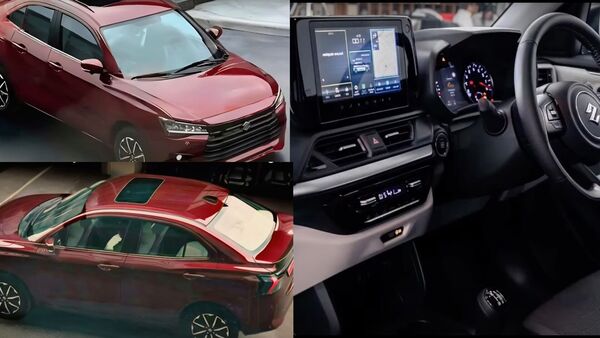
स्कोडा ऑटो इंडिया एंट्री के लिए पूरी तरह तैयार है भारतीय इसके साथ सब कॉम्पैक्ट एसयूवी सेगमेंट किलाक एसयूवी. स्कोडा काइलाक का आधिकारिक तौर पर 6 नवंबर, 2024 को अनावरण किया जाएगा, जबकि लॉन्च अगले साल की शुरुआत में होने की उम्मीद है। जबकि पहले के कुछ छद्म जासूसी शॉट्स ने हमें संकेत दिया है कि इससे क्या उम्मीद की जाए आगामी सबकॉम्पैक्ट एसयूवी। अब हालांकि नए स्पाई शॉट्स सामने आए हैं जिससे हमें पता चलता है कि एसयूवी के एंट्री लेवल वेरिएंट से क्या उम्मीद की जा सकती है।
सामने की तरफ, वाहन में वही स्प्लिट हेडलैंप सेटअप है जैसा पहले देखा गया था, लेकिन बेस स्पेक में एलईडी सेटअप के बजाय हैलोजन लाइटें हैं। इसमें वही फ्रंट ग्रिल है जिसके निचले हिस्से में एयर वेंट लगे हैं। यह काले कवर के साथ 16 इंच के स्टील पहियों पर चलता है, जो आधिकारिक टीज़र में देखे गए काले रंग के मिश्र धातु पहियों से भिन्न है। परीक्षण मॉडल में फ्रंट डिस्क ब्रेक को रियर ड्रम ब्रेक के साथ जोड़ा गया है, हालांकि इसमें रियर वाइपर और डिफॉगर का अभाव है, जिसे उच्च-स्पेक ट्रिम्स में शामिल किए जाने की उम्मीद है।
स्कोडा काइलाक एक सब-कॉम्पैक्ट एसयूवी है जो 6 नवंबर को लॉन्च होगी और 2025 में लॉन्च होगी, जो टाटा नेक्सन, हुंडई वेन्यू, किआ सोनेट और मारुति सुजुकी ब्रेज़ा जैसे प्रतिद्वंद्वियों को चुनौती देगी। (मराठीकारन्यूज/आईजी)
अंदर, Kylaq बेस डिज़ाइन प्रेरणा लेता है कुशक. फीचर सूची न्यूनतम है, जिसमें फैब्रिक सीटें, एक दो-स्पोक स्टीयरिंग व्हील, एक एनालॉग इंस्ट्रूमेंट क्लस्टर, एक मैनुअल रियरव्यू मिरर, एक मैनुअल हैंडब्रेक और आगे की सीटों के लिए कप होल्डर हैं। हालाँकि, इसमें म्यूजिक सिस्टम और टचस्क्रीन नहीं है। सुरक्षा के लिहाज से, Kylaq में मानक के रूप में छह एयरबैग शामिल हैं। उच्च ट्रिम्स में 360-डिग्री कैमरा और एक उन्नत ड्राइवर सहायता प्रणाली (एडीएएस) पैकेज की पेशकश की उम्मीद है।
स्कोडा काइलाक: हम अब तक क्या जानते हैं
स्कोडा काइलाक भारतीय बाजार के लिए तीसरी बिल्कुल नई कार होने जा रही है, जिसे ऑटोमेकर के MQB-A0-IN प्लेटफॉर्म पर बनाया गया है, जो कि एक सस्ता व्युत्पन्न है। वोक्सवैगन समूह का एमक्यूबी मॉड्यूलर आर्किटेक्चर। स्कोडा कुशक यह भारत की पहली कार थी जिसने 2021 में लॉन्च होने पर इस प्लेटफॉर्म का उपयोग किया था। स्कोडा स्लेविया2022 में लॉन्च किया गया, इसमें भी उसी प्लेटफॉर्म का इस्तेमाल किया गया और Kylaq OEM का तीसरा मॉडल होने जा रहा है।
स्कोडा काइलाक लाइन के शीर्ष में नए एलईडी प्रोजेक्टर हेडलैंप और स्कोडा के सिग्नेचर डिजाइन के साथ एक लंबवत स्लैटेड रेडिएटर ग्रिल है। फ्रंट ग्रिल एलईडी डेटाइम रनिंग लाइट्स से घिरा हुआ है। आगे और पीछे के बंपर भारी-भरकम दिखते हैं। अन्य डिज़ाइन तत्वों में एलईडी इंसर्ट के साथ पेंटागन के आकार की टेललाइट्स, मूर्तिकला टेलगेट, ब्लैक-आउट मिश्र धातु के पहिये, छत की रेलिंग और रियर डिस्क ब्रेक शामिल हैं।
यह भी देखें: स्कोडा काइलाक एसयूवी भारत में लॉन्च होगी: नेक्सन, ब्रेज़ा प्रतिद्वंद्वी क्या ऑफर करता है | पहली मुलाकात का प्रभाव
आगामी स्कोडा काइलाक एसयूवी को पावर देने वाला 1.0-लीटर तीन-सिलेंडर टीएसआई पेट्रोल इंजन होगा। यह इंजन छह-स्पीड मैनुअल गियरबॉक्स के साथ उपलब्ध होगा, जबकि ऑफर पर छह-स्पीड ऑटोमैटिक यूनिट भी होगी। यह इंजन 114 बीएचपी की अधिकतम पावर और 178 एनएम का अधिकतम टॉर्क पैदा करने में सक्षम है। स्कोडा काइलाक कुशाक के समान MQB-A0-IN प्लेटफॉर्म साझा करता है। स्लेविया. इन दोनों कारों ने वयस्कों और बच्चों के लिए ग्लोबल एनसीएपी परीक्षणों में पहले ही पांच सितारा सुरक्षा रेटिंग हासिल कर ली है।
स्कोडा ने संकेत दिया कि Kylaq भी समान स्तर की सुरक्षा के साथ आएगी। सुरक्षा के मोर्चे पर, एसयूवी में 25 से अधिक सक्रिय और निष्क्रिय सुरक्षा सुविधाएँ मिलेंगी, जिनमें छह एयरबैग, ट्रैक्शन और स्टेबिलिटी कंट्रोल, एंटी-लॉक ब्रेक, इलेक्ट्रॉनिक ब्रेक डिस्ट्रीब्यूशन (ईबीडी), ब्रेक डिस्क वाइपिंग, रोलओवर प्रोटेक्शन, मोटर स्लिप रेगुलेशन शामिल हैं। इलेक्ट्रॉनिक डिफरेंशियल लॉक, पैसेंजर एयरबैग डी-एक्टिवेशन, मल्टी-टकराव ब्रेकिंग और ISOFIX सीटें आदि शामिल हैं।
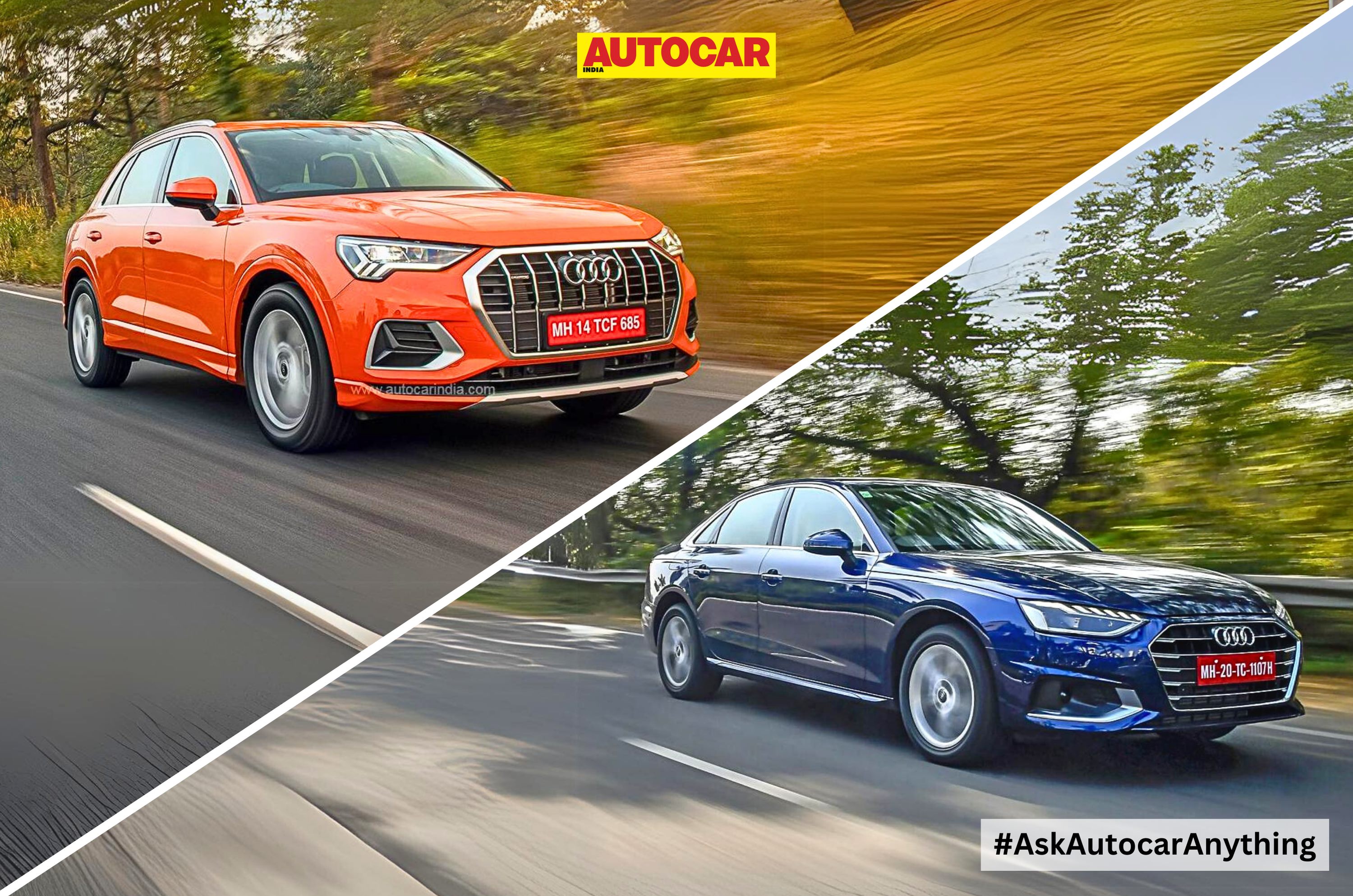
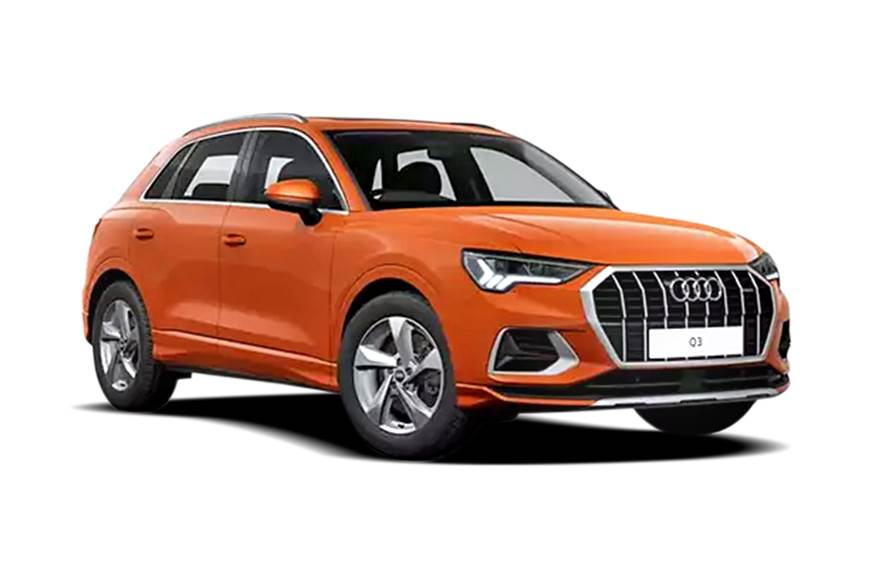
एक सेडान होने के नाते, A4 बेहतर ड्राइव करता है जबकि Q3 एक SUV होने के कारण अधिक व्यावहारिक है।
मैं एक नई कार खरीदने की सोच रहा हूं, लेकिन मैं ऑडी ए4 और ऑडी क्यू3 स्पोर्टबैक के बीच उलझन में हूं। A4 थोड़ा सस्ता है, 46 लाख रुपये पर, लेकिन इसे 2025 में बंद कर दिया जाएगा। Q3 स्पोर्टबैक थोड़ा अधिक महंगा है – 50 लाख रुपये – लेकिन यह नया है और इसकी कीमत बेहतर हो सकती है। आप क्या सोचते है कि मै क्या करु? मुझे A4 बहुत पसंद है.
पूरव पटेल, नासिक
ऑटोकार इंडिया का कहना है: ऑडी ए4 और ऑडी क्यू3 दोनों अच्छी कारें हैं, लेकिन हम ए4 चुनेंगे क्योंकि इसे चलाना बेहतर है। वास्तव में, A4 अपने स्मूथ और पेपी इंजन, असाधारण सवारी और ठोस निर्माण के कारण अपनी श्रेणी में सबसे अच्छी लक्जरी सेडान है। यदि आप मुख्य रूप से उबड़-खाबड़ सड़कों पर गाड़ी चला रहे हैं तो Q3 अधिक व्यावहारिक है, और इसमें पीछे की सीट अधिक आरामदायक है – A4 की पिछली सीट थोड़ी तंग है। हम पुनर्विक्रय मूल्य की चिंताओं को समझते हैं, लेकिन फिर भी हम Q3 के स्थान पर A4 को चुनेंगे, और जब आप अंततः इसे बेचते हैं तो 4 लाख रुपये की बचत कम पुनर्विक्रय मूल्य की भरपाई कर सकती है।
2008 में लॉन्च होने के बाद से, मारुति सुजुकी स्विफ्ट डिजायर, जो बाद में डिजायर बन गई, कॉम्पैक्ट सेडान बाजार में एक सफल दावेदार रही है।
…
2008 में लॉन्च होने के बाद से, मारुति सुजुकी स्विफ्ट डिजायर, जो बाद में डिजायर बन गई, कॉम्पैक्ट सेडान बाजार में एक सफल दावेदार रही है।
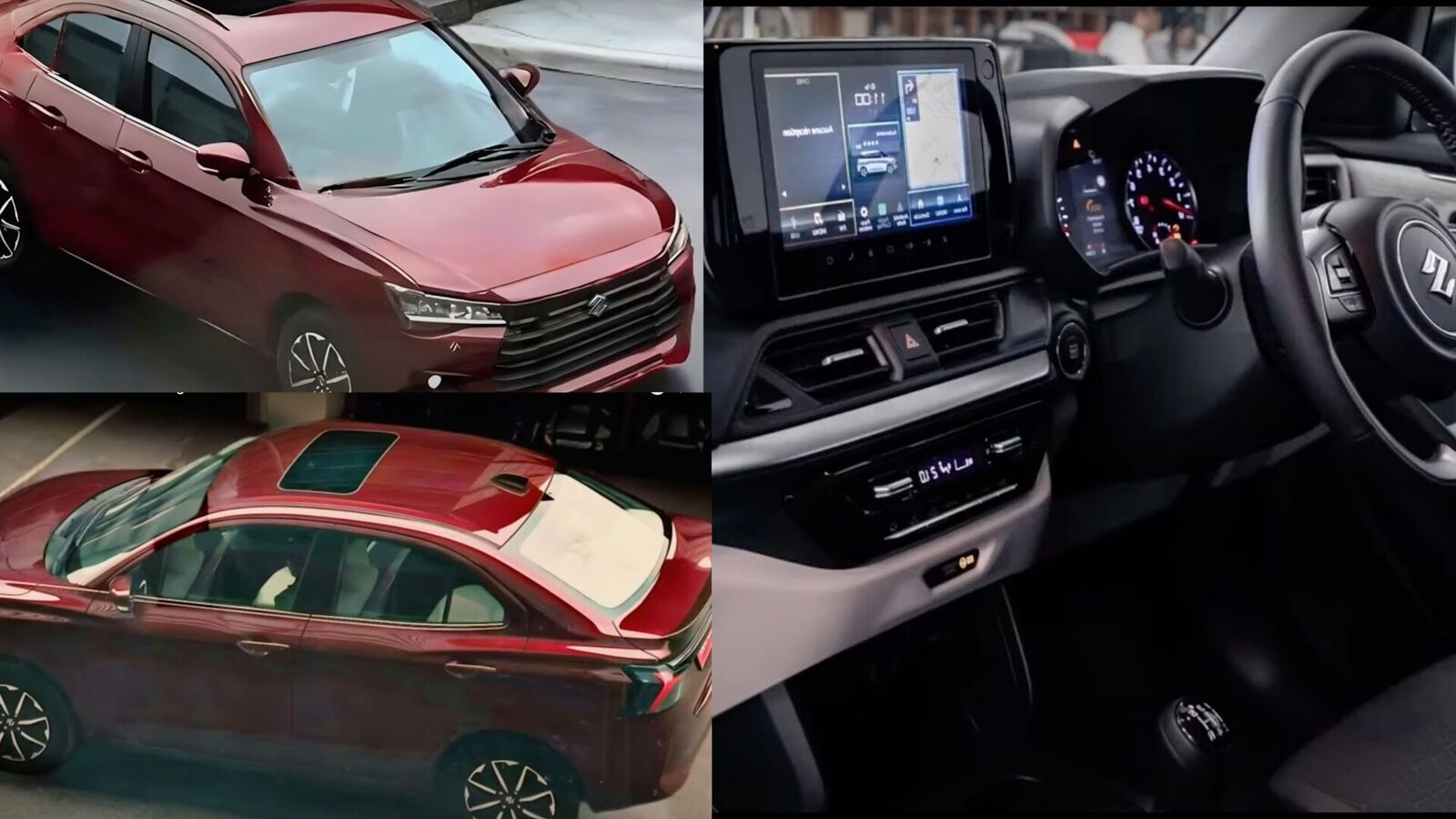
मारुति सुजुकी इस त्योहारी सीजन में डिजायर सब-कॉम्पैक्ट सेडान का फेसलिफ्ट वर्जन लॉन्च करने की तैयारी कर रही है। यह पहली बार है कि कार निर्माता ने 2016 के बाद से भारत की सबसे ज्यादा बिकने वाली सेडान को अपडेट किया है। (छवि सौजन्य: यूट्यूब/अनुराग चौधरी)
मारुति सुजुकी इंडिया लिमिटेड आखिरकार नई पीढ़ी को लॉन्च करने के लिए पूरी तरह तैयार है डिजायर 1 नवंबर को। यह इसके साथ कुछ आधार साझा करेगा तीव्र लेकिन इस बार ये उससे काफी अलग दिखेगा. ब्रांड डिज़ायर के साथ उससे भी अधिक सुविधाएँ प्रदान करेगा जो वे प्रदान करते हैं तीव्र.
2024 मारुति सुजुकी डिजायर: एक्सटीरियर
नवीनतम जासूसी छवियों के आधार पर, आगामी मारुति सुजुकी डिज़ायर में अधिक मुखर डिजाइन सौंदर्य की सुविधा होने की उम्मीद है। इसमें कई क्षैतिज क्रोम स्लैट्स से सजी एक बड़ी ग्रिल, डे-टाइम रनिंग लाइट्स (डीआरएल) और फॉग लाइट्स से लैस अपडेटेड एलईडी हेडलैंप शामिल होंगे। इसके अतिरिक्त, कॉम्पैक्ट सेडान में मिश्र धातु पहियों का एक नया सेट, एलईडी टेललाइट्स की विशेषता वाला एक नया डिज़ाइन किया गया रियर सेक्शन और एक शार्क-फिन एंटीना लगाया जाएगा।
मारुति सुजुकी डिजायर के अगले संस्करण में हाल ही में जारी स्विफ्ट हैचबैक के समान प्लेटफॉर्म का उपयोग करने की उम्मीद है। नतीजतन, यह सबकॉम्पैक्ट सेडान 1.2-लीटर, तीन-सिलेंडर जेड-सीरीज़ पेट्रोल इंजन को शामिल करने वाला दूसरा वाहन बन जाएगा। स्विफ्ट में, यह इंजन 80 बीएचपी और 112 एनएम अधिकतम टॉर्क पैदा करता है, और डिजायर के लिए तुलनीय प्रदर्शन की उम्मीद है। उपलब्ध ट्रांसमिशन विकल्पों में 5-स्पीड मैनुअल और एक एएमटी वेरिएंट शामिल होगा। ऑफर पर सीएनजी पावरट्रेन भी होगा।
देखें: 2024 मारुति सुजुकी स्विफ्ट: फायदे और नुकसान के बारे में बताया गया
2024 मारुति सुजुकी डिजायर: इंटीरियर
2024 मारुति सुजुकी डिजायर के इंटीरियर को बड़े पैमाने पर नए डिजाइन से गुजरने की उम्मीद है, जिसमें 360-डिग्री कैमरा, ऑटोमैटिक क्लाइमेट कंट्रोल और क्रूज़ कंट्रोल जैसी सुविधाएं शामिल होंगी। वाहन में ऐप्पल कारप्ले और एंड्रॉइड ऑटो के साथ संगत एक फ्लोटिंग टचस्क्रीन इंफोटेनमेंट सिस्टम भी होगा, जो एक स्पोर्टी फ्लैट-बॉटम स्टीयरिंग व्हील द्वारा पूरक होगा। अन्य उल्लेखनीय विशेषताएं जो पेश की जा सकती हैं, वे हैं हेड-अप डिस्प्ले और एक खूबसूरत डुअल-टोन बेज और ब्लैक इंटीरियर सौंदर्य।
By: HT Auto Desk , updated on: October 26, 2024, 09:07 am
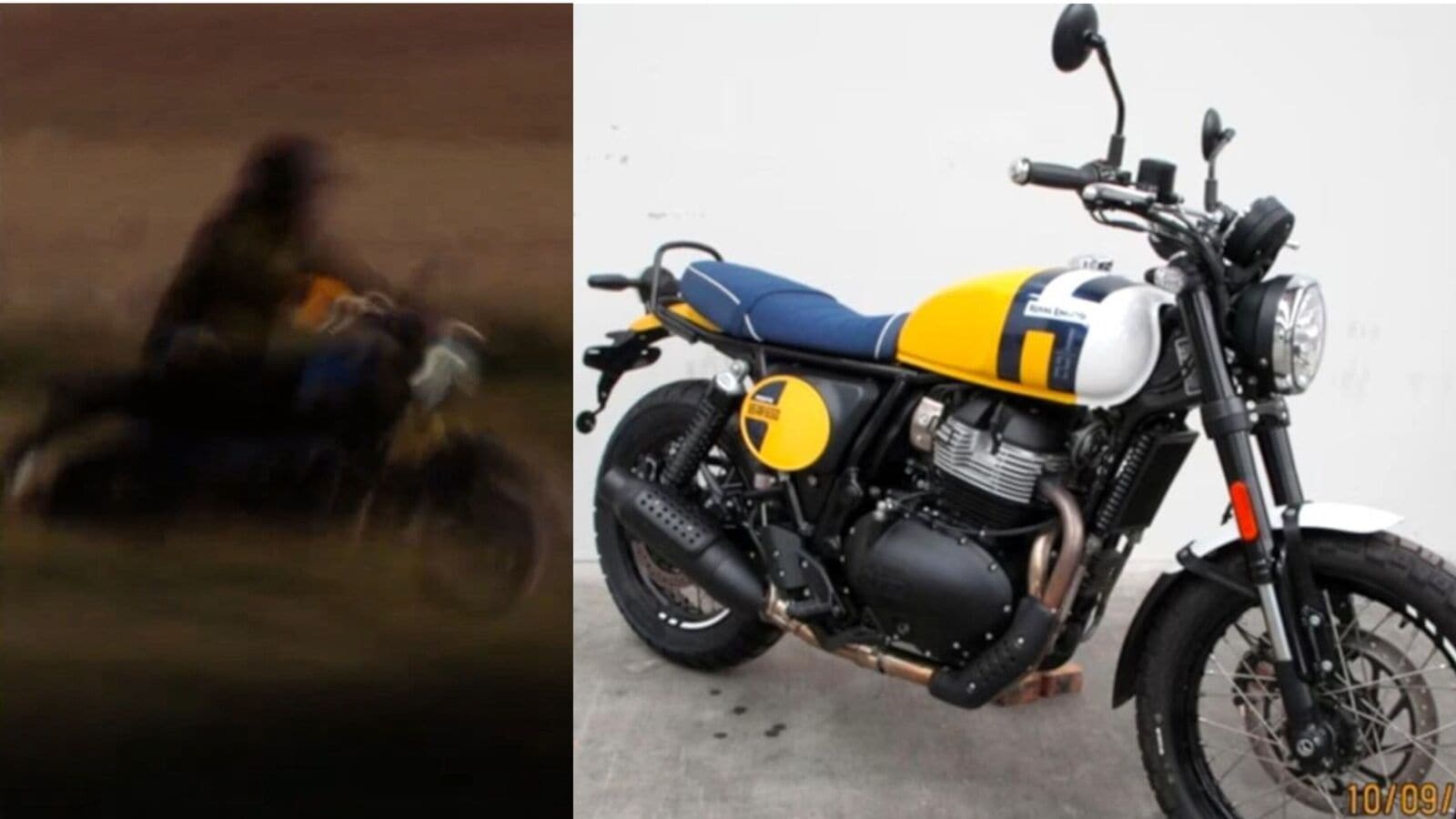
The Royal Enfield Interceptor Bear 650 will use the same 647 cc air-oil cooled engine that is seen on other 650 cc motorcycles.
Royal Enfield Interceptor Bear 650 will share its platform with the Interceptor.
Recently, Royal Enfield's Interceptor Bear 650 was leaked online. Now, the brand has officially released a teaser for the motorcycle on its social media. Royal Enfield Interceptor Bear 650 will be unveiled on November 5. The Interceptor Bear 650 is expected to be positioned between the Interceptor and Continental GT in the manufacturer's lineup.
Check out the upcoming bikes in India.
First publication date: 26 October 2024, 09:07 am IST
Q3 में आपको जर्मन लक्ज़री बैज मिलेगा जबकि Atto 3 अधिक आधुनिक और तकनीकी है।
मैं असमंजस में हूं कि मुझे ऑडी क्यू3 प्रीमियम प्लस खरीदना चाहिए या बीवाईडी एटो 3 डायनामिक।
लव्य गर्ग, गुरूग्राम
ऑटोकार इंडिया का कहना है: दोनों बहुत अलग कारें हैं; एक दहन-इंजन है, और दूसरा ईवी है। ऑडी अधिक सुरक्षित विकल्प है क्योंकि यह अधिक प्रीमियम लगती है और ईंधन भरने की चिंता किए बिना इसे कहीं भी ले जाया जा सकता है। Atto 3 उतना प्रीमियम नहीं लगता है लेकिन इसमें बहुत अधिक तकनीक है जो Q3 को पुराना बनाती है। ईवी होने के नाते, एट्टो 3 को चलाना बहुत आसान है और इसे चलाने की लागत नगण्य है, लेकिन इसका पुनर्विक्रय मूल्य कम होगा।
Car Spare Tyre: Whenever a spare tire is required in a car, it is often seen that it is slightly smaller than the regular tyre. This question comes to the mind of many people that why is the spare tire 1-inch smaller, but 90 out of 100 people who drive a car do not know the exact reason for this.
Actually, there are many technical reasons behind this, which are important to understand….
The reason is to save weight and space The spare tire of the car is kept smaller and lighter than the regular tire so that the overall weight of the vehicle is not affected. This improves the mileage of the car and also saves fuel. Apart from this, due to smaller tires there is more space in the vehicle to keep other important items.
Use of spare tire for limited distances The spare tire is designed for emergencies only. It is not made for regular use like a permanent car tyre. Therefore, it is not advisable to drive for long distances with it installed. This tire helps you to reach the nearest service center where you can get your regular tire repaired.
Spare tire comes at low cost Another reason for making the spare tire smaller and lighter is that it reduces the production cost, which also affects the price of the car. Companies try to make the car economical by using this type of tyre.
Changes in driving performance Due to the small size of the spare tyre, a slight change in driving performance may be felt after its installation, but since it is used only for limited distance, it does not have much impact.
Keeping the spare tire small and light is a deliberate strategy considering the weight, space and cost of the car. This tire is for emergency use only and is not designed for long distance or regular use.
New Delhi. An electric car uses 6 times more minerals than an ordinary car running on petrol and diesel. With the growth of the electric vehicle segment, there will be a huge increase in the demand for silver in the country. Today, one out of every seven new cars sold in the world is electric and rapid growth is expected.
In fact, Vedanta Industries Chairman Anil Aggarwal recently said that along with minerals like copper, aluminium, lithium, cobalt and nickel, silver is also used in electric vehicles. This can create immense possibilities related to silver mining in the country. Along with personal use, silver is also in huge demand in the electric vehicle industry. But do you know where silver is used in an electric car? If not then let us tell you…
How much silver is there in an electric car? The use of silver in electric vehicles (EVs) is continuously increasing because silver is known to be a better conductor of electricity and corrosion resistant capabilities. In electric vehicles, silver is generally used in components like small circuits, switches and connectors.
Silver is used in EV batteries to make lightweight and strong electrical connections with other components. Most electric cars use 25–50 grams of silver, while hybrid vehicles use 18–34 grams.
Silver is used in power windows, seats and other electrical contacts. Silver is also used in high-performance electrical switches. Some high-power connectors use silver, making the electrical connection strong and durable.
Silver membrane switches are used to start the vehicle's engine, open power windows, adjust power seats, close the power trunk, and other important safety features.
Silver in solar panels too Silver is also used in solar panels, which are included in the charging systems of many electric vehicles. As the demand for electric vehicles is increasing, the use of silver is also increasing, and the need for it is likely to become greater in the future. It is estimated that by 2040, the use of silver in electric vehicles may increase to almost half of the global production.
By: HT Auto Desk , updated on: October 25, 2024, 09:59 am
On paper, the Kawasaki KLX 230 is more powerful than the Hero XPulse 200 4V.
The Kawasaki KLX 230 is 20 kg lighter than the Hero XPulse 200 4V.
Kawasaki recently introduced the much-awaited KLX 230 dual-sport motorcycle in India. Looking at its engine displacement and intended use, the KLX positions itself as a competitor to the famous Hero XPulse 200 4V. As we await official pricing details from Kawasaki for this new model, it is relevant to check how it compares to Hero's compact adventure motorcycles.
Kawasaki KLX 230 vs Hero XPulse 200 4V: Design
The KLX 230 gets a proper dual-sport look with its slim design, tall seat height, slim headlamp design and beak-like front mudguard. Then there is the XPulse 200 4V which comes with an LED headlamp, a beak-like front mudguard, knuckle guards and LED daytime running lamps. Overall, the XPulse 200 4V looks like an off-roader.
Kawasaki KLX 230 vs Hero XPulse 200 4V: Engine
The KLX 230 is powered by a larger 233 cc, single-cylinder, air-cooled engine that generates 17.5 bhp and 18.3 Nm of torque. It has a six-speed transmission system. In contrast, the XPulse 200 is powered by a 199.6 cc, air-cooled engine that produces a higher output of 18.9 bhp, although it produces slightly less torque at 17.35 Nm. This model uses a 5-speed gearbox.
Kawasaki KLX 230 vs Hero XPulse 200 4V: Hardware
The KLX 230 has a steel perimeter frame, recognized for better performance in off-road conditions compared to the XPulse's diamond-type chassis. Both motorcycles are equipped with telescopic forks and a monoshock; However, unlike the XPulse's 250mm front and 220mm rear travel, the KLX offers more suspension travel, measuring 240mm at the front and 250mm at the rear. Regarding the braking system, the XPulse is equipped with a larger 276 mm front disc brake, while the KLX has a 265 mm disc. Rear rotor size remains constant at 220 mm for both models.
Check out the upcoming bikes in India.
First publication date: 25 October 2024, 09:59 am IST
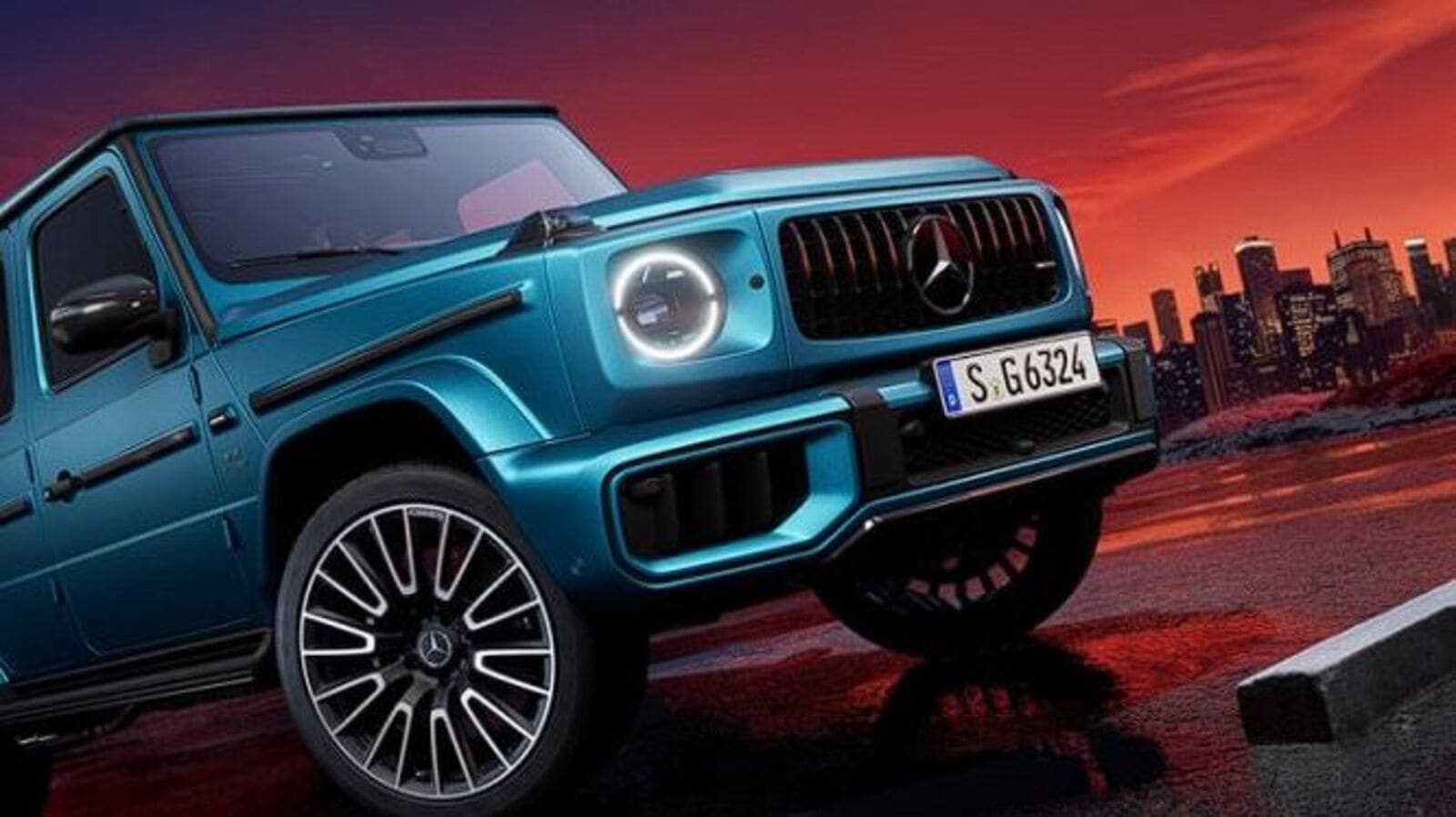
मर्सिडीज-एएमजी जी 63 4.0-लीटर वी8 इंजन द्वारा संचालित है जिसे माइल्ड हाइब्रिड तकनीक मिलती है। इसमें नई तकनीक के साथ डिजाइन एन्हांसमेंट भी मिलता है।
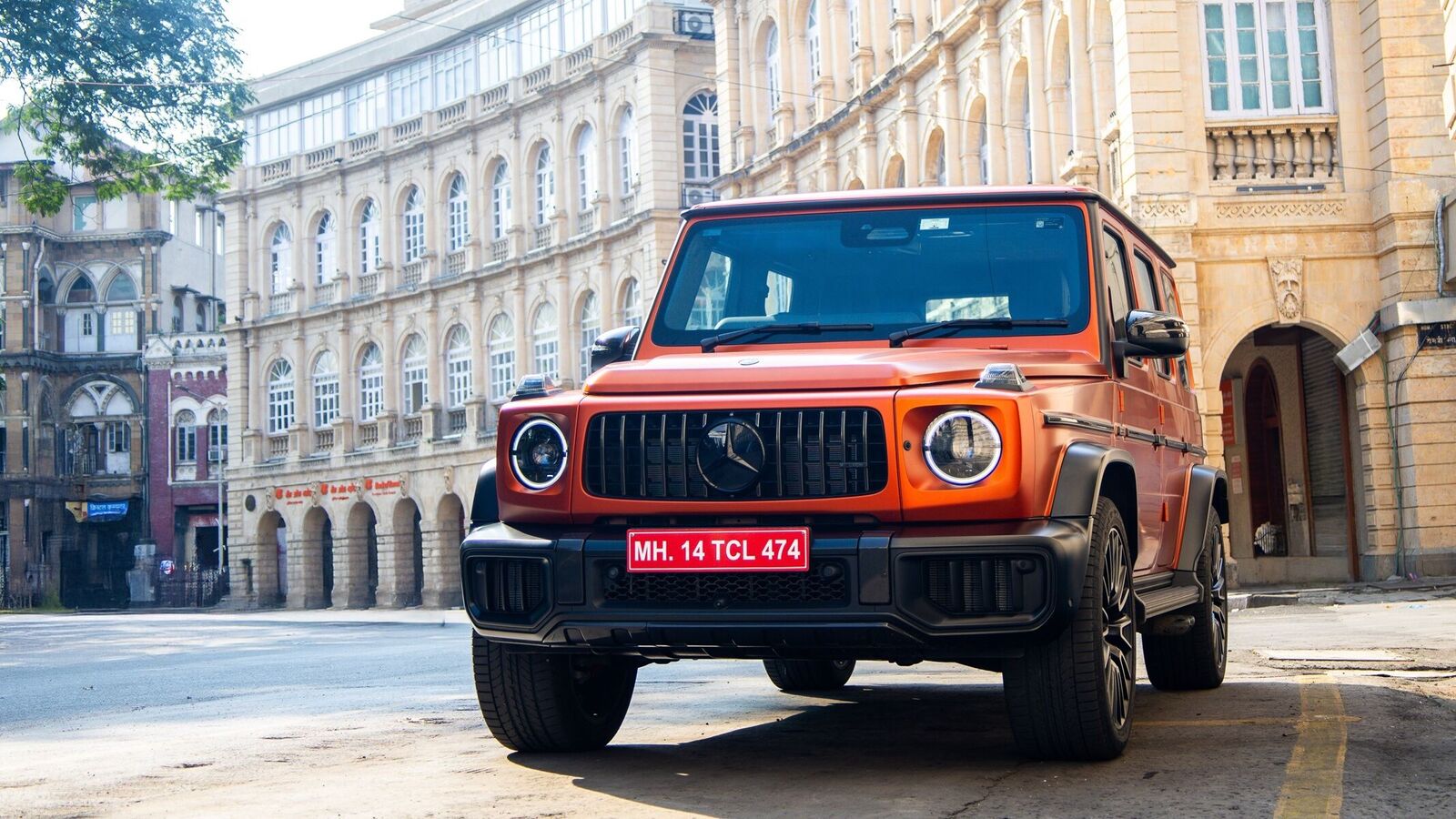
मर्सिडीज-एएमजी जी 63 को किसी भी विकल्प से पहले भारतीय बाजार में ₹3.60 करोड़ एक्स-शोरूम कीमत पर लॉन्च किया गया है।
अपडेटेड मर्सिडीज-एएमजी जी 63 को भारत में लॉन्च किया गया है ₹3.60 करोड़, एक्स-शोरूम। पिछले चार दशकों में, प्रतिष्ठित ऑफ-रोडर ने तुरंत पहचानने योग्य आकार बरकरार रखा है। हालाँकि समय-समय पर इसे गेम में शीर्ष पर बनाए रखने के लिए तकनीक से अपडेट किया जाता रहा है। नए मॉडल के साथ, जबकि मूल आकार काफी समान दिखता है, कुछ महत्वपूर्ण बदलाव हैं जो इसे पुराने मॉडल से अलग बनाते हैं।
मर्सिडीज ने G 63 के डिज़ाइन में कुछ बदलाव किए हैं। यह अब AMG कारों की तरह ही ग्रिल के लिए वर्टिकल स्लैट के साथ आता है। रेडिएटर ग्रिल को डार्क क्रोम में तैयार किया गया है और इसमें नए रंग विकल्प भी उपलब्ध हैं। दिलचस्प बात यह है कि ए-पिलर्स को सूक्ष्मता से गोल किया गया है, और इलेक्ट्रिक से प्रेरणा लेते हुए एक लिप को विंडस्क्रीन में एकीकृत किया गया है। जी क्लास वायुगतिकी को बढ़ाने और एनवीएच स्तर को कम करने के लिए।
पीछे की तरफ, एक वैकल्पिक कार्बन-फाइबर तैयार स्पेयर व्हील कवर है, जो प्रीमियम स्टाइल का स्पर्श जोड़ता है। आकार में मिश्र धातु के पहिये अब 22 इंच तक मापते हैं।
मर्सिडीज-एएमजी जी63: विशिष्ट उन्नयन
2025 G 63 को पावर देने वाला 4.0-लीटर V8 है जिसे हस्तनिर्मित किया गया है। यह अधिकतम 576 बीएचपी की पावर और 850 एनएम का पीक टॉर्क आउटपुट देता है। माइल्ड हाइब्रिड तकनीक के जरिए इसे 20 बीएचपी का अतिरिक्त बूस्ट भी मिलता है। ऑन ड्यूटी गियरबॉक्स 9-स्पीड डुअल-क्लच ऑटोमैटिक ट्रांसमिशन है। यदि ड्राइवर मैन्युअल नियंत्रण लेना चाहता है तो इसमें पैडल शिफ्टर्स भी उपलब्ध हैं।
यह भी देखें: मर्सिडीज मेबैक ईक्यूएस 680 एसयूवी की पहली झलक: भारत की सबसे महंगी इलेक्ट्रिक कार क्या ऑफर करती है
मर्सिडीज़ रेस स्टार्ट भी प्रदान करती है जो अनिवार्य रूप से लॉन्च नियंत्रण है। इस कार्यक्षमता का उपयोग करते हुए, मर्सिडीज-एएमजी जी 63 4.3 सेकंड में 0-100 किमी प्रति घंटे की रफ्तार पकड़ सकती है।
मर्सिडीज-एएमजी जी 63: तकनीकी उन्नयन
अपडेटेड मर्सिडीज-एएमजी जी 63 के केबिन में बड़ा बदलाव किया गया है। नए मॉडल में नई पीढ़ी का एमबीयूएक्स इंफोटेनमेंट सिस्टम मौजूद है, जैसा कि इसमें मिलता है जीएलएस नया रूप। सिस्टम में 12.3 इंच का इंफोटेनमेंट टचस्क्रीन और एक समान आकार का डिजिटल इंस्ट्रूमेंट क्लस्टर शामिल है।
दिलचस्प बात यह है कि मर्सिडीज जी वैगन में पहली बार टचस्क्रीन इंफोटेनमेंट सिस्टम दिया गया है। सिस्टम में वायरलेस Apple CarPlay और Android Auto भी मिलता है।
New Delhi. Maruti Suzuki Alto has always been a very popular car among the customers in India. It is not only known for its affordable price but is also well-liked for its reliable performance. If we look at the domestic market sales figures for September 2024, Maruti Suzuki Alto secured the 10th position in the top 10 with sales of 8,655 units.
Apart from this, this car has also performed brilliantly in terms of export. Last month, a total of 442 units were exported with an annual growth of 927.91 percent, whereas in September 2023 this figure was only 43 units.
CNG option with petrol Now if we talk about powertrain, Maruti Alto K10 has a 1.0-litre petrol engine, which produces 67bhp power and 89Nm torque. This engine comes with 5-speed manual and 5-speed automatic gearbox. Apart from this, CNG option is also available in the car, which generates power of 57bhp and torque of 82Nm.
Excellent in mileage too In terms of mileage, the company claims that it gives a mileage of 24.39 kmpl in manual variant, 24.90 kmpl in automatic variant and 33.85 km/kg in CNG variant. Maruti Suzuki Alto K10 is currently available in four variants.
Better features even at a lower price Talking about the interior of the car, it has a 7-inch touchscreen infotainment system, which supports Android Auto and Apple CarPlay. Apart from this, facilities like digital instrument cluster, steering mounted controls and power adjustable ORVMs have also been provided.
In terms of safety, it has been provided with dual airbags, ABS technology and rear parking sensors. This car competes with Renault Kwid and Maruti's own S-Presso. The starting ex-showroom price of Maruti Suzuki Alto K10 is Rs 3.99 lakh, which goes up to Rs 5.96 lakh in the top variant.
ऑडी ने एक बिल्कुल नए आरएस5 अवंत पर काम करना शुरू कर दिया है, जिसकी वैश्विक शुरुआत अगले साल होगी। जर्मन ब्रांड नए प्रदर्शन वैगन का कठोरता से परीक्षण कर रहा है, जिसकी पुष्टि पूरे यूरोप में कई स्थानों पर परीक्षण खच्चरों को देखकर की जा सकती है।
नई RS5 Avant में 450hp से ज्यादा पावर मिल सकती है
एमएलबी मंच पर बैठे रहेंगे
भविष्य में एक पूर्ण-विद्युत व्युत्पन्न प्राप्त हो सकता है
नई आरएस5 अवंत ऑडी स्पोर्ट के विद्युतीकरण में कदम की शुरुआत करेगी। ऑडी स्पोर्ट का पहला प्लग-इन हाइब्रिड आज के V6-संचालित RS4 का उत्तराधिकारी होगा, लेकिन दहन कारों को विषम संख्या और ईवी को सम संख्या देने की ऑडी की योजना के अनुरूप एक नया नाम लेगा। समतुल्य इलेक्ट्रिक मॉडल, बैज आरएस4 ई-ट्रॉन, 2026 तक आने की उम्मीद है।
नई RS5, अपने नए नाम के साथ, अंदर से बाहर भी नई स्टाइलिंग वाली होगी। सामने की ओर, इसमें बड़े एयर इनटेक के साथ बंपर पर मस्कुलर कट और क्रीज के साथ एक बड़ी हीरे के आकार की ग्रिल मिलती है। इसमें भारी-भरकम मेहराब और मल्टी-स्पोक स्पोर्ट्स व्हील हैं जो बड़े-व्यास वाले ड्रिल्ड और छिद्रित ब्रेक डिस्क को कवर करते हैं। वायुगतिकीय दक्षता के लिए फ्रंट व्हील आर्च के पीछे एक वर्टिकल एयर वेंट भी है, और इंजन कूलिंग और एयरफ्लो को अनुकूलित करने के लिए फ्रंट एंड को तराशा गया है। पीछे की ओर, दो प्रमुख निकास युक्तियाँ हैं जो किनारों की तुलना में केंद्र की ओर अधिक स्थित हैं।
ऑडी की आगामी परफॉर्मेंस फैमिली एस्टेट अपने 2.9-लीटर V6 को बरकरार रखने के लिए तैयार है, लेकिन एक इलेक्ट्रिक मोटर के साथ जो आउटपुट को मौजूदा 450hp और 600Nm से अधिक बढ़ा देती है। अगली पीढ़ी की आरएस5 अवंत वोक्सवैगन समूह के एमएलबी प्लेटफॉर्म का उपयोग करना जारी रखेगी। हालाँकि, इसे प्लग-इन हाइब्रिड संस्करणों में बड़ी, 14.4kWh बैटरी को समायोजित करने की अनुमति देने के लिए संशोधित किया जाएगा।
एमएलबी प्लेटफ़ॉर्म जो नए को रेखांकित करता है ए5 हाल के ऑडी मॉडलों में 48V क्षमता के साथ एक नया इलेक्ट्रिक आर्किटेक्चर शामिल करने के लिए अपग्रेड किया गया है। पदार्पण पर, नई RS5 अवंत इसका मुकाबला करेगी मर्सिडीज-एएमजी सी 63जिसने प्लग-इन हाइब्रिड पावरट्रेन पर भी स्विच किया है, और अब एक विशाल 680hp और 1020Nm का उत्पादन करता है।
हालाँकि भारत में आने वाली नई RS5 लाइन-अप के बारे में कोई जानकारी नहीं है, लेकिन ब्रांड का मौजूदा मॉडल स्पोर्टबैक 4-डोर कूप में बिक्री पर है।
Upcoming Budget Cars: There is a large number of middle class customers in the car market in India, who are looking for cars with good design, features, engine and mileage in low budget. If you are also looking for a budget car and have not been able to decide on a choice yet, then here we are going to give information about some upcoming budget cars, which are going to be launched in the Indian market soon.
The carnival marks the return to India through the SKD or semi-knocked-down route. This means that the country's taxation structure has a big impact on its launch price. Still, the price means this Kia will be out of budget for most mass-market buyers. But for people with big pockets and very specific needs, Carnival is positioned as a solid option barring any real and direct rivals.
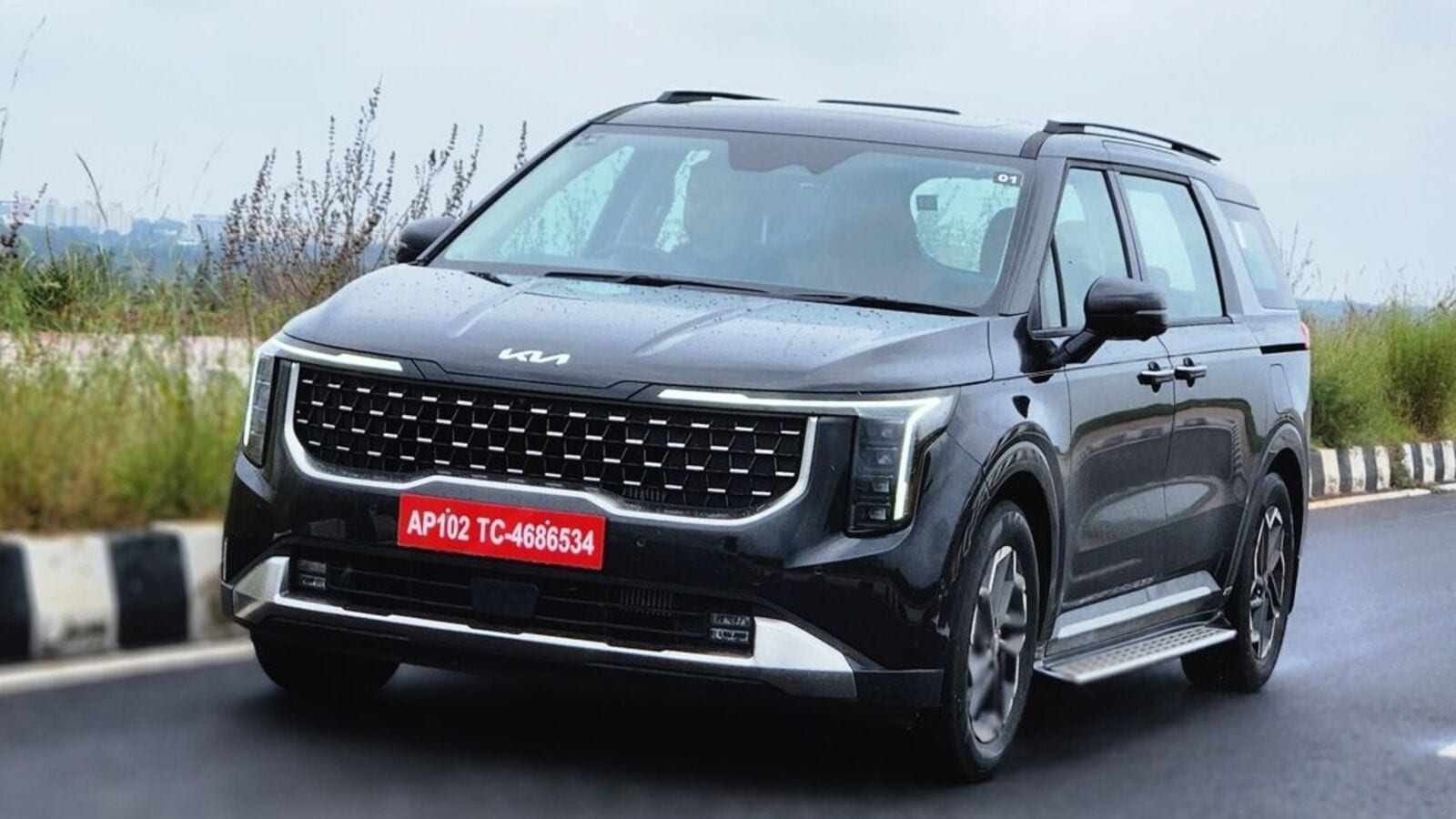
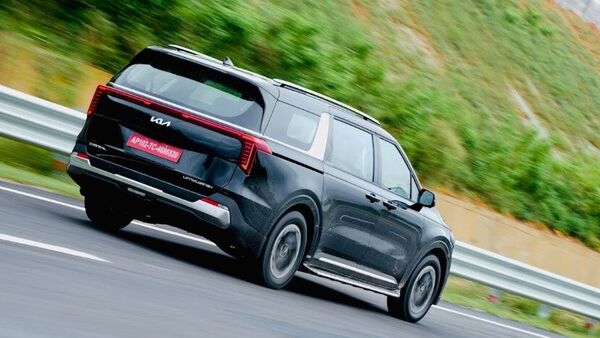
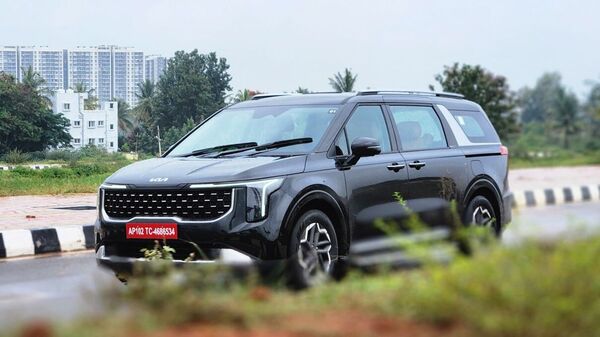
We recently reached Bengaluru for a day trip with the latest MPV. Here is our first-drive review of the 2024 Kia Carnival:
How is the Kia Carnival from outside?
Short answer – huge! At 5,155 mm in length, the fourth generation Carnival is absolutely huge. In fact, its dimensions – length, width, height and wheelbase – have increased compared to the previous Carnival in our country. But despite its absolutely epic proportions, it doesn't look ugly from any side or angle.
The Kia Carnival is much more spacious than it appears in the images when seen from the front and with the naked eye. But despite its large proportions, the styling cues are mostly well done to give the MPV an overall visual character.
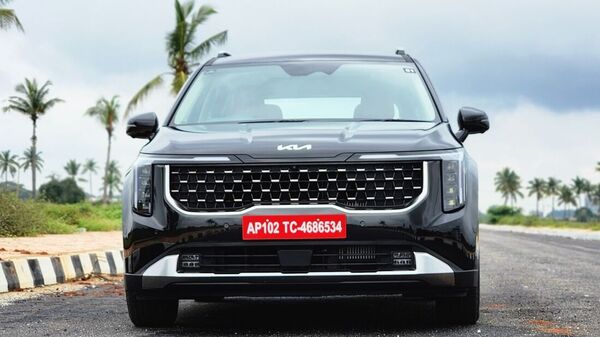
There is a healthy dose of masculinity on the face which mainly comes from the grandeur of the tiger nose grille in the middle. There are very attractive LED DRL and LED projector headlamp units on either side. The LED fog lamps are placed at the bottom where the skid plate has also been updated.
kia carnival dimensions
carnival limousine
CARNIVAL
total length
5,155
5,115
overall width
1,995
1,985
Overall Height (with roof railing)
1,775
1,755
wheelbase
3,090
3,060
(All figures in mm)
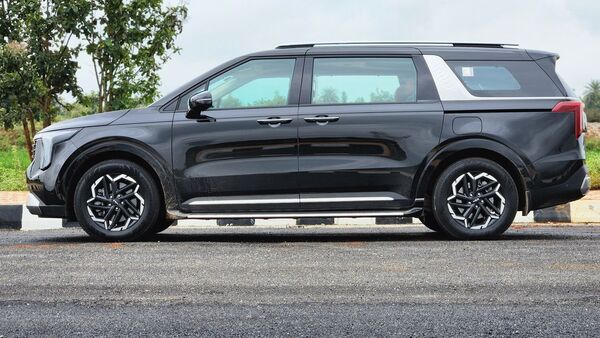
It is from the outside, however, that one truly begins to understand the size of Carnival. At 3,090 mm, this Kia has a longer wheelbase than the Toyota Vellfire, which costs almost twice as much. And the Innova Crysta, priced at almost half the price, looks small in comparison with its wheelbase of 2,750 mm. And styling a massive vehicle is a challenge that Kia has managed remarkably well – the 18-inch diamond-cut alloy wheels, C-pillar garnish, side-sill garnish with matte chrome inserts or here Even the expansive windows and functional roof rails, all add up to pleasing visual aesthetics.
The Kia Carnival will continue to come with sliding doors for the mid-segment. These come with anti-pinch protection feature to ensure that no accidental injuries occur.
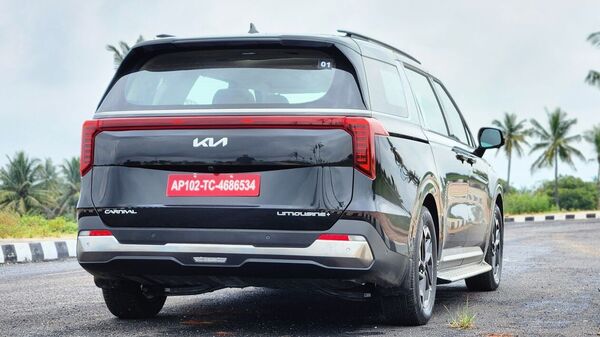
At the rear, things are comparatively simple, with the LED tail lamps being the most attractive element here. The rear wiper is hidden under the spoiler and the MPV also comes with LED fog lamps here as well as a matte chrome-plated skid plate. The trunk door can apparently be operated electronically.
The rear profile of the latest Kia Carnival is comparatively simple, with the connected LED lights shining brightest here.
Overall, the Kia Carnival limousine does justice to its name, although finding space for such a large vehicle in typically congested Indian cities can be a time-consuming process.
How is the Kia Carnival in the cabin?
We hardly recommend third row seats in any car available in India. Often a compromise and best only for children or pets, last row seats are practically meant to be an extra bullet point on a car's resume rather than serving a comfort purpose. Scratch that all off for the carnival.
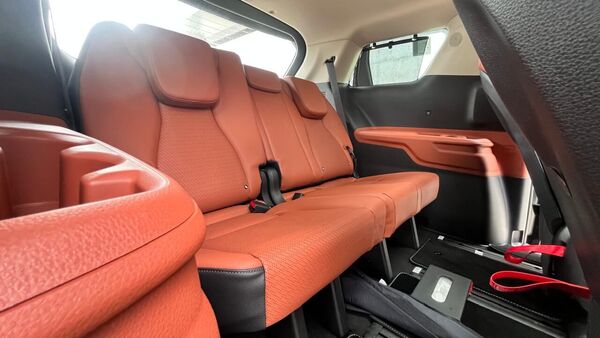
The latest Carnival has a 2+2+3 seat layout with the middle seats acting as the de facto command centre. But the rear seats are quite spacious and good for adults too. There is a lack of under-thigh support, but one can still find enough leg and foot room here for a complaint-free highway ride.
The Kia Carnival has the most spacious third row seats for any vehicle in the Indian car market. Obviously not as comfortable as the two dedicated seats in the middle, however, sitting here won't feel like a compromise either.
However, getting in and out is difficult as Kia missed out on adding a tumble-down function on the middle two seats. This is a big mistake, considering that Karens from the same family have it available at a much lower price. Instead, the Captain seats in the Carnival will be moved forward and out to open up space for entry and exit in the middle. Thankfully, the low height, sliding doors, side step and grab handle make it easy to get in and out. But it's making way for those last row seats, which may not be comfortable for everyone.
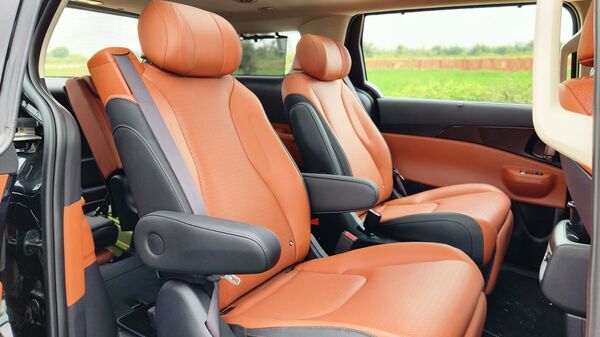
However, the middle two seats will be where you – the owner – will always want to be. These captain seats now offer better cushioning than before and can be electronically operated for both recline as well as footrest operation. And although it's not a flatbed, it can be matched to any La-Z-Boy recliner for comfort. Space is once again the biggest strength and even when quite ample room is left for the rear occupants, the middle passengers actually have very generous room to put their legs.
The middle two seats of the Kia Carnival limousine provide both heating and cooling functions. Two armrests on either side of each seat as well as the lightweight contours of the seats and headrests further enhance comfort.
The large windows come with manual shades and three-zone climate control function and the dual sunroof setup gives the cabin quite an upmarket appeal. The position of the front passenger seat can be adjusted by the pillion and there are plenty of Type C charging ports and a 12v charging socket for devices. However, shockingly, there's no foldout tray – even the Carens has this – so you can flip your laptop. And storage space is quite limited, even the bottle holders on all the doors are only big enough for 500ml bottles.
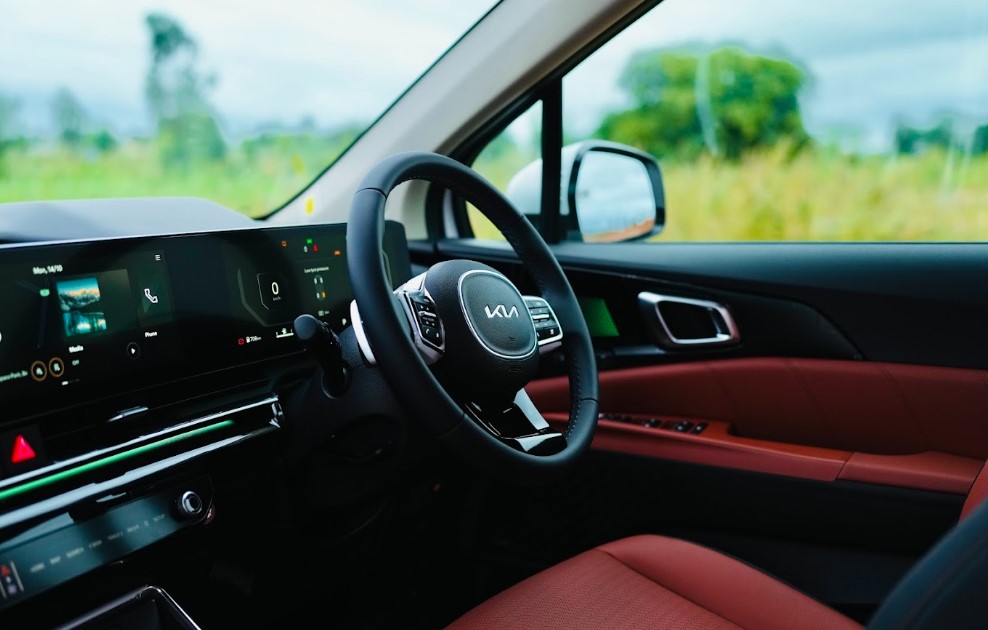
The front part of the Carnival is all about the technology on offer and the two screens – each measuring 12.3 inches – inside a curved casing suit the stature that the MPV wants to portray. The display and response to touch is superb and the feed from the 360-degree camera – essential to managing such a large vehicle – is crisp too. The main infotainment screen packs a mile-long list of features and apps, and will require some learning, although all the information laid out on the driver display is easy to understand. Of course, there's also a big HUD or heads-up display.
The cabin of the Carnival comes in two upholstery colors and the front two seats can be electronically adjusted for position.
The dashboard layout isn't spectacular, but in its simple form, looks quite premium, using soft-touch materials all over. There aren't a lot of physical buttons, but the touch interface once again doubles up and provides controls for both the infotainment functions that are connected to the 12-speaker Bose system as well as the air conditioning.
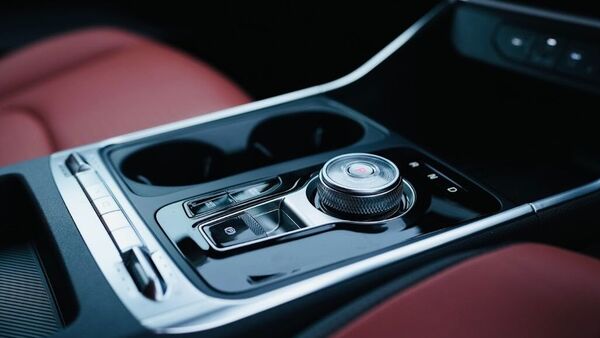
Inside the Kia Carnival gets a rotary-based drive selector in the center console, buttons to select between drive modes, two cupholders and a set of additional buttons to operate the 360-degree camera and auto-park functionality. There is a pad for wirelessly charging compatible phones while two Type C ports and a 12v charging socket are also placed here.
Overall, the cabin of the Kia Carnival is quite luxurious and extremely spacious. Anything less would have been a detriment to the target audience who would likely be driven by the driver.
How is the Kia Carival?
The Kia Carnival offers a very composed drive and the addition of Level 2 ADAS functions is also a big step forward.
Powering such a big vehicle is no easy task and Kia has used a 2.2-litre diesel motor for this purpose. The unit is mated to an eight-speed automatic gearbox and produces 197 bhp and 440 Nm of torque.
Right off the bat, the Carnival has a car-like drive characteristic with light steering that makes the vehicle relatively easy to drive. Add to this the peppy character of the engine and the peppy gearbox, and the MPV can be unnaturally enjoyable to drive. It's when the Carnival is being pushed that the engine's groan finally reveals that you should probably take it easy. There may be four drive modes – Eco, Normal, Sport and Smart – but the Carnival is best for quiet drives rather than adrenaline-seeking expeditions.
The suspension setup also appears to be soft and the Carnival managed to overcome almost every road obstacle with ease. This is especially notable since the ground clearance is not very high. And yet, even when we drove through rainwater-filled potholes, there was no scratch on the underbody. Of course, there were only two people with two suitcases in the car at that time.
The Carnival experience is best at moderate speeds, but its ratios will take some getting used to in Indian traffic conditions.
The level of refinement also deserves special mention as the control over NVH (noise, vibration and harshness) levels is very good. There is very little outside noise intruding into the cabin and the diesel motor reveals its displeasure when pushed. Middle seat passengers remain snug, but side bolstering on individual seats could have been better to keep passengers in place when lying down.
Carnival again does what it promises, and then some more. It's basically about motivating people, but can also be provocative to a certain extent. The ARAI-certified mileage of less than 15 kilometers per liter sounds good on paper, but in the real world, expect it to max out around 10 kilometers per litre. But who has ever talked about mileage when it comes to Carnival?
Should you buy the new Kia Carnival?
If you're considering the latest Kia Carnival you need to have your priorities straight. If your budget is low, you have a small family, you want an SUV body type or a vehicle that is extremely sporty, then this is clearly not for you.
Instead, the Carnival is for the person who is chauffeur-driven, needs to get things done on the go, wants a luxurious vehicle, takes frequent road trips with the entire family and has the space to accommodate it. There is a big enough garage. Despite being obviously expensive, the Kia Carnival limousine has no direct rivals yet and only in this sense, it can be liked among select customers.
First publication date: 22 October 2024, 11:01 am IST
New Delhi. Maruti Suzuki's hold in the Indian automobile market continues to be strong. While the company has remained the leader in the hatchback segment, it has now reached the top in the SUV segment as well. Especially in the sub-4 meter SUV segment, Maruti has established its dominance by defeating Tata Motors.
Q3 2024 figures show that Maruti has left Tata Motors behind. Tata's Punch had been the best selling SUV in this segment for some time, while the sales of Nexon were declining. On the other hand, the demand for Maruti's Brezza and Front SUVs has increased, which has put it ahead of Tata.
Maruti's dominance visible in Q3 If we look at Maruti's sub-4 meter SUV sales in Q3 2024, in September 2024, 15,322 units of Brezza, 13,874 units of Frontex and 599 units of Jimny were sold, making a total of 29,795 units sold. In August 2024, a total of 32,169 units were sold including 19,190 units of Brezza, 12,387 units of Front and 592 units of Jimny. In July 2024, 14,676 units of Brezza, 10,925 units of Front and 2,429 units of Jimny were sold, making a total of 28,030 units sold. In this entire quarter, 49,188 units of Brezza, 37,186 units of Front and 3,620 units of Jimny were sold, taking the total sales to 89,994 units.
Tata cars left behind Talking about the sub-4 meter SUV segment of Tata Motors, in September 2024, 13,711 units of Punch and 11,470 units of Nexon were sold, making a total of 25,181 units sold. In August 2024, a total of 27,932 units were sold, including 16,121 units of Punch and 12,289 units of Nexon. In July 2024, 16,121 units of Punch and 13,902 units of Nexon were sold, taking total sales to 30,023 units. In this quarter, Tata's Punch sold 45,475 units and Nexon sold 37,661 units, totaling 83,136 units.
It is clear from these figures that the increasing demand for Maruti's Brezza and Frontex has put it ahead of Tata Motors in this segment.
New Delhi. Honda Motor Co. has decided to recall about 1.7 million (17 lakh) vehicles due to serious steering problems. This problem can cause difficulty in turning the vehicle, which increases the possibility of accidents.
Honda informed the US government regulatory authorities about this recall last week, after which a formal recall order was issued on Tuesday.
NHTSA issued safety order The order issued by the National Highway Traffic Safety Administration (NHTSA) states that the steering gearbox assembly in these vehicles may have a manufacturing defect that could cause “excessive internal friction.” The result may be difficulty in turning the vehicle and the possibility of accidents may increase.
Which vehicles are being affected? The recall applies to certain Acura Integra, Honda Civic, Honda CR-V and Honda HR-V vehicles from the 2022 to 2025 model years. There is more possibility of steering problems in these vehicles.
The investigation started in March NHTSA began investigating the problem in March this year after receiving 145 complaints of steering problems from Honda Civic drivers. Drivers had complained that the steering got stuck, requiring more force to turn it.
However, at that time NHTSA did not report any accidents or injuries related to this problem. No accident or injury has been reported in the recall order issued on Tuesday.
owners will be informed Honda will send informational letters to its affected vehicle owners starting November 18. Under this, vehicle owners can take their vehicles to authorized dealerships and get them tested for free. Dealers will replace the worm gear spring in the steering gearbox and reapply the grease as needed.
For more information in this regard, vehicle owners can contact Honda's customer service number 1-888-234-2138. SJS, MJU, QJT and VJV codes have been given for this recall.
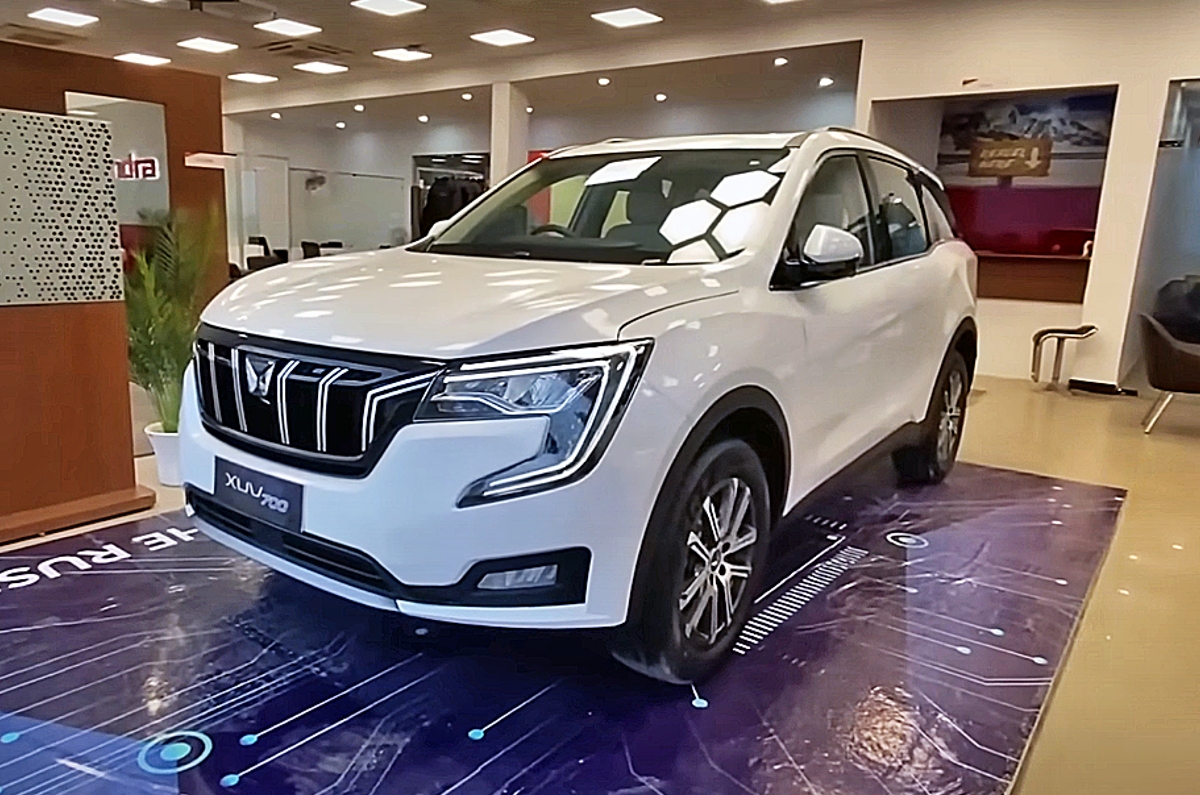
महिंद्रा XUV700 की लोकप्रियता बढ़ रही है, और महिंद्रा द्वारा एसयूवी का उत्पादन बढ़ाने के बावजूद, जो 5-सीटर, 6-सीटर और 7-सीटर रूपों में आती है, डीलरशिप चुनिंदा वेरिएंट के लिए लंबे समय तक इंतजार कर रहे हैं। यह जानने के लिए पढ़ें कि आपको अपनी नई XUV700 की डिलीवरी के लिए कितना इंतजार करना होगा।
टॉप-स्पेक XUV700 AX7 और AX7 L वेरिएंट के लिए 2 महीने से अधिक का इंतजार करना पड़ता है
एंट्री-लेवल और मिड-स्पेक वेरिएंट की प्रतीक्षा अवधि लगभग 1 महीने है
XUV700 के पेट्रोल और डीजल वेरिएंट पर लागू
महिंद्रा XUV700 प्रतीक्षा अवधि
Mahindra XUV700 वैरिएंट-वार प्रतीक्षा अवधि
प्रकार
प्रतीक्षा अवधि
एमएक्स
1 महीना
AX3
1 महीना
AX5 चुनें
1 महीना
AX5
1 महीना
AX7
2 महीने
AX7 एल
2 महीने
जैसा कि तालिका में दिखाया गया है, टॉप-स्पेक XUV700 AX7 और AX7 L वेरिएंट के लिए प्रतीक्षा अवधि बढ़कर 2 महीने से कुछ अधिक हो गई है। लगभग 1.5 महीने हाल ही में। इस बीच, खरीदारों को एंट्री-लेवल MX और मिड-स्पेक AX3, AX5 और AX5 सिलेक्ट वेरिएंट सहित अन्य सभी वेरिएंट की डिलीवरी के लिए लगभग 1 महीने का इंतजार करना होगा। ये प्रतीक्षा समय एसयूवी के पेट्रोल और डीजल दोनों संस्करणों पर लागू होता है।
यह ध्यान दिया जाना चाहिए कि ईएसपी से लैस और 6-सीटर कॉन्फ़िगरेशन वाले XUV700 वेरिएंट में निर्दिष्ट प्रतीक्षा अवधि नहीं है। इन विशिष्ट ट्रिम्स के सटीक विवरण और मैनुअल और स्वचालित गियरबॉक्स विकल्पों के लिए डिलीवरी समय के बारे में जानकारी के लिए, अपने स्थानीय डीलरशिप से संपर्क करें।
2.0-लीटर टर्बो-पेट्रोल इंजन और 2.2-लीटर डीजल इंजन दोनों में 6-स्पीड मैनुअल और 6-स्पीड टॉर्क कनवर्टर ऑटोमैटिक गियरबॉक्स विकल्प हैं। हालाँकि, केवल डीजल वेरिएंट ही AWD विकल्प के साथ आता है।
New Delhi. Festivals have started in the country. In such a situation, many types of discounts and offers are being given on vehicles. If you are thinking of buying a car on loan, then you can take advantage of many offers given by car companies.
The country's largest public sector bank SBI is providing auto loan at an initial rate of 9.15 percent. Let us know how much monthly EMI you will have to pay if you take a car loan of Rs 6 lakh from SBI.
How much will the monthly EMI be? At present, auto loan is available in SBI at an initial interest rate of 9.15%. However, you will get auto loan at this initial interest rate only if your CIBIL score is 800 or above. On this score the bank will easily approve your auto loan. If your CIBIL score is low, you may have to take a loan at a higher interest rate.
If your car loan of Rs 6,00,000 is approved from SBI at the rate of 9.15% and the loan tenure is kept for 3 years, then according to the SBI EMI calculator, your monthly EMI will be Rs 19,122.
According to the calculation, you will pay interest of Rs 88,383 for the tenure of the loan. That means after three years you will have to pay a total of Rs 6,88,383.
2025 G 63 को पावर देने वाला 4.0-लीटर V8 है जिसे हस्तनिर्मित किया गया है। यह अधिकतम 576 बीएचपी की पावर और 850 एनएम का पीक टॉर्क आउटपुट देता है। माइल्ड हाइब्रिड तकनीक के जरिए इसे 20 बीएचपी का अतिरिक्त बूस्ट भी मिलता है। ऑन ड्यूटी गियरबॉक्स 9-स्पीड डुअल-क्लच ऑटोमैटिक ट्रांसमिशन है। यदि ड्राइवर मैन्युअल नियंत्रण लेना चाहता है तो इसमें पैडल शिफ्टर्स भी उपलब्ध हैं।
मर्सिडीज-एएमजी जी 63: त्वरण
मर्सिडीज़ रेस स्टार्ट भी प्रदान करती है जो अनिवार्य रूप से लॉन्च नियंत्रण है। इस कार्यक्षमता का उपयोग करते हुए, मर्सिडीज-एएमजी जी 63 4.3 सेकंड में 0-100 किमी प्रति घंटे की रफ्तार पकड़ सकती है।
मर्सिडीज-एएमजी जी 63: ऑफ-रोड क्षमता
एएमजी जी 63 229 मिमी के विशाल ग्राउंड क्लीयरेंस के साथ 700 मिमी की पानी की गहराई के साथ आता है। दृष्टिकोण कोण 31 डिग्री है जबकि यह 35 डिग्री के झुकाव पर भी स्थिर रह सकता है।
मर्सिडीज ने G 63 के डिज़ाइन में कुछ बदलाव किए हैं। अब यह AMG कारों की तरह ही ग्रिल के लिए वर्टिकल स्लैट के साथ आता है। रेडिएटर ग्रिल को डार्क क्रोम में तैयार किया गया है और इसमें नए रंग विकल्प भी उपलब्ध हैं। आकार में मिश्र धातु के पहिये अब 22 इंच तक मापते हैं।
इसमें एक नई बिना चाबी वाली एंट्री सुविधा भी उपलब्ध है जो पहली बार है जी क्लास. एसयूवी को एमबीयूएक्स टचस्क्रीन इंफोटेनमेंट सिस्टम के साथ भी अपडेट किया गया है जो अब वायरलेस एंड्रॉइड ऑटो और ऐप्पल कारप्ले को सपोर्ट करता है। यह 18-स्पीकर 760 बर्मेस्टर साउंड सिस्टम से जुड़ा है।
New Delhi. Delhiites will no longer need to visit government offices to get No Objection Certificate (NOC) to get their old vehicles back or sell them. The Transport Department has launched an online portal, which will make this process completely simple. This step has been taken after strict action started from October 11 against petrol and diesel vehicles which have completed 15 and 10 years respectively.
This portal, developed on the instructions of Delhi High Court, went live on Tuesday and has received more than 100 applications. Officials said the court's directions had come last year when owners of several overage vehicles had filed petitions to get rid of their vehicles. The court had directed the Delhi government's transport department to formulate a policy as well as create an online portal with guidelines for handling 'end-of-life' vehicles (ELVs) in public places.
The application will be resolved within a week A transport department official said that since the system has been developed for the first time, it will initially take about two to three weeks to process the applications. Later, it will take only a week. The official said, “Everything will be done through a transparent and faceless process. Even payment of fines and submission of commitments can be done online. The department will also have records of first-time and regular offenders.”
According to the data shared by the department, 1,868 vehicles have been seized till October 22 evening. Of these, 50% are e-rickshaws.
Process to get back seized vehicle People who want to get back their old seized vehicles will have to submit an application on the portal. The scraping cell of the department will scrutinize the application and upload the documents. Owners of vehicles registered in Delhi-NCR who want to register their vehicle outside Delhi will have to give an affidavit that their vehicle will neither be driven nor parked anywhere in Delhi. After this the department will issue NOC.
There will be restrictions on driving and parking People who have to park their vehicle in a private space in Delhi, which is not part of a shared space, will have to give an undertaking that their vehicle will neither be driven in a public space nor parked in a shared parking space, Even if it is part of a residential complex.
The vehicle owner will have to provide proof of private parking space, issued by the RWA or any relevant authority. Owners of vehicles registered outside Delhi-NCR will have to explain why they are being driven or parked in Delhi, and will also have to give an affidavit that they will not enter Delhi limits in future.
If the application is found satisfactory, the department will issue a release order or NOC. Necessary payment details will also be provided in the order. Owners of four-wheelers will have to pay a fine of Rs 10,000, while for two and three-wheelers the amount is Rs 5,000.
Vehicle owner will have to pay towing charges Owners will also be required to pay parking and towing fees to the RVSF upon release of the vehicle. Two-wheelers, autos and e-rickshaws will have to pay Rs 200 each (parking and towing charges). For light passenger vehicles like cars, towing fee is Rs 400 and parking fee is Rs 500. This will come into effect 48 hours after the vehicles are seized.
By: HT Auto Desk , updated on: October 23, 2024, 09:51 am
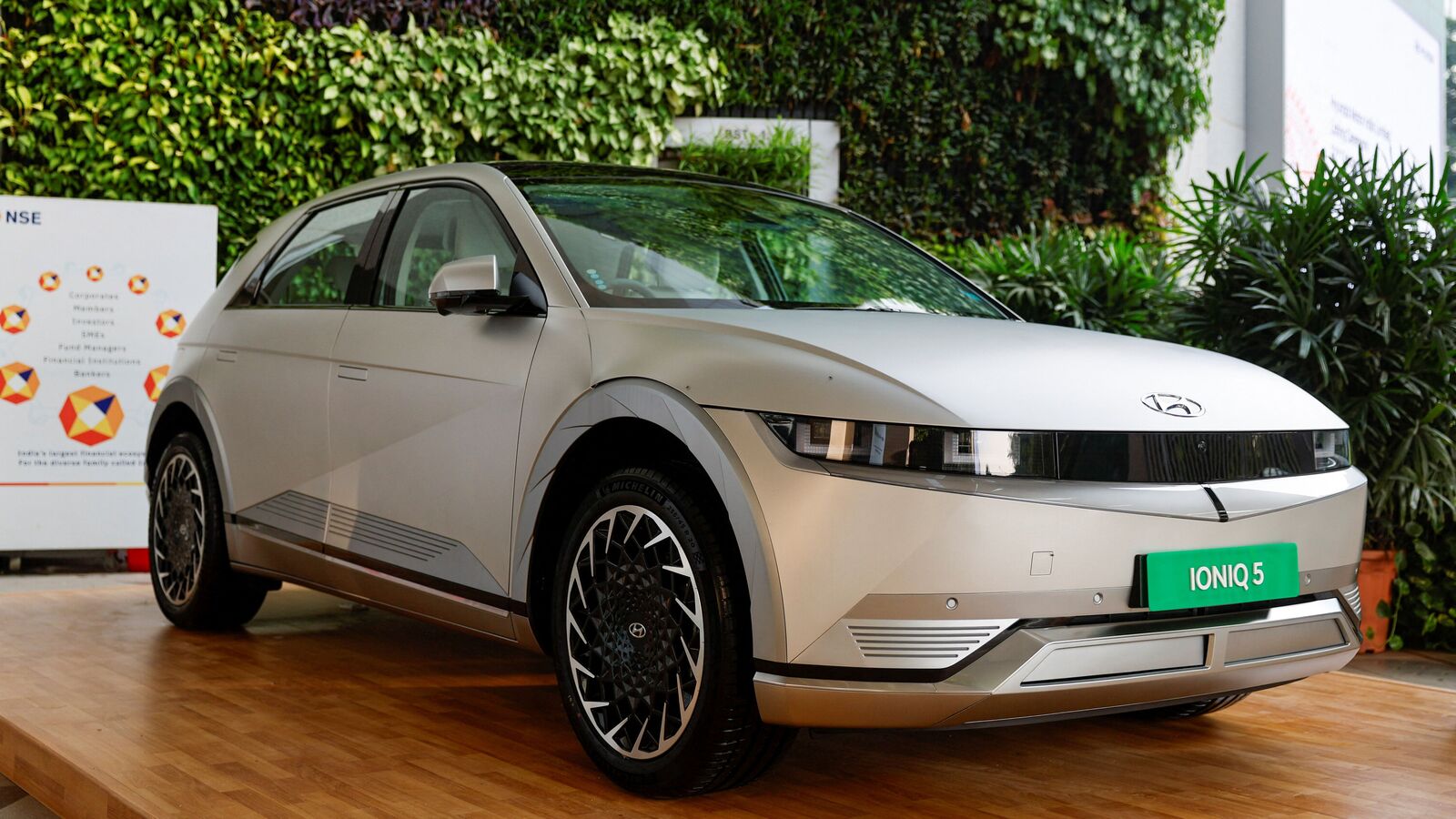
Hyundai made its debut on the Indian Stock Exchange and although its shares saw teething troubles, driving on D-Street could indicate bigger ambitions for it.
,
Hyundai made its debut on the Indian Stock Exchange and although its shares saw teething troubles, driving down D-Street could reflect bigger ambitions for the country.
Hyundai Electric Ioniq 5 parked at the National Stock Exchange during the listing ceremony of Hyundai Motor India Limited IPO in Mumbai. (Reuters)
Hyundai Motor India made its debut on the Bombay Stock Exchange (BSE) on Tuesday. The largest public offering in the history of the country, shares closed that day 1,820, down from the listing at 1,931 per share. But for a company that has called India home for nearly three decades, estimating the starting fare on D-Street may be like jumping the proverbial gun.
This list is very valuable The Rs 27,870 crore investment by parent company Hyundai Motor Company by selling its 17.5 per cent stake in HMIL through IPO (initial public offering) has been the talk of the town. The report sheds light on how the company spent ₹624 crore (2.24 per cent of the issue size) in various fees for listing on Indian stock exchanges. Almost equal amounts of enthusiasm and caution were evident from potential investors, even as many analysts pointed to the long-term value of the Hyundai IPO rather than quick profits.
And this potential long-term value can probably be estimated from Hyundai's mega plans for the Indian car market.
Hyundai will increase production capacity
Hyundai officially started its India journey with a massive plant near Chennai. Operations here began in September 1998 and over the next several years, popular models such as the Santro, i10 and Xcent rolled off the manufacturing lines. Sriperumbudur The facility still remains the largest manufacturing center for the company, serving as a manufacturing base for both domestic and overseas markets.
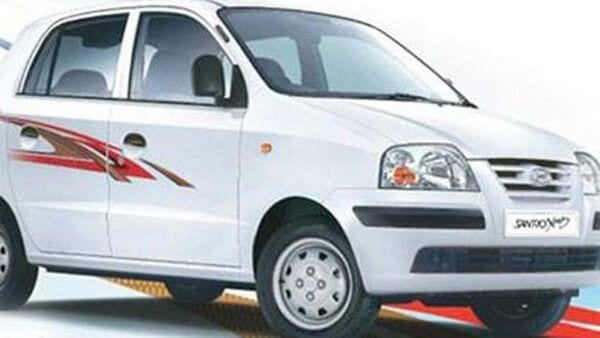
The Santro Xing model took Hyundai to great heights in the past. Its present is all about SUVs but the future will depend on how well the EV game is played.
But to head off growing competition, the country's second-largest carmaker (after Maruti Suzuki) also acquired a facility in Talegaon, near Pune, which was previously owned by General Motors. Operations are scheduled to begin next year with company officials confirming the investment. Here Rs 6,000. “Our current capacity is 8.24 lakh units per annum. With the acquisition of the Talegaon plant, our capacity will be added by 2,50,000 units, which will come in two phases – 1.70 lakh units next year and 80,000 units by 2028,” said Tarun Garg, Chief Operating Officer, Hyundai Motor India.
Hyundai is looking to increase its production capacity by 30 percent from the current level by 2028. Garg says this will allow the company to grow at a faster pace than the overall industry while striking a balance between growth, profitability and market share.
look at electrical power
Hyundai's fortunes in its early India years were driven by the popularity of its smaller models like the Santro and i10. Over the past decade or so, the performance of the Creta and Venue models has underlined how the company has understood the changing preference towards SUV body types. Garg says that SUV models contribute about 68 percent to Hyundai's total sales in the country.
But relying on body type alone may not be enough in the changing world of the Indian and global automotive landscape. And Hyundai is aware of the changes the electric movement is bringing.
Currently, Hyundai is a marginal player in the Indian electric vehicle (EV) sector, offering the capable but premium Ioniq 5. Tata Motors, a formidable rival, has a number of recently launched models ranging from the Tiago EV to the Nexon EV and more. Curvav e.v. These models can be priced anywhere 8 lakh more 22 lakh (ex-showroom), and cut across different body types.
But the fight continues with Hyundai confirming the launch of the Creta EV in 2025. After this, four more EV models will be launched by 2030. While critics may argue that the Koreans are late to the game, Hyundai is not willing to leave any stone unturned. And while the EV revolution is well and truly underway in India, it is not yet driven by four-wheelers but instead by two-wheelers.
Is localization the real mantra?
Hyundai is one of the largest car manufacturers in the country and is also the largest car exporter from here. Its offerings mostly come feature-loaded which top the priority list of potential customers. Local manufacturing has helped in this regard but will the same formula work for the Hyundai EV?
The company plans to set up a battery plant in Chennai at a cost of approximately Rs 700 crore with the stated aim of localizing battery packs to wage a price war against more established EV players in the market. The plant will initially have a capacity of 75,000 battery packs per year and this figure is likely to increase further.
On paper, Hyundai is committed to playing stronger than ever in India. Perhaps, there is also tacit acceptance of growing rivalry. But with ICE (Internal Combustion Engine) models as well as upcoming mass-market EVs, the company is bracing itself for a major strike. And the ultimate fate of Hyundai's shares will directly depend on this.
(with agency input)
Get information about upcoming cars in India, electric vehicles, upcoming bikes in India and cutting-edge technology that is changing the automotive landscape.
First publication date: 23 October 2024, 09:51 am IST









.png&c=0&w=700 "ऑड आरएस 5 अवंत स्पाई शॉट्स, 2025 डेब्यू")
.png&c=0&w=700)
.png&c=0&w=700)