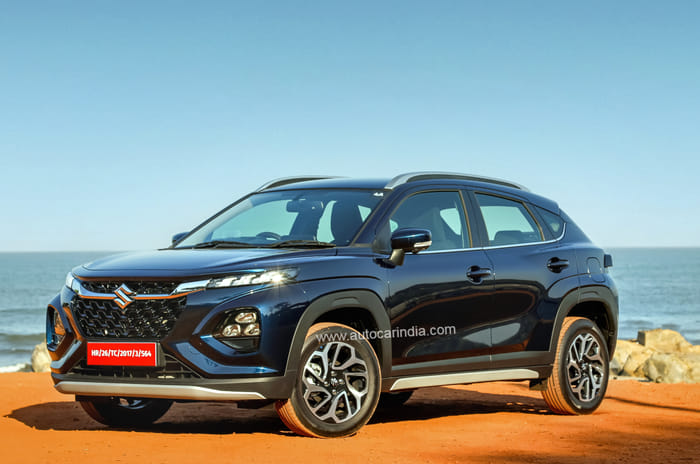
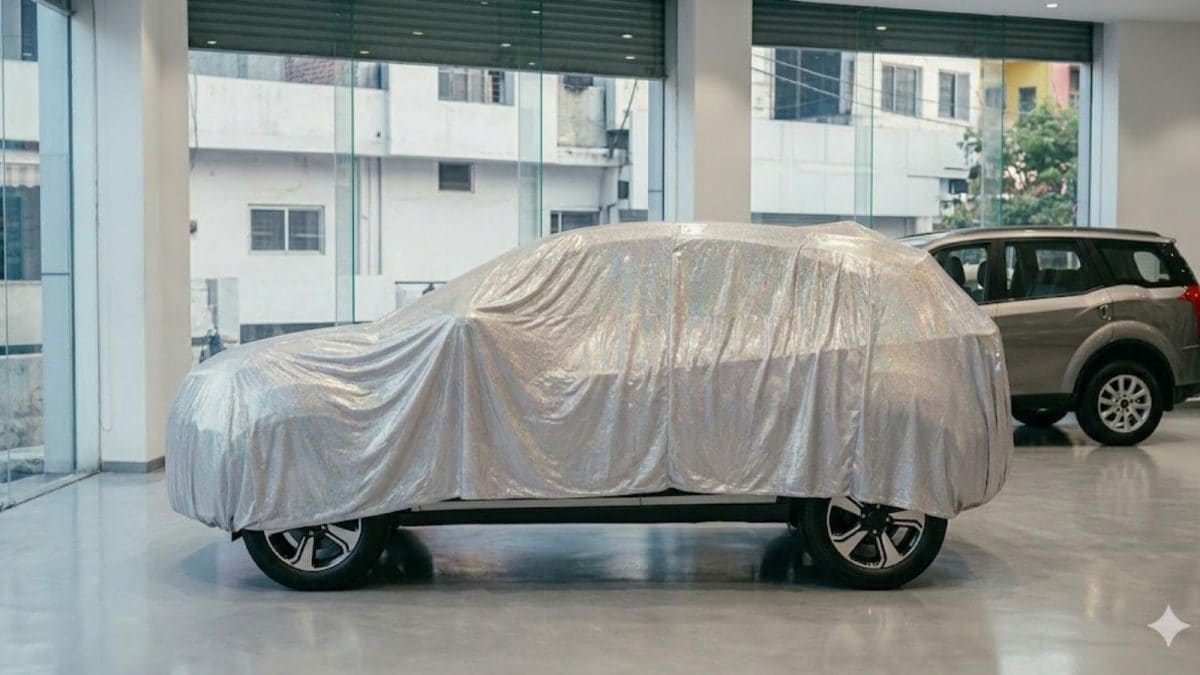
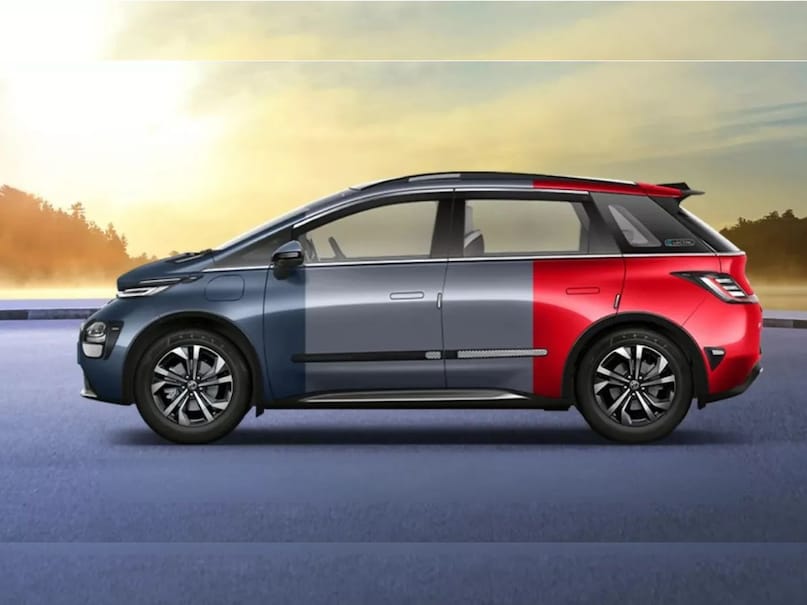
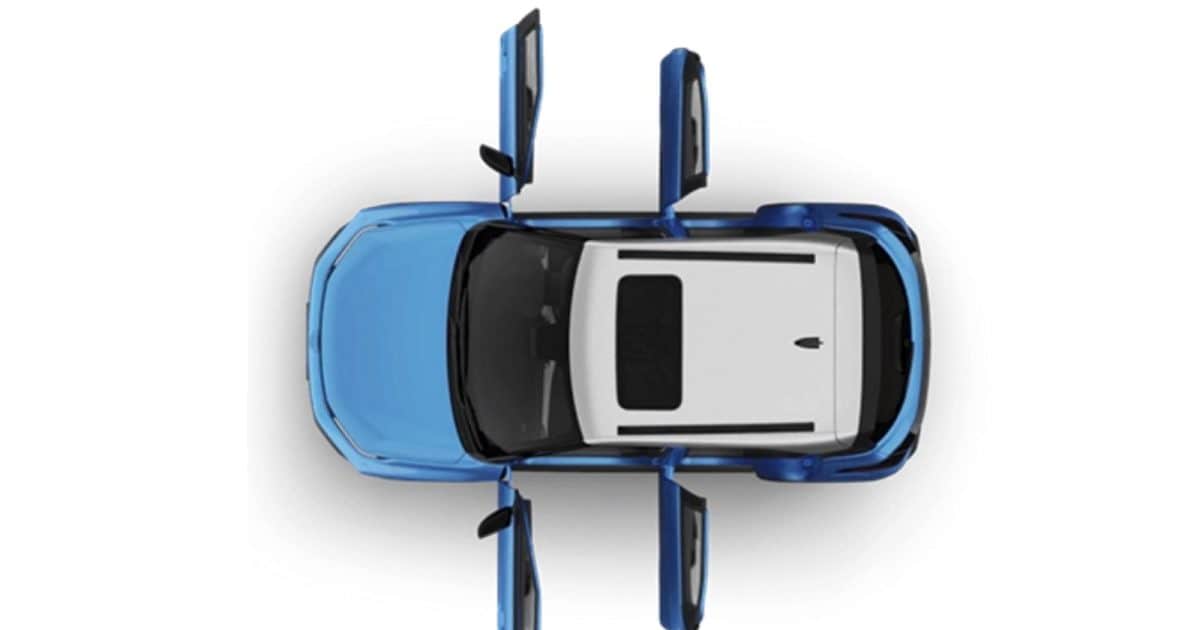
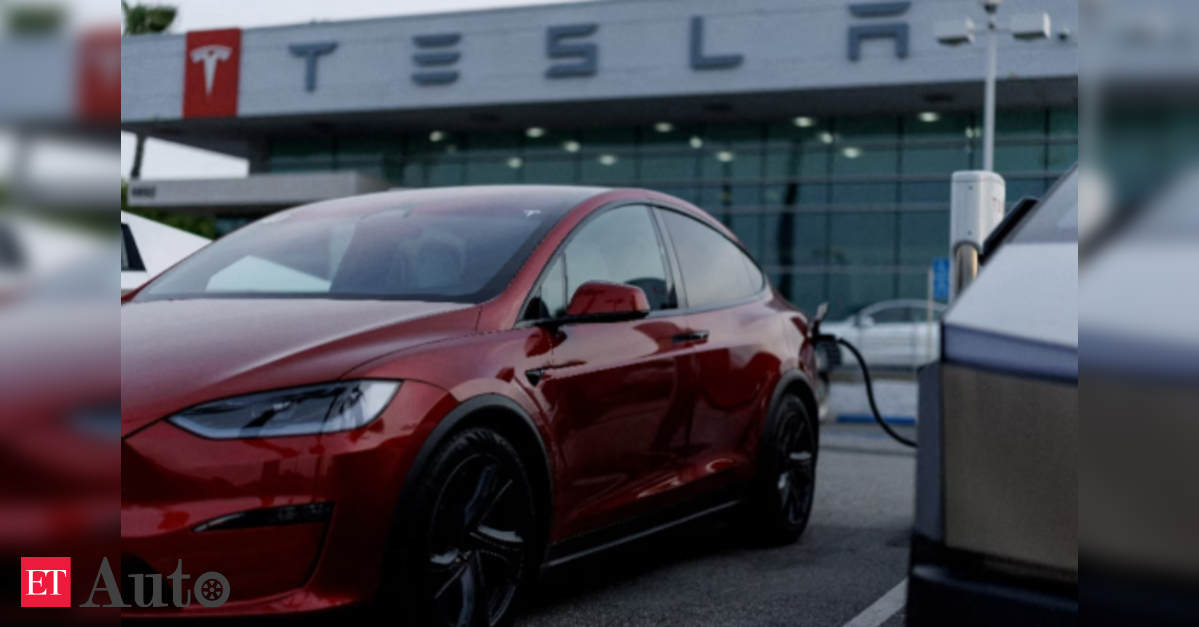
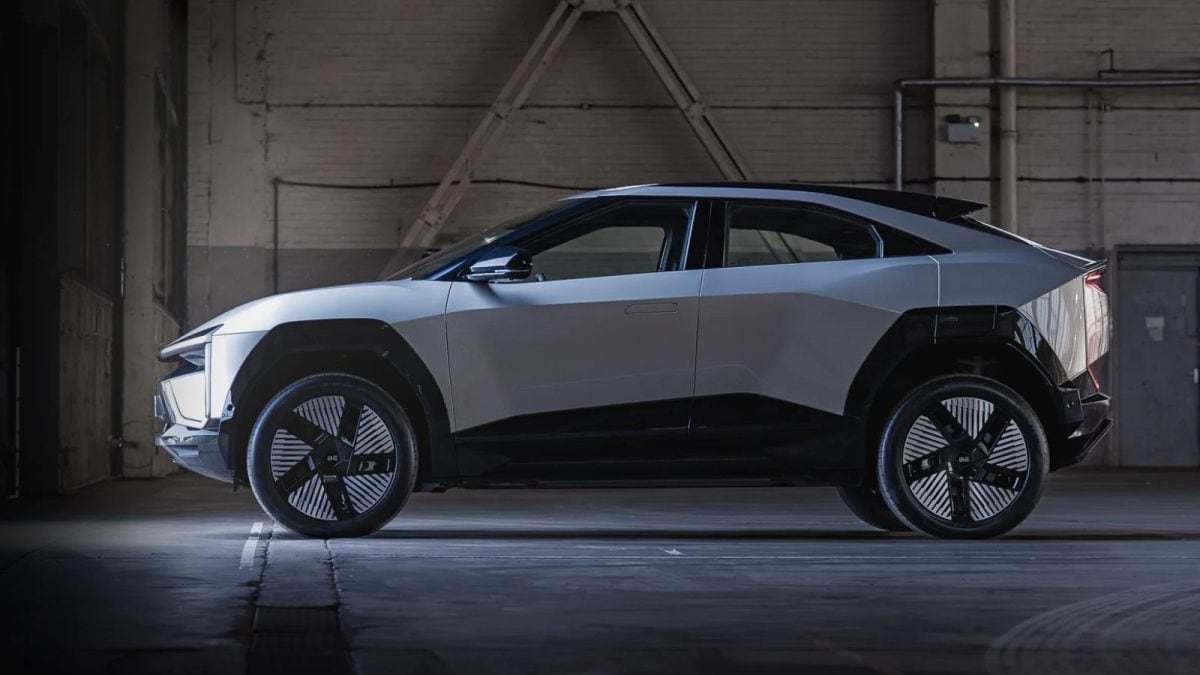
एक नई 3-पंक्ति इलेक्ट्रिक वाहन को हाल ही में सड़कों पर परीक्षण करते हुए देखा गया है, जिसकी हमें उम्मीद है मारुतिकी आने वाली इलेक्ट्रिक MPV. आंतरिक रूप से कोडनेम YMC, यह आगामी 3-पंक्ति ईवी इसके आधार को साझा करेगी ई विटाराऔर इस साल के अंत तक डेब्यू की उम्मीद की जा सकती है। ऑटोकार इंडिया ने इसके बारे में विशेष रूप से रिपोर्ट दी थी वाईएमसी एमपीवी का विकास फरवरी 2024 में वापस।
आगामी वाईएमसी एमपीवी ई विटारा के साथ अपनी बुनियाद साझा करेगी
उत्पादन मॉडल 2026 के अंत तक शुरू होने की उम्मीद है
टोयोटा डेरिवेटिव को भी जन्म देगा
नई मारुति वाईएमसी 3-पंक्ति ईवी की जासूसी की गई
कुछ प्रमुख विवरण हैं जो बताते हैं कि यह एक ईवी है, जिनमें से प्रमुख है पीछे से देखने पर निकास पाइप की स्पष्ट अनुपस्थिति। ऐसा लगता है कि यह बड़े एयरो-अनुकूलित मिश्र धातु पहियों पर चल रहा है, और सामने के बम्पर पर हवा का सेवन ई विटारा के समान है, शायद इसमें बाद वाले को मिलने वाले सक्रिय एयरो फ्लैप भी शामिल हैं। स्पष्ट रूप से बड़े रियर क्वार्टर क्षेत्र से पता चलता है कि यह वास्तव में 3-पंक्ति वाला वाहन है।
ऐसा प्रतीत होता है कि मारुति वाईएमसी एमपीवी का अगला और पिछला सिरा बिल्कुल सीधा और एक समग्र बॉक्सी सिल्हूट के साथ एसयूवी जैसा दिखता है। बड़े हेडलैंप में एक ड्रॉप-डाउन तत्व होता है, जबकि पीछे की तरफ, विंडस्क्रीन के चारों ओर लपेटे जाने वाले ऊर्ध्वाधर टेल लैंप में कुछ समानता होती है। अर्टिगाऔर एक बैंड से जुड़े हुए प्रतीत होते हैं। ई विटारा की तरह, इसमें फ्लश दरवाज़े के हैंडल नहीं हैं, लेकिन नियमित पुल प्रकार वाले हैं। ई विटारा की अच्छी तरह से समोच्च सतहों के विपरीत इसमें चिकने बॉडी पैनल भी दिखते हैं।
नई मारुति वाईएमसी ई विटारा के साथ प्लेटफॉर्म, बैटरी साझा करेगी
हमारे सूत्रों ने संकेत दिया है कि वाईएमसी एमपीवी ई विटारा के समान स्केटबोर्ड इलेक्ट्रिक प्लेटफॉर्म का उपयोग करेगा, और समान 49kWh और 61kWh बैटरी पैक के साथ उम्मीद की जा सकती है। हालाँकि, इसके बड़े आकार के कारण, इसकी रेंज ई विटारा की अधिकतम दावा की गई 543 किमी की रेंज से कम होने की संभावना है। दोनों मॉडलों के बीच इलेक्ट्रिक मोटर और अन्य पावरट्रेन घटक भी साझा किए जाएंगे।
इसके 2026 के अंत में शुरू होने की उम्मीद है, और संभवतः 2027 में किसी समय बिक्री पर जा सकता है। यह कार निर्माता की पहली तीन-पंक्ति ईवी होगी, जो इसके एमपीवी लाइनअप में शामिल होगी जिसमें अर्टिगा शामिल है, XL6 और यह इनविक्टो.
हालाँकि, इस तथ्य को देखते हुए कि ई विटारा अभी तक उतनी लोकप्रिय नहीं हुई है जितनी मारुति चाहती थी, इसकी आगामी 3-पंक्ति ईवी का स्वागत देखा जाना बाकी है। मारुति सुजुकी कथित तौर पर निर्यात सहित 50,000 इकाइयों से 1 लाख इकाइयों तक की क्षमता पर विचार कर रही है। जैसे ई विटारा और आने वाली इबेलामारुति वाईएमसी एमपीवी भी लॉन्च होगी टोयोटा व्युत्पन्न एक बाद की तारीख में।
निवेशक उद्योग के सबसे बड़े पोर्टफोलियो, अपने 14 ब्रांडों के लिए स्टेलेंटिस के दृष्टिकोण पर स्पष्टता की भी तलाश कर रहे होंगे।
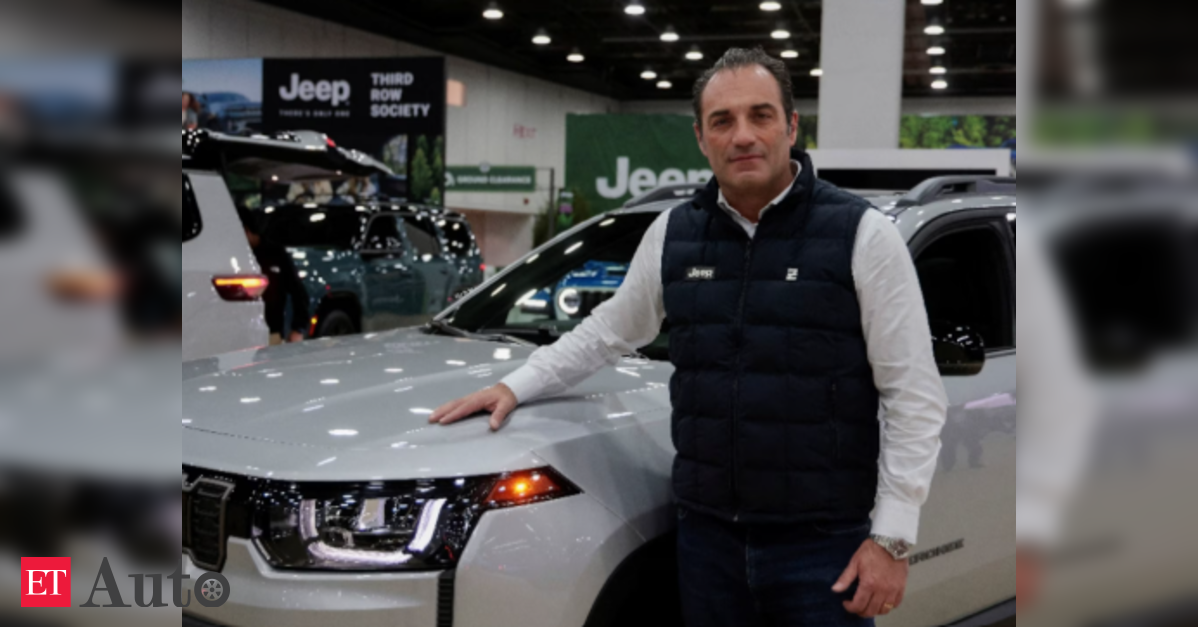
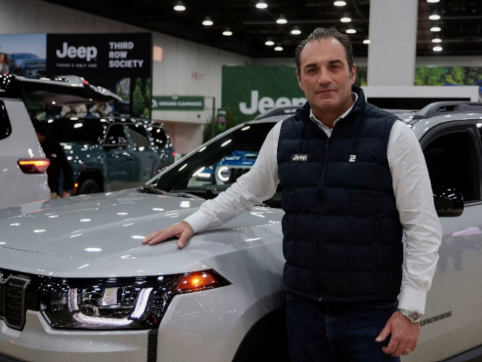
स्टेलेंटिस के सीईओ एंटोनियो फिलोसा गुरुवार को निवेशकों के लिए एक नई दीर्घकालिक रणनीति की रूपरेखा तैयार करेंगे, जिसमें महत्वपूर्ण अमेरिकी बिक्री को पुनर्जीवित करने, समूह के विशाल पोर्टफोलियो को मजबूत करने और चीनी कंपनियों के साथ गठजोड़ का लाभ उठाने पर ध्यान दिया जाएगा।
ऑबर्न हिल्स, मिशिगन में फिएट-टू-जीप मालिक के पूंजी बाजार दिवस पर प्रस्तुति, फिलोसा के लिए एक महत्वपूर्ण बिंदु है, जिसे पिछले साल अमेरिका और यूरोप में अपनी जमीन खोने के बाद कार निर्माता की लड़खड़ाती किस्मत को बदलने के लिए लाया गया था। इस साल मार्च में इसके शेयर अब तक के सबसे निचले स्तर पर पहुंच गए।
रॉयटर्स की रिपोर्ट के अनुसार, बिक्री के मामले में दुनिया की नंबर 4 ऑटोमेकर कंपनी चार प्रमुख ब्रांडों के एक छोटे समूह पर फंडिंग पर ध्यान केंद्रित करने की योजना की रूपरेखा तैयार कर सकती है, जबकि वह क्षमता का उपयोग करने और लागत में कटौती करने के लिए चीनी ऑटोमेकर्स के साथ संयुक्त उद्यम का विस्तार करने पर विचार कर रही है।
लंदन स्थित स्टेलेंटिस निवेशक निके एसेट मैनेजमेंट के मासिमो बग्गियानी ने कहा, “उन्हें बस अपने उत्तरी अमेरिकी व्यवसाय को चलाने की जरूरत है। इससे उनके स्टॉक को तत्काल मूल्य मिलेगा।” जिन्होंने मार्च से शेयरों की दो किश्तें खरीदी हैं।
बग्गियानी ने कहा कि स्टेलेंटिस को यूरोप में अत्यधिक क्षमता से निपटने, अपनी ब्रांड रणनीति में सुधार करने और दक्षिण अमेरिका और अफ्रीका जैसे क्षेत्रों में चीनी प्रतिद्वंद्वियों से बढ़ती प्रतिस्पर्धा को रोकने की जरूरत है, जहां यह लाभदायक बना हुआ है।
उन्होंने कहा, “अच्छी बात यह है कि फिलोसा जागरूक है और उसके पास इस तरह की चुनौतियों से निपटने के बारे में विचार हैं।” “हमें लंबे समय तक उसका परीक्षण करना होगा।”
स्टेलेंटिस प्रस्तुति में 'बहुत सारा चीन' शामिल होगा
इस महीने स्टेलेंटिस द्वारा यूरोप में लीपमोटर के साथ अपने संयुक्त उद्यम का विस्तार करने और चीन में वाहनों का उत्पादन करने के लिए डोंगफेंग के साथ एक समझौते की घोषणा के बाद फिलोसा संभवतः चीनी वाहन निर्माताओं के साथ साझेदारी पर भी ध्यान केंद्रित करेगा।
मामले से परिचित एक सूत्र ने रॉयटर्स को बताया, “निवेशकों के लिए फिलोसा की पेशकश में “बहुत सारा चीन शामिल होगा”।
समूह के पास कई देशों में अतिरिक्त उत्पादन क्षमता है और यूरोपीय प्रतिद्वंद्वी वोक्सवैगन की तरह, फिलोसा का कहना है कि स्टेलेंटिस लीपमोटर से परे अन्य चीनी वाहन निर्माताओं के साथ यूरोपीय फैक्ट्री स्थान साझा करने के लिए तैयार है।
समूह ने पिछले सप्ताह संकेत दिया था कि डोंगफेंग के साथ उसका विनिर्माण सहयोग जल्द ही चीन से आगे बढ़ सकता है।
निवेशक यह जानने के लिए उत्सुक हैं कि क्या फिलोसा की योजना ब्रांड जटिलता से लेकर औद्योगिक अक्षमता और अपनी ईवी महत्वाकांक्षाओं को कम करने के लिए $26 बिलियन शुल्क जैसे मुद्दों को संबोधित करते हुए निरंतर बिक्री में सुधार ला सकती है और मुनाफा बढ़ा सकती है।
इस तरह के सौदे फ्रेंको-इतालवी वाहन निर्माता को चीनी प्रतिद्वंद्वियों से इलेक्ट्रिक जानकारी प्राप्त करके अपने स्वयं के ईवी को बेहतर बनाने में मदद कर सकते हैं, जिनके पास प्रतिस्पर्धी ईवी प्लेटफॉर्म और आपूर्ति श्रृंखला, प्रमुख लागत लाभ और त्वरित कार विकास समय है।
ब्रांड रणनीति
सिटी विश्लेषकों ने एक नोट में कहा कि फिलोसा नई जीप चेरोकी के साथ-साथ कॉम्पैक्ट और मध्यम आकार के पिकअप ट्रकों के साथ अमेरिकी बाजार में कमियों को दूर करने की कोशिश कर रहा था – जहां इसकी कारें केवल आधे खरीदारों को आकर्षित करती थीं।
निवेशक उद्योग के सबसे बड़े पोर्टफोलियो, अपने 14 ब्रांडों के लिए स्टेलेंटिस के दृष्टिकोण पर स्पष्टता की भी तलाश कर रहे होंगे।
जीप, रैम, प्यूज़ो और फिएट पर निवेश पर ध्यान केंद्रित करना समूह के संसाधनों के पारंपरिक रूप से अधिक समान आवंटन से एक बदलाव होगा और ब्रांडों को पूरी तरह से खत्म किए बिना उच्च-मात्रा, उच्च-मार्जिन वाले लेबल पर पूंजी केंद्रित करने की आवश्यकता को दर्शाता है।
शेष ब्रांड बने रहेंगे, लेकिन अधिक विशिष्ट या क्षेत्रीय दायरे के साथ।
फिलोसा ने पिछले सप्ताह कहा, “यदि आप किसी एक या दूसरे को छोड़ने का निर्णय लेने में बहुत कठोर हैं, तो आप किसी और के लिए ग्राहक आधार खो रहे हैं।”
उन्होंने कहा, “असल मुद्दा एक, दो, तीन या चार ब्रांडों का चयन करना नहीं है।” “वास्तविक मुद्दा कुशल पूंजी आवंटन को ब्रांड-विशिष्ट रणनीतियों के साथ जोड़ना है।”
19 मई, 2026 को 01:04 अपराह्न IST पर प्रकाशित
2M+ उद्योग पेशेवरों के समुदाय में शामिल हों।
अपने इनबॉक्स में नवीनतम जानकारी और विश्लेषण प्राप्त करने के लिए न्यूज़लेटर की सदस्यता लें।
ETAuto उद्योग के बारे में सब कुछ सीधे आपके स्मार्टफोन पर!
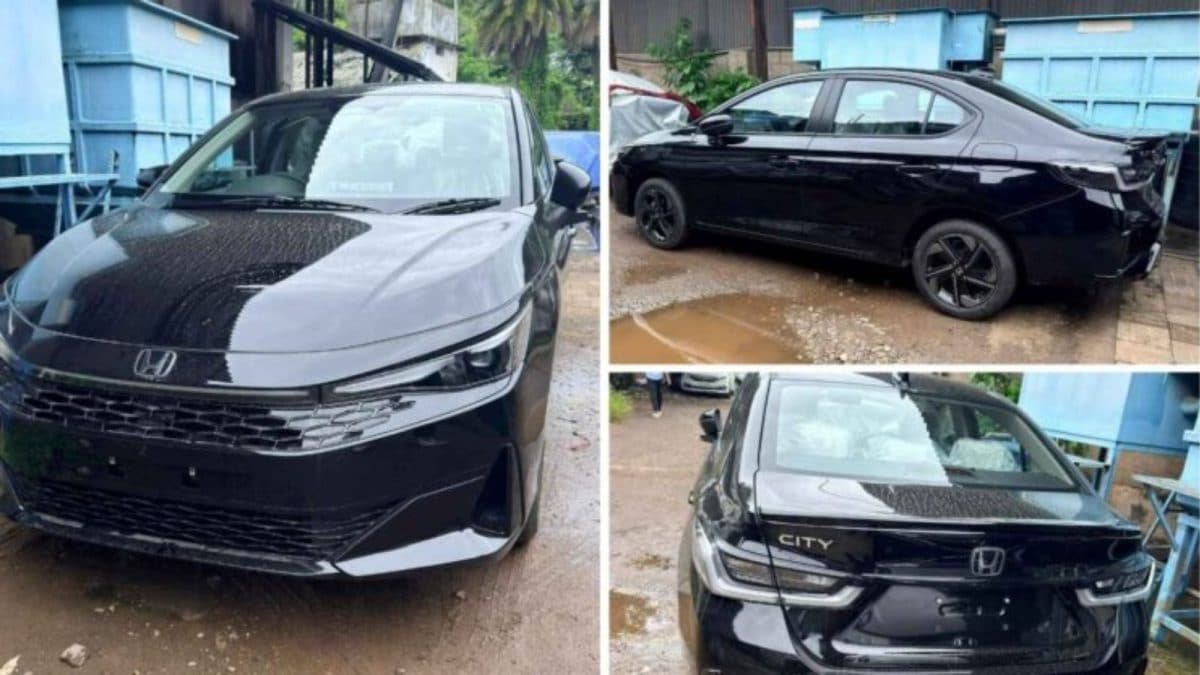
The new Honda City Facelift has been completely leaked before its launch and this time the sedan looks more premium and hi-tech than before. Features like 360 degree camera, ventilated seats, new LED light bar, large touchscreen and Honda Sensing ADAS can make it a big challenge for Verna and Virtus. If you are planning to buy a new premium sedan, then this news is very important for you.
news quickly
Honda City Facelift has been seen before its launch. (Photo source- gaadiwaadi)
Honda is preparing to launch the facelift model of its popular sedan City in the Indian market. The spy images and the uncovered model that arrived at the dealerships just before the launch in May 2026 have completely exposed the new design and features of the car. The new Honda City will now come with a more aggressive and premium look, which will compete with competitive cars like Hyundai Verna, Volkswagen Virtus and Skoda Slavia.
The updated front fascia, advanced technology and long-sought features like ventilated seats and 360 degree camera make it a strong contender in the segment. By maintaining the 4.58 meter length, Honda has tried to keep the sedan relevant in the SUV dominated market. Prices are expected to start from around Rs 12.5 lakh. This facelift is bringing a great combination of style, comfort, safety and efficiency.
possible design
The front of the 2026 Honda City Facelift is completely new. It will get slim LED headlamps with full-wide LED light bar, revised bold grille, new bumper and cleaner air intake design. Fog lamps have been removed and given a modern look. Gloss black alloy wheels and blacked-out tail lamps will be seen on the sides. Overall the silhouette will remain the same, but will give a more sporty and premium feel.
interior
The cabin has a large 10.25 inch floating touchscreen, digital instrument cluster, blue ambient lighting and soft-touch materials. Front ventilated seats are being included for the first time, which will prove to be very useful in the Indian summer. A dedicated button for 360 degree camera is also shown near the steering. The overall interior looks more premium and equipped with technology.
Features and safety
New features include 360 degree camera, ventilated front seats, wireless Android Auto-Apple CarPlay, connected car technology and large touchscreen. Honda Sensing ADAS suite can also be found in higher variants. Strengthening the safety, Honda Sensing (Level 2 ADAS) will be available with Adaptive Cruise Control, Lane Keep Assist, Automatic Emergency Braking etc. Standard features will include features like multiple airbags, ABS with EBD, VSA, rear camera, parking sensors and ISOFIX. 360 camera will provide additional security.
Engine and Mileage
There is no major change in the engine. Its 1.5 liter i-VTEC petrol engine (approximately 121 PS power) will come with 6-speed manual or CVT transmission. The hybrid e:HEV variant will also continue, producing 126 PS. Talking about mileage, the petrol variant can give 12-15 kmpl in the city and 16-18 kmpl on the highway, while the hybrid will be more efficient.
About the Author
Ram Mohan MishraSenior Sub Editor
Ram Mohan Mishra, working as Senior Sub-Editor at News18 Hindi, is active in digital media since 2021 and is currently handling the Auto Desk. They provide car and bike related information in an easy, clear and reliable manner.read more
The demand for hybrid cars remains strong in the Indian automobile market in April 2026. Due to increasing awareness of fuel saving and eco-friendly options, customers are turning to hybrid models. Toyota maintained its strong hold in this segment, while Maruti Suzuki also performed brilliantly.
There was a mixed trend in the sales of top 5 hybrid cars in April, where some models saw a decline and some showed a significant increase. Overall, the hybrid segment is on the path of growth. If we look at the sales report, Toyota Innova Hycross was the best selling car in the segment last month. Let's take a look at the sales report of the top-5 models.
1. Toyota Innova Hycross
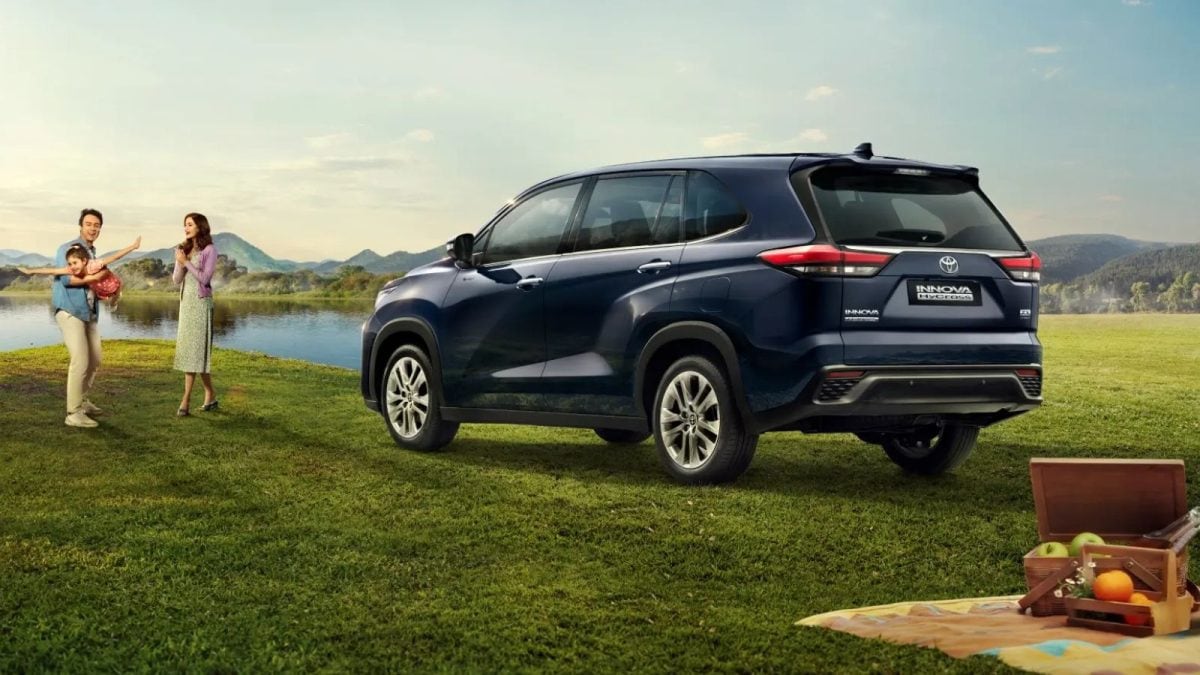
In April 2026, Toyota Innova Hycross achieved the top position by selling 4,100 units. A monthly decline of 35.5% was recorded compared to the previous month, yet it remained the most preferred hybrid MPV. Known for premium comfort and hybrid system. Its starting ex-showroom price starts from ₹ 18.70 lakh.
It is a modern premium MPV, which looks attractive with a bold SUV-like exterior design, long wheelbase and stylish LED headlamps. The interior is very spacious, luxurious and premium. Features like panoramic sunroof, powered ottoman captain seats, ventilated seats, ambient lighting, 10 inch touchscreen, JBL audio and dual zone AC take comfort to the next label.
For safety, it includes 6 airbags, Toyota Safety Sense (ADAS), 360° camera and 5-star Bharat NCAP rating. It has 2.0 liter TNGA petrol (173 bhp) or 5th Gen Strong Hybrid (184 bhp) engine option. The ARAI mileage of the hybrid variant is up to 23.24 kmpl, which is very much liked by the family.
2. Toyota Hyrider
2,657 units of Toyota Hyrider were sold in April. There has been a decline of 16.7% at the monthly level compared to the previous month. Maintaining a strong hold in the compact SUV segment. Stylish design, good mileage and features make it popular. Its starting ex-showroom price has been kept at ₹ 10.99 lakh.
3.Maruti Suzuki Victoris
Maruti Suzuki Victoris sold 793 units in April 2026. A spectacular increase of 116.1% was recorded at the monthly level from last month. This newly launched SUV is being purchased extensively with hybrid options. It can be purchased at a starting ex-showroom price of only ₹ 10.49 lakh.
4. Maruti Suzuki Grand Vitara
Maruti Suzuki Grand Vitara sold 426 units in April. A positive growth of 5.4% was observed at the monthly level compared to the previous month. It remains a favorite of people due to its reliable performance, hybrid technology and feature loaded interior. Its starting ex-showroom price is ₹ 10.77 lakh.
5.Maruti Suzuki Invicto
Maruti Suzuki Invicto has registered sales of 237 units in April 2026. There has been a good increase of 24.1% in sales on monthly basis since last month. In the premium MPV segment, it offers space and luxury with hybrid powertrain. Its starting ex-showroom price is ₹ 24.97 lakh.
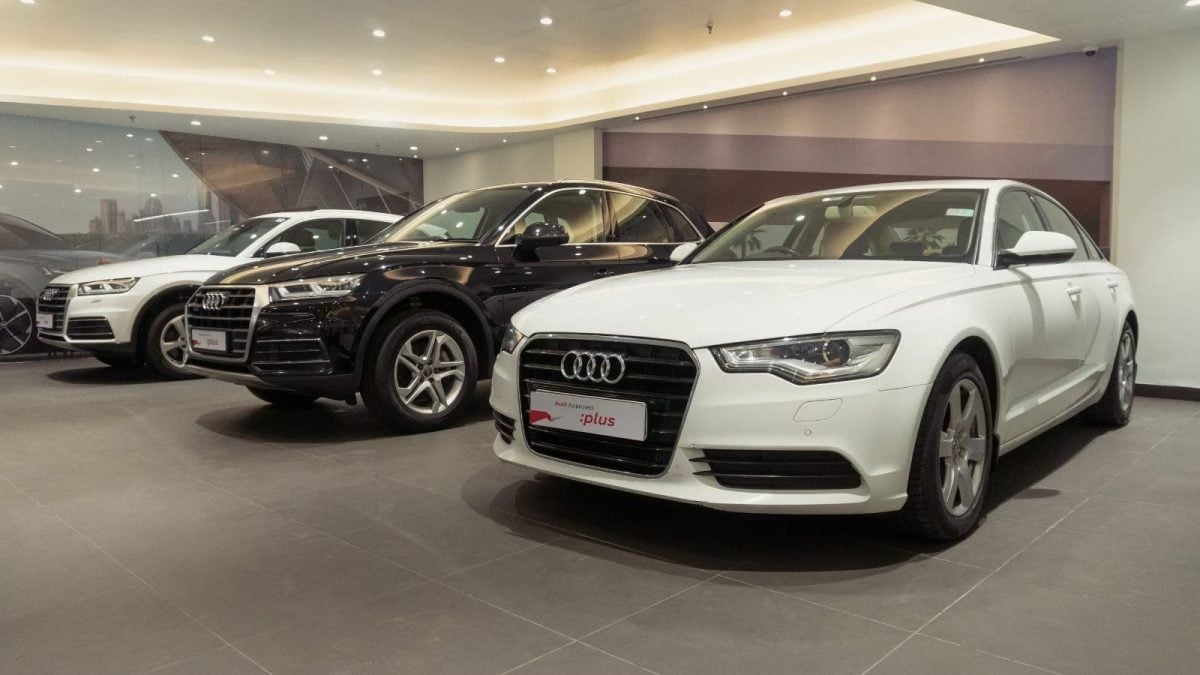
The attraction of luxury cars easily attracts any car lover. BMW. German luxury cars like Audi offer the best combination of style, performance and comfort. But if you are going to buy a used luxury car without wanting to pay the price of a new car. So haste can prove fatal. These vehicles initially look great, but due to maintenance, expensive parts and hidden problems, they often ruin the owner's budget.
The market of luxury cars in India is growing rapidly, but do not buy without thorough investigation. A small mistake can cause you a loss of lakhs of rupees later. Therefore, before purchasing, please check some very important things. By checking properly, you can get a great deal, otherwise you will end up spending a huge amount of money on servicing every month. Proceed with caution and follow these 5 important tips.
1. Service History and Maintenance Records
Regular servicing is very important in cars like BMW and Audi. While buying, make sure to check all the service records of the car, bills and stamps of authorized service centers. If Honor has not got service done at regular intervals then there may be hidden problems in the engine, turbo and electronic components. Ask for all the documents from the dealer or seller and cross check how many kilometers the car was serviced.
2. Get a professional mechanical and body inspection
Don't rely on your own eyes or an ordinary mechanic. Get a thorough inspection done by a luxury car specialist or brand authorized service center. A thorough inspection of the engine, transmission, suspension, brakes and electrical systems is necessary. Anticipate common problems in Audi and BMW such as oil leaks, suspension air bag failure or electronic module malfunction. Accident history is also known through paint thickness gauge and underbody check.
3. Checking accident history, chassis number and odometer
Check the accident history of the car from online portals or RTO records by taking the chassis number (VIN) of the car. Sometimes sellers roll back the odometer. In BMW and Audi, high mileage cars can be expensive because parts wear out quickly. Verify mileage from digital instrument cluster and service records. Be careful if the car has previously been in taxi or high-use use.
4. Test drive and complete check of electronic features
Take a test drive of at least 15-20 kilometers. Pay attention to the engine, gear shift, braking and suspension at different speeds. Check whether AC, infotainment system, sunroof, power windows, lights and all sensors are working or not. Even small electronic faults in luxury cars prove costly later. Drive in rain, night and highway conditions to understand the real performance.
5. Keep maintenance and resale value in mind in the budget
Apart from the purchase price, make a complete calculation of the upcoming expenses. Servicing, parts and insurance costs for BMW and Audi are expensive. Expenses like engine oil, brake pads, tires and batteries can be Rs 50-80 thousand or more annually. Also check the car's resale value, fuel efficiency and insurance claim history. If the budget is tight, then choose a car with slightly less mileage but in better condition.
Upcoming Sub-4m SUVs in India: The country's auto market is full of demand for sub-4 meter SUVs. These vehicles offer petrol, diesel, CNG and electric options with easy maneuverability in city traffic, good ground clearance and ample space for the family. With increasing competition, companies are bringing new models, facelifts and Gen-2 versions.
These include advanced features, better engines and competitive prices. In this article we take a look at four upcoming sub-4 meter SUVs. This includes Mahindra Vision S, Maruti Brezza Facelift, VinFast VF3 and New Gen Kia Sonet. These vehicles are going to make the market more attractive in terms of features, performance and value. Let us know about them.
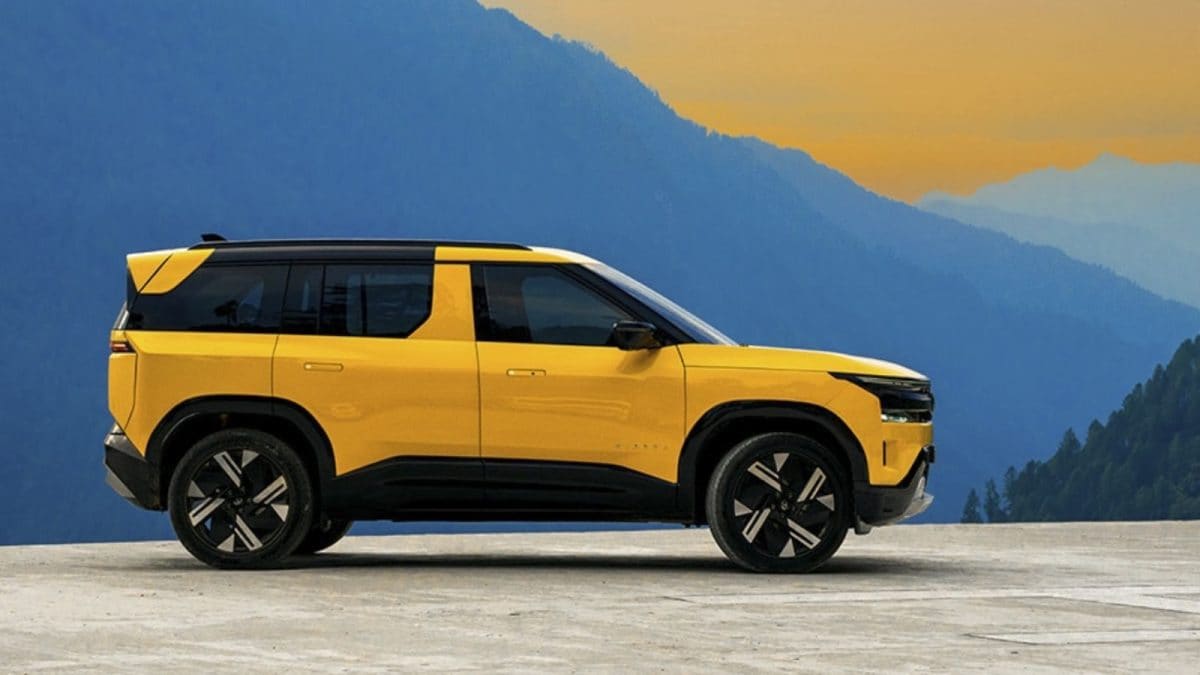
Mahindra Vision S
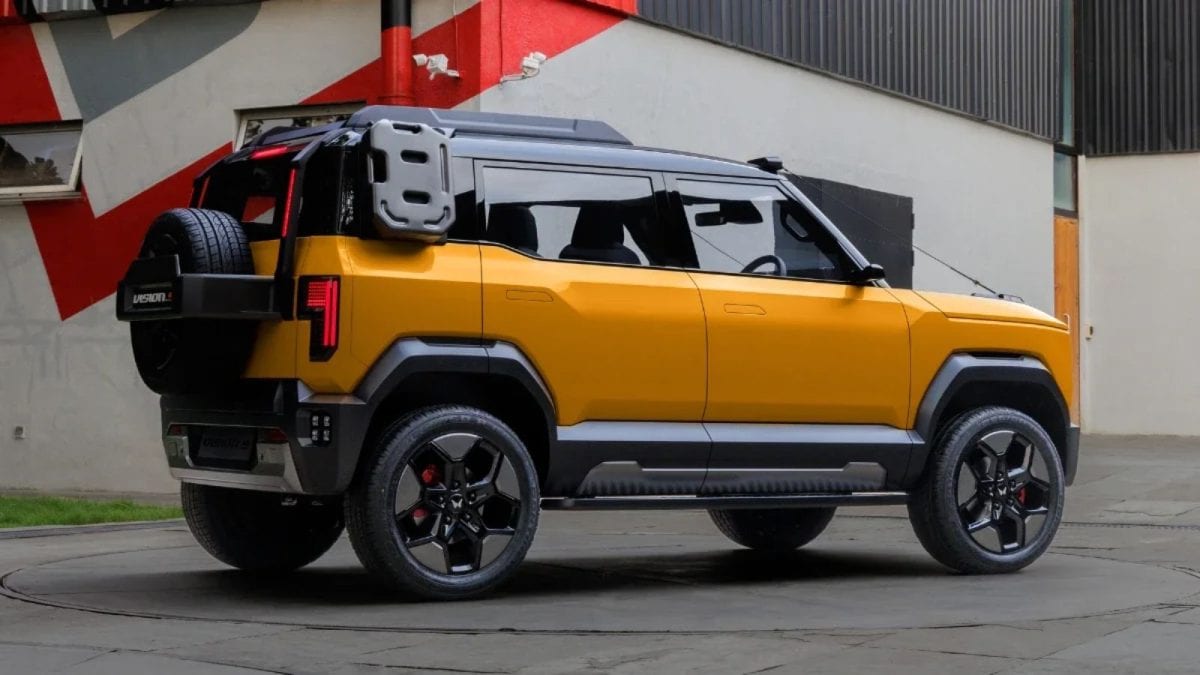
It is a boxy, Defender-style sub-4 meter SUV which is scheduled to be launched in 2027. Built on the NU_IQ platform, this vehicle will come with rugged look, high ground clearance and spare wheel on the tailgate. Features will include panoramic sunroof, 360° camera, ADAS, premium interior and LED lighting. Engine options include 1.2L turbo petrol (about 130 PS), 1.5L diesel (117 PS) and hybrid/EV variants can be found in future. With manual and automatic gearbox, it will be an attractive option for family and adventure lovers. The expected price is expected to be ₹10.5 to ₹17.5 lakh (ex-showroom).
Maruti Suzuki Brezza Facelift
Brezza Facelift can be introduced by the end of this year. It is known for its reliability, low maintenance and excellent resale value. New features will include updated infotainment, 360° camera, 6 airbags standard, digital cluster and better safety. The engine will be 1.5 liter K15C petrol (103 PS, 137 Nm), which will have mild-hybrid tech, 5-speed manual or 6-speed torque converter automatic and CNG option. Mileage will be 17-19 kmpl (petrol) and better in CNG. The expected price is expected to be between ₹8.5 lakh to ₹14 lakh (ex-showroom).
VinFast VF3
VF3 is an affordable electric sub-compact SUV from Vietnamese brand VinFast, which is scheduled to be launched in India in October-November 2026. It will be a strong competitor to small EVs like MG Comet. Features will include modern interior, touchscreen infotainment, rear camera, safety systems and good space. 39-43 bhp motor, 110 Nm torque and 200-215 km range (NEDC) will be available with 18.6 kWh battery. Fast charging (10-70% in 36 minutes) will be available. The BaaS option may reduce the effective price. Expected price will be ₹7.5 to ₹10 lakh (ex-showroom).
Kia Sonet Gen 2
The second generation model of Kia Sonet is scheduled to arrive in 2027, which will have a new K1 platform, updated front-rear design, new LED taillights and better rear space. Features will include level-1 ADAS, ventilated seats, panoramic sunroof, 360° camera and premium cabin. Engine options will continue to be 1.2 liter NA petrol, 1.0 liter turbo petrol (120 PS) and 1.5 liter diesel. These can be bought with manual, iMT and DCT/AT gearboxes. It will offer a great combination of style, features and performance. The expected price could be between ₹7.3-14 lakh.
Extreme heat can rapidly reduce the range of your EV. Excessive AC usage, hot battery and wrong charging habits can reduce the range by up to 30%. But by adopting some easy and smart tips, you can keep your electric car's battery cool, healthy and more efficient. If you want a long and tension-free drive this summer, don't miss these essential EV tips.
news quickly
Take care of EV like this in summer.
High temperatures in summer put pressure on the batteries of EVs, which can reduce the range by 10-30%. Hot air reduces battery efficiency, air conditioning uses more energy and fast driving increases heat. Still, with some smart habits and tips, you can preserve the range of your EV to a great extent.
This will not only make long driving possible, but will also increase battery life. Tips like pre-conditioning, shade parking and smooth driving can prove to be game changers for EV drivers in summer. By adopting the right methods, you can enjoy reliable and efficient driving even in summer.
1. Park in the shade
Do not leave the car in the sun. As far as possible, park in a garage, under the shade of a tree or in a shady place. Due to this, the cabin remains cooler and the AC has to be used less. If there is a charger at home, then do pre-conditioning (pre-cooling the cabin and battery through the app) before the drive. This is done through grid electricity, saving battery energy.
2. Use AC smartly
Do not run the AC on full blast. Use it vent mode, which consumes less energy. If necessary, open the windows a little and let the air come in, but do not keep it on high speed. Keep the cabin set at 23-24 degrees. Keeping the AC on low after pre-conditioning gives good savings in range.
3. Smooth driving and regenerative braking
Avoid fast acceleration and braking. Increase speed gradually, use cruise control and maximize regenerative braking. Driving fast in summer heats up the battery further. It is better to walk at a speed of 80-90 km/h. This can improve the range by 10-15 percent.
4. Check tire pressure and keep load low
Tire pressure increases in summer, so keep a check on the correct PSI. Low pressure increases rolling resistance and reduces range. Remove unnecessary weight (baggage in boot). Roof cargo also increases aerodynamic drag, which causes more damage in the heat.
5. Improve charging habits
Avoid fast charging in bright sunlight. Charge at night or in cold weather. Try to keep the battery between 20-80%. This keeps the battery cool and increases its life. Use Level 2 charger. This is much better than normal. By adopting these important tips, you can get the best performance from your EV even in summer.
About the Author
Ram Mohan MishraSenior Sub Editor
Ram Mohan Mishra, working as Senior Sub-Editor at News18 Hindi, is active in digital media since 2021 and is currently handling the Auto Desk. They provide car and bike related information in an easy, clear and reliable manner.read more
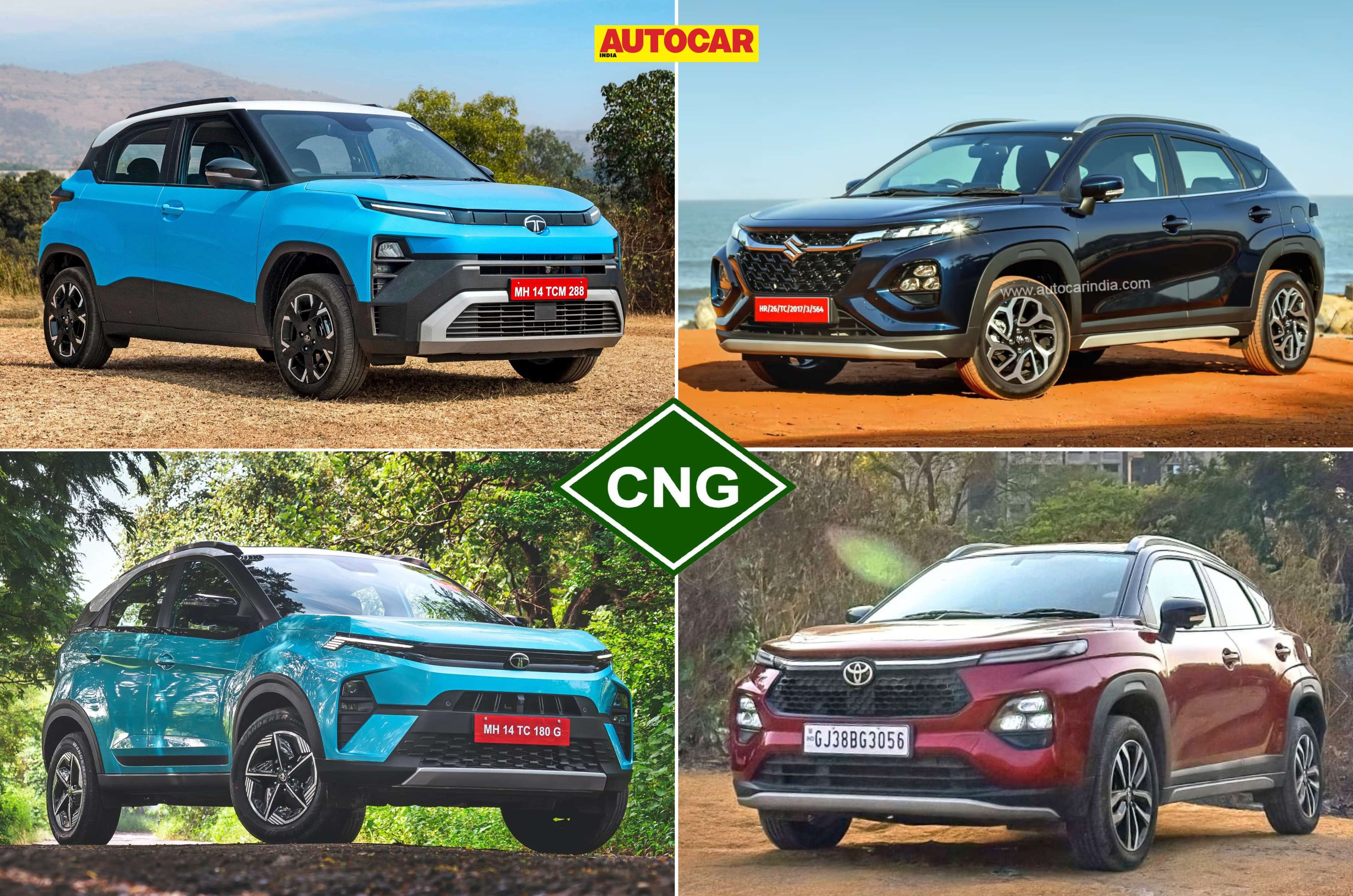
ईंधन की बढ़ती कीमतों के साथ-साथ पर्यावरण-अनुकूल परिवहन पर सरकार के जोर और डीजल को स्पष्ट रूप से हतोत्साहित करने से मांग में काफी वृद्धि हुई है। सीएनजी वाहन (यह FY2026 में भारत के यात्री वाहन बाजार में दूसरा सबसे लोकप्रिय ईंधन प्रकार था)।
जवाब में, बड़े पैमाने पर बाजार कार निर्माता जैसे मारुति, टाटा, हुंडई और टोयोटा विशेष रूप से अपने सीएनजी पोर्टफोलियो का विस्तार किया है एसयूवी अंतरिक्ष। पहले के विपरीत, जब सीएनजी किट नंगे-हड्डियों वाले बेस वेरिएंट तक ही सीमित थे, अब कई ब्रांड उन्हें कई ट्रिम्स में पेश करते हैं, जिससे फीचर से भरपूर सीएनजी एसयूवी अधिक सुलभ हो जाती हैं। फ़ैक्टरी-फिटेड सीएनजी किट के साथ भारत में सबसे सस्ती कारों की सूची जानने के लिए पढ़ते रहें।
टोयोटा अर्बन क्रूजर हैदराबाद
13.38 लाख-15.34 लाख रुपये
प्रतिनिधित्व के लिए प्री-अपडेट मॉडल का उपयोग किया जाता है।
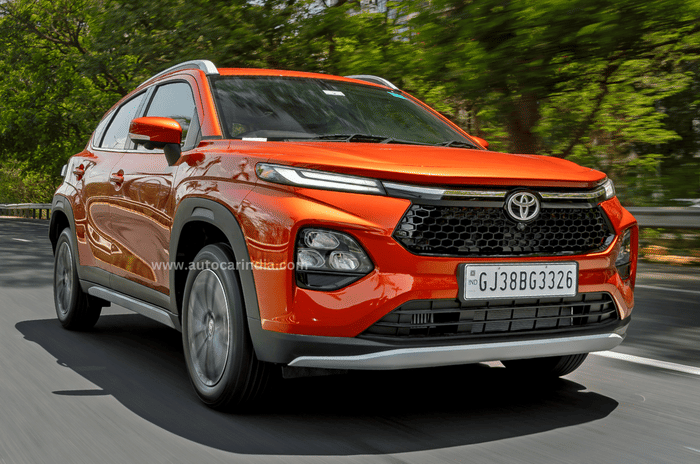
टोयोटा अर्बन क्रूजर हैदराबाद यह मारुति ग्रैंड विटारा का रीबैज संस्करण है, और यह एस और जी वेरिएंट में सीएनजी पावरट्रेन विकल्प प्रदान करता है। Hyryder CNG में 1.5-लीटर 4-सिलेंडर इंजन है जो 5-स्पीड मैनुअल ट्रांसमिशन (MT) से जुड़ा है, जो 88hp और 121.5Nm का उत्पादन करता है। इसका माइलेज 26.6 किमी/किलोग्राम होने का दावा किया गया है। हालाँकि, Hyryder इस सूची में सबसे महंगी मध्यम आकार की CNG SUV है।
टोयोटा हैराइडर सीएनजी वेरिएंट की कीमत सूची (रुपए, लाख)
प्रकार
कीमत
एस
13.38
जी
15.34
मारुति सुजुकी ग्रैंड विटारा
13 लाख-14.75 लाख रुपये
प्रतिनिधित्व के लिए प्री-अपडेट मॉडल का उपयोग किया जाता है।
के मिड-स्पेक ट्रिम्स मारुति ग्रैंड विटारा – डेल्टा और ज़ेटा – सीएनजी विकल्प के साथ आते हैं। ग्रैंड विटारा सीएनजी में हाइडर के समान 88hp, 1.5-लीटर 4-सिलेंडर इंजन है, और यह 26.6 किमी/किग्रा का माइलेज देता है। हायरडर की तरह, विटारा एसयूवी में 55-लीटर (पानी के बराबर) सीएनजी टैंक है।
मारुति ग्रैंड विटारा सीएनजी वेरिएंट की कीमत सूची (रुपए, लाख)
प्रकार
कीमत
डेल्टा
13
जीटा
14.75
मारुति सुजुकी विक्टोरिस
11.5 लाख-14.72 लाख रुपये
नई मारुति विक्टोरिस तीन वेरिएंट में सीएनजी पावरट्रेन प्रदान करता है: LXI, VXI और ZXI। ग्रैंड विटारा और टोयोटा हैराइडर की तरह, विक्टोरिस 5MT यूनिट के साथ जोड़े गए समान 1.5-लीटर इंजन का उपयोग करता है। हालाँकि, विक्टोरिस अपेक्षाकृत अधिक 27.07 किमी/किलोग्राम का माइलेज देता है। अन्य दो मारुति और टोयोटा एसयूवी के विपरीत, विक्टोरिस 55 लीटर की क्षमता वाले अंडरबॉडी सीएनजी ईंधन टैंक के साथ आता है।
मारुति विक्टोरिस सीएनजी वेरिएंट की कीमत सूची (रुपए, लाख)
प्रकार
कीमत
एलएक्सआई
11.5
वीएक्सआई
12.8
ZXI
14.72
मारुति सुजुकी ब्रेज़ा
9.17 लाख-11.46 लाख रुपये
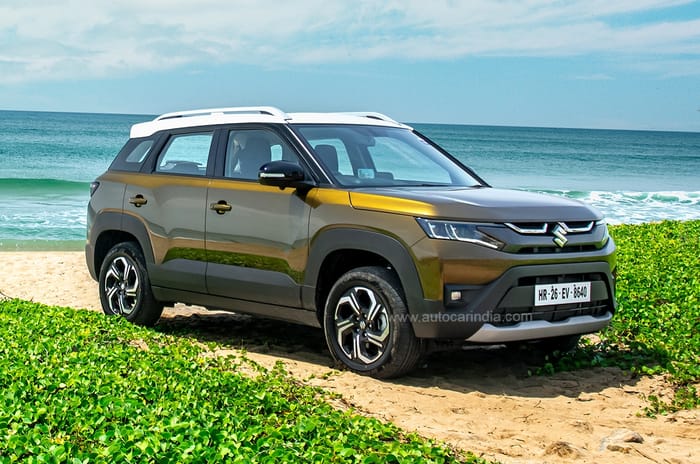
टॉप-स्पेक ZXI+ वैरिएंट को छोड़कर, बाकी मारुति ब्रेज़ा वेरिएंट – LXI, VXI, और ZXI – को CNG किट के साथ लिया जा सकता है। ग्रैंड विटारा, हैराइडर और विक्टोरिस की तरह, कॉम्पैक्ट एसयूवी में 5-स्पीड एमटी के साथ 88hp 1.5-लीटर 4-सिलेंडर इंजन है। मारुति ब्रेज़ा सीएनजी में 55-लीटर का टैंक लगा है और इसका ARAI-रेटेड माइलेज 25.51 किमी/किग्रा है।
मारुति सुजुकी ब्रेज़ा सीएनजी वेरिएंट की कीमत सूची (रुपए, लाख)
प्रकार
कीमत
एलएक्सआई
9.17
वीएक्सआई
10.17
ZXI
11.46
टाटा नेक्सन
8.3 लाख-13.22 लाख रुपये
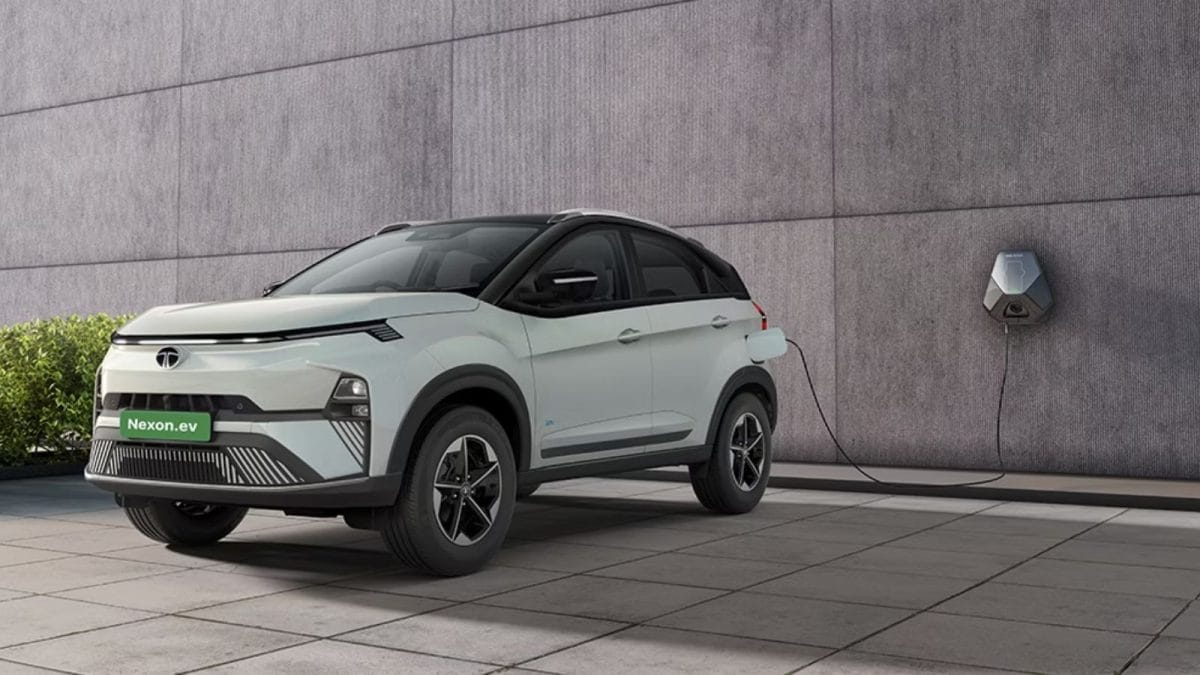
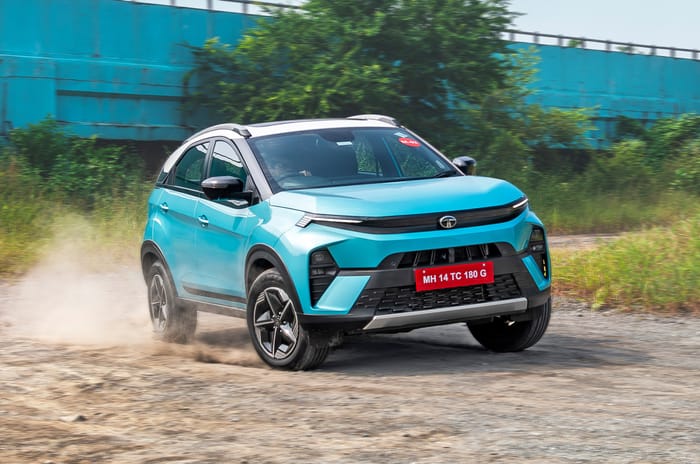
टाटा नेक्सन टर्बोचार्ज्ड पेट्रोल इंजन के साथ सीएनजी सेटअप को जोड़ने वाली यह एकमात्र एसयूवी है। ब्रेज़ा प्रतिद्वंद्वी 60-लीटर क्षमता के साथ टाटा मोटर्स की ट्विन-सिलेंडर तकनीक का उपयोग करता है। नेक्सॉन सीएनजी स्मार्ट, स्मार्ट+, स्मार्ट+ एस, प्योर+, प्योर+ एस, प्योर+ पीएस, क्रिएटिव, क्रिएटिव+ एस, क्रिएटिव+ पीएस और फियरलेस+ पीएस ट्रिम्स में आती है। 6MT के साथ इसका 1.2-लीटर इंजन CNG मोड में 100hp और 170Nm बनाता है और 24km/kg ARAI-रेटेड माइलेज देता है।
टाटा नेक्सन सीएनजी वेरिएंट की कीमत सूची (रुपए, लाख)
प्रकार
कीमत
बुद्धिमान
8.3
स्मार्ट+
9.22
स्मार्ट+ एस
9.52
शुद्ध+
9.85
शुद्ध+ एस
10
प्योर+ (पैनोरमिक सनरूफ के साथ)
10.4
रचनात्मक
11.05
क्रिएटिव+ एस
11.35
क्रिएटिव+ (पैनोरमिक सनरूफ के साथ)
12.27
फियरलेस+ (पैनोरमिक सनरूफ के साथ)
13.22
टोयोटा अर्बन क्रूजर टैसर
8.24 लाख रुपये
टोयोटा की शहरी क्रूजर टैसर मारुति फ्रोंक्स पर आधारित है, जिसमें सीएनजी किट केवल रेंज-स्टार्टिंग ई वेरिएंट पर पेश की जाती है। Taisor CNG 77.5hp, 98.5Nm 1.2-लीटर 4-सिलेंडर इंजन द्वारा चलाया जाता है जिसे 5-स्पीड मैनुअल गियरबॉक्स के साथ जोड़ा गया है। इसमें 28.51 किमी/किग्रा माइलेज (ब्रांड द्वारा दावा) और 55-लीटर सीएनजी टैंक है।
टोयोटा टैसर सीएनजी वेरिएंट की कीमत सूची (रुपए, लाख)
प्रकार
कीमत
ई
8.24
मारुति सुजुकी फ्रोंक्स
7.79 लाख-8.59 लाख रुपये
मारुति फ्रोंक्स सब-4-मीटर एसयूवी बेस सिग्मा वेरिएंट और उच्च-पोज़िशन वाले डेल्टा में सीएनजी किट प्रदान करती है, जो सुविधाओं की एक विस्तारित सूची के साथ आती है। यह टोयोटा टैसर एसयूवी के विपरीत है, जो केवल एंट्री-लेवल वेरिएंट में सीएनजी किट प्रदान करती है। फ्रोंक्स सीएनजी समान 77.5 एचपी, 1.2-लीटर इंजन के साथ आता है और समान 28.51 किमी/किलोग्राम माइलेज का दावा करता है।
मारुति फ्रोंक्स सीएनजी वेरिएंट की कीमत सूची (रुपए, लाख)
प्रकार
कीमत
सिग्मा
7.79
डेल्टा
8.59
हुंडई एक्सटर
7 लाख-9.41 लाख रुपये
हुंडई एक्सटरकार निर्माता की सबसे छोटी एसयूवी, 60-लीटर डुअल-सिलेंडर टैंक सेटअप के साथ बेची जाती है। मिड-स्पेक HX4+ और टॉप-स्पेक HX10 को छोड़कर, CNG किट एक्सटर के हर दूसरे ट्रिम पर उपलब्ध है। हुड के नीचे, एक्सटर एसयूवी में 1.2-लीटर 4-सिलेंडर इंजन है जो 69hp और 95.2Nm उत्पन्न करता है जो 5MT यूनिट के साथ जुड़ा हुआ है। इसका माइलेज 27.1 किमी/किलोग्राम होने का दावा किया गया है।
हुंडई एक्सटर सीएनजी वेरिएंट की कीमत सूची (रुपए, लाख)
प्रकार
कीमत
एचएक्स 2
7
एचएक्स 3
7.44
एचएक्स 4
8.27
एचएक्स 6
8.93
एक्सटर एचएक्स 8
9.41
टाटा पंच
6.75 लाख-10.6 लाख रुपये
टाटा पंच वर्तमान में भारत में उपलब्ध सबसे सस्ती सीएनजी एसयूवी है। पंच 60 लीटर की कुल क्षमता के साथ ब्रांड की ट्विन-सिलेंडर तकनीक से सुसज्जित है। टाटा पंच के सीएनजी वेरिएंट में स्मार्ट, प्योर, प्योर+, एडवेंचर और एक्म्पलिश्ड शामिल हैं। प्योर+ और एडवेंचर ट्रिम्स सनरूफ और नॉन-सनरूफ दोनों विकल्प प्रदान करते हैं। एसयूवी में 74hp, 103Nm 1.2-लीटर 3-सिलेंडर इंजन है जिसे 5-स्पीड मैनुअल ट्रांसमिशन के साथ जोड़ा गया है। पंच भी एक ही है स्वचालित सीएनजी एसयूवी वर्तमान में बाजार में उपलब्ध है। इसका माइलेज 26.99km/kg (ARAI) है।
Honda has made a big announcement of launching a new sub-4 meter compact SUV for India. After the discontinuation of WR-V, the company is preparing to make a strong comeback in this segment. According to reports, its price may be less than ₹ 10 lakh. This SUV, which will be arriving by 2028, will be specially made keeping in mind the needs of Indian customers. Know what special features can be found in it and what is Honda's big planning ahead.
news quickly
Honda will soon launch an affordable SUV. (Photo-AI)
Honda Motors has announced plans to launch a new compact SUV for India in its recent Global Financial Results press conference. This model can come in the market by 2028. This announcement is important because with this Honda is making a comeback in the sub-4 meter SUV segment. The company had discontinued its popular WR-V model in March 2023, after which its presence in this segment ended.
The new SUV will be developed keeping in mind the needs of the Indian market and the preferences of the customers. Honda Director, President and Representative Executive Officer Toshihiro Mibe said that the company will develop specifications that completely match the Indian market conditions and customer needs. He also admitted that the earlier global standard approach had proved to be a bit expensive and overkill for India.
Honda Compact SUV: What to Expect?
Honda has not yet shared any official details of the design, engine or features of this SUV. However, this model will be completely tuned according to Indian conditions. The 1.2-litre naturally aspirated petrol engine (which is used in the Amaze) could be a part of its powertrain.
It remains to be seen whether the new model will come only with petrol engine or hybrid and electric variants will also be offered. The company's strategy is to balance performance and price, so that it remains within the reach of the common Indian customer. Its starting ex-showroom price may be less than ₹ 10 lakh.
Why does Honda need a new compact model?
Honda has previously introduced compact vehicles like Brio, Jazz hatchback and WR-V SUV in India. After their phase-wise closure, the company's presence has become limited. Currently only Amaze is available in the sub-4 meter segment.
Toshihiro Mibe admitted that Honda has presence only in limited product segments, due to which sales are not growing to their full potential. Due to the new GST structure, the demand for compact models is increasing again. In such a situation, this new SUV can help Honda in getting back the required volume and market share.
10 new vehicles will arrive by 2030
Apart from the new sub-4 meter SUV, Honda will also bring a new vehicle in the mid-size segment, which could possibly be the 0 Alpha electric SUV. Both models are part of the company's larger plan to launch 10 new vehicles in India by 2030, out of which seven will be SUVs. Talking about short term, Honda is going to launch City facelift next week, pictures of which have already been leaked.
About the Author
Ram Mohan MishraSenior Sub Editor
Ram Mohan Mishra, working as Senior Sub-Editor at News18 Hindi, is active in digital media since 2021 and is currently handling the Auto Desk. They provide car and bike related information in an easy, clear and reliable manner.read more
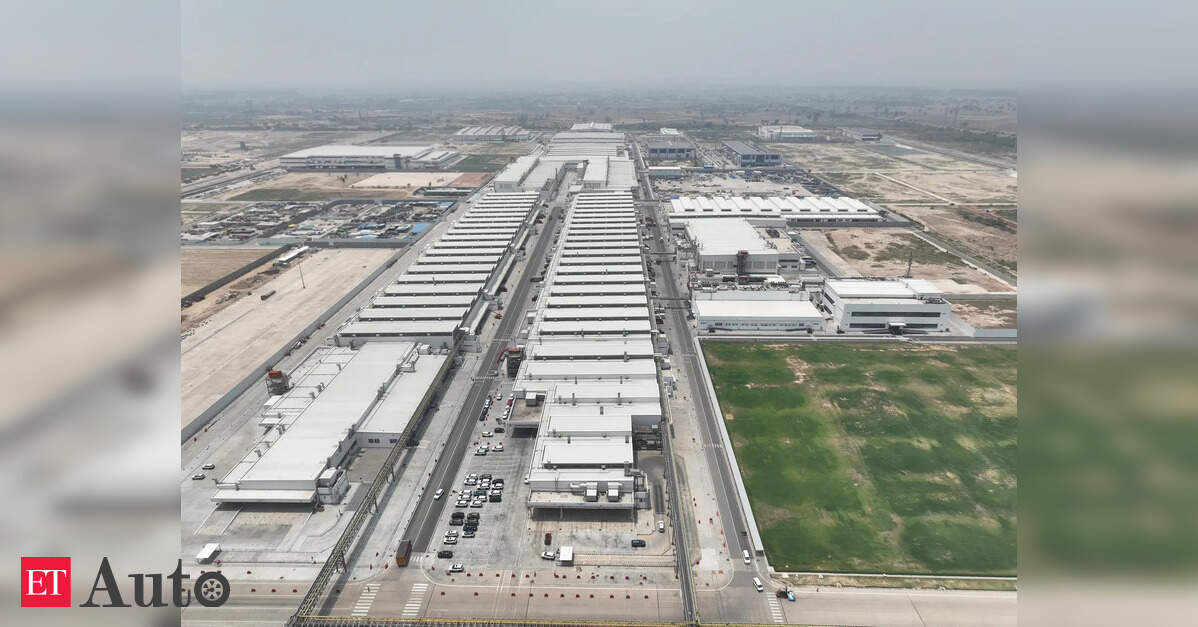
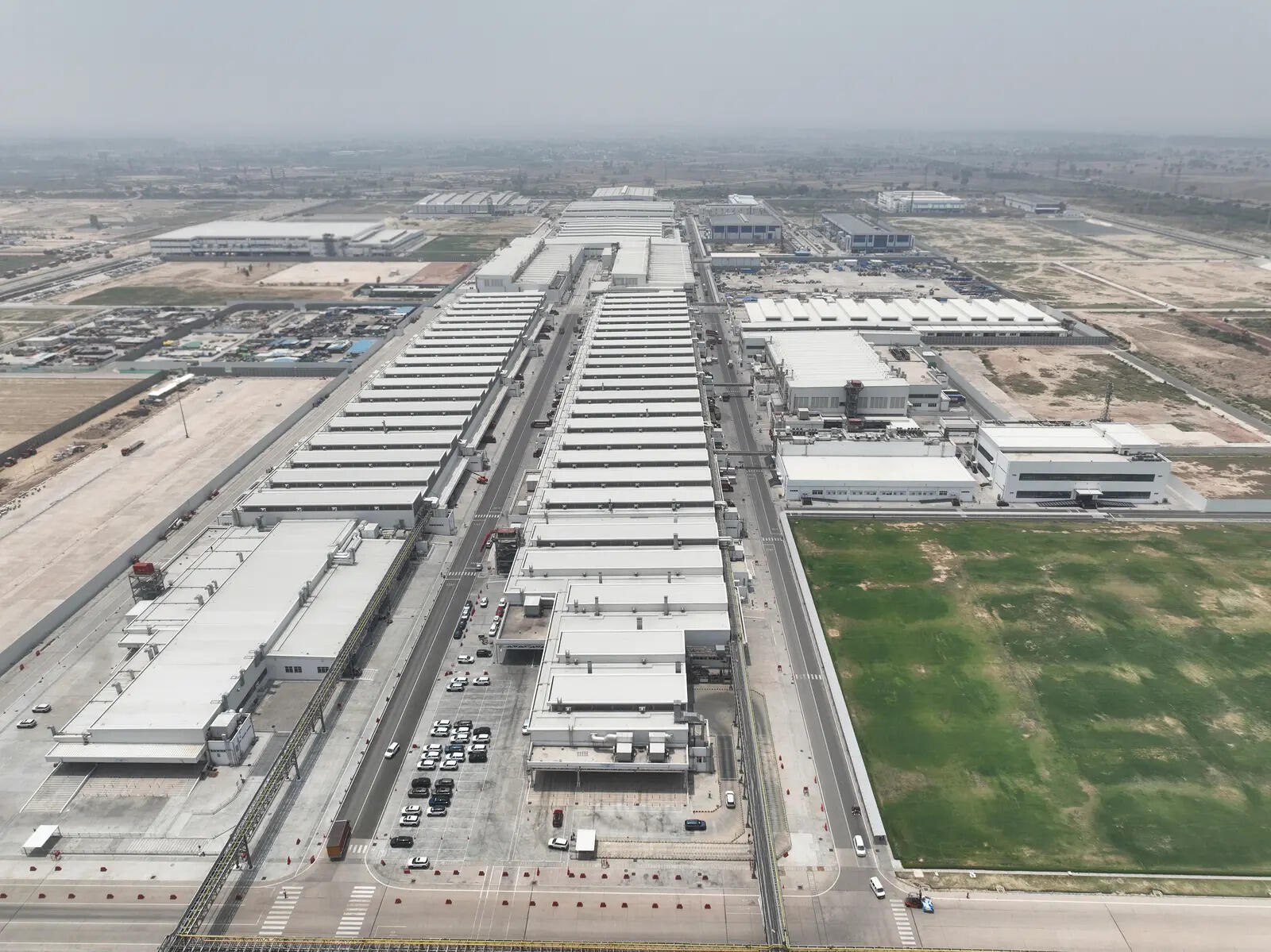
10 लाख वाहनों की नियोजित वार्षिक उत्पादन क्षमता के साथ, खरखौदा विनिर्माण सुविधा विश्व स्तर पर सुजुकी के सबसे बड़े चार-पहिया वाहन विनिर्माण स्थानों में से एक बन जाएगी।
मारुति सुजुकी इंडिया ने सोमवार को कहा कि उसने हरियाणा में अपनी खरखौदा सुविधा में दूसरे विनिर्माण संयंत्र में वाणिज्यिक उत्पादन शुरू कर दिया है।
नये संयंत्र में एक है वार्षिक उत्पादन क्षमता कंपनी ने एक बयान में कहा, 2.5 लाख इकाइयों की, खरखौदा सुविधा में कुल स्थापित क्षमता 5 लाख यूनिट प्रति वर्ष हो गई है।
दूसरे के जोड़ के साथ खरखौदा प्लांट, मारुति सुजुकीकुल मिलाकर है वार्षिक उत्पादन क्षमता हरियाणा के गुरुग्राम, मानेसर, खरखौदा और गुजरात के हंसलपुर में इसकी इकाइयों की संख्या बढ़कर 26.5 लाख यूनिट हो गई है।
कंपनी ने कहा कि एक बार पूरी तरह से चालू होने के बाद, खरखौदा विनिर्माण सुविधा सुजुकी की सबसे बड़ी में से एक बन जाएगी चार पहिया वाहन निर्माण 10 लाख वाहनों की नियोजित वार्षिक उत्पादन क्षमता के साथ विश्व स्तर पर स्थान।
मारुति सुजुकी ने पहले 5 लाख यूनिट जोड़ने की योजना की रूपरेखा तैयार की थी विनिर्माण क्षमता FY27 के दौरान, और दूसरे की कमीशनिंग खरखौदा प्लांट यह उस विस्तार रणनीति का हिस्सा है, यह कहा।
कंपनी वर्तमान में खरखौदा संयंत्र में कॉम्पैक्ट एसयूवी ब्रेज़ा और मध्यम आकार की एसयूवी विक्टोरिस का निर्माण करती है।
500KM journey in a single charge! These are the best EVs for less than ₹20 lakh, see the list
Last Updated:
If you are planning to buy a long range family electric SUV in a budget of less than Rs 20 lakh, then this list is very useful for you. This includes great vehicles like Maruti Suzuki e Vitara, Tata Curvv EV, Mahindra XUV400 EV and MG Windsor EV, which offer a range of up to 500 km, premium features and strong performance. Know which EV can prove to be the best deal for you.
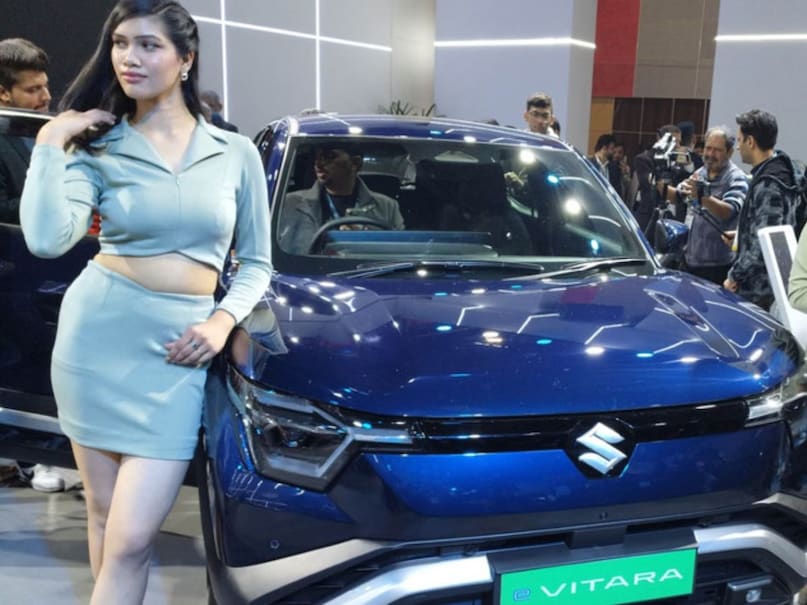
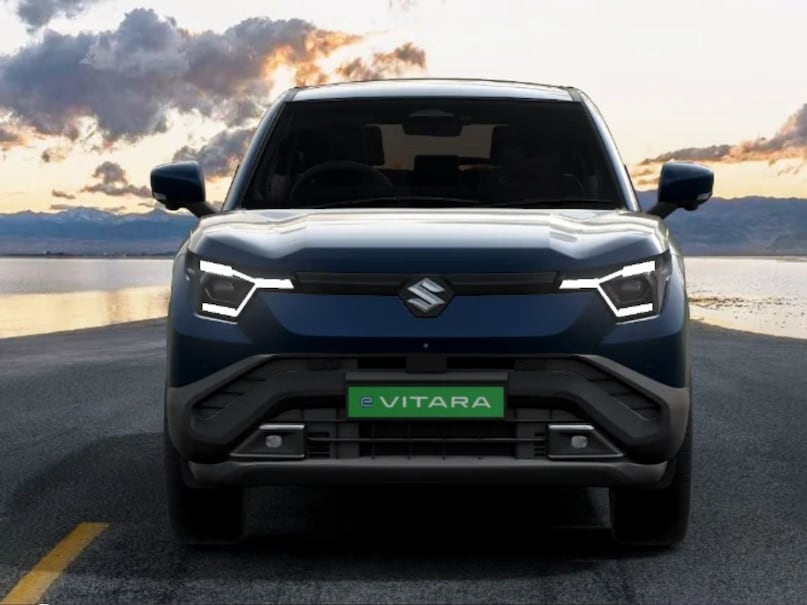
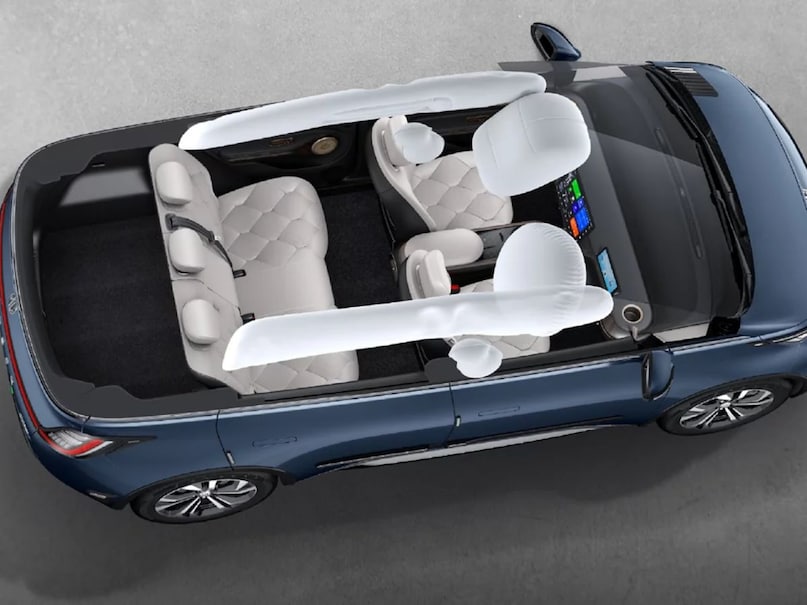
Maruti Suzuki e Vitara: It offers an impressive ARAI range of 543 km with its 61 kWh battery pack. It is available in variants starting from Rs 17.49 lakh (ex-showroom). Modern design, sliding-reclining rear seats and premium features like 360 degree camera make it ideal for family use. Reliable performance on long drives and Maruti's service network makes it more attractive.
The interior of Maruti E Vitara is spacious and comfortable, which includes advanced infotainment system and safety features. With 172 bhp power it gives smooth acceleration. With balanced handling both in the city and on the highway, this EV is a great option for those looking for a long range. Low running costs make it a budget-friendly option.
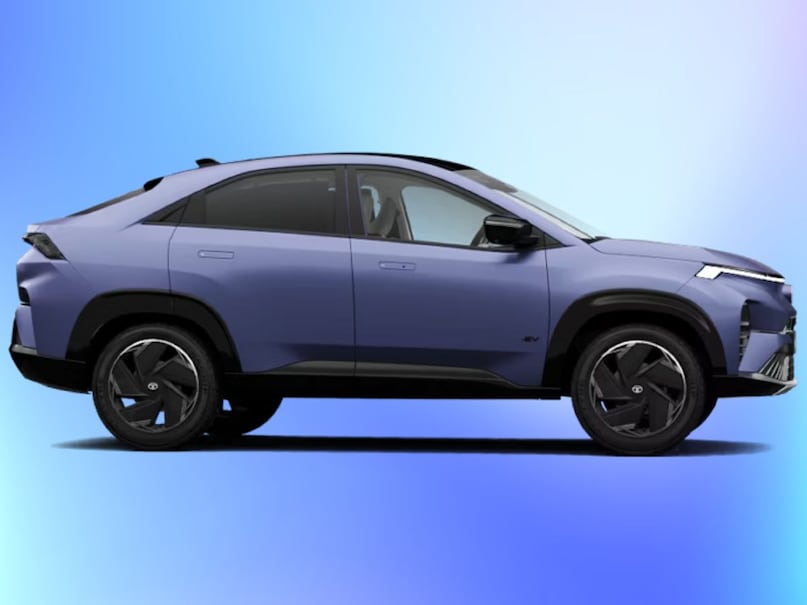
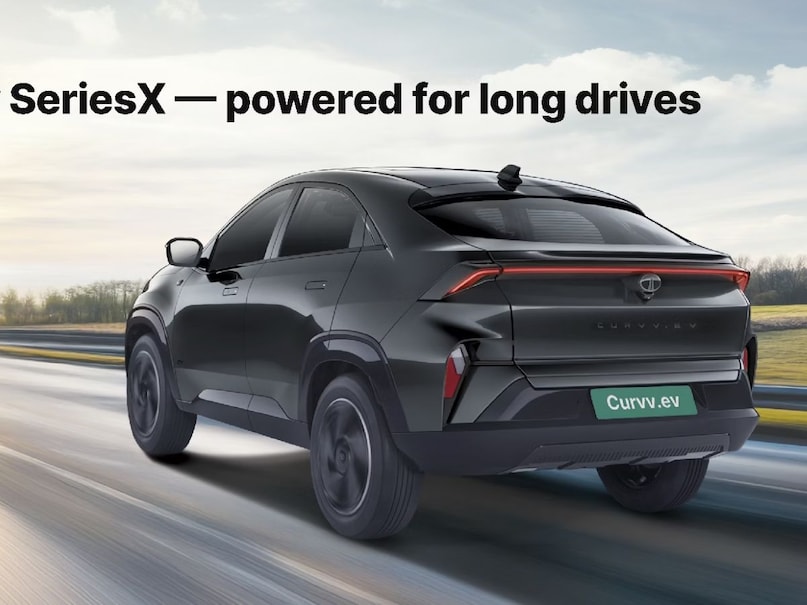
Tata Curvv EV: Its 55 kWh battery pack gives 502 km ARAI range. The Accomplished Features like coupe-SUV style, panoramic sunroof and level-2 ADAS give it a premium feel. Tata's strong build quality and 5-star safety rating inspire confidence.
Add News18 as Preferred Source on Google
The cabin of the Curvv EV is premium, which includes Harman audio and ventilated seats. With 165 bhp power, it gives dynamic driving experience. 500 liters of boot space is perfect for family trips. Even in the real-world, 400 km is easily available, which makes it reliable for long trips.
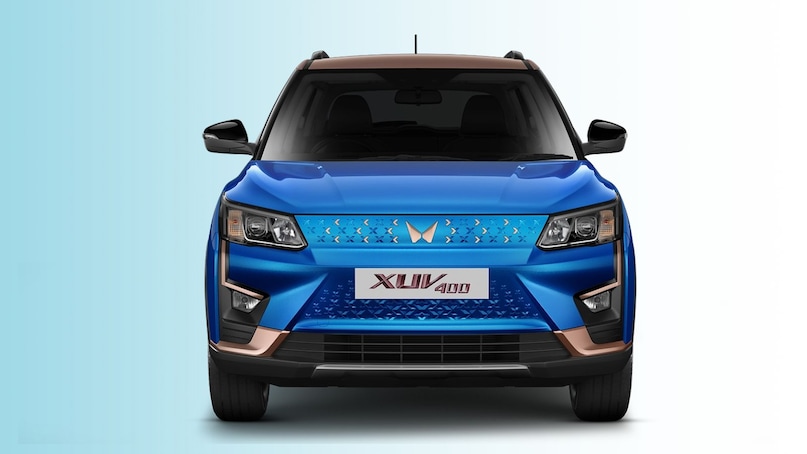
Mahindra XUV400 EV: It offers ARAI range of up to 456 km with its 39.4 kWh battery. The EL Pro DT variant is available for around Rs 17.69 lakh (ex-showroom). SUV styling, powerful 150 bhp motor and strong suspension make it suitable for both highway and off-road. Mahindra's reliability and good ground clearance make it a favorite for families.
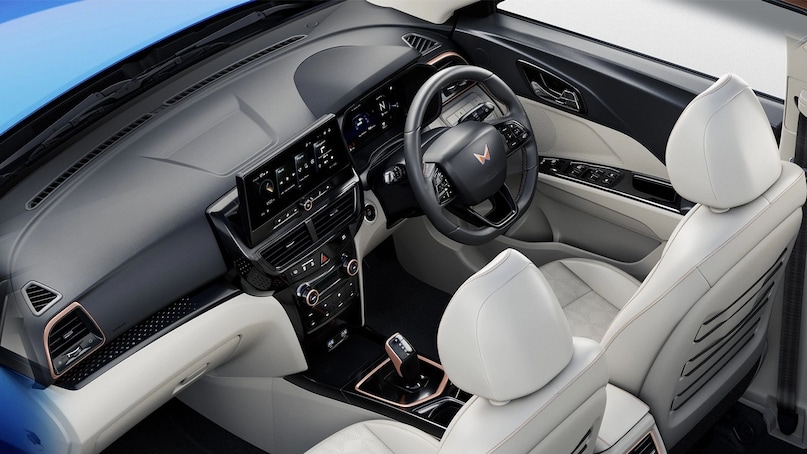
The interior of the XUV400 EV is spacious, with a modern touchscreen and connected features. Fast acceleration (0-100 km/h in just 8.3 seconds) and 310 Nm torque make driving fun. This is a balanced choice for those who want good range and performance in less than 20 lakhs.
MG Windsor EV: Its 52.9 kWh battery pack offers 449 km ARAI range. The top variant like Essence Pro is available for around Rs 18 lakh (ex-showroom). The spacious cabin, 135° reclining rear seats and premium ambient lighting make it comfortable for long drives. MG's value-for-money positioning makes it attractive.
Windsor EV includes ADAS features, good infotainment and smooth performance. With 134 bhp power, easy handling is available in both city traffic and highways. Low maintenance and good battery warranty ensures savings in the long run.
Click here to add News18 Hindi as your favorite news source on Google.
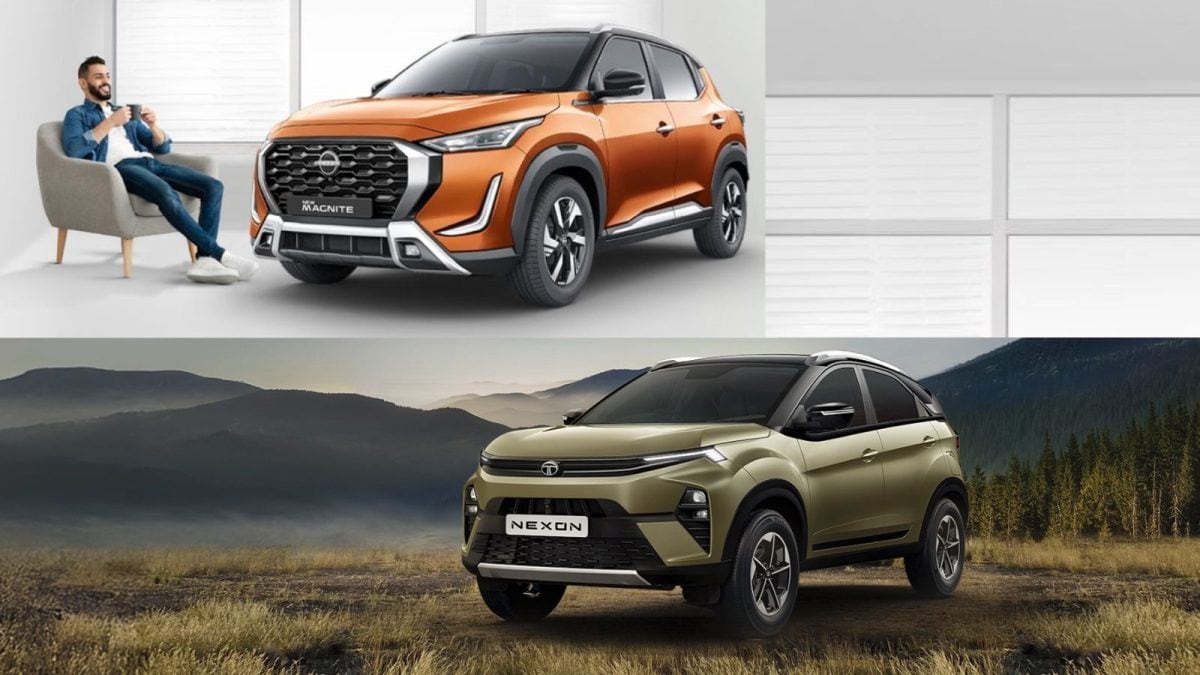
Tata Nexon vs Nissan Magnite: Tata Nexon and Nissan Magnite are two very popular options in the Indian compact SUV market. Nexon is known for its premium feel, strong safety and multiple powertrain options, while Magnite offers value for money with budget-friendly, stylish design and good features.
The Nexon is better for families and long drives, while the Magnite is more attractive for city driving and first-time buyers. Both get 6 airbags, but Nexon's 5-star safety rating sets it apart. The Magnite is affordable in price, making it a favorite for entry-level buyers. Let us take a look at its price, engine and mileage details.
price
Ex-showroom price of Nissan Magnite starts at ₹5.65 lakh and goes up to ₹10.96 lakh for the top variant. Whereas Tata Nexon starts from ₹ 7.37 lakh and goes up to ₹ 14.22 lakh. On-road price in Delhi is around ₹6.3-12.8 lakh for Magnite and around ₹8.4-17 lakh for Nexon. Magnite gives a better deal in the budget. I
Design and interior
The design of Nexon is bold and muscular. It comes with a flat hood, sharp LED lights and a strong stance. It looks premium and tough. Magnite is more sporty and youth-oriented. It comes with an attractive front grille, coupe-like roof and dual-tone colours. Nexon may look better, whereas Magnite is modern and stylish.
The cabin of Nexon is more premium. Better materials, spacious feel, good build quality and comfortable rear seats make it special. Features like 10.25 inch touchscreen and ventilated seats are available. The interior of Magnite is also good. It can be purchased with a 9-inch screen, 360° camera and ambient lighting. Nexon is better for family use.
Features and safety
Both get wireless Android Auto/Apple CarPlay, cruise control, powered windows and keyless entry. Nexon has advanced driver assistance, ventilated seats, head-up display and better infotainment system. The Magnite is fun-to-drive with 360° camera and CVT in the Turbo variant. Nexon is slightly ahead in features.
Safety is the strong point of Nexon. It comes with 5-star Bharat NCAP rating. 6 airbags, ESP, hill hold, 360° camera are available as standard. Magnite also has 6 airbags and good safety features. Nexon is considered safer for long journeys and family.
Engine and Mileage
The Nexon has 1.2L turbo petrol (120 PS), 1.5L diesel (115 PS) and CNG options. Its mileage is around 17 kmpl in petrol and 24 kmpl in diesel. The performance and refinement of the engine is also good. On the other hand, Magnite is available in 1.0L NA (72 PS) and Turbo (100 PS) petrol + CNG. Its mileage is around 19-20 kmpl.
Our advice: Nexon is premium, safe and versatile. This may be better for buyers who want long-term value. There itself. Magnite is great for budget, style and easy driving. Overall, the Nexon can be considered more balanced in the ₹ 8-12 lakh range.
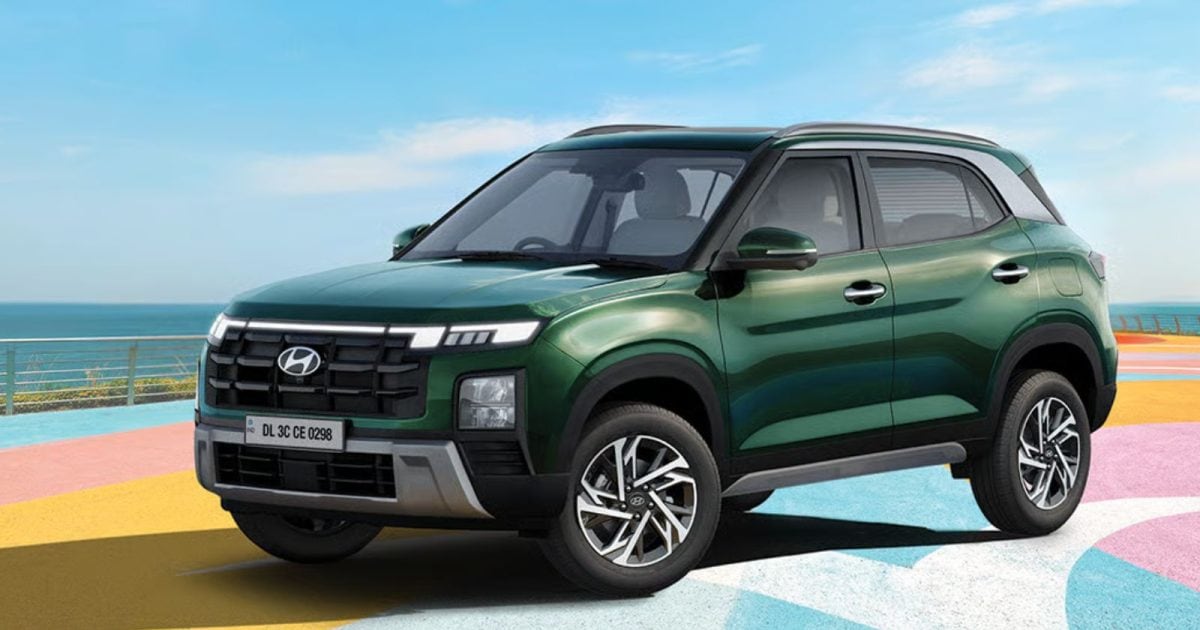
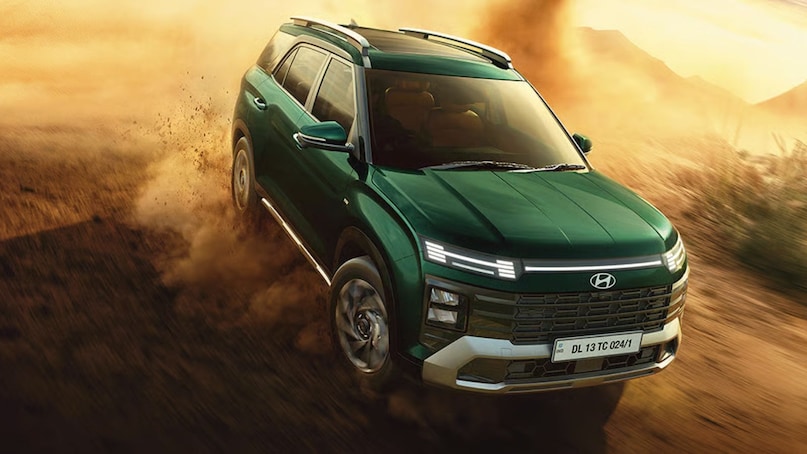
Hyundai Creta remains the king of the compact SUV segment in the Indian car market. Its stylish design, feature-rich interior, reliable engine options and good ride quality make it very popular among families and youth. Creta prices range from around ₹10.79 lakh to ₹20 lakh (ex-showroom), with petrol and diesel options available.
If you want to upgrade from Creta, there are many great options available whether you are looking for better space, performance, safety features, premium feel or hybrid technology. Moving up from Creta, you can move towards mid-size or premium SUVs that offer more power, better handling and modern technology. Let us know about 3 such perfect cars for upgrade.
Mahindra XUV700
This is the most attractive and value for money option to upgrade from Creta. This 7-seater car is much bigger than Creta and gives better road presence. Powerful performance is available with 2.0 liter turbo petrol (200 PS) and 2.2 liter diesel (up to 185 PS) engines. Features like level-2 ADAS, panoramic sunroof, dual 10.25-inch screens, 360° camera, ventilated seats and 5-star safety rating make it premium.
More space, better third row and comfort on the highway is excellent compared to Creta. AWD option is also available. Prices range between ₹13.7 lakh to ₹25 lakh (ex-showroom), which is a bit above the Creta top variant but reasonable considering the features and build quality. The XUV700 will prove to be a perfect upgrade for those looking for family use, long drives and future-proof technology. The maintenance network is also getting stronger.
Tata Safari
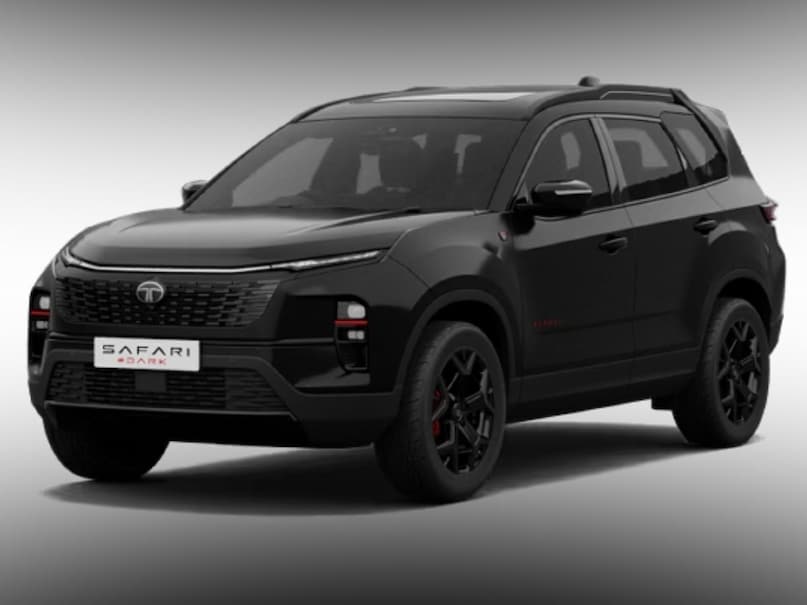
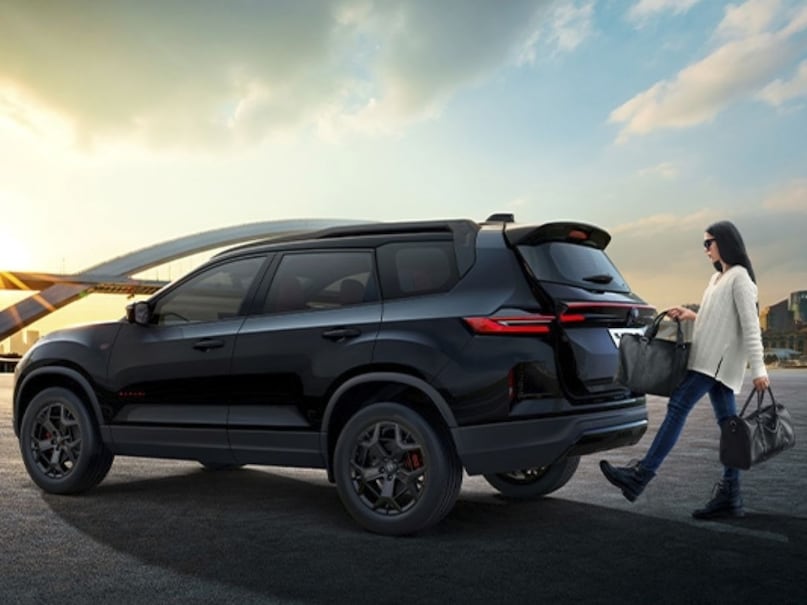
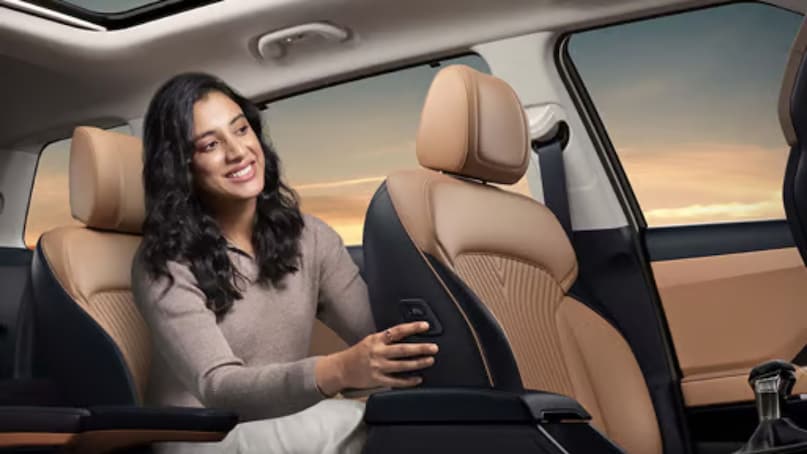
An upgrade from Creta, it is a great combination of style, safety and space. This 6/7-seater SUV comes with a bold design, strong build and premium interiors. 2.0 liter Kryotec diesel (170 PS, 350 Nm) and 1.5 liter turbo petrol engine options are available. The 12.3-inch touchscreen, digital cluster, panoramic sunroof, JBL sound system, ventilated seats and advanced safety features (6 airbags as standard) take it above the Creta.
Compared to the Creta, the Safari is more roomy, especially in the second row and is comfortable on long drives. Tata's 5-star safety rating inspires confidence. Prices range from ₹13.3 lakh to ₹27 lakh. If you want a premium feel, firm suspension and good handling, this is a logical and exciting upgrade from the Creta. Resale value is also strong.
Toyota Fortuner
This is a bigger and premium upgrade from Creta. Especially for those who want power, durability and status. This 7-seater SUV with body-on-frame chassis performs wonders on both off-road and highway. The 2.8 liter diesel (up to 201 PS, 500 Nm) and petrol engines offer tremendous performance and towing capacity. Safety features like 4×4 option, hill descent, rear diff lock and 7 airbags make it tough.
The interior is premium. It has powered ventilated seats, large touchscreen, good sound system and spacious cabin. Compared to Creta, Fortuner offers more road presence, comfort and resale value. Its price starts from ₹ 34.8 lakh and goes above ₹ 50 lakh. There is a big jump in the budget, but in the long run it proves to be value for money. Fortuner is the best choice for family, highway and authoritative driving.
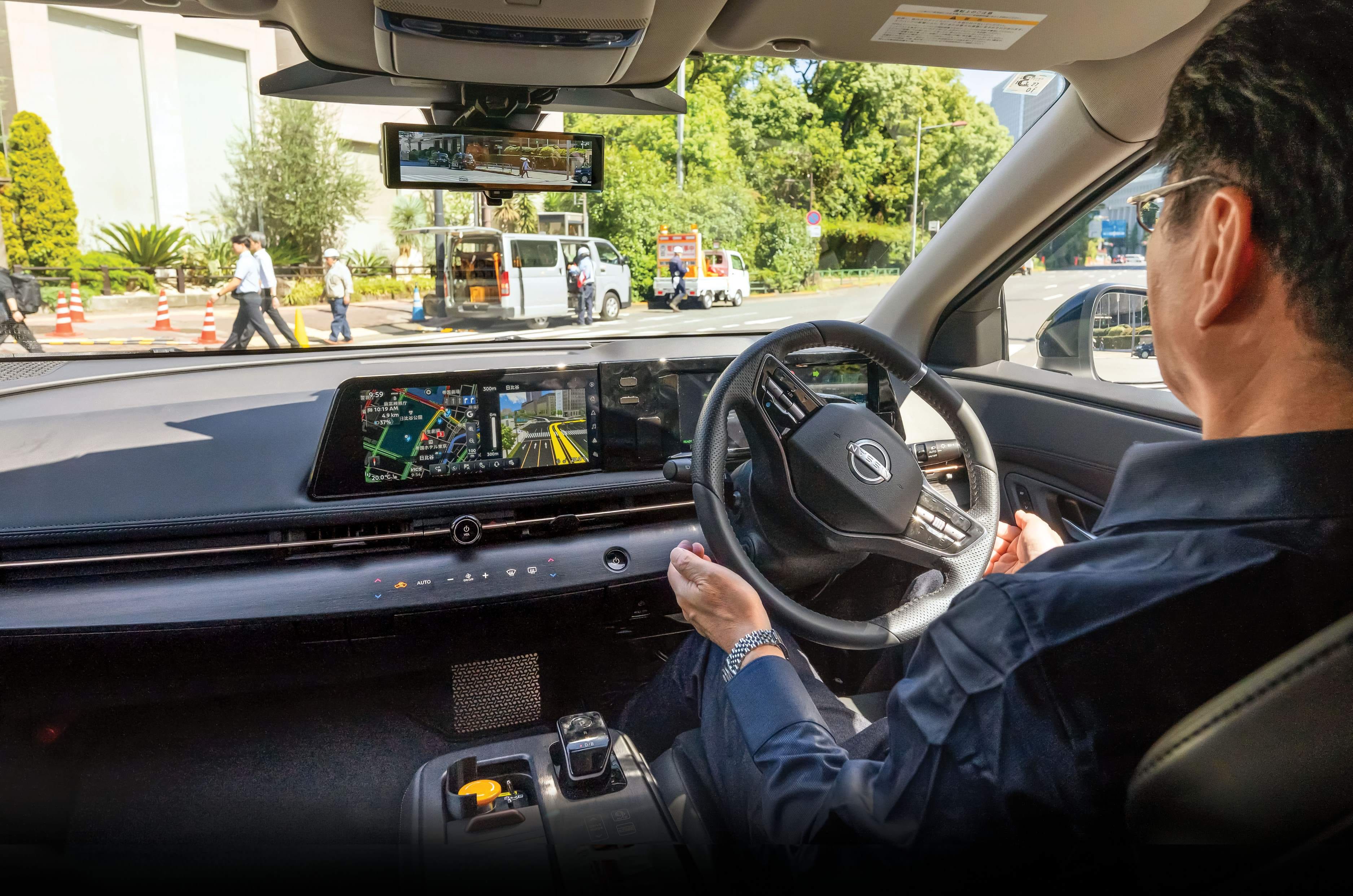
जब सेल्फ-ड्राइविंग कारों की बात आती है, तो शायद टेस्ला का नाम सबसे पहले दिमाग में आता है, जिसमें 2016 में भी कुछ स्तर की स्टीयरिंग स्वायत्तता थी। हालांकि, लगभग उसी समय, निसान के पास भी प्रोपायलट नामक अपना स्वयं का सेल्फ-ड्राइविंग सिस्टम था, और आज हम इसकी नवीनतम पुनरावृत्ति – एआई-आधारित प्रोपायलट का अनुभव करने के लिए जापान में हैं।
कंपनी का पहला प्रोपायलट संस्करण 2016 में सामने आया और यह सिंगल-लेन राजमार्गों पर स्वायत्त ड्राइविंग में सक्षम था, जहां यह पूर्व निर्धारित गति सीमा के भीतर वाहन-से-वाहन की दूरी बनाए रखते हुए कार को सिंगल लेन में केंद्रित रखता था। 2019 में प्रोपायलट 2.0 आया जो मल्टी-लेन राजमार्गों पर स्वायत्त रूप से ड्राइव कर सकता है, धीमे वाहनों से आगे निकल सकता है – ड्राइवर अधिकृत – और एक तरफा यातायात के साथ सिंगल-लेन राजमार्ग पर हाथों से ड्राइविंग की पेशकश करता है।
आज हम जो सिस्टम देख रहे हैं वह शायद अब तक की सबसे बड़ी छलांग है, और यह इसे चलाने वाले सॉफ़्टवेयर पर निर्भर है। जहां पहले के संस्करण नियम-आधारित एल्गोरिदम का उपयोग करते थे, वर्तमान प्रणाली – यूके स्थित स्वायत्त तकनीकी विशेषज्ञ वेव द्वारा विकसित – एक पूरी तरह से एंड-टू-एंड, ऑनबोर्ड एआई प्रणाली है जो सेंसर इनपुट और नियंत्रक आउटपुट के बीच रहती है।
वेव एआई ड्राइवर कहे जाने वाले इस सिस्टम को अपने परिवेश को पहचानने के लिए एचडी मानचित्र (ऊंचाई डेटा सहित) की आवश्यकता नहीं है; मानचित्र केवल नेविगेशन के लिए हैं. वेव का यह भी कहना है कि इसकी प्रणाली लचीली है और सेंसर और कैमरा चयन के विभिन्न संयोजनों के साथ काम कर सकती है, जिससे निर्माता के मौजूदा उत्पादन वाहन में एकीकृत होना आसान हो जाता है।
कैमरे, रडार और लिडार एक साथ काम कर रहे हैं
निसान ने वेव के साथ साझेदारी की है, और जिस कार का उपयोग किया जा रहा है वह एक नियमित एरिया ईवी है लेकिन सेंसर और कैमरों के एक अतिरिक्त सूट से सुसज्जित है; 11 कैमरे, 5 रडार और 1 लिडार। यह टेस्ला के बिल्कुल विपरीत है, जिसने अपने सेंसर सूट को पूरी तरह से हटा दिया है और इसके बजाय केवल कैमरा इनपुट पर निर्भर है। ब्रांड के एडीएएस विकास विभाग के कार्यकारी मुख्य अभियंता टेटसुया इइजिमा का कहना है कि कंपनी अपने सेंसर-समर्थित मार्ग को प्राथमिकता देती है क्योंकि अभी भी 'एज केस' हैं जिनमें केवल कैमरा सिस्टम भ्रमित हो सकता है। इजिमा कहती हैं, “छायाएं इंसान को भ्रमित कर सकती हैं, कैमरा और एआई-आधारित प्रणाली भी, लेकिन रडार और लिडार नहीं। इससे वस्तु की भौतिकता का पता चल जाएगा।”
लिडार को एक छत के कैरियर पर एक कैमरा सूट के साथ रखा गया है, और हालांकि यह रेट्रोफिट है, यह ब्लैक फिनिश के साथ एरिया की काली छत और स्तंभों के साथ अच्छी तरह से विलय के साथ काफी सफाई से किया गया है। पांच राडार बंपर में स्थित हैं – एक केंद्र में और दो सामने किनारों पर, जबकि पीछे कार के बाहरी किनारों पर दो राडार हैं। इजिमा ने चुटकी लेते हुए कहा, “हम टोक्यो की भीड़भाड़ वाली सड़कों को संभालने के लिए अच्छी तरह से सुसज्जित हैं।” मैं उसे मुंबई के बारे में नहीं बताता, लेकिन हाँ, टोक्यो का यातायात, मोटर वाहन और पैदल यात्री दोनों, बहुत सघन है।
एआई सड़क पर कैसा व्यवहार करता है
आंखों और हाथों से काम करने वाली प्रणाली होने के कारण, कार अपने आप चलने में पूरी तरह सक्षम है। लेकिन जापानी कानून बिना ड्राइवर के चलने वाली स्वायत्त कारों पर प्रतिबंध लगाता है, इसलिए आज हमारे बैकअप ड्राइवर स्वयं मुख्य अभियंता इइजिमा हैं, जो ड्राइवर की सीट से आत्मविश्वास बिखेर रहे हैं। प्रस्थान करते हुए, वह कार की टचस्क्रीन के माध्यम से मार्ग का चयन करता है, हिट शुरू होता है, और हम चल पड़ते हैं। हम एक होटल के परिसर के अंदर शुरू करते हैं और ट्रैफिक लाइट के माध्यम से सार्वजनिक सड़कों पर अपना रास्ता बनाते हैं, और मुझे तुरंत कंपनी का दावा याद आता है कि यह 'पहचान सकता है और भविष्यवाणी कर सकता है कि लोग और वस्तुएं वाहन के चारों ओर कैसे घूमेंगी और आगे बढ़ने का सबसे अच्छा रास्ता बता सकती हैं।'
हमारा सिग्नल हरा हो जाता है, और सीधे आगे का रास्ता साफ हो जाता है, लेकिन एरिया नहीं चलता है। वहाँ एक महिला ज़ेबरा क्रॉसिंग को जल्दी से पार कर रही है जिसका स्पष्ट रूप से पीछे हटने का कोई इरादा नहीं है, और इसलिए एरिया उसके पार होने तक इंतजार करती है। पुरानी प्रणालियों में, कार संभवतः आगे बढ़ जाती थी और जैसे ही पैदल यात्री उसके रास्ते में आता था, फिर से रुक जाती थी। इजिमा कहती हैं, ''वह ज़ेबरा क्रॉसिंग पर है और जल्द ही हमारे सामने आने वाली है'' यह जानते हुए भी एआई ड्राइवर हिलता नहीं है।
इजिमा का कहना है कि सिस्टम का बड़ा अंतर 'तर्क करने की क्षमता' है, और एआई लगातार एक मानव चालक की तरह अनुभवों का एक विशाल सेट बना रहा है, और यही वह है जो ये परीक्षण कर रहे हैं, खुद को कार चलाने के लिए प्रशिक्षित कर रहे हैं। मैंने पहले भी स्वायत्त कारों का अनुभव किया है, जिसमें निसान का प्रोपायलट 2.0 सिस्टम भी शामिल है। यहां अलग बात यह है कि सभी गतिविधियां कितनी स्वाभाविक लगती हैं – रोबोटिक नहीं, बल्कि पूर्वानुमानित, विशेष रूप से ब्रेक लगाने में, जहां ऐसा महसूस होता है कि यह महसूस हो रहा है कि कार कितनी तेजी से धीमी हो रही है या एक इंसान कितनी तेजी से सड़क पार कर रहा है और तदनुसार परिवर्तन की डिग्री को समायोजित कर रहा है।
स्वायत्त ड्राइविंग के विभिन्न स्तरों को वर्गीकृत करने के कुछ अलग-अलग तरीके हैं। वेव के चार स्तर हैं।
बाकी ड्राइव बहुत सीधी और साधारण है, और पूरे समय, इजीमा हमसे बात करने और हमारे सवालों का जवाब देने में व्यस्त है। किसी भी बिंदु पर उसे हस्तक्षेप करने की आवश्यकता नहीं है; एक बार नहीं। इजिमा का कहना है कि सिस्टम पहले से ही एक उन्नत चरण में है, और एक 'रोबोटैक्सी' पायलट सेवा इस साल के अंत में लाइव होने वाली है, जिसके बाद निसान 2027 तक अपनी उत्पादन कारों पर इस सिस्टम की पेशकश करने का इरादा रखता है। क्या इसे प्रोपायलट 3.0 कहा जाएगा? निसान का कहना है कि अभी तक यह तय नहीं हुआ है। यह देखते हुए कि यह कितनी आगे की छलांग है, मैं अनुमान लगा रहा हूं कि यह पूरी तरह से कुछ और होने वाला है।
Cheapest CNG Car With Sunroof: In today's time, people want a car which provides relief from the rising cost of petrol, is safe for the family and is no less than a premium car in terms of features. This is the reason why the demand for CNG cars is increasing rapidly. Customers want not only mileage but also premium features like sunroof to make the driving experience more luxurious.
The good thing is that now there are many such CNG cars available in the Indian market, which offer a combination of company-fitted sunroof, strong safety and excellent mileage. If you are also planning to buy a stylish and feature-loaded CNG car at a low cost, then these 3 models can prove to be a great option for you. Let's take a look at their price and features.
Tata Punch iCNG
Punch is considered to be the safest micro-SUV in the country and is also available with a sunroof. Tata has introduced its twin cylinder technology in it, which leaves plenty of space for luggage. Its sunroof feature also works on voice command, which makes it quite modern.
To enjoy the sunroof in it, you will have to choose its Pure Plus S CNG or above variants. Its ex-showroom price starts from ₹ 8.40 lakh. This car gives a mileage of approximately 26.99 km/kg, which is economical for both city and highway.
Tata Altroz iCNG
This is the first premium hatchback in the country in which the option of sunroof along with company fitted CNG has been given. Famous for its 5-star safety rating, this car has become the first choice of the youth due to the addition of sunroof. In this also you get large boot space due to twin-cylinder technology.
Sunroof is available in Pure S CNG variant of Altroz. Its starting ex-showroom price starts from ₹ 8.42 lakh. Talking about powertrain, it has a 1.2 liter Revotron engine, which is capable of giving a mileage of up to 25.0 km/kg.
Hyundai Exter CNG
Exeter is currently one of the cheapest CNG cars with sunroof in the country. This micro-SUV not only gives a muscular look, but it also comes with premium features like 'Voice Enabled Smart Electric Sunroof'. The company's Duo Cylinder technology has been used in it, which provides a lot of space in the boot space.
You start getting sunroof from its HX6 variant. Talking about performance, it has a 1.2 liter engine. Its ex-showroom price starts from ₹ 8.94 lakh. In terms of mileage, it is quite excellent and provides an excellent average of around 27.1 km/kg.
आखिरी बार कंपनी ने मॉडल Y कारों की कीमत में दो साल पहले 2024 में बढ़ोतरी की थी, जब उसने सभी मॉडल Y कारों की कीमतों में 1,000 डॉलर की बढ़ोतरी की थी।
टेस्ला इसकी कीमतें बढ़ा दीं मॉडल वाई इसकी वेबसाइट के अनुसार, शनिवार को संयुक्त राज्य अमेरिका में कारें।
कंपनी ने इसकी कीमत बढ़ा दी है मॉडल वाई प्रीमियम ऑल-व्हील ड्राइव और मॉडल Y प्रीमियम रियर-व्हील ड्राइव क्रमशः $1,000 से $49,990 और $45,990 तक।
वेबसाइट के अनुसार, कंपनी ने संयुक्त राज्य अमेरिका में अपने मॉडल Y परफॉरमेंस ऑल-व्हील ड्राइव की कीमत भी बढ़ाकर $57,990 कर दी है, जो पहले से $500 अधिक है।
पिछले साल अगस्त में, कंपनी ने उम्मीद से कम बिक्री और रिकॉल के बावजूद संयुक्त राज्य अमेरिका में अपने सबसे महंगे साइबरट्रक पिकअप ट्रक मॉडल की कीमत 15,000 डॉलर बढ़ा दी थी।
Mahindra is offering great discounts in May 2025 to make its EVs accessible to more customers in the Indian car market. The name of Mahindra BE 6 is included in the list of electric cars available with discount. The company is offering up to ₹ 2 lakh as cash discount on its MY2025 models. This offer is available till limited stock only and is valid till 31 May 2026.
Additional benefits like exchange bonus or accessories may also be available at some dealerships. Discounts on MY2026 models may be little or no, so please check with the dealer before buying a new car. This offer makes the BE 6 even more value for money, as it comes in the mid-size electric SUV segment with a stylish design, powerful performance and long range. Let us take a look at its range details starting from price.
price details
Ex-showroom price of Mahindra BE 6 starts at ₹18.90 lakh and goes up to ₹28.49 lakh for the top variant. On-road price (Delhi) could be around ₹20-30 lakh. Prices vary depending on battery and charger options. After ₹2 lakh discount on MY2025 stock, the effective price becomes more attractive.
Design and dimensions
The design of BE 6 is very bold and futuristic. It has C-shaped LED DRLs, coupe-style sloping roofline, hidden door handles, dual spoilers, aero-friendly 19-inch alloy wheels and full-length LED taillight bar. It is built on INGLO platform. Its length is about 4371 mm, wheelbase is 2775 mm and ground clearance is 207 mm. It attracts attention on the road and gives sporty appeal.
Cabin and Comfort
The cabin is premium and tech-loaded. It gets dual 12.3-inch digital screens, illuminated two-spoke steering wheel (with BE logo), panoramic sunroof, ventilated front seats, ambient lighting and Harman Kardon 16-speaker sound system. The door handles are strap-style and the cabin feels spacious. However, rear headroom may be a bit tight for tall passengers. Boot space is 455 litres.
Features and safety
The BE 6 includes level-2 ADAS (adaptive cruise control, lane keeping, auto lane change), 360° camera, auto park assist, wireless charging, OTA updates, AR HUD and connected car tech. Drive modes (Range, Everyday, Race) and boost buttons customize performance. It is also equipped with 7 airbags, ABS with EBD, ESP, 360° camera, TPMS and ISOFIX.
Battery, Motor and Range
It can be purchased with two battery pack options – 59 kWh (231 hp, 557 KM ARAI range) and 79 kWh (282 hp, 683 KM ARAI range). Customers can buy it in rear-wheel drive and AWD options. Mahindra BE6 can accelerate from 0-100 km/h in just 6.7 seconds. With a 175 kW DC fast charger, it can be charged 20-80% in just 20 minutes.
Amidst the rising prices of petrol and diesel, every car owner wants more mileage. The good thing is that by adopting some easy habits you can save 10-25% fuel. Small things like correct tire pressure, smooth driving, low weight and regular servicing make a big impact on your pocket. If you also want to reduce fuel expenses every month, then definitely know these 5 important tips.
news quickly
Car mileage can be increased in these 5 ways. (Photo-AI)
The rising prices of fuel have increased the worries of every vehicle owner. Due to continuous increase in the prices of both petrol and diesel, monthly expenses are increasing by hundreds of rupees. In such a situation, improving the mileage of the car is not only a way to save money, but is also beneficial for the environment.
By adopting small habits and maintenance you can save 10-25% fuel. Correct driving style, regular servicing and maintaining good condition of the vehicle is equally effective for both petrol and diesel engine cars. By adopting these tips you can cover more distance at less expense. Let us know the five tips one by one.
1. Maintain correct tire pressure
Maintain correct air pressure in tyres. Underinflated tires increase rolling resistance, which can reduce mileage by 5-10%. Check every week or before a long drive. This is the easiest and most effective method for both petrol and diesel cars.
2. Adopt smooth driving
Avoid sudden acceleration, hard braking and high speed. Use cruise control at speeds of 80-100 km/hr. Change gears slowly and run the engine at the correct RPM. Aggressive driving consumes 15-30% more fuel.
3. Lose unnecessary weight
Do not keep heavy items, roof carriers or unnecessary items in the boot or inside the car. Every 50 kg extra weight affects mileage by 1-2%. The weight reduction is immediately visible in both engine variants.
4. Get regular maintenance done
Keep the air filter, fuel filter, spark plug (petrol) and fuel injector clean. Use correct grade engine oil. Old filters force the engine to work harder, causing mileage to drop. Servicing is necessary from time to time.
5. Use AC carefully
On long drives, run with open windows instead of AC. You can do this in the evening or morning and also at low speed. Stop the engine if it stops for more than 1 minute. Unnecessary idling wastes fuel.
By adopting these tips, you can not only save fuel but also keep your car healthy for a long time. Give priority to safe driving. With this, you and the people sitting in the car will remain safe and the car will also give more mileage.
About the Author
Ram Mohan MishraSenior Sub Editor
Ram Mohan Mishra, working as Senior Sub-Editor at News18 Hindi, is active in digital media since 2021 and is currently handling the Auto Desk. They provide car and bike related information in an easy, clear and reliable manner.read more
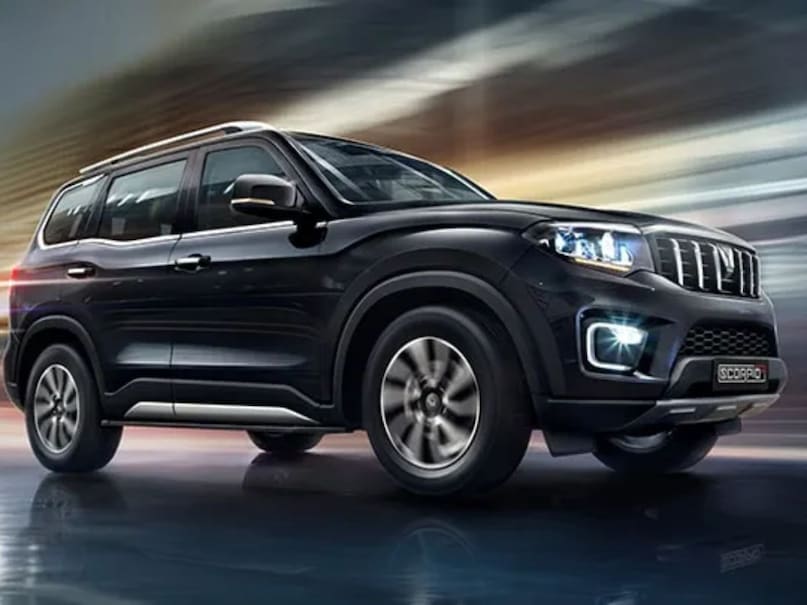
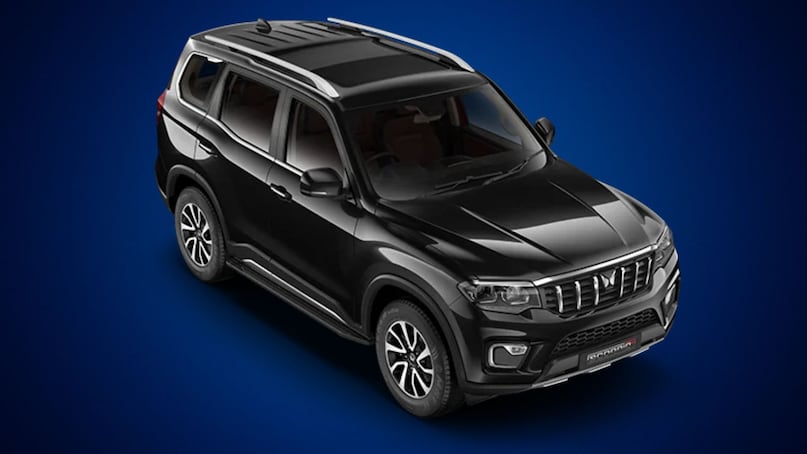
These are the best 7-seater SUVs in the country cheaper than ₹ 15 lakh, best for big families.
Last Updated:
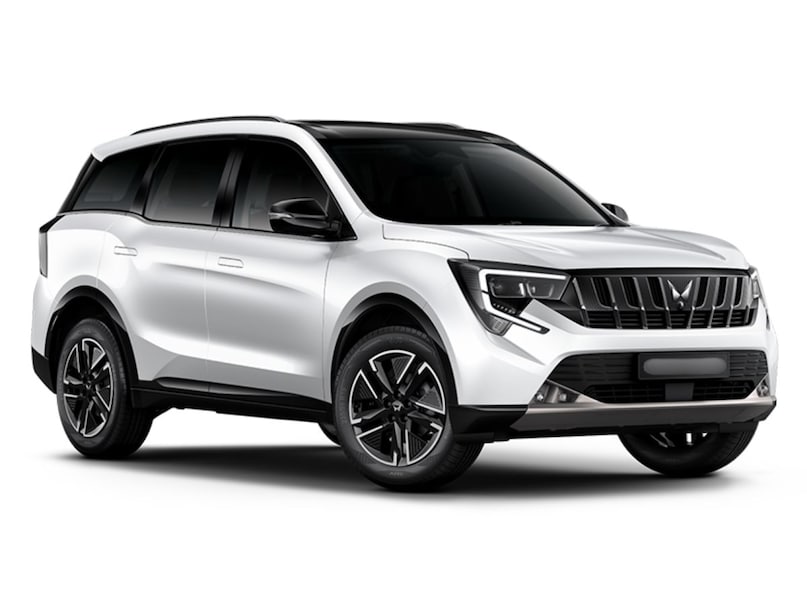
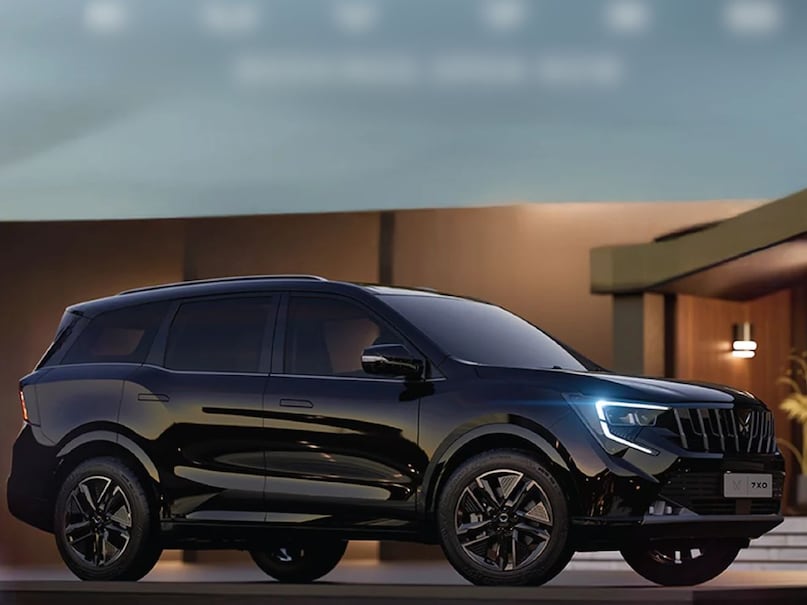
If you are thinking of buying a large, safe and feature-loaded 7-seater SUV in a budget of ₹ 15 lakh, then there are many powerful options available in the market. From the premium looks of Mahindra XUV 7XO to the 5-star safety of Tata Safari, the advanced features of Hyundai Alcazar and the rough-and-tough identity of Scorpio N, every SUV has its own specialty. Before buying, know which SUV can prove to be best for your family and budget.
Mahindra XUV 7XO: This premium SUV of Mahindra is known for its modern look and excellent cabin space. Under ₹ 15 lakh, you can easily own the entry-level variants of this luxurious vehicle, which come with strong road presence and excellent ride quality.
Talking about the features, full care has been taken of safety and comfort even in its base variants. In this, customers get the option of powerful petrol and diesel engines, which make long distance family journeys very comfortable and completely safe.
Tata Safari: It has emerged as a synonym for strength and safety in the Indian market. The entry-level 'Smart' variant of this flagship SUV, which has received a 5-star safety rating from Bharat NCAP, can be purchased for less than ₹ 15 lakh.
Add News18 as Preferred Source on Google
This SUV attracts everyone's attention on the road due to its muscular and very bold design. The cabin of the Safari, which comes with new petrol and diesel engine options, is extremely wide, which provides excellent space to the passengers sitting in all three rows.
Hyundai Alcazar: This is the perfect option for those who want advanced features and premium interior in budget. The initial 'Executive' variant of this premium SUV fits in this budget, in which the company offers many modern features as standard.
Alcazar is much liked for its smooth driving experience, great connected technology and excellent mileage. It has a 1.5-litre turbo petrol and diesel engine, which provides excellent balance and comfort in both city traffic and highways.
Mahindra Scorpio N: If you want a true ladder-frame rough-and-tough SUV to take on all types of terrain, the Scorpio N is the best. Its starting Z2 and Z4 variants come under ₹ 15 lakh, which gives the customers the feel of a big and very high-end car.
It is also called the 'Big Daddy of SUVs' because it offers high seating position and unmatched strength. This car comes in both petrol and diesel engines and its strong suspension can easily withstand the shocks of even the worst roads.
Click here to add News18 Hindi as your favorite news source on Google.
Tata Motors is now going to launch its iconic Sierra in a futuristic electric avatar. The new Sierra EV will have retro-modern design, range up to 500Km, AWD technology, triple screen setup and many premium features. This electric SUV, which competes with SUVs like Creta Electric and Mahindra BE 6, can knock during the festive season. Know its price, features and launch details.
news quickly
Tata Sierra EV will be launched around the festive season.
Tata Motors has confirmed the launch of the electric version of its popular car Sierra in the second half of FY2026-27 (festive season). This mid-size electric SUV will be built on the company's Acti.EV platform and will be positioned above the Nexon EV, Curvv EV and below the Harrier EV. The estimated price can be kept between ₹ 20-25 lakh (ex-showroom), which will make it a strong contender against competitors like Creta Electric, MG ZS EV, Mahindra XEV 9e and BE 6.
The Sierra EV will feature the original classic Sierra design with a modern touch. Its highlights will be the closed-off grille, smooth bumper, connected LED headlights and taillights, blacked-out A and C-pillars and the iconic wraparound rear glass. This will give a retro-modern look, which will be remembered as soon as you see it. The large R19 alloy wheels and bold proportions will make it commanding on the road. It will be attractive with an EV-specific front end, slightly different from the ICE version.
Cabin and Comfort
The interior is expected to get a triple-screen layout (10.25-inch driver display, 12.3-inch infotainment and passenger screen). Panoramic sunroof, dual-zone climate control, ventilated front seats, wireless charger, 360-degree camera, head-up display, ambient lighting, powered tailgate and JBL's 12-speaker sound system with Dolby Atmos will provide a premium experience. Wireless Apple CarPlay/Android Auto and 5G connected car technology will also be included.
Features and safety
It is expected to have Level 2 ADAS, advanced safety features with ESP, 6 airbags and strong body structure. Like Tata's EV lineup, it can also achieve high safety rating.
Battery, Motor and Range
It can be purchased with two battery pack options – 55 kWh (like Curvv EV) and 65 kWh (like Harrier EV). Some reports mention up to 75 kWh. Both RWD and AWD (dual-motor) variants will be available. Power is likely to range from 166 HP to 238 HP and ARAI claimed range of up to 500 km. DC fast charging allows 20-80% charge in just 25 minutes.
About the Author
Ram Mohan MishraSenior Sub Editor
Ram Mohan Mishra, working as Senior Sub-Editor at News18 Hindi, is active in digital media since 2021 and is currently handling the Auto Desk. They provide car and bike related information in an easy, clear and reliable manner.read more


.jpg?impolicy=website&width=52&height=52 "authoring")