Manual or automatic, which car is best for commuting to office? Understand with one year's calculation

Manual or automatic, which car is best for commuting to office? Understand with one year's calculation

Manual vs Automatic Car: In a place like Delhi-NCR, it is common to get stuck in traffic jam for 2-3 hours every day while commuting to office. In such a situation, the biggest question that arises while buying a new car is – should one buy a car with manual gear or automatic? Modern automatic technology like AMT, CVT and DCT in the market has made driving on city roads absolutely easy.

However, it is important to consider the difference in price, mileage, maintenance and long-term costs. Is it really worth spending ₹1 lakh more to get an automatic? Or buying a car with the all-time favorite manual transmission will be a more profitable deal. In this article we will try to know this.

price difference

On an average, the automatic variant is costlier than the manual variant by ₹ 80,000 to ₹ 1,00,000. In such a situation, we consider automatic to be more expensive than manual by an average of Rs 1 lakh. At present the price of petrol in Delhi is ₹ 94.77 per liter.

Real-world mileage

In traffic like Delhi-NCR, petrol vehicles with 1 to 1.2 liter engines are capable of giving a mileage of up to 16 kmpl in manual and 14 kmpl in automatic. We are assuming that you go to office 250 days in a year and you drive 40 km daily. In such a situation the calculation will be something like this-

  • Annual Distance: 40 km × 250 = 10,000 km.
  1. Fuel for manual car: 10,000 ÷ 16 = 625 litres.
  2. Total expenditure: 625 × 94.77 = Rs 59,231.
  1. Fuel for automatic car: 10,000 ÷ 14 = 714 litres.
  2. Total expenditure: 714 × 94.77 = Rs 67,693.

maintenance expenses

For a manual car, the clutch has to be changed every 40,000-50,000 km in Delhi traffic. It costs 10 to 15 thousand rupees. In this way, the cost of replacement 1-2 times in 5 years can be around Rs 20-30 thousand. There is no clutch cost in automatic transmission, but servicing is a bit expensive (₹3,000-5,000 more annually). In this way the maintenance cost is almost equal.

Where is the real benefit?

Pressing and releasing the clutch in manual mode on the congested roads of cities like Delhi increases the risk of leg pain, fatigue and accidents. In automatic you just have to pay attention to the accelerator and brakes. Women, senior drivers and people with long commutes prefer autos. The resale value of both is now almost equal because the demand for auto has increased.

Our advice: If you can increase your budget a little and drive 30-50 km in the city every day, then an automatic car can be the best choice. At the same time, if you travel a lot on the highway then consider manual. The decision is yours. Choose either automatic or manual depending on your need and budget.

Source link

Even if the car does not have these 5 features, it will still work! This way you can save lakhs of rupees

Even if the car does not have these 5 features, it will still work! This way you can save lakhs of rupees

At present, there is a competition among car companies to offer a lot of features in their vehicles. However, not all features are necessary or useful. For the sake of premium look and marketing, car companies add many such features which most drivers never use or which prove to be practically useless.

These features increase the price of the car, make maintenance expensive and sometimes even make driving more difficult. Especially if we keep in mind Indian roads, traffic and weather, many global features do not fit completely here. Here we will talk about 5 such unnecessary features, which you can save lakhs of rupees by not including them in your new car.

1. Panoramic sunroof

This feature makes the car very premium and attractive in the showroom, but it becomes a headache in the Indian summer. In summer, the cabin heats up very fast, AC has to be used more and fuel consumption increases. The problem of leakage due to dust, soil and rain is common. Most people never even open it, yet it comes in expensive variants and thousands of rupees have to be paid for it.

2. Gesture Control

Changing music or increasing or decreasing the volume by waving your hands sounds cool, but in the real world it becomes a major cause of distraction. Waving hands is dangerous in Indian traffic and the feature often reacts incorrectly. Most drivers do not use it, yet it is added to premium cars.

3. Touch-only controls

Replacing physical knobs and buttons with a touchscreen or touch buttons seems modern, but it is very inconvenient and dangerous while driving. The eyes are taken away from the road and settings are changed with the wrong touch. It works even worse when hands get wet in cold or heat. Many experts consider this to be the worst feature.

4. Fake Engine Sound

Some cars play artificial noise from the speakers to give a sporty sound to the small engine. This is completely fake and most drivers keep it closed. In fact, it increases the price of the car, but does not add any real value to the driving experience.

5. Over-active safety features

These features are created with good intentions, but sometimes become too active. Lane assist pulls steering suddenly, auto high beam changes frequently, causing driver to lose control. On Indian roads where markings are weak, these features are more troublesome and are often kept off.

Source link

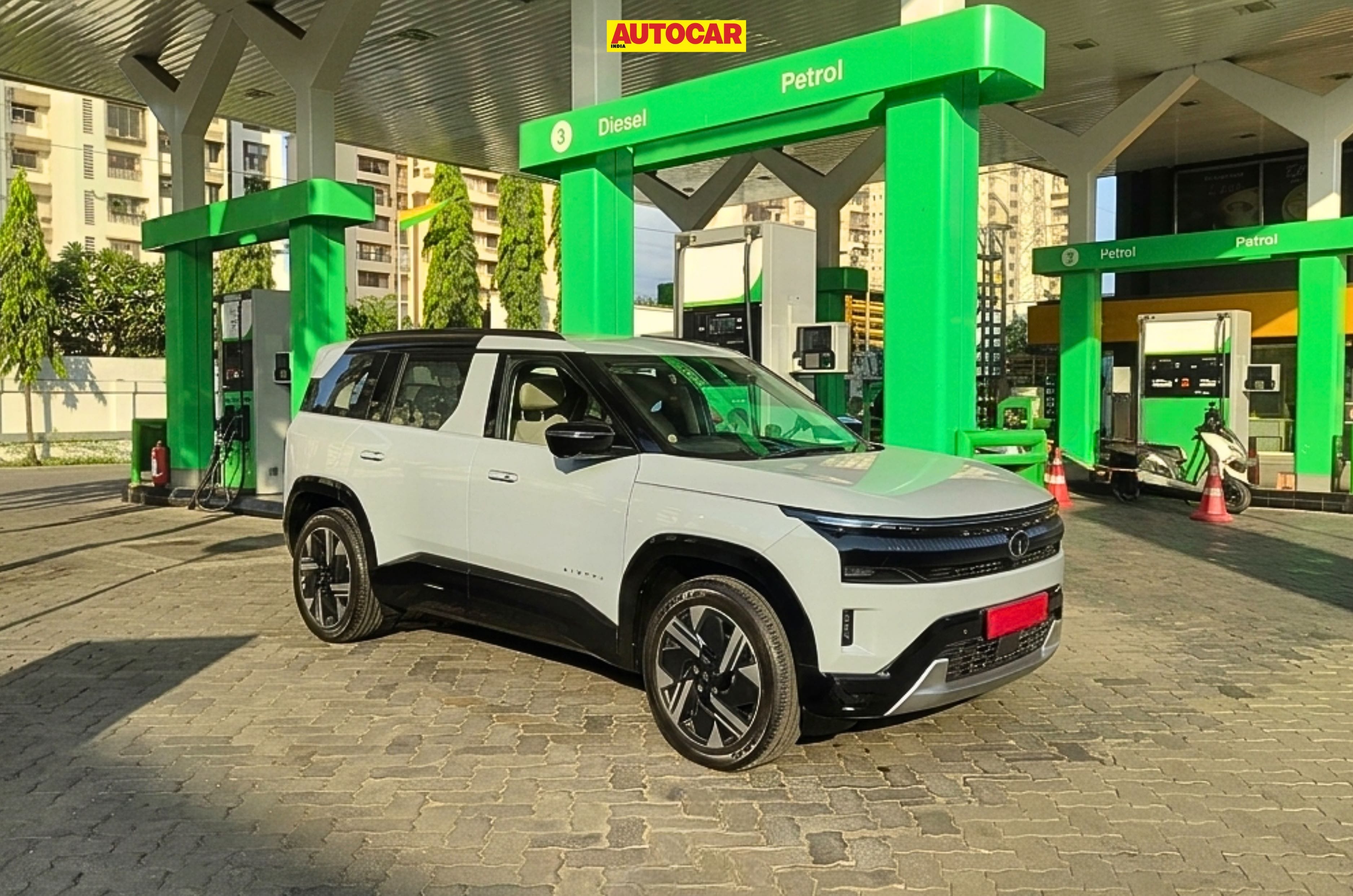
How much will Tata Sierra run on one liter petrol/diesel? Know before you buy

How much will Tata Sierra run on one liter petrol/diesel? Know before you buy

Tata Sierra is getting tremendous response in the Indian market. This compact SUV is reminiscent of the old iconic Sierra, but now comes with a modern design, powerful engine and advanced features. Its price starts from ₹ 11.49 lakh (ex-showroom) and goes up to ₹ 21.29 lakh. If you are planning to buy this indigenous and modern SUV, then this article of ours is useful for you.

In this article we will know how much Tata Sierra can run on one liter of petrol or diesel. The most important question before buying a car is mileage! According to the ARAI certified claimed figures, the Sierra seems to be a good performer across all engine and transmission options. However, in real world, it may reduce by 2-4 kmpl due to traffic, driving style and load. Let's take a look at the claimed fuel efficiency.

How much will Sierra run on one liter petrol/diesel?

Tata Sierra has three new 1.5 liter engine options, which meet the needs of different users. Transmissions are also available both manual and automatic. Let's see in detail, what is the maximum mileage that Tata Sierra can give with different engine and transmission options?

1.5L NA Petrol (Revotron Engine- 106 PS/145 Nm)

  • 6-speed manual: 18.2 kmpl
  • 7-Speed ​​DCT (Auto): Approx 17.5-18 kmpl (slightly less due to transmission losses)

1.5L Turbo Petrol (Hyperion Turbo GDi Engine – 160 PS/255 Nm)

  • 6-Speed ​​Torque Converter Automatic (Only): 16.8 kmpl

1.5L Diesel (Kryojet Engine- 118 PS/280 Nm)

  • 6-speed manual: 20.5 kmpl
  • 6-speed torque converter automatic: 19.3 kmpl

Diesel manual gives the highest mileage, while turbo petrol is the most powerful. All engines are FWD, AWD may come soon. The fuel tank is of 50 litres, so a range of 800-1000 km can easily be achieved from one tank. Consider your daily usage while purchasing. If you drive 60+ km in a day then choose diesel, NA petrol is better for city.

A look at the features

Its base Smart+ variant also gets LED DRL, Bi-LED headlamps, manual AC, 10.25-inch touchscreen, wireless Android Auto-Apple CarPlay, cruise control and rear AC vents. Pure+ and Adventure come with panoramic sunroof, automatic climate control, 360° camera, rain-sensing wipers and 17-inch alloy wheels.

The top accomplished variant gets a triple screen setup (12.3-inch infotainment + 10.25-inch cluster + co-driver screen), JBL 12-speaker Dolby Atmos sound bar, ventilated seats, powered driver seat with memory, heads-up display, ambient lighting and terrain modes (Normal, Wet, Rough). Boot space ranging from 450-622 litres, features like 60:40 split seats and gesture control tailgate make the lifestyle premium.

How top is it in safety?

Tata's safety has always been top class and Sierra leaves no stone unturned in this. All its variants have 6 airbags as standard, ABS with EBD, ESP (21 features), hill hold, electronic parking brake, ISOFIX, TPMS and rear parking sensors. Front disc brakes, hill descent control and Superglide suspension further strengthen the safety.

Higher variants get L2+ ADAS (22 intelligent features) – Adaptive Cruise Control, Auto Emergency Braking, Lane Keep Assist, Traffic Sign Recognition, Blind Spot Detection and 360° Camera with 3D View. It is expected to get 5-star rating in Bharat NCAP and Global NCAP.

Source link

विनफ़ास्ट: ए क्लियर विन – परिचय | ऑटोकार इंडिया

विनफ़ास्ट: ए क्लियर विन – परिचय | ऑटोकार इंडिया

भारत में प्रवेश करने वाले किसी भी नए ईवी ब्रांड के लिए भरोसा ही असली मुद्रा है। यह तय करता है कि ग्राहक उत्सुकता से आता है और आत्मविश्वास से बाहर जाता है, या उत्तर की तुलना में अधिक प्रश्न लेकर जाता है। विनफ़ास्ट इसे समझता है, यही कारण है कि गुड़गांव में इसकी प्रमुख डीलरशिप को सिर्फ कार बेचने की जगह के रूप में नहीं बल्कि ग्राहकों को आराम देने की जगह के रूप में डिजाइन किया गया है।

अंदर कदम रखें, और दृष्टिकोण तुरंत स्पष्ट हो जाएगा। यह एक कार कैफे शैली का शोरूम है जो आराम, स्पष्टता और पारदर्शिता को प्राथमिकता देता है। इसमें कोई संवेदी अधिभार नहीं है, शब्दजाल या कठिन बिक्री से प्रभावित करने की कोई हड़बड़ी नहीं है। इसके बजाय, विचार यह है कि ग्राहकों को धीमा करने, प्रश्न पूछने और अपनी गति से ब्रांड का पता लगाने की अनुमति दी जाए।

शोरूम के केंद्र में विनफ़ास्ट के भारत के लिए पहले दो मॉडल हैं वीएफ 6 और यह वीएफ 7. हालाँकि वे एक ही इलेक्ट्रिक डीएनए साझा करते हैं, फिर भी वे बहुत अलग प्रकार के खरीदारों के लिए डिज़ाइन किए गए हैं। वीएफ 6 कॉम्पैक्ट, शहरी-अनुकूल और तकनीकी रूप से उन्नत है, जिसका उद्देश्य आसान, आधुनिक इलेक्ट्रिक अपग्रेड की तलाश कर रहे शहरवासियों के लिए है। दूसरी ओर, वीएफ 7 मिश्रण में अधिक स्थान, उपस्थिति और प्रदर्शन लाता है, उन खरीदारों को पूरा करता है जो मजबूत सड़क उपस्थिति और अतिरिक्त बहुमुखी प्रतिभा चाहते हैं।

विनफ़ास्ट शोरूम

ब्रांड के दावों पर भरोसा करने के बजाय, विनफ़ास्ट अपने ग्राहकों को बात करने दे रहा है। वे मालिक जो अपने वीएफ 6 और वीएफ 7 के साथ काफी लंबे समय से रह रहे हैं, यह समझने के लिए कि क्या काम करता है, किस चीज ने उन्हें आश्चर्यचकित किया है, और वे अपने पहले ईवी पर विचार करते हुए किसी को क्या बताएंगे। यहाँ उनमें से कुछ को क्या कहना है:

सिद्धार्थ गुप्ता – वीएफ 7 मालिक

सिद्धार्थ गुप्ता - विनफास्ट वीएफ 7 के मालिक

“जिस चीज ने सबसे पहले मुझे वीएफ 6 और 7 की ओर आकर्षित किया, वह उनका डिजाइन था। फ्रंट, रियर और साइड प्रोफाइल सभी अलग हैं, जो उन्हें एक स्पोर्टी, लगभग इलेक्ट्रिक रेस कार जैसा लुक देते हैं। मेरे परिवार के लिए पीछे की सीट का आराम भी उतना ही महत्वपूर्ण था, और वीएफ 7 इसे खूबसूरती से पेश करता है। जैसे ही मैंने इसमें कदम रखा, यह परिचित और स्वागत योग्य लगा, उदार हेडरूम के साथ जो इस स्पोर्टी कार के लिए आश्चर्यजनक है। पेट्रोल और डीजल कारों से आते हुए, ईवी चलाने की सहज प्रकृति प्रभावशाली है। सब कुछ महसूस होता है। सहज और सहज, कम गति वाले शहर में ड्राइविंग से लेकर लंबे हाईवे रन तक। इसके साथ रहना आसान है, ड्राइव करना आरामदायक है, और इलेक्ट्रिक में बदलाव पूरी तरह से प्राकृतिक लगता है। एक बड़ा प्लस यह है कि मेरी पत्नी को विनफ़ास्ट कार पसंद है, लेकिन अगर वे इस तरह की गुणवत्ता वाली ईवी प्रदान करना जारी रखते हैं, तो मेरी अगली कार भी शायद विनफ़ास्ट होगी।”

पार्थ मदान – वीएफ 6 मालिक

पार्थ मदान - विनफ़ास्ट वीएफ 6 मालिक

“मैं एक बजट-अनुकूल ईवी की तलाश में था और पहले से ही मेरे पास एक और इलेक्ट्रिक कार है, लेकिन वीएफ 6 ने मुझे उस क्षण जीत लिया जब मैंने इसका परीक्षण किया। यह प्रीमियम दिखता है, बहुत अच्छी तरह से बनाया गया है, और 18 इंच के डायमंड-कट पहिये पूरे अनुभव को बेहतर बनाते हैं। मैं ड्राइवर की ओर झुकने वाली इंफोटेनमेंट स्क्रीन जैसे विचारशील विवरणों की सराहना करता हूं, जो गर्मियों में ड्राइविंग को चकाचौंध मुक्त बनाता है। मुझे इंफोटेनमेंट स्क्रीन का यूआई भी वास्तव में पसंद है, यह सभी सुविधाओं तक पहुंच को वास्तव में आसान बनाता है। गति में, वीएफ 6 स्थिर और आत्मविश्वास-प्रेरक लगता है, विशेष रूप से एडीएएस ऑनबोर्ड के साथ। त्वरित त्वरण ड्राइविंग अनुभव को बढ़ाता है, जिससे ओवरटेक करना आसान और सहज हो जाता है। मुझे वास्तव में आश्चर्य हुआ कि कार रोजमर्रा के उपयोग में कितनी परिष्कृत और सुगठित महसूस करती है, यह साबित करती है कि एक इलेक्ट्रिक वाहन में मजबूत प्रदर्शन और आराम एक साथ मौजूद हो सकते हैं।

शिवम सचान – वीएफ 7 मालिक

शिवम सचान - विनफास्ट वीएफ 7 के मालिक

“जब मैंने एक नई इलेक्ट्रिक एसयूवी की तलाश शुरू की, तो वीएफ 7 ने तुरंत अपनी साफ, यूरोपीय डिजाइन के कारण मेरा ध्यान खींचा। लेकिन कार को देखने और चलाने के बाद ही मुझे वास्तव में समझ में आया कि इसे अलग कैसे बनाया जाता है। निर्माण की गुणवत्ता वास्तव में ठोस और अच्छी तरह से एक साथ रखी गई है। वीएफ 7 के साथ रहना समान रूप से आश्वस्त करने वाला रहा है। वास्तविक दुनिया की रेंज मेरे दैनिक उपयोग के लिए पर्याप्त से अधिक रही है, और घरेलू चार्जिंग ने मेरी दिनचर्या को पूरी तरह से बदल दिया है – अब ईंधन स्टेशनों पर कतारों में इंतजार नहीं करना पड़ता है। जो चीज मुझे सबसे ज्यादा प्रभावित करती है वह है प्रदर्शन। AWD सेटअप कार को रोजमर्रा के आवागमन के दौरान शांत और संयमित महसूस कराता है, लेकिन जब सड़क खुलती है, तो टैप पर भरपूर शक्ति होती है, जब भी आप इसे चाहते हैं तो यह आश्चर्यजनक रूप से तेज़ और आकर्षक होती है।

स्पर्श अब्रोल – वीएफ 6 मालिक

स्पर्श अब्रोल - विनफास्ट वीएफ 6 मालिक

“जब मैंने इलेक्ट्रिक एसयूवी पर विचार करना शुरू किया, तो मेरी प्राथमिकता कुछ ऐसा ढूंढना था जो दैनिक आधार पर आसान और तनाव-मुक्त हो, और वीएफ 6 उस आवश्यकता को पूरी तरह से फिट करता है। डिजाइन अत्यधिक होने के बिना आधुनिक और प्रीमियम लगता है, और केबिन वास्तव में एक आरामदायक जगह है, चाहे मैं खुद ड्राइव कर रहा हूं या ट्रैफिक में लंबे समय तक बिता रहा हूं। पहिया के पीछे, सब कुछ सहज और सहज लगता है। त्वरित इलेक्ट्रिक प्रतिक्रिया शहर में ड्राइविंग को सुचारू बनाती है, जबकि राजमार्ग पर यात्रा आरामदायक और आत्मविश्वास-प्रेरक होती है। उन चीजों में से एक जो मैं सबसे ज्यादा आनंद लेता हूं। शांति – यह परिष्कार का एक स्तर जोड़ता है जो हर यात्रा को शांत महसूस कराता है। हालाँकि, जो बात वास्तव में सामने आती है, वह यह है कि वीएफ 6 के साथ इलेक्ट्रिक में परिवर्तन कितना स्वाभाविक है। यह किसी भी बड़े जीवनशैली में बदलाव की मांग नहीं करता है, यह बस मेरी दिनचर्या में एकीकृत होता है और बिल्कुल उसी तरह काम करता है जैसे एक कार को करना चाहिए।”


Source link

जेएलआर के डिज़ाइन दिग्गज गेरी मैकगवर्न को पद छोड़ना होगा

जेएलआर के डिज़ाइन दिग्गज गेरी मैकगवर्न को पद छोड़ना होगा


<p>गेरी मैकगवर्न</p>
<p>“/><figcaption class=गेरी मैकगवर्न

नई दिल्ली: जगुआर लैंड रोवरके मुख्य रचनात्मक अधिकारी गेरी मैकगवर्न मार्च 2026 के अंत में कंपनी के साथ 20 साल से अधिक के करियर का समापन करते हुए, वह अपनी भूमिका से हटने के लिए तैयार हैं। एनडीटीवी.

मैकगवर्न, जो 2004 में लैंड रोवर में शामिल हुए, वैश्विक ऑटोमोटिव उद्योग में सबसे प्रभावशाली डिजाइन नेताओं में से एक बन गए। अपने कार्यकाल के दौरान, उन्होंने प्रमुख मॉडलों की दृश्य पहचान को आकार देने में महत्वपूर्ण भूमिका निभाई रेंज रोवरडिफेंडर और डिस्कवरी पोर्टफोलियो।

उनके शुरुआती योगदानों में एलआरएक्स अवधारणा थी, जो बाद में विकसित हुई रेंज रोवर इवोक-एक मॉडल जिसे व्यापक रूप से कॉम्पैक्ट लक्जरी एसयूवी सेगमेंट को फिर से परिभाषित करने का श्रेय दिया जाता है। उन्होंने रेंज रोवर, रेंज रोवर स्पोर्ट और लैंड रोवर डिस्कवरी जैसे प्रमुख वाहनों की डिजाइन दिशा का भी निरीक्षण किया।

मैकगवर्न ने रेंज रोवर वेलार और आधुनिक लैंड रोवर डिफेंडर सहित नए मॉडलों के विकास में महत्वपूर्ण भूमिका निभाई, जिन्हें समकालीन स्टाइल के साथ विरासत डिजाइन के मिश्रण के लिए वैश्विक मान्यता मिली।

स्वच्छ रेखाओं और संयमित सतहों पर केंद्रित उनके डिजाइन दर्शन ने जगुआर लैंड रोवर के ब्रांडों को वैश्विक स्तर पर प्रीमियम और लक्जरी सेगमेंट में ऊपर उठाने में मदद की।

अगला अध्याय

उनके जाने के बाद, मैकगवर्न से अपनी स्वयं की रचनात्मक परामर्श कंपनी स्थापित करने की उम्मीद है, हालांकि उद्यम के बारे में विवरण अज्ञात है। उद्योग पर्यवेक्षकों को उम्मीद है कि वह अपने व्यापक अनुभव का लाभ उठाते हुए स्वतंत्र डिजाइन और ब्रांड रणनीति परियोजनाओं को अपनाएंगे।

उनका बाहर निकलना ऐसे समय में हुआ है जब जगुआर लैंड रोवर अपनी दीर्घकालिक परिवर्तन रणनीति को आगे बढ़ा रहा है, जिसमें विद्युतीकरण की ओर बदलाव और लक्जरी पोजिशनिंग पर अधिक ध्यान केंद्रित करना शामिल है। मैकगवर्न इन योजनाओं के साथ निकटता से जुड़ा हुआ है, जो टिकाऊ गतिशीलता और नेट-शून्य महत्वाकांक्षाओं के आसपास कंपनी के दृष्टिकोण में योगदान दे रहा है।

  • मार्च 22, 2026 को 06:11 अपराह्न IST पर प्रकाशित

2M+ उद्योग पेशेवरों के समुदाय में शामिल हों।

अपने इनबॉक्स में नवीनतम जानकारी और विश्लेषण प्राप्त करने के लिए न्यूज़लेटर की सदस्यता लें।

ETAuto उद्योग के बारे में सब कुछ सीधे आपके स्मार्टफोन पर!


Source link

If you are going to buy a new car, then definitely check these 5 safety features! Without them the car is a box

If you are going to buy a new car, then definitely check these 5 safety features! Without them the car is a box

Nowadays, buying a new car is not just a luxury but has become a big decision regarding the safety of the family. The number of road accidents in India is very high and thousands of people lose their lives every year. In such a situation, while choosing a car, its safety check becomes more important than looks, mileage or price.

In today's time, many cars come with attractive features, but if basic and advanced safety features are not there, then that car only looks good, it can prove to be weak in terms of safety. People check crash tests while buying a new car. But not only rating but some important features make your vehicle safe. Come, let us know about 5 such safety features which a new vehicle must have.

1. Airbags

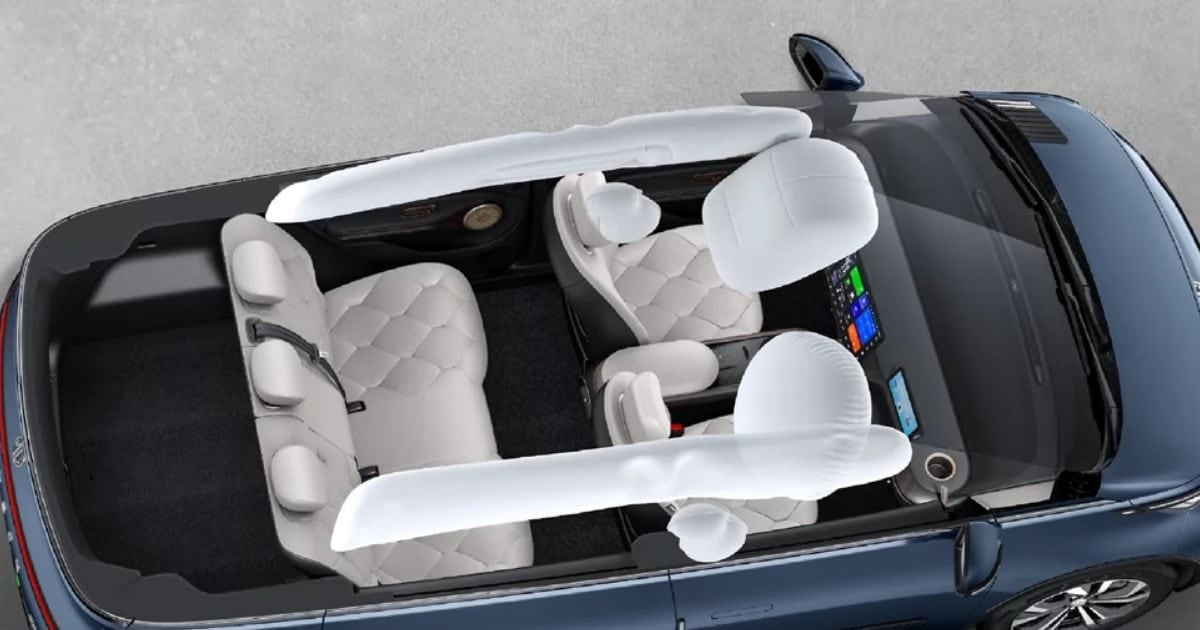
Airbags are the biggest heroes of car safety. During an accident, they inflate in seconds and protect the driver and passengers from hitting the dashboard, steering or windows. Dual front airbags are now mandatory in India, but for good protection there should be at least 6 airbags (front, side and curtain).

Cars like Tata Harrier, Safari, Mahindra XUV700 have 6-7 airbags as standard, which get 5-star rating in crash tests. If the car has only 2 airbags, then family members remain at risk in a side or rollover accident. Therefore, choose the variant with 6 airbags in the new car. This may be a little expensive, but the value of life is not more than this.

2. ABS with EBD

ABS prevents the wheels from locking during sudden braking, due to which the steering remains under control and the vehicle does not slip. EBD distributes braking force evenly between each wheel, especially when there are passengers of different weights in the car. ABS is now standard in all new cars in India, but it is mandatory to have it with EBD. Without ABS, the car may go out of control while applying brakes, which increases accidents. Cars with ABS + EBD perform better in many crash tests.

3. ESC or ESP

This feature protects the car from skidding. Especially on wet roads, sharp turns or sudden steering turns. ESC keeps the car stable by automatically applying brakes and controlling engine power. Many accidents in India occur due to overspeeding or loose control. ESC prevents these to a great extent. ESP will be standard in good cars like Tata Nexon, Hyundai Venue (top variant), Mahindra XUV 3XO in 2025-26. If the car does not have ESC, then driving at high-speed or on bad roads becomes risky.

4. Tire Pressure Monitoring System (TPMS)

TPMS gives an alert on the dashboard when the tires are low on air. Underinflated tires make the vehicle unstable, fuel consumption increases and there is a risk of blowout. Many major accidents occur due to blowouts on the highway. TPMS is coming standard in many new cars, like Maruti Dzire, Tata Punch etc. Without TPMS, it is difficult to check tires on a long journey, so do not ignore this feature.

5. Basic Features of ADAS

ADAS is now becoming common in vehicles. AEB (Automatic Emergency Braking) applies auto brakes when there is any obstacle ahead. Lane Departure Warning gives alert when leaving the lane. Adaptive Cruise Control controls speed. These features are very effective in preventing accidents. ADAS is available in cars like Honda City, Hyundai Verna, Mahindra XUV700. If budget allows, choose a car with ADAS.

Source link

Hyundai Exter or Tata Punch: Which SUV is wiser to buy under ₹6 lakh? Know

Hyundai Exter or Tata Punch: Which SUV is wiser to buy under ₹6 lakh? Know

Hyundai Exter vs Tata Punch: Both Hyundai Exeter and Tata Punch are popular options in the micro SUV segment. Hyundai Exter has been launched in facelift avatar, while Tata Punch facelift came in January 2026. Both cars are perfect for city roads, but there is a lot of difference in design, power and safety.

The base variant of Tata Punch starts at ₹5.59 lakh, while the top variant goes up to ₹10.54 lakh. Whereas, the base variant of Hyundai Exter starts from ₹ 5.80 lakh and goes up to ₹ 9.42 lakh for the top variant. Let us take a look at the design, interior, features, safety, engine and mileage details of both of them.

design details

The design of Punch is more rugged and SUV like. Its length is 3876 mm, width is 1742 mm, height is 1615 mm and ground clearance is 193 mm. With 16 inch alloy wheels, it performs better on bad roads. Boxy shape, LED headlamps, roof rails and shark fin antenna give it an aggressive look.

The look of Hyundai Exter is more sleek and modern. Its length is 3815 mm, width is 1710 mm, height is 1631 mm and ground clearance is 185 mm. It has been introduced with 15 inch alloy wheels. It is of crossover style. It attracts young buyers with projector headlamps, LED DRLs and a single pane sunroof.

Cabin and Comfort

The cabin of both the cars is spacious for 4-5 people. Tata Punch has a large 10.25-inch touchscreen, 7-inch digital cluster, front-rear armrest, ambient lighting and premium sound system (4 speakers + 4 tweeters). Fabric upholstery and touch based AC controls make it modern.

The Exeter gets a dual tone (navy and grey) theme, metal pedals, footwell lighting and an 8-inch touchscreen. Sunroof, auto AC, rear AC vents, cruise control and wireless charging (high variants) are available in both. The interior of the Punch feels more premium and full of technology, while the Exeter gives a smooth and youthful feel.

Features and safety

Features like 10.25 inch screen, wireless Android Auto/Apple CarPlay, 360 degree camera, voice command sunroof, drive modes (Eco/City), blind spot monitor and paddle shifters (CNG AMT) are available in Punch. The Exeter also gets a sunroof, dashcam, OTA updates, Bluelink connected tech and wireless connectivity (via adapter). Both have wireless charging and rear USB ports.

Punch is a clear winner in safety. It has received a 5-star Bharat NCAP rating (both adult and child). 6 airbags are standard, ESC, TPMS, 360 camera, hill descent control and ISOFIX are available. Hyundai Exter also has 6 airbags, TPMS, ESC, ABS and 45+ safety features but there is no NCAP rating yet.

Engine and Mileage

The Exeter has a 1.2 liter 4-cylinder Kappa petrol engine (83 PS power, 113.8 Nm torque), which is smooth and quiet in the city. CNG version gives 69 PS. Transmission options include 5-speed MT or AMT. ARAI mileage is around 19-20 kmpl in petrol and 25-27 kmpl in CNG.

Punch can be bought with three engine options – 1.2L NA petrol (88 PS, 115 Nm), new 1.2L turbo petrol (120 PS, 170 Nm) and CNG (73 PS). Transmissions include MT/AMT (NA), 6MT (Turbo) and CNG AMT. Mileage is 18-20 kmpl in petrol, slightly less in turbo and good in CNG.

Source link

2026 कावासाकी Z900 समीक्षा: बड़े बदलाव – परिचय | ऑटोकार इंडिया

2026 कावासाकी Z900 समीक्षा: बड़े बदलाव – परिचय | ऑटोकार इंडिया

कावासाकी Z900 यह आसानी से भारत की सबसे लोकप्रिय नग्न “सुपरबाइक” है, और इसे पिछले साल एक बड़ा अपग्रेड मिला था। सवाल यह है कि इन बदलावों का क्या असर हुआ है और क्या यह बाइक अभी भी इतने प्यार की हकदार है।

Z900 डिज़ाइन और गुणवत्ता – 8/10

पहली चीज़ जो आप नोटिस करेंगे वह यह है कि स्टाइल को हर कोण से दोबारा तैयार किया गया है। दोनों सिरों पर प्रकाश व्यवस्था को एक महत्वपूर्ण नया स्वरूप मिलता है, और ईंधन टैंक क्षेत्र के चारों ओर नए बॉडी पैनल हैं। परिणाम एक ऐसी बाइक है जो पहले की तुलना में अधिक चिकनी और थोड़ी कम प्रभावशाली दिखती है। मैं जानता हूं कि बहुत से लोग पिछले डिज़ाइन के 'बड़े-लुक' को मिस करेंगे, लेकिन जिन कुछ अन्य लोगों से मैंने बात की, उन्होंने कहा कि उन्हें ताज़ा नया लुक पसंद आया।

विशेष विवरण मान
इंजन विस्थापन 948 सीसी
शीतलक शीतल तरल
इंजन का प्रकार 4 सिलेंडर
अधिकतम इंजन शक्ति 122 बीएचपी @ 9500 आरपीएम
अधिकतम इंजन टॉर्क 97.4 एनएम @ 7700 आरपीएम

इसमें कोई बहस नहीं है कि Z900 अधिक विशेष लगता है। करीब से निरीक्षण करने पर छोटे टैंक कफन पर नए ब्रश किए गए एल्यूमीनियम फिनिश जैसे अच्छे विवरण सामने आते हैं। कुछ हाई-ग्लॉस ट्रिम पैनल भी हैं जो सवार के पैरों के पास फ्रेम के अधिक कार्यात्मक दिखने वाले क्षेत्रों को बड़े करीने से छिपाते हैं। सबसे प्रभावशाली बदलाव नए 5-इंच टीएफटी डिस्प्ले में आता है। यह न केवल पुराने वाले से बड़ा है, बल्कि अधिक हाई रेजोल्यूशन वाला भी है। डिस्प्ले अब पूरी तरह से स्विचगियर द्वारा नियंत्रित है, और पहले की तरह स्क्रीन के नीचे निपटने के लिए कोई रबरयुक्त बटन नहीं हैं। अंत में, मुझे नया टेल-लैंप काफी पसंद है जो मेरी नज़र में काफी ताज़ा और लगभग यूरोपीय दिखता है।

नया टीएफटी डिस्प्ले पहले से ज्यादा महंगा लगता है

डिज़ाइन संशोधनों के साथ-साथ राइडर एर्गोस में भी काफी महत्वपूर्ण बदलाव आया है। जिस क्षण मैं बाइक पर चढ़ा, ऐसा महसूस हुआ कि सवारी की स्थिति पहले की तुलना में अधिक प्रतिबद्ध थी – ऐसा महसूस होता है कि चौड़े नए हैंडलबार की ओर अधिक झुकना है और यह भी महसूस होता है कि आप ऊपर बैठे हैं। निश्चित रूप से, एक नए रियर सबफ्रेम ने कावासाकी को सीट को अधिक पैडिंग देने की अनुमति दी है, जिसके कारण बाद में सीट की ऊंचाई 830 मिमी अधिक हो गई है।

हालाँकि अंततः मुझे लगा कि मैं नए एर्गोज़ और उनके द्वारा प्रदान किए जाने वाले अधिक जुड़ाव वाले अनुभव को प्राथमिकता दे रहा हूँ, लेकिन ऊँची सीट थोड़ी कमज़ोर है क्योंकि Z900 को हमेशा एक अनुकूल मोटरसाइकिल के रूप में सराहा गया है। एक और मुद्दा यह है कि बाइक अब सिंगल सीटर के रूप में बेची जाती है, और यदि आप किसी दोस्त को ले जाना चाहते हैं तो आपको पिछली सीट और पिलियन फुटपेग के लिए अतिरिक्त 35,200 रुपये का भुगतान करना होगा। हालाँकि, याद रखें कि बाइक को सिंगल सीटर के रूप में पंजीकृत किया गया होगा।

Z900 प्रदर्शन और परिशोधन – 10/10

कावासाकी Z900 हमेशा अपने प्यारे 948cc इनलाइन फोर के बारे में रहा है। यहां भी कुछ महत्वपूर्ण बदलाव हैं, जिनमें राइड-बाय-वायर थ्रॉटल, संशोधित कैमशाफ्ट और नई मैपिंग शामिल है। कावासाकी का कहना है कि ये बदलाव मध्य-श्रेणी के प्रदर्शन को बढ़ावा देने के इरादे से किए गए हैं, और वे ईंधन दक्षता में 16 प्रतिशत की बढ़ोतरी का भी दावा करते हैं। शुक्र है, प्रदर्शन संख्या जो मायने रखती है वह कमोबेश वही है जो पहले हुआ करती थी, सेगमेंट-अग्रणी 125 एचपी और लगभग 100 एनएम के साथ।

कावासाकी Z900 इंजन
4-सिलेंडर इंजन अभी भी बेहद सहज, तेज और प्रयोग करने योग्य है

मुझे यह बताते हुए खुशी हो रही है कि यह इंजन अभी भी उतना ही सुंदर और सुचारू है जितना पहले हुआ करता था। वास्तव में, आपको संभवतः विशाल टूरिंग होंडा और बीएमडब्ल्यू पर छह-सिलेंडर मोटर्स के अपवाद के साथ, एक काफी स्मूथ इंजन खोजने के लिए संघर्ष करना पड़ेगा। शहर के भीतर कम गति पर ठिठुरना भी सुखद है। एक सुखद हल्का क्लच, अपेक्षाकृत अच्छा मोड़ त्रिज्या और सवार पर पड़ने वाली गर्मी की लगभग डरावनी कमी इसे एक बड़े, खराब भारतीय महानगर में रहने के लिए सबसे अच्छी बड़ी बाइक में से एक बनाती है।

एक आलसी क्रूज को ले जाने की अपनी सभी मधुर स्वभाव वाली इच्छा के बावजूद, मूड बनने पर Z900 रोमांचकारी रूप से तेज़ हो सकता है। रेडलाइन पर पहले गियर में यह लगभग 100 किमी प्रति घंटे की रफ्तार पकड़ लेगी और यदि आप थ्रॉटल को दबाए रखेंगे तो यह महज कुछ ही सेकंड में 180 किमी प्रति घंटे की रफ्तार पकड़ लेगी। गति बिल्कुल वहीं है जब आप इसे चाहते हैं।

Z900 सवारी आराम और हैंडलिंग – 8/10

जिस क्षेत्र में सबसे कम बदलाव देखा गया है वह चेसिस है। 212 किलोग्राम वजन के साथ, यह अभी भी एक भारी बाइक है, और जब आप इसे इधर-उधर फेंकना शुरू करेंगे तो आपको इसका एहसास होगा। इसका एक हिस्सा इस तथ्य पर निर्भर करता है कि स्टॉक सस्पेंशन सेटिंग्स काफी नरम हैं, लेकिन कुछ प्रीलोड और डंपिंग (केवल दोनों सिरों पर रिबाउंड एडजस्टेबल) में डायल करने से ध्यान देने योग्य अंतर आता है।

कावासाकी Z900 रियर काउल
अब इसे सिंगल-सीटर के रूप में बेचा जाता है, जो कि एक कमी है।

जहां हैंडलिंग विभाग में नए Z900 का लाभ यह है कि इसमें नए रेडियल माउंटेड ब्रेक कैलिपर्स हैं जो पहले की तुलना में बेहतर प्रदर्शन प्रदान करते हैं, और इसमें बेहतर डनलप स्पोर्टमैक्स Q5A टायर भी हैं। कुल मिलाकर, यह एक स्पोर्टी और आकर्षक सवारी हो सकती है, लेकिन अगर आपको लैप टाइम पसंद है और तेज और आक्रामक सवारी गतिशीलता चाहते हैं, तो यह बाइक आपके लिए नहीं है।

2026 कावासाकी Z900 समीक्षा: बड़े बदलाव
212 किलोग्राम वजन के साथ, यह अभी भी एक भारी बाइक है, और जब आप इसे इधर-उधर फेंकना शुरू करेंगे तो आपको इसका एहसास होगा।

सराहनीय सुधार का एक क्षेत्र यह है कि नए छह-अक्ष आईएमयू के परिणामस्वरूप बहुत अधिक परिष्कृत कर्षण नियंत्रण प्रणाली आई है, जो पहले की तरह अचानक बिजली कटौती नहीं करती है। इसमें एक शानदार अप/डाउन क्विकशिफ्टर भी है, और बाइक को अब क्रूज़ कंट्रोल मिलता है। पहले की तरह, आपके पास दो पावर मोड और चार राइडिंग मोड हैं, जिसमें एक एडजस्टेबल राइडर मोड भी शामिल है। इसके अलावा, पहले की तरह, मोड के बीच कूदने पर कोई बड़ा अंतर महसूस नहीं होता है। समग्र इलेक्ट्रॉनिक्स पैकेज अधिक परिष्कृत लगता है, लेकिन यह अभी भी डुकाटी जैसे प्रतिद्वंद्वियों की अधिक प्रीमियम बाइक जितना व्यापक नहीं है।

विशेष विवरण मान
व्हीलबेस 1450 मिमी
सीट की ऊंचाई 830 मिमी
धरातल 145 मिमी
वजन पर अंकुश लगाएं 213 किग्रा

Z900 की कीमत और फैसला – 9/10

Z900 की कीमत अब 9.99 लाख रुपये (एक्स-शोरूम) है, जो इसे जल्द ही बंद होने वाली ट्रायम्फ स्ट्रीट ट्रिपल आर के करीब लाती है। इसका मतलब है कि इसमें अब उतनी अविश्वसनीय मूल्य अपील नहीं है, लेकिन आपको यह याद रखना होगा कि ऊंची कीमत हमारे नए 40 प्रतिशत जीएसटी टैक्स स्लैब और लगातार कमजोर होती मुद्रा के कारण है जो इस तरह की आयातित बाइक को प्रभावित करती है।

कावासाकी Z900 साइड प्रोफाइल
शहर के भारी ट्रैफिक से निपटने की इसकी क्षमता कुछ अन्य बड़ी बाइकों की बराबरी कर सकती है।

फिर भी, मुझे लगता है कि Z900 एक बेहतर मोटरसाइकिल है, और यह गुणवत्ता और विश्वसनीयता के लिए लंबे समय से बनी प्रतिष्ठा पर भी कायम है जो इसके पूर्ववर्तियों द्वारा स्थापित की गई है। यह निश्चित रूप से उन लोगों के लिए बाइक नहीं है जो घुमावदार सड़क या रेस ट्रैक पर पूरी तरह से हमला करना पसंद करते हैं, भले ही यह अपने इरादे में थोड़ा अधिक स्पोर्टी हो गया है। हालाँकि, आपमें से जो लोग एक चार-सिलेंडर 'सुपरबाइक' की तलाश में हैं, जो हमारे चुनौतीपूर्ण सवारी वातावरण में रहना आसान है, उनके लिए यह अभी भी इससे बेहतर नहीं हो सकता है।


Source link

जेएसडब्ल्यू एमजी मोटर इंडिया को गैर-महानगरों से 70% विंडसर ईवी की बिक्री का अनुमान: सीसीओ विनय रैना

जेएसडब्ल्यू एमजी मोटर इंडिया को गैर-महानगरों से 70% विंडसर ईवी की बिक्री का अनुमान: सीसीओ विनय रैना


<p>JSW MG मोटर विंडसर EV</p>
<p>“/><figcaption class=जेएसडब्ल्यू एमजी मोटर विंडसर ईवी

नई दिल्ली: जेएसडब्ल्यू एमजी मोटर इंडिया में अपने इलेक्ट्रिक वाहन पोर्टफोलियो के लिए मजबूत आकर्षण देखा जा रहा है गैर-महानगरीय बाज़ारकंपनी के एक वरिष्ठ अधिकारी ने बताया, इसके विंडसर मॉडल की लगभग 70 प्रतिशत बिक्री शीर्ष चार शहरों के बाहर से होती है। पीटीआई.

अक्टूबर 2024 में लॉन्च होने के बाद से एमजी विंडसर ने लगभग 65,000 इकाइयों की संचयी बिक्री दर्ज की है। जबकि दिल्ली, मुंबई, कोलकाता और चेन्नई जैसे मेट्रो शहरों की बिक्री में 30 प्रतिशत हिस्सेदारी है, शेष हिस्सेदारी छोटे शहरों और शहरों द्वारा संचालित है।

जेएसडब्ल्यू एमजी मोटर इंडिया मुख्य वाणिज्यिक अधिकारी, विनय रैना ने कहा कि भारत में इलेक्ट्रिक वाहन को अपनाना शुरू में सीमित जागरूकता और बड़े पैमाने पर बाजार में उत्पादों की कमी के कारण मेट्रो शहरों में केंद्रित था।

“एमजी विंडसर की शुरूआत ने इस गतिशीलता को बदल दिया और गैर-मेट्रो शहरों में तेजी से ईवी अपनाने का एक प्रमुख प्रवर्तक बन गया,” उन्होंने कहा, उत्पाद का मूल्य प्रस्ताव स्थिरता और लागत बचत दोनों चाहने वाले ग्राहकों के साथ प्रतिध्वनित हुआ है।

रैना ने कहा कि गैर-महानगरीय क्षेत्र अब देश में ईवी विकास के लिए एक महत्वपूर्ण अवसर पेश करते हैं।

विंडसर की बिक्री में और तेजी लाने के लिए, कंपनी बढ़ती जागरूकता पहल और ग्राहक जुड़ाव के माध्यम से इन बाजारों में अपनी उपस्थिति को गहरा करने की योजना बना रही है।

रैना ने कहा, “हमारे मजबूत नेटवर्क द्वारा समर्थित, हम निरंतर ईवी जागरूकता प्रयासों के माध्यम से अपनी पहुंच को और गहरा करने के लिए तत्पर हैं।”

ऑटोमेकर वर्तमान में पूरे भारत में 541 बिक्री और सेवा टचप्वाइंट का नेटवर्क संचालित करता है, जिनमें से केवल 51 मेट्रो शहरों में स्थित हैं।

जेएसडब्ल्यू एमजी मोटर इंडिया ने अक्टूबर 2024 से फरवरी 2026 के बीच भारत में करीब 1 लाख इलेक्ट्रिक वाहन बेचे हैं, जिनमें कॉमेट और जेडएस ईवी जैसे मॉडल शामिल हैं।

कंपनी ने 2025 में आंतरिक दहन इंजन वाहनों सहित कुल बिक्री में 19 प्रतिशत की सालाना वृद्धि के साथ 70,554 इकाइयों की सूचना दी।

भविष्य को देखते हुए, ऑटोमेकर ने भारत में विकास के अगले चरण को आगे बढ़ाने के लिए अपनी व्यापक रणनीति के हिस्से के रूप में इस साल चार नए मॉडल पेश करने की योजना बनाई है, जिसमें एक प्लग-इन हाइब्रिड एसयूवी भी शामिल है।

  • 22 मार्च, 2026 को सुबह 10:52 बजे IST पर प्रकाशित

2M+ उद्योग पेशेवरों के समुदाय में शामिल हों।

अपने इनबॉक्स में नवीनतम जानकारी और विश्लेषण प्राप्त करने के लिए न्यूज़लेटर की सदस्यता लें।

ETAuto उद्योग के बारे में सब कुछ सीधे आपके स्मार्टफोन पर!


Source link

People with how much salary should buy new Skoda Kushaq, know

People with how much salary should buy new Skoda Kushaq, know

Skoda Kushaq has been launched in a new avatar in the Indian market. The company has kept its initial ex-showroom price at Rs 10.69 lakh. The special thing is that customers can buy Kushaq with sunroof only from the base variant. In the market, this SUV has direct competition with competitors like Hyundai Creta, Kia Seltos and Maruti Grand Vitara.

If you are planning to buy it, then this article of ours is useful for you. In this article, we have brought for you the On Road Price and EMI details of Skoda Kushaq. Also let's take a look at its design, interior, features, safety, engine and mileage details.

Skoda Kushaq On Road Price

If you buy the new Kushaq in Delhi, you will have to pay Rs 10,69,000 ex-showroom. Apart from this, you will have to pay Rs 1,18,900 as RTO fee and Rs 46,483 for insurance. Also, TCS of Rs 10,690 and Rs 500 will have to be paid for FASTag. In this way the on-road price of the vehicle will become Rs 12,45,573.

Skoda Kushaq Down Payment & EMI

Let us assume that you have made a down payment of Rs 2 lakh on this on-road price. In such a situation, you will have to take a car loan for the remaining Rs 10,45,573. If your monthly income is good and CIBIL score is good, then this loan will be easily available at an interest rate of 10 percent.

In this way, you will be able to repay this loan by paying a total of 60 EMIs of Rs 22,215 in a total of 5 years. In this case, you will have to pay a total of Rs 13,32,920 in installments. If the down payment of Rs 2 lakh is also included, then after 5 years the total amount will be Rs 15,32,920. Interest of Rs 2,87,347 will go on this.

Design, features and engine options

The exterior of Skoda Kushaq has a new grille, illuminated light bar with LED DRLs, revised front-rear bumper, LED taillights and new alloy wheels. It gives a bold, European stylish look. Interiors include dual-tone dashboard, 10.25-inch digital cockpit, 10.1-inch touchscreen infotainment, ambient lighting, ventilated front seats, rear massager, panoramic sunroof and premium sound system. The spacious cabin and 491 liters of boot space is perfect for a family.

Other features include Google AI Companion, cruise control, auto climate control, 6-speaker system etc. Safety features include 5-star global NCAP rating, 6 airbags as standard, 25+ active-passive features (40+ in the top variant), ABS, EBD, ESC, TPMS, hill hold etc. It can be purchased with 1.0 TSI (115 PS, 178 Nm) 6MT/new 8AT and 1.5 TSI (150 PS, 250 Nm) with 7-speed DSG. Maximum claimed mileage is 19.76 kmpl.

Important information: The on road price and EMI related details of Skoda Kushaq mentioned above are just an example. These figures may change due to variation in city, dealership, vehicle model, insurance company and interest rate. If you earn 60 to 80 thousand rupees per month and you do not already have any big loan, then only think of buying a car on installment.

Source link

XEV 9S beats Nexon and Windsor, see sales report

XEV 9S beats Nexon and Windsor, see sales report

Last Updated:

A big upheaval has been seen in the electric car market in February 2026. Mahindra XEV 9S achieved the top position for the first time, leaving behind Tata Nexon and MG Windsor. This increasing competition in the EV segment has made the market even more interesting. Know the complete top 10 list and how much was sold by whom.

Mahindra's XEV 9S has created a stir in the Indian market in February 2026. This 5 seater electric car has become the country's best selling EV with sales of 3,539 units. It has achieved the top position for the first time by defeating big companies like Tata and MG.

MG Windsor EV

MG Motor's premium crossover Windsor EV has maintained its strength. It stood second with sales of 2,599 units in February. It remains a favorite of customers due to its luxurious 'aero- lounge' seats and battery-as-a-service (BaaS) model.

Tata Nexon EV

Tata Nexon EV, which was the market leader for a long time, has slipped to the third position this time. Its 2,410 units have been sold in February 2026. Although Nexon is still a trusted name, new offerings from Mahindra and MG have given tough competition to its market share.

Add News18 as
Preferred Source on Google

Mahindra XEV 9e

Mahindra's second premium offering XEV 9e is also included in the top chart. It secured fourth position with sales of 1,889 units. Due to its luxury features and futuristic design, it is attracting those customers who want a high-tech driving experience.

Tata's powerful Harrier EV was at fifth place. Its sales performance in February was quite good and it made its place in the premium SUV segment. Tata Motors has launched it with features like large battery pack and all-wheel drive (AWD), which make it special.

Tata Punch EV Facelift vs Tata Tiago EV

In the affordable range of Tata Motors, Tiago EV and Punch EV stood at seventh and ninth position respectively. 1,226 units of Tiago EV and 1,061 units of Punch EV were sold. Both these models remain a great option for those who want a small EV for city use.

Top 10 Electric Cars in India

Mahindra's sports electric car BE 6 has also made it to the top 10. Its 1,104 units were sold in February, due to which it remained at number eight in the list. Due to its sharp looks and performance, it is in great demand among the youth.

The country's largest car manufacturer Maruti Suzuki has also registered its presence in the EV segment. Their first electric car e-Vitara secured 10th position with sales of 870 units. With the entry of Maruti, the competition is expected to become more interesting in the coming times.

Click here to add News18 Hindi as your favorite news source on Google.

Source link

Sunroof and massage seats from base variant! Explosive entry of 2026 Skoda Kushaq

Sunroof and massage seats from base variant! Explosive entry of 2026 Skoda Kushaq

2026 Skoda Kushaq Facelift has been launched in the Indian market after a long wait. This is the first major update of the compact SUV, which has come after the launch of Kushaq for the first time in 2021. It was already shown to the public, now the company has also announced the prices.

The new Skoda Kushaq can be purchased in the Indian market at a starting ex-showroom price of only ₹ 10.69 lakh (ex-showroom). Whereas, the top variant can be purchased by paying Rs 18.99. The company is offering it with sunroof from the base variant itself. In the market it will compete with SUVs like Hyundai Creta, Kia Seltos, Maruti Grand Vitara and Tata Sierra. Let us take a look at its design, engine and mileage details.

Design and interior

The facelift gives a revised look at the front and rear. There is a new illuminated grille and light bar at the front, LED headlights, illuminated 'Skoda' lettering at the rear and an updated bumper. New color options like Shimla Green, Cherry Red, Steel Grey, Candy White and Carbon Steel are included. The Monte Carlo variant has a sporty look. Ground clearance remains 188 mm.

Variant Engine and Gearbox Price (ex-showroom)
Classic+ 1.0L TSI (Manual) ₹10.69 lakh
Classic+ 1.0L TSI (8-speed automatic) ₹12.69 lakh
Signature 1.0L TSI (Manual) ₹14.44 lakh
Signature 1.0L TSI (8-speed automatic) ₹15.49 lakh
sportline 1.0L TSI (Manual) ₹14.59 lakh
sport line 1.0L TSI (8-speed automatic) ₹15.64 lakh
Prestige 1.0L TSI (8-speed automatic) ₹17.59 lakh
Monte Carlo 1.0L TSI (8-speed automatic) ₹17.89 lakh
Prestige 1.5L TSI (DSG Automatic) ₹18.79 lakh
Monte Carlo 1.5L TSI (DSG Automatic) ₹18.99 lakh

The cabin is premium and spacious. Dual-tone theme (black-beige or crimson), 10.1-inch touchscreen infotainment system (with Google AI voice assistant), 10.25-inch digital driver display, panoramic sunroof (in the top variant), wireless Android Auto/Apple CarPlay, wireless charging, auto climate control and leatherette seats. Segment-first rear seat massage function and dual-color ambient lighting is also available.

Features and safety

The company offers many features like 6 airbags as standard, 360° camera (on top), ADAS (Advanced Driver Assistance System in some variants), ESC, TPMS, rain-sensing wipers, cruise control, 6-speaker sound system. It has a total of 25 active/passive safety features and has also received a 5-star rating from Global NCAP.

Engine and Mileage

The company sells it with two turbo-petrol engine options. The first is a 1.0 liter TSI (115 PS, 178 Nm) engine, which comes with a 6-speed MT or the new 8-speed TC automatic. Claimed mileage is 19.66 kmpl in MT and 19.09 kmpl in AT. The second 1.5 liter TSI (150 PS, 250 Nm) engine comes with 7-speed DCT. Its claimed mileage is 18.72 kmpl.

Source link

Renault Duster review: Can it live up to its legacy?  – Introduction | Autocar India

Renault Duster review: Can it live up to its legacy? – Introduction | Autocar India

The Renault Duster was the one that started and defined the midsize SUV segment as we know it today. Thanks to its butch stance, rugged appeal and punchy diesel engine, the Duster gained a faithful fan following over the years and became a brand of its own. Now though, it’s back after a long hiatus and has a lot riding on it. There’s no diesel option now but just a pair of turbo petrols. So can it it live up to the hype and stay true to its legacy? We drive both the manual and automatic variants of the top-spec 1.3 turbo-petrol to find out. 

Renault Duster Exterior Design and Engineering – 9/10

One aspect that Renault has got bang on with the new Duster is the design. It has some clear ties to the older model, while featuring contemporary touches. The India-spec model is broadly based on the third-gen model sold abroad, but Renault has gone to lengths to tailor it for our market. Up front, you get large LED headlights with distinctive eyebrow-shaped LED DRLs that double up as turn indicators. The grille too, is unique for India, doing away with the Renault logo altogether in favour of a bold ‘Duster’ badge, given its strong brand identity. The front bumper channels a hint of nostalgia with its protruding silver skid plate, reminiscent of the first-gen car, while pixel-style fog lamps sit neatly at the edges. Furthermore, the sculpted bonnet and air curtains in the bumper edges do their bit to add more substance.

Viewed in profile, the new Duster leans heavily into its rugged brief. There’s pronounced black cladding around the wheel arches and along the lower body, adding to its butch appeal. The rear door handles are tucked into the C-pillar and you get functional roof rails with a load capacity of 50kg, though they aren’t useful as roofboxes and carriers have been outlawed in our country. The Duster rides on cool-looking, 18-inch alloy wheels and boasts of a generous 212mm of ground clearance. Other India-specific touches include subtle Himalayan motifs on the front fenders and an accent strip on the cladding with ‘Iconic’ lettering.

Renault Duster review: Can it live up to its legacy?

At the rear, the design is fairly simple but there are some interesting elements. The triangular tail-lamps are linked by an LED light bar – a feature not seen on the global version. Then there’s a roof-mounted spoiler that adds a sporty edge, while the licence plate housing gets a textured finish. The black rear bumper, contrasted by a silver insert, helps break up the otherwise clean design and further its rugged appeal. Overall, the new Renault Duster is big on road presence. Colour options include Sunset Red, Pearl White, River Blue, Moonlight Silver, Stealth Black and Jade Mountain Green. The model featured here is the ‘Launch Edition’, marked out by its neon green accents all around and blacked-out alloys.

Unlike the European model, which is based on the Common Module Family – B (CMFB) platform, the India-spec Duster is built on the Renault Global Modular Platform (RGMP) platform, with a new electrical and electronics (E&E) architecture co-developed with Google. Going forward, the RGMP platform will also underpin sub-4m cars, unlike the CMFB platform, and the former can even take on full electrification – as well as other powertrains like hybrids and CNG – without any compromise on packaging.

Renault Duster review: Can it live up to its legacy?

As for dimensions, the Duster measures 4343mm in length, 1813mm in width, 1659m in height, with a 2657mm-long wheelbase, which puts it in the same ballpark as its midsize SUV rivals. Overall, the new Duster fits in between, as it is not as big as the Tata Sierra but also not as small as the Skoda Kushaq and Volkswagen Taigun. Interestingly, the India-spec model is 50mm taller overall than the overseas model and a big reason for that is the panoramic sunroof. Renault had to raise the roof to accommodate the mechanism for this feature while still maintaining sufficient headroom. As a result, the Indian Duster’s cabin is about 40mm taller, and it’s got higher ground clearance too. 

Renault Duster review: Can it live up to its legacy?

The electrically operated tailgate opens to reveal a segment-best 518-litres of boot space (700 litres up to roof) that can swallow up a lot of cargo. Though a downer is that there’s no spare tyre as standard, and you only get a puncture repair kit. Rounding things off are a 26.9-degree approach angle and a 34.7-degree departure angle – underlining that this Duster hasn’t strayed far from its go-anywhere roots. And on a specially curated off-road course on our drive, we experienced just how capable it is tackling the rough stuff. 

Renault Duster Interior Space and Comfort – 8/10

Much like the exterior, the cabin of the Duster too has been thoroughly reworked from the international version to better align with local preferences. The dashboard is entirely unique, featuring a dual-screen layout complemented by a mix of textured and soft-touch materials that elevate the overall ambience. There’s also a liberal use of silver accents, faux carbon fibre trim and contrast green stitching, all of which adds a sense of flair to the otherwise functional layout.

Renault Duster review: Can it live up to its legacy?

Importantly, Renault hasn’t gone overboard with digitisation. The Duster strikes a sensible balance between screens and tactile controls, with a bank of physical buttons on the centre console handling key vehicle functions, including the HVAC controls. Rather uniquely, the automatic and manual get different centre consoles, with the auto featuring a high-set closed off panel that houses a deep, cooled storage area with cupholders, with the stubby gear selector, electronic parking brake and wireless charger positioned in front. The manual gets a lower-set centre console with a manual parking brake and you also get an additional shelf for your devices just below the physical controls on the dash. A special mention also has to go to the manual gear lever, which is great to look at and hold. Practical touches are well thought out too: the front armrest is slide-adjustable and houses a storage compartment, it gets a fairly large glovebox and the door bins can easily fit in 1-litre bottles.

Renault Duster review: Can it live up to its legacy?

The steering, which features a flat bottom and top, feels nice to hold and houses the controls for the cluster and cruise control while controls for the audio system are on a separate stalk behind the wheel, much like the older Duster. The digital instrument cluster has bright colours, is high res and configurable, though the layout may not be to everyone’s tastes and traditional Duster buyers may miss the simple round dials of the older model. The plastic, card-like key fob, which is the same as the cheaper Triber and Kiger, looks cheap and doesn’t feel premium.

Renault Duster review: Can it live up to its legacy?

The seats too, like the dashboard, feature dual-tone black and dark green upholstery with neon green contrast stitching which does look appealing. The front seats are accommodating and well-padded to keep you comfy over a long drive and they feature electric adjustment and one of the most effective seat ventilation systems around. The rear seat is a comfy place too for two adults and even though it can fit in a third, they won’t be comfortable for long thanks to the tight shoulder room and the transmission hump. Back here, there’s decent kneeroom and ample headroom for six-footers and the large sunroof and windows do help the sense of space. You also get a centre armrest with cupholders, dedicated AC vents and charging ports, though sunblinds for the rear windows are missing. The window line is much higher than before; the earlier Duster, with its lower window line and larger glass area, offered excellent outward visibility.

Renault Duster Features and Safety – 8/10

Renault has packed the Duster with all the features now expected in the midsize SUV segment. The infotainment system supports wireless smartphone integration and matches the digital cluster with its bright colours and high-resolution graphics but the 10.1-inch touchscreen, which in today’s screen-size race does feel a bit modest.

Renault Duster review: Can it live up to its legacy?

The headline feature, though, is the integration of Google services. Google Maps, Google Assistant and the Google PlayStore are all built in, can be accessed directly from the system, and work seamlessly. The interface itself is slick and responsive, but it isn’t the most intuitive to navigate on the move; the layout and menus lack the clarity and logical flow you get in rivals from Hyundai and Kia.

In addition to the ventilated and powered front seats, other ‘must-have’ features include a panoramic sunroof, a wireless phone charger, a 360-degree parking camera (though it’s not the sharpest around, however),a  powered tailgate, auto headlamps and wipers, dual-zone climate control, connected car tech and much more 

Renault Duster review: Can it live up to its legacy?

Its safety suite comprises six airbags as standard, front and rear parking sensors, a tyre-pressure monitoring system (TPMS), an electronic parking brake (DCT), three-point seatbelts, adjustable head rests and disc brakes on all four wheels. Notably, the Duster is the first Renault in India to get a Level 2 ADAS suite. On our short drive, the ADAS features weren’t too intrusive which points to a well-calibrated system, though the lane-keep assist did seem a bit too aggressive. What’s nice though is that there’s a handy button on the driver’s right side that turns off all the ADAS features, so you don’t have to fiddle through the sub-menus on the screen. Renault has also said it will be aiming for a full 5-star crash safety rating with the new Duster.

Features-wise then, the Duster is well equipped to take on rivals. However there could have  been a better allocation of the features across the range and mid or second-to-top variants should have been equipped with features like ventilated seats and leatherette upholstery.

Renault Duster Performance and Refinement – 9/10

The Duster’s entry-level engine is a 1.0-litre, three-cylinder, turbo-petrol that puts out 100hp and 160Nm and comes mated to a 6-speed manual gearbox only. Then there’s a 1.3-litre, four-cylinder turbo-petrol that produces 163hp and 280Nm (segment-leading figures) and is paired with either a 6-speed manual or a 6-speed DCT, both of which we got to sample on this drive. Interestingly, it’s this engine that accounts for 91 percent of all Duster bookings.

Renault Duster review: Can it live up to its legacy?


Renault is also offering a strong hybrid option, which pairs a 109hp, 1.8-litre four-cylinder petrol engine with a 49hp electric motor and a 20hp hybrid starter generator (HSG), backed by a 1.4kWh (280 V) battery. This takes the total system output to 160hp and 172Nm. However, this powertrain will only be introduced by Diwali and Renault has announced that it’s already booked out for 2026. Unlike the original Duster, there’s no diesel engine or an AWD option on offer. 

The 1.3 DCT is definitely our pick of the two. Not only is it more convenient than the manual but it is also nicer to drive. The engine itself impresses with its superb refinement, as there are no vibrations to be felt at idle and even when you get going it remains smooth throughout. The cabin insulation is very good too and as such you barely hear the engine inside and it’s only when you’re really revving it out that it becomes audible. There’s some turbo lag and a prominent step up in power delivery around the 2500rpm mark, followed by a strong mid-range punch and it will pull cleanly till its redline.   

Renault Duster review: Can it live up to its legacy?

The wet-clutch dual-clutch automatic gearbox (DCT) doesn’t have the lightning-quick shifts of VW’s twin-clutch DSGs, but it impresses with its almost torque-converter-like smoothness. This really helps in low-speed city driving, where the Duster DCT feels smooth and seamless. There are even paddle shifters on offer that are responsive and add to the engagement when you’re driving in a spirited manner. As for flat-out acceleration, we clocked a preliminary 0-100kph time of 10.4sec, which is about par for the segment. What blunts performance somewhat is the overall tall gearing, which is partly responsible for a slow response at low revs, especially in the manual 

The 1.3 manual will be the one the enthusiast will naturally gravitate towards. Our test drive was up a ghat road in the foothills of the Himalayan mountains and out here the manual felt in its element. Nothing quite beats the control and engagement you get from a proper three-pedal setup when you’re in the mood to drive fast. The clutch is light and has a consistent bite point, so it doesn’t feel jerky and what also helps matters are the well-defined gates which means shifts are precise. However, powering uphill out of hairpins and tight corners, the turbo lag is much more prominent in the manual than the DCT. The overall tall gearing means you have to constantly drop a gear to stay in the meat of the powerband or you’ll lose momentum. 

Renault Duster review: Can it live up to its legacy?

The Duster 1.3 MT was slightly slower than DCT in the 0-100kph run, taking 10.8sec. There’s even drive modes on offer in both versions, though they only include Comfort and Eco, and the inclusion of a Sport mode would have been nice to see. 

Renault Duster Mileage and Efficiency

Renault is yet to reveal official claimed figures for both engines and our short test drive meant we didn’t get a chance to test its real-world fuel efficiency. Still, given they are small capacity turbo engines, expect city efficiency to hover in the high single digits to low double digits, while highway efficiency should be in the mid-teens. As always, this will vary depending on driving styles and traffic conditions.

Renault Duster Ride Comfort and Handling – 9/10

Ride comfort was a hallmark of the old Duster and its been retained in this new-gen model. Our drive was from Dehradun up till New Tehri in Uttarakhand and this properly felt like Duster territory, with a mixture of smooth highway tarmac, tight ghat roads and broken patches with big rocks thanks to landslides. And the Duster dealt with all of that and barely broke a sweat.   

Renault Duster review: Can it live up to its legacy?

It has that typical European hint of firmness, especially at low speeds, but that’s not to say that it’s uncomfortable by any means. It simply smothers rough patches and big potholes, without any of it filtering through to the cabin, and it also doesn’t have the steering kick-back associated with the older Duster. What helps matters is the height of the 225/55 R18 tyre sidewall which provides that additional layer of absorption. It’s equally capable at highway speeds, where it feels stable and composed. 

The Duster is enjoyable around corners too. Body control is impressive, though when pushed hard there is a bit of roll, and it doesn’t feel quite as flat or tightly tied down as a Skoda Kushaq or Volkswagen Taigun. The steering, while on the lighter side, is precise and offers good feedback on a twisty road. You also get selectable steering modes, including a configurable Individual setting, which adds a welcome bit of heft for more spirited driving.

Renault Duster Value for Money – 9/10

Renault is offering the Duster in five trim levels – Authentic, Evolution, Techno, Techno+ and Iconic – and prices start at Rs 10.29 lakh and go up to Rs 18.49 lakh (ex-showroom). This represents good pricing and puts it right in the meat of the midsize SUV segment. Rivals like the Citroen Aircross and MG Astor are more affordable at the lower end while models like the Hyundai Creta, Kia Seltos, Tata Sierra and Maruti Victoris all cost more at the top-end. The brand is also offering an ‘R Pass’ pre-booking benefit, which lowers the effective price of each variant by Rs 20,000-40,000 and offers priority delivery, among other benefits. 

Renault Duster review: Can it live up to its legacy?

The brand is also introducing a new subscription programme which will not require a down payment and will bundle on-road costs and servicing into a single monthly fee. Customers will be able to choose from multiple tenure and mileage options, and at the end of the term, they can extend the subscription, return the vehicle, or even buy it. The Duster also comes with an impressive warranty of up to 7-year/1,50,000km.

Renault may have taken its time with the Duster, but it arrives well-prepared to take on the established players in the fiercely contested mid-size SUV segment. It’s got the rugged styling, a modern interior with all the expected new-age features, and a genuinely engaging driving experience thanks to that superb 1.3-litre turbo-petrol. It also feels tough enough to take real-world abuse in its stride.

That said, Duster loyalists will miss the option of a diesel or AWD, and a bit more rear-seat space would have widened its appeal further. Even so, the new Duster successfully picks up where its predecessor left off—staying true to its core strengths while moving the game on just enough to feel fresh, relevant and very desirable.


Source link

Buying EV in Delhi will be easy! Preparation to make charging stations mandatory at showrooms

Buying EV in Delhi will be easy! Preparation to make charging stations mandatory at showrooms

Last Updated:

Big steps can be taken to promote EV in Delhi. According to reports, under the new EV Policy 2026, it may be mandatory to install charging stations at every auto showroom. If this is implemented, then the biggest worry of EV buyers can be removed. Know the complete possible plan.

news quickly

Zoom

Delhi government can ask to install charging stations at all EV showrooms.

State governments are continuously working on new policies to promote EV. According to a recent report, the Delhi government may ask automobile companies to install EV charging stations at their vehicle showrooms. However, this is still a proposed policy and the final decision regarding it is yet to be taken, but if it is implemented then a big change will be seen in the EV sector.

This new policy can potentially be announced during the budget session on March 24, 2026. Under this proposed Delhi Electric Vehicle Policy, all vehicle manufacturers (OEMs) operating in the city will be asked to install at least one public charging station at each of their dealerships or showrooms.

What is the future plan?

According to a report by Indian Express, this policy will remain effective from the date of issue of notification till March 31, 2030, unless it is extended or amended. The main objective is to achieve 30 percent penetration of electric vehicles in Delhi by 2030. At present, people are hesitant in buying EVs due to lack of charging infrastructure. In such a situation, the main objective of this policy is to create a strong charging network.

Range anxiety is the biggest obstacle

In fact, the biggest challenge in EV adoption has been the lack of charging infrastructure. People are reluctant to buy electric vehicles especially in small cities and on highways due to lack of charging stations. In such a situation, if every auto company provides charging facility at its showroom, then this problem can be reduced to a great extent. With this, EV users will easily get charging points within the city and their range anxiety will also reduce.

Who will benefit?

This proposal will have a direct impact on common customers. Firstly, the confidence of those buying an electric car or scooter will increase, as they will know that charging facilities are easily available. Second, it will become easier and more convenient for new buyers to adopt EVs. Especially for first-time EV buyers who are worried about charging, this can prove to be a big relief.

Will auto companies get it?

This new policy will bring both challenges and opportunities for auto companies also. They will have to invest in installing charging stations at their showrooms, which may increase the initial cost. However, this will help companies in attracting customers and may increase EV sales. Companies which have a strong charging network will be able to move ahead in the competition.

Source link

टाटा मोटर्स पीवी ने ₹26.49 लाख में अधिक किफायती AWD Harrier.ev वैरिएंट जोड़ा है

टाटा मोटर्स पीवी ने ₹26.49 लाख में अधिक किफायती AWD Harrier.ev वैरिएंट जोड़ा है


<p>एसयूवी छह इलाके मोड, ऑफ-रोड सहायता और विभिन्न ड्राइविंग स्थितियों में प्रदर्शन को बेहतर बनाने के लिए एक बूस्ट मोड से सुसज्जित है।</p>
<p>“/><figcaption class=एसयूवी छह इलाके मोड, ऑफ-रोड सहायता और ड्राइविंग स्थितियों की एक श्रृंखला में प्रदर्शन को बढ़ाने के लिए एक बूस्ट मोड से सुसज्जित है।

टाटा मोटर्स पीवी ने शनिवार को अपने टाटा का नया वेरिएंट लॉन्च करने की घोषणा की हैरियर.ईवफियरलेस+ QWD 75 पर्सोना को ₹26.49 लाख (एक्स-शोरूम) की शुरुआती कीमत पर पेश किया गया है।

नया जोड़ा गया फियरलेस+ QWD 75 वेरिएंट कम कीमत पर ऑल-व्हील-ड्राइव क्षमता लाता है, जिसका लक्ष्य उच्च प्रदर्शन वाली इलेक्ट्रिक एसयूवी तक पहुंच का विस्तार करना है। टाटा के ईवी आर्किटेक्चर पर निर्मित, मॉडल 504 एनएम टॉर्क देता है और 6.3 सेकंड में 0 से 100 किमी प्रति घंटे की रफ्तार पकड़ सकता है।

एसयूवी छह इलाके मोड, ऑफ-रोड सहायता और ड्राइविंग स्थितियों की एक श्रृंखला में प्रदर्शन को बढ़ाने के लिए एक बूस्ट मोड से सुसज्जित है। इसमें 360-डिग्री कैमरा, पावर्ड और हवादार फ्रंट सीटें, डुअल-ज़ोन क्लाइमेट कंट्रोल और 10-स्पीकर ऑडियो सिस्टम जैसी सुविधाएं भी शामिल हैं।

“फीयरलेस व्यक्तित्व में समीक्षकों द्वारा प्रशंसित डुअल-मोटर क्वाड व्हील ड्राइव तकनीक की शुरुआत के साथ, अब हम अधिक मूल्य को अनलॉक करके और अधिक ग्राहकों को डिलीट-इम्पॉसिबल के साथ आमंत्रित करके इस पहुंच को और भी आगे बढ़ाना चाहते हैं। हैरियर.ईव“विवेक श्रीवत्स, मुख्य वाणिज्यिक अधिकारी ने कहा, टाटा पैसेंजर इलेक्ट्रिक मोबिलिटी.

Harrier.ev रेंज अब कई वेरिएंट में उपलब्ध है, जिनकी कीमत ₹21.49 लाख से ₹28.99 लाख (एक्स-शोरूम) के बीच है। कंपनी ने लाइनअप में एक नया बाहरी रंग विकल्प, सीवीड ग्रीन भी जोड़ा है।

टाटा मोटर्स ने Tata Harrier.ev लाइनअप के लिए एक नया बाहरी रंग विकल्प, सीवीड ग्रीन पेश किया है, जो सभी वेरिएंट में उपलब्ध होगा।

यहां Tata Harrier.ev लाइनअप के लिए मूल्य निर्धारण तालिका दी गई है:

व्यक्तित्व कीमत (₹, एक्स-शोरूम)
साहसिक 65 ₹21.49 लाख
एडवेंचर एस 65 ₹21.99 लाख
निर्भय+65 ₹23.99 लाख
निडर+75 ₹24.99 लाख
फियरलेस+ QWD 75 ₹26.49 लाख
सशक्त 75 ₹27.49 लाख
सशक्त+ 75 ₹28.99 लाख


टिप्पणी:
कीमतों में चार्जर और स्थापना लागत शामिल नहीं है। एक एसी फास्ट चार्जर अतिरिक्त ₹49,000 पर उपलब्ध है।

  • मार्च 21, 2026 को 12:01 अपराह्न IST पर प्रकाशित

2M+ उद्योग पेशेवरों के समुदाय में शामिल हों।

अपने इनबॉक्स में नवीनतम जानकारी और विश्लेषण प्राप्त करने के लिए न्यूज़लेटर की सदस्यता लें।

ETAuto उद्योग के बारे में सब कुछ सीधे आपके स्मार्टफोन पर!


Source link

900 KM range…charge in 15 minutes! The best electric car has arrived, know the price

900 KM range…charge in 15 minutes! The best electric car has arrived, know the price

Xiaomi has introduced its popular electric car SU7 in a new avatar. The new generation Xiaomi SU7 has been unveiled, which is a major upgrade in Xiaomi's electric car lineup. This is a completely electric sedan, which has been introduced with a total of 3 variant options – Standard, Pro and Max. The starting price of the new gen SU7 in China starts from RMB 219,900 (about 22.99 lakh yuan).

These prices are for the Standard variant. Apart from this, the price has been kept at RMB 249,900 (about 25.99 lakh Yuan) for Pro and RMB 303,900 (about 30.99 lakh Yuan) for Max. If converted into Indian Rupees, it can be around ₹ 30 lakh to ₹ 41 lakh. In the market it will compete with competitors like Tesla Model 3.

Design and interior

The exterior of the new SU7 is as attractive as the previous model. It is in fastback sedan style. The new front fascia has a revised grille and integrated 4D millimeter-wave radar, which improves aerodynamics. The headlights are of water drop style and the taillights are of halo design. The new color options include Coastal Blue, Blazing Red, Viridian Green, Indiga Stone Green, Capri Blue and Crimson Sunset Red. Apart from this, wheel design and personalization options have also been increased.

The cabin has also been completely redesigned, which now feels like a luxury C-segment sedan. Premium upholstered surfaces are at its finest, with soft materials covering almost the entire cabin. The new dashboard, larger screen setup (based on Xiaomi HyperOS), high-quality seats, ventilated and heated front seats make it special. With more space, better comfort and premium feel, it is perfect for both family and luxury.

Features and safety

LiDAR sensing and Xiaomi Hyper Autonomous Driving (HAD) are standard in all its variants. Intelligent driving, 360° protection, large infotainment system, voice control, connected car features make it special. Thanks to fast charging, 670 km range can be added in just 15 minutes. Energy consumption is also low. Upgraded safety includes 2,200 MPa steel reinforced body, armored cage, 9 airbags (including rear side airbags), battery fire/explosion prevention system and 16 active safety features.

Battery, Motor and Range

Volumetric energy density is up to 83.9% thanks to CTB (Cell to Body) integrated battery technology. It has Hyperengine V6s Plus motor (22,000 rpm peak speed), which is available in all variants. Talking about the variants, Standard is capable of giving a range of up to 720 KM, Pro 902 KM and Max 835 KM.

Source link

Exciting Korean SUV has arrived in the market, price starts from only ₹ 5.79 lakh

Exciting Korean SUV has arrived in the market, price starts from only ₹ 5.79 lakh

2026 Hyundai Exter range has been launched in the Indian market with new updates. It was launched on 20 March 2026, in which more than 25 changes have been made in design, interior, features and safety. The ex-showroom price of the new Exter starts at ₹5.79 lakh and goes up to ₹9.42 lakh for the top variant.

Petrol variants range between ₹5.80 lakh to ₹9.42 lakh, while CNG variants range between ₹6.99 lakh to ₹9.40 lakh. Bookings have started and deliveries will start soon. Let us know how much the new Exeter has changed compared to before and how much better a choice it can now become in the budget segment. Let's take a look at the details from its design to engine and performance.

Design and interior

Exter's look has now become bolder. The front has a redesigned grille, new LED headlights and updated bumpers. The rear also has new taillights and a sporty look. New color options like Ranger Khaki and Ranger Khaki with Black roof (dual tone) are available. The alloy wheels are also updated, making it attractive for youth and family users. In the market it competes with competitors like Tata Punch and Nissan Magnite.

The cabin now gives a premium feel. It gets a new dual-tone navy and gray theme, 3D carbon-pattern dashboard finish, metal pedals (segment first), sporty D-cut steering wheel, new seat upholstery and folding driver armrest. Space is good, comfortable for 5 people. Boot space is 391 liters in petrol and 225 liters in CNG (with underbody spare wheel).

Features and safety

The new Exter comes with features like segment-first built-in dashcam, wireless Android Auto/Apple CarPlay, 8-inch touchscreen infotainment, Bluelink connected car features (60+), rear USB Type C port, automatic climate control, voice-enabled sunroof, wireless charging and Alexa integration. Multi-language UI and Ambient Sounds of Nature are also provided.

There is a big upgrade in safety. It can now be purchased with 6 airbags, Electronic Stability Control (ESC), 30 standard safety features and a total of 45+ advanced safety features. Features like ABS, EBD, hill start assist, rear parking sensors and camera are included in this list.

Engine and Mileage

There has been no mechanical change in it. The 1.2-litre Kappa petrol engine (4-cylinder) produces 83 PS power and 113.8 Nm torque. Transmission is 5-speed MT or AMT. The CNG variant offers 69 PS power and 95.2 Nm torque and is available only with MT. Mileage according to ARAI is 19.2-19.4 kmpl in petrol and up to 27+ km/kg in CNG.

Source link

Lexus launches its first premium electric sedan in India, priced at ₹89.99 lakh

Lexus launches its first premium electric sedan in India, priced at ₹89.99 lakh

Lexus has launched its first premium electric sedan Lexus ES 500e in the Indian market. Its starting ex-showroom price has been kept at ₹ 89.99 lakh. This is the eighth generation ES, which is built on the TNGA-K platform. Toyota Camry also shares the same platform. This is an important step of the company in the luxury segment. In the market it will compete with cars like Mercedes-Benz E-Class and BMW 5 Series.

The design of the new ES 500e is quite modern and sporty. It has sharp Z-shaped LED daytime running lights (DRLs), connected LED taillights, compact air dam and sleek profile. The length of the car is 5145 mm, width is 1920 mm, height is 1575 mm and wheelbase is 2950 mm. It looks bigger and more stylish than the previous model, with a coupe-like silhouette and premium finishing. Let's take a look at the details from its interior to features.

Cabin and Comfort

Its interior has a minimalist and luxury feel. It includes a large 14-inch touchscreen infotainment system, 12.3-inch digital instrument cluster, ambient lighting, wireless Apple CarPlay and Android Auto and premium Mark Levinson sound system (17 speakers). Rear seats have automan recline and automan features, which provide comfort like boss mode. The cabin is very luxurious and comfortable with electrochromic glass roof, powered seats and high-quality materials. Physical buttons have been reduced and hidden switches have been provided, which light up when the car is turned on.

Features and safety

The car is full of advanced technology. It can be purchased with three-zone climate control, wireless charging, multiple USB ports and Lexus' signature refinements. The interior is tech-focused, which also includes a driver-monitor system. It comes with Lexus Safety System+ (ADAS) suite, which includes adaptive cruise control, lane departure alert, blind spot monitor, automatic emergency braking, driver monitoring and other features.

Battery, Motor and Range

The ES 500e has a 74.68 kWh lithium-ion battery. It comes with dual electric motors (AWD – DIRECT4), which gives a total of 338 bhp power and good torque. Claimed range is 580 km (on full charge). Fast charging takes 10-80% in just 28 minutes (from a 150 kW charger). It provides high performance, smooth driving and low vibration, which is in line with Lexus' EV philosophy. It has been brought to India through CKD route.

Source link

Amazing work of local company! Sold more than 600 electric cars in one day

Amazing work of local company! Sold more than 600 electric cars in one day

Last Updated:

Mahindra has made a big splash in the EV market! The company created a new record by delivering 600+ Electric SUVs in a single day. The huge demand for BE 6, XEV 9e and XEV 9S has increased the tension even for Tata. Why is the craze for Mahindra EV increasing so much? Know the whole story…

news quickly

Zoom

Mahindra XEV 9e

The demand for electric cars is increasing rapidly in the Indian auto market. Mahindra is doing much better in this segment and the company has recently created a new record. They have delivered more than 600 of their Electric Origin SUVs in a single day on March 19, 2026.

This achievement is a big milestone not only for Mahindra but for the entire Indian EV market. The company announced this on its official social media handle, in which it was written that we have delivered more than 600 e SUVs in a single day. This achievement reflects the rapidly growing confidence and demand of Mahindra in the electric vehicle segment.

Record made on the first day of Navratri

This record delivery took place on the first day of Navratri, which is a time of festivals in India. Mahindra made a strong festive start by handing over new vehicles to the customers on this occasion. According to the company, these deliveries took place simultaneously at various dealerships across India, where customers happily returned home with their new electric SUV. This single day delivery is more than the monthly EV sales of some other leading brands, such as the entire month's EV sales of companies like Hyundai and Kia.

View this post on Instagram


Source link

2026 Hyundai Verna Facelift vs Honda City: Which sedan is better? Know

2026 Hyundai Verna Facelift vs Honda City: Which sedan is better? Know

2026 Hyundai Verna Facelift vs Honda City: The sedan segment is quite popular in the Indian market. Verna and City are the most popular in this segment. Hyundai has recently updated Verna. At the same time, City is already available with hybrid engine and advanced features.

Talking about the price, the new Verna can be purchased from ₹ 10.98 lakh to ₹ 18.40 lakh. The company sells it in HX2, HX4, HX6, HX6+, HX8 and HX10 variants. At the same time, the price of Honda City starts from ₹ 11.95 lakh (SV MT) and goes up to ₹ 16.07 lakh (ZX CVT), while the hybrid variant is available around ₹ 19.99 lakh. Let us take a look at their design, features and safety details.

Design comparison

The look of Verna Facelift is bold and sporty. It looks attractive with a new black chrome grille, large LED projector headlamps, redesigned bumpers, 16-inch diamond-cut alloy wheels and new colors (Classy Blue, Titan Gray Matte). Its length is 4565 mm. The design of Honda City is elegant and classic. Sophisticated lines, long body (4583 mm) and taller stance make it special. The City has more universal appeal for family use, while the Verna attracts younger buyers. The facelift of Verna gives a more modern and aggressive feel.

Interior comparison

The interior of Verna is premium and tech-loaded. Dual 10.25-inch integrated display (infotainment + digital cluster), leatherette upholstery, 8-way power driver seat memory function with welcome feature, electric walk-in device for co-driver seat, ventilated front seats, Bose 8-speaker sound system, rear window sunshade and multi-color ambient lighting.

Boot space is 528 litres, which is the largest in the segment. The City's cabin is spacious and comfortable, soft-touch materials, good rear leg-room and quality build make it special, but it doesn't have as big screens or ventilated seats as the Verna. The boot space of City is approximately 506 litres. Verna gives more luxury and modern feel.

comparison of features

Verna Facelift brings segment-first features. The company sells it with in-built dashcam, 360-degree camera with blind spot monitor, smart trunk, wireless Android Auto/Apple CarPlay and level-2 ADAS (Forward Collision Avoidance, Lane Keeping, Adaptive Cruise). ADAS (Adaptive Cruise, Lane Assist) is also available in City, but it is less advanced than Verna. City focuses on comfort but Verna is ahead in tech and convenience.

Safety comparison

The Verna gets 6 airbags as standard and 7 airbags at the top end (including the front centre), ESC, TPMS, 5-star GNCAP rating (from the previous model) and level-2 ADAS. 360 camera and dashcam add new safety layer. The City has 6 airbags, VSA (Vehicle Stability Assist), hill assist and some ADAS features. Safety of the City is good, but Verna's 7 airbags and advanced ADAS provide more protection. ABS, EBD and rear parking sensors are standard in both.

Engine and Performance

Verna comes with two engine options – 1.5L NA petrol (115 PS, 144 Nm) 6MT or CVT and 1.5L Turbo GDi (160 PS, 253 Nm) 6MT or 7DCT. The turbo variant gives strong performance both on the highway and in the city. City has only 1.5L i-VTEC petrol (121 PS, 145 Nm) engine, which can be purchased with 6MT or CVT. The City's engine is smooth and refined, but the Verna's turbo is more powerful and exciting. ARAI mileage of Verna ranges from 18.6 to 20.6 kmpl and that of City ranges from 17.8 to 18.4 kmpl.

Source link