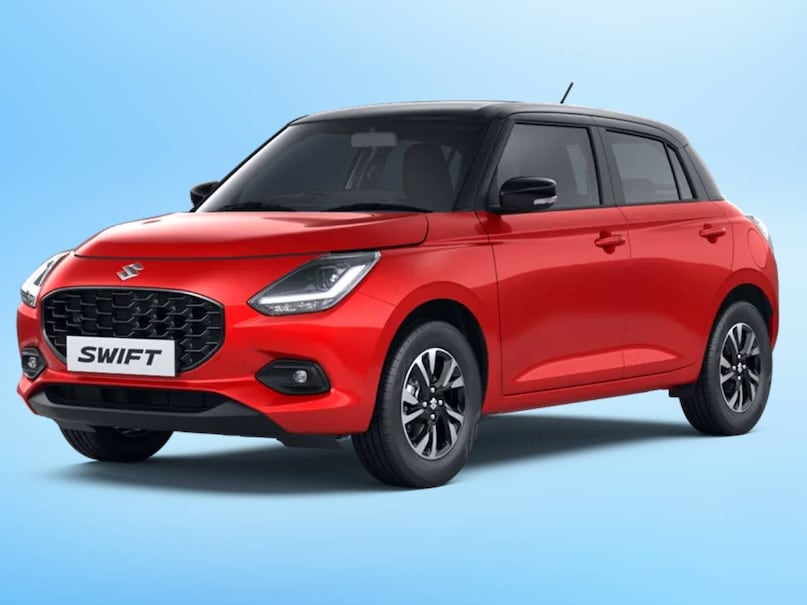
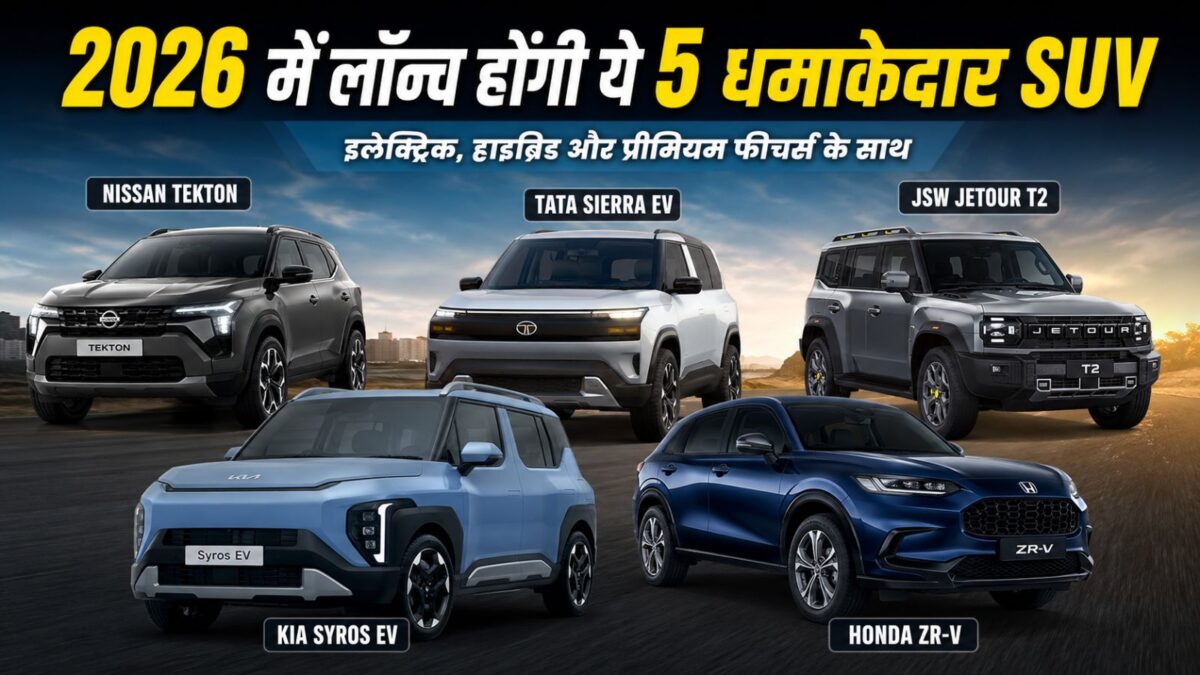
24 KM Mileage, Sunroof and 6 Airbags; The middle class is after this SUV!

24 KM Mileage, Sunroof and 6 Airbags; The middle class is after this SUV!

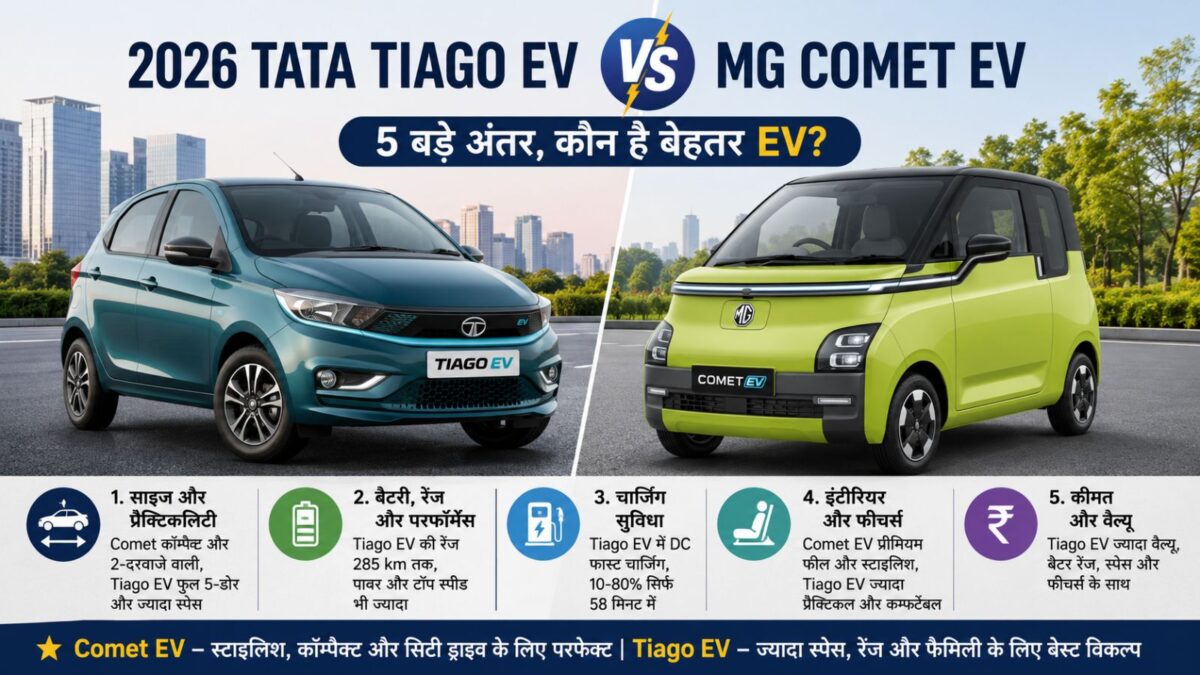
The second month of the year 2026 has been much better for the Indian auto market. There was a huge sale in February 2026. The highest demand was seen for SUVs. At the same time, sedan and hatchback have also got a good number of customers. Talking about the best selling car of last month, this place is occupied by Tata Nexon. At the same time, there has been a huge increase in the sales of Maruti Dzire and Tata Punch.

The top-10 cars of February 2026 together have attracted 1,70,127 new customers. This figure shows a good increase of 8.76 percent on an annual basis as compared to 1,56,425 units of top-10 cars sold in February 2025. Let's take a look at the sales reports of the best selling cars last month.

Tata Nexon

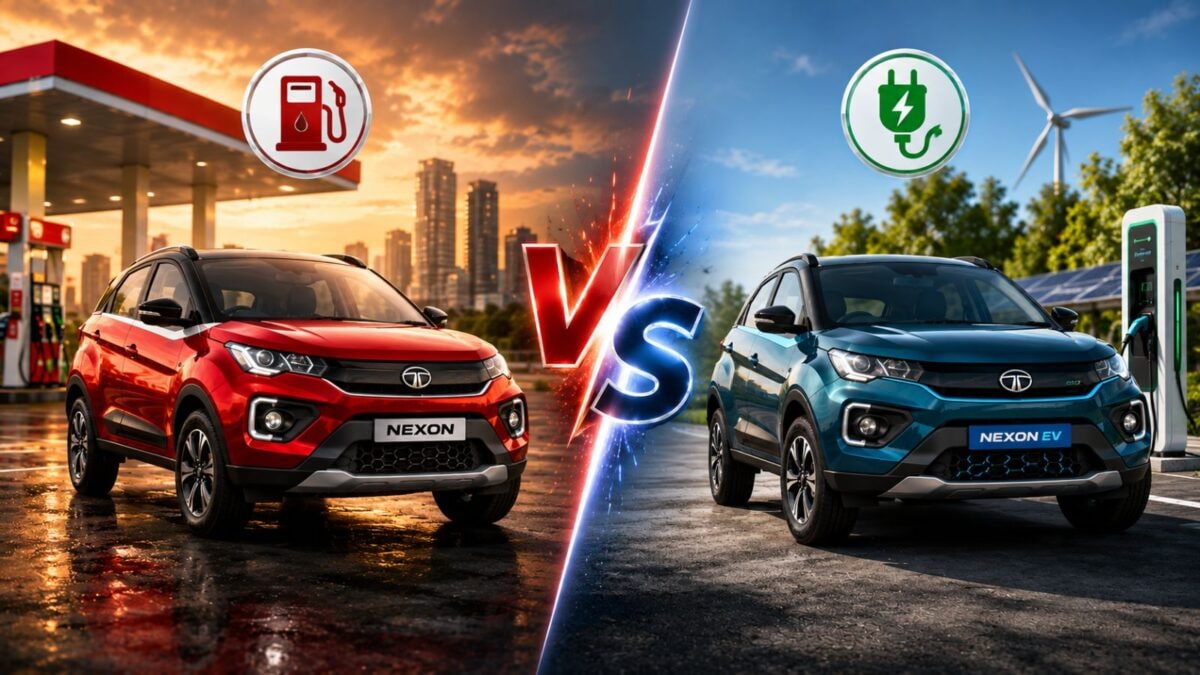
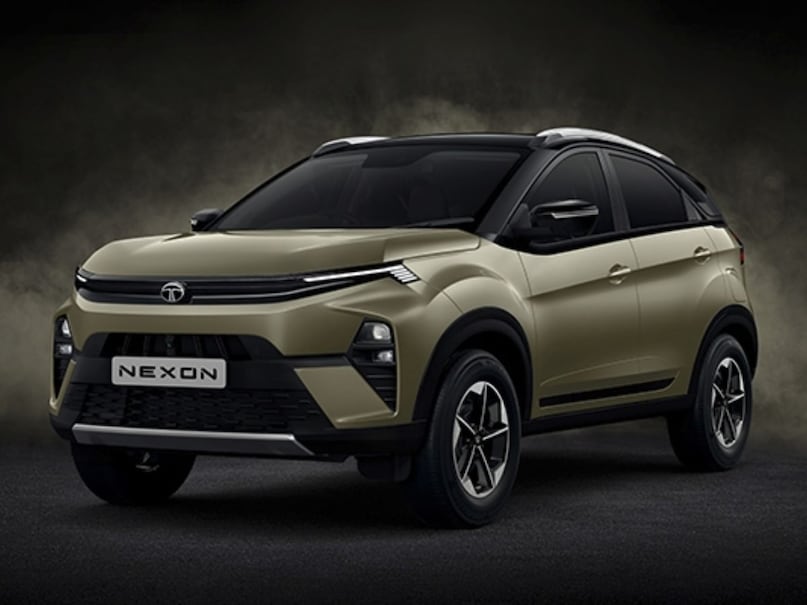
Tata Nexon is at number one in the list. Last month, this desi SUV got a total of 19,430 new customers. This figure shows an impressive increase of 26.59 percent on an annual basis as compared to the total 15,349 units sold in February 2025. The company sells it at a starting ex-showroom price of only ₹ 7,31,890.

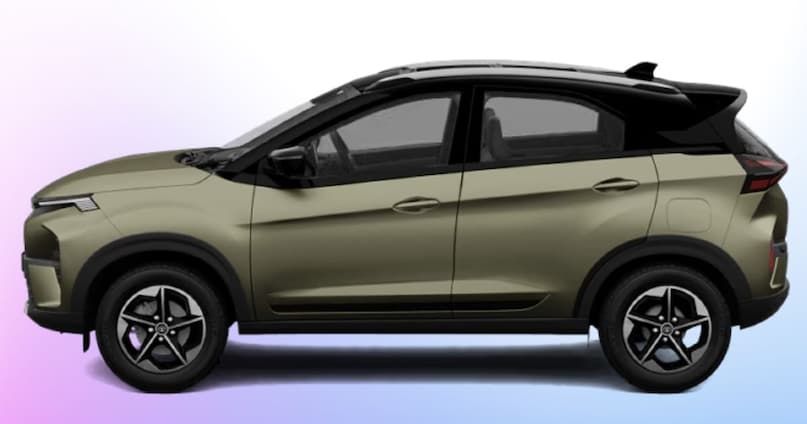
Tata Nexon's raced hood, sleek LED DRLs, R16 alloy wheels and panoramic sunroof make it special. Its cabin gets ventilated leatherette seats, 10.25 inch infotainment system, JBL speakers, wireless charger and 382L boot space with connected tech, multi drive modes, 360 camera and 6 airbags with ADAS. Engine options also available are 1.2L Turbo Petrol (120PS), 1.5L Turbo Diesel (115PS) and CNG. Maximum claimed mileage is 24.08 kmpl.
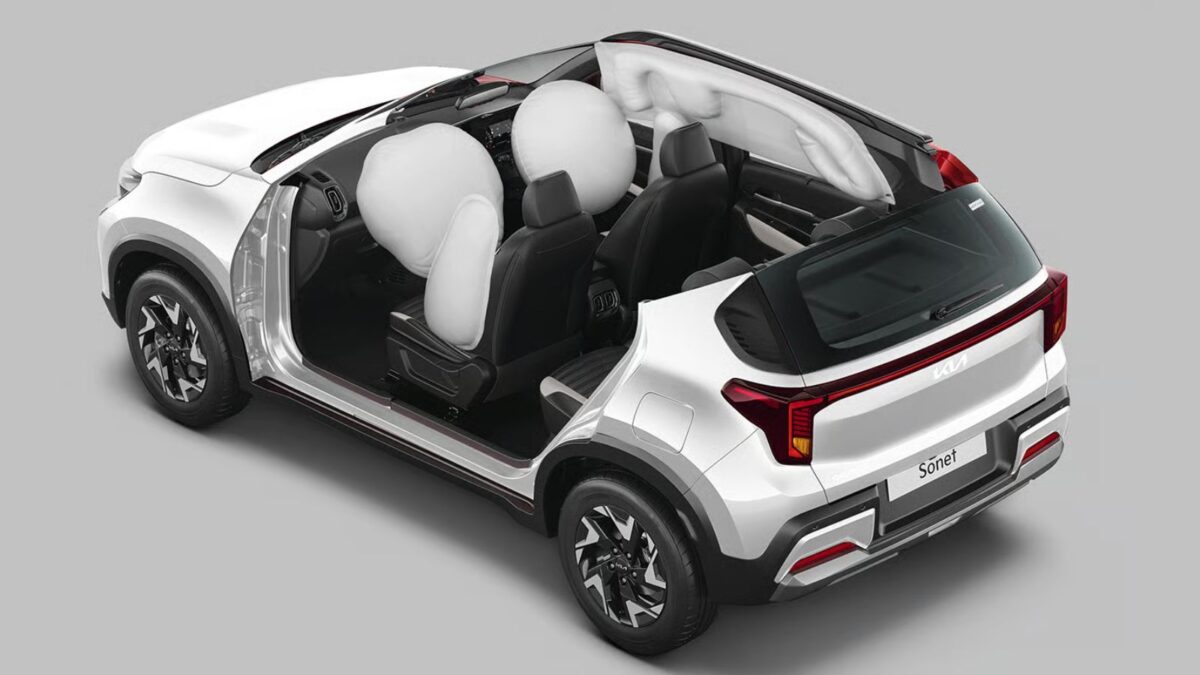
Maruti Dzire

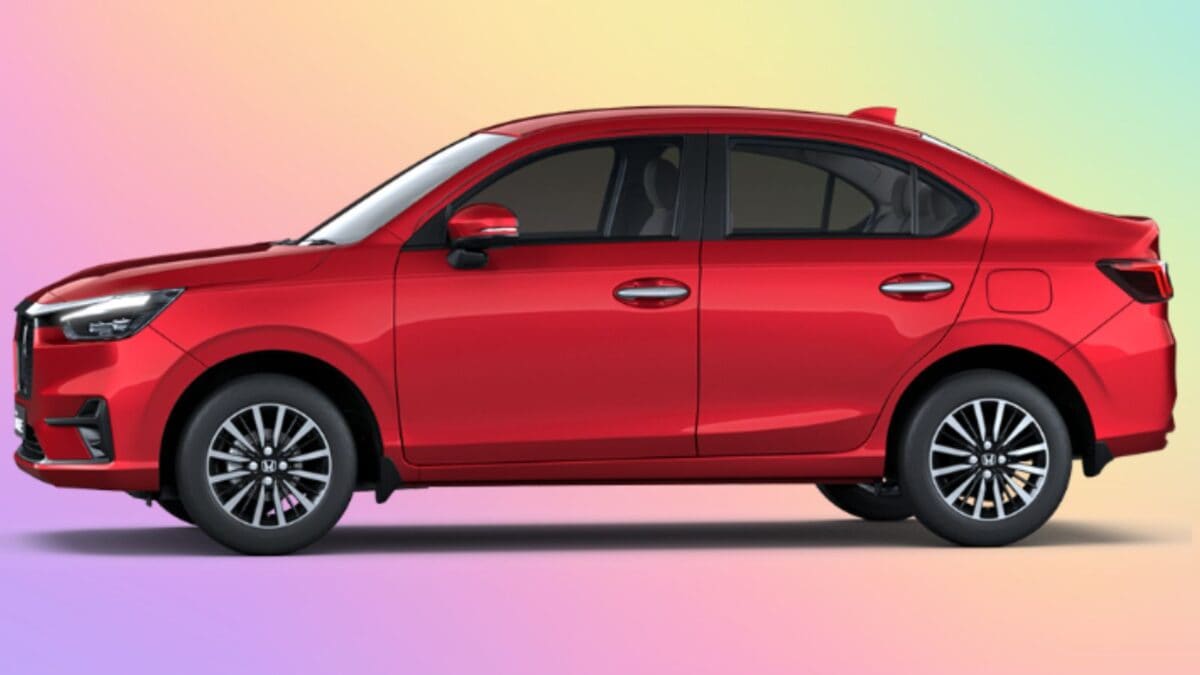
Maruti Dezire is at second place in terms of sales. This popular sedan has got 19,326 new customers last month. This figure shows an annual increase of 31.52 percent compared to the total 14,694 units sold in February 2025.

Tata Punch

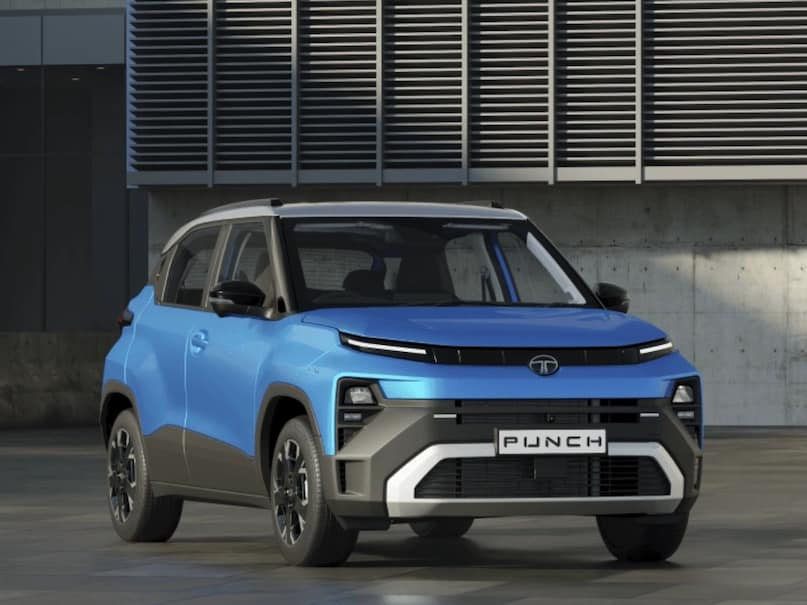
Tata Punch is at third place in terms of sales. This affordable SUV got 18,748 new customers last month. This figure shows an annual increase of 28.77 percent compared to the total 14,559 units sold in February 2025.

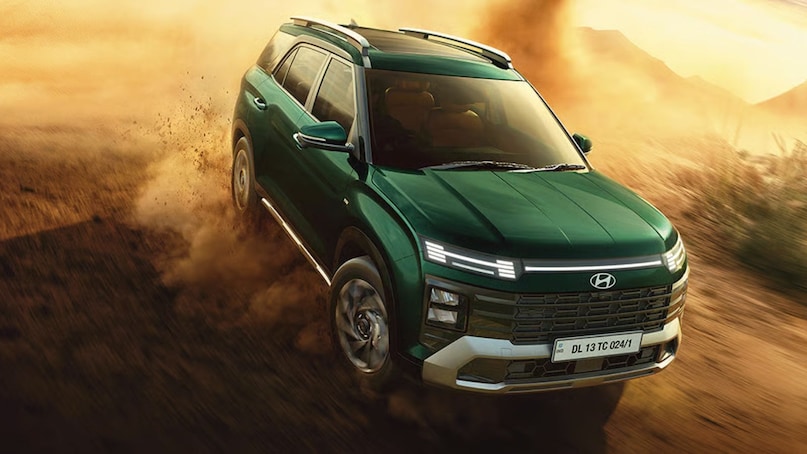
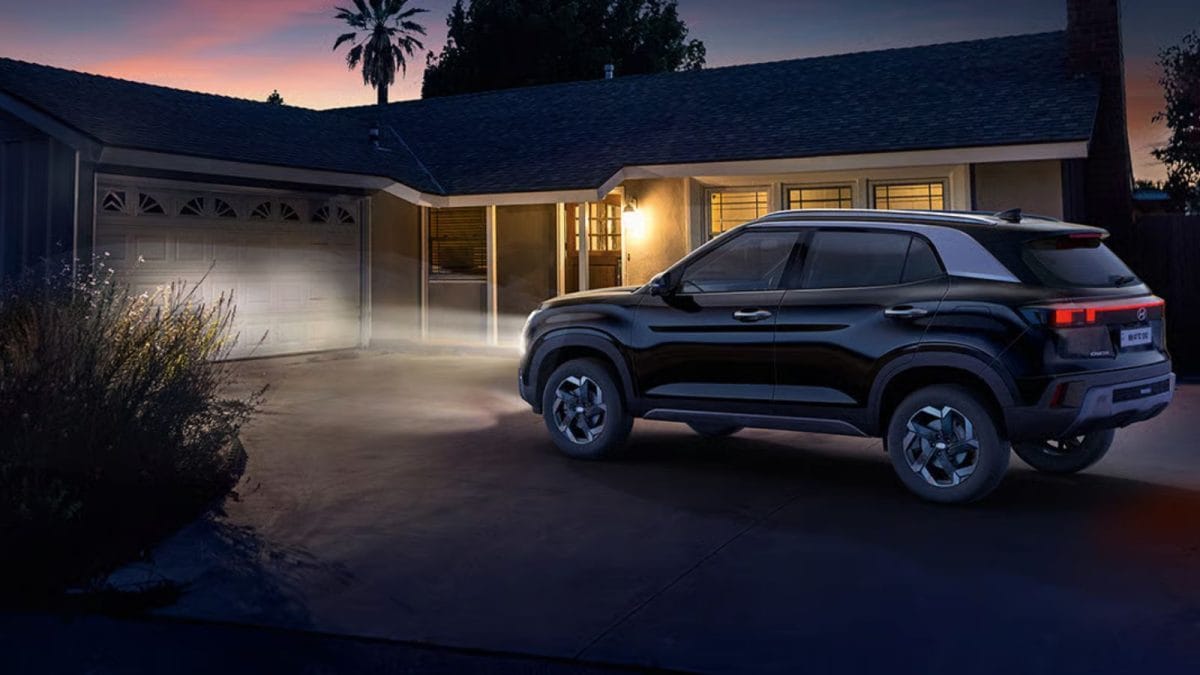
Hyundai Creta

In terms of sales, Creta has reached fourth place. It got 17,938 new customers last month. This figure shows an impressive increase of 9.93 percent on an annual basis compared to the total 16,317 units sold in February 2025.

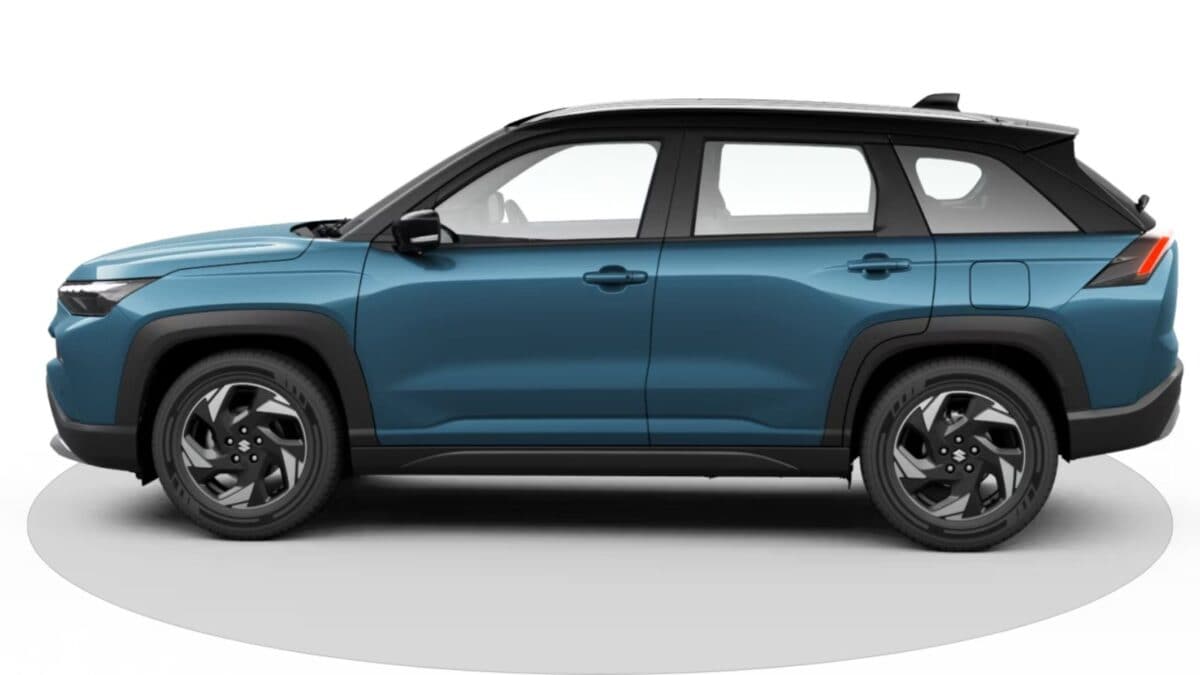
Maruti Brezza

On the basis of growth, Brezza has registered its name in the list of top-5 cars of last month. A total of 17,863 units have been sold in February 2026. This figure shows an annual increase of 16.05 percent compared to the total 15,392 units sold in February 2025.

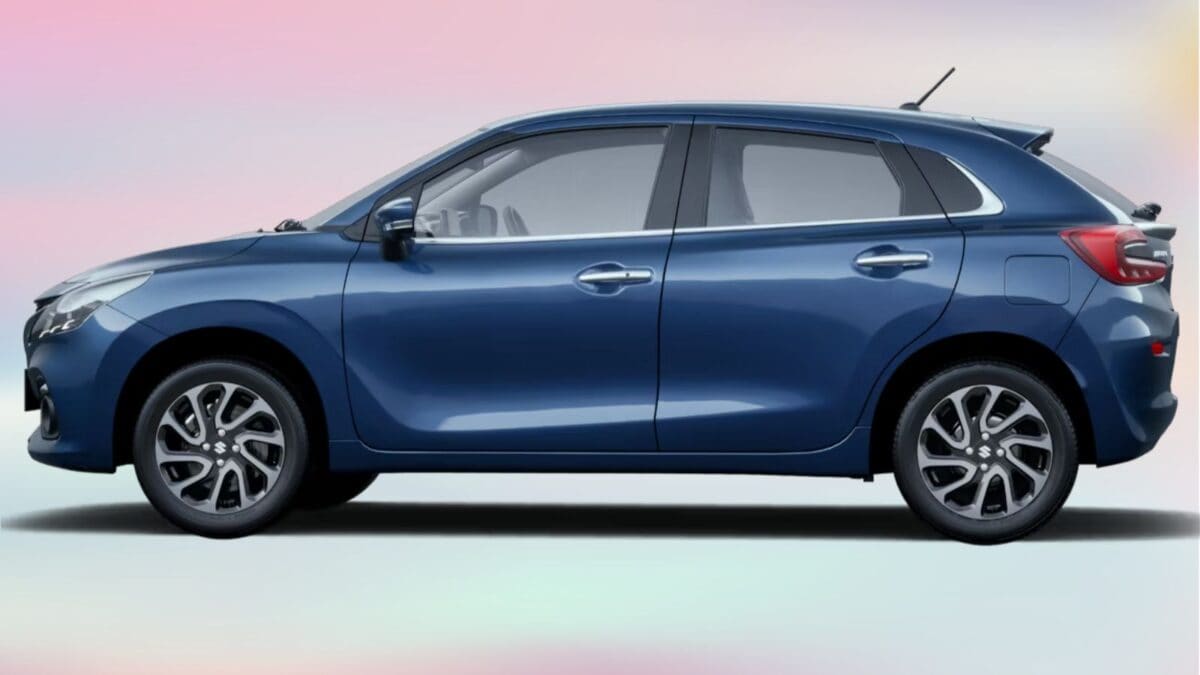
Apart from the top-5 cars of February 2026 mentioned above, 17807 units of Maruti Ertiga, 14,885 units of Maruti Wagon R, 14,833 units of Maruti Swift, 14665 units of Scorpio/N and 14,632 units of Maruti Baleno were sold last month.

Source link

Seltos and Sonet made Kia happy! Sold so many vehicles last month

Seltos and Sonet made Kia happy! Sold so many vehicles last month

Last Updated:

Kia India registered a growth of 10.3 percent by selling 27,610 units in February 2026. Sales increased due to the popularity of Seltos and Sonet. Atul Sood expressed happiness over the trust of the customers. See full sales report.

news quickly

Zoom

Kia Sonet

South Korean car manufacturer Kia India, which has made a strong hold in the Indian automobile market, has also made excellent sales in the second month of the year 2026. According to the latest data released by the company, Kia India's sales in February 2026 have registered an increase of 10.3% on an annual basis.

Kia India has sold a total of 27,610 units in February this year. This is the highest February sales in India so far in the company's history. Last year, i.e. in February 2025, the company had sold 25,026 units. In this way there has been an increase of about 10 percent at the annual level. This is the second consecutive month when Kia has registered double digit growth. Earlier in January 2026 also, the company had achieved a growth of 10.3% with sales of 27,603 units.

These vehicles provided fun

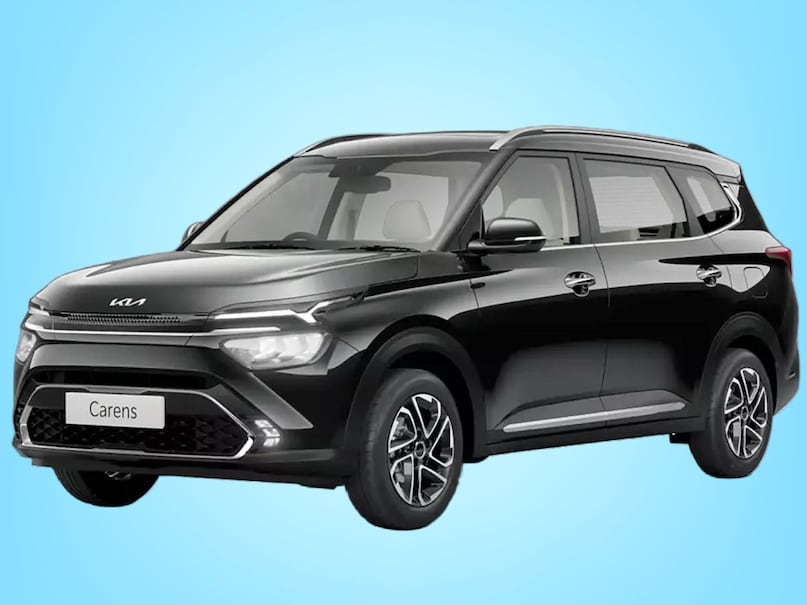
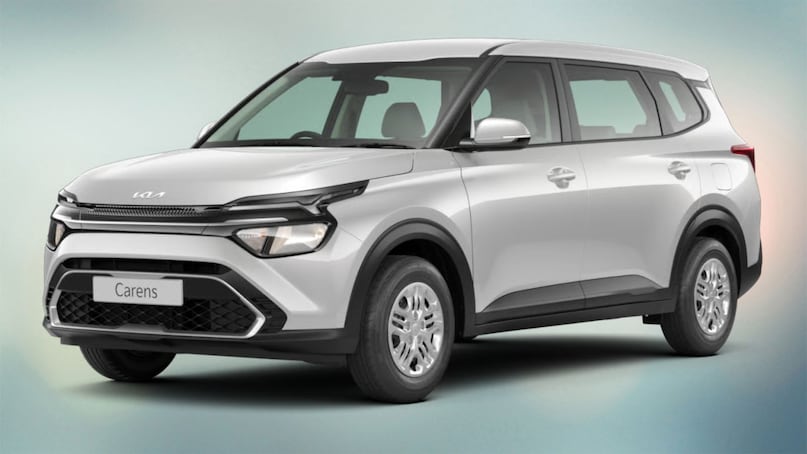
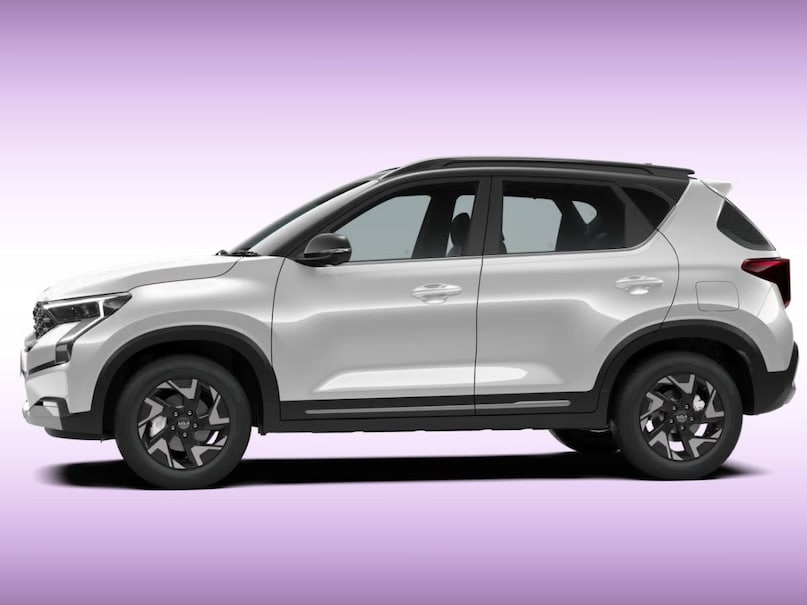
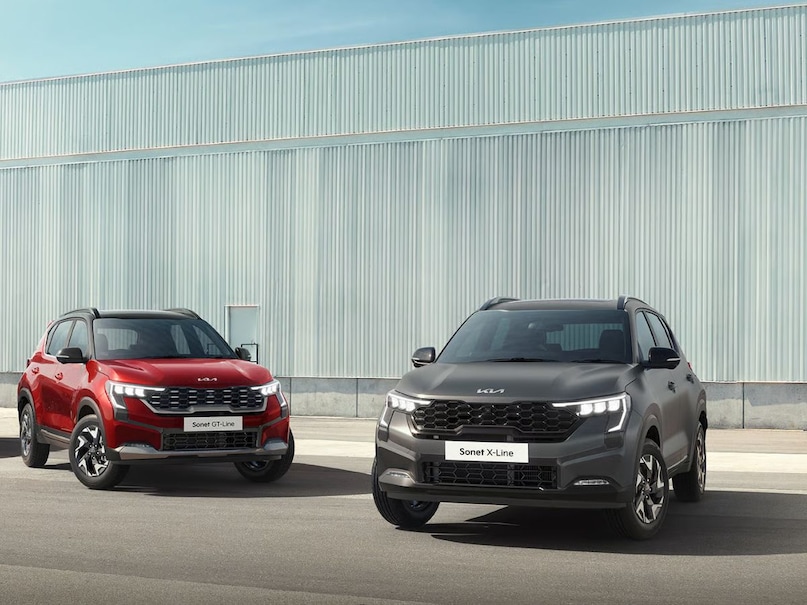
Their popular SUV portfolio has played a major role in the success of the company. New Gen Seltos is getting tremendous response from customers. Its updated design and safety features have kept it on top in the mid-size SUV segment. At the same time, Sonet continues to dominate the compact SUV segment. Being feature-loaded, it remains the first choice of the youth. Apart from this, Carens/Clavis and Carnival also find a good amount of customers.

What did the company say?

Expressing happiness over this achievement, Atul Sood, Senior Vice President, Sales and Marketing, Kia India, said that the record figures for February are a testament to the growing confidence of Indian customers in the Kia brand. Our strategy is not only to respond to market trends, but also to shape them through innovation and advanced technology.

Sales and Service Network

Kia is also emphasizing on network expansion across the country to increase its reach. Currently the company has 849 touchpoints in 382 cities. Apart from this, the company also has 122 certified pre-owned outlets, which are ensuring transparency in buying and selling of old vehicles. In the coming days, Kia may achieve further increase in sales due to new products.

Source link

Mahindra XEV 9e Cineluxe Edition enters Indian market

Mahindra XEV 9e Cineluxe Edition enters Indian market

Mahindra has launched the Cineluxe Edition of its new electric car XEV 9e. Its starting ex-showroom price has been kept at ₹ 29.35 lakh. This special edition is based on the top Pack Three variant of the XEV 9e, which offers a great combination of premium luxury, advanced technology and great performance.

This is a premium electric SUV with BYD Blade LFP battery technology, which becomes a strong contender in the segment with long range, fast charging and luxury features. The Cineluxe Edition gets exclusive Satin Black and Satin White colours, along with Chestnut Brown and Knockturn Black interior theme, which makes it even more attractive. Booking starts from 2nd March 2026 and delivery will start from 10th March.

Design and interior

The design of the XEV 9e Cineluxe Edition is sporty and muscular, which includes a coupe-SUV style body, illuminated logo, bi-LED headlamps, LED taillights, R19 alloy wheels and aero covers. Infinity roof (panoramic glass roof) and LightMeUp ambient lighting (16 million colors) give it a premium look. The Cineluxe has enhanced looks with Satin finish colors and exclusive exterior treatment.

The cabin is full of luxury. The Chestnut Brown and Knockturn Black leatherette upholstery, brown stitching, soft-touch materials and premium finish give it a cinematic feel. Triple HD displays (coast-to-coast Super Screens), panoramic glass roof, ventilated seats, dual-zone AC, rear AC vents, 65W Type-C fast charging ports and spacious trunk (150L) + boot (663L) are available. Ambient lighting, camp/pet/keep modes and personalized user profiles make it home-like.

Features and safety

The Cineluxe Edition comes with Harman Kardon 16-speaker audio system with Dolby Atmos, Qualcomm Snapdragon chipset, wireless Android Auto/Apple CarPlay, AR head-up display, 360° camera, hands-free park assist, wireless charging, power operated tailgate, ventilated front seats, digital key and OTT/social media apps pre-installed. Includes special modes such as PawPal (Pet), CampMe and Custom Drive Modes.

It comes with Secure360 safety suite, 7 airbags (including driver knee airbag), Level-2+ ADAS (Adaptive cruise control, lane keep assist, blind spot detection, auto lane change), EyeDentity (driver monitoring), 360° camera with surveillance mode, high stiffness body, all-wheel disc brakes, electronic stability control, TPMS and ISOFIX child seat. Can be purchased with anchor.

Battery, Motor and Range

It is equipped with a 79 kWh capacity BYD Blade LFP battery pack, which is connected to a rear-mounted permanent magnet synchronous motor (282-286 hp power, 380 Nm torque). 0-100 km/h is achieved in just 6.8-7.45 seconds. Claimed range is 656 km (MIDC). DC fast charging (175 kW) takes 20-80% in just 20 minutes. Single-pedal drive provides efficient performance.

Source link

The company selling Creta is having fun! Sales increased in India and abroad, broke records

The company selling Creta is having fun! Sales increased in India and abroad, broke records

Hyundai Motor India Limited (HMIL) has recorded its best ever sales report in February 2026. The company sold a total of 66,134 units, which shows an increase of 12.6 percent compared to February last year. This achievement includes sales of 52,407 units in the domestic market, an annual growth of 9.8 percent, while 13,727 units were shipped in exports, showing an impressive growth of 24.8 percent.

This success comes after the record performance of January 2026, where the company had sold 59,107 units in the domestic market, which was a growth of 9.5 percent. Back-to-back record sales at the beginning of the year show that Hyundai has been successful in maintaining popularity among Indian customers. The company's MD and CEO Tarun Garg said that with total sales of 66,134 units in February, which is the highest for any February in our history, we registered a strong year-on-year growth of 12.6 percent.

These vehicles provided fun!

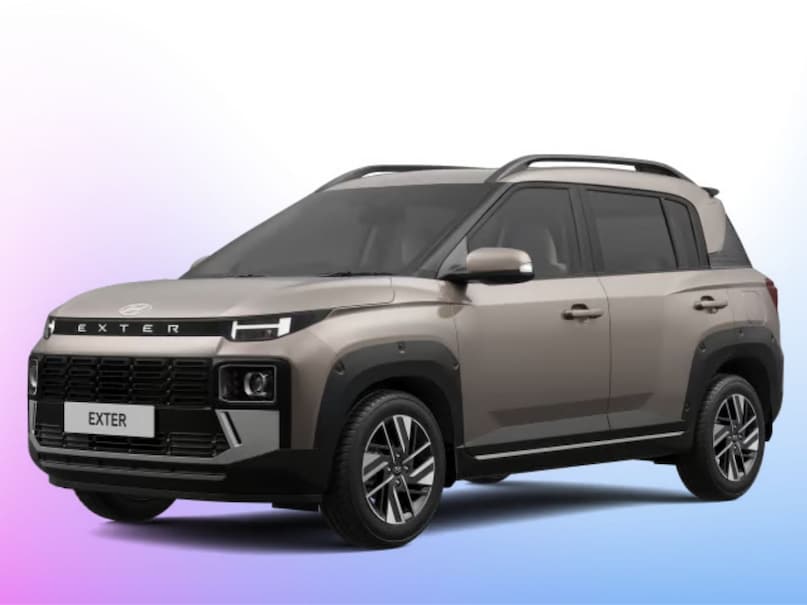
This success of Hyundai is mainly based on its popular models like Creta, Venue, Exeter, i20 and Grand i10 Nios. The recently launched new Creta has created a stir in the market, which is strengthening the company's leadership in the SUV segment. Amidst the increasing demand for SUVs in the Indian market, Hyundai has adapted its strategy, emphasizing on advanced features, safety and connected technology. The company also showed strong performance in exports, which is a step towards establishing India as its global manufacturing hub.

Hyundai status

Competition is intense in the Indian automobile industry, where companies like Maruti Suzuki, Tata Motors and Mahindra are the major players. Nevertheless, Hyundai has maintained market share with its innovative product lineup and customer-centric approach. Exports played a significant role in February sales, reflecting the growing acceptance of India-made vehicles in global markets. The company has also increased investment in electric and hybrid vehicles in recent years, pointing towards a future of sustainable mobility.

Company's future plan

Looking ahead, Hyundai is planning new initiatives to mark its 30 years in India. This could include launching more affordable EV models and improving customer experience through digital platforms. These sales figures are not only encouraging for the company but also give a positive sign for the entire auto sector.

Source link

Big Sale of Tata Motors! Demand increased in Indian market, export increased

Big Sale of Tata Motors! Demand increased in Indian market, export increased

Tata Motors, one of the country's popular car companies, has recorded excellent performance in its passenger vehicle (PV) sales in February 2026. The company sold a total of 63,331 passenger vehicles, which shows an increase of 35.29% compared to last year in February 2025. In February 2025, the company had sold 46,811 units, whereas this year the difference was 16,520 units.

This growth is mainly due to strong demand in the domestic market and the boom in the electric vehicles (EV) segment. However, sales saw a decline of 11.37% compared to January 2026, where 70,222 units were sold. Let's take a look at last month's Celt report.

Demand increased in domestic market

According to Tata Motors report, 62,329 units were sold in the domestic market in February 2026, which is 34.23% more than 46,435 units in February 2025. There was a difference of 15,894 units in domestic sales. The company says that this growth is driven by the demand for popular models like Nexon, Punch and Tiago. Apart from this, Tata's strong hold in the EV segment also played an important role.

Total EV sales in February 2026 stood at 8,385 units, which is 56.93% more than last year's 5,343 units, which was an increase of 3,042 units. The popularity of models like Tata Nexon EV and Tigor EV has strengthened the company's share in the EV market.

Boom in exports too

Tata Motors also performed brilliantly in exports. 1,002 units were exported in February 2026, which is 166.49% more than 376 units in February 2025. This increase reflects the increasing demand in markets like Africa, Middle East and South Asia. Overall, this surge in PV sales is a result of Tata Motors' strategic initiatives such as the launch of new EV models and introduction of BaaS along with supply chain improvements.

monthly sales decreased

However, there has been a decline in sales on month-on-month (MOM) basis. Sales of record 70,222 units in January 2026 fell to 62,239 units (domestic) in February, showing a decline of 7,983 units. This could be due to seasonal factors, such as post-Budget uncertainty or supply chain disruptions. Nevertheless, year-on-year growth continues to maintain the company's strong position.

What did the company say?

Tata Motors MD Shailesh Chandra said that February sales reflect confidence in our EV portfolio and the domestic market. We plan to launch more innovative models in 2026, including the Curve EV and Harrier EV. The growth in the company's EV sales has also been encouraged by the EV policy and subsidy schemes of the Government of India.

Auto industry analysts say that Tata Motors remains at third position in the passenger vehicle market after Maruti Suzuki and Hyundai, but it is the leader in the EV segment. The company's market share has increased to about 14% due to February sales. In the coming months, further increase in sales is expected due to Holi and summer demand.

Source link

Maruti's glory continues! Sales increased in domestic market, bumper jump in exports too

Maruti's glory continues! Sales increased in domestic market, bumper jump in exports too

India's largest car manufacturer Maruti Suzuki India Limited (MSIL) has released its sales figures for February 2026. The company's total sales have registered an increase of 7.32%, but the domestic market remains stable. There itself. There has been a tremendous jump in exports.

Maruti's total sales last month were 2,13,995 units, which is 14,595 units more than 1,99,400 units in February 2025 last year. In percentage terms this is an increase of 7.32%. However, sales in the domestic market remained almost stable. Domestic sales stood at 1,61,000 units, which is only 209 units more than 1,60,791 units in February 2025, i.e. a marginal increase of only 0.13%. Let's take a look at the complete report.

increase in exports

Exports provided strong support to the company. Exports in February 2026 stood at 39,155 units, which is 14,134 units more than 25,021 units last year. This is an impressive increase of 56.49%. The company says that this increase is due to increasing demand in the markets of Africa, Latin America and Asia. Maruti's popular models like Swift, Baleno and Dezire are performing well in foreign markets.

Toyota got less units

There was a slight decline in the models delivered to Toyota. 10,710 units were sold in February 2026, which is 168 units less than 10,878 units in February 2025, i.e. there is a decrease of 1.54%. This is a supply under the partnership between Maruti and Toyota, which includes models like Glanza and Urban Cruiser. However, this decline is minor.

lcv cell increased

The light commercial vehicle (LCV) segment also showed positive trends. 3,130 units were sold in February 2026, which is 420 units more than last year's 2,710 units, i.e. an increase of 15.50%. This segment is a growing area for the company, where models like Super Carry are becoming popular among small businesses and logistics companies.

monthly decline

Talking on monthly level, the sales of February 2026 are 13,529 units less than 1,74,529 units of January 2026, i.e. there is a decline of -7.75%. This could be due to seasonal factors like slackness after the festival season or production related reasons. Experts believe that to improve the domestic market, it is necessary to increase focus on electric vehicles (EV) and hybrid models. Maruti is recently planning to expand its EV range.

Competition is increasing in the auto industry. Rivals like Tata Motors, Hyundai and Mahindra are gaining strength in the EV and SUV segments. In such a situation, Maruti will have to continuously work on innovation to maintain its market share. February figures show that the company is in a strong position by taking advantage of global opportunities, but there was a slight slowdown in the domestic market last month.

Source link

Electric car drivers should always keep these 10 things in mind, life will also increase along with range.

Electric car drivers should always keep these 10 things in mind, life will also increase along with range.

The demand for electric cars is continuously increasing with time. However, people are still worried about their charging and range. If you have an EV and are planning to buy a new electric car in the coming days, then this article of ours is useful for you. Actually we will talk about proper charging of the vehicle.

Many people make common charging mistakes, like using the wrong adapter or charging during peak hours, which affects the performance of the vehicle. It is important to avoid these mistakes, so that the EV battery lasts longer, charging is efficient and unnecessary expenses can be saved. In such a situation, let us know how the EV should not be charged, that is, what mistakes we should not make during charging.

1. Do not fully charge the battery

For daily use, charge the battery only up to 80-90%. Fully charging puts stress on the battery and reduces its lifespan. Hold up to 80% even on road trips, as the last 20% charging is slow and expensive. This can increase the battery life by 20-30%.

2. Do not let the battery discharge completely

Do not let the EV battery drain to 0%. This can cause sales damage and recovery is difficult. Always keep above 20%. If the battery is low, charge it immediately, but do not overuse the fast charger as it heats the battery and causes harm in the long run.

3. Don't depend too much on fast chargers

DC fast chargers are convenient, but daily use reduces battery capacity. Use a Level 2 charger at home, which is slower but safer. Do fast charging at public stations only when necessary, otherwise the battery may degrade 10-20% faster.

4. Don't use the wrong adapter or cable

Do not use third-party or outdated adapters, as they may cause overheating or short circuit. Always choose adapters from the original manufacturer. Do not force the AC adapter onto the DC charger, otherwise the connector may be damaged. Do not connect multiple adapters together.

5. Do not charge during peak hours

Charging during peak hours makes electricity expensive. Choose off-peak hours (at night), where rates are lower. Use charge management apps so that the connection is not lost and you can take advantage of cheap electricity. This can save hundreds of rupees annually.

6. Do not leave the charging area unprotected

Do not keep flammable items like paper, clothes or chemicals at the charging point. This poses a risk of fire. Keep charging ports clean in street parking and check regularly. Do not charge without cover in rain.

7. Don't misuse extension cords

If using an extension cord, choose a high-rated one (16 amp or more). Cheap cords can overheat. Always prefer direct wall socket.

8. Don't forget etiquette in public charging

Don't stay on the charger for too long if not necessary. Check status from the app and maintain multiple accounts so that there are no payment issues. If the charger cable is short then park properly.

9. Don't lack planning

Do route planning so that charging stations are available. Don't ignore renewable energy options like solar charging, which reduces costs.

10. Don't forget regular inspections

Check plugs, cables and ports. If overheating occurs, stop immediately. Due to this, the risk of accident becomes negligible. With these tips, the life of your EV will increase, money will be saved and it will remain safe.

Source link

7 Airbags, Sunroof and ADAS! These 5 new SUVs made a grand entry in February 2026

7 Airbags, Sunroof and ADAS! These 5 new SUVs made a grand entry in February 2026

The month of February 2026 was much better for the Indian car market. Many new products have been launched in the market last month. This includes electric as well as ICE cars. On one hand, the country's cheapest electric SUV has made its entry. On the other hand, BMW has launched its X3 with the most powerful engine till date.

The list of top 5 vehicles launched last month includes Tata Punch EV Facelift, Maruti Suzuki E Vitara, Nissan Gravit, Volkswagen Taron R-Line and BMW X3 30 xDrive M Sport Pro. Their prices start from just Rs 6.49 lakh and go up to Rs 74.50 lakh. Come, let us know about these five vehicles launched in February 2026.

Tata Punch EV Facelift

First of all let's talk about Tata Punch EV facelift. This electric micro SUV was launched in February 2026, with a starting price of Rs 9.69 lakh. Tata Motors has updated it on the Acti.EV platform, which includes larger battery options (35 kWh and 40 kWh), up from the earlier 25 kWh and 30 kWh. This has improved the range and also made the charging speed faster, with fast charging of up to 65 kW providing 10 to 80 percent charge in just 30 minutes.

The company has decided to sell it with BaaS scheme at a starting ex-showroom price of only Rs 6.49 lakh. The variants include Smart, Smart Plus, Adventure, Empowered and Empowered Plus S. The Adventure variant lacks the dual-tone option with the larger battery pack, but has better ride quality, refinement and braking performance. Deliveries are going to start soon and it presents a strong contender in the budget EV segment.

Maruti Suzuki e Vitara

The next car is Maruti Suzuki E Vitara, which is Maruti's first electric SUV and is scheduled to be launched on 17 February 2026. Its price ranges from Rs 15.99 lakh to Rs 19.79 lakh (ex-showroom) including battery, while it starts from Rs 10.99 lakh with the Battery-as-a-Service (BaaS) scheme, where battery rental is Rs 3.99 to Rs 4.39 per kilometre. It gets features like ADAS with 7 airbags.

The variants are Delta, Zeta and Alpha, with 49 kWh and 61 kWh battery packs, giving an ARAI range of up to 543 km. Delivery has started, but due to production constraints there is a waiting period of up to 2 months. This SUV is cheaper than its rivals and strengthens Maruti's entry into the EV segment.

Nissan Gravite

Nissan Gravit is a 7-seater MPV, launched on 17 February 2026 at an introductory price of Rs 5.65 lakh. It is based on Renault Triber and is manufactured in Chennai. Variants include Vizia, Ascenta, N-Connecta and Tecna. The N-Connecta variant comes with premium features like smart comfort and storage, keeping the price below Rs 8 lakh. It is part of Nissan's resurgence in India, offering versatile and stylish options for families.

Volkswagen Tayron R-Line

The price of Volkswagen Taron R-Line was revealed in February 2026, although it was unveiled in January. This 7-seater SUV is a larger version of Tiguan, which comes with a sporty design and R-Line package. It has spacious interiors, daily usability and appeal for enthusiasts. The styling is rounded and sporty, which provides the customer with the performance of a family car. You can buy it at a starting ex-showroom price of only Rs 46.99 lakh.

BMW X3 30 xDrive M Sport Pro

BMW X3 30 xDrive M Sport Pro launched on 16 February 2026, ex-showroom price of Rs 74.50 lakh. It has a 2.0-litre turbo-petrol engine with 258 hp and 400 Nm torque, which comes with 20-inch wheels and Brooklyn Gray color option. It is locally produced and competes with rivals like Mercedes GLC, Audi Q5. It has a great blend of performance and luxury.

Source link

Mega planning of Tata Motors! Will launch 3 new EVs soon, starting price less than ₹ 10 lakh

Mega planning of Tata Motors! Will launch 3 new EVs soon, starting price less than ₹ 10 lakh

HomeLatest NewsAuto

Mega planning of Tata Motors! Will launch 3 new EVs soon, know details

Last Updated:

Tata Motors will launch Tata Tiago EV facelift, Tata Avinya and Tata Sierra EV in the remaining months of 2026, which will further strengthen the electric vehicle market in India. Let's take a look at their possible launch details.

news quickly

Zoom

Tata Avinya EV

Tata Motors is moving rapidly in the electric vehicle segment of the country. The company has made a strong hold in the market in the last few years with Nexon EV, Punch EV and other models. Now in the remaining months of 2026, the company is preparing to launch three new electric cars, which will bring exciting options to the customers. The names of Tata Tiago EV Facelift, Tata Avinya and Tata Sierra EV are included in the list of upcoming EVs.

These cars are in different segments. There is an affordable hatchback update, a premium concept-based SUV and a mid-size electric SUV. These launches will further strengthen India's electric vehicle market, where the demand for eco-friendly and technologically advanced vehicles is increasing. Tata's Gen-3 EV architecture and better battery technology will make these models attractive. Let us know what will be seen in these.

1. Tata Tiago EV Facelift

Tata Tiago EV is India's most popular affordable electric hatchback. Now its facelift version is going to be launched in 2026. Newly designed lights, updated front grille, revised bumper and taillights are visible in the spy photos. It may possibly get a bigger battery pack (perhaps up to 30 kWh), more range (250-300 km), sunroof, 360-degree camera and new features like updated infotainment system. This will be best for city use, the price will be a little higher than the current model but value for money.

2. Tata Avinya

Tata Avinya is a premium electric concept, which will be built on the company's new Gen-3 platform. It is expected to be launched in mid-2026 (around June). The estimated price can start from Rs 40 lakh. Avinya will have features like futuristic design, sportback style, high-end interior, advanced ADAS, long range (500+ km) and fast charging. This will be the beginning of Tata's premium EV brand, which will offer a blend of luxury and performance.

3. Tata Sierra EV

Tata Sierra EV will be launched in the second quarter (April-June) of 2026. This is a mid-size electric SUV, which will be based on the recently launched ICE Sierra. It will have both RWD and AWD options, dual motor setup, high ground clearance and modern features like hill assist, large touchscreen and premium cabin. The estimated price will be around Rs 20-25 lakh. It will compete with models like Mahindra BE 6, Hyundai Creta EV. These three models will further strengthen Tata's EV portfolio.

Source link

From New Duster to Kushaq facelift, these 4 new SUVs will enter in March 2026

From New Duster to Kushaq facelift, these 4 new SUVs will enter in March 2026

Upcoming Cars in March 2026: Many new products are going to be launched in the Indian auto market in March 2026. This includes both electric and ICE models. This month sees the comeback of the new Renault Duster, entry of Toyota Urban Cruiser Ebella Electric, updated version of Skoda Kushaq Facelift and entry of Nissan Tekton.

These 4 new SUVs will further increase competition in the market. In terms of its design, features, powertrain and price, these vehicles are going to compete with models like Creta, Seltos, Grand Vitara. Come, let us know what will be seen in these vehicles ready for entry in the coming days. You will also know their handling price.

New Renault Duster

First of all let's talk about the new Renault Duster. This car was discontinued in 2022, but now it is being launched in India on March 17 with the third-generation model. Expected prices range from ₹10.50 lakh to ₹21 lakh (ex-showroom). Pre-bookings have started for ₹21,000 and deliveries will start from April. The design of the new Duster is rugged and modern.

Engine options include 1.0-litre 3-cylinder turbo petrol (100 PS, 160 Nm), 1.3-litre 4-cylinder turbo petrol (163 PS) and strong hybrid E-Tech 160 (launch later). The gearbox has 6-speed manual and DCT option. Features will include dual screens, panoramic sunroof, level-2 ADAS, 360-degree camera. It will challenge competitors like Creta, Seltos, Grand Vitara. Its return can breathe new life into the SUV segment.

Toyota Urban Cruiser Ebella

This is Toyota's first fully electric SUV in India, which will be launched in January 2026 but full price announcement and deliveries can start in March. It is based on the Maruti e-Vitara, but will come with Toyota branding. Battery options include 49 kWh (approx. 440 km range) and 61 kWh (543 km ARAI range). Power is up to 128 kW (174 PS) and torque is 189 Nm.

The design has a hammerhead front, futuristic look, dual-tone colors. Features include 10.1-inch driver display, 10.25-inch touchscreen, i-CONNECT, ventilated seats, JBL sound, level-2 ADAS, 7 airbags and 360-degree camera. The price is expected from ₹ 16 lakh to ₹ 25 lakh. It will compete with cars like Creta Electric, MG ZS EV. Toyota's reliability and EV technology make it attractive.

Skoda Kushaq Facelift

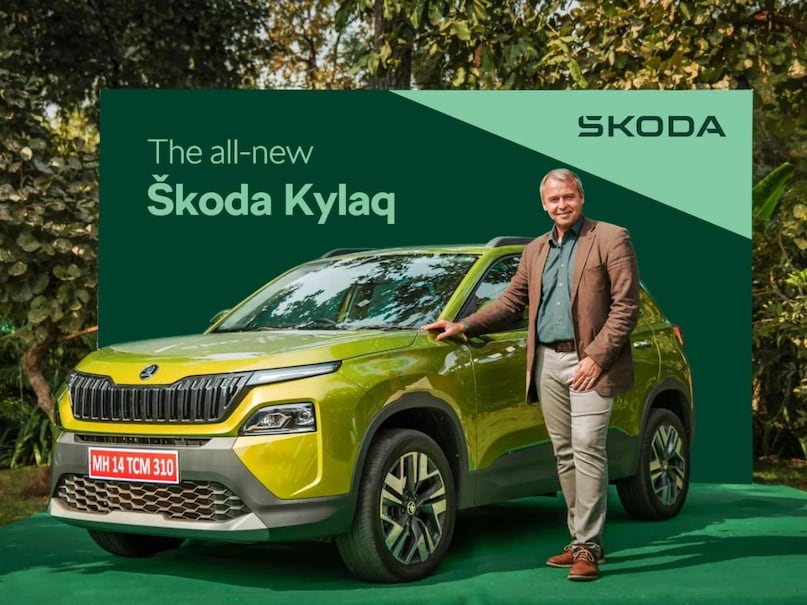
This will also start delivery in March 2026. Production has started at Chakan plant, pre-bookings are being done for ₹ 15,000. The updated design includes a new grille, illuminated logo. The interior features a panoramic sunroof, rear-seat massage function (segment-first), 10.1-inch touchscreen, 10.25-inch digital cluster, ventilated front seats and AI Companion. The engines are the same 1.0 TSI (115 PS) and 1.5 TSI (150 PS), but a new 8-speed TC automatic has been added to the 1.0. Rear disc brakes, 5-star safety make it special. Price is expected between ₹ 11-19 lakh.

Nissan Tekton

This is Nissan's new C-SUV, which will be based on Renault Duster. It will be unveiled or launched in March. Prices are expected between ₹11-18 lakh. Turbo petrol and strong hybrid options will be available. The design includes commanding stance, rear lightbar and bold SUV DNA. This is a major part of Nissan's revival in India under the One Car One World strategy. These four cars will give new energy to the Indian market in March 2026.

Source link

More range and better designs than ever before! Tata Tiago EV coming in new avatar

More range and better designs than ever before! Tata Tiago EV coming in new avatar

The Tata Tiago EV facelift has been spotted testing several times in early 2026, with the latest spotting being in the PCMC area near Pune. The heavily camouflaged prototype revealed major styling changes, including new LED headlamps, redesigned bumpers and possible aero wheels. This update is to counter the overlap of price and features of the Punch EV.

This will make the Tiago EV more attractive, expected to be launched in late 2026 or early 2027, which may have premium additions like a sunroof, 360-degree camera and better interior tech. There is a possibility that a bigger battery pack will come for better range. Let us know what are the revelations from the pictures and how special is Tata Tiago EV going to be?

design details

The expected design of Tata Tiago EV facelift is going to be quite attractive. Spy images reveal that it will include new LED headlamps, top-mounted LED DRLs, redesigned front grille and bumper. The turn indicators have been kept away from the grille, while the positioning of the fog lights will be new. There will be refreshed tail lamps and bumpers at the rear. The wheels are camouflaged, hinting towards new aero-optimized alloy wheels.

A small bump on the roof indicates the possibility of a single-pane sunroof, which will be a first in the segment. The ORVMs feature a 360-degree camera. Overall, the design will look more premium and modern with minor but effective changes, based on the 2025 update. Color options may also be new.

How much will the interior change?

The interiors are expected to be upgraded with better materials and upmarket trims. It may include a larger touchscreen infotainment system, 7-inch fully-digital instrument cluster with auto-dimming function, new two-spoke steering wheel (with illuminated logo), integrated armrest and rear AC vents. The center console may be slightly revised, but most of the layout will remain carryover.

It will retain the 2025 model's 10.25-inch floating touchscreen, wireless Apple CarPlay and Android Auto, automatic climate control, steering-mounted controls, iRA connected-car features and cooled glovebox. Wireless charging pad can be found in higher trims. Overall, the interior will be more premium and feature-rich, inspired by the Punch EV.

Features and safety

Talking about the features, it will have new additions like 360-degree camera, single-pane sunroof, wireless smartphone charger, connected car features and telematics. The large touchscreen and digital cluster will remain standard. HD rear view camera will come with guidelines. These features will make Tiago EV more competitive in the segment. Safety features are expected to improve. Currently, dual front airbags are standard in entry-level trims, but the 2026 model can get six airbags across all trims.

Battery, Motor and Range

The current model has 19.2 kWh (MR) and 24 kWh (LR) battery options. The facelift may come with a larger 30 kWh battery pack (from the Punch EV), which will use prismatic cells. With this the range can exceed 265 km. Currently the MIDC range for 19.2 kWh is 223 km and the MIDC range for 24 kWh is 293 km. DC charging speed may be improved.

Source link

Tata Sierra EV is ready to make a big entry in the market, know the details

Tata Sierra EV is ready to make a big entry in the market, know the details

Tata Sierra EV has been spotted testing several times in India. It was recently spotted during road tests in camouflage, which included cold-weather trials and rough terrain evaluations in Leh. This SUV has confirmed its EV identity with a charging flap, no exhaust pipe and independent rear suspension. This new e-SUV built on Acti.EV platform will be positioned between Curve EV and Harrier EV.

In the midsize electric SUV segment, it will compete with rivals like Mahindra BE6 and Hyundai Creta EV. Expected to launch in the second quarter (April-June) of 2026, it may promise retro-modern styling, advanced features and a range of up to 500 km. Estimated price is around ₹15-25 lakh. Come, let us know what can be seen in it.

Design and interior

The design of Tata Sierra EV will be a mix of retro and modern. It will include a boxy SUV silhouette, muscular stance, wraparound rear windows, closed-off grille, slim split-headlamp setup, aero-optimized 19-inch alloy wheels, flush door handles, connected LED lighting, squared-off wheel arches and clean rear with full-width LED tail lamps. It will pay tribute to the original 1990s Sierra and adopt modern EV elements, such as smooth surfaces and muscular bumpers.

The interiors will be minimalistic and airy, with a triple-screen dashboard (12.3-inch infotainment, 12.3-inch passenger entertainment screen and 10.25-inch driver display), panoramic sunroof, ventilated and powered front seats, dual-zone climate control, ambient lighting, wireless charger, premium Harman audio system with Dolby, wireless Apple CarPlay and Android Auto, 360-degree camera, dual-tone materials and light color palette will be included. The seating options could be a five-seat or four-seat lounge layout, which will provide a spacious and comfortable cabin.

Features and safety

Features will include Level 2 ADAS (Adaptive Cruise Control, Lane Keep Assist, Autonomous Emergency Braking, Blind Spot Monitoring), Connected Car Technology, V2L (Vehicle-to-Load) and V2V (Vehicle-to-Vehicle) charging, instant torque, hill launch/descent control, good ground clearance and suspension tuning, which will provide better performance on rough terrain.

Safety features will include six or seven airbags, electronic stability control (ESC), traction control, hill-hold assist, tire pressure monitoring system (TPMS), all-round parking sensors, 360-degree camera and Level 2 EDAS as standard, which will ensure a strong rating in Bharat NCAP.

Battery, Motor and Range

Battery options will be 65 kWh and 75 kWh packs. These will be offered with thermal management. The motor setup will be standard front-wheel drive (FWD) or rear-wheel drive (RWD) and optional dual-motor all-wheel drive (AWD), which will provide better traction and mild off-road capability. Range could be around 450-500 km.

Source link

4X4 Engine, 6 Airbags and Advanced Features! These are the best offroading SUVs

4X4 Engine, 6 Airbags and Advanced Features! These are the best offroading SUVs

To travel in hilly terrain, desert sand, muddy roads and rain forests, a better offroading car is required. Offroading is an adventure that not only provides thrill but also tests the vehicle's strength, ground clearance and 4×4 capability. Among the many SUVs and offroader vehicles available in India, Mahindra Thar, Force Gurkha and Maruti Suzuki Jimny are the most popular.

These SUVs remain the first choice of offroading lovers due to their strong build quality, advanced offroad features and affordable price. In this article we will discuss these three cars in detail. If you are planning to buy an offroad car in the coming days, then take a look at its price and features along with features and specification details.

Mahindra Thar

First of all let's talk about Mahindra Thar. Mahindra Thar is one of the most iconic offroader cars of India, which is inspired by the classic design of Jeep. It can be purchased with 2.0-litre mStallion petrol engine (150 hp) and 2.2-litre mHawk diesel engine (130 hp) with 6-speed manual or automatic transmission options.

It has a ground clearance of 226 mm, approach angle of 41.8 degrees, departure angle of 36.8 degrees and rampover angle of 27 degrees. The 4×4 system includes a low-range gearbox, mechanical locking differential and brake-based traction control, which helps in smoothly traversing rocky terrain, mud and water. Thar's ladder-frame chassis and solid axle setup make it extremely durable.

The interior has a 7-inch touchscreen infotainment system, cruise control and safety features like ABS, EBD, hill descent control and 6 airbags. Talking about the price, the ex-showroom price ranges from Rs 9.99 lakh to Rs 17.60 lakh. The reason for Thar's popularity in offroading is its customization options, like hard top, soft top or convertible. However, it may be a bit inconvenient for city driving.

Force Gurkha

Now let us look at Force Gurkha. This car from Force Motors is a true offroader, which has a design inspired by the Mercedes-Benz G-Wagon. The Gurkha is powered by a 2.6-litre FMTECH diesel engine (91 hp), which comes mated to a 5-speed manual transmission. Its offroading capabilities are excellent with 233 mm ground clearance, 35 degree approach angle, 37 degree departure angle and 29 degree rampover angle.

Front and rear mechanical differential locks, snorkel (which allows driving in water up to 700 mm) and 4×4 high/low range make it perfect for extreme conditions. The Gurkha's body-on-frame chassis and independent front suspension keep it stable on rough terrain. The interior is simple but has basic features like a functional 7-inch touchscreen, power windows and dual airbags.

Price starts from Rs 15.95 lakh. Gurkha's strength in off-roading is its durability. It can go on roads where other cars get stuck. However, due to low power and 12-14 kmpl mileage, it feels a bit sluggish on the highway. If you want a hardcore offroader that focuses on performance more than luxury, then the Gurkha is the perfect option.

Maruti Suzuki Jimny

Maruti Suzuki Jimny is the third car, which is a compact and agile offroader. The Indian version of Suzuki's global Jimny is expected to be launched in 2023, with a 1.5-litre K15B petrol engine (105 hp). It comes with 5-speed manual or 4-speed automatic transmission. The Jimny's offroading prowess lies in its lightweight body (ladder frame chassis), solid axles and AllGrip Pro 4×4 system, which includes a low-range transfer gear. Ground clearance is 210 mm, approach angle is 37 degrees, departure is 49 degrees and rampover is 28 degrees.

It can easily maneuver on narrow trails and tight turns. Features include 9-inch touchscreen, automatic climate control, cruise control and 6 airbags. The price ranges from Rs 12.31 lakh to Rs 14.95 lakh, making it affordable. Mileage is 16-17 kmpl, which is good for both city and offroad. The specialty of Jimny is its fun-to-drive nature. This is perfect for beginner offroaders. However, being a 4-seater, there is less space for the family. Jimny's agility in off-roading sets it apart from Thar and Gurkha.

Source link

Who has the upper hand between Maruti E Vitara and Vinfast VF6? Know before you buy

Who has the upper hand between Maruti E Vitara and Vinfast VF6? Know before you buy

Both the Maruti Suzuki e-Vitara and VinFast VF6 are compact electric SUVs, offering affordable EV options in the Indian market. The e-Vitara is scheduled to launch in February 2026, while the VF6 is expected to arrive in September 2025. Both are FWD single motor, but there is a difference in their price, range and premiumness.

You can buy Maruti E Vitara with BaaS plan for ₹ 10.99 lakh (battery rental ₹ 3.99/km). Whereas, its Delta (49 kWh) variant is priced at ₹ 15.99 lakh and Zeta/Alpha (61 kWh) is priced at ₹ 17.49-₹ 19.79 lakh (ex-showroom). VF6 Earth Edition can be purchased from ₹ 17.29 lakh to Wind Infinity for ₹ 19.19 lakh. Let us take a look at their design and range details.

Design

The e-Vitara gets a polyhedral muscular stance, futuristic front in Nexa style, 18-inch alloy wheels with NEXTrè matrix LED DRL and taillights. This is a very strong and practical looking SUV. VF6 on the other hand is sleek and modern. Eyebrow LED DRL, split headlights, closed grille, muscular wheel arches give it a more premium and aerodynamic feel.

interior

Features like dual screen (10.1-inch infotainment + 10.25-inch cluster), ambient lighting, ventilated seats (top), 10-way power driver seat, fixed glass sunroof and wireless charger are available in e-Vitara. Along with a spacious cabin, it has 40:20:40 rear seats. Whereas, VF6 has 12.9-inch large touchscreen, colored HUD, panoramic glass roof, vegan leather, dual-zone AC and ventilated front seats.

Features

Both electric cars have Level-2 ADAS (Adaptive Cruise, Lane Keep, Blind Spot etc.), 360-camera and wireless charger. The e-Vitara gets features like Suzuki Connect (60+ features, smartwatch support), JBL audio, drive modes and pet/camp modes in VF6, 8 speakers, rain-sensing wipers, head-up display.

Safety

Talking about safety, e-Vitara can be bought with 7 airbags + driver knee airbag, 5-star BNCAP, ESP, TPMS. Whereas, VF6 has 7 airbags and level-2 ADAS as standard. BNCAP has given 5-star safety rating to both the electric vehicles.

Battery, Motor and Range

The e-Vitara can be bought with a 49 kWh (440 km, 142 bhp/193 Nm) or 61 kWh LFP (543 km ARAI, 172 bhp/193 Nm) battery pack. It will take 50 minutes to charge it 10-80%. Whereas, VF6 has a battery of 59.6 kWh (463-468 km, 174 bhp/250 Nm or 201 bhp/310 Nm). With this fast DC charger, it gets charged 10-70% in just 25 minutes. Maruti has more range.

Who is better: The Maruti e-Vitara range is budget-friendly with service network (1500+ EV stations) and BaaS. VF6 is ahead in performance, premium cabin and fast charging. Maruti is better for those who drive 50-100 km daily, VF6 can be a good option for those who want power and luxury. You should choose one of these according to your budget and needs.

Source link

Mini Cooper S 1965 Victory Edition enters Indian market, booking started

Mini Cooper S 1965 Victory Edition enters Indian market, booking started

Mini brand under BMW Group has started pre-booking of its new special edition car Mini Cooper S 1965 Victory Edition in India. This limited edition model has become available for booking from 12:30 pm on 27 February 2026. This car is based on the Mini Cooper S JCW Pack and will be available in limited numbers in India.

This edition pays tribute to the historic victory of the Mini Cooper S at the Monte Carlo Rally in 1965, where Finnish driver Timo Mäkinen and co-driver Paul Easter won with car number 52. This special edition car is known for its unique design and features. Let us know how special it is.

Design and interior

The exterior gets a Chilli Red paint scheme, with a white stripe extending from the bonnet to the roof and rear. The doors and rear pillars sport white '52' decals with a racetrack pattern. White or black roof is available as an option, which also includes a twin-pane sunroof. The car gets dual-tone 18-inch alloy wheels, twin-bubble rear spoiler, central tailpipe and red '1965 Victory Edition' marking below the rear windscreen. The JCW pack includes John Cooper Works badges, blacked-out Mini badges and gloss-black trim.

Talking about the interior, it is modern and sporty. '1965 Victory Edition' branding on the door sills, door commemorations commemorating drivers Timo Mäkinen and Paul Easter, leather-wrapped sports steering wheel with multi-coloured 6 o'clock markings and '1965' emblem. There is a commemorative emblem on the center storage lid, fabric-like upholstery and a hoop opener. The key fob is in black finish with '52' insignia. Apart from this, the black seats have features like red contrast stitching, panoramic sunroof, circular OLED touchscreen, head-up display, 360-degree camera, wireless charging and heated seats.

Engine and Performance

In terms of performance, this car is equipped with a 2.0-litre turbocharged petrol four-cylinder engine, which generates 204 hp and 300 Nm torque. It transfers power to the front wheels through a 7-speed dual-clutch automatic gearbox. The speed of 0 to 100 km/h is achieved in just 6.6 seconds, while the top speed is around 240 km/h.

Price and booking details

Pricing details have not been announced yet, but the standard Mini Cooper S two-door JCW trim starts at Rs 55.15 lakh (ex-showroom). Being a limited-run edition, it will be priced premium over the John Cooper Works model. Interested customers can contact the nearest authorized Mini dealership. Mini has 16 authorized dealerships in India.

This car is perfect for those who want more than just driving, they want a piece of motorsport history. This edition of Mini brings the brand's competitive DNA to modern Indian roads. More details will be revealed as the launch date gets closer.

Source link

Big Sale of Tata Motors! Demand increased in Indian market, export increased

365 KM range…charge in 26 minutes! The base variant of Punch EV is equipped with all the features.

Tata Motors has launched the facelift version of its popular compact SUV Punch EV in 2026. This model offers modern features and better range along with promoting eco-friendly driving. The base variant has been introduced in the name of Smart and is the most affordable option. The new Punch is perfect for those customers who are planning to buy an EV for the first time and their budget is low.

The price of the base variant of Tata Punch EV Facelift 2026 starts from Rs 9.69 lakh. It is Rs 30,000 cheaper than the old model, which makes it more attractive. Tata has also introduced Battery-as-a-Service (BaaS) scheme, after which its starting price comes down to just Rs 6.49 lakh. The company will charge rent on this at the rate of Rs 2.6 per kilometer. Let us take a look at its design, interior, features, safety, battery, motor and range details.

Design and dimensions

Subtle changes have been made in the design of the 2026 facelift, which make it more modern and attractive. It comes in micro SUV category, which has high ground clearance (195 mm) and strong body structure. There is a new grille at the front, LED headlamps and daytime running lights, but the base variant does not have a front light bar. The side profile has hyperstyle wheel covers and 15-inch wheels, which give it a sporty look.

There are connected taillamps and spoiler at the rear. There are four options in available colors – White, Black, Green and Red. Overall, the design is compact. With its length being 3880 mm, width and height are also quite good, which is perfect for city driving. Water wading capacity is 450 mm, which is useful for Indian roads.

interior detail

The interior of the base variant is simple and functional. It has a dual-tone dashboard, but no touchscreen infotainment system. The seats are made of fabric and the space is adequate. Boot space is 366 litres, which is enough for daily use. The air conditioning is with i-FATC (Intelligent Fully Automatic Temperature Control), which provides climate control. The steering wheel is multi-function, but there is no ambient lighting. The interior quality is good, the plastic used is durable and it offers better thermal management than the older model.

Features and safety

Basic features are included in Smart 30 variant. It has multi-mode regenerative braking, two drive modes (city and sport) and automatic transmission. It has keyless entry, power windows and USB charging ports. There is no major infotainment, but Bluetooth connectivity is available. There is fast charging support and it will take only 26 minutes to charge the battery from 20% to 80%. It comes with 6-in-1 eDrive unit, which increases efficiency.

Tata has always emphasized on safety. Standard safety features include 6 airbags, ABS with EBD, electronic stability control (ESC), hill hold assist, iTPMS (Intelligent Tire Pressure Monitoring System) and hill descent control. There is electronic parking brake with auto-hold. Rear disc brakes have been removed from the older model, but there are front ventilated discs. There are also high beam alerts and blind view monitors. It is expected to have a 5-star global NCAP rating, making it safe in class.

Battery, Motor and Range

The base variant has a 30 kWh LFP Prismatic Cell battery, which offers better thermal management with LFP technology. The motor is single electric, which generates 88 PS (87 bhp) power and 154 Nm torque. Acceleration from 0-100 km/h is 13.5 seconds. The claimed range as per MIDC Part 1+2 is 365-375 km, whereas in real-world it reaches around 280-300 km.

Source link

People are buying Tata Nexon EV in droves! Beats Windsor and XEV 9E in terms of sales

People are buying Tata Nexon EV in droves! Beats Windsor and XEV 9E in terms of sales

The demand for electric cars has increased with time in the Indian auto market. On one hand, there are affordable options like MG Comet EV in the market. At the same time, options like Mahindra XEV 9e are the best in the premium segment. Talking about the company, last month Tata Motors has sold 8616 units, MG Motor has sold 3731 units, Mahindra has sold 3660 units, Hyundai has sold 247 units, Kia has sold 178 units and Citroen has sold only 24 units.

Talking about model wise sales of last month, Tata Nexon EV was the number-1 EV in the country. At the same time, demand for MG Windsor and Tata Harrier has also increased. Let us now take a look at the list of top-10 electric cars. We will also know their value and specialty.

1. Tata Nexon EV (3,098 units)

The best selling EV in January 2026 was Tata Nexon. It is known for its powerful range, strong build quality and 5-star safety rating. It has a large touchscreen, digital cluster and fast charging support. It is considered a balanced electric SUV for both city and highway. Its starting ex-showroom price is ₹ 13.33 lakh.

2. MG Windsor EV (2,567 units)

MG Windsor EV took the second position. It is liked for its premium features, comfortable cabin and family-friendly design. It has a large infotainment system, connected car technology and good driving range, which makes it suitable even for long journeys. Its starting ex-showroom price is ₹ 14.98 lakh.

3. Tata Harrier EV (1,995 units)

Tata Harrier EV is in the news due to its bold look and powerful performance. This premium electric SUV comes with Advanced Driver Assistance System (ADAS) and large battery pack. Excellent road presence and better safety features make it strong in the mid-size SUV segment.

4. Mahindra XEV 9e (1,945 units)

Mahindra's XEV 9e is based on modern design and new EV platform. It has long driving range, fast charging and advanced connectivity features. Its attractive coupe-style look and strong performance are making it popular among the youth. It can be purchased at a starting ex-showroom price of ₹ 23.36 lakh.

5. Tata Tiago EV (1,223 units)

Tata Tiago EV is very much liked due to its affordable price and low running cost. This is a great option for daily use in the city. The compact design, easy driving and balanced range make it suitable for first-time EV buyers. Its ex-showroom price starts from only ₹ 8.47 lakh.

Apart from the top EVs mentioned above, 1,100 units of Tata Curvv EV, 1,028 units of Mahindra BE6, 980 units of Tata Punch EV, 766 units of MG Comet EV and only 612 units of Mahindra XEV 9S were sold last month.

Source link

More than 400 KM range and powerful features! Kia is bringing cheap electric SUV, know

More than 400 KM range and powerful features! Kia is bringing cheap electric SUV, know

The 2026 Kia Syros EV has been spotted testing completely in camo. This is an important model to strengthen Kia's range of electric vehicles in India. This sub-4 meter electric SUV is based on its ICC version Cyros, but will come with EV-specific changes. In the market it will compete with cars like Tata Nexon EV and Mahindra XU 3XO EV.

It is expected to be launched in the second quarter of 2026. The estimated price could be between ₹14-20 lakh. It will be built on the K1 platform (shared with Hyundai Inster EV) and will come with front-wheel drive. The spy shots show the charging port, aero wheels and other details being tested in full camouflage. Let us take a look at the possible design, interior, features and safety along with battery, motor and range details.

Design and interior

The design of Cyros EV is very similar to the ICE model. It has a boxy silhouette, vertical LED headlights and L-shaped DRLs. Despite being spied in full camo, the front features a charging flap on the left fender, closed-off grille, active air vents (for battery cooling), revised rear bumper (body-coloured and black panels), aerodynamic changes to the roof rails and aero-optimized alloy wheels. Green brake callipers (like Seltos GT) and EV badging will also be available. The overall look will be modern and practical, perfect for the sub-compact SUV segment.

Its cabin is expected to remain the same as the ICE model, which includes dual 12.3-inch screens (Trinity display), touch-based AC controls, panoramic sunroof, wireless phone charger and ventilated front-rear seats. V2L (Vehicle to Load) and V2V (Vehicle to Vehicle) features, region modes and EV-specific information displays may be added to the EV version. The cabin will be spacious, with premium materials and plenty of storage.

Features and safety

Syros EV will be feature-rich, which will include 360° camera, ADAS level 2, wireless Android Auto/Apple CarPlay, dashcam, high-safety package and powerful infotainment system. EV specific features like regenerative braking, drive modes and fast charging indicators will also be available. Like the ICE model, it is also expected to have a 5-star BNCAP rating, with 6 airbags as standard, ADAS (16 autonomous features), ABS, EBD, ESC and other safety aids.

Battery, Motor and Range

It will be built on K1 platform and will come with FWD setup. Battery options could be 42kWh and 49kWh, with a claimed range of 300-390km (MIDC/WLTP). Some reports mention up to 51.4kWh, which can give 400-450km range. Motor power will be around 110-145 PS and torque 220-250 Nm. Fast charging from 10-80% is possible in just 58 minutes. It will become a strong contender in the affordable EV segment.

Source link

From New Duster to Kushaq facelift, these 4 new SUVs will enter in March 2026

Hybrid Engine, Level 2 ADAS and Sunroof! This powerful SUV is being launched on March 17

On January 26, 2026, Renault India introduced its most popular SUV Renault Duster in a new avatar in the Indian auto market. The company is now launching it on March 17 and the price of the car will also be announced on the same day. Pre-booking has started for just ₹21 thousand. Ready to compete with SUVs like Creta and Seltos in the market, Duster has also got new engine options.

The company will sell it with a total of three engine options – 1.0L Turbo (100 PS), 1.3L Turbo (163 PS/280 Nm) and 1.8L Strong Hybrid (160 hp Combined). It has been made quite advanced with 212 mm ground clearance, bold design, panoramic sunroof, dual screen, ventilated seats and level 2 ADAS. Delivery of its petrol variant will start from April. Let us have a look at the design, features, safety engine and mileage details.

design details

The design of the new Renault Duster is bold and muscular. This third generation is based on the global model but special changes have been made for India. The front has a new signature grille, DUSTER badging, full LED headlamps and eyebrow shape LED DRLs, which also act as turn indicators. The front bumper has silver surrounds and pixel style fog lamps. The side profile features black wheel arch cladding, rear door handle on the C-pillar, functional roof rails (50 kg load capacity) and 18-inch adventure black alloy wheels. The rear gets a connected LED light bar, triangular taillamps, a spoiler and a black bumper with silver inserts.

Interior and Features

Its fighter jet inspired dashboard has soft-touch material, silver accents and contrast yellow/green stitching. Dual screen setup – 10.1-inch touchscreen infotainment (wireless Android Auto, Apple CarPlay) and 10.25-inch digital instrument cluster, panoramic sunroof, 6-way powered ventilated front seats, dual zone climate control (with PM2.5 filter), 48 color ambient lighting, wireless phone charger, powered tailgate, elevated center console, sliding armrest and mountain jade. Luxury features like leatherette upholstery have been offered in it.

Safety features include 6 airbags as standard, 360° camera (with 12 ultrasonic sensors), ABS+EBD, ESC, electronic parking brake, disc brakes on all four wheels, ISOFIX, TPMS and rear parking sensors. Level-2 ADAS with 17 features will be available in high variants. Adaptive cruise control (stop and go), active emergency braking, lane keep assist, traffic sign recognition will also increase safety.

Engine and Performance

Talking about engine and performance, there are three options. The most powerful engine is 1.0 liter 3-cylinder turbo petrol (100 PS / 160 Nm) in the base, 1.3 liter 4-cylinder turbo (163 PS / 280 Nm) in the mid and top. It gives confident performance and smooth acceleration on the open road. The top will have a 1.8 liter strong hybrid e-tech engine. With excellent fuel efficiency and silent performance, it can run in 80 percent EV mode in the city. Overall, the new Duster is a perfect combination of power, features and value.

Source link

This is the country's highest mileage CNG car, starting price ₹ 5.98 lakh

This is the country's highest mileage CNG car, starting price ₹ 5.98 lakh

Most Fuel Efficient CNG Cars in India: With the price of petrol in the country reaching Rs 95 per liter and diesel crossing Rs 85, CNG cars have become the first choice of the common man. By February 2026, the average price of CNG is Rs 77-80 per kg, which is much cheaper than petrol.

Cars with ARAI certified mileage above 30 km/kg are giving real world mileage of 25-32 km/kg even in city traffic. Due to this, the cost per kilometer remains only Rs 2.5 to 3. If you also want to buy a good and high mileage cheap CNG car in the coming days, then this article of ours is useful for you. We have brought for you a list of the 5 cheapest CNG cars in the country. Come, let us know about them.

1. Maruti Suzuki Celerio CNG

Maruti Suzuki Celerio CNG is India's most fuel efficient factory fitted CNG car. Its ARAI claimed mileage is 34.43 km/kg. The 1.0 liter 3-cylinder engine gives 56-58 PS power on CNG. Its ex-showroom price in Delhi starts from ₹ 5,97,900. This ultra light hatchback is perfect in city traffic. The company sells it with 7 inch touchscreen, auto AC, rear parking sensors and 6 airbags.

2. Maruti Suzuki Wagon R CNG

Maruti Suzuki Wagon R CNG is the most practical CNG car for families. Its ARAI claimed mileage is 34.05 km/kg. The 1.0 liter 3-cylinder engine gives good power and performance on CNG. Ex-showroom price starts from ₹ 5,88,900. The tall-boy design provides generous headroom and leg room. The boot space is useful despite CNG. Power steering, keyless entry, 7 inch infotainment system and 6 airbags make it special.

3. Maruti Suzuki Alto K10 CNG

Maruti Suzuki Alto K10 CNG is the cheapest and efficient CNG car. Its ARAI claimed mileage is 33.85 km/kg. The 1.0 liter 3-cylinder engine gives good acceleration on CNG. It can be purchased in Delhi at an ex-showroom price of ₹ 4,81,900. Small size is very easy for parking and in narrow streets. It also gets standard 6 airbags with 7 inch touchscreen, Apple CarPlay and Android Auto support.

4. Maruti Suzuki Dzire CNG

Maruti Suzuki Dezire CNG is the most fuel efficient option among compact sedans. Its ARAI claimed mileage is 33.73 km/kg. The 1.2 liter 3-cylinder engine gives about 70 PS power on CNG. Ex-showroom price starts from ₹ 8,03,100. Due to the CNG tank being under the floor, complete boot space is available. Customers can buy it with cruise control, 7 inch touchscreen, rear AC vents and 6 airbags. It is also best for long drives.

5. Maruti Suzuki Swift CNG

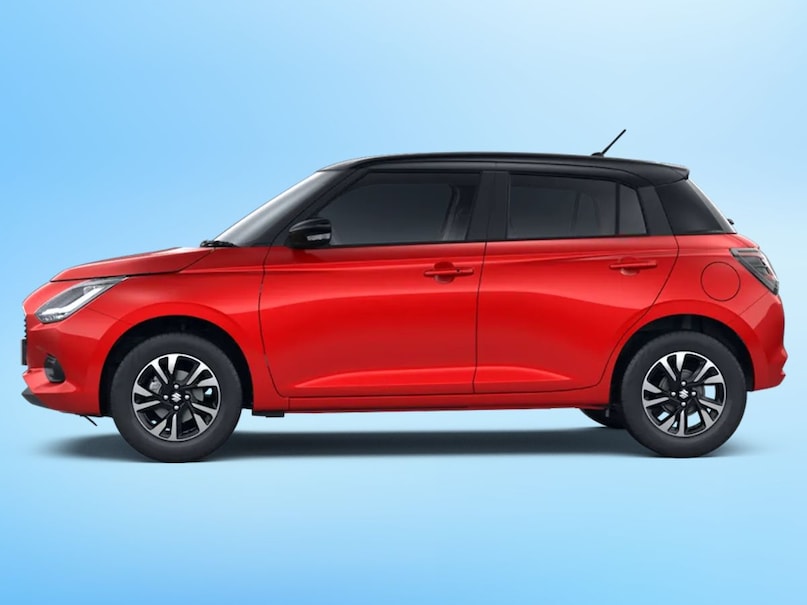
Maruti Suzuki Swift CNG is a favorite fun-to-drive CNG car. Its ARAI claimed mileage is 32.85 km/kg. The 1.2 liter Z-series engine gives peppy performance even on CNG. It can be purchased at an ex-showroom price of only ₹ 7,44,900. Along with sporty look and excellent handling, it gets features like standard 6 airbags, ESP and hill hold assist.

Source link