Will Ford Endeavor return to the Indian market? Good news can be received in 4-6 months

Will Ford Endeavor return to the Indian market? Good news can be received in 4-6 months

Last Updated:

Ford India will start high-end engine production at Chennai plant from June 2026, will invest Rs 3250 crore, focus will be on exports. There is a possibility that the company will also recall Ford Endeavor in the coming days.

news immediately

Zoom

Ford Endeavor

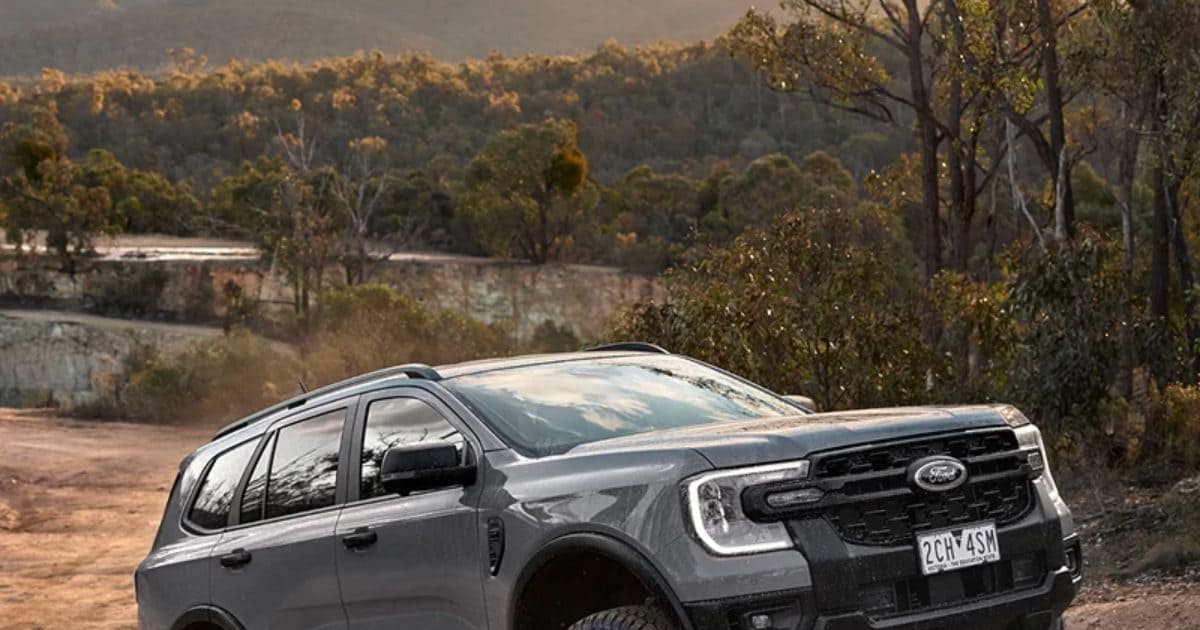
Ford India has taken an important step towards its comeback in the Indian market. According to special sources, the company is preparing to restart production at its Chennai-based Maraimalai Nagar plant from June 2026. This plant was closed after Ford stopped vehicle production from India in 2021, when the company decided to leave India due to continuous losses and low market share. At that time Ford had sold the Sanand plant to Tata Motors, but kept the Chennai plant with itself.

Now Ford is reviving the plant, but the focus is on producing high-end engines rather than vehicles, which will be mainly for export. According to reports, the company is going to invest approximately Rs 3,250 crore (about 370 million dollars). The plant will have an annual capacity of around 2.35 lakh engines and production is expected to start full-scale by 2029. However, the process will start from June 2026.

Ford will start work again

Ford had stopped vehicle production from India in 2021 after canceling the proposed joint venture with Mahindra, due to which popular models like EcoSport, Endeavor were discontinued. However, now the company's strategy has changed. Some reports suggest that Ford may make a comeback in India with premium vehicles, such as the Endeavor (Everest) and Ranger pickups, which can be imported as CBU (Completely Built Unit). These models can compete with rivals like Toyota Fortuner.

Will Ford Endeavor make a comeback?

At present Ford's strategy is completely export-focused. The company has clarified that there are no plans for vehicle assembly or domestic sales in India. Endeavor (known globally as Everest) was also reported last year as a CBU import or locally assembled project, but now these plans are on hold due to EV strategy, global tariff war and company priorities. Many reports say that Endeavor's comeback is uncertain and the focus is on EV development and export.

However, given Ford's strong engineering base in India (12,000 employees in Chennai) and fan demand, the situation may change in the future. For now, Endeavor lovers will have to wait, as the company's primary goal is to strengthen the global supply chain and not an immediate return to the Indian market. This step is in the direction of making India an important manufacturing hub for Ford.
homeauto

Will Ford Endeavor return to the Indian market? You may get good news soon

Source link

28.65 KM mileage, 6 airbags and sunroof! This Hybrid SUV is getting a discount of Rs 78 thousand

28.65 KM mileage, 6 airbags and sunroof! This Hybrid SUV is getting a discount of Rs 78 thousand

Maruti Victoris is currently the cheapest Hybrid SUV in the country. It has been launched recently. To increase the sales of Victoris, the company has offered huge discounts on it in the beginning of February 2026. If you are planning to buy a good 5-seater car in the coming days, then this deal can be better. Come, let us know about the discounts available.

Maruti Suzuki is offering a discount of up to Rs 78 thousand on the purchase of Victoris this month. This includes a consumer offer of Rs 48,000 and a loyalty bonus of Rs 30,000. The company sells it at a starting ex-showroom price of only Rs 10,49,990, which goes up to Rs 19,98,900 for the top variant. After the discount, it can be purchased at a lower price.

Interior and Features

The cabin of Victoris looks quite attractive and futuristic. It has a dual-tone theme, soft-touch dashboard, piano-black finish and silver inserts, which give it a premium feel. Adequate legroom and headroom are available in the cabin. It has a large 10.1-inch touchscreen infotainment system, which supports Android Auto and Apple CarPlay. Apart from this, features like 10.25-inch digital instrument cluster, wireless charging, ventilated front seats, air purifier, 360-degree camera, head-up display and powered tailgate keep it ahead in terms of technology.

safety detail

Maruti Suzuki Victoris is a very strong SUV in terms of features as well as safety. It has standard safety features like 6 airbags, ABS with EBD, Electronic Stability Program (ESP), Hill Hold Control, Traction Control and Tire Pressure Monitoring System. Apart from this, it also gets Level-2 ADAS technology, which includes advanced safety features like Automatic Emergency Braking, Lane Keep Assist, Blind Spot Monitoring and Rear Cross Traffic Alert, which make driving safe both on the highway and in the city.

Engine and Mileage

Maruti Suzuki Victoris has a 1.5-litre petrol engine, which is known for smooth performance and better refinement. Apart from this, the option of 1.5-liter strong hybrid engine is also available in it, which uses electric motor with petrol engine. The petrol variant has the option of 5-speed manual and 6-speed automatic gearbox, while the hybrid version has e-CVT transmission. CNG option has also been made available. Its maximum claimed mileage is 28.65 KMPl.

Source link

20 Km Mileage, Sunroof and 5 Star Safety! This family car is getting a discount of Rs 98,000

20 Km Mileage, Sunroof and 5 Star Safety! This family car is getting a discount of Rs 98,000

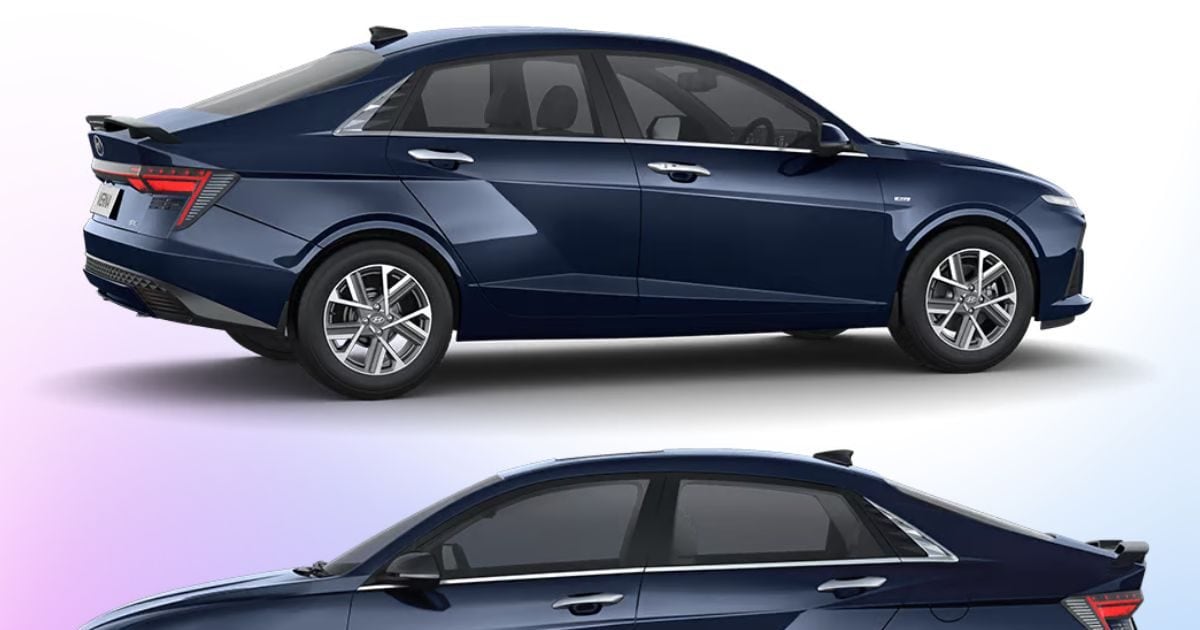
Hyundai Verna is one of the best selling sedans in the country. However, its sales have declined marginally in the last few months. Keeping this in mind, the company has decided to give bumper discounts to the customers purchasing the new Verna this month to attract more and more customers. If you are going to buy the new Hyundai Venue in February 2026, then know the discount details.

Hyundai has decided to give a total discount of up to Rs 98,000 this month on the purchase of Verna. This includes direct cash discount of Rs 25 thousand, scrappage bonus of Rs 70 thousand and additional offer of Rs 3 thousand. In this way the total discount reaches Rs 98 thousand. Its starting ex-showroom price is ₹ 10,79,500, which goes up to ₹ 17,13,000 for the top variant. After the discount this price will reduce even further.

interior detail

The interior of Hyundai Verna is quite premium and spacious. It has leatherette upholstery with dual-tone theme (beige and black), which gives a luxury feel to the cabin. The front seats are ventilated and heated, providing comfort in both summer and winter. The driver seat comes with powered adjustment. The most special thing is the dual 10.25-inch screen setup, one of which is a digital instrument cluster and the other is an HD infotainment system, which supports wireless Android Auto and Apple CarPlay.

Features like 64-color ambient lighting, Bose premium 8-speaker sound system and nature sounds make the drive more enjoyable. Switchable infotainment and climate control panel is for the first time in this segment. Due to the long wheelbase (2670 mm) there is good leg room and headroom on the rear seats also. The boot space is also ample (528 litres). Overall, the interior is tech-forward, comfortable and modern.

Features and safety

The Verna is one of the most feature-rich cars in the segment. It has features like sunroof, wireless phone charger, cruise control, push button start, smart key, rear AC vents, automatic climate control and connected car technology (BlueLink). The top variant comes with a 10.25-inch touchscreen, Bose sound system and many customization options.

It has received 5-star rating from Global NCAP. 6 airbags are standard across all variants. Other features include ABS with EBD, electronic stability control (ESC), hill-start assist (HAC), tire pressure monitoring system (TPMS) and rear parking camera. The top variant has Level-2 ADAS (Advanced Driver Assistance System), which has advanced features like Forward Collision Avoidance, Lane Keep Assist, Adaptive Cruise Control, Blind Spot View Monitor, etc.

Engine and Performance

Hyundai Verna comes with two petrol engines. The first one is 1.5 liter MPi naturally aspirated petrol, which generates 115 PS power and 144 Nm torque. Second, there is 1.5 liter turbo GDi petrol, which generates 160 PS power and 253 Nm torque. Transmission options available are 6-speed manual, IVT (Continuously Variable) and 7-speed DCT (Dual Clutch). According to ARAI, its maximum claimed mileage is up to 20.6 KMPL.

Source link

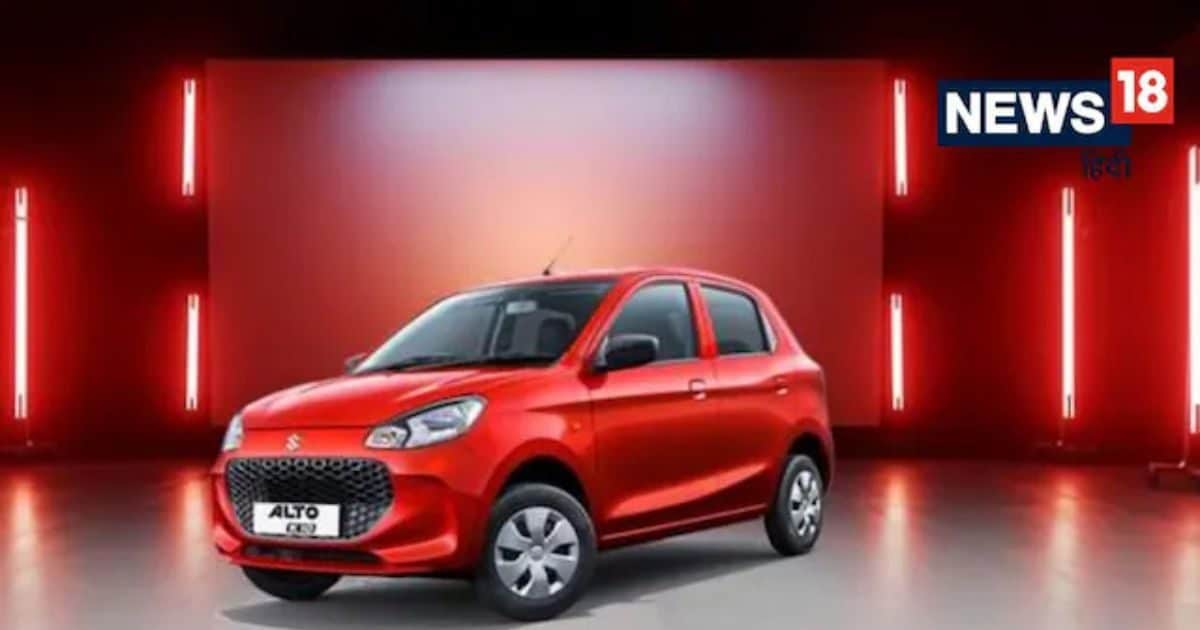
Cars like Alto, Celerio and S-Presso will become expensive! Will not get exemption from government

Cars like Alto, Celerio and S-Presso will become expensive! Will not get exemption from government

The Government of India has completely canceled the proposed exemption for small cars in the upcoming fuel efficiency standard rules. According to an exclusive report by Reuters, the Power Ministry has removed the special relief for petrol cars weighing 909 kg or less in the latest 41-page draft of CAFE-III (Corporate Average Fuel Efficiency Phase-3).

This decision was taken after opposition from other automakers including Tata Motors, Mahindra & Mahindra, who argued that this exemption would benefit only one company (Maruti Suzuki). Come, let us know how the new rule will work now and why was it benefiting only Maruti Suzuki?

Shock to Maruti Suzuki!

Maruti Suzuki holds about 95% share in India's small car market. An earlier draft dated September 2025 proposed additional relaxation in the fuel efficiency target for petrol cars weighing less than 909 kg, as there was limited scope for efficiency improvement.

This relaxation was justified for small cars (length less than 4 meters, engine capacity up to 1200 cc). But companies like Tata, Mahindra, Hyundai and JSW MG Motor said it was inequitable as it would give Maruti an unfair advantage and harm the national goals of EV adoption.

What's in the New Testament?

Along with removing these exemptions, other parameters have also been tightened in the new draft. Weight-based over-compensation will be prevented, so that there is equal competition between light and heavy cars. The transport sector accounts for a major share of India's total petroleum consumption and CO₂ emissions.

The new rules will come into effect from April 2027 and will last till 2032. The aim is to significantly reduce fleet-average emissions. According to some estimates, it will be reduced by 91.7 grams CO₂/km. Failure to comply could result in fines of up to $550 per car.

Emphasis on EV and hybrid

These changes will increase pressure on all vehicle manufacturers to increase sales of electric and hybrid vehicles. This is a big blow for Maruti Suzuki, because many of their entry-level models (like Alto, Celerio) were dependent on this discount. The company has already said that without relief, production of small cars may become difficult. At the same time, companies like Tata and Mahindra are strong in the EV segment.

The move is part of India's green transportation policy, which focuses on accelerating EV adoption by 2030. However, this may affect the availability of affordable small cars, which are the best option for the middle class. The auto industry is now shifting investments towards EV, hybrid and advanced engine technologies.

Source link

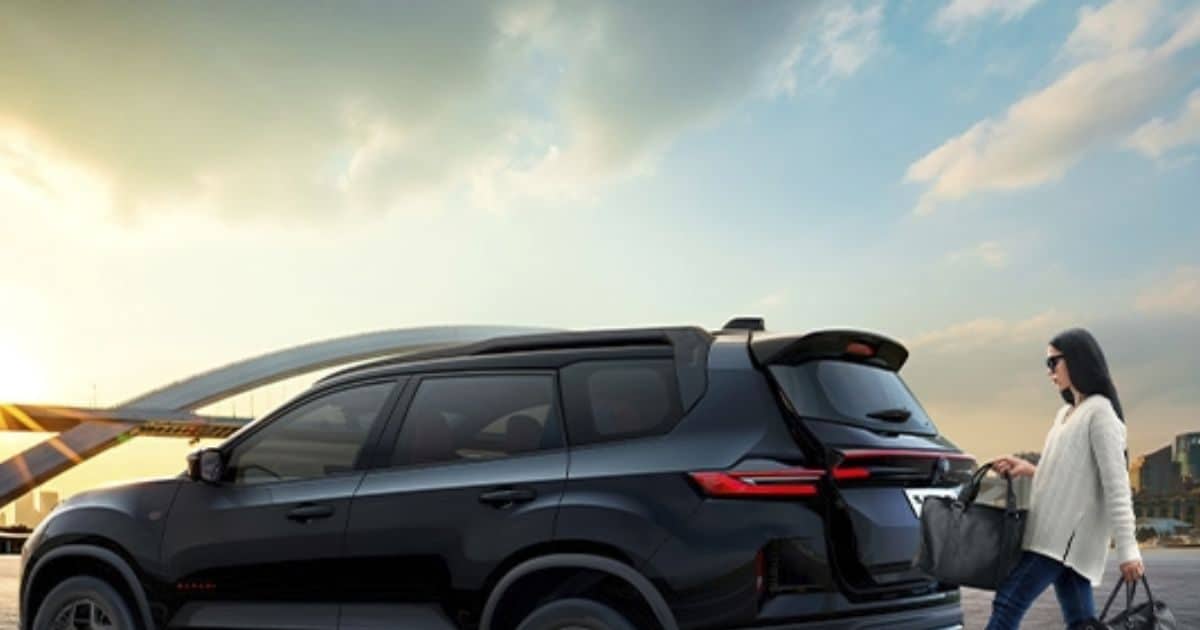
16 KM Mileage, 7 Airbags and ADAS! This 7-seater SUV is getting a discount of Rs 45 thousand, best for a big family.

16 KM Mileage, 7 Airbags and ADAS! This 7-seater SUV is getting a discount of Rs 45 thousand, best for a big family.

Tata Safari is one of the popular 7-seater SUVs in the country. If you are planning to buy this popular SUV in the coming days, then there is a better opportunity. In fact, the company is offering huge discount offers on the purchase of Tata Safari in the beginning of February itself. Let us know with how much discount this 7-Seater Family SUV can be purchased?

Tata Motors is giving a total discount of up to Rs 45 thousand on the purchase of new Safari this month. This includes a consumer offer of Rs 10,000 and an exchange bonus of Rs 25,000 or a scrappage bonus of Rs 35,000. Let us tell you that only one offer of exchange bonus or scrappage bonus can be availed. Let us have a look at the interior, features, safety, engine and mileage details of Tata Safari.

Interior and Features

The interior of Tata Safari is quite premium and spacious. It has a dual-tone theme (like light and dark color combination), which gives a luxurious look to the cabin. The front seats are powered, ventilated and have memory function (in the top variant), while a boss mode is also available in the co-driver seat.

The middle row has captain seats or bench seat options, which are provided with ventilation and USB charging ports. The third row is foldable, which increases space. Ambient lighting in the cabin, steering wheel with illuminated logo, panoramic sunroof (with voice assisted and mood lighting) and large space ensure a comfortable journey for the entire family.

Safari is full of features with latest technology. The high-end variant has a 14.5-inch Samsung OLED touchscreen infotainment system, which supports wireless Android Auto and Apple CarPlay. A 10.25-inch digital instrument cluster, JBL audio system, air purifier, 360-degree HD surround view camera, voice commands and connected car technology are also available. Features like panoramic sunroof, ventilated front seats, rear AC vents and multi-function steering make long drives fun.

safety detail

Safari is the strongest in safety. It has received 5-star rating in both Global NCAP and Bharat NCAP. It also has been provided with 7 airbags (including driver knee airbag), ABS with EBD, ESP (Electronic Stability Programme), Hill Hold Control, all-wheel disc brakes, TPMS and ISOFIX child seat mounting. The top variant gets Level-2+ ADAS features like Adaptive Cruise Control, Lane Departure Warning, Autonomous Emergency Braking, Blind Spot Detection, Rear Cross Traffic Alert and Forward Collision Warning.

Engine and Mileage

There are two engine options in Safari. It has the first 2.0-litre Kryotec turbocharged diesel engine, which generates 170 PS power and 350 Nm torque. It comes with 6-speed manual or 6-speed automatic gearbox. The new 1.5-litre Hyperion Turbo GDi petrol engine produces 170 PS power and 280 Nm torque. Both powertrains can be purchased with 6-speed MT or AT and their mileage is around 16 KMPL.

Source link

26.99 KM Mileage, Sunroof and 6 Airbags! Small families are liking this SUV very much, price is only ₹ 5.60 lakh

26.99 KM Mileage, Sunroof and 6 Airbags! Small families are liking this SUV very much, price is only ₹ 5.60 lakh

Tata Punch is the cheapest SUV in the country. This is the reason why it gets a lot of customers. Last month also, Tata Motors has delivered Punch to many customers. The Punch has retained the title of the country's second best selling SUV, lagging behind its elder sister Tata Nexon. After GST cut, the company sells it at a starting ex-showroom price of only ₹ 5,59,900.

Last month Tata Punch got a total of 19,257 new customers. This figure represents an impressive growth of 19 percent year-on-year compared to the total 16,231 units sold in January 2025. If you are planning to buy this SUV in the coming days, then know about the interior, features, safety, engine and mileage.

interior detail

The cabin of the new Punch is quite premium and spacious. It has dual-tone blue-grey theme, comfortable seats with extended thigh support, sliding center armrest and storage. The top variant has a 10.25-inch Ultra-View HD touchscreen infotainment system, which supports wireless Android Auto and Apple CarPlay.

Features like 7-inch or 10.25-inch digital instrument cluster, voice-assisted sunroof, air purifier, wireless charger, auto climate control, rear AC vents and ambient lighting make it modern. Space is good, 5 people can sit comfortably and boot space is also adequate.

Features and safety

This is one of the most loaded cars in the segment. It has advanced features like 360-degree camera, cruise control, blind-spot monitor, push button start/stop, rain-sensing wipers, auto headlamps, connected car tech (iRA), 8-speaker sound system and multi-function steering wheel.

The biggest strength of Tata Punch is its safety. This is the safest compact SUV with 5-star rating from Bharat NCAP. Features like standard 6 airbags, ABS with EBD, ESP, hill hold/descent control, iTPMS (tire pressure monitoring), ISOFIX child seat mounts, all disc brakes and 360-degree camera make it perfect for the family.

Engine and Mileage

Tata Punch Facelift now comes with two engine options. It has the first 1.2L naturally aspirated petrol (88 PS power, 115 Nm torque) powertrain, which can give a mileage of up to 20.09 kmpl according to ARAI. The new 1.2L turbocharged petrol (118-120 PS, 170 Nm) engine is also capable of giving a mileage of around 18 KMPL. It can also be purchased in CNG fuel option, whose mileage is around 26.99 KG/PL.

Source link

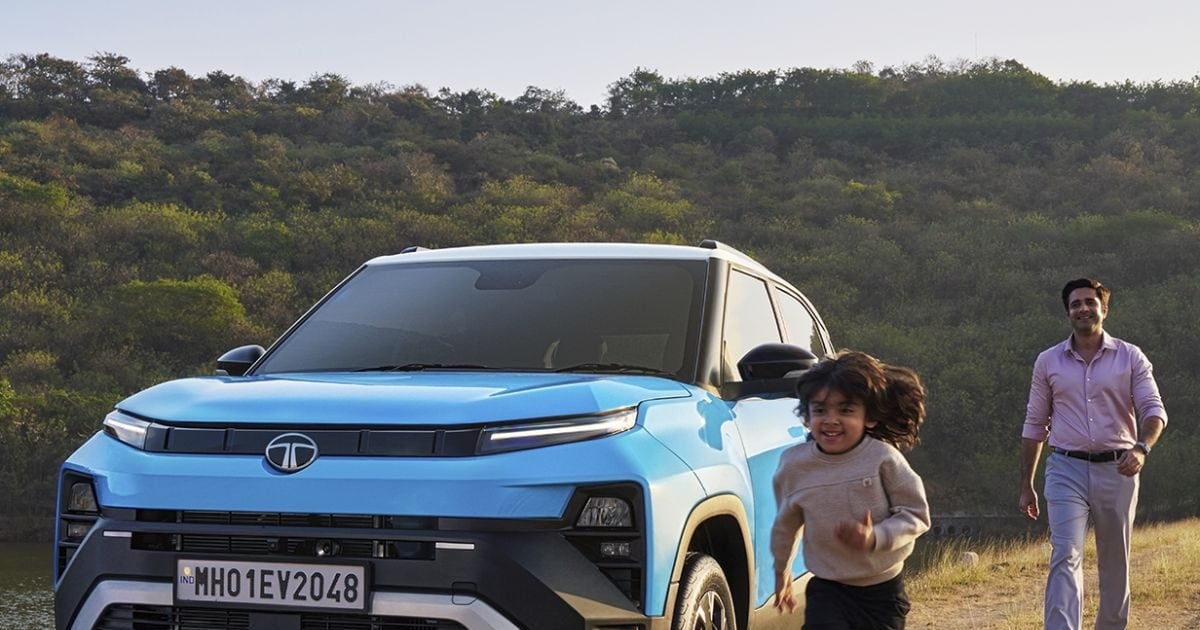
Tata Punch EV Facelift will enter the Indian market on February 20, know what will change

Tata Punch EV Facelift will enter the Indian market on February 20, know what will change

Tata Punch EV Facelift has been spotted several times during testing. Now the company is ready to launch it in the Indian market. Tata Punch EV facelift is tentatively scheduled to launch on 20 February 2026. This is an updated electric version of Tata's popular micro-SUV, which will bring improvements in design, features and potential range from the current model.

Its estimated price will be around the current ₹ 9.99 lakh to ₹ 14.44 lakh (ex-showroom). However, it may increase slightly due to updates. It will give a strong competition in the compact EV segment, which will have better looks, more tech and safety focus. Let us know what changes can happen in Tata Punch Facelfit.

Design and interior

Tata Punch EV facelift will be inspired by the existing ICE Punch facelift (2026). The front will get a new LED headlamp setup, redesigned bumper, connected LED DRLs and updated grille, which will look more aggressive and modern. The rear will have connected taillights, new bumpers and refreshed tailgate design. The side profile will have new alloy wheels and SUV-like cladding. Overall, it will look more premium and attractive than before, and the ground clearance will remain good.

The interior will get a larger 10.25-inch or larger free-standing touchscreen infotainment system, digital instrument cluster and updated steering wheel. There will be touch-based AC controls, premium upholstery, better seating and seats with extended thigh support. Cabin space will be optimized. New color schemes, soft-touch materials and modern layout can increase the premium feel. Boot space is also expected to be adequate.

Features and safety

The facelift will get advanced features like larger touchscreen, wireless Android Auto/Apple CarPlay, connected car tech (iRA), voice assistant, premium sound system, sunroof, automatic climate control, air purifier, cruise control, push-button start, wireless charging and multi-mode regenerative braking. These features will be more attractive than the current model.

In terms of safety, it will have 6 airbags, ABS, EBD, ESC, TPMS, 360-degree camera, reverse parking sensors, hill hold and electronic parking brake as standard. It is built on acti.ev platform, so structural safety will be high. Potential ADAS features like lane assist or auto braking could also be added. High rating is expected in BNCAP. (about 70 words)

Battery, Motor and Range

The existing 25 kWh and 35 kWh battery packs are likely to remain in the facelift. With 25 kWh pack, you will get 80-82 bhp power, 114 Nm torque and 265-315 km claimed range (MIDC). 120 bhp power, 190 Nm torque and 365-421 km range will be available in 35 kWh pack. Some reports suggest a new 40.5 kWh pack and a range of up to 500 km. However, official confirmation regarding this is yet to happen.

Source link

27.97 Km Mileage, 6 Airbags and Sunroof! This hybrid SUV suddenly became expensive, now it will be available for this much

27.97 Km Mileage, 6 Airbags and Sunroof! This hybrid SUV suddenly became expensive, now it will be available for this much

Toyota Urban Cruiser Hybrid is one of the best selling hybrid cars in the country. If you are planning to buy it in the coming days, then there is a little bad news for you. Actually, the company has increased the price of Hayrider. This increase is said to be due to increase in raw material and production costs.

Hyryder has been made costlier by Rs 21,000 in February 2026. The company sells it exclusively in petrol-hybrid engine as well as CNG option. Its ex-showroom price starts from Rs 10,99,000 (ex-showroom) and goes up to Rs 20,19,000 (ex-showroom). Let us take a look at its interior, features, safety, engine and mileage details.

Interior and Features

The cabin of Hayrider gives spacious and premium feel. It has dual-tone black and brown interior. There is ample leg room and head room at the front and rear. Rear seats are 60:40 split foldable and also have reclining feature. The panoramic sunroof (in the top variant) makes the cabin spacious and light-filled. Features like rear AC vents, USB charging ports and armrest make the journey comfortable. Ventilated front seats, ambient lighting, leather-wrapped steering wheel and artificial leather/perforated seats add premium touches.

Its feature list includes 7-inch digital instrument cluster and 9-inch touchscreen infotainment system (Smart Play Cast), wireless charging, head-up display, electric adjustable driver seat, 360-degree camera, cruise control, auto AC, powered orthopedic seats and premium sound system. This car is quite practical for a family, where rear passengers also get good facilities.

safety detail

Toyota has not made any compromise on safety. 6 airbags are now standard across all variants (driver, passenger, side and curtain). Features like ABS with EBD, Vehicle Stability Control (VSC), Hill Hold Control, ISOFIX child seat mounts, rear parking sensors and TPMS (Tyre Pressure Monitoring System). The top variant gets Hill Descent Control (in AWD) and Advanced Body Structure (TECT), which increases crash protection.

Engine and Mileage

Engine options include a 1.5-litre K-series petrol engine (1462 cc, 103 PS power, 137 Nm torque), which comes with 5-speed MT, 6-speed AT or AWD. The CNG variant also has the same engine (88 PS in CNG mode). The Strong Hybrid has a 1.5-litre 3-cylinder engine (92 PS) + electric motor (80 PS), which gives excellent performance with the e-Drive system. Its maximum claimed mileage is 27.97 KMPL.

Source link

17.44 KM Mileage, Sunroof and ADAS! This is the country's best selling car, starting price is only ₹ 7.31 lakh

17.44 KM Mileage, Sunroof and ADAS! This is the country's best selling car, starting price is only ₹ 7.31 lakh

Tata Nexon has once again spread its charm. Nexon, which was the country's best selling car for a long time, has once again taken this crown in the beginning of the year 2026. Tata Motors has released the sales report a few days ago, in which it can be seen that Nexon has left behind Maruti Dzire and Hyundai Creta in terms of sales.

Talking about the figures, a total of 23,365 units of Tata Nexon were sold last month. This figure represents an impressive growth of 52 percent year-on-year compared to the total 15,397 units of Nexon sold in January 2025. In this way, Nexon has retained the title of the country's best selling SUV as well as the Best Selling Car. Let's have a look at its price and features.

Price and variant details

Tata Nexon is known for its strong build quality, excellent safety and modern features. Its ex-showroom price in the Indian market starts from ₹ 7.31 lakh and goes up to ₹ 14.15 lakh. On-road prices in Delhi can range from around ₹8.5 lakh to ₹16.7 lakh, depending on the city, variants and offers. Nexon is available in many variants. This includes Smart, Pure, Creative and Fearless. It is sold in CNG, petrol and diesel options.

Design and interior

The look of Tata Nexon is very bold and attractive. It has LED headlights, DRLs, end-to-end LED taillights, 16-inch alloy wheels and muscular body lines. The grille and bumpers in the facelift model are updated, which give it a premium and sporty look. Many options are available in colors like Pure Grey, Daytona Grey, Flame Red etc., as well as all-black theme is available in the Dark Edition.

The cabin is also quite premium and spacious. It has high-quality materials, ventilated seats, ambient lighting and digital instrument cluster. The 10.25-inch Harman touchscreen infotainment system comes with Android Auto and Apple CarPlay. Features like IRA 2.0 connected car technology, wireless charger, air purifier and cruise control make it a leader in the segment. The rear seats are comfortable and the 382 liters of boot space is enough for the family.

Features and safety

Features like 10.25-inch digital cluster, 360 degree camera, voice command, GPS navigation, drive modes and ADAS (Advanced Driver Assistance System) are available in the top variants. Power windows, automatic climate control and a multifunction steering wheel are standard.

This is one of the safest cars with 5-star BNCAP rating. 6 airbags, ABS with EBD, Electronic Stability Program (ESP), Hill Hold Control, Traction Control, TPMS and ISOFIX child seat mounts are standard across all variants. ADAS features like lane keep assist, automatic emergency braking are available in top models.

Engine and Mileage

Engine options include 1.2-litre turbo petrol (118 bhp, 170 Nm) and 1.5-litre turbo diesel (113-115 bhp, 260 Nm). Transmission options are 5/6-speed manual, AMT and 7-speed DCT automatic. CNG variant can also be purchased (99 bhp). According to ARAI, petrol has 17-17.44 kmpl, diesel has 23-24.08 kmpl and CNG has 17.44 km/kg.

Source link

ADAS: How important is this feature, how does it work and what do the different levels mean?

ADAS: How important is this feature, how does it work and what do the different levels mean?

Last Updated:

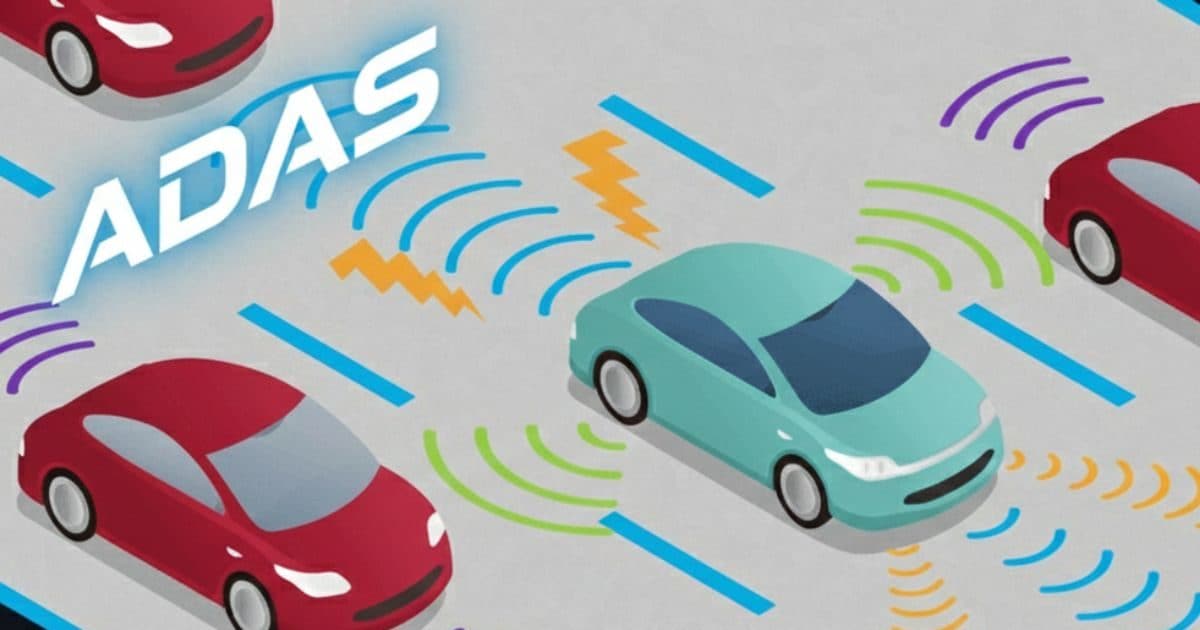
ADAS i.e. Advanced Driver Assistance Systems has become a common safety feature in modern cars. It monitors the vehicle with sensors, cameras, radar, LiDAR and AI. It has been designed to reduce human errors and has also reduced car accidents by 30-60%. Let's try to know everything about ADAS!

news immediately

Zoom

ADAS

ADAS i.e. Advanced Driver Assistance Systems has become one of the most important safety features for cars at present. It continuously monitors the environment around the vehicle using sensors, cameras, radar, LiDAR and AI. The main objective of ADAS is to reduce human errors, prevent accidents and make driving easier.

It alerts the driver or automatically takes actions like braking, steering. Nowadays, most new cars come with Level 1 or Level 2 ADAS, which is laying the foundation for semi-autonomous and fully autonomous driving in the future. What is this technology, how does it work, what are its features and how important is it for you? Come, let's know everything.

What is ADAS and how does it work?

ADAS is an electronic system, which helps the driver. It collects data from around the vehicle, processes it and alerts or intervenes when needed. This system works in real-time and can reduce the chances of accidents by 30-50%. Its main components include the following-

  • Sensors and input devices – Camera (for visual detection), Radar (for measuring distance and speed, especially in bad weather), LiDAR (3D mapping) and Ultrasonic sensor (for parking).
  • Processing Unit – The ECU or SoC that performs data fusion and takes decisions from AI/ML algorithms.
  • Output- alert (beep, vibration, display) or activation (brake, steering).

ADAS levels

SAE International has divided driving automation into 6 levels-

  • Level 0- No automation, just alerts (like forward collision warning).
  • Level 1- Control over a single function (such as Adaptive Cruise Control or Lane Keep Assist).
  • Level 2- Control over both steering and acceleration/braking (found in most Indian and global cars, such as the basic version of Tesla Autopilot). The driver always has to be ready.
  • Level 3- Conditional Automation, the system takes full control in certain situations, but the driver has to be ready to intervene.
  • Level 4 and 5- High/Full Automation (beyond ADAS, autonomous vehicle category).

ADAS features and their functions

1. Adaptive Cruise Control (ACC)- Maintains a safe distance from the vehicle in front, adjusts the speed itself.
2. Automatic Emergency Braking (AEB)- Auto applies brakes when collision is detected, with pedestrian/bicycle detection.
3. Lane Departure Warning / Lane Keep Assist- Gives alert when leaving lane and corrects steering.
4. Blind Spot Monitoring- Monitors black spots even when not visible in the side mirrors.
5. Forward Collision Warning- Warns if there is danger ahead.
6. Pedestrian Detection- Recognizes pedestrians and applies brakes.
7. Traffic Sign Recognition- Reads the sign board and shows it on the display.
8. Auto High Beam / Glare-Free Beam- Adjusts high beam so as not to blind oncoming vehicles.
9. Rear Cross Traffic Alert / Parking Assistance- Also helps in reverse, auto parking.
10. Driver Monitoring System- Sends alerts when driver is tired/distracted.

Benefits of ADAS

  • Accidents may reduce by 40-60% (IIHS study).
  • Reduces fatigue during long driving.
  • Fuel efficiency remains better (with ACC).
  • You may get a discount on insurance.

Challenges and limitations

  • Sensors may not function properly due to bad weather or dirt.
  • Too much dependence may cause the driver to become less alert.
  • Expensive maintenance and repairs.
  • Some features less effective due to road conditions and lack of marking in India.

Hopefully, you would have known almost everything about ADAS. If you are planning to buy an Adas car in future, then this article will help you. At present, vehicles with ADAS are available even at low prices.

homeauto

ADAS: How important is this feature, how does it work and what do the different levels mean?

Source link

Bharat Taxi App: Along with good earnings, drivers get Rs 10 lakh insurance, wife and children also covered

Bharat Taxi App: Along with good earnings, drivers get Rs 10 lakh insurance, wife and children also covered

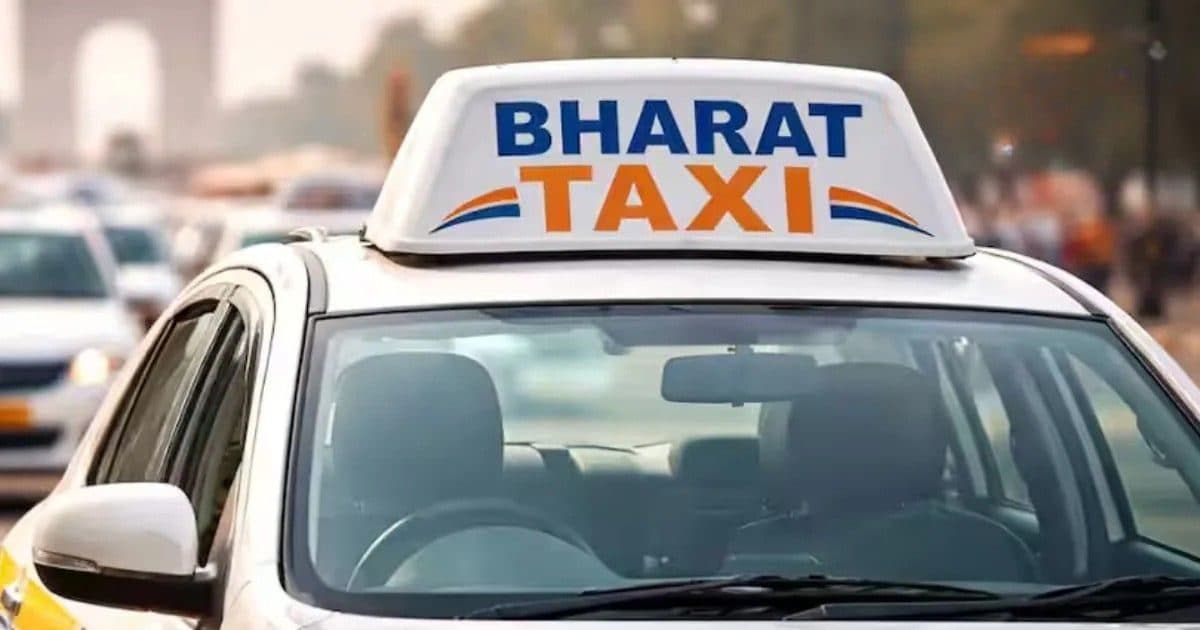
Bharat Taxi App This is the country's first and largest cooperative ride-hailing platform, which will make drivers (saarthis) not just workers but owners. In companies like Ola-Uber, 20-30% commission is deducted, but here there is zero commission model. The driver gets almost the entire fare. As a matter of course, they have to pay a daily fee of Rs 30.

This service, started with the support of the government, will increase the income of drivers, provide social security and help in ensuring a dignified life. Based on the principle of 'Sarathi Hi Malik', this platform is spreading across the country starting from Delhi, where lakhs of drivers have already joined. With this, drivers get facilities like financial freedom, insurance, pension. Let us understand these in different points.

Zero commission: all earnings in driver's pocket

No per-ride commission is deducted in this. The driver receives 100% of the fare directly, with only a daily access fee of ₹30. This increases daily earnings by 20-30%.

Ownership and Shares in Cooperative Model

Each Sarathi gets at least 5 shares (₹500), making them co-owners of the company. One gets the right to dividend in profits, profit sharing and representation in the board. Like the Amul model, additional income can be generated in the long run.

3. Insurance Cover: ₹5 Lakh Personal Accident + ₹5 Lakh Family Health

Strong protection provided in case of accident or illness. Every registered driver and family gets this cover, which is not available on other platforms. With this, the driver will be able to keep himself as well as his family safe.

4. Social Security and Retirement Benefits

Benefits of pension, retirement savings, gold savings and government schemes. This provides long-term economic stability to drivers in the unorganized sector.

5. Special support to women charioteers

Women are being given training, security and incentives through the 'Scooty Didi' or 'Sarthi Didi' program. There is no exclusivity. Can work on other apps also. In such a situation, the income of women riders will also increase.

Overall, Bharat Taxi is based on the principle of co-operation, where drivers are not just workers but owners. Starting from Delhi, it will soon expand nationwide, where 2.5 lakh+ vehicles and 3 lakh+ drivers have been added. If you are a driver, you can download the Bharat Taxi Driver app and register and avail these benefits.

Source link

Sunroof, dashcam and 6 airbags! Amazing car has arrived in the market, bring it home for just ₹ 5.99 lakh

Sunroof, dashcam and 6 airbags! Amazing car has arrived in the market, bring it home for just ₹ 5.99 lakh

2026 Hyundai i20 has entered the Indian auto market with updated price. Hyundai will now sell this premium hatchback at a starting ex-showroom price of only ₹ 5.99 lakh. The prices of the new entry-level Era variant as well as the Magna Executive and Magna variants have been cut.

After the new price list, it has become stronger against competitors like Maruti Suzuki Baleno and Tata Altroz. By focusing on safety, technology and design, this update can create a better identity for itself in the premium hatchback segment. Even in its base model, 6 airbags are available as standard. Come, let us know about the design, interior, features, safety, engine and performance.

design details

The design of Hyundai i20 is sporty and premium. The front has a cascading grille, projector headlamps with sharp LED DRLs and skid plates, which give it an aggressive look. The side profile sees body-coloured ORVMs, door handles and alloy wheels. LED taillights, reflectors and spoiler at the rear give it a modern touch. Overall it is 3995mm long, 1775mm wide and 1505mm high.

interior detail

The cabin of Hyundai i20 is premium and user-friendly. The dashboard has high-quality materials, soft-touch surfaces and good fit-finish. The fully digital instrument cluster and large touchscreen infotainment system make it tech-savvy. The seats are comfortable, there is good leg room and headroom. There are AC vents (in top variants), USB charging points and ample storage space at the rear. Front armrest, sunroof and Boss premium 7-speaker audio system make the journey enjoyable.

Features and safety

Its base Era variant also gets 6 airbags, digital cluster, Type-C USB charging, telescopic steering and body-coloured exterior parts. Higher variants come with features like wireless charging, keyless entry, push button start, automatic headlamps, TPMS, electrically adjustable ORVMs, steering-mounted controls, cruise control, wireless Android Auto/Apple CarPlay and sunroof.

i20 is strong in safety. Six airbags are standard across the range. It gets features like ABS with EBD, Hill Start Assist, Vehicle Stability Management (VSM), rear parking sensors, reversing camera, TPMS and ISOFIX child seat mounts. Higher variants have more advanced safety elements. This is a safe option for a family hatchback.

Engine and Mileage

The i20 has a 1.2-litre naturally aspirated petrol engine, which generates 82-87 bhp power and 114-115 Nm torque. Transmission options include 5-speed manual and iVT (CVT) automatic. It gives smooth performance, suitable for both city and highway. ARAI mileage ranges from 16 kmpl (manual base) to 20 kmpl (IVT top).

Source link

If you want to buy a cheap BMW, Mercedes or any luxury car, then visit these markets in Delhi.

If you want to buy a cheap BMW, Mercedes or any luxury car, then visit these markets in Delhi.

Last Updated:

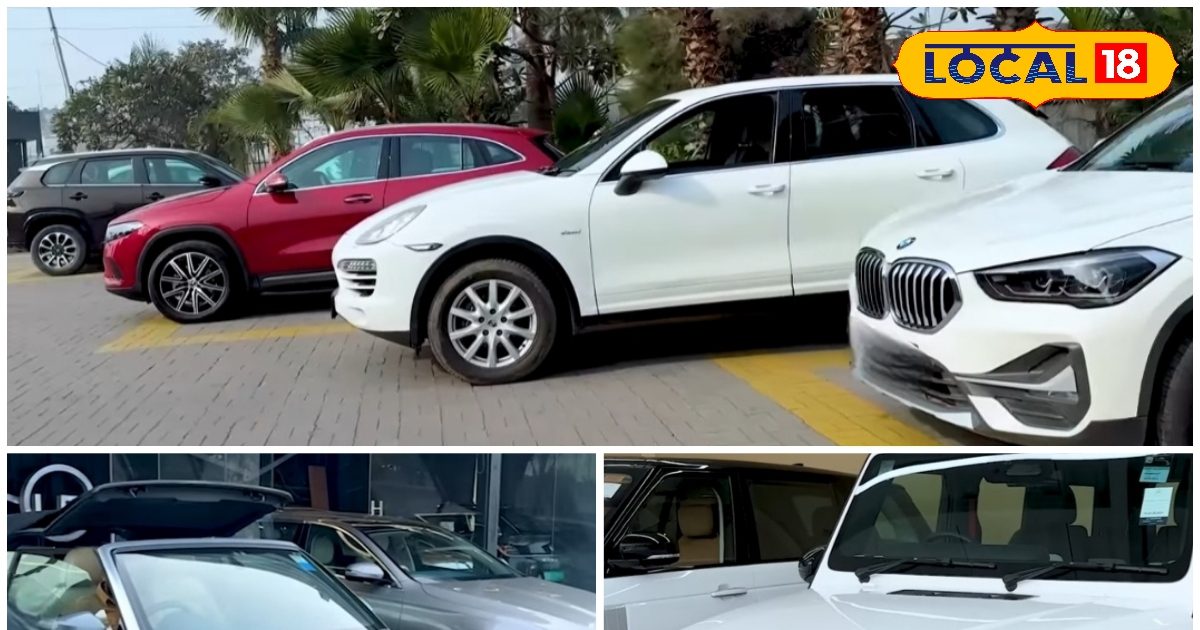
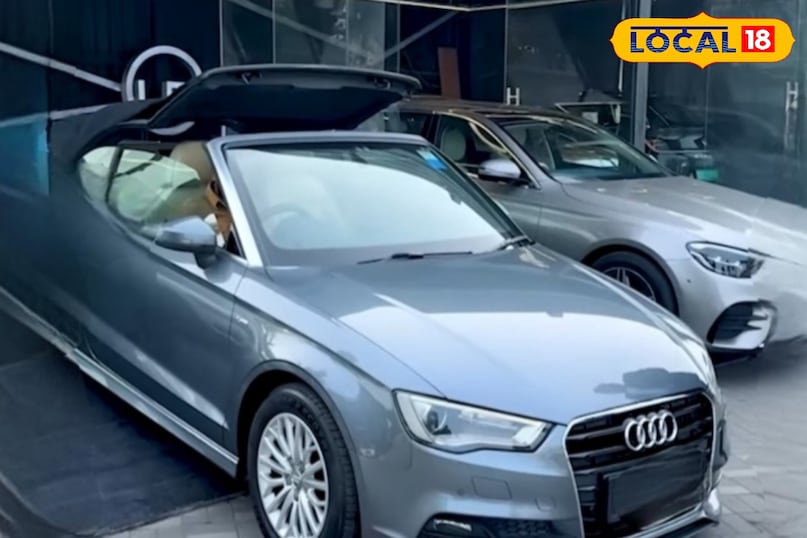
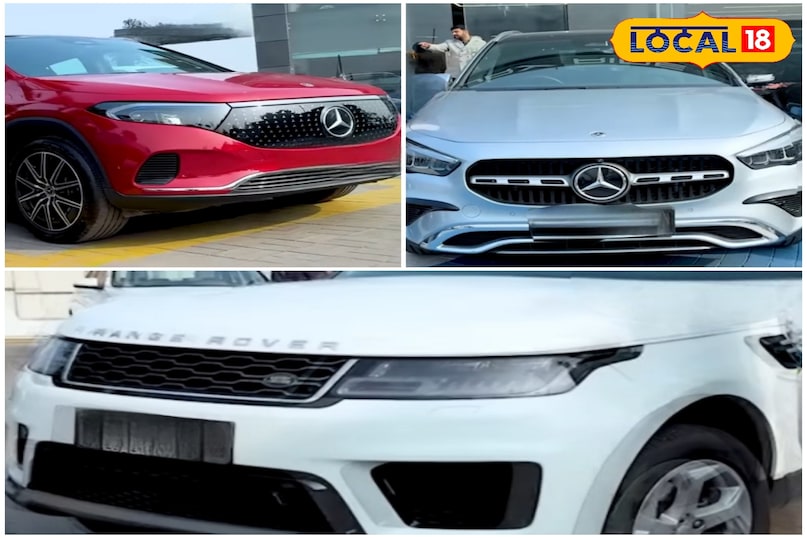
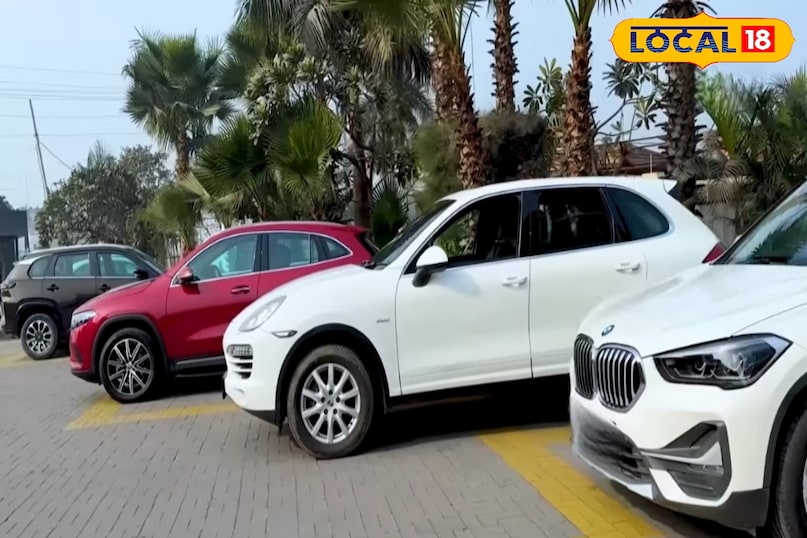
At present in our country, the inclination of people towards buying luxurious cars is very high. That's why people are buying luxurious cars at this time, even if they are second hand cars. Keeping this in mind, we are going to tell you those markets of Delhi where second hand luxury cars are available at very cheap prices. So see the complete list.

The most famous market of Delhi where the biggest sale of second hand cars takes place is Karol Bazaar. People from many states of the country come here to buy cars. But very few people know that there is a lot of sale of luxurious vehicles here which are available at very low prices. There is a whole market here where the range of luxurious vehicles starts from around Rs 15 lakh and goes much higher.

tg

The second largest market of second hand luxurious vehicles in Delhi is located in Rajendra Nagar adjacent to Connaught Place in Delhi, where you get all these luxurious second hand vehicles from Mercedes, Audi to BMW at very cheap prices.

nd

Lajpat Nagar market of Delhi is very famous for second hand luxurious vehicles in the entire country. In this market you will easily find most of the vehicles like Mercedes and Range Rover. The price of all these vehicles is also very cheap here, hence people mostly come here to buy them.

Add News18 as
Preferred Source on Google

no

Janakpuri West and Vikaspuri area of ​​Delhi is also very famous for the sale of second hand luxurious vehicles in the entire country. Especially in these markets, you get BMW vehicles at very cheap prices, hence people mostly come here from all over the country to buy BMW vehicles.

धुध

At present, the interest in G Wagon car has increased among many people in India, hence people first try to find second hand 'G Wagon' vehicles all over Delhi. Therefore, let us tell you that if you want to buy a G Wagon luxurious car, then for that you must visit these two markets of Delhi. The first market is the second hand car market of Pitampura and the second is the second hand car market of Shahdara.

Click here to add News18 Hindi as your favorite news source on Google.
homeauto

If you want to buy a cheap BMW, Mercedes or any luxury car, then visit these markets in Delhi.

Source link

Nissan Gravitas will enter the Indian market on February 17, know how special this 7-seater MPV will be.

Nissan Gravitas will enter the Indian market on February 17, know how special this 7-seater MPV will be.

Nissan Gravite is ready for launch in the Indian car market. It is a compact 7-seater MPV, which is based on Renault Triber and is built on the CMF-A+ platform. It will fall in the sub-4 meter category, which can prove to be a budget friendly and practical option for the Indian family. Come, let us know when it will be introduced? Let us also look at the possible price and features.

Nissan Gravitas will be unveiled on 17 February 2026. Initially it was to be presented on January 21, 2026, but it was postponed. Its availability in the market is expected to start from March 2026. This is the first product of Nissan's resurgence in India in 2026, after which the Tecton SUV and a 7-seater C-SUV will also be launched.

Expected Design

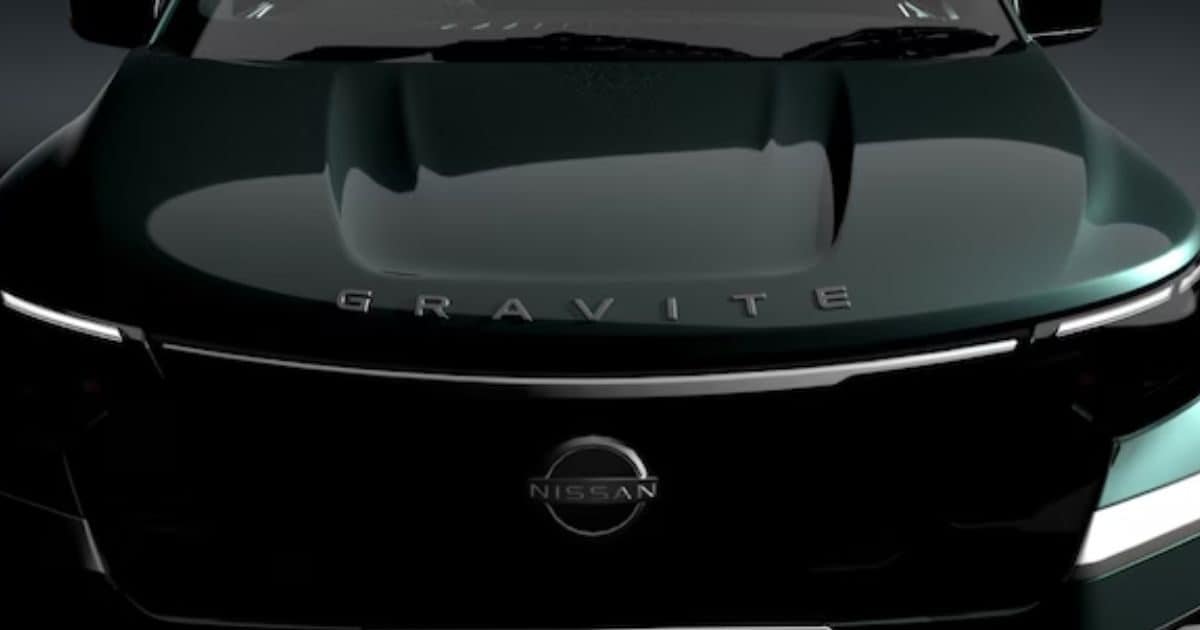
The design of the Gravitas is very similar to the Renault Triber, but will look different with Nissan's own styling. The front has a large V-shaped grille, chrome accents, slim LED DRLs and C-shaped fog lamp surrounds. 'Gravite' lettering will be on the bonnet. The bumper is aggressive and modern. The side profile is similar to the Triber, which has a flexible 7-seater layout. The rear will get a premium look with LED taillights and chrome touch. Overall, this is a family-oriented MPV, which is perfect for everyday use.

interior detail

Its cabin will have a dual-tone theme, which will give a modern and spacious feel. There is a flexible seating arrangement and 7 people can sit comfortably. More cargo space can be created by folding the third row. Features like 8-inch touchscreen infotainment system, 7-inch digital instrument cluster, wireless charging, cooled glovebox and cruise control are expected on the dashboard. The cabin will be practical and family-friendly, with good headroom and legroom.

Features and safety

The top variant will include wireless Apple CarPlay and Android Auto, 8-inch touchscreen, wireless charging, cruise control, LED lighting, power windows, AC vents in all rows, etc. Being a budget MPV, it does not have many luxury features, but it will be equipped with essential and useful features. CNG option is also possible, which will save fuel cost.

Safety features like 6 airbags (in the top variant), ABS with EBD, Electronic Stability Control (ESC), hill start assist, rear parking sensors and possibly a 360-degree camera can be found. It has been designed keeping in mind the Bharat NCAP standards, which will be a safe option for the family.

Engine and Performance

The Gravity will have a 1.0-litre three-cylinder naturally aspirated petrol engine, which generates around 72 PS power and 96 Nm torque. Transmission options will be 5-speed manual and 5-speed AMT (automatic). This engine is fuel efficient and will give good performance in both city and highway. CNG variant is also possible, which will further improve the mileage.

Source link

Bharat Taxi App Complete Guide Hindi: What is special in government taxi app, how to use it and how to join driver

Bharat Taxi App Complete Guide Hindi: What is special in government taxi app, how to use it and how to join driver

Bharat Taxi App: The Ministry of Cooperation, Government of India has introduced the country's first cooperative ride-hailing app. Its name is Bharat Taxi App and it was running as a pilot project in some states of the country including Delhi-NCR for a long time. Now it has been fully launched. Bharat Taxi App is developed by Sahakar Taxi Cooperative Ltd. Being operated by.

It considers the drivers as 'saarthis' and makes them owners. Cab, auto and bike taxi can be booked in the app. 10,000+ rides are being done daily through this app and 3 lakh+ drivers have been registered. If you want to know everything about Bharat Taxi App, then you have reached the right address. Come, let us know what it is, how it works, how suitable it will be for women and how one can become a driver in it.

What is Bharat Taxi App?

Bharat Taxi App is the country's first cooperative-based ride-hailing platform, operated and owned by drivers. This app has been jointly developed by the Ministry of Cooperation and NeGD (National e-Governance Division). The government wants to make the cab drivers as well as the passengers commission free through this app.

It has been formally launched by Union Minister Amit Shah on 5 February 2026. This app is spreading across the country starting from Delhi-NCR. Features like zero commission model, no surge pricing and 100% earnings for drivers make it different from existing taxi apps. It has been designed on the concept of 'Swadeshi, Sahakar, Seva, Suraksha' and the drivers have also been honored by calling them 'Sarathi'.

What is concept?

The basic concept of Bharat Taxi is based on the cooperative model, where the drivers are the owners. It is working towards becoming the world's largest driver-owned mobility platform. While the company deducts 20-30% commission in private apps, Bharat Taxi has been introduced with zero commission. That means the entire money for the ride goes directly to the driver. The app offers cab, auto and bike rides, with outstation, round trip and one-way services also available.

How different from Ola, Uber and Rapido?

Private apps like Ola-Uber charge 20-30% commission. Bharat Taxi is initially deducting 0% commission, due to which the driver gets the full amount. Ola, Uber and Rapido charge surge charges during peak hours (sometimes up to 2-3 times), Bharat Taxi has no surge pricing. Its fare remains transparent and fixed. Ola-Uber are private companies, while Bharat Taxi is a cooperative. Additionally, drivers at Bharat Taxi get ₹5 lakh accident insurance and family health insurance.

How to become a driver in Bharat Taxi App?

It is very easy to become a driver for Bharat Taxi App. For this follow the steps given below-

  1. download app: Search for “Bharat Taxi Driver” or “BharatCabs Pilot” from Google Play Store or Apple App Store and download.
  2. registration: Enter mobile number, verify OTP.
  3. Fill details: Upload name, email, vehicle details (car/auto/bike), driving license, RC, police verification documents.
  4. Verification: Automatic verification can be done with DigiLocker. Police verification is necessary.
  5. Complete Profile: Check photo, background.
  6. Activation: After approval, login to the app and start rides.

Drivers get ₹5 lakh accident and health insurance. ID can be made in 2 minutes sitting at home. For more information see the app or official website bharataxiapp.com.

How special for women?

Bharat Taxi focuses specifically on the safety and empowerment of women. It has been introduced with these features-

  • Bike Didi Program: Opportunity for women to become bike taxi drivers. Till now 150+ women drivers have joined.
  • Woman Driver for Woman Rider: Rides with female drivers for female passengers.
  • SOS and Emergency Features: One Tap SOS Button, Real-Time Tracking, Emergency Contact Alert, Siren Activation, 24/7 Support.
  • Police tie-up: 35 special police booths in Delhi, direct connection with local police.
  • Safety Protocol: All drivers police verified, real-time monitoring.

How to use Baharat Taxi App?

  • App Download: Download by searching “Bharat Taxi” from Play Store or App Store.
  • Registration: Enter mobile number -OTP verification -fill name, email. Add disability details, if any.
  • Profile Setup: Save home/office address, add payment method (UPI, card, cash).

How to book a ride?

  • On the home page “Where would you like to go?” Click on.
  • Enter pickup and drop location.
  • Select Service: Cab, Auto, Bike.
  • Check fare (There will be no hidden charges).
  • Confirm, your ride will be booked.

Source link

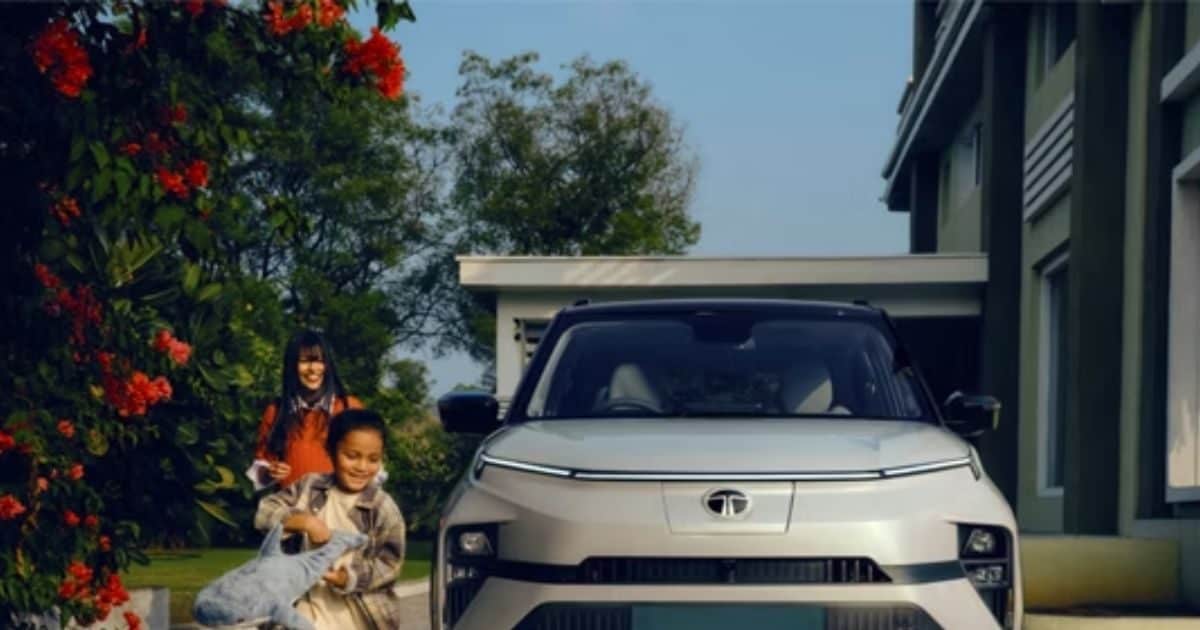
Tata Punch EV Facelift will enter the Indian market on February 20, know what will change

500 KM+ range, sunroof and 6 airbags! These 5 new electric cars will make a big entry in the market, starting price is only ₹ 9.99 lakh

Upcoming Electric Cars in India: The demand for EVs is continuously increasing in the Indian auto market. Taking advantage of this, the country's popular car manufacturing companies are planning to introduce many new products in this segment in the coming days. Some of these have been unveiled and some upcoming EVs were also seen during testing.

In such a situation, we have brought for you a list of 5 new electric cars ready to enter the Indian market. This includes the names of Tata Punch EV Facelift, Maruti Suzuki e Vitara, Toyota Urban Cruiser Ebella, Mahindra BE 6 Rall-E (sporty variant of BE 6) and Tata Avinya EV. Let us take a look at their possible design, interior, features, battery, motor and range details.

1. Tata Punch EV Facelift

Tata Punch EV is already a popular micro-SUV in India and its facelift can be seen only in the first half of this year. This updated version will come with a more modern design, better features and possibly improved range compared to the current model. Talking about the specifications, it will have 25 kWh and 35 kWh battery pack options, which give ARAI range of 315-421 km.

The facelift can get a new front grille, LED lighting, larger touchscreen infotainment system, advanced connectivity and more creature comforts like ventilated seats, sunroof etc. The price range is likely to be slightly above the current level, around ₹10-16 lakh (ex-showroom). This car is perfect for the city, where small size, high ground clearance and low maintenance are in demand. Its starting ex-showroom price can be kept at Rs 9.99 lakh.

2. Maruti Suzuki and Vitara

Maruti Suzuki's first mainstream electric SUV e Vitara will be launched in early 2026. It will probably be introduced in February-March only. It will compete with cars like Hyundai Creta EV, MG ZS EV and Mahindra BE 6 in the mid-size SUV segment. It will come with two battery options – 49 kWh and 61 kWh.

The variant with larger battery gives ARAI range up to 543 km. Power will be between 142-172 bhp and FWD (front-wheel drive) setup will be the main one. AWD may also come later. Features include 10.25-inch touchscreen, ADAS, 7 airbags, panoramic sunroof, ventilated seats and JBL audio. It has a 5-star safety rating from Bharat NCAP. Expected price is between ₹17-25 lakh.

3. Toyota Urban Cruiser Ebella

Toyota's first EV will be launched in India under the name of Urban Cruiser Ebella. This is a badge-engineered version of Maruti e Vitara. It has been unveiled in January 2026 and is expected to be launched in February. It will also come with 49 kWh and 61 kWh batteries, where the larger battery gives 543 km ARAI range.

Power 142-172 bhp, features include 10.1-inch infotainment, JBL sound, ventilated seats, level-2 ADAS, 7 airbags and 12-color ambient lighting. Toyota is offering it 8-year battery warranty, BaaS (Battery as a Service) and 60% buyback offer. Expected price is around ₹16-24 lakh.

4. Mahindra BE 6 Rall-E

Mahindra BE 6 has already been launched (starting at Rs 18.90 lakh), but its Rall-E variant (the sporty version inspired by the concept) will come with more updates in 2026. It is based on the INGLO platform, which is performance-focused. The batteries are 59 kWh and 79 kWh. The range is 500+ km (MIDC) and it can accelerate from 0-100 km/h in 6.7 seconds.

Features include ADAS, 360-degree camera, high-speed charging (175 kW) and premium interior. It is in coupe-SUV style, which will attract youth buyers. The price is expected to be between ₹ 18-27 lakh. Mahindra's EV technology and performance will make it strong in the sporty EV segment.

5.Tata Avinya EV

Tata Avinya is Tata's premium EV brand, which will be launched in late 2026 or early 2027. It is based on Gen-3 architecture, which is inspired by JLR. It will come in SUV/crossover style, with a range of 500+ km (with ultra-fast charging in 30 minutes), premium interior, advanced ADAS, connectivity and luxury features. It can be launched at a starting ex-showroom price of around ₹ 50-60 lakh.

These five cars can change the Indian EV market in 2026. Tata and Mahindra are already strong, while the entry of Maruti-Toyota will give a boost to the mass-market. Affordable range, better charging and safety will definitely accelerate EV adoption. Overall, this year is also going to be game-changing for EVs.

Source link

Traveling will become easy with Bharat Taxi app, know the complete process from download process to booking.

Traveling will become easy with Bharat Taxi app, know the complete process from download process to booking.

The country's first co-operative taxi service 'Bharat Taxi App' will be launched today. Your journey is going to become very easy with Bharat Taxi App, this is a new Indian app which will offer services like Ola-Uber at a low price. The pilot started in Delhi from 2 December 2025 and now it is becoming very popular. More than 1 lakh downloads have been done on Google Play Store. More than 1 lakh 40 thousand drivers are registered on it. The objective of this app is to provide cheap and safe travel to the passenger and also more earning to the driver. No surprise commissions, fair transparency and no surge pricing.

Regarding Bharat Taxi, Home and Cooperation Minister Amit Shah has informed on social media platform X that the country's first co-operative taxi service 'Bharat Taxi' is being launched today. This service is an initiative of the Ministry of Cooperation of the Government of India and it will be jointly operated by different cooperative institutions of the country. Its main objective is to ensure that the direct profits from rides go to the drivers. Amit Shah will launch it officially today, although it has started a few days ago and till now about 10 lakh people have ridden Bharat Taxi in 9 cities of India.

What is Bharat Taxi App and what are the features in it?

Bharat Taxi App is India's first cooperative taxi app, which is drivers' own platform. In this you can book cab, auto, bike, along with rental, intercity trip and metro tickets are also booked. The app is available in Hindi, English and Gujarati, with more languages ​​to come. This app does not charge any commission, the driver gets the full fare. Passengers get transparent fare, no surcharge. There is a tie-up with Delhi Police. For security, the app has live location tracking, ride sharing option and 24×7 support.

How to download Bharat Taxi app?
is very easy. Open Google Play Store for Android phones, type “Bharat Taxi” or “Bharat Taxi – Cab, Auto & Bike” in the search bar and install. Apple users, go to Apple App Store and search “Bharat Taxi” and download it. It is free on both platforms. After downloading, open the app and register with your phone number.

How to register in the app?

After downloading the app, open it. Enter your phone number, OTP will come, verify it. Then fill the basic details like full name, email. If there is any disability then you can also mention it so that the ride is more comfortable. After completion of registration, services, live, tickets and profile will appear on the home page. You can save home or office address to use it easily next time.

How to book a ride with Bharat Taxi?

Booking a ride is simple. Open the app, click on “Where would you like to go” on the home page. If you give location access, automatic pickup location will come. Enter destination. Then select vehicle type – Bike, Auto, Car etc. Will look fair, please confirm. Then booking will be done. Click on Metro option for metro ticket. There are separate options for rental or intercity. You can see live tracking during the ride.

What are the safety features in Bharat Taxi app?

Safety first. There is live location tracking, drivers are verified. You can share ride details with friends or family. Go to profile and add trusted contact on Services > Safety, live tracking will be shared automatically. There is a tie-up with Delhi Police, for the safety of both passengers and driver. There is also one-tap SOS. Help and support in the app provides 24×7 help.

How much is the fare and are there any special benefits?

The fare is transparent and affordable. Fare is visible before booking, there is no surge pricing. In other apps the fare increases during peak times but here it remains reasonable. Because of zero commission, drivers are happy and passengers find it cheaper. The special advantage is that metro tickets can also be booked through the app, making multimodal travel easy. Direct payment to driver, no platform cut. This app has been designed to make traveling easy, cheap and safe.

Source link

24 Km Mileage, 6 Airbags and Ventilated Seats! This is the cheapest car with sunroof in the country, price starts from only ₹ 7.03 lakh

24 Km Mileage, 6 Airbags and Ventilated Seats! This is the cheapest car with sunroof in the country, price starts from only ₹ 7.03 lakh

Cheapest Sunroof Cars in India: At present, there is a craze for vehicles with sunroof in the market. These not only give a feeling of luxury but also make the cabin experience more fun. In such a situation, car companies are also taking special care of their customers and offering these features at low prices. If you are also planning to buy an Affordable Sunroof Car in the coming days, then this article of ours is useful for you.

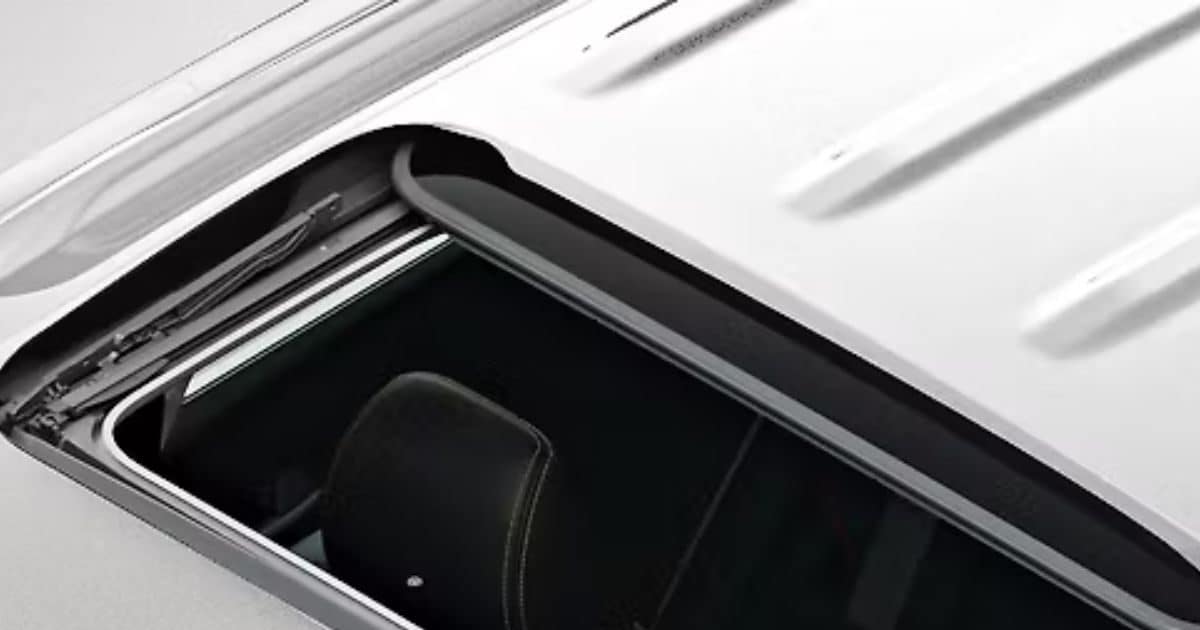
In this article, we have brought for you a list of 5 Most Affordable Sunroof Cars present in the Indian market. The names of Hyundai Exter, Tata Punch, Kia Sonet, Hyundai Venue and Tata Altroz ​​are included in this list. These cars offer better safety, advanced features, mileage and value for money with sunroof. Come, let us know about them one by one.

Hyundai Exter

Hyundai Exeter is the cheapest sunroof car in the country. Its sunroof is available in variants like S+ or S Smart, whose ex-showroom price starts from ₹ 7.03 lakh. This micro SUV comes with a 1.2-litre Kappa petrol engine (83 PS, 114 Nm), which also has a CNG option. Mileage is 19-20 kmpl (petrol) and up to 27 km/kg in CNG.

The electric single-pane sunroof is voice controlled. Other features include 8-inch touchscreen, wireless charging, 6 airbags, TPMS, rear AC vents and 185 mm ground clearance. It is perfect for city driving and offers a nice interior along with Hyundai's reliability.

Tata Punch

Tata Punch is second in the list. This is the country's best-selling micro-SUV, in which the sunroof is available in Pure+ S or Adventure S variants, which are priced at ₹ 7.35 lakh. The 1.2-litre Revotron petrol engine (88 PS, 115 Nm) and with CNG option gives a mileage of 18-20 kmpl.

The electric single-pane sunroof given in it is voice assisted. With 5-star GNCAP safety, it gets a 7-inch digital display, wireless charging, 360° camera, hill hold and 187 mm ground clearance. After the new update, it has got standard 6 airbags. The strong build and SUV look makes it a favorite of the youth.

Tata Altroz

Tata Altroz ​​is one of the safest hatchbacks in the country. Sunroof starts being available with its Pure S or XM S variants, whose ex-showroom price is ₹ 7.36 lakh. With 1.2-litre petrol/CNG/diesel option, it is capable of giving 19-23 kmpl mileage.

The electric single-pane sunroof is voice assisted. Apart from this, it comes with features like 5-star safety, 10.25-inch infotainment, wireless charging and cruise control. The spacious cabin and excellent handling make it the perfect hatchback for long drives.

Kia Sonet

Kia Sonet is a compact SUV with a premium feel, where the sunroof is available in HTE(O) or HTK variants. Its price starts from ₹ 7.99 lakh. Engine options include 1.2-litre NA petrol, 1.0-litre turbo and 1.5-litre diesel, mileage ranges from 18-24 kmpl.

Along with electric single-pane sunroof, it gets features like LED lights, 10.25-inch touchscreen, ventilated seats, standard 6 airbags and Bose audio. Stylish design and refined interior make it attractive.

Hyundai Venue

Hyundai Venue is the most expensive sunroof car in this list. It starts being available with Sunroof S(O) or HX5 variants, whose ex-showroom price starts from ₹ 9.00 lakh. With its 1.2-litre NA petrol, 1.0-litre turbo and 1.5-litre diesel engines, it is capable of giving a mileage of 18-23 kmpl.

It gets an 8-inch touchscreen, BlueLink connectivity, rear camera, TPMS and 6 airbags with electric sunroof. Smooth drive and good for family comfort, plus Hyundai's strong service network makes it a better choice. You can choose any one of these options according to your budget and need.

Source link

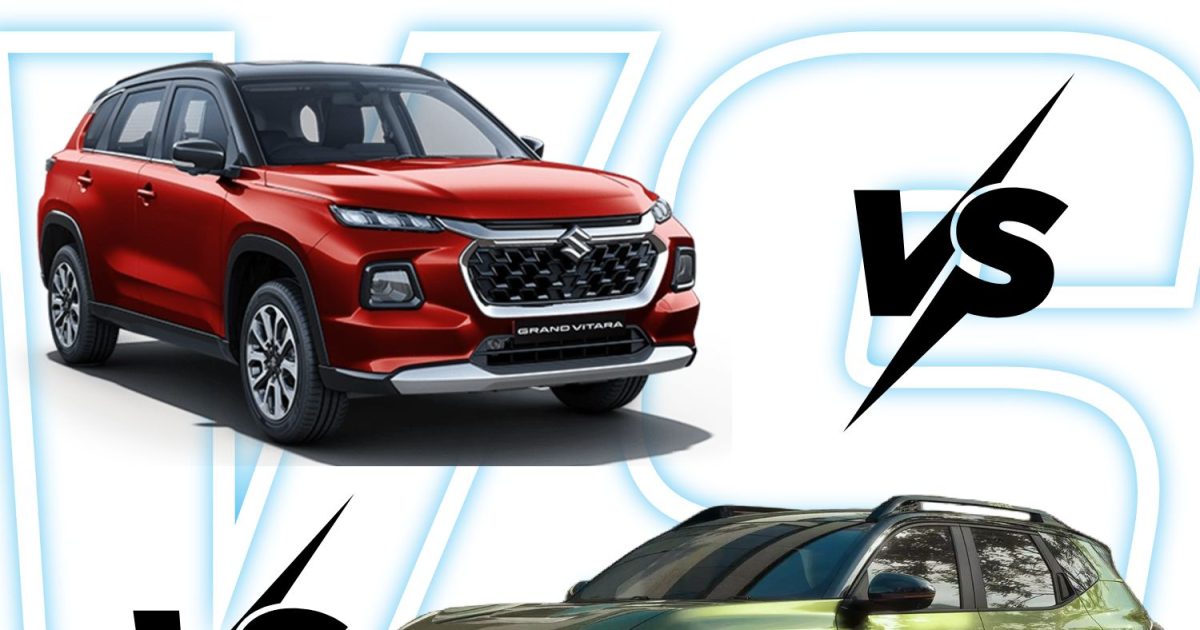
Renault Duster vs Maruti Grand Vitara: Two Hybrid SUVs came face to face! Which is better between the two?

Renault Duster vs Maruti Grand Vitara: Two Hybrid SUVs came face to face! Which is better between the two?

New Renault Duster vs Maruti Grand Vitara: Both the new Renault Duster and Maruti Grand Vitara will compete with each other in the mid-size SUV segment in the Indian market. The new Duster will return in 2026 with a modern design, powerful engine and better features, while the Grand Vitara is known for its hybrid technology, Maruti's reliability and good sales. Let us take a look at their design, interior, features, safety, engine and performance details.

Talking about design, the look of the new Renault Duster is quite aggressive and muscular. It gets a rugged appearance with a new front grille, LED headlights, C-shaped daytime running lights, roof rails and 212 mm ground clearance. It gives more off-road look and the body looks wider (about 2069 mm) and stronger.

On the other hand, the design of Maruti Grand Vitara is more premium and stylish. It has sleek LED headlights, panoramic sunroof, chrome accents and smooth lines, making it family-oriented and attractive for urban use. The length of the Grand Vitara is 4345 mm and width is 1795 mm, which is slightly less than the Duster, but looks balanced. Overall, the design of the Duster is adventurous, while that of the Grand Vitara is more sophisticated.

How much difference is there in the interior?

Both the cars offer good space. The new Duster has a dual-screen setup – 10.1-inch touchscreen infotainment and 10.25-inch digital driver display. Multi-colour ambient lighting, ventilated front seats, wireless charger and a large boot space of 510 liters are available. The cabin feels premium but the plastic quality is average at some places.

The Grand Vitara's interior feels more refined and premium, with soft-touch materials, a large panoramic sunroof, good fit-finish and comfortable seating. Boot space is 373 litres, which is less than the Duster but adequate for family use. Both have 5 seater configuration, but rear space and comfort is slightly better in Grand Vitara.

Features and safety

Grand Vitara is ahead in terms of features. It has segment-first features like panoramic sunroof, head-up display, 360-degree camera, ventilated seats, cruise control, auto climate control and AllGrip AWD (in some variants). The Duster also gets a panoramic sunroof, wireless Apple CarPlay/Android Auto, OTA updates, powered tailgate and dual-zone AC, but the Grand Vitara has a bigger feature list.

Duster gets 6 airbags, electronic stability control (ESC), 360-degree camera, ADAS (Advanced Driver Assistance System) like lane keep assist, blind spot monitoring and autonomous emergency braking. The Grand Vitara also has 6 airbags, ESC, TPMS and 360-degree camera, but the ADAS full suite looks more advanced in the Duster.

Engine and Performance

The new Duster has three engine options. In this, first 1.0L turbo petrol (100 PS, 160 Nm), second 1.3L turbo TCe 160 (163 PS, 280 Nm) and third largest 1.8L strong hybrid E-Tech (163 PS, better mileage) engine will be available. The top variant has a segment-leading 280 Nm torque, which gives excellent performance on the highway. There are also 6-speed MT/DCT options.

Grand Vitara has 1.5L mild hybrid petrol (103 PS, 139 Nm), strong hybrid (116 PS, 141 Nm) and CNG (87 PS) options. Its focus is on fuel efficiency. ARAI mileage goes up to 21-28 kmpl. In terms of performance, Duster can be more powerful and fun-to-drive. However, we have not driven it yet. There itself. The Grand Vitara is smooth and economical.

Source link

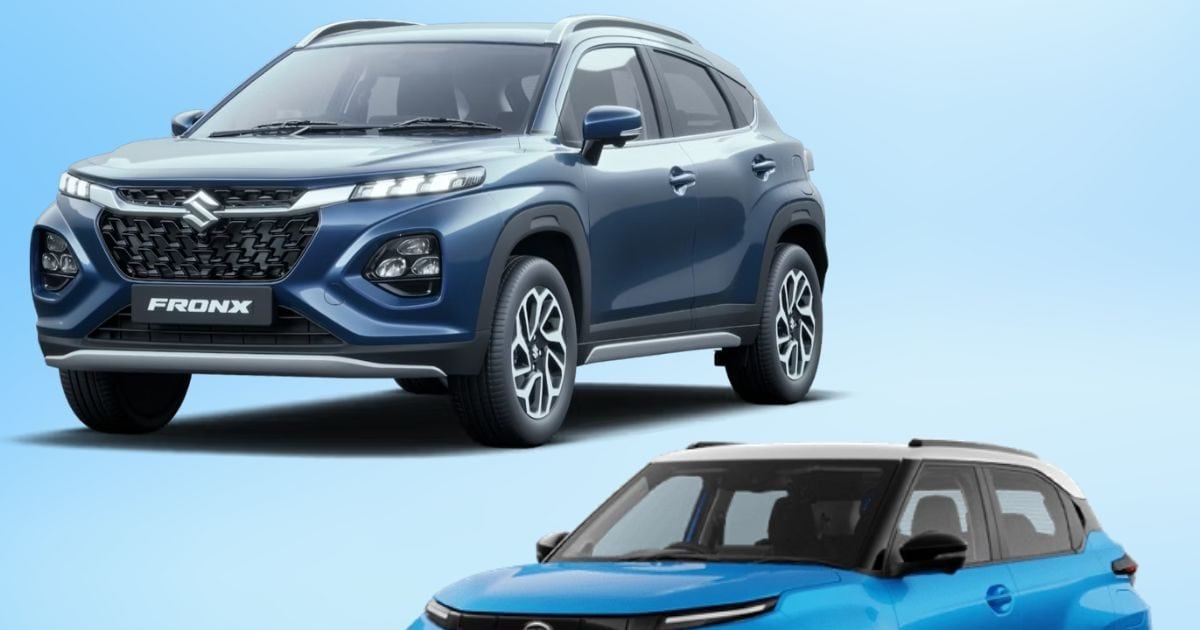
2026 Tata Punch vs Maruti Fronx: Which SUV to buy under ₹6 lakh? know this

2026 Tata Punch vs Maruti Fronx: Which SUV to buy under ₹6 lakh? know this

Both 2026 Tata Punch and Maruti Fronx are much better options in the sub-4 meter compact SUV segment of the Indian market. Tata Punch has recently received a facelift update, which includes a new turbo engine, more features and stronger safety, while Maruti Fronx offers sporty looks and better mileage with crossover styling. Let us look at the details related to their design, interior, features, safety, engine and performance.

2026 Tata Punch vs Maruti Frontex: The new Punch gets an updated front grille, new LED DRLs, projector headlamps, connected LED tail lamps and bold SUV cladding. It offers a tall-boy stance with high ground clearance (193 mm), which is a perfect option for Indian roads. Bumper and wheel arches give a strong look.

On the other hand, Maruti Fronx is in the crossover style. With a long, sloping roofline, sporty front and rear design, it looks more modern and has youth appeal. However, the ground clearance is low (around 190 mm). The road presence of the Punch is more SUV-like, while the Fronx feels more like a car. The design of Punch looks more rugged and practical.

Interior

The interior of the new Punch has become premium. It has a larger 10.25-inch touchscreen, 7-inch TFT digital cluster, ambient lighting, ventilated seats (in some variants), height adjustable driver seat and better material quality. Space is good, but headroom and leg room at the rear may seem a little less than the Frontx. Boot space is 366 litres.

The interior of Fronx feels more spacious and premium. There are features like long cabin, better rear leg room, head-up display (HUD) and cooled glove box. Boot space is 308 litres, but becomes more useful with foldable seats. The cabin of the Fronx looks more refined and family-friendly.

Features

Both the cars are feature-rich. The 2026 Tata Punch gets a 360-degree camera, blind spot monitor, wireless Android Auto/Apple CarPlay, sunroof, auto climate control, rear AC vents, JBL audio, cruise control and voice commands. The Maruti Fronx comes with a head-up display, 360-degree camera (top variant), sunroof, wireless charging, Arkamys sound system and connected car tech.

Safety

It has 6 airbags as standard, ESP, iTPMS, hill hold, 360-degree camera, 5-star Bharat NCAP rating (both adult and child) and strong body structure. Tata's safety image is very strong. The Frontx also gets 6 airbags, ABS, EBD, ESP and 360-degree camera, but the NCAP rating is around 4-stars. Punch is a clear winner in safety, it is especially better for family users.

Engine and Performance

There are three engine options in 2026 Tata Punch 2026. It has the first 1.2L NA petrol (88 PS, 115 Nm), new 1.2L Turbo petrol (120 PS, 170 Nm) and CNG (73 PS, but AMT option). At the same time, 1.2L NA petrol (89-90 PS, 113 Nm), 1.0L Turbo petrol (100 PS, 148 Nm) and CNG options are also available in Fronx.

Who is better: If you want safety, rugged SUV looks, high ground clearance and powerful turbo performance, then 2026 Tata Punch is a better choice. This can be a better option especially for family and safety-conscious buyers. If you want sporty design, more space, refined driving and better mileage, then choose Maruti Fronx. Maruti is also ahead in service network and resale value.

Source link