Honda City First Drive Review – Interior, Exterior, Features

Honda City First Drive Review – Interior, Exterior, Features

Honda City First Drive Review

In this 2023 Honda City facelift petrol review, we’ll examine the exterior, interior, drive performance and mileage of the latest C2-segment sedan. We hope this information helps you make an informed decision about buying Honda’s latest sedan. Let’s start with the exterior details of the Honda City 2023.

Note: If you prefer watching the review in Hindi instead of reading it in English, then you can play the following video:

Honda City Facelift Petrol – Exterior Review

In terms of dimensions, there is not much difference between the pre-facelift and facelift versions of the City. However, in the 2023 model’s ZX variant, the front and rear bumpers are significantly restyled, making it slightly longer than the older City.

The front bumper has a carbon fibre-type trim on its lip, and the fog lamp housing also gets minor styling changes. Due to the criss-cross pattern of the lower grille, the chequered flag-type upper grille and the sharp bumper design, the face of the car looks sportier. The City now also comes with auto wipers, which were not available before.

City Side Exterior

There is only one change on the side of the car – the design of the alloy wheels. These look sporty from certain angles, but the City still looks under-tyred. It deserves wider tyres to match the car’s size and length, if not bigger alloy wheels.

City Rear Exterior

The changes around the rear are as subtle as those at the front, but somehow the styling of its rear diffusers is more striking. These also get carbon fibre detailing, like at the front, which makes the car look sporty. The car also has a rear spoiler on its boot lid, which complements its design.

Boot

The boot space of the City remains the same as before, so it is 506L for the petrol version and 306L for the hybrid.

2023 Honda City Petrol – Interior Review

City Interior

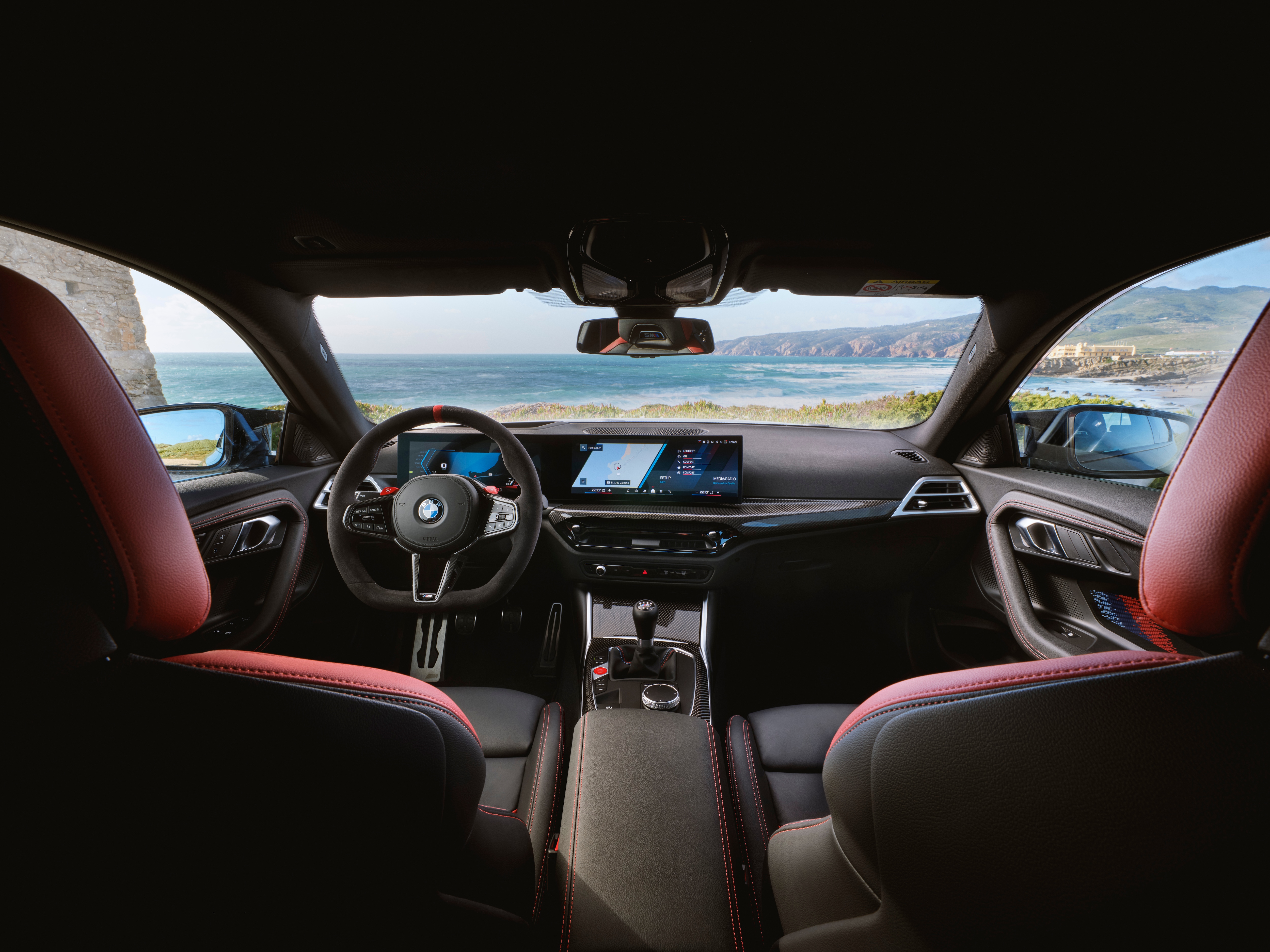
Moving inside the cabin, there are not many changes here either. You still get the dual-tone beige-black interior with glossy wooden accents in the petrol model and ivory cabin with glossy carbon-fibre trim in hybrid variants. The design of the dashboard and interior space remains the same. The cabin now also has a wireless phone charger just ahead of the front armrest in the hybrid version. In the petrol version, it is a removable accessory, which draws power from the front 12V power outlet.

Wireless Charging

In addition, there is also wireless phone pairing available, which complements the wireless phone charging. Furthermore, ambient lighting is also available in the door latches and door pockets.

Phone Connectivity

If you want to understand the interior space of the City in detail, you can watch our Sensible review of the pre-facelift. Now, let’s see how it drives.

2023 Honda City Petrol and Hybrid – Engine Performance And Drive Review

The City still comes with a 1.5L petrol engine, which produces a maximum power of 121PS and peak torque of 145Nm. The power output of the City hybrid is 126PS and peak torque is 253Nm. Both powertrains were also present in the pre-facelift City with the same performance figures.

Engine

Regarding the manual transmission in the City, it is only available with the normal petrol engine. It’s a 6-speed gearbox and ADAS is available with this transmission from the V variant onwards.

CITY HYBRID vs CITY PETROL | SPECS


City Hybrid

Difference

City Petrol

Engine

1.5L + Motor

1.5L

Power

126PS

5PS

121PS

Power:Weight

98PS/t

7PS/t

105PS/t

Torque

253Nm

108Nm

145Nm

Torque:Weight

198Nm/t

72Nm/t

126Nm/t

Manual

6MT

Manual FE

17.8kmpl

Automatic

CVT


CVT

Auto FE

27.13kmpl

8.73kmpl

18.4kmpl

*expected

Transmission

This engine also comes with a CVT type automatic transmission. In this case, the engine output is the same, but its claimed fuel efficiency is higher than the petrol-manual powertrain. If you want to see a detailed review of the City normal petrol, you can watch the following video of the pre-facelift City:

To know how the City hybrid performs, you can watch the following video of the pre-facelift City:

Honda City Facelift Petrol And Hybrid – Prices

The prices of the new City start from Rs. 11.49 lakh. The ZX top model with a petrol-manual powertrain costs Rs. 14.72 lakh. The V, VX, and ZX variants come with an automatic transmission option with an incremental cost of Rs. 1.25 lakh for all three higher variants.

2023 HONDA CITY

MANUAL VS AUTOMATIC – PRICE COMPARISON

Variant

Manual

Difference

Automatic

SV

Rs. 11,49,000

V

Rs. 12,37,000

Rs. 1,25,000

Rs. 13,62,000

VX

Rs. 13,49,000

Rs. 1,25,000

Rs. 14,74,000

ZX

Rs. 14,72,000

Rs. 1,25,000

Rs. 15,97,000

Side Camera

The City hybrid is now available in two variants – V and ZX. The hybrid version of V variant costs Rs. 5.27 lakh more than the petrol-automatic City, and in ZX, it costs Rs. 4.42 lakh more. The top-most variant of the City’s range is the ZX hybrid, which costs Rs. 20.39 lakh ex-showroom.

2023 HONDA CITY

PETROL VS HYBRID – PRICE COMPARISON

Variant

Petrol-Automatic

Difference

Hybrid

V

Rs. 13,62,000

Rs 5,27,000

Rs 18,89,000

ZX

Rs. 15,97,000

Rs 4,42,000

Rs 20,39,000

Cruise Control

If you plan to buy the City petrol-manual, you should consider the V variant. It is the best value-wise. You can upgrade to the VX variant for curtain airbags or a sunroof. The ZX variant offers better value than just the SV variant. It mainly adds good-to-have functional and style-related features, so we will leave it up to you to decide if you should go for this upgrade.

HONDA CITY MANUAL

BUYING RECOMMENDATION

Variant

VFM Rank

Price

Recommendation

SV

Rank 4

Rs. 11,49,000

Gets most must-have features. Not value for money. Upgrade to V recommended.

V

Rank 1

Rs. 12,37,000

Top recommended

VX

Rank 2

Rs. 13,49,000

Can upgrade for safety & good-to-have features

ZX

Rank 3

Rs. 14,72,000

Not a compelling upgrade

In the case of City automatic also, the V variant is our top recommended variant, as it offers most of the must-have and some good-to-have features. It also offers better value than the other variants. In this case, you can upgrade to VX for added safety features or a sunroof, but upgrading to ZX doesn’t feel very compelling.

HONDA CITY AUTOMATIC

BUYING RECOMMENDATION

Variant

VFM Rank

Price

Recommendation

V

Rank 1

Rs. 13,62,000

Top recommended

VX

Rank 2

Rs. 14,74,000

Can upgrade for safety & good-to-have features

ZX

Rank 3

Rs. 15,97,000

Not a compelling upgrade

If you’re interested in the City hybrid, then you should buy the V variant. The V variant offers most of the basic features, and in ZX, all the features are available. ZX also offers slightly better value than the V variant, so upgrading for these extra features makes sense. But, to make sure that this upgrade is financially suitable, you should consider checking out our fuel cost calculator and run some numbers.

HONDA CITY HYBRID | RECOMMENDATION

Variant

VFM Rank

Price

Recommendation

V

Rank 2

Rs. 18,89,000

Top recommended

ZX

Rank 1

Rs. 20,39,000

Can upgrade for the added features

If you want to understand all the variants of City in detail, you can watch the variants explained video below:

Alternatively, you can also go through the variants explained article:

Honda City Petrol, Hybrid Petrol Variants Explained – Which One To Buy?

2023 Honda City Facelift Petrol and Hybrid – Verdict And Buying Recommendation

The mid-life facelift of the City brings minor cosmetic enhancements, including a new blue body colour. Its exterior design updates are sporty and we like them.

Engine Start Stop

Honda didn’t make any major cosmetic changes to the City’s interior and we believe that an all-black or grey-black theme would complement its sportier exterior even more. Additionally, we feel that it should offer electrically adjustable and ventilated front seats.

Honda City First Drive Review 2024

Honda City Exterior

The City is a rare car, which gets adaptive cruise control with a manual transmission. We think that its usage is limited within the city, but it’s very useful on the expressways. Overall, we believe that the Honda City is still one of the most comfortable cars in its segment, and its cabin space, seating comfort, and drivetrain refinement are its USPs.


Source link

New Car Updates

Mahindra Thar Earth Edition launched at ₹15.40 lakh. Check what’s different

Mahindra Thar Earth Edition launched at ₹15.40 lakh. Check what’s different

Mahindra Thar Earth Edition launched

The exterior gets an ‘Earth Edition’ badge and a new Satin Matte colour that Mahindra calls Desert Fury. The ORVMs and the grille now get body colour accents. There are also desert-themed decals and alloy wheels with Thar branding inserts. Apart from this, ‘Mahindra’ and ‘Thar’ wordmarks are in matte black. The 4×4 and Automatic badges are now in matte black with red accents.

The interior feels much more up-market than the standard version of the Thar.

The interior gets a decorative VIN plate on the dashboard. The cabin also looks more upmarket because of the leatherette seats, beige stitching and Earth branding on the seats and the headrest gets a Dune design. The door pads get accents finished in Desert Fury. Apart from all this, there are dual-tone AC vents, thematic inserts on the steering wheel, HVAC housing in piano black and dark chrome for the gear knob, centre gear console, cup holders and a twin peak logo on the steering wheel.

Also Read : Mahindra five-door Thar SUV India launch timeline revealed. Check details

There are also a few accessories on offer such as customised front and rear armrests that customers have been demanding since the Thar was first launched. There are also new 7D mats and a Comfort Kit. It is important to note that the accessories are sold separately.

Thar Earth Edition Petrol MT is priced at 15.40 lakh whereas the AT costs 16.99 lakh. Then there is the Diesel MT at 16.15 lakh and its AT variant costs 17.40 lakh. All prices mentioned are ex-showroom.

First Published Date: 27 Feb 2024, 17:13 PM IST


Source link

Mahindra Thar Earth Edition launched price in India

Kia Seltos Turbo Petrol First Drive Review – Safety Features

Kia Seltos Turbo Petrol First Drive Review – Safety Features

Kia Seltos Turbo Petrol First Drive Review

Note: If you prefer watching the review in Hindi instead of reading it in English, then you can play the following video:

2023 Kia Seltos Facelift – Safety Features

The facelift of the Seltos primarily involves cosmetic changes and feature upgrades, with no major alterations to the platform, chassis or its build quality. If there are any changes, it’s not possible for anyone to determine whether this Seltos is any safer than the older version, solely through visual inspection or by opening and closing its doors.

Side-Airbags

As of now, no third-party agency has conducted a crash test on the India-spec new Seltos facelift. Given that there’s no significant change in its structure, we will consider the injury report of the pre-facelift Seltos. According to Global NCAP data, the pre-facelift Seltos crash test offered Adequate protection to the driver’s head, Good for the neck, and Marginal for the chest. These are the three areas where injuries can potentially be fatal. We do not consider Global NCAP’s body shell integrity as, in the end, the only thing that matters is the extent of the injury to the occupant.

Airbags

If there’s no change in the construction, and the car gets more safety features – which it does – and if the car is subjected to the same test, then it’s understandable that the driver injury should not exceed that of the old Seltos.

Rear-Seats

Since there’s no weak or poor rating for the driver’s head, neck, or chest in the Seltos crash test, based on Global NCAP’s data, you can consider the Seltos from a safety perspective.

Regarding safety technology, in addition to the standard safety features, the Seltos gets the following safety features as standard:

  • 2x front side thorax curtain airbags
  • 2x curtain airbags
  • All 3-point seatbelts
  • Rear disc brakes
  • Electronic stability control (ESC)
  • Hill start assist (HSA)
  • Tyre pressure monitoring system
  • Automatic door lock/unlock

You can now see all the safety-related features of all variants in the following table:

2023 SELTOS | VARIANT-WISE SAFETY TECH

HTE

Std. safety features

2x front side thorax airbags 

Emergency stop signal

Remote central locking*

Rear disc brakes

2x curtain airbags

Day/night inside mirror*

Electronic stability control (ESC)

Halogen projector headlamps

Hill start assist (HSA)

Impact-sensing auto door unlock

Speed-sensing auto door locks

5x 3-point seatbelts with reminder

Tyre pressure monitoring system

HTK

Rear parking camera w/ live feed

Projector fog lamps

Front parking sensors


HTK Plus

Rear washer wiper

Rear defogger


2023 SELTOS | VARIANT-WISE SAFETY TECH

HTX & HTX Plus

LED headlamps

LED projector fog lamps

LED tail lamps

ISOFIX

Traction control w/ modes (Automatic Only)

Auto-dimming inside mirror

GTX Plus & X Line

Blind-spot monitoring in instrument cluster

360-degree parking camera

Electronic parking brake with auto hold

Auto wipers

ADAS Features

Blind spot monitoring, warning and avoidance assist

Auto high beam

Rear cross traffic warning and collision avoidance

Adaptive cruise control with stop and-go

Forward collision warning and avoidance assist

Safe exit warning

Cruise Control

It is worth noting that the Seltos GTX Plus and X Line variants now come equipped with ADAS (Advanced Driver Assistance Systems) technology. During this initial drive, we tested the Seltos front collision avoidance, rear cross traffic avoidance assist and safe exit warning ADAS features and they worked satisfactorily. Now, let’s talk about the 2023 Seltos facelift exterior.

New Kia Seltos 2023 Turbo X Line – Exterior Review

Engine Start-Stop

Before we discuss the exterior, I believe we should talk in detail about the new key with buttons on the side — it feels nice to hold.

Kia Seltos

We drove the X Line version of the Seltos, which comes in a matte grey colour. If we compare the changes to the pre-facelift Seltos, its front grille is now larger and gets a new design for the front bumper. The honeycomb pattern of the grille is different and the new DRLs extend through the grille. Speaking of lightwork, it now includes sweeping turn indicators, front and back, and it adds a nice styling touch to the exteriors.

LED Fog Lamp

Moving to the front bumper, it now has extra cladding, giving it a more muscular design. Like before, it houses the LED fog lamps. As we mentioned at the beginning, the Seltos now comes with ADAS. It has a radar in the front bumper with the front camera behind the windshield.

Alloy Wheel

The Seltos facelift gets alloy wheels measuring 18 inches in the top variant and with a new design. This is the most prominent visual change on the side. It’s worth pointing out that the Seltos now has glossy black trim in many places, but there’s no red or any other coloured detailing in any variant. Earlier, the GTX variant had red accents on the exterior and interior to highlight its sporty nature.

Kia Seltos

In terms of the rear design, it has significant changes. The new Seltos now has a new set of tail lamps that are sleeker and almost interconnected. The design of its rear bumper is also new, and like before, it still has thick cladding. This version also gets functional dual exhausts, and the overall rear look is simple and appealing, yet sporty.

Tail-lamps

I personally feel that the exterior design of the pre-facelift Seltos is still appealing. But with the new colour options and other design upgrades, the Seltos 2023 has a fresh approach to the exterior design compared to the predecessor. It is an obvious improvement over the already pleasing exterior of the Seltos. Now, let’s look at its interior.

2023 Kia Seltos – Interior Review

Interior

In addition to beige-black, brown-black and all-black interior themes, the Seltos X-Line variant brings a greyish green-black interior. This colour combination feels premium and it also gets a leather finish on the dashboard and upholstery with some contrast red stitching.

Sunroof

The interiors instantly appear tastefully done. Along with this, the roof liner is black around the large panoramic glass sunroof. The sunroof curtain is so thick that light doesn’t pass through it. For my height of 5-feet 8-inch, there’s ample headroom in front as well as rear seats.

Touchscreen System

Now, coming to another prominent change in the cabin – the dual-screen curved housing. It integrates two 10.25-inch screens, making the dashboard layout look neat and modern at the same time. The touch feedback of its infotainment system is satisfactory, and there are a lot of features available here.

Instrument Cluster

For instance, the settings for the instrument cluster include a Dynamic theme that displays information with a landscape background. Other than that, there aren’t many design-related changes, but Kia have reduced some inserts from the dashboard, which also makes the dashboard design appear cleaner.

Centre Console

There’s a layout-related change in the air-con control panel. Just above the glovebox on the dashboard, there’s an ambient light strip, which should enhance the cabin’s ambiance during night drives. Lastly, to accommodate the electronic parking brake, its centre console has a new design.

Armrest

However, the rest of the cabin and design remain more or less the same, including the rear seat space, which is suitable for 2 adults and a child. 3 adults is a squeeze but completely doable for short trips. We have no complaints as such, because the new interior theme and dashboard layout make the Seltos interior feel richer compared to before. Now we’ll talk about the performance of the new 2023 Seltos turbo petrol engine.

Kia Seltos Facelift Turbo Petrol-Automatic – Engine Performance And Drive Review

Engine

The Seltos comes with 3 engine options: a 1.5L normal petrol engine, a 1.5L turbo diesel engine and a 1.5L turbo petrol engine. The only new addition among these is the turbo-petrol engine which replaces the olde 1.35L turbo petrol engine. This engine makes 160PS of power and 253Nm of torque. You can have it with either a 6-speed auto-clutch manual transmission or a 7-speed dual-clutch automatic. The X Line variant, which we drove, is only available with the automatic.

Bonnet hook

It’s the most powerful engine in the Seltos line-up, and Kia claim a time of 8.9 seconds with the dual-clutch automatic transmission and 10.1 seconds with the auto-clutch manual transmission. In our brief test in Sport mode, it easily achieved 0-100kmph in around 9.5 seconds. Under ideal test conditions, we’re sure it can achieve Kia’s 8.9 seconds of claimed acceleration time. We think any mass market car accelerating to 100kmph in less than 10 seconds is pretty quick by any standards.

Speakers

That said, when you drive it calmly, it doesn’t immediately feel energetic and instead it feels like it’s a heavy car. But rev it a little and you will realise how strong this engine’s mid-range is — and when you take it beyond the 2000rpm mark, it feels brisk and picks up speed rather quickly. We mainly drove it on the highway where it was cruising comfortably at 100kmph while revving around 1800rpm in the seventh gear.

ESC

So, it felt at ease doing triple digit speeds while staying in the peak torque zone for quick overtakes if necessary. Most of the time, you won’t feel the need to manually downshift, but if you want that control over gear shifts, you can do so with its gear lever or paddle shifters.

Height Adjustable Driver Seat


Kia Seltos Turbo Petrol First Drive Review

What we also learnt about the engine on this short drive is that its noise is audible in the cabin. It is not bothersome, but it filters through at both slow as well as higher speeds. The vibrations or harshness is not much — so like we said before — it is not bothersome. Now, talking about its ride, Kia have increased the damping force of the front suspension setup compared to the old Seltos. Thus, the front might feel a little stiff now while the damping force of the rear has been reduced — so it should feel a little softer.

HUD

From an experience standpoint, it’s difficult to say how much this has affected its ride, but what we can say with some degree of confidence is that it still feels a bit firm and handles a bit better than before. You can also feel the road surface in the car and we think this may lead to rattling noises with frequent rough road usage. We would also like to draw your attention to the fact that the Seltos we drove rode on 18-inch wheels. With a lower side wall to cushion the ride, compared to the older GTX Plus variant, it felt a bit firm.

Traction Control

On the other hand, it is because of this suspension setup only, that the car also feels planted, which is confidence inspiring for the driver. It also nicely complements the 160PS power output of this new turbo petrol engine. We found its handling and braking satisfactory for the performance on offer. With this new engine, the Seltos also has an auto engine start/stop tech, and so it has become more fuel efficient.

On this short drive, we couldn’t test its fuel efficiency, but the official mileage figures claim to offer 17.70kmpl with the turbo petrol-ACMT and 17.90kmpl with the turbo petrol-automatic. We will test the real-world mileage figures once we get to review it for a longer time. With the normal petrol engine, Kia suggest an ARAI-tested mileage figure of 17.0kmpl and 17.70kmpl with the manual and automatic transmission options, respectively.

Instrument Cluster

To sum up the drive, we think that this 160PS engine completes the Seltos as a package — so you get a car that looks upmarket on the outside and inside. It also performs and rides like a more expensive car. Now, let’s look at its prices and sum up this review.

2023 Kia Seltos Facelift – Verdict And Buying Recommendation

Tail-lamps

The prices for the new Seltos start from Rs. 10.89 lakh. With the normal petrol engine, HTX is its top variant, which costs Rs. 16.59 lakh with the CVT automatic transmission. The variants available with the turbo petrol engine are HTK Plus, HTX Plus, GTX Plus and X Line. The top variant is available only with automatic transmission and costs Rs. 19.99 lakh (ex-showroom).

Front-Camera

The Seltos was already a car with mass appeal and when we had the older version of the Seltos with us for a long-term review, we were satisfied with the car. It felt like it even matched the cabin experience of more expensive cars. With this update, the cabin experience of the Seltos has improved further and it feels even more polished now with the new colour schemes. The new screens, the larger sunroof, new cabin features, ADAS and a powerful turbo-petrol engine makes it a car that is difficult to nitpick, especially in the higher variants.

Kia Seltos

More importantly, rather, most importantly, its higher variants also carry an attractive price, prices are also attractive — so we think at this moment — THIS IS THE C-SEGMENT SUV to buy if you want that premium experience with a manageable, compact dimensions.

Here’s a look at the ex-showroom prices for the 2023 Kia Seltos facelift:

SELTOS PETROL | PRICES
VariantManual/Auto-ClutchDifferenceAutomatic
1.5L Normal Petrol
HTERs. 10.89L
HTKRs. 12.09L
HTK PlusRs. 13.49L
HTXRs. 15.19LRs. 1.40LRs. 16.59L
1.5L Turbo Petrol
HTK PlusRs. 14.99L
HTX PlusRs. 18.29LRs. 0.90LRs. 19.19L
GTX PlusRs. 19.79L
X LineRs. 19.99L

Also Read: Kia Seltos Facelift Petrol Variants Explained – Which One To Buy?


Source link

Volvo confirms launch of EX30, EX90 EVs in India in 2025

Volvo confirms launch of EX30, EX90 EVs in India in 2025


  • Volvo currently offers two electric cars in India – the C40 Recharge and the XC40 Recharge.
Volvo EX90 electric SUV (left) is the Swedish carmaker’s flagship EV based on the XC90 SUV. Volvo EX30 (right) is the smallest electric car in the Swedish carmaker’s lineup.

Swedish auto giant Volvo has confirmed that it will launch two more electric cars in India by 2025. Staying true to its commitment to go EV-only manufacturer, Volvo will drive in the EX30 and EX90 electric SUVs to India by next year. The launch of these two electric cars were confirmed by Jyoti Malhotra, Managing Director at Volvo India, on Tuesday. Volvo currently offers two electric cars in India – the XC40 Recharge and the C40 Recharge electric SUVs.

Volvo has not shared the exact launch timeline of the EX30 and EX90 electric SUVs. The carmaker has not confirmed which of these two models will hit the Indian shores first. However, Malhotra said that both the EX30 and EX90 will be brought to India as completely knocked-down (CKD) units for sale.

Volvo EX90:

Volvo EX90 electric SUV comes as the brand’s flagship EV, and it is based on the XC90 SUV. Unveiled back in November 2022, the electric SUV is powered by a dual-motor all-wheel-drive powertrain offering two power and torque output levels. The base model churns out 408 bhp of power and 770 Nm of torque, while the higher variant generates 517 bhp power and 910 Nm of torque. Both variants are capable of running at a top speed of 180 kmph.

Volvo EX90 also comes with a Lidar system that comprises eight cameras and 16 ultrasonic sensors around the car. These allow the car to detect small objects as far as 600 feet away anytime anywhere.

In terms of looks and features, the EX90 is offered with the carmaker’s iconic Thor’s Hammer LED headlights and a blanked-off grille like the XC40 Recharge. It also gets flush-fitting door handles, 22-inch alloy wheels, C-shaped split LED tail lamp.Volvo claims that the EX90 contains 15 per cent recycled steel, 25 per cent recycled aluminium, 48 kg of recycled plastics and bio-based materials. Inside, the electric SUV gets a 14.5-inch large, vertically-oriented touchscreen infotainment system powered by Google OS. The car gets 5G connectivity as standard, enabling over-the-air (OTA) updates.

Volvo EX30:

Volvo EX30 is the smallest electric car in the Swedish carmaker’s lineup. Launched last year in global markets, the electric SUV is the quickest among all EVs in Volvo’s lineup with ability to sprint 0-100 kmph in just 3.4 seconds. The EX30 comes with a closed grille and the Volvo logo at the front. The LED headlights have the signature Thor hammer shape, while at the rear, the taillights wrap around the tailgate as well as part of the C-pillar. The interior too has a very minimalist design. Dominating the cabin are two elements – the steering wheel which is flat at the top and bottom, and the central 12.3-inch touchscreen infotainment system.

Volvo EX30 will be offered with two choices of battery pack. The basic version is with a single motor which can churn out 272 hp of power. It comes equipped with a 51 kWh battery that helps the electric SUV to offer 344 kms of range on a single charge. There is also an Extended Range version using the same motor, but has a larger 69 kWh battery pack. It promises to offer 480-km range. The top of the range Twin Motor Performance version comes with dual electric motor and generates 428 hp of power. It can sprint from 0 to 100 kmph in just 3.4 seconds, faster than any Volvo ever. It can offer 460 kms of range on a single charge.

First Published Date: 27 Feb 2024, 15:46 PM IST


Source link

Mahindra Thar Earth edition price, features, paint, powertrain, off-road, performance

Mahindra Thar Earth edition price, features, paint, powertrain, off-road, performance


Thar Earth Edition is based on the LX hardtop variant; available with a choice of petrol or diesel powertrains.

Mahindra has launched the Thar Earth Edition with prices ranging from Rs 15.4 lakh-17.6 lakh (ex-showroom). The special edition costs Rs 40,000 more than the LX trim on which it is based. The SUV is limited only to the 4×4 models and while it remains mechanically unchanged, read on to know what’s new.

Mahindra Thar Earth Edition prices
Variant Price (ex-showroom)
Petrol MT 4WD Rs 15.4 lakh
Petrol AT 4WD Rs 16.99 lakh
Diesel MT 4WD Rs 16.15 lakh
Diesel AT 4WD Rs 17.6 lakh
  1. Finished in ’Desert Fury’ matte paint finish
  2. Available with manual and automatic transmissions 

Mahindra Thar Earth Edition design and features 

The Mahindra Thar Earth Edition is finished in a special shade of matte paint that the company calls ‘Desert Fury’, and also gets special ‘Earth Edition’ badges on the B-pillars and rear fenders. 

The Mahindra Thar Earth Edition gets a similar colour scheme on the inside, with the leatherette upholstery finished in dual-tone shades of beige and black. Carrying on the desert-inspired theme, the SUV gets line art that replicates the shape of dunes on the headrest. There’s a dark chrome finish on elements such as the Mahindra logo on the steering wheel, cupholders, gear knob and gear console. 

Mahindra has said that each Thar Earth Edition will get a vehicle identification plate on the inside, which will be numbered, starting from ‘1’. While this is a common practice for limited-edition models, Mahindra has not specified if this special edition of the Thar will be produced in limited numbers.

Mahindra Thar Earth Edition powertrain and performance

The Mahindra Thar Earth Edition is available only on the 4×4 variants, with the same choice of a petrol and diesel engines. The 2.0-litre petrol unit produces 152hp, 300Nm and can be mated to either a 6-speed auto or a 6-speed manual gearbox. The 2.2-litre diesel mill churns out 132hp, 300Nm that can also be mated to either a 6-speed automatic or a 6-speed manual gearbox. 

Mahindra Thar waiting period and upcoming launches

As of February 14, 2024, Mahindra had 71,000 open bookings for the Thar, which included 4WD and RWD models. According to our dealer sources, since the introduction of the RWD model, the 4WD demand has dropped considerably. This is reflected in the waiting periods, with the 4WD models demanding a waiting period of 4-5 months, and the diesel RWD models, a wait of almost 1 year. The launch of the Thar Earth Edition could be seen as a move by Mahindra to increase the number of Thar 4WD sales

Mahindra also recently confirmed that the 5-door Thar will be launched this year. 

Also see:

Mahindra Scorpio N Z8 Select launched at Rs 16.99 lakh

Mahindra Scorpio X name trademarked for future model

Mahindra Scorpio N Z8 L waiting period down by 5 months


Source link

Yamaha Motor India steps up as official sponsor for Yamaha MotoGP team

Yamaha Motor India steps up as official sponsor for Yamaha MotoGP team


  • As part of the sponsorship agreement, the factory Yamaha YZR-M1 MotoGP bikes will carry ‘The Call of the Blue’ tagline for Yamaha India.
The Yamaha YZR-M1 MotoGP bikes will carry ‘The Call of the Blue’ brand campaign name on the front cowl

India Yamaha Motor has announced that the Indian subsidiary of the Japanese manufacturer will now be an official sponsor of the Monster Energy Yamaha MotoGP team for the upcoming season. The move deepens Yamaha India’s relationship with the factory MotoGP team for the 2024 season, especially with the success of the inaugural Indian GP held in September last year. MotoGP is set to return this year.

As part of the sponsorship agreement, the factory Yamaha YZR-M1 MotoGP bikes will carry Yamaha India’s ‘The Call of the Blue’ tagline. The line will feature on the front cowls of riders Fabio Quartararo’s and Alex Rins’ race bikes. Yamaha’s ‘The Call of the Blue’ brand campaign was introduced to reignite the connection that the manufacturer has had with young customers in India. It also marked the brand’s focus on the premium motorcycle and scooter segment in the country, moving away from entry-level commuters.

Also Read : Eurosport reacquires MotoGP broadcast rights in India for 2024.

Yamaha MotoGP Yamaha India
Yamaha India says this is the first of its kind investment by the company to promote motorsports culture in the country

Commenting on the announcement, Eishin Chihana, Chairman – Yamaha Motor India Group said, “IYM is thrilled to become the newest sponsor of the Monster Energy Yamaha MotoGP team for the 2024 season. The collaboration not only strengthens our bond with MotoGP but also signifies a new phase of aspiration and enthusiasm for Yamaha enthusiasts in India. By prominently featuring ‘The Call of the Blue’ logo on Fabio Quartararo’s and Alex Rins’s YZR-M1 bikes, we aim to ignite greater enthusiasm among young Indian fans to embrace Yamaha’s legacy associated with the thrill of racing. This collaboration is a big step in our journey to connect with the youth and Yamaha fans in India.”

Yamaha has had a long association with MotoGP, being one of the strongest factory teams in the premier-class championship. Yamaha Racing has a history of over 500 Grand Prix wins and is also an engine supplier to several satellite teams. The team has been behind some of the biggest names in the sport right from Wayne Rainey, Eddie Lawson, Phil Read, Valentino Rossi and now Fabio.

Yamaha YZR-M1 MotoGP
The 2024 Yamaha YZR-M1 MotoGP bikes will be piloted by riders Fabio Quartararo and Alex Rins in the upcoming season

Yamaha says the investment in the manufacturer’s MotoGP team is the first of its kind by the brand to promote motorsports culture in India, while also creating more awareness about the company’s technological prowess in the world of racing. The Indian GP is scheduled to take place between September 20-22, 2024, with the action returning to the Buddh International Circuit (BIC).

First Published Date: 26 Feb 2024, 16:49 PM IST


Source link

What is the Aurus Senat? The limousine gifted by Vladimir Putin to Kim Jong Un

What is the Aurus Senat? The limousine gifted by Vladimir Putin to Kim Jong Un


The UN sanctions ban the supply, sale and transfer of luxury goods including cars to North Korea. So what is the Aurus Senat which has been caught in

The Aurus Senat Limousine was built for Russian President Vladimir Putin and the car was recently gifted to North Korea’s supreme leader Kim Jong Un

Russian President Vladimir Putin recently gifted a new car to North Korean leader Kim Jong Un in a show of friendship between the two state leaders. The luxury limousine ‘Aurus Senat’ has been the talk of the town not for the gift itself but for violating the UN sanctions against Pyongyang. The UN sanctions ban the supply, sale and transfer of luxury goods, including cars, to North Korea. So, what is the Aurus Senat that’s caught in the eye of the storm? We break it down for you.

The Aurus Senat Limousine is Vladimir Putin’s official vehicle and the car is the first Russian luxury vehicle developed in the country. The Aurus Senat made its global debut in 2018 and was originally custom-made for the Russian president under the codename ‘Cortege’.

Also Read : Russia makes luxury cars? US mocks Putin for his gift to North Korea’s Kim

Aurus Senat
The Aurus Senat is built for civilians as well and draws power from a 4.4-litre V8 engine developed with inputs from Porsche Engineering

The Aurus Senat Limousine is the presidential state car while the shorter five-door sedan is also available for civilian purchase. Visually, the Senat borrows several cues from the Rolls-Royce Phantom luxury saloon, even as the company says its retro styling is inspired by the ZIS-110 Soviet limousine of the 1940s.

The Aurus Senat is sizeable at 5,631 mm in length and weighs a hefty 2,700 kg. President Putin’s stretched limousine measures 6,700 mm and also gets armoured protection. This includes bulletproof armour, reinforced glass, bomb-resistant underfloor protection, run-flat rubber tyres, as well as integrated “offensive” weapons and a self-contained oxygen supply. The presidential state car also gets its secure-line communication system.

Aurus Senat
The Aurus Senat’s cabin gets individually adjustable rear seats with entertainment screens for each passenger. The presidential vehicle is completely armoured as well

The cabin remains opulent on the Senat with the best of leather and finer materials gracing the cabin. The model gets dual instrument pods with a large TFT display in the centre and a large infotainment system slotted into the centre console. The rear seats get their respective screens, along with individually adjustable rear seats.

On the power front, the Senat stretched limousine gets a 6.6-litre V12 engine with about 850 bhp on offer, whereas the long-wheelbase saloon is powered by a 4.4-litre V8 developed by NAMI or the Central Scientific Research Automobile and Automotive Engines Institute in Russia. The motor is said to have been developed with inputs from Porsche Engineering and is tuned to produce 590 bhp and 880 Nm of peak torque.

Aurus Senat
The Aurus Senat joins Kim Jong Un’s fleet of luxury cars that includes Maybachs, Lexus, a Mercedes Pullman Guard and more

Kim Jong Un isn’t new to luxury cars and reportedly has a long line of opulent vehicles at his disposal. Reports suggest the leader has at least two Maybach 62s, a Mercedes-Maybach S650, a Lexus LX, a Mercedes-Maybach GLS 600, and a Mercedes Pullman Guard. The new Aurus Senat is now an addition to this list.

First Published Date: 26 Feb 2024, 16:13 PM IST


Source link

Ceat Indian Supercross Racing League winners: BigRock Motorsports wins title in Bangalore

Ceat Indian Supercross Racing League winners: BigRock Motorsports wins title in Bangalore

BigRock Motorsports clinched the title in three categories with Matt Moss (450cc international), Reid Taylor (250cc international), and Thanarat Penjan (250cc India-Asia mix).

Rally heavyweight CS Santosh’s team BigRock Motorsports has been crowned the first-ever winner of the Ceat Indian Supercross Racing League (ISRL). The team clinched the title in dominant fashion on home turf, after the farmer’s protest forced a last-moment change in venue from Delhi to Bengaluru.

  1. Matt Moss defeats Jordi Tixier by four points in 450cc international class
  2. BigRock Motorsports outscored Mohite’s Racing Team by 82 points

Indian Supercross Racing League winners

For its inaugural season, the ISRL featured four different classes – 450cc international, 250cc international, 250cc India-Asia mix and, finally, Junior 85cc. Some big names from the Indian racing community – including CS Santosh and Arjuna award winner Gaurav Gill – along with brands like Reise Moto, fielded their own teams. Honda, KTM and Kawasaki provided the bikes for different teams.

Heading into the finale, BigRock Motorsports held a lead of 50 points over former Volkswagen Motorsport factory driver Dhruv Mohite’s team. The other teams put up a tough fight at the finale, with BB Racing’s Jordi Tixier, SG Speed Racers’ Hugo Manzato, BB Racing’s Athison Ruadreo and Mohite’s Racing Team’s Ben Prasit Hallgren all scoring wins. Tixier even made it a clean sweep after winning the All Stars race, featuring the top finishers from the senior classes.

But BigRock Motorsports played the team game, pushing just enough to avoid any unnecessary errors. And it paid off, with the team emerging as the champion in all three classes, outscoring Mohite’s Racing Team by a massive 82 points.

Matt Moss defeated Tixier by just four points to win the 450cc international title. Reid Taylor took home the 250cc international trophy after defeating Manzato by 15 points. And finally, Thanarat Penjan outscored Ruadreo by 10 points to win the 250cc India-Asia mix title.

Speaking about the road ahead for BigRock Motorsports, now that the first season has wrapped up, Team Principal Ashok George said,  “We’ve been running in-house races for a while and this [racing in ISRL] extends that storyline that we’ve built. So, in that sense it is a very long-term plan for us and a big part of that is tying up with our partners all around the world, creating a rider development programme that is comprehensive.”

“With a lot of the guys and girls that we have now, over the course of the first season we have seen a massive improvement in how they ride. So, we are hoping that we can keep that going.”

BB Racing finished third overall, followed by SG Speed Racers in fourth, Reise Motorsports in fifth and Gujarat Trailblazers in sixth place.

Despite the last-minute change of venue, over 8,000 spectators turned up at the Bengaluru finale. “We have set a new global record with the maximum physical representation anywhere in the world for a Supercross event,” said Veer Patel, co-founder of the ISRL.

“It gives me immense pleasure to see our collective dream to take shape in reality. I am confident that with the support of FMSI, FIM, racing teams and all partners we will make India as the focal point for Supercross in the world.”

Also see:

Indian Supercross Racing League: CS Santosh’s BigRock Motorsports leads after Round 1


Source link

India’s passenger vehicle industry to see less than 5% growth in FY25, says Tata

India’s passenger vehicle industry to see less than 5% growth in FY25, says Tata


  • Tata Motors’ key official Shailesh Chandra has hinted at impending price hikes for passenger vehicles in the coming months.
Tata Motors’ key official Shailesh Chandra has hinted at impending price hikes for passenger vehicles in the coming months.

Despite the rapidly rising demand for personal mobility and SUV-mania across the country, India’s passenger vehicle segment is likely to see less than five per cent growth in the next financial year, forecasted Tata Motors. Tata Motors Passenger Vehicles Managing Director Shailesh Chandra stated that India’s domestic passenger vehicle industry is likely to see moderate to less growth in the next fiscal starting in April 2024. However, the Tata Motors official believes electric vehicle sales in the country will grow despite the slow pace of EV charging infrastructure development.

Passenger vehicles to see sluggish growth

Chandra said that in FY23, the industry witnessed 25 per cent growth in the passenger vehicle segment, which is expected to become moderate in this financial year to about eight per cent. The Tata Motors official said that the industry is currently witnessing a high base effect and in the next financial year, there will be be slightly challenging situation for the segment. This challenging situation would result in the industry recording less than a five per cent growth rate in the next financial year, claimed Chandra during an analyst call.

Watch: 2023 Tata Safari review: Family SUV with bachelor spirit?

Passenger vehicles likely to be pricier

In the last few months, automakers in India have announced price hikes for their respective passenger vehicle models citing increasing production costs due to factors such as surging raw material costs, inflation etc. Chandra hinted that there would be more such price hikes in the next financial year, which would pose challenges to the growth of passenger vehicles.

Citing various challenges for the growth of passenger vehicles in India, Chandra noted that while commodity prices have been stable in the past quarter or so, there is a risk that prices may go up going forward. He hinted that costs of crucial raw materials are going up, which may impact the prices of passenger vehicles negatively in the coming months.

Watch: 2023 Tata Nexon EV facelift first drive review: Best-seller gets even better?

Electric vehicles to continue growing

Tata Motors is spearheading the democratisation of electric vehicles in India’s passenger vehicles segment. The homegrown OEM is leading the Indian electric car segment with more than 80 per cent market share. In the last few years, the segment has witnessed rapid growth thanks to various factors such as rising costs of petrol and diesel, narrowing price gap between electric and fossil fuel vehicles, availability of various government subsidies and incentives for EVs, tightening emission norms, growing awareness about environmental pollution and vehicular emissions’ impact on that, the launch of new electric cars etc. Tata Motors believes this growth momentum will continue in the next financial year as well.

Chandra said that in 2023, while the overall passenger vehicle industry grew eight per cent on a year-on-year basis compared to 2022, electric vehicle sales surged by 95-100 per cent YoY compared to the previous year. “I think this trend is likely to continue. So companies with stronger portfolios in CNG and EVs will grow,” Chandra said.

Watch: Tata Altroz iCNG: First Drive Review

Interestingly, this growth projection comes despite the sluggish pace of growth for the electric vehicle charging infrastructure, which is considered a key factor for the growth of electric vehicle sales. “As far as EVs are concerned, I think the biggest challenge here is the pace at which the charging infra is growing. It is lagging behind the pace at which the EV adoption is happening,” Chandra noted further adding, “Given that the charging infra is crucial to the growth and expansion of EV market, we have gone for an open collaboration approach with all charge point operators as well as the oil marketing companies who are focusing on expansion of charging infra.”

First Published Date: 25 Feb 2024, 15:57 PM IST


Source link

VinFast walks Tesla route in India, seeks import duty cut for electric cars

VinFast walks Tesla route in India, seeks import duty cut for electric cars


VinFast is currently in the process of constructing a manufacturing facility in the southern state of Tamil Nadu. The company has urged the Indian gov

Vinfast has urged the Indian government to reconsider the 100% import duty on fully-built EVs. (Bloomberg)

Vietnamese electric vehicle (EV) manufacturer VinFast has approached the Indian government with a request to temporarily reduce import duties on its cars for approximately two years, a report by Reuters stated. This move aims to facilitate customer acceptance of VinFast’s products until the company’s local manufacturing plant becomes operational.

The request aligns with VinFast’s strategy to establish a presence in India, similar to the approach taken by American EV giant Tesla, which had also expressed interest in a duty reduction but faced a denial from the Indian government.

VinFast is currently in the process of constructing a manufacturing facility in the southern state of Tamil Nadu. The company’s India CEO, Pham Sanh Chau, has indicated that production is slated to commence by mid-2023, initially focusing on domestic sales before venturing into exports. VinFast’s investment plans in Tamil Nadu, in collaboration with the state government, entail a total investment of up to $2 billion, with an initial commitment of $500 million for the first five years of operations.

VinFast, akin to Tesla, has urged the Indian government to reconsider the 100% import duty on fully-built EVs, a stance that has been met with opposition from domestic automakers. While India, as the world’s third-largest vehicle market, is contemplating the requests, no definitive decision has been reached yet, as per a government official.

Also Read : Centre yet to finalise import tax on EVs as Tesla gets ready for India

Chau highlighted VinFast’s proposal for a temporary reduction in import duty, suggesting bringing it down to 70% to 80% for a limited number of cars over two years. This approach, he believes, will help Indian customers acclimatise to VinFast’s offerings. While the central government deliberates on this proposal, VinFast remains committed to advancing its manufacturing facility’s construction.

India’s EV market is still nascent, accounting for just about 2% of total car sales in the previous year. However, the federal government has set an ambitious target of achieving a 30% market share for EVs by 2030, and is actively working on programs to attract EV manufacturers.

VinFast’s Tamil Nadu project is expected to have an annual capacity of up to 150,000 vehicles, complementing its main plant in Vietnam with a capacity of 250,000 vehicles annually. The company is already collaborating with around 55 Indian dealers to establish a robust sales network and is also considering introducing its two-wheeler models in the country in the future.

First Published Date: 25 Feb 2024, 15:45 PM IST


Source link

Mecides replica cars; Porsche Cayenne, Ford Bronco, Mercedes G Wagen, Aston Martin DBX


Portfolio of all-electric, near-life-size replicas made by Mecides include Porsches, Mercs, Aston Martins, Land Rovers, Fords, Volkswagens and more.

In recent years, Chinese automakers have been working hard to change the negative stereotype of being called copycats – at least in terms of design – by coming up with relatively more original creations. However, certain companies in China continue to take advantage of the relaxed copyright laws, allowing them to use copyrighted designs without seeking the original creator’s permission.

One such company is Mecides, a new startup that is pushing the boundaries of replica design with its range of mini electric trucks and SUVs, which often resemble miniatures of well-known models. The lineup is vast and includes luxury models, rugged trucks, and mainstream cars and SUVs. Despite their obviously different dimensions, it appears that all of the EVs share the same basic underpinnings, making the choice among them a matter of personal preference.

‘Premium’ offerings 

Rangie Sport or Maruti Brezza?

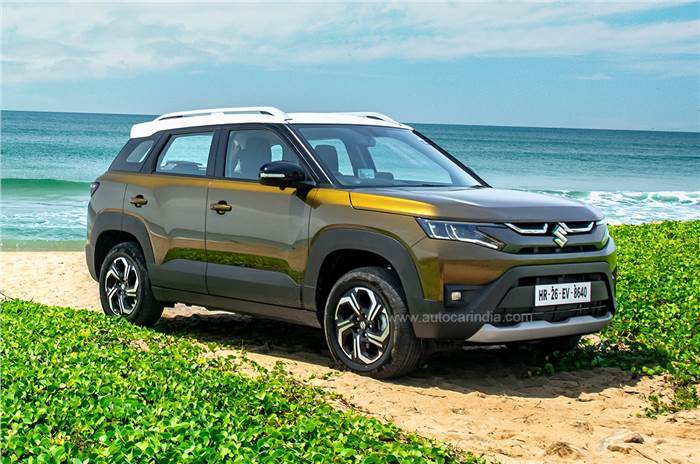
One of the most interesting parts of Mecides’s lineup is its range of luxury car replicas. These unusual designs may not fool anyone into thinking you actually own an original, but their resemblance to their much pricier counterparts is remarkable. For example, the Mecides MBJD draws inspiration from the 2009 Bugatti 16C Galibier Concept, complete with a chrome-finished horseshoe grille and LED headlamp setup. Other notable replicas include minis of Porsche models like the Cayenne and Macan, Aston Martin’s DBX, and the Maserati Grecale. A fun fact about the Grecale lookalike is that it features a Porsche-style emblem on its nose, leaving owners to source the correct Trident logo themselves. Additionally, Mecides offers a mini that looks like the Range Rover Sport, but also bears a striking resemblance to the Maruti Suzuki Brezza.

‘Rugged’ replicas

RAM 1500 replica really gives off Toyota and Mahindra vibes.

Moving on to the rugged truck category, Mecides offers replicas that resemble various popular models. The Ford Bronco mini, for example, looks like a revamped Maruti Suzuki S-Presso, complete with an oversized grille and headlights that contrast the tiny wheels. The Mercedes G-Wagen replica is also noteworthy, although its underlying platform is claimed to be based on the Maruti Suzuki Jimny. For truck enthusiasts, Mecides has replicas of the Ram 1500 and the Toyota Tundra, both of which have been given a Chinese makeover. However, the Ram 1500 replica’s design also gives off a Mahindra Scorpio N and Toyota Hilux-like air.

‘Mass-market’ replicas

That’s supposed to be the Volkswagen ID.4.

Mecides also offers replicas of mainstream models, including the Mini Countryman JCW, Volkswagen ID.4, and Smart #1, all of which are fully electric. The replicas get a comfortable five-seater cabin. Each interior is equipped with a digital cockpit that mirrors the style of its respective model, although with cheaper materials.

Smaller, shorter and power(less)

The hatchback models range from 3,050mm to 3,800mm in length, while the long-wheelbase trucks can stretch up to 4,800mm. Despite their small size, all of these EVs come equipped with four-wheel disc brakes and conventional suspension parts. In some cases, power comes from a single 14hp electric motor, while in others, a 27hp motor is used. These numbers are comparable to heavy quadricycles in Europe, but the Chinese EVs weigh about 700kg, making them heavier and, likely, slower. The battery packs have a capacity of 26kWh, with driving ranges between 300km and 800km, depending on the version.

Mecides has not disclosed pricing details, but the company is currently accepting orders. While Mecides may not match established automakers in terms of originality or innovation, it serves a different market segment. With its relatively affordable replicas of popular models, it offers consumers the chance to enjoy the style and presence of luxury or mainstream models at a fraction of the price. 

Which one of these replicas would you spend good money on? Let us know your favourite (or the least favourite) in the comments below.

Also see:

Polaris builds a Lunar Rover replica

Toy Story: Hot Wheels Design Centre


Source link

Tata Motors Only Major SUV Car Maker Without 4 Wheel Drive

Tata Motors Only Major SUV Car Maker Without 4 Wheel Drive


The following table lists out the number of SUVs (or SUV-like cars) in a manufacturer’s Indian portfolio along with the number of SUVs with 4WD:

INDIAN SUV MANUFACTURERS WITH 4WD

Manufacturer

# 4WD Vehicles

Total SUVs*

Mahindra

4

8

Maruti Suzuki

2

7

Hyundai

1

5

MG

1

5

Toyota

4

5

Jeep

4

4

Kia

1

2

Skoda

1

2

Volkswagen

1

2

BRANDS WITHOUT 4WD

Tata

0

6

Citroen

0

4

Renault

0

2

Honda

0

1

Nissan

0

1

BYD

0

1

*SUV here is meant to represent cars that are trying to capitalise on the SUV body style craze

Now, let’s look at each manufacturer one by one.

Mahindra — 4/8 SUVs With 4WD (50% Coverage)

Mahindra have the largest number of 4WD cars in their portfolio and Jeep are the only mass market carmaker matching them in this regard. And if you factor in the Scorpio Classic and the Bolero, both of which earlier had a 4WD option, then the count goes up to 6 vehicles for a 75% coverage.

They are cashing in on this SUV craze with the largest number of SUVs on offer. The Thar perfectly sets the stage for the rest of their SUVs to borrow the rugged, go-anywhere personality. Then, having an option of 4WD in 4 of their vehicles makes it worth a look for buyers who absolutely need that capability.

MAHINDRA SUVS

SUVs*

4WD Option

XUV300

XUV400

Thar

Scorpio Classic

(4WD Discontinued)

Scorpio N

XUV700

Bolero

(4WD Discontinued)

Bolero Camper

(Surprised?)

Bolero Neo

Total: 8

4WD: 4/8

Maruti Suzuki — 2/7 SUVs With 4WD (29% Coverage)

Maruti Suzuki are the next in line with 7 SUVs. The Jimny is their halo off-roader but even the Grand Vitara has the option of 4WD with a manual transmission. We’re pretty confident that it is a made-to-order kind of a variant with very limited production because of the scarce demand. But, having that option in the variant lineup helps the Vitara earn that SUV tag. This further spills into their lineup and it’s supposed to help them sell more vehicles with this SUV styling.

While you may laugh at someone expecting 4WD capabilities from a small car like the Ignis, it’s worth noting the Ignis does get the 4WD option in some international markets. So, it has more of those SUV genes in it than other mini SUVs like the Punch, Exter and the now-discontinued KUV100.

MARUTI SUZUKI SUVS

SUVs*

4WD Option

S-Presso

Ignis

No (Not in India)

Fronx

Brezza

Jimny

Grand Vitara

Invicto

Total: 7

4WD: 2/7

Hyundai — 1/5 SUVs With 4WD (20% Coverage)

After the addition of the Exter, Hyundai have 5 SUVs in their Indian portfolio. Only one of these has the option of 4WD. Even though they don’t sell the Tucson in large volumes, having it around gives the other SUVs in their portfolio that SUV character. After all, that’s what the buyers are buying into. And for a leading SUVs seller, the cost of having the Tucson in India is worth it, even if its numbers don’t add up to justify that investment.

HYUNDAI SUVS

SUVs*

4WD Option

Exter

Venue

Creta

Alcazar

Tucson

Total: 5

4WD: 1/5

MG — 1/5 SUVs With 4WD (20% Coverage)

Counting the Hector and Hector Plus as 2 separate SUVs and similarly, considering Astor and ZS as 2 distinct SUVs, we end up with 5 SUVs in MG’s portfolio. While the number of vehicles with 4WD option still remains 1 — exclusive to Gloster — the others still at least have a true SUV to look up to. The 20% overall coverage of 4WD in MG’s SUV portfolio is the same as that of Hyundai.

MG MOTOR SUVS

SUVs*

4WD Option

Astor

Hector

Hector Plus

ZS

Gloster

Total: 5

4WD: 1/5

Toyota — 4/5 SUVs With 4WD (80% Coverage)

Toyota have 5 SUVs (or SUV-like vehicles) in India and 4 of them have the option of 4WD. Even if you ignore the ultra luxury Land Cruiser, they have a 75% coverage of 4WD in their SUV portfolio. In fact, the only car without 4WD is something most people would call an MPV as it borrows the Innova name plate. But, if Maruti Suzuki can dare to call the XL6 an SUV, then the Hycross certainly deserves the SUV tag in my books.

TOYOTA SUVS

SUVs*

4WD Option

Hyryder

Hilux

Fortuner

Hycross

Land Cruiser

Total: 5

4WD: 4/5

Jeep — 4/4 SUVs With 4WD (100% Coverage)

True to their SUV DNA, Jeep are the only SUV manufacturer offering the option of 4WD with every vehicle they sell in India. 4 out of 4 — 100% 4WD coverage and a perfect score. The commitment to making SUVs doesn’t reflect as strongly as in Jeep’s India portfolio.

JEEP SUVS

SUVs*

4WD Option

Compass

Meridian

Wrangler

(Duh!!)

Grand Cherokee

Total: 4

4WD: 4/4

Kia — 1/2 SUVs With 4WD (50% Coverage)

Now, Kia are a tricky one. They have 2 SUVs and 1 electric car in the portfolio with 4WD but it’s not an SUV. Their halo product, the imported EV6 electric, has rear-wheel drive and all-wheel drive options. So, I’d say, they’re still doing much better than the carmakers selling SUVs without showing any expertise with 4WD in India.

KIA SUVS

SUVs*

4WD Option

Sonet

Seltos

EV6 (Not SUV)

Skoda, Volkswagen — 1/2 SUV With 4WD (50% Coverage)

I’m merging Skoda and Volkswagen into one heading as they’re not only part of the same VW Group of companies, but also because their scores are identical. They both have 2 SUVs in their Indian lineup — one for the mass market buyers and one for an elite group of buyers, who,  might I add, are an extremely sensible bunch.

This group of buyers sees VW and Skoda’s expensive cars from a different angle. They’re like affordable luxury cars without the premium badge on the nose and an accompanying inflated price tag. From their angle, they aren’t buying expensive cars from mass market brands but luxury cars without the baggage tagging along.

SKODA SUVS

SUVs*

4WD Option

Kushaq

Kodiaq

VOLKSWAGEN SUVS

SUVs*

4WD Option

Taigun

Tiguan

With that little off-topic nugget, let’s come back to the question at hand. They both have one 4WD SUV in their portfolio and one without. That’s a good 4WD coverage considering that they only have 2 SUVs each in India. The presence of the more expensive, larger SUV here lends the smaller one some of that SUV vibe.

Brands WIthout 4WD in Portfolio

Among car manufacturers that don’t have 4WD in any of their vehicles, we have Citroen (4 SUVs), Renault (2 SUVs) and Honda, Nissan, BYD with 1 SUV each.

Here, Citroen have the highest number of SUVs but no 4WD option. However, considering their limited reach in the country (in terms of sales and service outlets) and their age in the Indian market, it’s easy to digest the lack of 4WD cars. The rest of the brands have too few SUVs in their portfolio and not enough volumes to justify having a 4WD in the portfolio.

Also Read

Note: If You Want to Buy a New Car, Calculate Car Loan EMI with V3Cars

Tata — 0/6 SUVs With 4WD (0% Coverage)

Now, let’s address the elephant in the room.

If we count the XUV300 and XUV400 as two separate vehicles, the Astor and the ZS as two separate vehicles, then the Punch-Punch EV and Nexon-Nexon EV should also be considered as distinct vehicles.

TATA SUVs

SUVs*

4WD Option

Punch

Punch EV

Nexon

Nexon EV

Harrier

Safari

Total: 6

4WD: 0/6

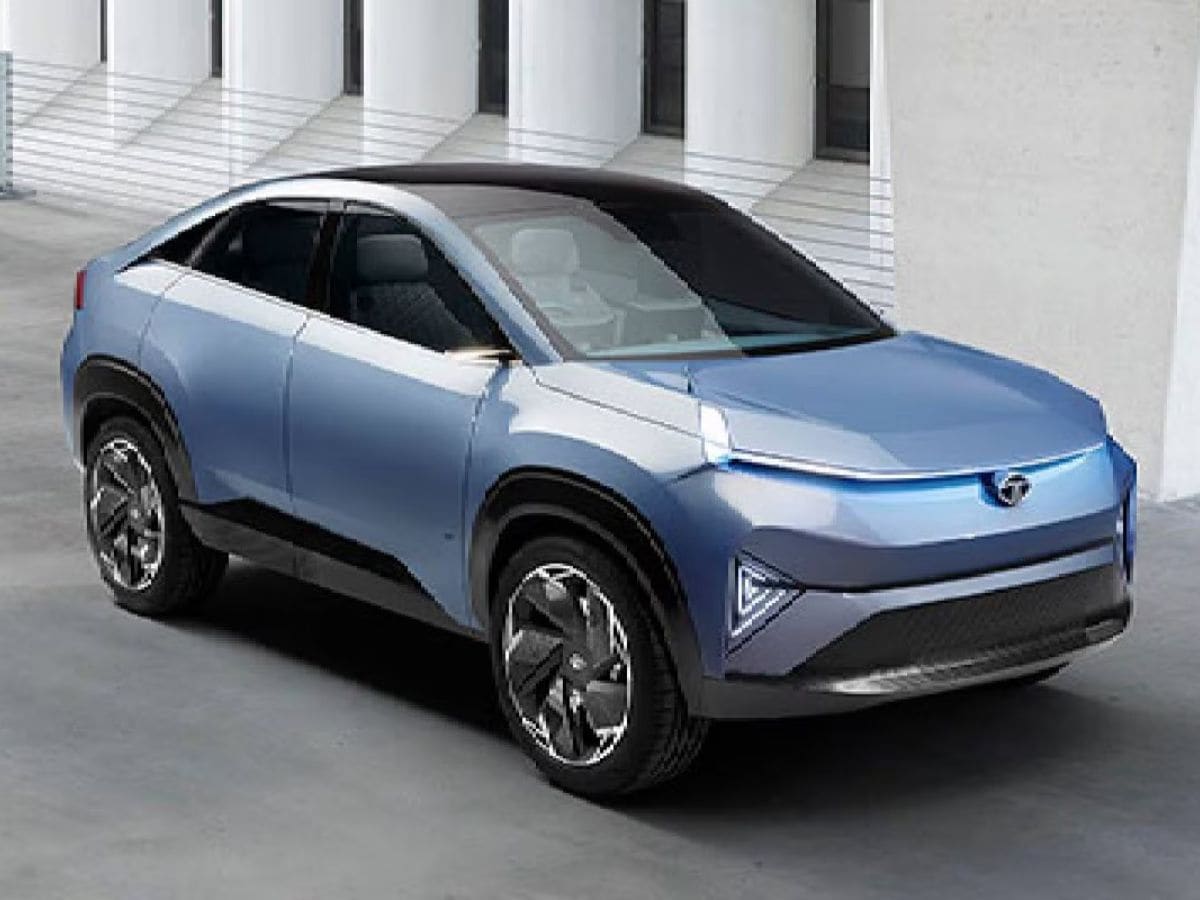
With that assumption, Tata Motors end up with a staggering 6 SUVs in their portfolio. NONE of these SUVs have the option of 4WD. They are also preparing the Curvv or Frest for launch in the near future. This is an SUV based on the Nexon’s platform and it’ll compete with the Creta, Seltos, Grand Vitara and other SUVs from the C-segment. Since the Nexon itself only has a front-wheel drive powertrain option, it’s safe to assume that the Curvv/Frest will also support only a front-wheel drivetrain with a petrol/diesel engine.

Thus, soon, they will have 7 SUVs in their portfolio and none of them will have the 4WD or AWD option. This is a startling fact about a major SUV manufacturer in India as they don’t have the 4WD in the portfolio to demonstrate their capabilities. It puts me in a difficult position when I have to refer to their products as SUVs, when literally all of them are nothing more than glorified, oversized hatchbacks.

They don’t have a halo product in the lineup with 4WD to lend the SUV vibe to the rest of their crossovers. While I don’t expect them to have a 100% coverage for 4WD like Jeep (all vehicles have 4WD option), at least having one is not an unreasonable expectation. It becomes even more difficult to digest when you look at Skoda, Volkswagen and Kia. All of these 3 carmakers have at least 1 vehicle with 4WD in their Indian portfolio even though they only have 2 SUVs in their portfolio.

Author’s Conclusion

I sometimes wonder how we went from this:

to:

One of them is about reclaiming your life. With a 4-wheel drive, you probably could do things they didn’t even show in the video. The first ad encourages you to go outdoors and get dirty.

The other one is about indulging in luxuries…which is good too but on a different plane — and — when the features work as intended. Even if they do, the ad feels like it’s pushing you towards laziness as they demonstrate the ability to open the tailgate without using your hands. Now, I wouldn’t mind this with the Harrier, which doesn’t have a reputation to live up to. But in the Safari ad, with the tagline “Reclaim your life”, it feels totally out of sync.

While the old ad only teases a small part of what the car is capable of, the new one pretty much sums up its capabilities. Even in the real world, the Safari is not capable of doing anything the Kia Sonet diesel can’t. In fact, the Sonet diesel does a few things better than the Safari while costing several lakhs less. Once you go into deeper analysis, you’ll find out that the Sonet offers more features. Moreover, the features in Kia cars have a much higher probability that they will work as intended during the ownership.

Am I the only one feeling like the Tata SUVs these days no longer represent what they used to?

Also Read: 2024 Kia Sonet Facelift Variants Explained – Which Variant To Buy?

Note: Calculate Car Fuel Cost with V3Cars for India and Other Countries


Source link

New Maruti Brezza SUV – Mileage, Performance, Comfort Review

New Maruti Brezza SUV – Mileage, Performance, Comfort Review


In this Maruti Brezza engine review, we’ll explain what it’s like to drive the Brezza petrol manual and automatic in the city and on the highway and talk about the performance and fuel efficiency of the SUV. Besides the engine characteristics, we’ll also discuss what kind of comfort you can expect from the Brezza during city or highway driving for passengers in both rows of seats. Please note that we compiled this review after driving the car at the media drive event.

Maruti Brezza – Petrol Engine And Transmissions

Maruti have introduced a new 1.5L petrol engine with dual-jet technology in the Brezza facelift. Additionally, the mild-hybrid setup is now standard across the range. We have already seen this engine under the bonnet of the Ertiga and XL6 facelift. Check out the table below to find out how it compares to the old engine in terms of power, torque and fuel efficiency.

MARUTI SUZUKI Brezza – 1.5L HYBRID PETROL

ENGINE SPECS COMPARISON

SPECIFICATIONS

OLD BREZZA

Difference

NEW BREZZA

Displacement

1.5L Hybrid

1.5L Hybrid

Cylinder

4

4

Cubic Capacity

1462cc

1462cc

Power

105PS @ 6000rpm

2PS

103PS @ 6000rpm

Torque

138Nm @ 4400rpm

1Nm

137Nm @ 4400rpm

Manual

5-speed

5-speed

Automatic

4-speed TC

2-speed

6-speed TC

The Brezza has the most powerful naturally aspirated petrol engine amongst its competitors. It is also more powerful than the Nissan Magnite and Renault Kiger’s turbo petrol engine. Most of the Brezza’s competitors offer a turbo-petrol engine and a diesel engine. The Brezza however, does not get either.

2022 Brezza

Maruti Brezza City Highway Mileage – Petrol Manual & Auto

Maruti claim a fuel efficiency figure of 20.15kmpl for the Brezza manual and 19.80kmpl for the Brezza automatic transmission. During our relaxed city drive in the new Brezza with the manual transmission, the SUV delivered an indicative fuel efficiency of more than 17kmpl. Given that the automatic transmission has an additional gear, which will let the engine cruise at a lower RPM, we think the automatic transmission will be more fuel efficient on highway drives.

Maruti Brezza – Performance

The Brezza does not feel low on power. When we drove the Brezza with the 5-speed manual transmission, we found the clutch was light. The gear shifts were also smooth. The car can manage even at relatively higher gears. As the engine is naturally aspirated, the power delivery is linear. Hence, there is no power loss even at low RPMs. The car picks up linearly throughout the rev range.

MT Gear Lever

When we drove the manual Brezza on the highway, we felt that the car deserved a 6-speed manual transmission. While cruising at 100kmph, the engine was revving at 3000rpm. At such speeds, the engine felt strained, as if it had no power in reserve. Hence, picking up pace without downshifting could take a lot of time. Let us point out that the NVH levels were low even at 3000rpm.

On the other hand, the Brezza with the 6-speed torque converter automatic transmission was cruising at 2000rpm at 100kmph. Hence, it felt comparatively relaxed while driving. The gear shifts of this transmission are smooth. While there are no drive modes on offer, one can shift gears manually by using paddle shifters behind the steering wheel.

Maruti Brezza – Handling and Ride Quality

2022 Brezza

The new Brezza feels comfortable over most of the inconsistencies of the road. It also felt confident while maintaining a straight line on highways. The steering wheel feels light, which makes manoeuvring in city traffic very easy. The braking of the Brezza is good for the performance it offers. However, more initial bite would have made decelerating more confident.

Verdict – Maruti Brezza Engine Driving Review

2022 Brezza Rear Cruising

Overall, the new engine of the Brezza is inherently refined in nature. The added gears in the automatic transmission have improved the high-speed cruising ability of the car. So, if you drive on highways frequently, you could opt for the automatic transmission over the manual without compromising fuel efficiency. We did miss the 6th gear in the manual transmission, which would have significantly aided the cruising ability of the car. However, even without it, we have nothing to complain about the dynamics of the car.

Also Read – Maruti Brezza Facelift Exterior Review – Design & Features


Source link

Hyundai Tucson Ground Clearance, Boot Space, Dimensions

Hyundai Tucson Ground Clearance, Boot Space, Dimensions


This article will give you details about the dimensions, or length, width, height and wheelbase of the Hyundai Tucson. We’ll also look at the ground clearance, boot space, fuel tank capacity and tyre size of the Hyundai Tucson.

The Hyundai Tucson is 4630mm long, 1865mm wide and 1665mm tall. Bigger exterior dimensions give a car a stronger road presence. The Tucson has a 2755mm long wheelbase. A longer wheelbase makes the car more stable at high speeds and gives better legroom in the back seat, while a shorter wheelbase makes the car more agile.

HYUNDAI TUCSON DIMENSIONS

Length

4630mm

Width

1865mm

Height

1665mm

Wheelbase

2755mm

Ground Clearance

192mm

Boot Space

540L

Fuel Tank Capacity

54L

Wheel Size (Base)

235/60 R18

Wheel Size (Top)

235/60 R18

The Hyundai Tucson has a fuel tank capacity of  litres and a boot space measuring 539 litres. The Tucson has a ground clearance of 181mm. The tyre size of the Hyundai Tucson base model is 235/60 R18 and the top model rides on 235/60 R18 tyres. Cars running on bigger wheels provide better handling and styling. However, these advantages come at the cost of efficiency. Having bigger wheels means more metal and more rotating mass. Therefore, it adversely impacts your drivability, performance and mileage.

What Are The Dimensions Of Hyundai Tucson?

The Hyundai Tucson is 4630mm long, 1865mm wide and 1665mm tall.

What Is The Length Of Hyundai Tucson?

The Hyundai Tucson is 4630mm long. Here’s the length of Tucson in other units like centimetres, metres, feet and inches:

Hyundai Tucson Length

Millimetres

4630mm

Centimetres

463cm

Metres

4.63m

Inches

182.28in

Feet

15.19ft

What IsThe Width Of Hyundai Tucson?

The Hyundai Tucson is 1865mm wide. Here’s the width of Tucson in other units like centimetres, metres, feet and inches:

Hyundai Tucson Width

Millimetres

1865mm

Centimetres

186.5cm

Metres

1.865m

Inches

73.43in

Feet

6.12ft

What Is The Height Of Hyundai Tucson?

The Hyundai Tucson is 1665mm tall. Here’s the height of Tucson in other units like centimetres, metres, feet and inches:

Hyundai Tucson Height

Millimetres

1665mm

Centimetres

166.5cm

Metres

1.665m

Inches

65.55in

Feet

5.46ft

What Is The Fuel Tank Capacity Of Hyundai Tucson?

The Hyundai Tucson has a fuel tank capacity of 54 litres.

What Is The Wheelbase Of Hyundai Tucson?

The Hyundai Tucson has a wheelbase measuring 2755mm. Here’s the wheelbase of Tucson in other units like centimetres, metres, feet and inches:

Hyundai Tucson Wheelbase

Millimetres

2755mm

Centimetres

275.5cm

Metres

2.755m

Inches

108.46in

Feet

9.04ft

What Is The Boot Space Of Hyundai Tucson?

The Hyundai Tucson has a boot space measuring 540 litres. Here’s the boot space information of Tucson in other units like cubic centimetres, cubic metres, cubic inches and cubic feet:

Hyundai Tucson Boot Space

Litres

540L

Cubic Centimetres

540000cm3

Cubic Metres

0.540m3

Cubic Inches

32952.8in3

Cubic Feet

19.06ft3

What Is The Ground Clearance Of Hyundai Tucson?

The Hyundai Tucson has a ground clearance of 192mm. Here’s the ground clearance of Tucson in other units like centimetres, metres, feet and inches:

Hyundai Tucson Ground Clearance

Millimetres

192mm

Centimetres

19.2cm

Metres

0.192m

Inches

7.559in

Feet

0.63ft


Source link

Tata Nexon CNG Expected Price — With Logic

Tata Nexon CNG Expected Price — With Logic


In this article, we’ll estimate the ex-showroom prices of the variants of Tata Nexon, which are most likely to get the CNG powertrain.

Tata Nexon Petrol-Manual Price List

Let’s first start with the Nexon’s petrol-manual’s ex-showroom prices applicable as of February 2024 to form a baseline:

TATA NEXON

EX-SHOWROOM PRICE – FEBRUARY 2024

Variant

Petrol-Manual

Smart

Rs. 8.15 lakh

Smart Plus

Rs. 9.20 lakh

Smart Plus S

Rs. 9.80 lakh

Pure

Rs. 9.80 lakh

Pure S

Rs. 10.30 lakh

Creative

Rs. 11.10 lakh

Creative Plus

Rs. 11.80 lakh

Creative Plus S

Rs. 12.30 lakh

Fearless

Rs. 12.60 lakh

Fearless S

Rs. 13.10 lakh

Fearless Plus

Rs. 13.10 lakh

Fearless Plus S

Rs. 13.60 lakh

Also Read: Tata Solved Boot Space Problem With CNG Cars

Tata Motors – The ONLY Major SUV Maker w/ No 4WD — Not An Opinion

Note: Check your Car EMI with our – Car Loan EMI Calculator

Nexon CNG Expected Price

The following table lists out the variants that are most likely to get the CNG powertrain along with our estimated expected prices each variant:

TATA NEXON CNG

EXPECTED PRICE (EX-SHOWROOM) – FEBRUARY 2024

Variant

Petrol-MT

Difference

CNG-MT

Exp. Price

Pure

Rs. 9.80 lakh

Rs. 95,000

Rs. 10.75 lakh

Pure S

Rs. 10.30 lakh

Rs. 95,000

Rs. 11.25 lakh

Creative

Rs. 11.10 lakh

Rs. 95,000

Rs. 12.05 lakh

Creative Plus

Rs. 11.80 lakh

Rs. 95,000

Rs. 12.75 lakh

Creative Plus S

Rs. 12.30 lakh

Rs. 95,000

Rs. 13.25 lakh

Fearless

Rs. 12.60 lakh

Rs. 95,000

Rs. 13.55 lakh

Fearless S

Rs. 13.10 lakh

Rs. 95,000

Rs. 14.05 lakh

Fearless Plus

Rs. 13.10 lakh

Rs. 95,000

Rs. 14.05 lakh

Fearless Plus S

Rs. 13.60 lakh

Rs. 95,000

Rs. 14.55 lakh

Considering that Tata Motors usually offer CNG in their lower-mid all the way to top variants, we should see the CNG option available in Pure and higher trims.

Nexon CNG Expected Price Logic

Tata Motors have the upper hand in offering a CNG-bifuel option in the B2-segment along with a usable boot space. The Nexon CNG will also become the only turbo petrol car in India with CNG bi-fuel option. Since the other carmakers don’t have a turbo CNG engine, the Nexon CNG should offer remarkable drivability even after experiencing some drop in performance.

Still, we expect them to follow the industry standards and maintain the status quo. While they will become the only one to offer CNG and a usable boot with a turbo petrol engine, they don’t have a strong grip in the CNG market. Thus, we expect them to follow the norm of charging Rs. 95,000 for the lower running costs of CNG cars. Limiting the reach of the CNG powertrain to Pure and higher variants will also help Tata position the Nexon CNG as a premium alternative.

Thus, we expect the Nexon CNG to come with the manual transmission and cost between Rs. 10.75 lakh and Rs. 14.55 lakh.

Also Read: Where Is Tata Altroz Racer? Did Tata Drop The Ball? — Opinion

Tata Altroz Racer Shown At Bharat Mobility Expo – What’s New?

Note: Check your car’s fuel cost with Fuel Cost Calculator in India


Source link

Tata Tigor CNG Automatic Expected Price — With Logic

Tata Tigor CNG Automatic Expected Price — With Logic


In this article, we’ll estimate the ex-showroom prices of the variants of Tata Tigor, which are most likely to get the CNG powertrain with the AMT automatic transmission.

Tata Tigor Full Price List

Let’s first start with the Tigor’s regular prices applicable as of February 1, 2024 to form a baseline:

TATA TIGOR

EX-SHOWROOM PRICE – FEBRUARY 2024

Variant

CNG-Manual

Difference

Petrol-Manual

Difference

Petrol-AMT

XE

Rs. 6,29,900

XM

Rs. 7,74,900

Rs. 95,000

Rs. 6,79,900

Rs. 60,000

Rs. 7,39,900

XZ

Rs. 8,24,900

Rs. 95,000

Rs. 7,29,900

XZ Plus

Rs. 8,94,900

Rs. 95,000

Rs. 7,99,900

Rs. 60,000

Rs. 8,59,900

As you can see, the petrol-automatic variants cost exactly Rs. 60,000 more than the comparable petrol-manual trims. Meanwhile, the CNG-manual variants cost Rs. 95,000 more than the petrol-manual.

Also Read: Tata Solved Boot Space Problem With CNG Cars

2024 Mahindra Thar 5-Door Expected Price — #WithLogic

Note: Check your Car EMI with our – Car Loan EMI Calculator

Tigor CNG-AMT Expected Price

The following table lists out the variants that are most likely to get the CNG-AMT powertrain along with our estimated expected prices each variant:

TATA TIGOR CNG-AMT

EXPECTED PRICE (EX-SHOWROOM) – FEBRUARY 2024

Variant

CNG-Manual

Difference

CNG-AMT

Exp. Price

Difference

Petrol-AMT

XE

XM

Rs. 7,74,900

Rs. 55,000

Rs. 8,34,900

Rs. 95,000

Rs. 7,39,900

XZ

Rs. 8,24,900

XZ Plus

Rs. 8,94,900

Rs. 55,000

Rs. 9,54,900

Rs. 95,000

Rs. 8,59,900

There are only 2 variants of the Tigor currently offering CNG, petrol-manual as well as petrol-automatic powertrain options. Considering this information, we expect only these trims to offer the option of CNG and automatic transmission together.

Tata currently charge Rs. 95,000 for the CNG kit in the Tigor and Rs. 60,000 for the AMT automatic transmission. Since the new model is combining these two features, our estimation suggests that they will simply add the two prices up and make the new CNG-AMT variants Rs. 1.50 lakh pricier than the petrol-manual trims. Although, the sum comes to Rs. 1.55 lakh, we expect them to carry the same premium as the Tiago CNG-automatic powertrains.

Tigor CNG-AMT Expected Price Logic

Considering that they are the first ones to offer a clutch pedal-free option in a CNG car, we’d usually say that they might be priced rather well. This would help them establish a market before proceeding with upward price revisions.

However, considering Tata’s recent pricing structure, we’re pretty confident that they may not keep the prices lucrative. After all, they are the only ones in the country bringing such a unique and city-friendly powertrain option. This comes on top of the fact that their CNG cars have a fairly usable boot space because of the use of 2 smaller cylinders to store CNG fuel.

Thus, we expect the 2 Tigor CNG-automatic variants to cost Rs. 8.35 lakh and Rs. 9.55 lakh (ex-showroom).

Also Read: Where Is Tata Altroz Racer? Did Tata Drop The Ball? — Opinion

Tata Motors – The Only Major SUV Maker With No 4WD In Portfolio — Opinion

Note: Check your car’s fuel cost with Fuel Cost Calculator in India


Source link

Tata Tiago CNG Automatic Expected Price — With Logic

Tata Tiago CNG Automatic Expected Price — With Logic


In this article, we’ll estimate the ex-showroom prices of the variants of Tata Tiago, which are most likely to get the CNG powertrain with the AMT automatic transmission.

Tata Tiago Full Price List

Let’s first start with the Tiago’s regular prices applicable as of February 1, 2024 to form a baseline:

TATA TIAGO

EX-SHOWROOM PRICE – FEBRUARY 2024

Variant

CNG-Manual

Difference

Petrol-Manual

Difference

Petrol-AMT

XE

Rs. 6,59,900

Rs. 95,000

Rs. 5,64,900

XM

Rs. 6,94,900

Rs. 95,000

Rs. 5,99,900

XTO

Rs. 6,19,900

XT

Rs. 7,34,900

Rs. 95,000

Rs. 6,39,900

Rs. 55,000

Rs. 6,94,900

XT Rhythm

Rs. 7,54,900

Rs. 95,000

Rs. 6,59,900

XZO Plus

Rs. 6,99,900

Rs. 55,000

Rs. 7,54,900

XZ Plus

Rs. 8,24,900

Rs. 95,000

Rs. 7,29,900

Rs. 55,000

Rs. 7,84,900

XZ Plus DT

Rs. 8,34,900

Rs. 95,000

Rs. 7,39,900

Rs. 55,000

Rs. 7,94,900

XT NRG

Rs. 7,64,900

Rs. 95,000

Rs. 6,69,900

XZ NRG

Rs. 8,24,900

Rs. 95,000

Rs. 7,29,900

Rs. 55,000

Rs. 7,84,900

As you can see, the petrol-automatic variants cost exactly Rs. 55,000 more than the petrol-manual. Meanwhile, the CNG-manual variants cost Rs. 95,000 more than the petrol-manual.

Also Read: Tata Solved Boot Space Problem With CNG Cars

2024 Mahindra Thar 5-Door Expected Price — #WithLogic

Note: Check your Car EMI with our – Car Loan EMI Calculator

Tiago CNG-AMT Expected Price

The following table lists out the variants that are most likely to get the CNG-AMT powertrain along with our estimated expected prices each variant:

TATA TIAGO CNG-AMT

EXPECTED PRICE (EX-SHOWROOM) – FEBRUARY 2024

Variant

CNG-Manual

Difference

CNG-AMT

Exp. Price

Difference

Petrol-AMT

XE

Rs. 6,59,900

XM

Rs. 6,94,900

Rs. 55,000

XTO

XT

Rs. 7,34,900

Rs. 55,000

Rs. 7,89,900

Rs. 95,000

Rs. 6,94,900

XT Rhythm

Rs. 7,54,900

Rs. 55,000

XZO Plus

Rs. 95,000

Rs. 7,54,900

XZ Plus

Rs. 8,24,900

Rs. 55,000

Rs. 8,79,900

Rs. 95,000

Rs. 7,84,900

XZ Plus DT

Rs. 8,34,900

Rs. 55,000

Rs. 8,89,900

Rs. 95,000

Rs. 7,94,900

XT NRG

Rs. 7,64,900

Rs. 55,000

XZ NRG

Rs. 8,24,900

Rs. 55,000

Rs. 8,79,900

Rs. 95,000

Rs. 7,84,900

There are only 4 variants of the Tiago currently offering CNG, petrol-manual and petrol-automatic powertrain options. Considering this information, we expect only these trims to offer the option of CNG and automatic transmission together.

Tata currently charge Rs. 95,000 for the CNG kit in the Tiago and Rs. 55,000 for the AMT automatic transmission. Since the new model is combining these two features, our estimation suggests that they will simply add the two prices up and make the new CNG-AMT variants Rs. 1.50 lakh pricier than the petrol-manual trims.

Tiago CNG-AMT Expected Price Logic

Considering that they are the first ones exploring the market for a need for clutch pedal-free option in a CNG car, we’d usually say that they might be priced rather well. This helps them establish a market before proceeding with price revisions. However, considering Tata’s recent pricing structure, we’re pretty confident that they may not keep the prices lucrative. After all, they are the only ones in the country bringing this unique powertrain combination. This comes on top of the fact that their CNG cars have a fairly usable boot space because of the use of 2 smaller cylinders to store CNG fuel.

Thus, we expect the Tiago CNG-automatic to cost between Rs. 7.90 lakh and Rs. 8.90 lakh (ex-showroom).

Also Read: Where Is Tata Altroz Racer? Did Tata Drop The Ball? — Opinion

Tata Motors – The Only Major SUV Maker With No 4WD In Portfolio — Opinion

Note: Check your car’s fuel cost with Fuel Cost Calculator in India


Source link

Honda Amaze Ground Clearance, Boot Space And Dimensions

Honda Amaze Ground Clearance, Boot Space And Dimensions


This article will give you details about the dimensions, or length, width, height and wheelbase of the Honda Amaze. We’ll also look at the ground clearance, boot space, fuel tank capacity, and tyre size of the Honda Amaze.

The Honda Amaze is 3995mm long, 1695mm wide and 1501mm tall. Bigger exterior dimensions give a car a stronger road presence. The Amaze has a 2470mm long wheelbase. A longer wheelbase makes the car more stable at high speeds and gives better legroom in the back seat, while a shorter wheelbase makes the car more agile.

HONDA AMAZE DIMENSIONS

Length

3995mm

Width

1695mm

Height

1501mm

Wheelbase

2470mm

Ground Clearance

170mm

Boot Space

420L

Fuel Tank Capacity

35L

Wheel Size (Base)

175/65 R14

Wheel Size (Top)

175/65 R15

The Honda Amaze has a fuel tank capacity of 35 litres and a boot space measuring 420 litres. The Amaze has a ground clearance of 170mm. The tyre size of the Honda Amaze base model is 175/65 R14 and the top model rides on 175/65 R15 tyres. Cars running on bigger wheels provide better handling and styling. However, these advantages come at the cost of efficiency. Having bigger wheels means more metal and more rotating mass. Therefore, it adversely impacts your drivability, performance and mileage.

Read more about how you can get the best mileage or fuel efficiency from your car:

10 Tips To Get The Best Mileage From Your Petrol, Diesel Or CNG Car

What Are The Dimensions Of Honda Amaze?

The Honda Amaze is 3995mm long,1695mm wide and 1501mm tall.

What Is The Length Of Honda Amaze?

The Honda Amaze is 3995mm long. Here’s the length of Amaze in other units like centimetres, metres, feet and inches:

Honda Amaze Length

Millimetres

3995mm

Centimetres

399.5cm

Metres

4m

Inches

157.28in

Feet

13.11ft

What Is The Width Of Honda Amaze?

The Honda Amaze is 1695mm wide. Here’s the width of Amaze in other units like centimetres, metres, feet and inches:

Honda Amaze Width

Millimetres

1695mm

Centimetres

169.5cm

Metres

1.7m

Inches

66.73in

Feet

5.56ft

What Is The Height Of Honda Amaze?

The Honda Amaze is 1501mm tall. Here’s the height of Amaze in other units like centimetres, metres, feet and inches:

Honda Amaze Height

Millimetres

1501mm

Centimetres

150.1cm

Metres

1.5m

Inches

59.09in

Feet

4.92ft

What Is The Fuel Tank Capacity Of Honda Amaze?

The Honda Amaze has a fuel tank capacity of 35 litres.

What Is The Wheelbase Of Honda Amaze?

The Honda Amaze has a wheelbase measuring 2470mm. Here’s the wheelbase of Amaze in other units like centimetres, metres, feet and inches:

Honda Amaze Wheelbase

Millimetres

2470mm

Centimetres

247cm

Metres

2.47m

Inches

97.24in

Feet

8.1ft

What Is The Boot Space Of Honda Amaze?

The Honda Amaze has a boot space measuring 420 litres. Here’s the boot space information of Amaze in units like litres and cubic feet:

Honda Amaze Boot Space

Litres

420L

Cubic Feet

14.83ft3

What Is The Ground Clearance Of Honda Amaze?

The Honda Amaze has a ground clearance of 170mm. Here’s the ground clearance of Amaze in other units like centimetres, millimetres and inches:

Honda Amaze Ground Clearance

Millimetres

170mm

Centimetres

17cm

Inches

6.69in


Source link

Maruti Brezza Facelift – Interior Usability, Feature Review

Maruti Brezza Facelift – Interior Usability, Feature Review


In this 2022 Maruti Brezza facelift interior review, we’ll explain the new 2022 Brezza’s interior design, features and their usability in detail to help you decide if you should buy this SUV. We’ll comprehensively explain the experience of getting in and out of the 2022 Brezza’s front and rear seats and the comfort while driving. Our overview of the 2022 Brezza’s cabin experience should help you decide if the Maruti 2022 Brezza is a suitable car for you. Please note that we compiled this review after driving the car at the media drive.

Front Seat Ingress Egress

Ingress and egress in the Brezza is unchanged, and is not a complex task. The floorboard, roof and seats are placed at an appropriate height. This makes getting in and out of the Brezza easy.

Front Seats Review

The Brezza gets an all new interior. It is mainly all black, save for some brown trim on the dashboard along with grey detailing, which stretches till the passenger side of the centre console. The cabin is filled with hard plastics all around, which is of the same quality as the pre-facelift Brezza. The centre console is sturdy and the fitment of the glovebox is satisfactory. The glovebox is cooled and can store a bottle along with the owner’s manual.

Other storage spaces in the cabin include bottle holders in the front doors, cupholders in the centre console with some space to put keys and a small storage under the front armrest. There is also a wireless charger in front of the gear lever and a sunglass holder on the headliner.

Centre Console

There is a USB port and a 12V socket ahead of the gear lever. The controls for the auto AC sit above them. Then, there is a free-standing 9-inch touchscreen infotainment system at the top of the dashboard. It supports wired Android Auto and Apple CarPlay and has good touch feedback. The new Brezza gets Arkamys-tuned audio system with surround sound. It gets 3 preset sound modes and we found the audio output to be satisfactory.

Touchscreen

The touchscreen infotainment can also be accessed via controls on the left spoke of the steering wheel. There are telephony controls behind the leather wrapped steering wheel, with cruise control buttons on the right spoke. There are also paddle shifters behind the steering wheel in the automatic variants. The instrument cluster gets an analogue speedometer and tachometer, with a small, coloured MID in the centre. You can access information on the screen via the old-school pins, which look dated.

Steering

On the right side of the dashboard, there is the engine start/stop button along with controls for the head-up display, 360-degree camera, traction control and auto engine start/stop function. The new Brezza gets a head-up display, which is similar to the ones seen in the new Baleno. It displays information such as speed, tachometer, fuel-efficiency and time. The HUD helps the driver access important data without having to look off the road.

HUD Button

The new Brezza also gets a 360-degree camera. It shows the 3D view of the car and its surroundings and its feed is displayed on the touchscreen. The quality of the camera feed is impressive as well. The new-Brezza also gets an electric sunroof with a sufficiently thick sunshade. The new Brezza is the first Maruti car to get a sunroof.

Sunroof

The new Brezza also gets ambient lighting on the doors and footwell area. However, it only lights up in one colour – blue. Amenities for the driver include auto dimming IRVM, tilt and telescopic steering wheel adjustment, electrically adjustable and foldable ORVMs and height adjustable driver seat.

The driver seat is fairly comfortable. The view from the driver seat is clear and one can see the edges of the bonnet, making the drive more confident. While the whole cabin has a modern vibe to it with various upmarket features, there is a gripe. All the backlit switches, such as the AC controls, steering-mounted controls, etc. have an orange backlighting. This looks dated in an otherwise modern cabin.

Rear Seats Ingress Egress

Rear Seat

Getting in and out of the rear seats of the Brezza is easy. The floorboard and seats are at an appropriate height, Additionally, the roof of the Brezza does not slope at the rear, which means your head will likely not collide with the roof.

Rear Seats Review

The rear seats of the Brezza have enough knee room and legroom. The rear passengers can slide their feet under the front seats, making more room for their legs. The headroom for the rear passengers is good as well. We think that 2 adults can very easily travel in the rear seats of the Brezza. The back and base of the seats are well-cushioned and comfortable but the underthigh support seems a bit lacking.

Rear AC

We wrote this review from the perspective of a 5’8” passenger sitting behind the driver of a similar height. Features for the rear seat passengers include 2 adjustable headrests, an armrest, rear AC vents, type-A and type-C USB charging points, 60:40 split rear seats and ambient lighting.

Verdict – Maruti Brezza Facelift Interior Review

Overall, the Brezza facelift looks way more modern inside than the pre-facelift model, which carried forward the same interior for more than 6 years. While the layout is completely new, material quality inside the new Brezza remains unchanged. Several new features further enhance the Brezza’s interior and make the in-cabin experience better. The Brezza has enough space for a family of 4 adults and a kid.

Also Read – Maruti Brezza Facelift Exterior Review – Design & Features


Source link

Tata Punch EV Ground Clearance, Boot Space And Dimensions

Tata Punch EV Ground Clearance, Boot Space And Dimensions


This article will give you details about the dimensions, or length, width, height and wheelbase of the Tata Punch EV. We’ll also look at the ground clearance, boot space, fuel tank capacity and tyre size of the Tata Punch EV.

The Tata Punch EV is 3827mm long, 1742mm wide and 1615mm tall. Bigger exterior dimensions give a car a stronger road presence. The Punch EV has a 2445mm long wheelbase. A longer wheelbase makes the car more stable at high speeds and gives better legroom in the back seat, while a shorter wheelbase makes the car more agile.

TATA PUNCH EV DIMENSIONS

Length

3827mm

Width

1742mm

Height

1615mm

Wheelbase

2445mm

Ground Clearance

190mm

Boot Space

366L

Wheel Size

195/60 R16

The Tata Punch EV has a boot space measuring 366 litres. The Punch EV has a ground clearance of 190mm. The tyre size of the Tata Punch EV is 195/60 R16. Cars running on bigger wheels provide better handling and styling. However, these advantages come at the cost of efficiency. Having bigger wheels means more metal and more rotating mass. Therefore, it adversely impacts your drivability, performance and mileage.

What Are The Dimensions Of Tata Punch EV?

The Tata Punch EV is 3827mm long, 1742mm wide and 1615mm tall.

What Is The Length Of Tata Punch EV?

The Tata Punch EV is 3827mm long. Here’s the length of Punch EV in other units like centimetres, metres, feet and inches:

TATA PUNCH EV LENGTH

Millimetres

3827mm

Centimetres

382.7cm

Metres

3.827m

Inches

150.67in

Feet

12.56ft

What IsThe Width Of Tata Punch EV?

The Tata Punch EV is 1742mm wide. Here’s the width of Punch EV in other units like centimetres, metres, feet and inches:

TATA PUNCH EV WIDTH

Millimetres

1742mm

Centimetres

174.2cm

Metres

1.742m

Inches

68.58in

Feet

5.72ft

What Is The Height Of Tata Punch EV?

The Tata Punch EV is 1615mm tall. Here’s the height of Punch EV in other units like centimetres, metres, feet and inches:

TATA PUNCH EV HEIGHT

Millimetres

1615mm

Centimetres

161.5cm

Metres

1.615m

Inches

63.58in

Feet

5.3ft

What Is The Wheelbase Of Tata Punch EV?

The Tata Punch EV has a wheelbase measuring 2445mm. Here’s the wheelbase of Punch EV in other units like centimetres, metres, feet and inches:

TATA PUNCH EV WHEELBASE

Millimetres

2445mm

Centimetres

244.5cm

Metres

2.445m

Inches

96.26in

Feet

8.02ft

What Is The Boot Space Of Tata Punch EV?

The Tata Punch EV has a boot space measuring 366 litres. Here’s the boot space information of Punch EV in other units like cubic centimetres, cubic metres, cubic inches and cubic feet:

TATA PUNCH EV BOOT SPACE

Litres

366L

Cubic Centimetres

366000cm3

Cubic Metres

0.366m3

Cubic Inches

22334.78in3

Cubic Feet

12.93ft3

What Is The Ground Clearance Of Tata Punch EV?

The Tata Punch EV has a ground clearance of 190mm. Here’s the ground clearance of Punch EV in other units like centimetres, metres, feet and inches:

TATA PUNCH EV GROUND CLEARANCE

Millimetres

190mm

Centimetres

19cm

Metres

0.19m

Inches

7.48in

Feet

0.62ft

Also read: Exclusive – Maruti Suzuki Celerio AMT Now Cheaper | V3Cars


Source link