The Curvv EV will launch before the ICE model next year.
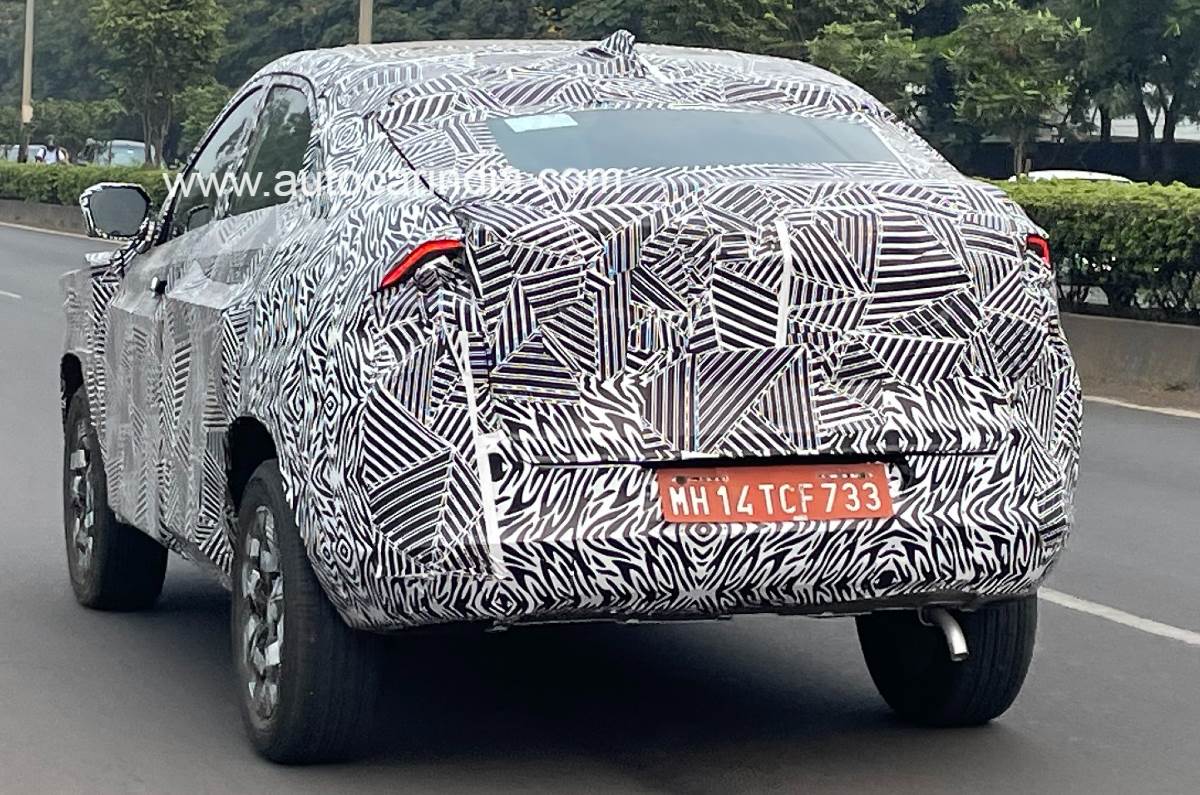
Over the past few months, the Tata Motors Curvv has been spied testing with heavy cladding to mask the shape of the vehicle. However, new spy shots now show the coupe-esque silhouette of the bodyshell.
No rear quarter glass present, confirms coupe shape
Turbo-petrol engine still undergoing development
Curvv SUV could get a CNG powertrain
Tata Curvv design
The Curvv test mule in the spy image reveals a few new details, particularly the sloping rear roofline and absence of a rear quarter glass. This confirms the notchback shape that was present on the Auto Expo display vehicle earlier this year. The sloping roofline gives it a unique look when compared to the other SUVs that it will rival.
The alloy wheels are different from the ones that were on the Auto Expo display vehicle, however, this could just be for testing purposes. The SUV retains the same muscular proportions that were shown in the concept vehicle with the squared-off wheel arches and moulding on the side to give it an overall rugged look.
Tata Motors has incorporated the design language from the Curvv into its recent launches. This is visible on exterior bits such as the front LED strip, vertical headlamp positioning and even the sculpted bonnet. In the spy shots, the rear LED strip is not visible, but slim tail-lights can be seen on either side of the boot.
On the inside, the two-spoke steering wheel, new infotainment screen and digital driver’s display have also been adapted from the Curvv concept shown earlier and we expect the Curvv to retain these elements upon launch.
Tata Curvv powertrain
In spite of the exhaust pipe being visible, we cannot say what powertrain is being tested. The vehicle in the spy shots could be testing out the new turbo-petrol unit, a CNG powertrain, or it could even be an EV. Tata Motors has used fake exhaust pipes on EV test mules in the past.
Recently, at the launch of the Harrier and Safari facelifts, Shailesh Chandra, managing director of Tata Motors Passenger Vehicles Ltd and Tata Passenger Electric Mobility Ltd, stated that the launch of the new petrol engine will take a while and, according to our sources, this was due to the development of the petrol motor proving to be a challenge.
In our previous report, we noticed a CNG button in a design sketch that was released by Tata Motors officially, hinting that the Curvv could also get a CNG powertrain.
Tata Motors had stated that they would launch the Curvv EV first, followed by the ICE models.
Infotainment systems have become a vital part of cars now. In the past few years, the infotainment system has developed significantly. Because of this, they have become an important factor when making a purchase decision when someone is buying a new car. However, there are still many old cars on the road which have a pretty basic infotainment system.
By: Paarth Khatri | Updated on: 21 Oct 2023, 17:35 PM
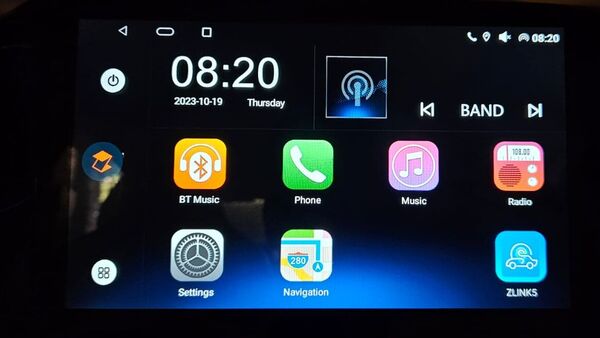
The infotainment system measures 9 inches so it would be able to fit most cars. However, additional fitment might be required depending on the vehicle.
Yes, the after-market is full of infotainment systems but there are very few well-reputed companies that are offering an infotainment system. One such company is Uno Minda, they are best known for supplying parts to OEMs and they have been doing this for several years. Now, they are entering the market with a new infotainment system of their own. It is called WTUNES-649TAACP and yes it is a very typical infotainment name. However, we got to test this new system and here is our review of it.
Uno Minda WTUNES-649TAACP: Runs on Android
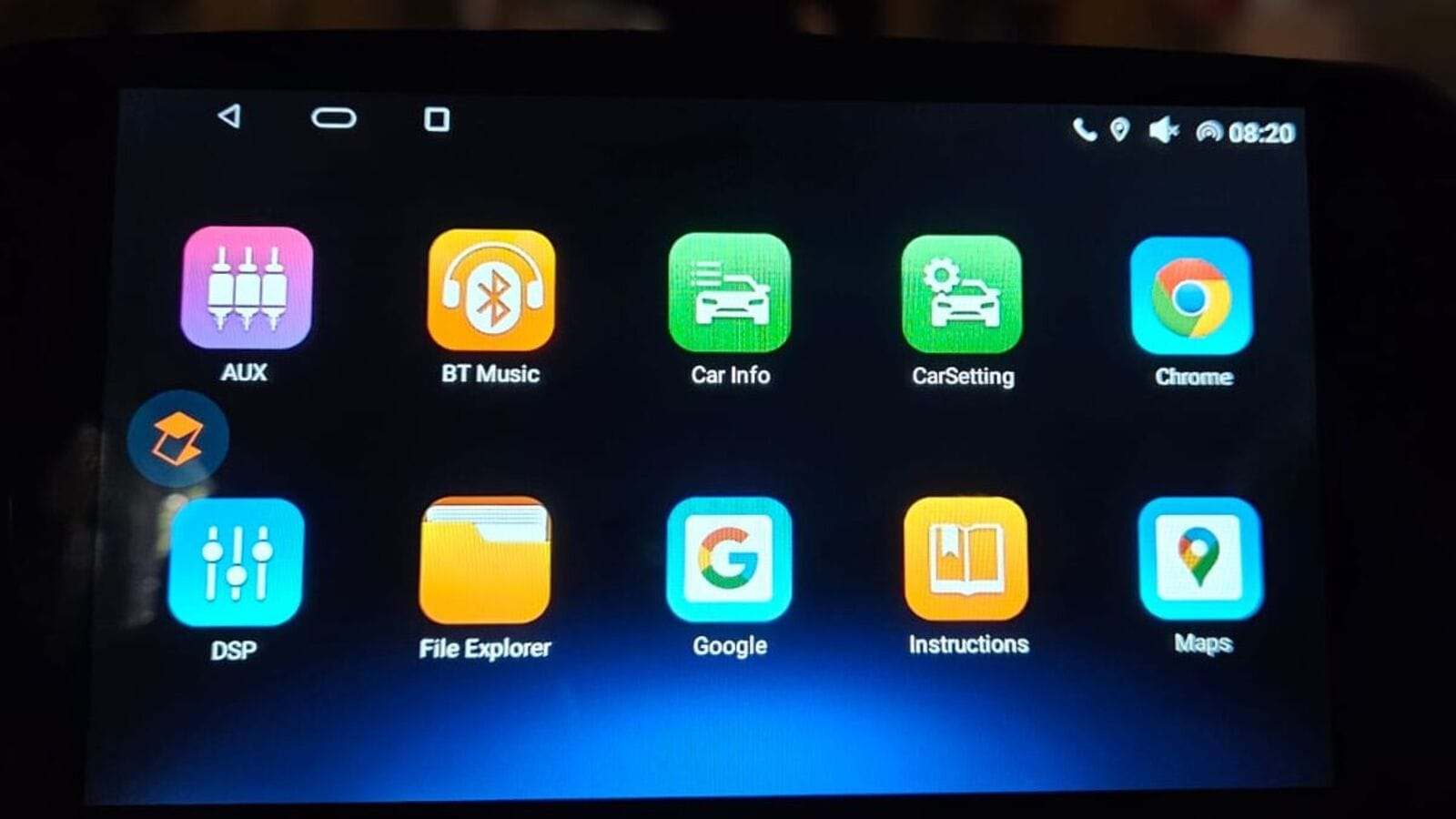
The infotainment system measures a good 9 inches so it is still within the driver’s reach. The system runs on an Android system which means that it can possibly run any application that can be used on an Android phone. It comes with a Play Store so the applications can be updated as well as new applications can be installed using Wi-Fi. Apart from this, there is split screen functionality on offer as well. Uno Minda uses a T5 processor so there are no lags or stutters throughout the user interface. It also has 4 GB RAM and 64 GB onboard storage. This means that it can multi-task quite easily and the on-board storage helps in case the driver wants to store a few media items on the system itself.
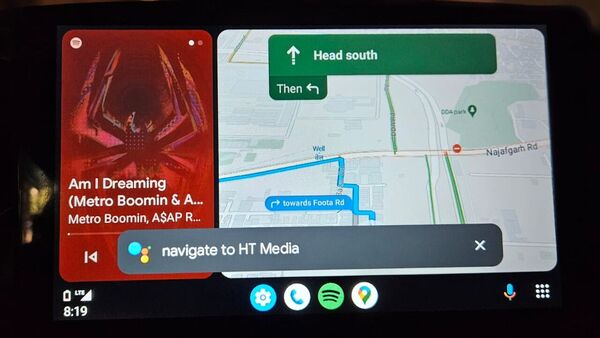
The latest update of Android Auto can run on a split screen. There can be Google Maps on one side and Spotify on the other. There are voice commands on offer as well.
Uno Minda WTUNES-649TAACP: Wireless Android Auto & Apple CarPlay
Honestly, most people will be using Android Auto or Apple CarPlay on the infotainment system. The best thing about the infotainment system is that it comes with Wireless Android Auto and Apple CarPlay. This means that you need to set it up just once and the next time you start the vehicle, the Android Auto or Apple CarPlay is automatically connected and is ready to go. I tested only Android Auto and it worked fine for the most part, I only faced two issues. The first one is that the touch is not as responsive as the OEM systems while the other one is that the Google Maps do not change the theme automatically. Because of this, the light theme does get annoying while riding at night and vice versa.
Moreover, the manufacturer has configured the system to turn on the hotspot automatically. This might look like a small thing but there are few aftermarket players in which the driver needs to turn on the hotspot manually.
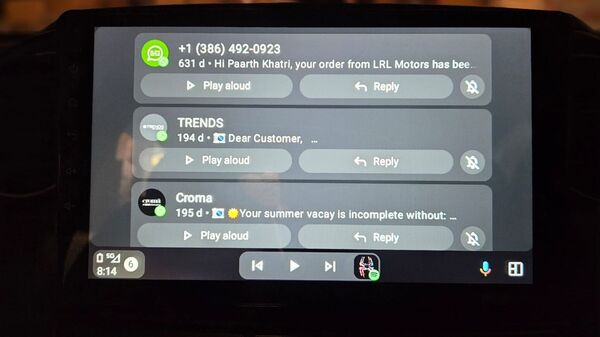
Android Auto also shows the notifications and the driver can hear them and reply to them as well. The music application shown below in the form of a bar so that the driver can change the music anytime he or she wants.
Uno Minda WTUNES-649TAACP: Audio quality
The manufacturer has equipped the infotainment system with a 36-band equalizer which also has presets. The audio quality of the system is also quite good. It also supports an amplifier and a sub-woofer, in case the person plans to fit them. Apart from this, there is also a setting for fader and balance.
Uno Minda WTUNES-649TAACP: Features
Uno Minda has added several features to the infotainment system. It comes with support for the 360-degree camera which will make parking in tight spots very easy if you get the cameras installed. You can also just use the front and rear cameras, it is not necessary to have all four cameras. Apart from this, the infotainment system also comes with in-built support for high-definition cameras. If your car has controls on the steering wheel then that can also connect to the system.
The infotainment system is based on Android so it can theoretically run most of the applications that are available on Google Play Store. There is FM/AM on offer as well.
Then there are some clever features such as the volume automatically lowering when the reverse gear is engaged. Moreover, the brightness automatically turns down and the backlit behind the buttons automatically turns on when the headlamps are switched on. The infotainment system comes with two USB ports that can be used to charge the mobile phone, connect a USB stick to transfer stuff or connect Android Auto or Apple CarPlay. However, we did notice that the battery would start falling while using these USB ports because they are not rated for high output.
Uno Minda WTUNES-649TAACP: Verdict
The MRP on the box of the unit is ₹34, 990. However, depending on the seller, there is a possibility that a person ends up paying less. One important thing to note is that the fitment of the system is not very simple. I had to get new housing for the AC vents so that the infotainment system would fit. However, this depends on the car that the person is using. Then there is the additional cost of the panel and fitting that a person might have to consider. Having said that, fitting an infotainment is a one-time job so if you are planning to keep a car for a long time and want the convenience of Android Auto or Apple CarPlay, the WTUNES-649TAACP from Uno Minda is a great option.
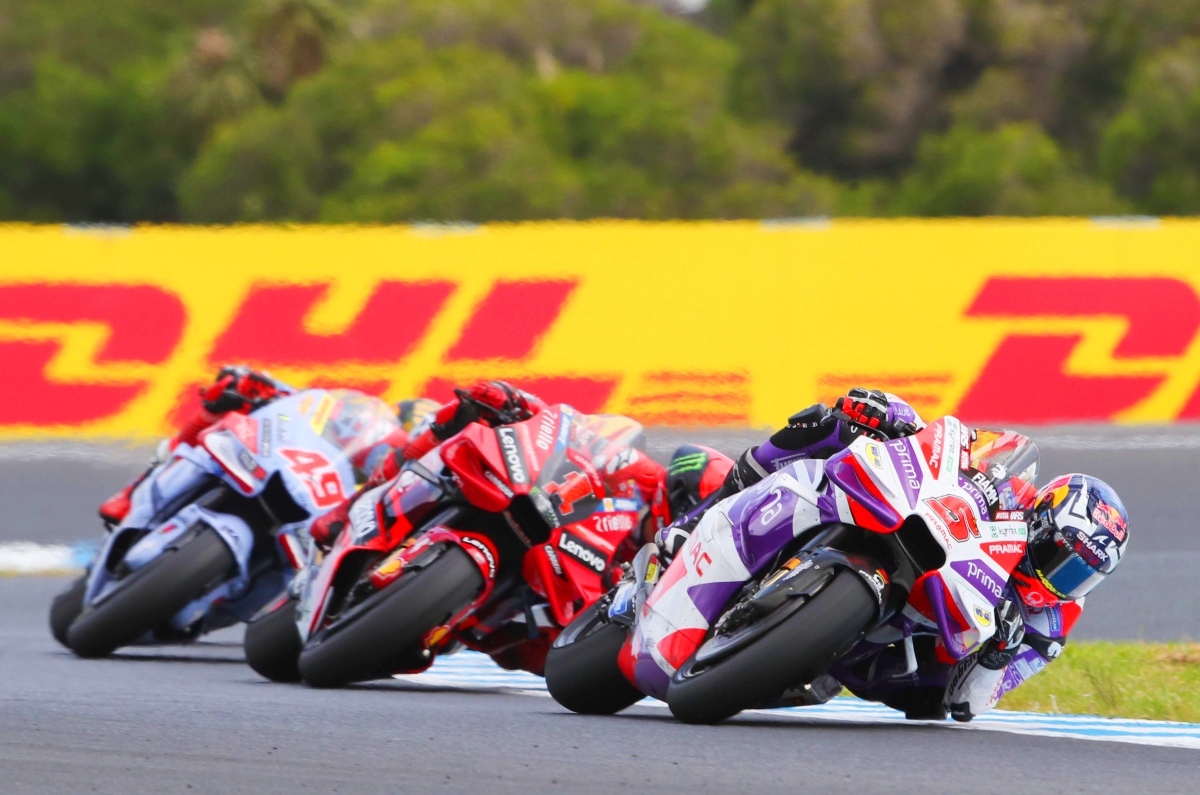
It was an all-Ducati podium, with Francesco Bagnaia and Fabio Di Giannantonio second and third, respectively.
Phillip Island never disappoints and this year’s Australian GP victory seemed to be a foregone conclusion right until some last lap drama surrounding Jorge Martin. With his pace dropping significantly due to fading grip from a worn soft rear tyre, teammate Johann Zarco seized the opportunity and took his first-ever MotoGP victory.
Current championship leader Francesco Bagnaia finished second and Fabio Di Giannantonio took his first-ever MotoGP podium by rounding out the podium.
Bagnaia leads by 27 points
Martin finishes fifth
Zarco takes first win since Valencia 2016
Martin’s tyre troubles fortuitous for other Ducatis
For much of this race, Martin led with an over 3 secs advantage to the rider behind. But ultimately his fading soft rear tyre just wasn’t able to hold up and his teammate Zarco took the win.
Current world champion Bagnaia was also quick to inflict as much damage as he could to Martin’s title aspirations and followed Zarco through to take second place. Fabio Di Giannantonio took his first MotoGP podium, despite not having a confirmed seat on the grid next year, on the year-old Desmosedici GP22.
2023 MotoGP world championship standings
As it stands today, Bagnaia still leads the standings with a 27 point advantage over Martin with Bezzecchi still in third place overall.
Next weekend, the MotoGP championship heads to Thailand so keep watching this space for the latest updates.
Hero MotoCorp recently announced a host of offers across its two-wheeler range for the festive season. Under the Grand Festival of Trust (GIFT), the company has rolled out discounts, special finance schemes, incentives and more. Moreover, each Hero two-wheeler gets individualised offers that can be availed at the dealership at the time of purchase.
By: HT Auto Desk | Updated on: 20 Oct 2023, 18:23 PM
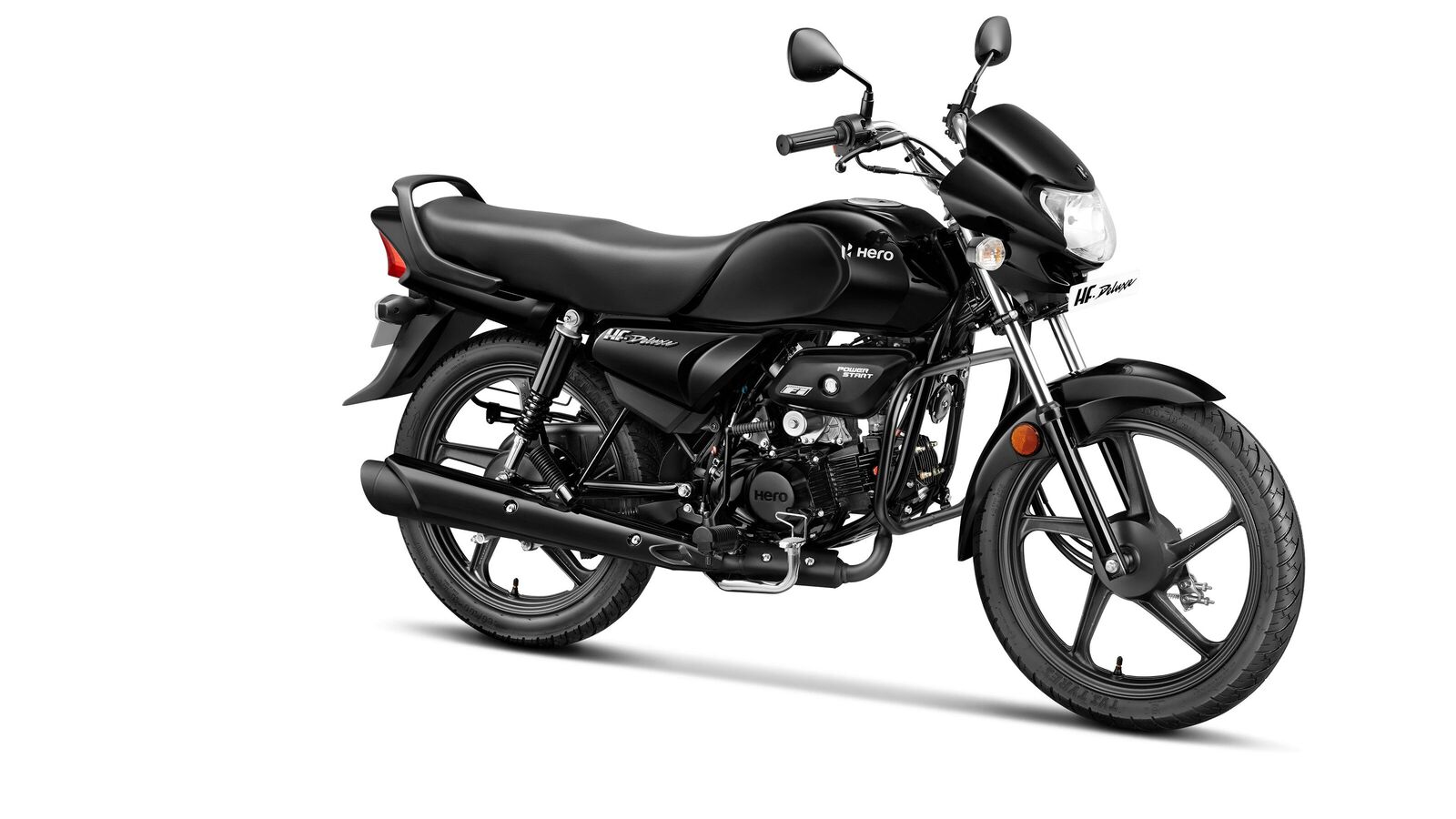
The 2023 Hero HF Deluxe is available with a cash discount and exchange bonus, while customers can avail the ‘buy now, pay later’ scheme as well
So, if you are in the market to bring a new Hero motorcycle or scooter home. Now would be a good time to consider the same. With popular selling models like the Hero HF Deluxe, the company has rolled out several special offers to make it more value-friendly this festive season. Let’s take a look at the offers available on the 2023 Hero HF Deluxe.
Under Hero GIFT, the 2023 Hero HF Deluxe commuter motorcycle can be had with a cash discount of up to ₹2,100 and an exchange bonus of ₹1,000. The two-wheeler giant has also extended its ‘Buy Now, Pay In 2024’ scheme to the motorcycle, which allows customers to purchase the bike now, while EMIs will begin from next year onwards.
Furthermore, Hero customers also get finance options with interest rates starting from 6.99 per cent. The company has also made cash-based EMIs possible for convenient repayment, while there are Aadhar-linked loan schemes for easy financing.
The Hero HF Deluxe continues with the same mechanicals powered by a 97.2 cc single-cylinder engine and is one of the most affordable motorcycles on sale
2023 Hero HF Deluxe: What you need to know
The Hero HF Deluxe is one of the most popular 100 cc motorcycles and contributes to a major chunk of the brand’s overall volumes after models like the Splendor and Passion series. The HF Deluxe is fairly loaded on the feature front with alloy wheels, tubeless tyres, a USB charger and i3S technology for achieving higher fuel efficiency. The bike also gets a five-year warranty and five free services as standard.
Power on the Hero HF Deluxe comes from the familiar 97.2 cc single-cylinder, air-cooled engine tuned for 7.9 bhp at 8,000 rpm and 8.05 Nm of peak torque at 6,000 rpm. The motor is paired with a 4-speed gearbox. The 2023 edition was updated to meet the latest BS6 Phase 2 norms bringing an OBD2 device for real-time emission data and E20 fuel compliance. Other components include telescopic front forks, dual shocks at the rear, drum brakes at either end and a halogen headlamp.
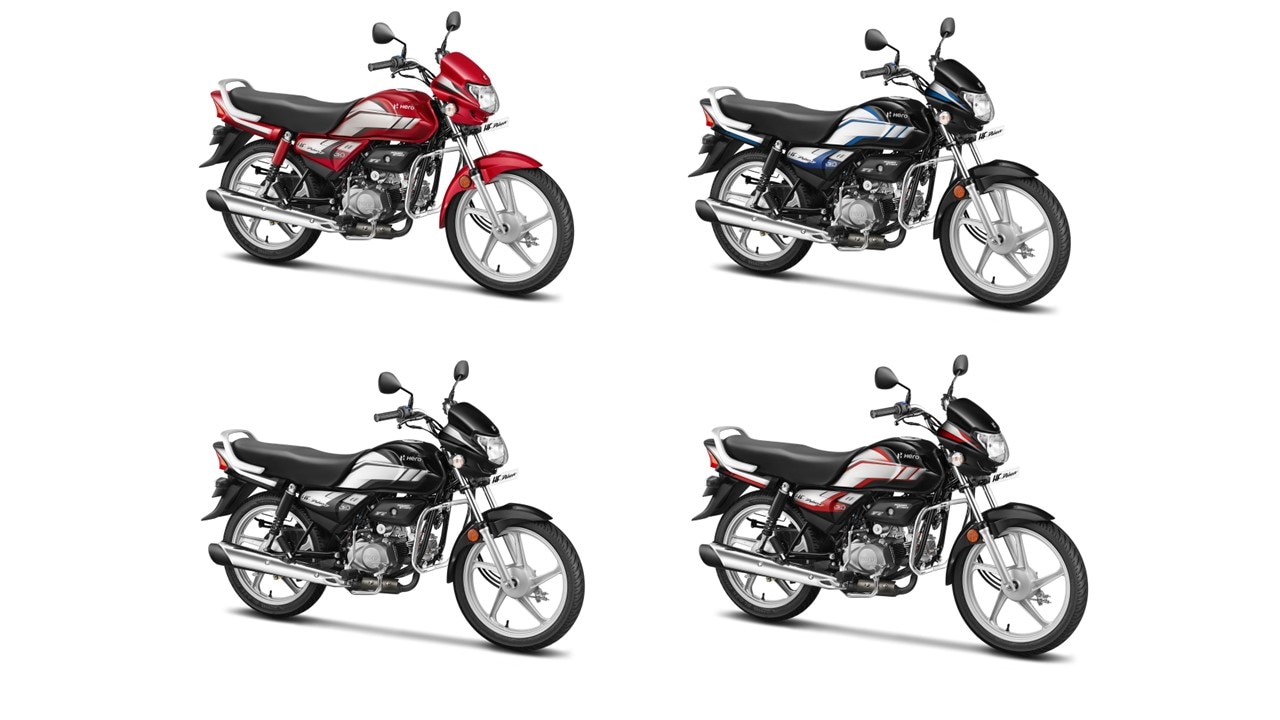
The 2023 Hero HF Deluxe is offered with a host of colour options and the bike was recently launched in the Black Canvas Edition with new colour schemes – Nexus Blue, Candy Blazing Red, Heavy Grey with Black and Black with Sports Red. Prices for the HF Deluxe start at ₹59,998, going up to ₹68,768 (ex-showroom, Delhi), which makes it one of the most affordable motorcycles on sale in the country. The commuter takes on the Honda Shine 100 and Bajaj Platina in the segment.
There’s a new SUV coming next year for almost every budget. Here’s a complete list.
Published On Oct 20, 2023 05:44:00 PM
Planning to buy a new SUV? Our new car 2024 guide is here to help and beginning the series is a list of every new SUV that’s slated to launch before the end of 2024. The new SUV list is full of not just updates to existing models but also includes the all-new SUVs that will hit Indian shores for the first time. The list includes 20 upcoming SUVs, some with mass appeal like the Kia Sonet facelift and Hyundai Creta facelift, to flagships like the Ferrari Purosangue and Maserati Grecale, and everything in between.
Disclaimer: All prices and launch dates are estimates.
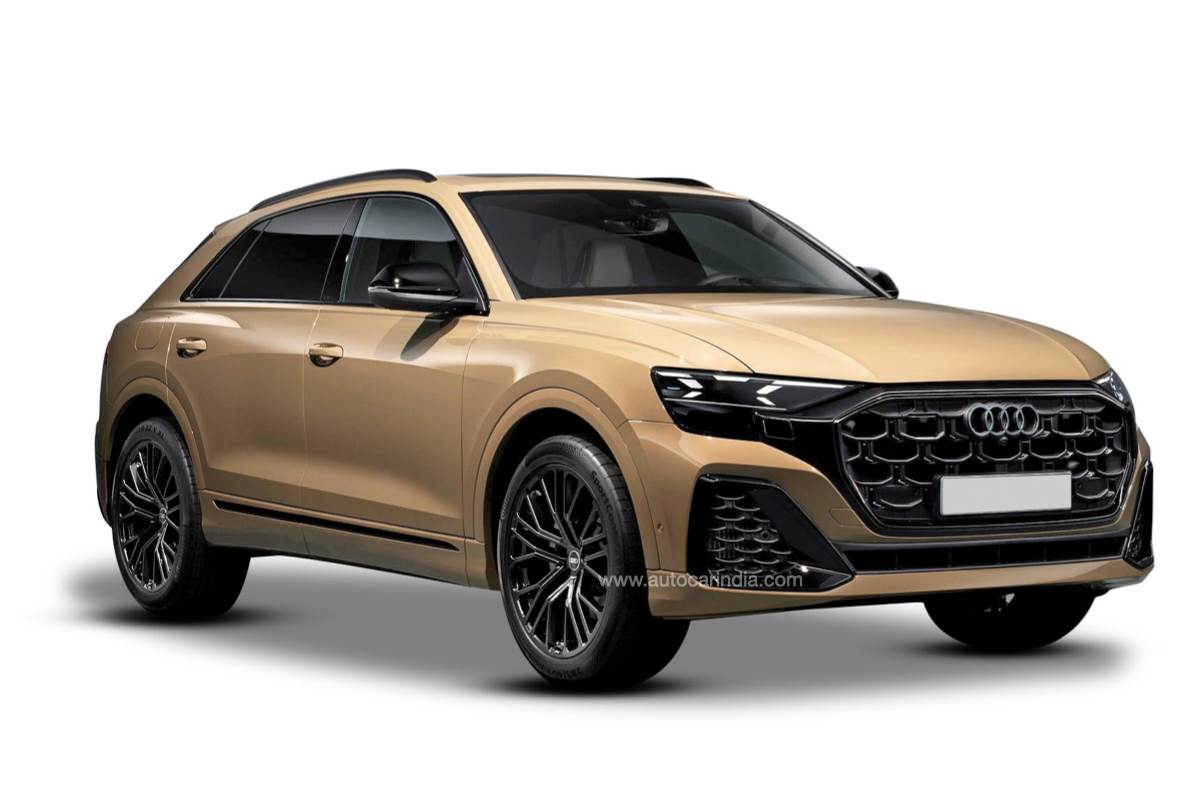
Audi Q8 Facelift
Expected price: Rs 1.10 crore-1.40 crore Launch: Early 2024 Engine: 3.0-litre petrol
Besides cosmetic enhancements, the Audi Q8 Facelift also feature HD Matrix LED headlights.
Ferrari Purosangue
Expected price: Rs 6 crore Launch: Early 2024 Engine: 6.5-litre petrol
The Purosangue is technically the Italian marque’s first SUV, but it’s marketed as a ‘four-door, four-seat model’. It has a sportscar-like front-mid engine layout and a rear-mounted gearbox, and unlike other super-SUVs that use turbochargers for better low-end torque, it has a 6.5-litre naturally aspirated V12 engine producing 725hp and 716Nm. It gets an 8-speed transaxle dual-clutch auto gearbox that drives the rear wheels and an additional 2-speed ‘control unit’ driving the front wheels, giving the Ferrari Purosangue all-wheel drive. The Purosangue sprints from 0-100kph in a claimed 3.3sec and can achieve a top speed of 310kph.
Force Motors will be extending the Gurkha range with a long-wheelbase five-door version. It’s expected to come with multiple seating options, including a bench or captain’s chairs for the second row and jump seats or captain’s chairs in the third row. Expect the five-door version to share much with its three-door sibling, including its Mercedes-sourced 2.6-litre diesel engine mated to a 5-speed manual gearbox.
Multiple iterations of the five-door Gurkha have been spotted, including six- and seven-seater versions as well as a pickup version. The company could also introduce a 4×2 version alongside a 4×4 version.
India’s bestselling midsize SUV is due for a serious mid-life makeover, which will feature design inspiration from Hyundai’s global flagship SUV, the Palisade. These will include a large grille with several metallic horizontal slats, split projector LED headlamps and vertical and horizontal LED Daytime Running Lamps. While the interiors could see minor styling tweaks too, the more notable changes are likely to be the inclusion of ADAS, a 360-degree camera and an updated 10.25-inch infotainment. Also, the 160hp, 1.5-litre turbo-petrol will join the range, filling the gap left by the discontinued 1.4-turbo. It will likely be mated to the same 7-speed dual-clutch transmission. Other engine options include 115hp, 1.5-litre naturally aspirated petrol and diesel, both available with manual and automatic transmissions. Expect a sportier Creta N-Line variant to follow suit.
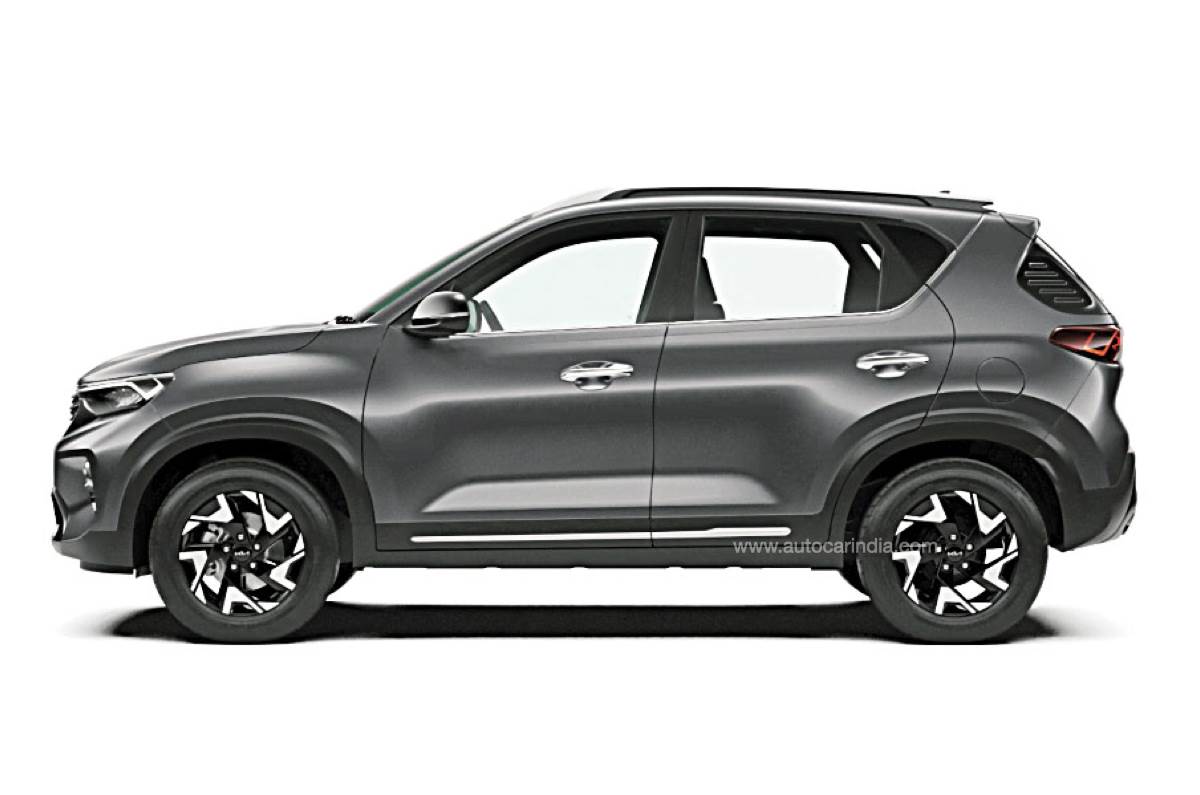
Kia will give the Sonet a mid-life cycle facelift, which is likely to borrow design cues from Kia’s newest global models like the EV9 and EV5. These could result in redesigned headlamps, grille and bumpers, as well as a new tailgate. It could offer new alloys too. Inside, it will get minor tweaks to the styling and it will be interesting to see whether, like its cousin Hyundai Venue, Kia also offers ADAS with the new version. What isn’t likely to change is the Sonet’s powertrain options. It will continue to get an 83hp, 1.2-litre petrol with a 5-speed manual; 120hp, 1.0-litre turbo-petrol with a 6-speed iMT or 7-speed dual-clutch automatic; and a 115hp, 1.5-litre diesel engine with a 6-speed iMT or automatic transmission.
Mahindra is gearing up to extend the Thar line with a 5-door, aimed to appeal to a broader audience – those seeking a tough, go-anywhere SUV but with added comfort and practicality. The extra doors come courtesy of a longer wheelbase, which is expected to aid space in the second row and boot. Under the hood, it is likely to retain the current 2.2-litre diesel and 2.0-litre petrol engines, mated to the same 6-speed manual and auto.
The extensively redesigned XUV300 will include a new front and rear-end and new alloys. Its overall dimensions, however, are likely to be similar to the outgoing version to keep within the sub-4-metre range to qualify as a compact SUV and get tax benefits. Mahindra will also be overhauling the interiors to make them look more desirable and modern. Boosting its premiumness will be the inclusion of a panoramic sunroof. The XUV300 facelift is likely to continue with the same set of engines – a 1.2-litre turbo-petrol and a 1.5-litre diesel. However, it will get a new Aisin-sourced 6-speed automatic (torque converter), which is likely to replace the 6-speed automated manual transmission (AMT).
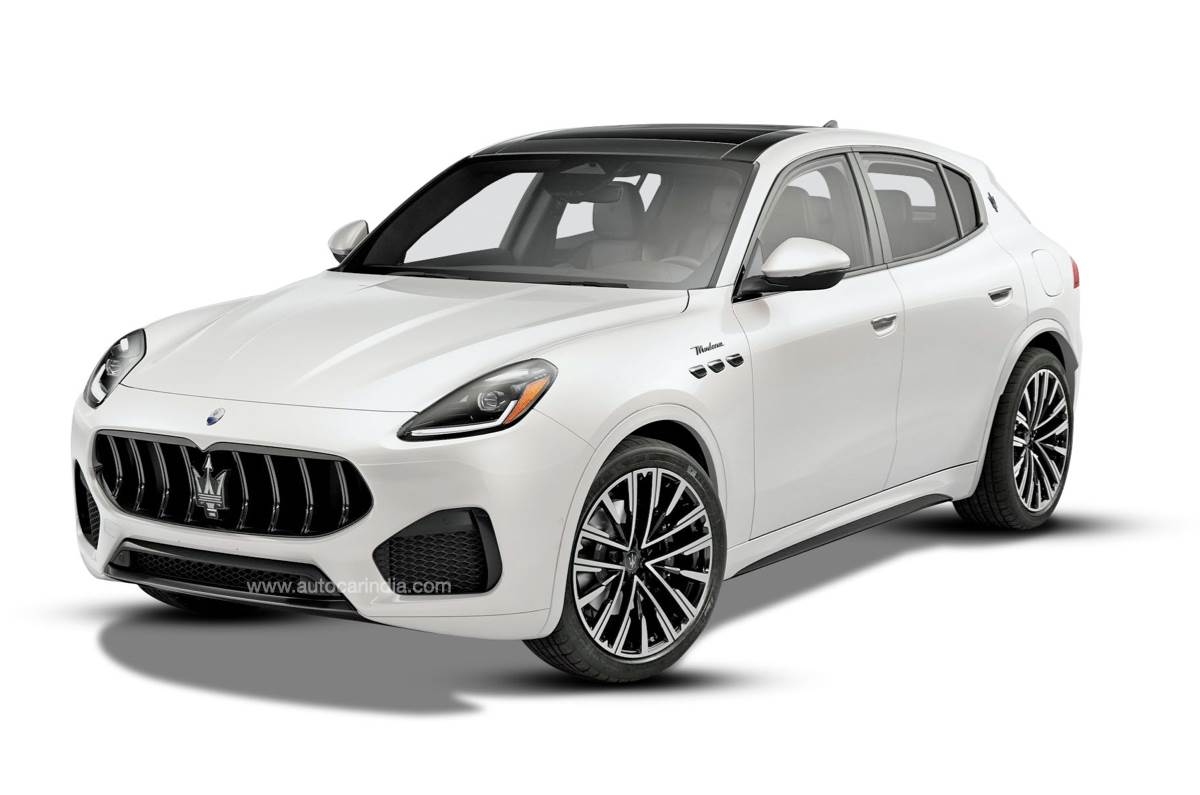
The MaseratiGrecale is a Porsche Macan-rivaling sporty SUV that sits below the flagship Levante in Maserati’s line-up. It is available with a 2.0-litre, four-cylinder turbo-petrol engine with a 48V mild-hybrid system in two iterations – GT and Modena. The former makes 300hp and its 0-100kph time is 5.6 seconds, while the latter is more powerful with 330hp and does 0-100kph in 5.3 seconds. There’s also a more powerful V6 Trofeo variant, which produces 530hp and can accelerate from 0-100kph in just 3.8 seconds.
The Mercedes GLC Coupé is a swanky alternative to the more upright GLC SUV, thanks to its sloping roofline with a plunging liftback-style tailgate. Like the SUV iteration, the new-generation GLC Coupé is larger than its predecessor in every dimension and its interiors feature Mercedes’ latest connectivity, tech and design. The Coupé could share its powertrain options with the SUV, and a performance-oriented AMG version is also likely to be on offer.
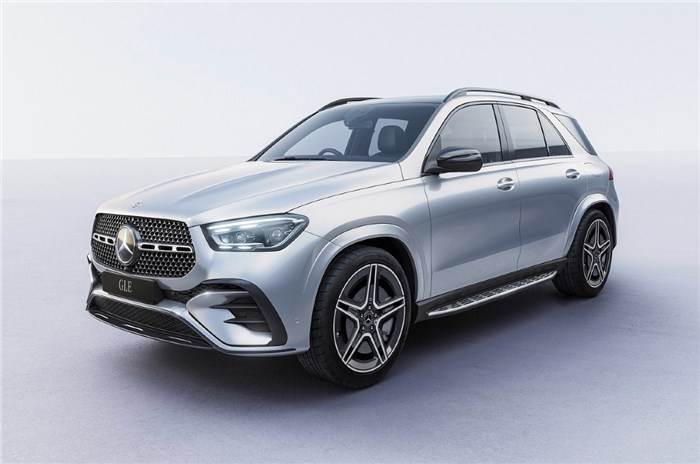
The Mercedes-Benz GLE facelift gets a revised front bumper, tweaked LED headlights, new design for the alloy wheels and refreshed tail-lights. On the inside, the GLE facelift gets a new multifunction steering wheel from the S-Class with touch-sensitive controls, new trim and an updated MBUX infotainment system.
Mini’s five-door crossover is heading to India in its third-gen avatar. The new car has grown in size, and as a result, cabin space has also expanded, featuring an extra 130mm of legroom in the back. The rear seat backrests are now individually adjustable in six positions by up to 12 degrees too; boot space is 460 litres. Notably, the Countryman will be the first Mini to offer Level 2 ADAS. In international markets, it will be available with electric, turbo-petrol and diesel powertrains.
Nissan New X-Trail
Expected price: Rs 35 lakh Launch: Early 2024 Engine: 1.5-litre petrol Hybrid
Nissan will reintroduce the X-Trail in India in its fourth generation to take on the likes of the Volkswagen Tiguan and Skoda Kodiaq. This monocoque SUV is available in five- and seven-seat configurations. Nissan could offer the X-Trail with either a 1.5-litre turbo-petrol with mild-hybrid technology or a 1.5-litre e-Power engine with range extender hybrid technology. The latter is essentially an EV as the wheels are solely powered by an electric motor and the engine acts as a generator to charge the batteries.
Inside, expect premium kit like a 12.3-inch digital cluster, 12.3-inch touchscreen, ADAS technology as well as a 360-degree camera. The X-Trail will be sold alongside the Magnite, and will be the second offering from the Japanese brand.
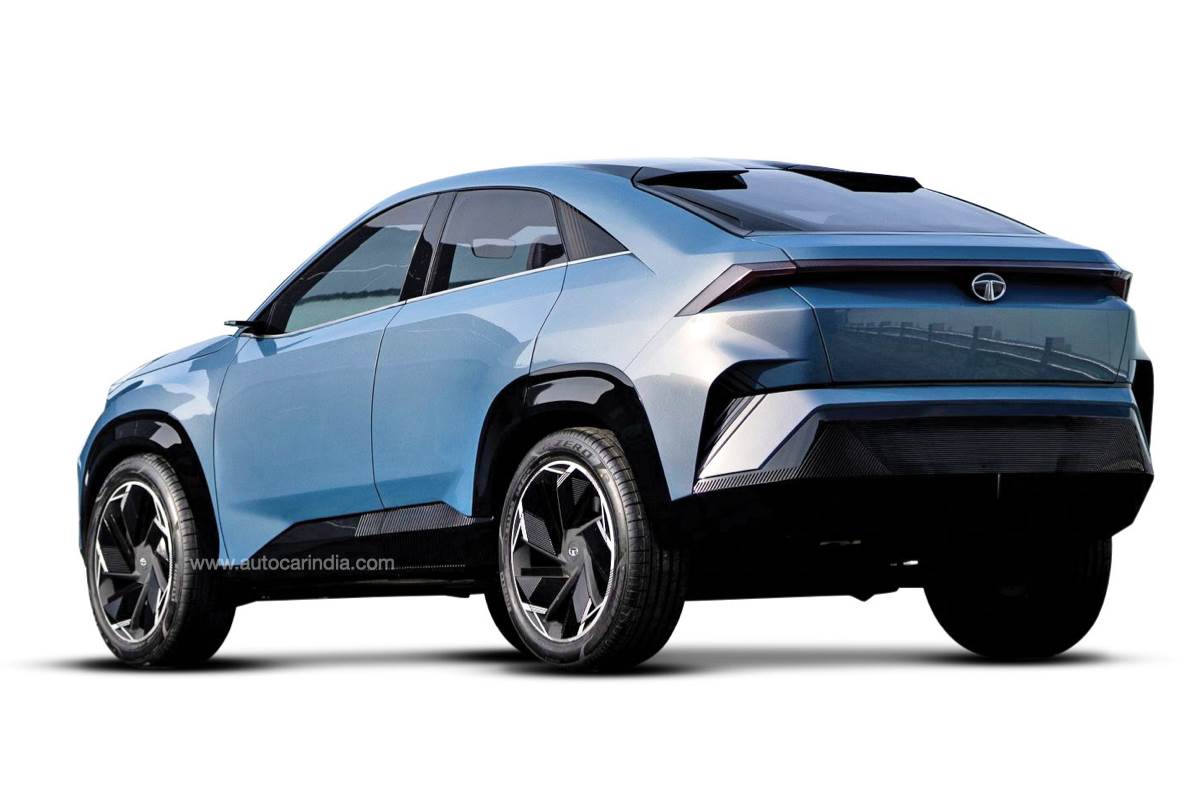
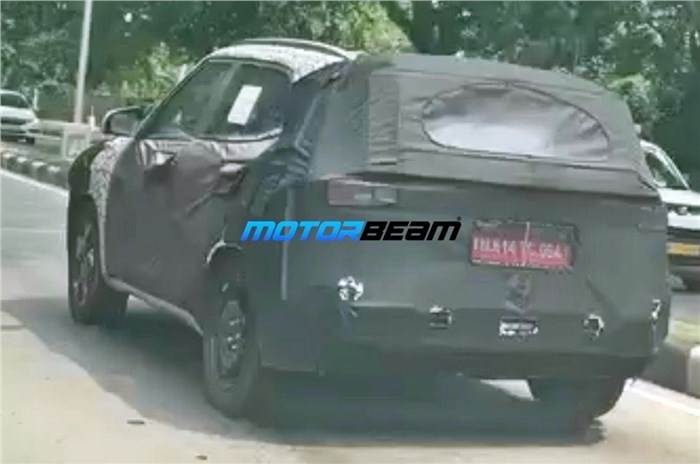
The TataCurvv is a rad SUV coupé, which will be positioned above the Nexon in Tata’s line-up. It will appeal to those looking for a standout offering without sacrificing the practicality of an SUV, such as high ground clearance and a raised seating position. Design highlights include its sloping roofline, which is neatly integrated into its notchback-styled boot. It also has a strong shoulder line, squared-off wheel arches and thick body cladding, which adds ruggedness. Its interiors are likely to get a digital screen for the instrument cluster and another 10.25-inch screen for the infotainment, which was recently introduced with the Nexon EV. In addition, it’ll also feature the touch-operable climate control cluster as well as kit like a 360-degree camera and a sunroof. Initially, the Curvv will be offered as an EV with a range of 400-500km. The ICE version will launch soon after with a 125hp, 1.2-litre direct-injection turbo-petrol with manual and automatic gearboxes.
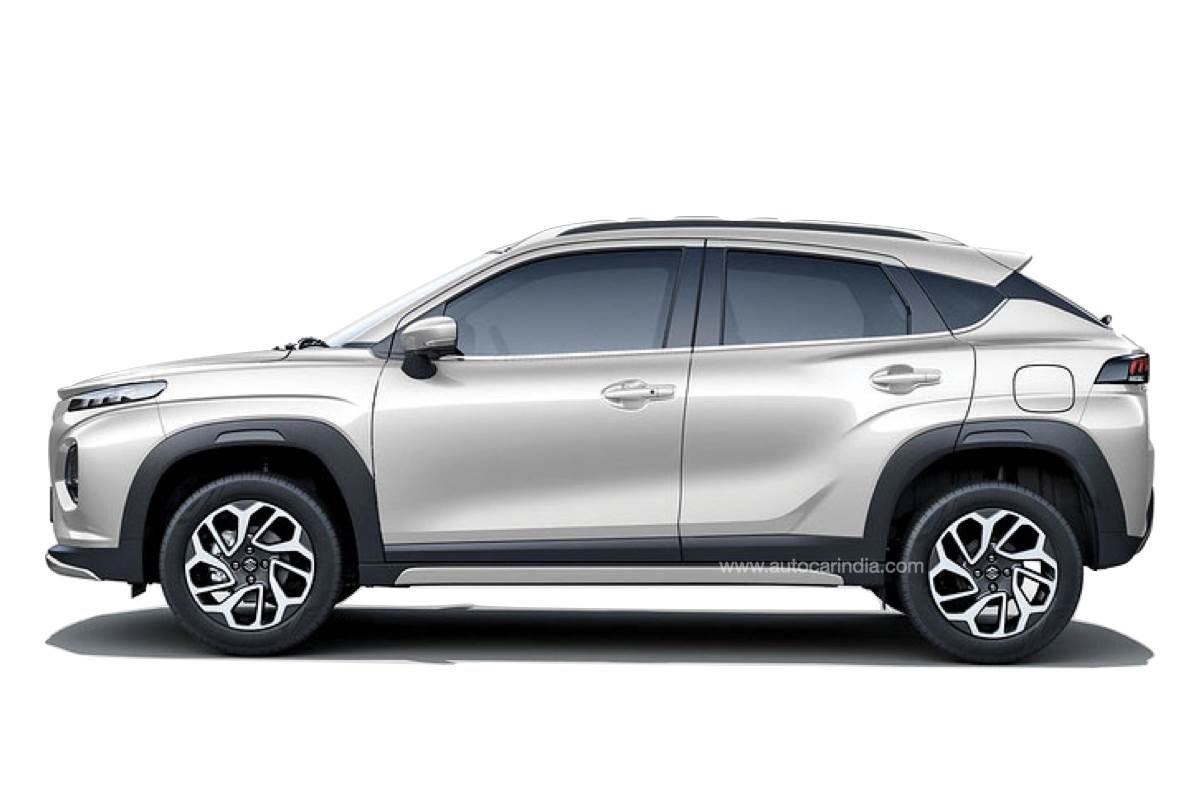
Toyota will re-enter the sub-4-metre crossover segment with the Urban Cruiser Taisor, a redesigned Maruti Fronx. As with the Glanza and Rumion, expect no mechanical changes and minimal cosmetic differences over the Fronx.
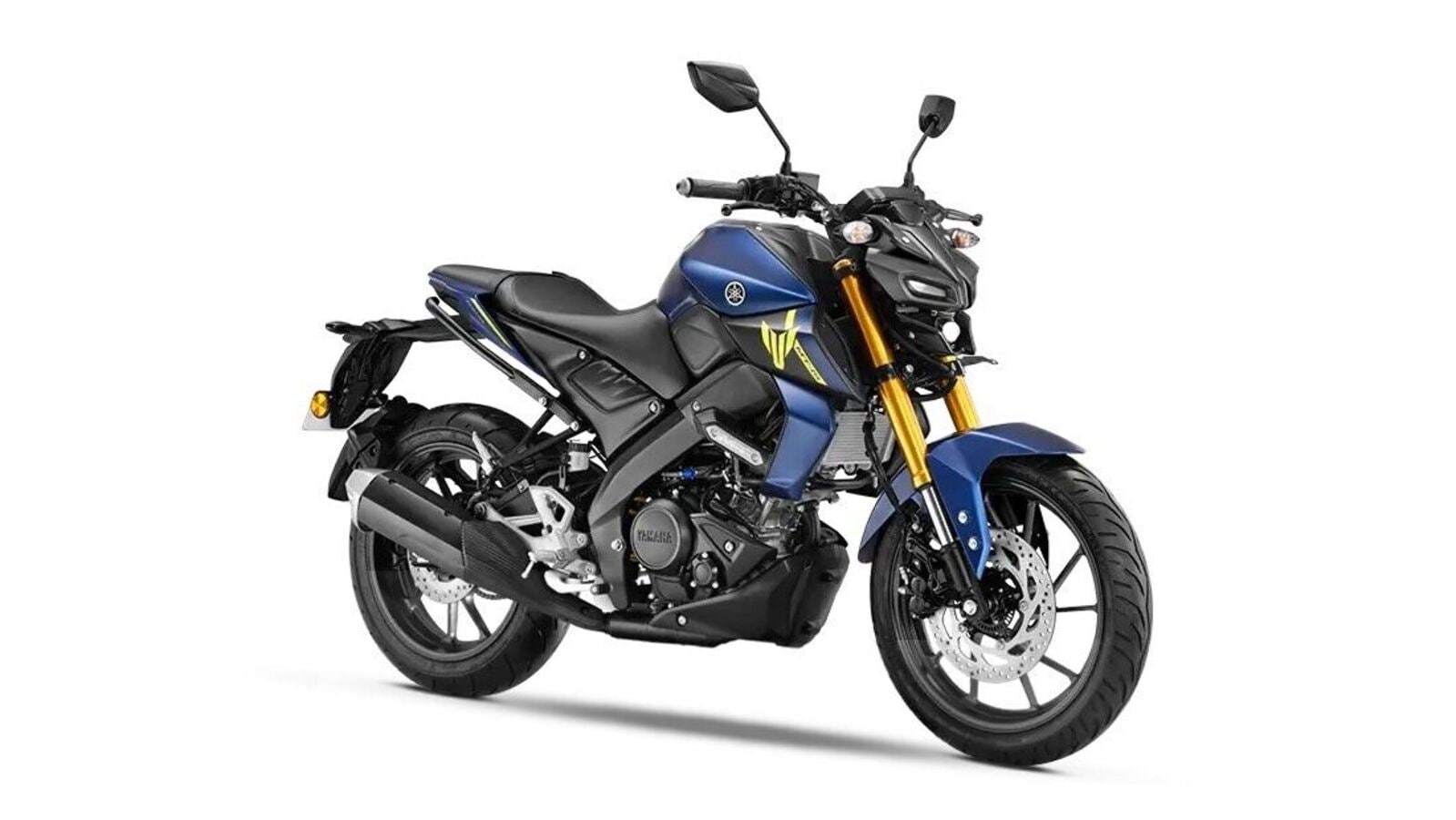
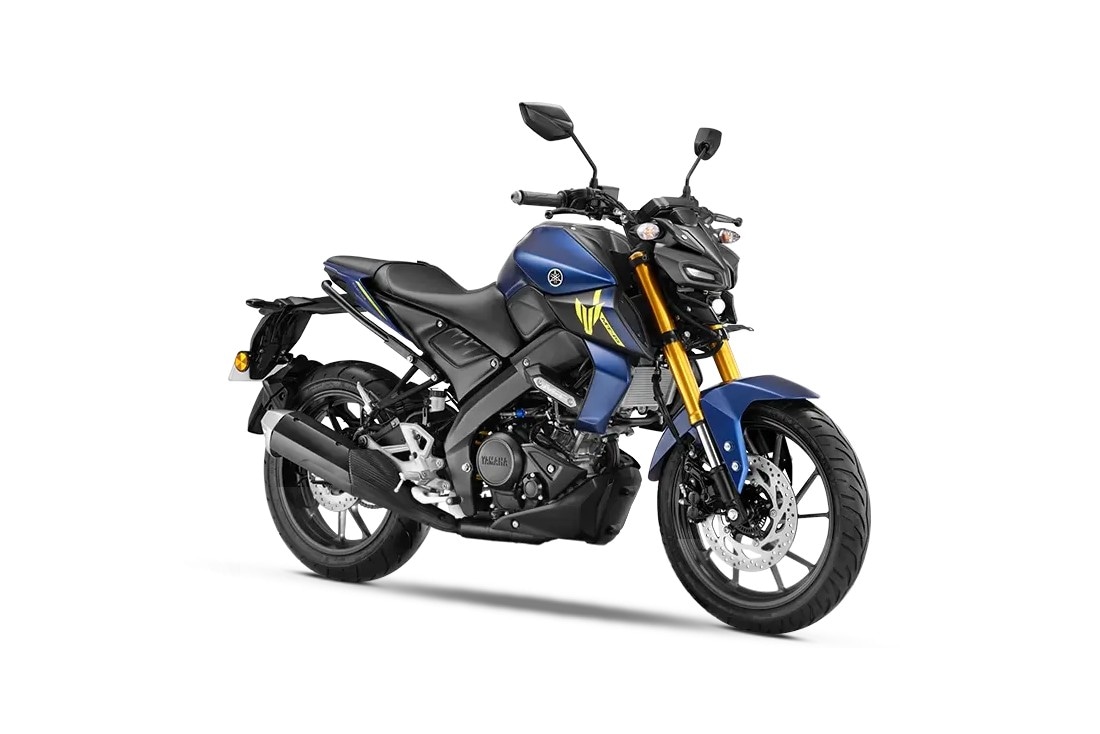
Yamaha Motor India recently introduced the 2023 MT-15 V2 streetfighter in the market. The 2023 Yamaha MT-15 arrives with a host of upgrades, the most important of which has been the transition to BS6 Phase 2 norms, meeting the latest emission standards. However, that’s not the only change, the bike gets new colour schemes as well bringing a breath of fresh air to the offering. Should you consider the 2023 Yamaha MT-15? Let’s take a look.
By: HT Auto Desk | Updated on: 19 Oct 2023, 20:54 PM
The Yamaha MT-15 is one of the most performance-friendly offerings in the segment. Should you buy one in 2023?
The Yamaha MT-15 is one of the exciting motorcycles in its segment. The bike shares its underpinnings with the YZF-R15 V4, while the styling is borrowed from Yamaha’s larger-capacity naked motorcycles. The alien face on the MT-15 makes it stand out compared to its rivals, while the build quality is one of the best in the segment.
The 2023 Yamaha MT-15 also gets the Monster Energy MotoGP special edition
Power on the MT-15 V2 comes from the tried and tested 155 cc, liquid-cooled, single-cylinder engine with Variable Valve Actuation (VVA) technology. The motor develops 18.4 bhp at 10,000 rpm and 14.1 Nm of peak torque at 7,500 rpm. The 155 cc motor is paired with a 6-speed gearbox with a slip and assist clutch and the engine is now OBD2 compliant and E20 compatible as well.
Suspension duties on the 2023 Yamaha MT-15 come from USD front forks with a monoshock at the rear, while braking performance comes from disc brakes (282 mm front and 220 mm rear) at either end. The bike also gets an aluminium swingarm that’s lighter and does not compromise on stability.
On the feature front, the Yamaha MT-15 gets an LCD instrument cluster that shows the necessary information including a fuel consumption indicator, VVA indicator, shift timing light, gear position indicator and a tachometer. The bike gets all-LED lighting with LED flashers and also gets Bluetooth connectivity. Moreover, the Yamaha mobile app brings a host of additional features including geofencing, rider telematics, call and SMS alerts, email notifications, fuel consumption details and more.
The streetfighter is equipped with a host of electronic aids including dual-channel ABS and a side-stand cut-off switch. The 2023 MT-15 V2 was also updated with the traction control system, which is now standard across Yamaha India’s motorcycle lineup. The bike rides on a 100/80 section front and a wide 140/70 section rear tyre wrapped on 17-inch alloy wheels.
The 2023 Yamaha MT-15 V2 gets multiple colours – Dark Metallic Blue, Metallic Black, Cyan Storm, Racing Blue, and Ice-Fluo Vermillion. The company is also offering the Monster Energy Yamaha MotoGP special edition on the streetfighter. The MT-15 V2 is priced from ₹1.67 lakh, going up to ₹1.73 lakh. All prices are ex-showroom, Delhi.
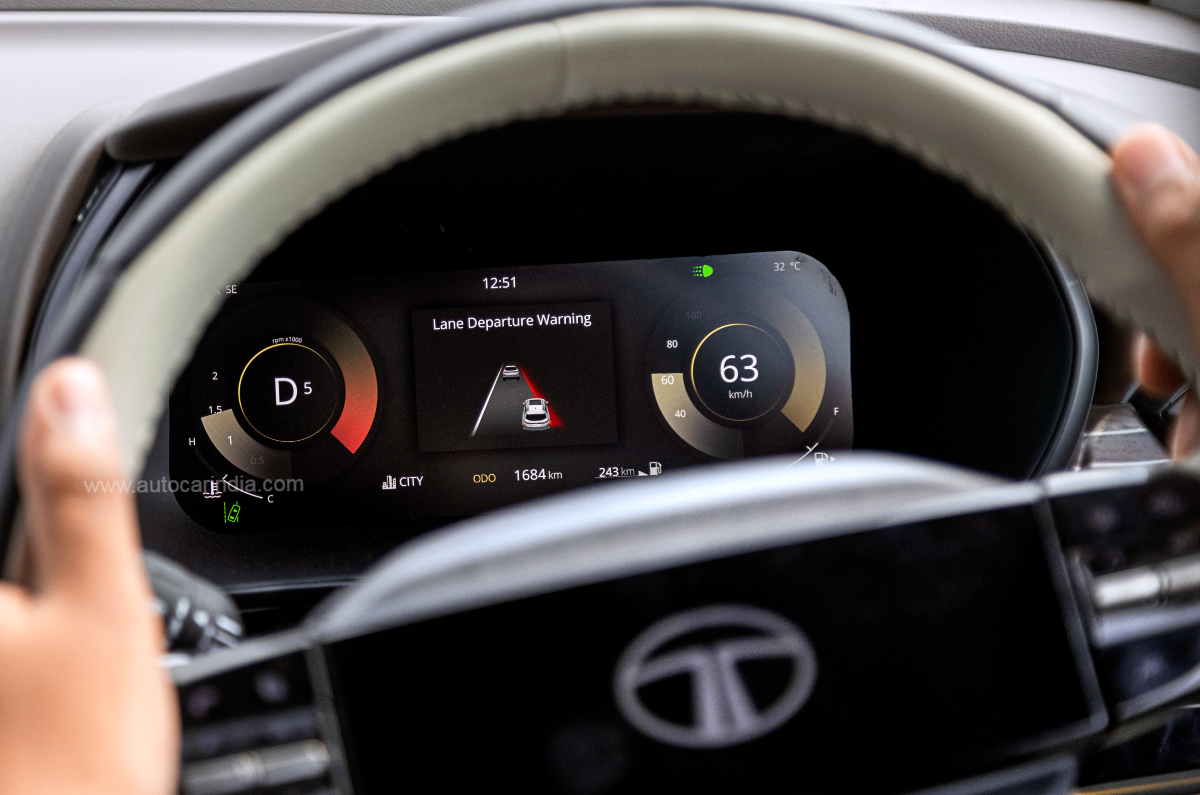
Lane keep assist will be included in the ADAS bundle but via a software update, thanks to the switch to electric power steering.
Earlier this year, Tata Motors introduced ADAS features to the pre-facelift Harrier and Safari with features like forward collision warning, autonomous emergency braking, blind spot detection and lane departure warning. Lane-keep assist, however, was not part of the suite. The feature detects when a car is drifting out of its lane and actively intervenes in the steering even if the driver has given no input.
Tata Motors says steering intervention was not possible earlier as the SUVs were equipped with a hydraulic power steering setup. However, as the facelifted SUVs have switched to an electronic power steering system, the company says lane-keep assist is now possible.
Curiously though, Tata Motors has not introduced the feature with the recently launched Harrier and Safari facelifts. The carmaker says it’s still working out its calibration but in what will be a relief to early buyers of the new SUVs, it will be later added to the initial lot of cars via a software update.
The presence of lane-keep assist will further up the Safari and Harrier duo’s safety quotient, which recently not only secured a 5-star Global NCAP rating for adult and occupant protection but also netted the highest scores so far for any vehicle tested under its Safer Cars for India programme.
Besides the software update to the steering system, Tata Motors also indicated that it will periodically roll out OTA (over the air) updates for the new advanced infotainment system that it has introduced on the facelifted Harrier, Safari and the Nexon line-up.
Honda Motorcycle & Scooter India recently launched the 2023 Unicorn in the country. The Honda Unicorn has been one of the brand’s popular sellers for well over a decade now and the bike continues to sustain its strong sales thanks to the model’s famed reliability and low cost of ownership. With the latest update, Honda has made some necessary changes to the Unicorn to keep it relevant in the market. Here’s a look at what’s different on the 2023 Unicorn.
By: HT Auto Desk | Updated on: 18 Oct 2023, 21:38 PM
The 2023 Honda Unicorn has been updated to the latest emission regulations to continue its strong sales streak.
The 2023 Honda Unicorn has been updated to meet the latest BS6/OBD2 emission norms that came into effect from April this year. Under the latest norms, the company has updated the engine with an OBD2-compliant device that checks the vehicle’s emissions in real-time. The engine is also compliant with E20 (ethanol 20 per cent blend) fuel, whenever it’s available in the market.
Mechanically, the 2023 Honda Unicorn remains the same with power coming from the 160 cc air-cooled, single-cylinder engine with fuel injection. The motor is tuned to produce 13.27 bhp at 7,500 rpm and 14.58 Nm of peak torque available at 5,500 rpm. The engine is paired with a 5-speed gearbox.
Underpinning the motorcycle is a diamond-type frame, while the suspension duties are handled by telescopic forks at the front and a hydraulic monoshock set-up at the rear. Braking performance comes from a 240 mm disc at the front and a 130 mm drum brake at the rear. The bike gets single-channel ABS as standard. The Unicorn rides on an 80/100 section front tyre and a 100/90 section rear tyre. Both are wrapped in 18-inch alloy wheels.
has launched an OBD-compliant version of the Unicorn. It is priced at ₹1,09,800 (ex-showroom Delhi) and will be sold in a single variant. The 2023 Honda Unicorn will be going against Bajaj Pulsar 150, TVS Apache RTR 160 2V and Bajaj Pulsar N150. Honda is offering a special 0-year warranty package which includes 3 years of warranty as standard and 7 years of warranty as an optional extended warranty.
The styling on the 2023 Honda Unicorn has been largely unchanged and that’s certainly one of the familiar bits on the bike that customers like. The motorcycle gets conservative yet modern styling with the halogen headlamp upfront, a simple fuel tank with indents, an elongated single seat, and a single-piece grab rail. The bike is available in four colours – Pearl Igneous Black, Imperial Red Metallic, Matte Axis Gray Metallic and a new Pearl Siren Blue colour scheme.
The 2023 Unicorn gets a three-pod instrument console with a tachometer, and speedometer, while the third pod incorporates the necessary tell-tale lights and the fuel gauge. The switchgear continues to be simple with a self-start function, in addition to the kick-starter.
The 2023 Honda Unicorn is priced at ₹1.10 lakh (ex-showroom, Delhi) and is offered in a single variant. The 160 cc commuter takes on rivals like the Bajaj Pulsar N150, TVS Apache RTR 160 2V, and Hero Xtreme 160R 2V, among others. With the Unicorn, Honda is offering a 3-year warranty as standard, while there’s also the option to extend the warranty by another seven years.
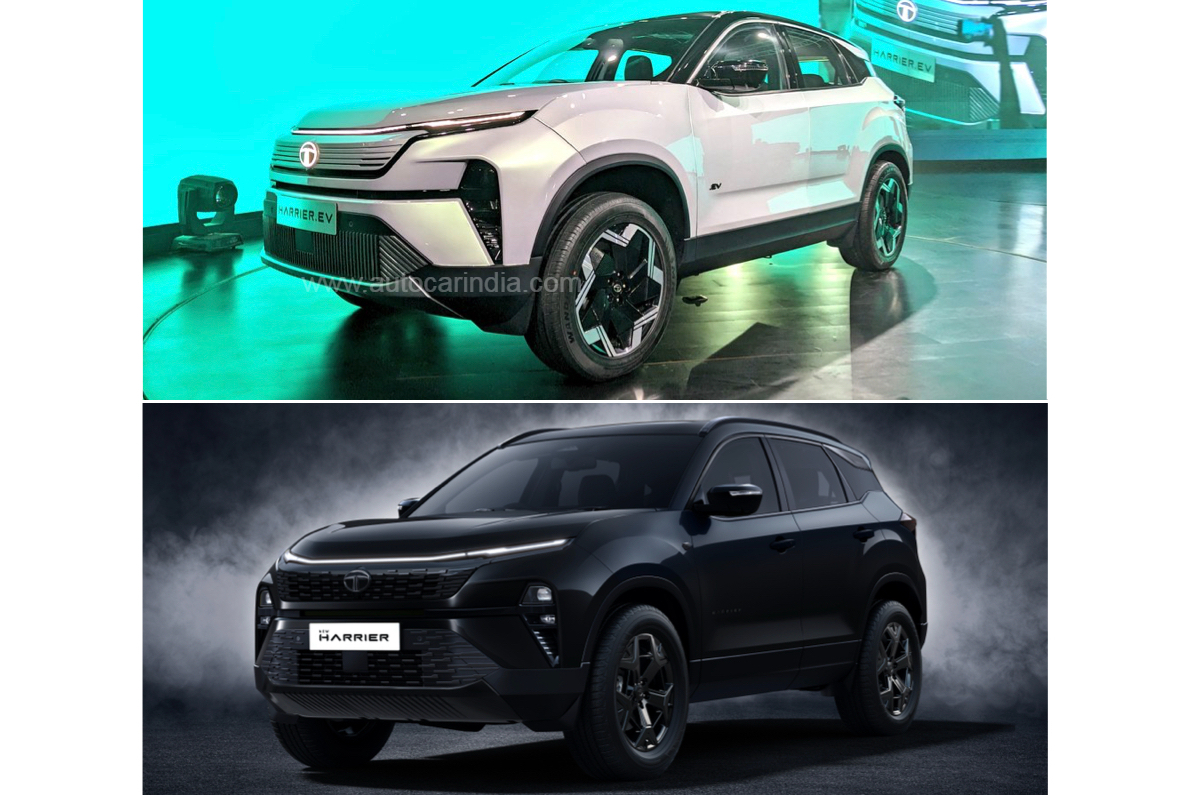
The under-development 1.5-litre TGDi petrol motor will likely arrive with Curvv SUV before it makes its way to the Harrier and Safari.
At this year’s Delhi Auto Expo, Tata Motors showcased a Harrier EV concept as well as the 1.5-litre turbocharged gasoline direct injection (TGDi) engine that would be offered under the hood of the Harrier SUV. And while the 1.5L TGDi engine has been in the works for a while now, we understand that the electric Harrier would arrive before its petrol-powered counterpart.
At the price announcement of the facelifted Harrier and Safari yesterday, Shailesh Chandra, managing director of Tata Motors Passenger Vehicles Ltd and Tata Passenger Electric Mobility Ltd, said “We have already shown the 1.5-litre TGDi engine at the Auto Expo and we intend to bring it. I would say that it’s slightly far away – one year and beyond. But we are going to bring the petrol engine also.”
According to sources, the development of the petrol motor is proving to be a challenge but one the company knows it must address, “Petrol volumes are going to grow and it is imperative that we enter the petrol segment also,” said Chandra. Once ready, the engine would allow Tata Motors to offer a petrol-powered version of both the Curvv and Sierra SUVs, in addition to the Harrier and Safari.
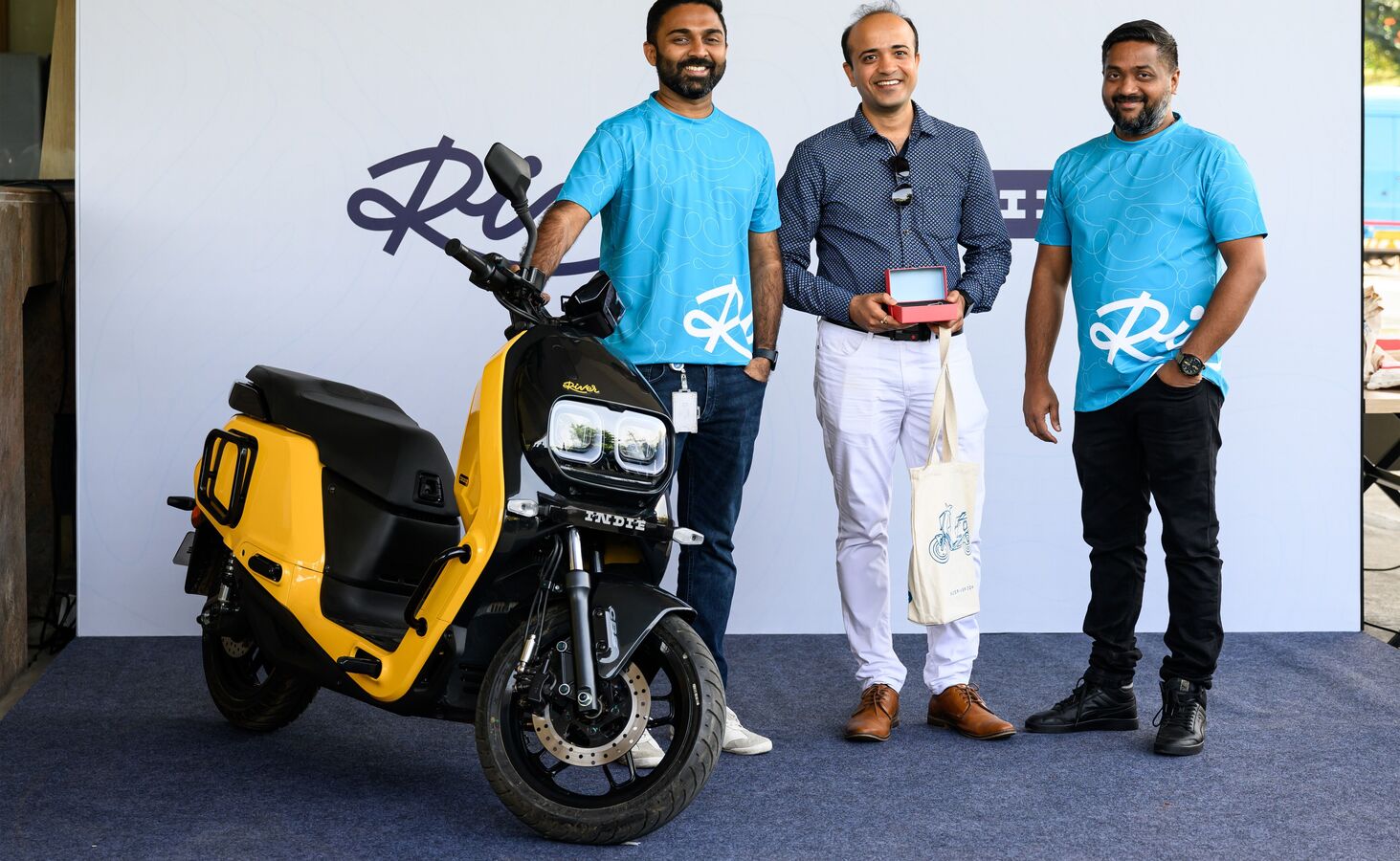
Bengaluru-based electric vehicle manufacturer, River, has commenced deliveries of its maiden electric scooter, Indie, in Bengaluru. The first group of pre-order customers were officially handed over their keys during an event. The electric scooter was launched in the country earlier this year in February, followed by the rollout of the first unit from the company’s state-of-the-art manufacturing facility in Hoskote in August.
By: HT Auto Desk | Updated on: 17 Oct 2023, 16:24 PM
River Indie electric scooter sources power from a 6.7 kWh electric motor, which churns out 26 Nm of torque.
River is set to revise the price of its debut product, which will be announced soon. The price hike is being considered in the aftermath of the latest modifications in the FAME II subsidy. However, the first batch of customers received the product at the initially announced price of ₹1.25 lakh (ex-showroom, Bengaluru).
The EV brand is also working on launching its first experience center in Bengaluru, which is expected to open for public by November this year. Since its inception in March 2021, the brand has raised a total of $28 million in funds from marquee investors to speed up its electric mobility journey. The EV startup is hopeful to sell one lakh units of the high-speed electric scooter by 2025.
The Indie electric scooter sources power from a 6.7 kWh electric motor, which churns out 26 Nm of torque. Power is sent to the rear wheel via a belt drive, propelling the EV to sprint 0-40 kmph in 3.9 seconds at a top speed of 90 kmph. The motor comes paired with a 4 kWh battery pack, which is claimed to deliver a 120-km range on a single charge.
The scooter comes with an unusual design that grabs attention at the very first glance. It gets dual front LED headlamps with integrated LED daytime running lights as well as LED taillights. On the feature front, there is a fully-digital six-inch colour instrument cluster, spacious 20-inch footboard, 43-litre under-seat boot space and a 12-litre glove box, among others.
It runs on 14-inch black alloy wheels wrapped with meaty tyres. The front wheel gets a 240 mm disc brake, while the rear sports a 200 mm disc. For suspension duty, the scooter gets a telescopic setup at the front and a twin hydraulic system at the rear.
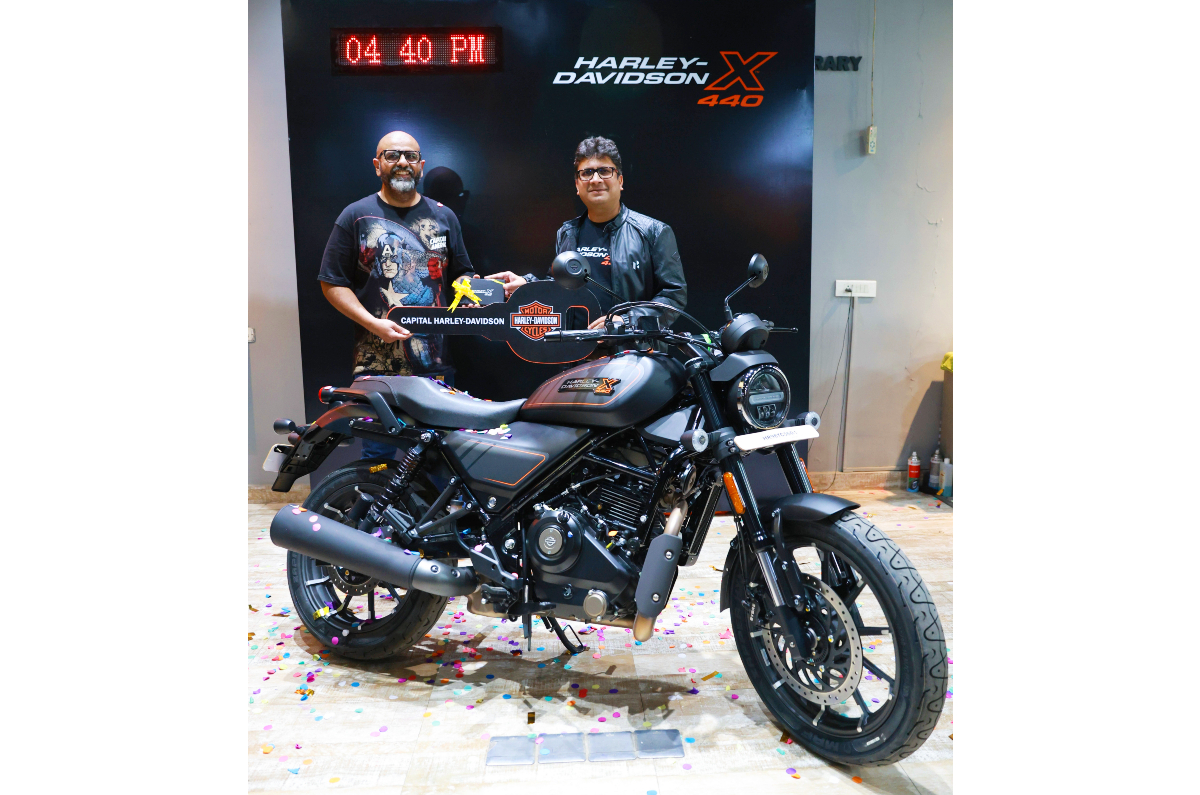
Bookings have now reopened for the X440 with prices ranging from Rs 2.40 lakh-2.80 lakh.
As promised, Hero began deliveries of the Harley-Davidson X440 on October 15, and they started in a big way. Deliveries were conducted across 100 dealerships, including both standalone Harley-Davidson and select Hero MotoCorp outlets across the country.
The Harley-Davidson X440 is made at Hero MotoCorp’s manufacturing facility in Neemrana, Rajasthan. The bike was originally launched in July 2023 and went on to garner a massive 25,000-plus bookings in its first month.
The demand was so high that Hero temporarily closed bookings in the country and increased prices across the range. Now that the deliveries have begun, Hero has reopened bookings across existing Harley dealers and through select premium Hero dealerships. Bookings can also be made online.
The motorcycle is available in three variants – Rs 2,39,500 for the Denim variant, Rs 2,59,500 for Vivid, and Rs 2,79,500 for S. This marks a Rs 10,500 hike per model over the launch price.
Hero MotoCorp’s CEO Niranjan Gupta said, “It will be our endeavour to complete all deliveries over the next 4-5 months. Our supply chain is already in the process of ramping up the capacity, as we would like to serve every single customer in India who wants to own a Harley Davidson and reduce the waiting period moving forward.”
“We are excited to bring the thrill of Harley-Davidson motorcycles to motoring enthusiasts across the country, including Tier II cities and smaller towns,” he added.
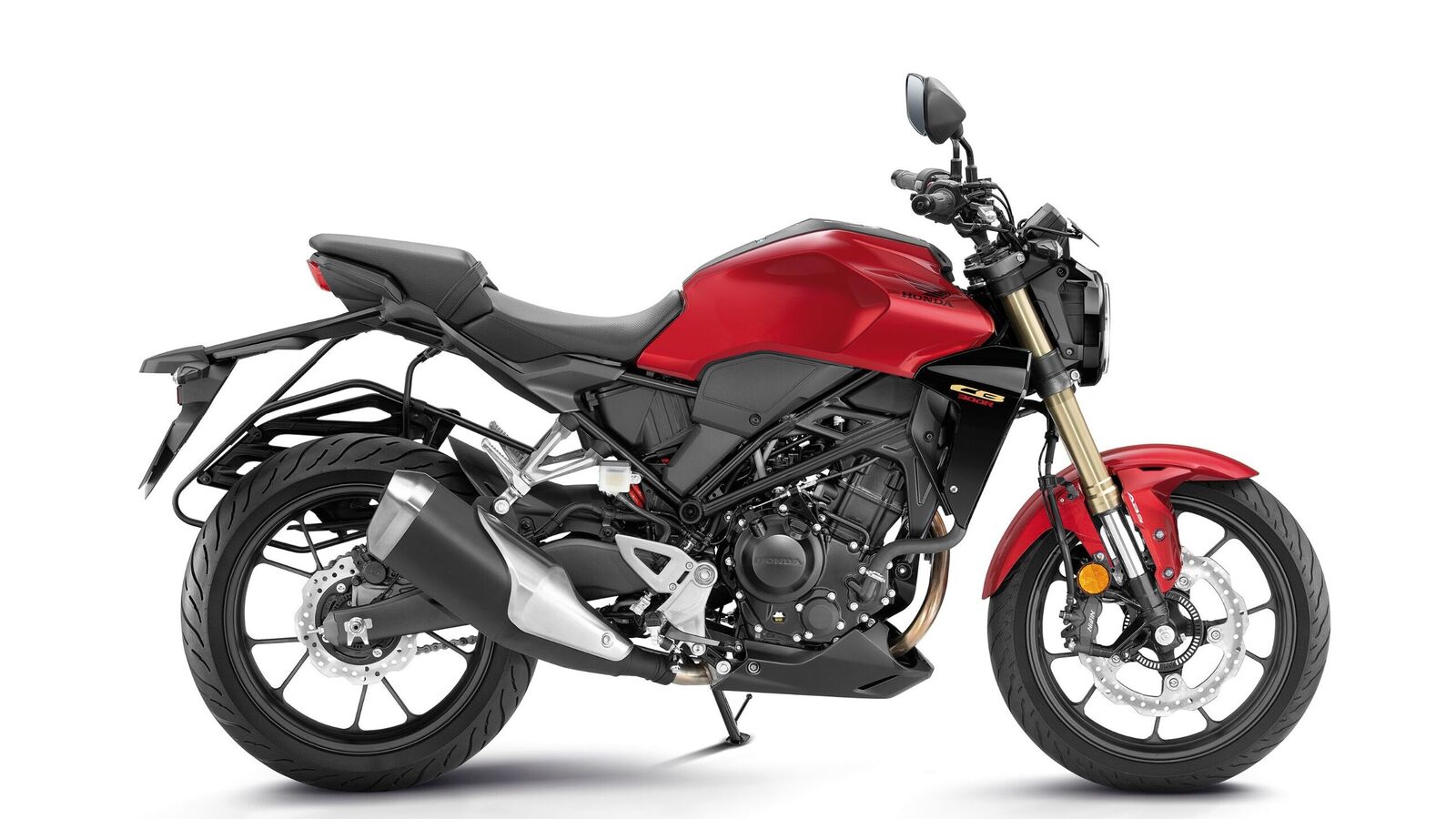
The 2023 CB300R comes mated to a six-speed gearbox and gets an assist slipper clutch which eases gearshifts and manages rear wheel lock-up on hard down shifts while deceleration.
In terms of styling, the motorcycle draws inspiration from the retro-themed CB1000R litre-class roadster with a minimalistic take on it. It boasts a muscular fuel tank and a beefy upswept exhaust, reflecting the neo sports cafe DNA. An all-LED lighting system with round LED headlamp, LED winkers and LED tail lamp further enhanced the styling quotient.
Weighing at just 146 kg, the CB300R is the lightest motorcycle in its category. It gets 41mm USD front forks and an adjustable mono-shock absorber at the rear, making it a decent choice for Indian roads. Braking duties are handled by 296mm disc brake (front) and 220mm disc (rear) with dual-channel ABS as standard.
In terms of features, the motorcycle gets a fully digital instrument cluster as well as emergency stop signal and hazard light switch. The motorcycle will be made available in Pearl Spartan Red and Matte Massive Grey Metallic colour options. “The CB300R is an ultimate gateway for young riders to brand Honda’s engineering prowess, design philosophy and premium build quality,” said Tsutsumu Otani, Managing Director, President & CEO, Honda Motorcycle & Scooter India.
Interior will also see minor cosmetic and equipment upgrades.
These are the first undisguised images of the Kia Sonet facelift that’s due to launch in India in the next 3-4 months. While several camouflaged test mules have been spied on multiple occasions before, these images that have surfaced on the internet give us a complete look at the exterior design of the updated Sonet.
The Sonet pictured here is for overseas markets and is longer than four meters in length. According to Kia India, the Sonet facelift that is headed to our shores will have slightly different looking front and rear bumpers from the one seen in these leaked images.
India-bound Sonet facelift will slightly differ in design
Likely to remain mechanically unchanged
Launch is expected in the coming months
Kia Sonet facelift exterior design revealed
This is the first mid-lifecycle update for the Sonet since its launch in September 2020, and changes will only be limited to plastic parts. The most noticeable of these are the new front bumper and headlamp assembly – the main headlamp cluster has largely retained its shape, but there’s a new drop-down element that extends into the bumper below and comes with revised LED Daytime Running Lamps and fog lamps.
Going by the bumper, this seems to be an HT Line variant that gets a slightly redesigned faux skid plate and mesh for the central air intake. The GT-Line variants could have a different bumper design. Kia also seems to have updated the grille inserts, although the overall shape remains similar.
There aren’t any significant changes in profile save for the new alloy wheels that’ll likely differ on the HT-Line and GT-Line trims. At the rear, the wraparound tail lamps have been swapped with new vertical units that are now connected by an LED light bar. It also gets a much chunkier rear bumper with a dual-tone black and silver finish.
Kia Sonet facelift interior
Although these images do not give us a look at the interior of the updated Sonet, previous spy images have hinted at slightly updated switchgear for the HVAC controls and an all-new digital instrument cluster from the new Venue. Additionally, the Sonet is also expected to get a new brown colour for the upholstery and an armrest for the rear seat, with the latter making a comeback.
Kia Sonet facelift powertrain
The Sonet facelift is likely to continue with the existing 83hp, 115Nm, 1.2-litre petrol engine, a 120hp, 172Nm, 1.0-litre turbo-petrol engine and a 116hp, 250Nm, 1.5-litre diesel engine. The petrol engine is expected to be mated to a 5-speed manual, while the turbo-petrol and diesel engines will retain the 6-speed iMT. Additionally, they will also get a 7-speed dual-clutch automatic and a 6-speed automatic, respectively.
Pre-bookings for the MUVI 125 4G will soon be opened by the Acer brand. Meanwhile, the company has also invited those interested in dealership opportunities to express their intent. For both pre-bookings and dealership inquiries, those interested need to visit the company’s official website.
The electric scooter was first showcased at the EV India Expo 2023 in Greater Noida in September this year. It comes with swappable batteries, ensuring hassle-free charging. The two removable of 48V 35.2Ah each offer a range of 80 kilometres per charge and can reach a top speed of 75 kmph. The company claims that it can be charged to full in around four hours and riders can even opt to use just one battery at a time.
The scooter is being touted as a futuristic electric mobility solution for urban commuters. It comes with a light-weight chassis which is sturdy in nature and rides on 16-inch wheels for smooth movement. The chassis is complemented by an innovative rear shock absorber system which comes paired with a front hydraulic fork, offering agility and stability to riders.
It will be available in three color options: White, Black, and Grey.
The features of the scooter are said to be highly customizable and data-driven for the tech-savvy riders. One can use their Android or iOS smartphone to customize the vehicle and turn it into an interactive machine. It gets a Bluetooth-enabled 4-inch LCD screen with three configurations available.
Aprilia’s Maverick Vinales and Yamaha’s Fabio Quartararo completed the podium.
The Indonesian round of the 2023 MotoGP world championship was topsy-turvy with Pramac rider Jorge Martin briefly leading the title race after a dominant win in Saturday’s sprint race. But reigning champion Francesco Bagnaia once again finds himself on top of the standings after Martin crashed out of the lead in the main race.
Bagnaia wins from 13th on grid
Bezzecchi on podium in sprint, P5 in race despite injury
Marc Marquez crashes out in both races
Martin vs Bagnaia title fight
Martin won the sprint race, and for the first time this year, eclipsed Bagnaia in the title fight, albeit by a mere seven points. He looked set to be on top in the main race again, but a lowside at Turn 10, presumably due to grip issues with the soft front tyre, ended his race prematurely. Bagnaia, who was running in third place when this happened, saw his chance to regain the title lead and soon overtook Aprilia’s Maverick Vinales.
Mooney VR46 team score despite injuries
Valentino Rossi’s half-brother Luca Marini claimed pole position for the first time in MotoGP and finished second in the sprint race. Joining him on the sprint podium was teammate Marco Bezzecchi, who also took a commendable top-five finish in the main race, coming from ninth on the grid.
Both riders are nursing broken collarbones, albeit different ones, and credit to them for putting on a stellar performance, broken bones notwithstanding.
Quartararo back on the podium
Just like he did in the inaugural Indian GP, Yamaha’s Fabio Quartararo, again, finished on the final step of the podium in Indonesia. He came unerringly close to former teammate Maverick Vinales in the closing stages, but wasn’t able to overtake the Spaniard. This season has yet to see Fabio Quartararo stand on the top step of the podium.
Other standout performances in Indonesia
Speaking of injured racers, LCR Honda’s Alex Rins finished inside the top 10 on a satellite Honda, despite a double leg fracture. He finished ahead of even weekend favourite Aleix Espargaro, who rides the latest 2023 RS-GP. And Fabio Di Giannantonio recorded a career-best finish in fourth place, ahead of losing his seat to Marc Marquez next year.
2023 MotoGP Championship standings
Having claimed his sixth feature race win this season, Bagnaia now sits 18 points clear of Martin in the standings. Trailing those two is Mooney VR46’s Bezzecchi. Ducati is also your 2023 constructors champion, which makes it four on a trot for the Borgo Panigale-based factory.
MotoGP heads to Australia next weekend, so keep tuning in as we bring you the latest coverage.
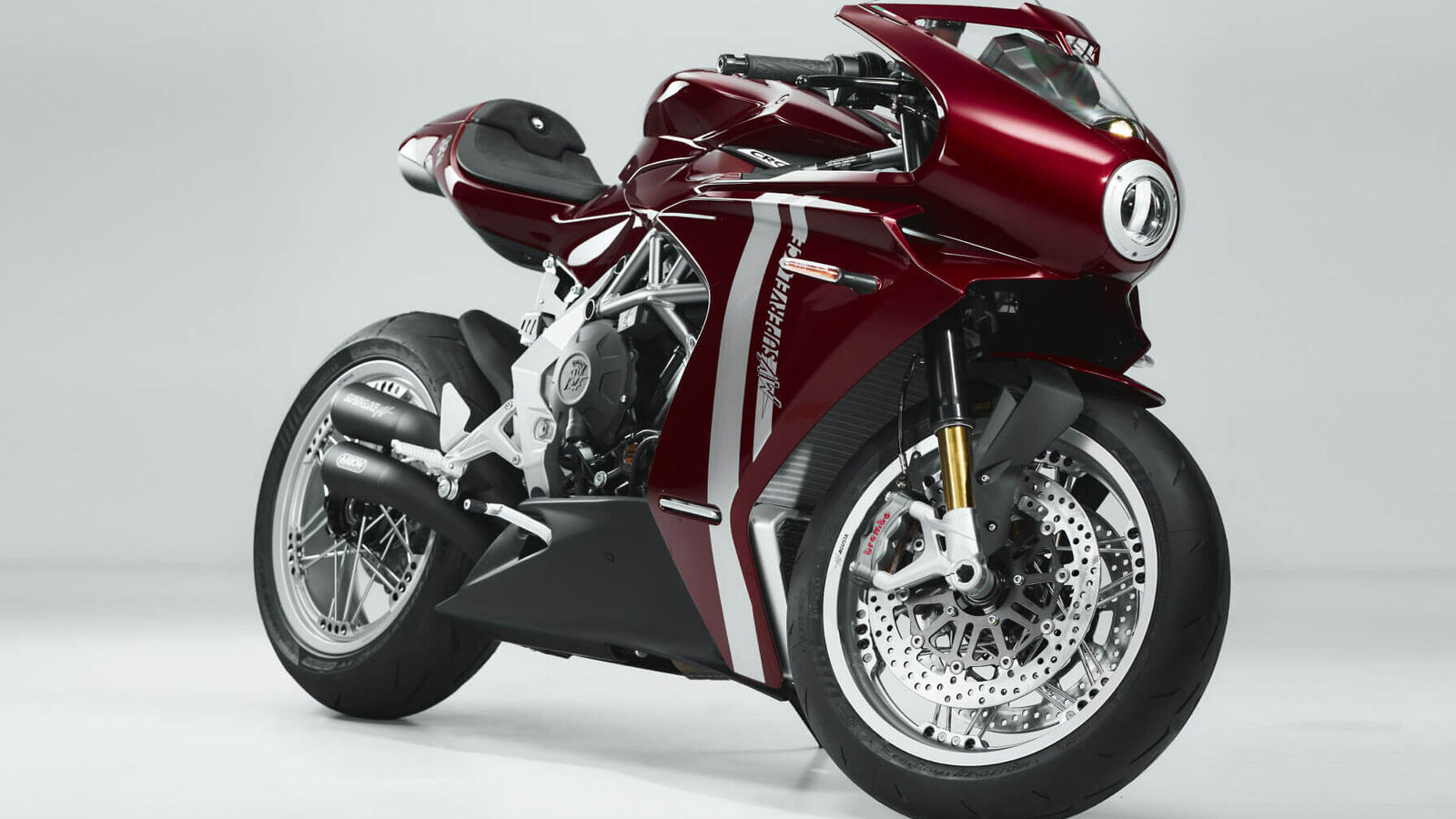
Iconic Italian bike maker MV Agusta has taken the wraps off the new Superveloce 98 limited edition motorcycle for the world. The new MV Agusta Superveloce 98 celebrates the 80th anniversary of the brand’s legendary ‘98’ engine this year. The limited edition motorcycle will be restricted to only 300 examples worldwide. The 98 cc single-cylinder motor was the first-ever to be produced by the Italian marquee and intended to simplify transportation in the post-World War II era.
By: Sameer Fayaz Contractor | Updated on: 14 Oct 2023, 19:14 PM
The MV Agusta Superveloce 98 celebrates the brand’s 80th anniversary of designing its first 98 cc engine
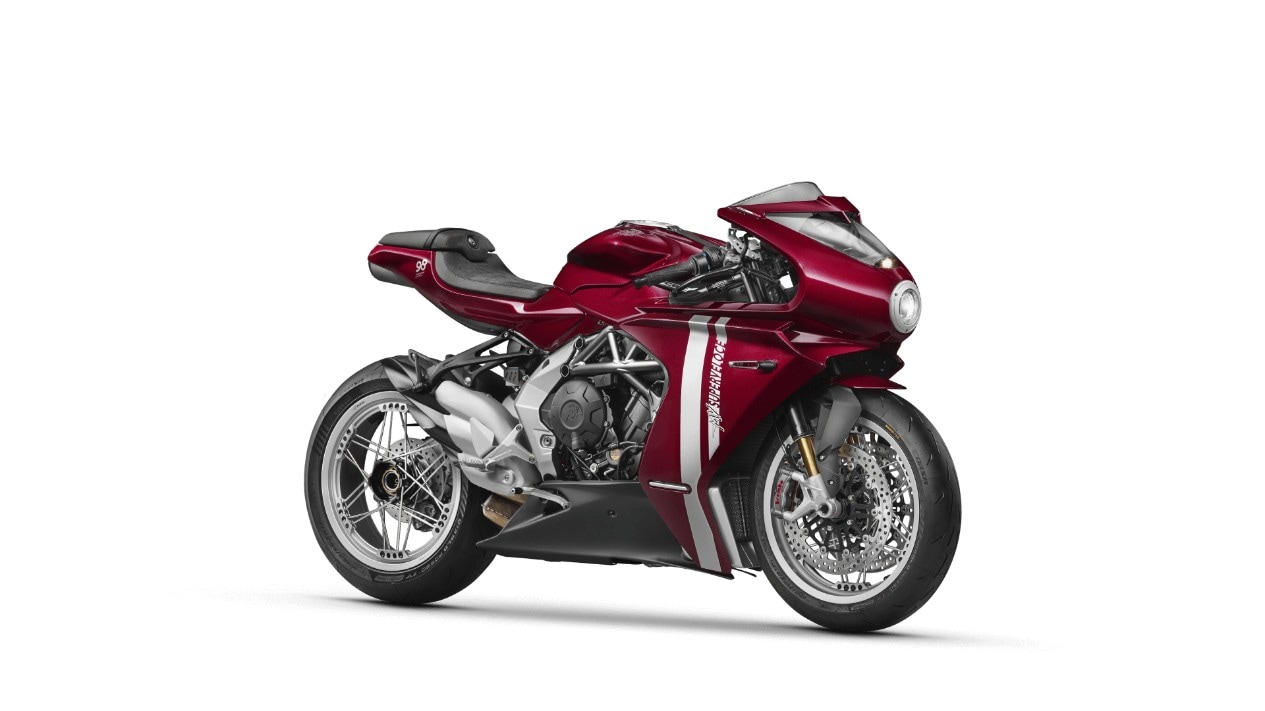
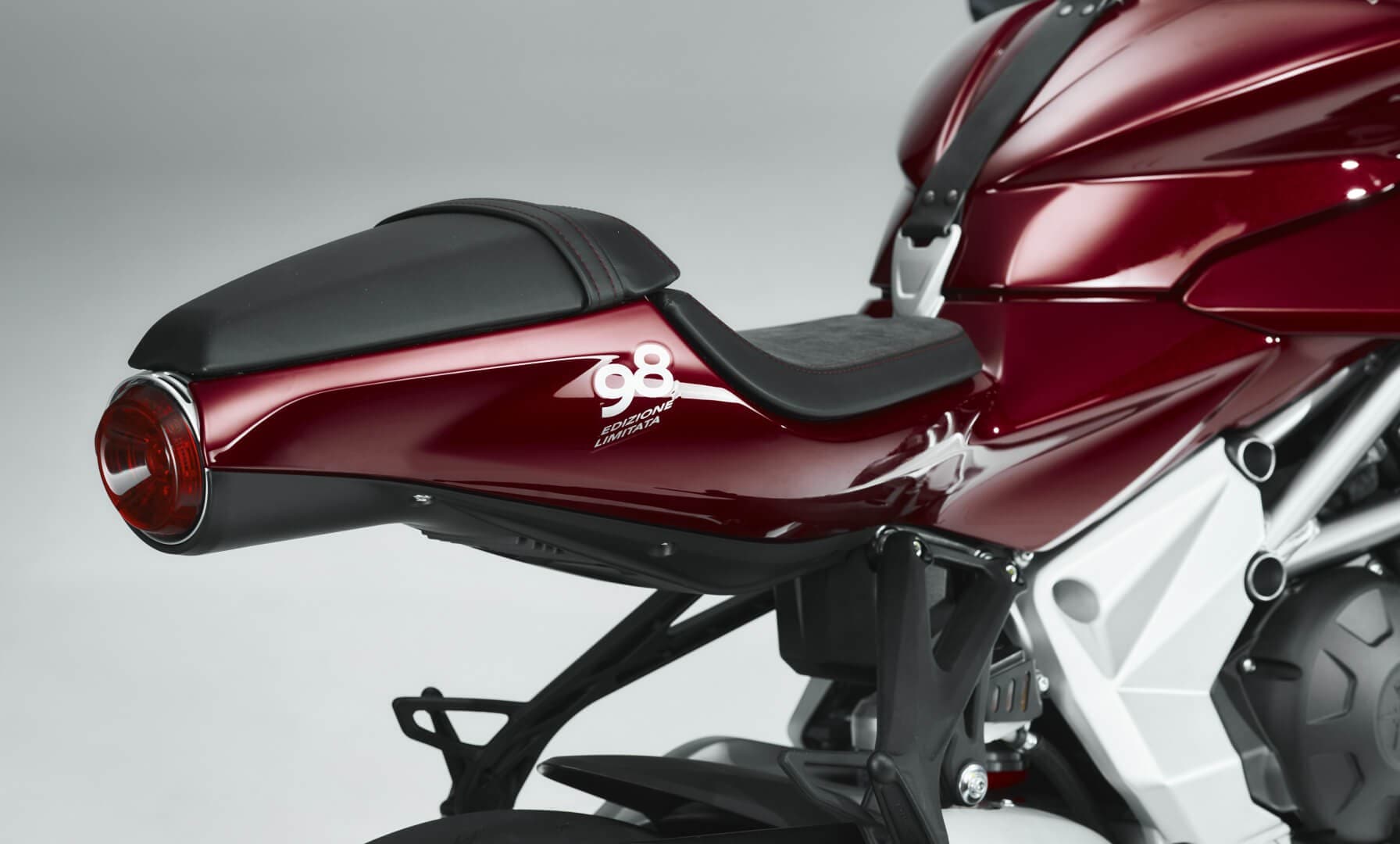
The new MV Agusta Superveloce 98 gets special upgrades, the most notable of which is the special deep red paint scheme as a nod to that used on the MV 98. MV Agusta calls it ‘Rosso Varghera’ and the deep red shade is accompanied by the contrast silver-coloured stripe running across the Alcantara seats.
The MV Agusta Superveloce 98 gets the special deep red paint scheme called ‘Rosso Varghera’ accompanied by the contrast silver-coloured stripe running across the Alcantara seat
Underpinning the limited edition Superveloce 98 is the 798 cc three-cylinder engine tuned for 147 bhp at 13,000 rpm and a top speed of 240 kmph. The 98 benefits from titanium intake and exhaust valves, while buyers will have the option of a racing kit that adds a triple-outlet Arrow exhaust, a special map for the ECU, a passenger seat cowl, a custom motorcycle body cover and a certificate of origin.
On the electronics front, the Superveloce 98 gets a 5.5-inch TFT instrument console with Bluetooth connectivity. The bike also gets cruise control, launch control, front lift control, GPS, and an anti-theft system with geolocation.
The MV Agusta Superveloce 98 draws power from the same 798 cc three-cylinder engine. There’s an optional Racing Kit that adds an Arrow exhaust, a special ECU map, passenger cowl and custom body cover, and a certificate of origin
The first MV Agusta 98 was designed in 1943 when Italian entrepreneur Count Domenico Agusta realised that Italy needed small-capacity motorcycles and not aeroplanes in the post-war world. The MV 98 was designed to be functional and accessible as Europe stumbled to get back on its feet. Needless to say, MV Agusta has come a long way since as a brand transforming itself into a mainstay maker of exotic motorcycles.
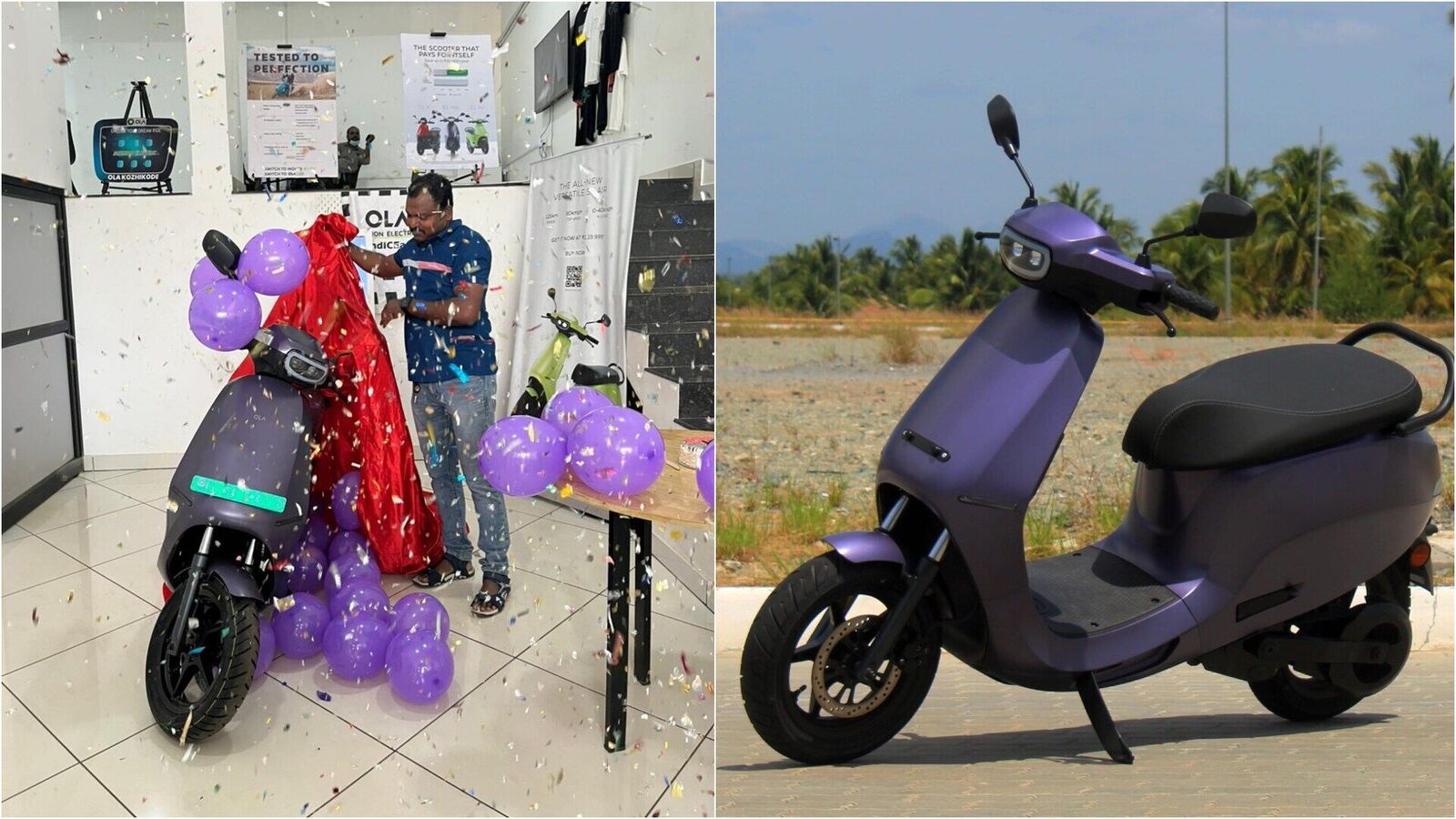
Ola Electric has announced commencing deliveries of the S1 Pro Gen2 electric scooter in India. The Ola S1 Pro Gen2 was launched in August this year for ₹1.48 lakh (ex-showroom, India) and received major changes including a comprehensively updated chassis, revised motor and battery pack, as well as new tech onboard. Ola Electric says deliveries of the S1 Pro Gen2 have begun in over 100 cities with more markets to follow soon.
By: Sameer Fayaz Contractor | Updated on: 13 Oct 2023, 19:05 PM
Ola Electric has commenced deliveries of the Gen2 S1 Pro in 100 markets with more to follow soon
Upgrades to the Ola S1 Pro Gen2 electric scooter include a frame that’s lighter in weight and a flat floorboard. The e-scooter also gets telescopic front forks instead of the monoshock unit seen on the Gen1 model. The mid-drive motor is now more powerful at 11 kW (14.7 bhp) and promises a higher top speed of 120 kmph. The e-scooter also accelerates faster from 0-40 kmph in 2.6 seconds.
The Gen2 Ola S1 Pro is based on a heavily redesigned platform along with a new and more powerful electric motor and battery pack
Compared to the Gen1 model, the new Ola S1 Pro Gen2 is about 6 kg lighter, which along with the improved battery pack has helped improve the claimed range on the scooter to 195 km on a single charge. The new S1 Pro has also received redesigned alloy wheels and a utilitarian single-piece grab rail, while the boot space shrunk by 2 litres and now stands at 34 litres. The e-scooter is available in five colours – Jet Black, Matt White, Stellar, Midnight Blue, and Amethyst.
Commenting on the commencement of deliveries, an Ola spokesperson said, “We are extremely delighted to start the deliveries of our flagship scooter S1 Pro Gen 2. With the best specs, and cutting-edge technology, the new S1 Pro is one of the most advanced scooters in the country. Building on the success of the S1 Pro Gen 1, we are confident that the S1 Pro Gen 2 will play a pivotal role in accelerating #EndICEAge in the segment.”
Potential customers can book the Ola S1 Pro Gen2 via the company’s app or website. Customers can also check out the e-scooter in person at over 1,000 experience centres across the country. We rode the S1 Pro Gen2 earlier this year and while it was impressive for all the upgrades on offer, the electric scooter did lose on the finesse expected from Ola’s flagship offering.
It’s also being exported to markets in Africa and South America.
Despite the immense local interest around the 3-door Jimny when it was unveiled in 2017, Maruti Suzuki did not launch it in the Indian market, choosing to develop a 5-door version instead. The company felt the additional doors would offer more practicality and would thus be a much better fit for the Indian market.
5-door Jimny to be showcased at Tokyo motor show
3-door Jimny production stopped in India
Post its unveiling, however, Maruti Suzuki says that the 5-door version has been receiving a lot of interest from international markets like Africa and South America, and even its home market in Japan. Speaking to Autocar India at a media interaction in Delhi, C V Raman, the chief technology officer at Maruti Suzuki, said, “The 5-door Jimny will also be launched in Japan, but in some time.”
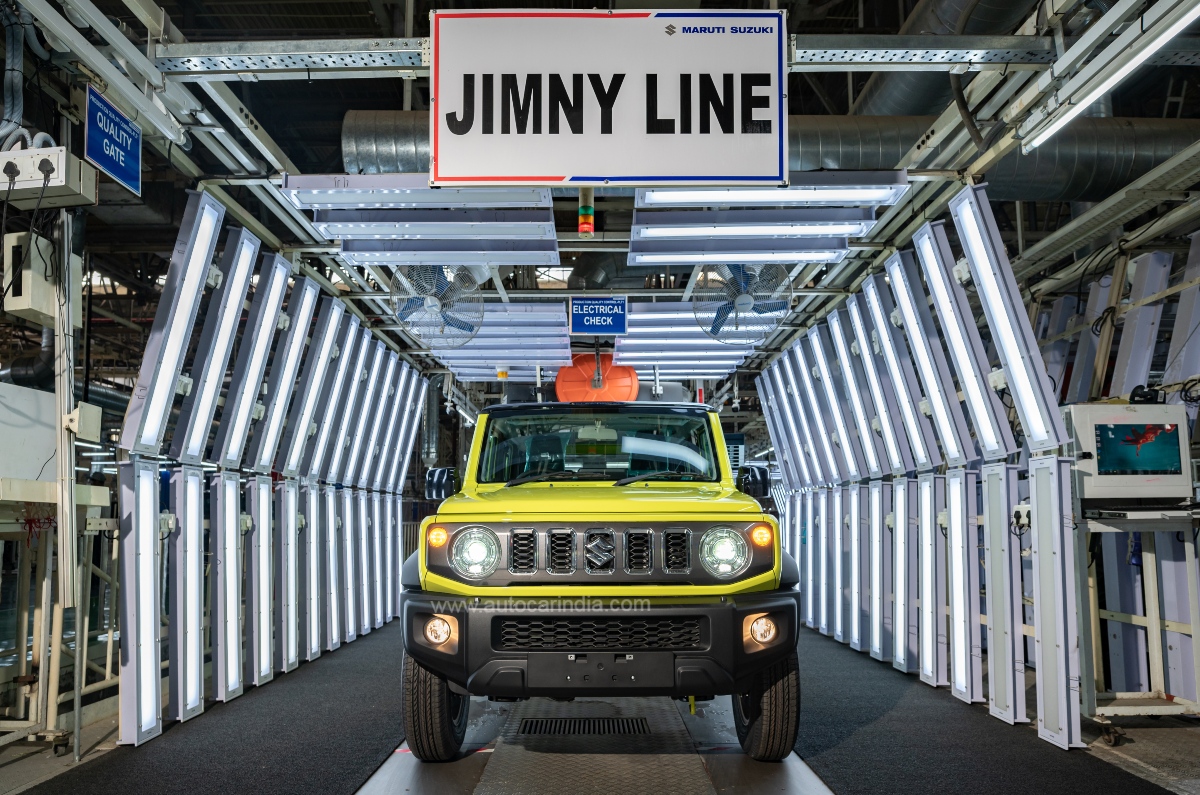
India is currently the homeroom for all 5-door Jimnys for both left- and right-hand drive versions, and it recently dispatched its first export shipment. While the Indian plant initially began producing only the 3-door version, it now solely produces the 5-door version. However, Raman says that the plant can still produce the 3-door version.
Although the Jimny will be making its way to Japan – the made-in-India model is even slated to debut at the upcoming Tokyo Motor Show – it is unlikely to make its way back to Europe in either 3-door or 5-door guise due to stricter emissions norms in the EU.
Electric vehicle manufacturer Ather Energy has taken to its X handle to help customers reboot their scooter dashboard if it has got stuck after receiving an emergency alert test notification from the government. The OEM posted a YouTube video link demonstrating the procedure to reboot the dashboard. This comes after many citizens received the emergency test notification on their phones on Tuesday.
By: HT Auto Desk | Updated on: 12 Oct 2023, 17:00 PM
The digital dashboard on the Ather 450X shows the regen at work whether using Active or Braking regen feature.
The EV maker said that the owner will need to reboot the scooter dashboard by holding both brakes and then pressing the start switch for 10 seconds. “If your dashboard stopped responding following the message… This should restore normal functioning,” the tweet read.
In a separate development, the company recently released a fresh OTA update for the 450X customers, which now shows energy recuperation through regeneration on the model’s digital console. The feature has been rolled out for the Ather 450X Gen3 and Gen2 customers so far.
The digital dashboard on the Ather 450X shows the regen at work whether using Active or Braking regen feature. Regenerative braking essentially allows the vehicle to convert energy lost while braking into powering the battery, which in turn extends the range of the vehicle. This is why, electric vehicles with regenerative braking will offer even better range in the city, where instances of braking are higher.
The Ather 450X is currently priced from ₹1.38 lakh onwards for the 2.9 kWh battery pack. It’s available in two variants – Core and Pro – with the latter priced at ₹1.53 lakh. All prices are ex-showroom, Bengaluru. The company has temporarily stopped accepting bookings for the 3.7 kWh battery pack at the moment.




.jpeg&c=0)
.jpeg&c=0)
.jpeg&c=0)
.jpeg&c=0)