Buying EV in Delhi? If you don't follow these 5 steps, your subsidy will get stuck.

Buying EV in Delhi? If you don't follow these 5 steps, your subsidy will get stuck.

Last Updated:

Delhi Government's new EV Policy 2026 has been implemented, under which you will get the benefit of subsidy, 100% road tax and registration fee exemption, as well as scrappage incentive on purchasing electric vehicles. But to avail these facilities, some important online processes will have to be completed within the stipulated time. Know the complete step-by-step process and important rules from creation of RC to receipt of subsidy in bank account through DBT.

news quickly

Zoom

Know the step-by-step process to avail benefits in Delhi EV Policy. (AI image)

Delhi EV Policy 2026 It has become effective from this month and will run till March 2030. The government has planned to invest about ₹15,000 crore for this, which also includes developing more than 30,000 EV charging points. The policy has provisions like incentives during purchase, complete exemption in road tax and registration fees, incentives on scrapping of old vehicles and ban on ICE vehicles in a phase-wise manner.

The policy also aims to achieve 95 percent EV registration by 2027 and stop registration of new petrol/CNG two-wheelers from 2028. Incentives will be given through Direct Benefit Transfer (DBT) through a dedicated online portal, which is good for both transparency and ease. Let us know which steps can be followed while buying a new electric vehicle in Delhi to avail full benefit of subsidy.

Select eligible model

Before booking a new electric vehicle, please confirm with the dealer whether the model you are purchasing is approved by the Model Approval Committee of Delhi Government or not. According to government rules, it is mandatory for the dealer to inform the customer about subsidy eligibility at the time of booking. Keep in mind that only 'pure electric' vehicles are eligible for subsidy, there is no exemption for hybrid vehicles.

Generate RC of the vehicle

After purchasing the vehicle, it will be registered by the Transport Department. Car buyers will get 100% exemption on road tax and registration fees here. Your time begins as soon as the Registration Certificate (RC) of your vehicle is officially generated. The government has set a strict time limit for claiming subsidy.

Register on online portal in 30 days

Within 30 days of the vehicle's RC being generated, you will have to register yourself by visiting the new dedicated EV Incentive Portal of Delhi Government. Unlike the old policy, now the dealer will not fill the form for you, it will be the entire responsibility of the vehicle owner.

Claim subsidy by uploading documents

After logging in to the portal, fill in the details of your vehicle (RC number, chassis number etc.). If you had an old BS-IV or older vehicle which you have scrapped, then also upload its valid 'Scrapping Certificate' to get scrappage incentive of up to ₹ 1 lakh. Along with this, enter the correct information of your Aadhar card and bank account (cancelled cheque/passbook).

Verification and money transfer

The application submitted by you will be scrutinized by the Transport Department and Public Financial Management System (PFMS). The entire process is transparent and if all the documents are found to be in order, the subsidy amount will be credited directly into your Aadhaar-linked bank account (through DBT) within 60 days from the date of application.

urgent matter: If you avail any financial subsidy or incentive under the Delhi EV Policy 2026, you will not be able to obtain a 'No Objection Certificate' (NOC) to transfer or re-register that vehicle outside Delhi for the next 3 years from the date of purchase. The government will keep a lock-in period of 3 years on it.

About the Author

authoring

Ram Mohan MishraSenior Sub Editor

Ram Mohan Mishra, working as Senior Sub-Editor at News18 Hindi, is active in digital media since 2021 and is currently handling the Auto Desk. They provide car and bike related information in an easy, clear and reliable manner.read more


Source link

This Chinese app is stopping the moving vehicle! Know how to avoid

This Chinese app is stopping the moving vehicle! Know how to avoid

These days, many such videos are going viral on social media, in which people on the road suddenly stop the e-rickshaw running on the road using their smartphones. behind this whole game 'BAT-BMS' There is a mobile application named, which cuts off the electricity of moving vehicles in a few seconds. At first glance, this may seem like some magical hacking or a miracle of modern technology, but in reality this is a very serious and dangerous lapse in the safety of vehicles.

This is not just an internet prank, but an irresponsible act inviting a major accident on Indian roads. Let us know how this app actually works, what are its legal and ethical aspects and how such digital hacking can be avoided. You will also know whether anyone can stop your electric car through such an app?

What is BAT-BMS app and how does it stop a rickshaw?

First of all, it is important to understand that 'BAT-BMS' (Battery Management System) is not a hacking tool or an un-ethical app. It has been created by the Chinese company Shenzhen Grenergy Technology and is legally available on Google Play Store. Let us know about this app-

  • The real purpose of the app: This app is designed so that Lithium-ion battery owners can track their battery's health, voltage, temperature, charging cycle and current via Bluetooth.
  • Battery discharge stop feature: There is a feature in the app with the help of which the user can turn on or off the discharge (power supply) function of the battery for security reasons.
  • Advantage of weakness: The companies do not install any password or security lock in the Bluetooth-enabled BMS units that are being used in many cheap e-rickshaws and low-speed scooters running in the Indian market.
  • Range of 10-15 meters: When a prankster opens this app, he starts seeing unsecured (without password) vehicles within a radius of 10 to 15 meters. As soon as he connects the rickshaw's battery to the app and turns off the 'Discharge' button, the power supplied to the motor is immediately cut off and the vehicle stops in the middle of the road.

Is this ethical or un-ethical?

This is completely un-ethical and illegal. Even if it is being used to make funny pranks or reels on social media, its consequences can be very fatal.

If an e-rickshaw or scooter stops suddenly at a busy intersection, flyover or in the middle of fast-moving traffic, it can be hit by vehicles coming from behind. This will pose a direct threat to the lives of the driver, passengers and other people walking on the road. Remotely controlling someone's property or vehicle without their consent can be considered a cyber crime.

Can electric cars also be stopped?

The biggest fear in the minds of the general public and EV owners is whether their expensive electric cars can also be stopped in the middle of the road in the same way? So the direct answer is – No, this cannot be done at all. Security is very good in electric cars.

They have automotive-grade cyber security and firewalls to access their electronic control system (ECU) and battery pack. Therefore, it is impossible to hack or shut down the car with a simple Bluetooth app.

How are low-speed electric scooters being stopped?

Like e-rickshaws, many low-speed electric scooters available in the market are also becoming victims of this prank. To keep costs low, very cheap and generic Chinese lithium battery packs are used in these scooters. Bluetooth is provided in the smart BMS of these batteries, but their safety settings are left open. Pranksters come behind or beside these scooters and connect to their BMS through the app and switch off the power supply of the moving scooter.

Ways to avoid this digital prank and hacking

If you are an e-rickshaw driver or have a scooter with lithium battery with Bluetooth, then you can keep yourself safe in these ways-

Change BMS password: The first and most important thing to do is to download the official app of your battery and go to its Bluetooth settings and change the default password (like 1234 or 0000) and set a strong password.

Turn off Bluetooth visibility: Turn off Bluetooth broadcast or visibility of the battery, if your BMS app has the option. 'Hidden' Mode, so that they are not visible on any unknown phone.

Mechanical Bypass/Switch: If your vehicle is repeatedly shutting down, then go to a good mechanic or dealer and get the Bluetooth module of the battery disabled until the company provides a security update.

Register complaint: If someone is caught doing this with you on the middle of the road, then immediately report it to the nearest police station or cyber cell, because this is a matter of playing with road safety.

Source link

मजबूत ग्रामीण मांग के कारण मारुति सुजुकी की Q1 FY27 बाजार हिस्सेदारी बढ़कर 41% हो गई है

मजबूत ग्रामीण मांग के कारण मारुति सुजुकी की Q1 FY27 बाजार हिस्सेदारी बढ़कर 41% हो गई है


<p>मारुति सुजुकी विक्टोरिस </p>
<p>“/><figcaption class=मारुति सुजुकी विक्टोरिस

मारुति सुजुकी ग्रामीण बाजार में बढ़ती मांग से उत्साहित होकर वित्त वर्ष 2027 की पहली तिमाही के दौरान बाजार हिस्सेदारी में लगभग 2 प्रतिशत अंक बढ़कर 41 प्रतिशत होने की उम्मीद है, जबकि देश की सबसे बड़ी कार निर्माता यात्री वाहन बाजार में अपनी एक बार प्रमुख स्थिति हासिल करने के लिए संघर्ष कर रही है, जहां उसने प्रतिस्पर्धा बढ़ने के कारण बाजार के 50 प्रतिशत से अधिक पर कब्जा कर लिया है।

मासिक मीडिया ब्रीफिंग के दौरान एमएसआईएल के वरिष्ठ कार्यकारी अधिकारी, बिक्री और विपणन, पार्थो बनर्जी ने कहा, “तिमाही (वित्त वर्ष 27 की पहली तिमाही) में, हमें पूरा यकीन है कि हमें थोक और खुदरा दोनों में कम से कम 2 प्रतिशत का लाभ होगा।”

कंपनी ने कहा कि जून की अवधि में, कुल घरेलू यात्री वाहन की बिक्री 1,50,150 इकाई रही, जो रखरखाव के लिए योजनाबद्ध सप्ताह भर के बंद के कारण उत्पादन में कमी के बावजूद, महीने और तिमाही के लिए इसकी सबसे अधिक बिक्री है।

मीडिया रिपोर्टों के अनुसार, FY26 में, कार निर्माता की बाजार हिस्सेदारी घटकर 13 साल के निचले स्तर 39.26 प्रतिशत पर आ गई। सियाम के आंकड़ों के मुताबिक, वित्त वर्ष 2020 में देश के पीवी बाजार में कंपनी की हिस्सेदारी करीब 51 फीसदी रही।

खोई हुई जमीन वापस पाने के लिए, कंपनी फ्लेक्स ईंधन वाहनों सहित सभी प्रकार के ईंधन में अपने पोर्टफोलियो का विस्तार कर रही है, और हाल ही में उत्पादन क्षमता विस्तार के साथ-साथ अपनी खुदरा उपस्थिति को गहरा कर रही है।

शीर्ष प्रबंधन के अनुसार, जून अवधि के लिए प्रमुख विकास चालक ग्रामीण बाजार था, जो शहरी मांग से आगे रहा। पिछले महीने में ग्रामीण बाज़ार में 45 प्रतिशत की वृद्धि हुई, जो इस अवधि के लिए इसकी कुल बिक्री का लगभग 53 प्रतिशत था।

उन्होंने कहा, “सभी सिलेंडर काम कर रहे हैं। चाहे वह ग्रामीण बाजार हो या शहरी बाजार, हम सभी बाजारों में बहुत अच्छी वृद्धि देख रहे हैं। यहां तक ​​कि निर्यात बाजार में भी, मुझे लगता है कि हम काफी अच्छा प्रदर्शन कर रहे हैं।”

निर्यात लचीला बना हुआ है

भारत की सबसे बड़ी वाहन निर्माता कंपनी ने सीएनजी मॉडल जैसे वैकल्पिक ईंधन के लिए एक मजबूत दबाव पर भी प्रकाश डाला है, जिसका तिमाही के दौरान कुल बिक्री में 41 प्रतिशत और जून में लगभग 42 प्रतिशत हिस्सा था। एसयूवी ने इसके कुल वॉल्यूम में 30 फीसदी का योगदान दिया। मारुति सुजुकी को उम्मीद है कि कर राहत उपायों, कम ब्याज दरों और ग्रामीण धारणा में सुधार के कारण उद्योग की मांग स्वस्थ रहेगी। हालांकि, प्रबंधन ने कमजोर दक्षिण-पश्चिम मानसून और पश्चिम एशिया में भू-राजनीतिक तनाव के बारे में आगाह किया है।

बनर्जी ने कहा, “कमजोर मानसून के साथ अमेरिका-ईरान युद्ध उद्योग के लिए एक सतर्क तस्वीर पेश करता है।”

हालाँकि, जून 2026 में 42,768 इकाइयों की बिक्री के साथ निर्यात में 13 प्रतिशत की स्वस्थ वृद्धि बनी रही, जबकि भू-राजनीतिक अनिश्चितताओं के बावजूद पिछले साल इसी महीने में 37,842 इकाइयाँ बिकी थीं। गुरुग्राम स्थित कंपनी ने कहा कि व्यवधानों को कम करने के लिए वैकल्पिक शिपिंग मार्गों के माध्यम से मध्य पूर्व के लिए शिपमेंट जारी रखा गया है।

“मध्य पूर्व एक निर्यात गंतव्य बना हुआ है। ऐसा नहीं है कि मध्य पूर्व में हमारा निर्यात शून्य हो गया है। हम निर्यात करना जारी रखते हैं, हालांकि केप ऑफ गुड होप और भूमध्य सागर से लाल सागर तक एक लंबे मार्ग के साथ। सौभाग्य से, युद्ध की स्थिति के बावजूद, 100 देशों में एक विविध पोर्टफोलियो के लिए धन्यवाद, हम पिछले वर्ष की तुलना में जून में 13 प्रतिशत की वृद्धि हासिल करने में सक्षम थे, “कॉरपोरेट मामलों के वरिष्ठ कार्यकारी अधिकारी राहुल भारती ने कहा।

  • 2 जुलाई, 2026 को प्रातः 08:00 IST पर प्रकाशित


2M+ उद्योग पेशेवरों के समुदाय में शामिल हों।

अपने इनबॉक्स में नवीनतम जानकारी और विश्लेषण प्राप्त करने के लिए न्यूज़लेटर की सदस्यता लें।

ETAuto उद्योग के बारे में सब कुछ सीधे आपके स्मार्टफोन पर!


Source link

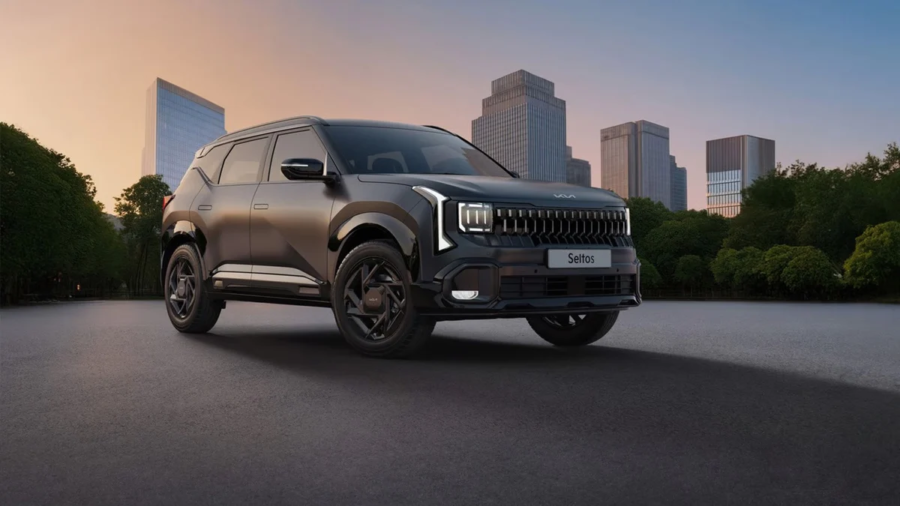
Kia Seltos becomes stronger after 5-star safety, company launches two new variants

Kia Seltos becomes stronger after 5-star safety, company launches two new variants

Last Updated:

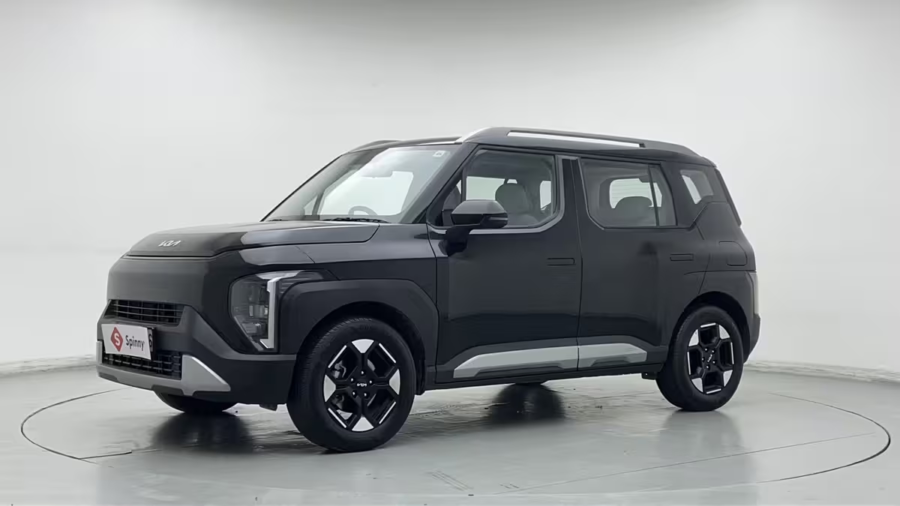
Kia India has made its most popular SUV Seltos more premium with the new GTX(O) and X-Line(O) variants. With 28 ADAS features, 5-star Bharat NCAP safety, head-up display, digital key and many new high-tech features, this SUV has now become more attractive than before. Know its price, engine options and what's new in it.

news quickly

Zoom

Kia Seltos has been introduced with two new variants.

Kia India has tried to make its best-selling mid-size SUV Kia Seltos more premium. The company has launched two new top variants of Seltos, GTX (O) and X-Line (O), whose starting ex-showroom price has been kept at Rs 21.56 lakh. More advanced safety, connected technology and premium features have been added to the new variants than before.

Seltos, which recently received a 5-star safety rating from Bharat NCAP, has now become an even stronger contender in its segment with 28 ADAS features. The company says that the purpose of the new variants is to attract those customers who want a better combination of safety, technology and luxury. These models will be available with both turbo petrol and diesel engine options. Let us know the details.

Enhanced safety with 28 ADAS features

The new GTX(O) and X-Line(O) come with Kia's ADAS F+ package, which includes a total of 28 advanced safety features. Features like front collision avoidance assist, lane change assist, navigation based smart cruise control and highway driving assist are available in these. The company claims that this package is one of the most advanced safety technologies in this segment.

Long list of technology and premium features

The new variants have features like Connect Car Navigation Cockpit (ccNC), more than 85 connected features of Kia Connect 2.0, regional language voice command, digital key, windshield head-up display, smart air purifier with AQI display, rain sensing wipers and front-rear smart dashcam with mobile app support. Apart from this, one-touch auto up/down and safety functions are also available in all power windows.

What did the company say?

Atul Sood, Senior Vice President (Marketing and Sales), Kia India, said that Seltos has been continuously improving itself according to the changing needs of customers. The recent 5-star Bharat NCAP rating proves the company's focus on its engineering capability and safety. He said that through GTX(O) and X-Line(O), the company has presented the best package of safety, connectivity and premium features to the customers.

Continued dominance in sales

According to the company, the all-new Seltos has been registering sales of more than 10,000 units every month since its launch. This reflects the continued strong customer demand and popularity of SUVs. Kia believes that after the arrival of new top variants, Seltos' position will become stronger in the mid-size SUV segment.

engine and price

The new Kia Seltos GTX(O) and X-Line(O) are available with turbo petrol and diesel engine options. The starting ex-showroom price of these new top variants has been kept at Rs 21.56 lakh. The company says that with this, customers will get more options with premium features and the value proposition of Seltos will be stronger than before.

About the Author

authoring

Ram Mohan MishraSenior Sub Editor

Ram Mohan Mishra, working as Senior Sub-Editor at News18 Hindi, is active in digital media since 2021 and is currently handling the Auto Desk. They provide car and bike related information in an easy, clear and reliable manner.read more


Source link

Toyota's great comeback in June 2026! 31,000+ cars sold, see report

Toyota's great comeback in June 2026! 31,000+ cars sold, see report

Last Updated:

Toyota Kirloskar Motor has registered an annual growth of 7% by selling more than 31,000 vehicles in June 2026. Strong demand for hybrid cars and SUV segments led the company to a stellar performance. After all, which models contributed the most to sales, which segments drove the company's growth and what are the future indications? See full sales report.

news quickly

Zoom

There has been a good jump in Toyota sales.

Toyota Kirloskar Motor (TKM) continues its strong performance and registers 7% YoY growth in June 2026. The company sold more than 31,000 units during this period, which shows a better growth than last year. The increasing demand for hybrid vehicles in the Indian automobile market and the popularity of the SUV segment brought this success to Toyota. Models like Innova, Fortuner and Hyrider have boosted the company's sales.

This growth was possible due to economic recovery, increased demand in rural areas and preference for premium hybrid technology. Toyota strengthened its hybrid lineup, which has increased the number of customers seeking eco-friendly options. The company's market share strengthened as total sales reached 31,000+ units in June. Let's take a look at the sales report.

Sales Report Analysis

Toyota Kirloskar Motor's total retail sales in June 2026 stood at around 31,500 units, of which domestic sales accounted for a major share. About 29,400 units were sold in June last year, registering an annual growth of 7%. Domestic sales comprised around 28,000 units, while exports also saw positive growth. The performance of major models was like this-

  • Innova Crysta and HyCross: Became the first choice for families, the hybrid variants sold particularly well.
  • Fortuner and Legender: Strong hold in SUV segment, demand remained good due to premium features.
  • Hyryder and Urban Cruiser: Benefited from the increasing popularity of hybrid SUVs.
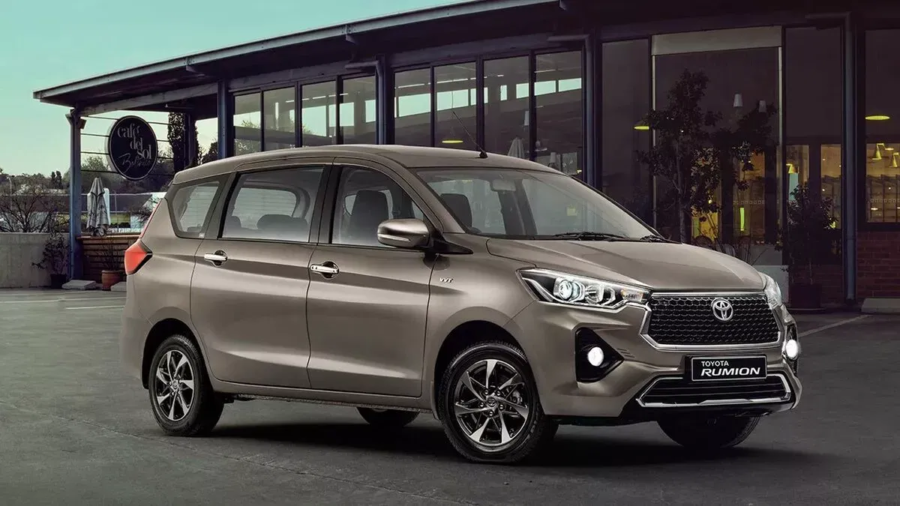
  • Glanza and Rumion: Stable sales seen in the entry-level segment.

Overall passenger vehicle sales in the Indian auto industry in June 2026 were good. Toyota focused on discounts, finance schemes and dealer network expansion. The emphasis on hybrid technology has given the company a leading position in the EV transition. Production has not been affected due to the global supply chain remaining stable. EV sales were negligible, but hybrid cars sold well.

About the Author

authoring

Ram Mohan MishraSenior Sub Editor

Ram Mohan Mishra, working as Senior Sub-Editor at News18 Hindi, is active in digital media since 2021 and is currently handling the Auto Desk. They provide car and bike related information in an easy, clear and reliable manner.read more


Source link

Tremendous demand for Creta-Venue, yet Hyundai's sales decline! Know what is the reason?

Tremendous demand for Creta-Venue, yet Hyundai's sales decline! Know what is the reason?

Last Updated:

The decline in Hyundai sales in June 2026 was not just due to weak demand. A fire in a supplier factory stopped the production of about 13,900 vehicles of the company, which had a direct impact on sales. Nevertheless, demand for SUVs like Creta, Venue and Exter remained strong. After all, how much loss was incurred and how will the company compensate for it? Know in the full report.

news quickly

Zoom

Hyudai's sales have declined.

Hyundai Motor India Limited (HMIL) recorded total sales of 51,335 units in June 2026, which included 39,635 units in the domestic market and 11,700 units in exports. Domestic sales have declined by 9.97% compared to the same period last year. The company cited the main reason for this decline as a fire in a supplier's manufacturing factory, which affected the supply of parts and about 13,900 units could not be produced.

Domestic dispatch in June was also 17.15% less as compared to May 2026. However, the company has normalized production from June 22 and expects to recover losses in Q2. This temporary disruption occurred despite strong demand for popular SUV models like Creta, Venue, Exter. The company is preparing for strong performance ahead with the launch of the new SUV.

Sales decreased due to reduced production

Tarun Garg, MD and CEO of Hyundai Motor India, said production of around 13,900 units was affected in June due to a fire at a supplier factory. The company has restored normal production in all the plants from June 22, 2026 by arranging parts from alternative sources. This information was earlier given through stock exchange filing. The company plans to make up for the lost volumes in Q2 FY2026-27. See the sales report of June-

  • Total Sales: 51,335 units
  • Domestic: 39,635 units (-9.97% YoY)
  • Export: 11,700 units
  • Domestic sales were 8,202 units lower compared to May 2026

Second quarter (Q2) performance

Despite weak sales in June, Q2 domestic sales grew by 5.38% due to good sales in April-May. Demand for vehicles like Creta, Venue, Exter, Verna, Alcazar and Creta Electric remained strong. However, a decline of nearly 20% in exports led to a marginal decline of 1.28% in total quarterly sales.

future plan

With production back to normal, Hyundai expects stable growth in the coming months. The company is preparing to launch a new mid-size ICE SUV and sub-4 meter electric SUV in this financial year, which will strengthen the affordable EV segment between Venue-Creta. These launches will further strengthen the SUV portfolio.

About the Author

authoring

Ram Mohan MishraSenior Sub Editor

Ram Mohan Mishra, working as Senior Sub-Editor at News18 Hindi, is active in digital media since 2021 and is currently handling the Auto Desk. They provide car and bike related information in an easy, clear and reliable manner.read more


Source link

Mahindra made huge sales on the basis of Scorpio and Thar! Exports also increased

Mahindra made huge sales on the basis of Scorpio and Thar! Exports also increased

Mahindra & Mahindra has performed well in June 2026 registering domestic sales of 60,393 units, showing a strong growth of 28% over last year. Total vehicle sales (including exports) reached 1,06,207 units, registering an annual growth of 37%. Strong demand and marketing strategies of popular models like Scorpio, Thar, XUV700 contributed a lot to this success of the company.

The June numbers reinforce Mahindra's continued growth trajectory, especially in SUVs and commercial vehicles. Even in the first three months of FY27, the company's SUV sales stood at 1,74,745 units, which is an increase of 15%. This performance has maintained Mahindra's strong hold and customer trust in the Indian automobile sector.

SUV segment achievement

Mahindra has sold 60,393 new SUVs in the domestic market in June 2026, which is 28% more than 47,306 units in June 2025. Total SUV sales (including exports) stood at 61,504 units. This is the third consecutive month when the company is crossing the target of more than 50,000 SUV sales. SUV sales have reached 1,74,745 units in June FY27.

Commercial vehicles and three-wheeler performance

Domestic sales in the LCV (less than 3.5T) segment stood at 26,076 units, a growth of 35%. 36% growth was seen in LCV (less than 2T) and 35% growth in LCV 2-3.5T. Three-wheeler (including electric) sales stood at 13,820 units, showing a massive growth of 63%.

Exports and total sales

There was a huge jump in exports. Total exports in June were 5,918 units, which is an increase of 125%. Exports reached 15,888 units (64% growth) annually in June. Overall sales of 1,06,207 vehicles have kept the company in a strong position.

What did the company say?

Mahindra's Automotive Division CEO Nalinikant Gollaguna said that in June we achieved growth of 28% and 35% with SUV sales at 60,393 units and LCV (less than 3.5T) sales at 26,076 units. Total sales of 1,06,207 units represent 37% year-on-year growth. Demand in the portfolio remains strong.

Source link

हीरो प्लेज़र+ की कीमत और वेरिएंट के बारे में बताया गया – परिचय | ऑटोकार इंडिया

हीरो प्लेज़र+ की कीमत और वेरिएंट के बारे में बताया गया – परिचय | ऑटोकार इंडिया


प्लेज़र+ हीरो के बिक्री पर सबसे लंबे समय तक चलने वाले स्कूटरों में से एक है। यह ब्रांड का सबसे किफायती स्कूटर भी है और तीन वेरिएंट में उपलब्ध है। यहां उन वेरिएंट्स का फीचर ब्रेकडाउन दिया गया है।

प्लेजर+ एक्सटेक तीन वेरिएंट में उपलब्ध है

एलएक्स

सभी तीन वैरिएंट यांत्रिक रूप से समान हैं और समान 109.5cc सिंगल-सिलेंडर एयर-कूल्ड इंजन द्वारा संचालित हैं। उनके बीच का अंतर सुविधाओं और उपकरणों तक ही सीमित है।

LX, Pleasure+ का बेस वेरिएंट है। यह कास्ट अलॉय व्हील के बजाय स्टील व्हील पर चलती है और इसमें टेलिस्कोपिक फ्रंट सस्पेंशन नहीं मिलता है। इस वेरिएंट में हीरो का i3S आइडल स्टार्ट-स्टॉप सिस्टम और ब्लूटूथ कनेक्टिविटी भी नहीं है।

इसमें पूरी तरह से एनालॉग इंस्ट्रूमेंट क्लस्टर और हैलोजन हेडलाइट की सुविधा है। जबकि क्रोम प्रावरणी और एक्सेंट मौजूद हैं, यह एक पिलियन बैकरेस्ट की पेशकश नहीं करता है। आंतरिक पैनल भी काले रंग में तैयार किया गया है।

प्लेजर+ के बेस एलएक्स वेरिएंट की कीमत 69,766 रुपये (एक्स-शोरूम, दिल्ली) है।

वीएक्स

VX, LX के ऊपर बैठता है और कास्ट अलॉय व्हील्स के साथ टेलिस्कोपिक फ्रंट सस्पेंशन जोड़ता है। इसमें i3S आइडल स्टार्ट-स्टॉप सिस्टम भी मिलता है।

इंस्ट्रूमेंट क्लस्टर एक डिजी-एनालॉग इकाई है, लेकिन ब्लूटूथ कनेक्टिविटी अभी भी पेश नहीं की गई है। प्रकाश व्यवस्था का काम हैलोजन हेडलाइट द्वारा किया जाता रहेगा। एलएक्स की तरह, इसमें पिलियन बैकरेस्ट नहीं मिलता है, और आंतरिक पैनल क्रोम एक्सेंट के साथ काला रहता है।

72,779 रुपये पर, वीएक्स अतिरिक्त उपकरणों के लिए एलएक्स पर 3,013 रुपये का प्रीमियम कमाता है।

एक्सटीईसी जेडएक्स

XTEC ZX प्लेजर+ लाइन-अप में टॉप-स्पेक वेरिएंट है। इसमें VX की तरह टेलिस्कोपिक सस्पेंशन, कास्ट अलॉय व्हील और i3S सिस्टम मिलता है।

इसके अलावा, इसमें पूरी तरह से डिजिटल इंस्ट्रूमेंट क्लस्टर के साथ ब्लूटूथ कनेक्टिविटी की सुविधा है। इसमें प्रोजेक्टर एलईडी हेडलैंप और डुअल-टेक्सचर्ड इनर पैनल फिनिश भी मिलता है। यह एक पिलियन बैकरेस्ट की पेशकश करने वाला एकमात्र वेरिएंट है।

77,162 रुपये पर, XTEC ZX की कीमत VX से 4,383 रुपये अधिक और LX से 7,396 रुपये अधिक है, जो इसे रेंज में सबसे अधिक सुविधा संपन्न संस्करण के रूप में स्थापित करता है।


Source link

जेएसडब्ल्यू एमजी मोटर इंडिया की जून में थोक बिक्री 30% बढ़कर रिकॉर्ड 7,568 इकाई हो गई

जेएसडब्ल्यू एमजी मोटर इंडिया की जून में थोक बिक्री 30% बढ़कर रिकॉर्ड 7,568 इकाई हो गई


<p><span class=JSW MG मोटर इंडिया ने इसकी डिलीवरी शुरू कर दी है एमजी मैजेस्टरजिसे भारत की पहली D+ सेगमेंट SUV के रूप में प्रस्तुत किया गया है।”>
जेएसडब्ल्यू एमजी मोटर इंडिया ने एमजी मैजेस्टर की डिलीवरी शुरू कर दी है, जिसे भारत की पहली डी+ सेगमेंट एसयूवी के रूप में पेश किया गया है।

जेएसडब्ल्यू एमजी मोटर इंडिया जून 2026 में इसकी अब तक की सबसे अधिक मासिक थोक बिक्री दर्ज की गई, जिसमें इसके इलेक्ट्रिक वाहन (ईवी) पोर्टफोलियो की मजबूत मांग के कारण डिस्पैच साल-दर-साल 30 प्रतिशत बढ़कर 7,568 इकाई हो गई।

आधिकारिक प्रेस विज्ञप्ति के अनुसार, महीने के दौरान कंपनी की कुल बिक्री में ईवी की हिस्सेदारी 75 प्रतिशत से अधिक रही, जो देश में इलेक्ट्रिक मोबिलिटी की बढ़ती स्वीकार्यता को रेखांकित करती है।

इसमें कहा गया है कि प्रदर्शन को इसके आंतरिक दहन इंजन (आईसीई) और नई ऊर्जा वाहन (एनईवी) पोर्टफोलियो दोनों की मांग से समर्थन मिला।

जेएसडब्ल्यू एमजी मोटर इंडिया के प्रबंध निदेशक अनुराग मेहरोत्रा ​​ने कहा, “हमारा जून का प्रदर्शन पूरे पोर्टफोलियो में स्थिर मांग को दर्शाता है और हमारे अब तक के उच्चतम थोक प्रदर्शन को दर्शाता है, जिसमें इलेक्ट्रिक वाहन हमारी कुल बिक्री में महत्वपूर्ण हिस्सेदारी रखते हैं। साथ ही, हम अपनी आईसीई पेशकशों के लिए ग्राहकों की उत्साहजनक प्रतिक्रिया देख रहे हैं, जो हमारे विविध उत्पाद पोर्टफोलियो की ताकत को मजबूत कर रही है।”

जेएसडब्ल्यू एमजी मोटर इंडिया ने भी कहा कि उसने हाल ही में लॉन्च की गई डिलीवरी शुरू कर दी है एमजी मैजेस्टरजिसे वह भारत की पहली D+ सेगमेंट SUV बताता है।

  • 1 जुलाई, 2026 को 01:45 अपराह्न IST पर प्रकाशित


2M+ उद्योग पेशेवरों के समुदाय में शामिल हों।

अपने इनबॉक्स में नवीनतम जानकारी और विश्लेषण प्राप्त करने के लिए न्यूज़लेटर की सदस्यता लें।

ETAuto उद्योग के बारे में सब कुछ सीधे आपके स्मार्टफोन पर!


Source link

These 5 amazing cars are ready for entry this month, starting price less than ₹ 10 lakh

These 5 amazing cars are ready for entry this month, starting price less than ₹ 10 lakh

This month is going to be very happening for the Indian car market. This month, vehicles from budget cars to premium segment will also be launched. The list of upcoming cars includes Renault Kwid Facelift (July 3), Nissan Tekton (July 9), JSW MG PHEV SUV (around July 16), Maruti Suzuki Brezza Facelift (July 23) and the new generation model of Toyota Hilux.

Keeping in mind the growing consumer demand, new features, better powertrains and electrification trends, these models promise to deliver strong performance, style and value for money on Indian roads. With competition intensifying in the automobile sector, customers are getting attractive options, which will offer the best combination of design, technology and sustainability. Let's take a look at the details of these upcoming cars.

Renault Kwid Facelift

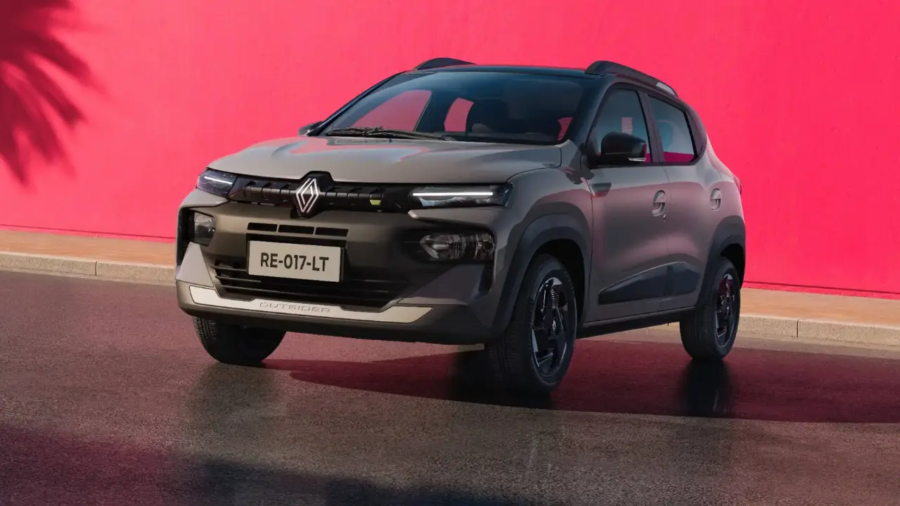
The new Renault Kwid Facelift will get a modern look with a sharper front end inspired by the Dacia Spring, Y-shaped LED DRLs, revised bumpers and new taillights, which will make it more SUV-like. The interior will use a larger 10-inch touchscreen infotainment system, new steering wheel, updated instrument cluster and better materials. Features will include wireless Android Auto/Apple CarPlay, 6 airbags as standard and other safety upgrades.

The powertrain will carry over the existing 1.0-litre naturally aspirated petrol engine with a 5-speed manual and AMT, which is adequate for city driving. The expected price is expected to be between ₹4.30 lakh to ₹5.88 lakh (ex-showroom), which will make it attractive in the segment.

Nissan Tekton

The Tecton will have a bold and muscular design inspired by the Nissan Patrol, which includes C-shaped LED lights, V-motion grille, rugged bumpers, high ground clearance and modern alloy wheels. The interior will look premium with a three-tone theme (blue, black, copper), with a large touchscreen, large AC vents and comfortable seating. The features are expected to include ventilated seats, advanced infotainment and safety systems.

Powertrain options will include 1.0L/1.3L turbo-petrol and possibly hybrid systems, available with manual and automatic gearboxes. Expected pricing to range between ₹11 lakh to ₹18-19 lakh (ex-showroom), which will provide a strong competitor in the mid-size SUV segment.

JSW MG PHEV

JSW MG's new PHEV SUV will be a 7-seater with a bold and upright design, with LED lights, modern profile and family-friendly styling. This is going to be best on Wuling Starlight 560. The interior will have a spacious cabin with two large screens, digital cluster, automatic climate control and premium materials. Features will include advanced connectivity, multiple drive modes and safety technology.

The powertrain will be a PHEV setup of 1.5-litre petrol engine + electric motor and 20.5 kWh battery, which will give 197 bhp power, 100+ km EV range and 1000+ KM total range. Expected pricing could start from ₹20 lakh onwards, taking on rivals like the XUV700/Safari.

Maruti Suzuki Brezza Facelift

The Brezza facelift will have a fresh look with a refreshed front grille, new headlamps, updated bumpers and wheels. The interior will have a larger 10.1-inch touchscreen, redesigned dashboard, better upholstery and ventilated seats. Features will include a 360-degree camera, larger infotainment, ADAS (possibly) and practical elements like underbody CNG.

The main attraction in the powertrain will be the new 1.0 liter turbo-petrol engine (100 PS) with 6-speed manual. Besides, the existing 1.5 liter engine and CNG option will also remain. Expected price will be around ₹8.5 lakh to ₹14-15 lakh (ex-showroom), making it a value champion in the segment.

Toyota Hilux

The new gen HiLex will have a sharper, angular and bold design language, which includes slim LED headlamps, vertical taillamps and 17-inch wheels. The interior will be quite modern. It will have dual 12.3-inch display, new steering, premium materials and lots of physical buttons.

Features will include ADAS, 360-camera, ventilated seats, OTA updates and advanced off-road systems. The powertrain will continue to be a 2.8 liter diesel engine (204 PS) with 6-speed MT/AT and 4WD, possibly with a mild-hybrid option. Expected pricing will be around ₹30-38 lakh (ex-showroom), making it a top choice in the premium pickup segment.

Source link

45% Indian homes unsafe for EV charging! The report revealed the dangers of fire and overload.

45% Indian homes unsafe for EV charging! The report revealed the dangers of fire and overload.

A new report has raised concerns amid the rapid pace of promotion of electric vehicles (EV) in India. According to the report, about 45 percent of the houses in the country need to improve the electricity infrastructure for safe EV charging. Despite home charging being the main method for EV users, many homes lack adequate electrical load, proper wiring and safety equipment. This can cause problems like fire, circuit overload and battery damage.

The report says that only 55 percent of potential EV buyers have charging facilities at home. In this report released by AEEE and Kazam, data from more than 80,000 residential charger installations has been analyzed. Along with the policy of EV adoption, it has been advised to take immediate steps to make homes EV-ready, so that the net-zero target can be achieved.

What about research?

The joint report 'The Net-Zero Transition Starts at Home: Enabling EV-Ready Residences in India' by AEEE and EV charging platform Kazam revealed that charging facilities are unevenly available in independent houses, apartments, settlements and rented houses in tier-1, tier-2 and tier-3 cities across the country. Many homes rely on outdated electrical systems, which are not suitable for EV charging.

potential risk

Unofficial charging from a normal socket, extension cable or shared connection can result in fire hazards, electrical faults, equipment problems, voltage fluctuations, wiring overheating and local power outages. This will reduce the reliability of charging and the EV battery may deteriorate quickly. This challenge is even more acute in older homes, apartment complexes and informal settlements, where there is a lack of parking and retrofit guidelines.

Recommendations and Solutions

The report sets minimum standards to make homes EV-ready. These include adequate permissible electrical load, dedicated charging circuit, compliant wiring and earthing, properly installed chargers, rated MCBs, earth-leakage protection and certified EV sub-meter. Also, emphasis has been laid on the need to create a national framework that integrates building codes, electric safety standards and EV charging guidelines. This will increase security and address concerns like cost of upgrades.

This report has come with the new EV policy of the Delhi government, which includes the decision to stop new registration of petrol-CNG three-wheelers from 2027 and petrol two-wheelers from 2028. EV-related electricity consumption is projected to increase from 0.2 percent in 2024 to nearly 6 percent by 2035. Therefore the infrastructure needs to be strong.

Source link

If you are planning to buy Tata Sierra EV, then know these 10 important things!

If you are planning to buy Tata Sierra EV, then know these 10 important things!

Tata Motors has launched Sierra EV in the Indian market after a long wait. This electric SUV is going to set a new benchmark in the Indian EV market, which combines the classic Sierra design with modern electric technology. Ex-showroom prices start at ₹18.79 lakh and go up to ₹25.99 lakh, making it a strong competitor among competitors like the Creta Electric, Mahindra BE 6 and the Harrier EV.

It is built on the Acti.ev+ platform and has 63 kWh and 75 kWh battery pack options available. The top variant has a dual-motor AWD (QWD) setup, which is perfect for off-roading. The ARAI-certified range is 565-665 km, while 500 km+ is easily expected in the real-world. Fast charging with 120 kW support goes from 20-80% in just 26 minutes.

This model is not only eco-friendly but also offers a complete package of luxury, technology, safety and performance. Features like three-screen dashboard, L2+ ADAS, 540° camera, panoramic sunroof and JBL sound system give it a premium feel. This launch by Tata has injected new energy into the EV segment, especially for those customers who want a stylish SUV but also want electric efficiency. Sierra EV's iconic 'Alpine Window' design and robust build quality make it a next-generation family SUV.

Design: Classic Meets Modern

The design of the Tata Sierra EV is quite similar to the ICE version, but the EV-specific updates make it unique. The upright and muscular look along with the single-piece LED DRL, split LED headlamps and blanked-off grille add premium appeal to the front. The side profile features the iconic Alpine Windows, flush door handles, thick wheel arches and 19-inch dual-tone alloy wheels. The rear has connected LED taillights, EV badging and dual-tone bumper.

Ground clearance is 205 mm, which is suitable for off-roading. Color options include Pristine White, Coorg Clouds, Andaman Adventure, Bengal Rouge, Pure Grey, Rishikesh Rapids and Nainital Nocturne (for QWD). The two-tone roof and piano black elements give it a premium look. Overall, the design is a perfect balance of nostalgia and futuristic EV aesthetics.

Interior: Combination of luxury and space

The cabin of the Sierra EV is similar to the ICE model, but looks more refined with a darker dual-tone theme and better materials. The highlight is the three-screen 'Horizon View' setup. It has 12.3-inch driver display, 12.3-inch central infotainment and 12.3-inch passenger display. Four-spoke steering, soundbar, panoramic sunroof (1525mm x 925mm – largest in the segment) and ventilated front seats (with memory function for driver) add to the luxury feel.

There is ample leg room (973 mm) and head room (996 mm) at the rear. Features include rear AC vents, Type-C charging, armrest and sunshade. Boot space is 622-633 litres, which increases to 1257 liters with foldable seats. The frunk (55 litres) provides additional storage. The material quality is high, although the touch climate control panel is prone to fingerprints. Overall, it is a comfortable and tech-loaded cabin for the family.

Features: Full of tech and convenience

The Sierra EV is packed with features. Infotainment includes wireless Android Auto/Apple CarPlay, iRA connected car tech, 5G connectivity, digital key and AirConsole gaming (by turning the smartphone into a controller). JBL 12-speaker sound system with Dolby Atmos gives a theater-like experience.

Other highlights include powered ventilated front seats, multi-colour HUD, 540° surround camera (with transparent view), auto-parking, V2L/V2V charging, ambient lighting and tire support extender. EV-specific features like Boost Mode, Terrain Modes (Normal, Snow/Grass, Mud/Ruts, Sand, Rock Crawl, Custom) and Ultra Glide suspension (with FDD) make it versatile. The entertainment level is much better with AirConsole and Arcade Suite with 30+ games.

Safety: Top-class protection

Tata has left no stone unturned in safety. 6 airbags are standard, along with ABS with EBD, ESP, ISOFIX, TPMS, hill descent control and 540° camera. Higher variants get L2+ ADAS (22+ features) like adaptive cruise control, automatic emergency braking, lane keep assist, blind spot monitoring and rear cross traffic alert.

Ground clearance and QWD setup enhance off-road safety. Tata has also shown a real-world crash demo. Bharat NCAP rating is expected soon, but considering the safety history of Tata's EV lineup, it may be of 5-star level.

Battery, Motor and Range

The Sierra EV has two battery pack options: 63 kWh (RWD only) and 75 kWh (RWD/AWD). 15 years lifetime battery warranty is applicable on both.

  • 63 kWh: 238 PS power, 315 Nm torque, 565 km range (MIDC).
  • 75 kWh RWD: 209 PS, 315 Nm, 665 km range.
  • 75 kWh AWD (QWD): Total 313 bhp (approx), 504 Nm torque
  • 0-100 kmph in just 5.8 seconds, 624 km range.

120 kW DC fast charging charges 20-80% in 26 minutes. Drive modes (Eco, City, Sport) and Boost function enhance performance on-demand. Real-world range is easily attainable at 500+ km, which is perfect for long drives. V2L/V2V increases practical use.

Price, Variants and Market Positioning

Variants: Pure 63 RWD (₹18.79L), Pure S (₹19.99L), Adventure (from ₹20.99L), Empowered (from ₹22.79L) and Empowered A (top ₹25.99L AWD). It has been positioned between Nexon EV and Harrier EV. It offers value for money with off-road capability, luxury features and range.

Tata Sierra EV is not just an EV but a lifestyle statement. It is perfect for those families who want adventure, comfort and sustainability. After the launch, deliveries are going to start soon and bookings are open. This can prove to be a game-changer in the Indian EV market.

Source link

What is the full form of BMW, TVS and MG? 90% people don't know

What is the full form of BMW, TVS and MG? 90% people don't know

Famous automobile companies are often known by their short names, due to which they easily become popular among the customers. The three big companies ruling the Indian and global automobile market – BMW, TVS and MG are also part of this strategy. We see the vehicles of these companies galloping on the road every day, but very few people know that there is a long and very interesting history hidden behind these short names.

For example, the full name of the German luxury car manufacturer BMW reflects its region of origin, while the name of India's famous two-wheeler company TVS is based on the name of its founder. At the same time, the name of MG, which is of British origin and has now become a global identity, is associated with a garage workshop of its initial period. Let us know in detail the full names of these big companies and their journey.

BMW (Bavarian Motor Works)

The full name of this German company, famous worldwide for luxury cars and sports bikes, is Bayerische Motoren Werke, which is called Bavarian Motor Works in English. It was started in the year 1916 and initially this company used to manufacture aircraft engines.

After the First World War, the company started manufacturing motorcycles and then cars. The word 'Bavarian' is derived from the German state of Bavaria, where it is headquartered (in Munich). Today, BMW remains the first choice of automobile enthusiasts around the world for its excellent engineering, speed and premium driving experience.

TVS (TV Sundaram Iyengar & Sons)

The full name of India's leading two-wheeler manufacturer TVS is named after its founder, who is TV Sundram Iyengar & Sons. Thirukurangudi Vengram Sundaram Iyengar laid the foundation of this business in 1911 with the first bus service of Madras in Madurai.

Initially this company used to work in transportation and automobile distribution, but later it started manufacturing vehicles itself. Today TVS Motor Company is the third largest two-wheeler company in India, which has made its mark on the global stage by manufacturing mopeds, excellent sports bikes like Apache and modern electric scooters.

MG (Morris Garages)

The full name of MG, which has created a stir in the Indian market with vehicles like Hector and Comet, is Morris Garages. This British car brand was started in Oxford in the year 1924 by Cecil Kimber. Actually, this name was inspired by its owner William Morris's sales and service center named 'Morris Garages', where he started modifying cars.

This company, famous for its two-door sports cars, went through many changes over time. It is currently owned by Chinese automotive giant SAIC Motor, which is advancing it in the field of modern technology and especially electric vehicles.

Source link

What is the difference between FWD, RWD, AWD and 4X4? Know what is better for you

What is the difference between FWD, RWD, AWD and 4X4? Know what is better for you

Today's cars come with various drive systems that transmit the engine's power to the wheels. It is important to understand the difference between Front Wheel Drive (FWD), Rear Wheel Drive (RWD), All Wheel Drive (AWD) and 4X4 (Four-Wheel Drive) while purchasing. These systems impact fuel efficiency, traction, handling and off-road capability.

By knowing which one works better on city roads, highways or in bad weather, you can choose the right option as per your need. FWD is generally economical, while 4X4 is strong for speed and off-road. Choosing the right drive system makes a big difference in safety, comfort and performance. Let us know what is the difference between them and which one will be better for you?

Front Wheel Drive (FWD)

In front wheel drive, engine power is supplied only to the front two wheels. This is the most common and cheapest system found in most sedans, hatchbacks and small cars. Benefits include better fuel efficiency, lower weight and good grip in snowy or wet weather as the weight of the engine is at the front. However, there can be understeer in sharp turns and performance suffers under heavy loads. This is the most practical option for city driving and everyday use.

Rear Wheel Drive (RWD)

In rear wheel drive the power goes to the rear wheels. It is quite popular among sports cars, luxury sedans and big cars. It gives better balance and acceleration. Handling while cornering is excellent and the weight distribution of the vehicle is correct. The disadvantage is that traction may be reduced on wet or icy roads and it is a bit expensive to repair. RWD is perfect for long drives and performance lovers, but may seem less efficient for daily city use.

All Wheel Drive (AWD)

In all wheel drive, power is given to all four wheels when needed. This can be full-time or on-demand. Common in SUVs and crossovers, it provides excellent traction in all weather conditions. It works in one pace in rain, snow or light off-road. It is safer than FWD and RWD, but its fuel consumption is slightly higher. Modern AWD systems are computer-controlled, providing smooth performance. This is a great option for families and areas with different climates.

4X4 (Four-Wheel Drive)

4X4 or four-wheel drive is primarily designed for off-road use. In this, the driver can give power to all the wheels manually or automatically and low-range gear is used. This drivetrain is found in SUVs, pickups and adventure vehicles. It is great on bad roads, mud, sand or hilly areas. Heavy weight, low fuel efficiency and expensive maintenance limit its demand. This is best for off-road lovers.

Our advice: The right drive system for you depends on your needs. FWD is economical and adequate for city and highway use. If you like sporty driving then choose RWD. AWD is most practical with different climates and families. 4X4 is essential for off-roading or heavy duty work. While buying, keep in mind the weather of your area, budget and driving style.

Source link

फोर्ड ने ट्रांसमिशन खराबी, ब्रोंको मुद्दे पर अमेरिका में 7.7 लाख से अधिक वाहन वापस मंगाए

फोर्ड ने ट्रांसमिशन खराबी, ब्रोंको मुद्दे पर अमेरिका में 7.7 लाख से अधिक वाहन वापस मंगाए


<p>रिकॉल में चुनिंदा 2018-2021 नेविगेटर, एक्सपीडिशन, एक्सप्लोरर, एविएटर और 2021 एफ-150 शामिल हैं।</p>
<p>“/><figcaption class=रिकॉल में चुनिंदा 2018-2021 नेविगेटर, एक्सपीडिशन, एक्सप्लोरर, एविएटर और 2021 एफ-150 शामिल हैं।

फोर्ड अमेरिका में 741,195 वाहनों को वापस बुला रही है ट्रांसमिशन दोष अमेरिकी राष्ट्रीय राजमार्ग यातायात सुरक्षा प्रशासन ने मंगलवार को कहा कि यह पार्क प्रणाली को नुकसान पहुंचा सकता है, जिसके परिणामस्वरूप वाहन लुढ़क सकते हैं।

नियामक ने कहा कि रिकॉल कुछ 2018-2021 नेविगेटर, एक्सपीडिशन, 2020-2021 एक्सप्लोरर, लिंकन एविएटर और 2021 एफ-150 वाहनों को प्रभावित करता है।

एनएचटीएसए के अनुसार, डीलर सॉफ्टवेयर को अपडेट करेंगे, और किसी भी क्षतिग्रस्त ट्रांसमिशन घटक का निरीक्षण करेंगे और उसे बिना किसी शुल्क के बदल देंगे।

एनएचटीएसए के अनुसार, फोर्ड अमेरिका में अपने ब्रोंको मॉडल के 36,046 वाहनों को भी अनुचित तरीके से सुरक्षित फेंडर फ्लेयर्स के कारण वापस बुला रही है, जो वाहन से अलग हो सकते हैं, सड़क के लिए खतरा बन सकते हैं और दुर्घटना का खतरा बढ़ सकता है।

फेंडर फ़्लेयर टायरों के ऊपर घुमावदार एक्सटेंशन होते हैं जो वाहन के पहिया मेहराब के चारों ओर फिट होते हैं।

एनएचटीएसए ने कहा, डीलर रिकॉल उपाय के हिस्से के रूप में नि:शुल्क निरीक्षण और मरम्मत करेंगे, या आवश्यकतानुसार फेंडर फ्लेयर्स को बदल देंगे।

  • 30 जून, 2026 को 02:09 अपराह्न IST पर प्रकाशित


2M+ उद्योग पेशेवरों के समुदाय में शामिल हों।

अपने इनबॉक्स में नवीनतम जानकारी और विश्लेषण प्राप्त करने के लिए न्यूज़लेटर की सदस्यता लें।

ETAuto उद्योग के बारे में सब कुछ सीधे आपके स्मार्टफोन पर!


Source link

महिंद्रा XUV 7XO बनाम टाटा हैरियर पेट्रोल AT: वास्तविक विश्व माइलेज की तुलना – परिचय | ऑटोकार इंडिया

महिंद्रा XUV 7XO बनाम टाटा हैरियर पेट्रोल AT: वास्तविक विश्व माइलेज की तुलना – परिचय | ऑटोकार इंडिया

जबकि पेट्रोल-स्वचालित विकल्प हाल ही में पेश किया गया है टाटा हैरियरमहिंद्रा XUV 7XO पिछले कुछ समय से इसके पेट्रोल संस्करण उपलब्ध हैं। 7XO के टर्बो-पेट्रोल इंजन को mStallion के नाम से जाना जाता है, जबकि हैरियर के टर्बो-पेट्रोल इंजन को हाइपरियन कहा जाता है। XUV 7XO के विपरीत, जिसमें छह या सात लोग बैठ सकते हैं, हैरियर टर्बो-पेट्रोल केवल पांच लोगों के बैठने की सुविधा के साथ उपलब्ध है। इन दोनों एसयूवी में बेस ट्रिम को छोड़कर सभी में ऑटोमैटिक ट्रांसमिशन (एटी) उपलब्ध है। तो, इनमें से कौन सी पेट्रोल-स्वचालित एसयूवी ईंधन अर्थव्यवस्था के मामले में बेहतर है?

हमारे यहां पूर्ण विशिष्टताएं, विशेषताएं और कीमत विवरण देखें XUV 7XO बनाम हैरियर तुलना।

महिंद्रा XUV 7XO बनाम टाटा हैरियर टर्बो-पेट्रोल AT: विशिष्टताएँ

जब आउटपुट की बात आती है तो बड़े इंजन वाली XUV 7XO स्पष्ट रूप से आगे रहती है

महिंद्रा XUV 7XO बनाम टाटा हैरियर टर्बो-पेट्रोल AT: विशिष्टताएँ

महिंद्रा XUV 7XO

टाटा हैरियर

इंजन

4 सिलेंडर, पेट्रोल

4 सिलेंडर, पेट्रोल

विस्थापन (सीसी)

1997

1498

पावर (एचपी)

203 (5,000आरपीएम)

170 (5,000आरपीएम)

टोक़ (एनएम)

380 (1,750-3,000आरपीएम)

280 (1,750-3,500आरपीएम)

GearBox

6-स्पीड स्वचालित

6-स्पीड स्वचालित

ईंधन टैंक (लीटर)

60

50

XUV 7XO को पावर देने वाला पेट्रोल इंजन एक टर्बोचार्ज्ड डायरेक्ट इंजेक्शन यूनिट है जो 33hp का उत्पादन करता है और हैरियर बोनट के तहत इंजन की तुलना में 100Nm अधिक है। जिसके बारे में बात करते हुए, हैरियर के पेट्रोल इंजन में भी इसकी तरह चार सिलेंडर, एक टर्बोचार्जर और डायरेक्ट इंजेक्शन की सुविधा है महिंद्रा प्रतिद्वंद्वी। हालाँकि, यह XUV 7XO के इंजन डिस्प्लेसमेंट से 499cc कम है। ईंधन क्षमता के संदर्भ में, टाटा प्रतिद्वंद्वी के पास बड़ा टैंक है।

महिंद्रा XUV 7XO बनाम टाटा हैरियर टर्बो-पेट्रोल AT: वास्तविक दुनिया की ईंधन दक्षता

शहर में XUV 7XO का माइलेज हैरियर से बेहतर है, लेकिन हाईवे पर यह बदलाव

महिंद्रा XUV 7XO बनाम टाटा हैरियर टर्बो-पेट्रोल AT: वास्तविक दुनिया का माइलेज

महिंद्रा XUV 7XO

टाटा हैरियर

परीक्षण किया गया शहर का माइलेज (केपीएल)

7.60

6.17

परीक्षण किया गया राजमार्ग माइलेज (केपीएल)

9.80

12.49

परीक्षण किया गया औसत माइलेज (केपीएल)

8.70

9.33

इन दोनों के परीक्षण के दौरान, XUV 7XO टर्बो-पेट्रोल AT ने शहर में हैरियर टर्बो-पेट्रोल AT की तुलना में 1.43kpl बेहतर हासिल किया। राजमार्ग पर, बाद वाला अधिक किफायती था, टाटा एसयूवी की तुलना में 2.69kpl अधिक रिटर्न देता था। ऐसा इसलिए है क्योंकि मध्यम थ्रॉटल इनपुट या ओवरटेकिंग पैंतरेबाज़ी XUV 7XO की ईंधन अर्थव्यवस्था को बुरी तरह प्रभावित करती है।

हैरियर टर्बो-पेट्रोल एटी में मदद करने वाले कुछ कारक इसका छोटी क्षमता वाला इंजन और इको मोड का समावेश है – बाद वाला XUV 7XO में अनुपस्थित है। हालाँकि, महिंद्रा एसयूवी में एक स्वचालित इंजन स्टॉप-स्टार्ट सिस्टम है, जो शहर में इसकी उच्च ईंधन दक्षता को समझाने में मदद करता है। ऐसा कहने के बाद, टाटा हैरियर टर्बो-पेट्रोल एटी औसत माइलेज के मामले में 0.63kpl के मामूली अंतर से आगे है।

महिंद्रा XUV 7XO बनाम टाटा हैरियर टर्बो-पेट्रोल AT: कीमतें

महिंद्रा XUV 7XO बनाम टाटा हैरियर टर्बो-पेट्रोल AT: कीमतें

महिंद्रा XUV 7XO

टाटा हैरियर

मूल्य सीमा (रु., लाख)

17.47-23.64

17.53-24.14

ऑटोमैटिक गियरबॉक्स के साथ महिंद्रा XUV 7XO टर्बो-पेट्रोल के 7 ट्रिम लेवल हैं। यहां सबसे किफायती वेरिएंट की कीमत इसके टाटा हैरियर टर्बो-पेट्रोल ऑटोमैटिक समकक्ष से 7,000 रुपये कम है। इसी तरह, XUV 7XO के फुली लोडेड टर्बो-पेट्रोल AT वेरिएंट की कीमत टॉप-स्पेक हैरियर टर्बो-पेट्रोल AT से 50,000 रुपये कम है।

ऑटोकार इंडिया की ईंधन दक्षता परीक्षण

हमारे वास्तविक दुनिया के ईंधन दक्षता परीक्षणों से पहले, हम अपनी परीक्षण कारों के टैंकों को पूरी तरह भरते हैं और निर्माता की सिफारिशों के आधार पर टायर के दबाव को बनाए रखते हैं। ये कारें नवी मुंबई और उसके आसपास निश्चित शहर और राजमार्ग लूप में चलती हैं, और हम कुछ औसत गति बनाए रखते हैं। पूरे परीक्षण के दौरान, प्रत्येक कार में केवल एक ही व्यक्ति होता है, जो आवश्यकता पड़ने पर एयर कंडीशनर और अन्य इलेक्ट्रिकल्स, जैसे ऑडियो सिस्टम, संकेतक और वाइपर को चलाता है, बिल्कुल एक नियमित उपयोगकर्ता की तरह। आवधिक ड्राइवर स्वैप ड्राइवर पैटर्न में भिन्नता को और अधिक बेअसर कर देता है। प्रत्येक चक्र के अंत में, हम टैंकों को फिर से पूरा भरकर दक्षता की गणना करते हैं।

कीमतें एक्स-शोरूम, भारत हैं।


Source link

Monsoon Alert! Check these 5 things in your EV before it starts raining

Monsoon Alert! Check these 5 things in your EV before it starts raining

Monsoon season is coming and in such a situation it is important to keep your electric car ready. Heavy rain, waterlogging, humidity and wet roads can pose a challenge to the battery, motor, charging system and electronic parts of the EV. But there is no need to panic. With a little care and proper preparation, you can drive your car safely, full of performance and for a long time even in monsoon.

Pre-monsoon checkup not only prevents breakdowns and costly repairs, but also makes your driving comfortable and safe. Whether you go to office every day or go out for a walk on the weekend, by adopting these easy tips you can enjoy the rains without any tension. In this article, we have brought for you the 5 most important and practical tips, which every EV owner must follow.

1. Checking the Battery and Charging System

Get your battery health checked before monsoon. Water and moisture can affect the battery terminals. Keep the charging port and cable clean, look for any cracks or looseness. If the car has to be parked in water, keep the battery between 20-80%. Avoid overcharging and check the waterproofing of the charger installed at home. Get regular software updates that improve battery management.

2. Tire and brake system care

Roads are slippery during monsoon. The tread depth of tires should be at least 4mm. Keep the air pressure correct because low pressure on wet roads can cause loss of control. Get brake pads, discs and fluid checked. Test the regenerative braking system. There is less possibility of brake damage in EV, but it is necessary to check once during monsoon.

3. Waterproofing and sealing

Check the rubber seals of the door, boot and charging port of the car. There should not be any cracks. Get professional undersealing done to prevent water from entering the underbody and motor space. Do not drive the car excessively in areas with high water level. If there is a danger of getting stuck in water, drive in emergency mode.

4. Wipers, Lights and Electrical System

Replace wiper blades if they are old. Check headlights, taillights and indicators thoroughly. Water getting inside may cause short circuit. Test AC and defogger system as there is more fog in monsoon. Keep all fuses and wiring connections intact.

5. Cleaning, Storage and Emergency Preparation

Clean the car thoroughly, especially around the battery pack. Use drying agents that absorb moisture. Keep the battery at 50% charge when parked for a long time. Keep torch, first aid, charging cable and tow rope in your emergency kit. If possible, get a full inspection done from an EV service center.

By adopting these tips, you can drive your electric car safely and efficiently even in monsoon. Regular maintenance extends the life of the EV and makes driving fun.

Source link

The people of Delhi are crazy! You will get benefit of up to ₹ 1 lakh on buying a new car

The people of Delhi are crazy! You will get benefit of up to ₹ 1 lakh on buying a new car

Last Updated:

The draft of Delhi Government's new EV Policy 2026-30 has brought many big benefits for the common people. Proposals like subsidy of up to ₹ 30,000 on electric two-wheelers, scrapping incentive of ₹ 1 lakh on four-wheelers and 100% exemption in road tax are under discussion. Along with this, major rules which will be implemented from 2027 and 2028 have also come to the fore. Know what effect this new policy will have on you.

news immediately

Zoom

Know what has been offered in the new EV policy.

Delhi government has released the draft of the new EV Policy 2026-30 to reduce pollution and promote electric vehicles. Under this policy, electric two-wheeler buyers will get Rs 30,000 subsidy in the first year, three-wheeler buyers will get Rs 50,000 subsidy. Also, scrapping incentive of Rs 1 lakh will be given to BS-IV four-wheeler owners.

According to the policy, only electric autos will be registered from January 2027 and only electric two-wheelers will be new registered from April 2028. This policy is a big step towards improving the air quality of Delhi and reducing vehicle pollution (which causes about 23% of pollution in the capital).

Push EV Cell

The government aims to increase the share of EVs in new vehicles and to phase out old polluting vehicles. Subsidy will be given through Direct Benefit Transfer (DBT). The buyer should be a resident of Delhi and the vehicle should be registered in Delhi only. You will also get 100% rebate in road tax and registration fees on purchasing EV (on EVs up to Rs 30 lakh, till March 2030).

How much subsidy on two-wheeler?

The subsidy for two-wheelers has been decided on the basis of battery capacity (kWh). Rs 10,000 per kWh in the first year, maximum Rs 30,000. This will be limited to Rs 20,000 in the second year and Rs 10,000 in the third year. For three-wheeler (L5M), subsidy of Rs 50,000 (first year), Rs 40,000 (second) and Rs 30,000 (third year) will be available. There will be huge incentives for electric goods vehicles also.

Scraping incentive will also be available

Scrapping incentive will be available on scrapping old BS-IV or older Delhi registered vehicles and purchasing a new EV. Rs 10,000 on two-wheeler, Rs 25,000 on three-wheeler, Rs 1 lakh on four-wheeler and up to Rs 50,000 on goods vehicle. A new EV will have to be purchased within six months of scrapping. This model will encourage the adoption of EV along with the removal of old vehicles.

The policy also includes expansion of charging infrastructure, swappable battery stations, financing facilities and single window clearance. The target of 30% EV fleet in school buses has been set by 2030. The government estimates that this will lead to a major reduction in vehicle pollution and Delhi will move towards clean air.

who said what?

Rekha Gupta, Chief Minister

  • Cabinet approves new EV policy.
  • After the approval of LG, it will be implemented from July 1, 2026.
  • The policy will remain effective till 31 March 2030.
  • About ₹7,000 crore will be spent on the policy.
  • Exemption in road tax and registration fee on pure EV.
  • No subsidy to hybrid vehicles.
  • No cap on EV purchase, benefits even on more than one vehicle.

Niharika, Transport Commissioner

  • Incentives up to ₹30,000 on two-wheelers, ₹50,000 on autos and up to ₹1 lakh on N1 e-trucks.
  • Additional incentive on scrapping of old vehicles.
  • From January 1, 2027, new three-wheelers and N1 trucks will be registered only as EVs.
  • From April 1, 2028, new two-wheelers will be registered only as EVs.
  • 23,000 EV charging points will be installed during the policy period.
  • The school bus fleet will be converted to EV in a phased manner.
  • The focus of the policy is to reduce pollution caused by commercial vehicles.

Ashish Sood, Electricity Minister

  • As EVs increase, power infrastructure will be expanded.

Dr. Pankaj Singh, Transport Minister

  • The interests of Delhiites have been fully taken care of in the EV policy.
  • Appeal to people to adopt EV policy.

Manjinder Singh Sirsa, Environment Minister

  • The new EV policy will be a big step towards reducing pollution.
  • The policy has been prepared on the basis of scientific studies.
  • The policy is expected to significantly reduce Delhi's pollution levels.

About the Author

authoring

Ram Mohan MishraSenior Sub Editor

Ram Mohan Mishra, working as Senior Sub-Editor at News18 Hindi, is active in digital media since 2021 and is currently handling the Auto Desk. They provide car and bike related information in an easy, clear and reliable manner.read more


Source link

भारत ने कनेक्टेड वाहनों के लिए साइबर सुरक्षा नियमों का मसौदा तैयार किया – परिचय | ऑटोकार इंडिया

भारत ने कनेक्टेड वाहनों के लिए साइबर सुरक्षा नियमों का मसौदा तैयार किया – परिचय | ऑटोकार इंडिया


सड़क परिवहन और राजमार्ग मंत्रालय (MoRTH) ने मसौदा नियम प्रकाशित किए हैं, जो पहली बार, भारत में मोटर वाहनों की कुछ श्रेणियों के लिए साइबर सुरक्षा और सॉफ़्टवेयर-अपडेट प्रबंधन को अनिवार्य बनाएंगे। प्रस्तावित नियम केंद्रीय मोटर वाहन नियम, 1989 के तहत दो नए प्रावधान पेश करते हैं, और अंतिम रूप दिए जाने से पहले 30 दिनों के लिए सार्वजनिक टिप्पणियों के लिए खुले हैं।

  1. नए नियम अनिवार्य साइबर सुरक्षा और सॉफ़्टवेयर-अद्यतन मानक पेश करते हैं
  2. नए मानक तब तक लागू रहेंगे जब तक बीआईएस अपने स्वयं के मानदंड जारी नहीं कर देता
  3. भारत यूरोपीय संघ, जापान और दक्षिण कोरिया में अपनाए जाने वाले वाहन नियमों के अनुरूप है

नए साइबर सुरक्षा और सॉफ़्टवेयर-अद्यतन नियम प्रस्तावित

मसौदा अधिसूचना में केंद्रीय मोटर वाहन नियम, 1989 में नियम 125-टी और 125-यू जोड़ने का प्रस्ताव है। नियम 125-टी वाहन साइबर सुरक्षा को कवर करता है और पात्र वाहनों को भारत के साइबर सुरक्षा मानक एआईएस-189 का अनुपालन करने की आवश्यकता होती है, जबकि नियम 125-यू सॉफ्टवेयर अपडेट के लिए एआईएस-190 के अनुपालन को अनिवार्य करता है। दोनों मानक तब तक लागू रहेंगे जब तक भारतीय मानक ब्यूरो (बीआईएस) अपने स्वयं के विनिर्देश जारी नहीं कर देता, जिसके बाद ये मानक अपना लेंगे।

साइबर सुरक्षा नियम कम से कम एक इलेक्ट्रॉनिक नियंत्रण इकाई (ईसीयू) से लैस यात्री वाहनों, वाणिज्यिक वाहनों और ट्रैक्टरों के साथ-साथ लेवल 3 या उच्चतर स्वचालित ड्राइविंग क्षमता वाले क्वाड्रिसाइकिल पर भी लागू होंगे। सॉफ़्टवेयर-अद्यतन आवश्यकताओं में यात्री वाहनों, वाणिज्यिक वाहनों, ट्रेलरों और अर्ध-ट्रेलरों सहित वाहनों की एक विस्तृत श्रृंखला शामिल होगी।

रोलआउट 2029 तक चरणबद्ध किया जाएगा

नियमों को एक साथ सभी वाहनों पर लागू करने के बजाय, MoRTH ने जोखिम जोखिम के आधार पर चरणबद्ध रोलआउट का प्रस्ताव दिया है। लेवल 3 या उच्चतर स्वचालित ड्राइविंग सिस्टम वाले वाहन अनुपालन करने वाले पहले वाहन होंगे, नए मॉडलों के लिए अक्टूबर 2026 और मौजूदा मॉडलों के लिए अप्रैल 2027 से समय सीमा शुरू होगी। ओवर-द-एयर (OTA) सॉफ़्टवेयर अपडेट प्राप्त करने में सक्षम वाहन अप्रैल और अक्टूबर 2028 के बीच लागू होंगे, जबकि सॉफ़्टवेयर-अपडेट क्षमता वाले अन्य सभी वाहन अक्टूबर 2029 से नियमों के अंतर्गत आएंगे।

भारत वैश्विक नियमों के करीब पहुंच गया है

मसौदा अधिसूचना के अनुसार, प्रस्तावित नियम भारत को यूरोपीय संघ, जापान और दक्षिण कोरिया जैसे बाजारों में पहले से अपनाए गए संयुक्त राष्ट्र नियामक ढांचे के साथ जोड़ते हैं, जहां वाहन प्रकार के अनुमोदन के लिए साइबर सुरक्षा और सॉफ्टवेयर-अपडेट प्रबंधन अनिवार्य आवश्यकताएं हैं।


Source link

Are cars sold without AC in UK? Indian man's viral post shocked everyone!

Are cars sold without AC in UK? Indian man's viral post shocked everyone!

Last Updated:

An Indian man living in UK found out after three months of purchasing his new car that it did not have AC. This problem, which came to light during the 33°C heatwave, surprised people on social media. After all, why are cars sold without AC in the UK and what things should be kept in mind while buying a car? Know the complete story of this viral case.

news immediately

Zoom

Cars are still sold without AC in the UK.

An Indian man living in the United Kingdom (UK) shared a unique problem related to his recently purchased car on social media, which became a topic of discussion. During the current heatwave, he discovered that the car he had bought three months ago had no air conditioning (AC). When he tried to turn on the AC, there was no cooling. He told that there is no space to fit AC in his car.

Expressing surprise, he said that in India even old cars like Maruti 800 used to come with AC, but here this facility is missing in the basic model. This incident reflects the realities of the UK auto market, where many vehicles are sold without AC keeping in mind the cold weather. Amidst the increasing heat, it has become very difficult for the people there to travel in this type of vehicle.

Bad condition in 33 degrees!

According to HT report, Mukul Sharma lives in UK. He recently bought a car, but did not confirm whether it had AC or not while checking the specifications. The problem came to light when the temperature rose during the heatwave. Sharma told that there is no provision for installing AC in the car because no space was left in the factory design. He posted on social media and wrote, '45 degrees Delhi seems different, but here even 33 degrees is difficult because buildings and cars are not ready for the heat.'

UK auto market highlights

The UK has a cold climate most of the time, so many car models (especially base and mid variants) are offered without AC. In old generation cars, AC is optional or is completely missing. Mukul's car probably also belongs to this category. Even among modern cars in the UK market, some old stock is sold without AC. Local dealerships advise customers to choose the variant according to the climate, but due to the cold weather, most of the customers ignore this feature.

important tip

Always check full specifications while buying a car. Pay special attention to AC, heater, insulation and climate control system. In countries like the UK, the demand for AC-fitted variants is increasing as the summer heat increases, but retrofitting is difficult in older cars. While buying, try all the features during test drive and also take everything in writing from the dealer.

social media reaction

When the post went viral, there were both jokes and advice in the comments. Many Indian users wrote, 'Maruti 800 had AC, not here?' Some suggested that research is necessary before choosing the cheaper variant. In the current era of global warming and climate change, features like AC and ventilated seats have become very useful.

About the Author

authoring

Ram Mohan MishraSenior Sub Editor

Ram Mohan Mishra, working as Senior Sub-Editor at News18 Hindi, is active in digital media since 2021 and is currently handling the Auto Desk. They provide car and bike related information in an easy, clear and reliable manner.read more


Source link